An independent Canadian knowledge project

Focused and Verified

Canadian knowledge base

Search by keyword

Choose one keyword, or combine two. Broader keywords include their descendants.

Keywords: 2000–2099

Clear search
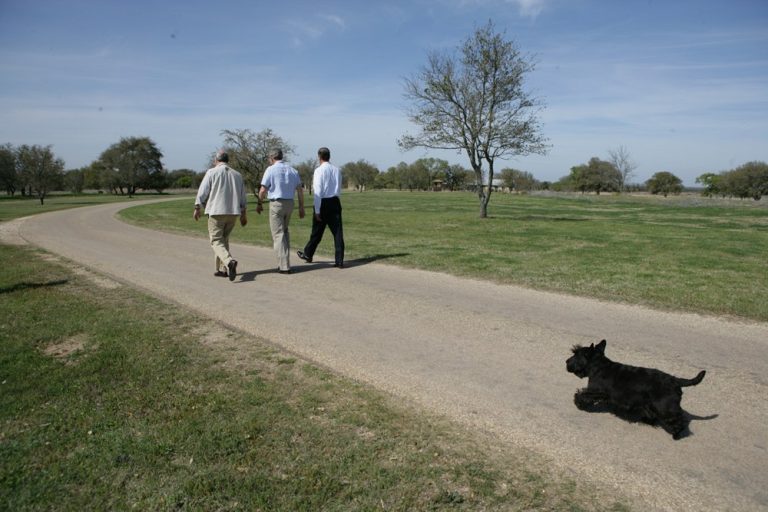
George W. Bush walks with Paul Martin and Vicente Fox in Crawford, Texas, March 23, 2005.
CA-K1075History

Paul Martin meets George W. Bush in Texas, 2005

On March 23, 2005, Prime Minister Paul Martin met President George W. Bush in Crawford and Waco, Texas.

Factual accuracy review: No recorded challenge

Contributor: Citizen.ca

Verified against cited sourcesVerified on 2026-10-27↗
Photo: Series: Photographs Related to the George W. Bush Administration, 1/20/2001 - 1/20/2009 Collection: Records of the White House Photo Office (George W. Bush Administration), 1/20/2001 - 1/20/2009 · Photo licence: Public domain · Credit & context

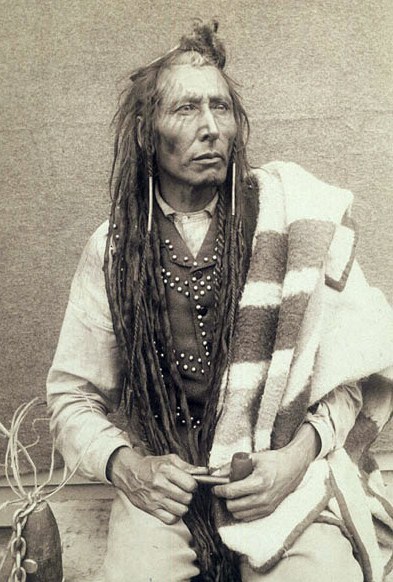
Pitikwahanapiwiyin (Poundmaker), 1885 (O.B. Buell).
CA-K887Indigenous peoples & reconciliation

Pitikwahanapiwiyin (Poundmaker), nehiyaw chief

Pitikwahanapiwiyin (Poundmaker), a nehiyaw (Plains Cree) chief and spokesman, sought better terms for his people and pressed Canada to honour Treaty 6. In 1885 he was drawn into the North-West Resistance when Lieutenant-Colonel Otter’s troops attacked his peaceful camp near Cut Knife Hill. Though he worked to prevent bloodshed and surrendered on May 26, he was imprisoned; he died soon after release and was exonerated in 2019.

Factual accuracy review: No recorded challenge

Contributor: Citizen.ca

Verified against cited sourcesVerified on 2026-10-26↗
Photo: Prof. Buell, O.B. · Photo licence: Public domain · Credit & context
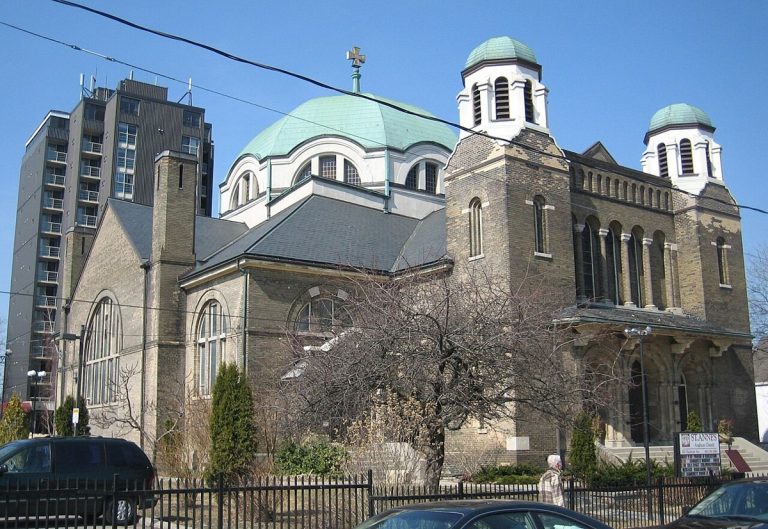
St. Anne’s Anglican Church in Toronto, photographed in 2009, before the fire that destroyed the historic building in June 2024.
CA-K378Culture & sport

St. Anne’s Church and its Group of Seven murals

St. Anne’s Anglican Church in Toronto was built in 1907–1908 in the Byzantine Revival style. Its 1923 murals included work by J. E. H. MacDonald, Frederick Varley and Franklin Carmichael of the Group of Seven. A fire destroyed the historic church building and its irreplaceable artwork on 9 June 2024.

Factual accuracy review: No recorded challenge

Contributor: Citizen.ca

Verified against cited sourcesVerified on 2026-10-26↗
Photo: SimonP · Photo licence: CC BY-SA 3.0 · Credit & context
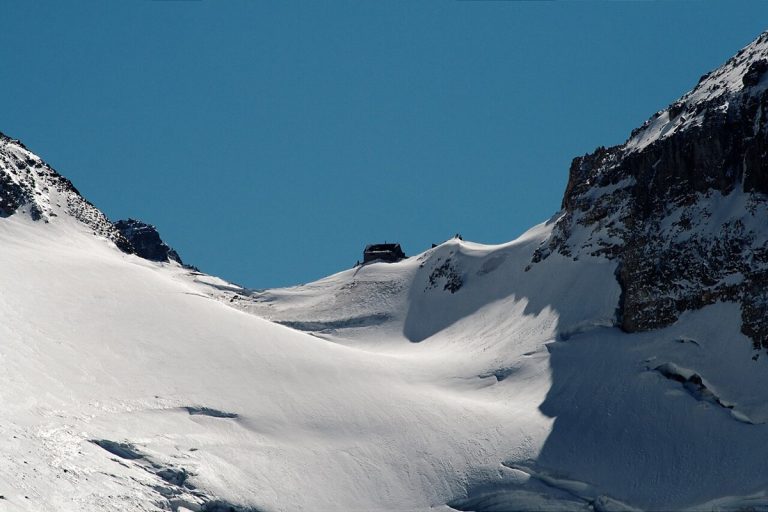
Abbot Pass and the refuge hut, seen from the Alberta side in 2010, before its demolition.
CA-K361Places & geography

The Abbot Pass Refuge Cabin, lost to erosion

The rustic stone Abbot Pass Refuge Cabin, built by the Canadian Pacific Railway in 1922 high in the Rockies between Mount Lefroy and Mount Victoria, sheltered hikers and mountaineers from 1923 until 2018. Erosion of the slope, accelerated by climate change, made the hut unstable and forced its demolition in 2022.

Factual accuracy review: No recorded challenge

Contributor: Citizen.ca

Verified against cited sourcesVerified on 2026-10-26↗
Photo: Florin Chelaru · Photo licence: CC BY 2.0 · Credit & context
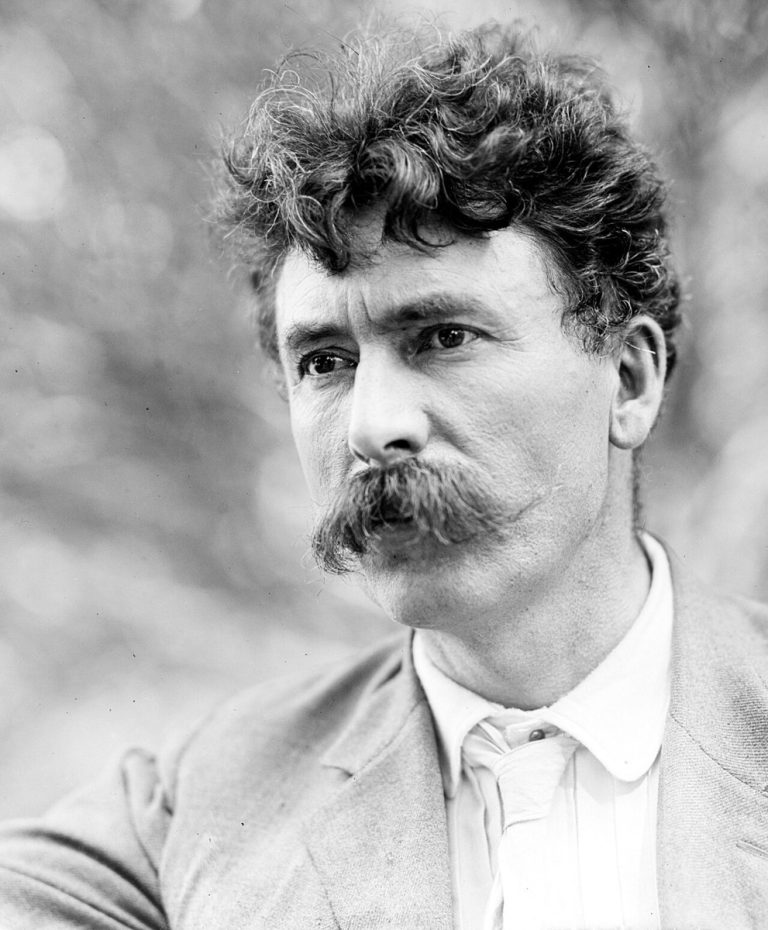
Ernest Thompson Seton (Bain News Service photograph).
CA-K266Culture & sport

Ernest Thompson Seton, naturalist and writer

Ernest Thompson Seton (1860–1946), largely self-taught, made major contributions as a naturalist, ornithologist, conservationist and wildlife artist, and his bestselling realistic animal stories developed a distinctive Canadian genre. His “Woodcraft Indians” youth program influenced the Boy Scout movement and summer camps but, as Parks Canada’s 2022 review notes, also contributed to inaccurate stereotypes of First Nations.

Factual accuracy review: No recorded challenge

Contributor: Citizen.ca

Verified against cited sourcesVerified on 2026-10-26↗
Photo: Bain News Service · Photo licence: Public domain · Credit & context
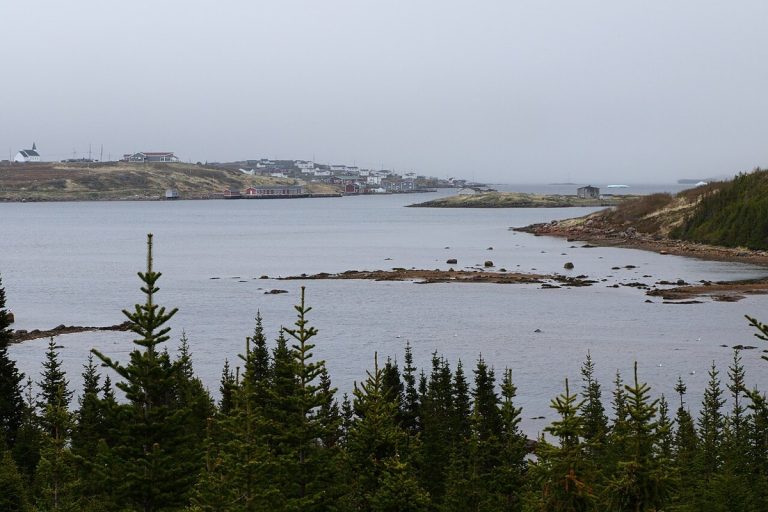
Red Bay, Newfoundland and Labrador, photographed in 2017.
CA-K241History

Red Bay, a 16th-century Basque whaling station

From the 1540s to the early 1600s, up to 2,000 Basque men and boys sailed each year from southern France and northern Spain to the Strait of Belle Isle to hunt right whales and render their blubber into oil for European markets. Red Bay, Labrador, a UNESCO World Heritage Site since 2013, is the most extensive and best-preserved whaling station of its kind.

Factual accuracy review: No recorded challenge

Contributor: Citizen.ca

Verified against cited sourcesVerified on 2026-10-26↗
Photo: Cephas · Photo licence: CC BY-SA 4.0 · Credit & context
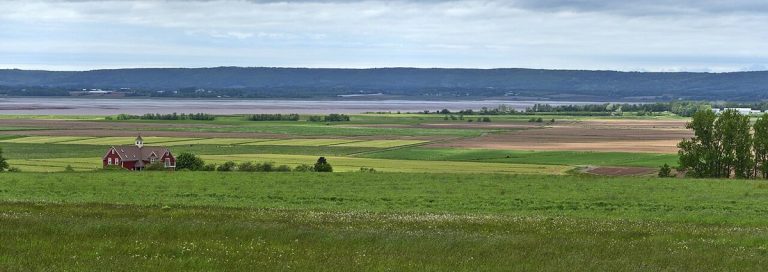
The Landscape of Grand Pré World Heritage Site, Nova Scotia, photographed in 2018.
CA-K240History

The Landscape of Grand Pré and its Acadian dykelands

The Landscape of Grand Pré in Nova Scotia, a UNESCO World Heritage Site since 2012, bears exceptional testimony to a farming settlement the Acadians created in the 17th century beside some of the world’s highest tides. They reclaimed land from the sea with dykes, aboiteaux and drainage, under a community-based management system still in use today.

Factual accuracy review: No recorded challenge

Contributor: Citizen.ca

Verified against cited sourcesVerified on 2026-10-26↗
Photo: Mykola Swarnyk · Photo licence: CC BY-SA 3.0 · Credit & context
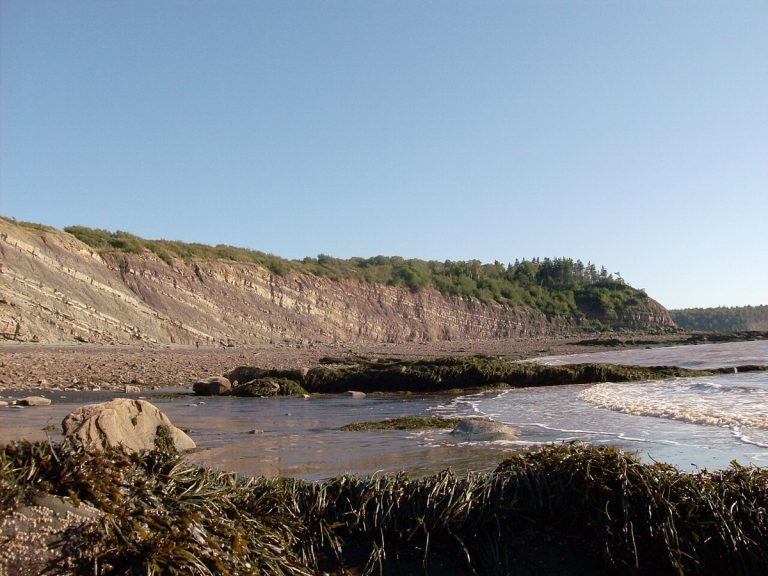
The Joggins Fossil Cliffs near Joggins, Nova Scotia, photographed in 2010.
CA-K239Places & geography

Joggins Fossil Cliffs, the “Coal Age Galápagos”

About 300 million years ago, the eastern shore of Chignecto Bay, on the Bay of Fundy, was a tropical wetland forest near the equator. The Joggins Fossil Cliffs in Nova Scotia, a UNESCO World Heritage Site since 2008, hold the best and most complete known fossil record of land life in the “Coal Age,” including the first reptiles in Earth’s history.

Factual accuracy review: No recorded challenge

Contributor: Citizen.ca

Verified against cited sourcesVerified on 2026-10-26↗
Photo: Gorob · Photo licence: CC BY-SA 3.0 · Credit & context
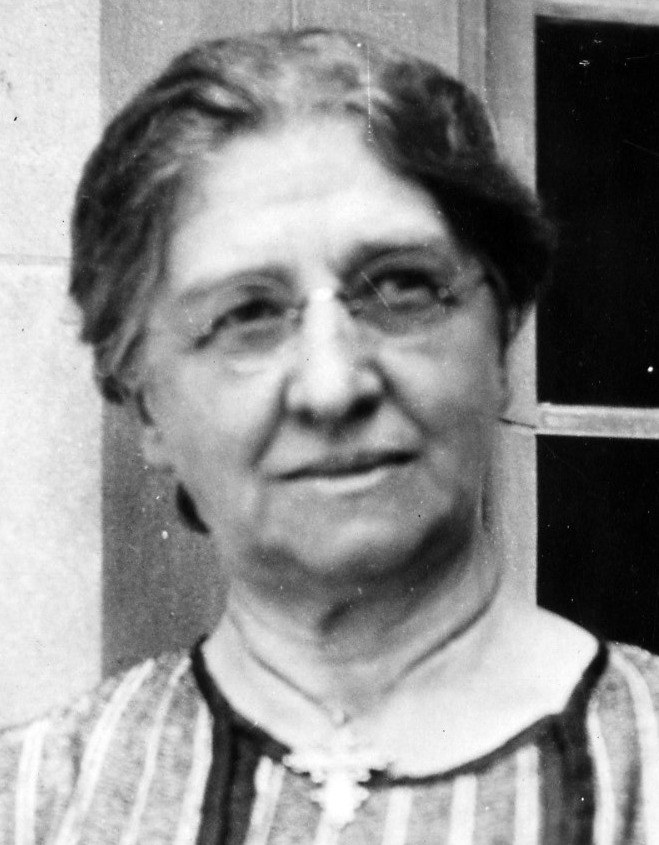
A portrait of Carrie Derick.
CA-K231History

Carrie Derick, one of Canada’s first women professors

Botanist and geneticist Carrie Derick (1862–1941) overcame strong opposition to become one of the first women appointed to a full professorship in Canada, at McGill University from 1912 to 1929. A suffragist and reformer, she promoted political and educational equality for women; Parks Canada’s 2024 review also notes that she held eugenic views widely shared in her academic circles.

Factual accuracy review: No recorded challenge

Contributor: Citizen.ca

Verified against cited sourcesVerified on 2026-10-26↗
Photo: · Photo licence: Public domain · Credit & context
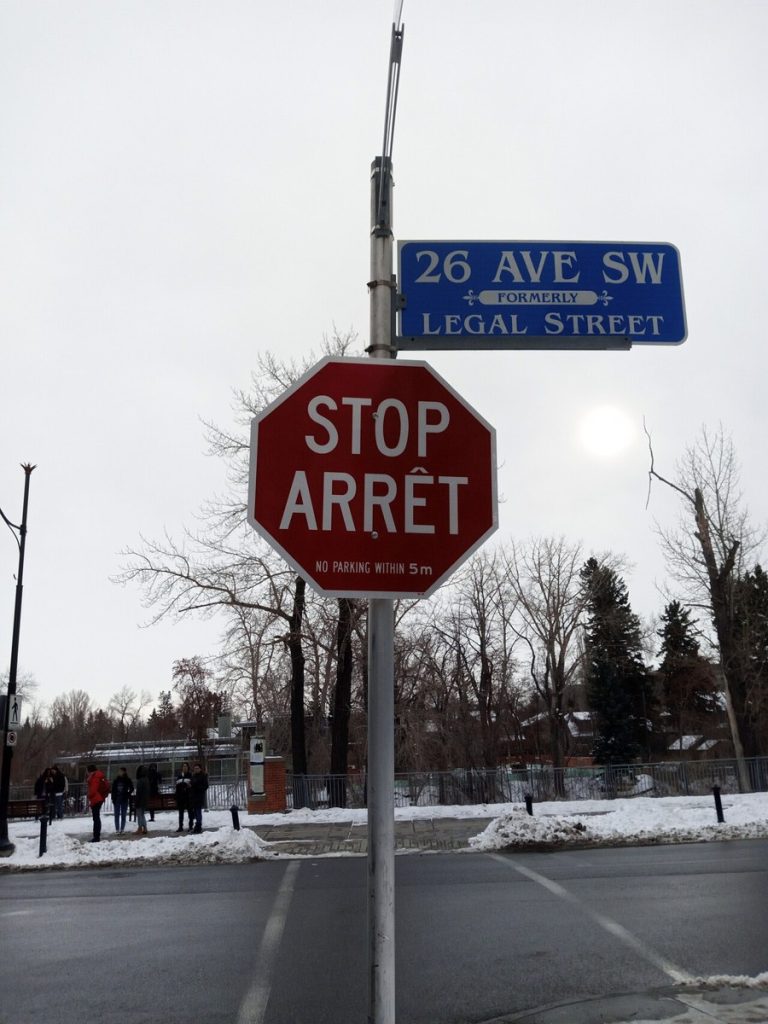
A bilingual STOP/ARRÊT sign in Rouleauville, photographed in 2020.
CA-K126Language & names

18% of Canadians are English–French bilingual

In the 2021 Census, 18.0% of Canadians could speak both English and French; in Quebec, the rate was 46.4%. English is a minority language in Quebec, while French is a minority language in the other provinces and territories and in Canada as a whole.

Factual accuracy review: No recorded challenge

Contributor: Citizen.ca

Verified against cited sourcesVerified on 2026-10-26↗
Photo: WCL20 Lycée Louis Pasteur Justemila · Photo licence: CC BY-SA 4.0 · Credit & context
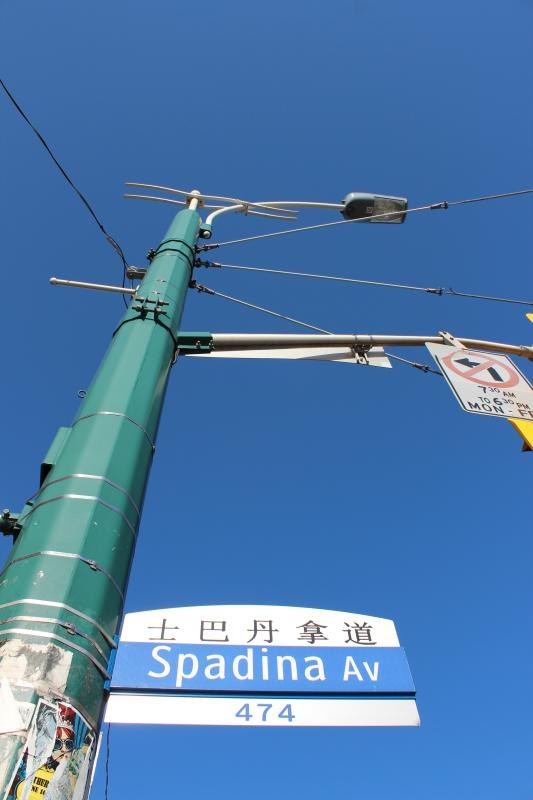
A Toronto street sign with an added Chinese translation, photographed in 2011.
CA-K125Language & names

One in four Canadians has a mother tongue other than English or French

In the 2021 Census, one in four Canadians had at least one mother tongue other than English or French, and one in eight spoke mainly another language at home, both the highest proportions on record. That year, 41.2% of Canadians could hold a conversation in more than one language.

Factual accuracy review: No recorded challenge

Contributor: Citizen.ca

Verified against cited sourcesVerified on 2026-10-26↗
Photo: Steve Harris from Toronto, Canada · Photo licence: CC BY 2.0 · Credit & context
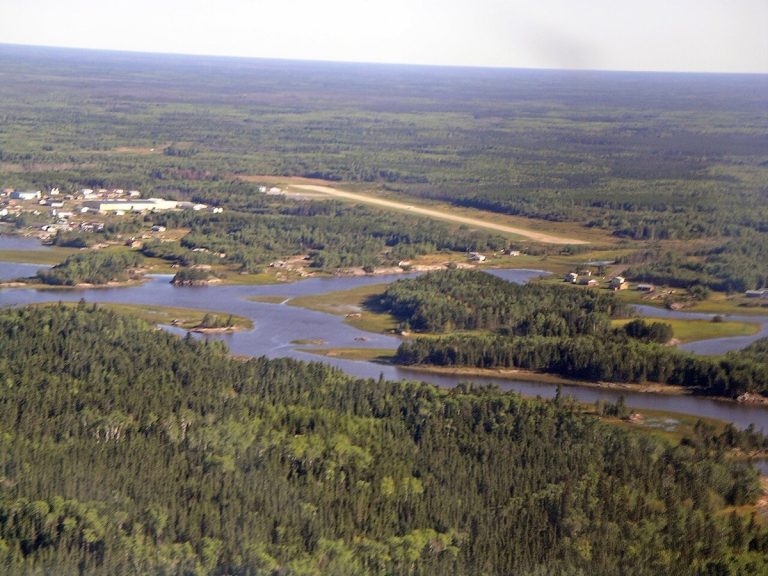
A First Nations community at Bloodvein River on Lake Winnipeg, Manitoba, in 2003; a view of the wider region, not the World Heritage property itself.
CA-K120Indigenous peoples & reconciliation

Pimachiowin Aki, “the land that gives life”

Pimachiowin Aki, Anishinaabemowin (Ojibwe) for “the land that gives life,” is a boreal forest in Manitoba and Ontario under Indigenous stewardship. Inscribed in 2018, it is Canada’s first mixed (natural and cultural) World Heritage property and testifies to the Anishinaabe tradition of Ji-ganawendamang Gidakiiminaan (Keeping the Land).

Factual accuracy review: No recorded challenge

Contributor: Citizen.ca

Verified against cited sourcesVerified on 2026-10-26↗
Photo: Timkal · Photo licence: CC BY-SA 3.0 · Credit & context
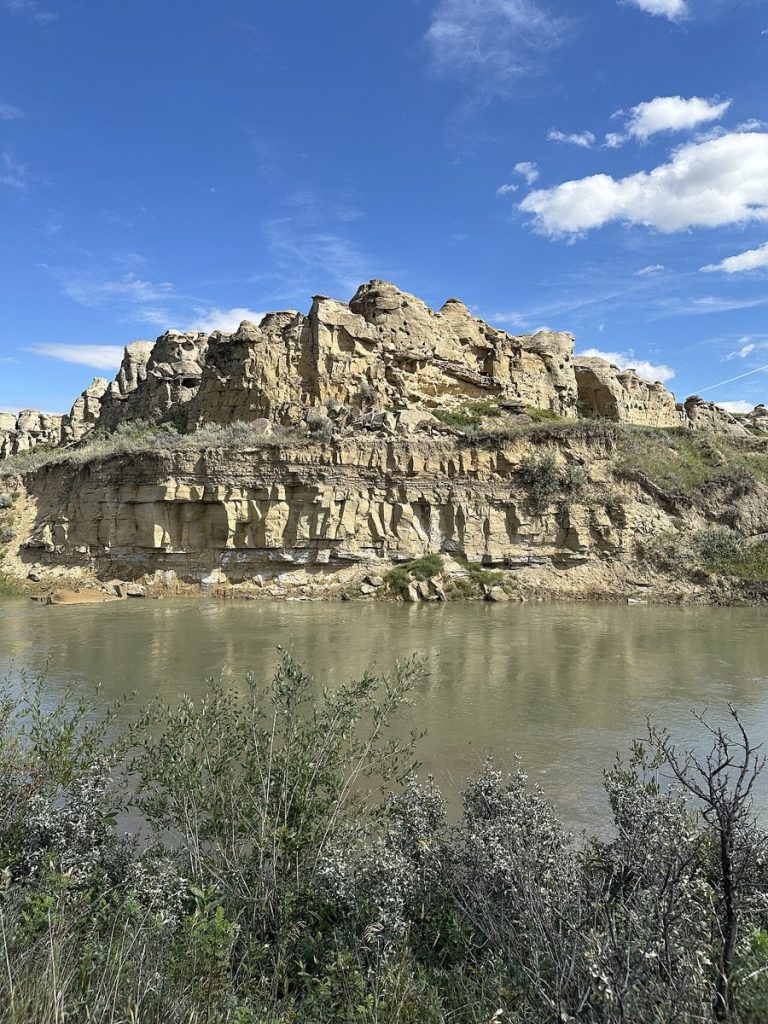
The Milk River and hoodoos at Writing-on-Stone Provincial Park, Alberta, in 2025; it does not show the rock art.
CA-K119Indigenous peoples & reconciliation

Writing-on-Stone / Áísínai’pi, a sacred Blackfoot landscape

Writing-on-Stone / Áísínai’pi, in Alberta’s Milk River Valley, is a sacred site where the Blackfoot (Siksikáítsitapi) left engravings and paintings on the sandstone walls. The landscape remains sacred to the Blackfoot and was inscribed as a UNESCO World Heritage Site in 2019.

Factual accuracy review: No recorded challenge

Contributor: Citizen.ca

Verified against cited sourcesVerified on 2026-10-26↗
Photo: Nodin Cutfeet · Photo licence: CC BY 4.0 · Credit & context
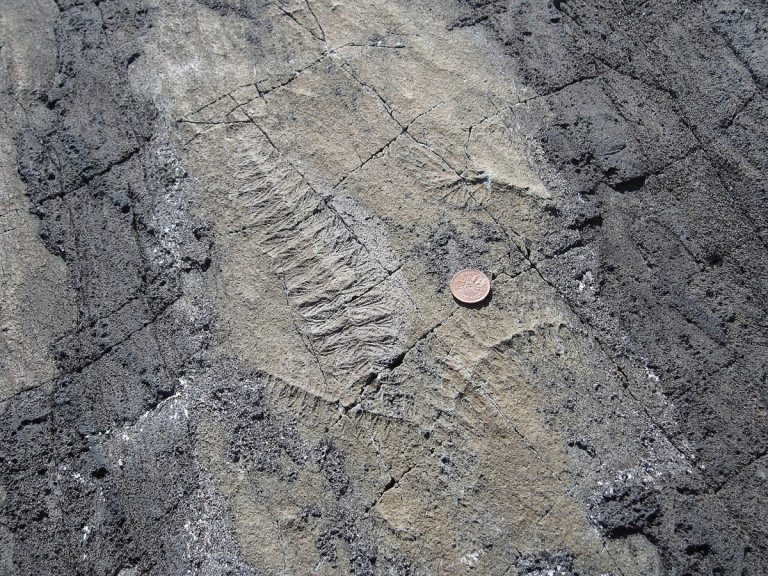
Ediacaran fossils at Mistaken Point, Newfoundland, photographed in 2009.
CA-K111Places & geography

Mistaken Point’s 560-million-year-old fossils

Mistaken Point, on the southeastern tip of Newfoundland, was inscribed as a UNESCO World Heritage Site in 2016. Its fossils, 580 to 560 million years old, include the world’s oldest-known examples of large, architecturally complex organisms.

Factual accuracy review: No recorded challenge

Contributor: Citizen.ca

Verified against cited sourcesVerified on 2026-10-26↗
Photo: Alicejmichel · Photo licence: CC BY-SA 4.0 · Credit & context
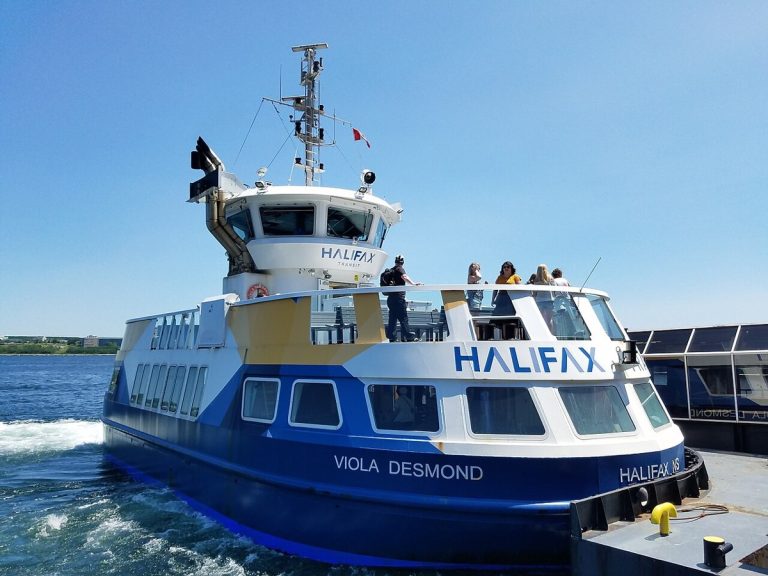
The Halifax harbour ferry named Viola Desmond, photographed in 2019; it does not show Desmond or the bank note.
CA-K098History

Viola Desmond and the vertical $10 note

In 1946, Viola Desmond, a successful Nova Scotia businesswoman, refused to leave a whites-only area of a movie theatre; her court case inspired the pursuit of racial equality across Canada. In 2018 she appeared on Canada’s first vertical bank note, the $10 note.

Factual accuracy review: No recorded challenge

Contributor: Citizen.ca

Verified against cited sourcesVerified on 2026-10-26↗
Photo: Colin Stepney · Photo licence: CC BY-SA 4.0 · Credit & context
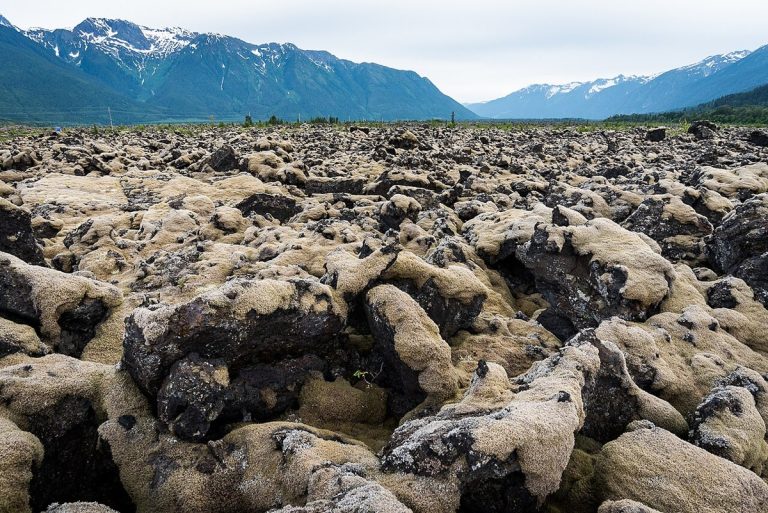
Lava beds in the Nass Valley, British Columbia, photographed in 2017; a landscape in the region, not a depiction of the treaty.
CA-K095Indigenous peoples & reconciliation

The Nisg̱a’a Treaty took effect on 11 May 2000

The Nisg̱a’a Treaty, British Columbia’s first modern treaty, took effect on 11 May 2000. It recognizes about 2,000 square kilometres of Nisg̱a’a Lands and was the first treaty in British Columbia to provide constitutional certainty for self-government.

Factual accuracy review: No recorded challenge

Contributor: Citizen.ca

Verified against cited sourcesVerified on 2026-10-26↗
Photo: Darren Kirby · Photo licence: CC BY-SA 2.0 · Credit & context
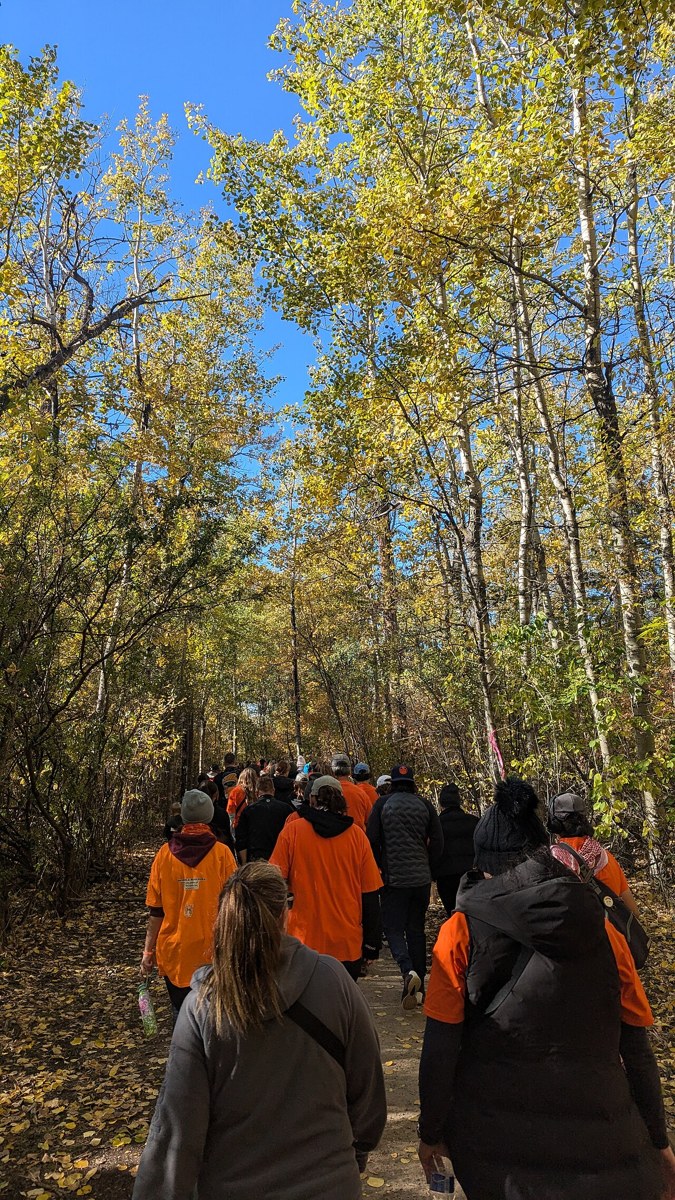
An Orange Shirt Day walk in Edmonton, Alberta, on 30 September 2024.
CA-K094Indigenous peoples & reconciliation

National Day for Truth and Reconciliation: 30 September

The National Day for Truth and Reconciliation is observed each year on 30 September, honouring Residential School Survivors, their families and communities. It became a federal statutory holiday through Bill C-5, which received royal assent on 3 June 2021; Orange Shirt Day, which began in Williams Lake, British Columbia, in 2013, is observed the same day.

Factual accuracy review: No recorded challenge

Contributor: Citizen.ca

Verified against cited sourcesVerified on 2026-10-26↗
Photo: Joli Rumi · Photo licence: CC BY-SA 4.0 · Credit & context