An independent Canadian knowledge project

Focused and Verified

Canadian knowledge base

Search by keyword

Choose one keyword, or combine two. Broader keywords include their descendants.

Keywords: People and roles

Clear search
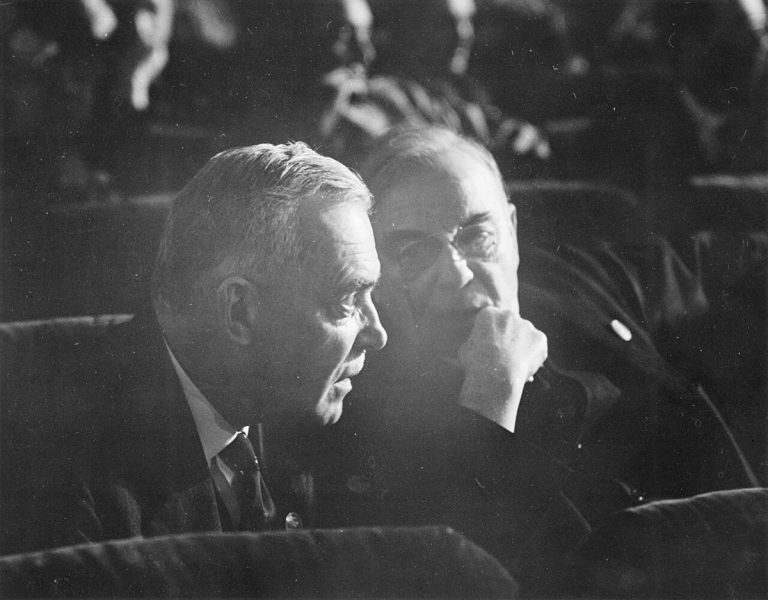
Louis St. Laurent and Mackenzie King at the United Nations Conference, San Francisco, May 1945 (Nicholas Morant).
CA-K1054History

Mackenzie King leads Canada’s delegation to San Francisco, 1945

In 1945, Prime Minister Mackenzie King led the Canadian delegation to the United Nations Conference in San Francisco, which ran from April 25 to June 26.

Factual accuracy review: No recorded challenge

Contributor: Citizen.ca

Verified against cited sourcesVerified on 2026-10-27↗
Photo: Nicholas Morant / National Film Board of Canada. Phototheque / Library and Archives Canada / C-022717 · Photo licence: Public domain · Credit & context
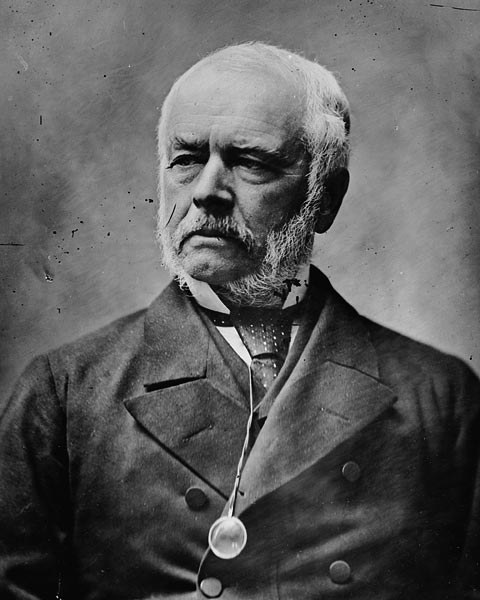
John Norquay, Premier of Manitoba, about 1878.
CA-K1000History

John Norquay, Métis premier of Manitoba

John Norquay, a Métis statesman born at St. Andrew’s in the Red River settlement, was elected to Manitoba’s first assembly in 1870 and became premier in 1878. His government, built on shared French and English participation, won an extended Manitoba boundary and better financial terms from Ottawa, and built railways in defiance of the Canadian Pacific charter and federal disallowance. He resigned as premier in 1887 but sat as a member until his death.

Factual accuracy review: No recorded challenge

Contributor: Citizen.ca

Verified against cited sourcesVerified on 2026-10-27↗
Photo: Unknown author · Photo licence: Public domain · Credit & context
Allan Brooks, 1913.
CA-K998Culture & sport

Allan Brooks, wildlife illustrator

Naturalist Allan Brooks won international recognition as a wildlife illustrator in the first half of the 20th century, influencing later artists. As Western Canada’s leading ornithologist he helped professionalize the field, and he collected thousands of bird and animal skins for major museum research collections. Through his illustrations and publications he introduced generations to the birds of North America.

Factual accuracy review: No recorded challenge

Contributor: Citizen.ca

Verified against cited sourcesVerified on 2026-10-27↗
Photo: William Edwin Gledhill (1888–1976) - photographer · Photo licence: Public domain · Credit & context
A.A. Heaps, Winnipeg alderman, 1921.
CA-K996History

A.A. Heaps, labour leader and MP

Abraham Albert Heaps, labour leader and politician, fought for workers and spoke for the Jewish community. One of the more moderate leaders of the 1919 Winnipeg General Strike, he pressed for workers’ rights while seeking a peaceful settlement. As MP for Winnipeg North (1925–40) he fought antisemitism, sought reform of immigration policy and the admission of Jewish refugees, and championed old age pensions and unemployment insurance.

Factual accuracy review: No recorded challenge

Contributor: Citizen.ca

Verified against cited sourcesVerified on 2026-10-27↗
Photo: City of Winnipeg · Photo licence: Public domain · Credit & context
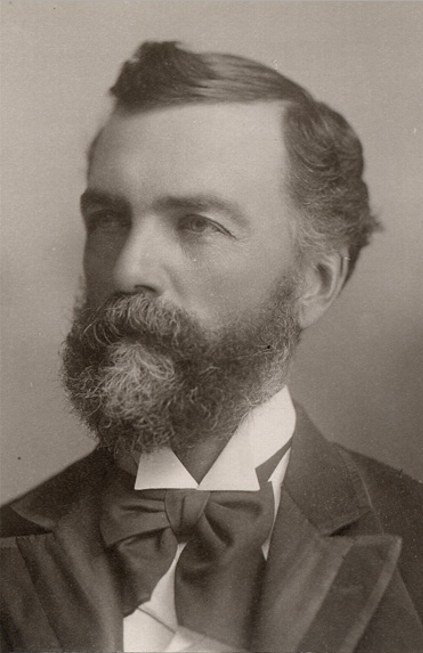
William Ogilvie, F.R.G.S., portrait.
CA-K995Places & geography

William Ogilvie, surveyor and Commissioner of the Yukon

William Ogilvie of Ottawa became a Dominion Land Surveyor in 1872. He worked on the Canada–Alaska boundary survey and explored the Mackenzie River, contributing to mapping Canada’s northwest. He wrote The Klondike Official Guide (1898) and served as Commissioner of the Yukon from 1898 to 1901, during the Klondike Gold Rush.

Factual accuracy review: No recorded challenge

Contributor: Citizen.ca

Verified against cited sourcesVerified on 2026-10-27↗
Photo: Unknown author · Photo licence: Public domain · Credit & context
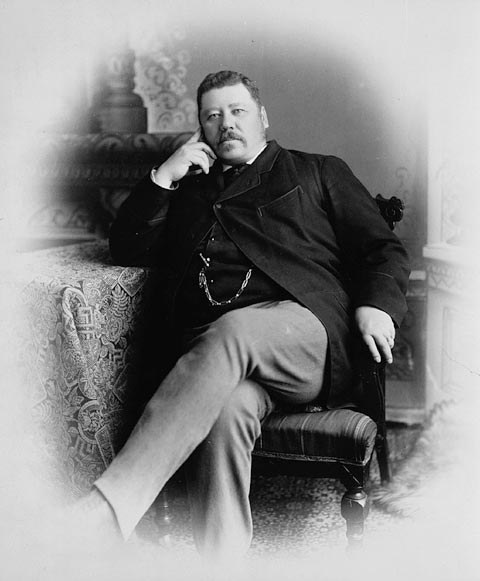
John William Ritchie, portrait.
CA-K994History

John William Ritchie, Nova Scotia Father of Confederation

John William Ritchie, a gifted lawyer, legislator and judge, helped pave the way for Nova Scotia’s reluctant entry into Confederation. A member of the colony’s legislature and solicitor general (1864–67), he was a delegate to the London Conference of 1866–67, which finalized the terms of union. After championing Confederation in the Legislative Council, he was named to the first Senate and later sat on the Nova Scotia Supreme Court.

Factual accuracy review: No recorded challenge

Contributor: Citizen.ca

Verified against cited sourcesVerified on 2026-10-27↗
Photo: Unknown artist · Photo licence: Public domain · Credit & context
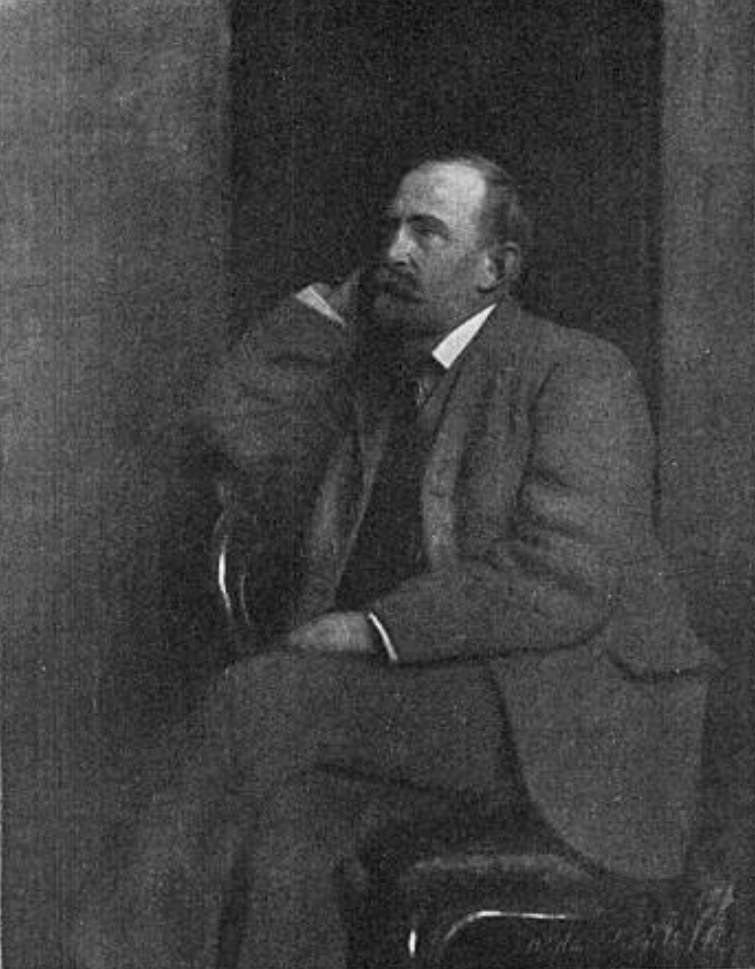
Horatio Walker, R.C.A., 1931 (M.O. Hammond).
CA-K992Culture & sport

Horatio Walker, painter of rural Quebec

Horatio Walker, born at Listowel, Ontario, learned watercolour in Toronto and was largely self-taught. In 1883 he settled on Île d’Orléans, where for more than fifty years he painted rural life. Elected to the Royal Canadian Academy in 1918, he became its president in 1925. His traditional portrayals of people and animals won international acclaim and hang in major American galleries and the National Gallery of Canada.

Factual accuracy review: No recorded challenge

Contributor: Citizen.ca

Verified against cited sourcesVerified on 2026-10-27↗
Photo: Melvin Ormond Hammond (1876 - 1934) · Photo licence: Public domain · Credit & context
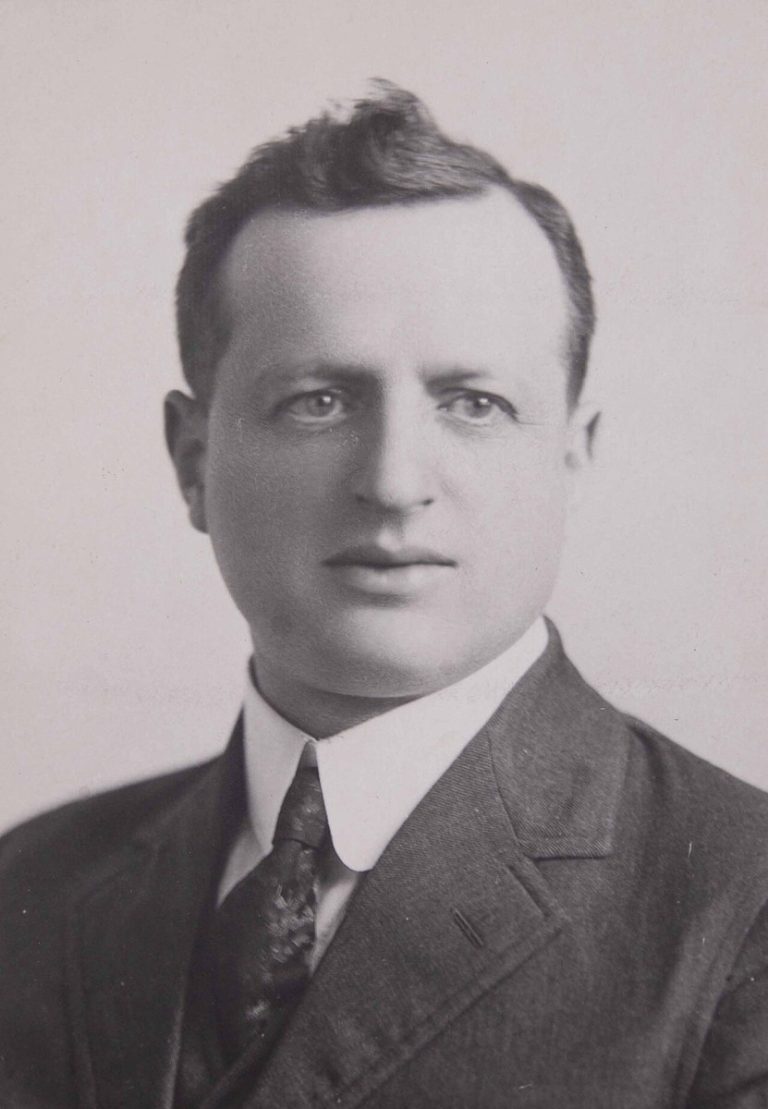
Father Henry Carr, C.S.B., 1915.
CA-K990Institutions

Father Henry Carr and St. Michael’s College

Father Henry Carr, a priest of the Congregation of St. Basil, promoted Catholic colleges within secular universities in Canada. In the early 1900s he modernized St. Michael’s College, turning it into a noted arts college federated with the University of Toronto, and later led similar Catholic colleges at the universities of Saskatchewan and British Columbia. In 1929 he co-founded what became the Pontifical Institute of Mediaeval Studies.

Factual accuracy review: No recorded challenge

Contributor: Citizen.ca

Verified against cited sourcesVerified on 2026-10-27↗
Photo: Unknown author · Photo licence: Public domain · Credit & context
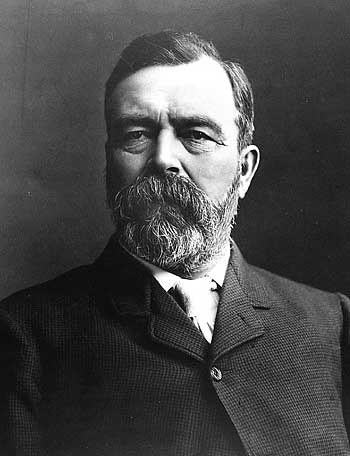
H.R. MacMillan at his desk, 1944.
CA-K989Economy & trade

H.R. MacMillan, forester and lumber industrialist

Harvey Reginald MacMillan, educated at Yale as one of Canada’s first professional foresters, became British Columbia’s Chief Forester in 1912. In 1919 he founded his own company to sell lumber abroad, taking part in a huge expansion of the industry, and its 1951 merger with Bloedel, Stewart and Welch created one of Canada’s largest forest companies. He was made a CBE for organizing forest production in both world wars.

Factual accuracy review: No recorded challenge

Contributor: Citizen.ca

Verified against cited sourcesVerified on 2026-10-27↗
Photo: Don Coltman or Steffens Colmer · Photo licence: Public domain · Credit & context
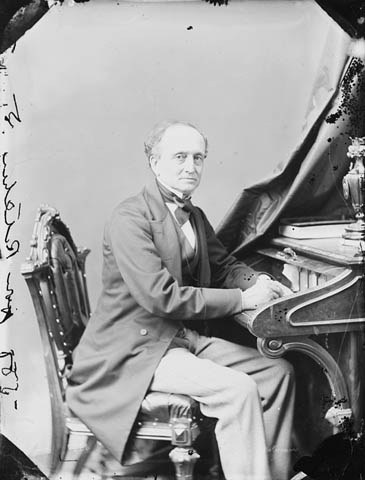
Anthony Musgrave, 1875.
CA-K986History

Sir Anthony Musgrave and British Columbia’s entry into Confederation

Anthony Musgrave, a career imperial civil servant, was governor of Newfoundland (1864–69) and British Columbia (1869–71). In both colonies he worked hard to encourage union with the new Canadian confederation, and under his direction British Columbia entered the Dominion on July 20, 1871. Knighted in 1875, he later governed Natal, South Australia, Jamaica and Queensland.

Factual accuracy review: No recorded challenge

Contributor: Citizen.ca

Verified against cited sourcesVerified on 2026-10-27↗
Photo: Unknown photographer; State Library of South Australia · Photo licence: Public domain · Credit & context
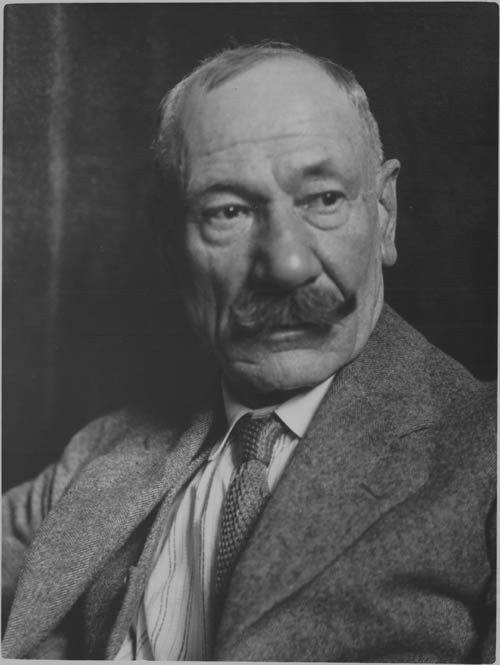
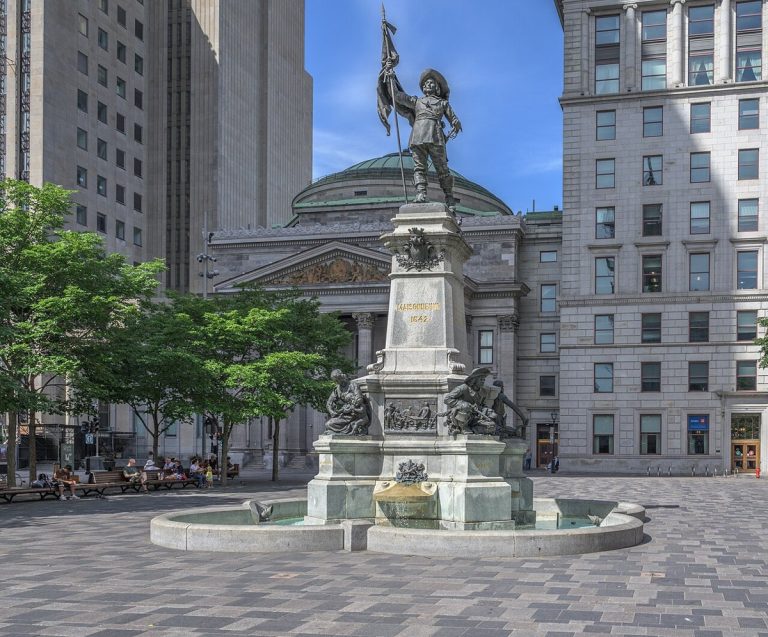
Monument to Paul de Chomedey de Maisonneuve, Place d’Armes, Montréal.
CA-K985History

Maisonneuve, founder of Montréal

Paul de Chomedey de Maisonneuve, a military officer born in Champagne, France, was the first Governor of the Island of Montréal. Inspired by the spiritual climate of his time and the Jesuits’ writings, he answered a call from the Société Notre-Dame de Montréal to found a missionary colony, and in May 1642, he and about fifty people founded Ville-Marie. Despite years of hardship, he laid the foundations of the city of Montréal.

Factual accuracy review: No recorded challenge

Contributor: Citizen.ca

Verified against cited sourcesVerified on 2026-10-27↗
Photo: Wilfredor · Photo licence: CC0 · Credit & context
David Milne, New York, 1909.
CA-K983Culture & sport

David Milne, modernist painter

David Milne was one of the first Canadian artists to explore modernist styles and subjects, in paintings, watercolours and prints built on subtle arrangements of colour, space and line. He left Paisley, Ontario, for New York in 1903 and showed at the Armory Show in 1913, then became a Canadian war artist in the First World War. Returning to Ontario in 1929, he painted at Temagami, Palgrave, Six Mile Lake, Toronto, Uxbridge and Bancroft.

Factual accuracy review: No recorded challenge

Contributor: Citizen.ca

Verified against cited sourcesVerified on 2026-10-27↗
Photo: Unknown author · Photo licence: Public domain · Credit & context
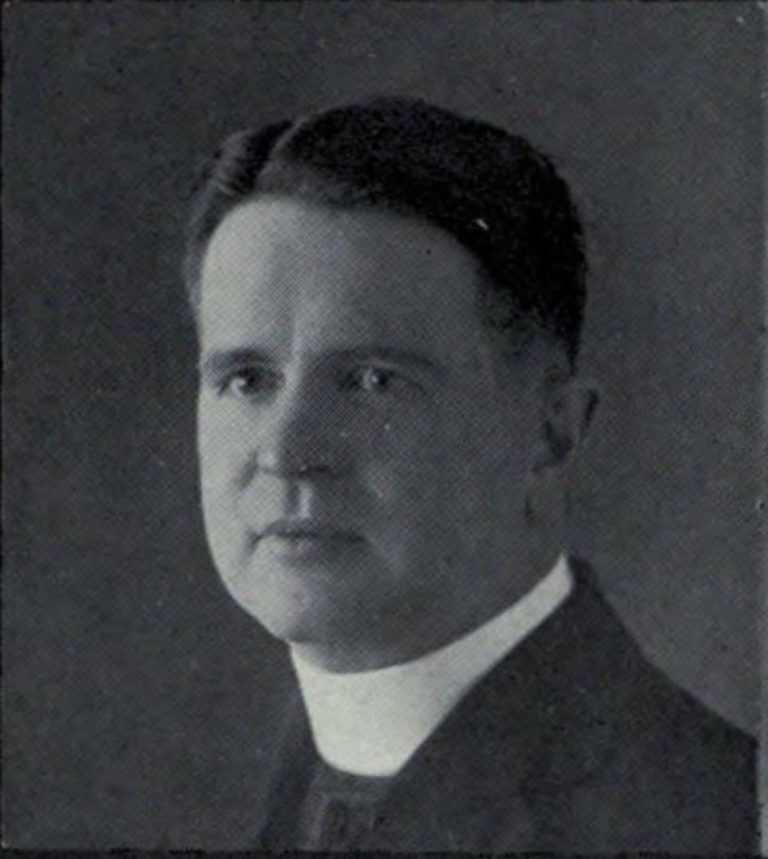
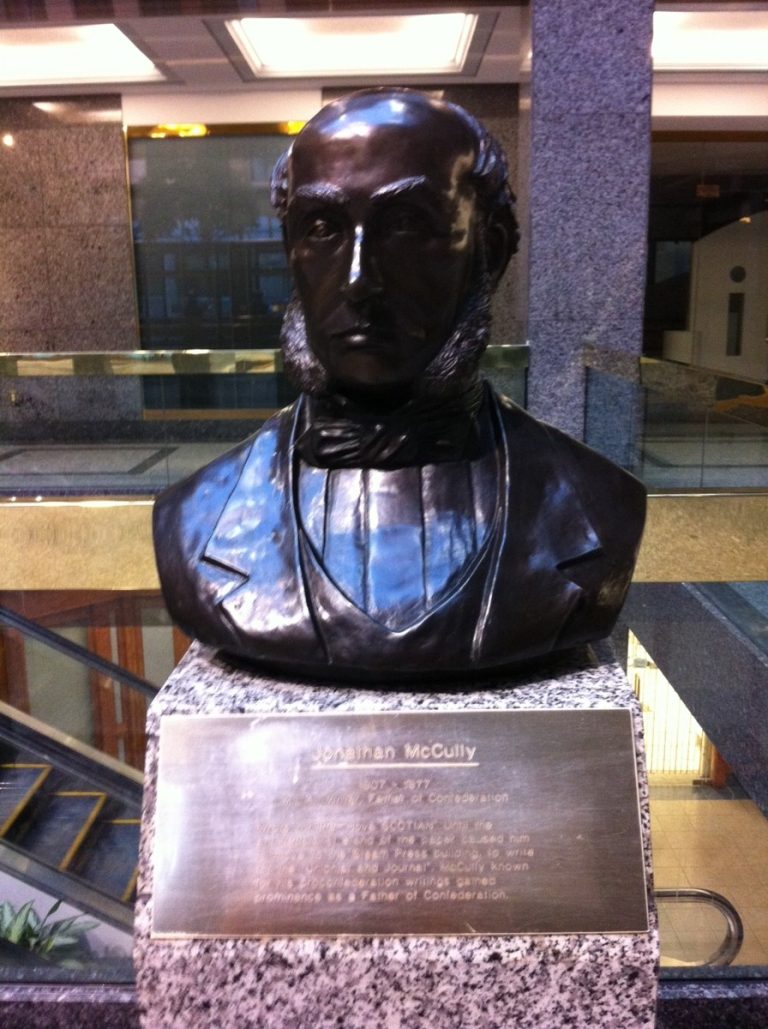
Statue of Jonathan McCully by Peter Bustin, Founders Square, Halifax.
CA-K979History

Jonathan McCully, editor and Father of Confederation

Jonathan McCully, born in Cumberland County, Nova Scotia, practised law in Amherst and from 1848 sat in the Legislative Council, serving as Solicitor General and government leader there. As editor of the Halifax Morning Chronicle, the Novascotian and later the Unionist, he championed Confederation and attended the Charlottetown, Quebec and London conferences. Named to the Senate in 1867, he became a judge of the Nova Scotia Supreme Court in 1870.

Factual accuracy review: No recorded challenge

Contributor: Citizen.ca

Verified against cited sourcesVerified on 2026-10-27↗
Photo: Hantsheroes · Photo licence: CC BY-SA 3.0 · Credit & context
Joseph-Israël Tarte, about 1890 (Jules-Isaïe Benoît).
CA-K977History

Israël Tarte, architect of Laurier’s 1896 victory

Joseph-Israël Tarte, a brilliant polemicist, journalist and politician, took part in every major political battle of his time, working under various banners to protect French and Catholic minorities and strengthen Canada’s place in the Empire. Elected in 1891, he engineered Laurier’s 1896 triumph in Quebec. As Minister of Public Works (1896–1902) he improved St. Lawrence navigation and made Montréal the country’s leading port.

Factual accuracy review: No recorded challenge

Contributor: Citizen.ca

Verified against cited sourcesVerified on 2026-10-27↗
Photo: Jules-Isaïe Benoît · Photo licence: Public domain · Credit & context
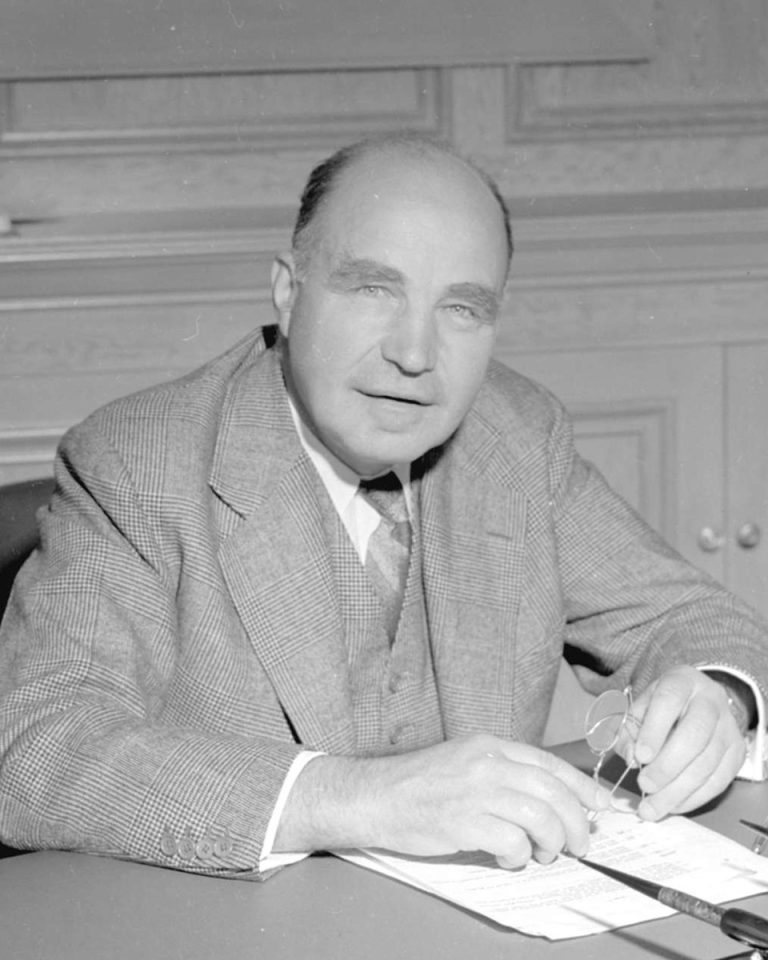
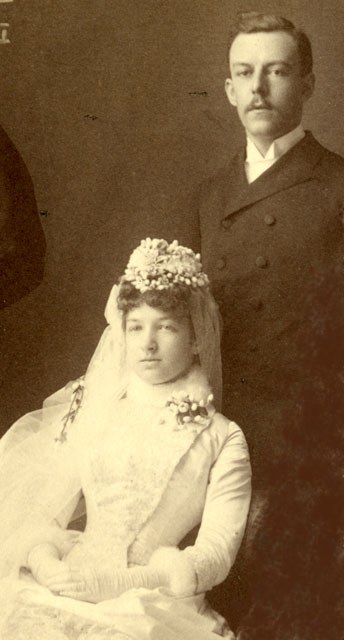
Marie Lacoste with Henri Gérin-Lajoie, January 1887.
CA-K976History

Marie Lacoste-Gérin-Lajoie, Quebec feminist

For more than 40 years Marie Lacoste-Gérin-Lajoie worked to improve the lives of women in Quebec. In 1907 she co-founded the Fédération nationale Saint-Jean-Baptiste, an important French-Canadian feminist association, which she led from 1913 to 1933 while writing for its review La Bonne Parole. She campaigned for women’s suffrage, access to higher education and, through the 1931 Civil Code reform, the rights of married women.

Factual accuracy review: No recorded challenge

Contributor: Citizen.ca

Verified against cited sourcesVerified on 2026-10-27↗
Photo: Unknown author · Photo licence: Public domain · Credit & context
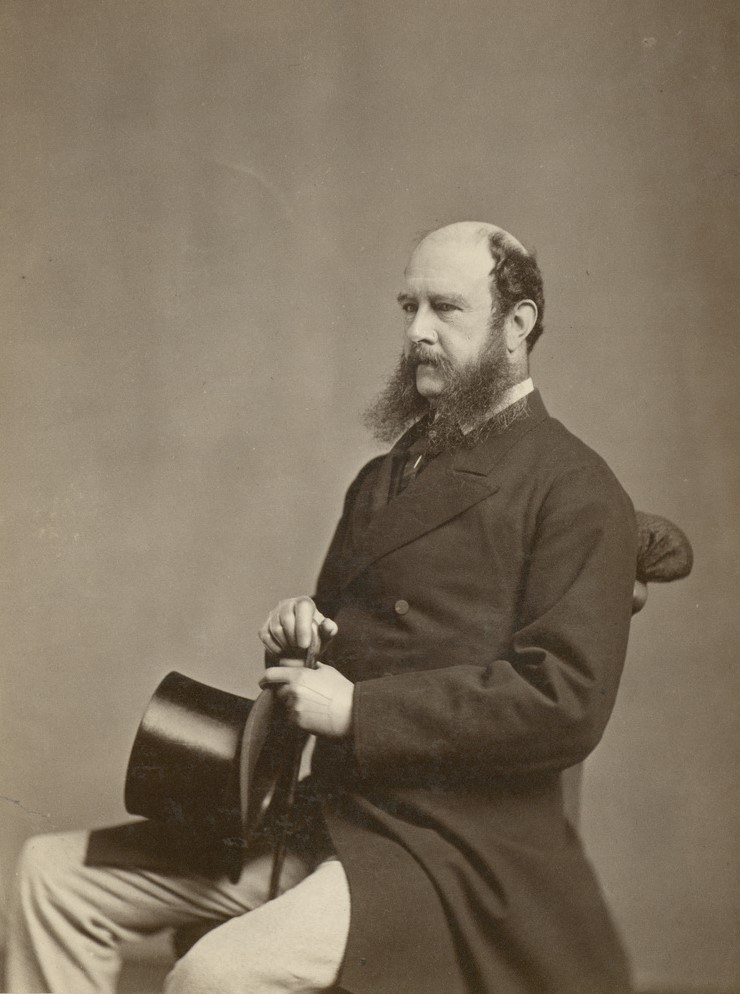
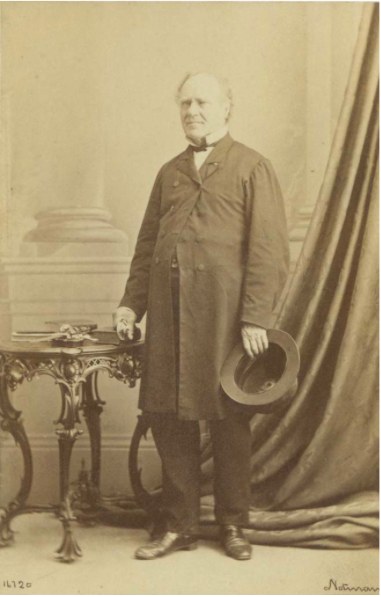
Joseph Howe, 1865 (William Notman).
CA-K973History

Joseph Howe, “Tribune of Nova Scotia”

Joseph Howe, born in Halifax and largely self-taught, became publisher of the Novascotian and by 1836 was his province’s leading journalist and orator. Elected that year, he led the struggle that won responsible government in 1848. An eloquent opponent of Confederation in the 1860s, he joined the federal cabinet in 1869 after negotiating “better terms” for Nova Scotia, and shortly before his death in 1873 became its lieutenant governor.

Factual accuracy review: No recorded challenge

Contributor: Citizen.ca

Verified against cited sourcesVerified on 2026-10-27↗
Photo: William Notman · Photo licence: Public domain · Credit & context
Robert B. Dickey (William James Topley).
CA-K966History

Robert Barry Dickey, Father of Confederation

Robert Barry Dickey, born in Amherst, Nova Scotia, practised law there and sat in the province’s Legislative Council from 1858 to 1867. A Father of Confederation, he attended the Charlottetown and Quebec conferences but would not endorse the Quebec Resolutions until better financial terms were granted in 1866. A successful businessman, he was named to the Senate in 1867.

Factual accuracy review: No recorded challenge

Contributor: Citizen.ca

Verified against cited sourcesVerified on 2026-10-27↗
Photo: William James Topley · Photo licence: Public domain · Credit & context
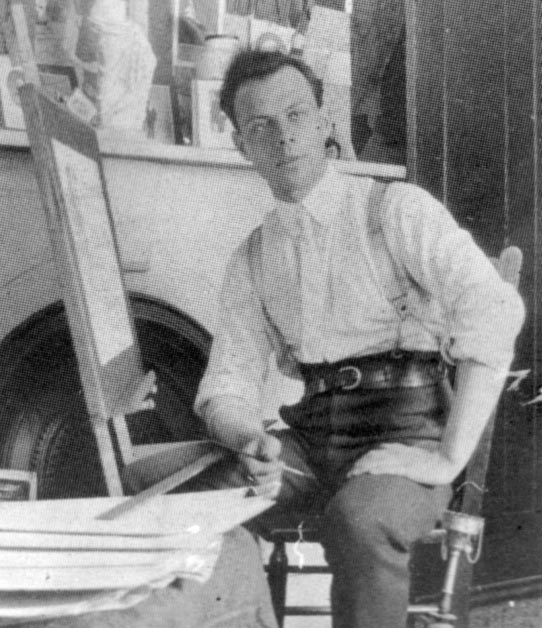
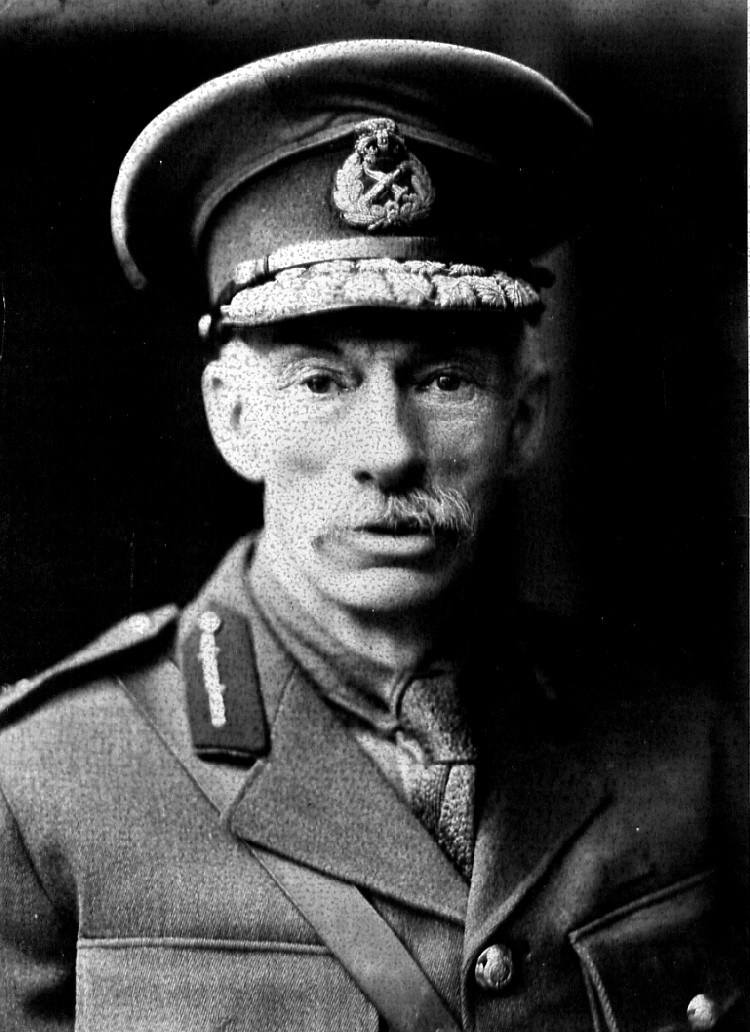
Brigadier-General Ernest Alexander Cruikshank.
CA-K965Institutions

E.A. Cruikshank, soldier and historian

Ernest Alexander Cruikshank, born in Bertie Township, Ontario, was a journalist and translator before joining the militia in 1877, rising to brigadier-general in 1915 and directing the general staff’s historical section. He chaired the Historic Sites and Monuments Board of Canada from its creation in 1919 until his death, and wrote many papers and books on Ontario and Canadian history.

Factual accuracy review: No recorded challenge

Contributor: Citizen.ca

Verified against cited sourcesVerified on 2026-10-27↗
Photo: Unknown author · Photo licence: Public domain · Credit & context
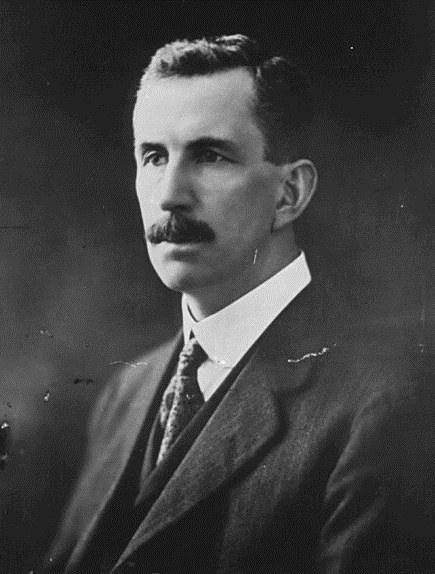
Thomas Alexander Crerar, official portrait, about 1919.
CA-K964Economy & trade

T.A. Crerar, grain trade leader and Progressive

Thomas Alexander Crerar began as an agrarian reformer at Russell, Manitoba. As head of the Grain Growers’ Grain Company he helped shape Canadian grain marketing, and championing western farmers he led the Progressive movement to great influence in the 1921 election, ending the federal two-party system. He later served in Mackenzie King’s cabinets and was an active Senate leader until 1966.

Factual accuracy review: No recorded challenge

Contributor: Citizen.ca

Verified against cited sourcesVerified on 2026-10-27↗
Photo: Unknown photographer; Library and Archives Canada · Photo licence: Public domain · Credit & context