
An independent Canadian knowledge project

Focused and Verified

Canadian knowledge base

Search by keyword

Choose one keyword, or combine two. Broader keywords include their descendants.

Keywords: Arts and literature

Clear search
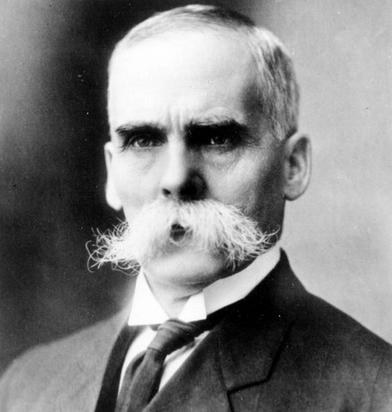
Frank Oliver (City of Edmonton Archives).
CA-K662Indigenous peoples & reconciliation

Frank Oliver, Edmonton editor and interior minister

Frank Oliver, owner and editor of the Edmonton Bulletin from 1880, championed a West shaped for white British and American settlers. As Minister of the Interior from 1905 to 1911 he promoted immigration policies aimed at excluding Black and Asian immigrants, and as superintendent of Indian Affairs he oversaw an expansion of residential schools and amended the Indian Act to allow forced surrender of reserve lands near towns.

Factual accuracy review: No recorded challenge

Contributor: Citizen.ca

Verified against cited sourcesVerified on 2026-10-26↗
Photo: Alfred Biyth · Photo licence: Public domain · Credit & context
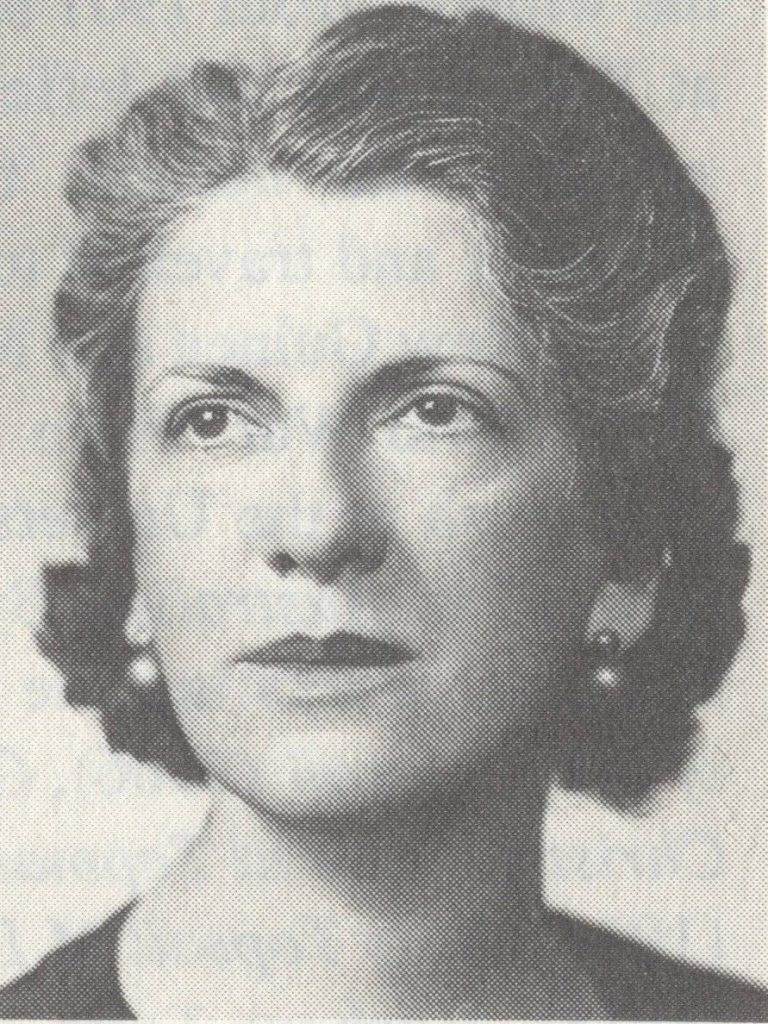
Margaret Duley, 1941.
CA-K637Culture & sport

Margaret Duley, Newfoundland novelist

Margaret Iris Duley of St. John’s, who wrote mainly in the 1930s and 1940s, was the first Newfoundland novelist to gain international recognition, with readers in Canada and England as well as at home. Novels such as Cold Pastoral and Highway to Valour vividly portray the beauty and harshness of early 20th-century Newfoundland and Labrador.

Factual accuracy review: No recorded challenge

Contributor: Citizen.ca

Verified against cited sourcesVerified on 2026-10-26↗
Photo: Anonymous (photographer unidentified) · Photo licence: Public domain · Credit & context
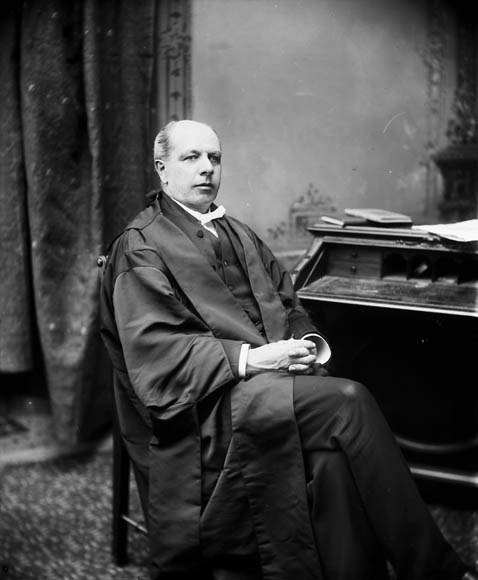
John George Bourinot, 1888 (Topley Studio).
CA-K613Institutions

Sir John Bourinot, Clerk of the House of Commons

John George Bourinot of Sydney, Nova Scotia, a journalist and legislative reporter, joined Parliament’s staff in Ottawa in 1868 and was Clerk of the House of Commons from 1880 to 1902, a recognized authority on parliamentary procedure. A founding member of the Royal Society of Canada, he wrote widely on history and the constitution.

Factual accuracy review: No recorded challenge

Contributor: Citizen.ca

Verified against cited sourcesVerified on 2026-10-26↗
Photo: William James Topley · Photo licence: Public domain · Credit & context
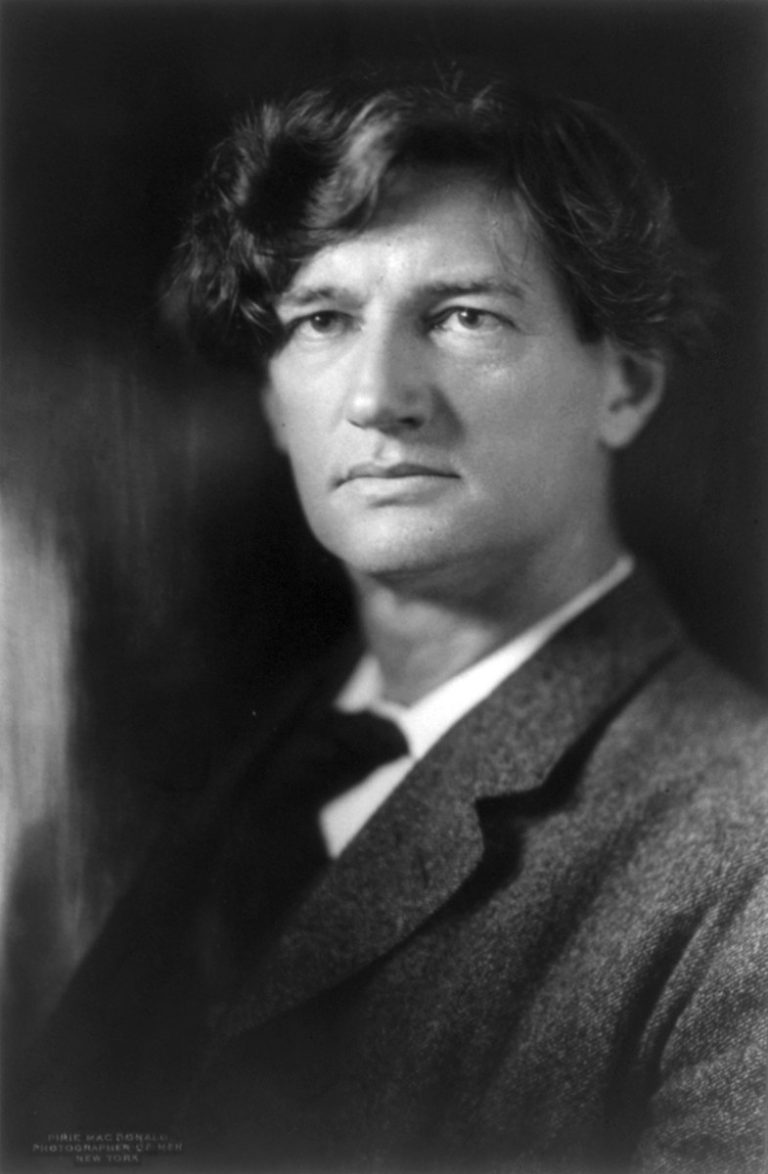
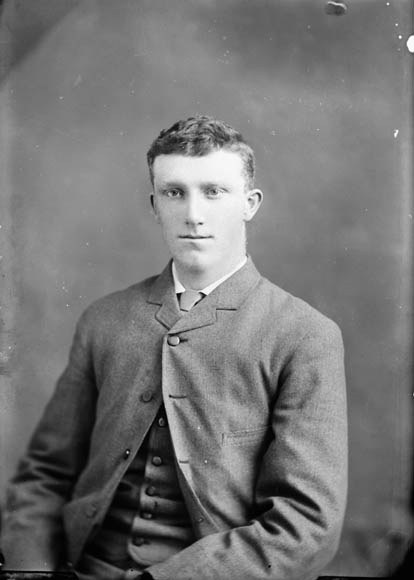
John Wesley Dafoe, April 1885 (Topley Studio).
CA-K609Culture & sport

John W. Dafoe of the Winnipeg Free Press

John Wesley Dafoe, one of Canada’s leading journalists, became editor-in-chief of the Manitoba Free Press in Winnipeg in 1901 and influenced Canadian opinion until his death. A Liberal who helped form the Union government in 1917, he championed an active Canadian role in world affairs and served on the Rowell-Sirois Commission from 1937 to 1939.

Factual accuracy review: No recorded challenge

Contributor: Citizen.ca

Verified against cited sourcesVerified on 2026-10-26↗
Photo: Topley Studio · Photo licence: Public domain · Credit & context
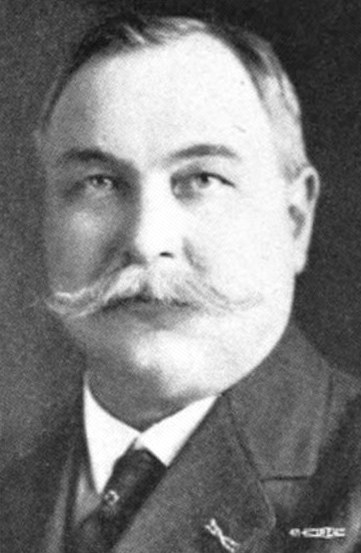
Bliss Carman, 1903 (Pirie MacDonald, Library of Congress).
CA-K605Culture & sport

Bliss Carman, poet of the Confederation group

Bliss Carman, born in Fredericton, wrote lyrical, mystical poetry reflecting his love of nature and the Maritimes. As a literary editor in New York and Boston he promoted many Canadian authors, and as a member of the Confederation group of poets he was one of Canada’s most recognized poets at home and abroad.

Factual accuracy review: No recorded challenge

Contributor: Citizen.ca

Verified against cited sourcesVerified on 2026-10-26↗
Photo: Pirie MacDonald · Photo licence: Public domain · Credit & context
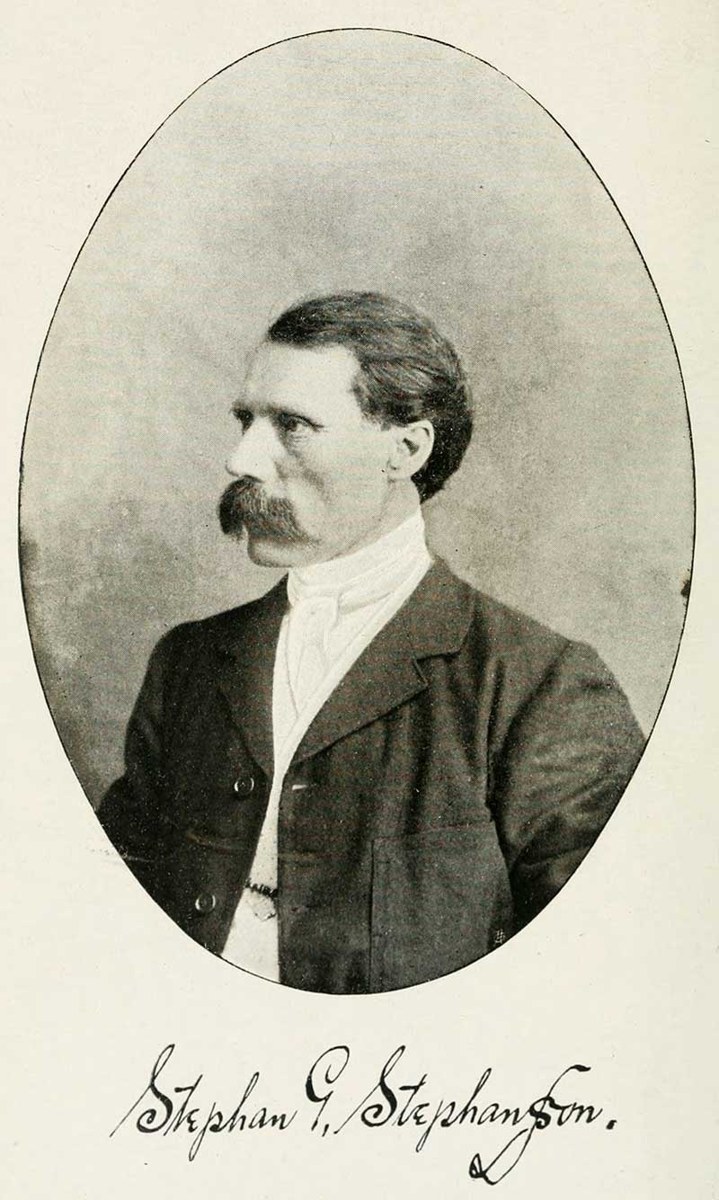
Gustave Francq, portrait published in 1924.
CA-K601Economy & trade

Gustave Francq, labour leader

Gustave Francq, a typographer and journalist, was a key figure of international unionism in Quebec and Canada, campaigning for a minimum wage for women, better workers’ compensation and free compulsory education. In 1916 he founded Le Monde ouvrier/The Labor World, which became the official newspaper of the Quebec Federation of Labour.

Factual accuracy review: No recorded challenge

Contributor: Citizen.ca

Verified against cited sourcesVerified on 2026-10-26↗
Photo: Unknown author · Photo licence: Public domain · Credit & context
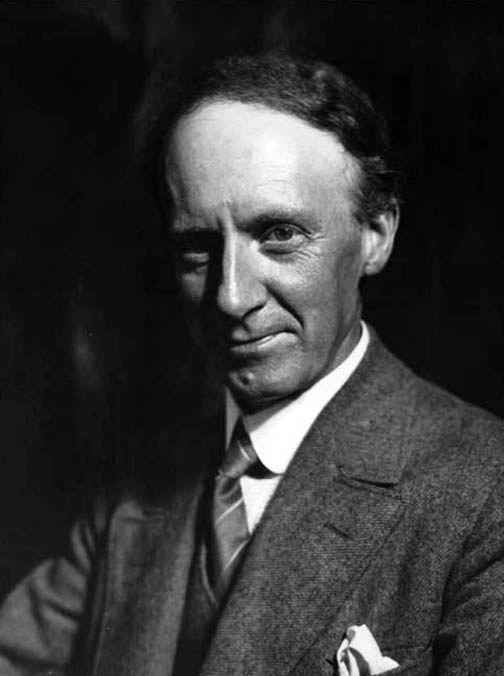
Stephan G. Stephansson, before 1909.
CA-K583Culture & sport

Stephan G. Stephansson, Icelandic poet of Alberta

Stephan G. Stephansson, born in Iceland, settled near Markerville, Alberta, in 1889 after living in the United States. A pioneer farmer and self-taught scholar of Scandinavian literature, he published seven volumes of poetry from 1900 to 1920 and was ranked among the greatest Icelandic poets since the Middle Ages.

Factual accuracy review: No recorded challenge

Contributor: Citizen.ca

Verified against cited sourcesVerified on 2026-10-26↗
Photo: Unknown photographer · Photo licence: Public domain · Credit & context
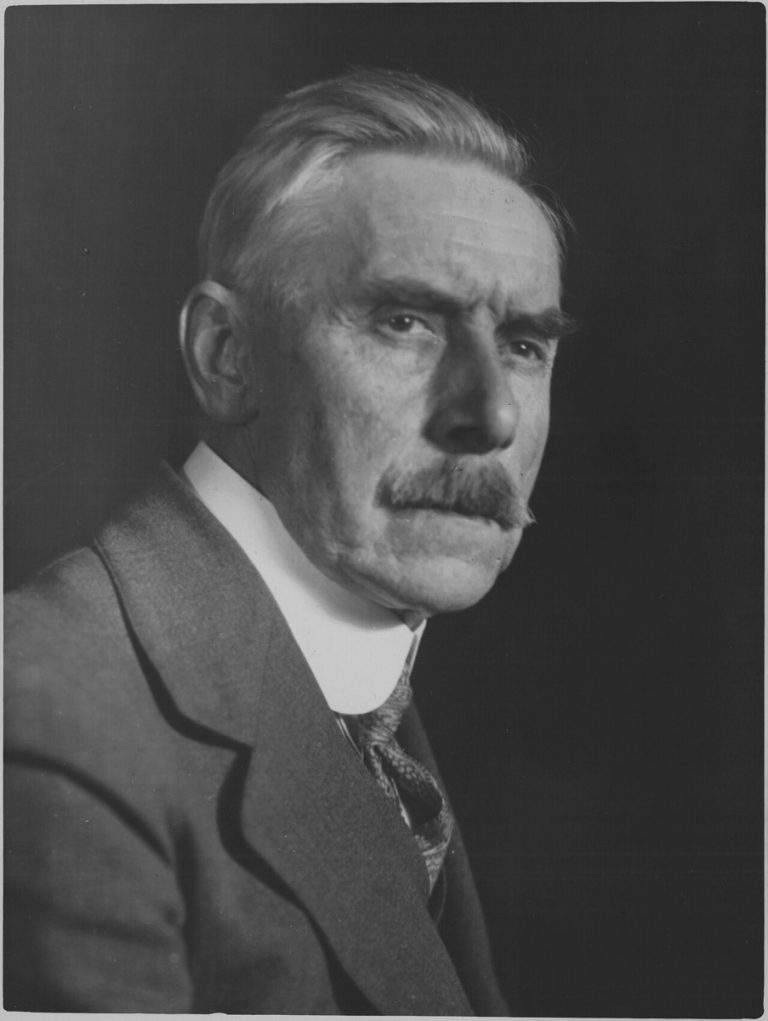
J. E. H. MacDonald (Archives of Ontario).
CA-K579Culture & sport

J. E. H. MacDonald, painter of the Group of Seven

J. E. H. MacDonald, painter, designer and poet, was a founding member of the Group of Seven and a key figure in creating a national style of landscape painting. A talented graphic designer of Canadian motifs, he painted southern Ontario farmland, Algoma’s autumn colours, Nova Scotia shores and the Rockies, and inspired students at the Ontario College of Art.

Factual accuracy review: No recorded challenge

Contributor: Citizen.ca

Verified against cited sourcesVerified on 2026-10-26↗
Photo: Unknown photographer; Archives of Ontario · Photo licence: Public domain · Credit & context
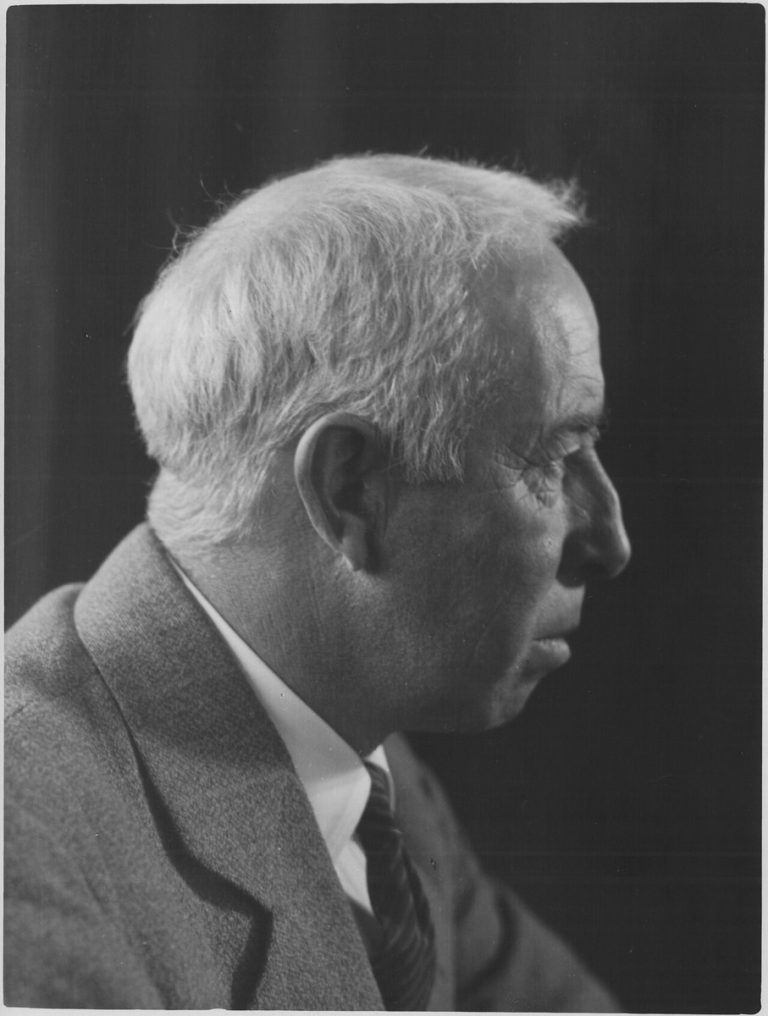
Charles William Jefferys, 1930 (M. O. Hammond, Archives of Ontario).
CA-K578Culture & sport

C. W. Jefferys, illustrator of Canadian history

Charles William Jefferys, who came to Canada from England in 1879, was a writer, artist and illustrator of historical novels and textbooks and taught drawing and painting at the University of Toronto from 1912 to 1939. He is best known for his carefully researched historical drawings, such as those in his three-volume Picture Gallery of Canadian History.

Factual accuracy review: No recorded challenge

Contributor: Citizen.ca

Verified against cited sourcesVerified on 2026-10-26↗
Photo: Melvin Ormond Hammond · Photo licence: Public domain · Credit & context
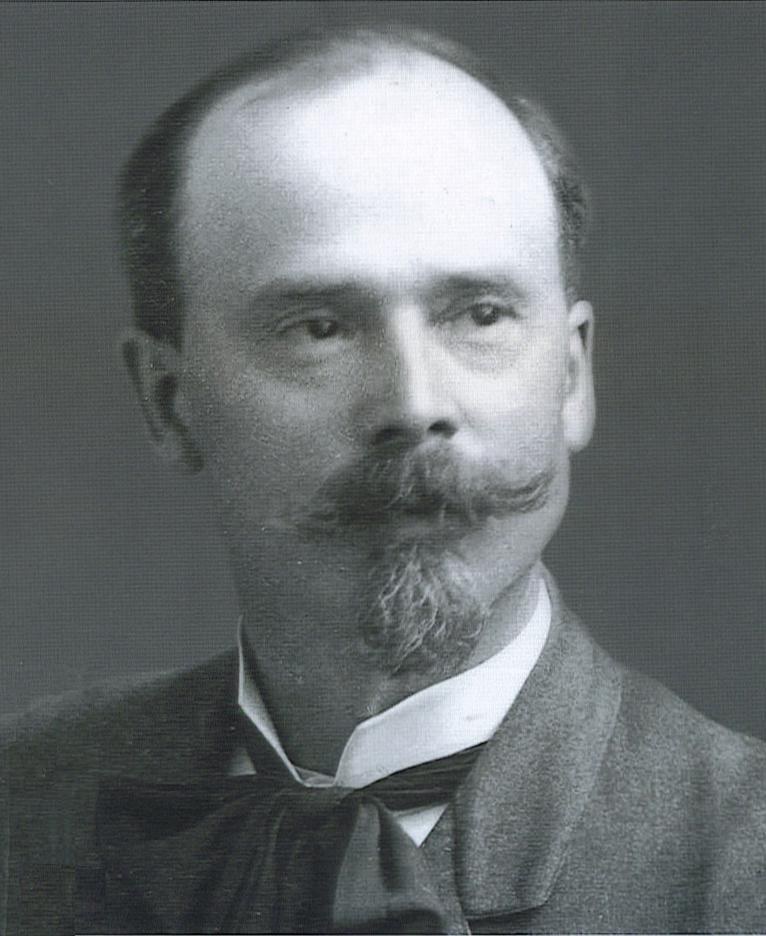
A. Y. Jackson, 1930 (Archives of Ontario).
CA-K574Culture & sport

A. Y. Jackson, painter of the Group of Seven

A. Y. Jackson, born in Montréal, studied painting there and in Paris, served overseas in the First World War and was a member of the Group of Seven from 1920 to 1933. His simple, rounded forms in wilderness landscapes gave a powerful image of Canada, and he greatly influenced a generation of Canadian artists.

Factual accuracy review: No recorded challenge

Contributor: Citizen.ca

Verified against cited sourcesVerified on 2026-10-26↗
Photo: Unknown photographer (1930); Archives of Ontario, I0007815 · Photo licence: Public domain · Credit & context
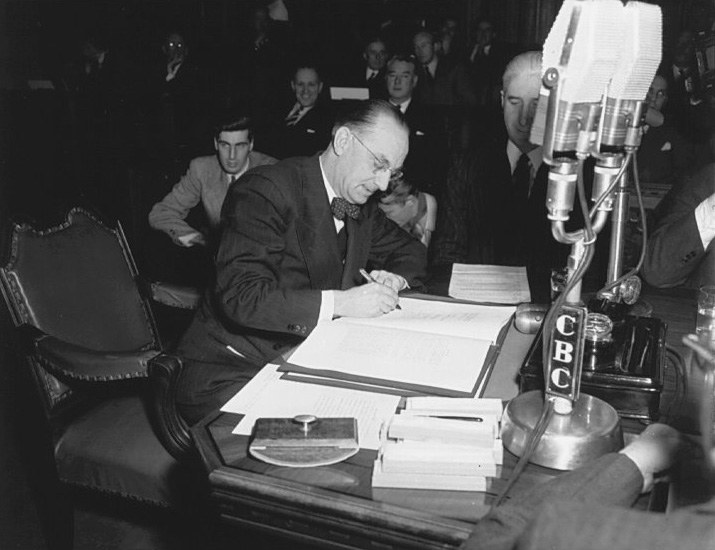
Joey Smallwood signing the agreement admitting Newfoundland into Confederation, Ottawa, December 1948 (National Film Board).
CA-K563History

Joey Smallwood, Newfoundland’s Father of Confederation

Joseph “Joey” Smallwood, born at Gambo and a journalist, labour organizer and broadcaster, played a decisive role in bringing Newfoundland into Confederation in 1949. He became a passionate advocate of union from 1946, helped negotiate the terms and dominated the referendum campaigns, then served as premier from 1949 to 1972.

Factual accuracy review: No recorded challenge

Contributor: Citizen.ca

Verified against cited sourcesVerified on 2026-10-26↗
Photo: NFB · Photo licence: Public domain · Credit & context
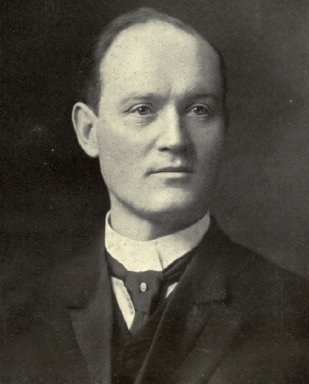
Louis-Philippe Hébert, around 1898 (Wm. Notman & Son).
CA-K538Culture & sport

Louis-Philippe Hébert, sculptor

Louis-Philippe Hébert was a Canadian sculptor known for public monuments. After carving wood figures for churches in Ottawa and Montréal, he made bronze statues such as Cartier on Parliament Hill and won renown for the sculptures on the façade of the Quebec legislature, his Maisonneuve monument in Montréal and the Macdonald monument in Ottawa.

Factual accuracy review: No recorded challenge

Contributor: Citizen.ca

Verified against cited sourcesVerified on 2026-10-26↗
Photo: William Notman & Son · Photo licence: Public domain · Credit & context
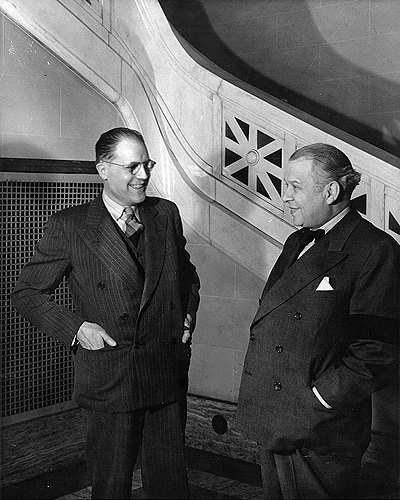
Wilfrid Pelletier (right) with Claude Champagne at the opening of the Conservatoire, 1943.
CA-K537Culture & sport

Wilfrid Pelletier, conductor and founder of the Conservatoire

Wilfrid Pelletier, an internationally renowned conductor, contributed greatly to Quebec’s musical life, especially in opera and through the Montréal Festivals and the Matinées symphoniques for young people. He was first director of the Conservatoire de musique du Québec and artistic director of the Montréal and Québec symphony orchestras; the Salle Wilfrid-Pelletier at Place des Arts bears his name.

Factual accuracy review: No recorded challenge

Contributor: Citizen.ca

Verified against cited sourcesVerified on 2026-10-26↗
Photo: Unknown author · Photo licence: Public domain · Credit & context
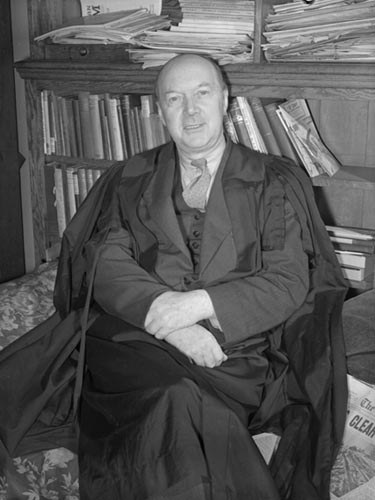
E. J. Pratt in Toronto, 1944 (Gordon W. Powley).
CA-K506Culture & sport

E. J. Pratt, poet from Newfoundland

E. J. Pratt, born at Western Bay, Newfoundland, taught and briefly served as a Methodist minister before spending his career at Victoria College in Toronto. By the 1930s he was a prominent Canadian poet, writing on grand themes such as evolution and human struggle against nature, with images of sea and rock that echo his Newfoundland roots.

Factual accuracy review: No recorded challenge

Contributor: Citizen.ca

Verified against cited sourcesVerified on 2026-10-26↗
Photo: Gordon W. Powley · Photo licence: Public domain · Credit & context
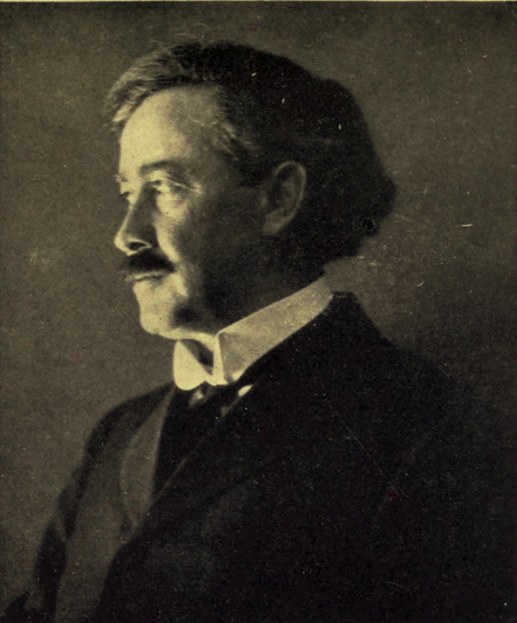
Robert Falconer, portrait published by the Empire Club of Canada.
CA-K503Institutions

Sir Robert Falconer, president of the University of Toronto

Sir Robert Falconer, born in Charlottetown, was an educator, writer and lecturer. After serving as principal of Pine Hill College in Halifax, he was president of the University of Toronto from 1907 to 1932 and wrote many books and articles on education and public questions.

Factual accuracy review: No recorded challenge

Contributor: Citizen.ca

Verified against cited sourcesVerified on 2026-10-26↗
Photo: Empire Club of Canada · Photo licence: Public domain · Credit & context
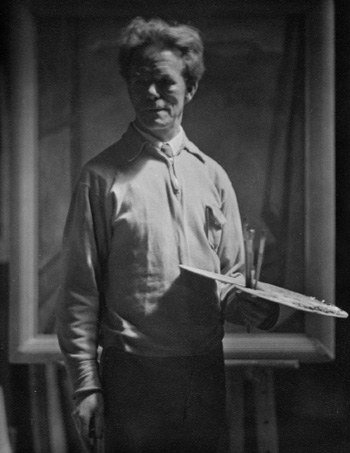
Peter McArthur, portrait published in 1916.
CA-K486Culture & sport

Peter McArthur, farmer and essayist

Peter McArthur of Appin, Ontario, edited the New York magazine Truth from 1896, encouraging Canadian and American writers. Returning to his birthplace in 1908, he combined farming with journalism, and his best-known collection of essays is In Pastures Green.

Factual accuracy review: No recorded challenge

Contributor: Citizen.ca

Verified against cited sourcesVerified on 2026-10-26↗
Photo: Photographer not named. · Photo licence: Public domain · Credit & context
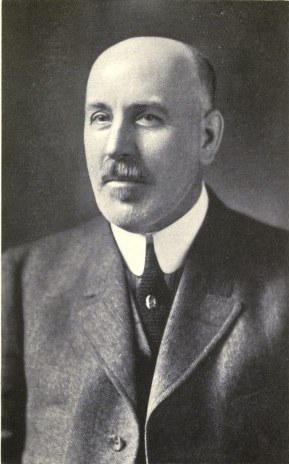
Frederick Varley, probably in Vancouver, 1927 (John Vanderpant).
CA-K484Culture & sport

Frederick Varley, painter of the Group of Seven

Frederick Varley, a founding member of the Group of Seven, helped establish a national style of painting the Canadian landscape. A masterful portraitist and an official First World War artist, he moved to teach on the West Coast in 1926, and his unconventional use of colour to convey emotion is a singular contribution to Canadian art.

Factual accuracy review: No recorded challenge

Contributor: Citizen.ca

Verified against cited sourcesVerified on 2026-10-26↗
Photo: John Vanderpant · Photo licence: Public domain · Credit & context
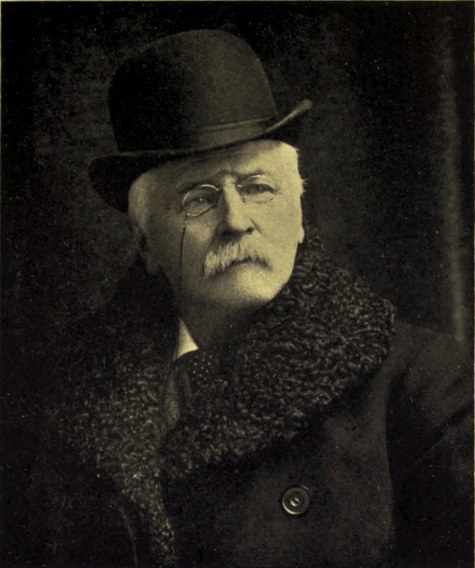
John Stephen Willison, portrait published in 1913.
CA-K479Culture & sport

Sir John Willison, editor of the Globe

As editor of the Toronto Globe from 1890 to 1902, John Stephen Willison made it the most influential Liberal newspaper in Canada. Disenchanted with Laurier’s government, he took over the independent Toronto News in 1902, later became Canadian correspondent of The Times of London, and wrote a significant study of Laurier and the Liberal Party.

Factual accuracy review: No recorded challenge

Contributor: Citizen.ca

Verified against cited sourcesVerified on 2026-10-26↗
Photo: Unknown author · Photo licence: Public domain · Credit & context
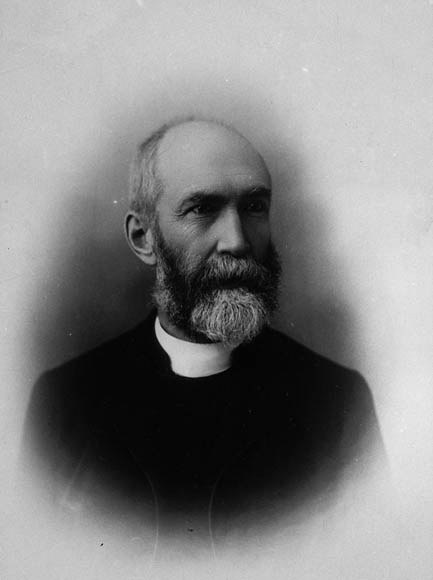
Charles Mair, portrait published in 1916.
CA-K468Culture & sport

Charles Mair, poet of Canada First

Charles Mair, born at Lanark, Upper Canada, was a journalist, poet, advocate of western expansion and an original member of the Canada First movement. A controversial figure during the Red River Resistance of 1869–1870, he later worked in business in the West and for the immigration service, and wrote works including Tecumseh and Through the Mackenzie Basin.

Factual accuracy review: No recorded challenge

Contributor: Citizen.ca

Verified against cited sourcesVerified on 2026-10-26↗
Photo: Photographer not named. · Photo licence: Public domain · Credit & context
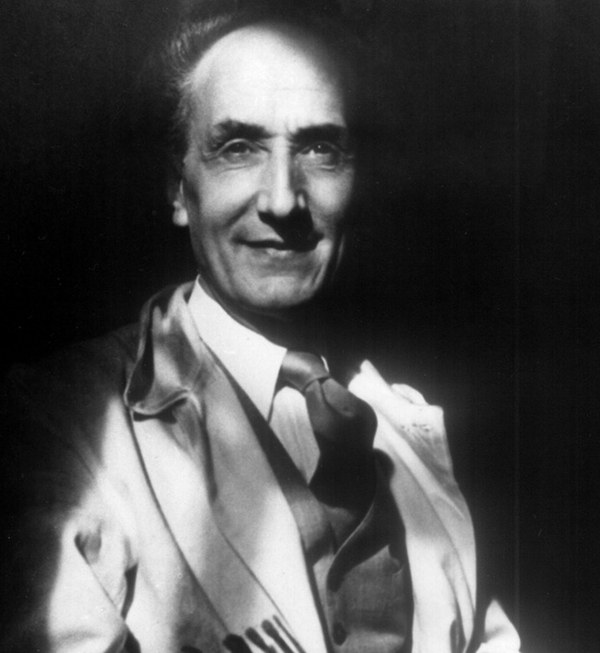
George Monro Grant, principal of Queen’s College (Library and Archives Canada).
CA-K466Institutions

George Monro Grant, principal of Queen’s

George Monro Grant, born at Albion Mines (Stellarton), Nova Scotia, was an educator and writer, author of Ocean to Ocean and minister of St. Matthew’s Church in Halifax. He was principal of Queen’s University from 1877 to 1902 and president of the Royal Society of Canada in 1901.

Factual accuracy review: No recorded challenge

Contributor: Citizen.ca

Verified against cited sourcesVerified on 2026-10-26↗
Photo: Government of Canada · Photo licence: Public domain · Credit & context
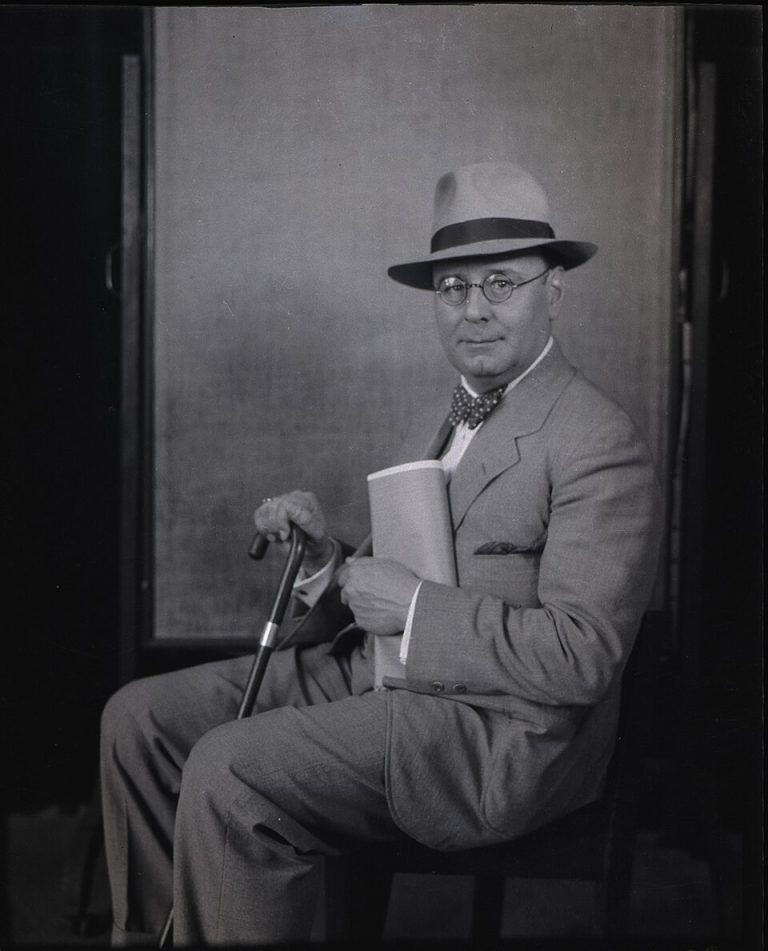
Guido Nincheri, around 1945.
CA-K462Culture & sport

Guido Nincheri, church artist of Montréal

Guido Nincheri had a major impact on church decoration in Canada in the first half of the 20th century, mastering buon fresco, painting on fresh plaster, which was rarely used in North America, and designing many church interiors and stained-glass windows. Detained during the internment of Italian Canadians in the Second World War, he later worked in the United States while keeping his Montréal studio.

Factual accuracy review: No recorded challenge

Contributor: Citizen.ca

Verified against cited sourcesVerified on 2026-10-26↗
Photo: Paul Provencher [2] (dead link) [3] (1902-1982) [4] · Photo licence: Public domain · Credit & context
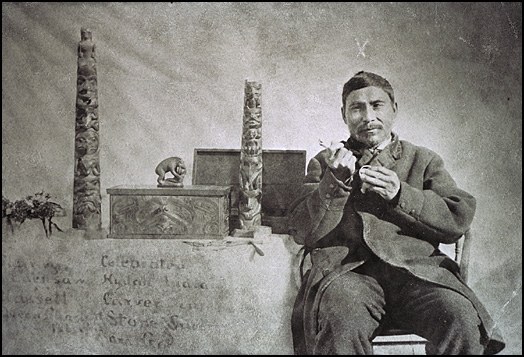
Dr. Healey Willan in 1930 (Archives of Ontario).
CA-K457Culture & sport

Healey Willan, composer of sacred music

Healey Willan came to Canada in 1913 to teach at the Toronto Conservatory of Music, now the Royal Conservatory. As organist and choirmaster of St. Mary Magdalene in Toronto from 1921 to 1968, he composed the sacred music for which he is particularly remembered.

Factual accuracy review: No recorded challenge

Contributor: Citizen.ca

Verified against cited sourcesVerified on 2026-10-26↗
Photo: Unknown photographer (1930); Archives of Ontario, I0001735 · Photo licence: Public domain · Credit & context
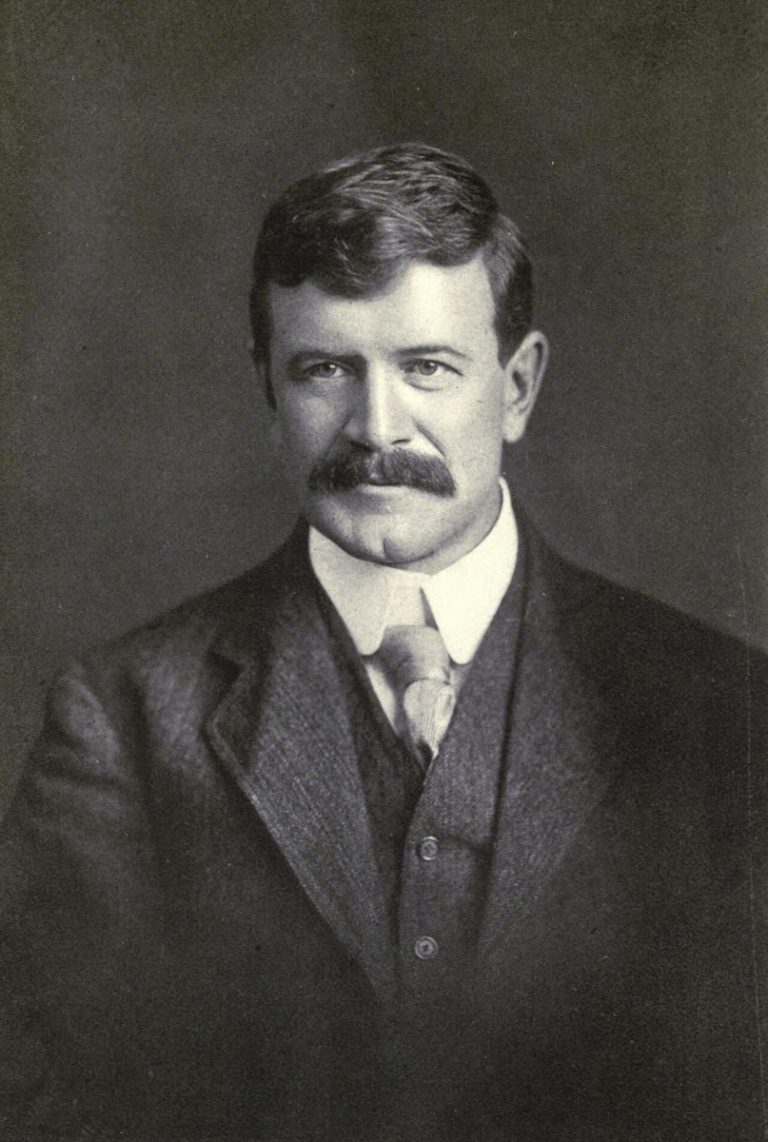
Charles Edenshaw, Haida artist (Canadian Museum of History).
CA-K445Indigenous peoples & reconciliation

Charles Edenshaw (Tahayren), Haida artist

Charles Edenshaw (Tahayren), born at Skidegate, was the foremost Haida carver at the time Haida art first won international recognition. Trained by his uncle, he worked in argillite and silver in a personal style that extended the traditional range of Haida art, and his work is held in museums in North America and Europe.

Factual accuracy review: No recorded challenge

Contributor: Citizen.ca

Verified against cited sourcesVerified on 2026-10-26↗
Photo: Unknown author · Photo licence: Public domain · Credit & context
Stephen Leacock, portrait published in 1913.
CA-K440Culture & sport

Stephen Leacock, humorist

Stephen Leacock spent most of his career at McGill University teaching history and political science, but he is chiefly known as a humorist. Sunshine Sketches of a Little Town (1912) made his reputation across the English-speaking world, and his work finds humour in ordinary people in everyday situations through exaggeration and incongruity.

Factual accuracy review: No recorded challenge

Contributor: Citizen.ca

Verified against cited sourcesVerified on 2026-10-26↗
Photo: The Arts & Letters Club of Toronto · Photo licence: Public domain · Credit & context