An independent Canadian knowledge project

Focused and Verified

Canadian knowledge base

Search by keyword

Choose one keyword, or combine two. Broader keywords include their descendants.

Keywords: Events and historical processes

Clear search
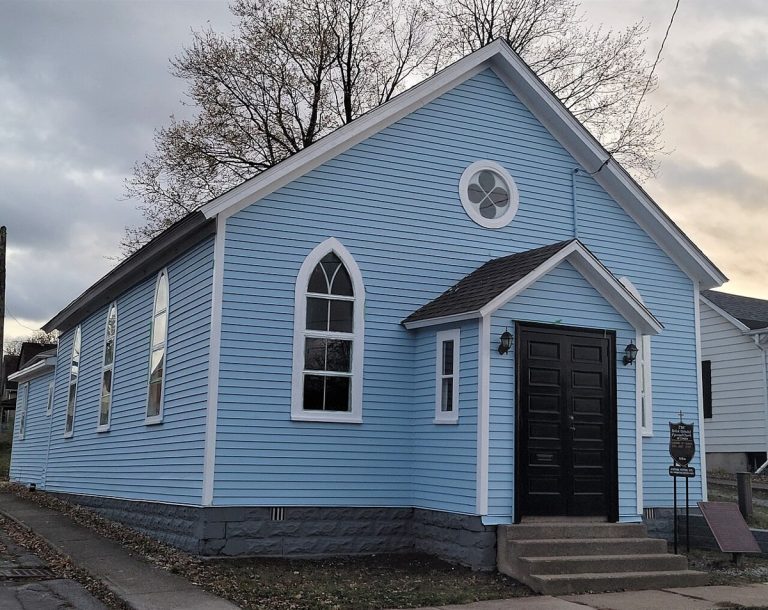
The R. Nathaniel Dett British Methodist Episcopal Church in Niagara Falls, Ontario, photographed in 2022.
CA-K347History

R. Nathaniel Dett BME Church, Niagara Falls

The R. Nathaniel Dett British Methodist Episcopal Church in Niagara Falls, Ontario, built in 1836 and later rolled on logs to its present site, illustrates early Black settlement in the Niagara area and the church’s role in receiving and sheltering Underground Railroad refugees. It is associated with the formative years of R. Nathaniel Dett, a leading figure in 20th-century North American sacred music.

Factual accuracy review: No recorded challenge

Contributor: Citizen.ca

Verified against cited sourcesVerified on 2026-10-26↗
Photo: Mhsheikholeslami · Photo licence: CC BY-SA 4.0 · Credit & context
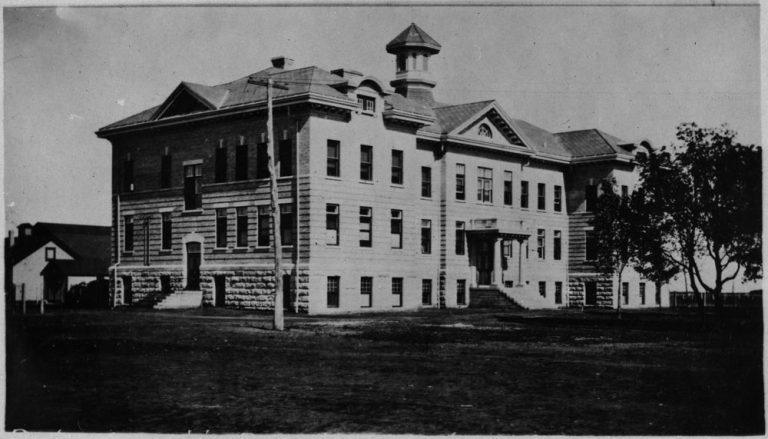
The school building at Portage la Prairie, Manitoba, around 1914–1915 (Library and Archives Canada).
CA-K344Indigenous peoples & reconciliation

The former Portage la Prairie Indian Residential School

At the Portage la Prairie Indian Residential School in Manitoba, built in 1914–1915 and open until 1975, Indigenous children endured abuse, severe discipline, punishment for speaking their languages and isolation from their families. Operated by the Presbyterian and United Churches for the federal government, it was part of a policy the Truth and Reconciliation Commission called cultural genocide; Long Plain First Nation took ownership in 1981 and has made it a place of commemoration and resilience.

Factual accuracy review: No recorded challenge

Contributor: Citizen.ca

Verified against cited sourcesVerified on 2026-10-26↗
Photo: BiblioArchives / LibraryArchives · Photo licence: CC BY 2.0 · Credit & context
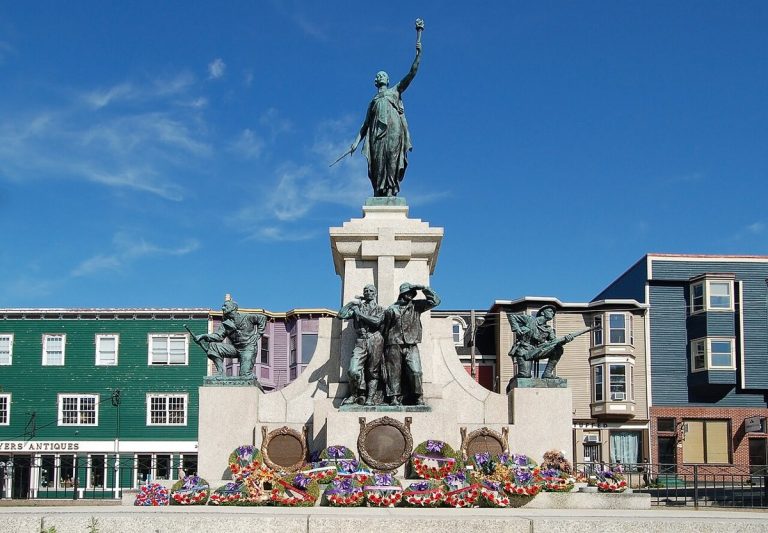
The Newfoundland National War Memorial in St. John’s, photographed in 2008.
CA-K339History

The Newfoundland National War Memorial

The Newfoundland National War Memorial in St. John’s, unveiled in 1924, commemorates the Dominion of Newfoundland’s contributions to the First World War. An allegorical female figure stands above bronze figures representing the Royal Newfoundland Regiment, Royal Naval Reserve, Mercantile Marine and Forestry Corps, beside the harbour where soldiers departed and returned.

Factual accuracy review: No recorded challenge

Contributor: Citizen.ca

Verified against cited sourcesVerified on 2026-10-26↗
Photo: Nilfanion · Photo licence: CC BY-SA 4.0 · Credit & context
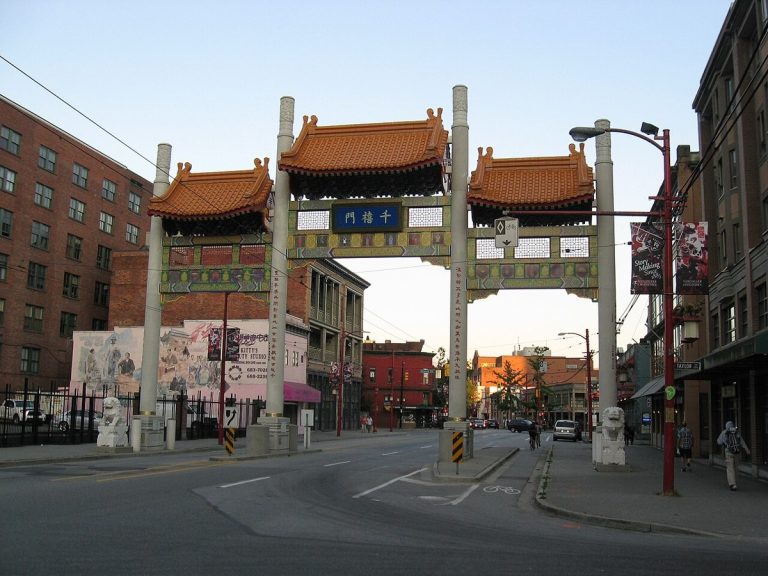
The Millennium Gate on West Pender Street in Vancouver’s Chinatown, photographed in 2012.
CA-K331History

Vancouver’s Chinatown

Vancouver’s Chinatown, one of the oldest and largest in Canada, developed as a self-segregated enclave partly because of racial hostility elsewhere in the city before the Second World War, and reflects the contributions and struggles of Chinese Canadians. It is known for a distinctive “recessed balcony” architecture that blends Chinese regional styles with western building methods.

Factual accuracy review: No recorded challenge

Contributor: Citizen.ca

Verified against cited sourcesVerified on 2026-10-26↗
Photo: MRDXII · Photo licence: CC BY-SA 3.0 · Credit & context
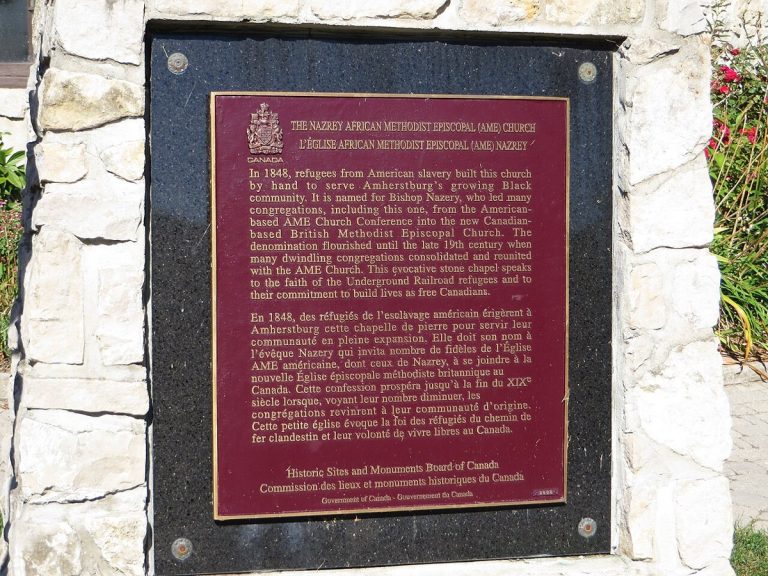
A commemorative plaque at the Nazrey African Methodist Episcopal Church in Amherstburg, Ontario, photographed in 2015.
CA-K330History

Nazrey AME Church, Amherstburg

In 1848, refugees from American slavery built the Nazrey African Methodist Episcopal Church by hand to serve Amherstburg’s growing Black community. The stone chapel is perhaps the building type most representative of Underground Railroad communities, and it is associated with Bishop Willis Nazrey, first leader of the British Methodist Episcopal Church, a wholly Canadian denomination founded by Underground Railroad refugees.

Factual accuracy review: No recorded challenge

Contributor: Citizen.ca

Verified against cited sourcesVerified on 2026-10-26↗
Photo: Ken Lund from Reno, Nevada, USA · Photo licence: CC BY-SA 2.0 · Credit & context
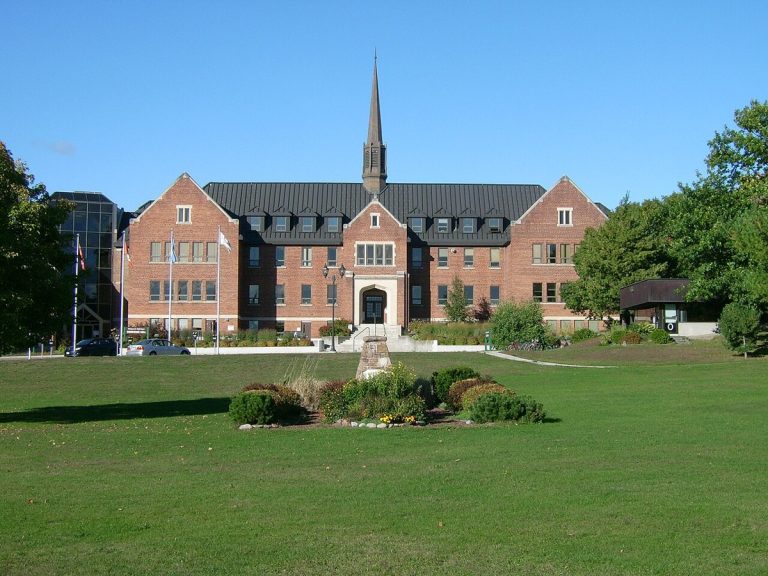
Shingwauk Hall, the former school’s main building, now part of Algoma University in Sault Ste. Marie, photographed in 2012.
CA-K328Indigenous peoples & reconciliation

The former Shingwauk Indian Residential School

The Shingwauk Indian Residential School in Sault Ste. Marie, Ontario, opened by the Anglican Church in 1875 and closed in 1970, was part of the residential school system that sought to assimilate Indigenous children by separating them from their families, cultures and languages. Named for Chief Shingwaukonse, whose vision of education was lost, it was a Shingwauk school “in name only”; its main building, Shingwauk Hall, is one of the few remaining residential school buildings in Canada.

Factual accuracy review: No recorded challenge

Contributor: Citizen.ca

Verified against cited sourcesVerified on 2026-10-26↗
Photo: Fungus Guy · Photo licence: CC BY-SA 3.0 · Credit & context
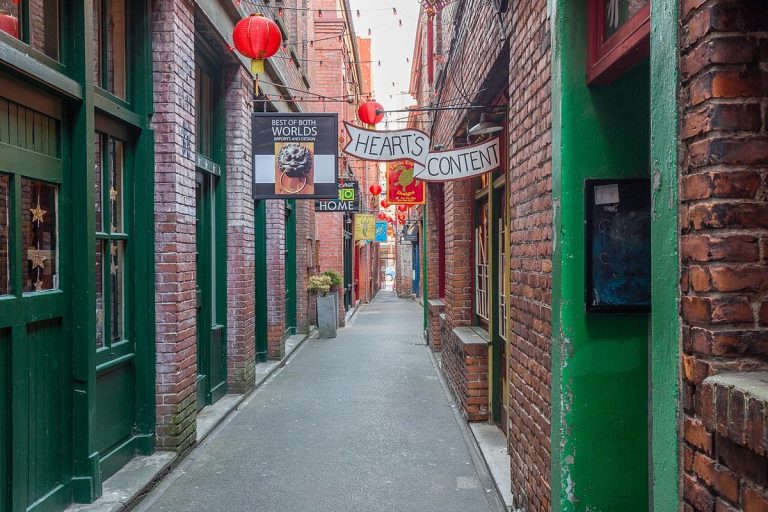
Fan Tan Alley in Victoria’s Chinatown, photographed in 2018.
CA-K315History

Victoria’s Chinatown, the oldest in Canada

Victoria’s Chinatown is the oldest surviving Chinatown in Canada. Before the Canadian Pacific Railway was completed, Victoria was a major port of entry for Chinese immigrants, and the neighbourhood became an important centre of Chinese Canadian community life.

Factual accuracy review: No recorded challenge

Contributor: Citizen.ca

Verified against cited sourcesVerified on 2026-10-26↗
Photo: Michal Klajban · Photo licence: CC BY-SA 4.0 · Credit & context
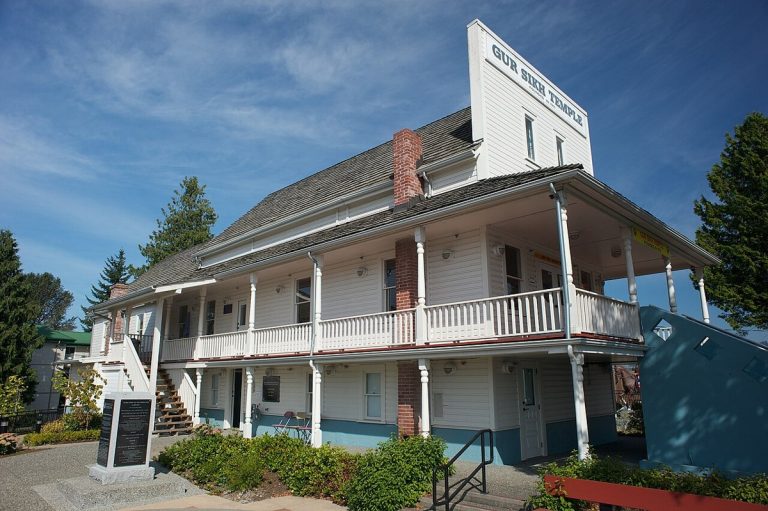
The Gur Sikh Temple (Abbotsford Sikh Temple), British Columbia, photographed in 2012.
CA-K314History

The Abbotsford Sikh Temple, 1911

The Abbotsford Sikh Temple in British Columbia, built in 1911 and used continuously since, is the oldest surviving example of the temples that played a crucial religious, social and political role in the pioneer phase of Sikh immigration to North America. Its simple false-front wooden building adapts Sikh traditions to a Canadian architectural form.

Factual accuracy review: No recorded challenge

Contributor: Citizen.ca

Verified against cited sourcesVerified on 2026-10-26↗
Photo: Jacobsimmonds · Photo licence: CC BY-SA 3.0 · Credit & context
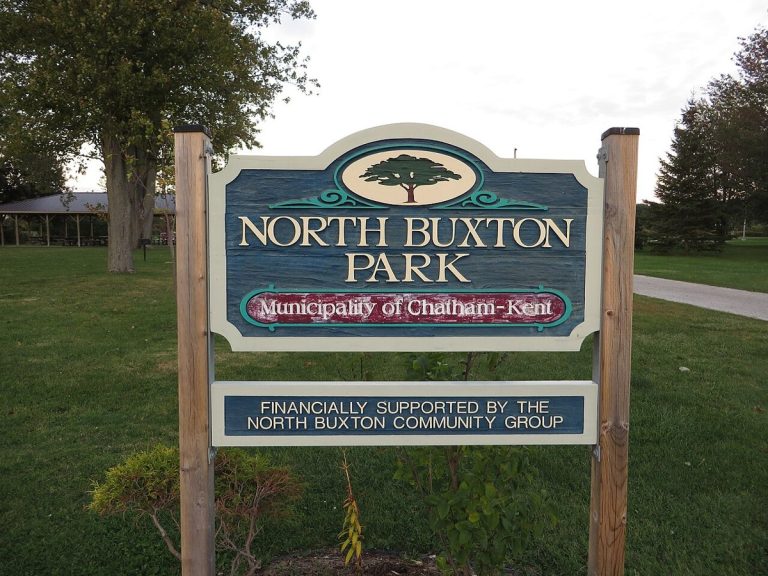
A sign for North Buxton Park in the Buxton Settlement area, Ontario, photographed in 2015; it does not show the settlement’s original buildings.
CA-K312History

The Buxton Settlement, a planned refugee community

The Buxton Settlement National Historic Site in southwestern Ontario encompasses a cultural landscape of about 4,680 hectares, including North and South Buxton. Its farms, religious institutions and schools preserve the history of a planned settlement founded by Underground Railroad refugees and remain a living memorial to its founders.

Factual accuracy review: No recorded challenge

Contributor: Citizen.ca

Verified against cited sourcesVerified on 2026-10-26↗
Photo: Ken Lund from Reno, Nevada, USA · Photo licence: CC BY-SA 2.0 · Credit & context
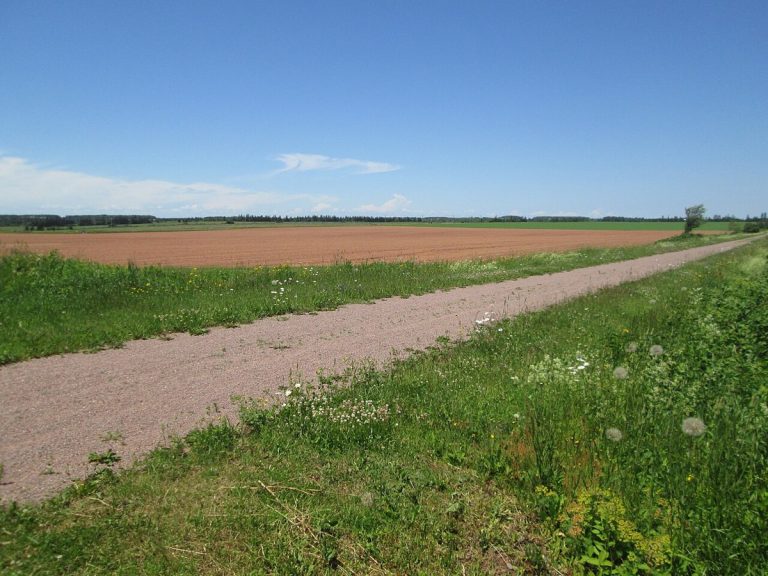
The Confederation Trail, on the former railway roadbed, at Freetown, Prince Edward Island, in 2017.
CA-K284History

The Prince Edward Island Railway and Confederation

The Prince Edward Island Railway was built between 1871 and 1875 to bring economic growth and better communications. Its costs threatened the colony with bankruptcy, and in 1873, after Ottawa agreed to pay for completing the line, Prince Edward Island joined Confederation; after service ended, its roadbed became part of the Confederation Trail.

Factual accuracy review: No recorded challenge

Contributor: Citizen.ca

Verified against cited sourcesVerified on 2026-10-26↗
Photo: Larry from Charlottetown, PEI, Canada · Photo licence: CC BY 2.0 · Credit & context
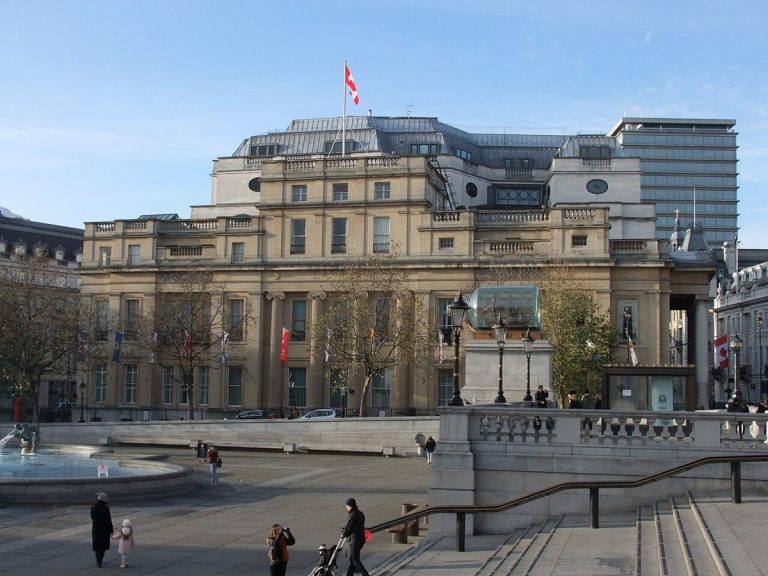
Canada House on Trafalgar Square, London, photographed in 2010.
CA-K283Institutions

Canada’s High Commission in London, 1880

In 1880, Canada became the first country of the British Empire to establish a high commission in London, mainly to promote trade and immigration, with former finance minister Sir Alexander Galt as the first high commissioner. Canada’s oldest diplomatic posting moved in 1925 to Canada House on Trafalgar Square, now a symbol of Canada in the British capital.

Factual accuracy review: No recorded challenge

Contributor: Citizen.ca

Verified against cited sourcesVerified on 2026-10-26↗
Photo: PAUL FARMER · Photo licence: CC BY-SA 2.0 · Credit & context
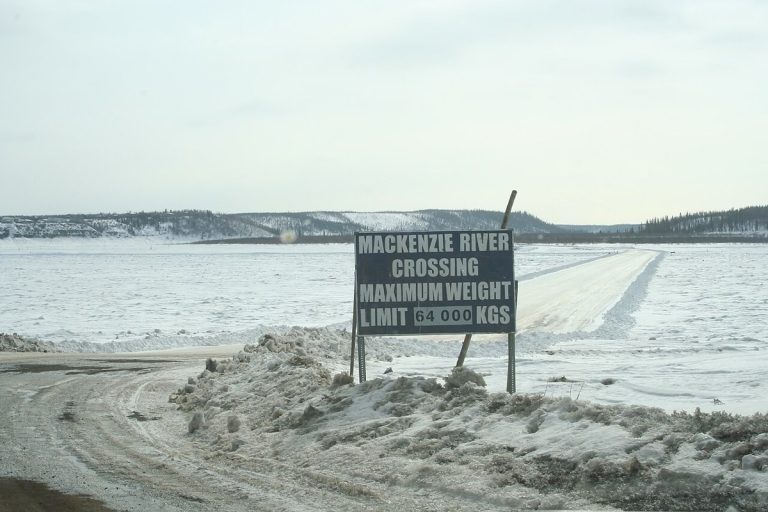
An ice road across the Mackenzie River at Tsiigehtchic, Northwest Territories, in 2008.
CA-K282Places & geography

Ice roads in the Northwest Territories

Engineered ice roads were introduced in the Northwest Territories after the Second World War. They made transporting essential goods more affordable, carried heavy equipment for mining and petrochemical industries, and provided winter land links to northern communities.

Factual accuracy review: No recorded challenge

Contributor: Citizen.ca

Verified against cited sourcesVerified on 2026-10-26↗
Photo: Ian Mackenzie · Photo licence: CC BY 2.0 · Credit & context
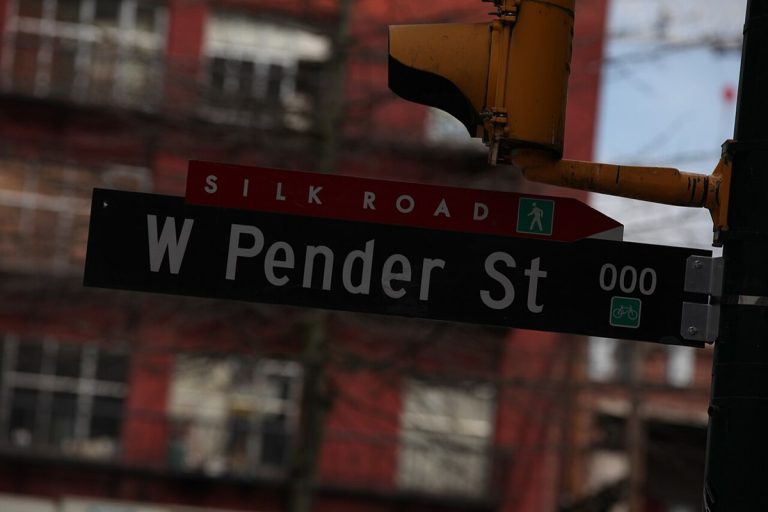
West Pender Street in Vancouver’s Chinatown, photographed in 2011.
CA-K281History

The exclusion of Chinese immigrants, 1923–1947

The Chinese Immigration Act (Chinese Exclusion Act), which took effect on 1 July 1923, imposed discriminatory restrictions on Chinese immigration and replaced the head tax. All Chinese people in Canada, including those born here, had to register or risk fines, detention or deportation. Chinese Canadians challenged the law until its repeal in 1947.

Factual accuracy review: No recorded challenge

Contributor: Citizen.ca

Verified against cited sourcesVerified on 2026-10-26↗
Photo: Kyle Lawrence · Photo licence: CC BY-SA 3.0 · Credit & context
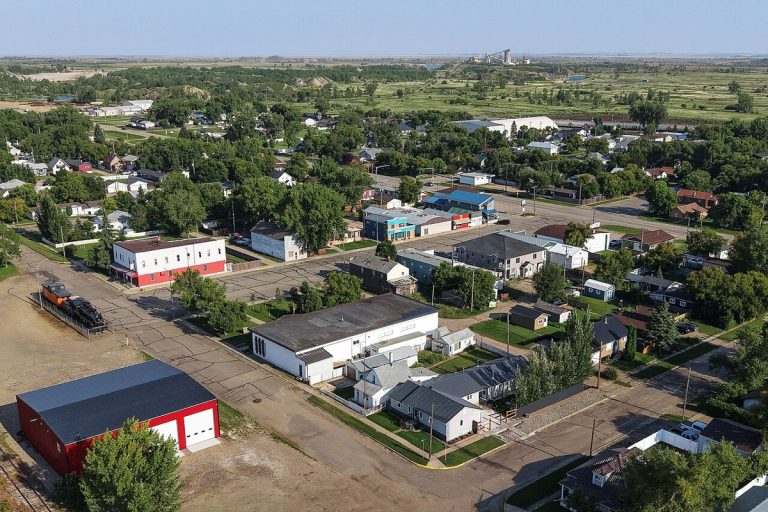
Bienfait, Saskatchewan, from the air in 2026.
CA-K279History

The 1931 Estevan strike and Black Tuesday

In September 1931, coal miners in Bienfait, Saskatchewan, went on a 30-day strike when mine owners refused to recognize their union. A motor cavalcade of strikers and supporters turned deadly in Estevan when police shot and killed three miners and injured 23 others; known as Black Tuesday, it remains a tragic legacy of the Depression.

Factual accuracy review: No recorded challenge

Contributor: Citizen.ca

Verified against cited sourcesVerified on 2026-10-26↗
Photo: Quintin Soloviev · Photo licence: CC BY 4.0 · Credit & context
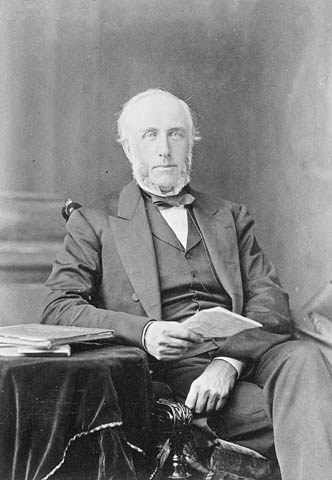
A portrait of George Brown, Father of Confederation.
CA-K277History

George Brown, The Globe and the Great Coalition

George Brown (1818–1880) founded the influential newspaper The Globe in 1844 and became a leading reformer and head of the “Clear Grit” party. In 1864 he was a key figure in the Great Coalition that made Confederation possible, and he co-founded the Anti-Slavery Society of Canada.

Factual accuracy review: No recorded challenge

Contributor: Citizen.ca

Verified against cited sourcesVerified on 2026-10-26↗
Photo: Hunter & Co. · Photo licence: Public domain · Credit & context
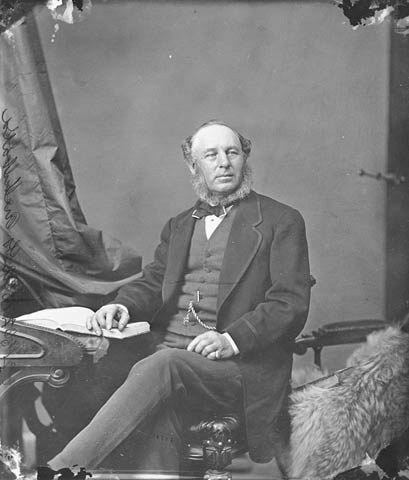
A portrait of Sir Adams George Archibald.
CA-K275Indigenous peoples & reconciliation

Adams Archibald, Métis land rights and Treaties 1 and 2

Adams George Archibald (1814–1892), first lieutenant-governor of Manitoba and the North-West Territories (1870–1872), was charged with administering the Manitoba Act’s guarantee of Métis land rights, which proved difficult amid settler encroachment and while Canadian militia subjected Métis people to a “reign of terror.” In 1871 he represented the Crown in negotiating Treaties 1 and 2, but several promises he made were not written into the treaties.

Factual accuracy review: No recorded challenge

Contributor: Citizen.ca

Verified against cited sourcesVerified on 2026-10-26↗
Photo: User Magnus Manske on en.wikipedia · Photo licence: Public domain · Credit & context
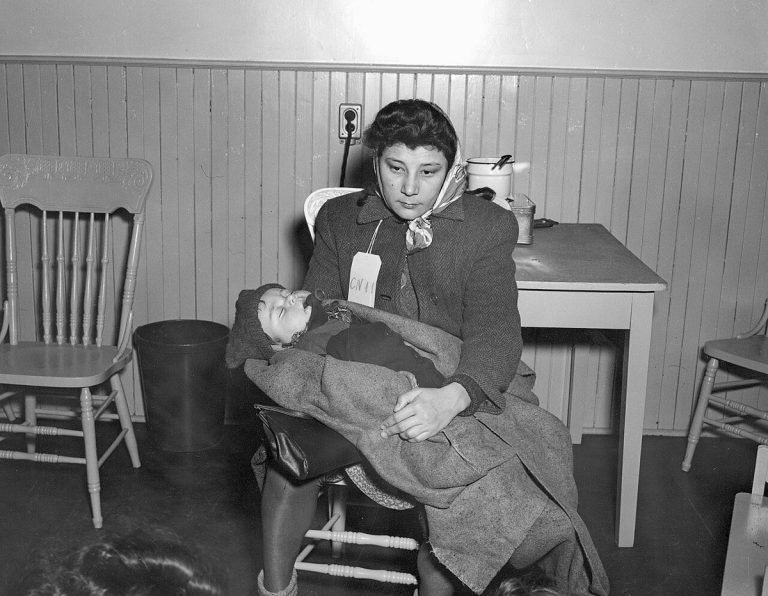
An immigrant woman with her baby at Pier 21, Halifax, in 1948 (photograph by E. A. Bollinger).
CA-K249History

Displaced persons arrive after the Second World War

After the Second World War, nearly 187,000 people fled devastated Europe for Canada, including Holocaust survivors, former prisoners of war and thousands unable or unwilling to return home; most arrived by ship between 1947 and 1952. Many first worked as labourers despite professional training, and their arrival strengthened calls to recognize Canada’s growing cultural diversity.

Factual accuracy review: No recorded challenge

Contributor: Citizen.ca

Verified against cited sourcesVerified on 2026-10-26↗
Photo: E.A. Bollinger · Photo licence: Public domain · Credit & context
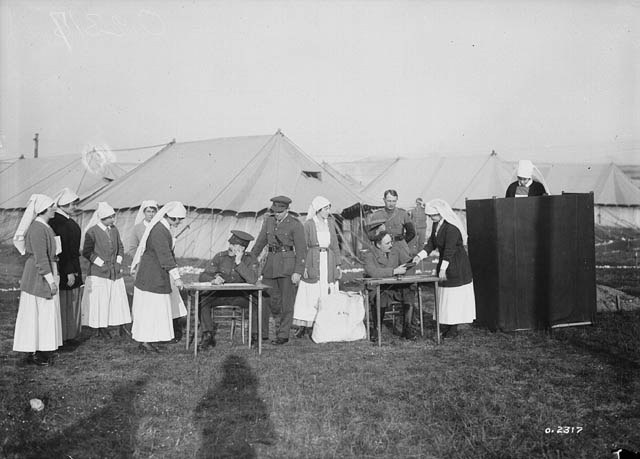
Nursing Sisters at a Canadian hospital in France voting in the 1917 federal election (photograph by William Rider-Rider).
CA-K246History

Nursing Sisters, the first women with military rank

Canadian military nurses have cared for the sick and wounded in battle since 1885. In 1904, professional nurses joined the Canadian Army Medical Corps as Nursing Sisters, the first women in the British Empire to receive military rank; in the two world wars hundreds were decorated and dozens died from enemy action.

Factual accuracy review: No recorded challenge

Contributor: Citizen.ca

Verified against cited sourcesVerified on 2026-10-26↗
Photo: William Rider-Rider · Photo licence: Public domain · Credit & context
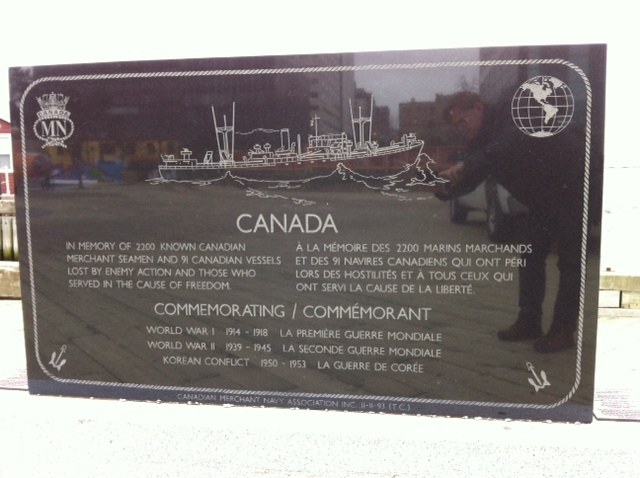
The Merchant Marine Monument at Sackville Landing, Halifax, photographed in 2013.
CA-K245History

The Canadian Merchant Navy in the Second World War

In the Second World War, the Canadian Merchant Navy contributed decisively to Allied victory by carrying troops and supplies to war zones around the world. Merchant mariners, men and women, faced the constant threat of enemy attack as well as the dangers of the open sea, and many lost their lives.

Factual accuracy review: No recorded challenge

Contributor: Citizen.ca

Verified against cited sourcesVerified on 2026-10-26↗
Photo: Hantsheroes · Photo licence: CC BY-SA 3.0 · Credit & context
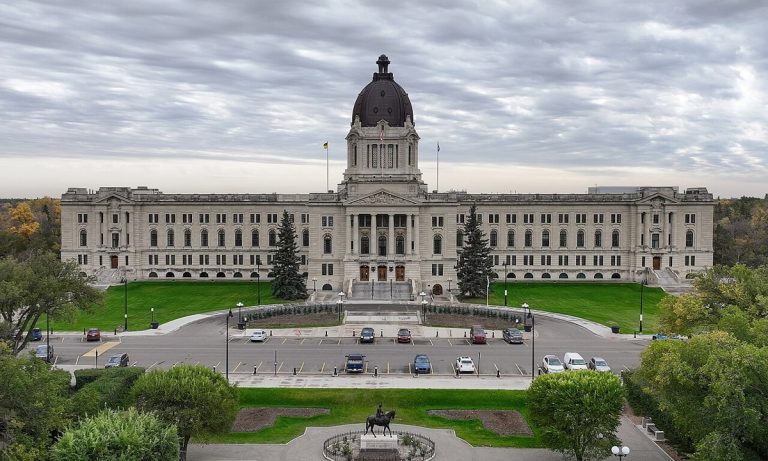
The Saskatchewan Legislative Building in Regina, photographed in 2025.
CA-K244History

The Saskatchewan doctors’ strike of 1962

When Saskatchewan’s Medical Care Insurance Act took effect on 1 July 1962, most of the province’s doctors went on strike for 23 days. Perhaps the most significant Canadian doctors’ strike of the 20th century, it exemplified conflicts in the development of medicare between state intervention and physicians’ independence, and between doctors as entrepreneurs and patients’ right to care regardless of income.

Factual accuracy review: No recorded challenge

Contributor: Citizen.ca

Verified against cited sourcesVerified on 2026-10-26↗
Photo: Quintin Soloviev · Photo licence: CC BY 4.0 · Credit & context
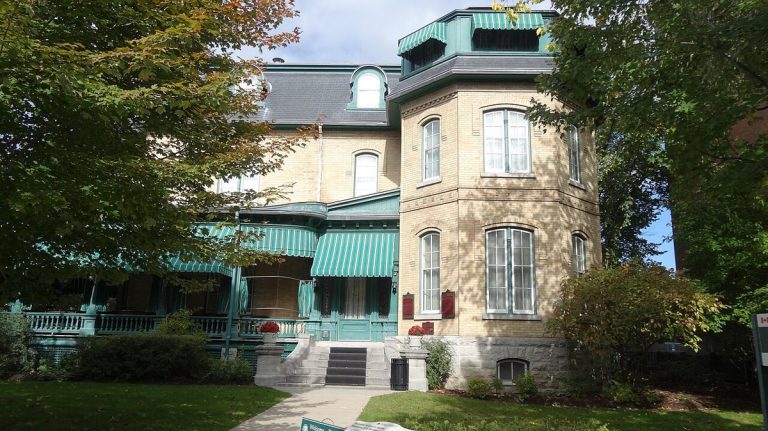
Laurier House in Ottawa, Prime Minister Mackenzie King’s home, next to which the unit worked from 1942 to 1945; photographed in 2014.
CA-K243History

The Examination Unit, Canada’s wartime codebreakers

The Examination Unit (1941–1945) was Canada’s secret civilian cryptographic bureau in the Second World War, working within the National Research Council; women made up about 40% of its staff. It helped the Allies decrypt French, German and Japanese messages and paved the way for the Communications Security Establishment, founded in 1975.

Factual accuracy review: No recorded challenge

Contributor: Citizen.ca

Verified against cited sourcesVerified on 2026-10-26↗
Photo: Suwannee.payne · Photo licence: CC BY-SA 3.0 · Credit & context
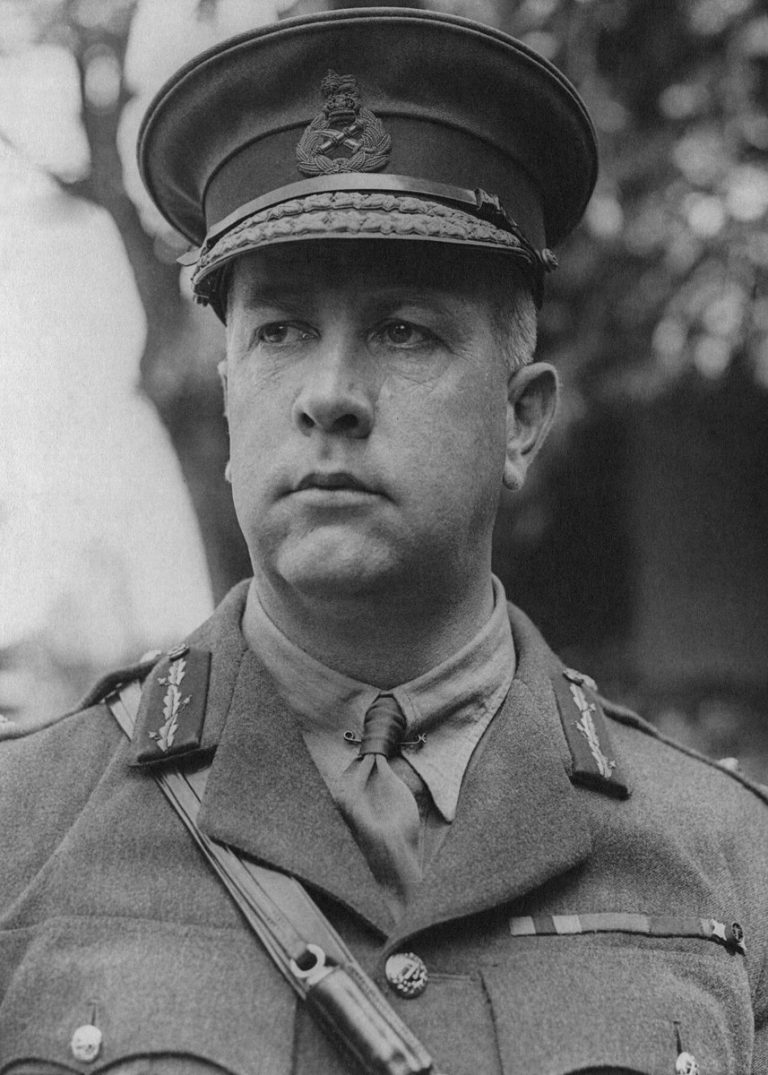
General Currie, commander of the Canadian troops in France, in June 1917.
CA-K232History

Sir Arthur Currie, commander of the Canadian Corps

Sir Arthur Currie (1875–1933), who trained with the militia at Fort Rodd Hill in Victoria, commanded one of Canada’s first overseas infantry brigades in the First World War. Promoted to lieutenant-general after Vimy Ridge, he became commander of the entire Canadian Corps, the first and only Canadian to hold that position, and after the war served as principal of McGill University.

Factual accuracy review: No recorded challenge

Contributor: Citizen.ca

Verified against cited sourcesVerified on 2026-10-26↗
Photo: Unknown photographer · Photo licence: Public domain · Credit & context
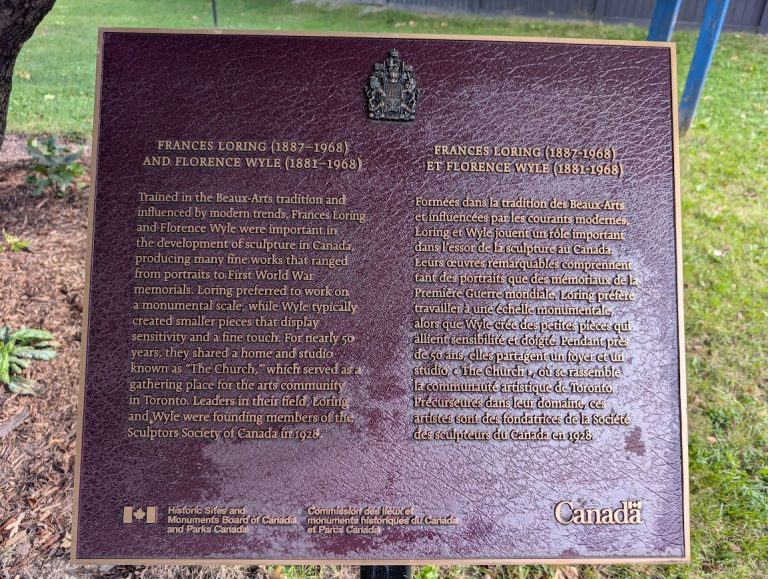
The commemorative plaque in Loring Wyle Parkette, Toronto, photographed in 2026.
CA-K228Culture & sport

Frances Loring and Florence Wyle, sculptors

Sculptors Frances Loring (1887–1968) and Florence Wyle (1881–1968) were important in the development of Canadian sculpture, creating works from portraits to First World War memorials. For nearly 50 years they shared a Toronto home and studio known as “The Church,” a gathering place for artists; both were founding members of the Sculptors Society of Canada in 1928.

Factual accuracy review: No recorded challenge

Contributor: Citizen.ca

Verified against cited sourcesVerified on 2026-10-26↗
Photo: JRB76D · Photo licence: CC BY-SA 4.0 · Credit & context
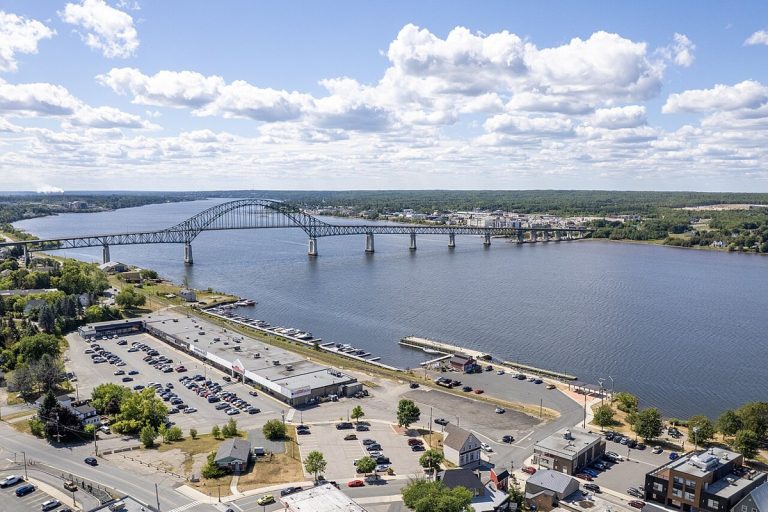
The Miramichi River and Centennial Bridge in Miramichi, New Brunswick, in 2025.
CA-K224History

The Miramichi Fire of 1825

In October 1825, the Miramichi Fire burned an estimated 15,500 km² of northeastern New Brunswick, killing hundreds of people, leaving thousands homeless and affecting both settlers and Mi’kmaq. About £50,000 was raised for relief, thought to be the largest disaster relief effort in pre-Confederation Canadian history.

Factual accuracy review: No recorded challenge

Contributor: Citizen.ca

Verified against cited sourcesVerified on 2026-10-26↗
Photo: Gabriel Picard · Photo licence: CC BY-SA 4.0 · Credit & context