
An independent Canadian knowledge project

Focused and Verified

Canadian knowledge base

Search by keyword

Choose one keyword, or combine two. Broader keywords include their descendants.

Keywords: Culture and everyday life

Clear search
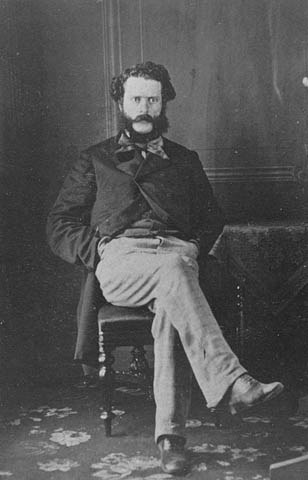
John Robson, portrait (Library and Archives Canada).
CA-K957History

John Robson, newspaperman and premier of British Columbia

John Robson, born in Perth, Ontario, came to British Columbia in 1859. In 1861 he founded the British Columbian at New Westminster, a newspaper on the British Columbia mainland, and used it to demand responsible government. Elected in 1867, he urged the colony to join Confederation, held several cabinet posts and was premier from 1889 until his accidental death in London, working to organize schools and regulate resource development.

Factual accuracy review: No recorded challenge

Contributor: Citizen.ca

Verified against cited sourcesVerified on 2026-10-27↗
Photo: Unknown photographer; Library and Archives Canada · Photo licence: Public domain · Credit & context
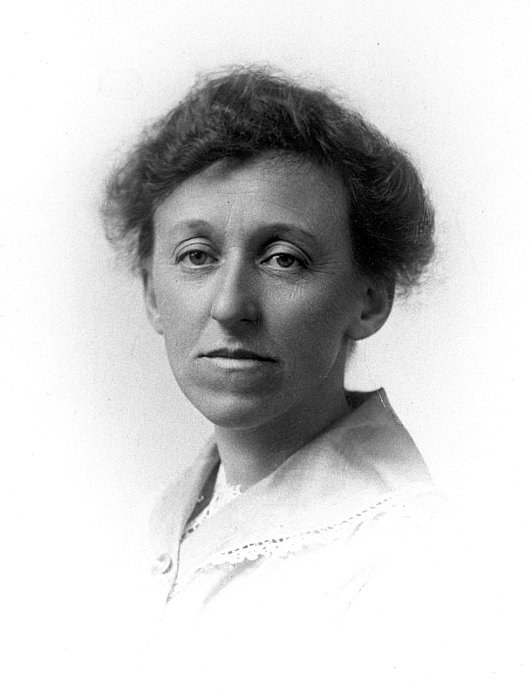
Violet McNaughton, about 1910 (University of Saskatchewan Archives).
CA-K950Economy & trade

Violet McNaughton, farm women’s leader

Violet McNaughton, a leader in the women’s, peace and co-operative movements, drew on her life as a farm wife to organize the Women Grain Growers and help develop the Wheat Pool. She led the fight in Saskatchewan for women’s right to vote and for publicly funded medical care, and from 1926 to 1960 promoted agrarian feminism, pacifism and co-operation as a journalist with The Western Producer.

Factual accuracy review: No recorded challenge

Contributor: Citizen.ca

Verified against cited sourcesVerified on 2026-10-27↗
Photo: Unknown author · Photo licence: Public domain · Credit & context
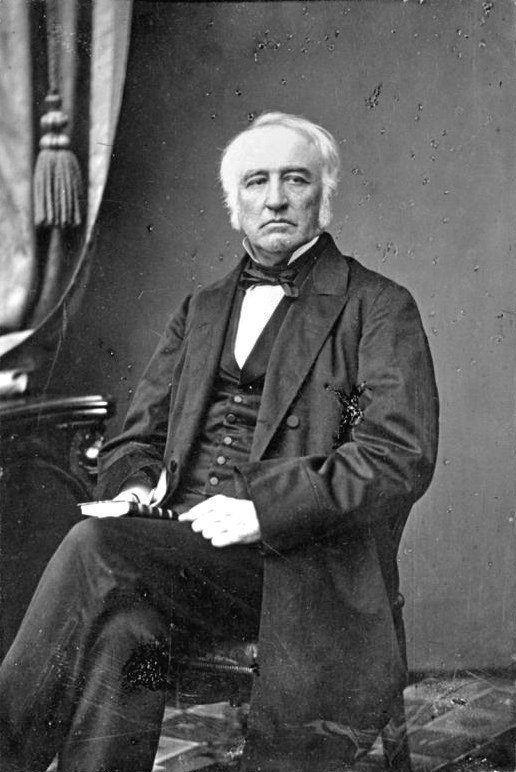
Augustin-Norbert Morin, about 1865 (Jules-Isaïe Benoît).
CA-K949History

Augustin-Norbert Morin, Patriote and co-premier

Augustin-Norbert Morin, lawyer and journalist, entered Lower Canada’s Assembly for Bellechasse in 1830, helped write the Parti patriote’s 92 Resolutions and took part in the Rebellion of 1837. In the Province of Canada he was co-premier with Francis Hincks and Allan MacNab, and in 1854 his government abolished the seigneurial system in Canada East. As a Superior Court judge from 1855, he helped draft the Civil Code of Lower Canada.

Factual accuracy review: No recorded challenge

Contributor: Citizen.ca

Verified against cited sourcesVerified on 2026-10-27↗
Photo: Jules-Isaïe Benoît · Photo licence: Public domain · Credit & context
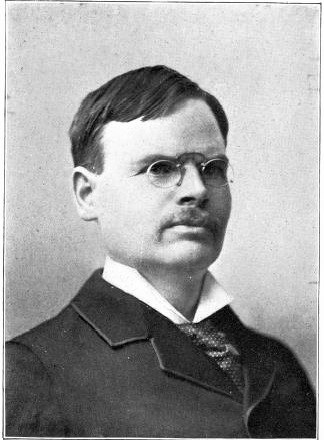
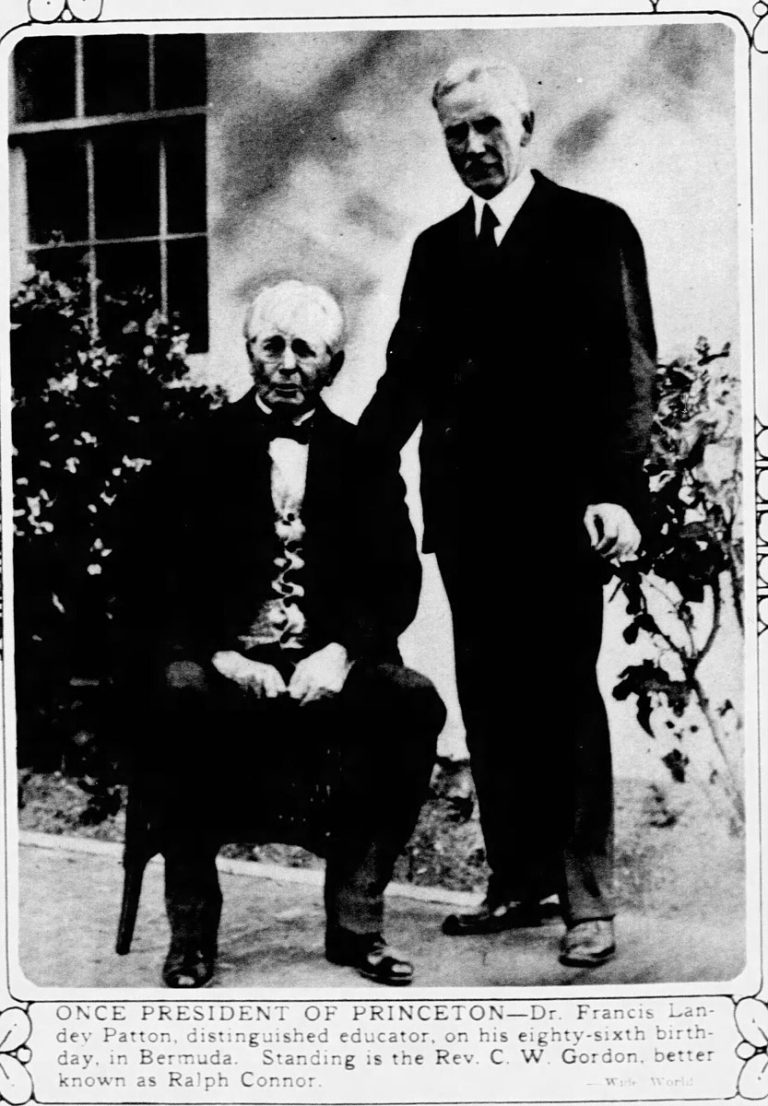
Rev. C.W. Gordon (Ralph Connor), right, with Dr. Francis Landey Patton, 1929.
CA-K946Culture & sport

Ralph Connor, novelist and churchman

Charles William Gordon, born in Glengarry, Ontario, was a Presbyterian minister and pastor of St. Stephen’s Church in Winnipeg from 1894 to 1924. As “Ralph Connor” he entertained and instructed millions with novels, many about the settlement of western Canada. An ardent Canadian nationalist, he worked for causes such as temperance and help for immigrants, and his optimism reflected the views of many Canadians of his time.

Factual accuracy review: No recorded challenge

Contributor: Citizen.ca

Verified against cited sourcesVerified on 2026-10-27↗
Photo: Wide World Photos · Photo licence: Public domain · Credit & context
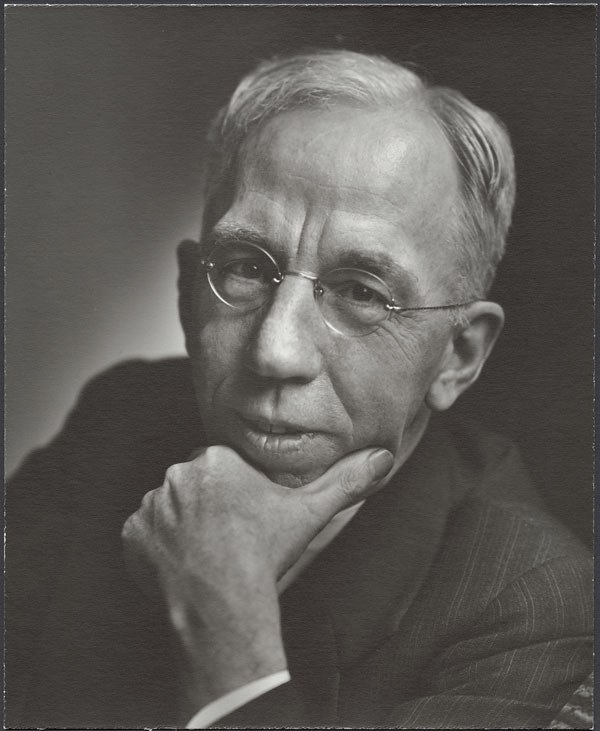
Wilfred Campbell, portrait photograph.
CA-K943Culture & sport

Wilfred Campbell, poet of the Confederation group

William Wilfred Campbell, born in Kitchener, left the Anglican ministry in 1891 to become a civil servant in Ottawa. A member of the Confederation group of poets, he drew inspiration from the Bruce Peninsula of his youth and also wrote novels, histories, plays and travel books. His writing explored nature, faith and Darwinism, as well as imperial ideas of his time.

Factual accuracy review: No recorded challenge

Contributor: Citizen.ca

Verified against cited sourcesVerified on 2026-10-27↗
Photo: Photographer unattributed · Photo licence: Public domain · Credit & context
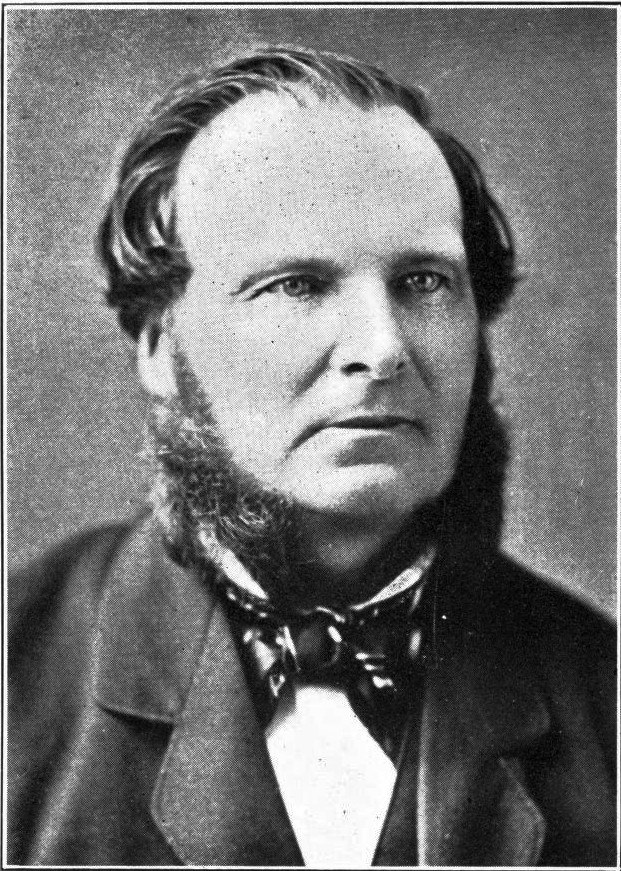
B.K. Sandwell (Yousuf Karsh).
CA-K936Culture & sport

B.K. Sandwell, editor of Saturday Night

B.K. Sandwell was a journalist, essayist, lecturer and academic who edited Saturday Night from 1932 to 1951. He used the magazine to express English Canadian liberal ideas and defend civil liberties, and wrote extensively on literary and social questions.

Factual accuracy review: No recorded challenge

Contributor: Citizen.ca

Verified against cited sourcesVerified on 2026-10-27↗
Photo: Yousuf Karsh; Library and Archives Canada · Photo licence: CC BY 2.0 · Credit & context
William Kirby, portrait photograph.
CA-K933Culture & sport

William Kirby, author of The Golden Dog

William Kirby, born in England, came to Canada in 1839 and settled at Niagara, where for 20 years he edited the Niagara Mail and was Collector of Customs. A journalist, poet and historian, he is best known for The Golden Dog (1877), a novel of old Quebec that went through thirty editions and was translated into French by Pamphile Le May.

Factual accuracy review: No recorded challenge

Contributor: Citizen.ca

Verified against cited sourcesVerified on 2026-10-27↗
Photo: Photographer unattributed · Photo licence: Public domain · Credit & context
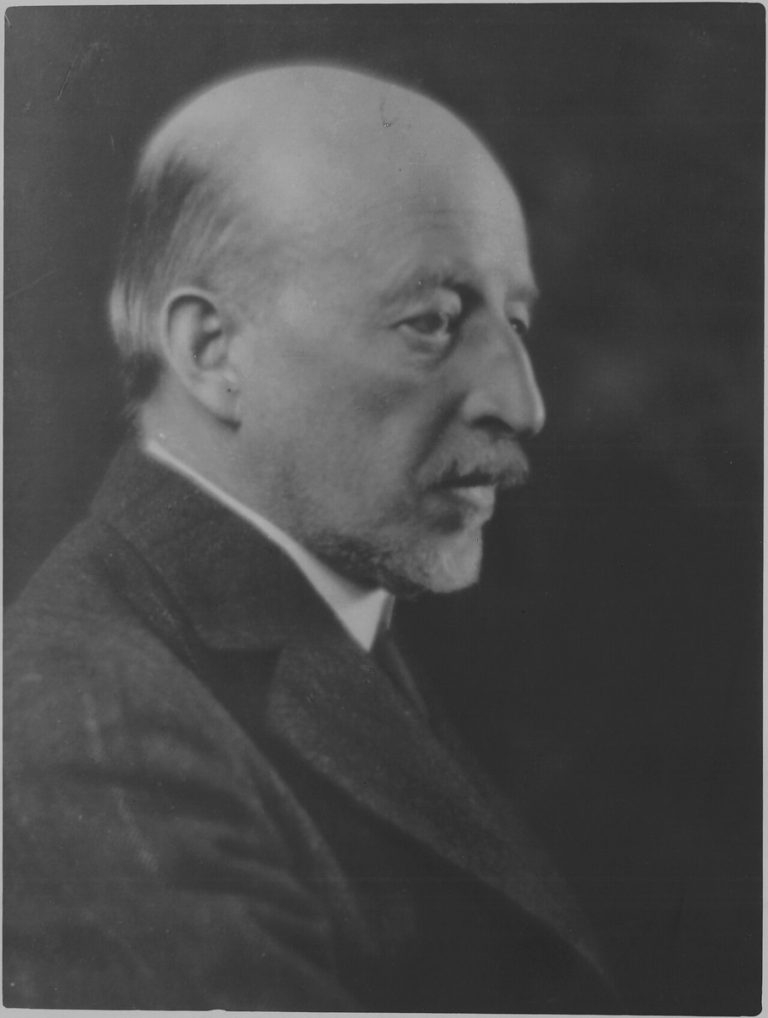
James Wilson Morrice, R.C.A. (Archives of Ontario).
CA-K927Culture & sport

James Wilson Morrice, landscape painter

James Wilson Morrice, born in Montréal, was a landscape painter active in Canada and Europe. Largely self-taught and influenced by contemporaries such as Whistler and Matisse, he used and transformed light to convey atmosphere. He lived in Paris, showed his work in many cities including Montréal, and his paintings were reviewed by leading critics and acquired by major museums.

Factual accuracy review: No recorded challenge

Contributor: Citizen.ca

Verified against cited sourcesVerified on 2026-10-27↗
Photo: Unknown photographer; Archives of Ontario · Photo licence: Public domain · Credit & context
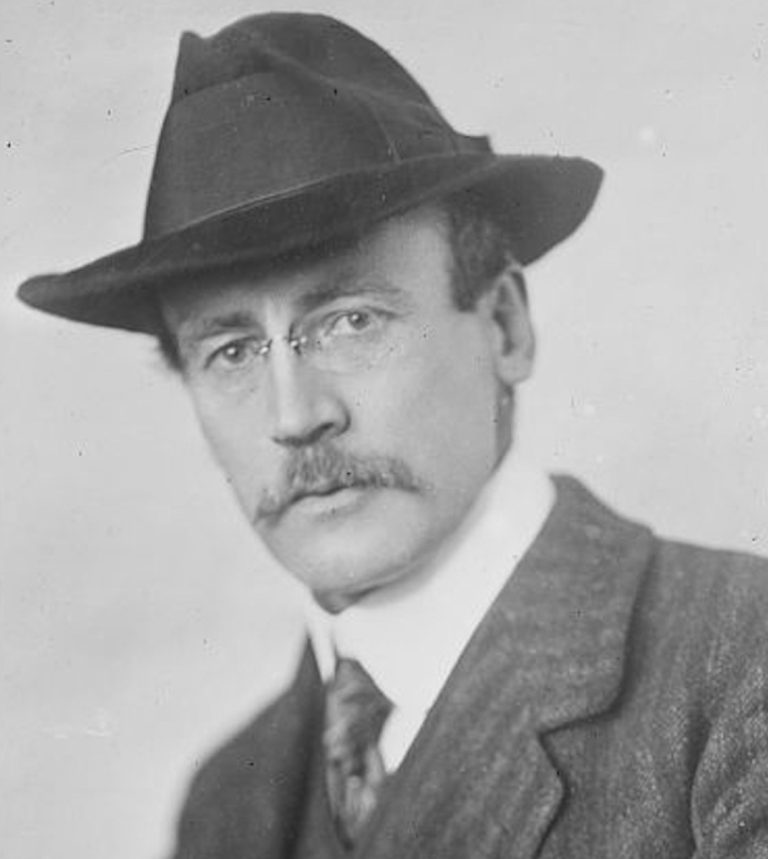
R. Tait McKenzie (Bain News Service).
CA-K926Culture & sport

R. Tait McKenzie, surgeon, educator and sculptor

Robert Tait McKenzie, born in Lanark County, Ontario, graduated in medicine at McGill and became its medical director of physical training in 1894. A pioneer of physical education, he served as a surgeon in the First World War and developed widely adopted rehabilitation methods. He won international acclaim for sculptures of athletes; his medallion The Joy of Effort was set in Stockholm’s Olympic Stadium in 1912.

Factual accuracy review: No recorded challenge

Contributor: Citizen.ca

Verified against cited sourcesVerified on 2026-10-27↗
Photo: Bain News Service · Photo licence: Public domain · Credit & context
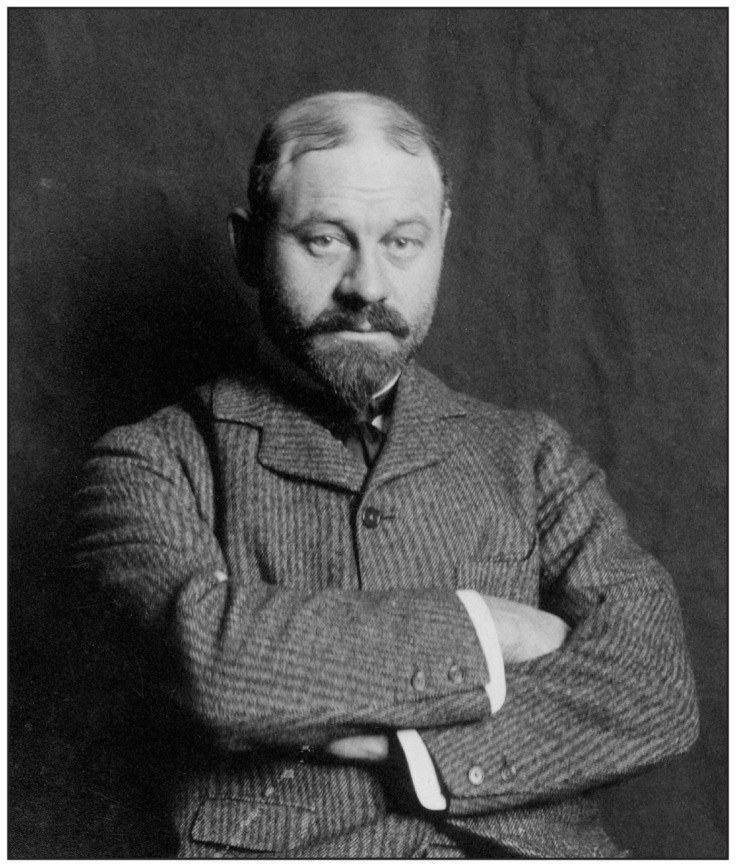
Dr. Andrew Macphail, about 1907.
CA-K925Culture & sport

Sir Andrew Macphail, doctor and essayist

Andrew Macphail, born at Orwell, Prince Edward Island, became a distinguished doctor and writer and McGill’s first professor of the history of medicine (1907–37). Knighted for his service with the Canadian Army Medical Corps in the First World War, he founded and edited the University Magazine and wrote books, plays and poems sharply criticizing the modern age, contrasting the rural life of his childhood with urban industrialism.

Factual accuracy review: No recorded challenge

Contributor: Citizen.ca

Verified against cited sourcesVerified on 2026-10-27↗
Photo: Unknown author · Photo licence: Public domain · Credit & context
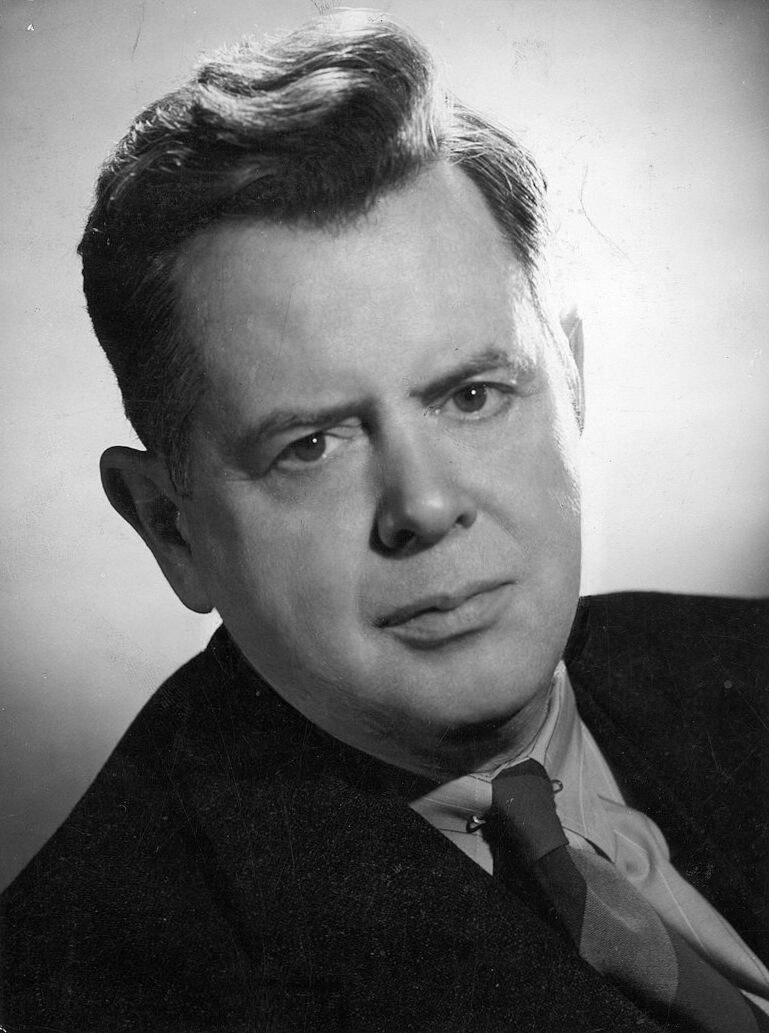
Sir Ernest MacMillan, 1940 (Noel Rubie).
CA-K924Culture & sport

Sir Ernest MacMillan, conductor and champion of Canadian music

Ernest MacMillan, composer and organist, was knighted in 1935 for services to music in Canada. For many years he conducted the Toronto Symphony Orchestra and the Toronto Mendelssohn Choir, led the Toronto Conservatory of Music and was dean of music at the University of Toronto. He promoted music at every level, supporting national music organizations, publishing, and conducting and judging festivals across the country.

Factual accuracy review: No recorded challenge

Contributor: Citizen.ca

Verified against cited sourcesVerified on 2026-10-27↗
Photo: Noel Rubie · Photo licence: Public domain · Credit & context
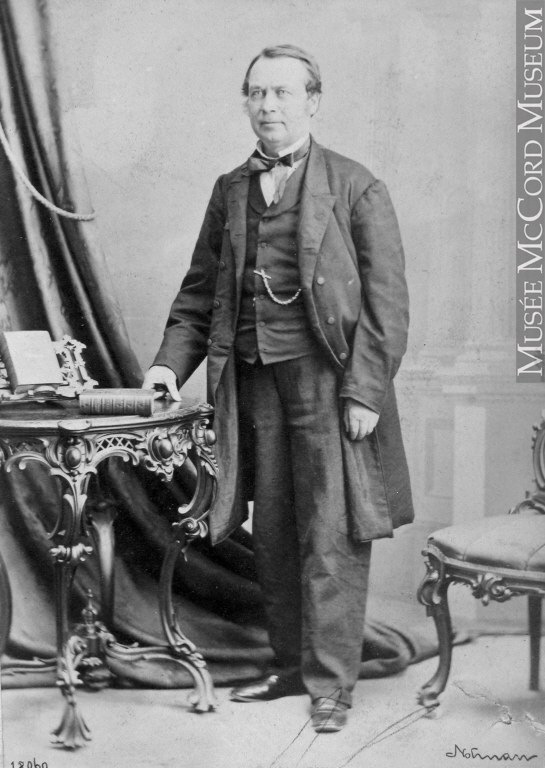
Edward Whelan, 1864 (William Notman).
CA-K900History

Edward Whelan, journalist and Father of Confederation

Edward Whelan, an Irish-born journalist, came to Halifax about 1836 and became a protégé of Joseph Howe. He founded the Examiner in Charlottetown in 1847. A co-founder of Prince Edward Island’s Liberal Party with George Coles and an advocate of responsible government, he attended the Quebec Conference in 1864 and compiled The Union of the British Provinces (1865).

Factual accuracy review: No recorded challenge

Contributor: Citizen.ca

Verified against cited sourcesVerified on 2026-10-26↗
Photo: William Notman · Photo licence: Public domain · Credit & context
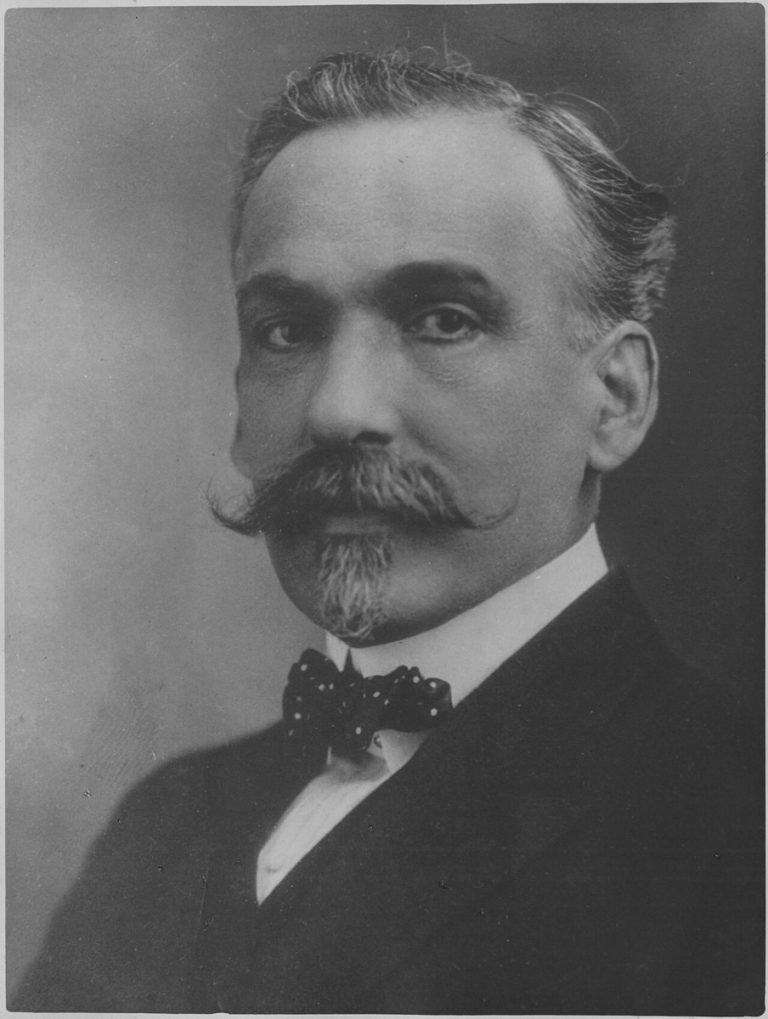
Charles Marega, 1929 (Archives of Ontario).
CA-K880Culture & sport

Charles Marega, sculptor of Vancouver

Charles Marega, an Italian-Canadian sculptor, created many notable monuments in British Columbia after arriving in 1909, first in the Beaux-Arts style and later in Art Deco. He helped found both the Vancouver Art Gallery and the Vancouver School of Decorative and Applied Arts. The lions of the Lions Gate Bridge, his last public work in the city, are among Vancouver’s best-known icons.

Factual accuracy review: No recorded challenge

Contributor: Citizen.ca

Verified against cited sourcesVerified on 2026-10-26↗
Photo: Unknown photographer; Archives of Ontario · Photo licence: Public domain · Credit & context
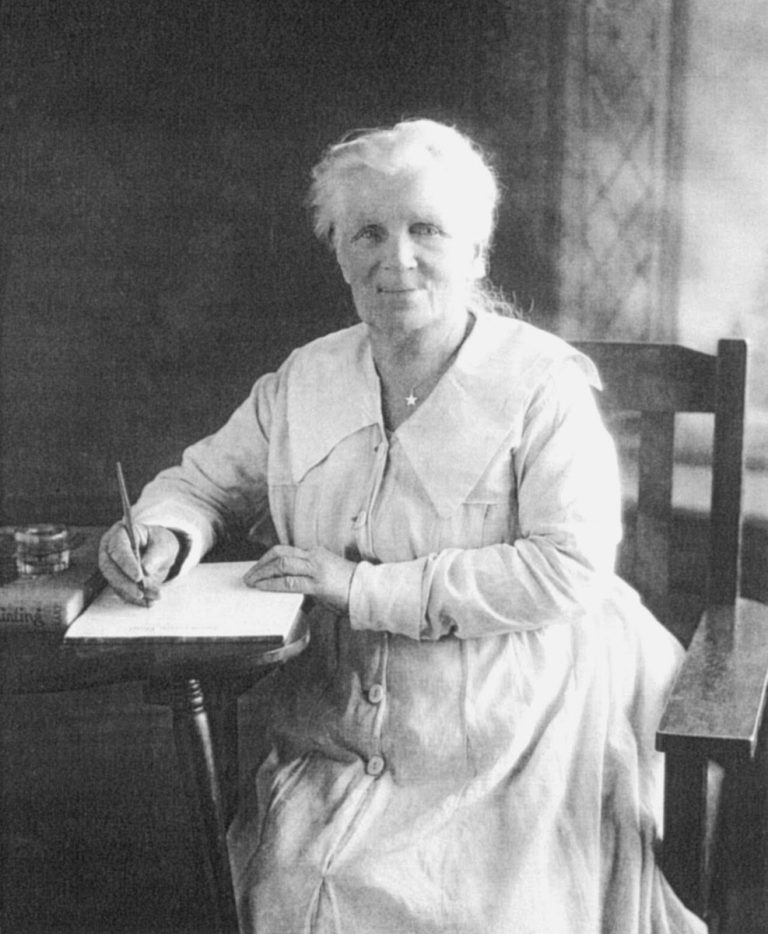
Susan Louisa Moir Allison, portrait.
CA-K876Culture & sport

Susan Allison, memoirist of the BC interior

Susan Allison wrote a memoir of settler life in the interior of British Columbia, describing the experiences of women, children and Indigenous people. As an amateur ethnographer, she also recorded Similkameen and Okanagan stories. Her writings are historical sources that should be read in the context of European settlement and colonial relations.

Factual accuracy review: No recorded challenge

Contributor: Citizen.ca

Verified against cited sourcesVerified on 2026-10-26↗
Photo: Unknown author · Photo licence: Public domain · Credit & context
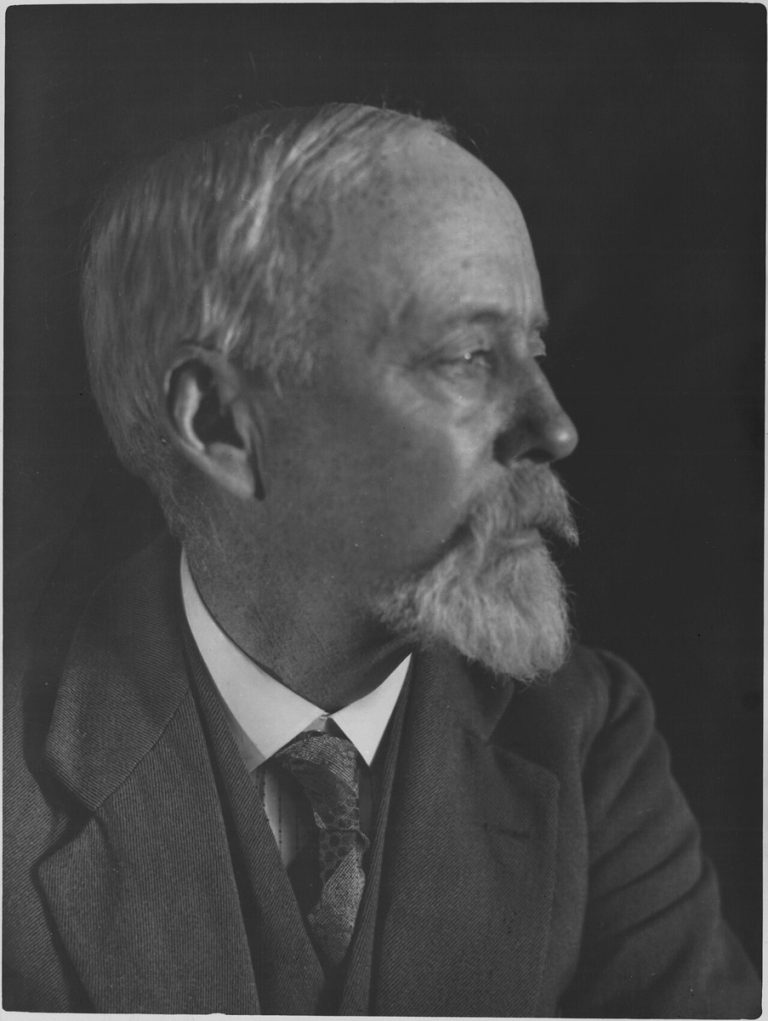
Maurice Cullen, R.C.A., 1931 (Archives of Ontario).
CA-K866Culture & sport

Maurice Cullen, painter of the Canadian winter

Maurice Cullen, born in St. John’s, studied sculpture in Montréal under Philippe Hébert and painting at the École des Beaux-Arts in Paris. Returning in 1895, he taught at the Art Association of Montreal and in the First World War served overseas as an official war artist. His international reputation rests mainly on his impressionist views of the Canadian winter.

Factual accuracy review: No recorded challenge

Contributor: Citizen.ca

Verified against cited sourcesVerified on 2026-10-26↗
Photo: Unknown photographer; Archives of Ontario · Photo licence: Public domain · Credit & context
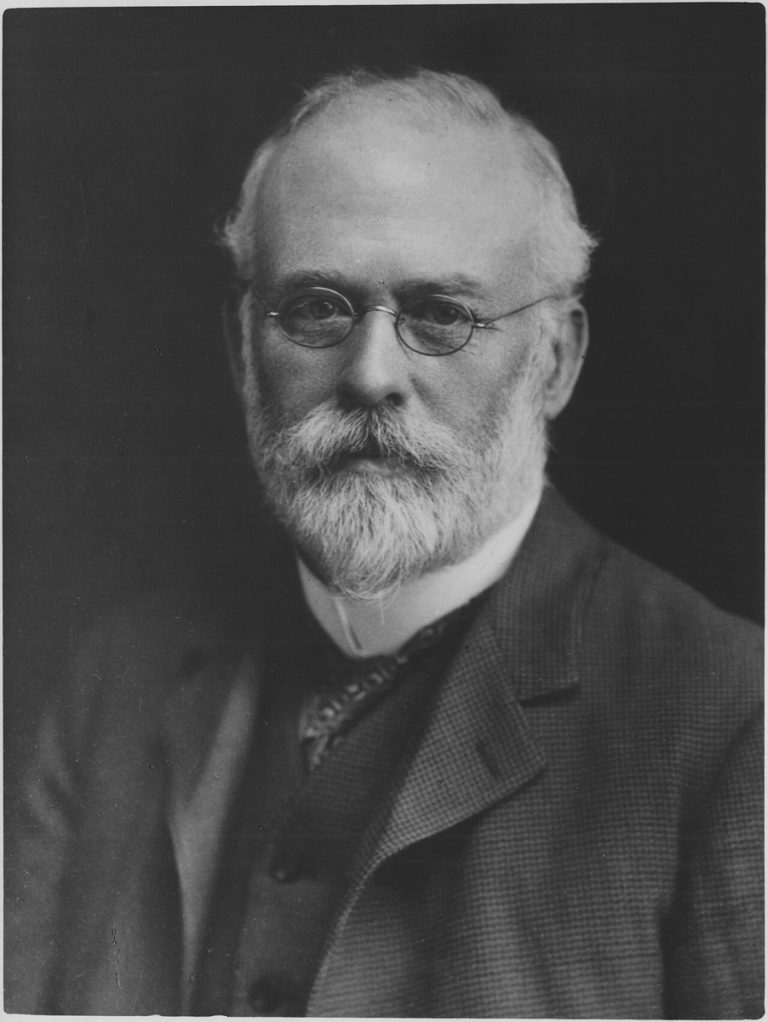
Robert Harris, C.M.G., R.C.A. (Archives of Ontario).
CA-K835Culture & sport

Robert Harris, painter of the Fathers of Confederation

Robert Harris, born in Wales, came to Prince Edward Island in 1856 and studied art in Charlottetown, Boston, London, Paris and Rome. One of Canada’s leading portrait painters and a long-time teacher, he was an original member of the Royal Canadian Academy and its president from 1890 to 1903. He is best known for his painting of the Fathers of Confederation.

Factual accuracy review: No recorded challenge

Contributor: Citizen.ca

Verified against cited sourcesVerified on 2026-10-26↗
Photo: Unknown photographer; Archives of Ontario · Photo licence: Public domain · Credit & context
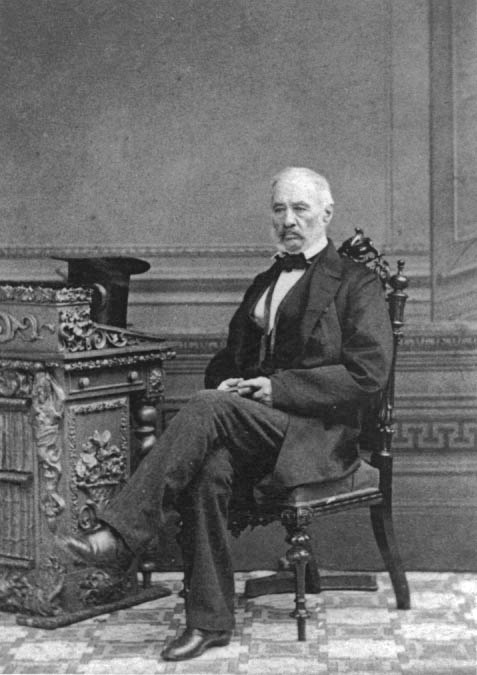
Philippe Aubert de Gaspé, 1863.
CA-K826Culture & sport

Philippe Aubert de Gaspé, author of Les Anciens Canadiens

Philippe Aubert de Gaspé, son of the seigneur of Saint-Jean-Port-Joli, gave up his legal career because of debt in 1822. In long retirement he gathered anecdotes and popular traditions that became the basis of his historical novel Les Anciens Canadiens (1863). That novel and his Mémoires (1866) are landmarks of Canadian literature and valued sources for historians and folklorists.

Factual accuracy review: No recorded challenge

Contributor: Citizen.ca

Verified against cited sourcesVerified on 2026-10-26↗
Photo: Jules-Isaïe Benoît · Photo licence: Public domain · Credit & context
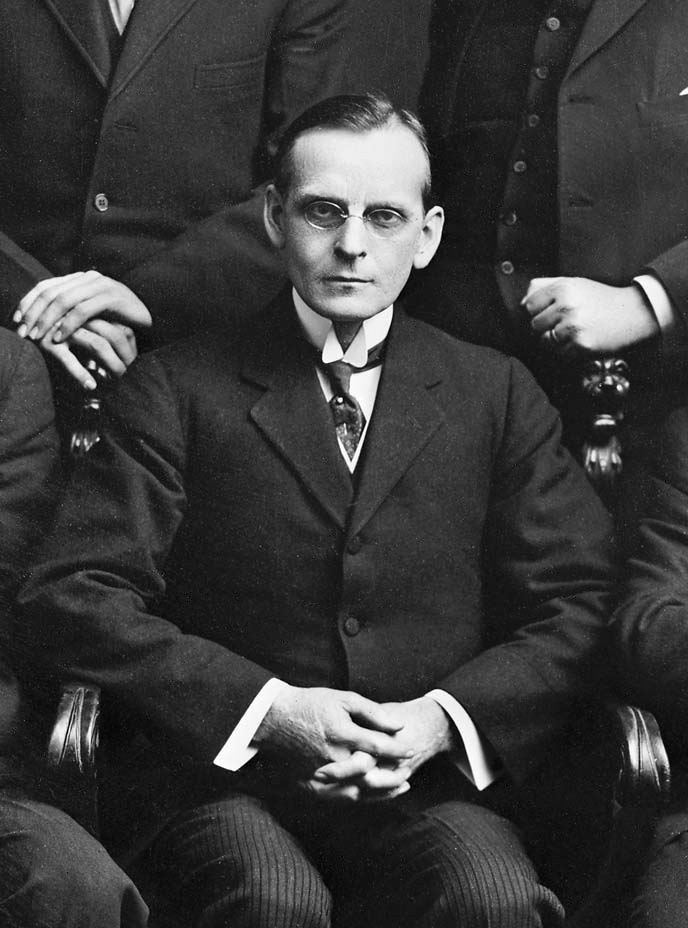
Joseph E. Atkinson, 1910s (City of Toronto Archives).
CA-K818Culture & sport

Joseph Atkinson of the Toronto Star

Joseph E. Atkinson became managing editor of the Toronto Star in 1899 and its majority owner by 1913. He sought to make the paper a tool of social reform, and his innovations changed Canadian journalism and made the Star the country’s largest-circulation newspaper by the 1930s. He left his fortune to the Atkinson Charitable Foundation, which supports cultural, medical and educational institutions in Ontario.

Factual accuracy review: No recorded challenge

Contributor: Citizen.ca

Verified against cited sourcesVerified on 2026-10-26↗
Photo: Unknown photographer; City of Toronto Archives · Photo licence: Public domain · Credit & context
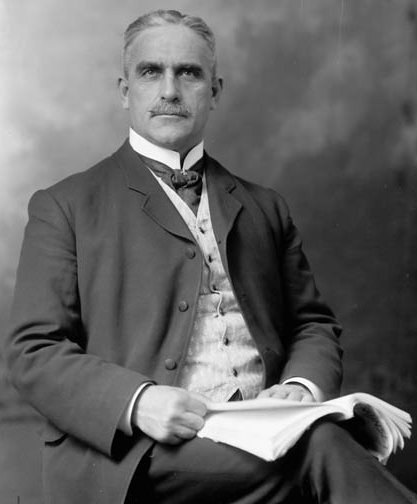
Col. Sam Hughes, 1905 (William James Topley).
CA-K801History

Sir Sam Hughes, Minister of Militia

Sam Hughes, soldier, journalist and Member of Parliament for Lindsay from 1892 to 1921, helped create a distinctly Canadian army. As Minister of Militia and Defence from 1911 to 1916, he raised the Canadian Expeditionary Force that fought in the First World War and was knighted, but disputes with colleagues and subordinates forced him from Cabinet in 1916.

Factual accuracy review: No recorded challenge

Contributor: Citizen.ca

Verified against cited sourcesVerified on 2026-10-26↗
Photo: William James Topley · Photo licence: Public domain · Credit & context
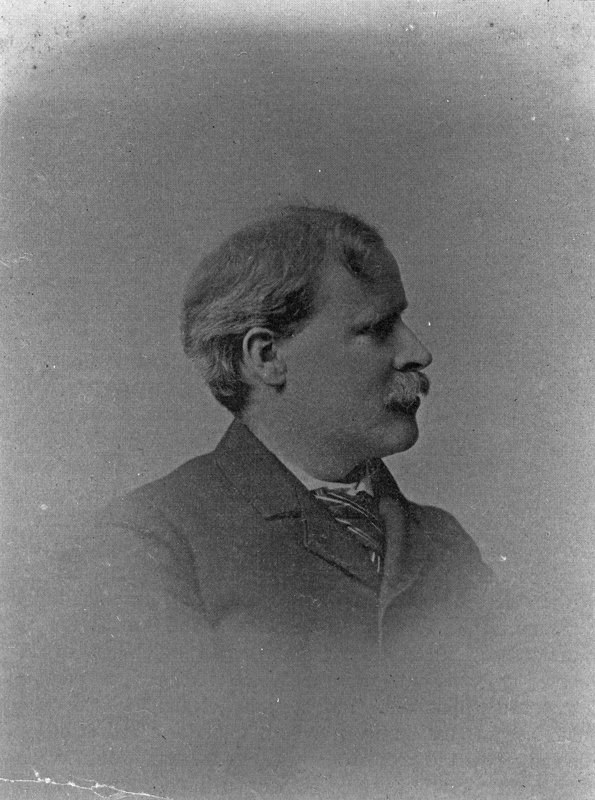
John Wilson Bengough, 1900.
CA-K795Culture & sport

J.W. Bengough, cartoonist of Grip

John Wilson Bengough of Toronto was a cartoonist, journalist, poet and lecturer working in several literary and visual forms. In 1873 he founded Grip, a weekly humour magazine where many of his best-known cartoons first appeared. He later drew for the Montreal Star and the Globe, and published A Caricature History of Canadian Politics (1886) and two books of poems.

Factual accuracy review: No recorded challenge

Contributor: Citizen.ca

Verified against cited sourcesVerified on 2026-10-26↗
Photo: Unknown author · Photo licence: Public domain · Credit & context
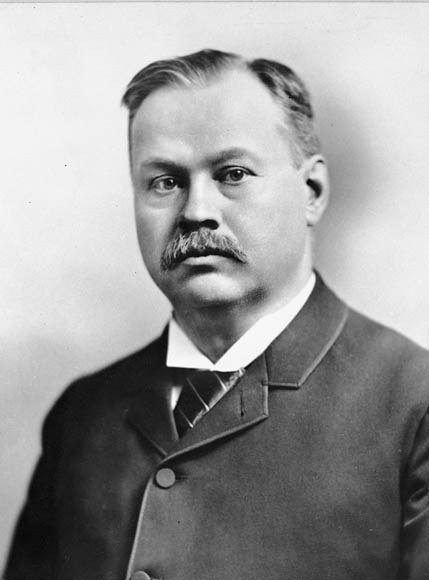
Louis-Honoré Fréchette, 1900.
CA-K790Culture & sport

Louis Fréchette, poet of French Canada

Louis Fréchette, born at Lévis, was a noted polemicist and a prominent French-Canadian poet of the 19th century. His collections Les Fleurs boréales and Les Oiseaux de neige won the Académie française’s Prix Montyon in 1880, and he also wrote the epic La Légende d’un peuple. He sat in the House of Commons for Lévis and later was Clerk of the Quebec Legislative Council.

Factual accuracy review: No recorded challenge

Contributor: Citizen.ca

Verified against cited sourcesVerified on 2026-10-26↗
Photo: Royal Society Portraits · Photo licence: Public domain · Credit & context
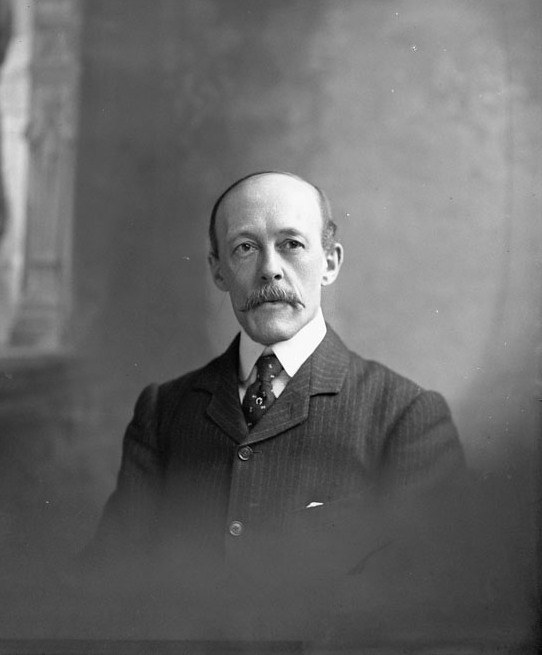
James Creighton, 1902 (William James Topley).
CA-K787Culture & sport

James Creighton, “father” of organized hockey

On March 3, 1875, James Creighton and his teammates played the first indoor public hockey game at Montréal’s Victoria Skating Rink. Over the next two years he brought together pucks, sticks, goals and skates with standardized rules and promoted the game. Captain of the first regular hockey club in Canada, he is often called the father of organized hockey.

Factual accuracy review: No recorded challenge

Contributor: Citizen.ca

Verified against cited sourcesVerified on 2026-10-26↗
Photo: William James Topley · Photo licence: Public domain · Credit & context
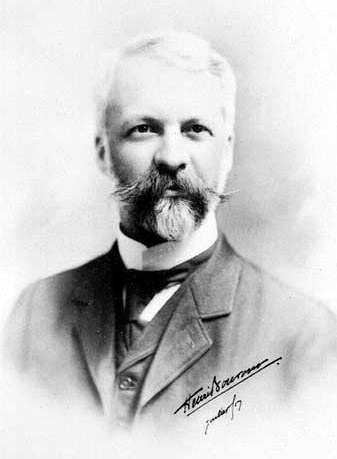
Henri Bourassa, 1917.
CA-K785Culture & sport

Henri Bourassa, founder of Le Devoir

Henri Bourassa, a noted orator and writer, sat in the House of Commons and the Quebec Legislative Assembly. He broke with Laurier and the Liberals over the Boer War, founded the Montréal daily Le Devoir in 1910 and edited it until 1932. Throughout his career he championed a nationalism based on Canada’s autonomy and cultural duality.

Factual accuracy review: No recorded challenge

Contributor: Citizen.ca

Verified against cited sourcesVerified on 2026-10-26↗
Photo: Unknown author · Photo licence: Public domain · Credit & context
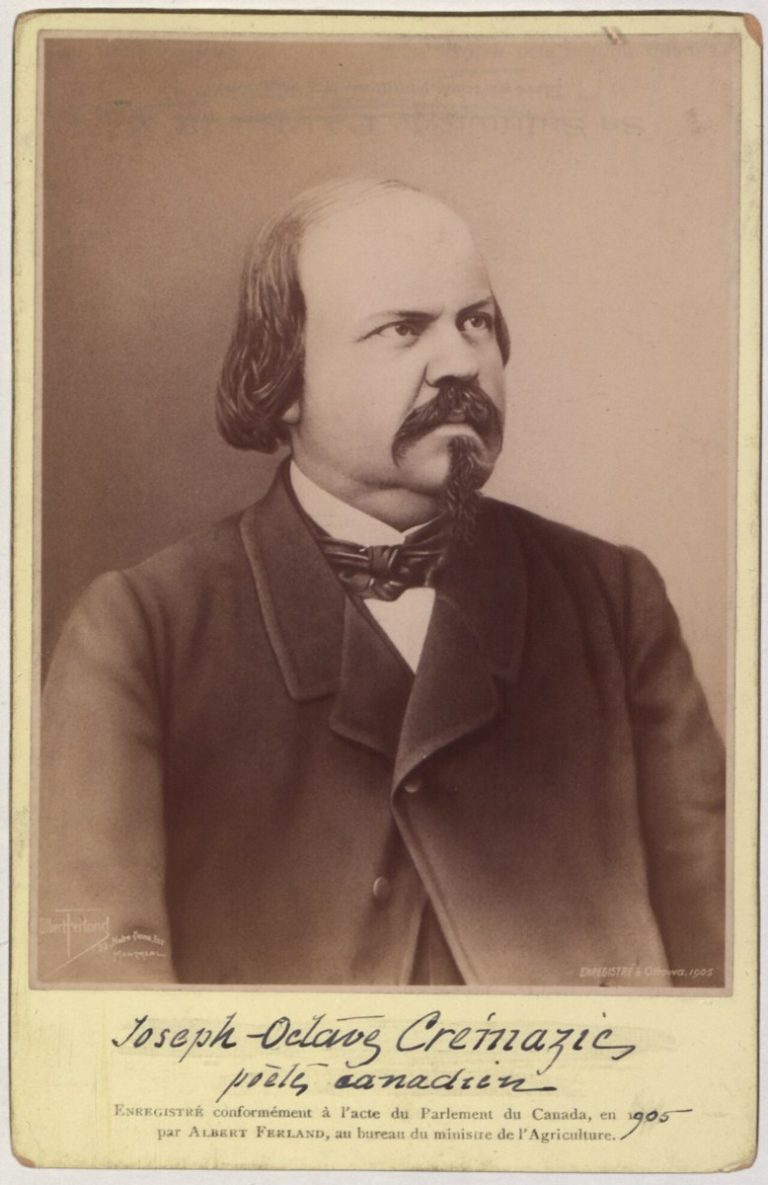
Octave Crémazie, published in 1905.
CA-K779Culture & sport

Octave Crémazie, national poet of French Canada

Octave Crémazie of Québec, a founder of the Institut canadien de Québec, ran a bookstore with his brother that became the cradle of a literary movement inspired by French Romanticism. His poem “Le Drapeau de Carillon” made him French Canada’s national poet; financial trouble exiled him to France in 1862, where he wrote his Journal du siège de Paris.

Factual accuracy review: No recorded challenge

Contributor: Citizen.ca

Verified against cited sourcesVerified on 2026-10-26↗
Photo: Albert Ferlland · Photo licence: Public domain · Credit & context