An independent Canadian knowledge project

Focused and Verified

Canadian knowledge base

Search by keyword

Choose one keyword, or combine two. Broader keywords include their descendants.

Keywords: Knowledge and innovation

Clear search
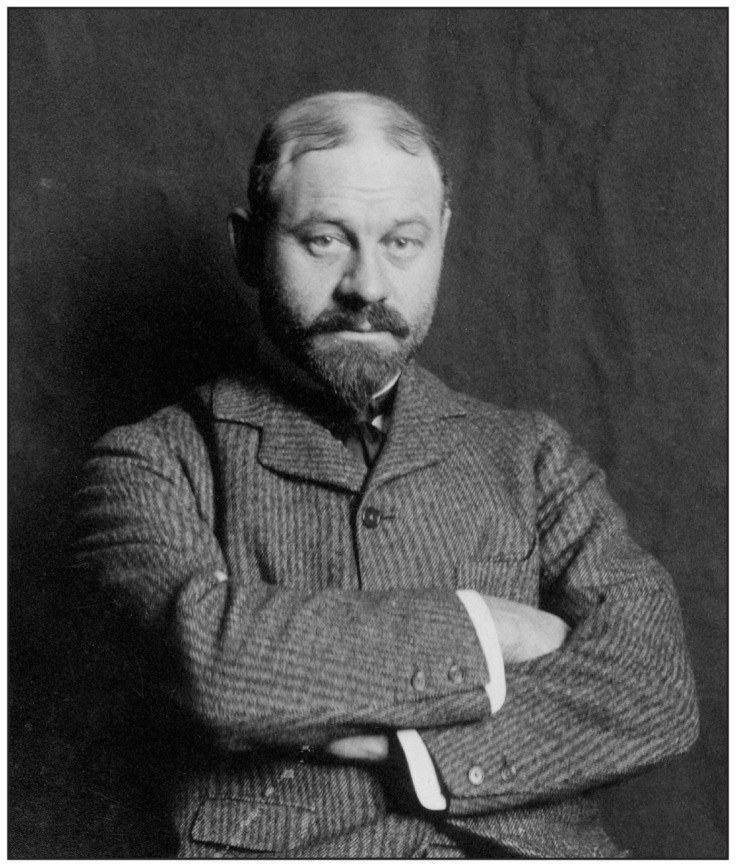
Dr. Andrew Macphail, about 1907.
CA-K925Culture & sport

Sir Andrew Macphail, doctor and essayist

Andrew Macphail, born at Orwell, Prince Edward Island, became a distinguished doctor and writer and McGill’s first professor of the history of medicine (1907–37). Knighted for his service with the Canadian Army Medical Corps in the First World War, he founded and edited the University Magazine and wrote books, plays and poems sharply criticizing the modern age, contrasting the rural life of his childhood with urban industrialism.

Factual accuracy review: No recorded challenge

Contributor: Citizen.ca

Verified against cited sourcesVerified on 2026-10-27↗
Photo: Unknown author · Photo licence: Public domain · Credit & context
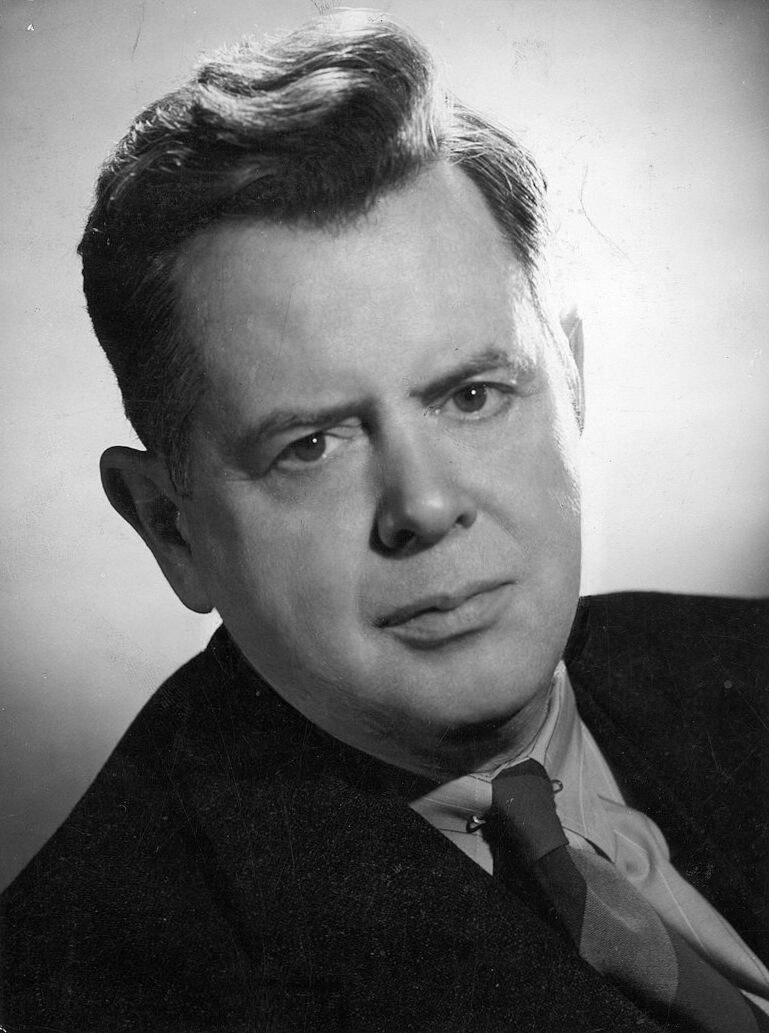
Sir Ernest MacMillan, 1940 (Noel Rubie).
CA-K924Culture & sport

Sir Ernest MacMillan, conductor and champion of Canadian music

Ernest MacMillan, composer and organist, was knighted in 1935 for services to music in Canada. For many years he conducted the Toronto Symphony Orchestra and the Toronto Mendelssohn Choir, led the Toronto Conservatory of Music and was dean of music at the University of Toronto. He promoted music at every level, supporting national music organizations, publishing, and conducting and judging festivals across the country.

Factual accuracy review: No recorded challenge

Contributor: Citizen.ca

Verified against cited sourcesVerified on 2026-10-27↗
Photo: Noel Rubie · Photo licence: Public domain · Credit & context
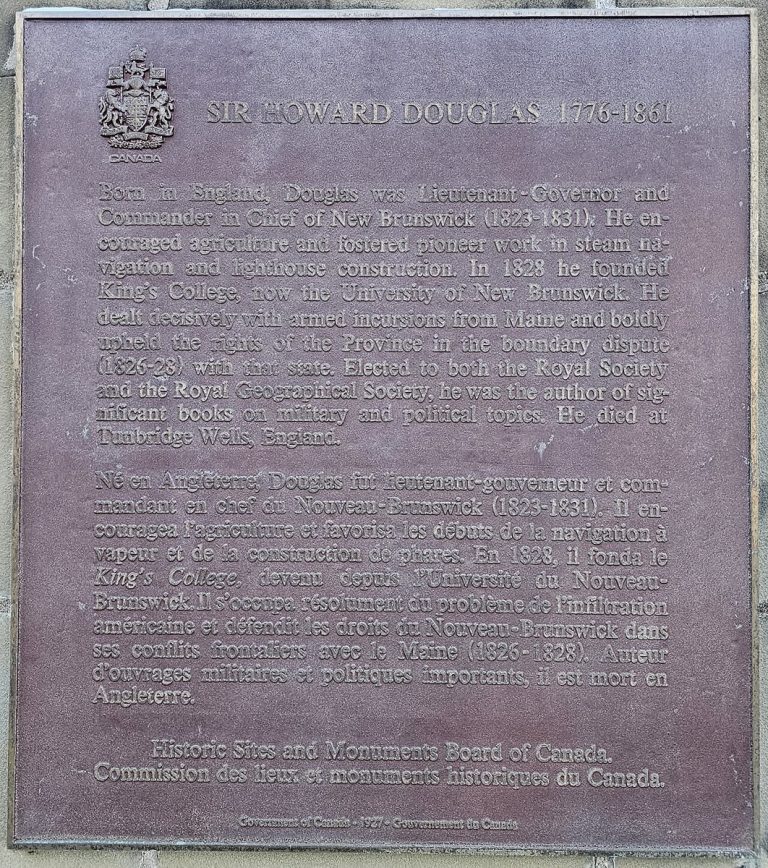
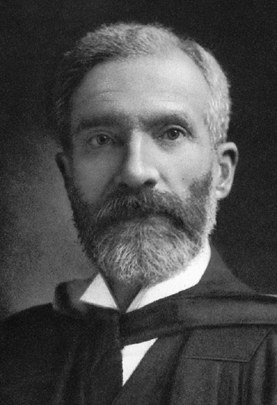
Archibald Byron Macallum, about 1900.
CA-K918Culture & sport

A.B. Macallum, pioneer of scientific medicine

Archibald Byron Macallum, born at Belmont, Upper Canada, and educated at Toronto and Johns Hopkins, set up Canada’s first physiological laboratory at the University of Toronto. Professor of biochemistry at Toronto and later McGill, and chairman of the National Research Council from 1916 to 1920, he was a pioneer of scientific medicine and an authority on cellular microchemistry.

Factual accuracy review: No recorded challenge

Contributor: Citizen.ca

Verified against cited sourcesVerified on 2026-10-27↗
Photo: Jreeland, Toronto · Photo licence: Public domain · Credit & context
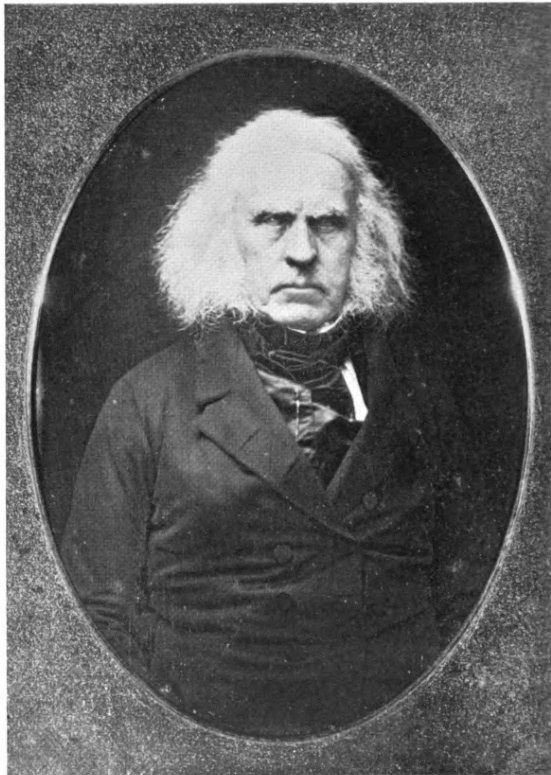
Plaque honouring Douglas at the New Brunswick Legislative Building.
CA-K911History

Sir Howard Douglas, founder of King’s College

Howard Douglas, born in England, was Lieutenant-Governor and Commander in Chief of New Brunswick from 1823 to 1831. He encouraged agriculture, steam navigation and lighthouse building, and in 1828 founded King’s College, now the University of New Brunswick. He dealt firmly with armed incursions from Maine and upheld the province’s rights in the boundary dispute of 1826–28, and wrote important books on military and political subjects.

Factual accuracy review: No recorded challenge

Contributor: Citizen.ca

Verified against cited sourcesVerified on 2026-10-27↗
Photo: JJonahJackalope · Photo licence: CC BY-SA 4.0 · Credit & context
Dr. John McLoughlin, from an 1857 daguerreotype.
CA-K893Economy & trade

Dr. John McLoughlin, “Father of Oregon”

John McLoughlin, born in Rivière-du-Loup, was a physician before joining the North West Company in 1806, becoming a wintering partner in 1814. When the company merged with the Hudson’s Bay Company he became a Chief Factor and was put in charge of the Columbia District, with headquarters on the lower Columbia River. He stayed there after retiring, in what became American territory, and is known as the Father of Oregon.

Factual accuracy review: No recorded challenge

Contributor: Citizen.ca

Verified against cited sourcesVerified on 2026-10-26↗
Photo: Unknown author · Photo licence: Public domain · Credit & context
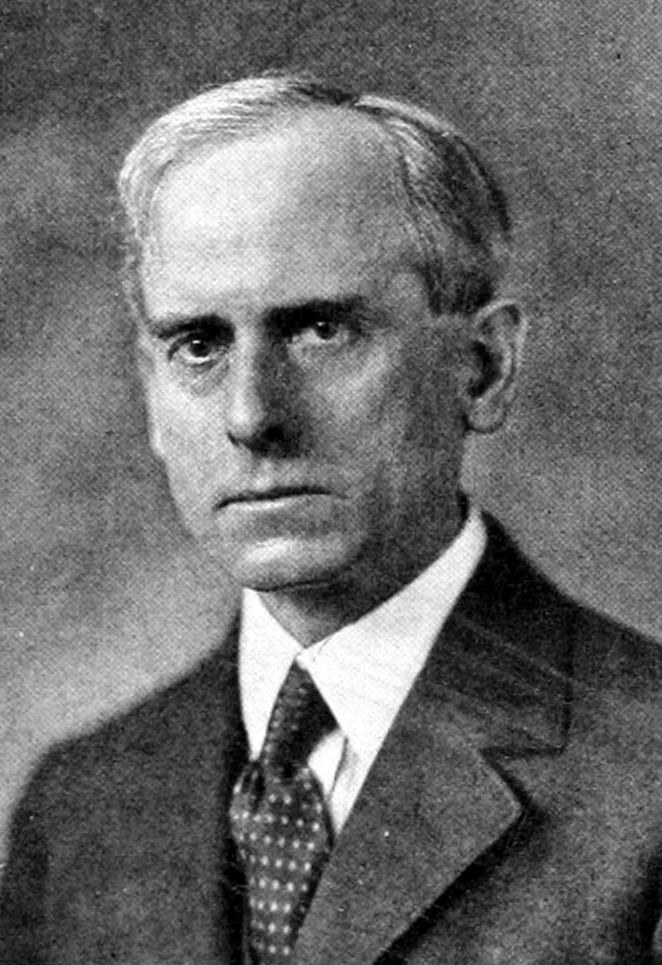
John Clarence Webster, portrait.
CA-K885Culture & sport

John Clarence Webster, surgeon and historian

John Clarence Webster, born at Shediac, trained in medicine and held posts at Edinburgh, McGill and Chicago, becoming chief obstetrician and gynecologist at Chicago’s Presbyterian Hospital. After retiring he turned to history, writing many articles on New Brunswick and helping found museums at Saint John and Fort Beauséjour. He served on the Historic Sites and Monuments Board of Canada.

Factual accuracy review: No recorded challenge

Contributor: Citizen.ca

Verified against cited sourcesVerified on 2026-10-26↗
Photo: New York : J. T. White Company · Photo licence: Public domain · Credit & context
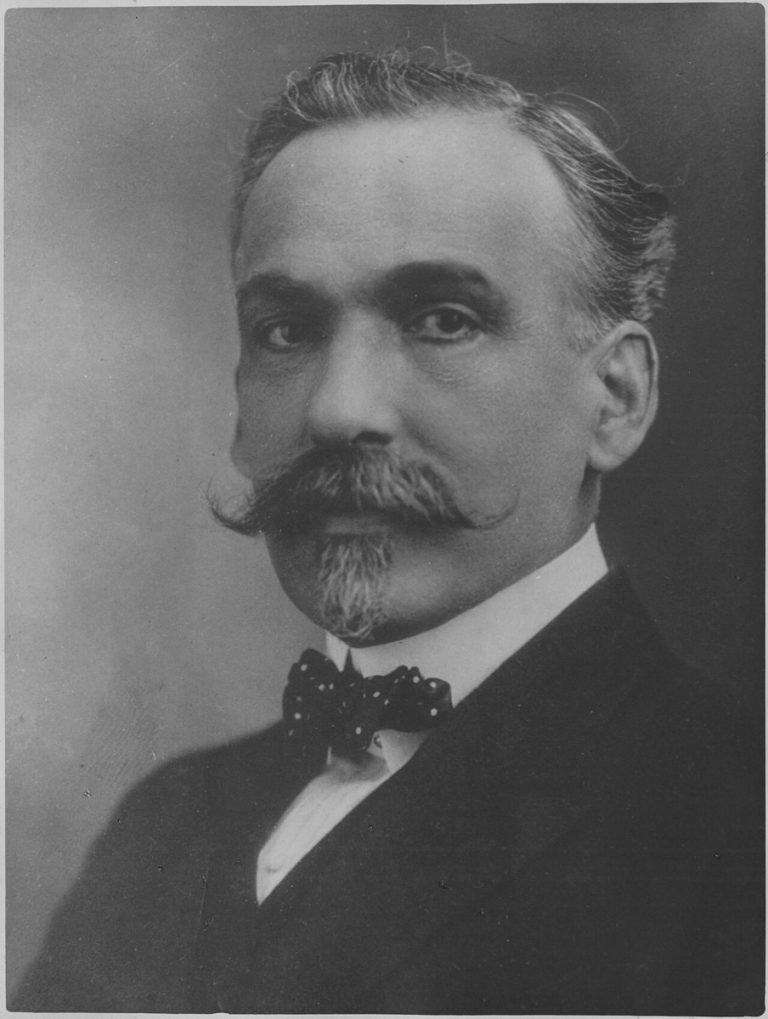
Charles Marega, 1929 (Archives of Ontario).
CA-K880Culture & sport

Charles Marega, sculptor of Vancouver

Charles Marega, an Italian-Canadian sculptor, created many notable monuments in British Columbia after arriving in 1909, first in the Beaux-Arts style and later in Art Deco. He helped found both the Vancouver Art Gallery and the Vancouver School of Decorative and Applied Arts. The lions of the Lions Gate Bridge, his last public work in the city, are among Vancouver’s best-known icons.

Factual accuracy review: No recorded challenge

Contributor: Citizen.ca

Verified against cited sourcesVerified on 2026-10-26↗
Photo: Unknown photographer; Archives of Ontario · Photo licence: Public domain · Credit & context
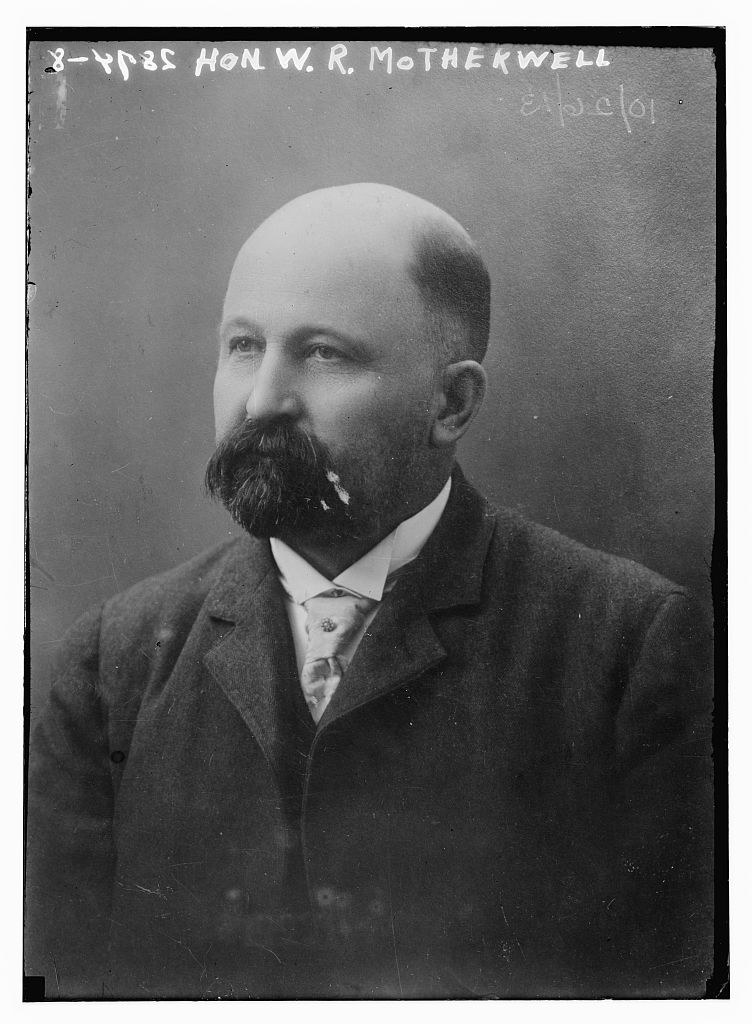
W.R. Motherwell, 1913 (Bain News Service).
CA-K878Economy & trade

W.R. Motherwell, champion of the western farmer

William Richard Motherwell, born in Perth, Ontario, settled at Abernethy and advocated for western farmers. In 1901 he helped initiate the Territorial Grain Growers’ Association, which sought better grain inspection and shipping. As Saskatchewan’s agriculture minister from 1905 to 1918, he supported agricultural education and co-operative grain handling; he later served as Canada’s agriculture minister.

Factual accuracy review: No recorded challenge

Contributor: Citizen.ca

Verified against cited sourcesVerified on 2026-10-26↗
Photo: Bain News Service, publisher · Photo licence: Public domain · Credit & context
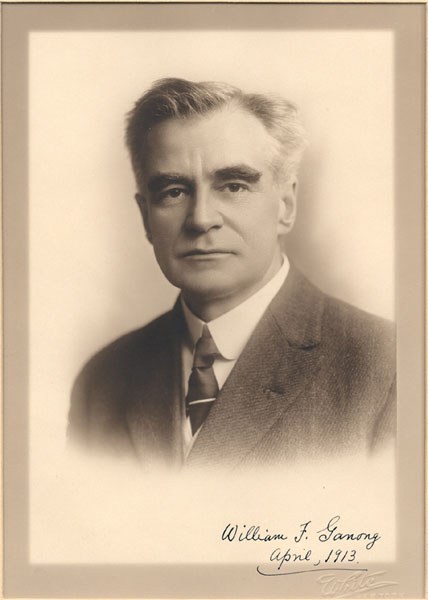
William Francis Ganong, April 1913.
CA-K871Places & geography

William Francis Ganong, scholar of New Brunswick

William Francis Ganong, born in Saint John, was a scientist, cartographer, geographer and historian. During 38 years as professor of botany at Smith College in Massachusetts (1894–1932), he gathered and published historical and scientific material on New Brunswick and became a leading authority on the mapping of North America’s east coast. He died in Saint John in 1941.

Factual accuracy review: No recorded challenge

Contributor: Citizen.ca

Verified against cited sourcesVerified on 2026-10-26↗
Photo: White · Photo licence: Public domain · Credit & context
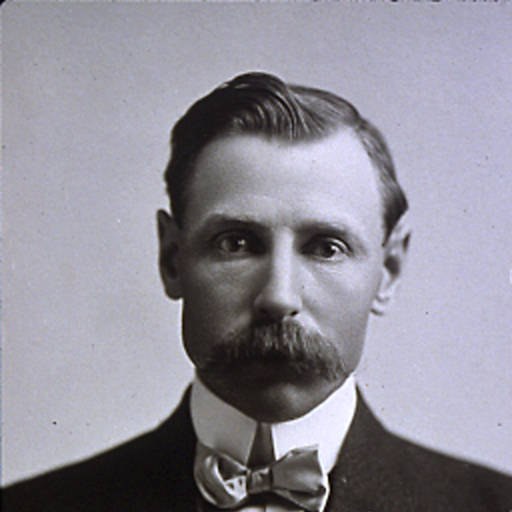
Charles Sherwood Noble, 1918.
CA-K845Economy & trade

Charles Noble and the Noble Blade

Charles Sherwood Noble, farmer, inventor and entrepreneur, showed the farming potential of the drought-prone Palliser Triangle. During the Great Depression he worked with the Dominion Experimental Farm to promote dry-land farming methods, and in 1936 invented the Noble Blade, a cultivator that cut weeds at the roots without disturbing the soil, greatly reducing erosion. His company became Alberta’s largest maker of such implements.

Factual accuracy review: No recorded challenge

Contributor: Citizen.ca

Verified against cited sourcesVerified on 2026-10-26↗
Photo: unknown (Life time: 1910s) · Photo licence: Public domain · Credit & context
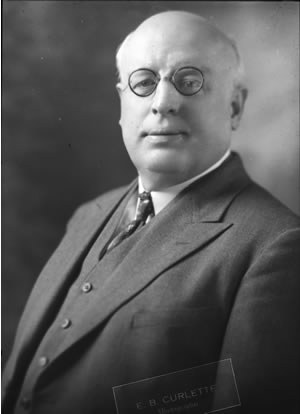
William Aberhart, 1920 (Curlette Studio).
CA-K840History

William Aberhart, Social Credit premier of Alberta

William “Bible Bill” Aberhart, a Calgary high school principal and evangelical preacher, led the founding of Alberta’s Social Credit party and became premier in 1935, winning re-election in 1940. He used radio to reach audiences first as an evangelist and then as a politician.

Factual accuracy review: No recorded challenge

Contributor: Citizen.ca

Verified against cited sourcesVerified on 2026-10-26↗
Photo: Curlette Studio · Photo licence: Public domain · Credit & context
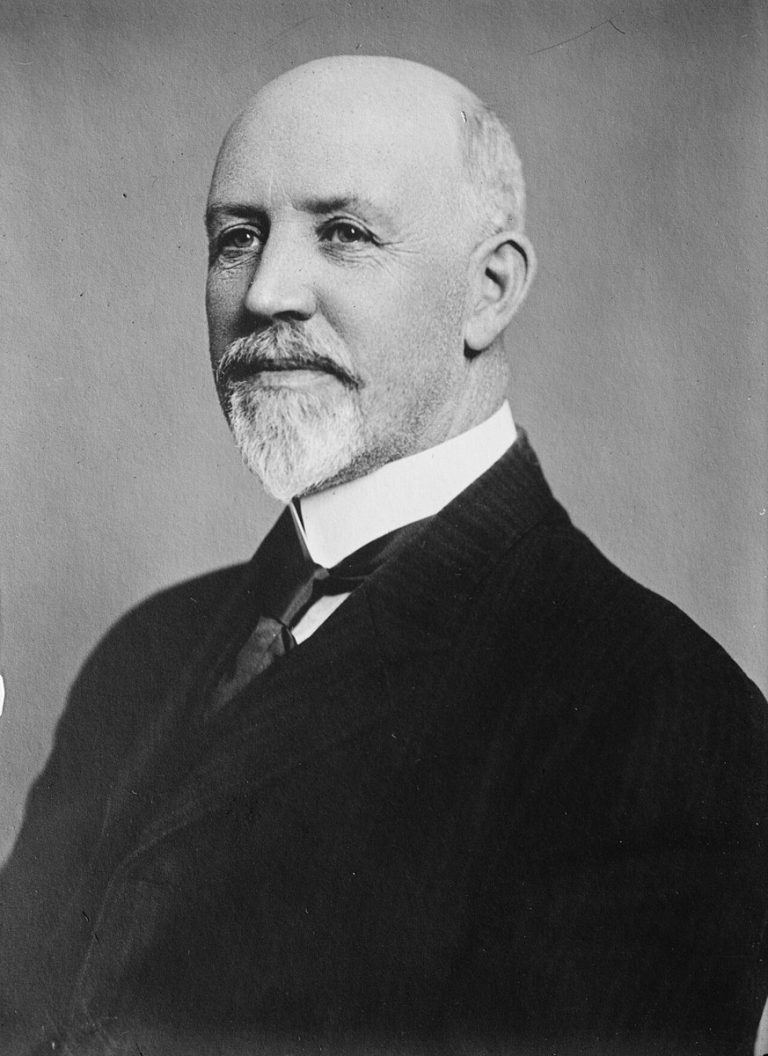
Adam Shortt, about 1920.
CA-K837Institutions

Adam Shortt, economist and historian

Adam Shortt, born near London, Ontario, founded the department of political economy at Queen’s University and advised governments. In 1908 he joined the first Canadian Civil Service Commission. In Ottawa he worked with Dominion Archivist Arthur Doughty to build the national archives’ collections, and from 1913 to 1917 the two co-edited the historical series Canada and Its Provinces.

Factual accuracy review: No recorded challenge

Contributor: Citizen.ca

Verified against cited sourcesVerified on 2026-10-26↗
Photo: Bain News Service, publisher · Photo licence: Public domain · Credit & context
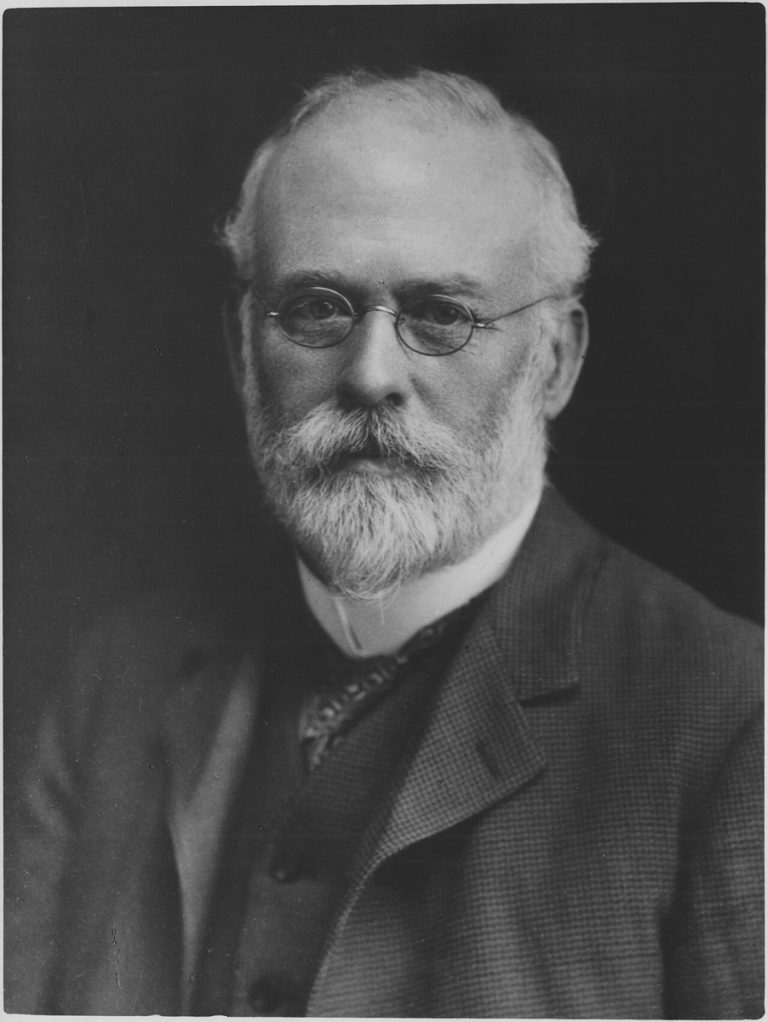
Robert Harris, C.M.G., R.C.A. (Archives of Ontario).
CA-K835Culture & sport

Robert Harris, painter of the Fathers of Confederation

Robert Harris, born in Wales, came to Prince Edward Island in 1856 and studied art in Charlottetown, Boston, London, Paris and Rome. One of Canada’s leading portrait painters and a long-time teacher, he was an original member of the Royal Canadian Academy and its president from 1890 to 1903. He is best known for his painting of the Fathers of Confederation.

Factual accuracy review: No recorded challenge

Contributor: Citizen.ca

Verified against cited sourcesVerified on 2026-10-26↗
Photo: Unknown photographer; Archives of Ontario · Photo licence: Public domain · Credit & context
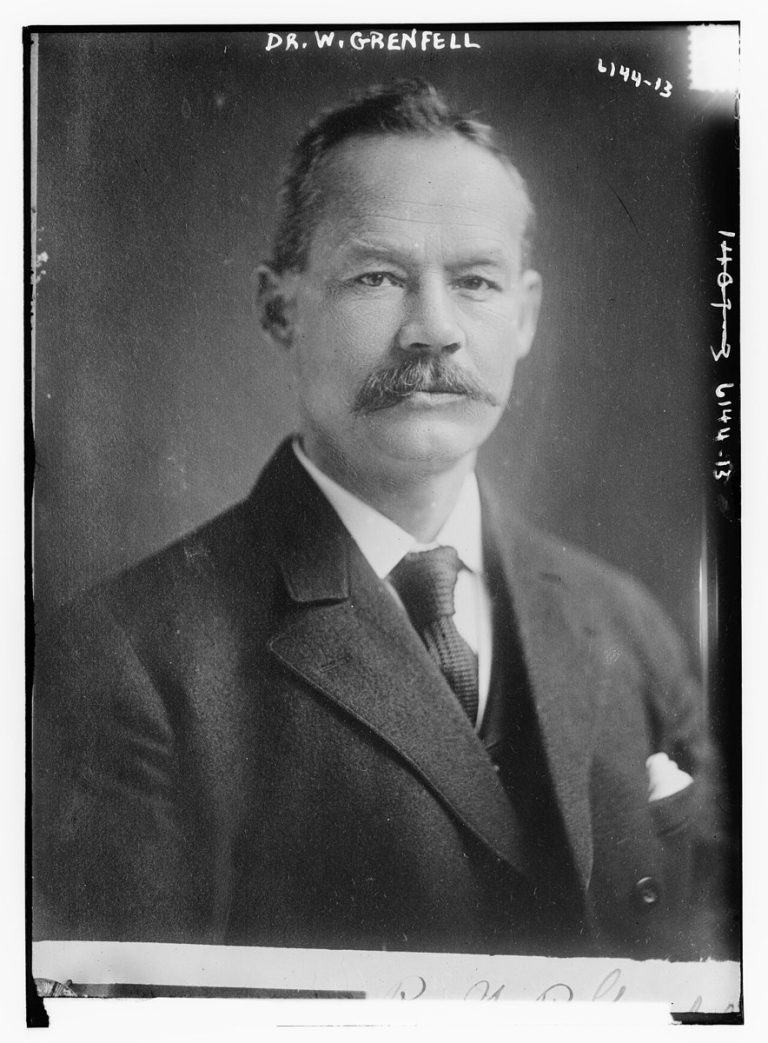
Dr. Wilfred Grenfell, about 1900.
CA-K793Institutions

Sir Wilfred Grenfell, doctor to northern Newfoundland and Labrador

Wilfred Grenfell, an English-born doctor and minister, gave 50 years of service to the people of northern Newfoundland and Labrador. He and those he inspired brought medical, spiritual and material aid to fishers and coastal residents, and he raised funds for projects such as the hospital at St. Anthony. The International Grenfell Association, founded in 1912, carried on his programs.

Factual accuracy review: No recorded challenge

Contributor: Citizen.ca

Verified against cited sourcesVerified on 2026-10-26↗
Photo: Bain News Service, publisher · Photo licence: Public domain · Credit & context
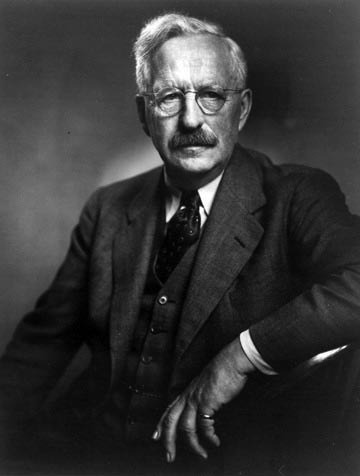
Henry Marshall Tory, first president of Carleton College.
CA-K775Institutions

Henry Marshall Tory, university builder

Henry Marshall Tory of Port Shoreham, Nova Scotia, taught at McGill and was the first president of the University of Alberta from 1908 to 1928. A distinguished scientist, he led the National Research Council from 1923 to 1935 and founded Carleton College in Ottawa, devoting his life to spreading scientific knowledge.

Factual accuracy review: No recorded challenge

Contributor: Citizen.ca

Verified against cited sourcesVerified on 2026-10-26↗
Photo: The original uploader was Kristoferb at English Wikipedia. · Photo licence: Public domain · Credit & context
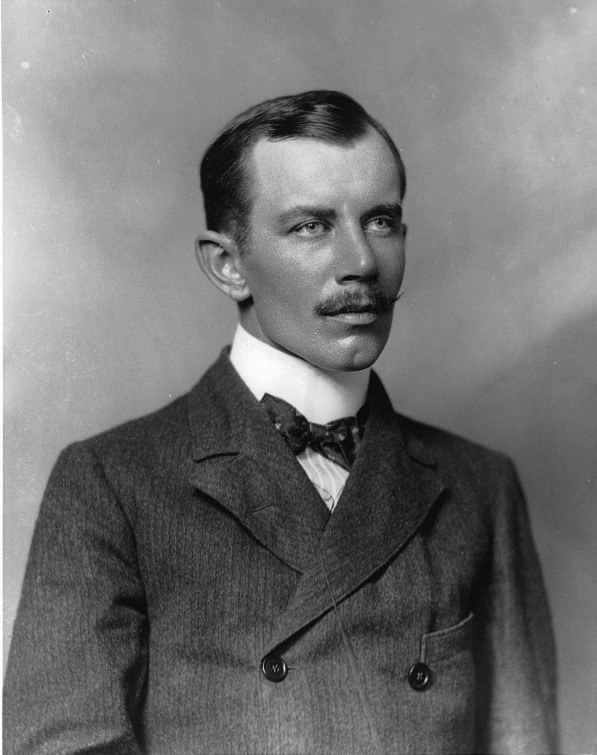
Percy Girouard in 1899 (Wm. Notman & Son, McCord Museum).
CA-K749History

Sir Percy Girouard, railway engineer of empire

Percy Girouard of Montréal, a graduate of the Royal Military College in Kingston, joined the Royal Engineers in 1888. He built the Wadi Halfa–Khartoum railway from 1896, directed railways in South Africa and oversaw the line to Kano in Northern Nigeria, later serving as governor of Northern Nigeria and of East Africa and as Britain’s director general of munitions supply.

Factual accuracy review: No recorded challenge

Contributor: Citizen.ca

Verified against cited sourcesVerified on 2026-10-26↗
Photo: Studio Wn. Notman & Son · Photo licence: Public domain · Credit & context
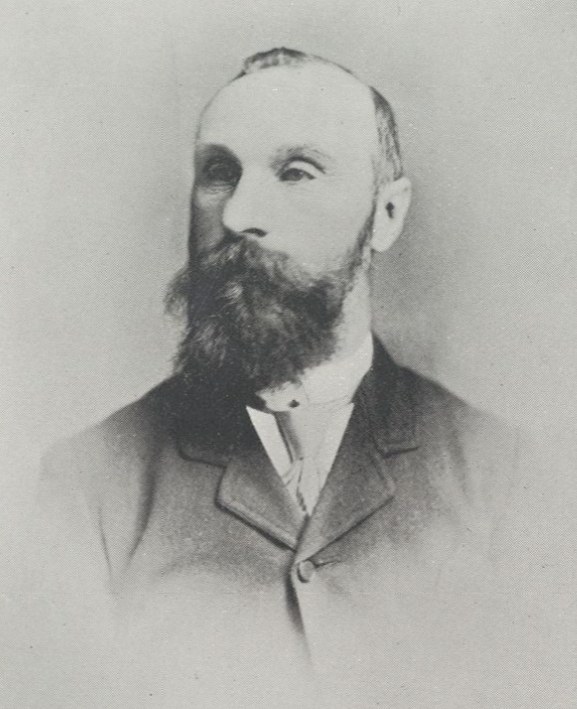
James Patrick Howley, portrait published in 1894.
CA-K745History

James P. Howley, geologist and historian of the Beothuk

James Patrick Howley greatly advanced knowledge of Newfoundland’s geology, minerals and geography through fieldwork for the Geological and Topographical Survey of Newfoundland from 1868 to 1909, and is considered founder and first curator of the Newfoundland Museum. His 1915 study of the Beothuk remains a cornerstone of Beothuk scholarship.

Factual accuracy review: No recorded challenge

Contributor: Citizen.ca

Verified against cited sourcesVerified on 2026-10-26↗
Photo: Unknown author · Photo licence: Public domain · Credit & context
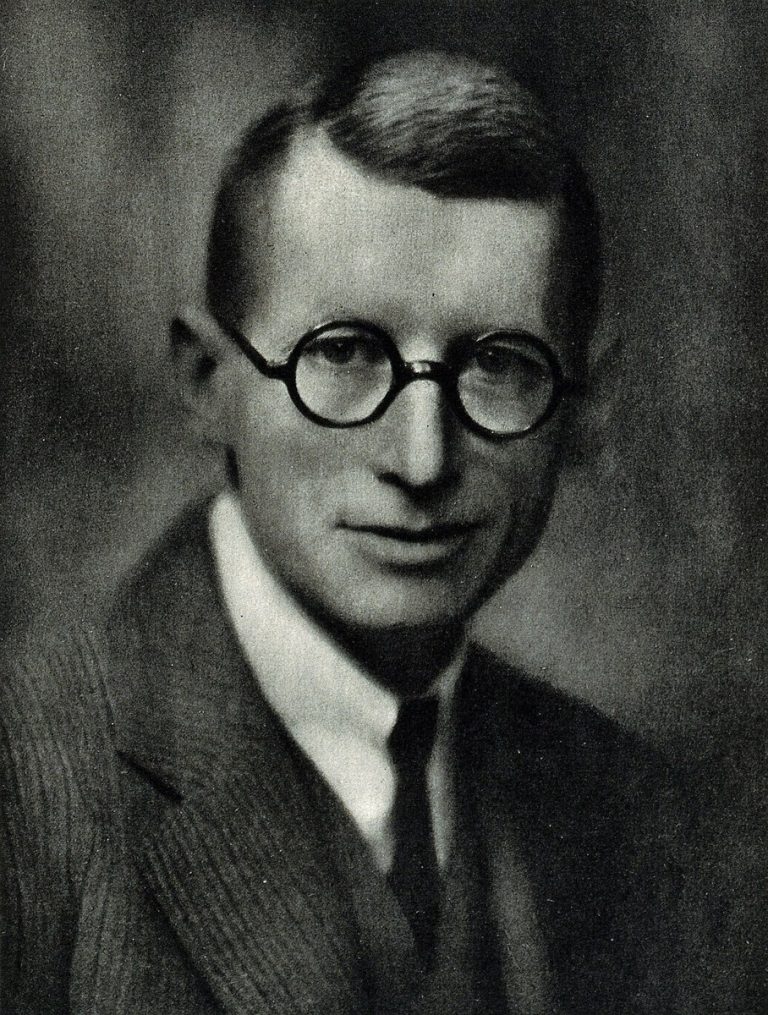
Davidson Black, photogravure (Wellcome Collection).
CA-K738History

Davidson Black and “Peking Man”

Davidson Black, born and educated in Toronto, turned from medicine to the study of fossil humans and took a post at Peking Union Medical College after the First World War. In 1927, from a fossil tooth found at Zhoukoudian, he described fossil material under the name Sinanthropus pekinensis, the “Peking Man”, a find later confirmed by excavations with Chinese and European scientists.

Factual accuracy review: No recorded challenge

Contributor: Citizen.ca

Verified against cited sourcesVerified on 2026-10-26↗
Photo: Photogravure; Wellcome Collection, V0026054 · Photo licence: CC BY 4.0 · Credit & context
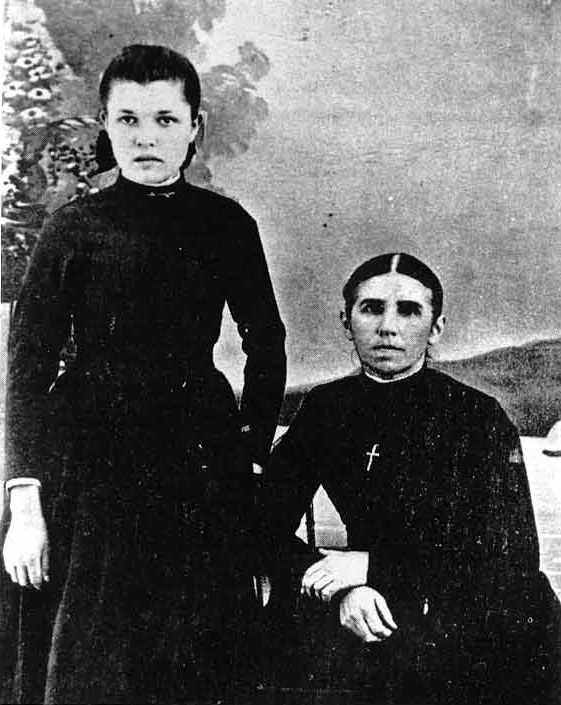
Onésime Dorval (seated) with her adopted daughter Georgine d’Amours, late 1800s.
CA-K721Institutions

Onésime Dorval, Saskatchewan’s first certified teacher

Onésime Dorval, born in Quebec, came west in 1877 and became Saskatchewan’s first certified teacher. For over 40 years she taught at Oblate missions in Manitoba and at St-Laurent-Grandin, Battleford, Batoche and Duck Lake, was a talented painter and woodworker, and is fondly remembered in Métis and francophone communities.

Factual accuracy review: No recorded challenge

Contributor: Citizen.ca

Verified against cited sourcesVerified on 2026-10-26↗
Photo: Unspecified; from St. Vital Parish, Battleford, Saskatchewan. · Photo licence: Public domain · Credit & context
Max Aitken, Lord Beaverbrook, around 1918.
CA-K714Economy & trade

Max Aitken, Lord Beaverbrook

Max Aitken, Lord Beaverbrook, was an important and controversial Canadian financier and the outspoken owner of a British newspaper empire. In the First World War he shaped how Canada’s effort was seen and remembered through the war art program; as Britain’s Minister of Aircraft Production in the Second World War he drove Spitfire production, and he was a leading benefactor of the University of New Brunswick and founder of the Beaverbrook Art Gallery.

Factual accuracy review: No recorded challenge

Contributor: Citizen.ca

Verified against cited sourcesVerified on 2026-10-26↗
Photo: M. S. Kay, Bolton · Photo licence: Public domain · Credit & context
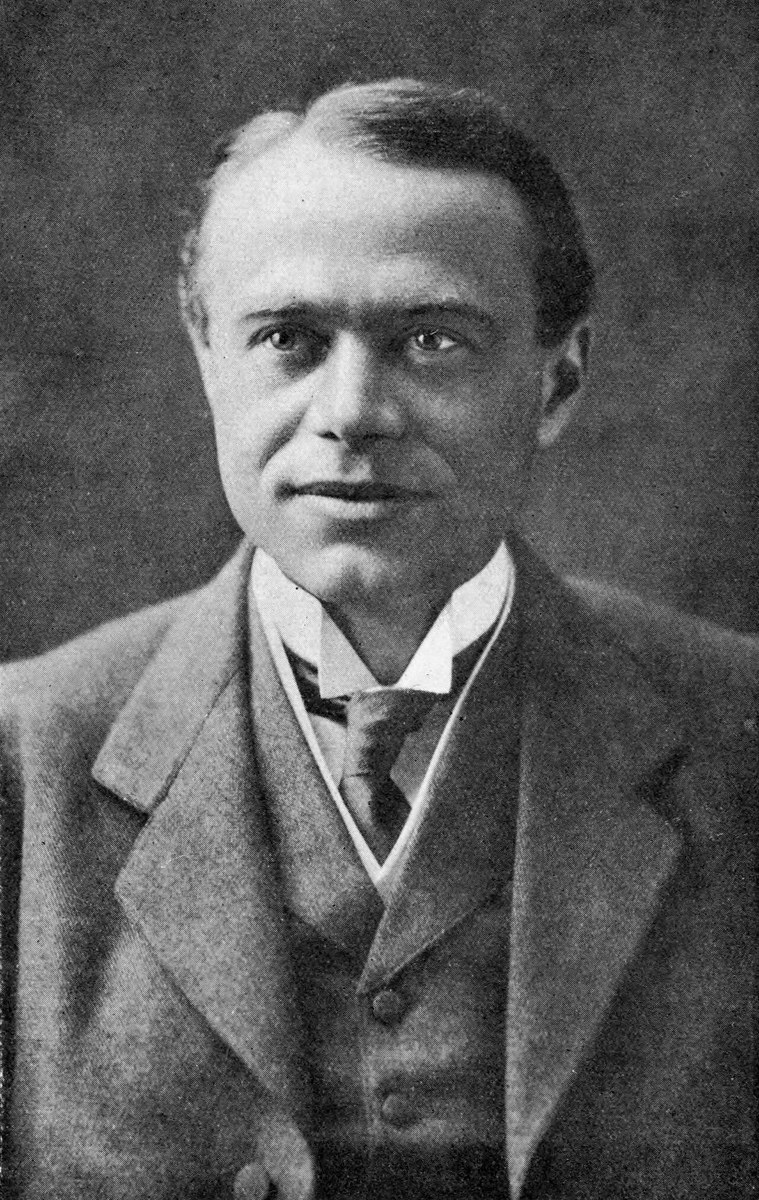
Harold Adams Innis, 1910s.
CA-K711Culture & sport

Harold Innis, historian of staples and communications

Harold Adams Innis, one of Canada’s great scholars, joined the University of Toronto in 1920 and headed its Department of Political Economy from 1937. Through works such as The Fur Trade in Canada, The Cod Fisheries and Empire and Communications, he deeply influenced the study of economics, history, geography, politics and communications.

Factual accuracy review: No recorded challenge

Contributor: Citizen.ca

Verified against cited sourcesVerified on 2026-10-26↗
Photo: Unknown photographer (1910s) · Photo licence: Public domain · Credit & context
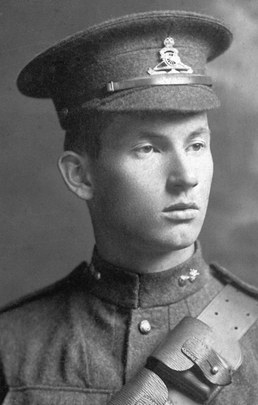
Archibald MacMechan, 1897 (Dalhousie University Archives).
CA-K705Culture & sport

Archibald MacMechan, man of letters at Dalhousie

Archibald MacMechan, born in Berlin (now Kitchener), Ontario, was professor of English at Dalhousie University from 1889 until his death. A book critic for the Montreal Standard for 20 years, he wrote several books about Nova Scotia and edited works by Tennyson and Carlyle, and received the Lorne Pierce Medal in 1932.

Factual accuracy review: No recorded challenge

Contributor: Citizen.ca

Verified against cited sourcesVerified on 2026-10-26↗
Photo: Unknown author · Photo licence: Public domain · Credit & context
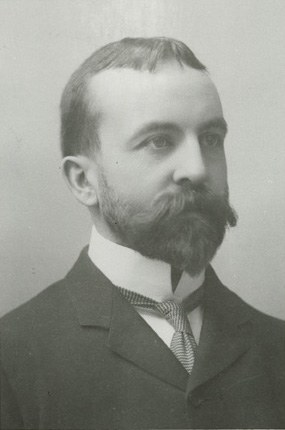
Sir Étienne-Paschal Taché (J.-I. Benoît, Library and Archives Canada).
CA-K702History

Sir Étienne-Paschal Taché, who presided at the Québec Conference

Étienne-Paschal Taché of Montmagny, a physician and soldier who fought at Châteauguay and Plattsburgh in the War of 1812, sat in the legislature and Legislative Council of the Province of Canada. In 1864 he headed the Taché–Macdonald coalition, presided at the Québec Conference and sponsored the Québec Resolutions in the Legislative Council.

Factual accuracy review: No recorded challenge

Contributor: Citizen.ca

Verified against cited sourcesVerified on 2026-10-26↗
Photo: Jules-Isaïe Benoît · Photo licence: Public domain · Credit & context
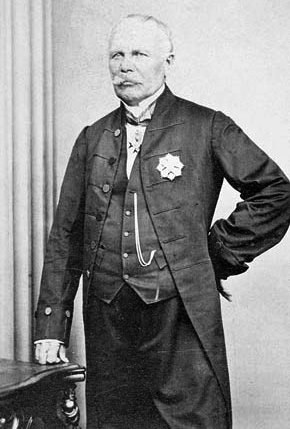
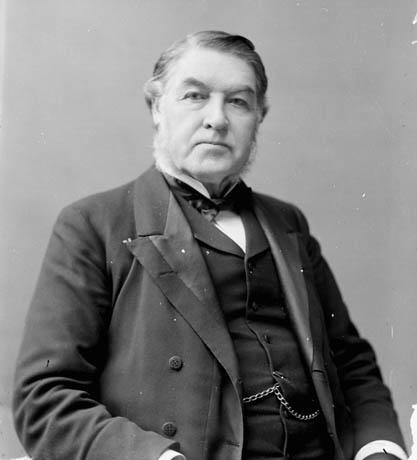
Charles Tupper, 1896 (Topley Studio).
CA-K686Institutions

Sir Charles Tupper, Father of Confederation and prime minister

Charles Tupper of Amherst, a physician, became premier of Nova Scotia in 1864 and, allied with John A. Macdonald, advocated Confederation despite substantial opposition in Nova Scotia. After federal cabinet posts and 11 years as High Commissioner in London, he succeeded Bowell as prime minister in 1896, then led the opposition after his party’s defeat that year.

Factual accuracy review: No recorded challenge

Contributor: Citizen.ca

Verified against cited sourcesVerified on 2026-10-26↗
Photo: William James Topley · Photo licence: Public domain · Credit & context