An independent Canadian knowledge project

Focused and Verified

Canadian knowledge base

Search by keyword

Choose one keyword, or combine two. Broader keywords include their descendants.

Keywords: Work, economy and infrastructure

Clear search
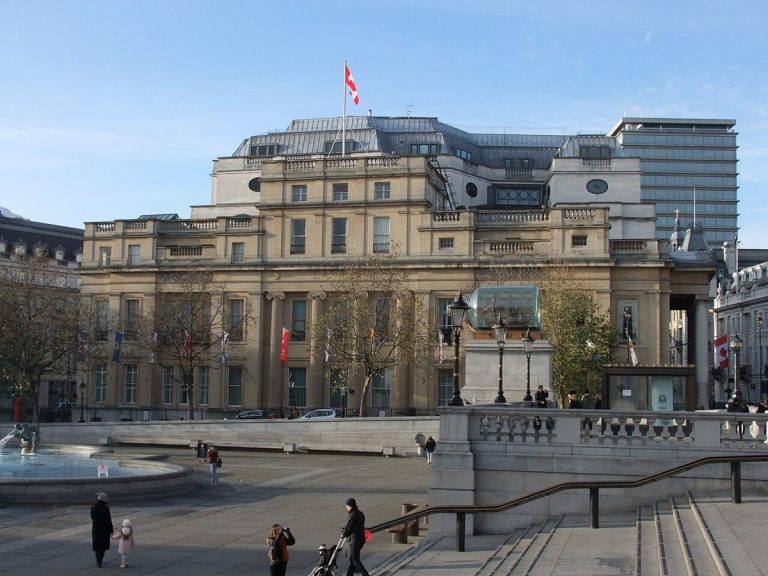
Canada House on Trafalgar Square, London, photographed in 2010.
CA-K283Institutions

Canada’s High Commission in London, 1880

In 1880, Canada became the first country of the British Empire to establish a high commission in London, mainly to promote trade and immigration, with former finance minister Sir Alexander Galt as the first high commissioner. Canada’s oldest diplomatic posting moved in 1925 to Canada House on Trafalgar Square, now a symbol of Canada in the British capital.

Factual accuracy review: No recorded challenge

Contributor: Citizen.ca

Verified against cited sourcesVerified on 2026-10-26↗
Photo: PAUL FARMER · Photo licence: CC BY-SA 2.0 · Credit & context
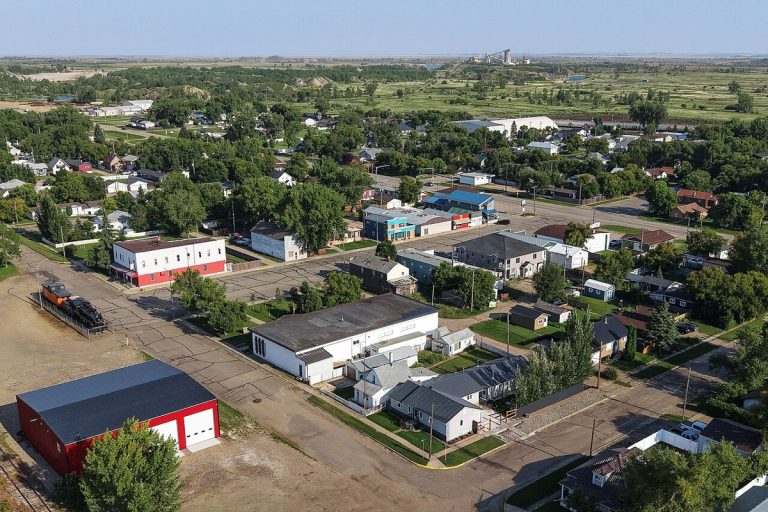
Bienfait, Saskatchewan, from the air in 2026.
CA-K279History

The 1931 Estevan strike and Black Tuesday

In September 1931, coal miners in Bienfait, Saskatchewan, went on a 30-day strike when mine owners refused to recognize their union. A motor cavalcade of strikers and supporters turned deadly in Estevan when police shot and killed three miners and injured 23 others; known as Black Tuesday, it remains a tragic legacy of the Depression.

Factual accuracy review: No recorded challenge

Contributor: Citizen.ca

Verified against cited sourcesVerified on 2026-10-26↗
Photo: Quintin Soloviev · Photo licence: CC BY 4.0 · Credit & context
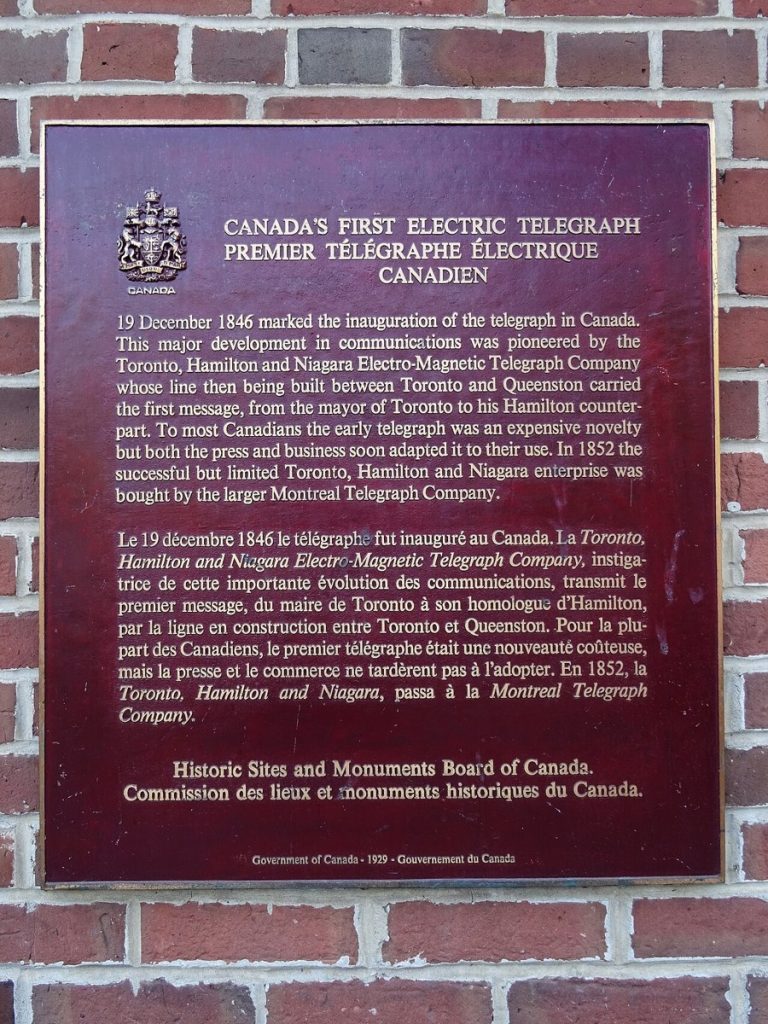
The Historic Sites and Monuments Board plaque for Canada’s First Electric Telegraph in Toronto, photographed in 2018.
CA-K270Economy & trade

Canada’s first electric telegraph, 1846

The telegraph was inaugurated in Canada on 19 December 1846, when the Toronto, Hamilton and Niagara Electro-Magnetic Telegraph Company’s line carried the first message, from the mayor of Toronto to the mayor of Hamilton. At first an expensive novelty, the telegraph was soon adopted by the press and business.

Factual accuracy review: No recorded challenge

Contributor: Citizen.ca

Verified against cited sourcesVerified on 2026-10-26↗
Photo: Spudgun67 · Photo licence: CC BY-SA 4.0 · Credit & context
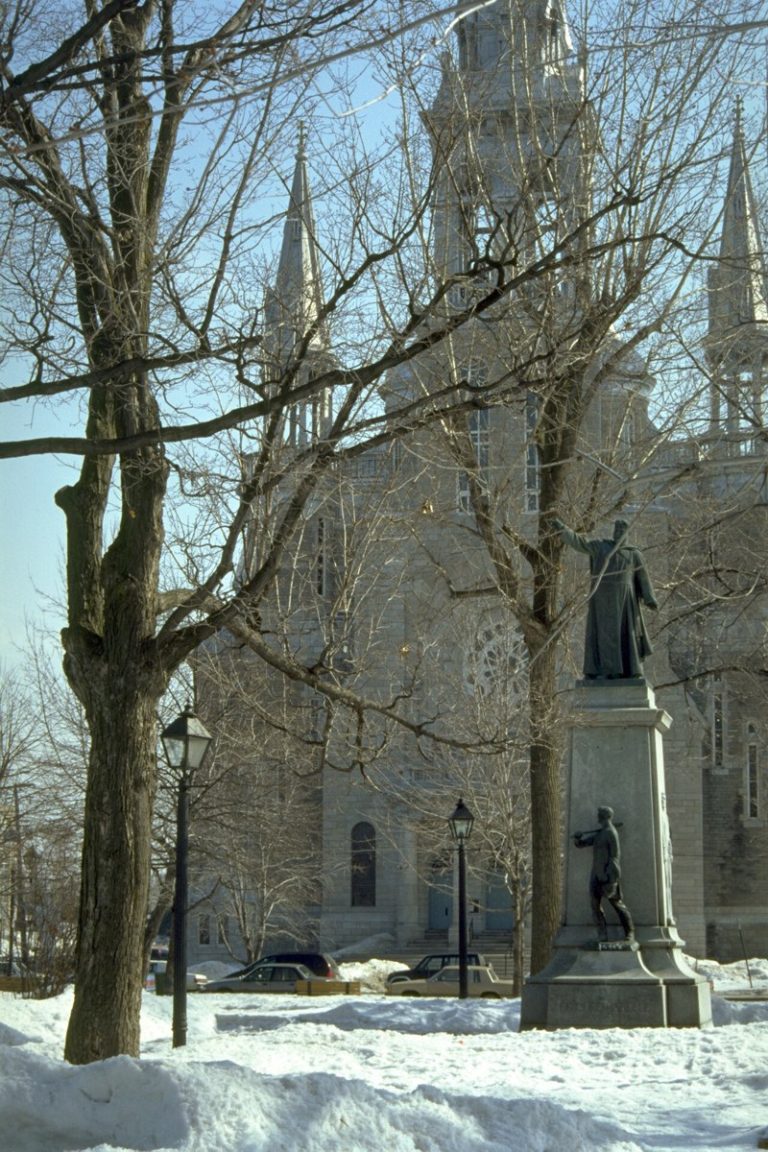
The cathedral and statue of Curé Labelle in Saint-Jérôme, Quebec, photographed in 2007.
CA-K262History

Curé Labelle, the “King of the North”

To curb French-Canadian emigration to the United States, Curé Antoine Labelle (1833–1891), parish priest of Saint-Jérôme, encouraged settlement in northwestern Quebec, northern Ontario and Manitoba. He played a key role in settling the Laurentians and developing their railways, served as Quebec’s deputy minister of agriculture and colonization, and is remembered as the “roi du Nord.”

Factual accuracy review: No recorded challenge

Contributor: Citizen.ca

Verified against cited sourcesVerified on 2026-10-26↗
Photo: Yvan leduc · Photo licence: CC BY-SA 3.0 · Credit & context
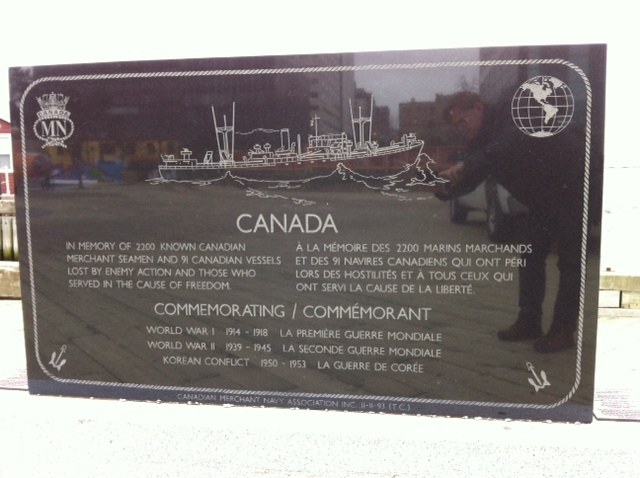
The Merchant Marine Monument at Sackville Landing, Halifax, photographed in 2013.
CA-K245History

The Canadian Merchant Navy in the Second World War

In the Second World War, the Canadian Merchant Navy contributed decisively to Allied victory by carrying troops and supplies to war zones around the world. Merchant mariners, men and women, faced the constant threat of enemy attack as well as the dangers of the open sea, and many lost their lives.

Factual accuracy review: No recorded challenge

Contributor: Citizen.ca

Verified against cited sourcesVerified on 2026-10-26↗
Photo: Hantsheroes · Photo licence: CC BY-SA 3.0 · Credit & context
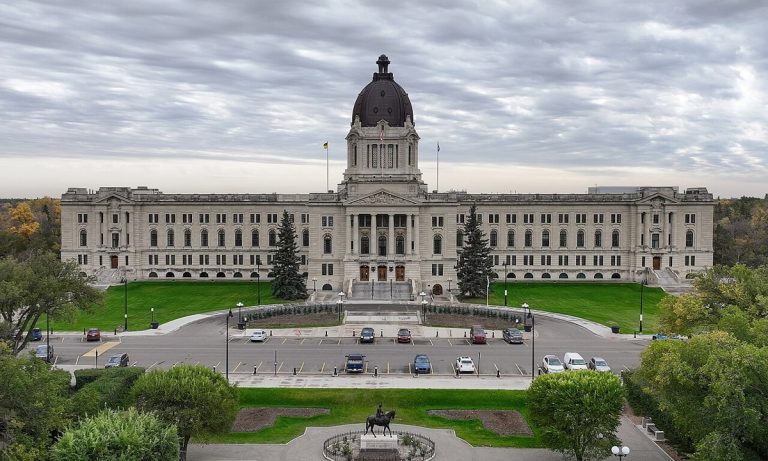
The Saskatchewan Legislative Building in Regina, photographed in 2025.
CA-K244History

The Saskatchewan doctors’ strike of 1962

When Saskatchewan’s Medical Care Insurance Act took effect on 1 July 1962, most of the province’s doctors went on strike for 23 days. Perhaps the most significant Canadian doctors’ strike of the 20th century, it exemplified conflicts in the development of medicare between state intervention and physicians’ independence, and between doctors as entrepreneurs and patients’ right to care regardless of income.

Factual accuracy review: No recorded challenge

Contributor: Citizen.ca

Verified against cited sourcesVerified on 2026-10-26↗
Photo: Quintin Soloviev · Photo licence: CC BY 4.0 · Credit & context
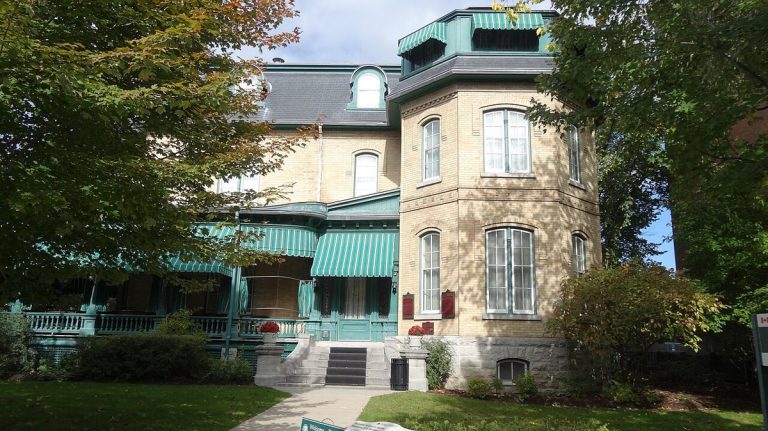
Laurier House in Ottawa, Prime Minister Mackenzie King’s home, next to which the unit worked from 1942 to 1945; photographed in 2014.
CA-K243History

The Examination Unit, Canada’s wartime codebreakers

The Examination Unit (1941–1945) was Canada’s secret civilian cryptographic bureau in the Second World War, working within the National Research Council; women made up about 40% of its staff. It helped the Allies decrypt French, German and Japanese messages and paved the way for the Communications Security Establishment, founded in 1975.

Factual accuracy review: No recorded challenge

Contributor: Citizen.ca

Verified against cited sourcesVerified on 2026-10-26↗
Photo: Suwannee.payne · Photo licence: CC BY-SA 3.0 · Credit & context
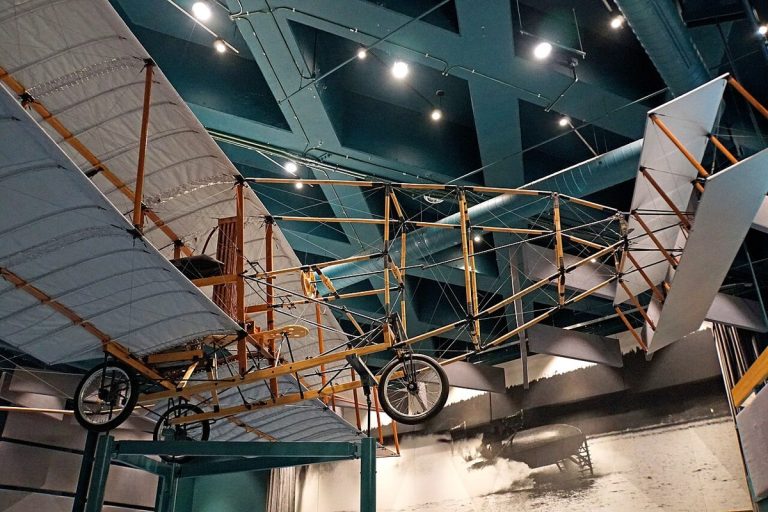
A Silver Dart display photographed in 2017; not the original 1909 aircraft.
CA-K242History

The Silver Dart made Canada’s first powered flight, 1909

On 23 February 1909, more than 100 people watched the Silver Dart lift off the ice of Baddeck Bay, Nova Scotia, and fly 800 metres: the first successful powered flight in Canada. Piloted by J. A. D. McCurdy, the biplane was built by the Aerial Experiment Association, founded by Mabel and Alexander Graham Bell (see CA-K154).

Factual accuracy review: No recorded challenge

Contributor: Citizen.ca

Verified against cited sourcesVerified on 2026-10-26↗
Photo: Dennis G. Jarvis · Photo licence: CC BY-SA 2.0 · Credit & context
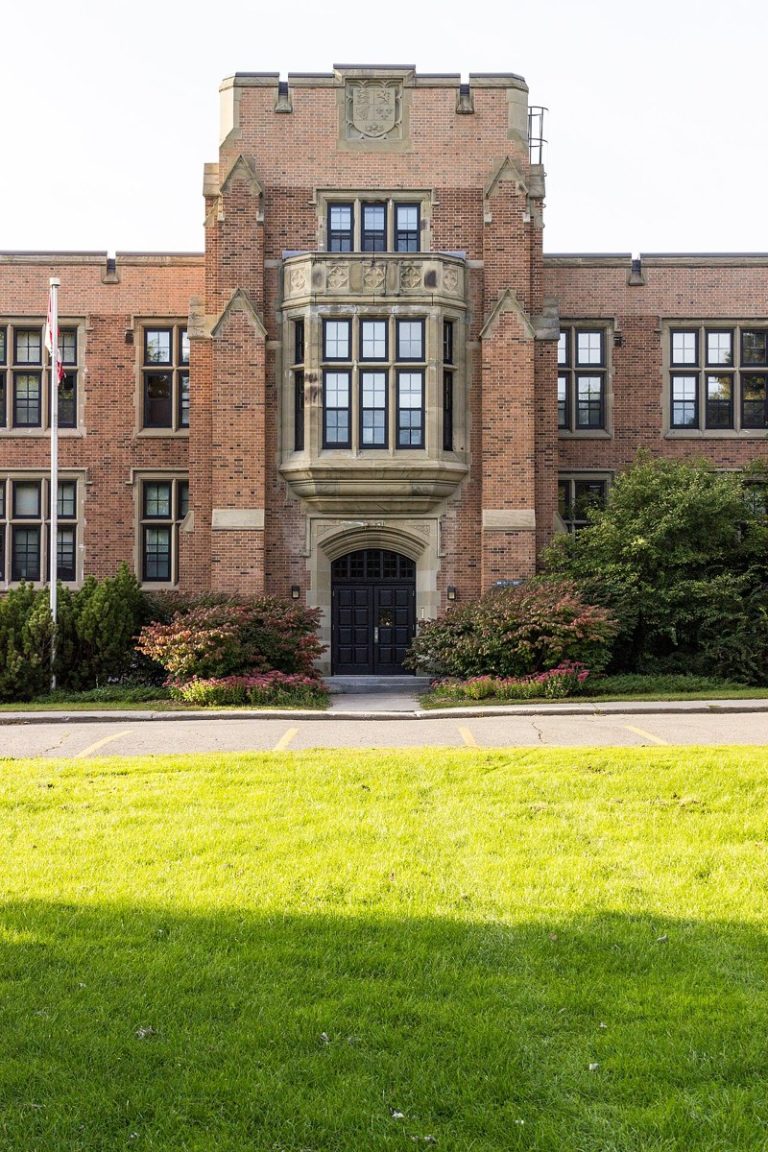
The William Saunders Building at the Central Experimental Farm, Ottawa, photographed in 2014.
CA-K229Economy & trade

William Saunders and the Experimental Farms

William Saunders (1836–1914), an expert in scientific agriculture, became the first director of the federal Department of Agriculture’s new Experimental Farms Branch in 1886. He created many promising varieties of fruit and grain and began the research that led to Marquis wheat, developed by his son Charles.

Factual accuracy review: No recorded challenge

Contributor: Citizen.ca

Verified against cited sourcesVerified on 2026-10-26↗
Photo: Matti Blume · Photo licence: CC BY-SA 4.0 · Credit & context
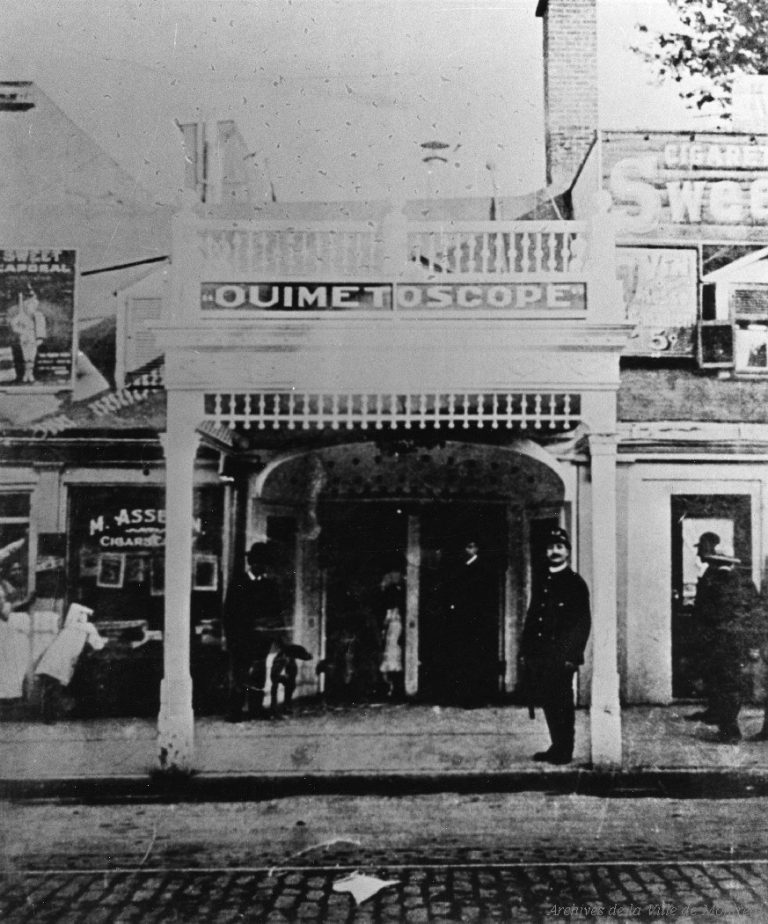
The first Ouimetoscope hall in Montréal, 1906 (Cinémathèque québécoise).
CA-K226Culture & sport

Léo-Ernest Ouimet and the Ouimetoscope

Léo-Ernest Ouimet (1877–1972) helped lay the foundations of the Canadian film industry. He founded what is considered Canada’s first film distribution company, opened the luxurious Ouimetoscope in Montréal in 1907, one of the first large theatres built for motion pictures, and produced some of the earliest Canadian newsreels.

Factual accuracy review: No recorded challenge

Contributor: Citizen.ca

Verified against cited sourcesVerified on 2026-10-26↗
Photo: Léon H. Bélanger · Photo licence: Public domain · Credit & context
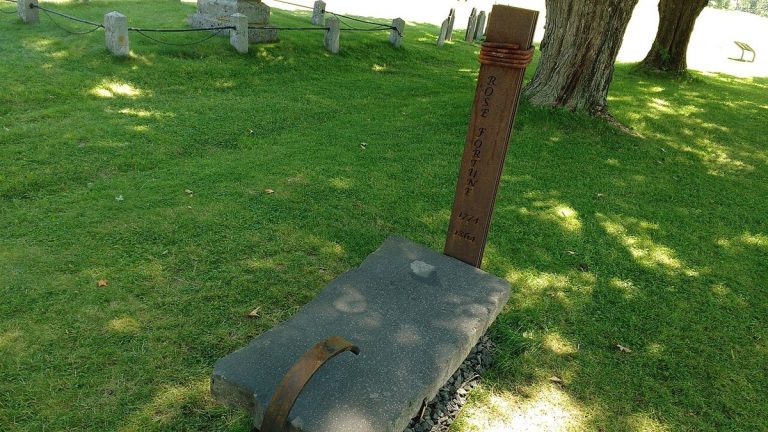
The grave marker for Rose Fortune in the garrison cemetery at Annapolis Royal, Nova Scotia, photographed in 2017.
CA-K220History

Rose Fortune of Annapolis Royal

Rose Fortune (c. 1774–1864) and her parents, formerly enslaved in Virginia, were among more than 3,000 Black Loyalists resettled in Nova Scotia in 1783–1784. In Annapolis Royal she later ran a successful baggage-carting business and earned respect by informally policing the waterfront, and her story is a long-standing source of pride for African Nova Scotians.

Factual accuracy review: No recorded challenge

Contributor: Citizen.ca

Verified against cited sourcesVerified on 2026-10-26↗
Photo: Dan Conlin · Photo licence: CC BY 4.0 · Credit & context
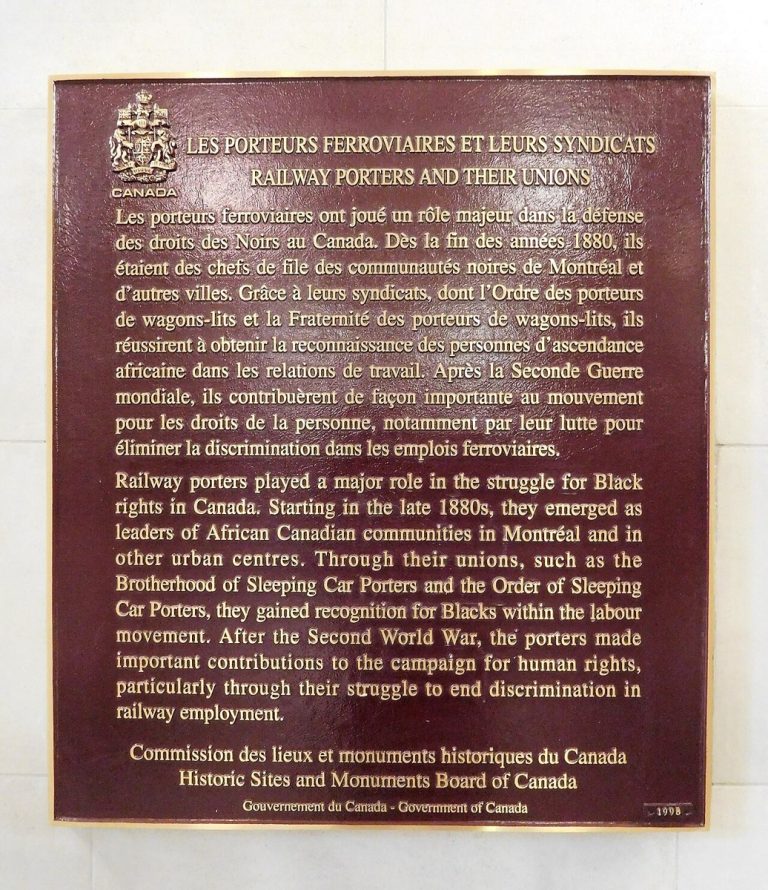
The Parks Canada plaque for Railway Porters and their Unions in Montréal, photographed in 2019.
CA-K219History

Black railway porters and their unions

From the late 1880s, Black railway porters emerged as leaders of African Canadian communities in Montréal and other cities. Through unions such as the Brotherhood of Sleeping Car Porters and the Order of Sleeping Car Porters, they won recognition for Black workers in the labour movement and, after the Second World War, fought to end discrimination in railway employment.

Factual accuracy review: No recorded challenge

Contributor: Citizen.ca

Verified against cited sourcesVerified on 2026-10-26↗
Photo: Jeangagnon · Photo licence: CC BY-SA 4.0 · Credit & context
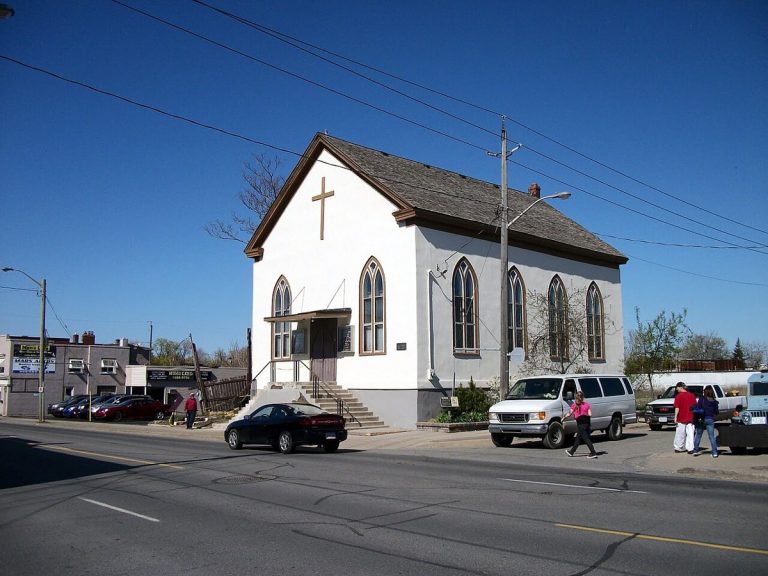
Salem Chapel British Methodist Episcopal Church in St. Catharines, Ontario, a centre of 19th-century abolitionist activity, photographed in 2012.
CA-K217History

Harriet Tubman led freedom-seekers to Canada

Harriet Tubman (c. 1822–1913), who escaped slavery in Maryland, was the most famous “conductor” on the Underground Railroad, leading many people on dangerous journeys to freedom in Canada and helping them settle. She became the public face of the Underground Railroad in British North America, drawing attention and funding to the abolition movement.

Factual accuracy review: No recorded challenge

Contributor: Citizen.ca

Verified against cited sourcesVerified on 2026-10-26↗
Photo: Gr82c · Photo licence: CC BY-SA 3.0 · Credit & context
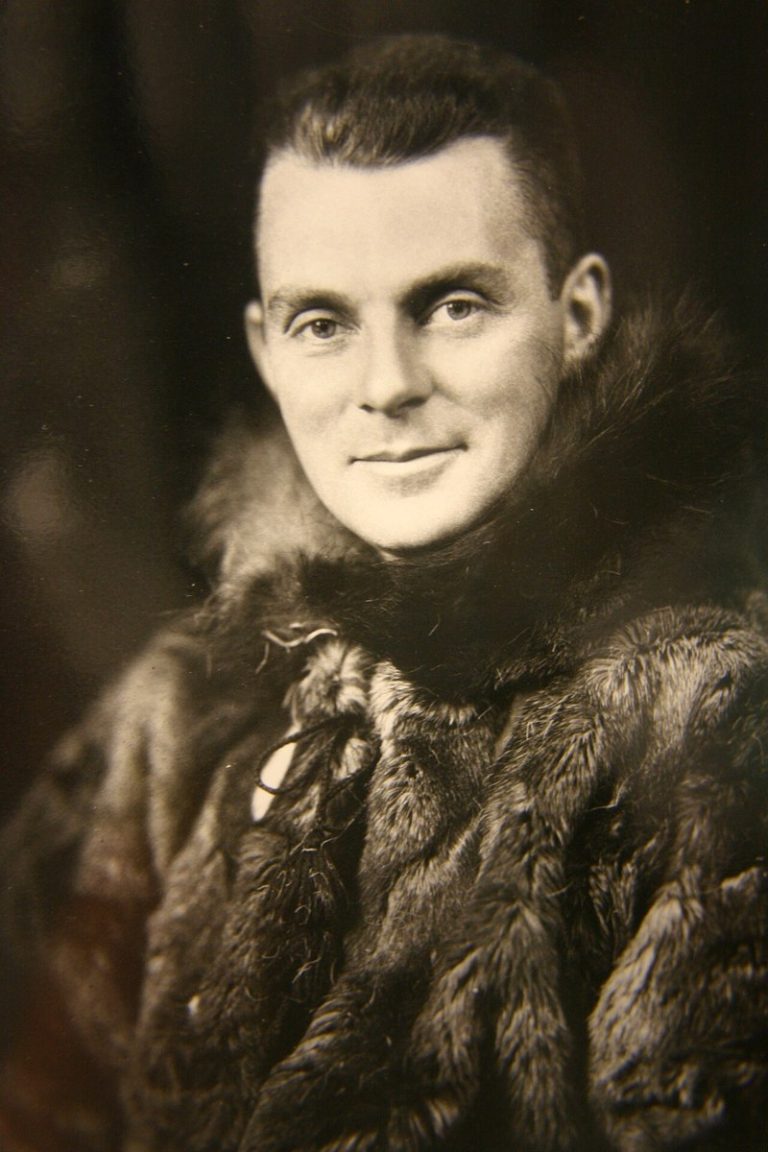
A photograph of C.H. “Punch” Dickins, Canadian First World War pilot.
CA-K214History

“Punch” Dickins, pioneering bush pilot

C.H. “Punch” Dickins (1899–1995), a distinguished First World War airman, became a pioneering bush pilot in the 1920s and 1930s, flying vast distances in Canada’s North and proving flight possible in remote areas and extreme cold. In the 1940s he contributed to the design of the de Havilland Beaver, helping make Canada a world leader in frontier aviation.

Factual accuracy review: No recorded challenge

Contributor: Citizen.ca

Verified against cited sourcesVerified on 2026-10-26↗
Photo: Bzuk at English Wikipedia · Photo licence: Public domain · Credit & context
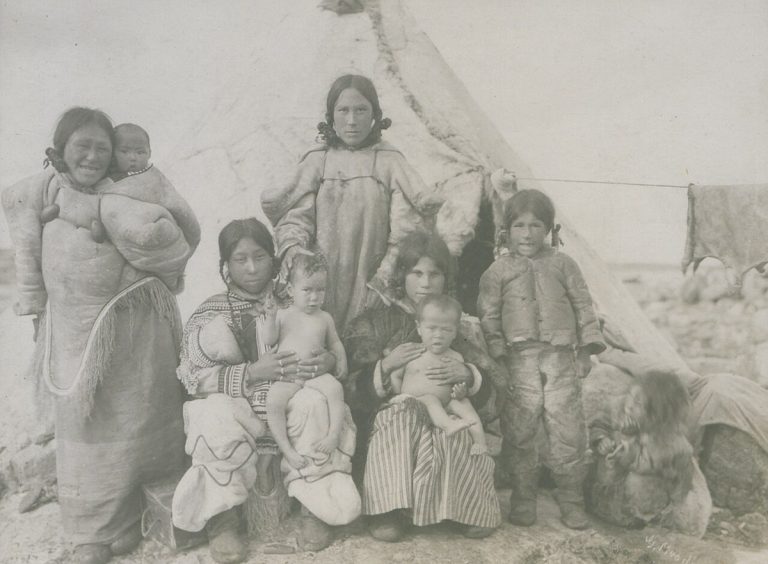
Inuit women and children at Fullerton (Qatiktalik), Nunavut, photographed by Geraldine Moodie in 1906.
CA-K209Culture & sport

Geraldine Moodie, photographer of the North-West and North

Geraldine Moodie (1854–1945), an entrepreneur in a male-dominated field, owned and operated at least three commercial photography studios. As the wife of a North-West Mounted Police officer she had unprecedented access to Indigenous communities, and her photographs are valued historical records of First Nations and Inuit lifeways around 1900.

Factual accuracy review: No recorded challenge

Contributor: Citizen.ca

Verified against cited sourcesVerified on 2026-10-26↗
Photo: Geraldine Moodie · Photo licence: Public domain · Credit & context
Pier 21 in Halifax, now the Canadian Museum of Immigration, photographed in 2010.
CA-K202History

Some 48,000 war brides arrived at Pier 21

Between 1942 and 1948, some 48,000 women, mostly from Great Britain, and 22,000 children arrived at Pier 21 in Halifax as the families of Canadian servicemen stationed abroad during the Second World War. The federal government provided their transportation and information about Canada, and war bride clubs across the country helped them adapt.

Factual accuracy review: No recorded challenge

Contributor: Citizen.ca

Verified against cited sourcesVerified on 2026-10-26↗
Photo: Skeezix1000 · Photo licence: CC BY-SA 3.0 · Credit & context
Uncle Tom’s Cabin Historic Site near Dresden, Ontario, now the Josiah Henson Museum of African-Canadian History, photographed in 2014.
CA-K181History

Josiah Henson and the Dawn settlement

After escaping slavery in Kentucky to Upper Canada, Reverend Josiah Henson (1789–1883) became an Underground Railroad conductor and abolitionist, founded the Black settlement of Dawn and established the British American Institute school. Harriet Beecher Stowe said his 1849 memoirs supplied ideas and incidents for Uncle Tom’s Cabin, raising awareness of Canada as a haven from slavery.

Factual accuracy review: No recorded challenge

Contributor: Citizen.ca

Verified against cited sourcesVerified on 2026-10-26↗
Photo: NearEMPTiness · Photo licence: CC BY-SA 4.0 · Credit & context
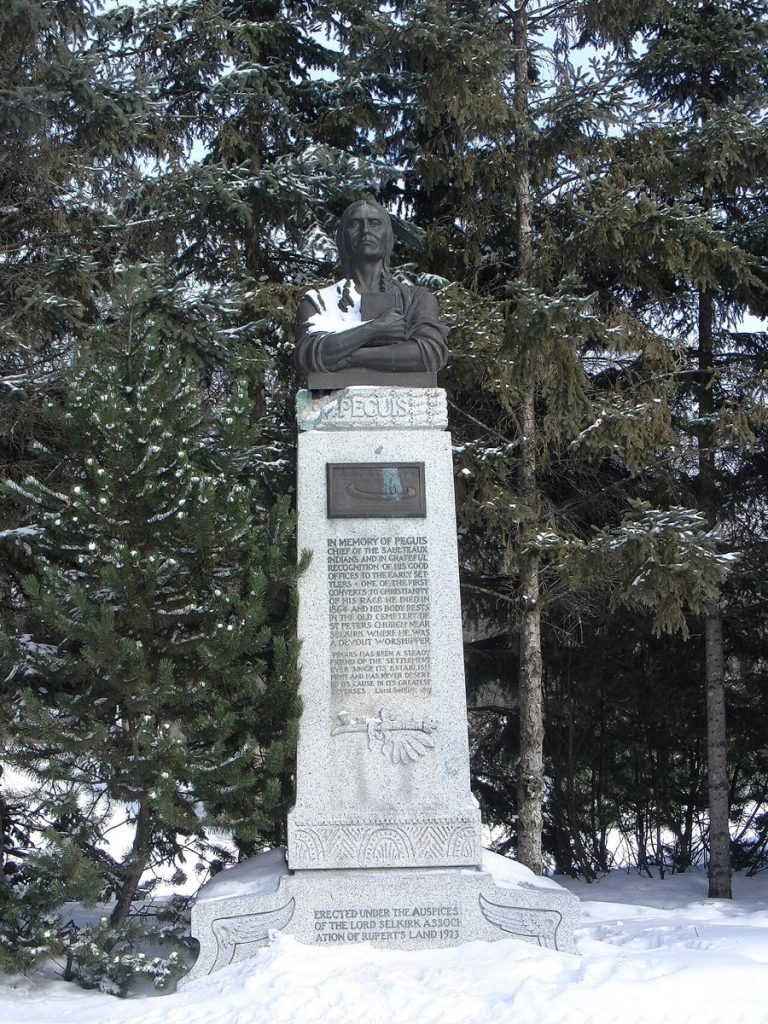
The Peguis monument in Kildonan Park, Winnipeg, erected in 1923, photographed in 2011.
CA-K176Indigenous peoples & reconciliation

Chief Peguis and the Selkirk Treaty of 1817

Chief Peguis (1774–1864), a skilled hunter and diplomat, worked to protect the rights and interests of the Anishinaabeg of Red River and stepped in to save lives when fur trade hostilities threatened the Selkirk Settlement. He was one of five First Nations negotiators of the Selkirk Treaty of 1817, the first agreement permitting limited farmland access to settlers in western Canada.

Factual accuracy review: No recorded challenge

Contributor: Citizen.ca

Verified against cited sourcesVerified on 2026-10-26↗
Photo: Wtshymanski · Photo licence: CC BY-SA 3.0 · Credit & context
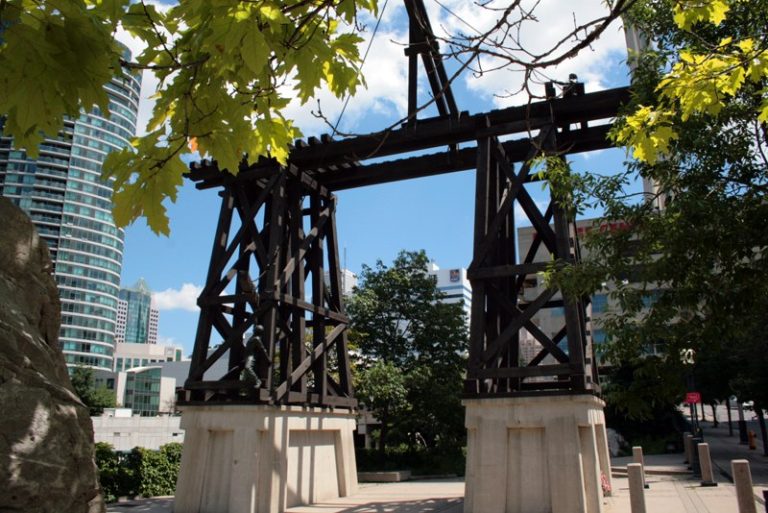
The Memorial to Commemorate the Chinese Railroad Workers in Canada, Toronto, by Eldon Garnet and Francis LeBouthillier, photographed in 2008.
CA-K165History

Chinese workers who built the CPR in British Columbia

In the early 1880s, thousands of labourers from China helped build the Canadian Pacific Railway through British Columbia’s mountains; about three-quarters of the men on the section between the Pacific and Craigellachie were Chinese. They were paid a dollar a day, half a white worker’s pay, and hundreds died from accidents or illness.

Factual accuracy review: No recorded challenge

Contributor: Citizen.ca

Verified against cited sourcesVerified on 2026-10-26↗
Photo: Shaun Merritt · Photo licence: CC BY 2.0 · Credit & context
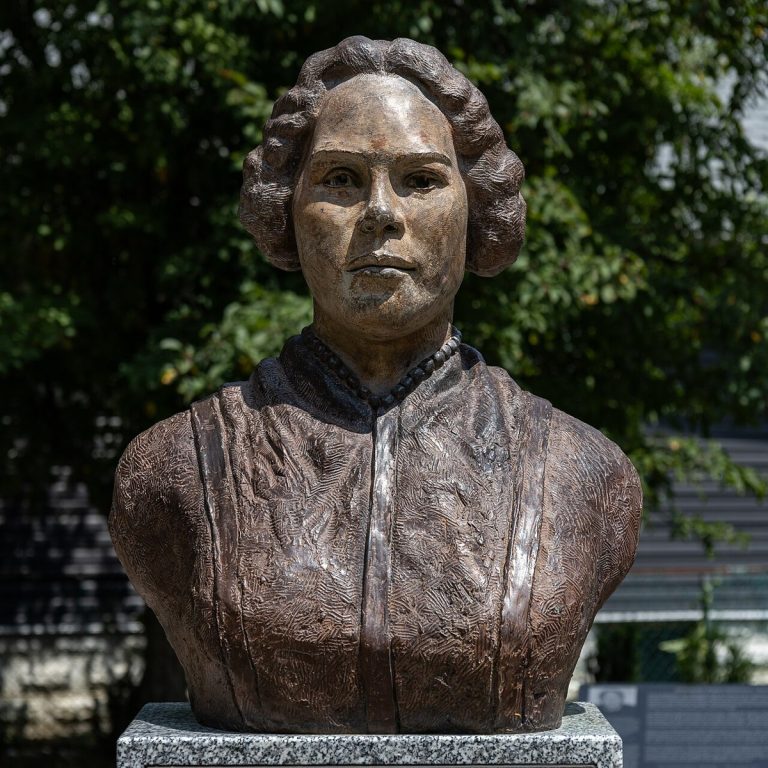
A bust of Mary Ann Shadd Cary by Artis Lane in BME Freedom Park, Chatham, Ontario, photographed in 2025.
CA-K164History

Mary Ann Shadd and the Provincial Freeman

Mary Ann Shadd (1823–1893) became a prominent activist in the Underground Railroad refugee communities of Upper Canada in the 1850s. In 1853 she established the Provincial Freeman, an influential newspaper that argued for the rights of Black people and women and became the leading voice of refugees in Canada.

Factual accuracy review: No recorded challenge

Contributor: Citizen.ca

Verified against cited sourcesVerified on 2026-10-26↗
Photo: Chris Woodrich · Photo licence: CC BY-SA 4.0 · Credit & context
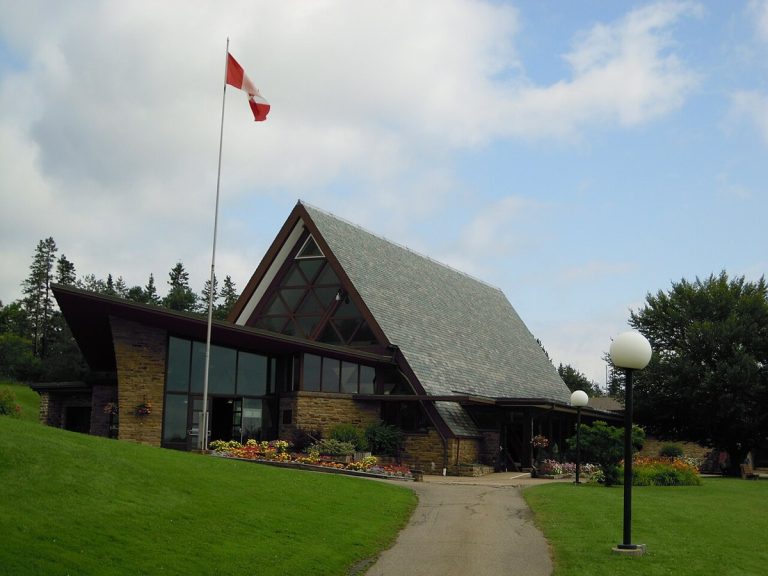
The visitor centre and museum at the Alexander Graham Bell National Historic Site in Baddeck, Nova Scotia, in 2010.
CA-K154History

Alexander Graham Bell in Baddeck

Alexander Graham Bell (1847–1922), best known as the inventor of the telephone, was born in Scotland, became a citizen of the United States and was a longtime resident of Canada. In 1907 he and his wife Mabel co-founded the Aerial Experiment Association, which led to the flight of the Silver Dart; he died at his summer home, Beinn Bhreagh, near Baddeck, Nova Scotia.

Factual accuracy review: No recorded challenge

Contributor: Citizen.ca

Verified against cited sourcesVerified on 2026-10-26↗
Photo: Skeezix1000 · Photo licence: CC BY-SA 3.0 · Credit & context
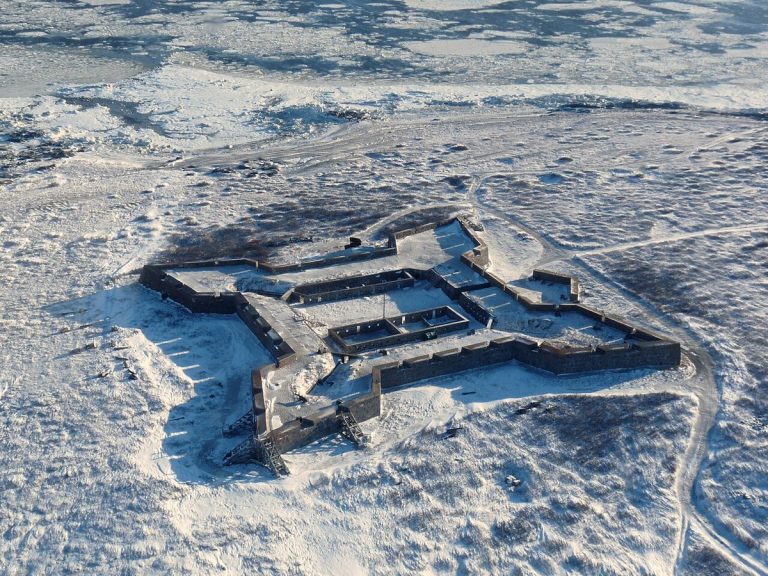
Prince of Wales Fort at the mouth of the Churchill River, Manitoba, in 2012; a later Hudson’s Bay Company fort, not the 1717 post.
CA-K141Indigenous peoples & reconciliation

Thanadelthur, Dene interpreter and peacemaker

Thanadelthur, a young Dene woman and skilled interpreter, guided a Hudson’s Bay Company expedition from York Factory into Dene territory in 1715–1716. Her diplomacy brought peace between the Dene and the Cree and opened direct trade, leading to a post at the Churchill River in 1717; her story is honoured in Dene oral tradition.

Factual accuracy review: No recorded challenge

Contributor: Citizen.ca

Verified against cited sourcesVerified on 2026-10-26↗
Photo: Peterfitzgerald · Photo licence: CC BY-SA 3.0 · Credit & context
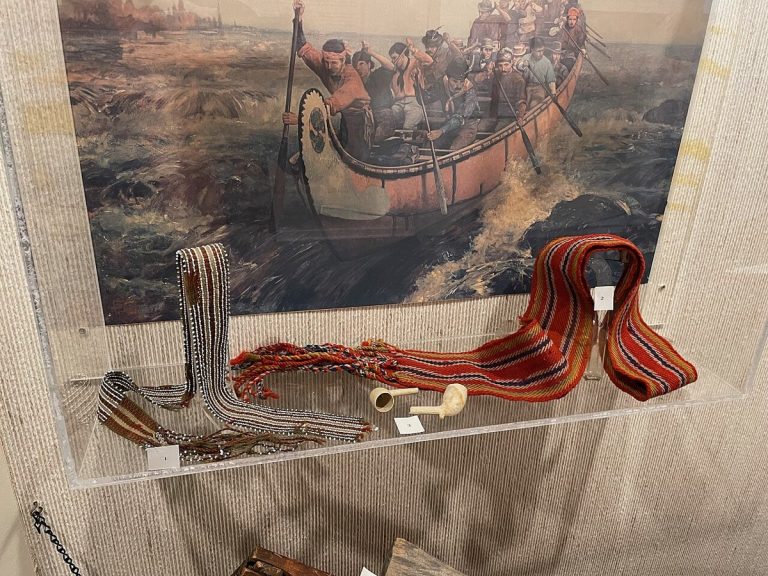
A beaded Métis sash and a ceinture fléchée (woven sash) on display at a museum in Sault Ste. Marie, Ontario, in 2024.
CA-K123Indigenous peoples & reconciliation

The Métis Nation emerged in the historic Northwest

The Métis Nation emerged in the historic Northwest during the fur trade as a distinct Indigenous people with its own culture, traditions, language (Michif) and nationhood. The Métis Nation Homeland includes Manitoba, Saskatchewan and Alberta and parts of Ontario, British Columbia, the Northwest Territories and the northern United States.

Factual accuracy review: No recorded challenge

Contributor: Citizen.ca

Verified against cited sourcesVerified on 2026-10-26↗
Photo: Fungus Guy · Photo licence: CC BY 4.0 · Credit & context