
An independent Canadian knowledge project

Focused and Verified

Canadian knowledge base

Search by keyword

Choose one keyword, or combine two. Broader keywords include their descendants.

Keywords: 1800–1899

Clear search
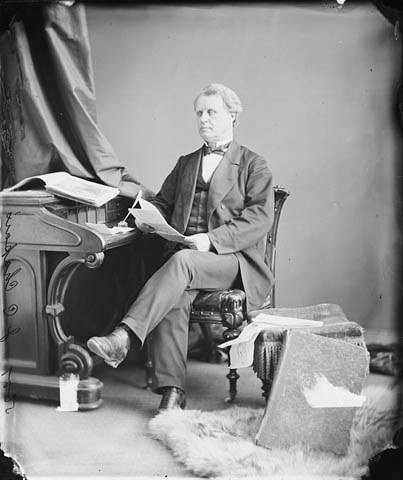
Jean-Charles Chapais, April 1870 (Topley Studio).
CA-K646History

Jean-Charles Chapais, Father of Confederation

Jean-Charles Chapais, a merchant of Saint-Denis de Kamouraska, represented Kamouraska as a Conservative from 1851 to 1867 and was Commissioner of Public Works. A delegate to the Québec Conference and Father of Confederation, he became a senator in 1868 and served in Macdonald’s cabinets as Minister of Agriculture and Receiver General.

Factual accuracy review: No recorded challenge

Contributor: Citizen.ca

Verified against cited sourcesVerified on 2026-10-26↗
Photo: William James Topley · Photo licence: Public domain · Credit & context
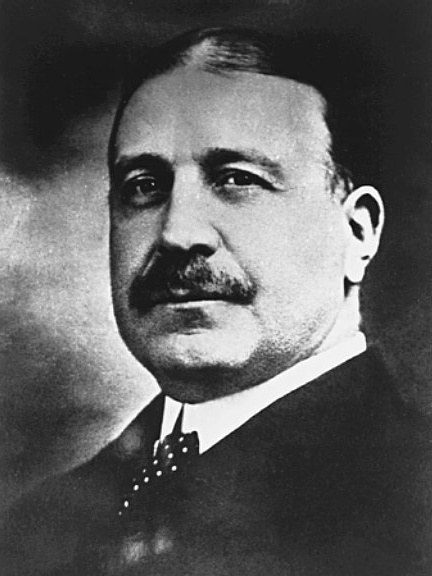
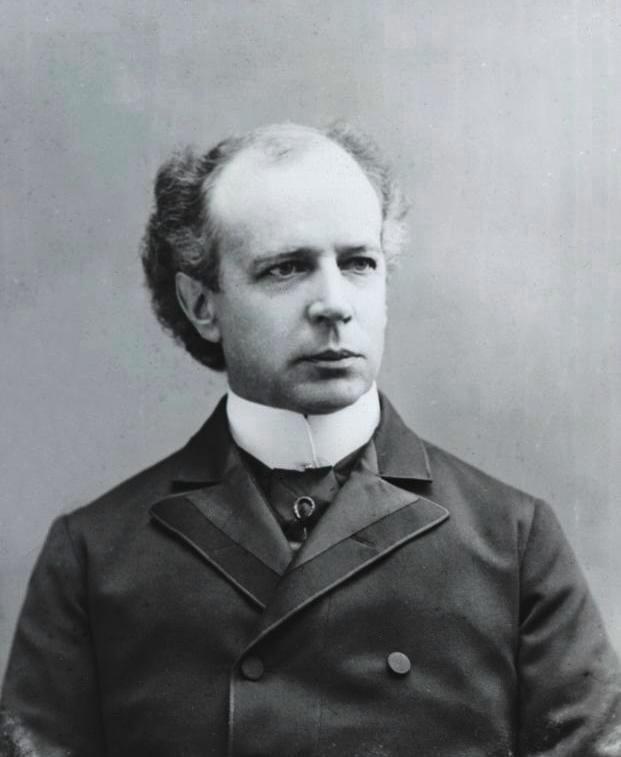
Francis H. Clergue.
CA-K644Economy & trade

Francis Clergue and industrial Sault Ste. Marie

Francis Hector Clergue, a promoter from Maine, transformed Sault Ste. Marie into a major industrial centre. After buying an unfinished hydroelectric station and canal there in 1894, he created his own linked industries to use the power, including a pulp and paper mill, a copper company, Algoma Steel and the Algoma Central Railway.

Factual accuracy review: No recorded challenge

Contributor: Citizen.ca

Verified against cited sourcesVerified on 2026-10-26↗
Photo: Unknown author · Photo licence: Public domain · Credit & context
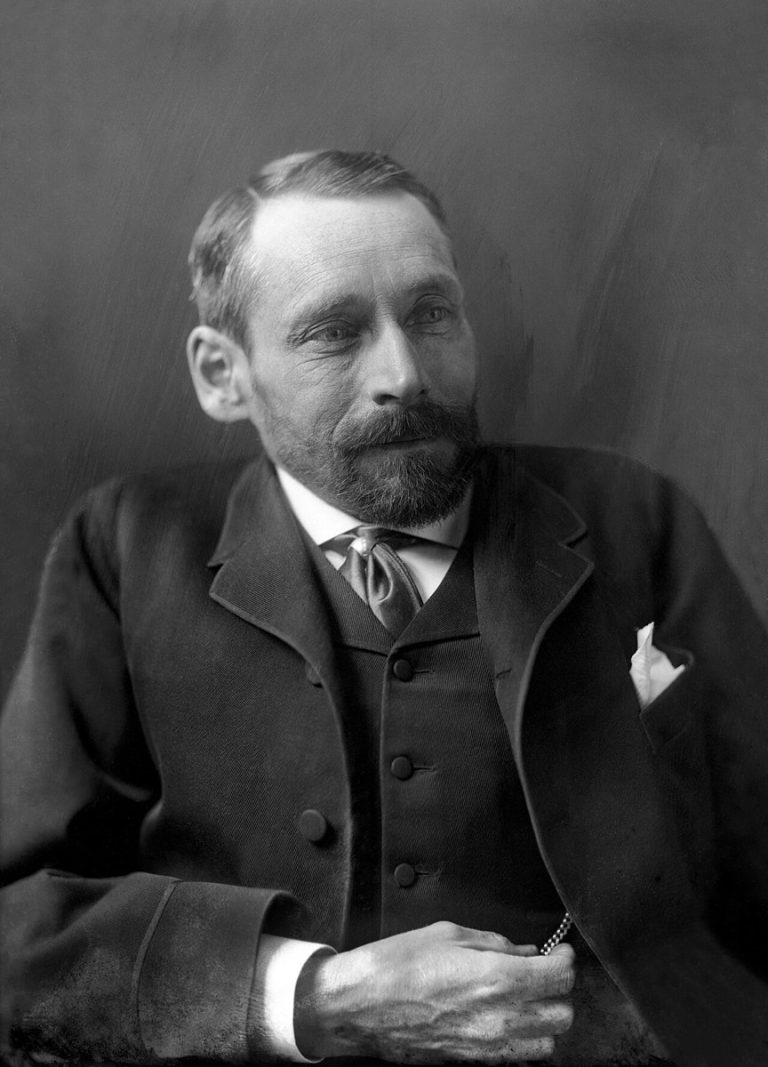
Wilfrid Laurier, about 1890 (Topley Studio, McCord Museum).
CA-K642Institutions

Sir Wilfrid Laurier, first francophone prime minister

Wilfrid Laurier of Saint-Lin, Quebec, was Canada’s first francophone prime minister, an MP for 45 years and Liberal leader for 32. As prime minister from 1896 to 1911 he presided over the settlement of the West, created Alberta and Saskatchewan and founded the Canadian Navy, and he worked to win greater autonomy for Canada and common ground between English and French Canadians.

Factual accuracy review: No recorded challenge

Contributor: Citizen.ca

Verified against cited sourcesVerified on 2026-10-26↗
Photo: Topley Studio · Photo licence: Public domain · Credit & context
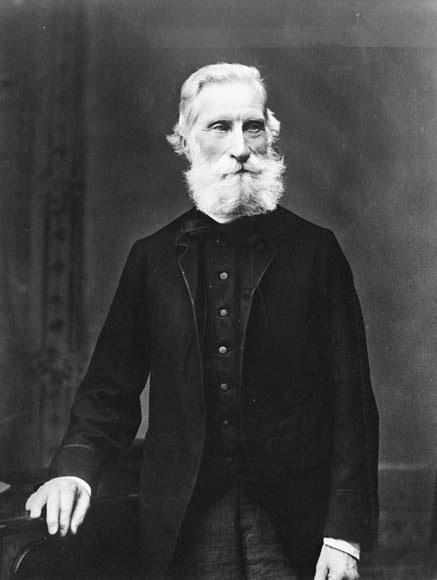
George Mercer Dawson, June 1891 (William Notman and Son, McCord Stewart Museum).
CA-K625History

George Mercer Dawson, geologist of the Northwest

George Mercer Dawson of Pictou, Nova Scotia, was geologist for the North American Boundary Commission in 1873 and for the Geological Survey of Canada, becoming its director in 1895. He explored much of the Canadian Northwest, served on the Bering Sea commission in 1892 and was president of the Royal Society of Canada in 1893.

Factual accuracy review: No recorded challenge

Contributor: Citizen.ca

Verified against cited sourcesVerified on 2026-10-26↗
Photo: William Notman and Son · Photo licence: Public domain · Credit & context
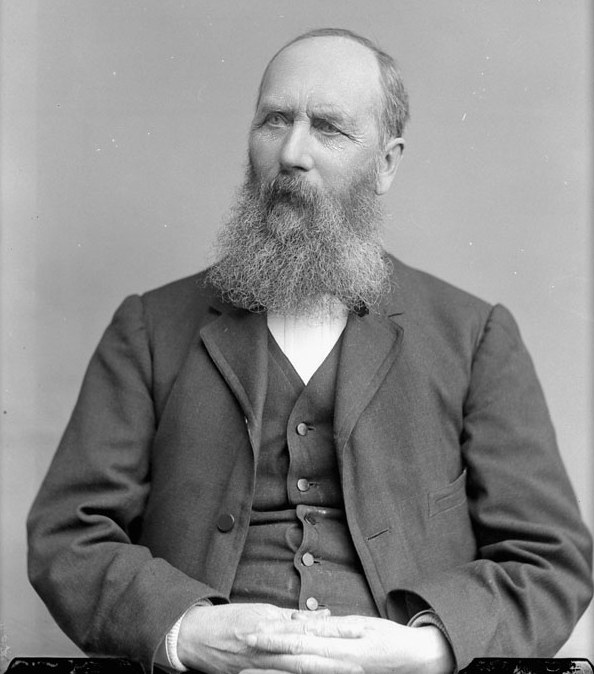
Sir Richard William Scott (Library and Archives Canada).
CA-K620Institutions

Sir Richard Scott and the Separate School Act of 1863

Richard William Scott of Prescott, an Ottawa lawyer, sponsored the Separate School Act of 1863 in the legislature of the Province of Canada. Appointed to the Senate in 1874, he was Secretary of State under Mackenzie, responsible for the Canada Temperance Act of 1878, and again under Laurier, and led the Liberals in the Senate.

Factual accuracy review: No recorded challenge

Contributor: Citizen.ca

Verified against cited sourcesVerified on 2026-10-26↗
Photo: Unknown author · Photo licence: Public domain · Credit & context
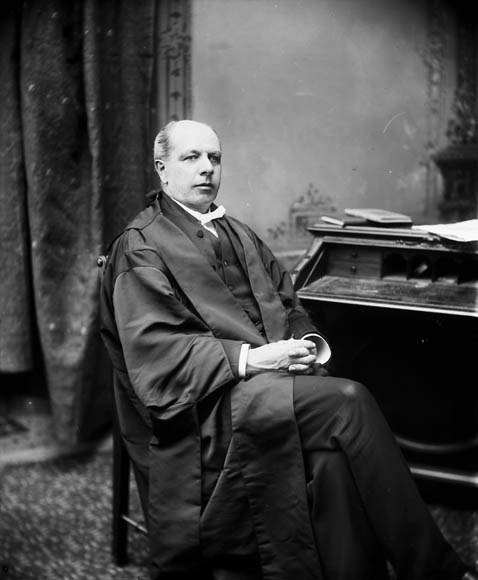
John George Bourinot, 1888 (Topley Studio).
CA-K613Institutions

Sir John Bourinot, Clerk of the House of Commons

John George Bourinot of Sydney, Nova Scotia, a journalist and legislative reporter, joined Parliament’s staff in Ottawa in 1868 and was Clerk of the House of Commons from 1880 to 1902, a recognized authority on parliamentary procedure. A founding member of the Royal Society of Canada, he wrote widely on history and the constitution.

Factual accuracy review: No recorded challenge

Contributor: Citizen.ca

Verified against cited sourcesVerified on 2026-10-26↗
Photo: William James Topley · Photo licence: Public domain · Credit & context
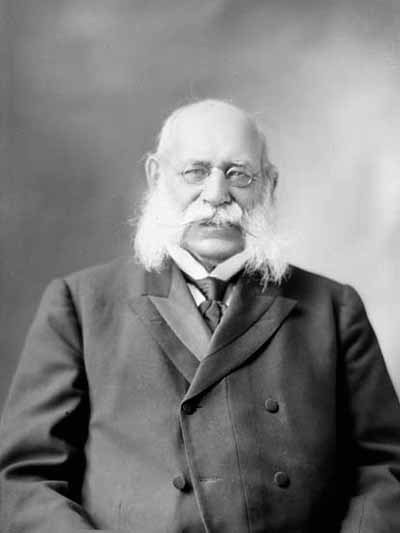
Sir Richard John Cartwright, December 1908 (Topley Studio).
CA-K606Institutions

Sir Richard Cartwright, Liberal finance minister

Richard John Cartwright of Kingston, grandson of a Loyalist merchant, sat in the House of Commons as a Liberal for 37 years. He was Minister of Finance under Mackenzie (1873–1878) and Minister of Trade and Commerce under Laurier (1896–1904), and as a free trader he designed the Liberals’ 1891 policy of unrestricted reciprocity with the United States.

Factual accuracy review: No recorded challenge

Contributor: Citizen.ca

Verified against cited sourcesVerified on 2026-10-26↗
Photo: William James Topley · Photo licence: Public domain · Credit & context
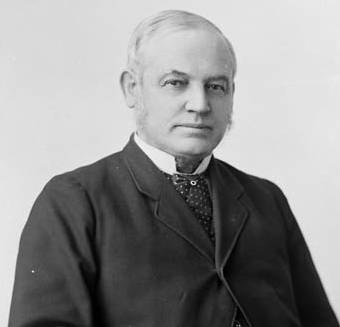
John Carling, Minister of Agriculture, December 1885 (Topley Studio).
CA-K604Economy & trade

Sir John Carling and the Experimental Farms

John Carling of London, Ontario, succeeded his father as president of Carling Brewing and Malting and sat as a Conservative in the provincial and federal legislatures for decades. His most significant contribution came as federal Minister of Agriculture from 1885 to 1892, when he founded the system of Dominion Experimental Farms.

Factual accuracy review: No recorded challenge

Contributor: Citizen.ca

Verified against cited sourcesVerified on 2026-10-26↗
Photo: William James Topley · Photo licence: Public domain · Credit & context
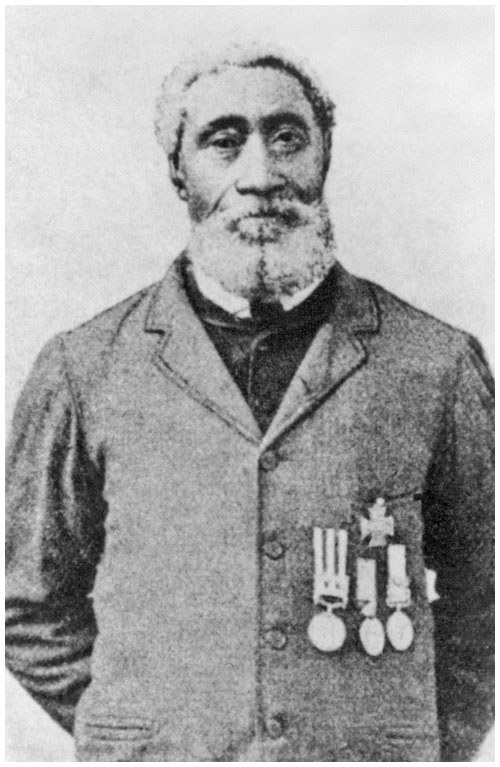
William Hall, VC, photographed after 1857 (Nova Scotia Museum).
CA-K593History

William Hall, first Black recipient of the Victoria Cross

William Neilson Hall of Hantsport, Nova Scotia, serving with the Royal Navy in India in 1857, became the first person of African descent and the first Nova Scotian awarded the Victoria Cross. He became a source of pride for Black Canadians.

Factual accuracy review: No recorded challenge

Contributor: Citizen.ca

Verified against cited sourcesVerified on 2026-10-26↗
Photo: Unknown photographer · Photo licence: Public domain · Credit & context
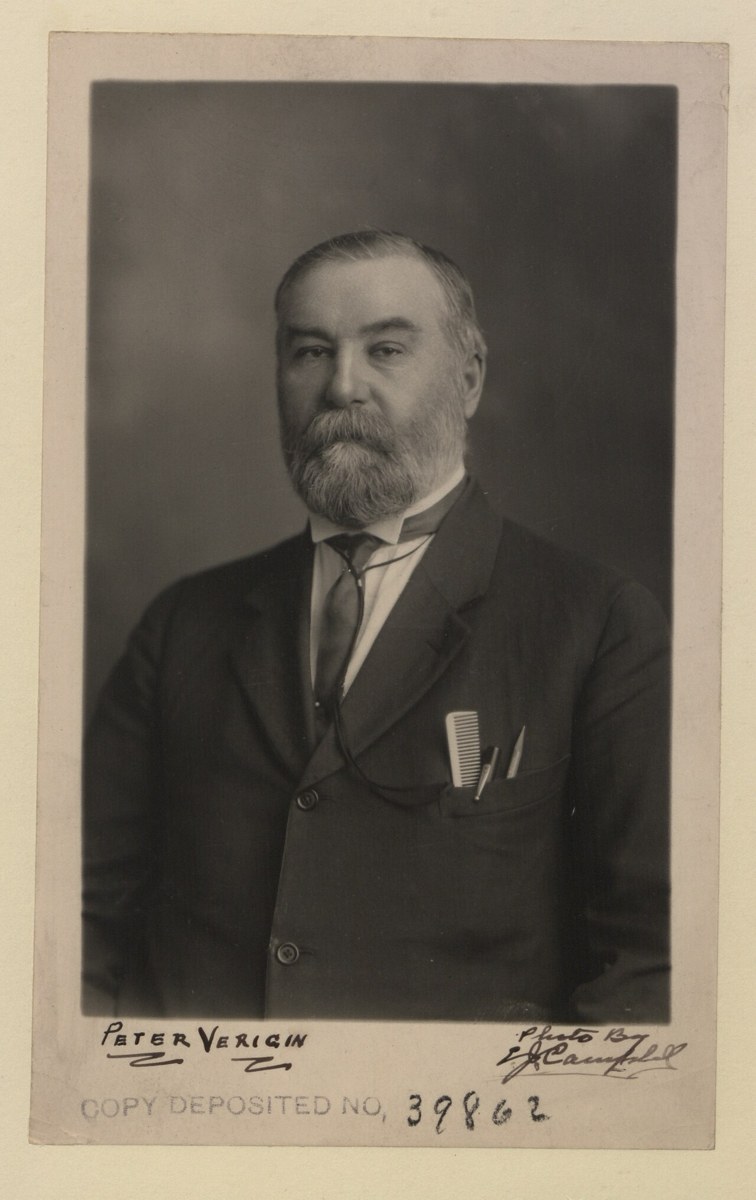
Peter Verigin, 1922.
CA-K590History

Peter Verigin and the Doukhobors

Peter Verigin, known to his followers as “Lordly”, developed a Christian communalism rooted in Doukhobor teachings and, with Leo Tolstoy’s support, organized Doukhobor immigration to Canada in 1898–1899. He built communal villages on the Prairies and later led his followers’ mass migration to British Columbia.

Factual accuracy review: No recorded challenge

Contributor: Citizen.ca

Verified against cited sourcesVerified on 2026-10-26↗
Photo: E.J. Campbell · Photo licence: Public domain · Credit & context
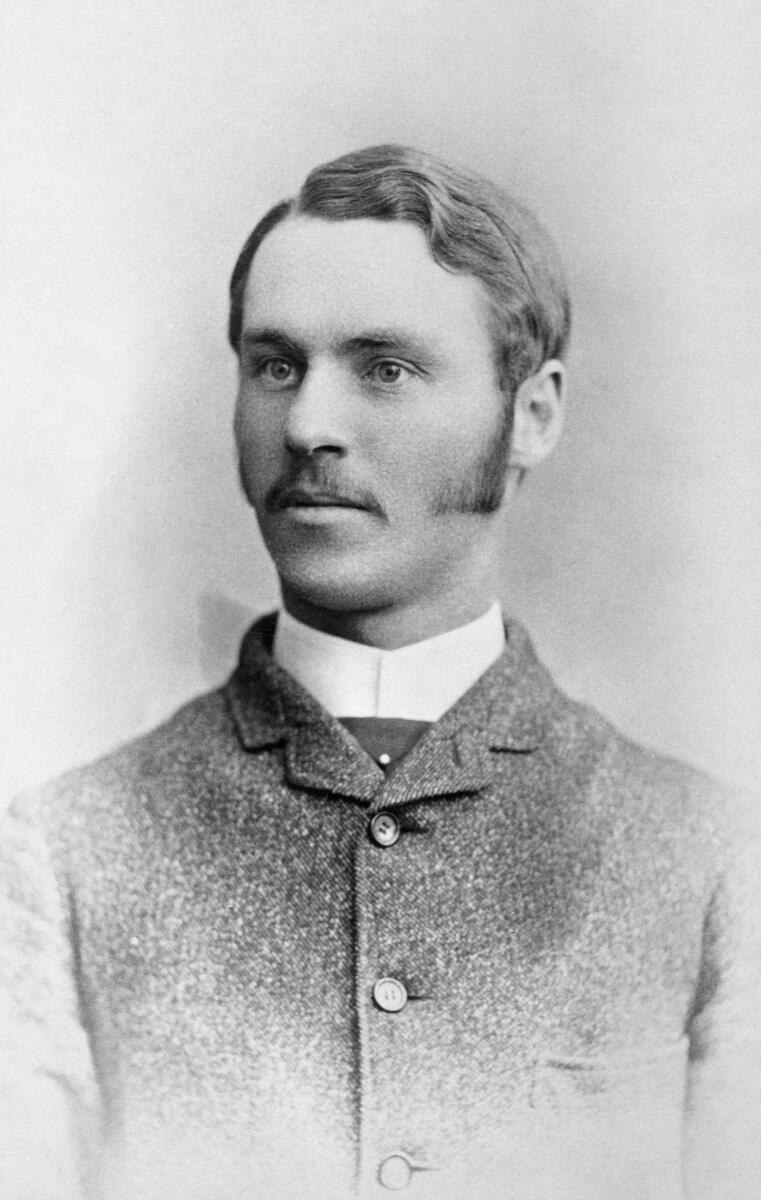
Frederick W. G. Haultain, May 1884 (Glenbow Archives).
CA-K589Institutions

Sir Frederick Haultain, premier of the North-West Territories

Frederick Haultain, a Fort Macleod lawyer, sat in the North-West Territories council and assembly from 1887 to 1905 and led the push for responsible government and provincial status. He was premier of the Territories from 1897 to 1905, then opposition leader in Saskatchewan and chief justice of Saskatchewan from 1912.

Factual accuracy review: No recorded challenge

Contributor: Citizen.ca

Verified against cited sourcesVerified on 2026-10-26↗
Photo: Sproule, G. B. · Photo licence: Public domain · Credit & context
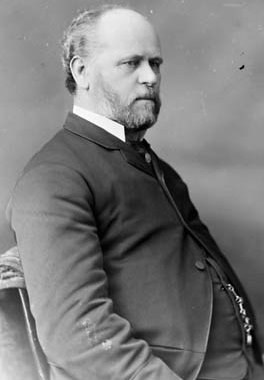
Peter Mitchell, April 1883 (Topley Studio).
CA-K587History

Peter Mitchell, New Brunswick Father of Confederation

Peter Mitchell of Newcastle, New Brunswick, attended the Charlottetown, Québec and London conferences and, as premier in 1866–1867, negotiated New Brunswick’s entry into Confederation. He was Canada’s first Minister of Marine and Fisheries from 1867 to 1873 and later owned the Montreal Herald.

Factual accuracy review: No recorded challenge

Contributor: Citizen.ca

Verified against cited sourcesVerified on 2026-10-26↗
Photo: William James Topley · Photo licence: Public domain · Credit & context
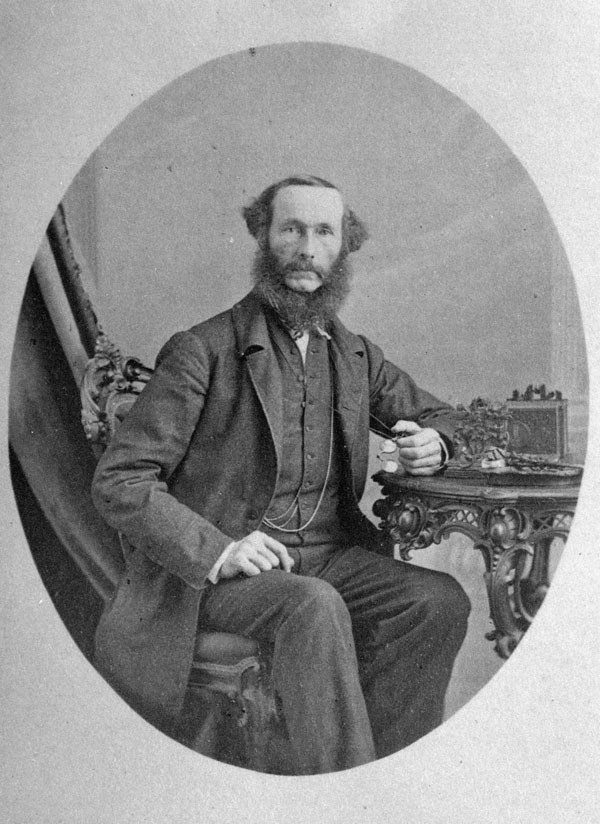
John Hamilton Gray (William Notman, Library and Archives Canada).
CA-K586History

John Hamilton Gray, who chaired the Charlottetown Conference

John Hamilton Gray of Charlottetown served in the British cavalry before becoming premier of Prince Edward Island from 1863 to 1865. An ardent supporter of Confederation, he presided over the Charlottetown Conference and attended the Québec Conference; when the Island rejected the Québec Resolutions he returned to military life.

Factual accuracy review: No recorded challenge

Contributor: Citizen.ca

Verified against cited sourcesVerified on 2026-10-26↗
Photo: William Notman · Photo licence: Public domain · Credit & context
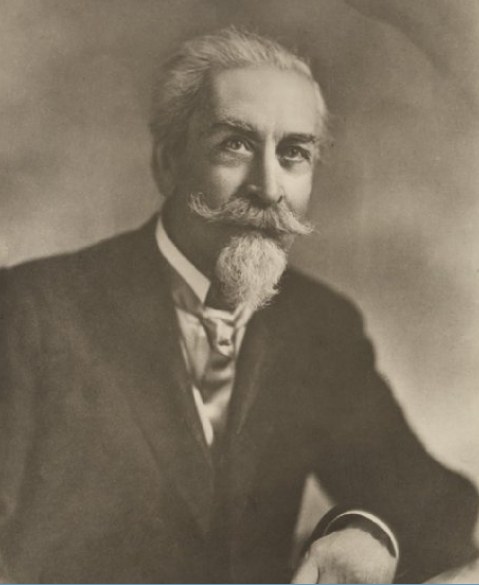
Benjamin Sulte (BAnQ).
CA-K585Culture & sport

Benjamin Sulte, historian of French Canada

Benjamin Sulte of Trois-Rivières, a public servant in the Department of Militia, devoted himself to history, publishing works such as Histoire des Canadiens-français and La Bataille de Châteauguay. A founding member of the Royal Society of Canada in 1882, he became its president in 1904.

Factual accuracy review: No recorded challenge

Contributor: Citizen.ca

Verified against cited sourcesVerified on 2026-10-26↗
Photo: Unknown author · Photo licence: Public domain · Credit & context
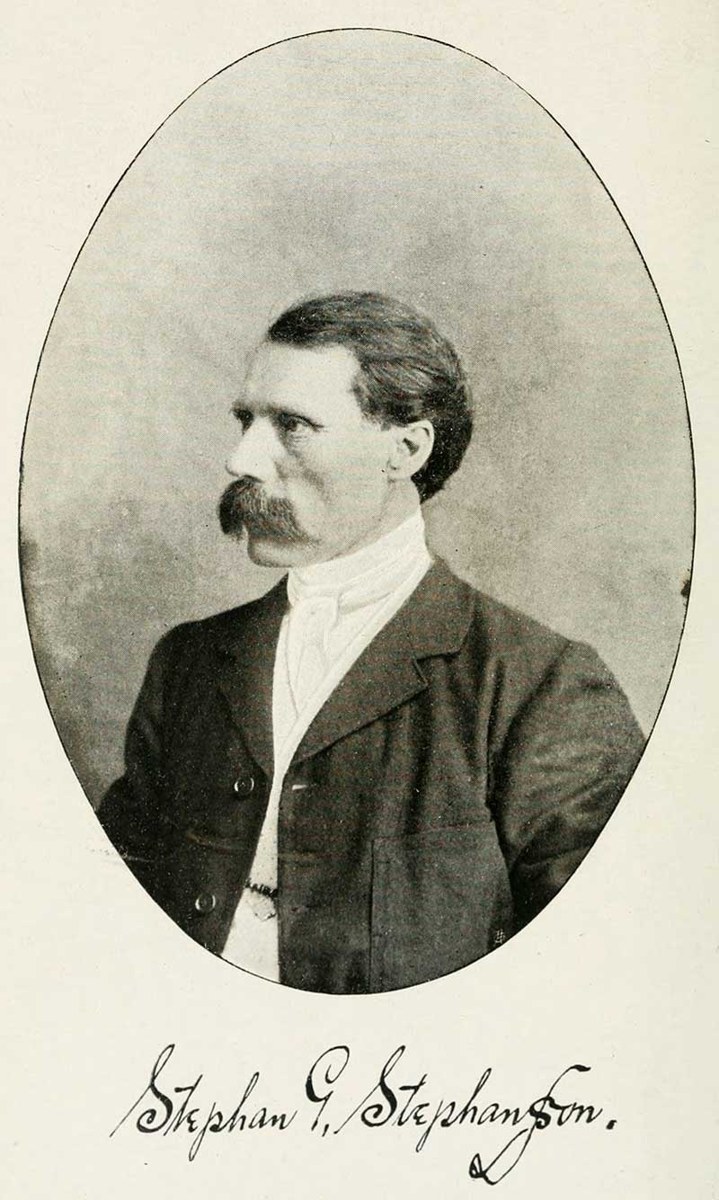
Stephan G. Stephansson, before 1909.
CA-K583Culture & sport

Stephan G. Stephansson, Icelandic poet of Alberta

Stephan G. Stephansson, born in Iceland, settled near Markerville, Alberta, in 1889 after living in the United States. A pioneer farmer and self-taught scholar of Scandinavian literature, he published seven volumes of poetry from 1900 to 1920 and was ranked among the greatest Icelandic poets since the Middle Ages.

Factual accuracy review: No recorded challenge

Contributor: Citizen.ca

Verified against cited sourcesVerified on 2026-10-26↗
Photo: Unknown photographer · Photo licence: Public domain · Credit & context
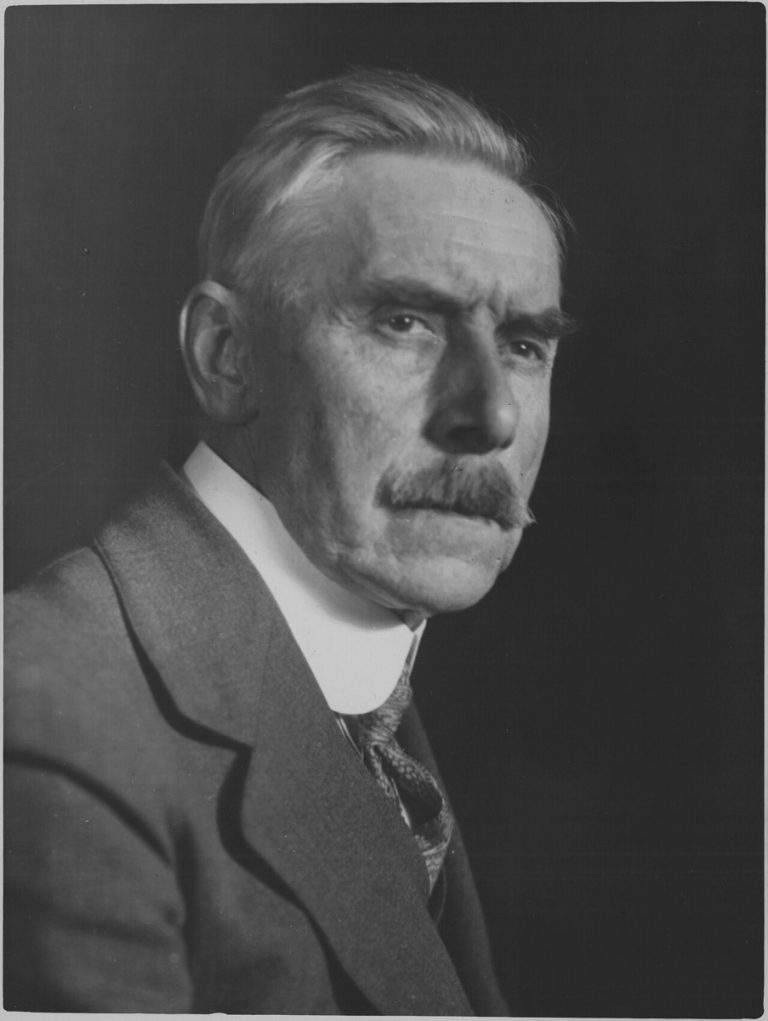
Charles William Jefferys, 1930 (M. O. Hammond, Archives of Ontario).
CA-K578Culture & sport

C. W. Jefferys, illustrator of Canadian history

Charles William Jefferys, who came to Canada from England in 1879, was a writer, artist and illustrator of historical novels and textbooks and taught drawing and painting at the University of Toronto from 1912 to 1939. He is best known for his carefully researched historical drawings, such as those in his three-volume Picture Gallery of Canadian History.

Factual accuracy review: No recorded challenge

Contributor: Citizen.ca

Verified against cited sourcesVerified on 2026-10-26↗
Photo: Melvin Ormond Hammond · Photo licence: Public domain · Credit & context
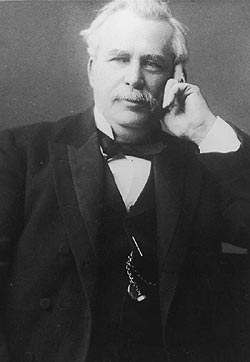
David Mills, January 1899 (Topley Studio).
CA-K577Institutions

David Mills, minister and constitutional scholar

David Mills of Oxford, Upper Canada, was a school superintendent before representing Bothwell in the House of Commons from 1867 to 1896. He was Minister of the Interior in 1876–1878 and Minister of Justice in 1897–1902, taught constitutional law at the University of Toronto, and was appointed to the Supreme Court of Canada in 1902.

Factual accuracy review: No recorded challenge

Contributor: Citizen.ca

Verified against cited sourcesVerified on 2026-10-26↗
Photo: William James Topley · Photo licence: Public domain · Credit & context
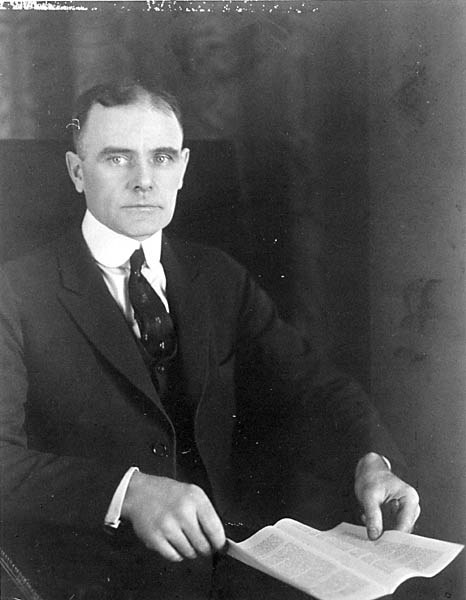
Alexander James McPhail (University of Saskatchewan Archives).
CA-K575Economy & trade

A. J. McPhail and the Saskatchewan Wheat Pool

Alexander James McPhail, who came west from Ontario in 1899, worked to organize Prairie farmers politically and economically. As secretary of the Saskatchewan Grain Growers’ Association he worked tirelessly to create the Saskatchewan Wheat Pool, becoming its first president in 1924, and helped form the Central Sales Agency for the three Prairie provinces’ crops.

Factual accuracy review: No recorded challenge

Contributor: Citizen.ca

Verified against cited sourcesVerified on 2026-10-26↗
Photo: University of Saskatchewan · Photo licence: Public domain · Credit & context
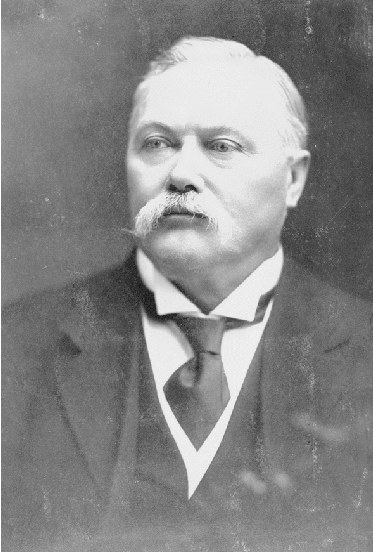
John Hendry, around 1910 (BC Archives).
CA-K572Economy & trade

John Hendry, British Columbia lumber pioneer

John Hendry built a lumber empire in western Canada. In 1891 his mills and logging operations, including the Hastings Mill, became the British Columbia Mills, Timber and Trading Company, the province’s first forestry conglomerate, which led the way in mechanized logging and integrated lumber production, transport and marketing.

Factual accuracy review: No recorded challenge

Contributor: Citizen.ca

Verified against cited sourcesVerified on 2026-10-26↗
Photo: Unknown author · Photo licence: Public domain · Credit & context
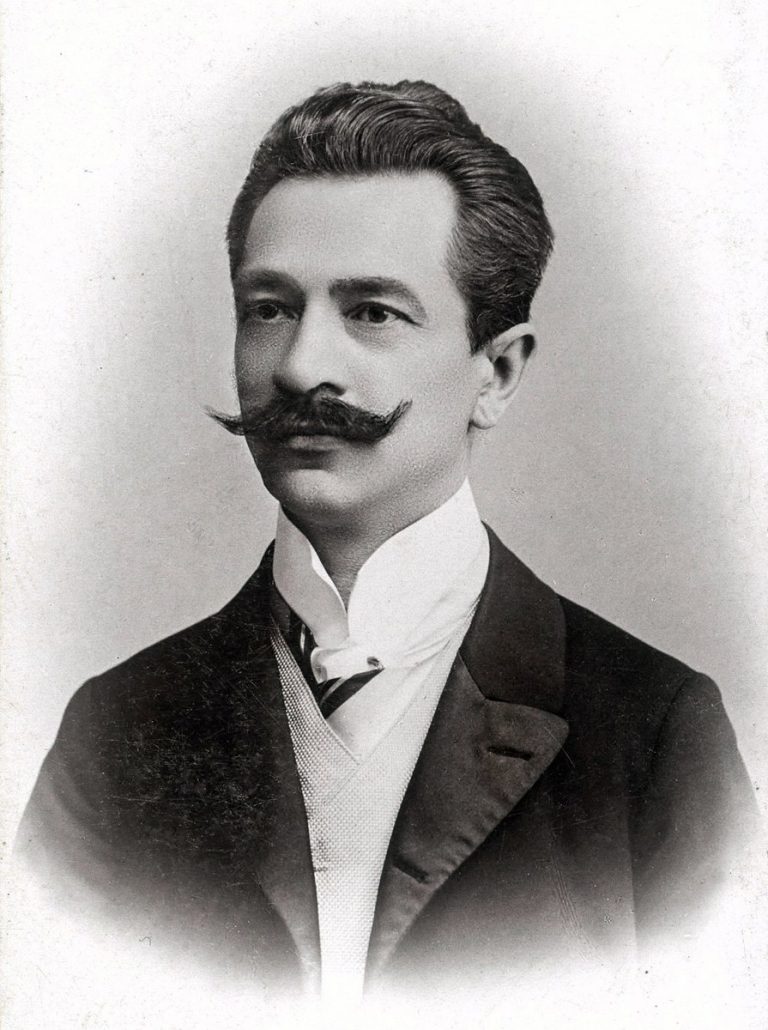
Josef Oleskiw, 1895.
CA-K567History

Josef Oleskiw and Ukrainian settlement on the Prairies

Josef Oleskiw (Olesków), a Ukrainian agronomist concerned about his people’s economic problems, visited Canada in 1895 and assessed its farming potential. Back home he lectured, wrote about the best farmland and helped prospective settlers, setting in motion the mass immigration of Ukrainian pioneers to the Prairies and helping build an enduring Ukrainian community in Canada.

Factual accuracy review: No recorded challenge

Contributor: Citizen.ca

Verified against cited sourcesVerified on 2026-10-26↗
Photo: Unknown author · Photo licence: Public domain · Credit & context
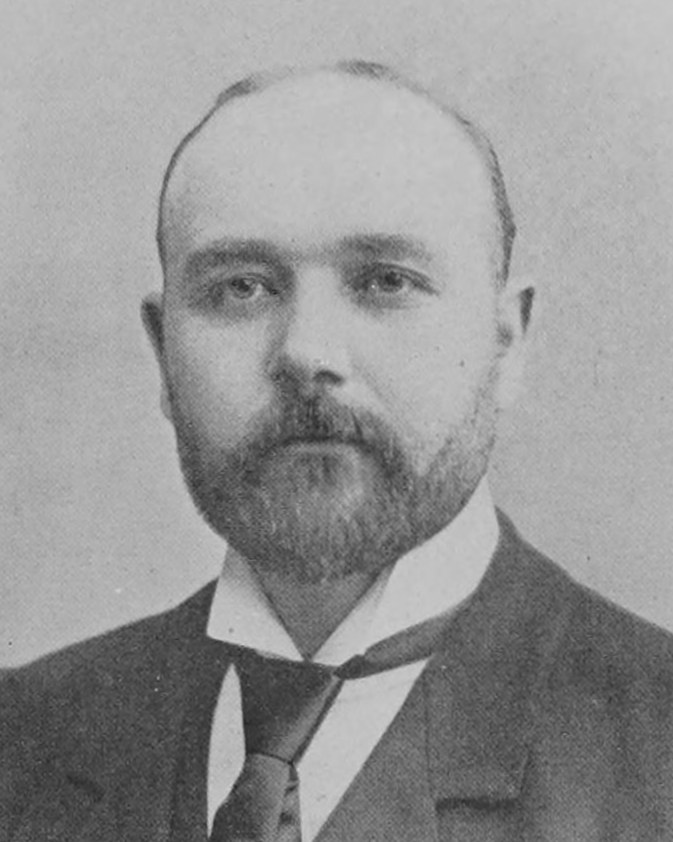
William Roper Hull, portrait published in 1903.
CA-K564Economy & trade

William Roper Hull, Alberta cattleman

William Roper Hull, a cattleman, entrepreneur and land developer, was the first in Alberta to combine cattle raising, meat processing and retailing on a large scale in the late 1880s. He built several ranches and city holdings in Calgary and made the Bow Valley Ranch a regional showpiece known for its irrigation and its social events.

Factual accuracy review: No recorded challenge

Contributor: Citizen.ca

Verified against cited sourcesVerified on 2026-10-26↗
Photo: Unknown author · Photo licence: Public domain · Credit & context
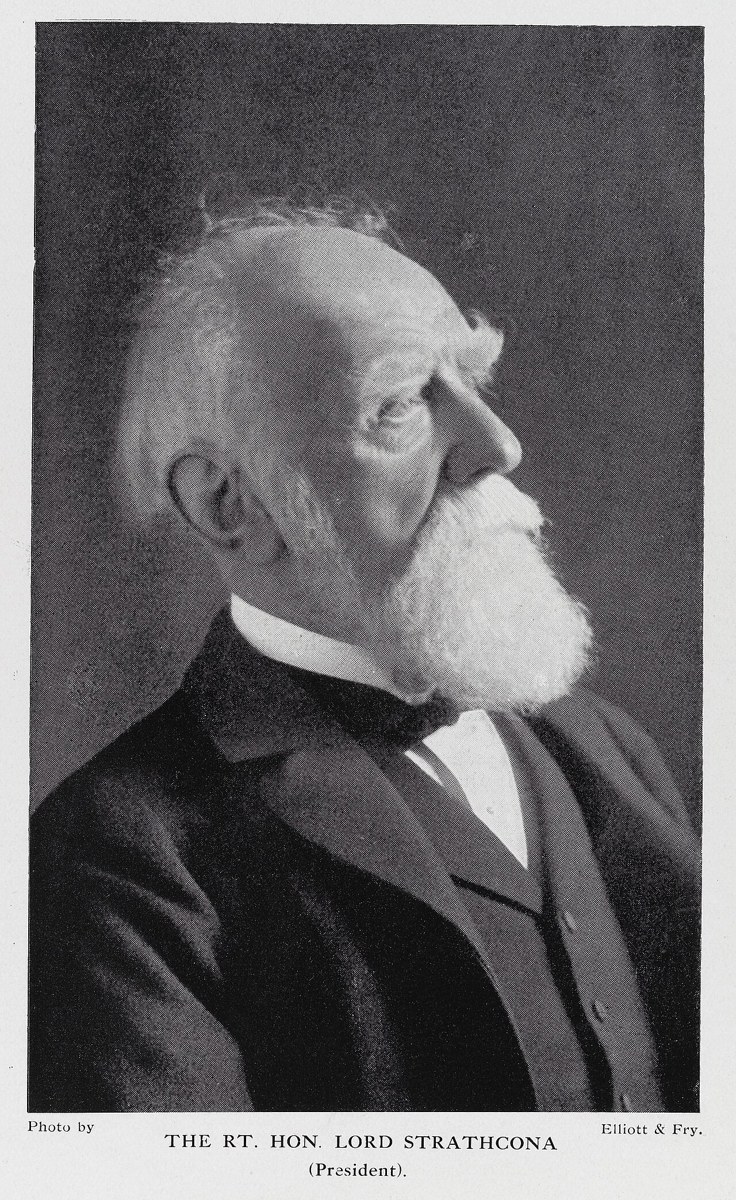
Lord Strathcona and Mount Royal (Wellcome Collection).
CA-K554Economy & trade

Donald Smith, Lord Strathcona, and the CPR

Donald Smith, born in Scotland, joined the Hudson’s Bay Company in 1838 and rose to be its governor in Canada. An MP for Selkirk who broke with the government over the Pacific Scandal, he joined his cousin George Stephen in the Canadian Pacific Railway syndicate and risked his fortune to see the line completed in 1885; he became Baron Strathcona in 1897.

Factual accuracy review: No recorded challenge

Contributor: Citizen.ca

Verified against cited sourcesVerified on 2026-10-26↗
Photo: Unknown photographer; Wellcome Collection, L0040025 · Photo licence: CC BY 4.0 · Credit & context
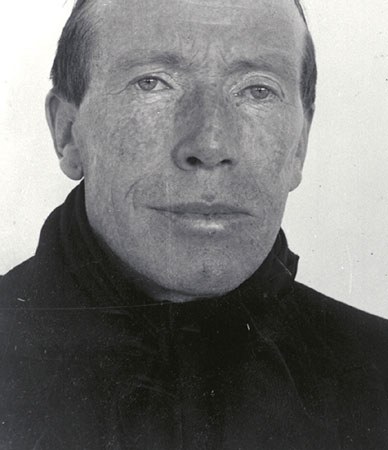
James Teit, before 1922.
CA-K547Indigenous peoples & reconciliation

James Teit, ethnographer of the Interior Salish

James Teit, a Shetlander who came to Spences Bridge, British Columbia, in 1884 and married into the Nlaka’pamux Nation, was the leading ethnographer of the Interior Salish. Encouraged by Franz Boas, he recorded oral traditions of the Salish, Dene and Ktunaxa, and as a champion of Indigenous land rights he served as special agent for the Allied Tribes of British Columbia.

Factual accuracy review: No recorded challenge

Contributor: Citizen.ca

Verified against cited sourcesVerified on 2026-10-26↗
Photo: unknown (self-portrait?) · Photo licence: Public domain · Credit & context