An independent Canadian knowledge project

Focused and Verified

Canadian knowledge base

Search by keyword

Choose one keyword, or combine two. Broader keywords include their descendants.

Keywords: Arts and literature

Clear search
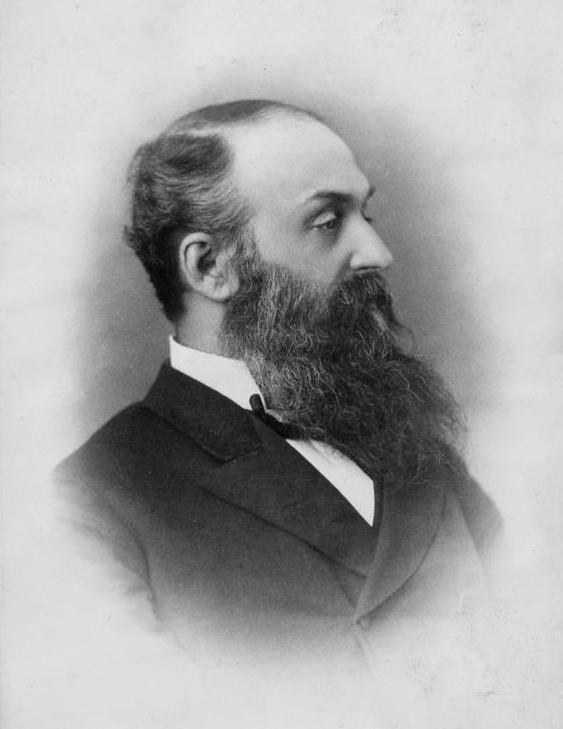
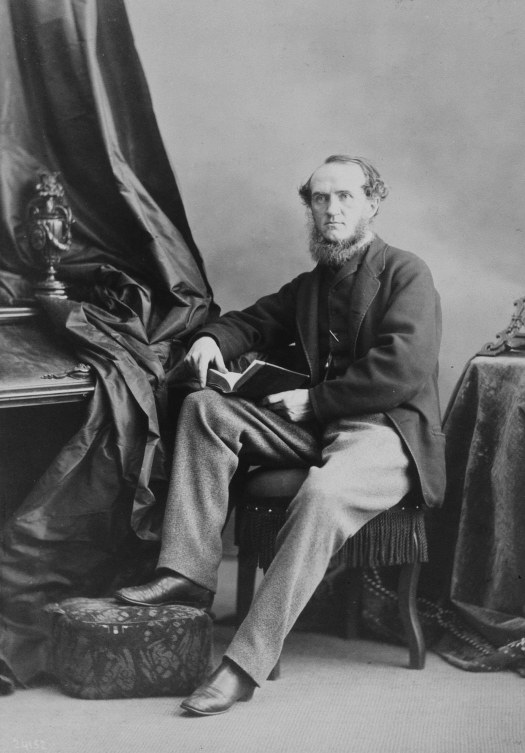
Alphonse Desjardins in Montréal, April 1882 (Notman & Sandham).
CA-K417Economy & trade

Alphonse Desjardins and the caisses populaires

Alphonse Desjardins of Lévis, a journalist and parliamentary stenographer, founded the caisse populaire movement in Quebec. Concerned about ordinary people’s finances and the lack of French-Canadian banks, he devised co-operative savings and loan societies organized by parish, founded the first in Lévis in 1900, and spent the last 20 years of his life spreading the movement.

Factual accuracy review: No recorded challenge

Contributor: Citizen.ca

Verified against cited sourcesVerified on 2026-10-26↗
Photo: Notman & Sandham · Photo licence: Public domain · Credit & context
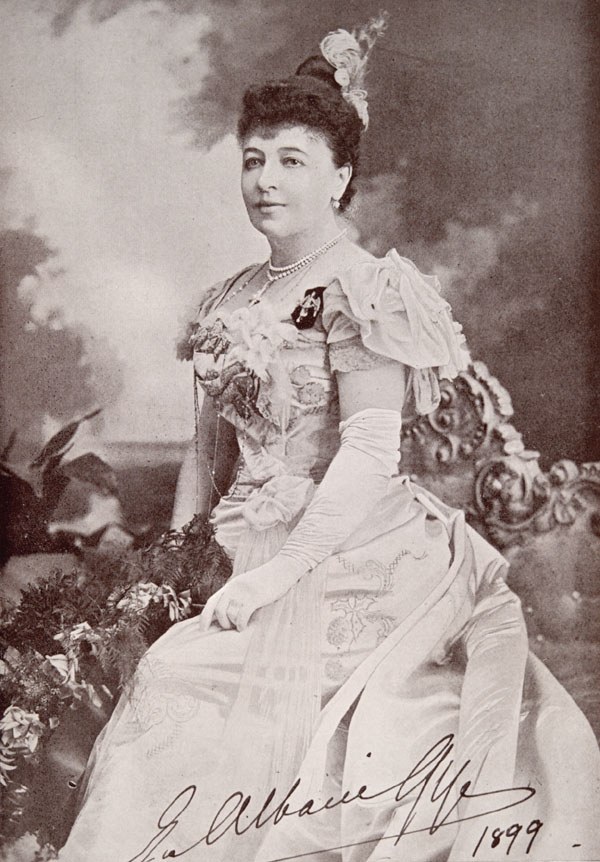
Emma Albani in 1899 (Talma and Company, Melbourne).
CA-K412Culture & sport

Emma Albani, soprano from Chambly

Emma Albani, born Emma Lajeunesse at Chambly, Quebec, was one of the great sopranos of her generation. For 24 years a principal artist at Covent Garden in London and a favourite of Queen Victoria, she sang Italian, French, German and English repertoire, from oratorio to Wagner, and was made a Dame Commander of the British Empire in 1925.

Factual accuracy review: No recorded challenge

Contributor: Citizen.ca

Verified against cited sourcesVerified on 2026-10-26↗
Photo: Talma and Company, Melbourne, Australia (Active: ca. 1899 - ca. 1912) · Photo licence: Public domain · Credit & context
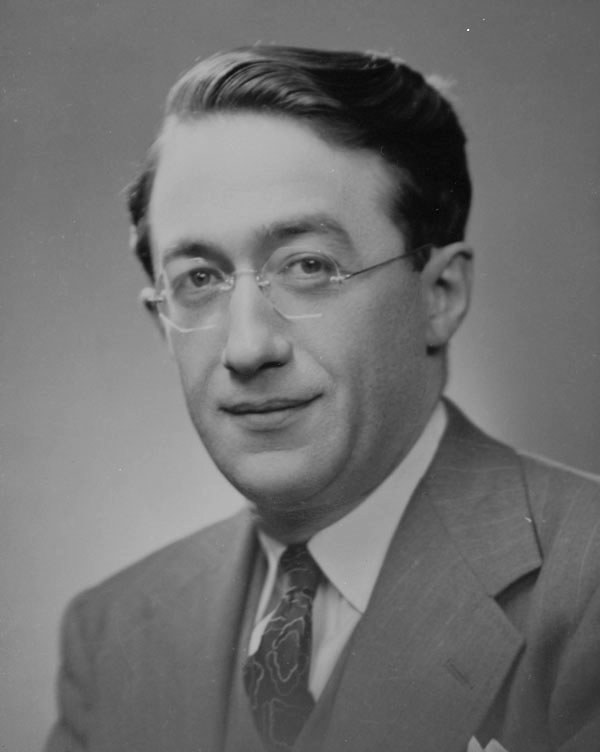
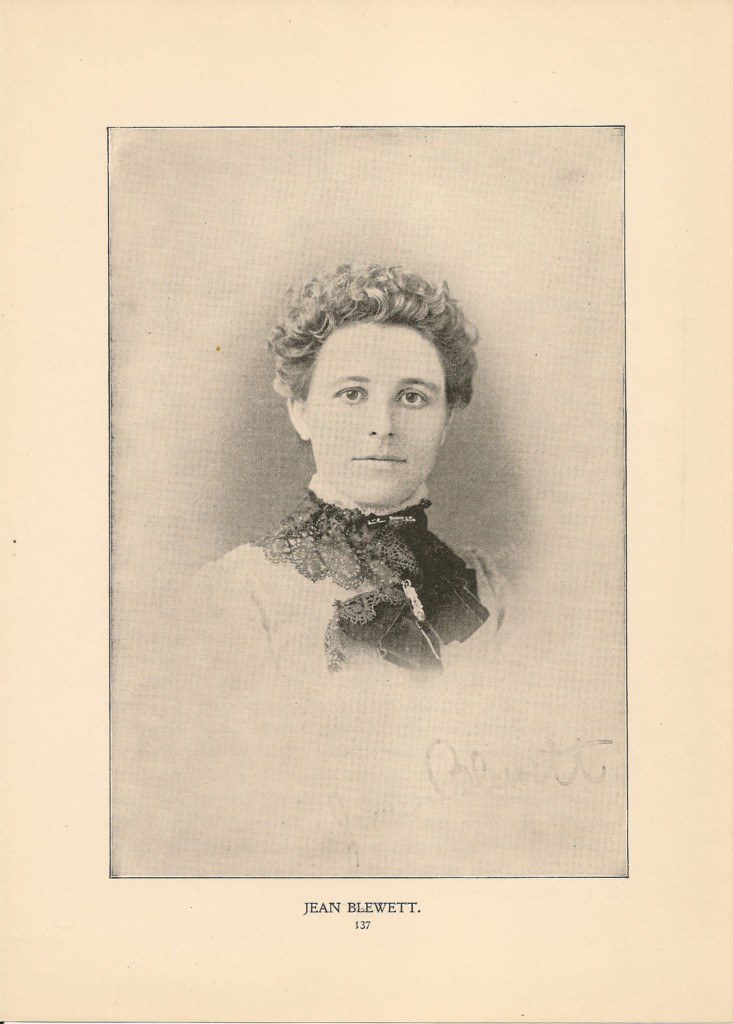
Jean Blewett, portrait from a book published around 1896.
CA-K392Culture & sport

Jean Blewett, poet and journalist

Jean (McKishnie) Blewett (1862–1934), born at Scotia, Upper Canada, was a popular early 20th-century poet and journalist. For many years on the staff of the Toronto Globe, she worked as a journalist until 1925 and published several volumes of poetry between 1897 and 1922, admired for their directness and simplicity.

Factual accuracy review: No recorded challenge

Contributor: Citizen.ca

Verified against cited sourcesVerified on 2026-10-26↗
Photo: Unknown author · Photo licence: Public domain · Credit & context
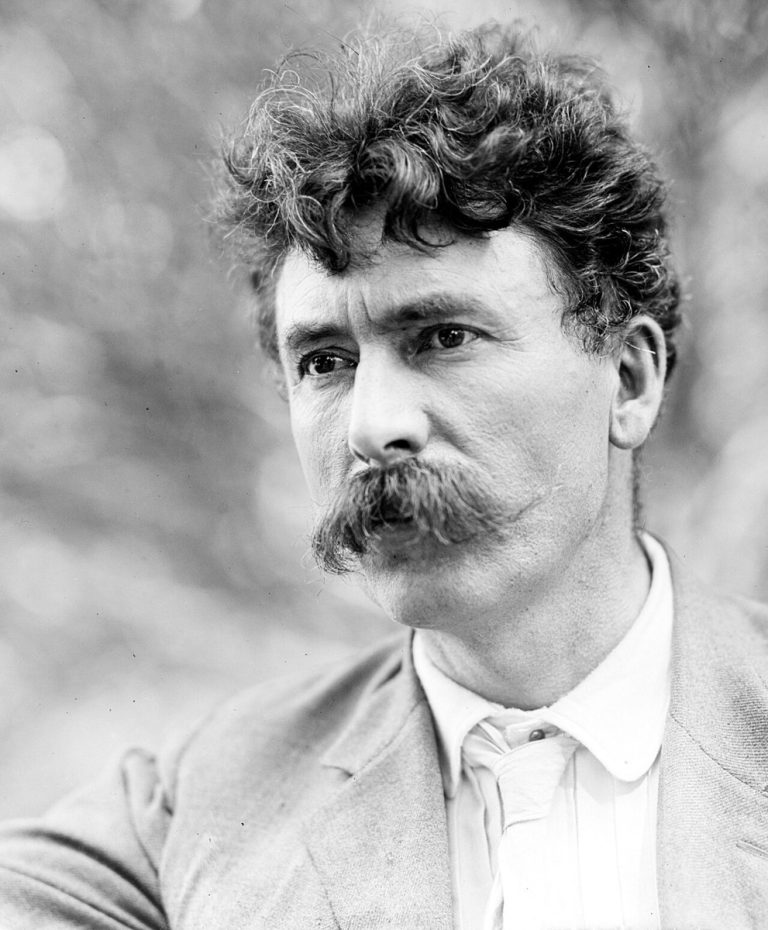
A. M. Klein in the mid-1940s (Library and Archives Canada).
CA-K383Culture & sport

A. M. Klein, poet of Jewish Montréal

A. M. Klein (1909–1972) combined modernism with Jewish literary traditions in poetry that portrayed his downtown Montréal neighbourhood. His collection The Rocking Chair and Other Poems, depicting Quebec and its people, won the Governor General’s Award in 1949.

Factual accuracy review: No recorded challenge

Contributor: Citizen.ca

Verified against cited sourcesVerified on 2026-10-26↗
Photo: Library and Archives Canada · Photo licence: Public domain · Credit & context
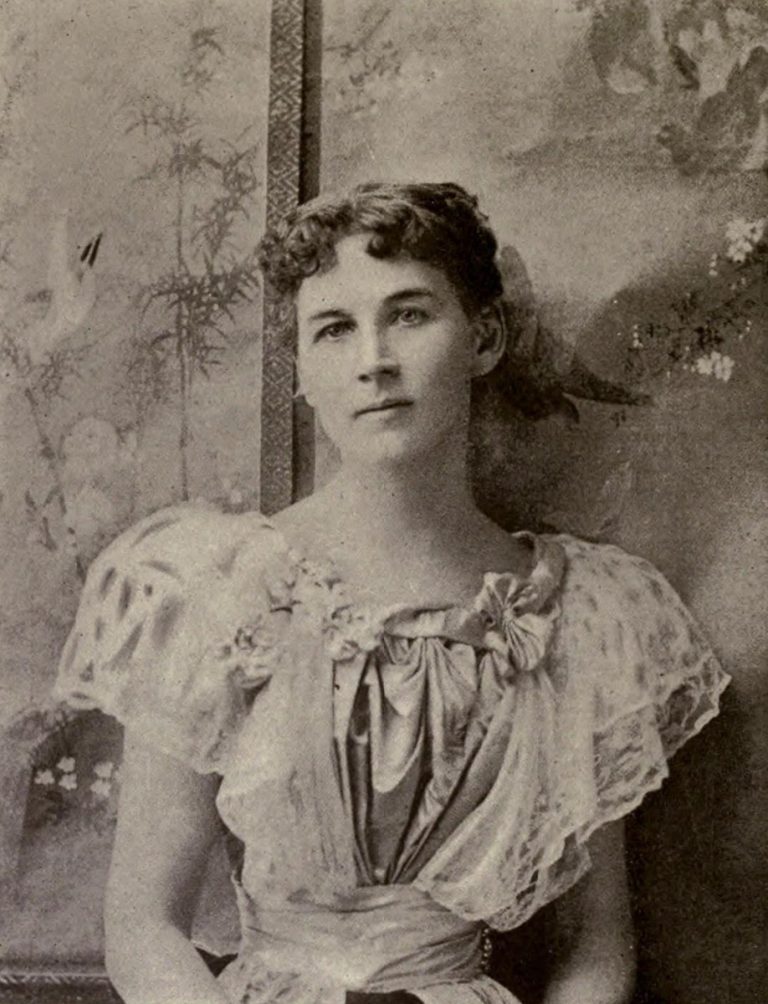
Ernest Thompson Seton (Bain News Service photograph).
CA-K266Culture & sport

Ernest Thompson Seton, naturalist and writer

Ernest Thompson Seton (1860–1946), largely self-taught, made major contributions as a naturalist, ornithologist, conservationist and wildlife artist, and his bestselling realistic animal stories developed a distinctive Canadian genre. His “Woodcraft Indians” youth program influenced the Boy Scout movement and summer camps but, as Parks Canada’s 2022 review notes, also contributed to inaccurate stereotypes of First Nations.

Factual accuracy review: No recorded challenge

Contributor: Citizen.ca

Verified against cited sourcesVerified on 2026-10-26↗
Photo: Bain News Service · Photo licence: Public domain · Credit & context
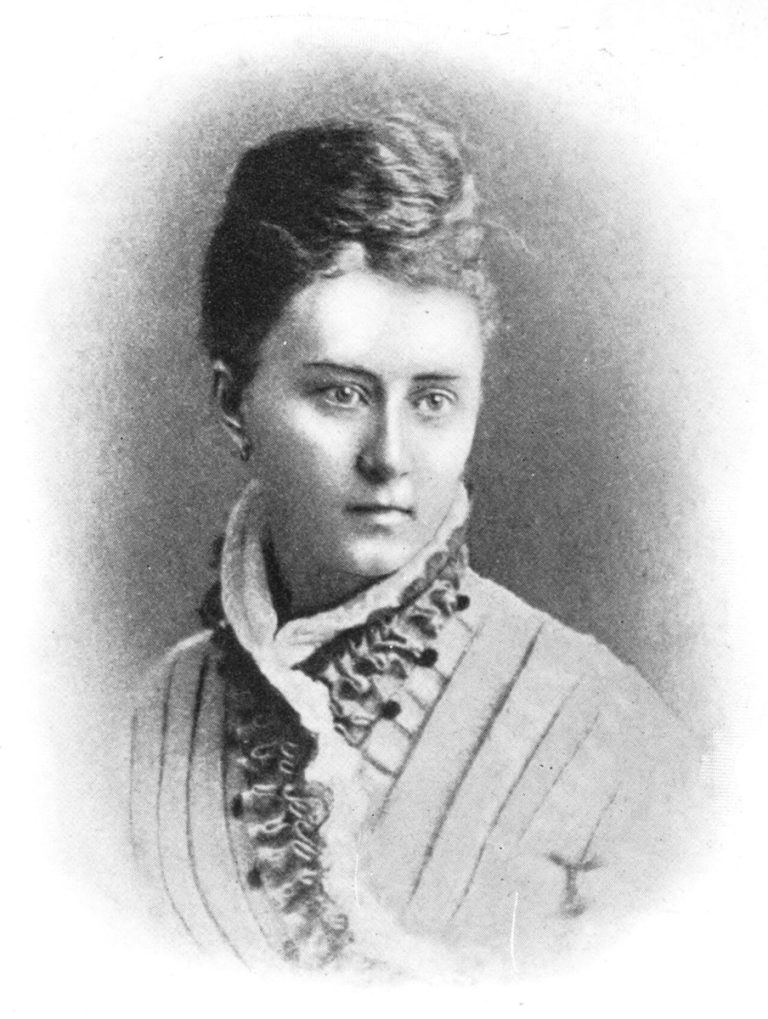
A portrait of Sara Jeannette Duncan, taken no later than 1903.
CA-K265Culture & sport

Sara Jeannette Duncan and The Imperialist

Sara Jeannette Duncan (1861–1922), a pioneering late-19th-century journalist, challenged norms by examining women’s changing roles, the need for a national culture and Canadian politics. After leaving Canada in 1890 she lived in India and England and wrote more than 20 popular books, including The Imperialist (1904), a Canadian classic set in a fictionalized Brantford.

Factual accuracy review: No recorded challenge

Contributor: Citizen.ca

Verified against cited sourcesVerified on 2026-10-26↗
Photo: not stated · Photo licence: Public domain · Credit & context
A portrait of Isabella Valancy Crawford, published around 1919.
CA-K264Culture & sport

Isabella Valancy Crawford, poet

Irish-born Isabella Valancy Crawford (1850–1887) came to Canada as a girl, settled in Peterborough and supported her family by writing after 1875. Largely unknown in her short life, she is now considered one of the finest Canadian poets of her generation, best remembered for the long poems “Malcolm’s Katie” and “Old Spookses’ Pass.”

Factual accuracy review: No recorded challenge

Contributor: Citizen.ca

Verified against cited sourcesVerified on 2026-10-26↗
Photo: Caswell, Edward S. (Edward Samuel), 1861-1938 · Photo licence: Public domain · Credit & context
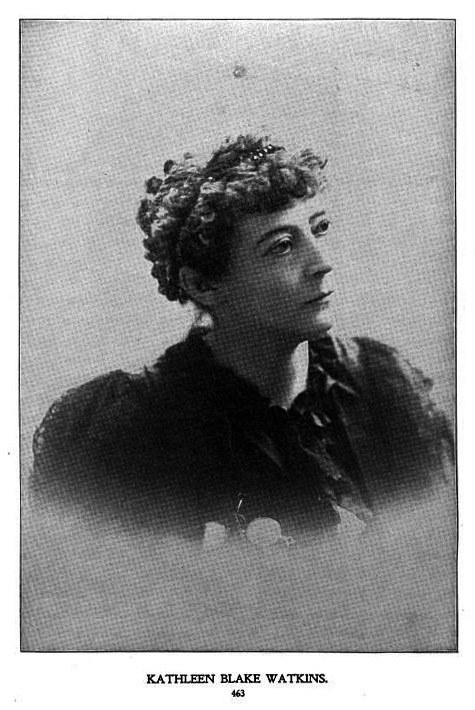
A portrait of Kathleen Blake Coleman, 1896.
CA-K263Culture & sport

Kit Coleman, pioneering journalist

Kathleen Blake Coleman (1856–1915), writing as “Kit,” ran the “Woman’s Kingdom” pages of Toronto’s Daily Mail, later the Mail and Empire, from 1889 to 1911, winning a wide following with her witty, irreverent style. As the first American-accredited woman war correspondent, she covered the Spanish-American War in Cuba in 1898.

Factual accuracy review: No recorded challenge

Contributor: Citizen.ca

Verified against cited sourcesVerified on 2026-10-26↗
Photo: Photographer unidentified · Photo licence: Public domain · Credit & context
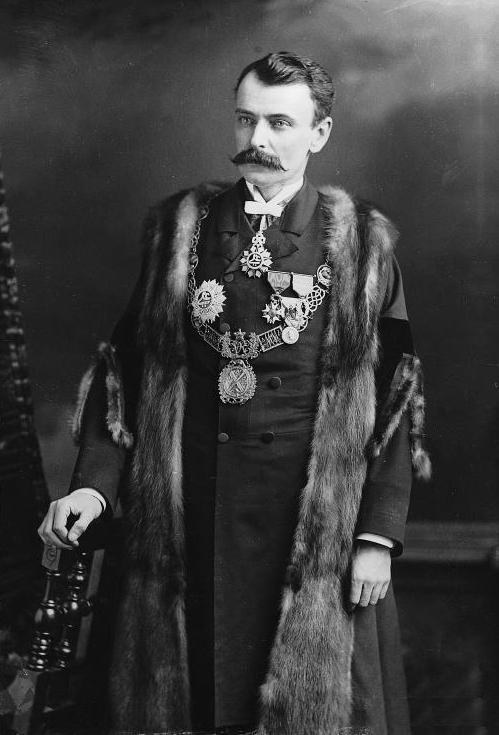
Honoré Beaugrand as mayor of Montréal, 1887, photographed by Wm. Notman & Son.
CA-K252Language & names

Honoré Beaugrand, La Patrie and La Chasse-galerie

Honoré Beaugrand (1848–1906), a free thinker who vigorously defended freedom of thought, headed French-language newspapers in the United States and Canada and founded La Patrie (1879–1978) in Montréal. As an author and publisher, he produced some of the earliest works of Franco-American literature, including La Chasse-galerie: Légendes canadiennes.

Factual accuracy review: No recorded challenge

Contributor: Citizen.ca

Verified against cited sourcesVerified on 2026-10-26↗
Photo: Wm. Notman & Son · Photo licence: Public domain · Credit & context
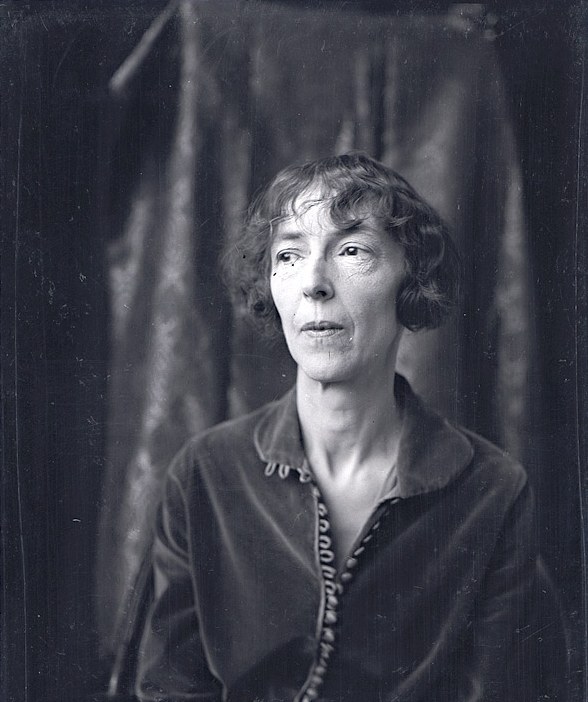
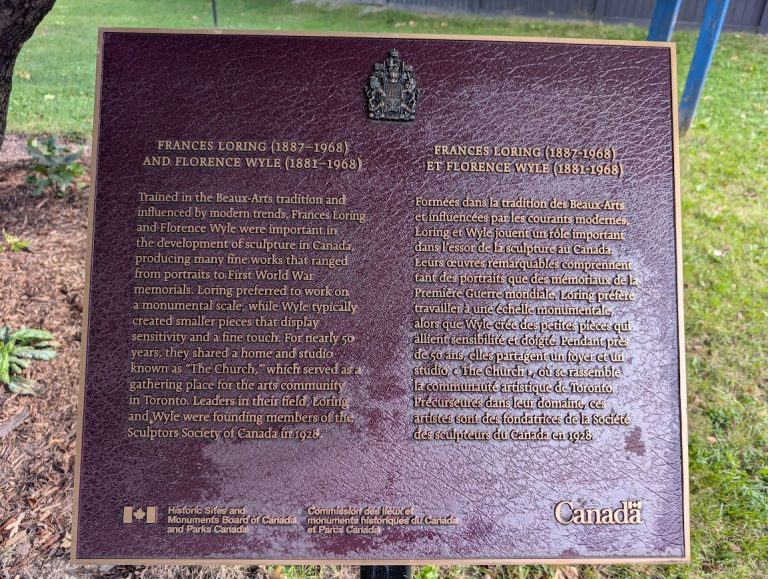
The commemorative plaque in Loring Wyle Parkette, Toronto, photographed in 2026.
CA-K228Culture & sport

Frances Loring and Florence Wyle, sculptors

Sculptors Frances Loring (1887–1968) and Florence Wyle (1881–1968) were important in the development of Canadian sculpture, creating works from portraits to First World War memorials. For nearly 50 years they shared a Toronto home and studio known as “The Church,” a gathering place for artists; both were founding members of the Sculptors Society of Canada in 1928.

Factual accuracy review: No recorded challenge

Contributor: Citizen.ca

Verified against cited sourcesVerified on 2026-10-26↗
Photo: JRB76D · Photo licence: CC BY-SA 4.0 · Credit & context
Mazo de la Roche photographed by M. O. Hammond on 18 December 1927 (Archives of Ontario).
CA-K227Culture & sport

Mazo de la Roche and the Jalna novels

Mazo de la Roche (1879–1961), born in Newmarket, Ontario, won the Atlantic Monthly prize in 1927 for Jalna, the first of sixteen novels about the Whiteoak family. Translated into many languages and adapted for stage, screen and television, the series made her one of the most widely read Canadian authors of her time.

Factual accuracy review: No recorded challenge

Contributor: Citizen.ca

Verified against cited sourcesVerified on 2026-10-26↗
Photo: · Photo licence: Public domain · Credit & context
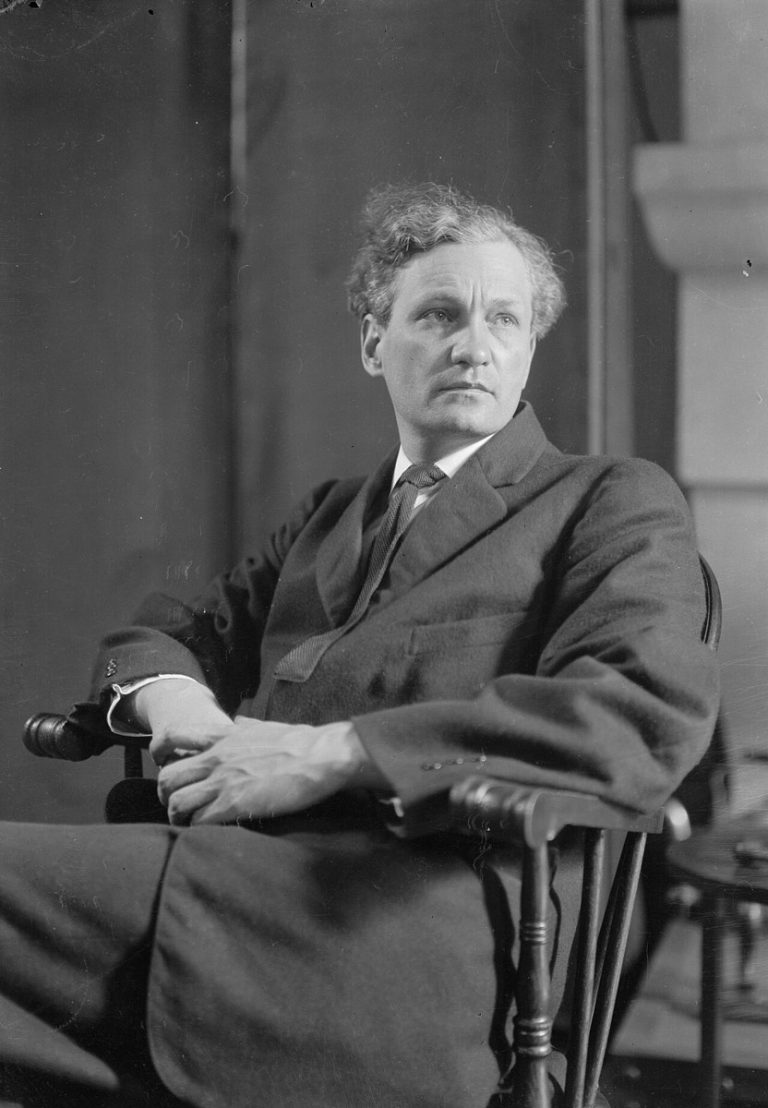
Walter Allward in July 1913 (Archives of Ontario).
CA-K225Culture & sport

Walter Allward, sculptor of the Vimy Memorial

Walter Allward (1876–1955), sculptor of some of Canada’s finest public monuments, is best known for his masterpiece, the Canadian National Vimy Memorial in France. A leading figure in the shift from Victorian sculptural conventions to 20th-century forms, he combined expressive classical figures with dramatic settings in works such as the Bell Memorial.

Factual accuracy review: No recorded challenge

Contributor: Citizen.ca

Verified against cited sourcesVerified on 2026-10-26↗
Photo: · Photo licence: Public domain · Credit & context
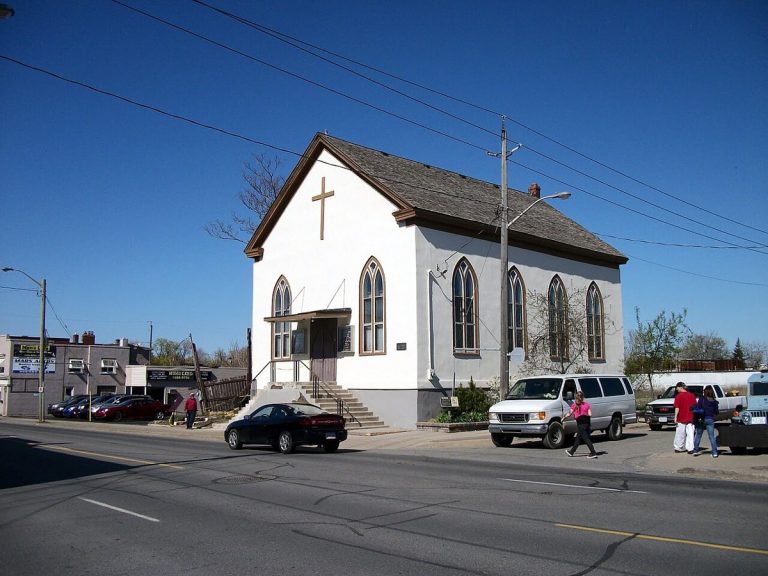
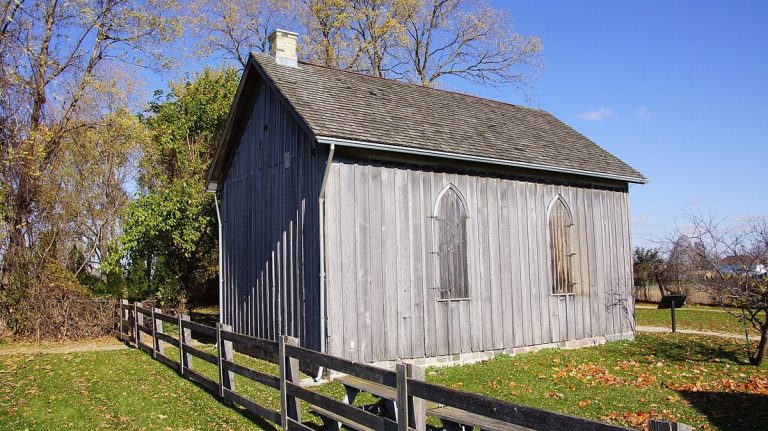
Salem Chapel British Methodist Episcopal Church in St. Catharines, Ontario, a centre of 19th-century abolitionist activity, photographed in 2012.
CA-K217History

Harriet Tubman led freedom-seekers to Canada

Harriet Tubman (c. 1822–1913), who escaped slavery in Maryland, was the most famous “conductor” on the Underground Railroad, leading many people on dangerous journeys to freedom in Canada and helping them settle. She became the public face of the Underground Railroad in British North America, drawing attention and funding to the abolition movement.

Factual accuracy review: No recorded challenge

Contributor: Citizen.ca

Verified against cited sourcesVerified on 2026-10-26↗
Photo: Gr82c · Photo licence: CC BY-SA 3.0 · Credit & context
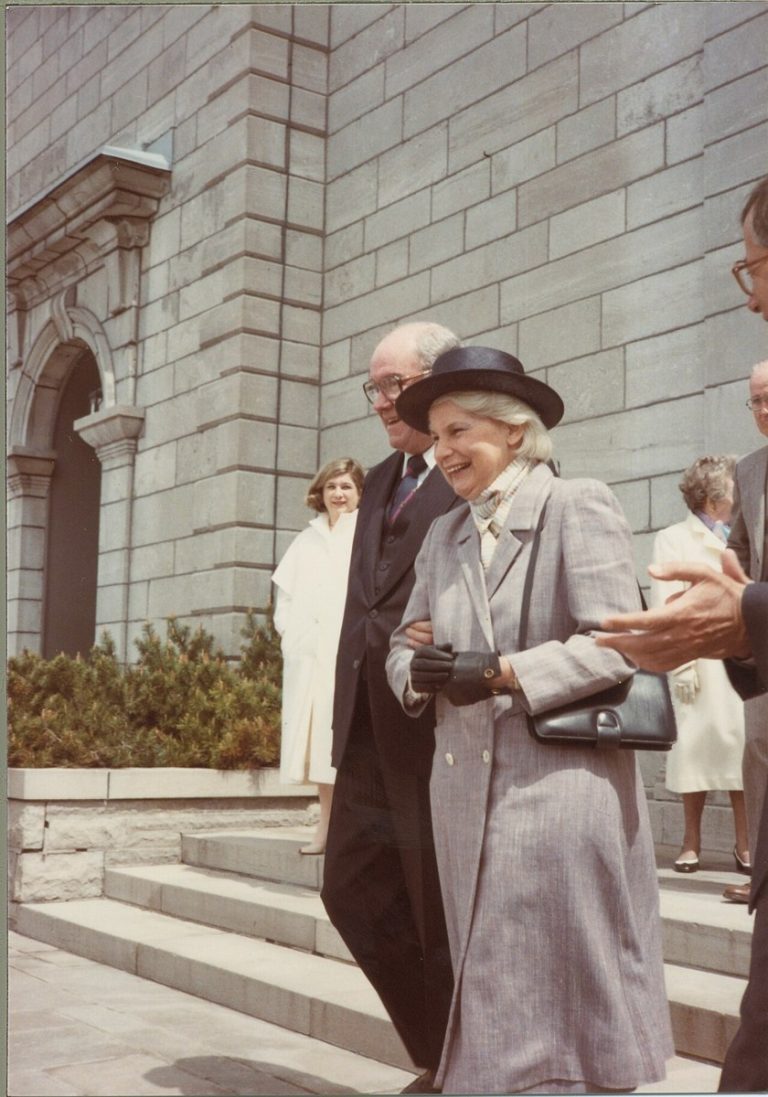
Governor General Jeanne Sauvé with her husband Maurice Sauvé in Ottawa, 1984.
CA-K212Institutions

Jeanne Sauvé, first woman Governor General

Jeanne Sauvé (1922–1993), a Fransaskois journalist and commentator from 1952 to 1972, was elected to the House of Commons in 1972 and served as minister of several departments. She became the first woman Speaker of the House of Commons and the first woman appointed Governor General of Canada.

Factual accuracy review: No recorded challenge

Contributor: Citizen.ca

Verified against cited sourcesVerified on 2026-10-26↗
Photo: proacguy1 from Montreal, Canada · Photo licence: CC BY 2.0 · Credit & context
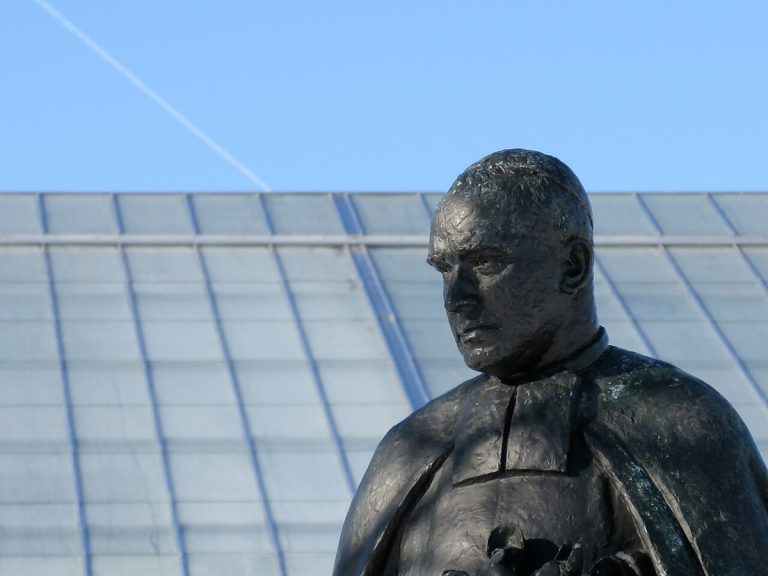
A statue of Brother Marie-Victorin at the Montréal Botanical Garden, photographed in 2009.
CA-K210Culture & sport

Brother Marie-Victorin and Flore laurentienne

Brother Marie-Victorin (1885–1944), a botanist, author and educator, wrote Flore laurentienne (1935) and founded the Institut botanique de l’Université de Montréal and the Montréal Botanical Garden. His discoveries and new approach to botany were of international importance, and he helped improve science teaching at every level.

Factual accuracy review: No recorded challenge

Contributor: Citizen.ca

Verified against cited sourcesVerified on 2026-10-26↗
Photo: Jean-Philippe Boulet · Photo licence: CC BY 3.0 · Credit & context
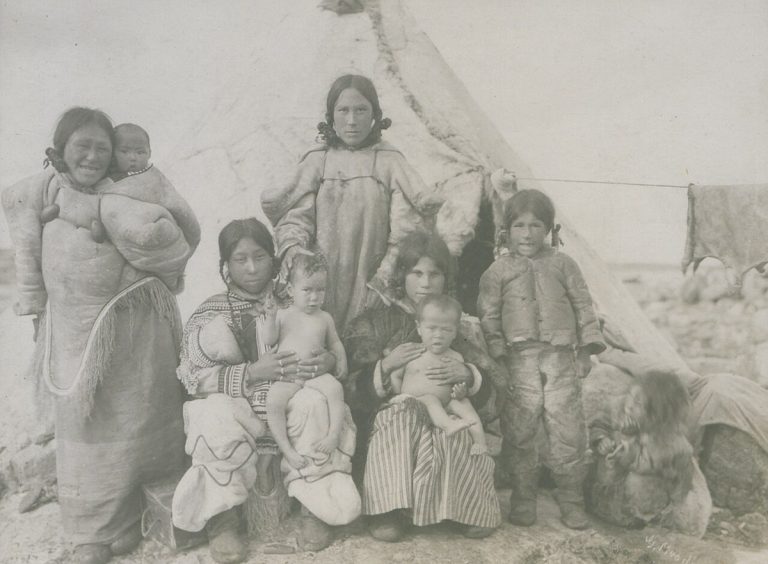
Inuit women and children at Fullerton (Qatiktalik), Nunavut, photographed by Geraldine Moodie in 1906.
CA-K209Culture & sport

Geraldine Moodie, photographer of the North-West and North

Geraldine Moodie (1854–1945), an entrepreneur in a male-dominated field, owned and operated at least three commercial photography studios. As the wife of a North-West Mounted Police officer she had unprecedented access to Indigenous communities, and her photographs are valued historical records of First Nations and Inuit lifeways around 1900.

Factual accuracy review: No recorded challenge

Contributor: Citizen.ca

Verified against cited sourcesVerified on 2026-10-26↗
Photo: Geraldine Moodie · Photo licence: Public domain · Credit & context
A self-portrait by William Notman, Montréal, 1866–1867.
CA-K208Culture & sport

William Notman, “Photographer to the Queen”

William Notman (1826–1891), born in Scotland, came to Montréal in 1856 and became one of the most successful Canadian photographers of the 19th century. His photographs of the Prince of Wales’s 1860 visit won him the title “Photographer to the Queen,” and his studios eventually extended from Montréal to Ottawa, Toronto, Saint John, Albany and Boston.

Factual accuracy review: No recorded challenge

Contributor: Citizen.ca

Verified against cited sourcesVerified on 2026-10-26↗
Photo: William Notman · Photo licence: Public domain · Credit & context
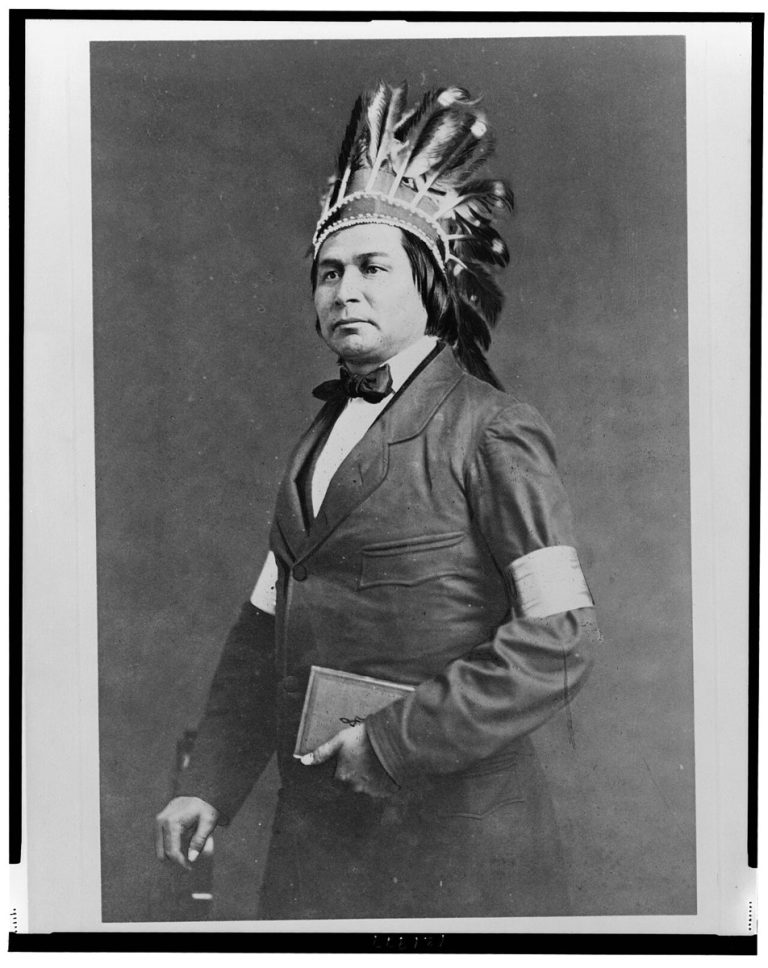
A hand-coloured portrait of Kahgegagahbowh (George Copway), about 1860 (Library of Congress).
CA-K197Indigenous peoples & reconciliation

Kahgegagahbowh (George Copway), Anishinaabe author

Kahgegagahbowh (George Copway, 1818–1869), a Mississauga Anishinaabe author, lecturer and activist, gained international literary celebrity for popular non-fiction books in the late 1840s and early 1850s. His writing and lectures gave readers in Canada and abroad insight into Mississauga spirituality, history and culture, and he spoke for Indigenous peoples at the 1850 Peace Congress in Frankfurt.

Factual accuracy review: No recorded challenge

Contributor: Citizen.ca

Verified against cited sourcesVerified on 2026-10-26↗
Photo: Marian S. Carson Collection (Library of Congress) · Photo licence: Public domain · Credit & context
Margaret Laurence House in Neepawa, Manitoba, photographed in 2012.
CA-K193Culture & sport

Margaret Laurence and Manawaka

Margaret Laurence (1926–1987), one of Canada’s most esteemed authors, set her best-known novels in the fictional prairie town of Manawaka, with characters such as Hagar Shipley of The Stone Angel. She said Neepawa, Manitoba, where she lived from 1935 to 1944, shaped her “way of viewing,” and she helped found the Writers’ Trust of Canada and the Writers’ Union of Canada.

Factual accuracy review: No recorded challenge

Contributor: Citizen.ca

Verified against cited sourcesVerified on 2026-10-26↗
Photo: Amqui · Photo licence: CC BY-SA 3.0 · Credit & context
Uncle Tom’s Cabin Historic Site near Dresden, Ontario, now the Josiah Henson Museum of African-Canadian History, photographed in 2014.
CA-K181History

Josiah Henson and the Dawn settlement

After escaping slavery in Kentucky to Upper Canada, Reverend Josiah Henson (1789–1883) became an Underground Railroad conductor and abolitionist, founded the Black settlement of Dawn and established the British American Institute school. Harriet Beecher Stowe said his 1849 memoirs supplied ideas and incidents for Uncle Tom’s Cabin, raising awareness of Canada as a haven from slavery.

Factual accuracy review: No recorded challenge

Contributor: Citizen.ca

Verified against cited sourcesVerified on 2026-10-26↗
Photo: NearEMPTiness · Photo licence: CC BY-SA 4.0 · Credit & context
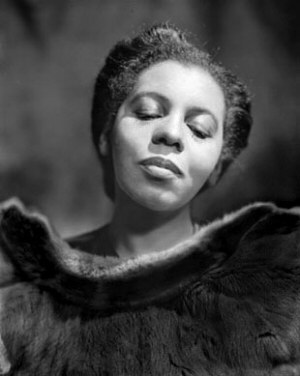
Portia White photographed by Yousuf Karsh in January 1946.
CA-K171Culture & sport

Portia White, contralto

Contralto Portia White (1911–1968), from the Black Nova Scotian community, was the first African-Canadian woman to win international acclaim as a singer. Between 1940 and 1948, her debuts in Toronto and New York and recitals across the Americas and the Caribbean became a source of pride for Canadians.

Factual accuracy review: No recorded challenge

Contributor: Citizen.ca

Verified against cited sourcesVerified on 2026-10-26↗
Photo: Yousuf Karsh · Photo licence: Public domain · Credit & context
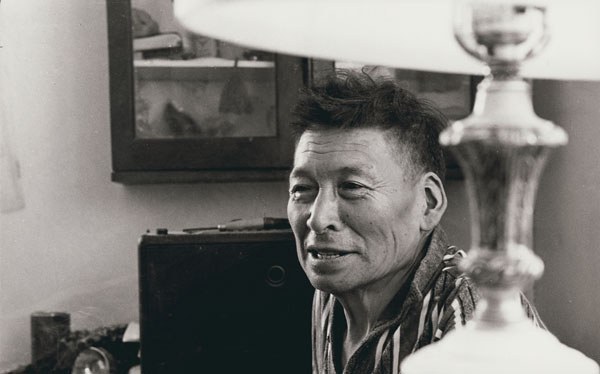
Peter Pitseolak in 1968, photographed by Charles Gimpel.
CA-K160Indigenous peoples & reconciliation

Peter Pitseolak, Inuit photographer and historian

Peter Pitseolak (1902–1973), an Inuit artist, photographer, hunter and historian, recorded both the old customs and beliefs of his people and their adjustment to a new life as Inuit culture underwent momentous change. His carvings, prints and photographs are acclaimed for their historical and artistic value, and he left an account of the history of Sikusuilaq (southern Baffin Island).

Factual accuracy review: No recorded challenge

Contributor: Citizen.ca

Verified against cited sourcesVerified on 2026-10-26↗
Photo: Charles Gimpel · Photo licence: Public domain · Credit & context
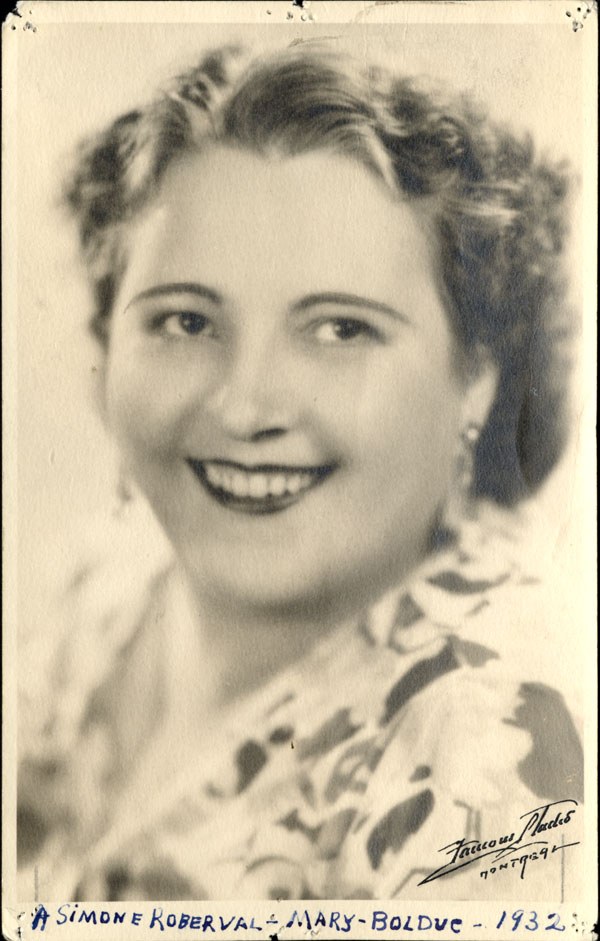
A publicity photograph of La Bolduc from Famous Studio, Montréal, taken before 1942.
CA-K148Culture & sport

La Bolduc, Quebec singer-songwriter

Mary Travers (1894–1941), known as La Bolduc after her husband’s surname, was a singer-songwriter with a tremendous impact on Quebec popular culture. From 1929 to 1939 she recorded close to 100 songs that she composed herself, touching on current events, social conditions and relationships.

Factual accuracy review: No recorded challenge

Contributor: Citizen.ca

Verified against cited sourcesVerified on 2026-10-26↗
Photo: Famous Studio, Montréal · Photo licence: Public domain · Credit & context

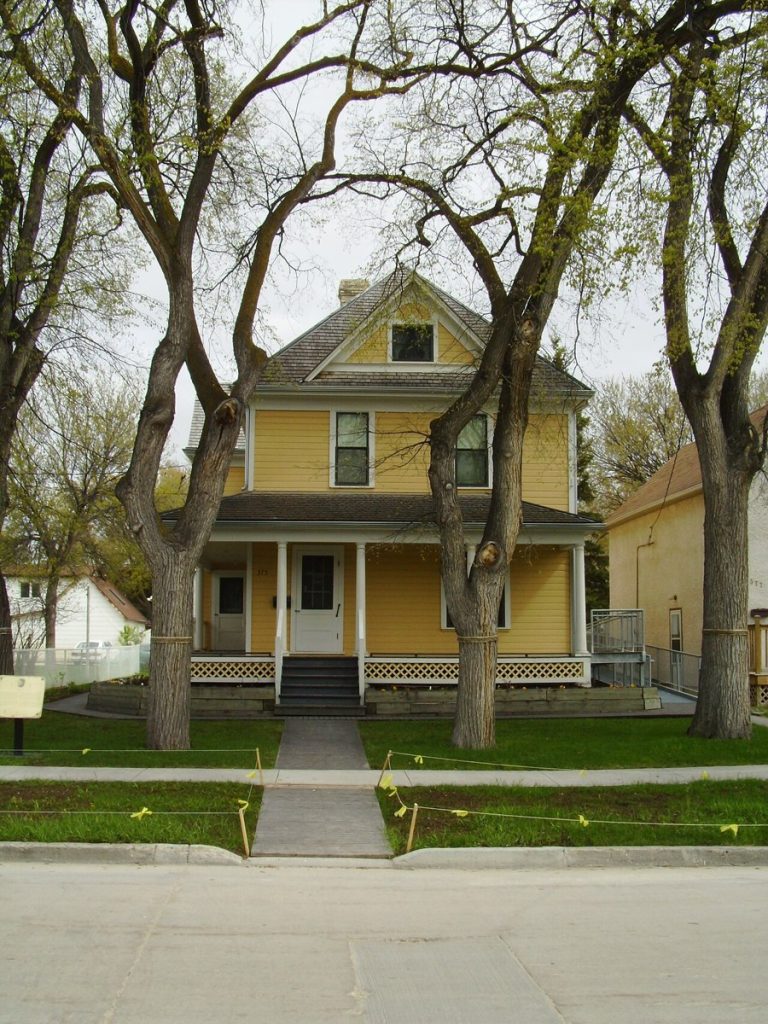
Gabrielle Roy’s childhood home at 375 Deschambault Street, St. Boniface, Manitoba, photographed in 2008.
CA-K147Culture & sport

Gabrielle Roy and The Tin Flute

Gabrielle Roy (1909–1983) gained immediate recognition with her first novel, The Tin Flute (Bonheur d’occasion, 1945), as a pioneer of social realism in Quebec. Born in St. Boniface, Manitoba, she drew on the immigrant experience and her years in the Franco-Manitoban community in later works.

Factual accuracy review: No recorded challenge

Contributor: Citizen.ca

Verified against cited sourcesVerified on 2026-10-26↗
Photo: Miguel Tremblay · Photo licence: CC0 · Credit & context