An independent Canadian knowledge project

Focused and Verified

Canadian knowledge base

Search by keyword

Choose one keyword, or combine two. Broader keywords include their descendants.

Keywords: Events and historical processes

Clear search
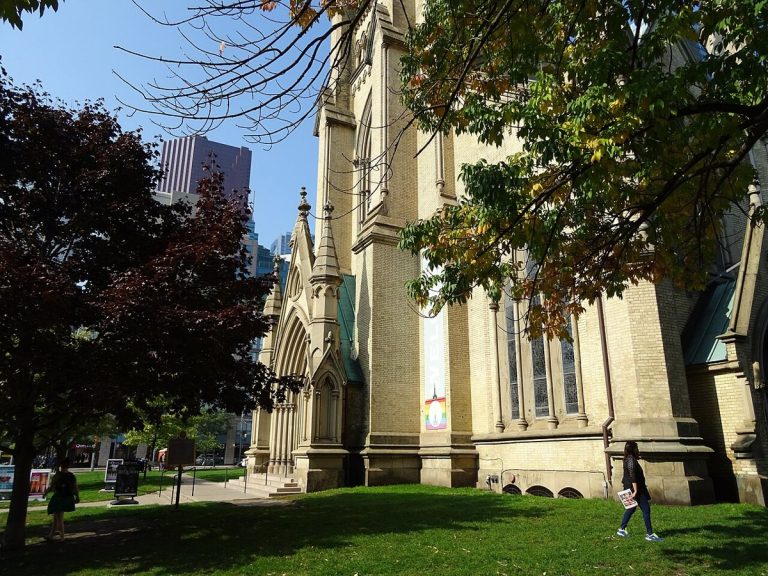
The Cathedral Church of St. James in Toronto, where a plaque for this designation is to be installed, photographed in 2018.
CA-K218History

Emancipation Day, 1 August

Emancipation Day celebrations mark 1 August 1834, when British legislation abolishing slavery took effect in what is now Canada. Nineteenth-century celebrations in what are now Ontario, Quebec, Nova Scotia, New Brunswick and British Columbia became an annual tradition that strengthened Black communities and supported the struggle for equality.

Factual accuracy review: No recorded challenge

Contributor: Citizen.ca

Verified against cited sourcesVerified on 2026-10-26↗
Photo: Spudgun67 · Photo licence: CC BY-SA 4.0 · Credit & context
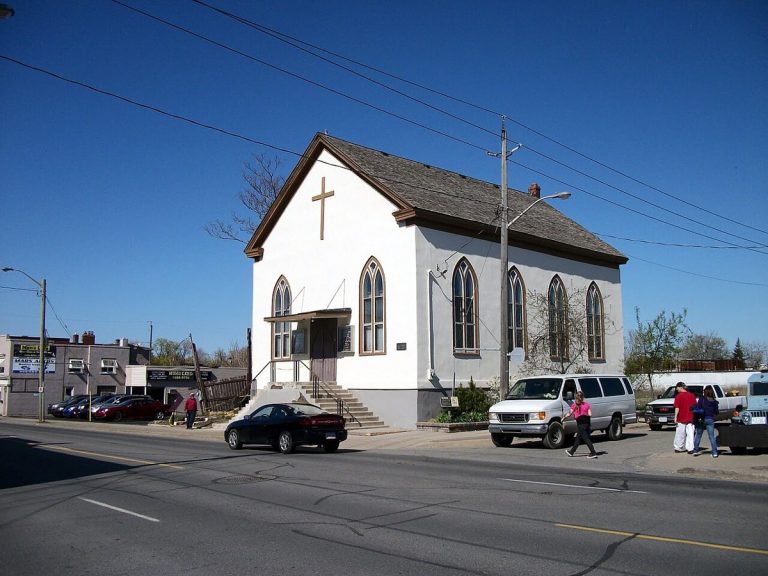
Salem Chapel British Methodist Episcopal Church in St. Catharines, Ontario, a centre of 19th-century abolitionist activity, photographed in 2012.
CA-K217History

Harriet Tubman led freedom-seekers to Canada

Harriet Tubman (c. 1822–1913), who escaped slavery in Maryland, was the most famous “conductor” on the Underground Railroad, leading many people on dangerous journeys to freedom in Canada and helping them settle. She became the public face of the Underground Railroad in British North America, drawing attention and funding to the abolition movement.

Factual accuracy review: No recorded challenge

Contributor: Citizen.ca

Verified against cited sourcesVerified on 2026-10-26↗
Photo: Gr82c · Photo licence: CC BY-SA 3.0 · Credit & context
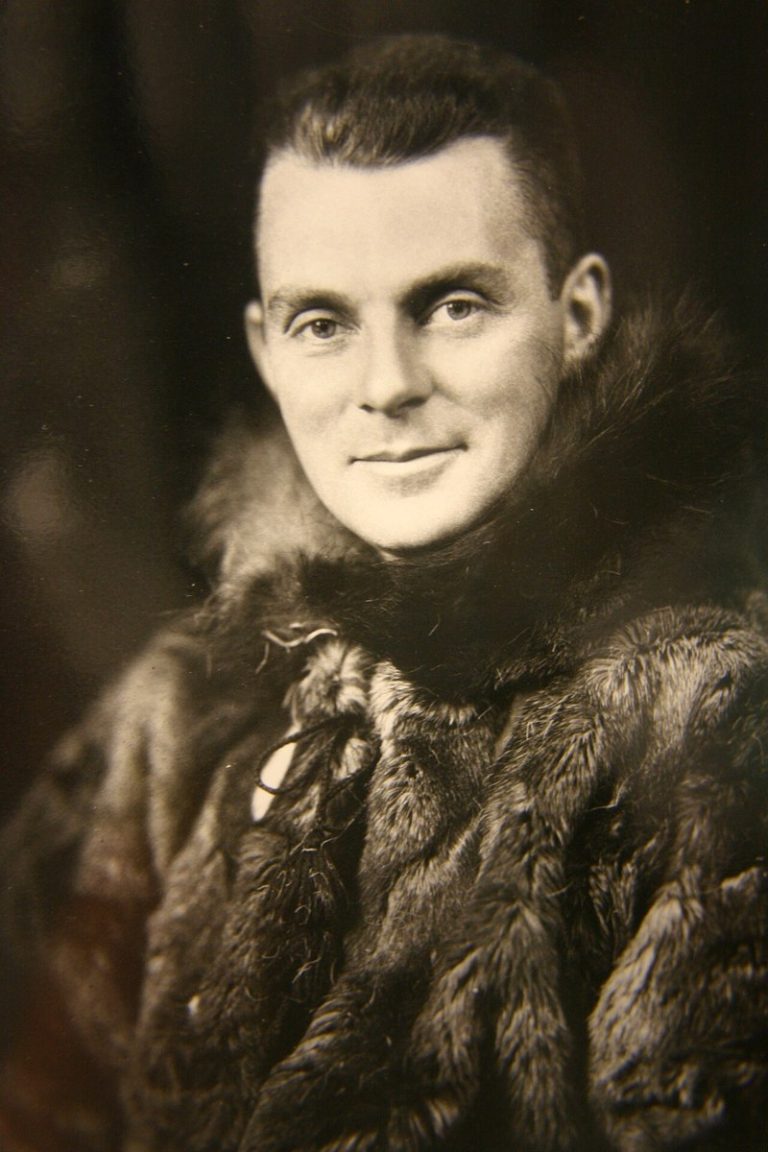
A photograph of C.H. “Punch” Dickins, Canadian First World War pilot.
CA-K214History

“Punch” Dickins, pioneering bush pilot

C.H. “Punch” Dickins (1899–1995), a distinguished First World War airman, became a pioneering bush pilot in the 1920s and 1930s, flying vast distances in Canada’s North and proving flight possible in remote areas and extreme cold. In the 1940s he contributed to the design of the de Havilland Beaver, helping make Canada a world leader in frontier aviation.

Factual accuracy review: No recorded challenge

Contributor: Citizen.ca

Verified against cited sourcesVerified on 2026-10-26↗
Photo: Bzuk at English Wikipedia · Photo licence: Public domain · Credit & context
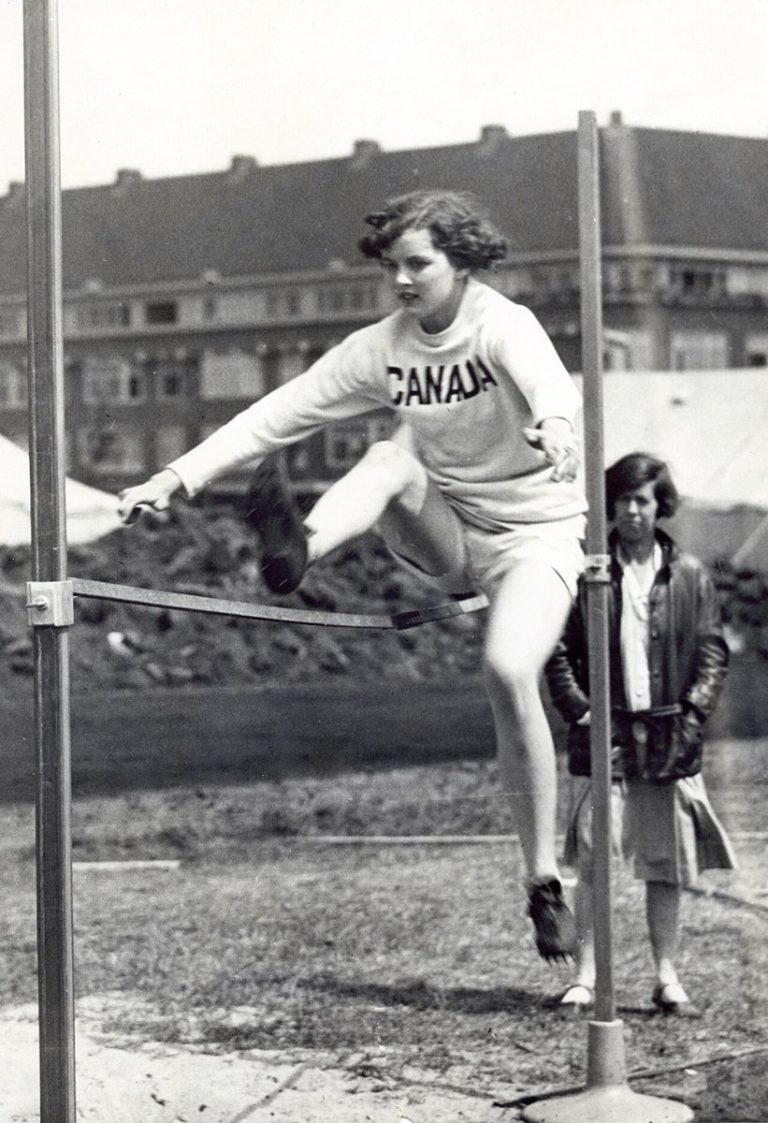
Ethel Catherwood training at the 1928 Summer Olympics in Amsterdam.
CA-K213Culture & sport

Ethel Catherwood, 1928 Olympic high jump champion

Ethel Catherwood (1908–1987) set national and world records in high jump and javelin between 1926 and 1930 and won the high jump gold medal at the 1928 Amsterdam Olympics, the first Games to allow women in track and field. With her “Matchless Six” teammates she earned Canada four medals, helping secure women’s place in Olympic track and field.

Factual accuracy review: No recorded challenge

Contributor: Citizen.ca

Verified against cited sourcesVerified on 2026-10-26↗
Photo: Unknown authorUnknown author · Photo licence: Public domain · Credit & context
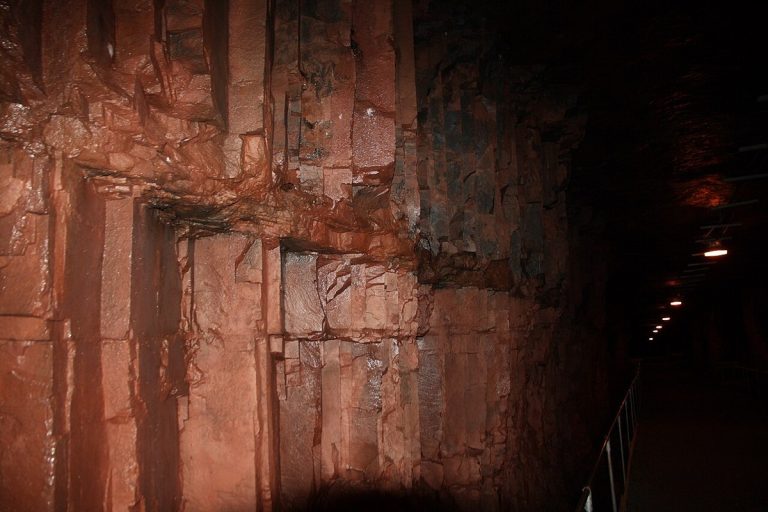
A vein of waste rock in the former iron ore mine on Bell Island, photographed in 2013.
CA-K206History

U-boat attacks at Bell Island, 1942

In 1942, German submarines U-513 and U-518 made two deadly torpedo attacks on Bell Island, Newfoundland, a vital iron-ore mining and shipping centre. The attacks damaged the Scotia pier, sank four ships and killed Allied sailors, bringing the war home to Newfoundlanders.

Factual accuracy review: No recorded challenge

Contributor: Citizen.ca

Verified against cited sourcesVerified on 2026-10-26↗
Photo: The Tedster · Photo licence: CC BY-SA 2.0 · Credit & context
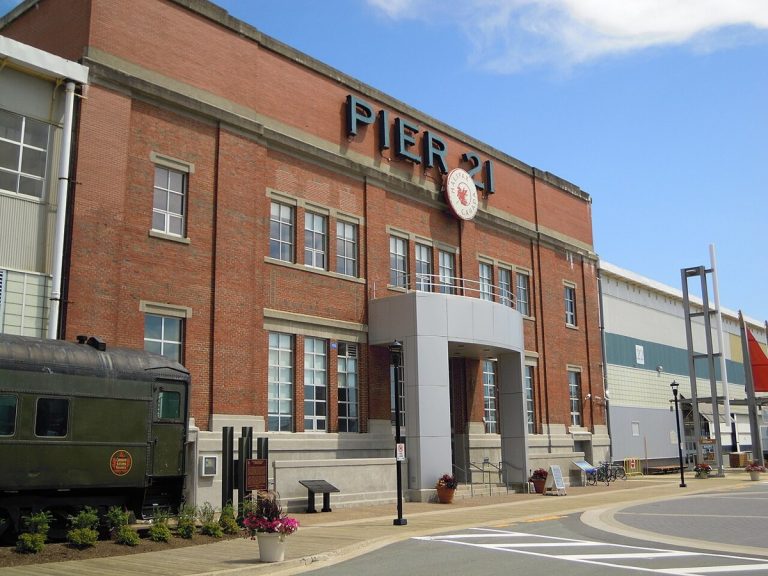
Pier 21 in Halifax, now the Canadian Museum of Immigration, photographed in 2010.
CA-K202History

Some 48,000 war brides arrived at Pier 21

Between 1942 and 1948, some 48,000 women, mostly from Great Britain, and 22,000 children arrived at Pier 21 in Halifax as the families of Canadian servicemen stationed abroad during the Second World War. The federal government provided their transportation and information about Canada, and war bride clubs across the country helped them adapt.

Factual accuracy review: No recorded challenge

Contributor: Citizen.ca

Verified against cited sourcesVerified on 2026-10-26↗
Photo: Skeezix1000 · Photo licence: CC BY-SA 3.0 · Credit & context
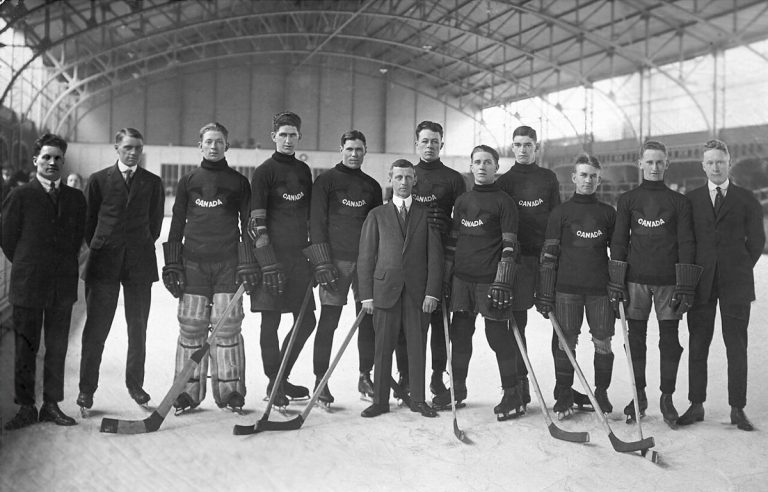
The Winnipeg Falcons team at the 1920 Summer Olympics in Antwerp.
CA-K191Culture & sport

The Winnipeg Falcons won the first Olympic hockey gold, 1920

The Winnipeg Falcons, a hockey club made up almost entirely of Icelandic Canadian players, won the Allan Cup as Canada’s senior amateur champions in 1920. That year they represented Canada in Antwerp, Belgium, and won the first Olympic gold medal for hockey.

Factual accuracy review: No recorded challenge

Contributor: Citizen.ca

Verified against cited sourcesVerified on 2026-10-26↗
Photo: Unknown authorUnknown author · Photo licence: Public domain · Credit & context
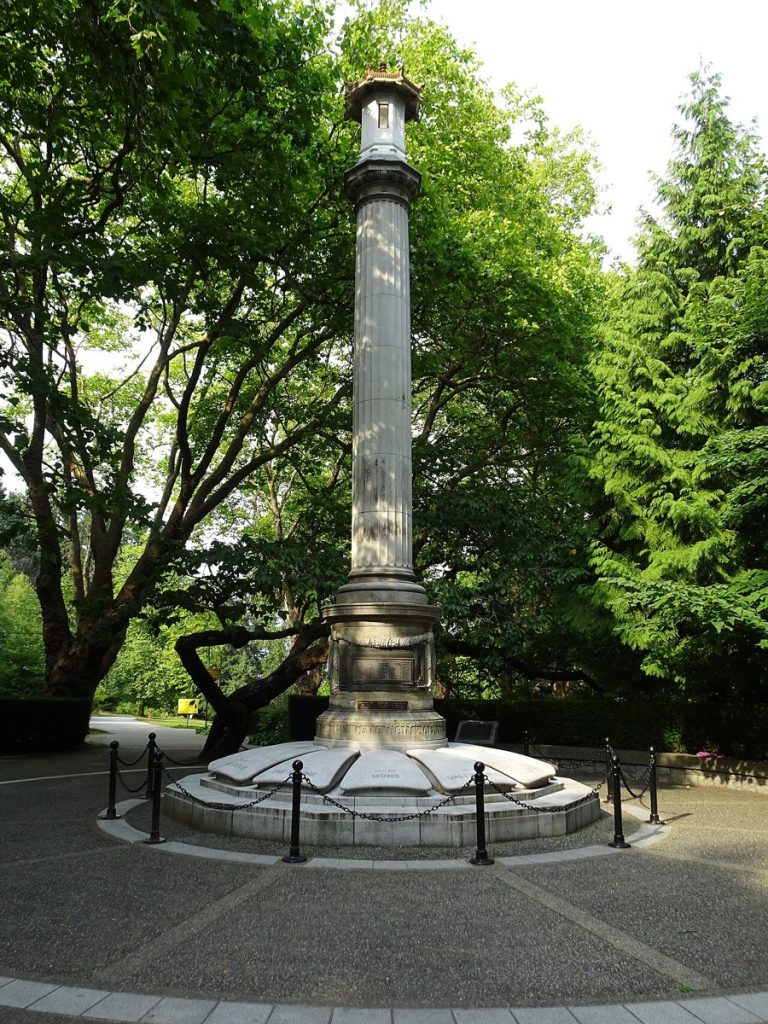
The Japanese Canadian War Memorial in Stanley Park, Vancouver, photographed in 2026.
CA-K182History

Japanese Canadian soldiers and the 1931 vote

During the First World War, 222 Japanese Canadian soldiers overcame barriers to enlistment and prejudice to fight on the Western Front between 1916 and 1918; a quarter of them died in battle. In 1931, the returning veterans became the first group of Asian Canadians to win the right to vote in British Columbia.

Factual accuracy review: No recorded challenge

Contributor: Citizen.ca

Verified against cited sourcesVerified on 2026-10-26↗
Photo: Spudgun67 · Photo licence: CC0 · Credit & context
Uncle Tom’s Cabin Historic Site near Dresden, Ontario, now the Josiah Henson Museum of African-Canadian History, photographed in 2014.
CA-K181History

Josiah Henson and the Dawn settlement

After escaping slavery in Kentucky to Upper Canada, Reverend Josiah Henson (1789–1883) became an Underground Railroad conductor and abolitionist, founded the Black settlement of Dawn and established the British American Institute school. Harriet Beecher Stowe said his 1849 memoirs supplied ideas and incidents for Uncle Tom’s Cabin, raising awareness of Canada as a haven from slavery.

Factual accuracy review: No recorded challenge

Contributor: Citizen.ca

Verified against cited sourcesVerified on 2026-10-26↗
Photo: NearEMPTiness · Photo licence: CC BY-SA 4.0 · Credit & context
Citadel Hill in Halifax, Nova Scotia, photographed in 2011.
CA-K180History

The Jamaican Maroons in Nova Scotia, 1796–1800

After the Maroon War of 1795–1796, Britain exiled more than 500 Maroons of Trelawny Town, Jamaica, to Nova Scotia. They kept a strong sense of community despite pressure to assimilate and demands for their labour, including at the Halifax Citadel; most were resettled in Sierra Leone in 1800, while a few remained.

Factual accuracy review: No recorded challenge

Contributor: Citizen.ca

Verified against cited sourcesVerified on 2026-10-26↗
Photo: Moneywagon · Photo licence: CC BY-SA 3.0 · Credit & context
The Six Nations Sports & Cultural Memorial Centre in Ohsweken, Six Nations of the Grand River, in 2024.
CA-K179Indigenous peoples & reconciliation

Edith Anderson Monture, nurse and veteran

Charlotte Edith Anderson Monture (1890–1996), a Kanien’kehá:ka (Mohawk) woman from Six Nations of the Grand River, was among the first generation of hospital-trained professional nurses from First Nations in Canada. After nursing with the American Expeditionary Force in the First World War, she was among the female veterans granted the federal vote in 1917, and returned home in 1919 as a nurse and midwife.

Factual accuracy review: No recorded challenge

Contributor: Citizen.ca

Verified against cited sourcesVerified on 2026-10-26↗
Photo: JFVoll · Photo licence: CC BY-SA 4.0 · Credit & context
Onondeyoh (Frederick Ogilvie Loft) with soldiers, as published in the French magazine Le Miroir in August 1917.
CA-K177Indigenous peoples & reconciliation

Onondeyoh (Frederick Ogilvie Loft) and the League of Indians

Onondeyoh (Frederick Ogilvie Loft, 1861–1934) founded the League of Indians of Canada in 1919, the first pan-Indigenous political organization, advocating for land rights and better education. He lobbied for self-government and day schools in place of residential schools, and protested forced enfranchisement and the expropriation of reserve lands.

Factual accuracy review: No recorded challenge

Contributor: Citizen.ca

Verified against cited sourcesVerified on 2026-10-26↗
Photo: Unknown · Photo licence: Public domain · Credit & context
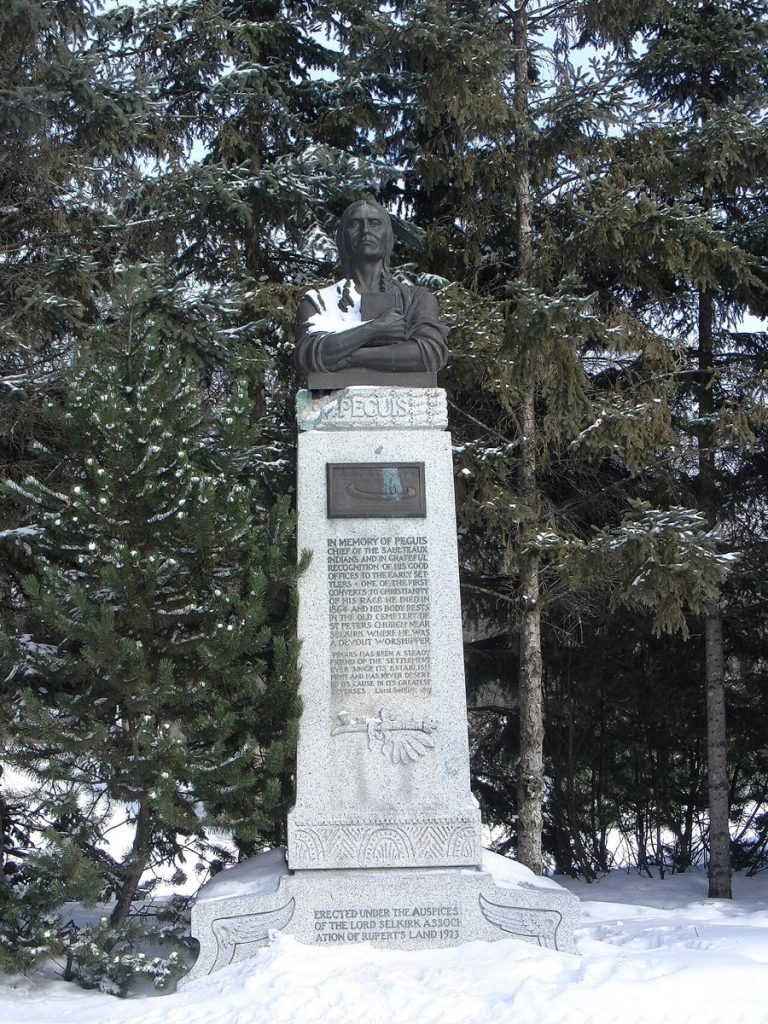
The Peguis monument in Kildonan Park, Winnipeg, erected in 1923, photographed in 2011.
CA-K176Indigenous peoples & reconciliation

Chief Peguis and the Selkirk Treaty of 1817

Chief Peguis (1774–1864), a skilled hunter and diplomat, worked to protect the rights and interests of the Anishinaabeg of Red River and stepped in to save lives when fur trade hostilities threatened the Selkirk Settlement. He was one of five First Nations negotiators of the Selkirk Treaty of 1817, the first agreement permitting limited farmland access to settlers in western Canada.

Factual accuracy review: No recorded challenge

Contributor: Citizen.ca

Verified against cited sourcesVerified on 2026-10-26↗
Photo: Wtshymanski · Photo licence: CC BY-SA 3.0 · Credit & context
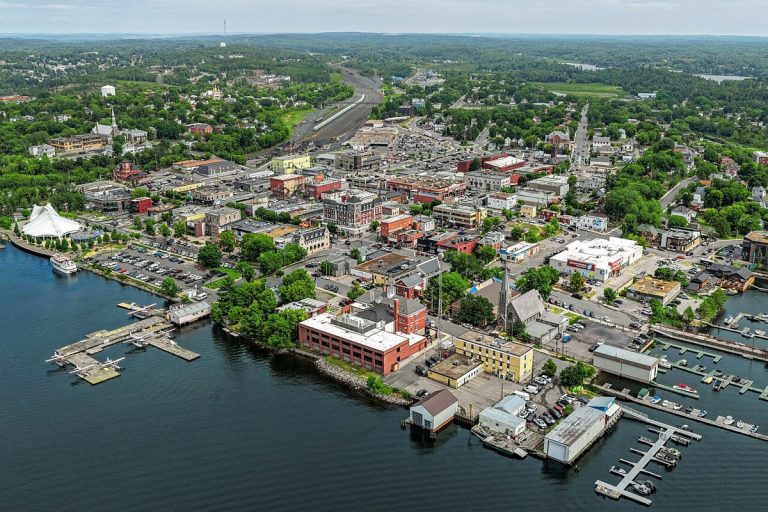
Kenora, Ontario, on Lake of the Woods, from the air in 2026; the photo does not show the former school.
CA-K175Indigenous peoples & reconciliation

Chanie Wenjack (1954–1966)

Chanie Wenjack was an Anishinaabe boy from Marten Falls First Nation who lived for three years at Cecilia Jeffrey Indian Residential School near Kenora, Ontario, and died after escaping. His story represents thousands of children driven by loneliness, abuse and desperation to run away from residential schools, and was amplified at the time by official procedures and national news coverage.

Factual accuracy review: No recorded challenge

Contributor: Citizen.ca

Verified against cited sourcesVerified on 2026-10-26↗
Photo: Quintin Soloviev · Photo licence: CC BY 4.0 · Credit & context
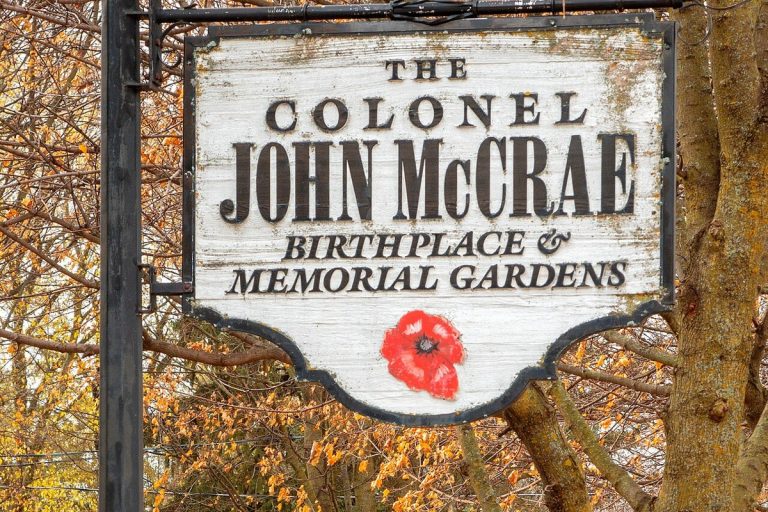
The sign at McCrae House, John McCrae’s birthplace in Guelph, Ontario, on Remembrance Day 2018.
CA-K174Culture & sport

John McCrae and “In Flanders Fields”

John McCrae (1872–1918), a physician born in Guelph, Ontario, joined the Canadian Army Medical Corps in 1914 and served overseas until his death. His poem “In Flanders Fields,” published anonymously in 1915, became one of the most celebrated poems of the First World War and made the poppy a lasting symbol of the Allied soldiers who died.

Factual accuracy review: No recorded challenge

Contributor: Citizen.ca

Verified against cited sourcesVerified on 2026-10-26↗
Photo: Peter K Burian · Photo licence: CC BY-SA 4.0 · Credit & context
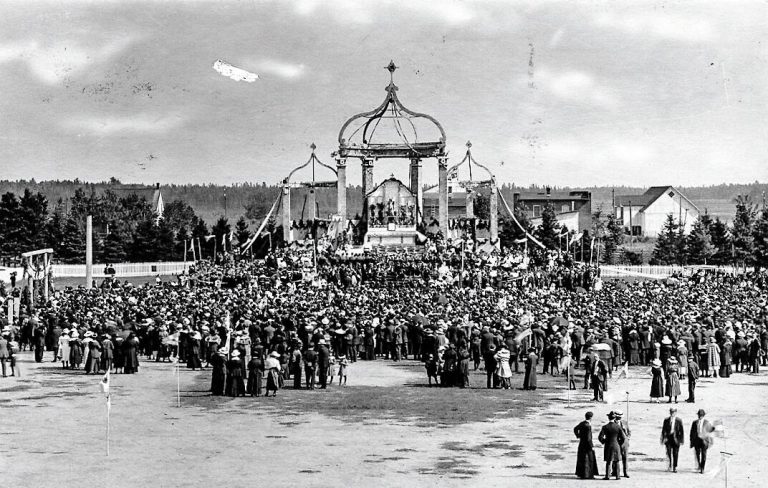
The Eucharistic Congress in Victoriaville, Quebec, in September 1918.
CA-K169History

The Spanish flu in Canada, 1918–1920

The Spanish flu pandemic killed more than 50 million people worldwide, including nearly 50,000 Canadians, between 1918 and 1920. The first civilian cases in Canada were reported in Victoriaville, Quebec, in autumn 1918, and the pandemic led to the creation of the federal Department of Health in 1919.

Factual accuracy review: No recorded challenge

Contributor: Citizen.ca

Verified against cited sourcesVerified on 2026-10-26↗
Photo: Société d'histoire de Victoriaville · Photo licence: Public domain · Credit & context
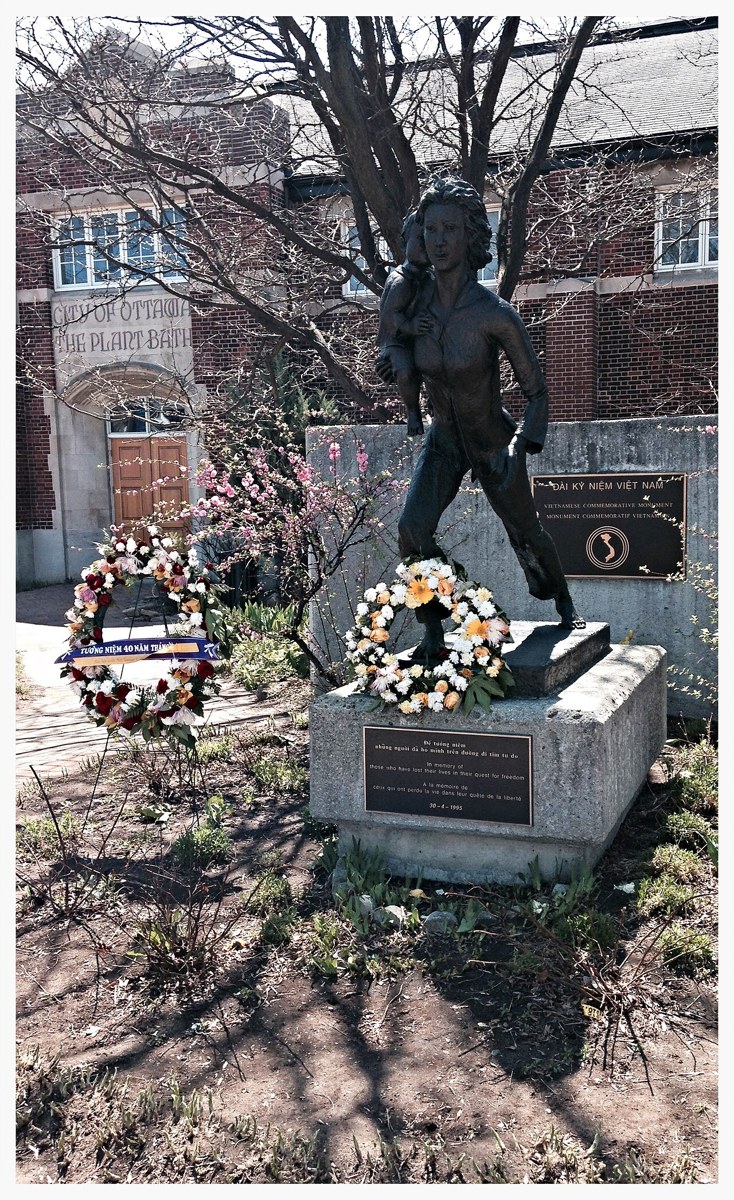
A monument to the Asian boat people in Ottawa, photographed in 2015.
CA-K167History

Refugees from Vietnam, Cambodia and Laos

Between 1975 and the 1990s, Canada admitted more than 210,000 refugees from Vietnam, Cambodia and Laos who fled persecution and violence after the wars there. After the Hai Hong incident in 1978, tens of thousands of Canadians and many organizations sponsored refugees, and the newcomers built communities across Canada.

Factual accuracy review: No recorded challenge

Contributor: Citizen.ca

Verified against cited sourcesVerified on 2026-10-26↗
Photo: Ross Dunn - Thanks for 13 million + views · Photo licence: CC BY-SA 2.0 · Credit & context
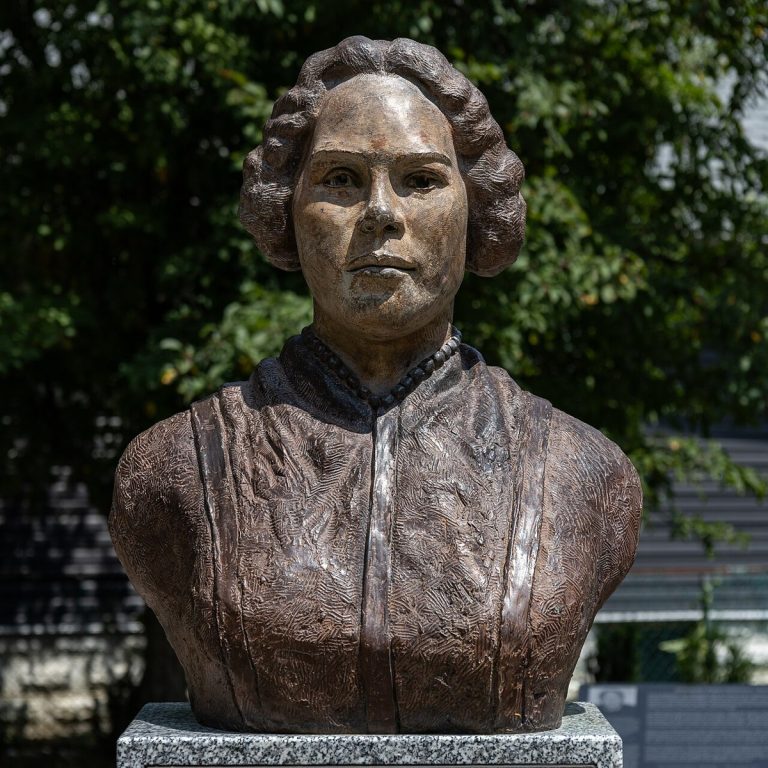
A bust of Mary Ann Shadd Cary by Artis Lane in BME Freedom Park, Chatham, Ontario, photographed in 2025.
CA-K164History

Mary Ann Shadd and the Provincial Freeman

Mary Ann Shadd (1823–1893) became a prominent activist in the Underground Railroad refugee communities of Upper Canada in the 1850s. In 1853 she established the Provincial Freeman, an influential newspaper that argued for the rights of Black people and women and became the leading voice of refugees in Canada.

Factual accuracy review: No recorded challenge

Contributor: Citizen.ca

Verified against cited sourcesVerified on 2026-10-26↗
Photo: Chris Woodrich · Photo licence: CC BY-SA 4.0 · Credit & context
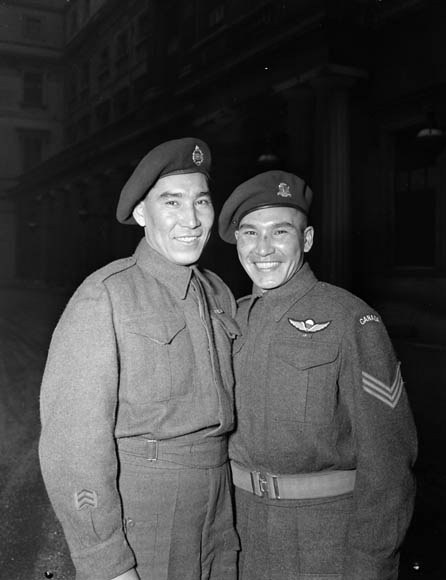
Sergeant Tommy Prince (right) with his brother, Private Morris Prince, at Buckingham Palace, 12 February 1945.
CA-K159Indigenous peoples & reconciliation

Tommy Prince, Anishinaabe veteran and activist

Tommy Prince (1915–1977), an Anishinaabe veteran, was a founding member of the 1st Canadian Parachute Battalion and the First Special Service Force (Devil’s Brigade) in the Second World War, and served in the Korean War. He represented Manitoba First Nations’ interests nationally, and his story illustrates both First Nations soldiers’ contributions and their poor treatment on returning home.

Factual accuracy review: No recorded challenge

Contributor: Citizen.ca

Verified against cited sourcesVerified on 2026-10-26↗
Photo: Christopher J. Woods - Canada. Dept. of National Defence · Photo licence: Public domain · Credit & context
pīhtokahānapiwiyin (Poundmaker), around 1884 (Library and Archives Canada).
CA-K158Indigenous peoples & reconciliation

pīhtokahānapiwiyin (Poundmaker), nēhiyaw chief

pīhtokahānapiwiyin (Poundmaker, ca. 1842–1886), a nēhiyaw (Plains Cree) chief, sought better terms for his people and called on Canada to fulfil its obligations under Treaty 6. In 1885 he repulsed Lieutenant-Colonel Otter’s attack on his reserve at Cut Knife but restrained his followers; imprisoned as a rebel, he died after his early release.

Factual accuracy review: No recorded challenge

Contributor: Citizen.ca

Verified against cited sourcesVerified on 2026-10-26↗
Photo: Unknown authorUnknown author · Photo licence: Public domain · Credit & context
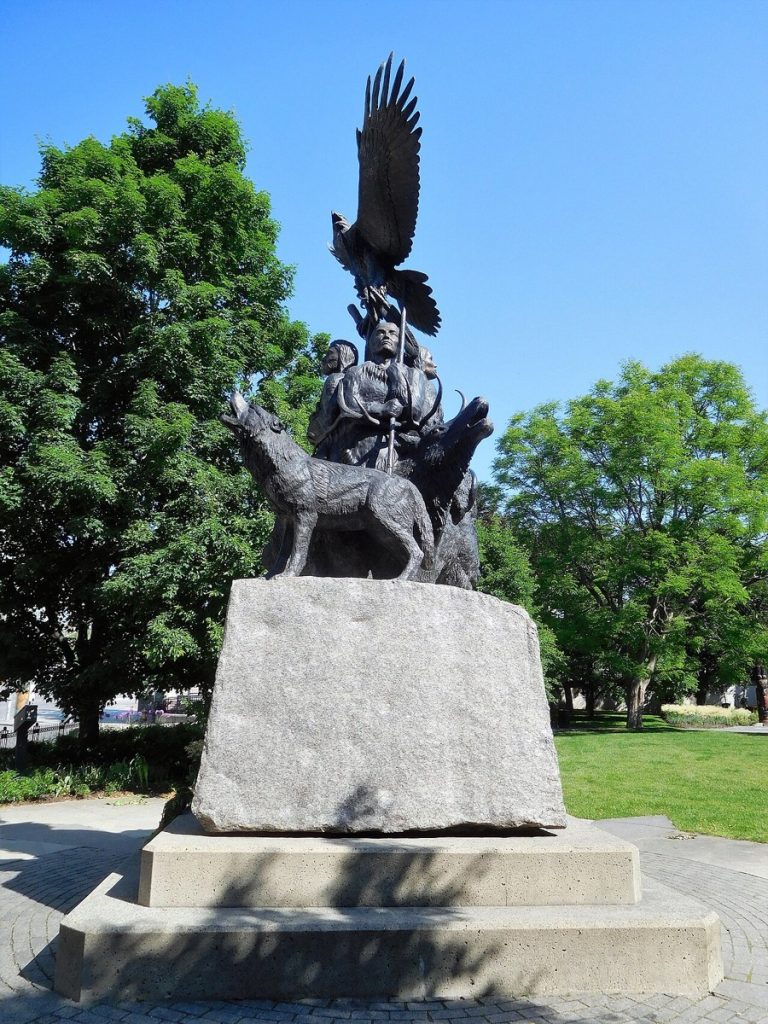
The National Aboriginal Veterans Monument in Confederation Park, Ottawa, photographed in 2019.
CA-K156Indigenous peoples & reconciliation

Indigenous soldiers in the First World War

During the First World War, Indigenous people volunteered in significant numbers, even though many were denied the right to vote; it was the first time Canada’s forces integrated a substantial number of Indigenous men as individual soldiers. As veterans, they were an active force behind the League of Indians of Canada, the first organization to give their communities a national voice.

Factual accuracy review: No recorded challenge

Contributor: Citizen.ca

Verified against cited sourcesVerified on 2026-10-26↗
Photo: Jeangagnon · Photo licence: CC BY-SA 4.0 · Credit & context
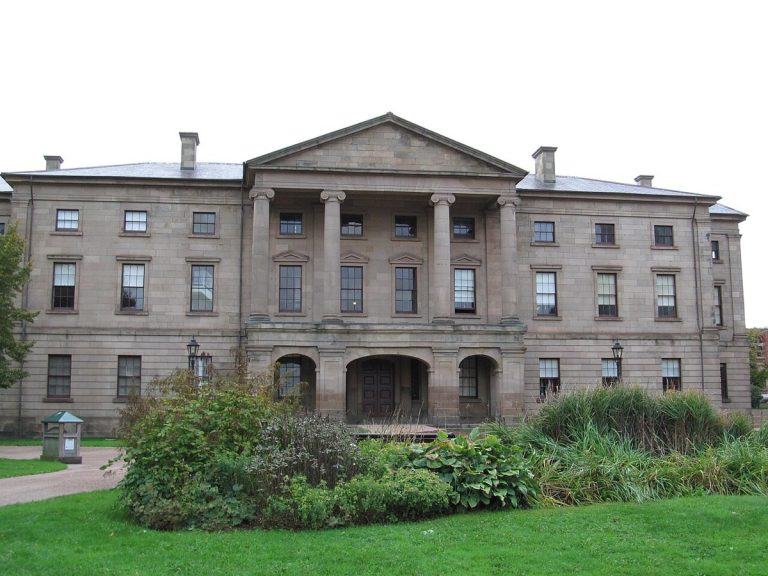
Province House in Charlottetown, Prince Edward Island, photographed in 2012.
CA-K152History

The Charlottetown and Québec Conferences of 1864

In September 1864, the Charlottetown Conference brought together leaders from Prince Edward Island, Nova Scotia, New Brunswick and the Province of Canada, who agreed in principle to a federal union. At the Québec Conference the following month, the delegates drafted the 72 Resolutions, which laid the foundation of the British North America Act.

Factual accuracy review: No recorded challenge

Contributor: Citizen.ca

Verified against cited sourcesVerified on 2026-10-26↗
Photo: Doug Kerr · Photo licence: CC BY-SA 2.0 · Credit & context
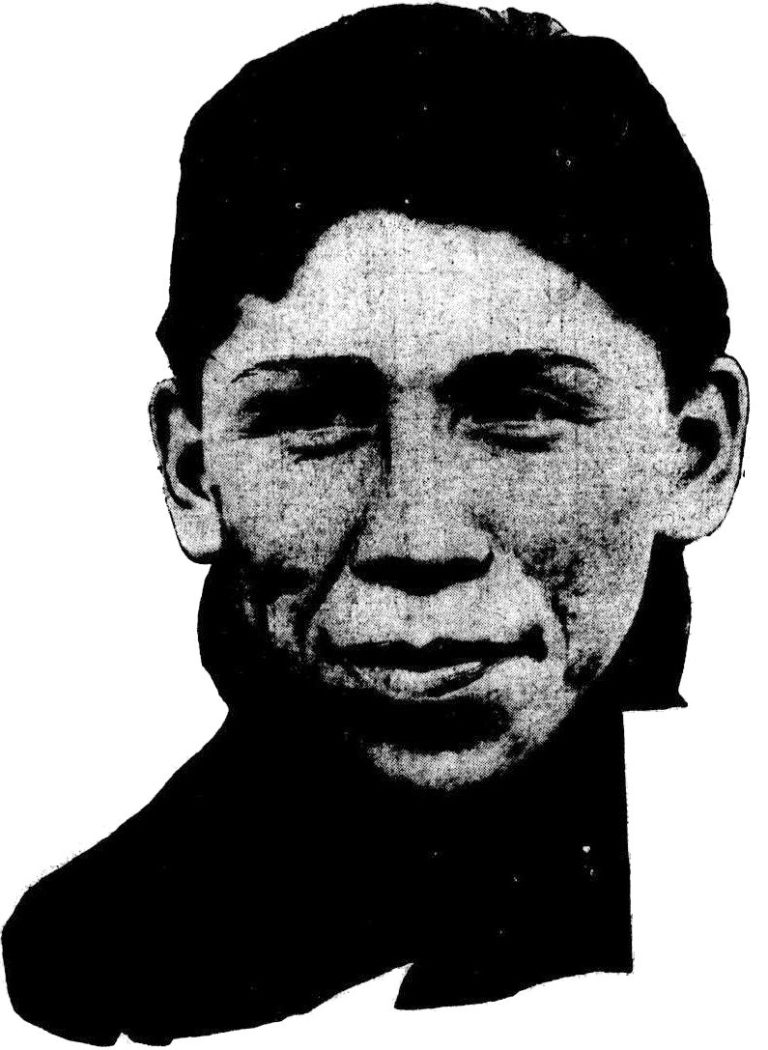
Tom Longboat as pictured in the Boston Post, 19 April 1907.
CA-K149Culture & sport

Tom Longboat won the 1907 Boston Marathon

Tom Longboat (1886–1949), an Onondaga athlete from the Six Nations of the Grand River, became the foremost long-distance runner of his time and won the 1907 Boston Marathon. He competed at the 1908 Olympics and was one of the first Canadian athletes to make a living solely from sport.

Factual accuracy review: No recorded challenge

Contributor: Citizen.ca

Verified against cited sourcesVerified on 2026-10-26↗
Photo: Unknown authorUnknown author · Photo licence: Public domain · Credit & context
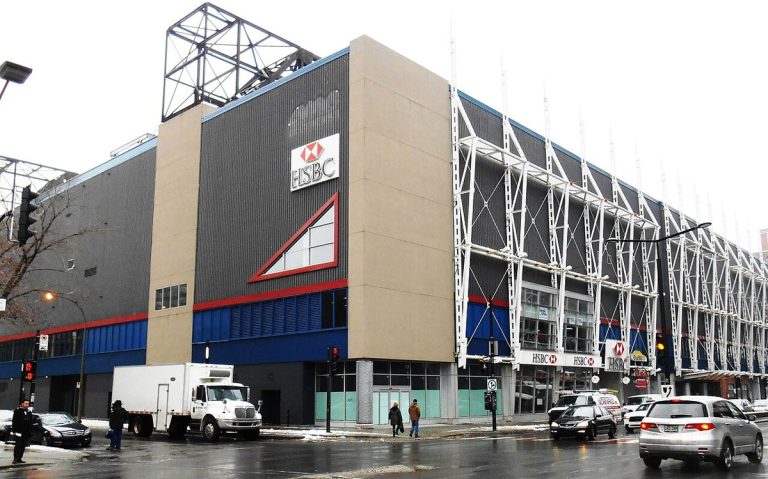
The former Montréal Forum building on Sainte-Catherine Street, where Game One was played, photographed in 2014.
CA-K143Culture & sport

The 1972 Summit Series

The 1972 Summit Series, eight games played in September 1972, was the first encounter between top Canadian professional hockey players and the Soviet Union’s national team. Team Canada won the series in Moscow with a come-from-behind victory, scoring the winning goal with 34 seconds left in the final game.

Factual accuracy review: No recorded challenge

Contributor: Citizen.ca

Verified against cited sourcesVerified on 2026-10-26↗
Photo: Jeangagnon · Photo licence: CC BY-SA 3.0 · Credit & context