An independent Canadian knowledge project

Focused and Verified

Canadian knowledge base

Search by keyword

Choose one keyword, or combine two. Broader keywords include their descendants.

For citizenship preparation, use these records alongside the official Discover Canada guide. Check current officeholders and local information separately. This is an independent study collection.

Keywords: Citizenship Test

Clear search
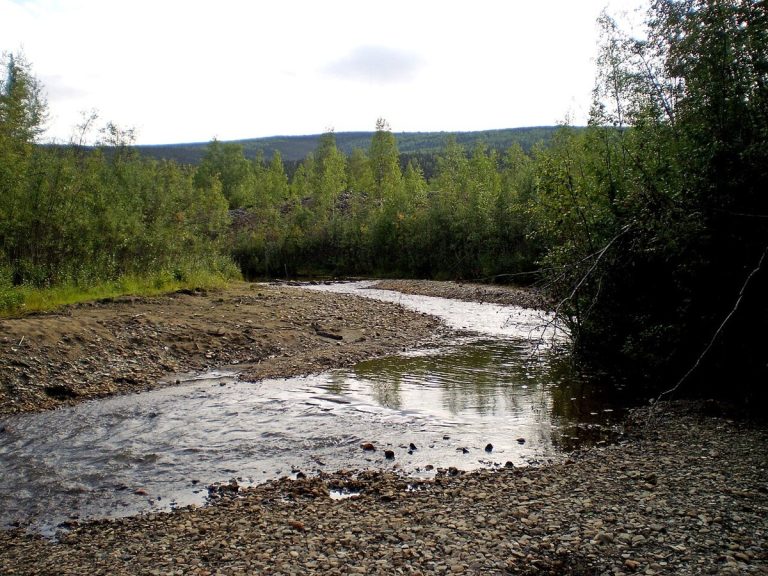
Discovery Claim on Bonanza Creek, photographed in August 2009; the site today, not an 1896 image.
CA-K082History

Gold found on Bonanza Creek, 16 August 1896

Gold was discovered at Discovery Claim on Bonanza Creek, Yukon, on 16 August 1896, triggering the Klondike Gold Rush. Accounts vary, but Parks Canada notes it is generally held that Keish (Skookum Jim Mason) of the Tagish First Nation discovered the gold.

Factual accuracy review: No recorded challenge

Contributor: Citizen.ca

Verified against cited sourcesVerified on 2026-10-26↗
Photo: JKBrooks85 · Photo licence: Public domain · Credit & context
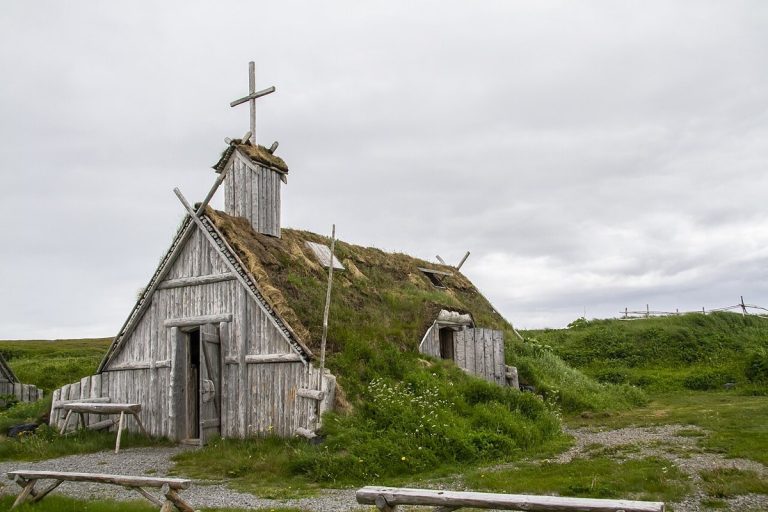
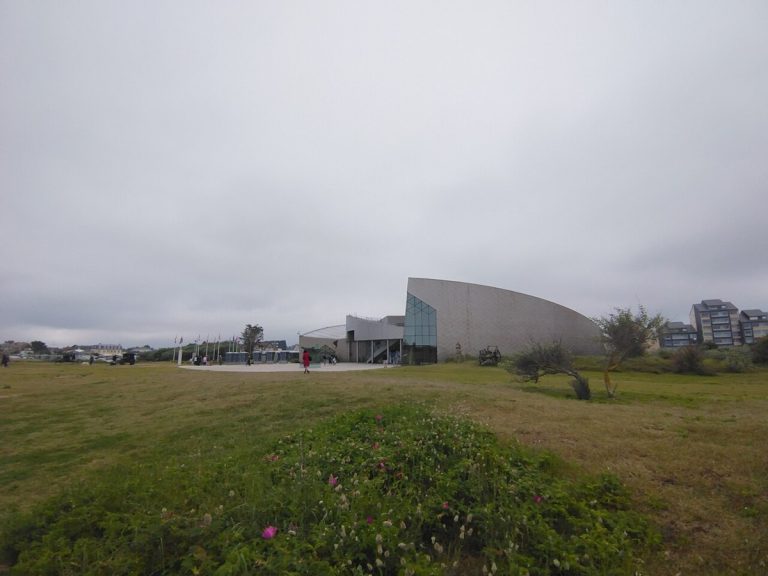
Reconstructed sod buildings at L’Anse aux Meadows, photographed in 2012; modern reconstructions, not the original remains.
CA-K081History

L’Anse aux Meadows: Norse presence over 1,000 years ago

L’Anse aux Meadows, at the tip of Newfoundland’s Great Northern Peninsula, holds the first known evidence of European presence in the Americas. Norse expeditions from Greenland built a small timber-and-sod encampment there over 1,000 years ago; the site was declared a UNESCO World Heritage Site in 1978.

Factual accuracy review: No recorded challenge

Contributor: Citizen.ca

Verified against cited sourcesVerified on 2026-10-26↗
Photo: Pierre Gingras · Photo licence: CC BY-SA 4.0 · Credit & context
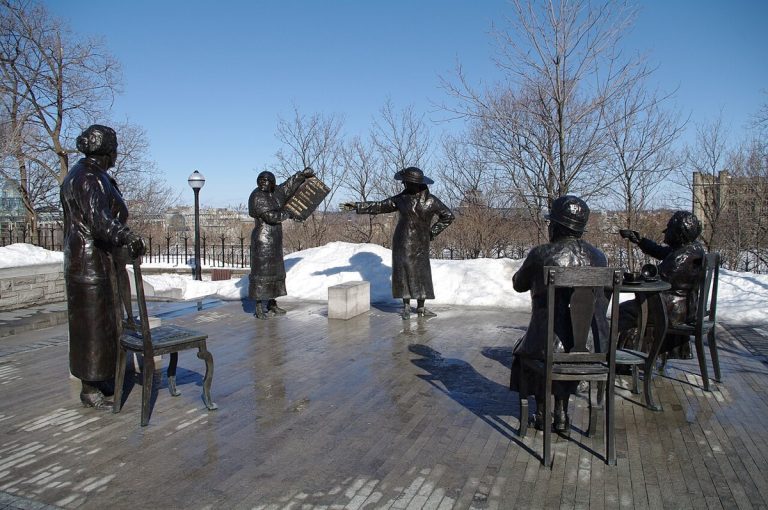
The “Women Are Persons!” monument on Parliament Hill, Ottawa, honouring the five women; a modern sculpture photographed in 2009, not a historical image.
CA-K077History

The Persons Case: 18 October 1929

On 18 October 1929, the Judicial Committee of the Privy Council ruled that women were “persons” under section 24 of the British North America Act, 1867, and therefore eligible for appointment to the Senate. The appeal followed a 1928 Supreme Court of Canada decision and a campaign by five Alberta women: Emily Murphy, Henrietta Muir Edwards, Louise McKinney, Nellie McClung and Irene Parlby.

Factual accuracy review: No recorded challenge

Contributor: Citizen.ca

Verified against cited sourcesVerified on 2026-10-26↗
Photo: John.B.Codrington · Photo licence: CC BY-SA 4.0 · Credit & context
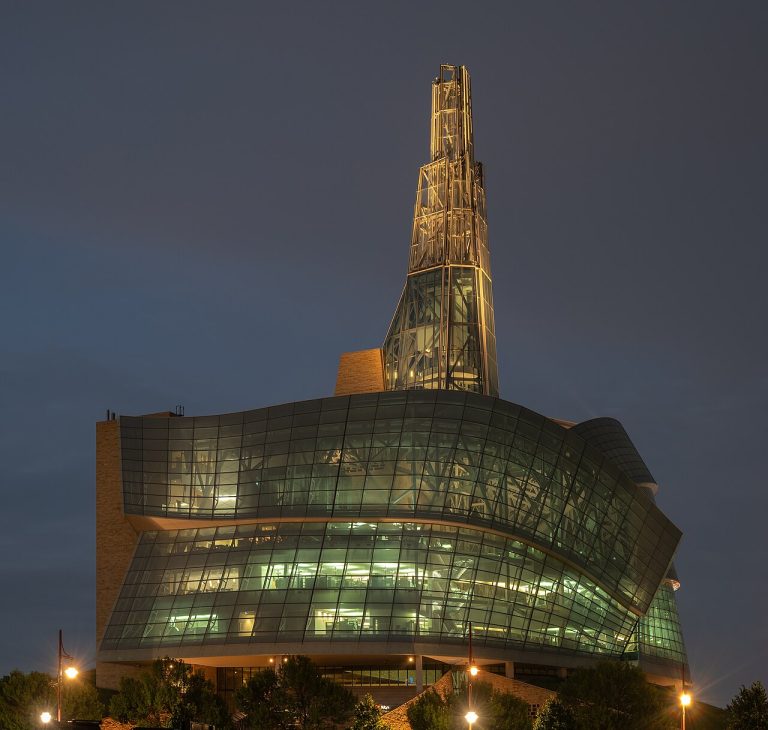
The Canadian Museum for Human Rights in Winnipeg; an illustrative cultural institution, not the text or enactment of the Multiculturalism Act.
CA-K067Language & names

The Canadian Multiculturalism Act recognizes cultural diversity

The Canadian Multiculturalism Act declares a federal policy recognizing cultural and racial diversity and the freedom to preserve, enhance and share cultural heritage. It also promotes full and equitable participation in Canadian society.

Factual accuracy review: No recorded challenge

Contributor: Citizen.ca

Verified against cited sourcesVerified on 2026-10-26↗
Photo: Ethan Sahagun · Photo licence: CC BY 4.0 · Credit & context
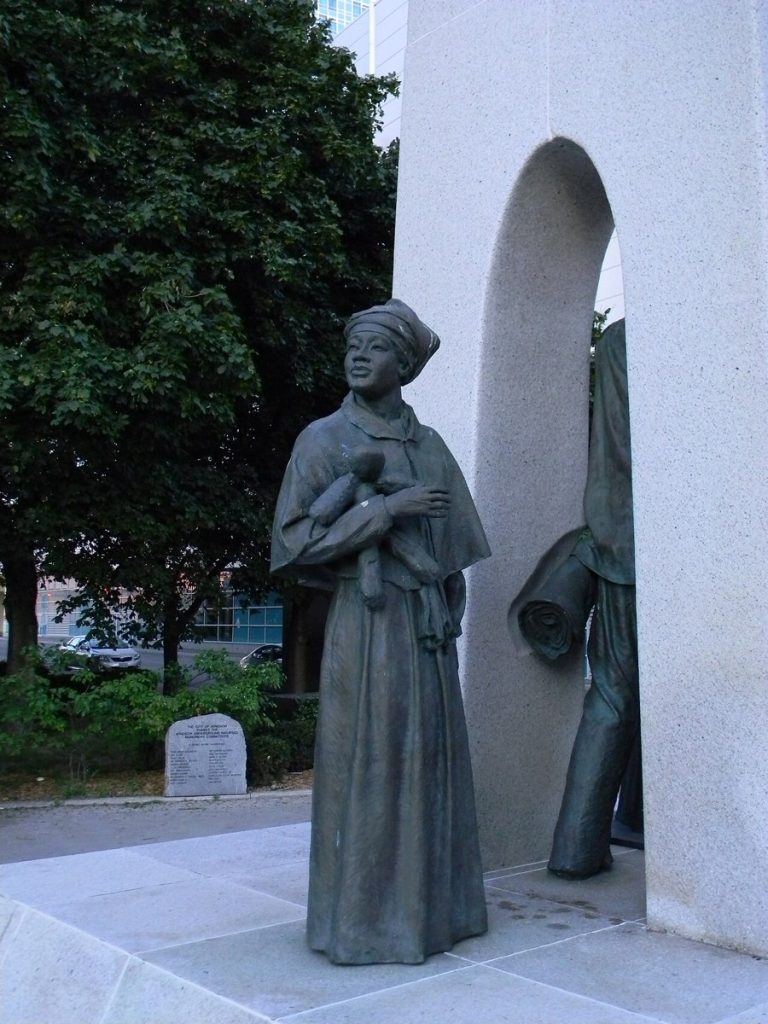
The Underground Railroad monument in Windsor, Ontario, photographed in 2011.
CA-K065History

The Underground Railroad brought freedom-seekers to Canada

From the early 19th century until the American Civil War, settlements along the Detroit and Niagara rivers were important terminals of the Underground Railroad, a network of Black and white abolitionists helping African Americans find freedom. By 1861, some 30,000 freedom-seekers lived in what is now Ontario.

Factual accuracy review: No recorded challenge

Contributor: Citizen.ca

Verified against cited sourcesVerified on 2026-10-26↗
Photo: M. Readey · Photo licence: CC BY-SA 3.0 · Credit & context
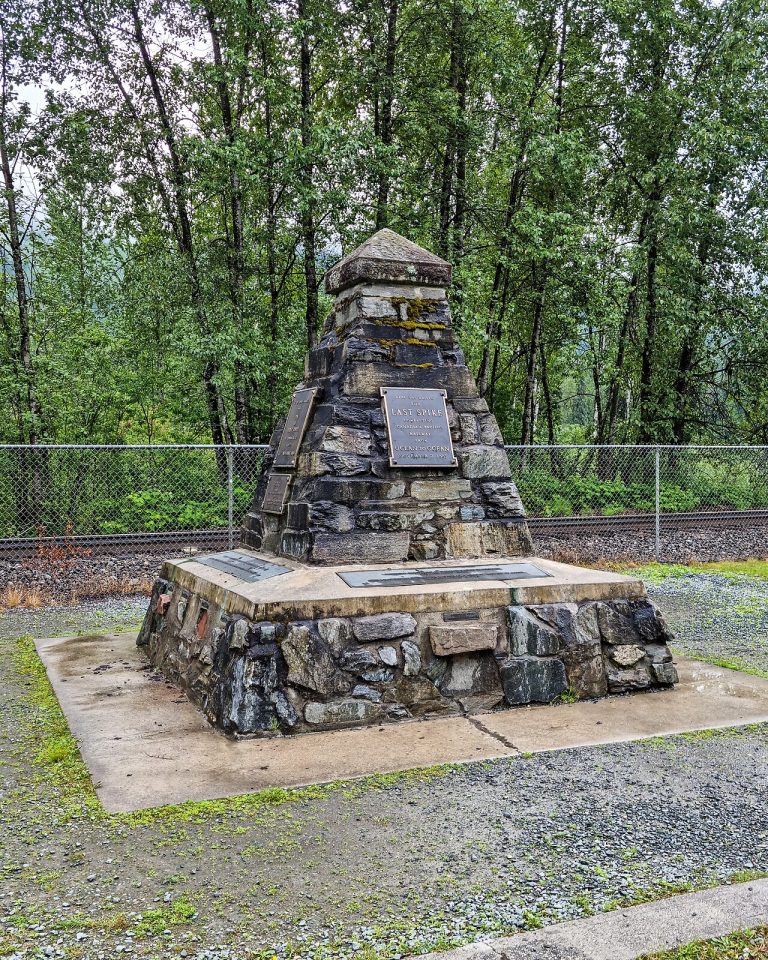
The Last Spike monument at Craigellachie, British Columbia, photographed in 2022; a modern memorial, not the famous 1885 group photograph.
CA-K054Economy & trade

The CPR’s last spike was driven in 1885

The Canadian Pacific Railway’s ceremonial last spike was driven at Craigellachie, British Columbia, on 7 November 1885. Chinese workers made important contributions to the railway’s construction but are absent from the famous last-spike photograph.

Factual accuracy review: No recorded challenge

Contributor: Citizen.ca

Verified against cited sourcesVerified on 2026-10-26↗
Photo: Dietmar Rabich · Photo licence: CC BY-SA 4.0 · Credit & context
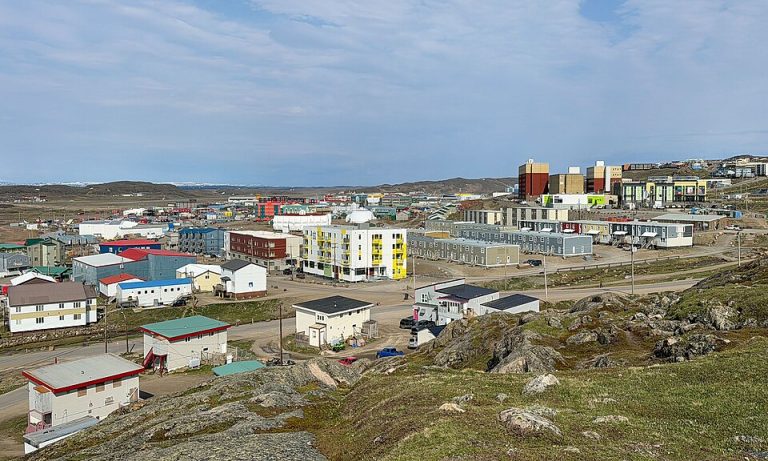
A modern view of Iqaluit, Nunavut; one place within Inuit Nunangat, not a map of all Inuktut dialects.
CA-K048Indigenous peoples & reconciliation

Inuktut includes a rich diversity of dialects

Inuktut is spoken in different dialects across Inuit Nunangat. Inuit Tapiriit Kanatami’s regional overview includes Inuvialuktun, Inuinnaqtun, Inuktitut and Inuttitut, reflecting linguistic diversity within the Inuit homeland.

Factual accuracy review: No recorded challenge

Contributor: Citizen.ca

Verified against cited sourcesVerified on 2026-10-26↗
Photo: Quintin Soloviev · Photo licence: CC BY 4.0 · Credit & context