
An independent Canadian knowledge project

Focused and Verified

Canadian knowledge base

Search by keyword

Choose one keyword, or combine two. Broader keywords include their descendants.

Keywords: Person

Clear search
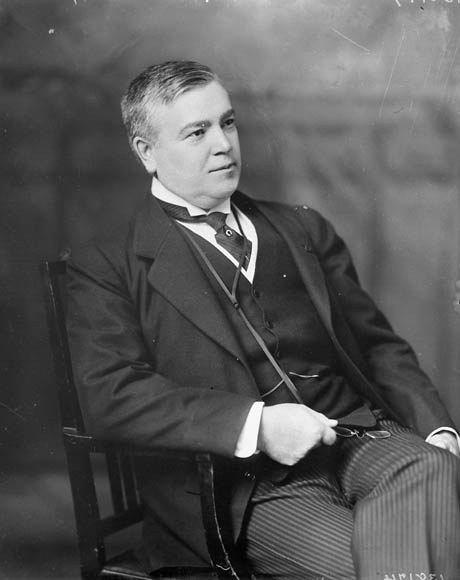
Rodolphe Lemieux, April 1917 (Topley Studio).
CA-K628Institutions

Rodolphe Lemieux and the Lemieux Act

Rodolphe Lemieux, MP for Gaspé and Rouville, served as Solicitor General, Postmaster General, Minister of Labour and Minister of Marine, and was Speaker of the House of Commons from 1922 to 1930. His Lemieux Act of 1907 introduced arbitration to Canadian labour relations, and as Laurier’s principal Quebec lieutenant he opposed conscription while urging voluntary enlistment.

Factual accuracy review: No recorded challenge

Contributor: Citizen.ca

Verified against cited sourcesVerified on 2026-10-26↗
Photo: William James Topley · Photo licence: Public domain · Credit & context
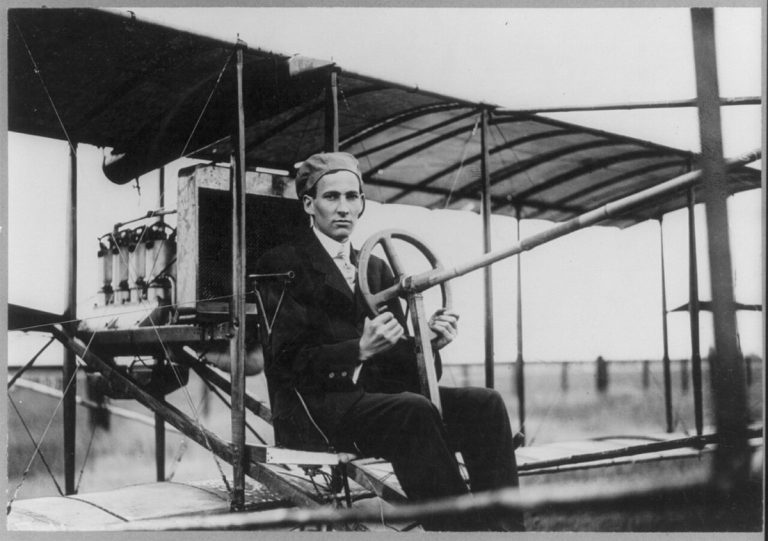
J. A. D. McCurdy, 1911 (Library of Congress).
CA-K626History

J. A. D. McCurdy, pilot of the Silver Dart

John A. D. McCurdy of Baddeck, an early associate of Alexander Graham Bell, piloted the Silver Dart on 23 February 1909 in Canada’s first successful powered flight. A pioneer of the aircraft industry, he later oversaw aircraft production in the Second World War and served as lieutenant-governor of Nova Scotia.

Factual accuracy review: No recorded challenge

Contributor: Citizen.ca

Verified against cited sourcesVerified on 2026-10-26↗
Photo: Miscellaneous Items in High Demand, PPOC, Library of Congress · Photo licence: Public domain · Credit & context
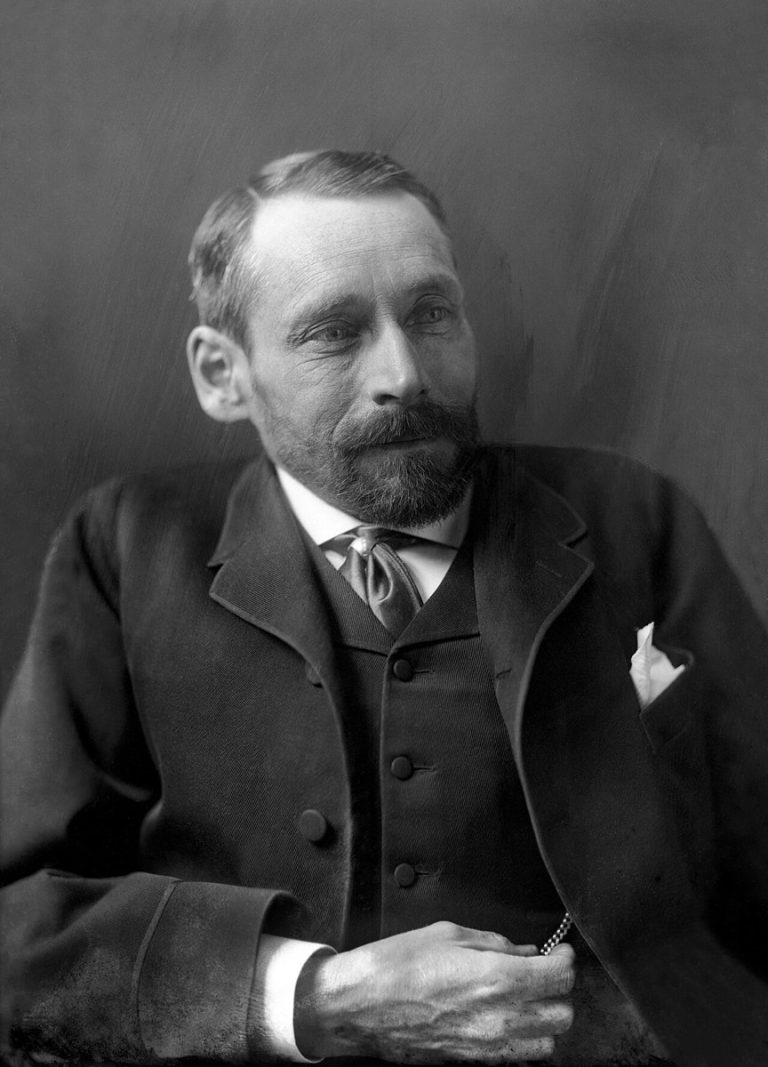
George Mercer Dawson, June 1891 (William Notman and Son, McCord Stewart Museum).
CA-K625History

George Mercer Dawson, geologist of the Northwest

George Mercer Dawson of Pictou, Nova Scotia, was geologist for the North American Boundary Commission in 1873 and for the Geological Survey of Canada, becoming its director in 1895. He explored much of the Canadian Northwest, served on the Bering Sea commission in 1892 and was president of the Royal Society of Canada in 1893.

Factual accuracy review: No recorded challenge

Contributor: Citizen.ca

Verified against cited sourcesVerified on 2026-10-26↗
Photo: William Notman and Son · Photo licence: Public domain · Credit & context
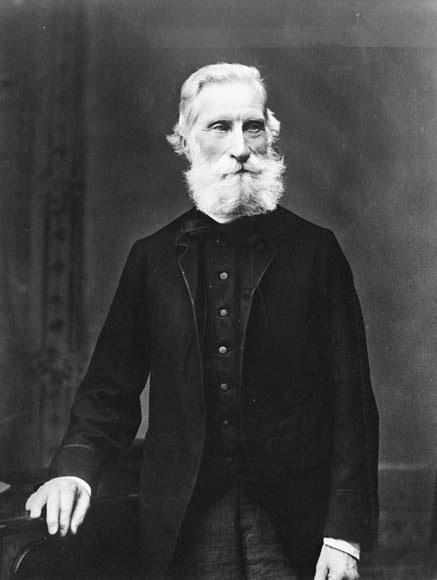
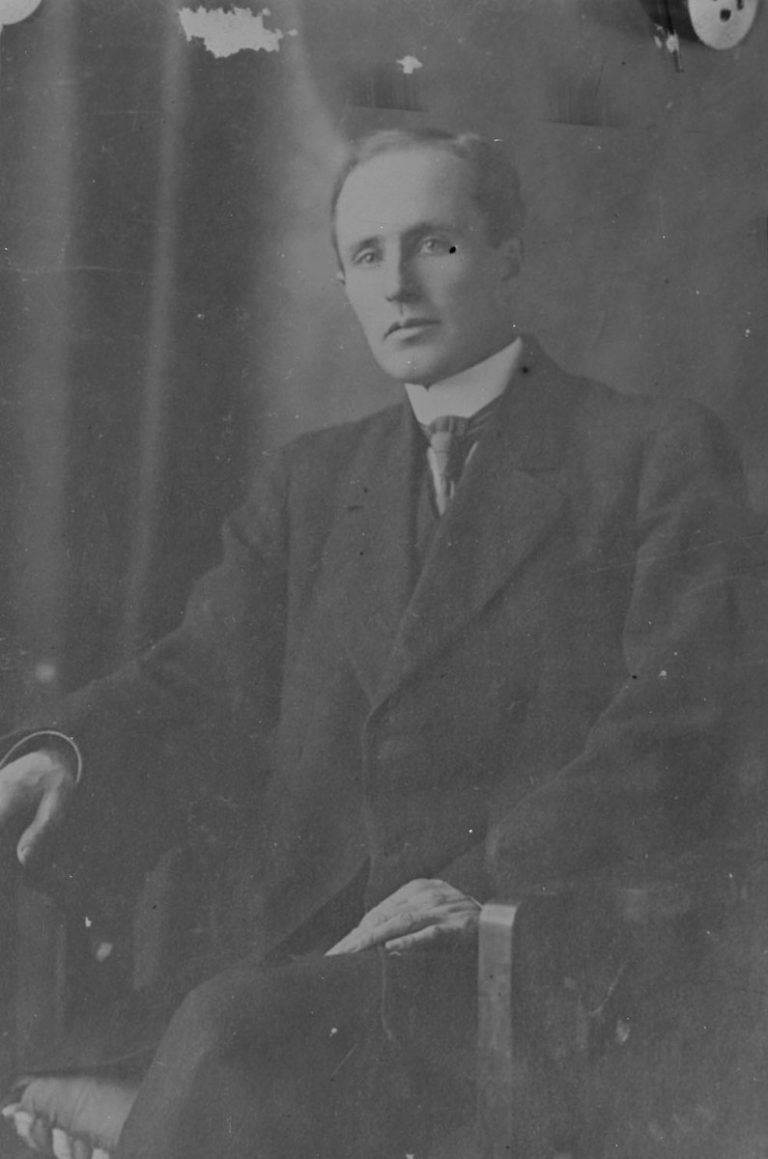
Arthur Meighen, between about 1914 and 1919 (Library and Archives Canada).
CA-K621Institutions

Arthur Meighen, prime minister and debater

Arthur Meighen, born in Ontario, moved west to practise law and was first elected for Portage la Prairie in 1908. Prime minister in 1920–1921 and again in 1926, he was known as the ablest debater of his generation and led the Conservative Party from 1920 to 1926.

Factual accuracy review: No recorded challenge

Contributor: Citizen.ca

Verified against cited sourcesVerified on 2026-10-26↗
Photo: Unknown author · Photo licence: Public domain · Credit & context
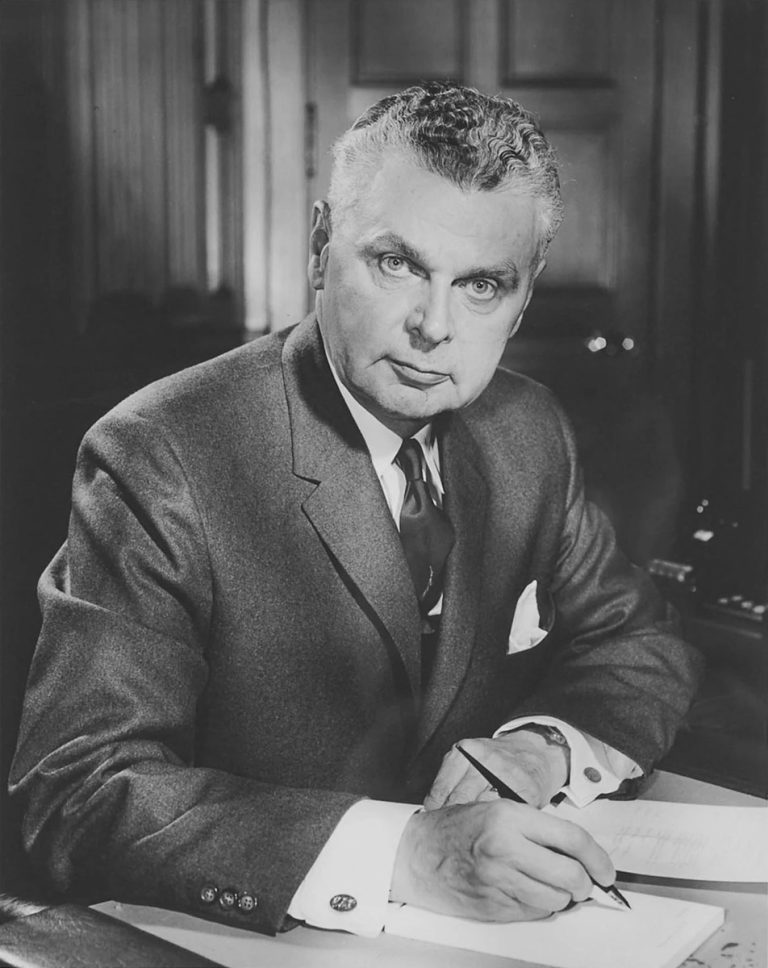
Sir Richard William Scott (Library and Archives Canada).
CA-K620Institutions

Sir Richard Scott and the Separate School Act of 1863

Richard William Scott of Prescott, an Ottawa lawyer, sponsored the Separate School Act of 1863 in the legislature of the Province of Canada. Appointed to the Senate in 1874, he was Secretary of State under Mackenzie, responsible for the Canada Temperance Act of 1878, and again under Laurier, and led the Liberals in the Senate.

Factual accuracy review: No recorded challenge

Contributor: Citizen.ca

Verified against cited sourcesVerified on 2026-10-26↗
Photo: Unknown author · Photo licence: Public domain · Credit & context
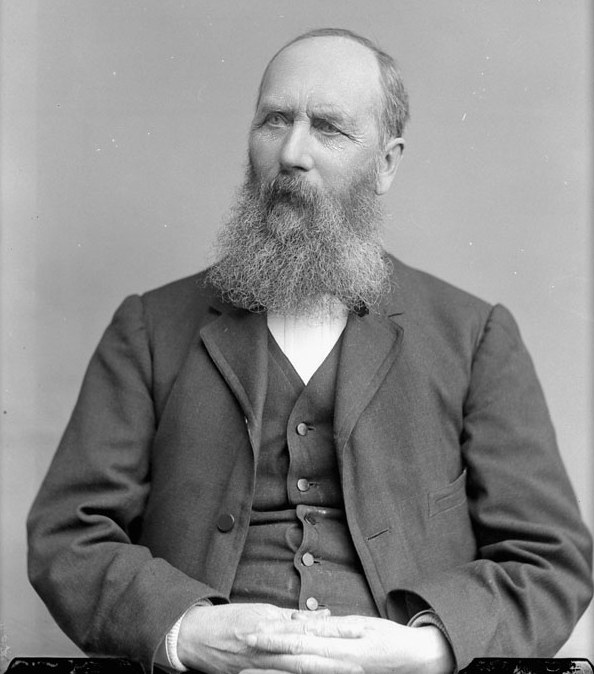
Prime Minister John G. Diefenbaker, 1957 (Gar Lunney).
CA-K616Institutions

John Diefenbaker, 13th prime minister

John Diefenbaker, a charismatic orator raised in Saskatchewan, was a defence lawyer and MP for some 40 years and Canada’s 13th prime minister from 1957 to 1963. He revived the Progressive Conservative Party, winning a landslide in 1958, and his government extended social programs, promoted Northern development and championed human rights at home and abroad.

Factual accuracy review: No recorded challenge

Contributor: Citizen.ca

Verified against cited sourcesVerified on 2026-10-26↗
Photo: Gar Lunney · Photo licence: Public domain · Credit & context
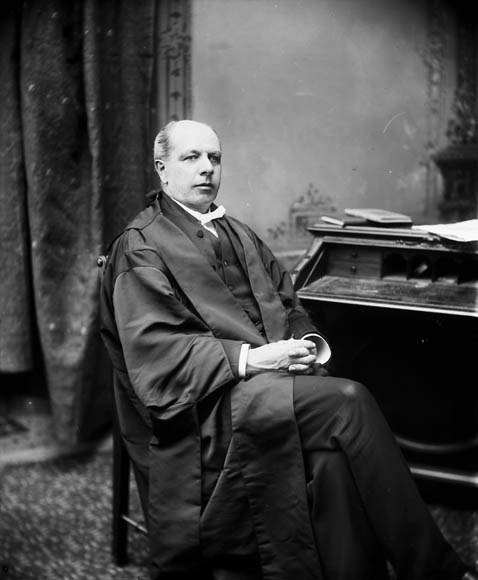
John George Bourinot, 1888 (Topley Studio).
CA-K613Institutions

Sir John Bourinot, Clerk of the House of Commons

John George Bourinot of Sydney, Nova Scotia, a journalist and legislative reporter, joined Parliament’s staff in Ottawa in 1868 and was Clerk of the House of Commons from 1880 to 1902, a recognized authority on parliamentary procedure. A founding member of the Royal Society of Canada, he wrote widely on history and the constitution.

Factual accuracy review: No recorded challenge

Contributor: Citizen.ca

Verified against cited sourcesVerified on 2026-10-26↗
Photo: William James Topley · Photo licence: Public domain · Credit & context
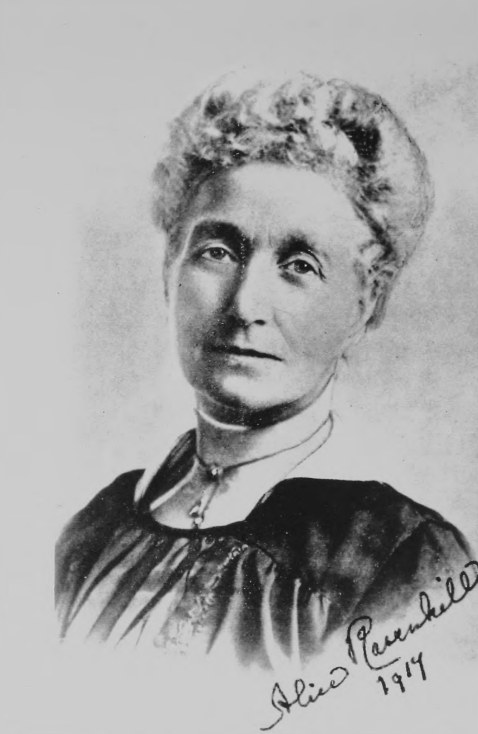
Alice Ravenhill in 1917.
CA-K610Institutions

Alice Ravenhill, educator and reformer

Alice Ravenhill, an educator and social reformer prominent in public health and home economics in Britain, came to Canada in 1910 and worked with the University of British Columbia, Victoria College, the Women’s Institutes and the province on educational reform. Later she wrote a pioneering school text on Indigenous societies and founded a society to promote British Columbia Indigenous arts and crafts.

Factual accuracy review: No recorded challenge

Contributor: Citizen.ca

Verified against cited sourcesVerified on 2026-10-26↗
Photo: Unknown author · Photo licence: Public domain · Credit & context
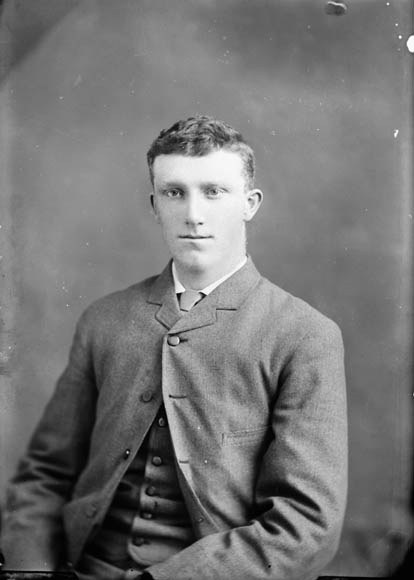
John Wesley Dafoe, April 1885 (Topley Studio).
CA-K609Culture & sport

John W. Dafoe of the Winnipeg Free Press

John Wesley Dafoe, one of Canada’s leading journalists, became editor-in-chief of the Manitoba Free Press in Winnipeg in 1901 and influenced Canadian opinion until his death. A Liberal who helped form the Union government in 1917, he championed an active Canadian role in world affairs and served on the Rowell-Sirois Commission from 1937 to 1939.

Factual accuracy review: No recorded challenge

Contributor: Citizen.ca

Verified against cited sourcesVerified on 2026-10-26↗
Photo: Topley Studio · Photo licence: Public domain · Credit & context
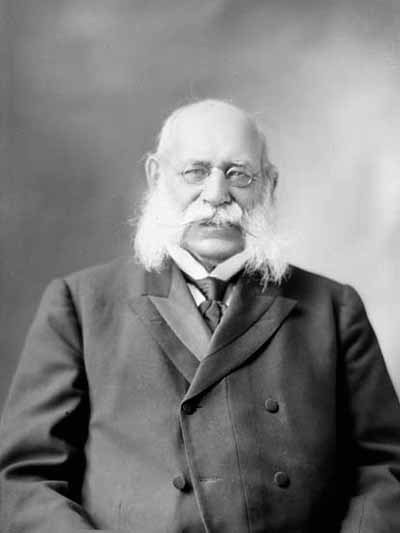
Sir Richard John Cartwright, December 1908 (Topley Studio).
CA-K606Institutions

Sir Richard Cartwright, Liberal finance minister

Richard John Cartwright of Kingston, grandson of a Loyalist merchant, sat in the House of Commons as a Liberal for 37 years. He was Minister of Finance under Mackenzie (1873–1878) and Minister of Trade and Commerce under Laurier (1896–1904), and as a free trader he designed the Liberals’ 1891 policy of unrestricted reciprocity with the United States.

Factual accuracy review: No recorded challenge

Contributor: Citizen.ca

Verified against cited sourcesVerified on 2026-10-26↗
Photo: William James Topley · Photo licence: Public domain · Credit & context
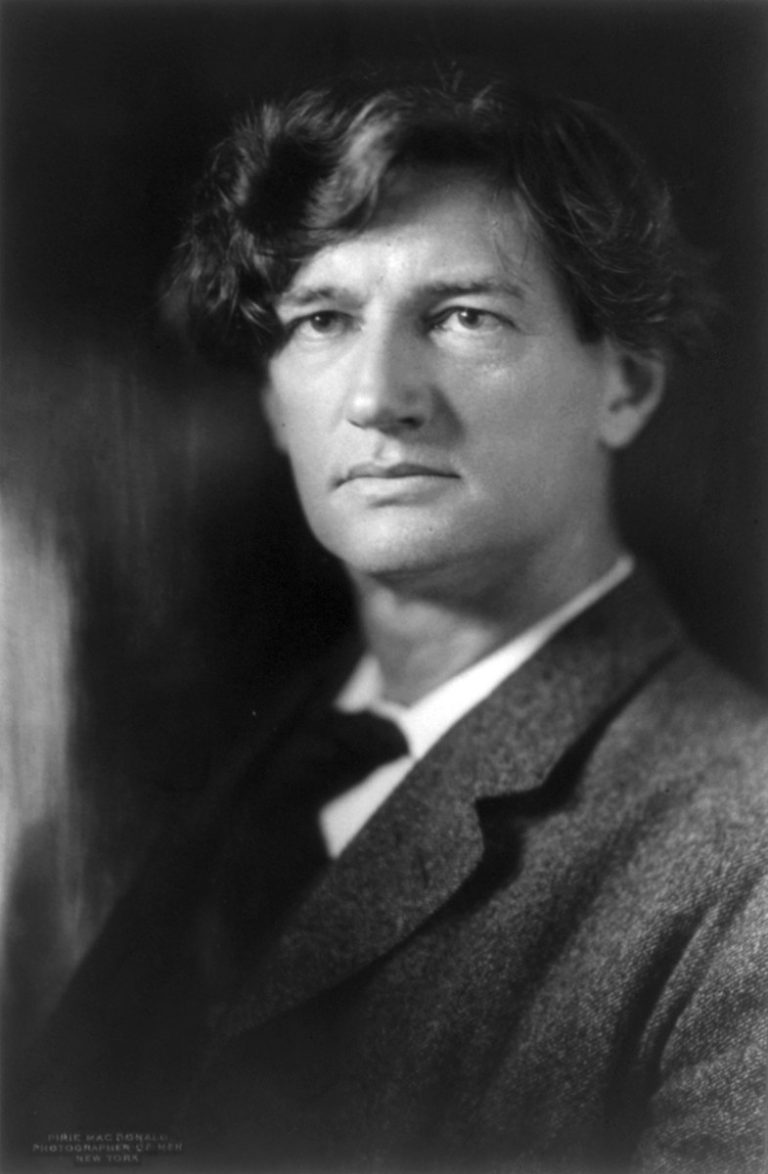
Bliss Carman, 1903 (Pirie MacDonald, Library of Congress).
CA-K605Culture & sport

Bliss Carman, poet of the Confederation group

Bliss Carman, born in Fredericton, wrote lyrical, mystical poetry reflecting his love of nature and the Maritimes. As a literary editor in New York and Boston he promoted many Canadian authors, and as a member of the Confederation group of poets he was one of Canada’s most recognized poets at home and abroad.

Factual accuracy review: No recorded challenge

Contributor: Citizen.ca

Verified against cited sourcesVerified on 2026-10-26↗
Photo: Pirie MacDonald · Photo licence: Public domain · Credit & context
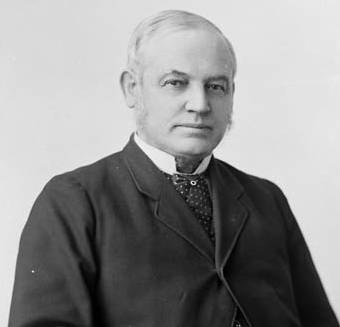
John Carling, Minister of Agriculture, December 1885 (Topley Studio).
CA-K604Economy & trade

Sir John Carling and the Experimental Farms

John Carling of London, Ontario, succeeded his father as president of Carling Brewing and Malting and sat as a Conservative in the provincial and federal legislatures for decades. His most significant contribution came as federal Minister of Agriculture from 1885 to 1892, when he founded the system of Dominion Experimental Farms.

Factual accuracy review: No recorded challenge

Contributor: Citizen.ca

Verified against cited sourcesVerified on 2026-10-26↗
Photo: William James Topley · Photo licence: Public domain · Credit & context
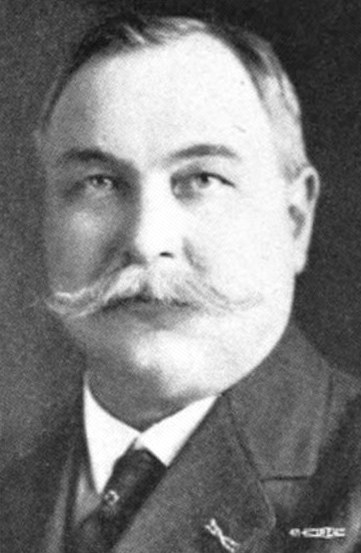
Gustave Francq, portrait published in 1924.
CA-K601Economy & trade

Gustave Francq, labour leader

Gustave Francq, a typographer and journalist, was a key figure of international unionism in Quebec and Canada, campaigning for a minimum wage for women, better workers’ compensation and free compulsory education. In 1916 he founded Le Monde ouvrier/The Labor World, which became the official newspaper of the Quebec Federation of Labour.

Factual accuracy review: No recorded challenge

Contributor: Citizen.ca

Verified against cited sourcesVerified on 2026-10-26↗
Photo: Unknown author · Photo licence: Public domain · Credit & context
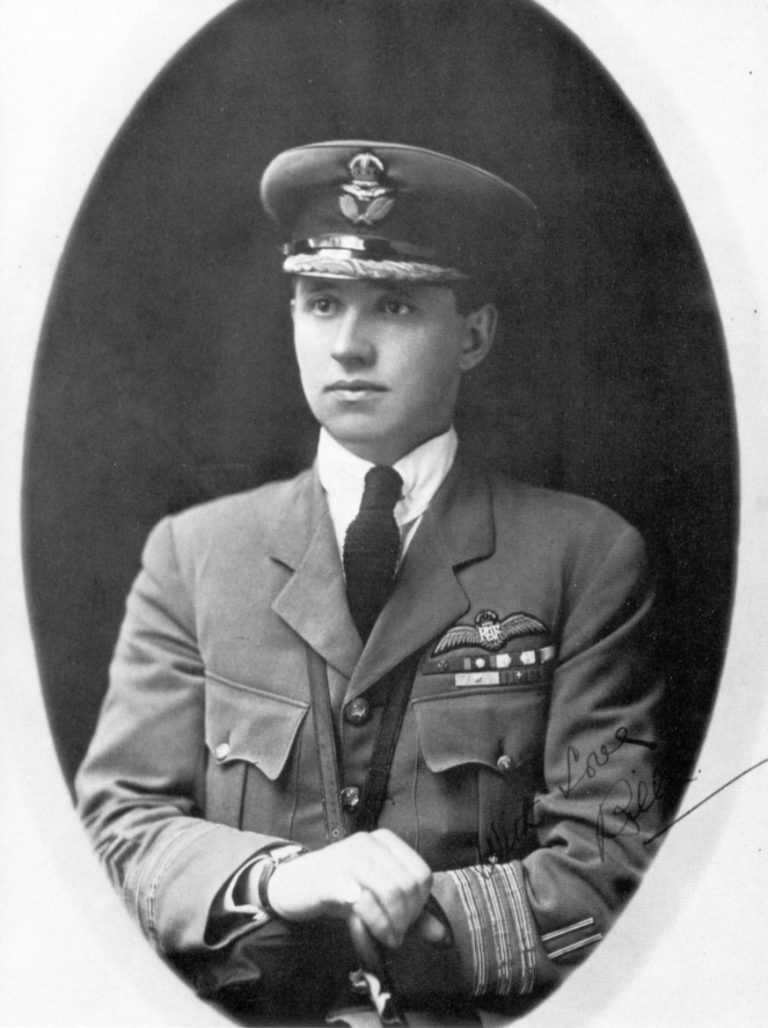
Lieutenant-Colonel William George Barker, VC, 1918–1919.
CA-K595History

Billy Barker, VC, air ace

William “Billy” Barker of Dauphin, Manitoba, joined the Canadian Expeditionary Force in 1914 and later the Royal Flying Corps, becoming one of the great air aces of the First World War. He downed 50 enemy aircraft, was the leading fighter pilot on the Italian front, and with the Victoria Cross and eight other gallantry medals is one of Canada’s most decorated servicemen.

Factual accuracy review: No recorded challenge

Contributor: Citizen.ca

Verified against cited sourcesVerified on 2026-10-26↗
Photo: not identified · Photo licence: Public domain · Credit & context
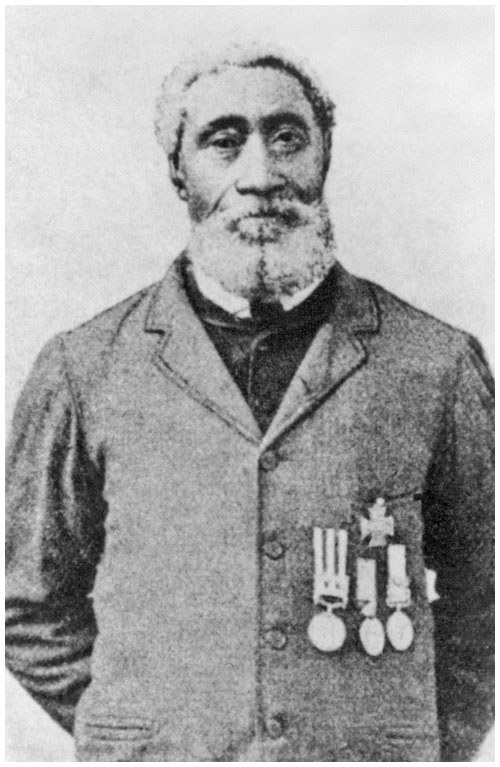
William Hall, VC, photographed after 1857 (Nova Scotia Museum).
CA-K593History

William Hall, first Black recipient of the Victoria Cross

William Neilson Hall of Hantsport, Nova Scotia, serving with the Royal Navy in India in 1857, became the first person of African descent and the first Nova Scotian awarded the Victoria Cross. He became a source of pride for Black Canadians.

Factual accuracy review: No recorded challenge

Contributor: Citizen.ca

Verified against cited sourcesVerified on 2026-10-26↗
Photo: Unknown photographer · Photo licence: Public domain · Credit & context
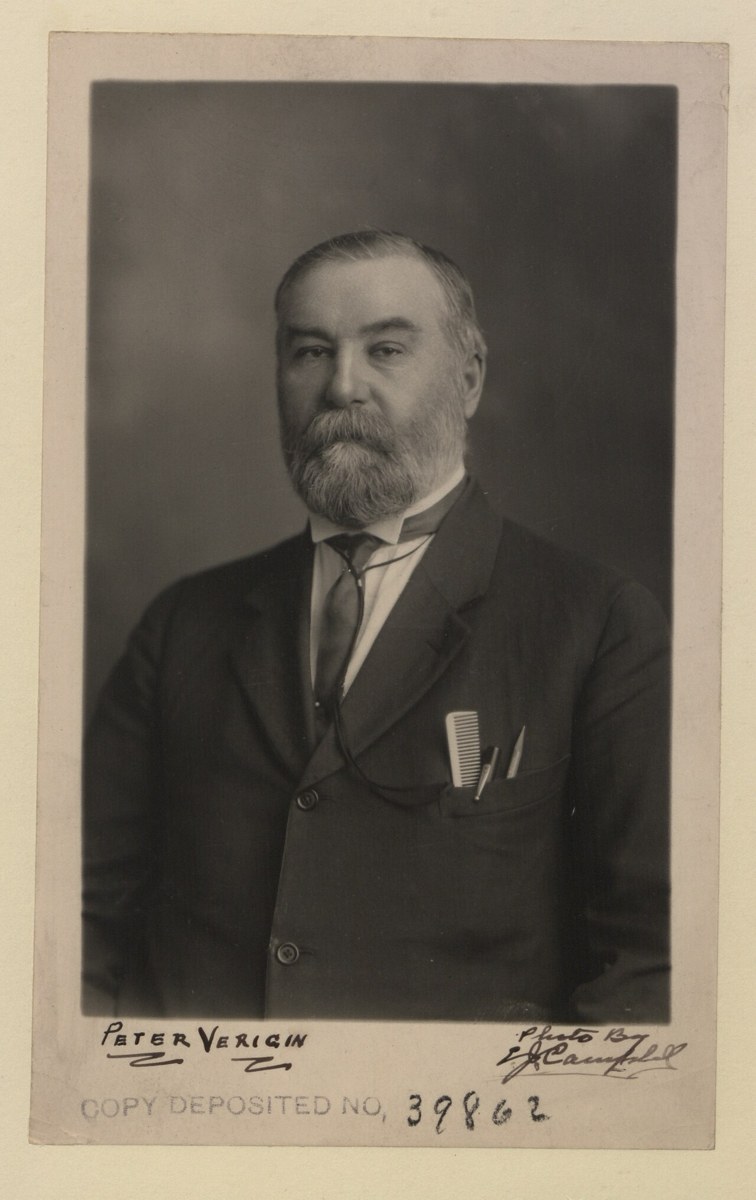
Peter Verigin, 1922.
CA-K590History

Peter Verigin and the Doukhobors

Peter Verigin, known to his followers as “Lordly”, developed a Christian communalism rooted in Doukhobor teachings and, with Leo Tolstoy’s support, organized Doukhobor immigration to Canada in 1898–1899. He built communal villages on the Prairies and later led his followers’ mass migration to British Columbia.

Factual accuracy review: No recorded challenge

Contributor: Citizen.ca

Verified against cited sourcesVerified on 2026-10-26↗
Photo: E.J. Campbell · Photo licence: Public domain · Credit & context
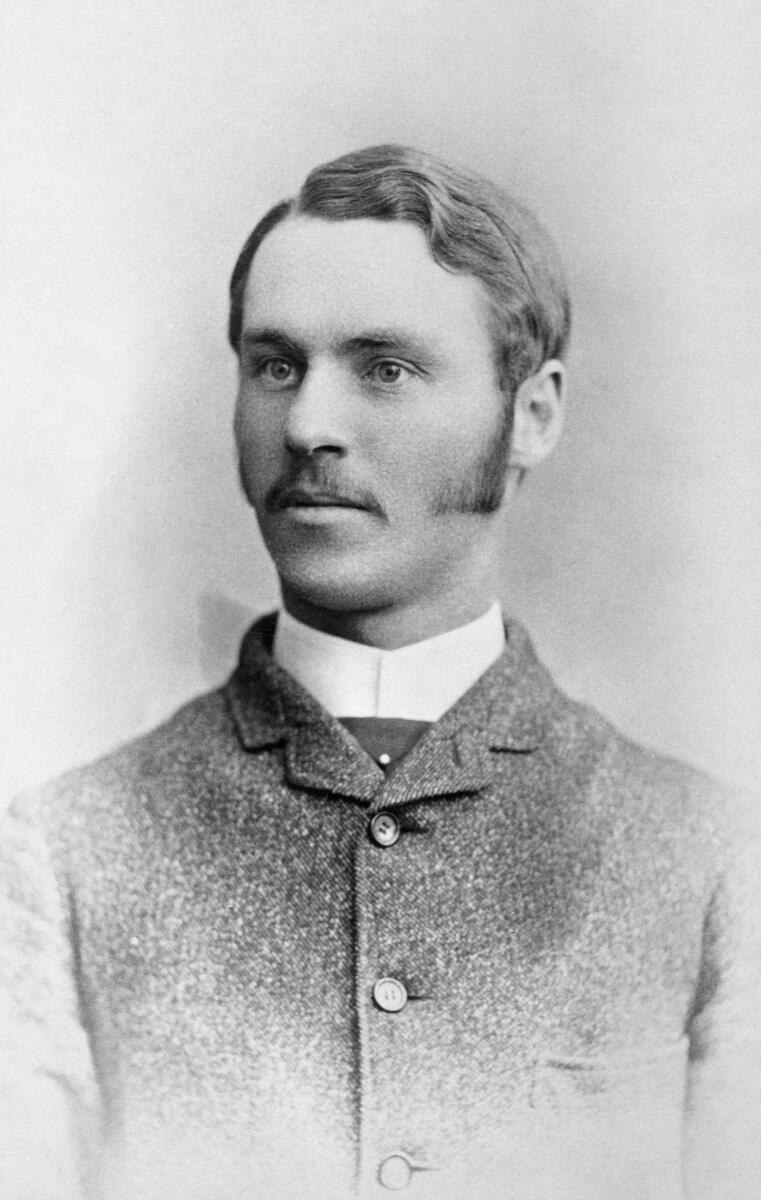
Frederick W. G. Haultain, May 1884 (Glenbow Archives).
CA-K589Institutions

Sir Frederick Haultain, premier of the North-West Territories

Frederick Haultain, a Fort Macleod lawyer, sat in the North-West Territories council and assembly from 1887 to 1905 and led the push for responsible government and provincial status. He was premier of the Territories from 1897 to 1905, then opposition leader in Saskatchewan and chief justice of Saskatchewan from 1912.

Factual accuracy review: No recorded challenge

Contributor: Citizen.ca

Verified against cited sourcesVerified on 2026-10-26↗
Photo: Sproule, G. B. · Photo licence: Public domain · Credit & context
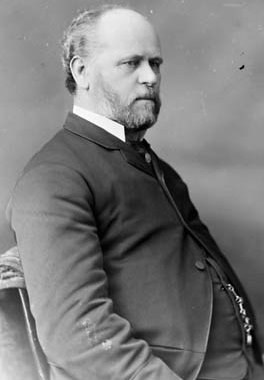
Peter Mitchell, April 1883 (Topley Studio).
CA-K587History

Peter Mitchell, New Brunswick Father of Confederation

Peter Mitchell of Newcastle, New Brunswick, attended the Charlottetown, Québec and London conferences and, as premier in 1866–1867, negotiated New Brunswick’s entry into Confederation. He was Canada’s first Minister of Marine and Fisheries from 1867 to 1873 and later owned the Montreal Herald.

Factual accuracy review: No recorded challenge

Contributor: Citizen.ca

Verified against cited sourcesVerified on 2026-10-26↗
Photo: William James Topley · Photo licence: Public domain · Credit & context
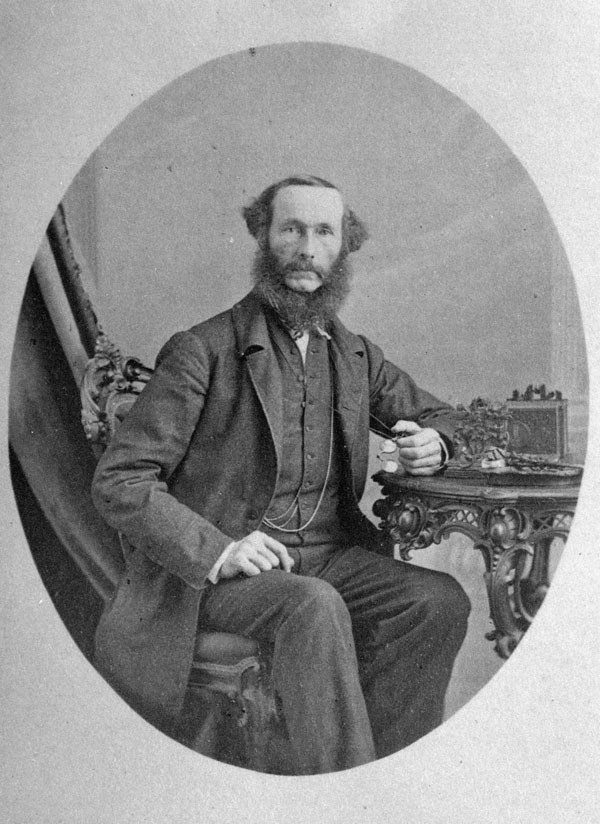
John Hamilton Gray (William Notman, Library and Archives Canada).
CA-K586History

John Hamilton Gray, who chaired the Charlottetown Conference

John Hamilton Gray of Charlottetown served in the British cavalry before becoming premier of Prince Edward Island from 1863 to 1865. An ardent supporter of Confederation, he presided over the Charlottetown Conference and attended the Québec Conference; when the Island rejected the Québec Resolutions he returned to military life.

Factual accuracy review: No recorded challenge

Contributor: Citizen.ca

Verified against cited sourcesVerified on 2026-10-26↗
Photo: William Notman · Photo licence: Public domain · Credit & context
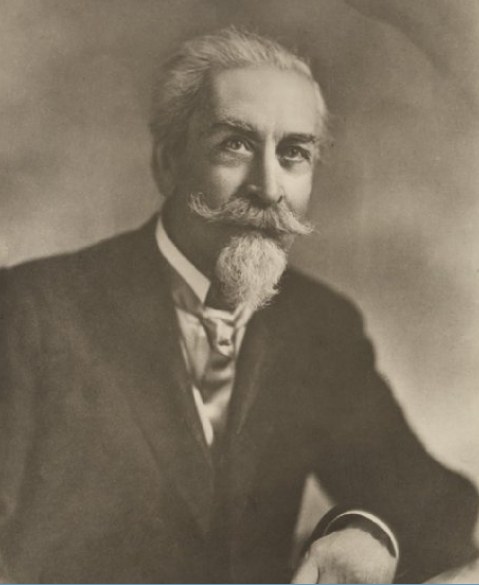
Benjamin Sulte (BAnQ).
CA-K585Culture & sport

Benjamin Sulte, historian of French Canada

Benjamin Sulte of Trois-Rivières, a public servant in the Department of Militia, devoted himself to history, publishing works such as Histoire des Canadiens-français and La Bataille de Châteauguay. A founding member of the Royal Society of Canada in 1882, he became its president in 1904.

Factual accuracy review: No recorded challenge

Contributor: Citizen.ca

Verified against cited sourcesVerified on 2026-10-26↗
Photo: Unknown author · Photo licence: Public domain · Credit & context
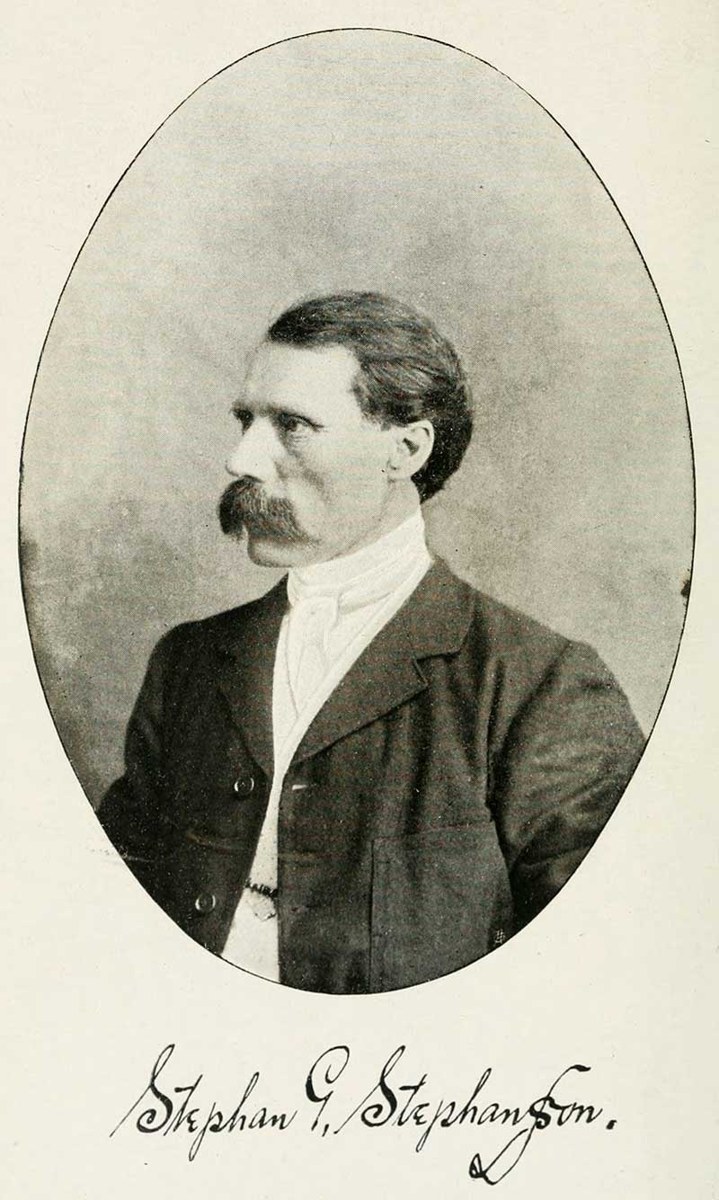
Stephan G. Stephansson, before 1909.
CA-K583Culture & sport

Stephan G. Stephansson, Icelandic poet of Alberta

Stephan G. Stephansson, born in Iceland, settled near Markerville, Alberta, in 1889 after living in the United States. A pioneer farmer and self-taught scholar of Scandinavian literature, he published seven volumes of poetry from 1900 to 1920 and was ranked among the greatest Icelandic poets since the Middle Ages.

Factual accuracy review: No recorded challenge

Contributor: Citizen.ca

Verified against cited sourcesVerified on 2026-10-26↗
Photo: Unknown photographer · Photo licence: Public domain · Credit & context
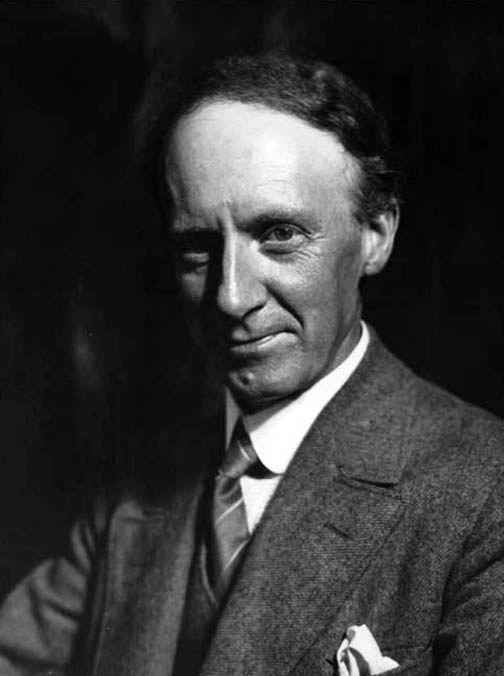
J. E. H. MacDonald (Archives of Ontario).
CA-K579Culture & sport

J. E. H. MacDonald, painter of the Group of Seven

J. E. H. MacDonald, painter, designer and poet, was a founding member of the Group of Seven and a key figure in creating a national style of landscape painting. A talented graphic designer of Canadian motifs, he painted southern Ontario farmland, Algoma’s autumn colours, Nova Scotia shores and the Rockies, and inspired students at the Ontario College of Art.

Factual accuracy review: No recorded challenge

Contributor: Citizen.ca

Verified against cited sourcesVerified on 2026-10-26↗
Photo: Unknown photographer; Archives of Ontario · Photo licence: Public domain · Credit & context
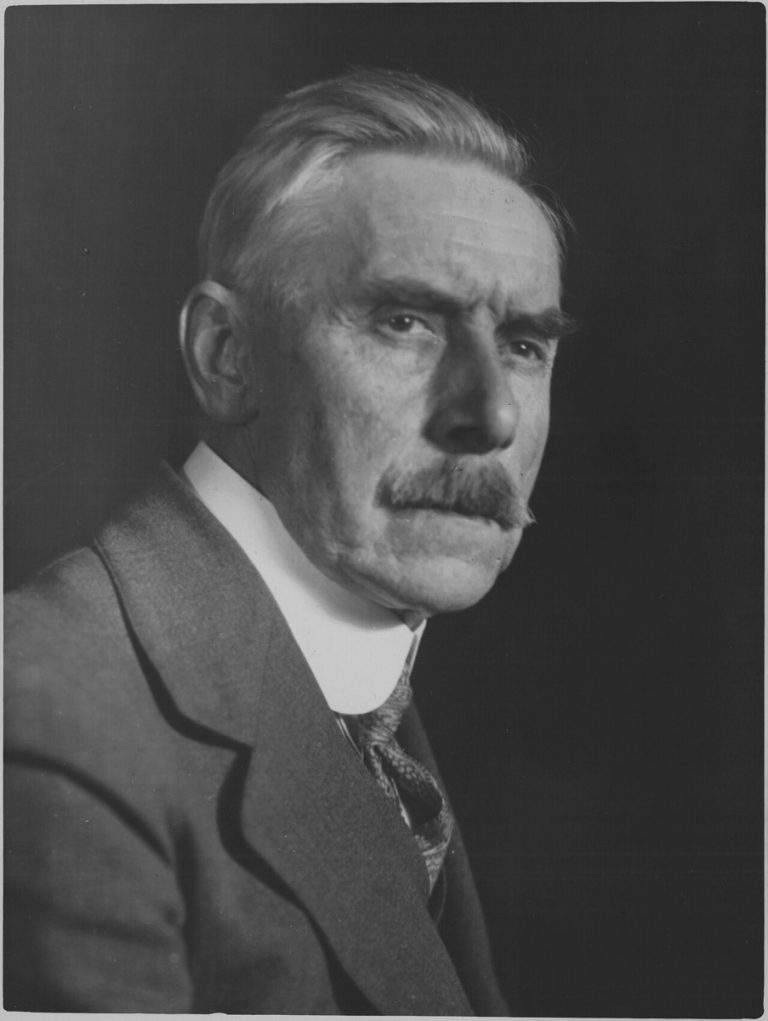
Charles William Jefferys, 1930 (M. O. Hammond, Archives of Ontario).
CA-K578Culture & sport

C. W. Jefferys, illustrator of Canadian history

Charles William Jefferys, who came to Canada from England in 1879, was a writer, artist and illustrator of historical novels and textbooks and taught drawing and painting at the University of Toronto from 1912 to 1939. He is best known for his carefully researched historical drawings, such as those in his three-volume Picture Gallery of Canadian History.

Factual accuracy review: No recorded challenge

Contributor: Citizen.ca

Verified against cited sourcesVerified on 2026-10-26↗
Photo: Melvin Ormond Hammond · Photo licence: Public domain · Credit & context