Jean Chrétien at the APEC meeting in Seattle, 1993
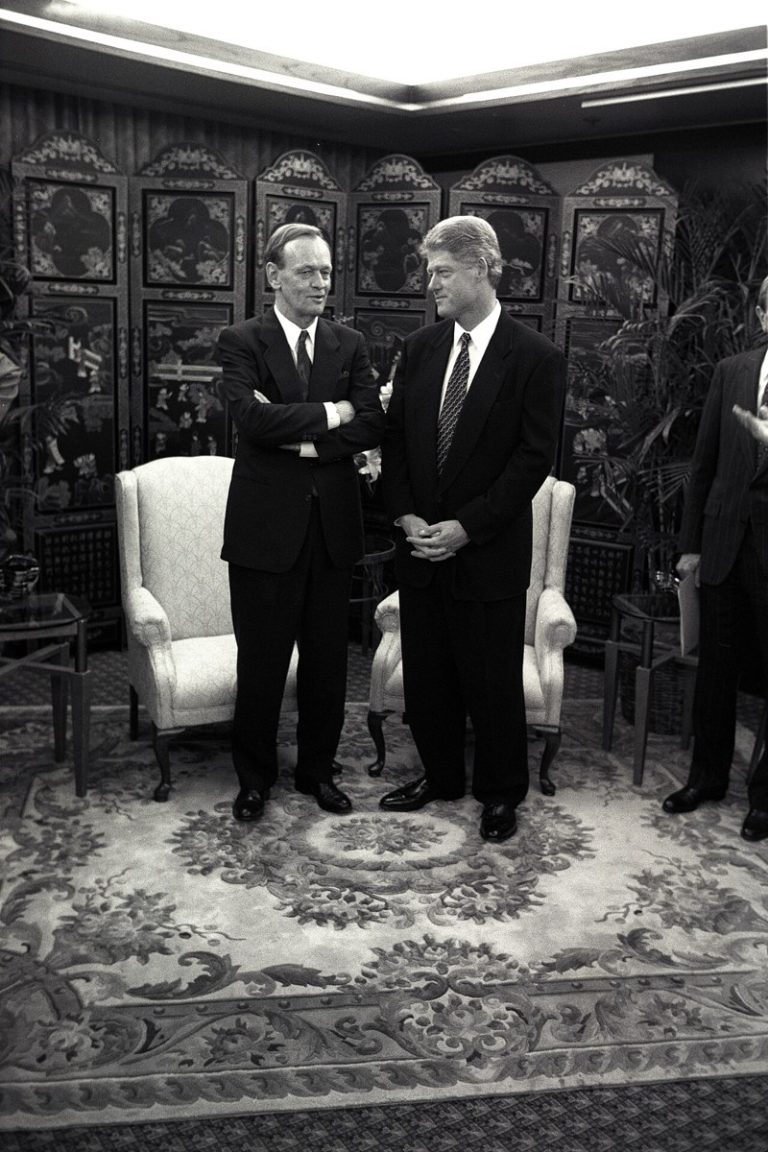
On November 19 and 20, 1993, Prime Minister Jean Chrétien attended the APEC meeting in Seattle.
Contributor: Citizen.ca
Photo: Ralph Alswang · Photo licence: Public domain · Credit & contextFocused and Verified

As explained in our Mission, Citizen.ca focuses on knowledge closely connected to Canadian identity and Canadian spirit, rather than every fact about Canada. Some topics will therefore be absent. If you believe a missing topic belongs within this focus, please contact us.
The groups below show how published records are distributed and offer a convenient way to browse. Counts include distinct records assigned to each group or its narrower keywords. A record may appear in more than one group.
For a more specific search, use the keyword search below. Choose one keyword, or combine two with AND to require both or OR to include either.
671 records
981 records
407 records
80 records
Browse all →216 records
201 records
804 records
793 records
Browse all →Choose one keyword, or combine two. Broader keywords include their descendants.

On November 19 and 20, 1993, Prime Minister Jean Chrétien attended the APEC meeting in Seattle.
Contributor: Citizen.ca
Photo: Ralph Alswang · Photo licence: Public domain · Credit & context
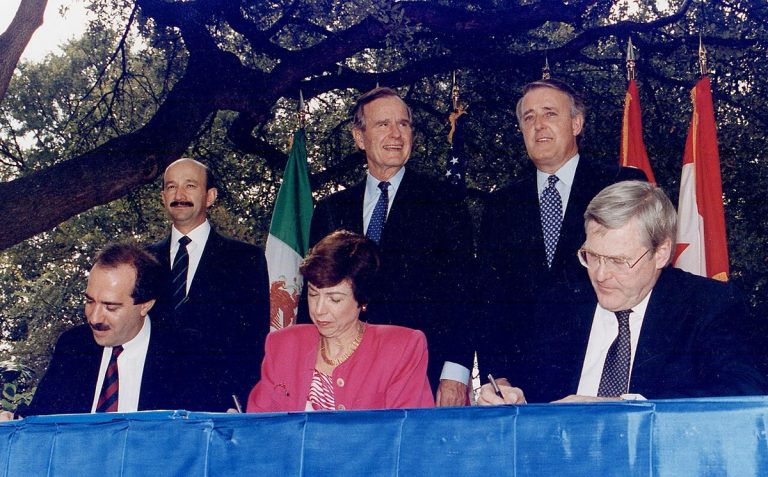
On October 7, 1992, Prime Minister Brian Mulroney attended the initialling of the North American Free Trade Agreement in San Antonio, Texas.
Contributor: Citizen.ca
Photo: David Valdez · Photo licence: Public domain · Credit & context
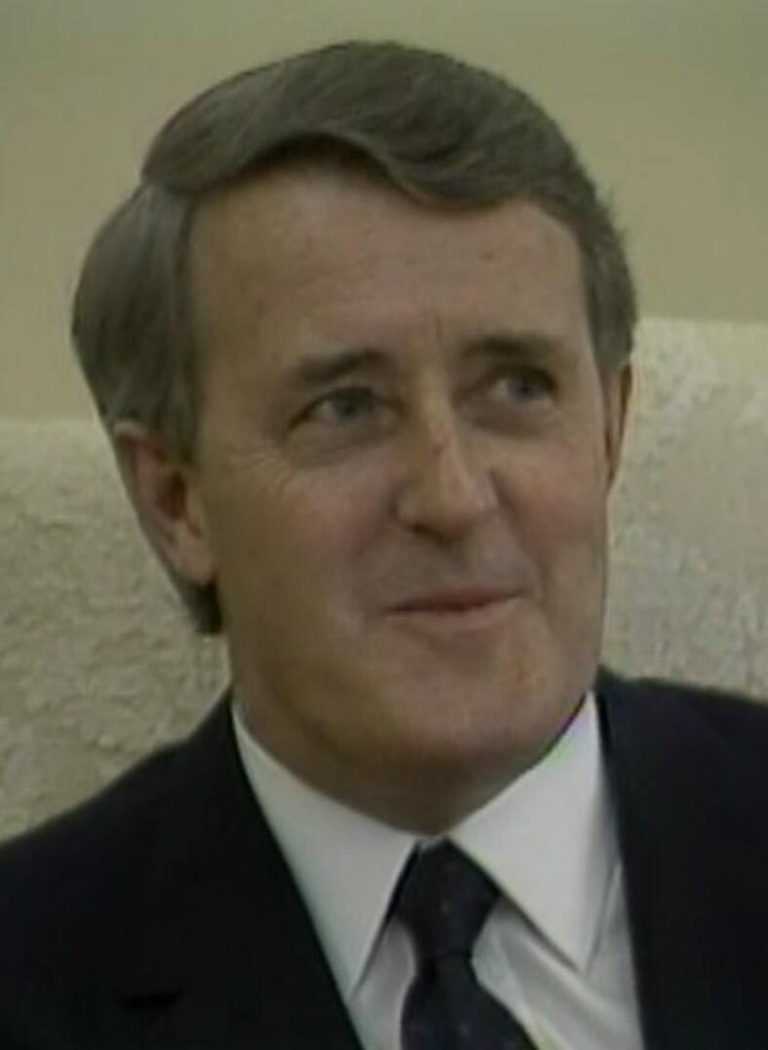
Prime Minister Brian Mulroney made an official visit to the United States from March 17 to 20, 1986.
Contributor: Citizen.ca
Photo: White House Television Office (Reagan Administration) · Photo licence: Public domain · Credit & context
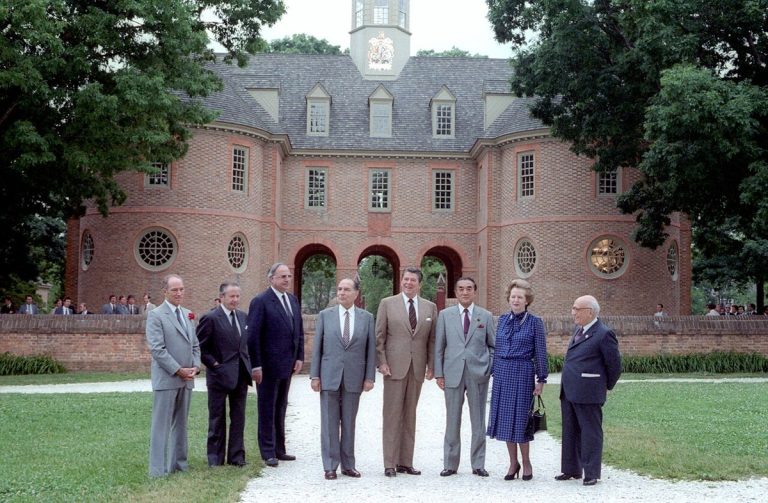
From May 28 to 31, 1983, Prime Minister Pierre Elliott Trudeau attended the Economic Summit Meeting in Williamsburg, Virginia.
Contributor: Citizen.ca
Photo: President (1981-1989 : Reagan). White House Photographic Office. 1981-1989 · Photo licence: Public domain · Credit & context
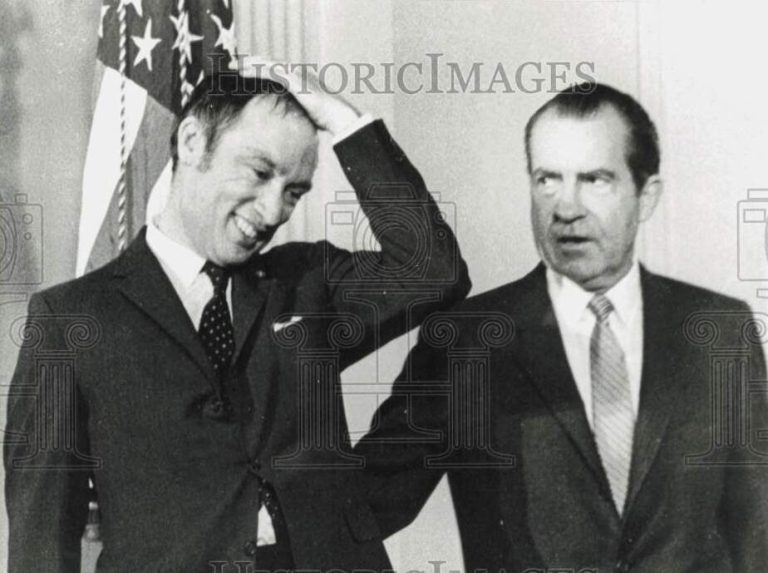
Prime Minister Pierre Elliott Trudeau made an official visit to the United States on March 24 and 25, 1969.
Contributor: Citizen.ca
Photo: United Press International · Photo licence: Public domain · Credit & context
On September 16, 1964, Prime Minister Lester B. Pearson made ceremonial visits to Great Falls, Montana, and Blaine, Washington.
Contributor: Citizen.ca
Photo: Unknown / Canada Dept. of Transport · Photo licence: Public domain · Credit & context
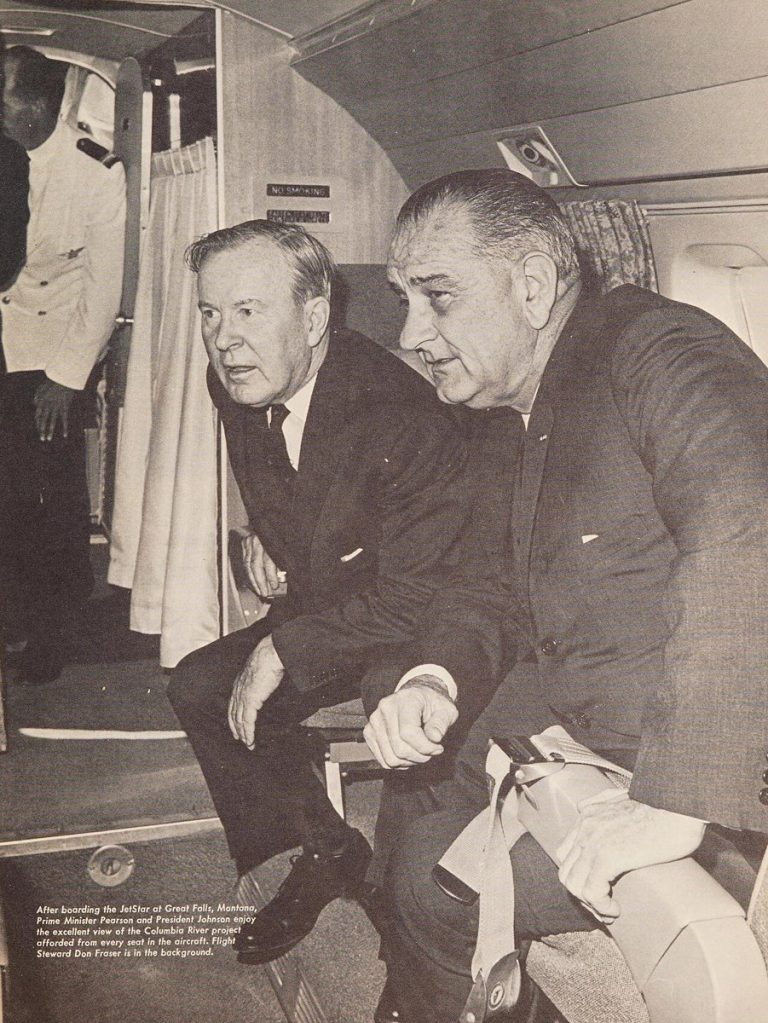
On a visit to the United States on January 16 and 17, 1961, Prime Minister John Diefenbaker signed the Treaty on Cooperative Development of the Water Resources of the Columbia River Basin.
Contributor: Citizen.ca
Photo: White House Photo Office · Photo licence: Public domain · Credit & context
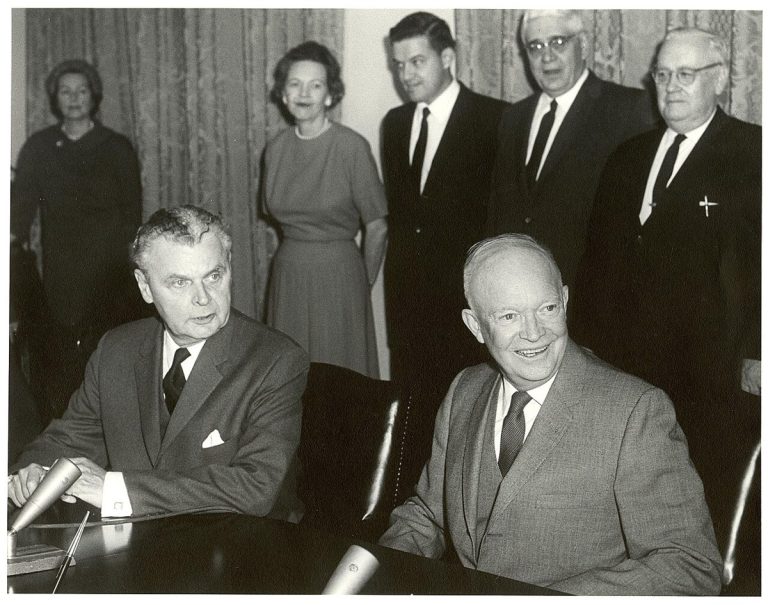
From November 10 to 15, 1945, Prime Minister Mackenzie King took part in informal discussions in the United States on the international control of atomic energy.
Contributor: Citizen.ca
Photo: Attributed to Harris & Ewing · Photo licence: Public domain · Credit & context
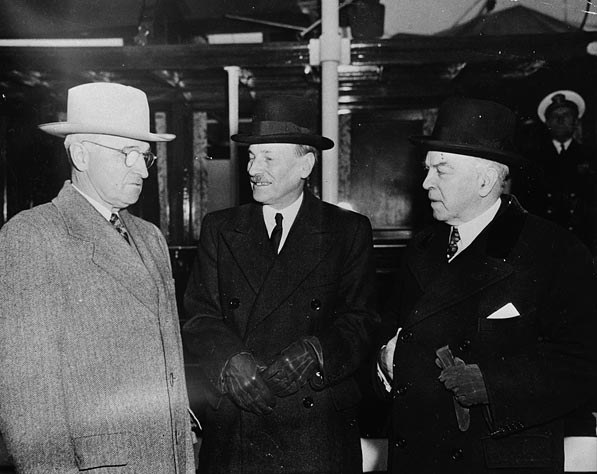
In 1945, Prime Minister Mackenzie King led the Canadian delegation to the United Nations Conference in San Francisco, which ran from April 25 to June 26.
Contributor: Citizen.ca
Photo: Nicholas Morant / National Film Board of Canada. Phototheque / Library and Archives Canada / C-022717 · Photo licence: Public domain · Credit & context
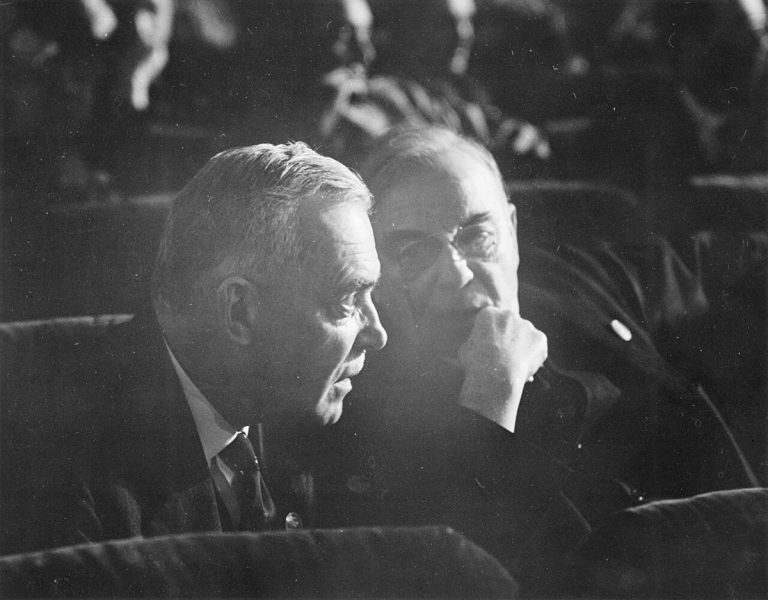
Prime Minister William Lyon Mackenzie King was President Franklin D. Roosevelt’s guest from March 5 to 11, 1937. He then continued his U.S. visit in Virginia Beach, departing the United States on March 20.
Contributor: Citizen.ca
Photo: Harris & Ewing, photographer · Photo licence: Public domain · Credit & context
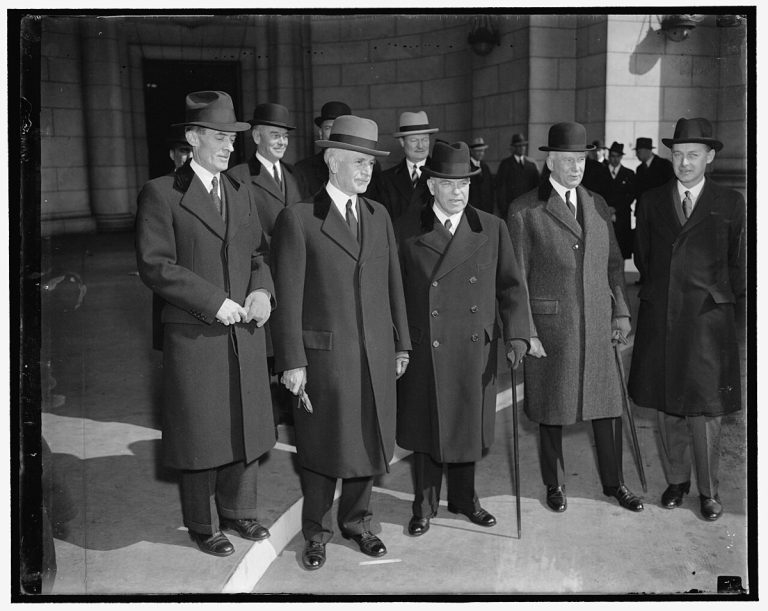
From April 24 to 28, 1933, Prime Minister R.B. Bennett visited the United States for multilateral economic talks held before the World Monetary and Economic Conference.
Contributor: Citizen.ca
Photo: Harris & Ewing · Photo licence: Public domain · Credit & context
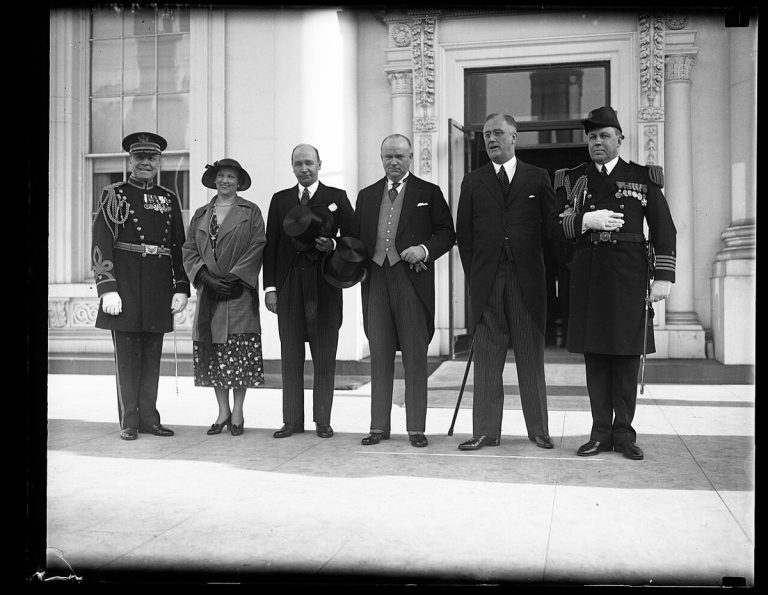
Bruce Peninsula National Park, established in 1987, is the core protected area of the UNESCO Niagara Escarpment World Biosphere Reserve and holds the longest stretch of undeveloped Niagara Escarpment and Lake Huron shoreline. Its dolomite bedrock, lakes and mixed forest form a mosaic of habitats, including globally rare alvars.
Contributor: Citizen.ca
Photo: Dunmaghlas · Photo licence: CC BY-SA 4.0 · Credit & context
Ivvavik National Park, in the far northwest of Yukon above the Arctic Circle, takes its name from the Inuvialuktun word for “a place for giving birth, a nursery.” It was the first national park in Canada created through an Indigenous land claim agreement, the Inuvialuit Final Agreement of 1984, and it protects part of the calving grounds of the Porcupine caribou herd.
Contributor: Citizen.ca
Photo: Daniel Case · Photo licence: CC BY-SA 3.0 · Credit & context
John Murray Gibbon, born in Ceylon and educated in Scotland and Germany, turned from painting to journalism. As the Canadian Pacific Railway’s publicity agent from 1913 to 1945, he combined advertising with promoting a Canadian identity and popularized the image of Canadian society as a mosaic. He organized folk festivals, helped start the Trail Riders of the Canadian Rockies at Banff, and in 1921 helped found the Canadian Authors’ Association.
Contributor: Citizen.ca
Photo: Olive Edis · Photo licence: Public domain · Credit & context
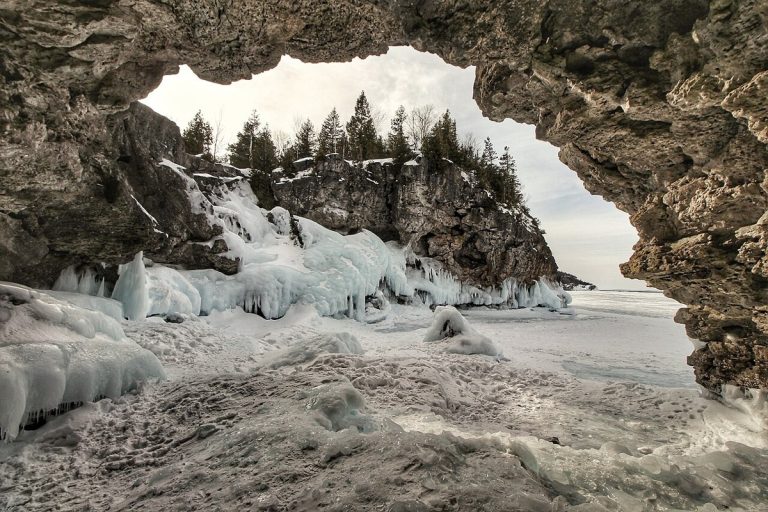
William Coaker founded the Fishermen’s Protective Union in 1908 to unite the fishers, sealers and loggers of rural Newfoundland under the motto “To Each His Own.” Under him the union set up trading stores, a newspaper and a political party that fought for social and economic reform, and founded Port Union as its headquarters in 1916. A member of several governments from 1917, he was a major force in Newfoundland politics until the mid-1920s.
Contributor: Citizen.ca
Photo: Richard Hibbs · Photo licence: Public domain · Credit & context
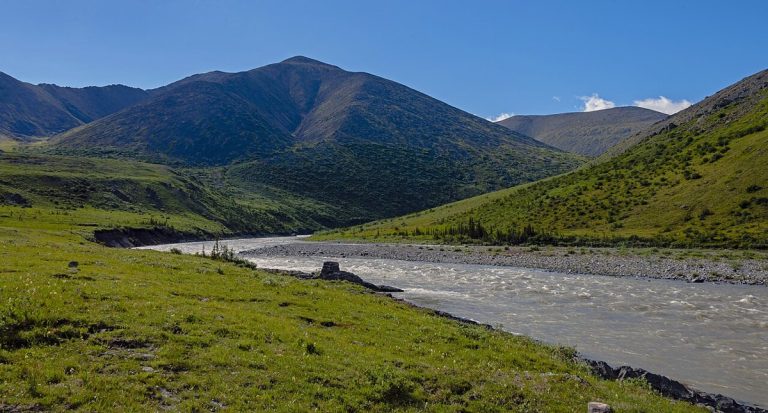
Abraham Albert Heaps, labour leader and politician, fought for workers and spoke for the Jewish community. One of the more moderate leaders of the 1919 Winnipeg General Strike, he pressed for workers’ rights while seeking a peaceful settlement. As MP for Winnipeg North (1925–40) he fought antisemitism, sought reform of immigration policy and the admission of Jewish refugees, and championed old age pensions and unemployment insurance.
Contributor: Citizen.ca
Photo: City of Winnipeg · Photo licence: Public domain · Credit & context
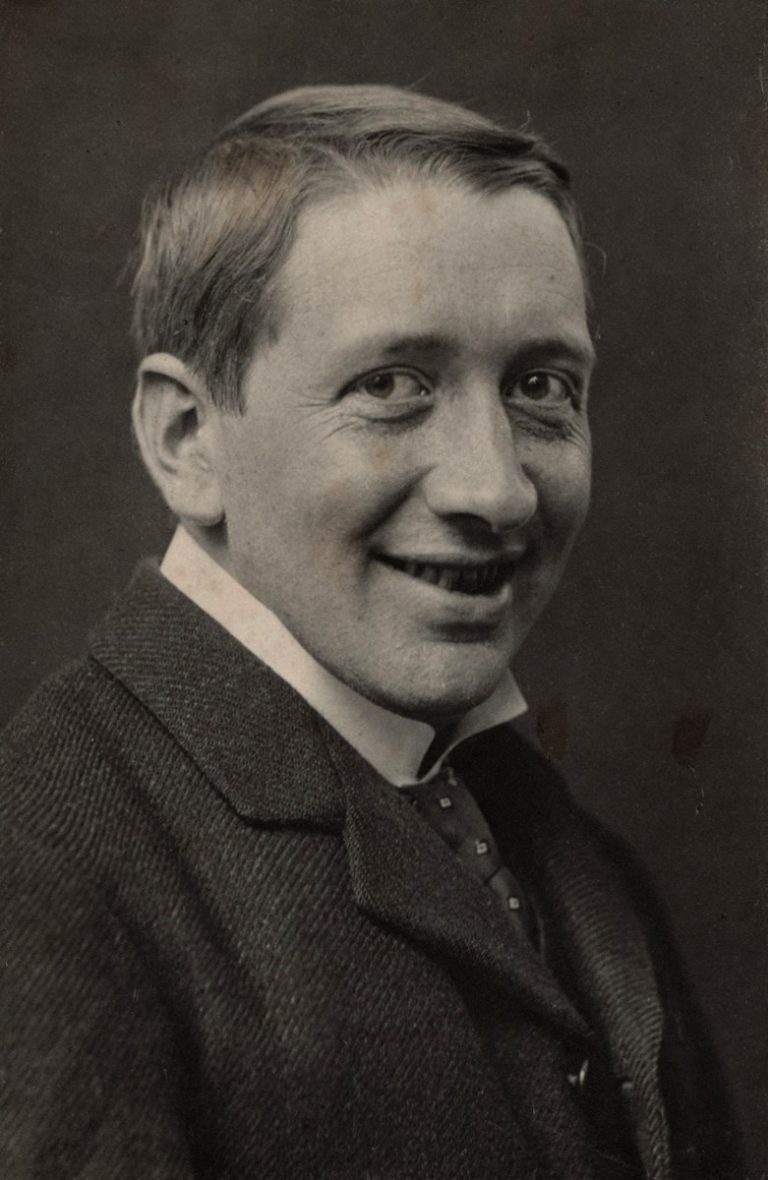
William Ogilvie of Ottawa became a Dominion Land Surveyor in 1872. He worked on the Canada–Alaska boundary survey and explored the Mackenzie River, contributing to mapping Canada’s northwest. He wrote The Klondike Official Guide (1898) and served as Commissioner of the Yukon from 1898 to 1901, during the Klondike Gold Rush.
Contributor: Citizen.ca
Photo: Unknown author · Photo licence: Public domain · Credit & context
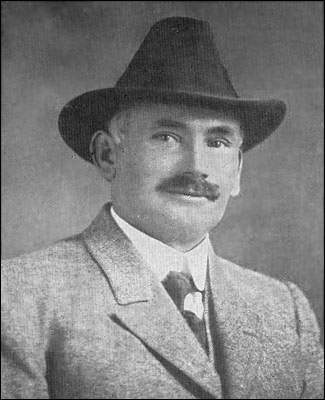
Horatio Walker, born at Listowel, Ontario, learned watercolour in Toronto and was largely self-taught. In 1883 he settled on Île d’Orléans, where for more than fifty years he painted rural life. Elected to the Royal Canadian Academy in 1918, he became its president in 1925. His traditional portrayals of people and animals won international acclaim and hang in major American galleries and the National Gallery of Canada.
Contributor: Citizen.ca
Photo: Melvin Ormond Hammond (1876 - 1934) · Photo licence: Public domain · Credit & context
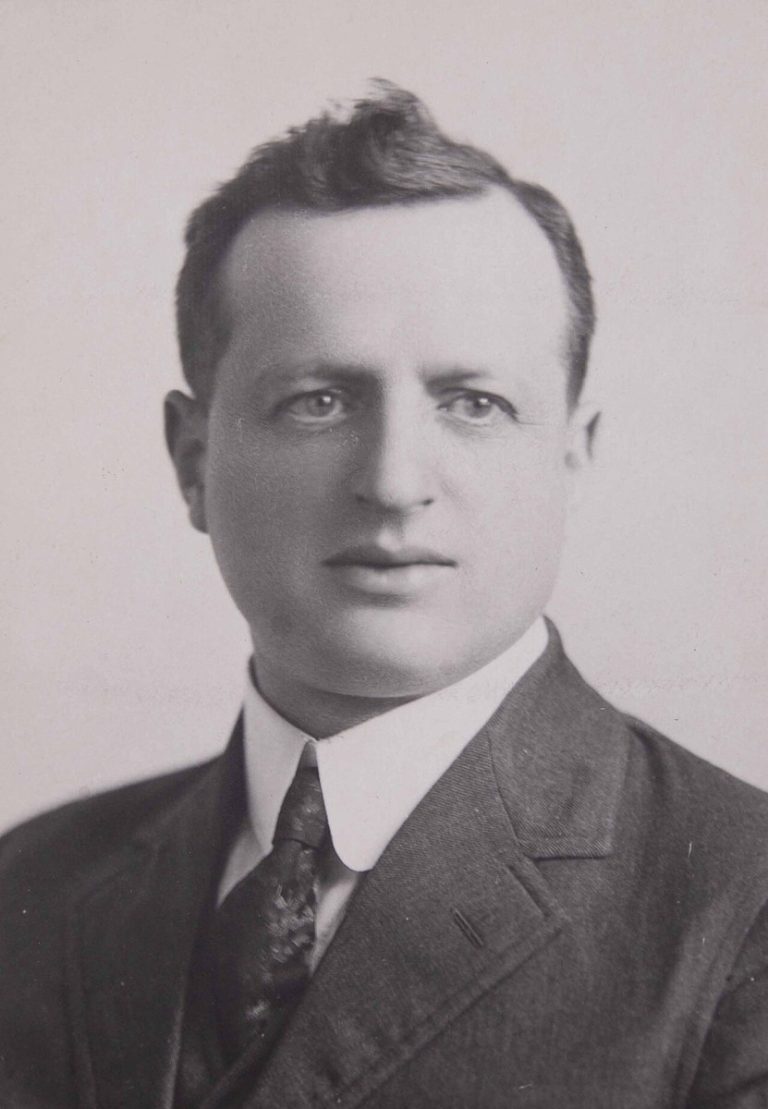
Henry Wise Wood, born in Missouri, settled in the Carstairs district of Alberta in 1905. He was president of the United Farmers of Alberta from 1916 to 1931, a founder of the prairie wheat pools and first chairman of the Alberta Wheat Pool (1923–37). An advocate of economic group government, he shaped agrarian political thought and helped the United Farmers win and hold power in Alberta from 1921 to 1935.
Contributor: Citizen.ca
Photo: Hess, A.L. · Photo licence: Public domain · Credit & context
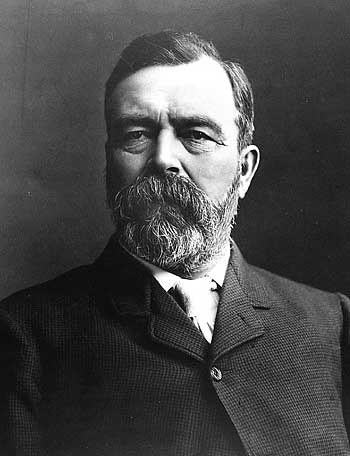
Father Henry Carr, a priest of the Congregation of St. Basil, promoted Catholic colleges within secular universities in Canada. In the early 1900s he modernized St. Michael’s College, turning it into a noted arts college federated with the University of Toronto, and later led similar Catholic colleges at the universities of Saskatchewan and British Columbia. In 1929 he co-founded what became the Pontifical Institute of Mediaeval Studies.
Contributor: Citizen.ca
Photo: Unknown author · Photo licence: Public domain · Credit & context
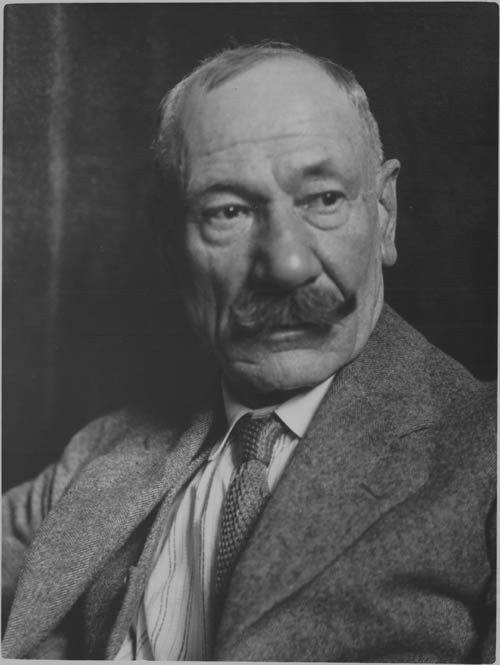
Harvey Reginald MacMillan, educated at Yale as one of Canada’s first professional foresters, became British Columbia’s Chief Forester in 1912. In 1919 he founded his own company to sell lumber abroad, taking part in a huge expansion of the industry, and its 1951 merger with Bloedel, Stewart and Welch created one of Canada’s largest forest companies. He was made a CBE for organizing forest production in both world wars.
Contributor: Citizen.ca
Photo: Don Coltman or Steffens Colmer · Photo licence: Public domain · Credit & context
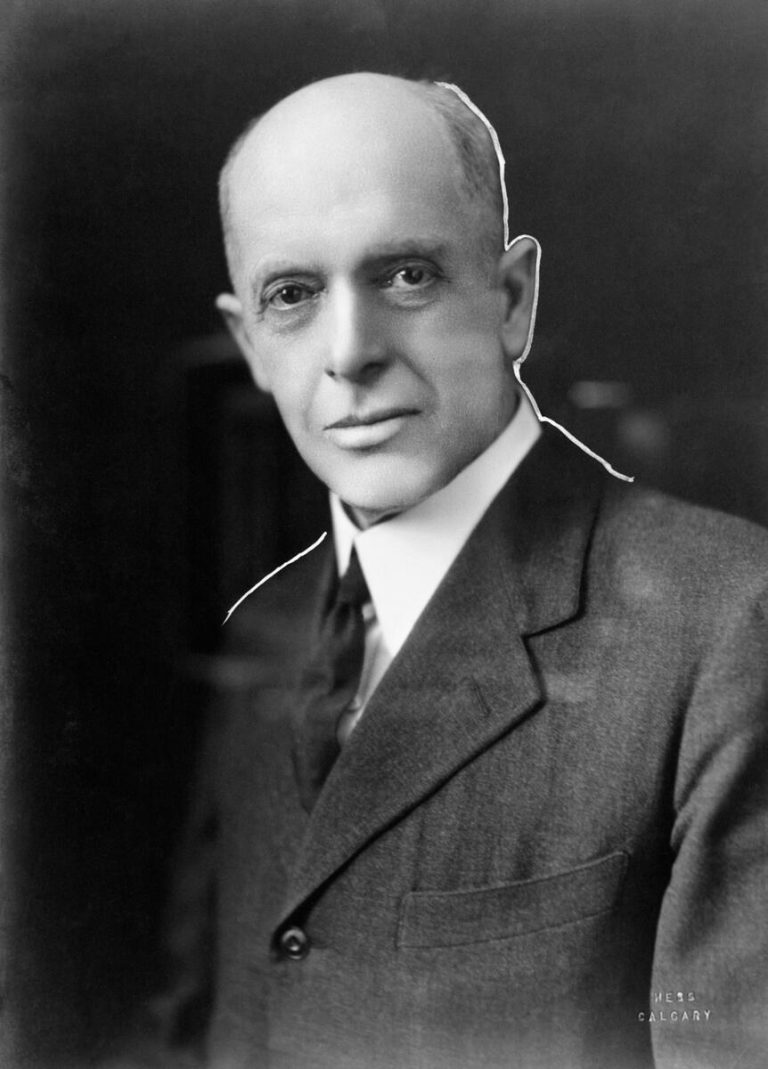
David Milne was one of the first Canadian artists to explore modernist styles and subjects, in paintings, watercolours and prints built on subtle arrangements of colour, space and line. He left Paisley, Ontario, for New York in 1903 and showed at the Armory Show in 1913, then became a Canadian war artist in the First World War. Returning to Ontario in 1929, he painted at Temagami, Palgrave, Six Mile Lake, Toronto, Uxbridge and Bancroft.
Contributor: Citizen.ca
Photo: Unknown author · Photo licence: Public domain · Credit & context
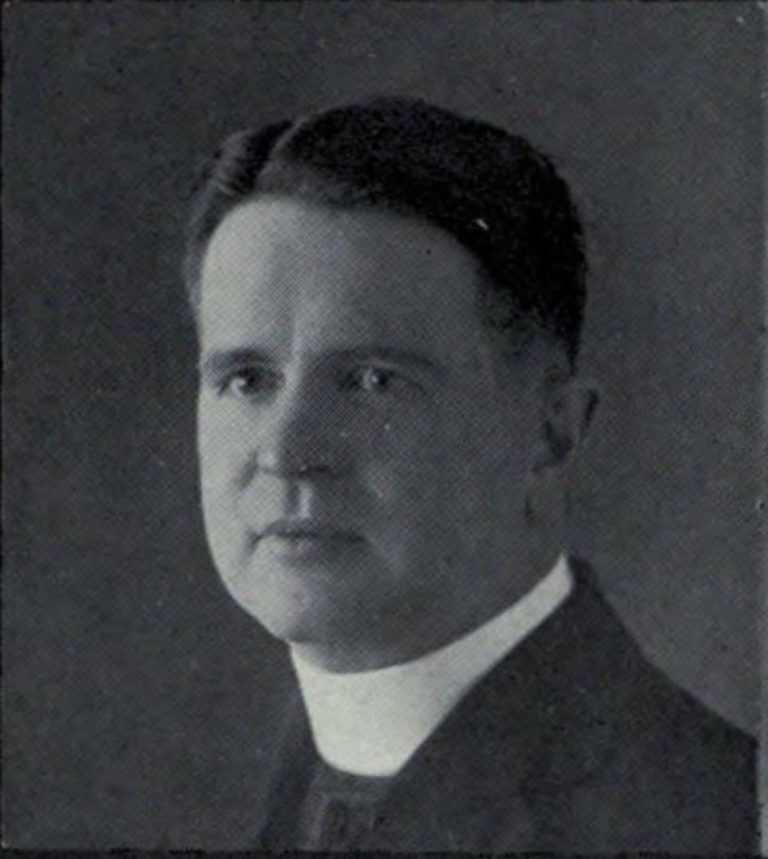
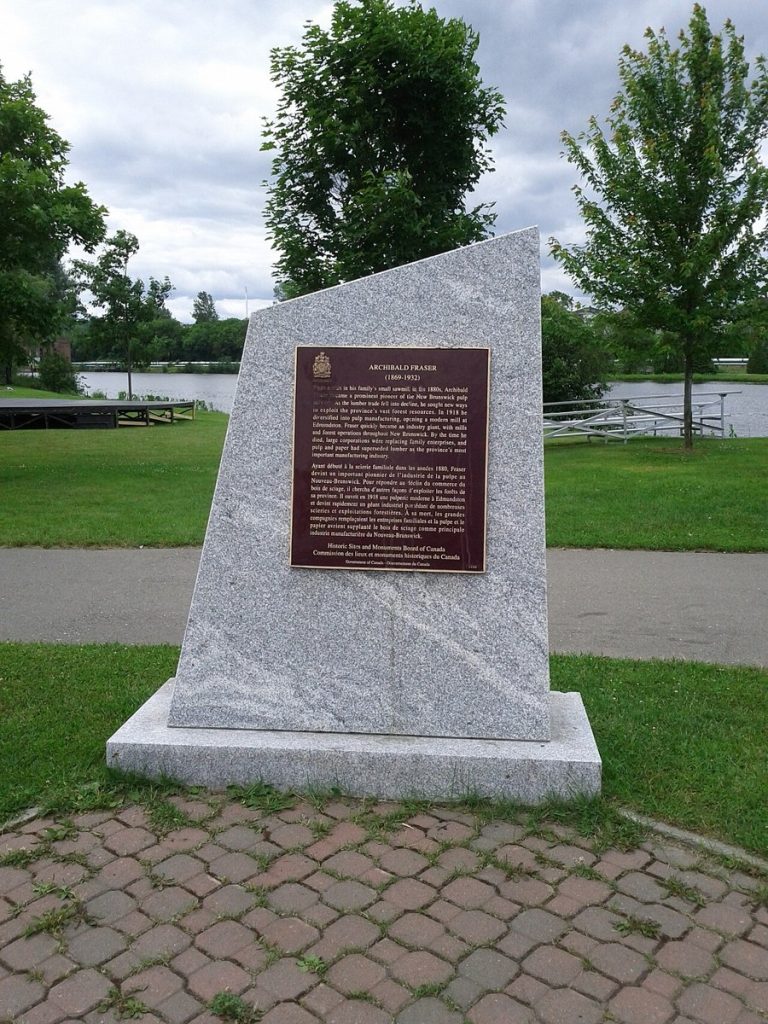
Archibald Fraser started in his family’s small sawmill in the 1880s and became a leading pioneer of New Brunswick’s pulp industry. As the lumber trade declined he looked for new uses of the province’s forests, and in 1918 opened a modern pulp mill at Edmundston. He soon became an industry giant, and by his death pulp and paper had replaced lumber as the province’s most important manufacturing industry.
Contributor: Citizen.ca
Photo: Bouchecl · Photo licence: CC BY-SA 3.0 · Credit & context
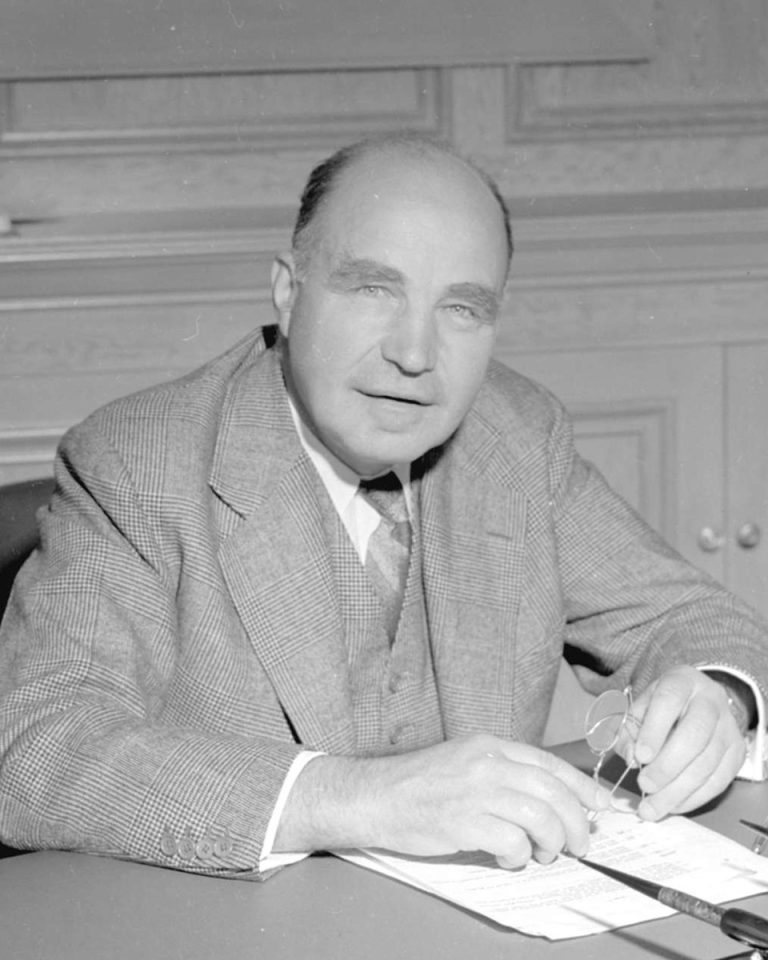
For more than 40 years Marie Lacoste-Gérin-Lajoie worked to improve the lives of women in Quebec. In 1907 she co-founded the Fédération nationale Saint-Jean-Baptiste, an important French-Canadian feminist association, which she led from 1913 to 1933 while writing for its review La Bonne Parole. She campaigned for women’s suffrage, access to higher education and, through the 1931 Civil Code reform, the rights of married women.
Contributor: Citizen.ca
Photo: Unknown author · Photo licence: Public domain · Credit & context