The three parts of Parliament
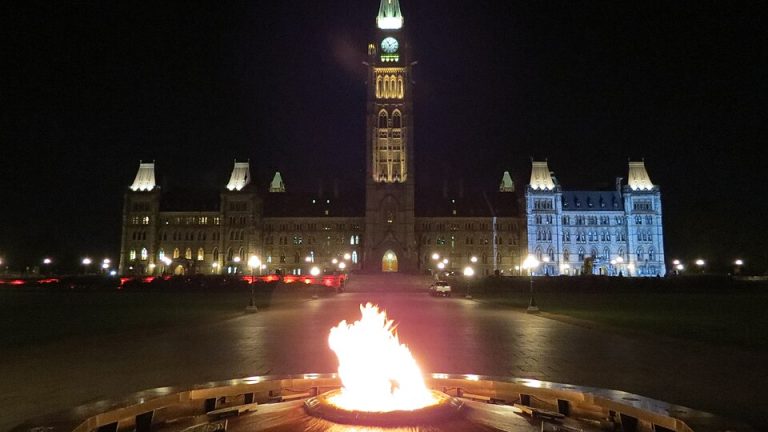
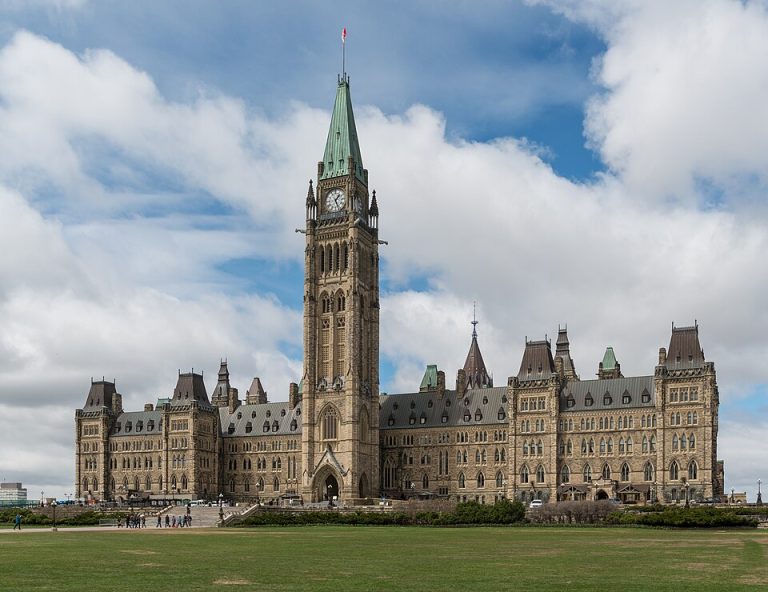
Canada’s Parliament consists of the Crown, the Senate, and the House of Commons.
Contributor: Citizen.ca
Photo: DXR / Daniel Vorndran · Photo licence: CC BY-SA 4.0 · Credit & contextFocused and Verified
As explained in our Mission, Citizen.ca focuses on knowledge closely connected to Canadian identity and Canadian spirit, rather than every fact about Canada. Some topics will therefore be absent. If you believe a missing topic belongs within this focus, please contact us.
The groups below show how published records are distributed and offer a convenient way to browse. Counts include distinct records assigned to each group or its narrower keywords. A record may appear in more than one group.
For a more specific search, use the keyword search below. Choose one keyword, or combine two with AND to require both or OR to include either.
671 records
981 records
407 records
80 records
Browse all →216 records
201 records
804 records
793 records
Browse all →Choose one keyword, or combine two. Broader keywords include their descendants.
For citizenship preparation, use these records alongside the official Discover Canada guide. Check current officeholders and local information separately. This is an independent study collection.

Canada’s Parliament consists of the Crown, the Senate, and the House of Commons.
Contributor: Citizen.ca
Photo: DXR / Daniel Vorndran · Photo licence: CC BY-SA 4.0 · Credit & context
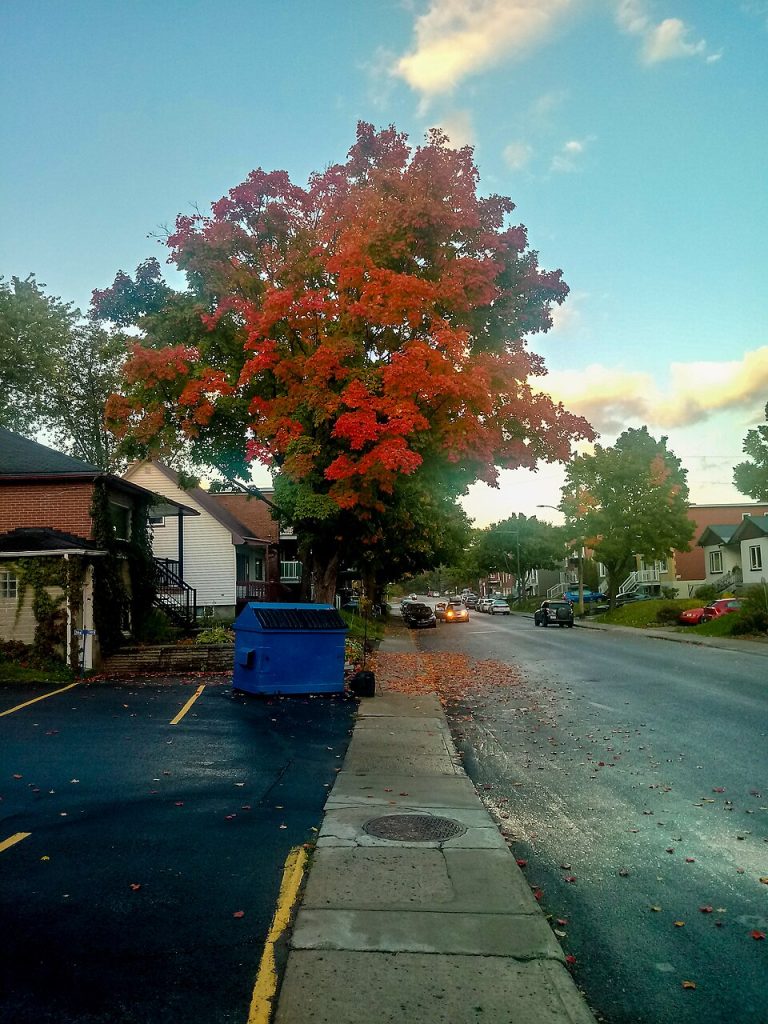
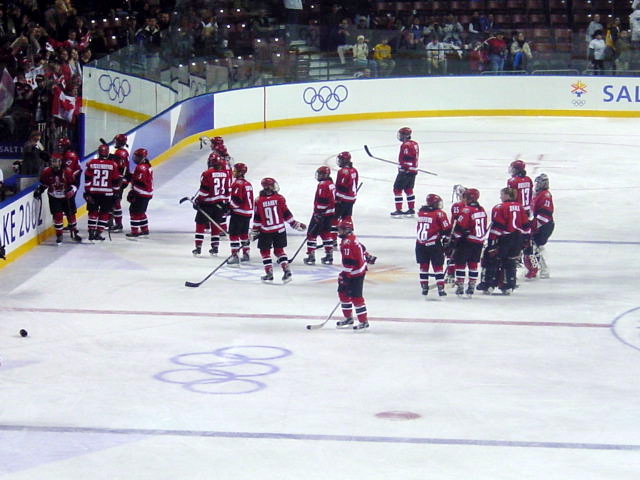
Canadian law recognizes ice hockey as the national winter sport and lacrosse as the national summer sport.
Contributor: Citizen.ca
Photo: Uncleweed · Photo licence: CC BY-SA 2.0 · Credit & context
The maple tree was designated Canada’s national arboreal emblem in 1996.
Contributor: Citizen.ca
Photo: Wilfredor · Photo licence: CC0 · Credit & context
The beaver became an official Canadian symbol on 24 March 1975.
Contributor: Citizen.ca
Photo: Charles J. Sharp · Photo licence: CC BY-SA 4.0 · Credit & context
O Canada became Canada’s national anthem in 1980; the song was first performed in 1880.
Contributor: Citizen.ca
Photo: Toy Dog Design from Toronto, ON, Canada · Photo licence: CC BY-SA 2.0 · Credit & context
English and French are Canada’s two official languages.
Contributor: Citizen.ca
Photo: Chris Woodrich · Photo licence: CC BY-SA 4.0 · Credit & context
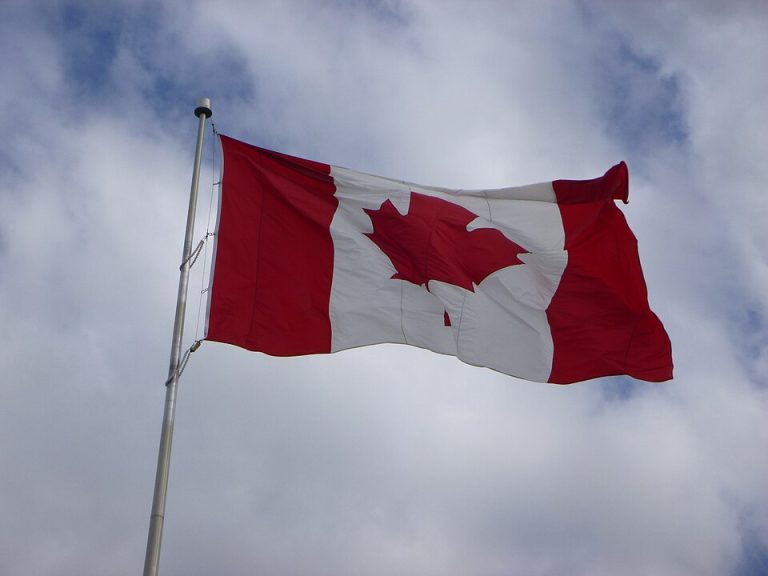
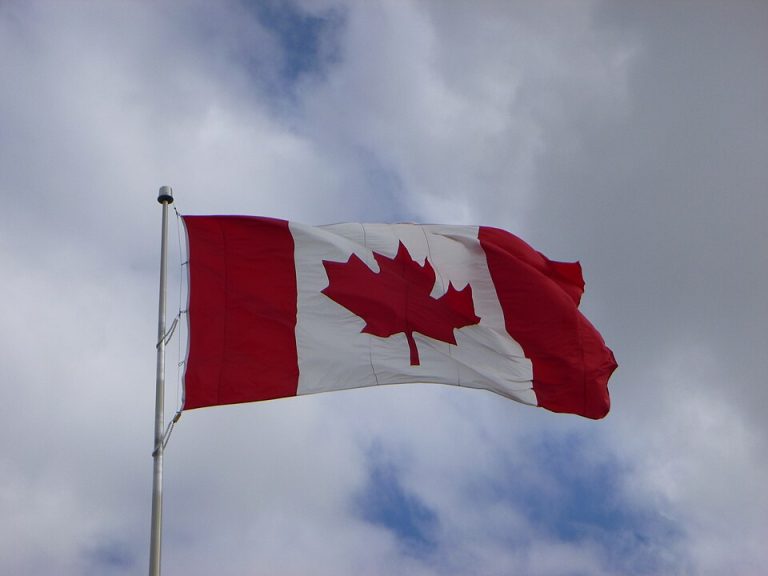
Canada’s national flag has red and white fields and a stylized red maple leaf with eleven points. Its length is twice its height.
Contributor: Citizen.ca
Photo: William B. Grice · Photo licence: CC BY-SA 4.0 · Credit & context
Canada’s current national flag was first raised on 15 February 1965.
Contributor: Citizen.ca
Photo: William B. Grice · Photo licence: CC BY-SA 4.0 · Credit & context
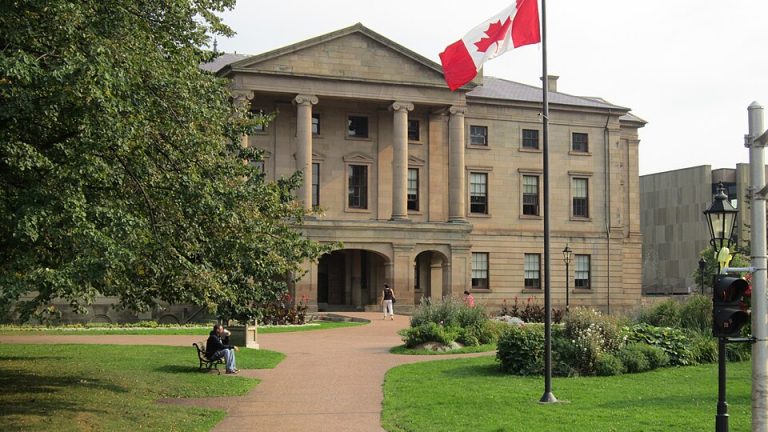
Prince Edward Island entered Canadian Confederation on 1 July 1873.
Contributor: Citizen.ca
Photo: Robert Linsdell from St. Andrews, Canada · Photo licence: CC BY 2.0 · Credit & context
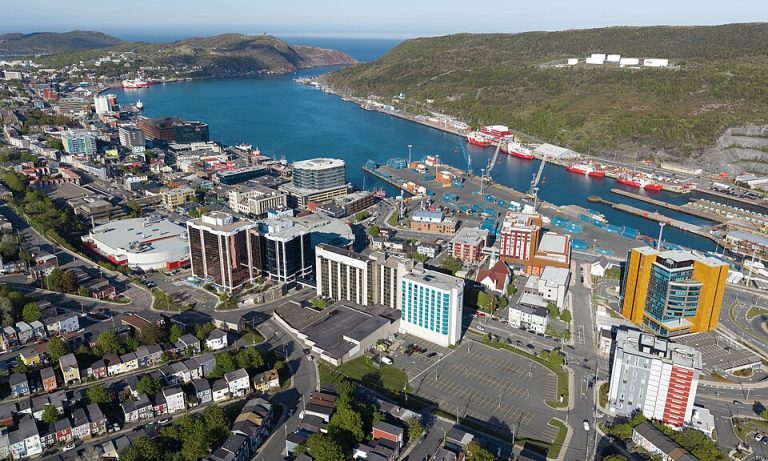
Newfoundland entered Canadian Confederation on 31 March 1949.
Contributor: Citizen.ca
Photo: Quintin Soloviev · Photo licence: CC BY 4.0 · Credit & context
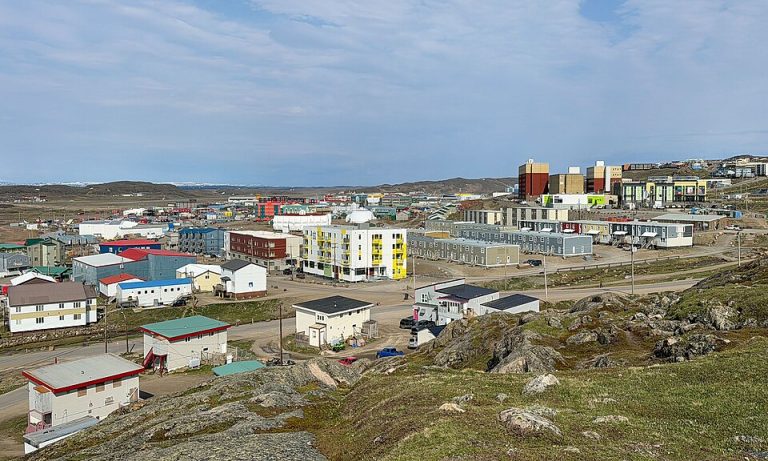
The territory of Nunavut was established on 1 April 1999.
Contributor: Citizen.ca
Photo: Quintin Soloviev · Photo licence: CC BY 4.0 · Credit & context
Ottawa is the capital city of Canada.
Contributor: Citizen.ca
Photo: DXR / Daniel Vorndran · Photo licence: CC BY-SA 4.0 · Credit & context

Canada comprises ten provinces and three territories.
Contributor: Citizen.ca
Photo: Zeljko Kozomara · Photo licence: CC BY-SA 4.0 · Credit & context
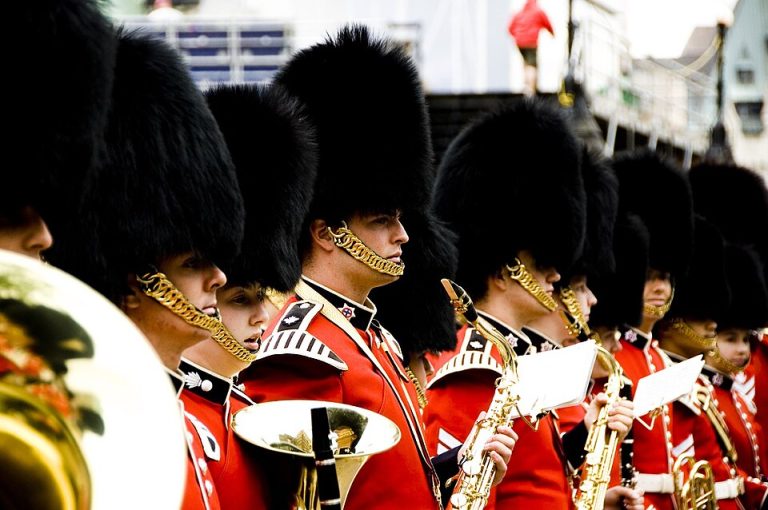
Canadian Confederation took effect on 1 July 1867. The four founding provinces were Ontario, Quebec, Nova Scotia, and New Brunswick.
Contributor: Citizen.ca
Photo: Robert Linsdell from St. Andrews, Canada · Photo licence: CC BY 2.0 · Credit & context