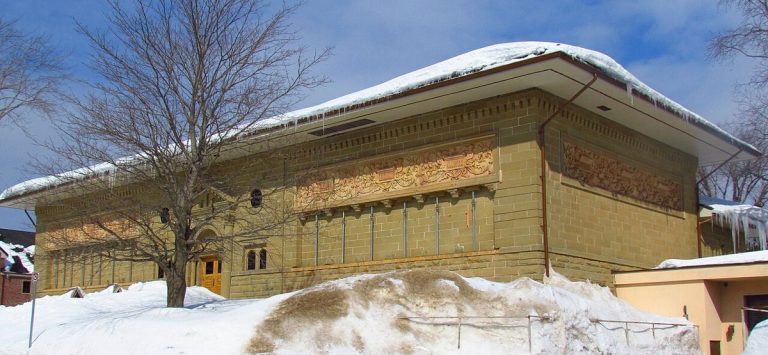
Owens Art Gallery, Sackville
The Owens Art Gallery opened in 1895 on the campus of Mount Allison University in Sackville, New Brunswick.
Contributor: Citizen.ca
Photo: D. Gordon E. Robertson · Photo licence: CC BY-SA 3.0 · Credit & contextFocused and Verified
As explained in our Mission, Citizen.ca focuses on knowledge closely connected to Canadian identity and Canadian spirit, rather than every fact about Canada. Some topics will therefore be absent. If you believe a missing topic belongs within this focus, please contact us.
The groups below show how published records are distributed and offer a convenient way to browse. Counts include distinct records assigned to each group or its narrower keywords. A record may appear in more than one group.
For a more specific search, use the keyword search below. Choose one keyword, or combine two with AND to require both or OR to include either.
671 records
981 records
407 records
80 records
Browse all →216 records
201 records
804 records
793 records
Browse all →Choose one keyword, or combine two. Broader keywords include their descendants.

The Owens Art Gallery opened in 1895 on the campus of Mount Allison University in Sackville, New Brunswick.
Contributor: Citizen.ca
Photo: D. Gordon E. Robertson · Photo licence: CC BY-SA 3.0 · Credit & context
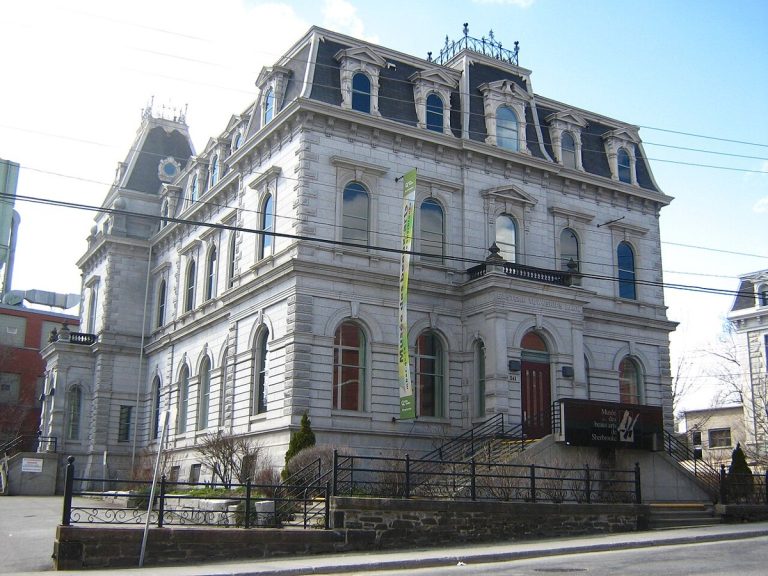
The Musée des beaux-arts de Sherbrooke was founded in 1982 by a group of art lovers. It has become the principal institution for preserving and sharing visual art in Quebec’s Eastern Townships.
Contributor: Citizen.ca
Photo: Philip Bastarache · Photo licence: CC BY-SA 3.0 · Credit & context
The Toronto Railway Museum is the repository of Toronto’s railway history, connecting people with the story of rail in the city.
Contributor: Citizen.ca
Photo: Mo2010 · Photo licence: CC BY-SA 4.0 · Credit & context
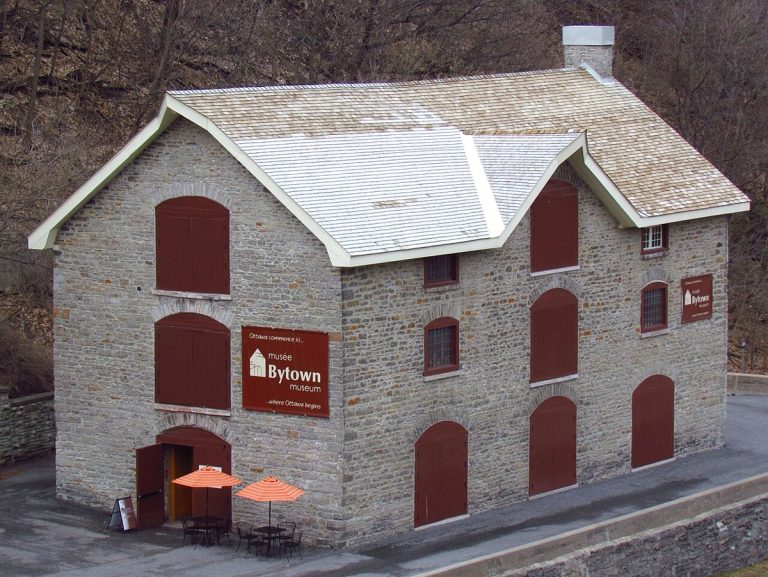
The Bytown Museum in Ottawa opened on June 27, 1952, in the Commissariat building, its present home. It grew out of the Women’s Canadian Historical Society of Ottawa, formed in June 1898.
Contributor: Citizen.ca
Photo: D. Gordon E. Robertson · Photo licence: CC BY-SA 3.0 · Credit & context
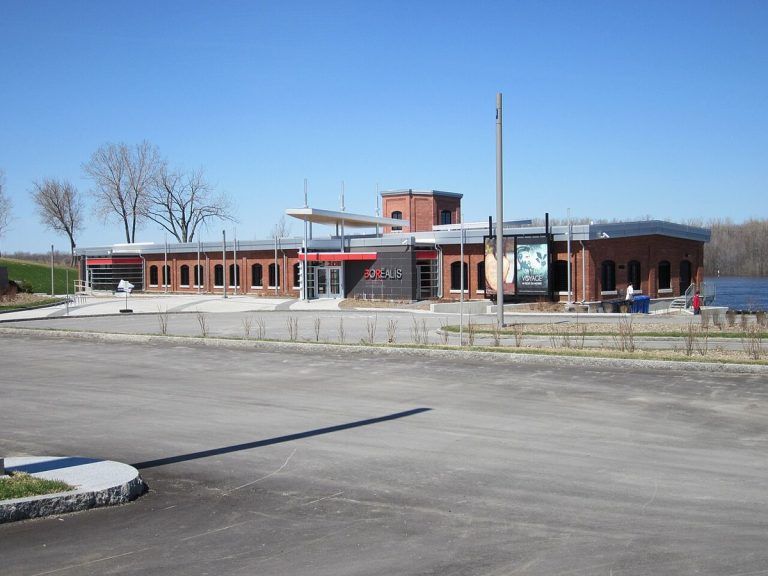
The Musée Boréalis in Trois-Rivières, Quebec, occupies the Canadian International Paper filtration plant, built in the early 1920s to pump, filter and store water for the paper mill. It tells the story of Quebec’s pulp and paper industry, designated a national historic event on August 3, 2006.
Contributor: Citizen.ca
Photo: Fralambert · Photo licence: CC BY-SA 3.0 · Credit & context
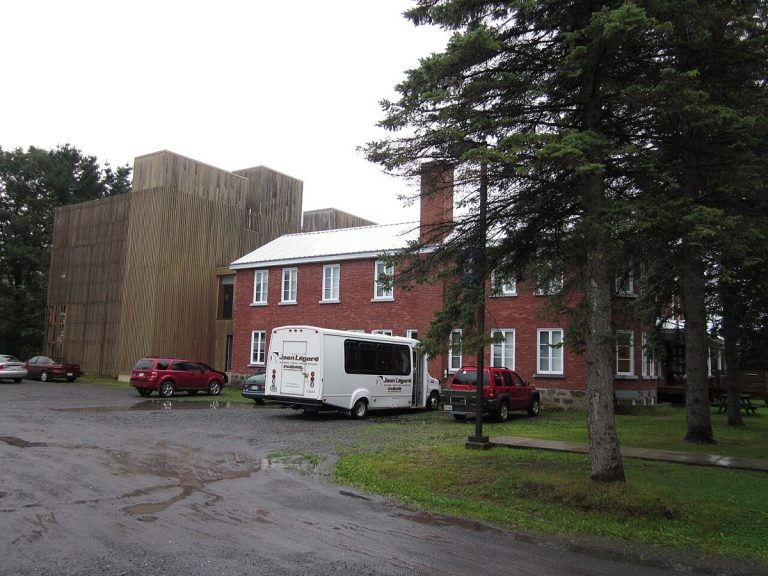
The Musée des Abénakis, in Odanak, Quebec, is the first Indigenous museum in Quebec. Since 1965 it has worked to preserve, pass on and share the living culture of the W8banakiak (Abenaki).
Contributor: Citizen.ca
Photo: Fralambert · Photo licence: CC BY-SA 3.0 · Credit & context
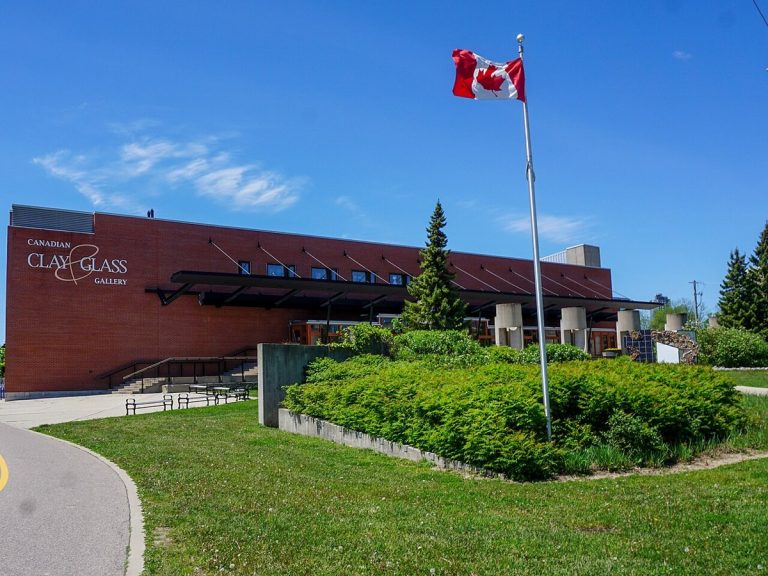
The Canadian Clay & Glass Gallery in Waterloo, Ontario, was incorporated as a non-profit organization in 1982. Construction of its gallery building began with a groundbreaking on September 16, 1989.
Contributor: Citizen.ca
Photo: JFVoll · Photo licence: CC BY-SA 3.0 · Credit & context
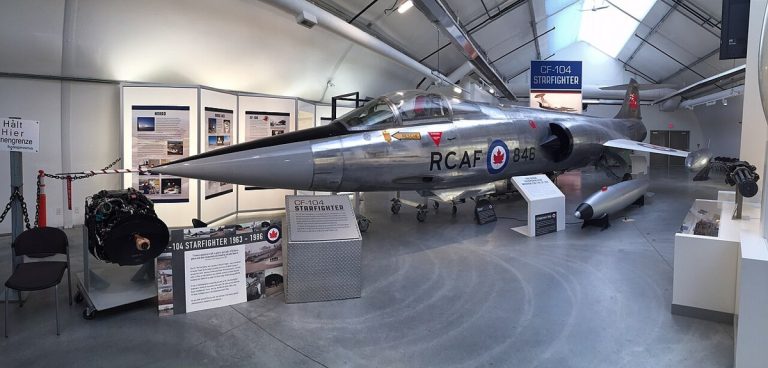
The Military Museums in Calgary brings together the histories of Canada’s army, navy and air force. Its collections interpret Canadian military service.
Contributor: Citizen.ca
Photo: Mr.Marnier · Photo licence: CC BY-SA 4.0 · Credit & context
The Fisheries Museum of the Atlantic is on Lunenburg’s historic waterfront in Nova Scotia, in the red buildings of a former fish processing plant, and holds stories and artifacts of the region’s fishing heritage.
Contributor: Citizen.ca
Photo: Vanbasten 23 · Photo licence: CC BY-SA 4.0 · Credit & context
The Chinese Canadian Museum opened on July 1, 2023, in the historic Wing Sang building in Vancouver’s Chinatown. The Province of British Columbia had committed to establishing it in 2017.
Contributor: Citizen.ca
Photo: 李月文 · Photo licence: CC BY-SA 4.0 · Credit & context
The Confederation Centre Art Gallery in Charlottetown began collecting in 1964. Its holdings include research material on Robert Harris, the Charlottetown-raised painter of The Fathers of Confederation.
Contributor: Citizen.ca
Photo: Larry from Charlottetown, PEI, Canada · Photo licence: CC BY 2.0 · Credit & context
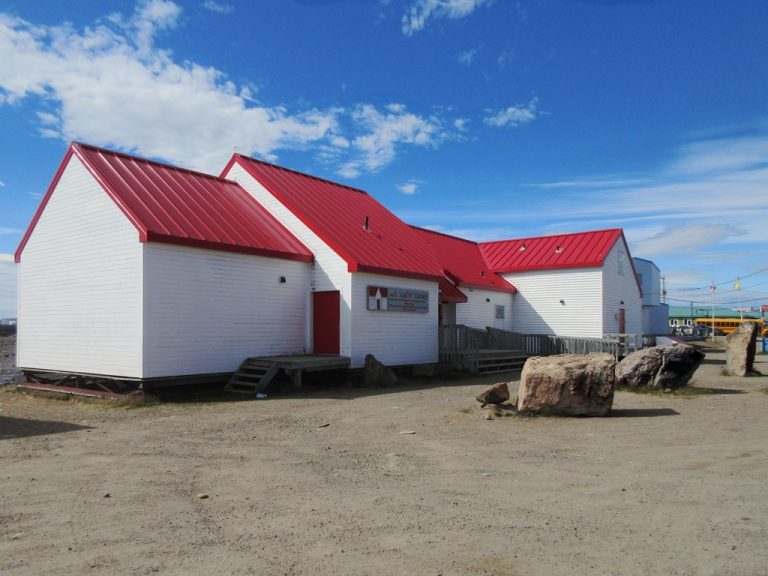
The Nunatta Sunakkutaangit Museum in Iqaluit engages the community and visitors with the history, culture and art of Nunavut through its displays and exhibits.
Contributor: Citizen.ca
Photo: David Stanley from Nanaimo, Canada · Photo licence: CC BY 2.0 · Credit & context
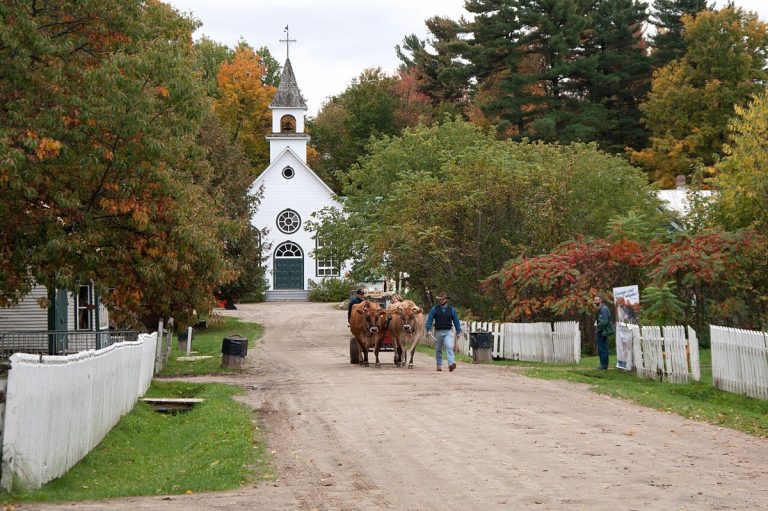
The Village québécois d’antan in Drummondville, Quebec, is a heritage village whose historic buildings, old streets and furnished interiors recreate different periods of old Quebec.
Contributor: Citizen.ca
Photo: Emmanuel Huybrechts from Laval, Canada · Photo licence: CC BY 2.0 · Credit & context
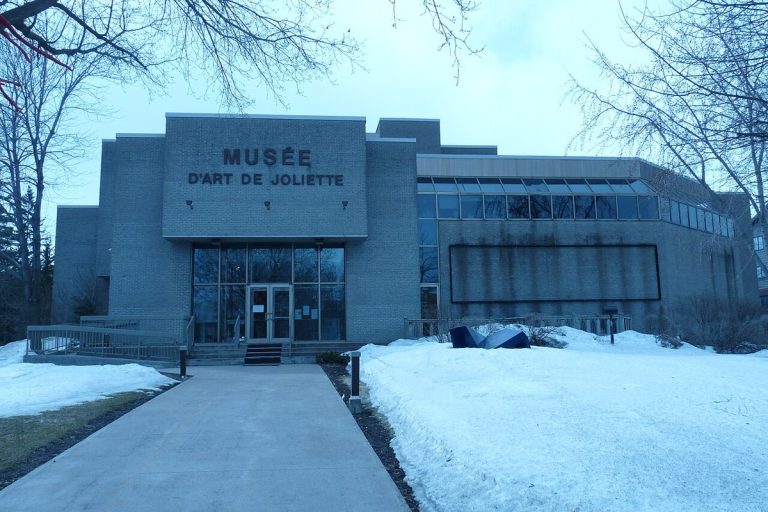
The Musée d’art de Joliette, in Joliette, Quebec, grew out of the vision of Father Wilfrid Corbeil and opened in 1976 in a building designed for art.
Contributor: Citizen.ca
Photo: ChristianT · Photo licence: CC BY-SA 3.0 · Credit & context
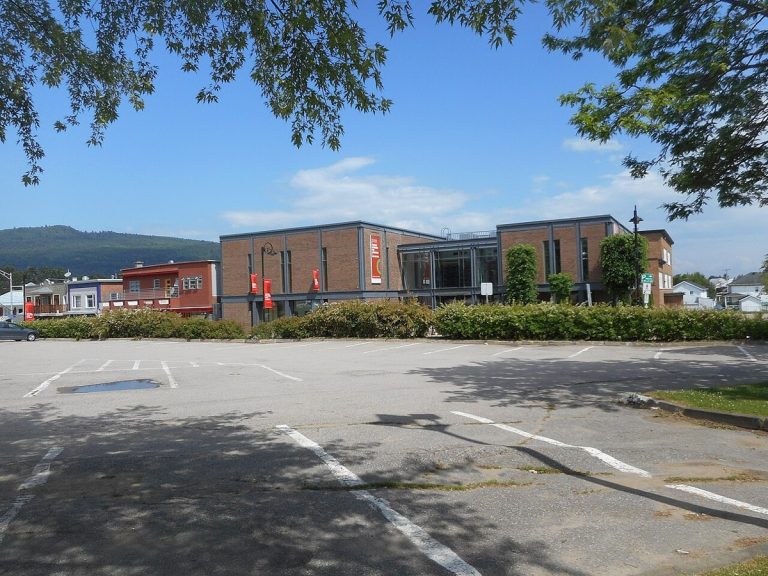
The Musée d’art contemporain de Baie-Saint-Paul, in Charlevoix, Quebec, received museum status from Quebec’s Ministère de la Culture in 2008, when the collections of the Symposium and the Centre d’art were passed to it.
Contributor: Citizen.ca
Photo: Jeangagnon · Photo licence: CC BY-SA 4.0 · Credit & context
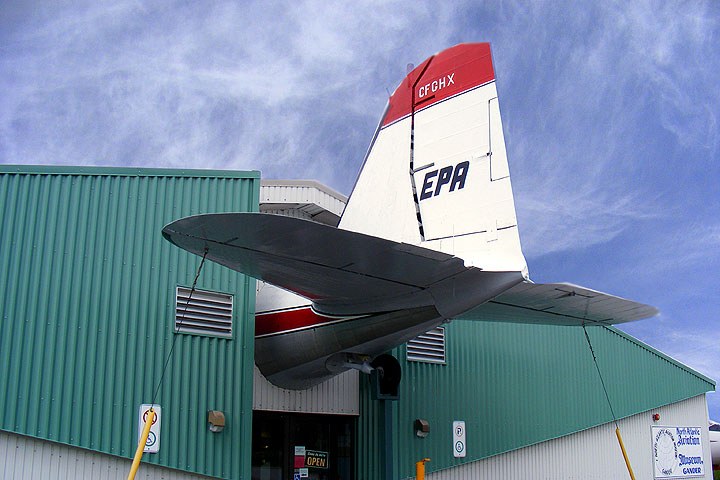
The North Atlantic Aviation Museum in Gander, Newfoundland and Labrador, interprets the town’s aviation history. Its Safe Haven exhibit tells how Gander and neighbouring communities responded after the September 11, 2001 attacks.
Contributor: Citizen.ca
Photo: Plismo · Photo licence: CC BY 3.0 · Credit & context
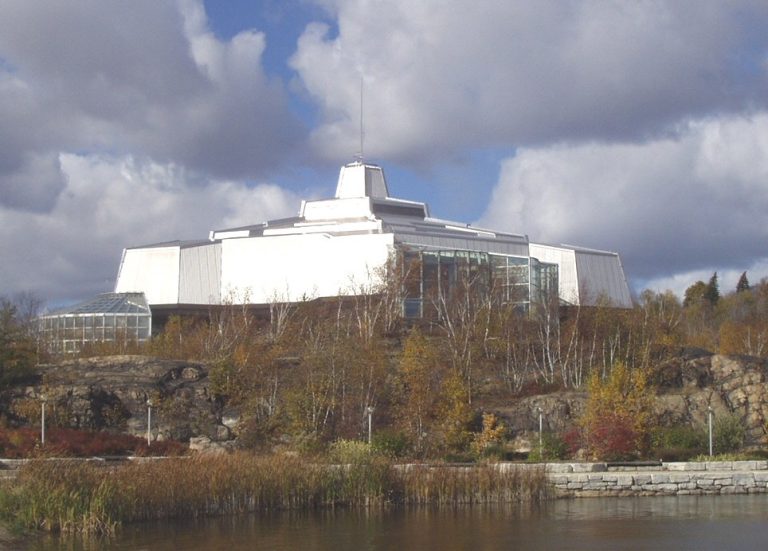
Science North, a science centre serving Northern Ontario from Sudbury, opened on June 19, 1984, and was officially opened by Queen Elizabeth II and Prince Philip on October 4, 1984.
Contributor: Citizen.ca
Photo: Flibirigit at English Wikipedia · Photo licence: Public domain · Credit & context
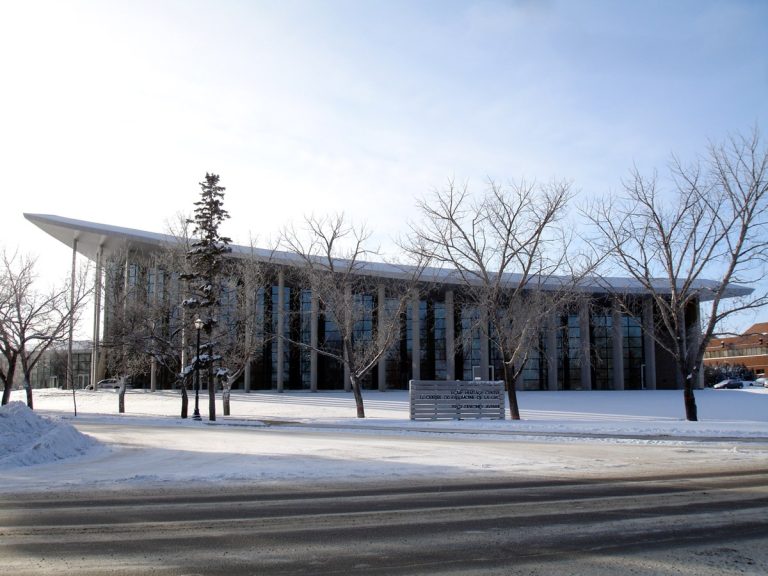
The RCMP Heritage Centre in Regina interprets the history of the Royal Canadian Mounted Police and its changing role in Canada.
Contributor: Citizen.ca
Photo: Drm310 · Photo licence: CC BY-SA 3.0 · Credit & context
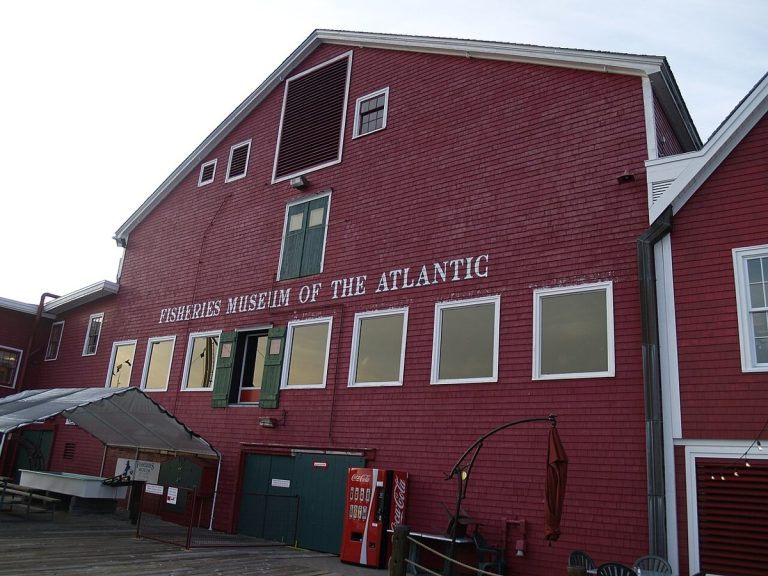
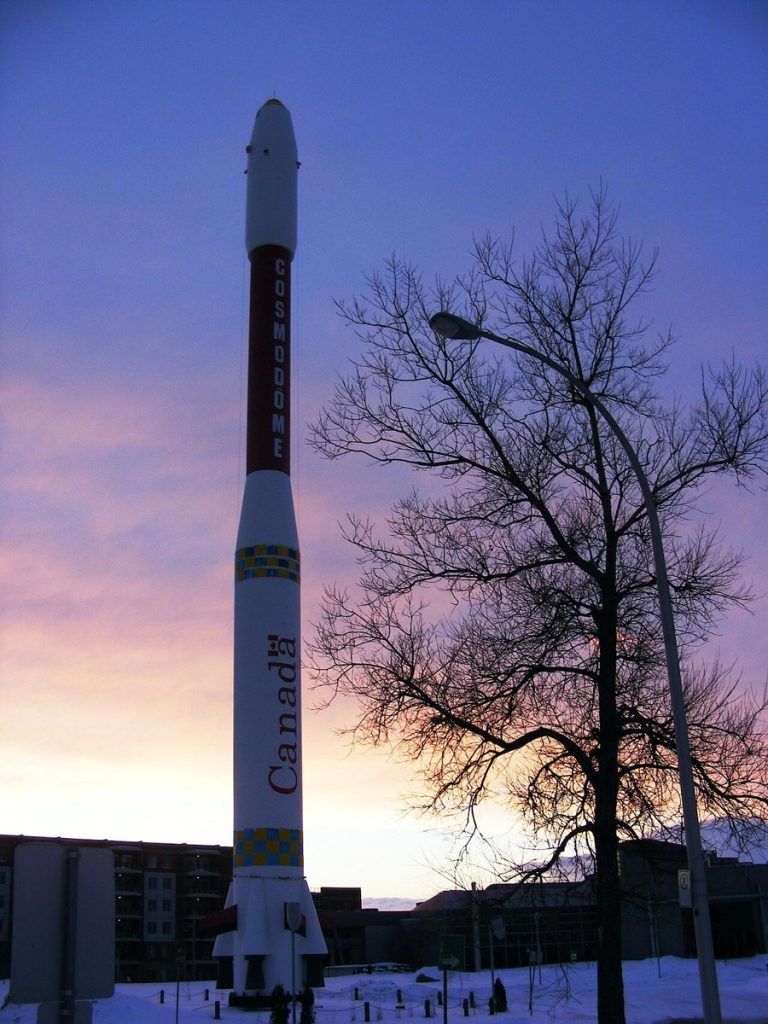
The Cosmodome in Laval, Quebec, opened in 1994. It is devoted to public education about space sciences.
Contributor: Citizen.ca
Photo: abdallahh on Flickr · Photo licence: CC BY 2.0 · Credit & context
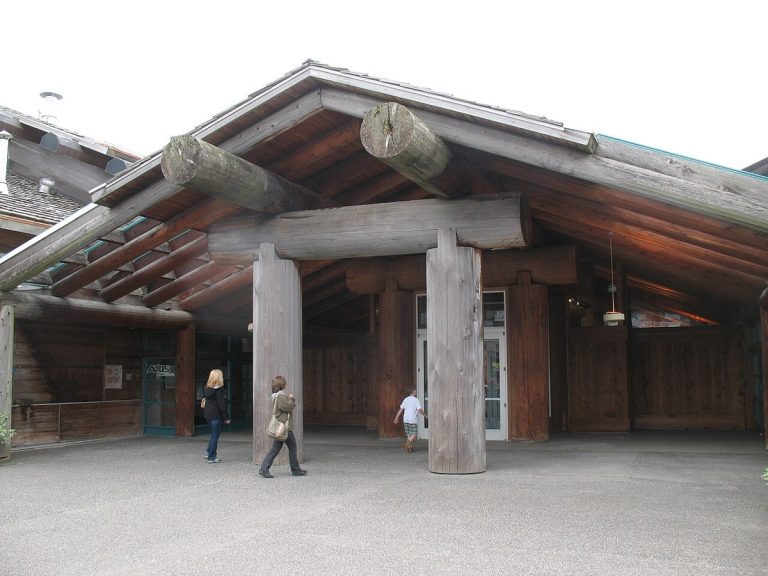
The Museum of Northern British Columbia in Prince Rupert exists to protect, explore and reflect the natural and cultural heritage of the Northwest Coast.
Contributor: Citizen.ca
Photo: Hans-Jürgen Hübner · Photo licence: CC BY-SA 3.0 · Credit & context
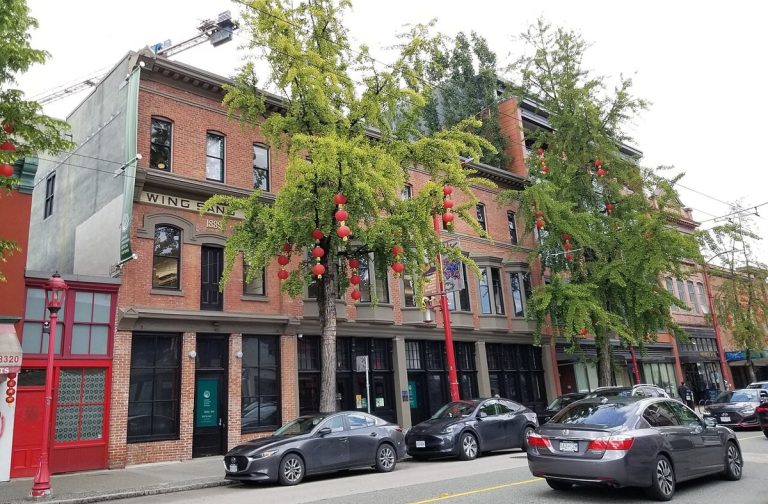
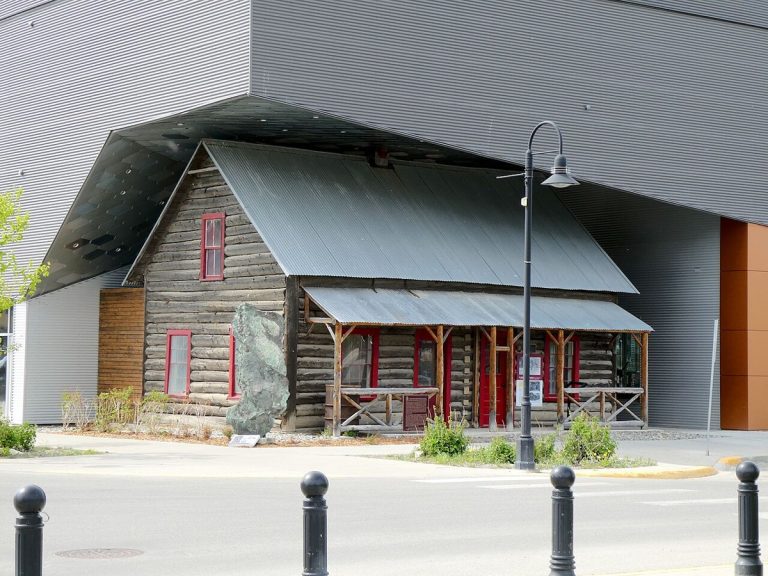
The MacBride Museum in Whitehorse opened to the public in 1952 as Yukon’s first museum, displaying its collection in the Old Telegraph Office. It was renamed in 1967 for co-founder William MacBride, in recognition of his role in preserving Yukon heritage.
Contributor: Citizen.ca
Photo: dvs from Vermont, USA · Photo licence: CC BY 2.0 · Credit & context
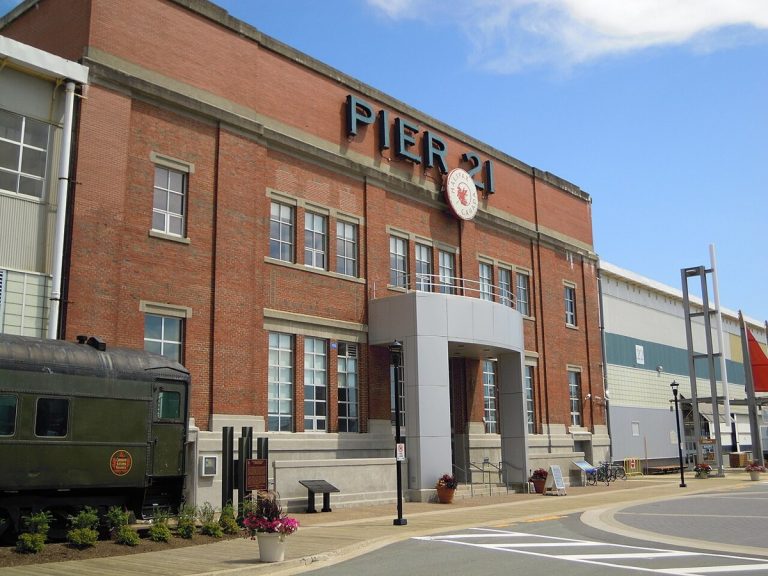
The Canadian Museum of Immigration at Pier 21 is Canada’s sixth national museum, telling the story of immigration to Canada. It is in the Pier 21 national historic site at the Halifax seaport, where nearly one million immigrants landed from 1928 to 1971.
Contributor: Citizen.ca
Photo: Skeezix1000 · Photo licence: CC BY-SA 3.0 · Credit & context
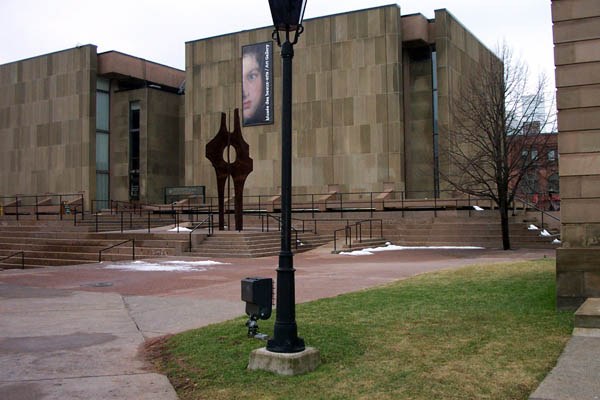
TELUS World of Science – Edmonton opened on July 1, 1984, as the Edmonton Space Sciences Centre. It replaced the Queen Elizabeth Planetarium, Canada’s first planetarium, which had opened in September 1960.
Contributor: Citizen.ca
Photo: WinterforceMedia(WinterE229) · Photo licence: Public domain · Credit & context
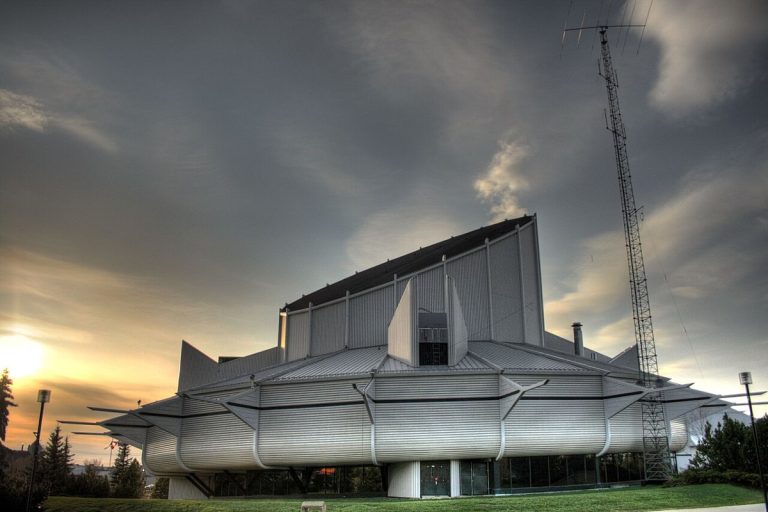
Fort Edmonton Park is a living history park in Edmonton, Alberta, dedicated to preserving and teaching Edmonton’s history through immersive, interactive experiences.
Contributor: Citizen.ca
Photo: Dylan Kereluk from White Rock, Canada · Photo licence: CC BY 2.0 · Credit & context