An independent Canadian knowledge project

Focused and Verified

Canadian knowledge base

Search by keyword

Choose one keyword, or combine two. Broader keywords include their descendants.

Keywords: Community and social leadership

Clear search
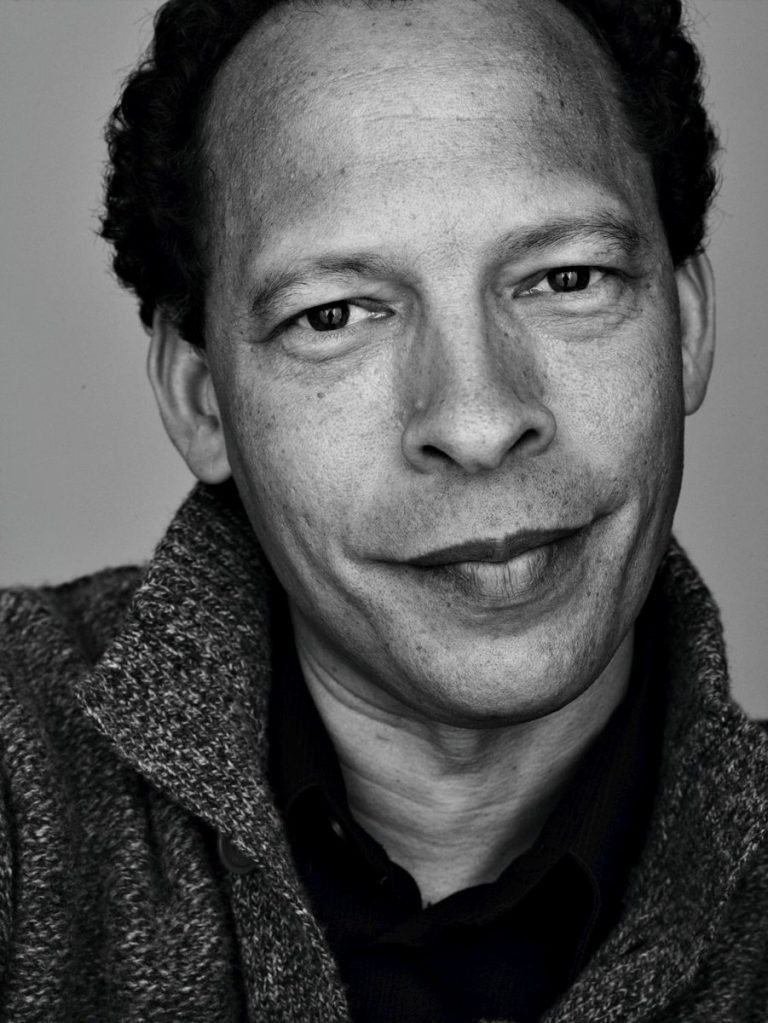
Lawrence Hill.
CA-K1599Culture & sport

Lawrence Hill, Member of the Order of Canada

Lawrence Hill was appointed Member of the Order of Canada in 2015. The appointment recognizes an author and activist whose work addresses Canada’s Black communities and the lives of women and girls in Africa.

Factual accuracy review: No recorded challenge

Contributor: Citizen.ca

Verified against cited sourcesVerified on 2026-10-27↗
Photo: Nigel Dickson; copyright: Lawrence Hill (work for hire) · Photo licence: CC BY-SA 3.0 · Credit & context
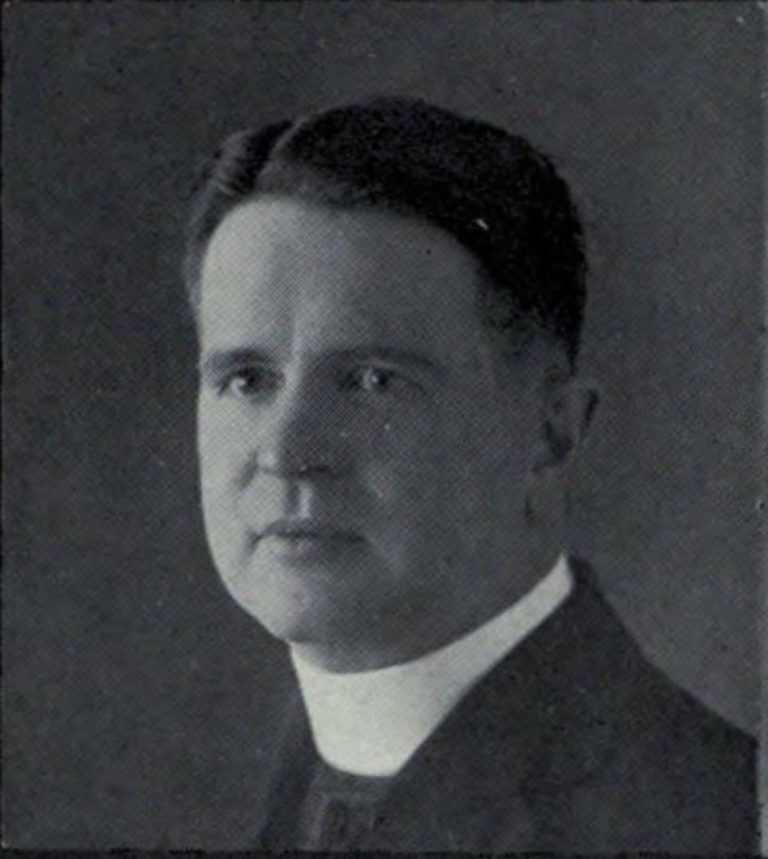
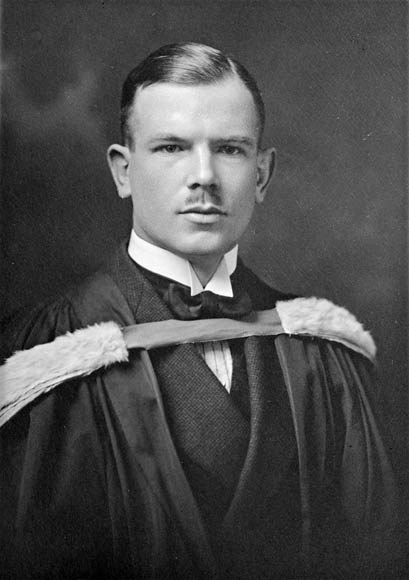
Father Henry Carr, C.S.B., 1915.
CA-K990Institutions

Father Henry Carr and St. Michael’s College

Father Henry Carr, a priest of the Congregation of St. Basil, promoted Catholic colleges within secular universities in Canada. In the early 1900s he modernized St. Michael’s College, turning it into a noted arts college federated with the University of Toronto, and later led similar Catholic colleges at the universities of Saskatchewan and British Columbia. In 1929 he co-founded what became the Pontifical Institute of Mediaeval Studies.

Factual accuracy review: No recorded challenge

Contributor: Citizen.ca

Verified against cited sourcesVerified on 2026-10-27↗
Photo: Unknown author · Photo licence: Public domain · Credit & context
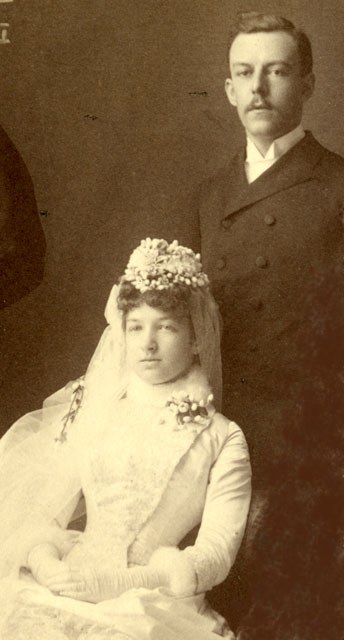
Marie Lacoste with Henri Gérin-Lajoie, January 1887.
CA-K976History

Marie Lacoste-Gérin-Lajoie, Quebec feminist

For more than 40 years Marie Lacoste-Gérin-Lajoie worked to improve the lives of women in Quebec. In 1907 she co-founded the Fédération nationale Saint-Jean-Baptiste, an important French-Canadian feminist association, which she led from 1913 to 1933 while writing for its review La Bonne Parole. She campaigned for women’s suffrage, access to higher education and, through the 1931 Civil Code reform, the rights of married women.

Factual accuracy review: No recorded challenge

Contributor: Citizen.ca

Verified against cited sourcesVerified on 2026-10-27↗
Photo: Unknown author · Photo licence: Public domain · Credit & context
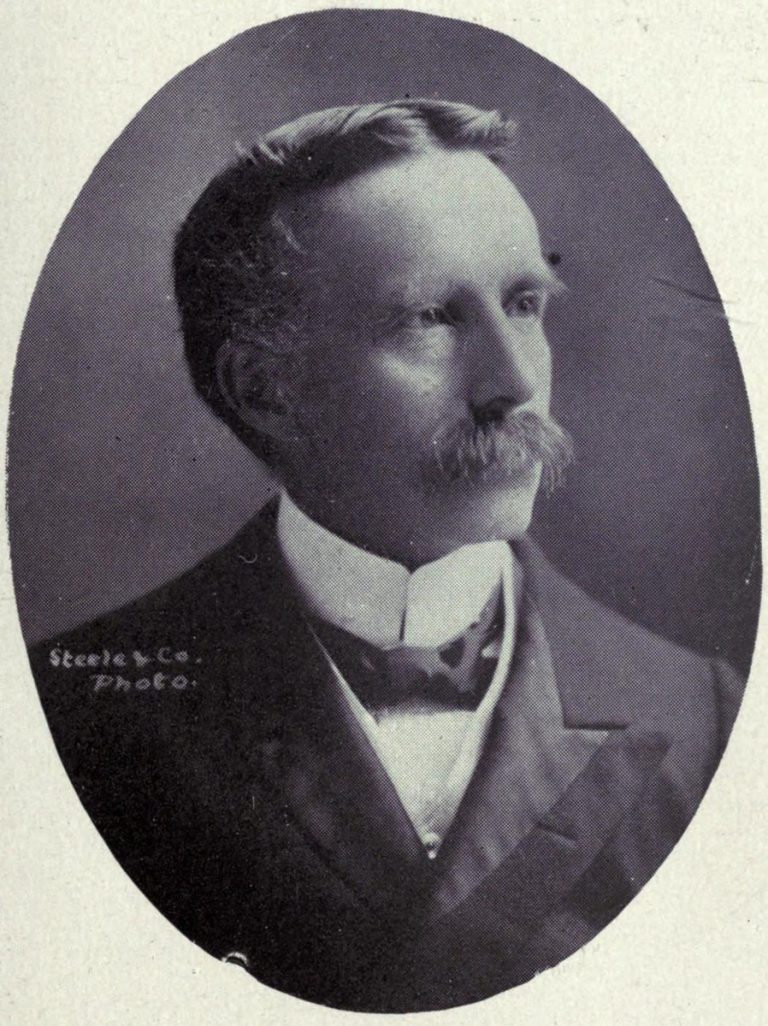
Thomas Alexander Crerar, official portrait, about 1919.
CA-K964Economy & trade

T.A. Crerar, grain trade leader and Progressive

Thomas Alexander Crerar began as an agrarian reformer at Russell, Manitoba. As head of the Grain Growers’ Grain Company he helped shape Canadian grain marketing, and championing western farmers he led the Progressive movement to great influence in the 1921 election, ending the federal two-party system. He later served in Mackenzie King’s cabinets and was an active Senate leader until 1966.

Factual accuracy review: No recorded challenge

Contributor: Citizen.ca

Verified against cited sourcesVerified on 2026-10-27↗
Photo: Unknown photographer; Library and Archives Canada · Photo licence: Public domain · Credit & context
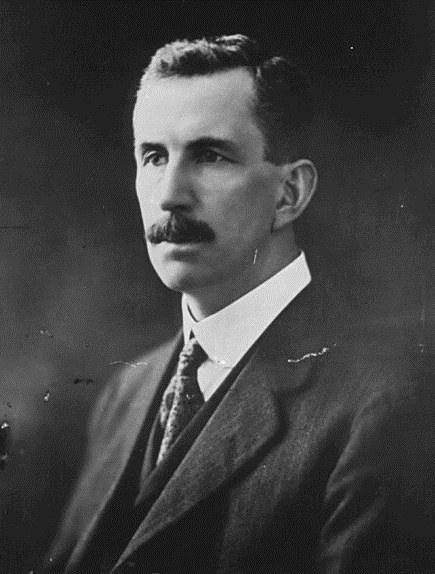
John Skirving Ewart, about 1902.
CA-K962History

J.S. Ewart, lawyer and advocate of Canadian autonomy

John Skirving Ewart, a noted constitutional lawyer born in Toronto, practised in Winnipeg from 1882 to 1904, founding the Manitoba Law Journal and serving on Louis Riel’s appeal defence team. He was counsel for Manitoba’s Roman Catholic minority in the schools dispute of the 1890s, then argued cases before the Supreme Court and Privy Council from Ottawa. He was an early, ardent advocate of Canadian autonomy at home and abroad.

Factual accuracy review: No recorded challenge

Contributor: Citizen.ca

Verified against cited sourcesVerified on 2026-10-27↗
Photo: Unknown photographer · Photo licence: Public domain · Credit & context
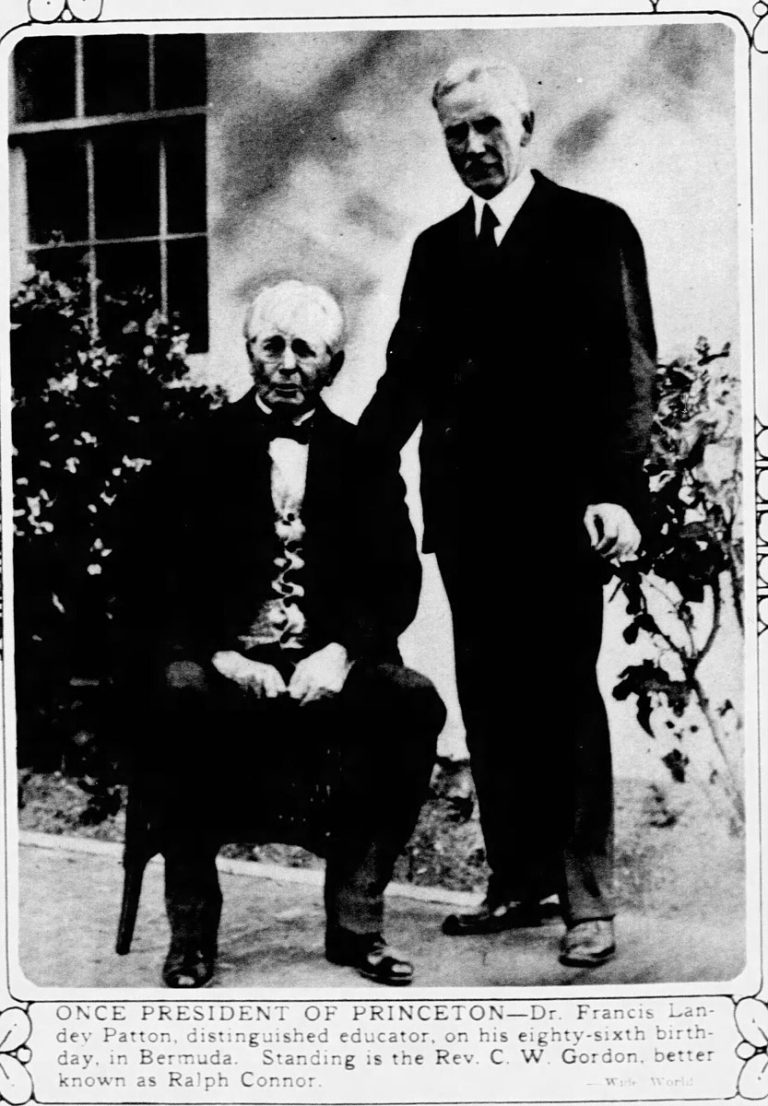
Rev. C.W. Gordon (Ralph Connor), right, with Dr. Francis Landey Patton, 1929.
CA-K946Culture & sport

Ralph Connor, novelist and churchman

Charles William Gordon, born in Glengarry, Ontario, was a Presbyterian minister and pastor of St. Stephen’s Church in Winnipeg from 1894 to 1924. As “Ralph Connor” he entertained and instructed millions with novels, many about the settlement of western Canada. An ardent Canadian nationalist, he worked for causes such as temperance and help for immigrants, and his optimism reflected the views of many Canadians of his time.

Factual accuracy review: No recorded challenge

Contributor: Citizen.ca

Verified against cited sourcesVerified on 2026-10-27↗
Photo: Wide World Photos · Photo licence: Public domain · Credit & context
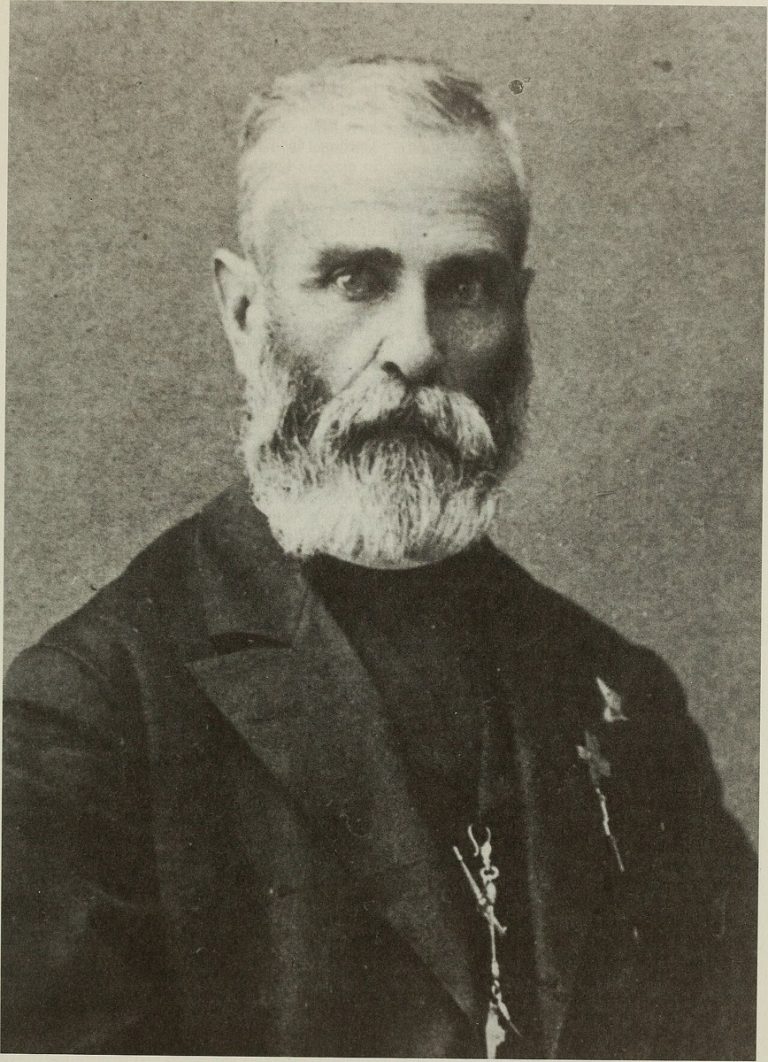
Abbé Léon Provancher (The Canadian Field-Naturalist, 1919).
CA-K937Culture & sport

Abbé Léon Provancher, naturalist

Abbé Léon Provancher was a naturalist and entomologist known for his work on bees, wasps and ants. His publications include Flore canadienne and Petite faune entomologique du Canada. In 1868 he founded Le Naturaliste canadien, and he assembled several insect collections.

Factual accuracy review: No recorded challenge

Contributor: Citizen.ca

Verified against cited sourcesVerified on 2026-10-27↗
Photo: The Canadian field-naturalist ("courtesy les Archives Léon-Provancher, l'Université Laval") · Photo licence: Public domain · Credit & context
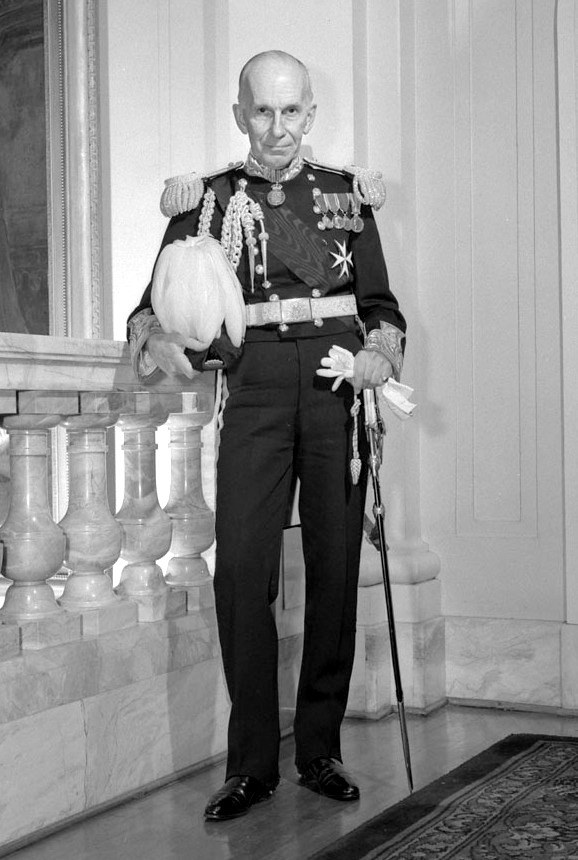
Governor General Vincent Massey, 1956 (Gar Lunney).
CA-K934History

Vincent Massey, first Canadian-born Governor General

Vincent Massey, diplomat, philanthropist and patron of the arts, was Canada’s first diplomatic minister to Washington (1926–30) and High Commissioner in London (1935–46). He chaired the Royal Commission on National Development in the Arts, Letters and Sciences, whose 1951 report was a landmark in Canada’s cultural history. In 1952 he became the first Canadian-born Governor General, serving until 1959.

Factual accuracy review: No recorded challenge

Contributor: Citizen.ca

Verified against cited sourcesVerified on 2026-10-27↗
Photo: Gar Lunney · Photo licence: Public domain · Credit & context
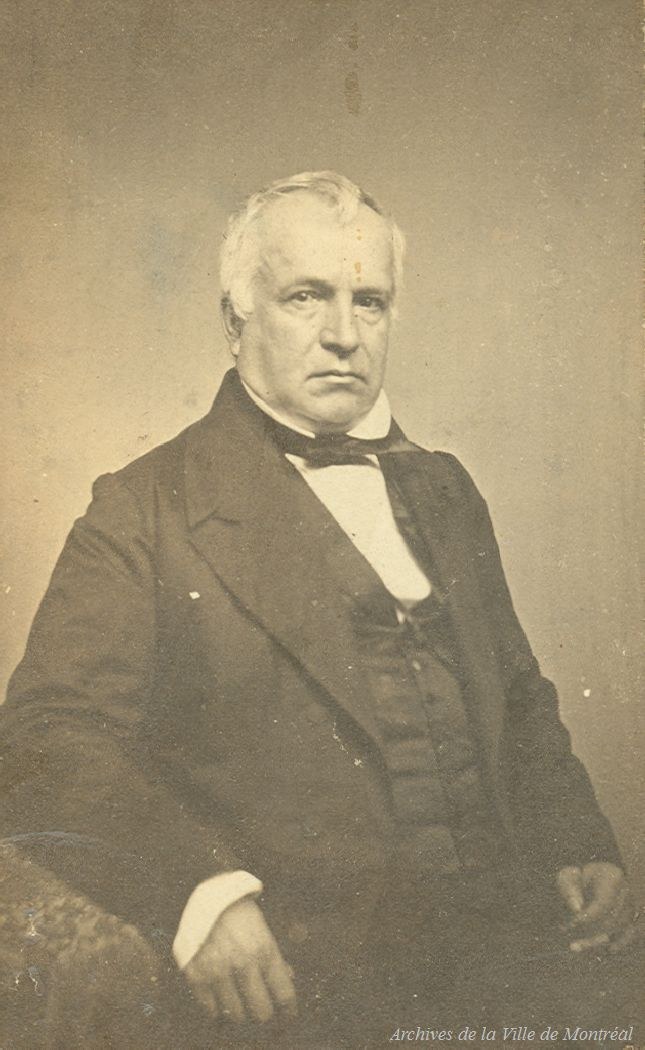
Louis-Hippolyte LaFontaine, about 1863.
CA-K879History

Sir Louis-Hippolyte LaFontaine, architect of responsible government

Louis-Hippolyte LaFontaine, a jurist and reformer born at Boucherville in 1807, was one of the architects of responsible government in Canada. With Robert Baldwin he led the reform governments of the Province of Canada in 1842 and 1848. He left politics in 1851, became Chief Justice of Lower Canada in 1853 and was made a baronet in 1854.

Factual accuracy review: No recorded challenge

Contributor: Citizen.ca

Verified against cited sourcesVerified on 2026-10-26↗
Photo: Indéterminé · Photo licence: Public domain · Credit & context
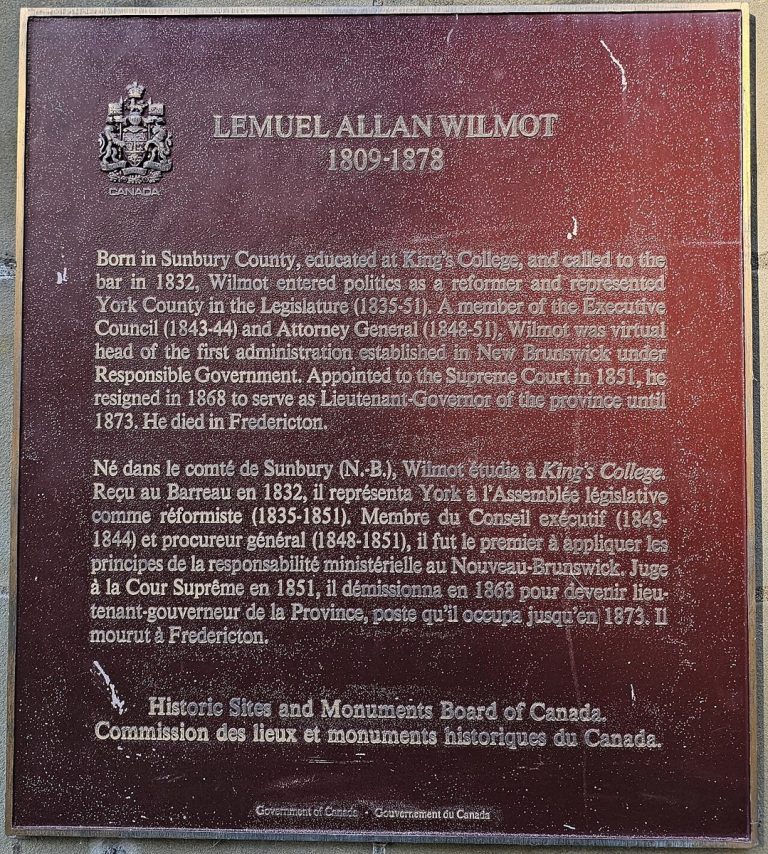
Plaque honouring Wilmot at the New Brunswick Legislative Building.
CA-K874History

Lemuel Allan Wilmot, reformer and Lieutenant-Governor

Lemuel Allan Wilmot, born in Sunbury County, entered politics as a Reformer and represented York County from 1835 to 1851. As Attorney General he was in effect the head of New Brunswick’s first government under responsible government. Named to the Supreme Court in 1851, he resigned in 1868 to become Lieutenant-Governor until 1873.

Factual accuracy review: No recorded challenge

Contributor: Citizen.ca

Verified against cited sourcesVerified on 2026-10-26↗
Photo: JJonahJackalope · Photo licence: CC BY-SA 4.0 · Credit & context
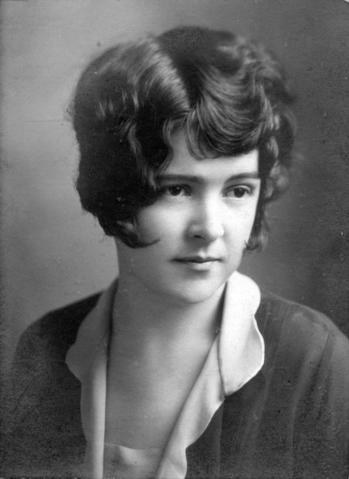
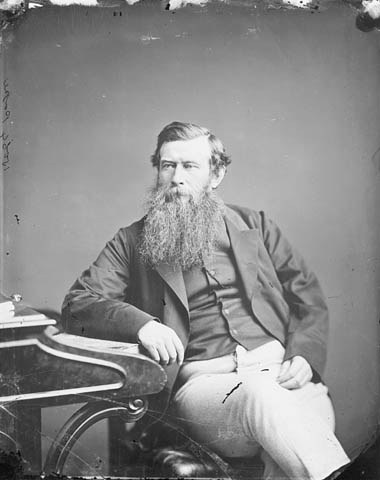
Reverend George McDougall, before 1876.
CA-K867Indigenous peoples & reconciliation

Reverend George McDougall and Methodist missions in the West

George McDougall was an influential Methodist missionary in the Prairie West from 1860 until his death in 1876, founding the Victoria mission in 1862 and leading others as part of colonization efforts. He urged First Nations to abandon traditional ways, removed the sacred stone Manitou Asinîy in 1866 with damaging results, and carried word of the coming Treaty Six talks in 1875. Missions linked to him at Norway House and Morley later developed residential schools.

Factual accuracy review: No recorded challenge

Contributor: Citizen.ca

Verified against cited sourcesVerified on 2026-10-26↗
Photo: Unknown author · Photo licence: Public domain · Credit & context
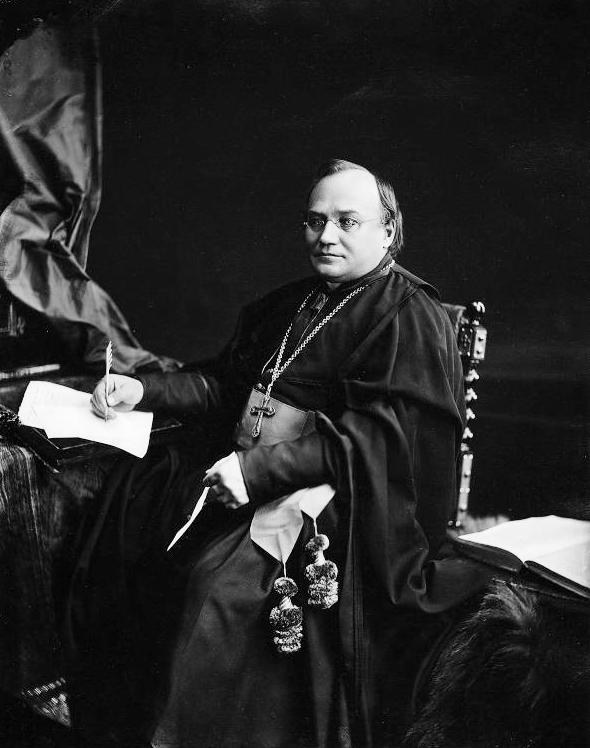
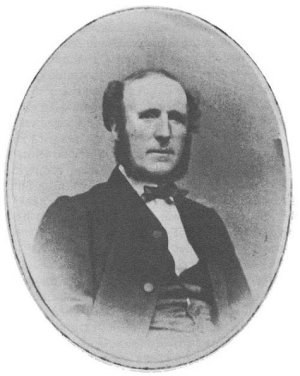
William Henry Pope, 1873 (William James Topley).
CA-K836History

William Henry Pope, Island advocate of Confederation

William Henry Pope, born at Bedeque, Prince Edward Island, became Colonial Secretary in 1859 and represented Queen’s County in the Assembly from 1863 to 1867. A strong supporter of Confederation, he was a delegate to the Charlottetown and Quebec conferences of 1864. He became a judge of Prince County in 1873.

Factual accuracy review: No recorded challenge

Contributor: Citizen.ca

Verified against cited sourcesVerified on 2026-10-26↗
Photo: William James Topley · Photo licence: Public domain · Credit & context
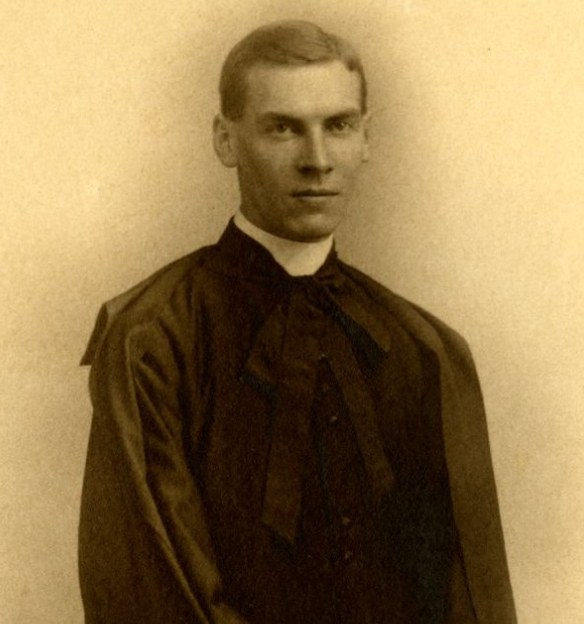
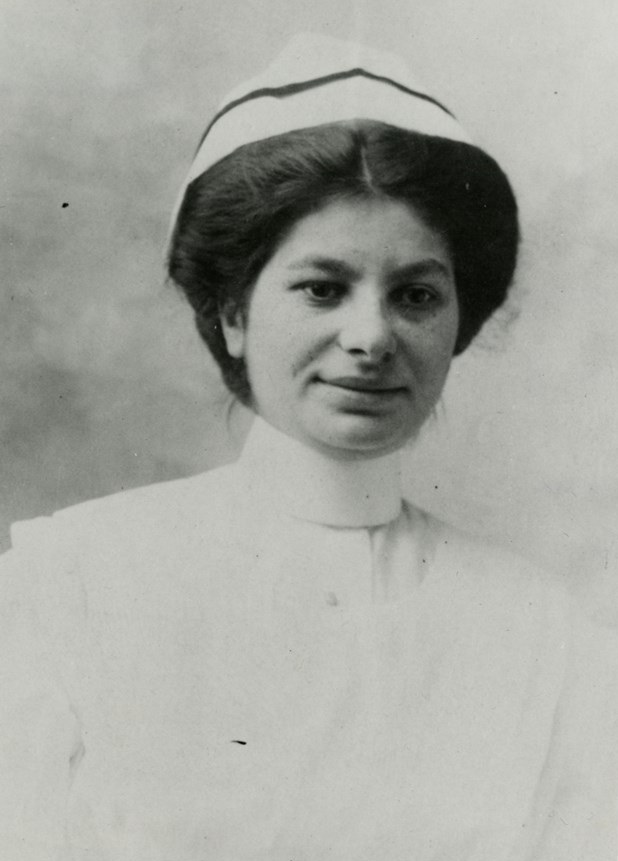
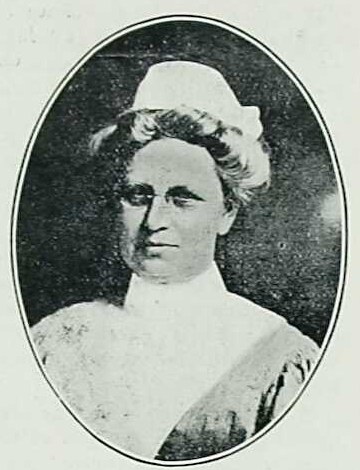
Dora Dworkin in her nurse’s uniform, around 1909 (Ontario Jewish Archives).
CA-K706History

Dorothy Dworkin, nurse and community builder

Dorothy Dworkin, a nurse, midwife and entrepreneur, managed Toronto’s free Jewish Dispensary and helped found Mount Sinai Hospital in the 1920s, which served Jewish Canadians and employed doctors often shut out of hospitals by antisemitism. During the Holocaust she led relief fundraising and, through her family’s steamship agency, helped hundreds of Eastern European Jews settle in Canada.

Factual accuracy review: No recorded challenge

Contributor: Citizen.ca

Verified against cited sourcesVerified on 2026-10-26↗
Photo: Unknown author · Photo licence: Public domain · Credit & context
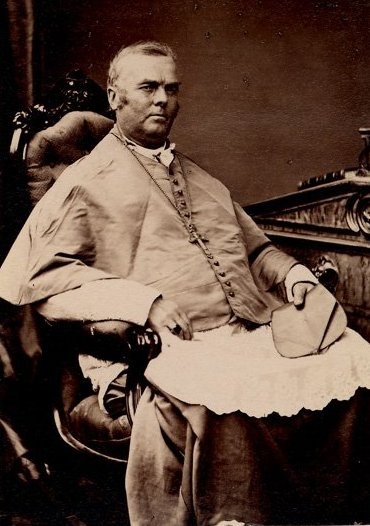
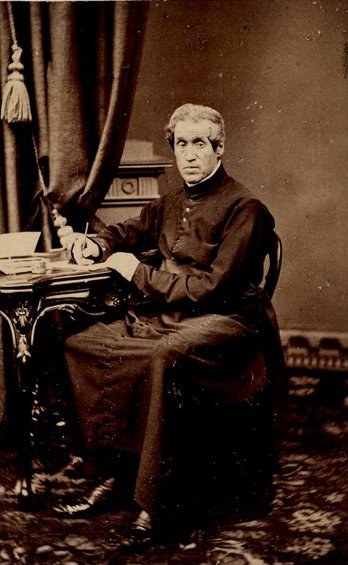
Modeste Demers, around 1860 (J. E. Livernois).
CA-K659Indigenous peoples & reconciliation

Bishop Modeste Demers in the Pacific Northwest

Modeste Demers, a Catholic priest in the Pacific Northwest from 1838, worked in part to convert Indigenous Peoples, part of the region’s colonization, and in 1847 became the first Bishop of Vancouver Island, New Caledonia and Haida Gwaii. The practices of Demers and his Church, together with colonization and assimilation, had drastic consequences for later generations of Indigenous Peoples.

Factual accuracy review: No recorded challenge

Contributor: Citizen.ca

Verified against cited sourcesVerified on 2026-10-26↗
Photo: J.E. Livernois · Photo licence: Public domain · Credit & context
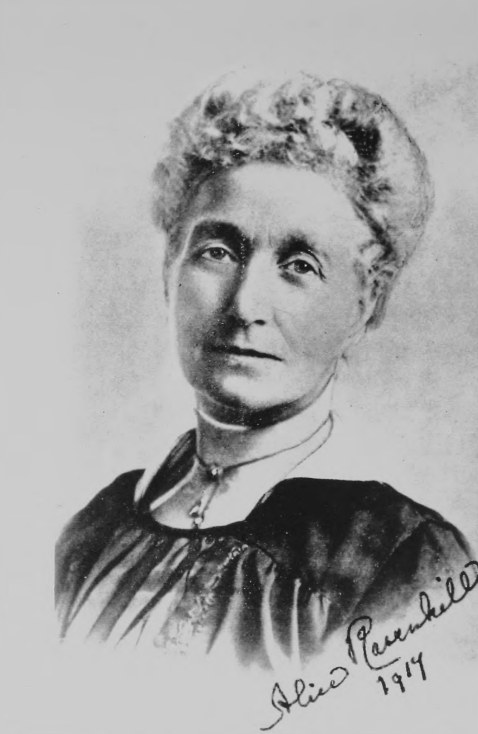
Alice Ravenhill in 1917.
CA-K610Institutions

Alice Ravenhill, educator and reformer

Alice Ravenhill, an educator and social reformer prominent in public health and home economics in Britain, came to Canada in 1910 and worked with the University of British Columbia, Victoria College, the Women’s Institutes and the province on educational reform. Later she wrote a pioneering school text on Indigenous societies and founded a society to promote British Columbia Indigenous arts and crafts.

Factual accuracy review: No recorded challenge

Contributor: Citizen.ca

Verified against cited sourcesVerified on 2026-10-26↗
Photo: Unknown author · Photo licence: Public domain · Credit & context
Norman Bethune’s graduation photo, around 1922 (Library and Archives Canada).
CA-K550History

Dr. Norman Bethune, surgeon and activist

Norman Bethune made significant contributions to thoracic surgery in Canada and was an early advocate of socialized medicine. Embracing communism, he led a Canadian team that pioneered front-line blood transfusions in the Spanish Civil War, then served as a battlefield surgeon with Mao Zedong’s Eighth Route Army; after his death in 1939 he became a national hero in China.

Factual accuracy review: No recorded challenge

Contributor: Citizen.ca

Verified against cited sourcesVerified on 2026-10-26↗
Photo: Credit: Library and Archives Canada/PA-160708Copyright: Expired · Photo licence: Public domain · Credit & context
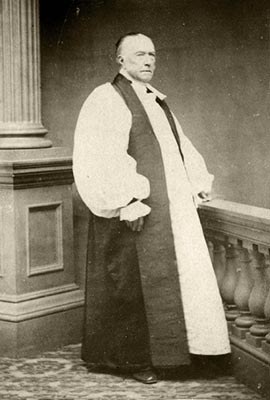
John Strachan, 1855.
CA-K525Institutions

Bishop John Strachan, King’s College and Trinity College

John Strachan, born in Scotland, came to Kingston in 1799, taught at Cornwall and became rector of York in 1812 and first Anglican Bishop of Toronto in 1839. A central figure of the Family Compact, he promoted public schooling and in 1827 secured a charter for King’s College; when it became the secular University of Toronto in 1849, he founded the Anglican Trinity College in 1851.

Factual accuracy review: No recorded challenge

Contributor: Citizen.ca

Verified against cited sourcesVerified on 2026-10-26↗
Photo: Unknown author · Photo licence: Public domain · Credit & context
Sir Ambrose Shea (Library and Archives Canada).
CA-K521History

Sir Ambrose Shea, Newfoundland Father of Confederation

Ambrose Shea of St. John’s sat in Newfoundland’s House of Assembly almost continuously from 1848 to 1882. An advocate of union with the other British North American colonies, he was a delegate to the Québec Conference of 1864, though his pro-Confederation coalition was defeated in 1869; his career also included service as Speaker and governor of the Bahamas.

Factual accuracy review: No recorded challenge

Contributor: Citizen.ca

Verified against cited sourcesVerified on 2026-10-26↗
Photo: Unknown photographer; Library and Archives Canada · Photo licence: Public domain · Credit & context
Georges-Antoine Belcourt, around 1860.
CA-K476Economy & trade

Father Belcourt and the Farmers’ Bank of Rustico

Georges-Antoine Belcourt, a former missionary at Red River, led his parishioners in Rustico, Prince Edward Island, to found one of Canada’s first people’s banks, chartered in 1864 and run by farmers and fishers until 1894. By providing cheap credit it helped this mainly Acadian community gain economic independence and foreshadowed the credit union movement.

Factual accuracy review: No recorded challenge

Contributor: Citizen.ca

Verified against cited sourcesVerified on 2026-10-26↗
Photo: Jules-Isaïe Benoît · Photo licence: Public domain · Credit & context
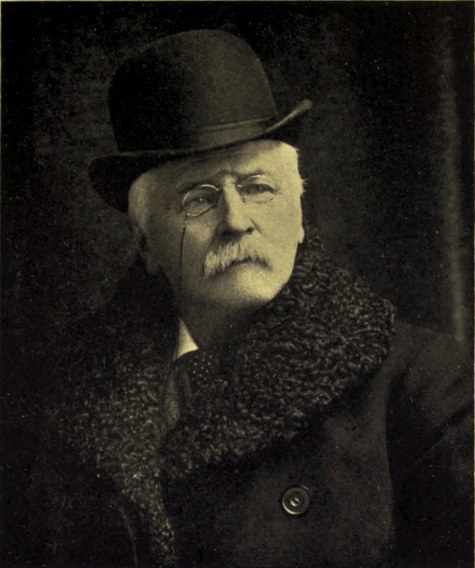
Charles Mair, portrait published in 1916.
CA-K468Culture & sport

Charles Mair, poet of Canada First

Charles Mair, born at Lanark, Upper Canada, was a journalist, poet, advocate of western expansion and an original member of the Canada First movement. A controversial figure during the Red River Resistance of 1869–1870, he later worked in business in the West and for the immigration service, and wrote works including Tecumseh and Through the Mackenzie Basin.

Factual accuracy review: No recorded challenge

Contributor: Citizen.ca

Verified against cited sourcesVerified on 2026-10-26↗
Photo: Photographer not named. · Photo licence: Public domain · Credit & context
Helena Gutteridge in 1911 (City of Vancouver Archives).
CA-K456Institutions

Helena Gutteridge, suffragist and labour organizer

Helena Gutteridge, a feminist reformer who had campaigned for the vote in Britain, came to Vancouver in 1911 and brought wage-earning women into Canada’s mostly middle-class suffrage movement. She helped organize women workers through the Vancouver Trades and Labour Council, and in 1937 became the first woman elected to Vancouver City Council, helping lay the foundations of social housing in British Columbia.

Factual accuracy review: No recorded challenge

Contributor: Citizen.ca

Verified against cited sourcesVerified on 2026-10-26↗
Photo: Matthews, James Skitt, Major · Photo licence: Public domain · Credit & context
Mary Southcott, portrait published in The Distaff, 1917.
CA-K455Institutions

Mary Southcott and nursing in Newfoundland

Mary Southcott, an educator, suffragist and nursing leader, led the campaign to professionalize nursing in early 20th-century Newfoundland. Trained in London, she founded the St. John’s General Hospital School of Nursing in 1903, the only one in Newfoundland until 1929, and helped raise standards, train midwives and found a professional association of nurses.

Factual accuracy review: No recorded challenge

Contributor: Citizen.ca

Verified against cited sourcesVerified on 2026-10-26↗
Photo: The Distaff, 1917 · Photo licence: Public domain · Credit & context
Archbishop Alexandre-Antonin Taché in 1873 (William Notman).
CA-K401Language & names

Archbishop Taché and French education in Manitoba

Alexandre-Antonin Taché, Bishop and then Archbishop of St. Boniface from 1853 to 1894, was the foremost Catholic leader in the West and oversaw missions, day schools and residential schools that sought to convert and assimilate Indigenous Peoples. He helped secure Catholic and French education rights in the Manitoba Act of 1870 and fought in vain to restore them after they were eroded from 1890.

Factual accuracy review: No recorded challenge

Contributor: Citizen.ca

Verified against cited sourcesVerified on 2026-10-26↗
Photo: William Notman · Photo licence: Public domain · Credit & context
Alexandre Vachon as a young priest, around 1910.
CA-K397Language & names

Monsignor Alexandre Vachon, science in French

Monsignor Alexandre Vachon (1885–1953) was a strong advocate of scientific education and the promotion of science for French-speaking Canadians. He founded scientific institutions, served as faculty dean and president of Université Laval, and as Archbishop of Ottawa defended the rights of Franco-Ontarians.

Factual accuracy review: No recorded challenge

Contributor: Citizen.ca

Verified against cited sourcesVerified on 2026-10-26↗
Photo: Montminy & Cie · Photo licence: Public domain · Credit & context