An independent Canadian knowledge project

Focused and Verified

Canadian knowledge base

Search by keyword

Choose one keyword, or combine two. Broader keywords include their descendants.

Keywords: Indigenous–Crown and state relations

Clear search
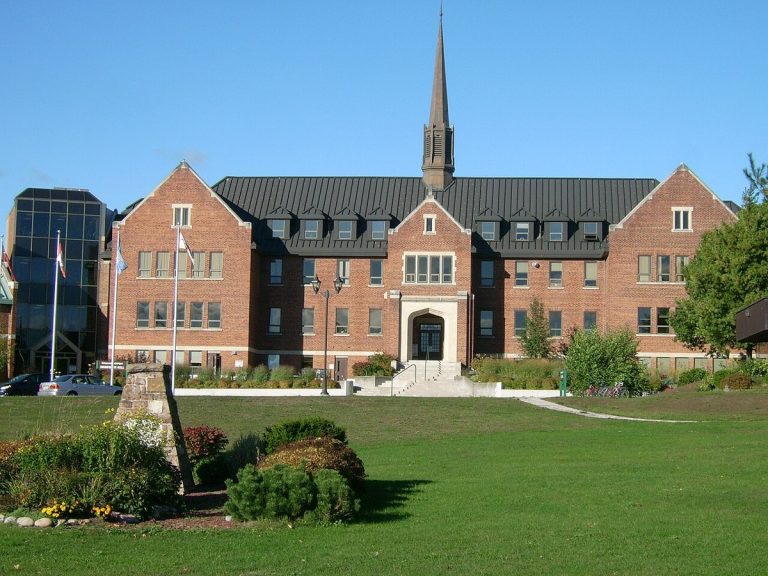
Algoma University, Sault Ste. Marie.
CA-K1207Institutions

Algoma University, Sault Ste. Marie

Algoma University was established in 1965. It is located on the former Shingwauk Indian Residential School site in Sault Ste. Marie. Its special mission includes cross-cultural learning between Indigenous communities and other communities in Northern Ontario.

Factual accuracy review: No recorded challenge

Contributor: Citizen.ca

Verified against cited sourcesVerified on 2026-10-27↗
Photo: Fungus Guy · Photo licence: CC BY-SA 3.0 · Credit & context
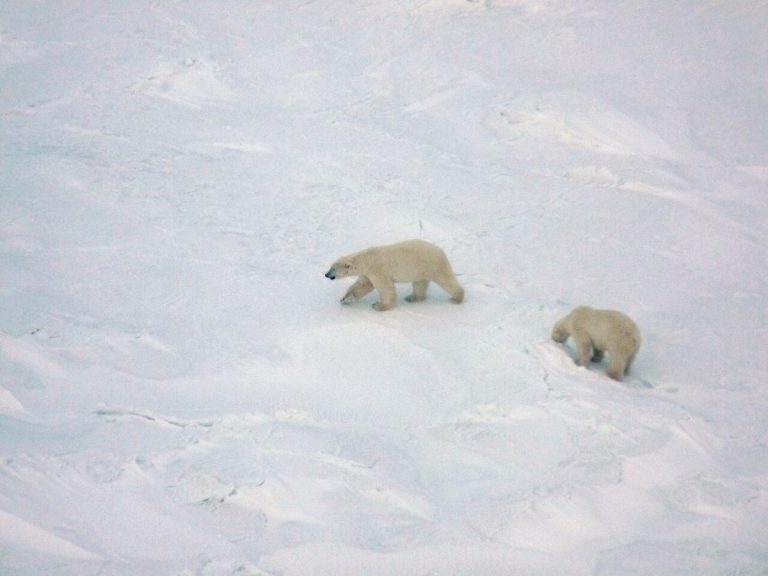
Polar bears in Wapusk National Park, seen from a helicopter.
CA-K1020Places & geography

Wapusk National Park and its polar bear dens

Wapusk National Park in northern Manitoba covers 11,475 square kilometres where boreal forest gives way to Arctic tundra, and protects one of the world’s largest polar bear maternity denning areas. It is on Treaty 5 territory and lands traditionally used by the Cree, Dene, Inuit and Red River Métis, and visits are made through licensed tour operators in Churchill.

Factual accuracy review: No recorded challenge

Contributor: Citizen.ca

Verified against cited sourcesVerified on 2026-10-27↗
Photo: Peterfitzgerald · Photo licence: CC BY-SA 3.0 · Credit & context
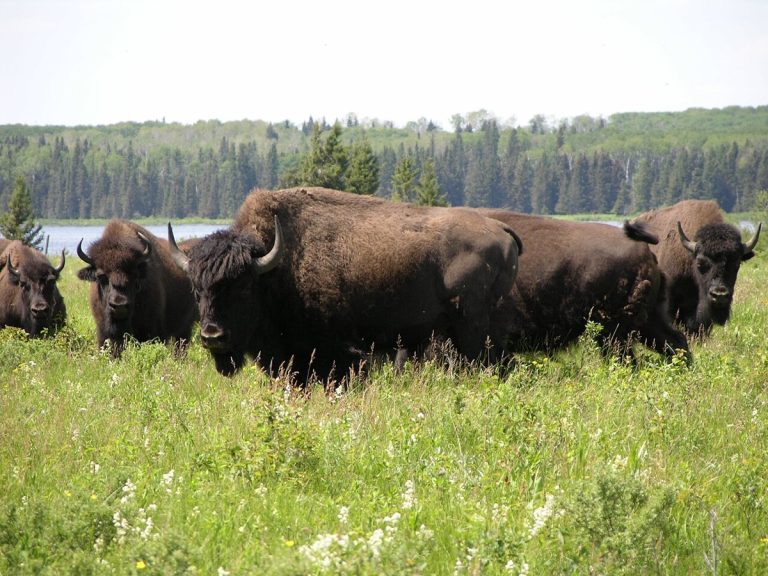
Bison herd at Lake Audy, Riding Mountain National Park.
CA-K1019Places & geography

Riding Mountain National Park in Manitoba

Riding Mountain National Park in Manitoba is home to a striking diversity of life: windswept grasslands and deep forests, wolf packs, orchids and lilies, and lakes and wetlands. The park is in Treaty 2 Territory, and Parks Canada works there with Anishinabe First Nations from Treaties 2, 4 and 1.

Factual accuracy review: No recorded challenge

Contributor: Citizen.ca

Verified against cited sourcesVerified on 2026-10-27↗
Photo: Norm Andreiw · Photo licence: CC BY 3.0 · Credit & context
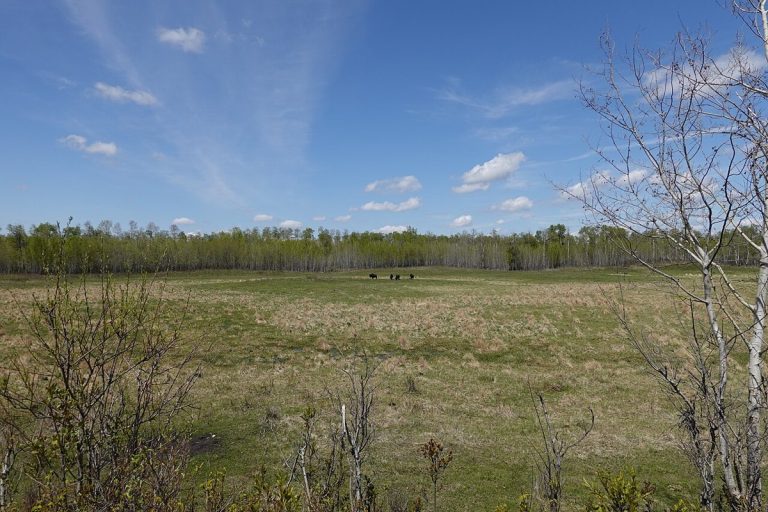
A grassland landscape in Elk Island National Park.
CA-K1002Places & geography

Elk Island National Park, near Edmonton

Elk Island National Park lies about 48 kilometres east of downtown Edmonton, in Treaty 6 territory and the Métis homeland. Its rolling hills, lakes and dark skies form a landscape Indigenous Peoples have long used for sustenance, ceremony, trade and travel. The park supports bison, elk and more than 250 bird species.

Factual accuracy review: No recorded challenge

Contributor: Citizen.ca

Verified against cited sourcesVerified on 2026-10-27↗
Photo: Khoshhat · Photo licence: CC0 · Credit & context
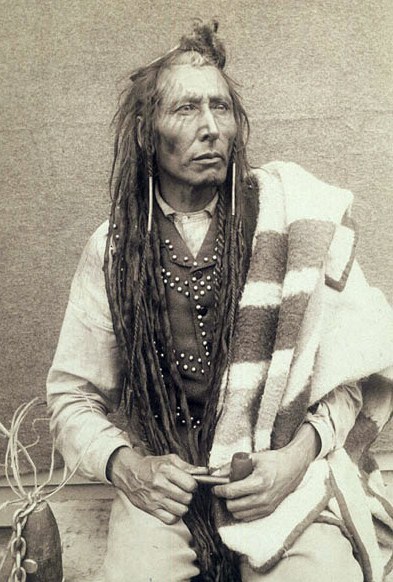
Pitikwahanapiwiyin (Poundmaker), 1885 (O.B. Buell).
CA-K887Indigenous peoples & reconciliation

Pitikwahanapiwiyin (Poundmaker), nehiyaw chief

Pitikwahanapiwiyin (Poundmaker), a nehiyaw (Plains Cree) chief and spokesman, sought better terms for his people and pressed Canada to honour Treaty 6. In 1885 he was drawn into the North-West Resistance when Lieutenant-Colonel Otter’s troops attacked his peaceful camp near Cut Knife Hill. Though he worked to prevent bloodshed and surrendered on May 26, he was imprisoned; he died soon after release and was exonerated in 2019.

Factual accuracy review: No recorded challenge

Contributor: Citizen.ca

Verified against cited sourcesVerified on 2026-10-26↗
Photo: Prof. Buell, O.B. · Photo licence: Public domain · Credit & context
Reverend George McDougall, before 1876.
CA-K867Indigenous peoples & reconciliation

Reverend George McDougall and Methodist missions in the West

George McDougall was an influential Methodist missionary in the Prairie West from 1860 until his death in 1876, founding the Victoria mission in 1862 and leading others as part of colonization efforts. He urged First Nations to abandon traditional ways, removed the sacred stone Manitou Asinîy in 1866 with damaging results, and carried word of the coming Treaty Six talks in 1875. Missions linked to him at Norway House and Morley later developed residential schools.

Factual accuracy review: No recorded challenge

Contributor: Citizen.ca

Verified against cited sourcesVerified on 2026-10-26↗
Photo: Unknown author · Photo licence: Public domain · Credit & context
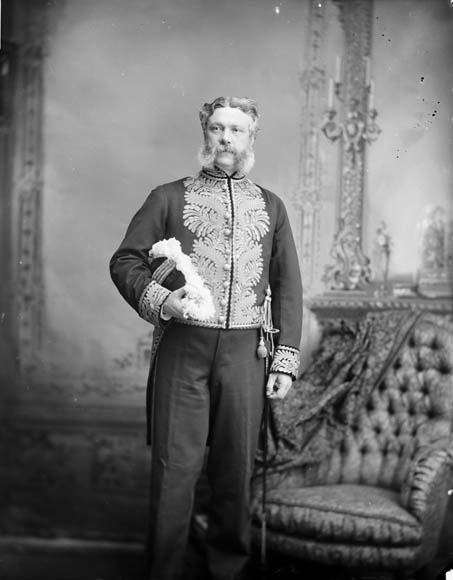
David Laird, 1894 (The Canadian Album).
CA-K864Indigenous peoples & reconciliation

David Laird, the Indian Act and the Numbered Treaties

As Minister of the Interior from 1873 to 1876, David Laird helped shape policies that treated First Nations as wards and sought their assimilation, and was the main figure in consolidating earlier laws into the Indian Act of 1876. He negotiated Treaties 4, 7 and 8, whose meaning remains disputed. As Indian commissioner he restricted ceremonies and at times worked to dispossess First Nations of promised reserves. He also founded the Charlottetown Patriot.

Factual accuracy review: No recorded challenge

Contributor: Citizen.ca

Verified against cited sourcesVerified on 2026-10-26↗
Photo: Unknown photographer · Photo licence: Public domain · Credit & context
Duncan Campbell Scott, 1916.
CA-K860Indigenous peoples & reconciliation

Duncan Campbell Scott and the residential school system

As Deputy Superintendent General of Indian Affairs from 1913 to 1932, Duncan Campbell Scott aggressively pursued policies meant to assimilate First Nations, banning cultural practices and restricting political activity, which did widespread, lasting harm. He was the chief federal official responsible for expanding and running the residential school system, whose neglect and abuse caused hunger, illness and death. In his day he was also celebrated as a Confederation poet.

Factual accuracy review: No recorded challenge

Contributor: Citizen.ca

Verified against cited sourcesVerified on 2026-10-26↗
Photo: Photographer not named. · Photo licence: Public domain · Credit & context
Joseph Trutch, June 1870 (Topley Studio).
CA-K663Indigenous peoples & reconciliation

Joseph Trutch and First Nations lands in British Columbia

Joseph Trutch, a British-born engineer who believed Indigenous Peoples inferior, was British Columbia’s chief commissioner of lands and works from 1864 to 1871. Representing settler interests, he cut existing reserves, allotted minimal land to new ones, denied Aboriginal title and refused treaties, denying First Nations access to their territories; he became the province’s first lieutenant-governor in 1871.

Factual accuracy review: No recorded challenge

Contributor: Citizen.ca

Verified against cited sourcesVerified on 2026-10-26↗
Photo: William James Topley (June 1870); Library and Archives Canada · Photo licence: Public domain · Credit & context
Frank Oliver (City of Edmonton Archives).
CA-K662Indigenous peoples & reconciliation

Frank Oliver, Edmonton editor and interior minister

Frank Oliver, owner and editor of the Edmonton Bulletin from 1880, championed a West shaped for white British and American settlers. As Minister of the Interior from 1905 to 1911 he promoted immigration policies aimed at excluding Black and Asian immigrants, and as superintendent of Indian Affairs he oversaw an expansion of residential schools and amended the Indian Act to allow forced surrender of reserve lands near towns.

Factual accuracy review: No recorded challenge

Contributor: Citizen.ca

Verified against cited sourcesVerified on 2026-10-26↗
Photo: Alfred Biyth · Photo licence: Public domain · Credit & context
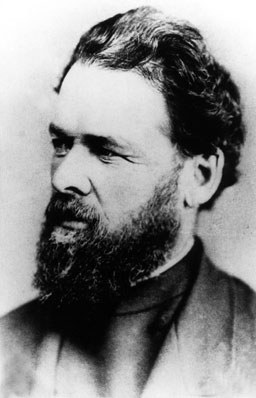
Modeste Demers, around 1860 (J. E. Livernois).
CA-K659Indigenous peoples & reconciliation

Bishop Modeste Demers in the Pacific Northwest

Modeste Demers, a Catholic priest in the Pacific Northwest from 1838, worked in part to convert Indigenous Peoples, part of the region’s colonization, and in 1847 became the first Bishop of Vancouver Island, New Caledonia and Haida Gwaii. The practices of Demers and his Church, together with colonization and assimilation, had drastic consequences for later generations of Indigenous Peoples.

Factual accuracy review: No recorded challenge

Contributor: Citizen.ca

Verified against cited sourcesVerified on 2026-10-26↗
Photo: J.E. Livernois · Photo licence: Public domain · Credit & context
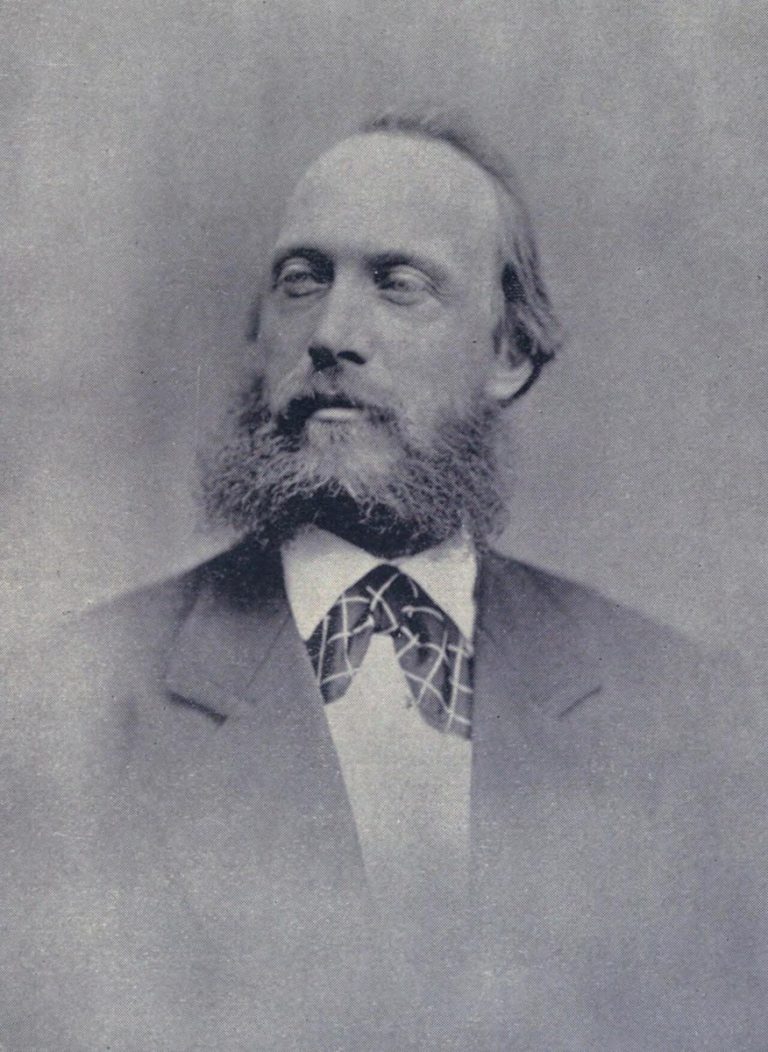
Philip Francis Little, from D. W. Prowse’s History of Newfoundland (1896).
CA-K474Institutions

Philip Francis Little, Newfoundland’s first premier

Philip Francis Little, elected to Newfoundland’s Assembly in 1850, campaigned for responsible government and united the Liberal Party behind it. In 1855 he became the colony’s first premier under responsible government, and he advanced Newfoundland’s interests through the Reciprocity Treaty with the United States.

Factual accuracy review: No recorded challenge

Contributor: Citizen.ca

Verified against cited sourcesVerified on 2026-10-26↗
Photo: Unknown author · Photo licence: Public domain · Credit & context
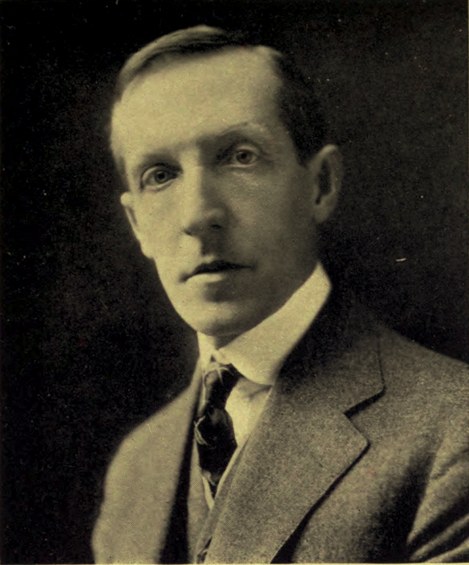
Portrait of Crowfoot, head chief of the Siksika, around 1885.
CA-K409Indigenous peoples & reconciliation

Isapo-Muxika (Crowfoot), Siksika peacemaker

Isapo-Muxika (Crowfoot), born Kainai and raised among the Siksika (Blackfoot), became a leading chief known as a warrior, orator and peacemaker. Convinced that peace served his people best, he made peace with the Plains Cree, adopting Poundmaker as his son, and persuaded the Siksika to sign Treaty 7 in 1877.

Factual accuracy review: No recorded challenge

Contributor: Citizen.ca

Verified against cited sourcesVerified on 2026-10-26↗
Photo: Alex Ross · Photo licence: Public domain · Credit & context
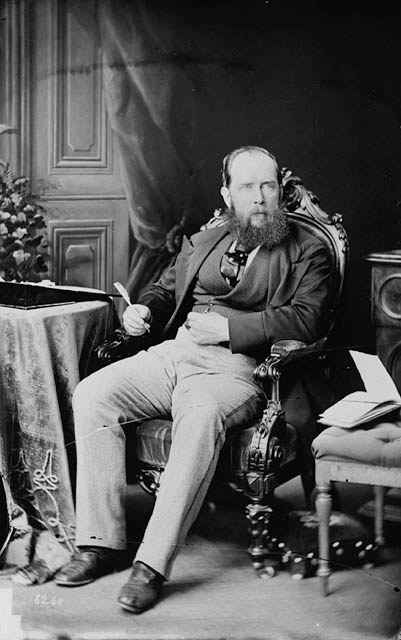
Red Crow in 1895.
CA-K405Indigenous peoples & reconciliation

Red Crow, head chief of the Kainai

Red Crow, warrior and statesman, became a head chief of the Kainai (Blood) in 1870. After first boycotting the negotiations, he signed Treaty 7 in 1877 on behalf of his people and chose the site of the Blood Reserve, the largest in Canada; his leadership helped the Kainai keep their proud and independent spirit.

Factual accuracy review: No recorded challenge

Contributor: Citizen.ca

Verified against cited sourcesVerified on 2026-10-26↗
Photo: Unknown author · Photo licence: Public domain · Credit & context
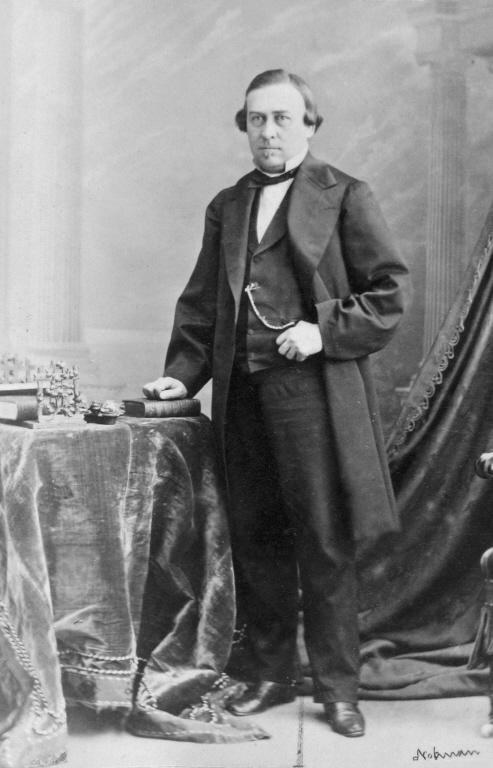
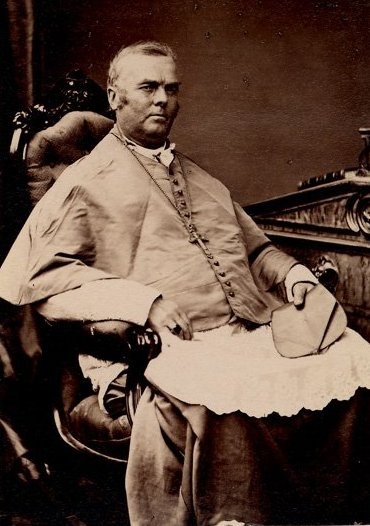
Archbishop Alexandre-Antonin Taché in 1873 (William Notman).
CA-K401Language & names

Archbishop Taché and French education in Manitoba

Alexandre-Antonin Taché, Bishop and then Archbishop of St. Boniface from 1853 to 1894, was the foremost Catholic leader in the West and oversaw missions, day schools and residential schools that sought to convert and assimilate Indigenous Peoples. He helped secure Catholic and French education rights in the Manitoba Act of 1870 and fought in vain to restore them after they were eroded from 1890.

Factual accuracy review: No recorded challenge

Contributor: Citizen.ca

Verified against cited sourcesVerified on 2026-10-26↗
Photo: William Notman · Photo licence: Public domain · Credit & context
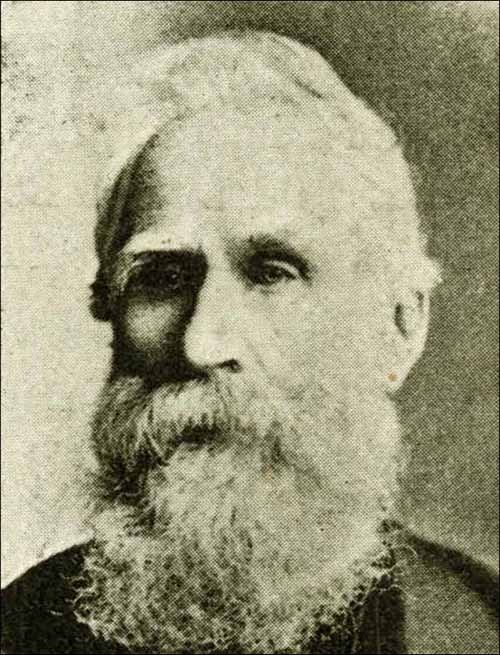
Lieutenant-Governor Edgar Dewdney, April 1883 (Topley Studio).
CA-K400Indigenous peoples & reconciliation

Edgar Dewdney and Indigenous policy on the Prairies

As Indian Commissioner (1879–1888) and Lieutenant-Governor of the North-West Territories, Edgar Dewdney withheld rations from starving First Nations until they settled on government-selected reserves, causing malnutrition, disease and death. After 1885 he helped impose the extralegal pass system and helped shape the residential school system, with devastating consequences for Indigenous children, families and communities.

Factual accuracy review: No recorded challenge

Contributor: Citizen.ca

Verified against cited sourcesVerified on 2026-10-26↗
Photo: Topley Studio / Library and Archives Canada / PA-027070 · Photo licence: Public domain · Credit & context
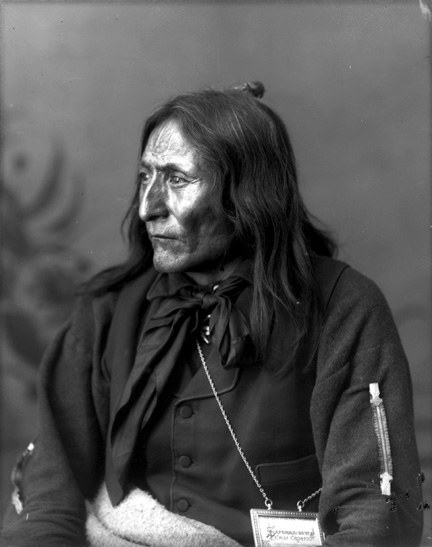
Hector-Louis Langevin in Montréal, 1865 (William Notman).
CA-K399Institutions

Sir Hector-Louis Langevin, Confederation and residential schools

Sir Hector-Louis Langevin, a Father of Confederation, attended all three conferences leading to 1867, helped draft the 72 Resolutions and led the Quebec Conservatives for nearly two decades. As Minister of Public Works, he called in 1883 for Indigenous children to be removed from their homes for assimilation and announced three industrial schools in the Northwest, part of the residential school system’s devastating expansion.

Factual accuracy review: No recorded challenge

Contributor: Citizen.ca

Verified against cited sourcesVerified on 2026-10-26↗
Photo: William Notman · Photo licence: Public domain · Credit & context
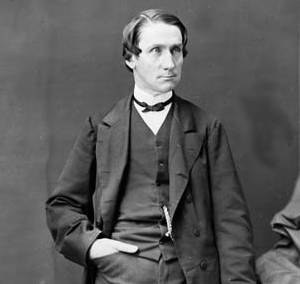
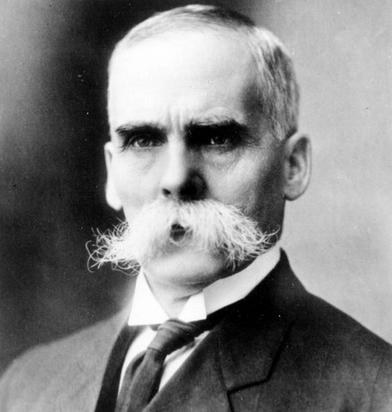
Alexander Morris in Ottawa, December 1869 (Topley Studio).
CA-K386Indigenous peoples & reconciliation

Alexander Morris and the Numbered Treaties

Alexander Morris, a supporter of Confederation and lieutenant-governor of Manitoba and the North-West Territories, negotiated Treaties 3, 4, 5 and 6 with First Nations from 1873 to 1876. First Nations sought a reciprocal relationship that safeguarded their autonomy, while Canada’s main goal was territorial expansion for settlers; Morris pressed the government to keep its spoken promises.

Factual accuracy review: No recorded challenge

Contributor: Citizen.ca

Verified against cited sourcesVerified on 2026-10-26↗
Photo: William James Topley · Photo licence: Public domain · Credit & context
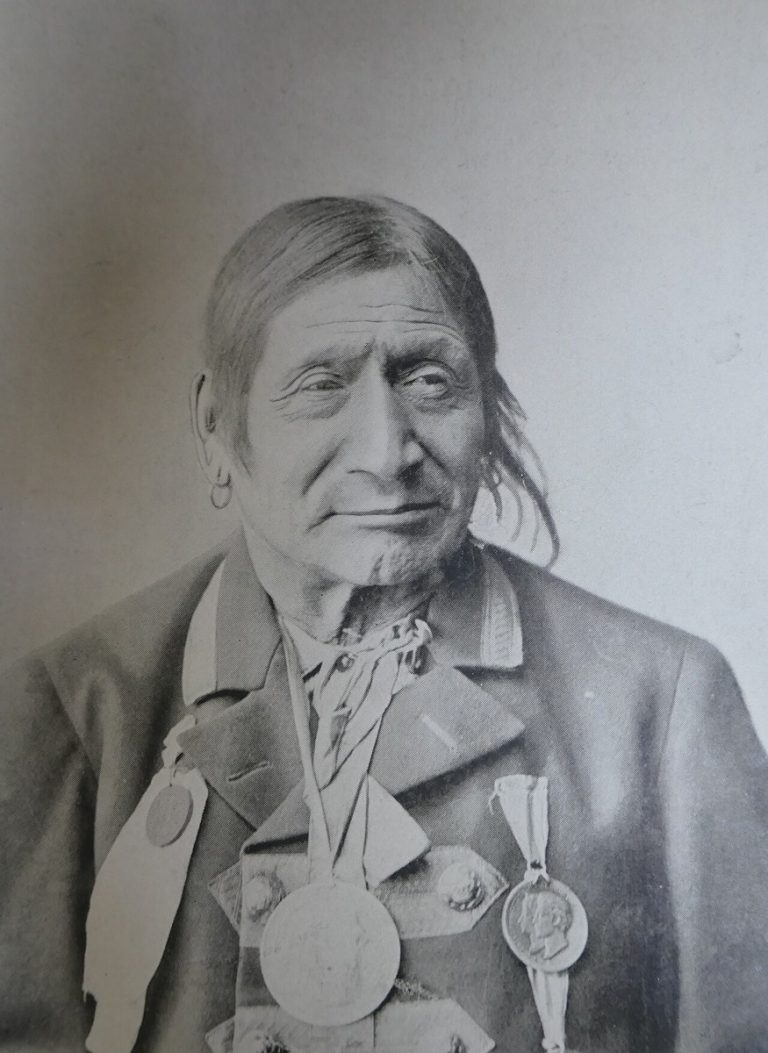
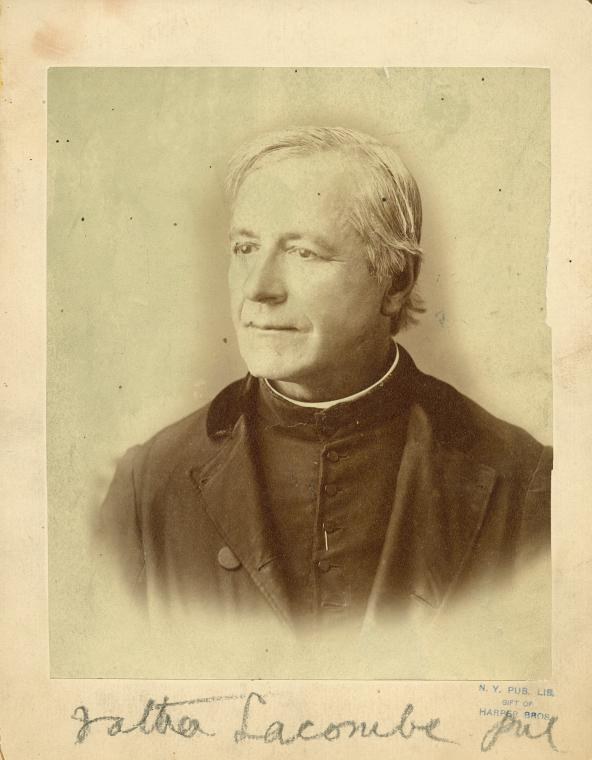
Father Albert Lacombe, photographed before 1916.
CA-K385Indigenous peoples & reconciliation

Father Albert Lacombe, missionary in the West

From 1852, Oblate priest Albert Lacombe spent over 60 years seeking to convert Indigenous Peoples in western Canada to Christianity, founding missions such as St. Albert with Métis and Cree help and acting as a go-between during Treaty 8 talks. He was the first principal of the High River Industrial School in 1884–1885 and advocated separating children from their families and suppressing Indigenous languages.

Factual accuracy review: No recorded challenge

Contributor: Citizen.ca

Verified against cited sourcesVerified on 2026-10-26↗
Photo: Unknown author · Photo licence: Public domain · Credit & context
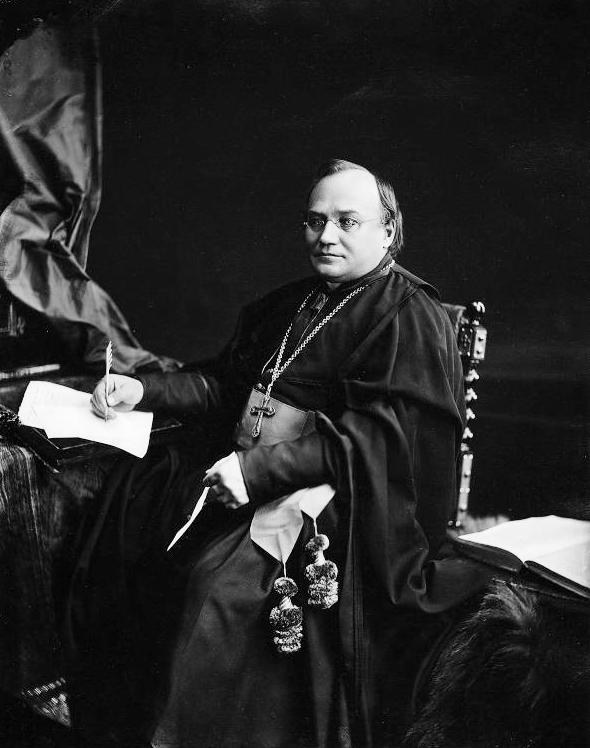
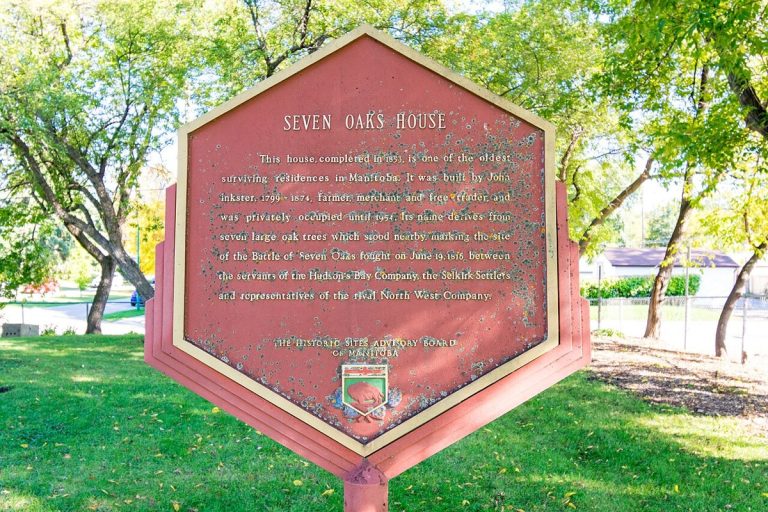
A historical plaque at Seven Oaks House Museum in Winnipeg, Manitoba, photographed in 2017.
CA-K376Indigenous peoples & reconciliation

Seven Oaks House and the Inkster family of Red River

Seven Oaks House in Winnipeg, in the Métis homeland and on Treaty 1 territory, includes a cabin of about 1831 built in Red River frame style and a Georgian house of 1851–1853. Home to the Scottish and Métis Inkster family, it shows the centrality of Métis families in the Red River community and the shift from the fur trade to farming and town life.

Factual accuracy review: No recorded challenge

Contributor: Citizen.ca

Verified against cited sourcesVerified on 2026-10-26↗
Photo: Jessica Losorata · Photo licence: CC BY-SA 4.0 · Credit & context
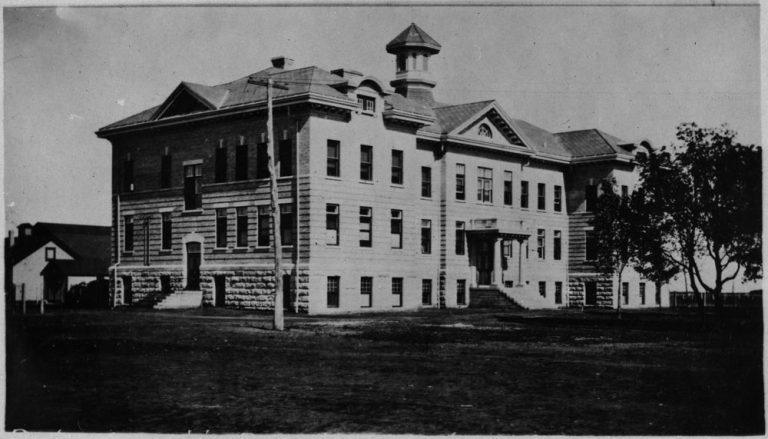
The school building at Portage la Prairie, Manitoba, around 1914–1915 (Library and Archives Canada).
CA-K344Indigenous peoples & reconciliation

The former Portage la Prairie Indian Residential School

At the Portage la Prairie Indian Residential School in Manitoba, built in 1914–1915 and open until 1975, Indigenous children endured abuse, severe discipline, punishment for speaking their languages and isolation from their families. Operated by the Presbyterian and United Churches for the federal government, it was part of a policy the Truth and Reconciliation Commission called cultural genocide; Long Plain First Nation took ownership in 1981 and has made it a place of commemoration and resilience.

Factual accuracy review: No recorded challenge

Contributor: Citizen.ca

Verified against cited sourcesVerified on 2026-10-26↗
Photo: BiblioArchives / LibraryArchives · Photo licence: CC BY 2.0 · Credit & context
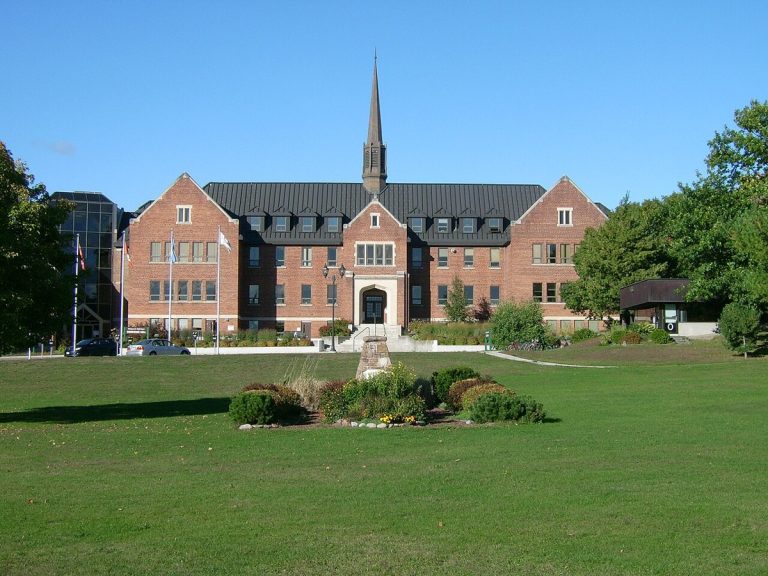
Shingwauk Hall, the former school’s main building, now part of Algoma University in Sault Ste. Marie, photographed in 2012.
CA-K328Indigenous peoples & reconciliation

The former Shingwauk Indian Residential School

The Shingwauk Indian Residential School in Sault Ste. Marie, Ontario, opened by the Anglican Church in 1875 and closed in 1970, was part of the residential school system that sought to assimilate Indigenous children by separating them from their families, cultures and languages. Named for Chief Shingwaukonse, whose vision of education was lost, it was a Shingwauk school “in name only”; its main building, Shingwauk Hall, is one of the few remaining residential school buildings in Canada.

Factual accuracy review: No recorded challenge

Contributor: Citizen.ca

Verified against cited sourcesVerified on 2026-10-26↗
Photo: Fungus Guy · Photo licence: CC BY-SA 3.0 · Credit & context