An independent Canadian knowledge project

Focused and Verified

Canadian knowledge base

Search by keyword

Choose one keyword, or combine two. Broader keywords include their descendants.

Keywords: Conflict and military history

Clear search
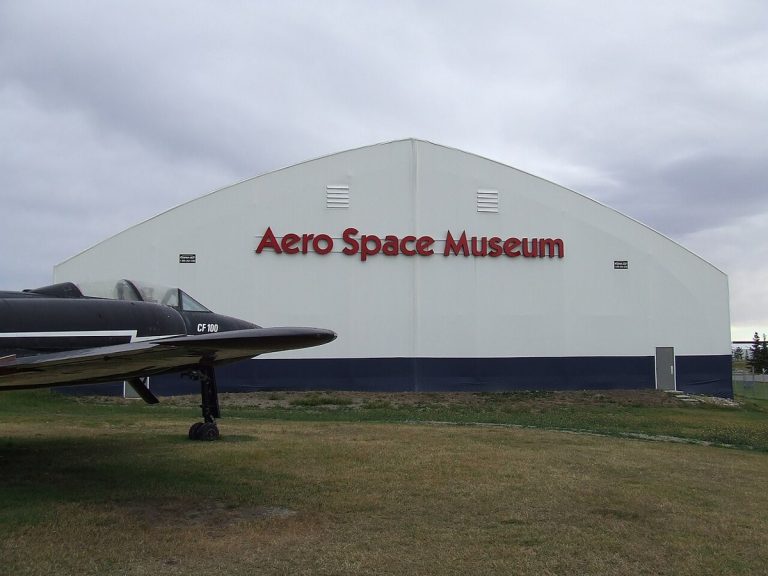
The Hangar Flight Museum, Calgary.
CA-K1717Culture & sport

The Hangar Flight Museum, Calgary

The Hangar Flight Museum, formerly the Aero Space Museum of Calgary, began in 1975 as a non-profit association caring for aviation artifacts. Since 1985 it has occupied a former Second World War British Commonwealth Air Training Plan drill hall at Calgary International Airport.

Factual accuracy review: No recorded challenge

Contributor: Citizen.ca

Verified against cited sourcesVerified on 2026-10-28↗
Photo: User:Jaydec · Photo licence: CC BY-SA 3.0 · Credit & context
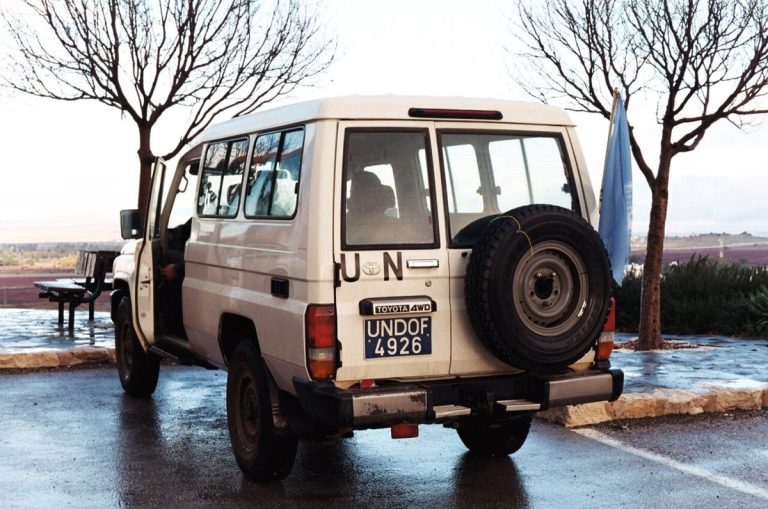
A vehicle of the United Nations Disengagement Observer Force in the Golan Heights.
CA-K1378History

Canadian peacekeepers in the Golan Heights, since 1974

Canada has kept a peacekeeping presence in the Golan Heights of Syria since 1974, when it joined the United Nations Disengagement Observer Force after the Yom Kippur War. It is one of Canada’s longest-running international commitments, and more than 12,000 Canadians have served there.

Factual accuracy review: No recorded challenge

Contributor: Citizen.ca

Verified against cited sourcesVerified on 2026-10-27↗
Photo: Spaceboyjosh · Photo licence: CC BY-SA 4.0 · Credit & context
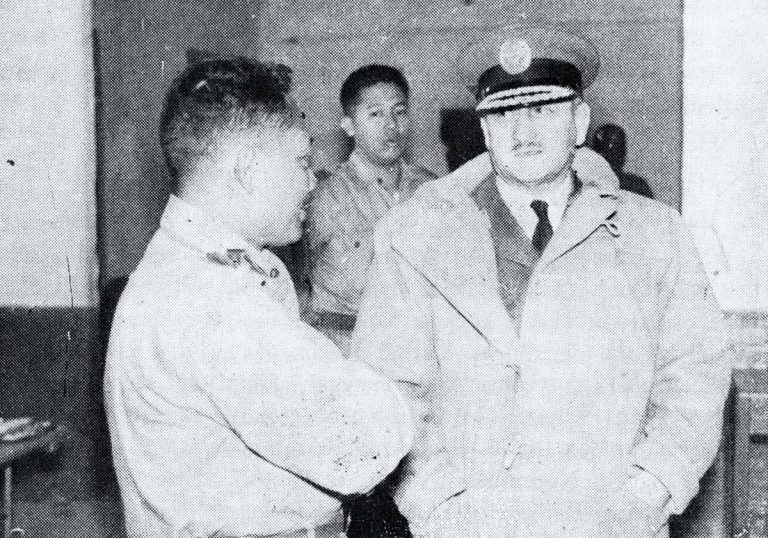
Major-General E.L.M. Burns, commander of the UN Emergency Force, 1957.
CA-K1375History

Canadian peacekeepers in Egypt and the Suez Crisis

During the Suez Crisis of 1956, Canadian diplomat Lester B. Pearson proposed a peacekeeping force, and the United Nations launched its first large-scale peacekeeping mission, the United Nations Emergency Force, commanded by Canada’s Major-General E.L.M. “Tommy” Burns. Canadians served with UN troops in Egypt from 1956 to 1967 and again from 1973 to 1979; Pearson received the 1957 Nobel Peace Prize.

Factual accuracy review: No recorded challenge

Contributor: Citizen.ca

Verified against cited sourcesVerified on 2026-10-27↗
Photo: Indonesian Ministry of Information and the Information Department of the Indonesian Army · Photo licence: Public domain · Credit & context
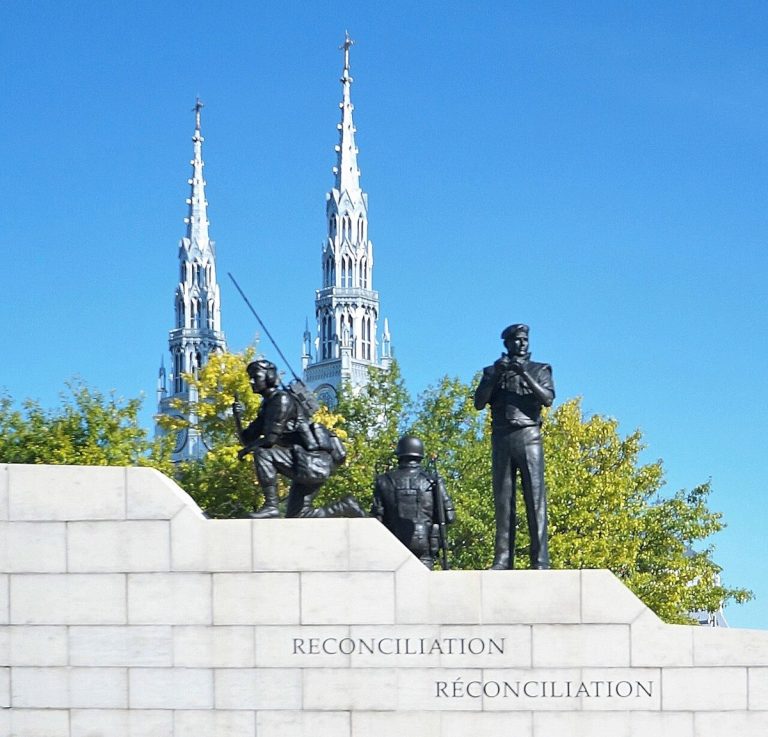
Reconciliation: The Peacekeeping Monument, Ottawa.
CA-K1374History

Canada and international peacekeeping

Members of the Canadian Armed Forces have served in dozens of peacekeeping efforts with the United Nations, NATO and other multinational operations. Peacekeepers are neutral international troops sent to countries in turmoil to reduce tensions and restore peace, monitoring ceasefires, patrolling buffer zones, clearing landmines and providing humanitarian aid.

Factual accuracy review: No recorded challenge

Contributor: Citizen.ca

Verified against cited sourcesVerified on 2026-10-27↗
Photo: Pierre André Leclercq · Photo licence: CC BY 4.0 · Credit & context
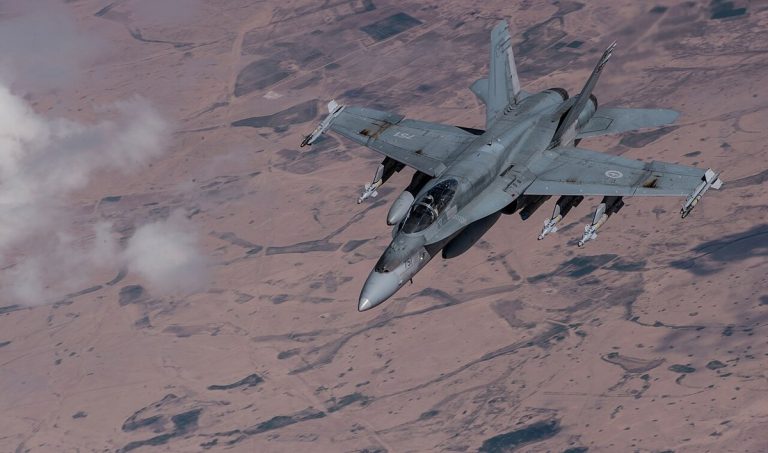
A Royal Canadian Air Force CF-188 Hornet during coalition operations against Daesh, March 2015.
CA-K1370History

Canada against Daesh in Iraq and Syria: Operation IMPACT

Operation IMPACT began as the Canadian Armed Forces’ support to the Global Coalition formed in 2014 to degrade and defeat Daesh in Iraq and Syria. Canadian CF-18 Hornets flew 1,378 sorties between October 30, 2014, and February 15, 2016. The mission then focused on training and building the military capabilities of Iraq, Jordan and Lebanon.

Factual accuracy review: No recorded challenge

Contributor: Citizen.ca

Verified against cited sourcesVerified on 2026-10-27↗
Photo: Staff Sgt. Perry Aston · Photo licence: Public domain · Credit & context
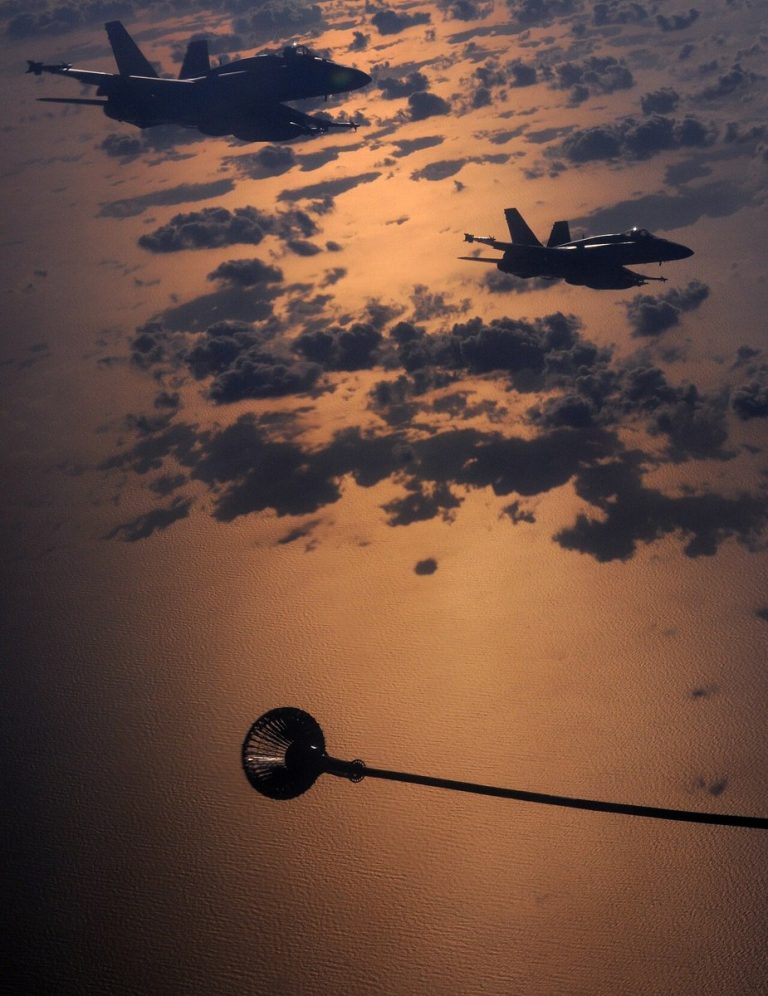
Canadian CF-18s waiting to refuel from a Royal Air Force tanker over Libya, July 2011.
CA-K1369History

Canada in Libya, 2011

In 2011 Canada took part in the NATO-led Operation Unified Protector in Libya through Operation Mobile. It began in February with the evacuation of Canadians and other foreign nationals, then, after the UN Security Council imposed a no-fly zone on 17 March, became a combat operation involving naval ships and fighter, transport, patrol, helicopter and refuelling aircraft. It ended on October 31, 2011, after Gadhafi’s death.

Factual accuracy review: No recorded challenge

Contributor: Citizen.ca

Verified against cited sourcesVerified on 2026-10-27↗
Photo: SAC Sally Raimondo / MOD · Photo licence: OGL v1.0 · Credit & context
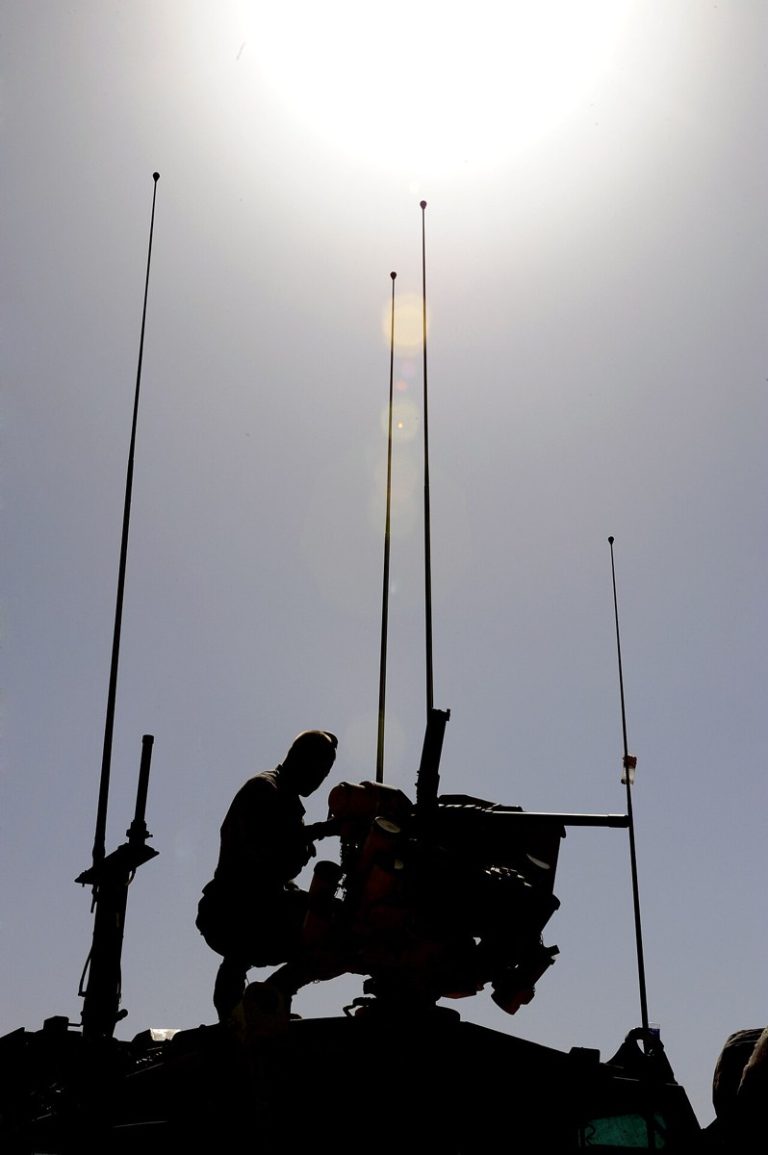
Canadian soldiers and RG-31 vehicles in Afghanistan, October 2008.
CA-K1368History

Canada in Afghanistan, 2001–2014

After the attacks of 11 September 2001, Canada joined the international coalition against the Taliban regime in Afghanistan, which had sheltered Al-Qaeda. More than 40,000 Canadians served there, the largest deployment of Canadian troops since the Second World War, in a conflict that lasted more than 12 years, the longest in Canada’s history. Canada led Operation MEDUSA, its largest combat operation since the Korean War.

Factual accuracy review: No recorded challenge

Contributor: Citizen.ca

Verified against cited sourcesVerified on 2026-10-27↗
Photo: ISAF photo by U.S. Air Force TSgt Laura K. Smith · Photo licence: Public domain · Credit & context
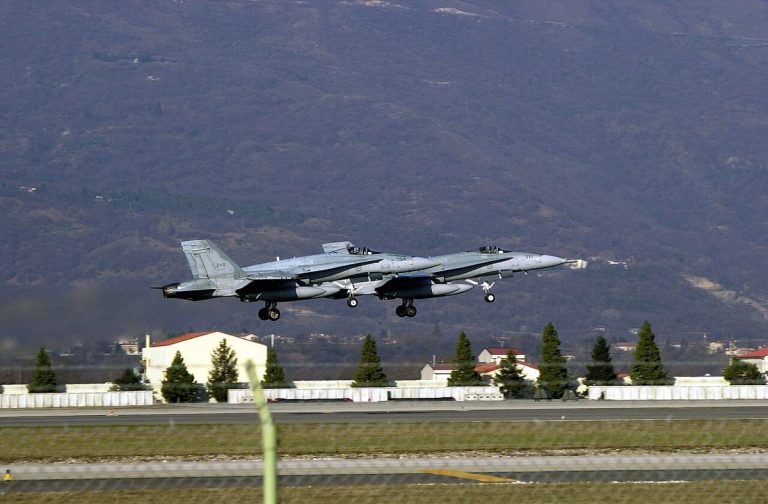
Canadian CF-18 aircraft departing Aviano Air Base, Italy, after supporting Operations Allied Force and Echo; photographed in December 2000.
CA-K1367History

Canada in the Kosovo air campaign, 1999

In 1999 Canadian CF-18 pilots flew combat missions in NATO’s 79-day air campaign over Kosovo, Operation ALLIED FORCE, which ran from March to June 1999 to end violence and repression in Kosovo. Canada’s part, Operation Echo, had begun in June 1998 when CF-18 Hornets deployed to Aviano, Italy.

Factual accuracy review: No recorded challenge

Contributor: Citizen.ca

Verified against cited sourcesVerified on 2026-10-27↗
Photo: Staff Sgt. Jennifer C. Wallis, U.S. Air Force · Photo licence: Public domain · Credit & context
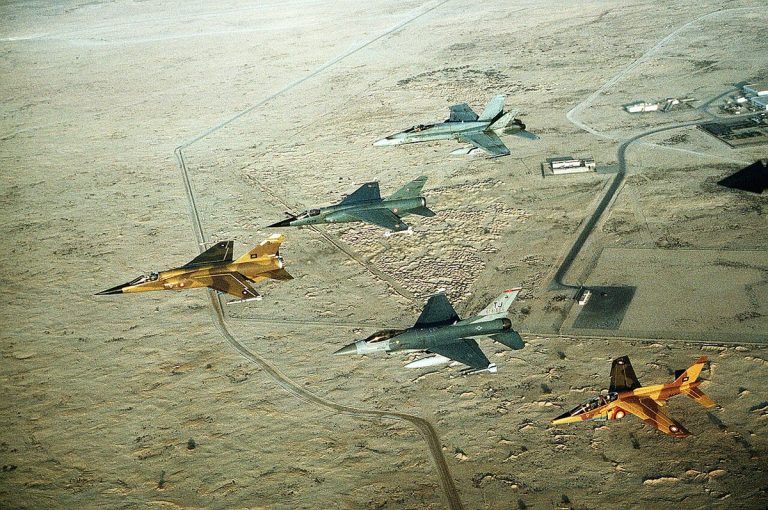
A Canadian CF-18 Hornet flying with coalition fighter jets during Operation Desert Shield.
CA-K1366History

Canada in the Gulf War, 1990–1991

After Iraq invaded Kuwait on 2 August 1990, more than 4,000 Canadians served in the Persian Gulf with a coalition formed to drive Iraqi forces out. Canada’s part, Operation Friction, was mainly warships and aircraft. It was the first conflict in which Canadian women played an active combat role.

Factual accuracy review: No recorded challenge

Contributor: Citizen.ca

Verified against cited sourcesVerified on 2026-10-27↗
Photo: Staff Sgt. Lee Corkran · Photo licence: Public domain · Credit & context
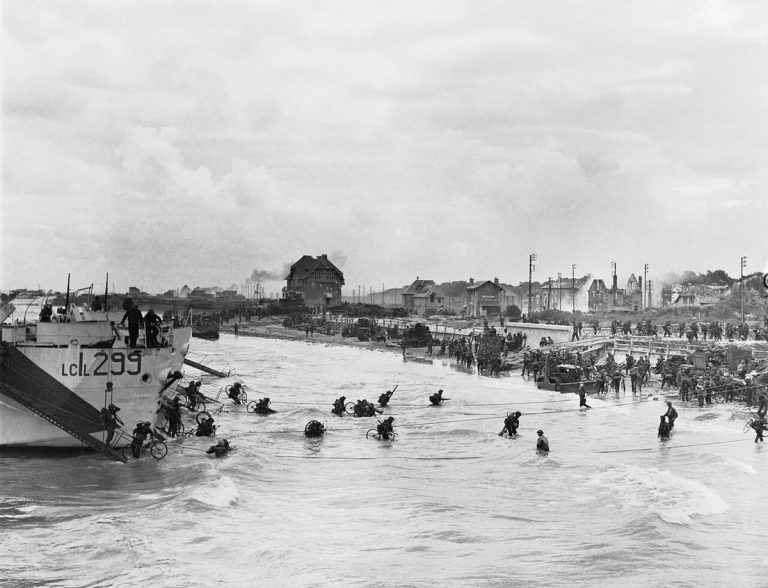
Soldiers of the 9th Canadian Infantry Brigade landing at Juno Beach, 6 June 1944.
CA-K1365History

Canada in the Second World War, 1939–1945

Germany’s invasion of Poland in 1939 began more than six years of fighting on land, at sea and in the air that ended in 1945. More than one million Canadians and Newfoundlanders served in uniform at home and around the world; over 45,000 gave their lives and another 55,000 were wounded.

Factual accuracy review: No recorded challenge

Contributor: Citizen.ca

Verified against cited sourcesVerified on 2026-10-27↗
Photo: Canadian Official photographer · Photo licence: Public domain · Credit & context
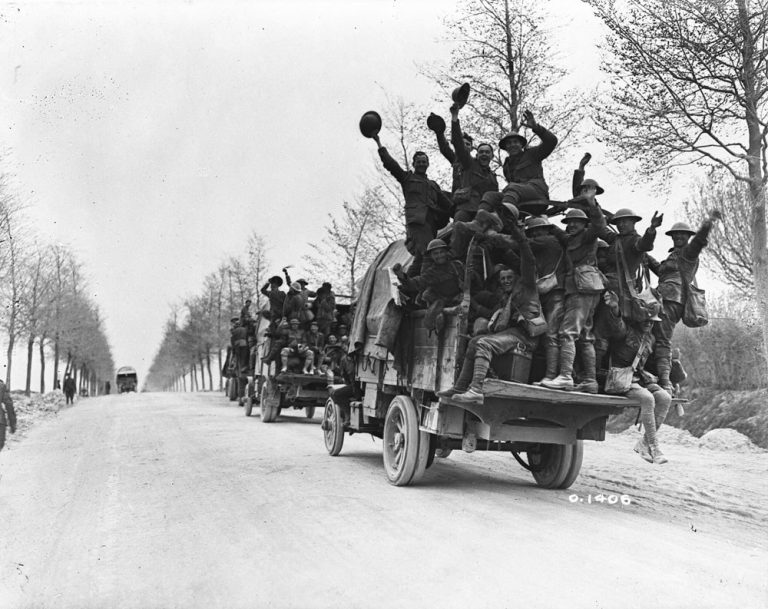
Canadian troops heading for a rest after the capture of Vimy Ridge, May 1917.
CA-K1364History

Canada in the First World War, 1914–1918

When Britain declared war in August 1914, Canada, whose external affairs were still governed by the United Kingdom, was automatically at war. More than 650,000 Canadians and Newfoundlanders served in what was then called the Great War; more than 66,000 died and more than 172,000 were wounded. Canada signed the Treaty of Versailles separately from Britain.

Factual accuracy review: No recorded challenge

Contributor: Citizen.ca

Verified against cited sourcesVerified on 2026-10-27↗
Photo: Castle, W.I. (William Ivor), official Canadian War photographer · Photo licence: Public domain · Credit & context
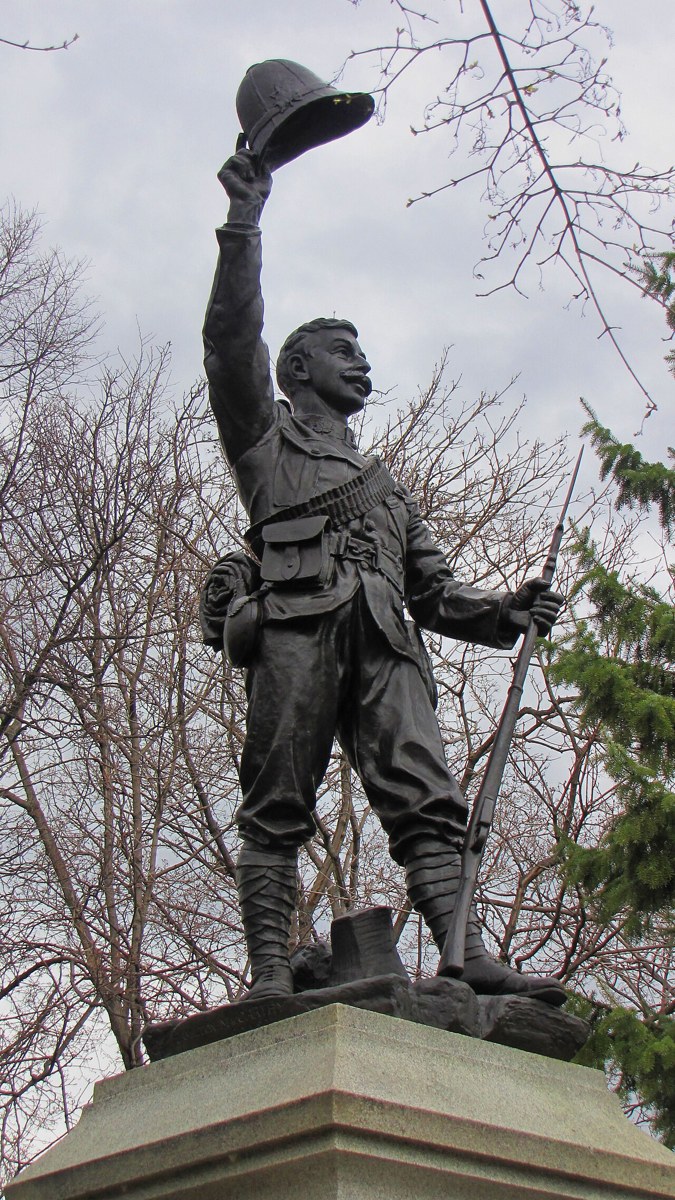
Memorial to soldiers who died in the South African War, by Hamilton MacCarthy, Confederation Park, Ottawa.
CA-K1363History

Canada in the South African War, 1899–1902

The South African War, also known as the Boer War, was fought in southern Africa from 1899 to 1902 between the British Empire and the Boers. More than 7,000 Canadians volunteered to serve alongside British forces, and five earned the Victoria Cross. In February 1900 Canadians played an important role at Paardeberg, the first major British victory of the war.

Factual accuracy review: No recorded challenge

Contributor: Citizen.ca

Verified against cited sourcesVerified on 2026-10-27↗
Photo: D. Gordon E. Robertson · Photo licence: CC BY-SA 3.0 · Credit & context
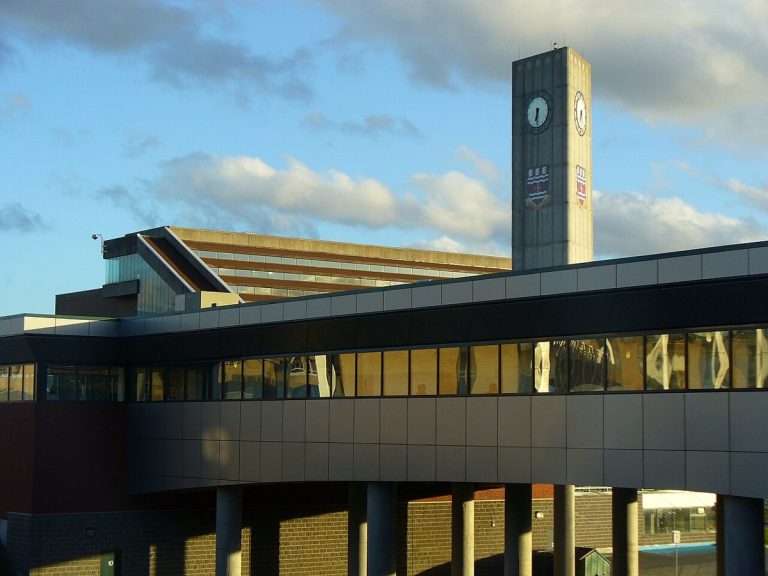
Queen Elizabeth II Library, University Centre and clocktower at Memorial University in St. John’s, 2007.
CA-K1217Institutions

Memorial University of Newfoundland, a living memorial

Memorial University College was founded in St. John’s in 1925 to commemorate Newfoundlanders who died in the First World War. Its institutional history also traces the development of higher education in Newfoundland to the Council of Higher Education, established in 1893.

Factual accuracy review: No recorded challenge

Contributor: Citizen.ca

Verified against cited sourcesVerified on 2026-10-27↗
Photo: User:Neelix · Photo licence: Public domain · Credit & context
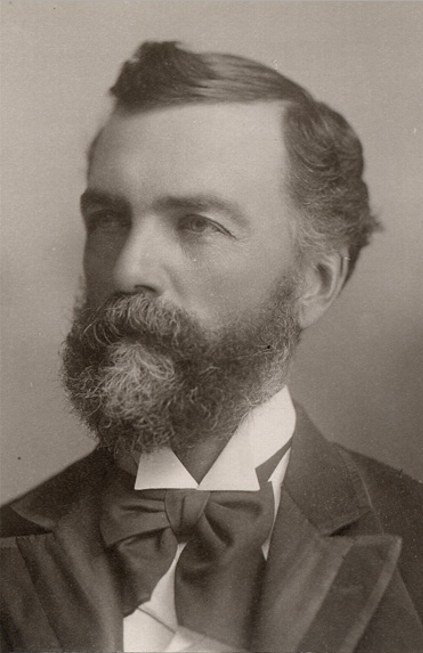
Joseph-Israël Tarte, about 1890 (Jules-Isaïe Benoît).
CA-K977History

Israël Tarte, architect of Laurier’s 1896 victory

Joseph-Israël Tarte, a brilliant polemicist, journalist and politician, took part in every major political battle of his time, working under various banners to protect French and Catholic minorities and strengthen Canada’s place in the Empire. Elected in 1891, he engineered Laurier’s 1896 triumph in Quebec. As Minister of Public Works (1896–1902) he improved St. Lawrence navigation and made Montréal the country’s leading port.

Factual accuracy review: No recorded challenge

Contributor: Citizen.ca

Verified against cited sourcesVerified on 2026-10-27↗
Photo: Jules-Isaïe Benoît · Photo licence: Public domain · Credit & context
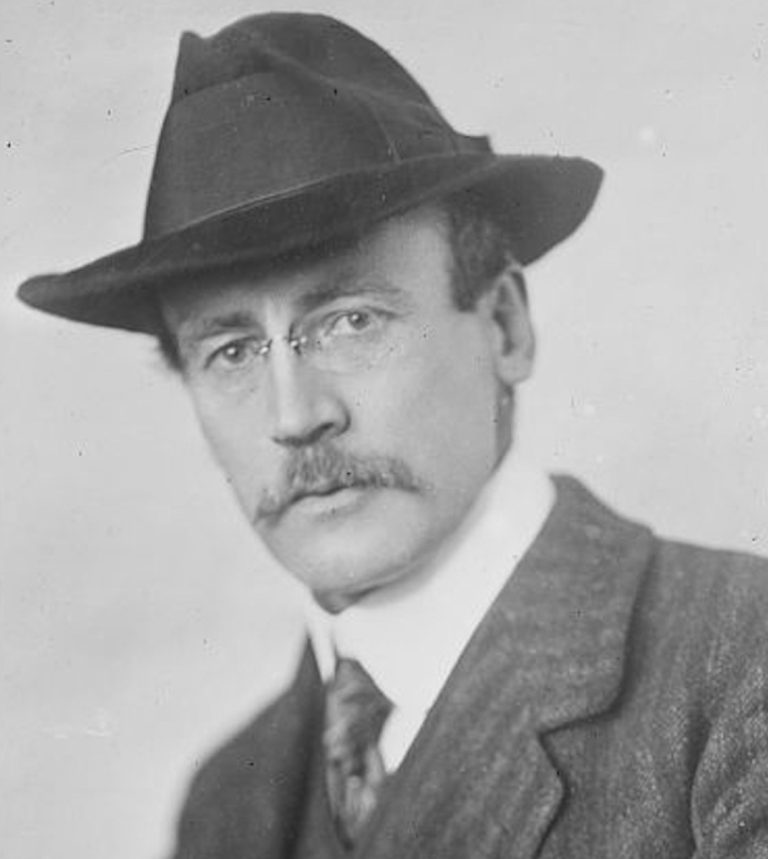
R. Tait McKenzie (Bain News Service).
CA-K926Culture & sport

R. Tait McKenzie, surgeon, educator and sculptor

Robert Tait McKenzie, born in Lanark County, Ontario, graduated in medicine at McGill and became its medical director of physical training in 1894. A pioneer of physical education, he served as a surgeon in the First World War and developed widely adopted rehabilitation methods. He won international acclaim for sculptures of athletes; his medallion The Joy of Effort was set in Stockholm’s Olympic Stadium in 1912.

Factual accuracy review: No recorded challenge

Contributor: Citizen.ca

Verified against cited sourcesVerified on 2026-10-27↗
Photo: Bain News Service · Photo licence: Public domain · Credit & context
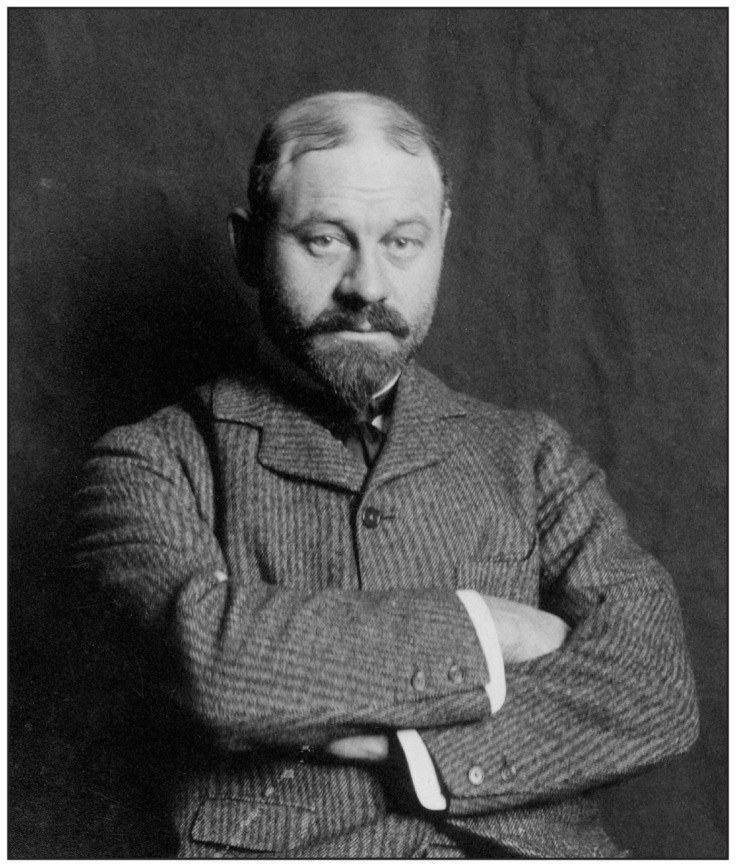
Dr. Andrew Macphail, about 1907.
CA-K925Culture & sport

Sir Andrew Macphail, doctor and essayist

Andrew Macphail, born at Orwell, Prince Edward Island, became a distinguished doctor and writer and McGill’s first professor of the history of medicine (1907–37). Knighted for his service with the Canadian Army Medical Corps in the First World War, he founded and edited the University Magazine and wrote books, plays and poems sharply criticizing the modern age, contrasting the rural life of his childhood with urban industrialism.

Factual accuracy review: No recorded challenge

Contributor: Citizen.ca

Verified against cited sourcesVerified on 2026-10-27↗
Photo: Unknown author · Photo licence: Public domain · Credit & context
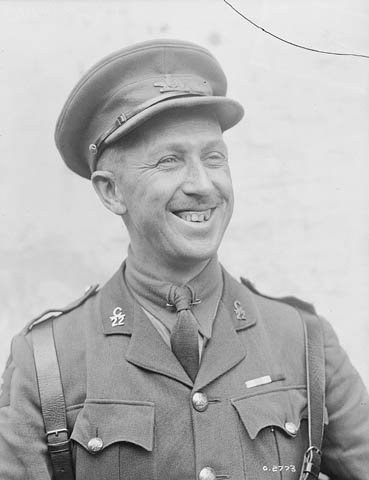
Major Georges P. Vanier, 22nd Battalion, 1918.
CA-K913History

Georges Vanier, soldier, diplomat and Governor General

Georges Vanier helped found the Royal 22e Régiment, served with it in the First World War and commanded it from 1925 to 1928. He represented Canada at the League of Nations, in London and in Paris, becoming Canada’s first ambassador to France in 1944. As Governor General from 1959 to 1967, the first French Canadian in that role since Confederation, he devoted himself to national unity.

Factual accuracy review: No recorded challenge

Contributor: Citizen.ca

Verified against cited sourcesVerified on 2026-10-27↗
Photo: Canada. Dept. of National Defence. Unknown photographer. · Photo licence: Public domain · Credit & context
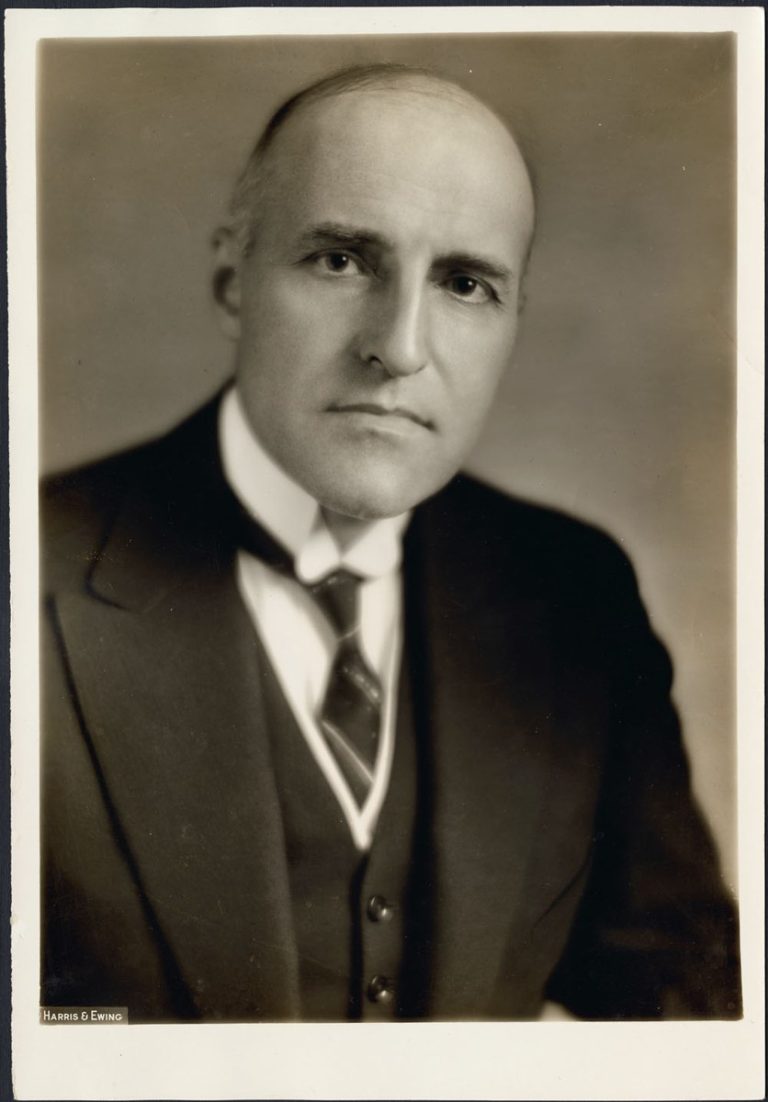
James L. Ralston, 1921 (Harris & Ewing).
CA-K873History

J.L. Ralston, Minister of National Defence

James Layton Ralston, born in Amherst, Nova Scotia, was a lawyer, provincial legislator and decorated First World War veteran. He became Minister of National Defence in Mackenzie King’s government in 1926 and again in 1940. His support for conscription for overseas service was opposed by King, and he was forced to resign from cabinet in 1944.

Factual accuracy review: No recorded challenge

Contributor: Citizen.ca

Verified against cited sourcesVerified on 2026-10-26↗
Photo: Harris & Ewing · Photo licence: Public domain · Credit & context
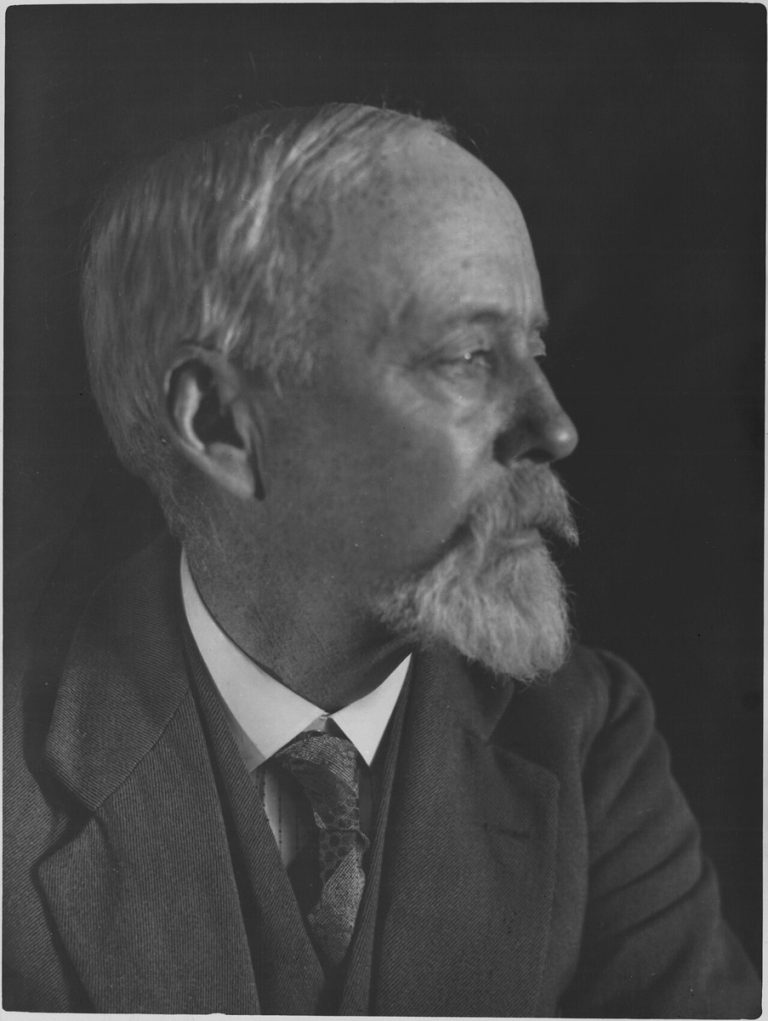
Maurice Cullen, R.C.A., 1931 (Archives of Ontario).
CA-K866Culture & sport

Maurice Cullen, painter of the Canadian winter

Maurice Cullen, born in St. John’s, studied sculpture in Montréal under Philippe Hébert and painting at the École des Beaux-Arts in Paris. Returning in 1895, he taught at the Art Association of Montreal and in the First World War served overseas as an official war artist. His international reputation rests mainly on his impressionist views of the Canadian winter.

Factual accuracy review: No recorded challenge

Contributor: Citizen.ca

Verified against cited sourcesVerified on 2026-10-26↗
Photo: Unknown photographer; Archives of Ontario · Photo licence: Public domain · Credit & context
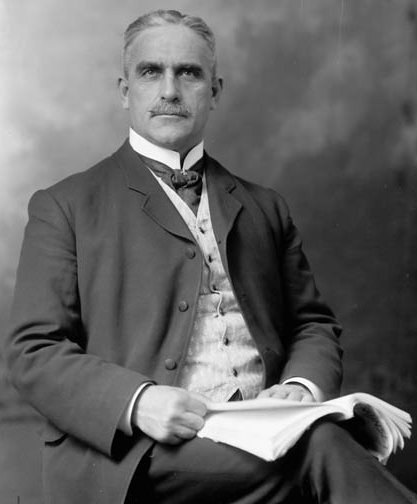
Col. Sam Hughes, 1905 (William James Topley).
CA-K801History

Sir Sam Hughes, Minister of Militia

Sam Hughes, soldier, journalist and Member of Parliament for Lindsay from 1892 to 1921, helped create a distinctly Canadian army. As Minister of Militia and Defence from 1911 to 1916, he raised the Canadian Expeditionary Force that fought in the First World War and was knighted, but disputes with colleagues and subordinates forced him from Cabinet in 1916.

Factual accuracy review: No recorded challenge

Contributor: Citizen.ca

Verified against cited sourcesVerified on 2026-10-26↗
Photo: William James Topley · Photo licence: Public domain · Credit & context
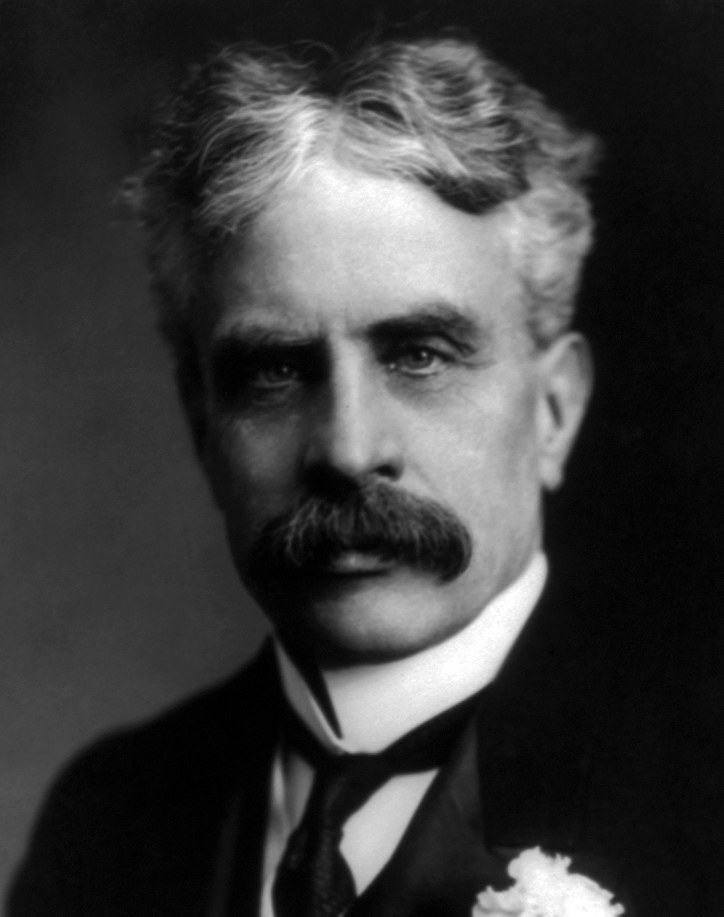
Sir Robert Borden, 1911 (Notman studio).
CA-K784History

Sir Robert Borden, wartime prime minister

Sir Robert Borden, born at Grand-Pré, Nova Scotia, led the Conservative Party from 1901 and was Prime Minister from 1911 to 1920. He guided Canada through the First World War, imposed conscription for overseas service in 1917 and formed a Union government of Liberals and Conservatives. He is remembered above all for insisting that Canada act as an autonomous nation in international diplomacy.

Factual accuracy review: No recorded challenge

Contributor: Citizen.ca

Verified against cited sourcesVerified on 2026-10-26↗
Photo: Notman, Boston · Photo licence: Public domain · Credit & context
Davidson Black, photogravure (Wellcome Collection).
CA-K738History

Davidson Black and “Peking Man”

Davidson Black, born and educated in Toronto, turned from medicine to the study of fossil humans and took a post at Peking Union Medical College after the First World War. In 1927, from a fossil tooth found at Zhoukoudian, he described fossil material under the name Sinanthropus pekinensis, the “Peking Man”, a find later confirmed by excavations with Chinese and European scientists.

Factual accuracy review: No recorded challenge

Contributor: Citizen.ca

Verified against cited sourcesVerified on 2026-10-26↗
Photo: Photogravure; Wellcome Collection, V0026054 · Photo licence: CC BY 4.0 · Credit & context
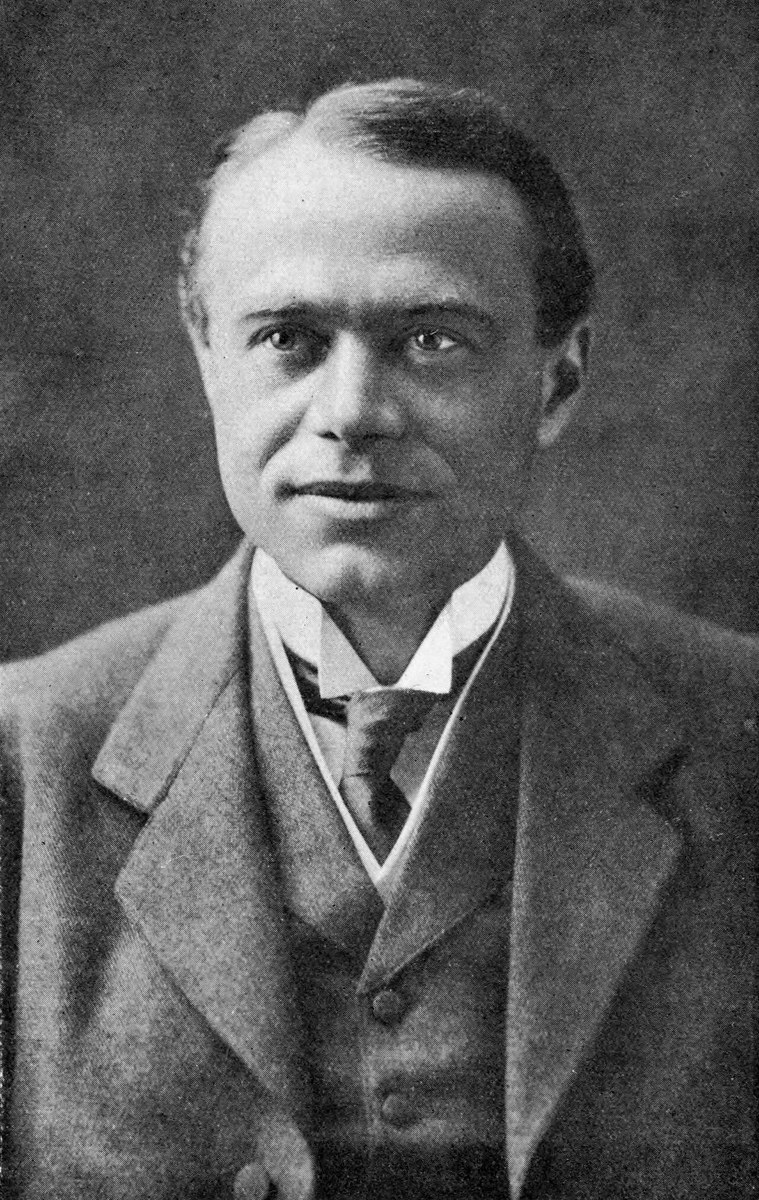
Max Aitken, Lord Beaverbrook, around 1918.
CA-K714Economy & trade

Max Aitken, Lord Beaverbrook

Max Aitken, Lord Beaverbrook, was an important and controversial Canadian financier and the outspoken owner of a British newspaper empire. In the First World War he shaped how Canada’s effort was seen and remembered through the war art program; as Britain’s Minister of Aircraft Production in the Second World War he drove Spitfire production, and he was a leading benefactor of the University of New Brunswick and founder of the Beaverbrook Art Gallery.

Factual accuracy review: No recorded challenge

Contributor: Citizen.ca

Verified against cited sourcesVerified on 2026-10-26↗
Photo: M. S. Kay, Bolton · Photo licence: Public domain · Credit & context
Charles Gavan Power, between 1936 and 1942.
CA-K675History

“Chubby” Power and the wartime RCAF

Charles Gavan “Chubby” Power, a First World War veteran and longtime Quebec MP, was Minister of National Defence for Air from 1940 to 1944. He oversaw wartime RCAF expansion, supported distinct Canadian squadrons, helped establish the Air Cadets and advanced the British Commonwealth Air Training Plan, which trained more than 130,000 Allied aircrew in Canada.

Factual accuracy review: No recorded challenge

Contributor: Citizen.ca

Verified against cited sourcesVerified on 2026-10-26↗
Photo: Canadian Government Motion Picture Bureau · Photo licence: Public domain · Credit & context