An independent Canadian knowledge project

Focused and Verified

Canadian knowledge base

Search by keyword

Choose one keyword, or combine two. Broader keywords include their descendants.

Keywords: Indigenous knowledge, rights and heritage

Clear search
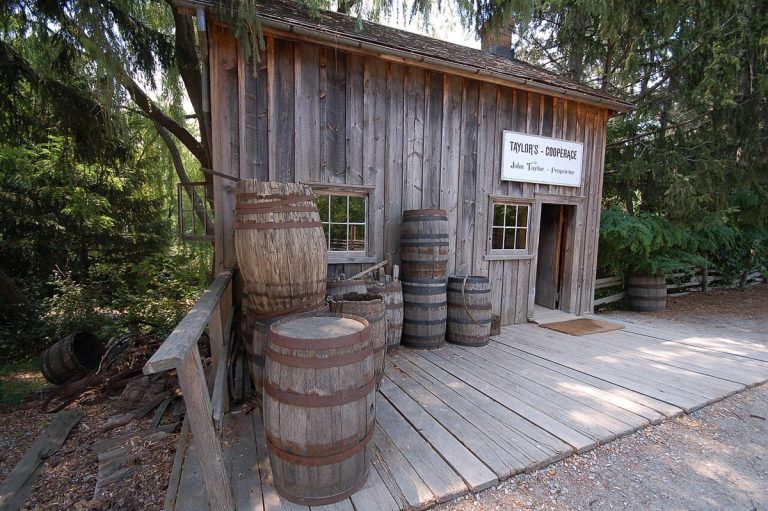
Taylor’s Cooperage at the site then known as Black Creek Pioneer Village, photographed in 2007.
CA-K1662Culture & sport

The Village at Black Creek, Toronto

The Village at Black Creek in Toronto, formerly Black Creek Pioneer Village, explores regional history through storytelling, heritage buildings and hands-on activities. Its interpretation includes the many communities that have shaped the region, including Indigenous peoples.

Factual accuracy review: No recorded challenge

Contributor: Citizen.ca

Verified against cited sourcesVerified on 2026-10-28↗
Photo: John Griffiths from London, United Kingdom · Photo licence: CC BY-SA 2.0 · Credit & context
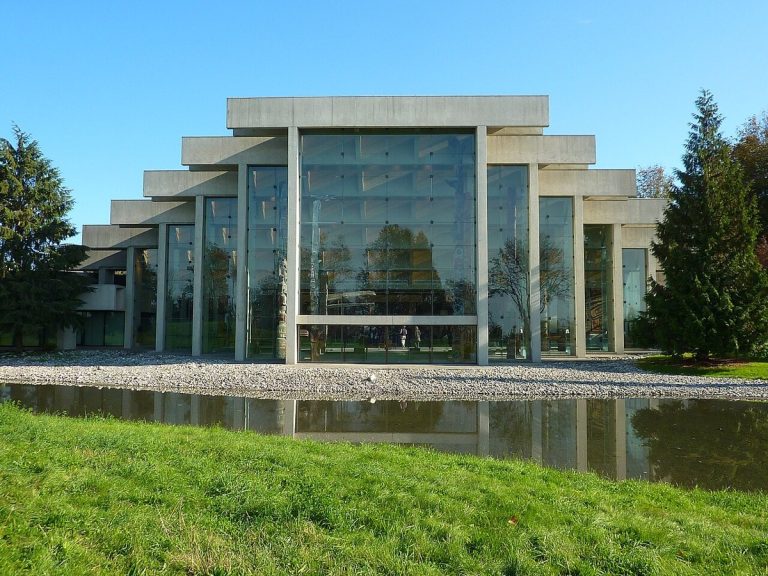
The museum from the north, with its reflecting pool.
CA-K1642Culture & sport

Museum of Anthropology at UBC, Vancouver

The Museum of Anthropology at the University of British Columbia supports the principles of the United Nations Declaration on the Rights of Indigenous Peoples by building close working relationships with Indigenous peoples who have a claim to, or interest in, the material in its care.

Factual accuracy review: No recorded challenge

Contributor: Citizen.ca

Verified against cited sourcesVerified on 2026-10-28↗
Photo: Rr parker · Photo licence: CC BY-SA 3.0 · Credit & context
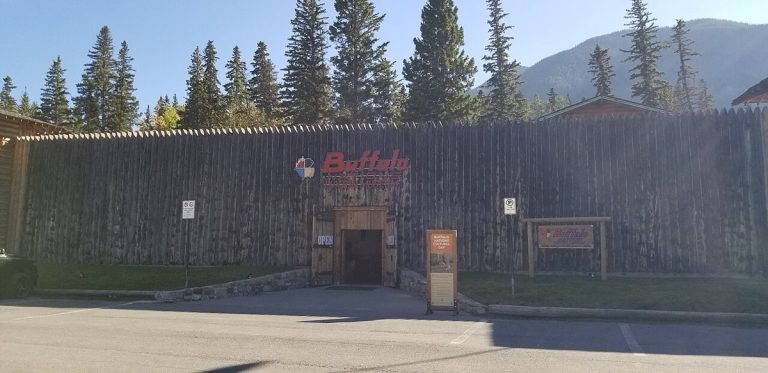
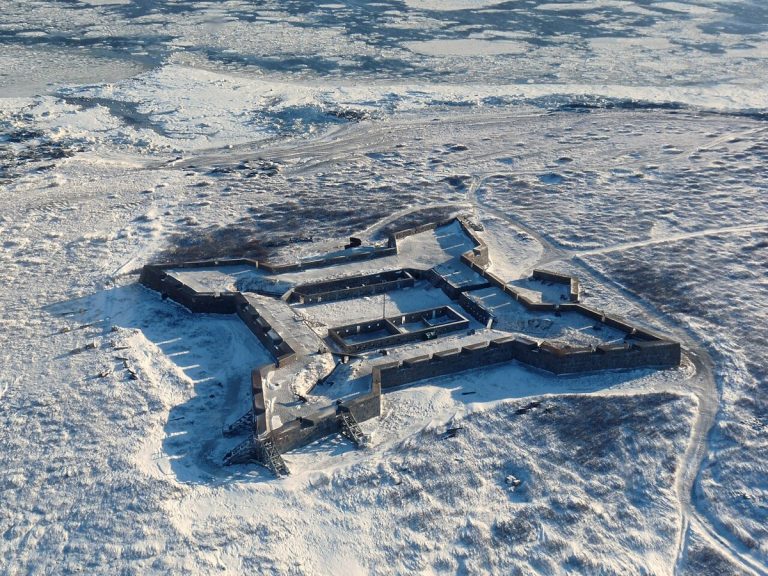
Prince of Wales Fort, Churchill, Manitoba.
CA-K1561History

Early science in Canada’s North, 1768 to about 1810

In 1768 the Hudson’s Bay Company sent two British astronomers to Prince of Wales Fort, on Hudson Bay, to observe the 1769 transit of Venus. It began more than forty years of HBC cooperation with the Royal Society of London in astronomy, meteorology, cartography and natural history in the North, with Indigenous collaborators sharing their deep knowledge of the land, plants and animals.

Factual accuracy review: No recorded challenge

Contributor: Citizen.ca

Verified against cited sourcesVerified on 2026-10-27↗
Photo: Peterfitzgerald · Photo licence: CC BY-SA 3.0 · Credit & context
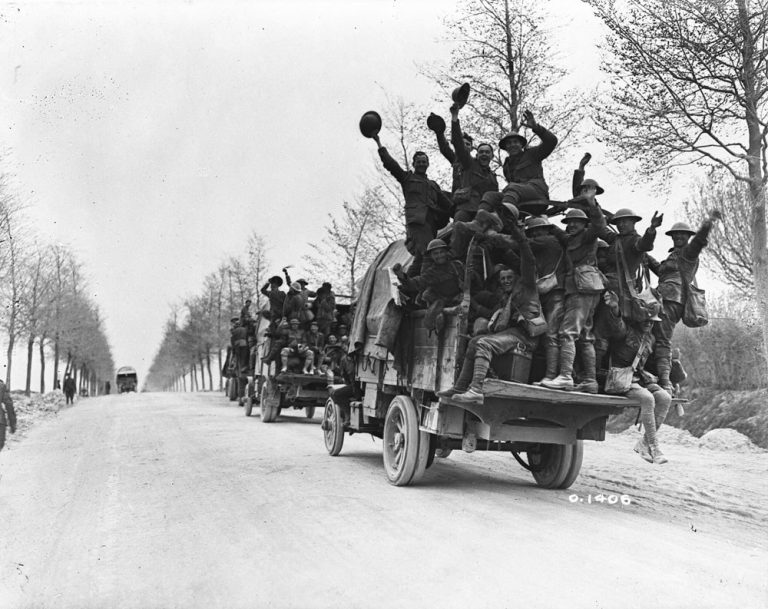
Canadian troops heading for a rest after the capture of Vimy Ridge, May 1917.
CA-K1364History

Canada in the First World War, 1914–1918

When Britain declared war in August 1914, Canada, whose external affairs were still governed by the United Kingdom, was automatically at war. More than 650,000 Canadians and Newfoundlanders served in what was then called the Great War; more than 66,000 died and more than 172,000 were wounded. Canada signed the Treaty of Versailles separately from Britain.

Factual accuracy review: No recorded challenge

Contributor: Citizen.ca

Verified against cited sourcesVerified on 2026-10-27↗
Photo: Castle, W.I. (William Ivor), official Canadian War photographer · Photo licence: Public domain · Credit & context
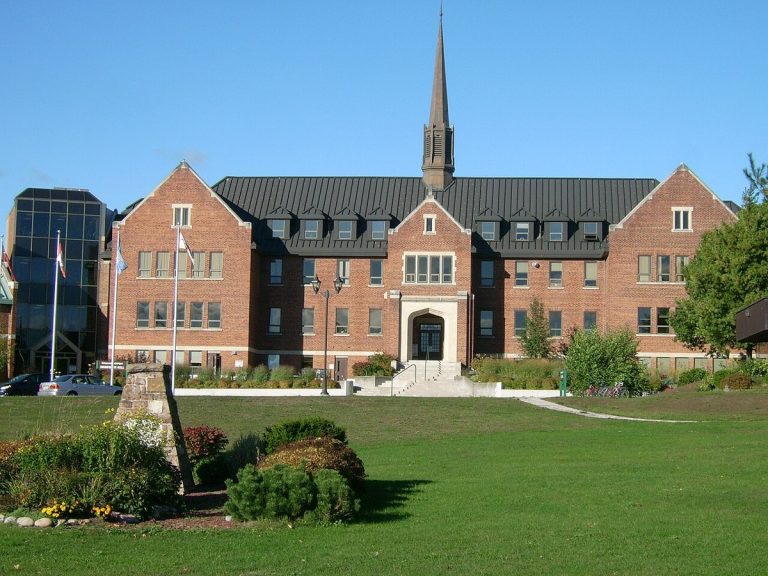
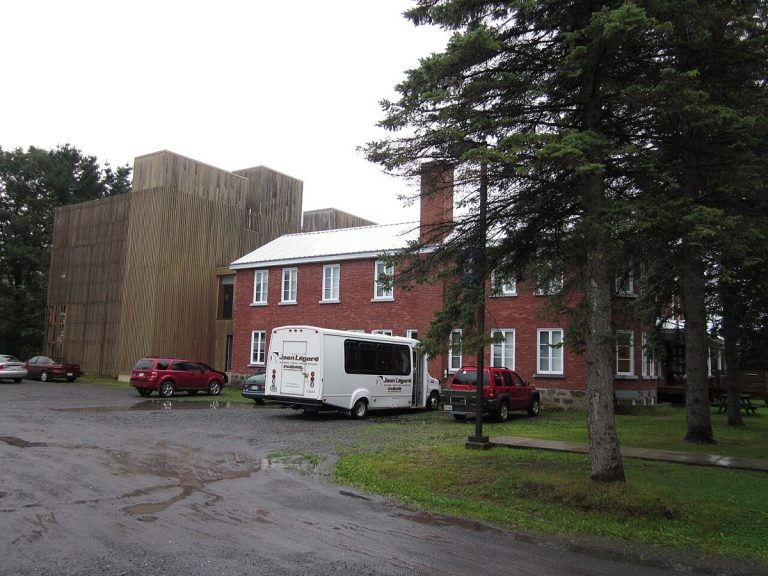
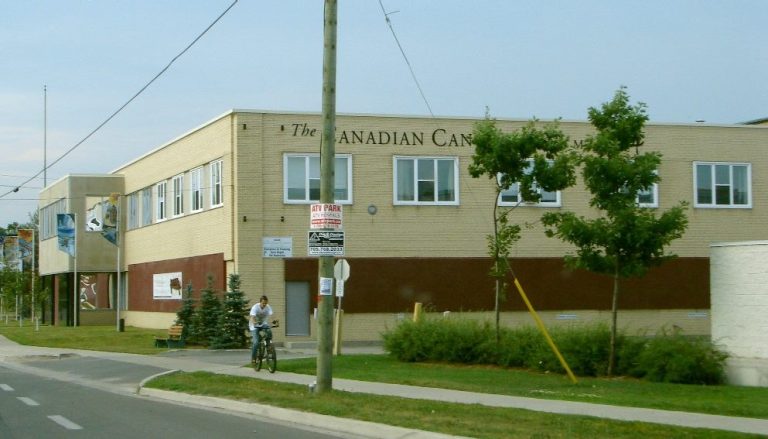
Algoma University, Sault Ste. Marie.
CA-K1207Institutions

Algoma University, Sault Ste. Marie

Algoma University was established in 1965. It is located on the former Shingwauk Indian Residential School site in Sault Ste. Marie. Its special mission includes cross-cultural learning between Indigenous communities and other communities in Northern Ontario.

Factual accuracy review: No recorded challenge

Contributor: Citizen.ca

Verified against cited sourcesVerified on 2026-10-27↗
Photo: Fungus Guy · Photo licence: CC BY-SA 3.0 · Credit & context
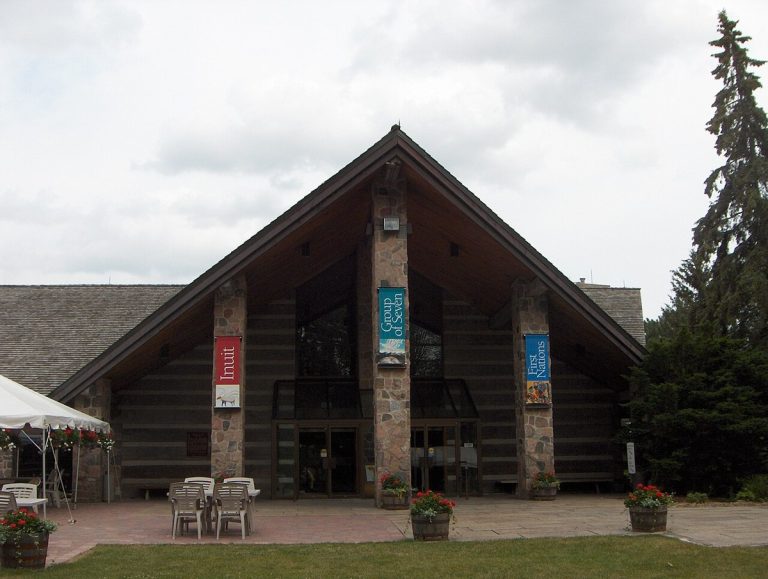
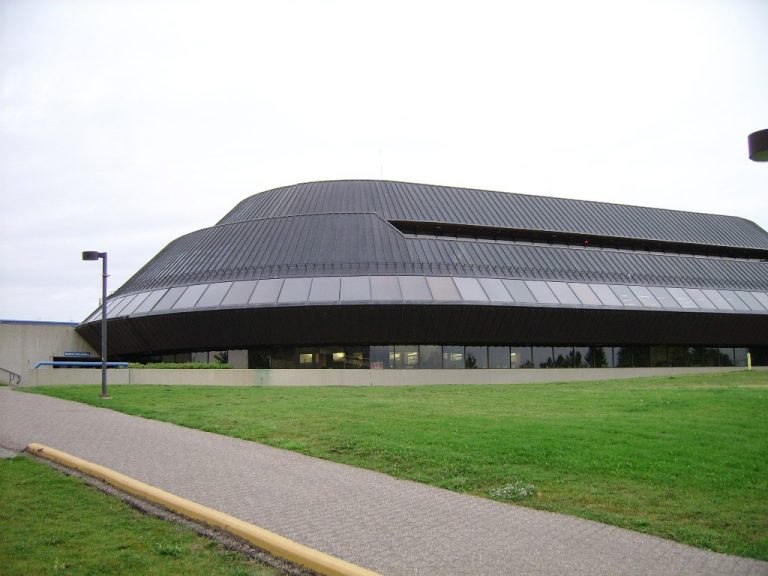
The Students’ Union building, University of Lethbridge.
CA-K1163Institutions

University of Lethbridge and its coulee campus

The University of Lethbridge’s main campus sits in the southern Alberta coulees overlooking the Oldman River and is known for University Hall, designed by Arthur Erickson; a Calgary campus serves working professionals. The university’s Blackfoot name, Iniskim, meaning Sacred Buffalo Stone, was given by Elder Bruce Wolf Child in 2002.

Factual accuracy review: No recorded challenge

Contributor: Citizen.ca

Verified against cited sourcesVerified on 2026-10-27↗
Photo: Keegan Mullin · Photo licence: Public domain · Credit & context
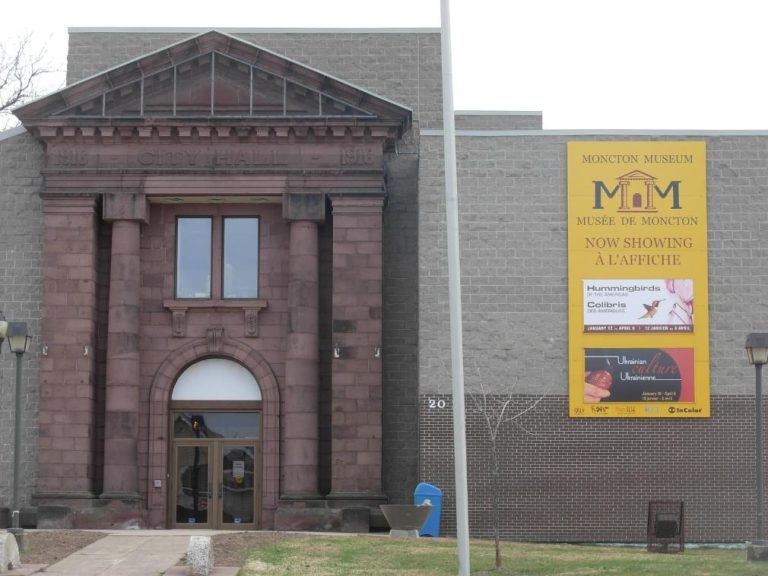
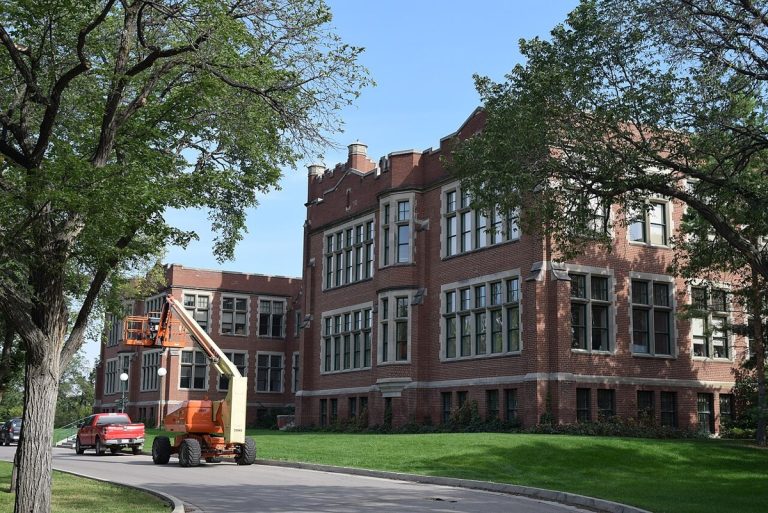
University of Regina Continuing Development Centre.
CA-K1152Institutions

University of Regina, independent since 1974

The University of Regina became an independent, degree-granting university on July 1, 1974, building on its earlier history as Regina College. Its federated colleges include Campion College, Luther College and First Nations University of Canada.

Factual accuracy review: No recorded challenge

Contributor: Citizen.ca

Verified against cited sourcesVerified on 2026-10-27↗
Photo: Haydn Blackey from Cardiff, Wales · Photo licence: CC BY-SA 2.0 · Credit & context
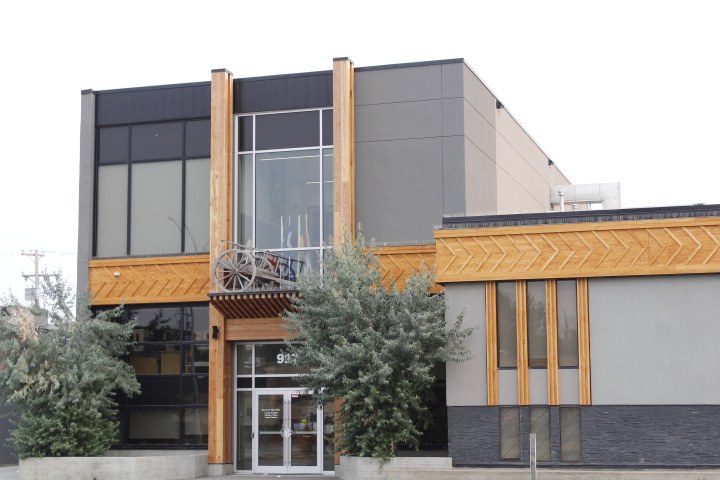
Gabriel Dumont Institute, Saskatoon.
CA-K1148Institutions

Gabriel Dumont Institute, the education arm of the Métis Nation – Saskatchewan

The Gabriel Dumont Institute of Native Studies and Applied Research was founded in 1980 to meet the educational and cultural needs of Saskatchewan’s Métis community. It is the official training and education arm of the Métis Nation – Saskatchewan and is owned by the Métis people of Saskatchewan; its college delivers the first two years of University of Saskatchewan arts and science degrees.

Factual accuracy review: No recorded challenge

Contributor: Citizen.ca

Verified against cited sourcesVerified on 2026-10-27↗
Photo: Tanbir M-05 · Photo licence: CC BY-SA 4.0 · Credit & context
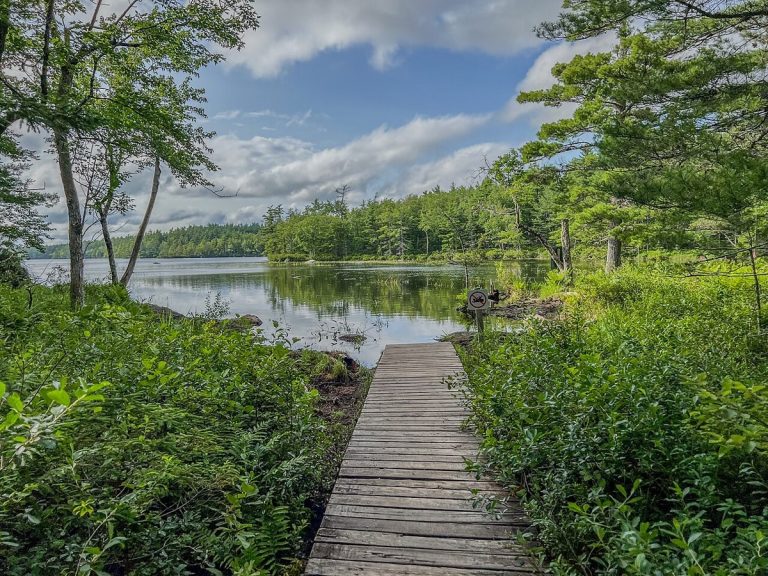
Big Dam Lake Trail, Kejimkujik National Park.
CA-K1042Places & geography

Kejimkujik, Mi’kmaq land and Nova Scotia’s dark-sky preserve

Kejimkujik National Park and National Historic Site, in southwest Nova Scotia, preserves Mi’kmaq cultural heritage, including petroglyphs and waters travelled by the Mi’kmaq for thousands of years. It is a dark-sky preserve, and its Seaside area at Port Joli protects a stretch of Atlantic coast.

Factual accuracy review: No recorded challenge

Contributor: Citizen.ca

Verified against cited sourcesVerified on 2026-10-27↗
Photo: Z3lvs · Photo licence: CC0 · Credit & context