An independent Canadian knowledge project

Focused and Verified

Canadian knowledge base

Search by keyword

Choose one keyword, or combine two. Broader keywords include their descendants.

Keywords: 1600–1699

Clear search
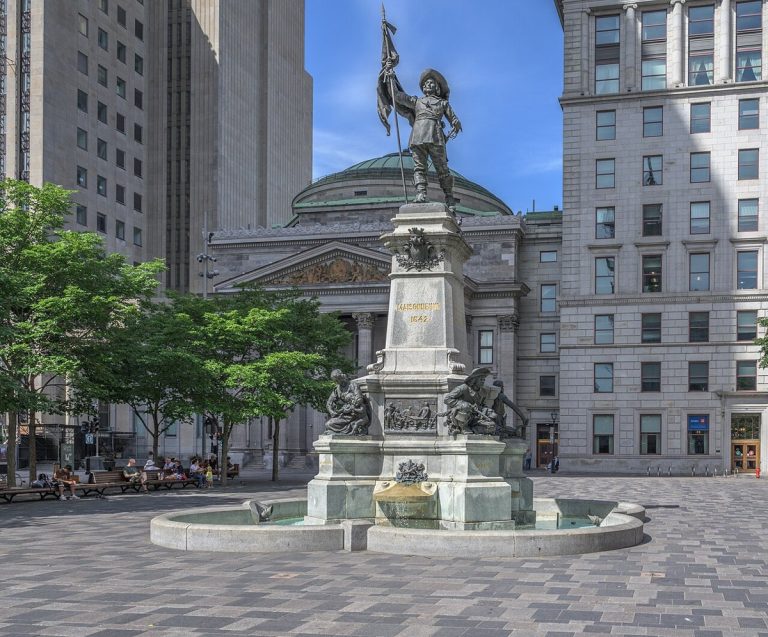
Monument to Paul de Chomedey de Maisonneuve, Place d’Armes, Montréal.
CA-K985History

Maisonneuve, founder of Montréal

Paul de Chomedey de Maisonneuve, a military officer born in Champagne, France, was the first Governor of the Island of Montréal. Inspired by the spiritual climate of his time and the Jesuits’ writings, he answered a call from the Société Notre-Dame de Montréal to found a missionary colony, and in May 1642, he and about fifty people founded Ville-Marie. Despite years of hardship, he laid the foundations of the city of Montréal.

Factual accuracy review: No recorded challenge

Contributor: Citizen.ca

Verified against cited sourcesVerified on 2026-10-27↗
Photo: Wilfredor · Photo licence: CC0 · Credit & context
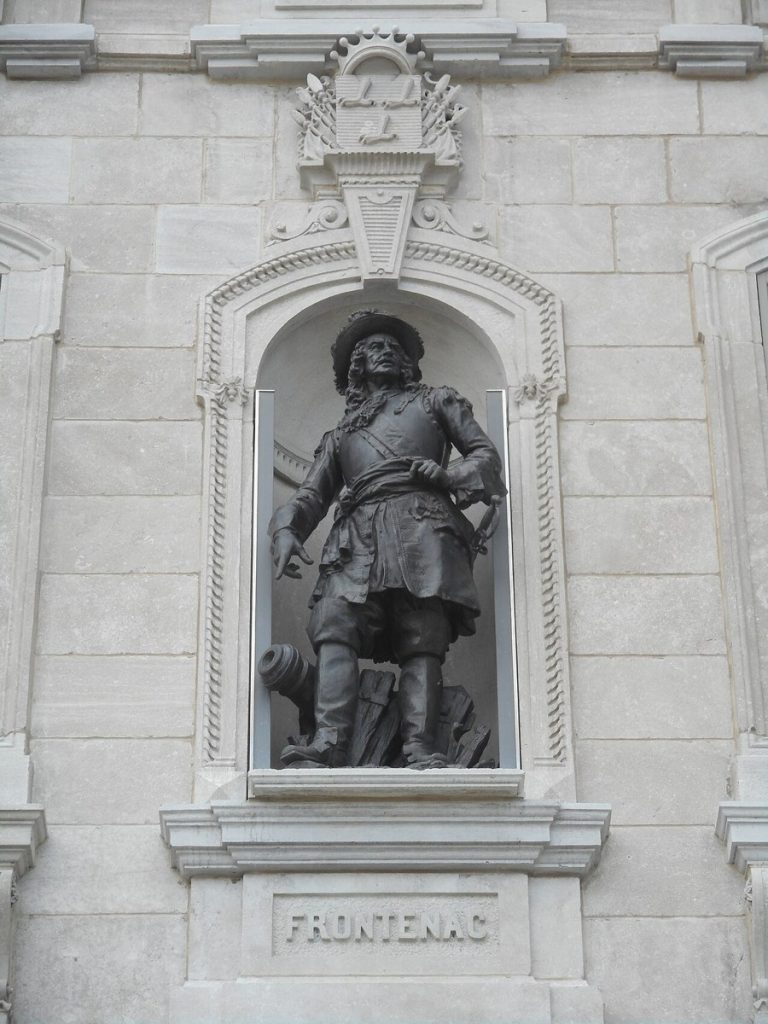
Statue of Frontenac on the façade of the Parliament Building, Québec City, 2015.
CA-K735History

Frontenac, governor of New France

Louis de Buade de Frontenac, governor of New France from 1672 to 1682 and 1689 to 1698, shaped the colony’s military destiny: he resisted the British attack of 1690 and invaded Haudenosaunee territory in 1696. To profit from the fur trade he defied policy against westward expansion, founding Fort Frontenac (Cataraqui) in 1673 and starting a network of posts; he remains a controversial, legendary figure.

Factual accuracy review: No recorded challenge

Contributor: Citizen.ca

Verified against cited sourcesVerified on 2026-10-26↗
Photo: Photo: Jean Gagnon · Photo licence: CC BY-SA 3.0 · Credit & context
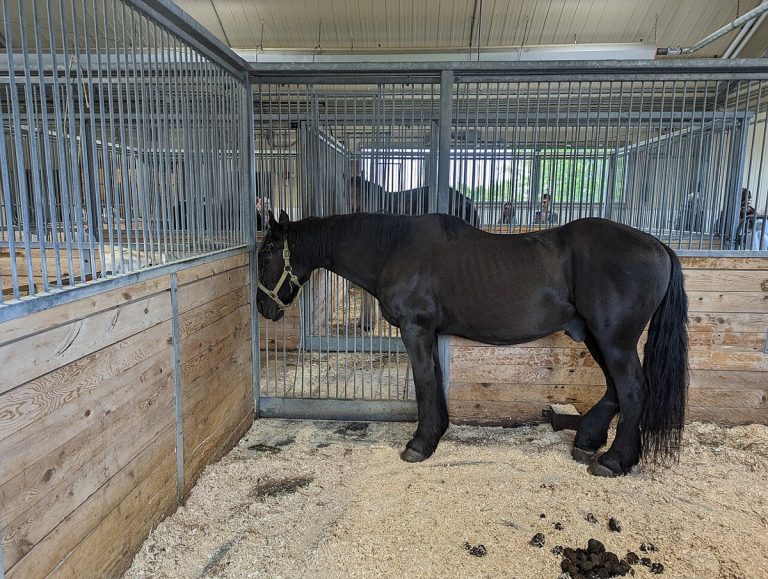
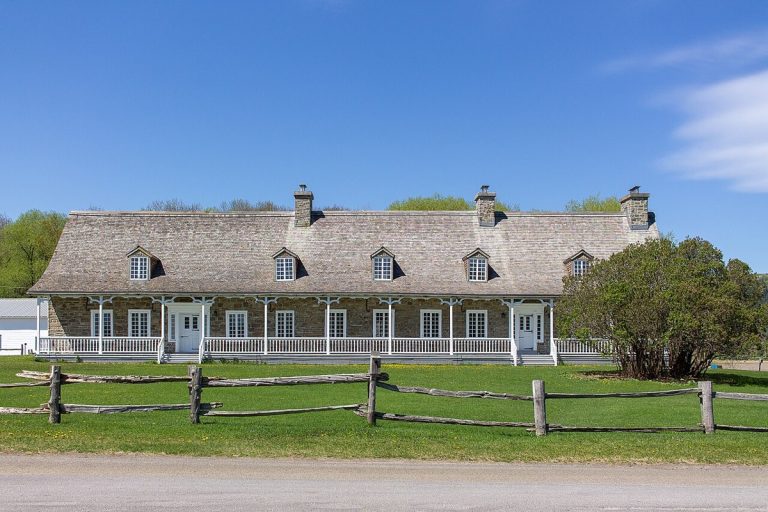
The front of La Petite-Ferme at Cap Tourmente, Quebec, photographed in 2022.
CA-K364History

La Petite-Ferme du cap Tourmente, Champlain’s farm

La Petite-Ferme at Cap Tourmente, Quebec, in an area with an Indigenous presence going back more than 2,000 years, began as a livestock farm built for Samuel de Champlain in 1626 to help feed the young settlement of Québec. It was the first livestock farm in the St. Lawrence Valley; bought by Bishop Laval in 1664, it was run by the Séminaire de Québec for 300 years.

Factual accuracy review: No recorded challenge

Contributor: Citizen.ca

Verified against cited sourcesVerified on 2026-10-26↗
Photo: Judith Bourque · Photo licence: CC BY-SA 2.0 · Credit & context
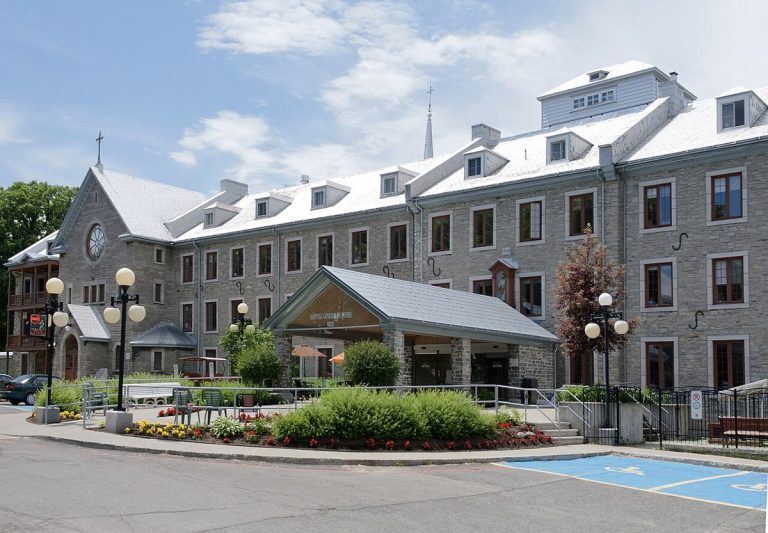
Part of the Hôpital-Général de Québec complex, photographed in 2012.
CA-K360History

The Hôpital-Général de Québec monastery

The Hôpital-Général de Québec monastery is associated with the Augustinian sisters’ hospital work from 1693. The convent complex escaped the bombardments of the 1759 siege and preserves buildings that illustrate the history of religious hospital care in Quebec.

Factual accuracy review: No recorded challenge

Contributor: Citizen.ca

Verified against cited sourcesVerified on 2026-10-26↗
Photo: Jstremblay · Photo licence: CC BY-SA 3.0 · Credit & context
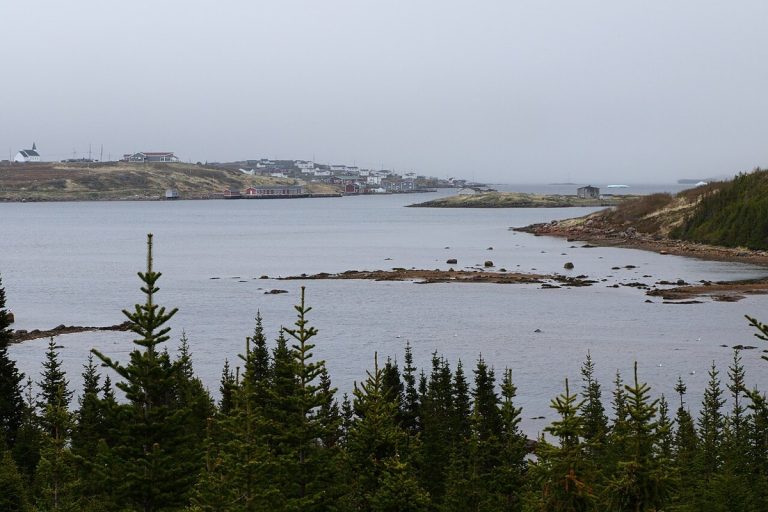
Red Bay, Newfoundland and Labrador, photographed in 2017.
CA-K241History

Red Bay, a 16th-century Basque whaling station

From the 1540s to the early 1600s, up to 2,000 Basque men and boys sailed each year from southern France and northern Spain to the Strait of Belle Isle to hunt right whales and render their blubber into oil for European markets. Red Bay, Labrador, a UNESCO World Heritage Site since 2013, is the most extensive and best-preserved whaling station of its kind.

Factual accuracy review: No recorded challenge

Contributor: Citizen.ca

Verified against cited sourcesVerified on 2026-10-26↗
Photo: Cephas · Photo licence: CC BY-SA 4.0 · Credit & context