An independent Canadian knowledge project

Focused and Verified

Canadian knowledge base

Search by keyword

Choose one keyword, or combine two. Broader keywords include their descendants.

Keywords: 1700–1799

Clear search
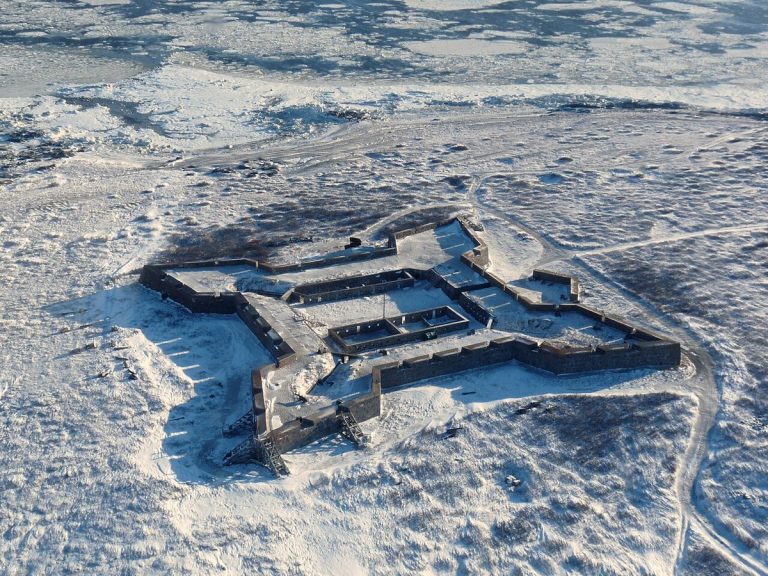
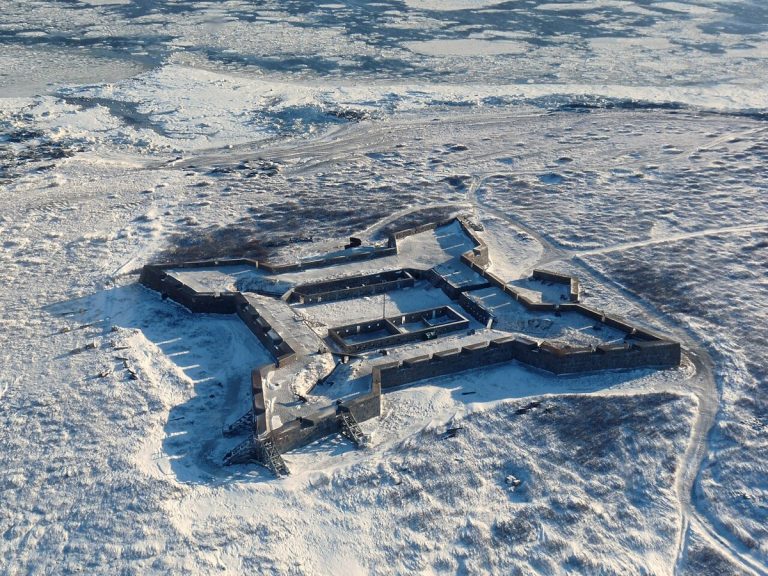
Prince of Wales Fort, Churchill, Manitoba.
CA-K1561History

Early science in Canada’s North, 1768 to about 1810

In 1768 the Hudson’s Bay Company sent two British astronomers to Prince of Wales Fort, on Hudson Bay, to observe the 1769 transit of Venus. It began more than forty years of HBC cooperation with the Royal Society of London in astronomy, meteorology, cartography and natural history in the North, with Indigenous collaborators sharing their deep knowledge of the land, plants and animals.

Factual accuracy review: No recorded challenge

Contributor: Citizen.ca

Verified against cited sourcesVerified on 2026-10-27↗
Photo: Peterfitzgerald · Photo licence: CC BY-SA 3.0 · Credit & context
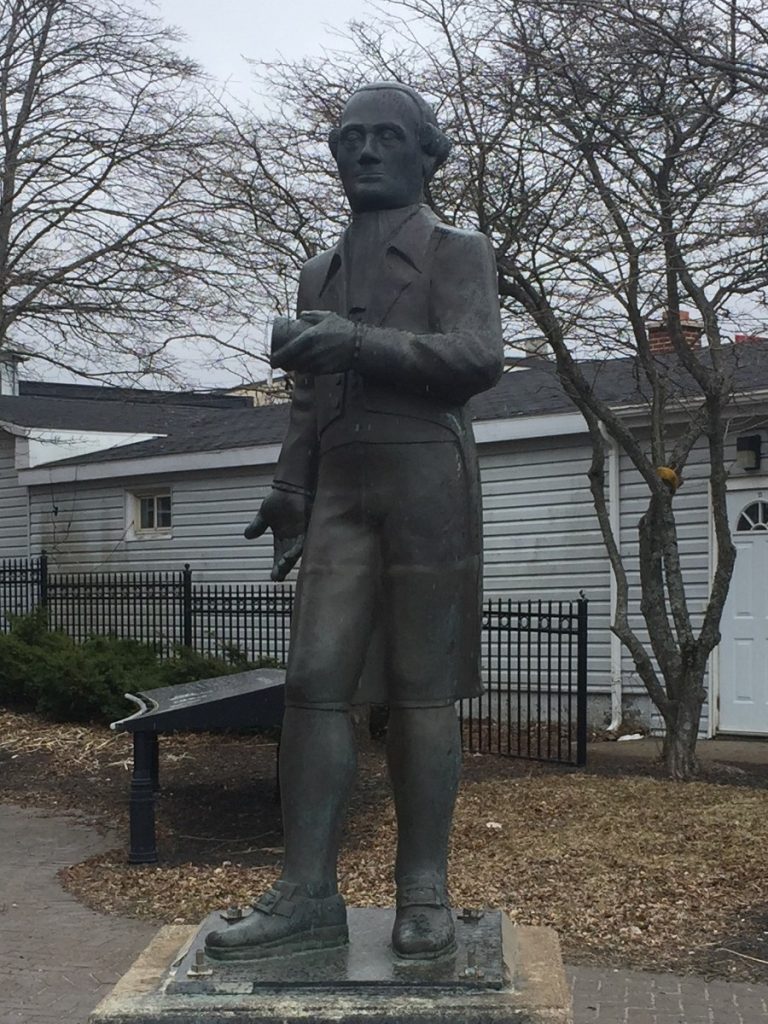
Statue of DesBarres, Sydney, Nova Scotia.
CA-K945Places & geography

J.F.W. DesBarres, chart maker and founder of Sydney

Joseph Frederick Wallet DesBarres, a military engineer of Huguenot descent, took part in the capture of Louisbourg in 1758 and Quebec in 1759. From 1763 to 1773 he surveyed and charted the coasts of Nova Scotia and Cape Breton, contributing to marine surveying. He was the first Lieutenant Governor of Cape Breton and founder of Sydney, and later governed Prince Edward Island; he died in Halifax at 102.

Factual accuracy review: No recorded challenge

Contributor: Citizen.ca

Verified against cited sourcesVerified on 2026-10-27↗
Photo: Hantsheroes · Photo licence: CC BY-SA 4.0 · Credit & context
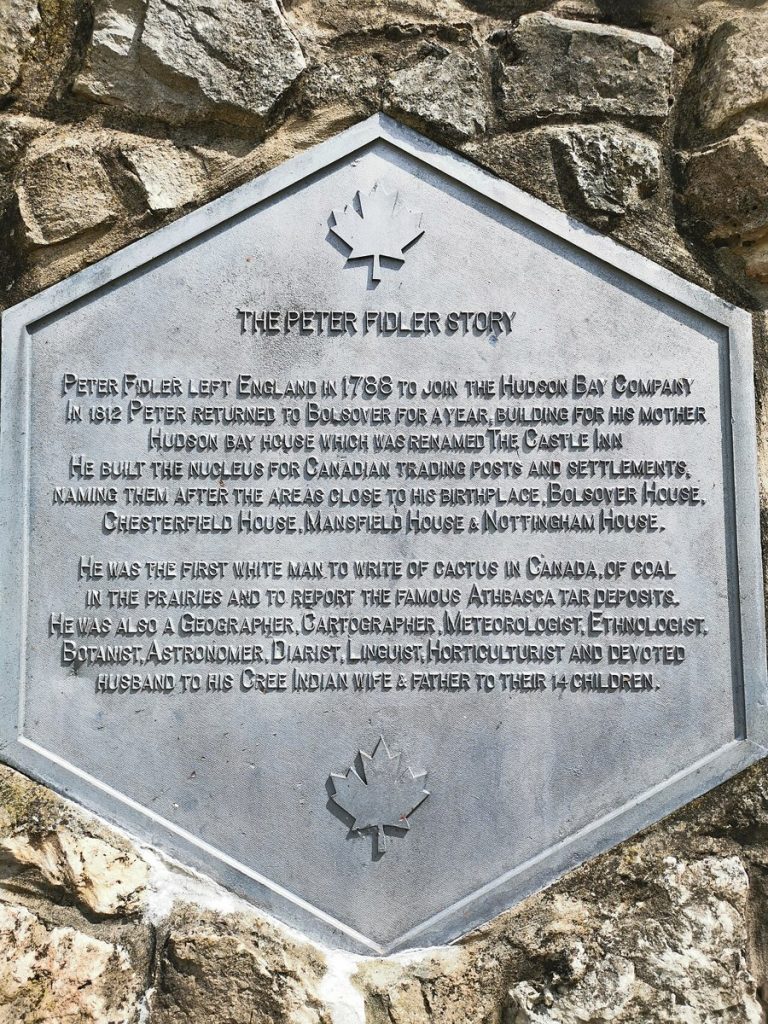
Plaque commemorating Peter Fidler.
CA-K912Places & geography

Peter Fidler, surveyor of the West

Peter Fidler, born in Bolsover, England, joined the Hudson’s Bay Company in 1788 and founded posts such as Chesterfield House (1800). As a surveyor, he mapped about 5,000 miles of waterways in Alberta, Saskatchewan and Manitoba and surveyed the Selkirk settlement and the boundaries of Assiniboia. His maps and journals remain basic historical sources.

Factual accuracy review: No recorded challenge

Contributor: Citizen.ca

Verified against cited sourcesVerified on 2026-10-27↗
Photo: Andyplummer · Photo licence: CC BY-SA 4.0 · Credit & context
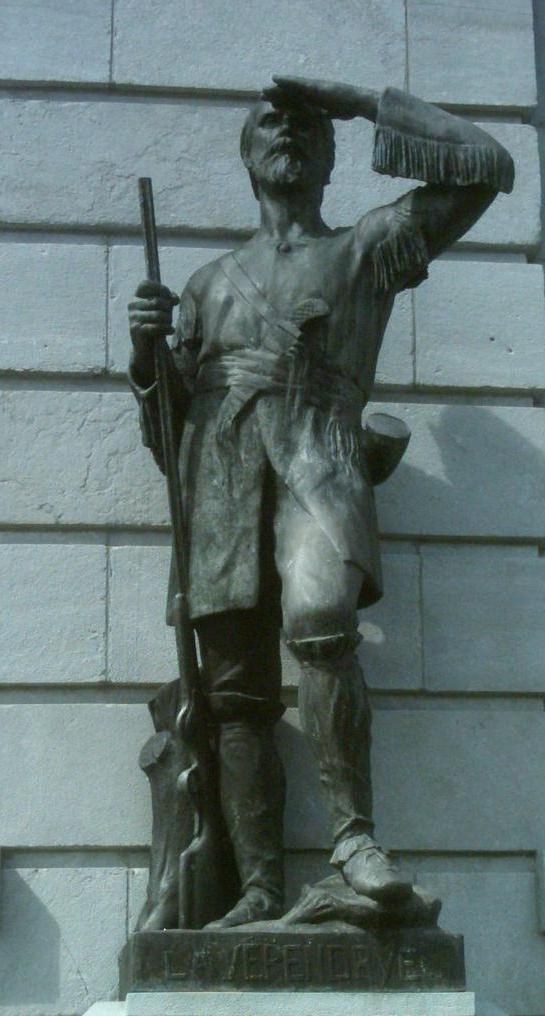
Statue of La Vérendrye on the façade of the Parliament Building, Québec City.
CA-K759Places & geography

La Vérendrye and the posts of the West

Pierre Gaultier de La Vérendrye of Trois-Rivières, soldier, trader and explorer, founded with his sons between 1731 and 1743 a series of posts beyond Lake Superior that became bases for French exploration of the West. They included Forts Saint-Pierre, Rouge and La Reine, at today’s Fort Frances, Winnipeg and Portage la Prairie.

Factual accuracy review: No recorded challenge

Contributor: Citizen.ca

Verified against cited sourcesVerified on 2026-10-26↗
Photo: sculpteur:Jean Bailleul / photo: Jean Gagnon · Photo licence: CC BY-SA 3.0 · Credit & context
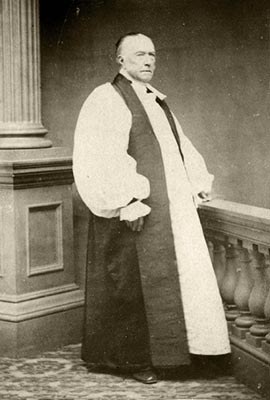
John Strachan, 1855.
CA-K525Institutions

Bishop John Strachan, King’s College and Trinity College

John Strachan, born in Scotland, came to Kingston in 1799, taught at Cornwall and became rector of York in 1812 and first Anglican Bishop of Toronto in 1839. A central figure of the Family Compact, he promoted public schooling and in 1827 secured a charter for King’s College; when it became the secular University of Toronto in 1849, he founded the Anglican Trinity College in 1851.

Factual accuracy review: No recorded challenge

Contributor: Citizen.ca

Verified against cited sourcesVerified on 2026-10-26↗
Photo: Unknown author · Photo licence: Public domain · Credit & context
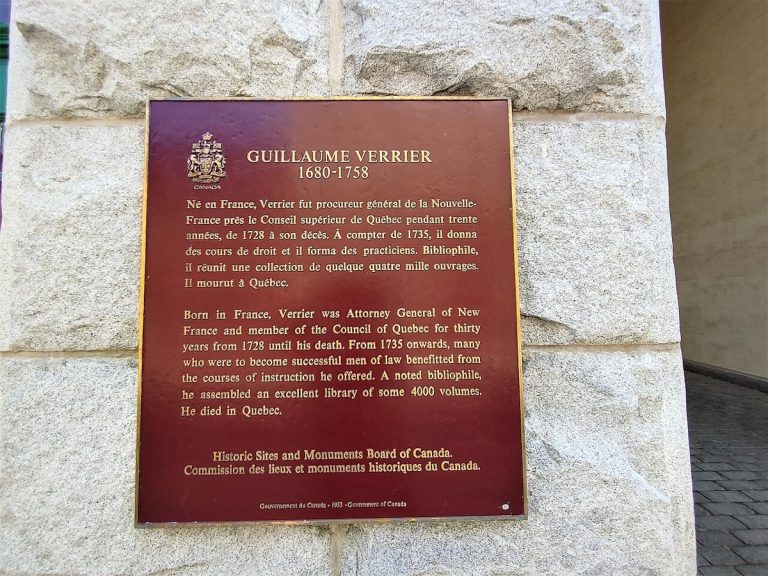
The commemorative plaque to Louis-Guillaume Verrier in Québec City, 2021.
CA-K501Institutions

Louis-Guillaume Verrier and the first law courses in Canada

Louis-Guillaume Verrier, born in France, was attorney general of New France and a member of the Council of Quebec for 30 years from 1728. He founded the first school of law in Canada, and from 1735 many future lawyers took his courses; he also assembled a library of some 4,000 volumes.

Factual accuracy review: No recorded challenge

Contributor: Citizen.ca

Verified against cited sourcesVerified on 2026-10-26↗
Photo: Jeangagnon · Photo licence: CC BY-SA 4.0 · Credit & context
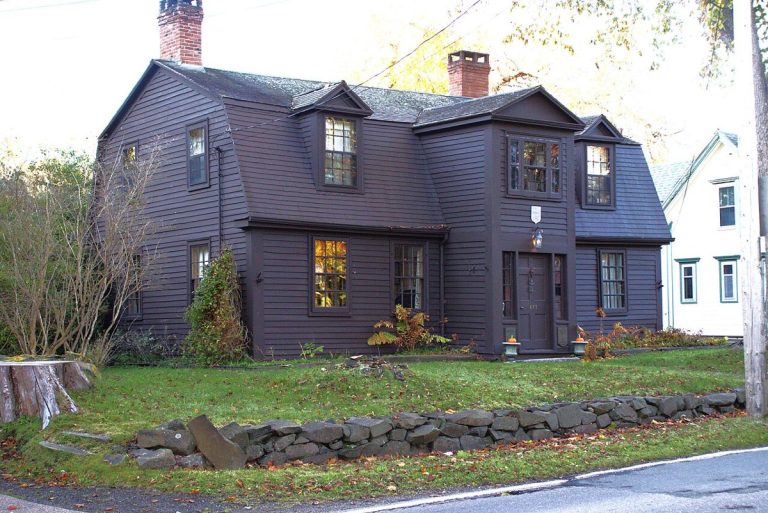
The de Gannes-Cosby House on St. George Street, Annapolis Royal, Nova Scotia, photographed in 2024.
CA-K365History

The de Gannes-Cosby House, Annapolis Royal

The de Gannes-Cosby House in Annapolis Royal, Nova Scotia, built in 1708 for French officer Louis de Gannes de Falaise, is a rare surviving house in Acadia from before the Deportation. After 1727 it was home to British officer Alexander Cosby, lieutenant-governor of Annapolis Royal, and it keeps original features such as wattle-and-daub infill and a fieldstone foundation.

Factual accuracy review: No recorded challenge

Contributor: Citizen.ca

Verified against cited sourcesVerified on 2026-10-26↗
Photo: CanadaContributor · Photo licence: CC BY-SA 4.0 · Credit & context
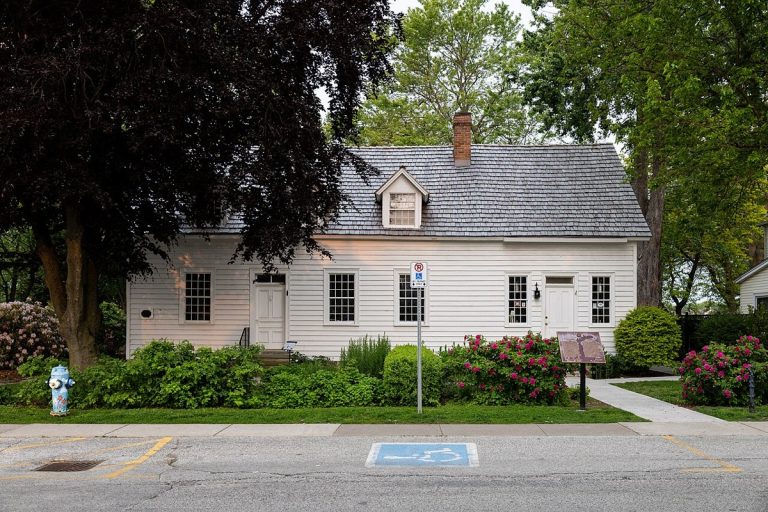
Park House Museum on the main street of Amherstburg, Ontario, photographed in 2025.
CA-K363History

Park House, Amherstburg, a house that floated across the border

Park House in Amherstburg, Ontario, an 18th-century combined dwelling and warehouse, is considered one of the oldest houses in the region. It has long been said that its Loyalist owners floated it down the Detroit River to Upper Canada when the British handed Detroit to the Americans in 1796. Its grooved-post construction is a rare survival of a once-common French-Canadian colonial building type.

Factual accuracy review: No recorded challenge

Contributor: Citizen.ca

Verified against cited sourcesVerified on 2026-10-26↗
Photo: Crisco 1492 · Photo licence: CC BY-SA 4.0 · Credit & context
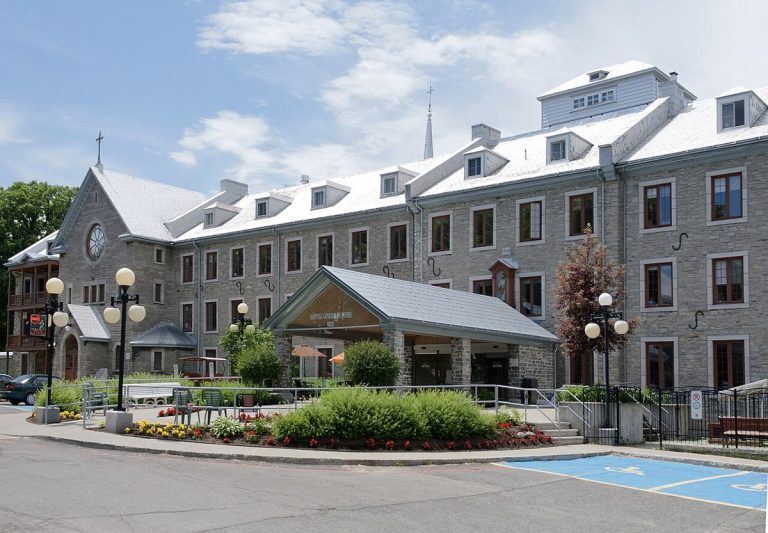
Part of the Hôpital-Général de Québec complex, photographed in 2012.
CA-K360History

The Hôpital-Général de Québec monastery

The Hôpital-Général de Québec monastery is associated with the Augustinian sisters’ hospital work from 1693. The convent complex escaped the bombardments of the 1759 siege and preserves buildings that illustrate the history of religious hospital care in Quebec.

Factual accuracy review: No recorded challenge

Contributor: Citizen.ca

Verified against cited sourcesVerified on 2026-10-26↗
Photo: Jstremblay · Photo licence: CC BY-SA 3.0 · Credit & context
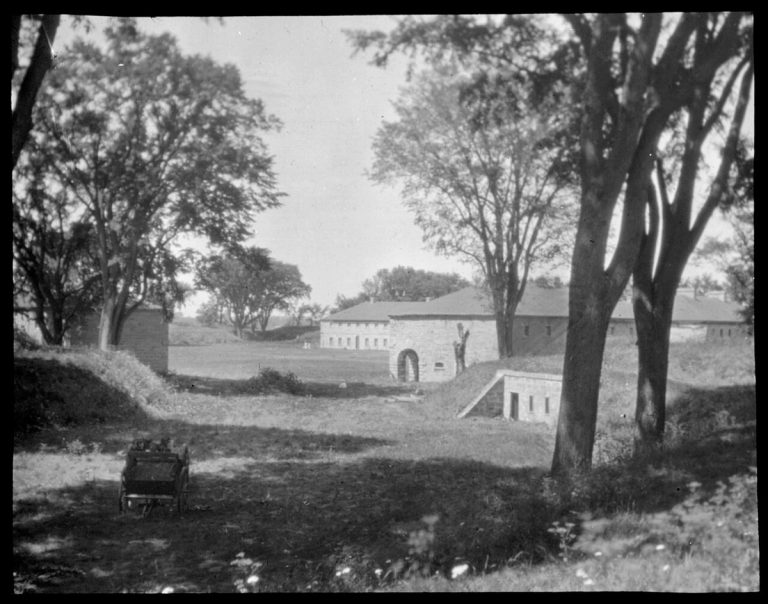
Fort Lennox on Île aux Noix, Quebec, looking southwest, in 1923.
CA-K357History

Fort Lennox on Île aux Noix

Fort Lennox, on Île aux Noix in the Richelieu River, guarded one of the gateways to Canada along the Hudson–Champlain–Richelieu route. Fortified by the French in 1759, captured by the British in 1760 and used by American revolutionary forces in 1775, the island was repeatedly fortified and held a garrison until 1870.

Factual accuracy review: No recorded challenge

Contributor: Citizen.ca

Verified against cited sourcesVerified on 2026-10-26↗
Photo: Photographer unidentified; Archives of Ontario · Photo licence: Public domain · Credit & context
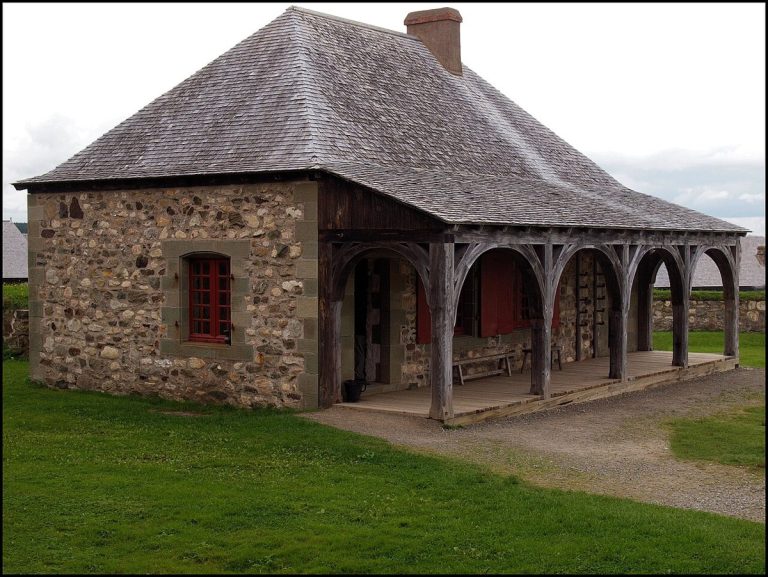
A reconstructed building at the Fortress of Louisbourg, Nova Scotia, photographed in 2016.
CA-K334History

The Fortress of Louisbourg

The Fortress of Louisbourg, on Cape Breton Island, was established by France as a critical fishing, trans-shipment and supply port and served as administrative capital of Île Royale, with a government, garrison and civilian population. Between 1713 and 1768 it was a place of profound significance in the struggle between France and Britain for empire.

Factual accuracy review: No recorded challenge

Contributor: Citizen.ca

Verified against cited sourcesVerified on 2026-10-26↗
Photo: KenCLeBlanc · Photo licence: CC BY-SA 4.0 · Credit & context
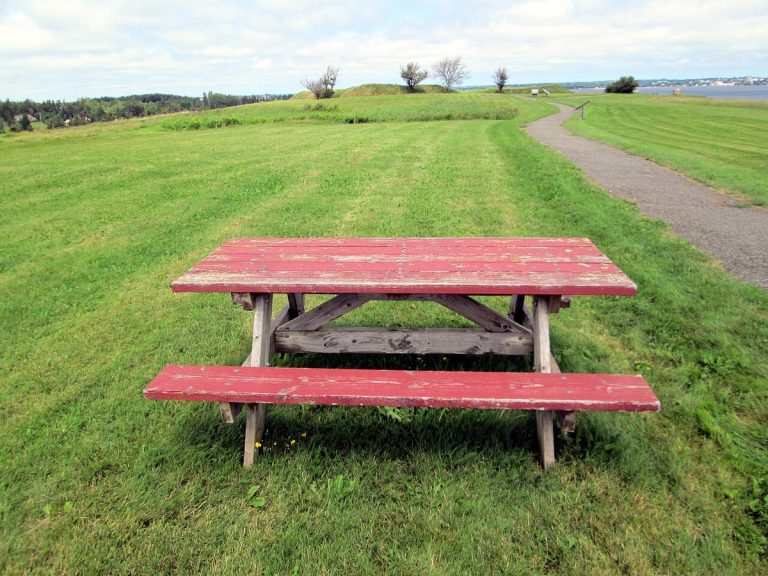
The site of Fort Amherst, Prince Edward Island, photographed in 2013.
CA-K325History

Skmaqn–Port-la-Joye–Fort Amherst

Skmaqn–Port-la-Joye–Fort Amherst, on Prince Edward Island, was the seat of colonial government from 1720 to 1768, first under the French and then the British. It was a port of entry and a place where Mi’kmaq and French leaders renewed their alliance. In 1758, British authorities used Fort Amherst to organize the forcible removal of more than 3,000 Acadians from the island.

Factual accuracy review: No recorded challenge

Contributor: Citizen.ca

Verified against cited sourcesVerified on 2026-10-26↗
Photo: Larry from Charlottetown, PEI, Canada · Photo licence: CC BY 2.0 · Credit & context
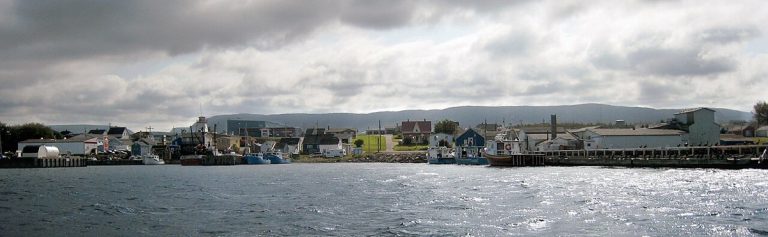
Chéticamp, Nova Scotia, seen from the water in 2009.
CA-K260History

Jeanne Dugas, Acadian co-founder of Chéticamp

Jeanne Dugas (1731–1817) and her family fled Île Royale (Cape Breton) to escape the 1758 deportation but were captured and imprisoned in Halifax. A midwife and keeper of Acadian stories, she co-founded Chéticamp around 1785; having lived through eight dislocations, she embodies the resilience of Acadian women through 50 years of upheaval.

Factual accuracy review: No recorded challenge

Contributor: Citizen.ca

Verified against cited sourcesVerified on 2026-10-26↗
Photo: Michael Sprague from Candler, North Carolina · Photo licence: CC BY-SA 2.0 · Credit & context
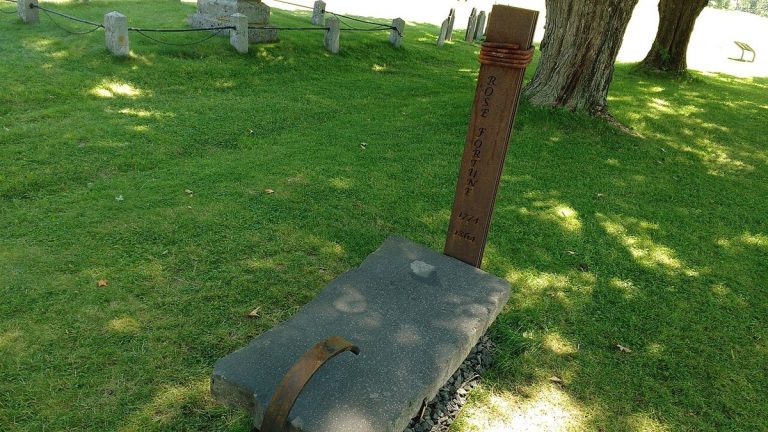
The grave marker for Rose Fortune in the garrison cemetery at Annapolis Royal, Nova Scotia, photographed in 2017.
CA-K220History

Rose Fortune of Annapolis Royal

Rose Fortune (c. 1774–1864) and her parents, formerly enslaved in Virginia, were among more than 3,000 Black Loyalists resettled in Nova Scotia in 1783–1784. In Annapolis Royal she later ran a successful baggage-carting business and earned respect by informally policing the waterfront, and her story is a long-standing source of pride for African Nova Scotians.

Factual accuracy review: No recorded challenge

Contributor: Citizen.ca

Verified against cited sourcesVerified on 2026-10-26↗
Photo: Dan Conlin · Photo licence: CC BY 4.0 · Credit & context
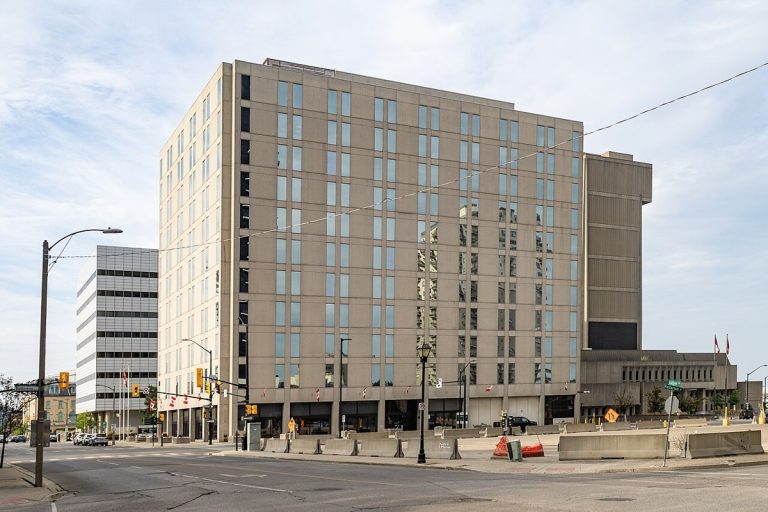
The Richard Pierpoint Building, a courthouse in London, Ontario, named in his honour, photographed in 2026.
CA-K199History

Richard Pierpoint, Black Loyalist

Richard Pierpoint (c. 1744–c. 1838), born in Bundu in present-day Senegal, was captured and sold into slavery in the Thirteen Colonies around 1760. He fought as a free man with Butler’s Rangers in the American Revolution, settled in Niagara, and during the War of 1812 contributed to the creation of the Colored Corps; afterward he asked for passage to West Africa but was given land in Upper Canada instead.

Factual accuracy review: No recorded challenge

Contributor: Citizen.ca

Verified against cited sourcesVerified on 2026-10-26↗
Photo: Chris Woodrich · Photo licence: CC BY-SA 4.0 · Credit & context
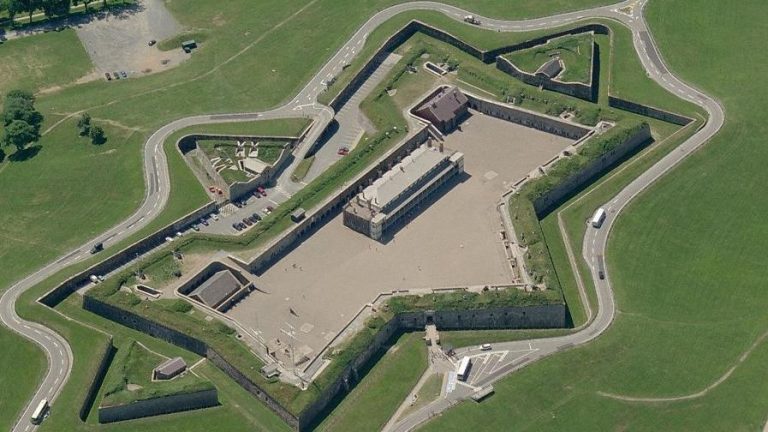
Citadel Hill in Halifax, Nova Scotia, photographed in 2011.
CA-K180History

The Jamaican Maroons in Nova Scotia, 1796–1800

After the Maroon War of 1795–1796, Britain exiled more than 500 Maroons of Trelawny Town, Jamaica, to Nova Scotia. They kept a strong sense of community despite pressure to assimilate and demands for their labour, including at the Halifax Citadel; most were resettled in Sierra Leone in 1800, while a few remained.

Factual accuracy review: No recorded challenge

Contributor: Citizen.ca

Verified against cited sourcesVerified on 2026-10-26↗
Photo: Moneywagon · Photo licence: CC BY-SA 3.0 · Credit & context
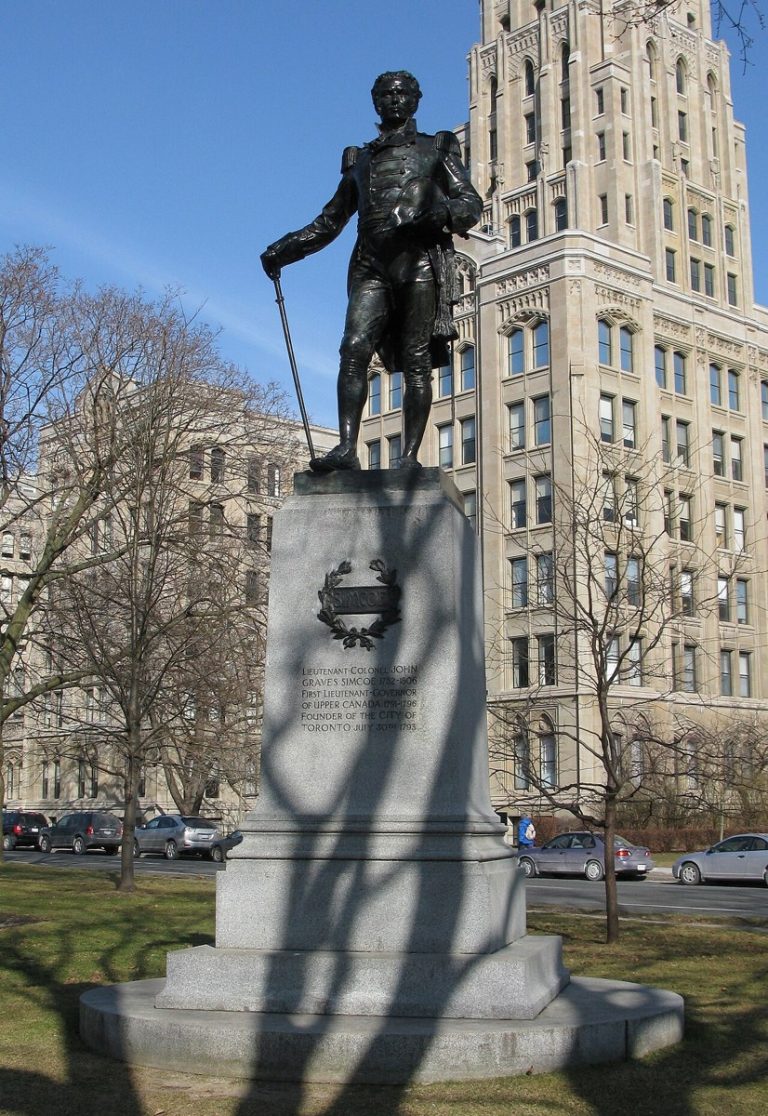
The statue of John Graves Simcoe at Queen’s Park, Toronto, photographed in 2008.
CA-K162History

Upper Canada’s 1793 Act against slavery

Upper Canada’s 1793 Act against slavery, passed under Lieutenant-Governor John Graves Simcoe, prohibited the importation of enslaved people. It did not free people already enslaved, but provided that children subsequently born to enslaved mothers would become free at age 25. Slavery in Upper Canada ended in 1834.

Factual accuracy review: No recorded challenge

Contributor: Citizen.ca

Verified against cited sourcesVerified on 2026-10-26↗
Photo: User:Saforrest · Photo licence: CC BY-SA 3.0 · Credit & context
Prince of Wales Fort at the mouth of the Churchill River, Manitoba, in 2012; a later Hudson’s Bay Company fort, not the 1717 post.
CA-K141Indigenous peoples & reconciliation

Thanadelthur, Dene interpreter and peacemaker

Thanadelthur, a young Dene woman and skilled interpreter, guided a Hudson’s Bay Company expedition from York Factory into Dene territory in 1715–1716. Her diplomacy brought peace between the Dene and the Cree and opened direct trade, leading to a post at the Churchill River in 1717; her story is honoured in Dene oral tradition.

Factual accuracy review: No recorded challenge

Contributor: Citizen.ca

Verified against cited sourcesVerified on 2026-10-26↗
Photo: Peterfitzgerald · Photo licence: CC BY-SA 3.0 · Credit & context
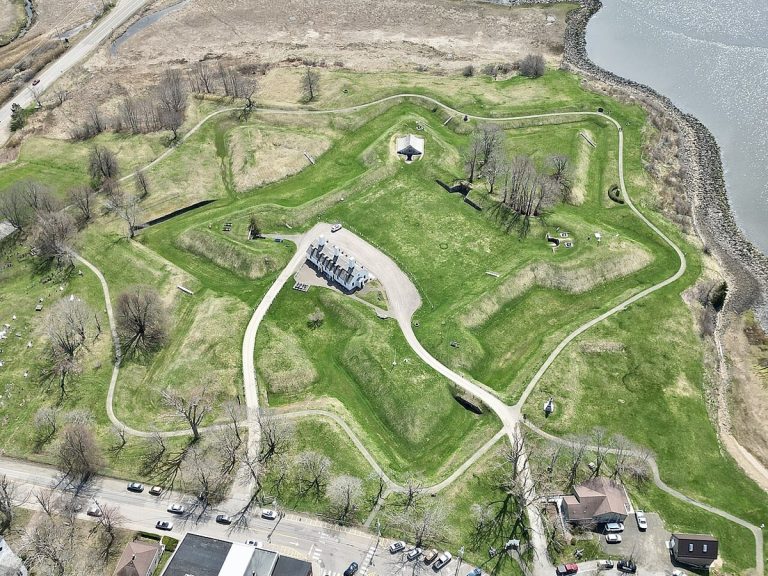
Fort Anne National Historic Site at Annapolis Royal, Nova Scotia, from a drone in 2023.
CA-K137Indigenous peoples & reconciliation

The Peace and Friendship Treaty of 1726

On 4 June 1726, Mi’kmaw, Wəlastəkokewiyik and Peskətəmohkatewey leaders gathered at Annapolis Royal to ratify a treaty with the British Crown. It affirmed peaceful coexistence and was the first treaty between the Crown and these Nations, the basis for all their later treaties.

Factual accuracy review: No recorded challenge

Contributor: Citizen.ca

Verified against cited sourcesVerified on 2026-10-26↗
Photo: WayeMason & John Van Gurp · Photo licence: CC BY-SA 4.0 · Credit & context