An independent Canadian knowledge project

Focused and Verified

Canadian knowledge base

Search by keyword

Choose one keyword, or combine two. Broader keywords include their descendants.

Keywords: Constitutional government

Clear search
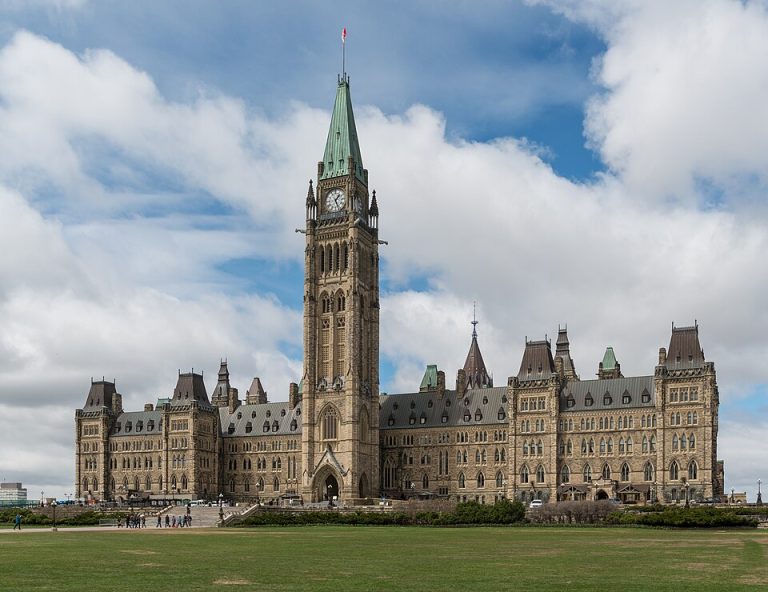
Centre Block on Parliament Hill in Ottawa, photographed in 2017; an institutional illustration, not a depiction of a vote, ceremony or constitutional text.
CA-K1830Citizenship Test

Confederation’s founders and territorial expansion

Confederation in 1867 joined Ontario, Quebec, Nova Scotia and New Brunswick. John A. Macdonald became the first prime minister; George-Étienne Cartier was a key Quebec architect. Other provinces and territories entered or were created at later dates.

Factual accuracy review: No recorded challenge

Contributor: Citizen.ca

Verified against cited sourcesVerified on 2026-11-01↗
Photo: DXR / Daniel Vorndran · Photo licence: CC BY-SA 4.0 · Credit & context
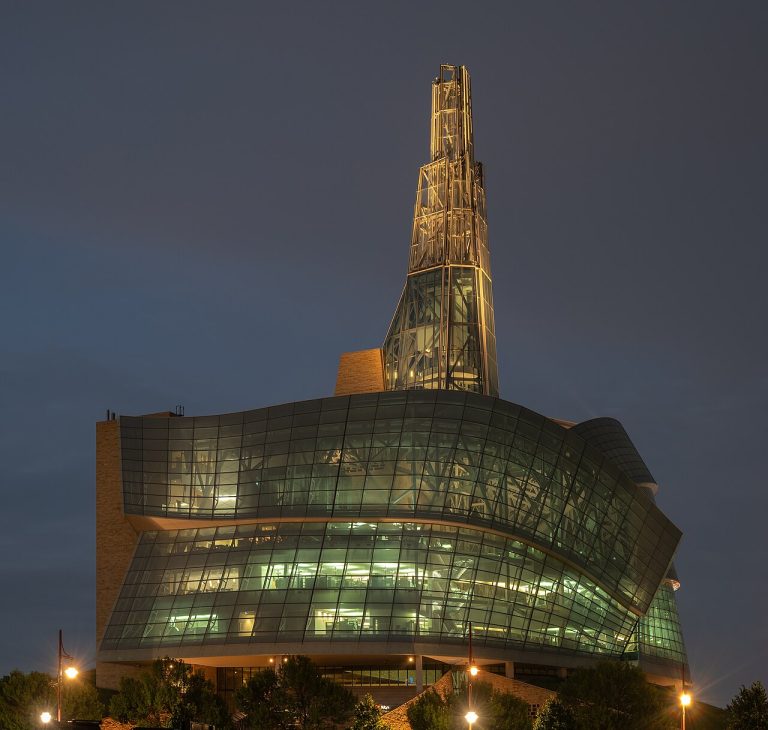
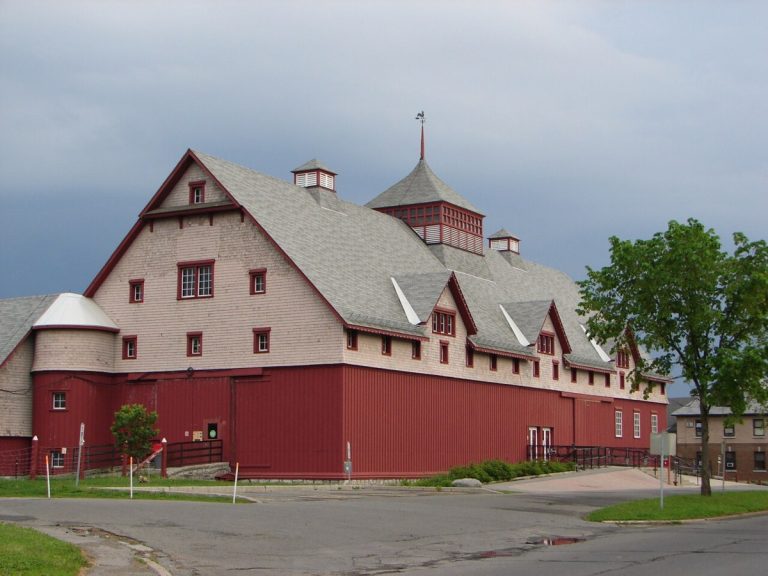
Centre Block on Parliament Hill in Ottawa, photographed in 2017; an institutional illustration, not a depiction of a vote, ceremony or constitutional text.
CA-K1804Citizenship Test

Head of state and head of government

Canada is a constitutional monarchy and a parliamentary democracy. The Sovereign is head of state; the prime minister is head of government. The Governor General carries out constitutional duties as the Sovereign’s representative in Canada.

Factual accuracy review: No recorded challenge

Contributor: Citizen.ca

Verified against cited sourcesVerified on 2026-11-01↗
Photo: DXR / Daniel Vorndran · Photo licence: CC BY-SA 4.0 · Credit & context
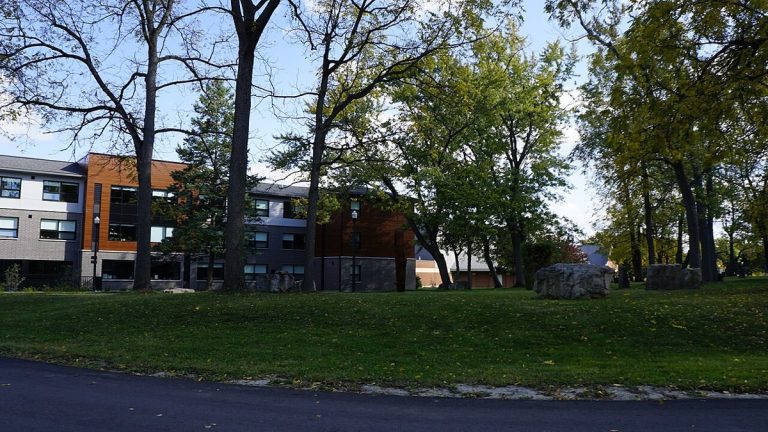
Redeemer University, Ancaster.
CA-K1179Institutions

Redeemer University, Ancaster

Redeemer University grew out of the Ontario Christian College Association, founded in 1976 with a Reformed constitution. In 1980 the Ontario Legislature passed the Redeemer College Act, recognizing Redeemer Reformed Christian College and its charter.

Factual accuracy review: No recorded challenge

Contributor: Citizen.ca

Verified against cited sourcesVerified on 2026-10-27↗
Photo: JFVoll · Photo licence: CC BY-SA 4.0 · Credit & context
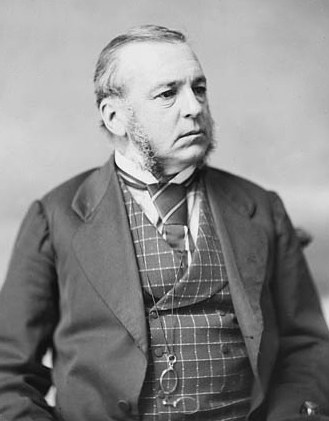
James Cockburn, 1873 (William James Topley).
CA-K980History

James Cockburn, first Speaker of the House of Commons

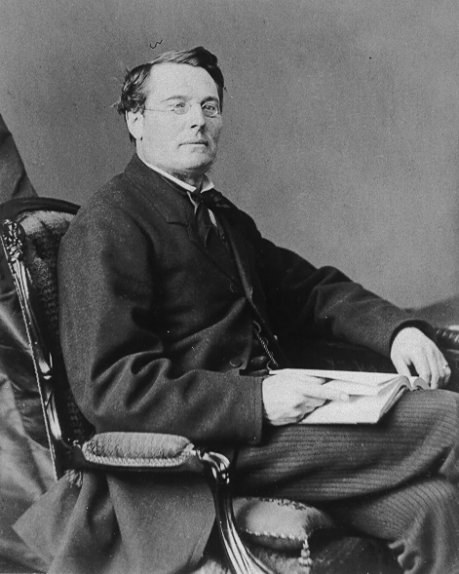
James Cockburn came to Montréal from England in 1832, was educated in Toronto and set up a law practice in Cobourg. Elected for Northumberland West in 1861, he attended the Quebec Conference of 1864 as a cabinet minister and is one of the Fathers of Confederation. When the first Parliament of Canada met in November 1867, he was elected Speaker of the House of Commons, serving until 1874.

Factual accuracy review: No recorded challenge

Contributor: Citizen.ca

Verified against cited sourcesVerified on 2026-10-27↗
Photo: William James Topley · Photo licence: Public domain · Credit & context
Joseph Howe, 1865 (William Notman).
CA-K973History

Joseph Howe, “Tribune of Nova Scotia”

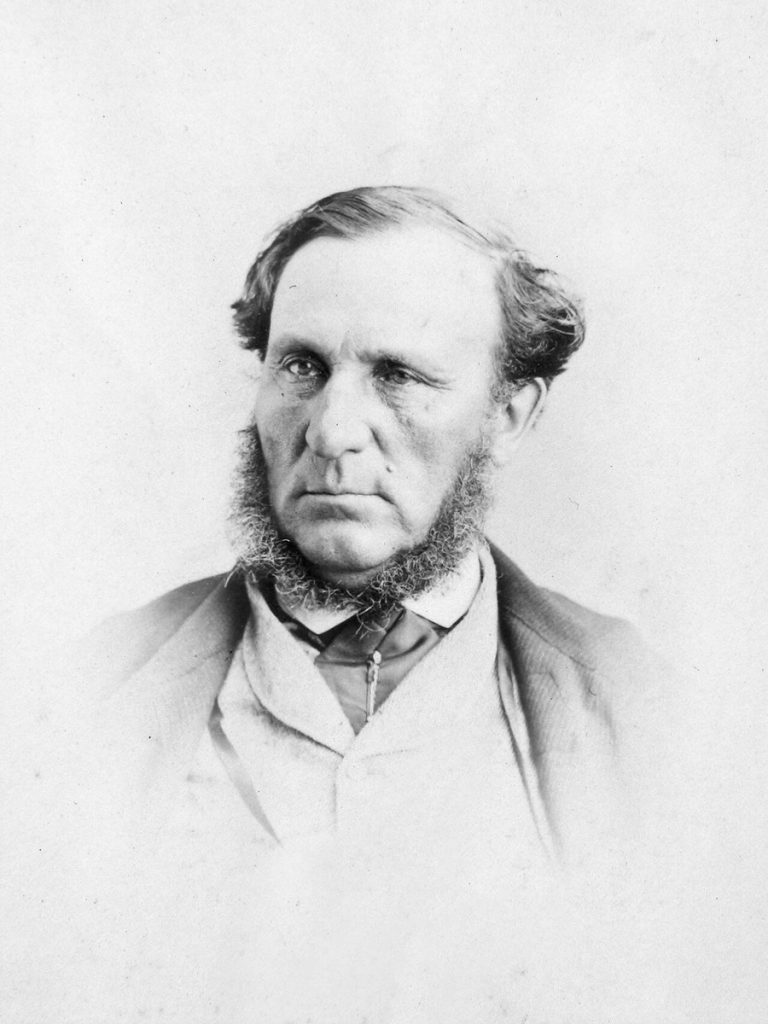
Joseph Howe, born in Halifax and largely self-taught, became publisher of the Novascotian and by 1836 was his province’s leading journalist and orator. Elected that year, he led the struggle that won responsible government in 1848. An eloquent opponent of Confederation in the 1860s, he joined the federal cabinet in 1869 after negotiating “better terms” for Nova Scotia, and shortly before his death in 1873 became its lieutenant governor.

Factual accuracy review: No recorded challenge

Contributor: Citizen.ca

Verified against cited sourcesVerified on 2026-10-27↗
Photo: William Notman · Photo licence: Public domain · Credit & context
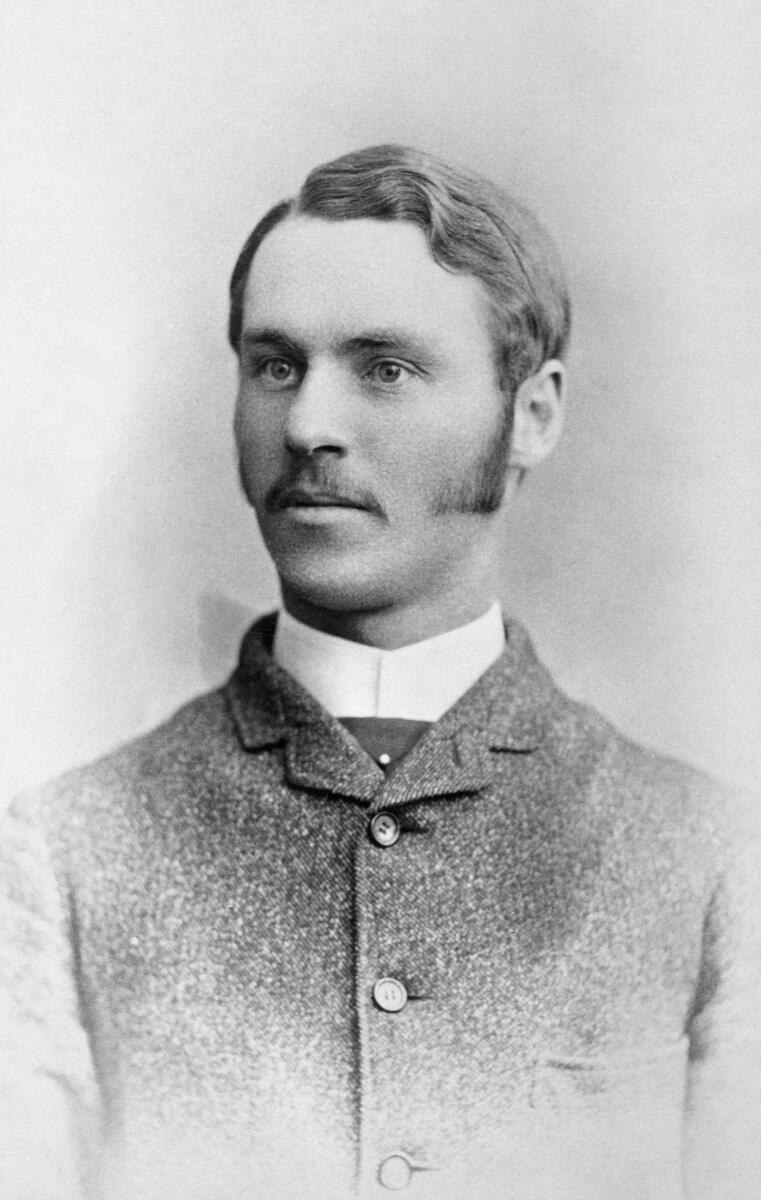
John Skirving Ewart, about 1902.
CA-K962History

J.S. Ewart, lawyer and advocate of Canadian autonomy

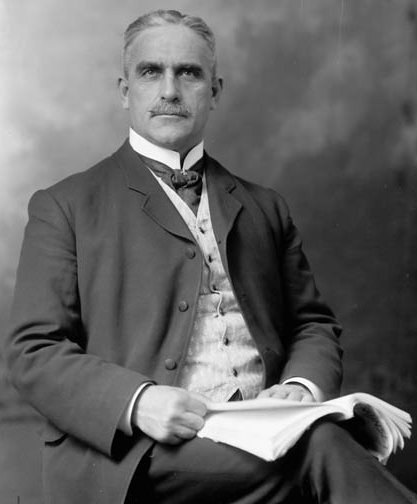
John Skirving Ewart, a noted constitutional lawyer born in Toronto, practised in Winnipeg from 1882 to 1904, founding the Manitoba Law Journal and serving on Louis Riel’s appeal defence team. He was counsel for Manitoba’s Roman Catholic minority in the schools dispute of the 1890s, then argued cases before the Supreme Court and Privy Council from Ottawa. He was an early, ardent advocate of Canadian autonomy at home and abroad.

Factual accuracy review: No recorded challenge

Contributor: Citizen.ca

Verified against cited sourcesVerified on 2026-10-27↗
Photo: Unknown photographer · Photo licence: Public domain · Credit & context
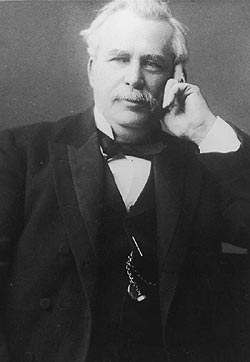
John Robson, portrait (Library and Archives Canada).
CA-K957History

John Robson, newspaperman and premier of British Columbia

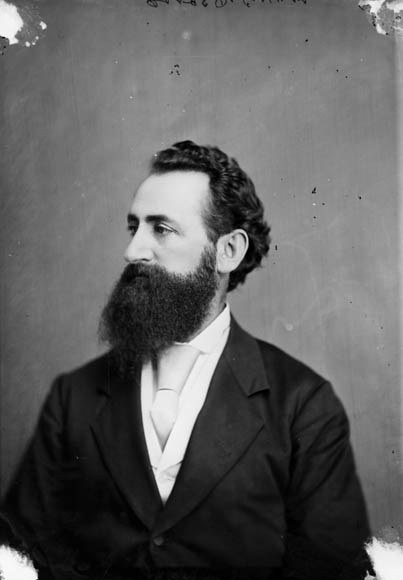
John Robson, born in Perth, Ontario, came to British Columbia in 1859. In 1861 he founded the British Columbian at New Westminster, a newspaper on the British Columbia mainland, and used it to demand responsible government. Elected in 1867, he urged the colony to join Confederation, held several cabinet posts and was premier from 1889 until his accidental death in London, working to organize schools and regulate resource development.

Factual accuracy review: No recorded challenge

Contributor: Citizen.ca

Verified against cited sourcesVerified on 2026-10-27↗
Photo: Unknown photographer; Library and Archives Canada · Photo licence: Public domain · Credit & context
Edward Whelan, 1864 (William Notman).
CA-K900History

Edward Whelan, journalist and Father of Confederation

Edward Whelan, an Irish-born journalist, came to Halifax about 1836 and became a protégé of Joseph Howe. He founded the Examiner in Charlottetown in 1847. A co-founder of Prince Edward Island’s Liberal Party with George Coles and an advocate of responsible government, he attended the Quebec Conference in 1864 and compiled The Union of the British Provinces (1865).

Factual accuracy review: No recorded challenge

Contributor: Citizen.ca

Verified against cited sourcesVerified on 2026-10-26↗
Photo: William Notman · Photo licence: Public domain · Credit & context
Louis-Hippolyte LaFontaine, about 1863.
CA-K879History

Sir Louis-Hippolyte LaFontaine, architect of responsible government

Louis-Hippolyte LaFontaine, a jurist and reformer born at Boucherville in 1807, was one of the architects of responsible government in Canada. With Robert Baldwin he led the reform governments of the Province of Canada in 1842 and 1848. He left politics in 1851, became Chief Justice of Lower Canada in 1853 and was made a baronet in 1854.

Factual accuracy review: No recorded challenge

Contributor: Citizen.ca

Verified against cited sourcesVerified on 2026-10-26↗
Photo: Indéterminé · Photo licence: Public domain · Credit & context
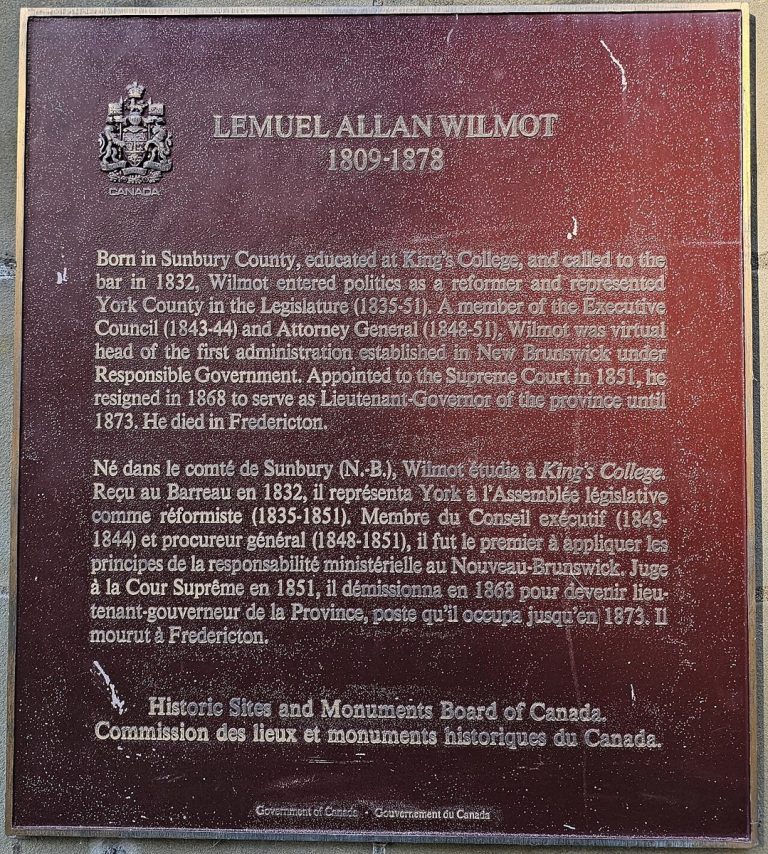
Plaque honouring Wilmot at the New Brunswick Legislative Building.
CA-K874History

Lemuel Allan Wilmot, reformer and Lieutenant-Governor

Lemuel Allan Wilmot, born in Sunbury County, entered politics as a Reformer and represented York County from 1835 to 1851. As Attorney General he was in effect the head of New Brunswick’s first government under responsible government. Named to the Supreme Court in 1851, he resigned in 1868 to become Lieutenant-Governor until 1873.

Factual accuracy review: No recorded challenge

Contributor: Citizen.ca

Verified against cited sourcesVerified on 2026-10-26↗
Photo: JJonahJackalope · Photo licence: CC BY-SA 4.0 · Credit & context
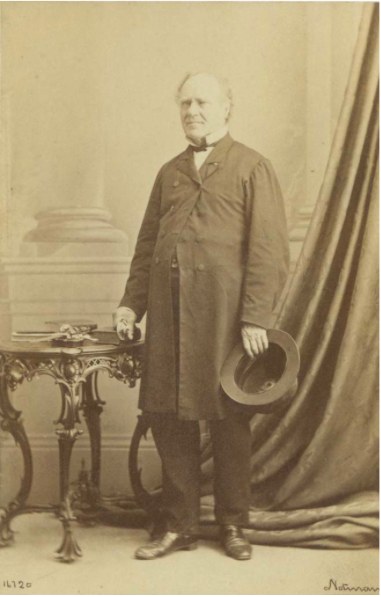
Edward Blake, portrait.
CA-K832History

Edward Blake, Ontario premier and Liberal leader

Edward Blake, a lawyer born in Middlesex County, Upper Canada, and a leading member of the Canada First movement, was the second premier of Ontario (1871–72). In 22 years in the House of Commons he was Minister of Justice under Alexander Mackenzie and led the federal Liberals from 1880 to 1887. A constitutional authority, he later sat in the British Parliament as an Irish Nationalist.

Factual accuracy review: No recorded challenge

Contributor: Citizen.ca

Verified against cited sourcesVerified on 2026-10-26↗
Photo: Ewing · Photo licence: Public domain · Credit & context
George Coles, 1865 (William Notman).
CA-K807History

George Coles, premier of Prince Edward Island

George Coles, a native Prince Edward Islander, represented Queen’s in the House of Assembly from 1842 to 1868. Co-founder of the Liberal Party with Edward Whelan and a strong advocate of responsible government, he became premier when it was granted in 1851 and held office three times. A Father of Confederation, he attended the Charlottetown and Quebec conferences of 1864.

Factual accuracy review: No recorded challenge

Contributor: Citizen.ca

Verified against cited sourcesVerified on 2026-10-26↗
Photo: William Notman · Photo licence: Public domain · Credit & context
Col. Sam Hughes, 1905 (William James Topley).
CA-K801History

Sir Sam Hughes, Minister of Militia

Sam Hughes, soldier, journalist and Member of Parliament for Lindsay from 1892 to 1921, helped create a distinctly Canadian army. As Minister of Militia and Defence from 1911 to 1916, he raised the Canadian Expeditionary Force that fought in the First World War and was knighted, but disputes with colleagues and subordinates forced him from Cabinet in 1916.

Factual accuracy review: No recorded challenge

Contributor: Citizen.ca

Verified against cited sourcesVerified on 2026-10-26↗
Photo: William James Topley · Photo licence: Public domain · Credit & context
Amor De Cosmos, September 1874 (Library and Archives Canada).
CA-K719History

Amor De Cosmos, “lover of the universe”

Amor De Cosmos, born William Smith in Windsor, Nova Scotia, took his name in the California goldfields and in 1858 founded the opposition newspaper the Colonist in Victoria. For two decades his pen and oratory championed responsible government and Confederation; he sat in the colonial and federal legislatures and was premier of British Columbia from 1872 to 1874.

Factual accuracy review: No recorded challenge

Contributor: Citizen.ca

Verified against cited sourcesVerified on 2026-10-26↗
Photo: Unknown author · Photo licence: Public domain · Credit & context
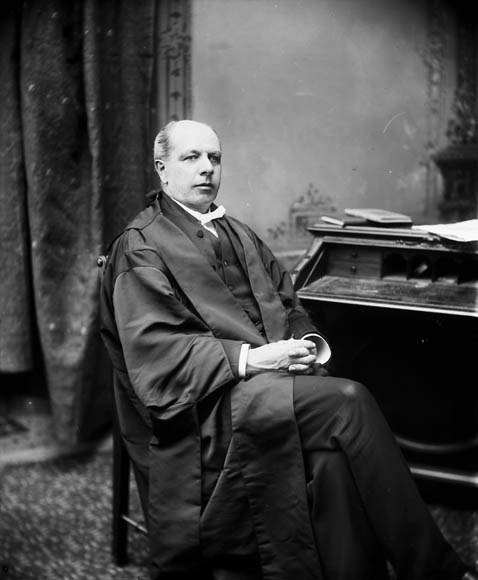
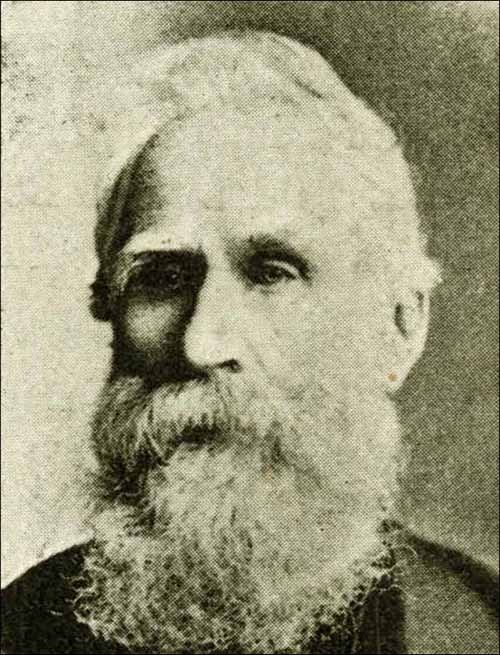
John George Bourinot, 1888 (Topley Studio).
CA-K613Institutions

Sir John Bourinot, Clerk of the House of Commons

John George Bourinot of Sydney, Nova Scotia, a journalist and legislative reporter, joined Parliament’s staff in Ottawa in 1868 and was Clerk of the House of Commons from 1880 to 1902, a recognized authority on parliamentary procedure. A founding member of the Royal Society of Canada, he wrote widely on history and the constitution.

Factual accuracy review: No recorded challenge

Contributor: Citizen.ca

Verified against cited sourcesVerified on 2026-10-26↗
Photo: William James Topley · Photo licence: Public domain · Credit & context
Frederick W. G. Haultain, May 1884 (Glenbow Archives).
CA-K589Institutions

Sir Frederick Haultain, premier of the North-West Territories

Frederick Haultain, a Fort Macleod lawyer, sat in the North-West Territories council and assembly from 1887 to 1905 and led the push for responsible government and provincial status. He was premier of the Territories from 1897 to 1905, then opposition leader in Saskatchewan and chief justice of Saskatchewan from 1912.

Factual accuracy review: No recorded challenge

Contributor: Citizen.ca

Verified against cited sourcesVerified on 2026-10-26↗
Photo: Sproule, G. B. · Photo licence: Public domain · Credit & context
David Mills, January 1899 (Topley Studio).
CA-K577Institutions

David Mills, minister and constitutional scholar

David Mills of Oxford, Upper Canada, was a school superintendent before representing Bothwell in the House of Commons from 1867 to 1896. He was Minister of the Interior in 1876–1878 and Minister of Justice in 1897–1902, taught constitutional law at the University of Toronto, and was appointed to the Supreme Court of Canada in 1902.

Factual accuracy review: No recorded challenge

Contributor: Citizen.ca

Verified against cited sourcesVerified on 2026-10-26↗
Photo: William James Topley · Photo licence: Public domain · Credit & context
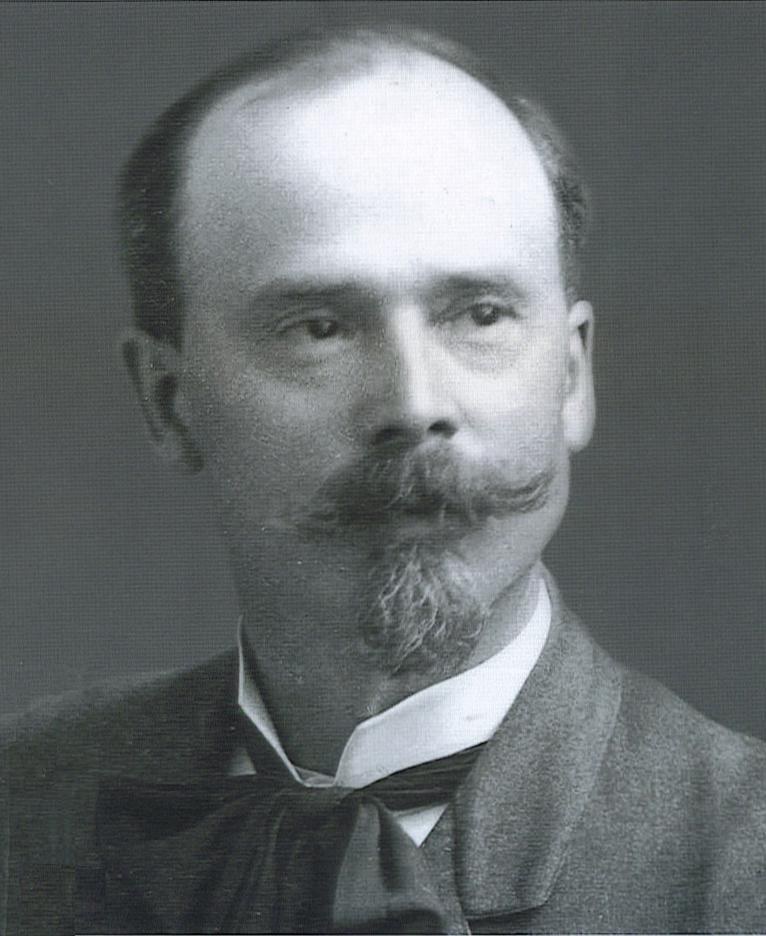
Louis-Philippe Hébert, around 1898 (Wm. Notman & Son).
CA-K538Culture & sport

Louis-Philippe Hébert, sculptor

Louis-Philippe Hébert was a Canadian sculptor known for public monuments. After carving wood figures for churches in Ottawa and Montréal, he made bronze statues such as Cartier on Parliament Hill and won renown for the sculptures on the façade of the Quebec legislature, his Maisonneuve monument in Montréal and the Macdonald monument in Ottawa.

Factual accuracy review: No recorded challenge

Contributor: Citizen.ca

Verified against cited sourcesVerified on 2026-10-26↗
Photo: William Notman & Son · Photo licence: Public domain · Credit & context
Philip Francis Little, from D. W. Prowse’s History of Newfoundland (1896).
CA-K474Institutions

Philip Francis Little, Newfoundland’s first premier

Philip Francis Little, elected to Newfoundland’s Assembly in 1850, campaigned for responsible government and united the Liberal Party behind it. In 1855 he became the colony’s first premier under responsible government, and he advanced Newfoundland’s interests through the Reciprocity Treaty with the United States.

Factual accuracy review: No recorded challenge

Contributor: Citizen.ca

Verified against cited sourcesVerified on 2026-10-26↗
Photo: Unknown author · Photo licence: Public domain · Credit & context
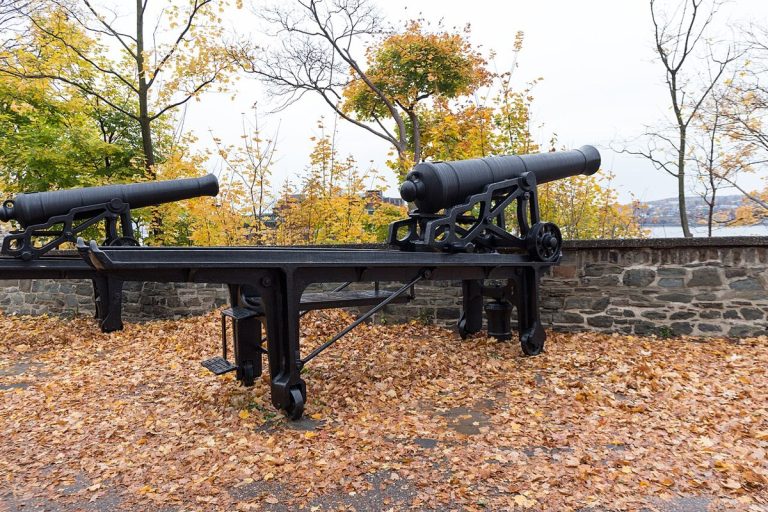
Montmorency Park in Québec City, photographed in 2024.
CA-K369Institutions

Montmorency Park, where parliaments met in Québec

For nearly a century, Montmorency Park in Québec City was where the legislators of Lower Canada, the Province of Canada and the Province of Quebec met. The Québec Conference of 1864 drafted its 72 resolutions for Confederation here. After fire destroyed the Parliament Building in 1883, the site became a public park ten years later.

Factual accuracy review: No recorded challenge

Contributor: Citizen.ca

Verified against cited sourcesVerified on 2026-10-26↗
Photo: Pymouss · Photo licence: CC BY-SA 4.0 · Credit & context
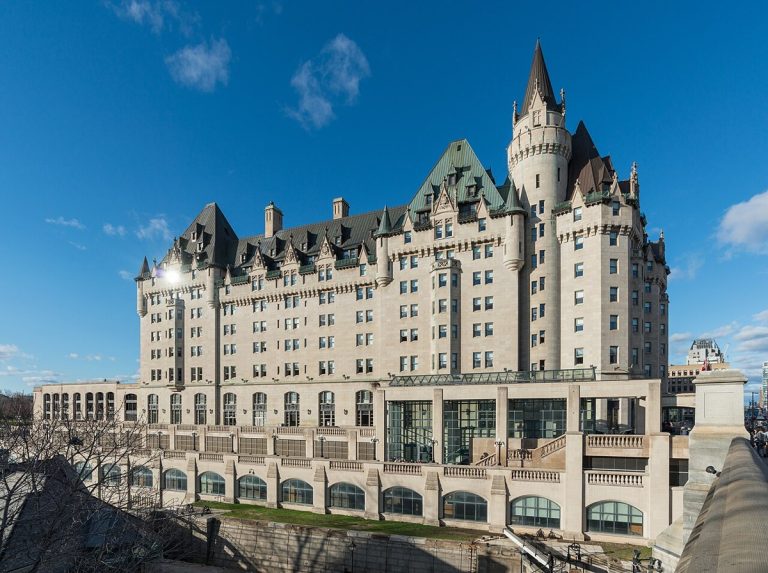
The Château Laurier in Ottawa, south view, photographed in 2017.
CA-K351Culture & sport

Château Laurier and the Château style

The Château Laurier in Ottawa, built between 1908 and 1912, was the first of a series of hotels by the Grand Trunk Pacific Railway to draw tourists to its transcontinental routes. The Château style of Canadian railway hotels evolved into a distinctly Canadian architectural type, and the hotel’s closeness to Parliament made it a model for that style.

Factual accuracy review: No recorded challenge

Contributor: Citizen.ca

Verified against cited sourcesVerified on 2026-10-26↗
Photo: DXR · Photo licence: CC BY-SA 4.0 · Credit & context