An independent Canadian knowledge project

Focused and Verified

Canadian knowledge base

Search by keyword

Choose one keyword, or combine two. Broader keywords include their descendants.

Keywords: Technological contribution

Clear search
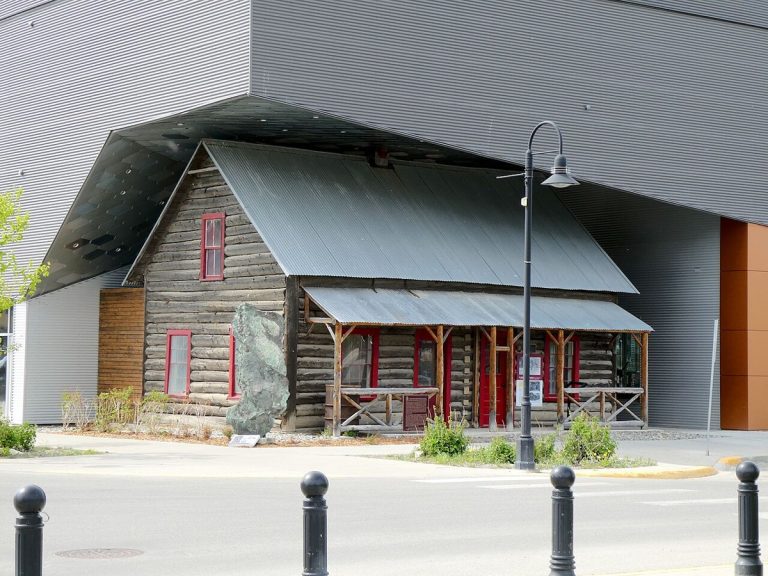
The MacBride Museum, which incorporates the original Whitehorse telegraph office.
CA-K1739Culture & sport

MacBride Museum of Yukon History, Whitehorse

The MacBride Museum in Whitehorse opened to the public in 1952 as Yukon’s first museum, displaying its collection in the Old Telegraph Office. It was renamed in 1967 for co-founder William MacBride, in recognition of his role in preserving Yukon heritage.

Factual accuracy review: No recorded challenge

Contributor: Citizen.ca

Verified against cited sourcesVerified on 2026-10-28↗
Photo: dvs from Vermont, USA · Photo licence: CC BY 2.0 · Credit & context
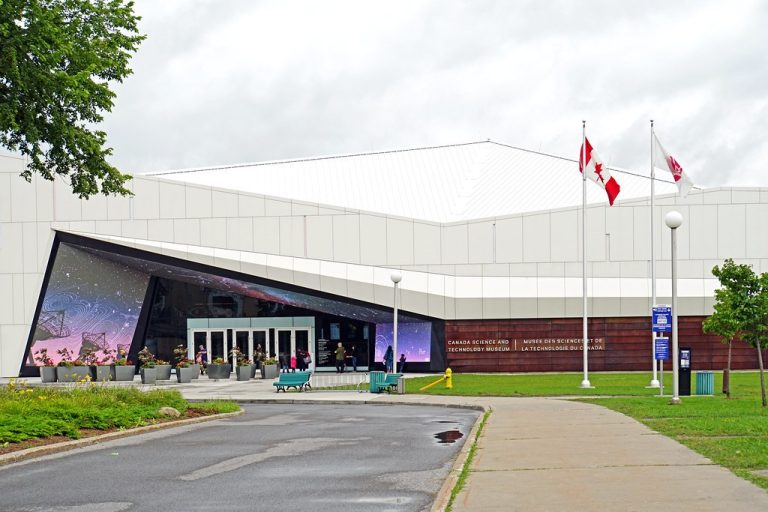
Canada Science and Technology Museum, Ottawa.
CA-K1645Culture & sport

Canada Science and Technology Museum, Ottawa

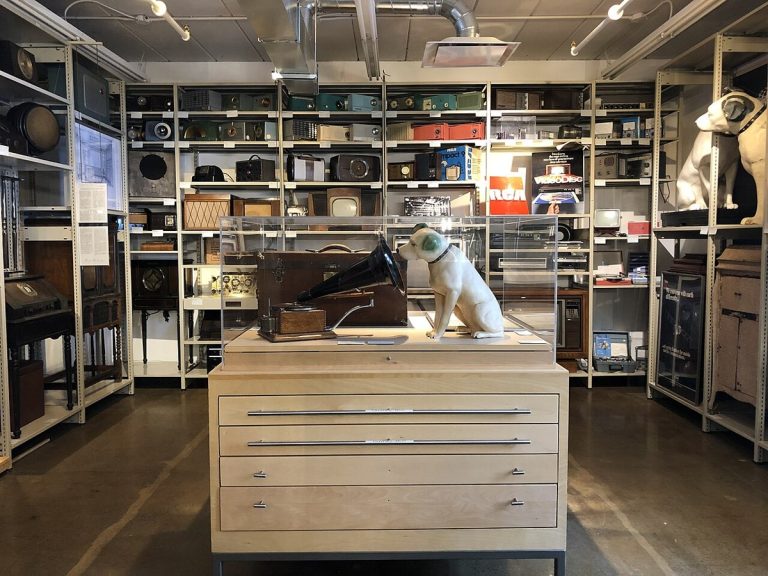
The Canada Science and Technology Museum in Ottawa tells Canada’s story of science and technology through hands-on learning. Its permanent galleries explore steam-powered travel, sound technologies, natural resources and medical innovations.

Factual accuracy review: No recorded challenge

Contributor: Citizen.ca

Verified against cited sourcesVerified on 2026-10-28↗
Photo: Ajadams94 · Photo licence: CC BY-SA 4.0 · Credit & context
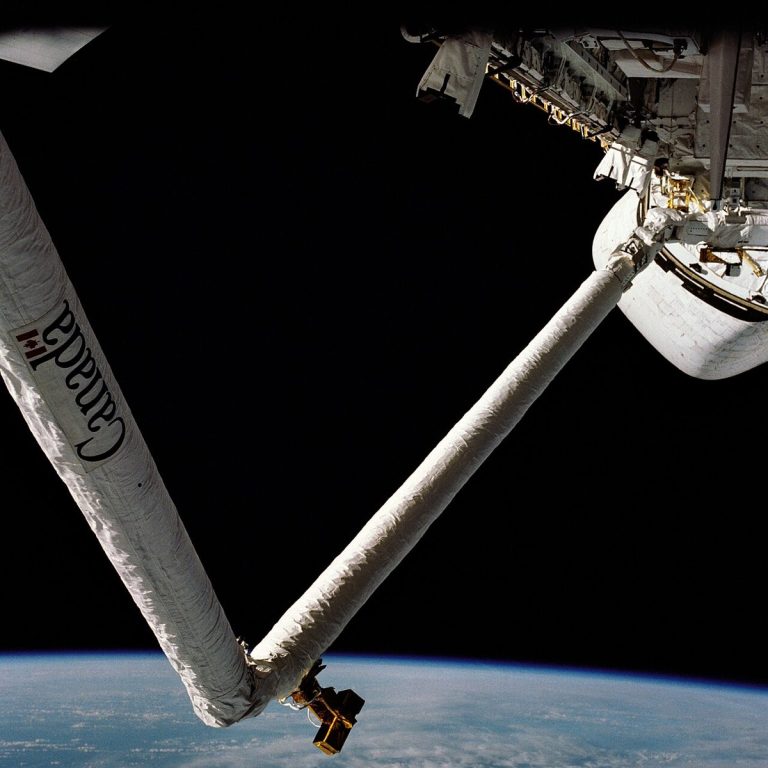
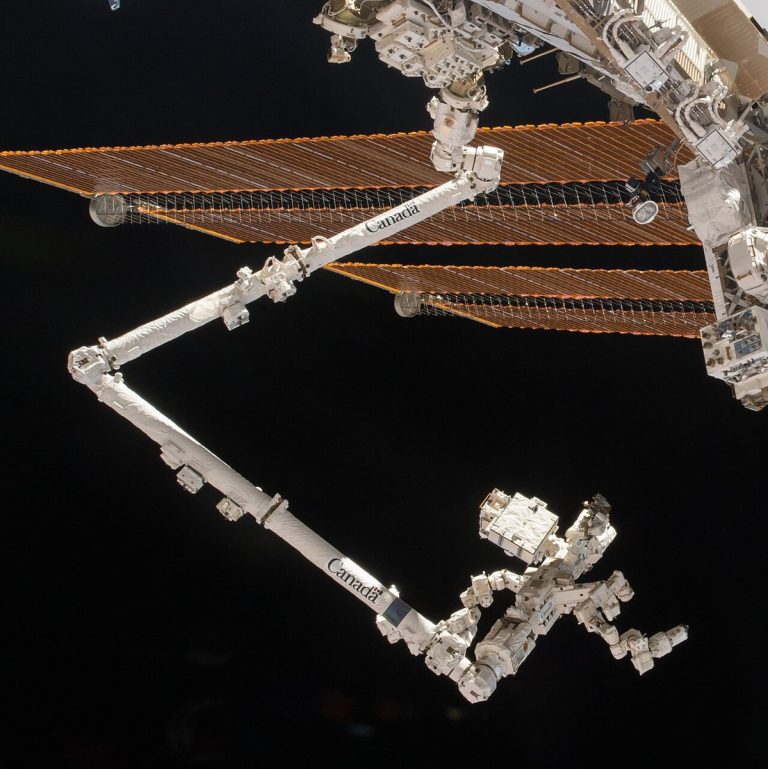
Canadarm2 holding the Dextre robot on the International Space Station.
CA-K1580History

Canadarm2 on the International Space Station

Canadarm2, a 17-metre robotic arm, is part of Canada’s contribution to the International Space Station and was extensively involved in assembling it. It moves end-over-end around the station, can handle loads of up to 116,000 kg, and grapples visiting spacecraft; with Dextre and the Mobile Base System it makes up Canada’s robotic contribution.

Factual accuracy review: No recorded challenge

Contributor: Citizen.ca

Verified against cited sourcesVerified on 2026-10-27↗
Photo: NASA · Photo licence: Public domain · Credit & context
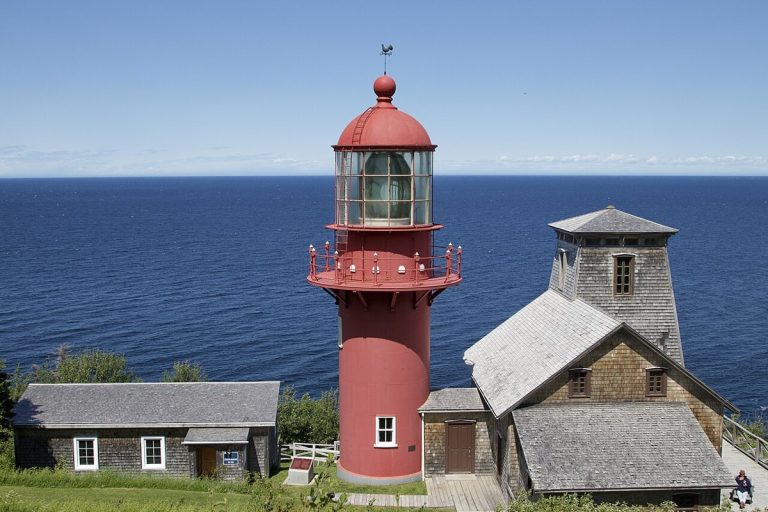
Pointe-à-la-Renommée, Quebec.
CA-K1565History

The maritime wireless telegraph system, 1904

In 1904 the Marconi Wireless Telegraph Company opened its first Canadian marine station at Pointe-à-la-Renommée, Quebec, one of six stations that began radio communication between ships at sea and the coast. The network grew into an indispensable navigation aid, and the federal government began regulating the airwaves as early as 1905.

Factual accuracy review: No recorded challenge

Contributor: Citizen.ca

Verified against cited sourcesVerified on 2026-10-27↗
Photo: Hayden Soloviev · Photo licence: CC BY 4.0 · Credit & context
The Bell Homestead National Historic Site, Brantford, Ontario.
CA-K1564History

The invention of the telephone at Brantford, 1874–1876

At his father’s home near Brantford, Ontario, Alexander Graham Bell conceived the fundamental principle of the telephone on 26 July 1874. There, on 3 and 4 August 1876, he publicly demonstrated his patented invention, and on 10 August he made a long-distance call, to Paris, 13 kilometres away.

Factual accuracy review: No recorded challenge

Contributor: Citizen.ca

Verified against cited sourcesVerified on 2026-10-27↗
Photo: K Danko · Photo licence: CC BY-SA 3.0 · Credit & context
Charles Sherwood Noble, 1918.
CA-K845Economy & trade

Charles Noble and the Noble Blade

Charles Sherwood Noble, farmer, inventor and entrepreneur, showed the farming potential of the drought-prone Palliser Triangle. During the Great Depression he worked with the Dominion Experimental Farm to promote dry-land farming methods, and in 1936 invented the Noble Blade, a cultivator that cut weeds at the roots without disturbing the soil, greatly reducing erosion. His company became Alberta’s largest maker of such implements.

Factual accuracy review: No recorded challenge

Contributor: Citizen.ca

Verified against cited sourcesVerified on 2026-10-26↗
Photo: unknown (Life time: 1910s) · Photo licence: Public domain · Credit & context
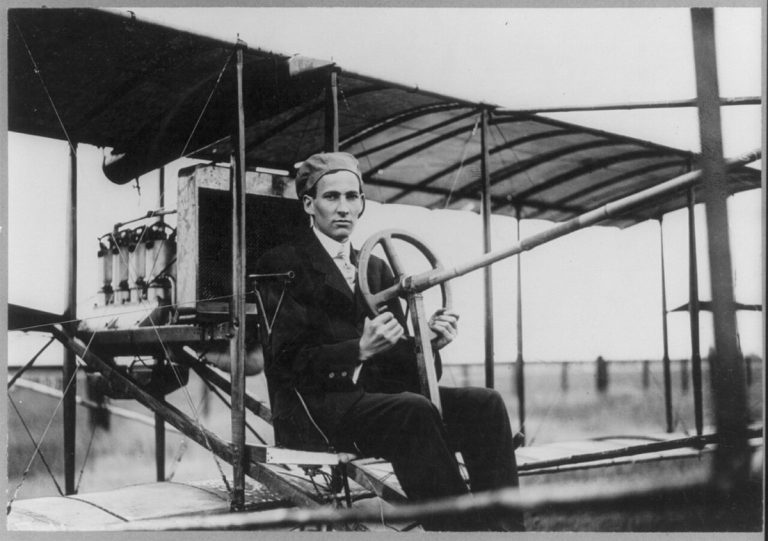
J. A. D. McCurdy, 1911 (Library of Congress).
CA-K626History

J. A. D. McCurdy, pilot of the Silver Dart

John A. D. McCurdy of Baddeck, an early associate of Alexander Graham Bell, piloted the Silver Dart on 23 February 1909 in Canada’s first successful powered flight. A pioneer of the aircraft industry, he later oversaw aircraft production in the Second World War and served as lieutenant-governor of Nova Scotia.

Factual accuracy review: No recorded challenge

Contributor: Citizen.ca

Verified against cited sourcesVerified on 2026-10-26↗
Photo: Miscellaneous Items in High Demand, PPOC, Library of Congress · Photo licence: Public domain · Credit & context
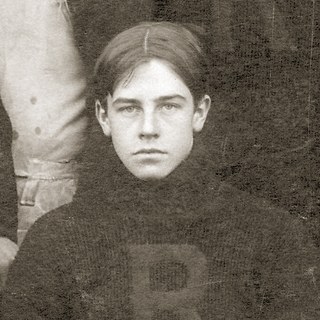
Casey Baldwin at Ridley College, St. Catharines, 1900.
CA-K504History

Casey Baldwin, aviation and hydrofoil pioneer

Frederick Walker “Casey” Baldwin, a lifelong associate of Alexander Graham Bell, became in 1908 the first Canadian to fly a plane and designed the first aeroplane in North America to use ailerons. With Bell he built the hydrofoil HD-4, which set a world speed record on Bras d’Or Lake in 1919.

Factual accuracy review: No recorded challenge

Contributor: Citizen.ca

Verified against cited sourcesVerified on 2026-10-26↗
Photo: Unknown author · Photo licence: Public domain · Credit & context
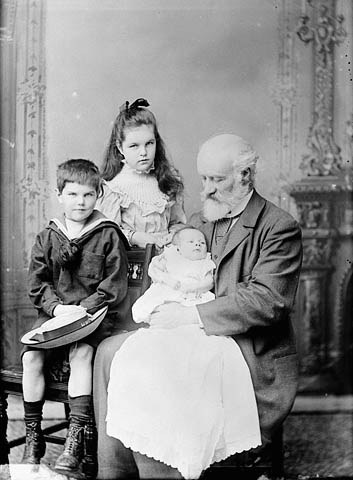
Sir Sandford Fleming with his grandchildren, July 1893 (Topley Studio).
CA-K436History

Sir Sandford Fleming, engineer and champion of standard time

Sir Sandford Fleming, born in Scotland, came to Canada in 1845 and became survey and construction engineer for the Intercolonial Railway and the Canadian Pacific. A man of wide interests and an ardent imperialist, he advocated the Pacific telegraph cable, designed the first Canadian postage stamp in 1851, and was an early champion of standard time.

Factual accuracy review: No recorded challenge

Contributor: Citizen.ca

Verified against cited sourcesVerified on 2026-10-26↗
Photo: William James Topley · Photo licence: Public domain · Credit & context
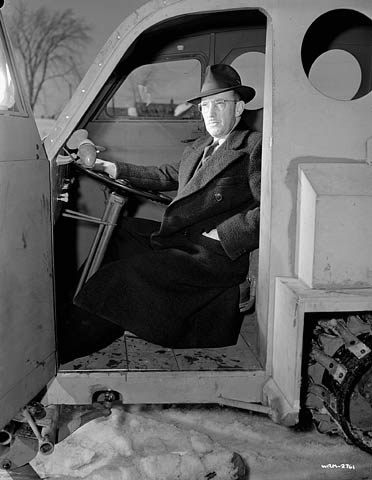
Joseph-Armand Bombardier at the wheel of a Bombardier military snowmobile, March 1943.
CA-K435Economy & trade

Joseph-Armand Bombardier and the snowmobile

Joseph-Armand Bombardier of Valcourt, Quebec, developed snow vehicles that helped reduce winter isolation in rural areas of Canada and elsewhere. He patented the snowmobile in 1937 and the smaller Ski-Doo in 1960, both designed and built in Valcourt, and after his death the company he founded became a world leader in transportation.

Factual accuracy review: No recorded challenge

Contributor: Citizen.ca

Verified against cited sourcesVerified on 2026-10-26↗
Photo: Unknown author · Photo licence: Public domain · Credit & context
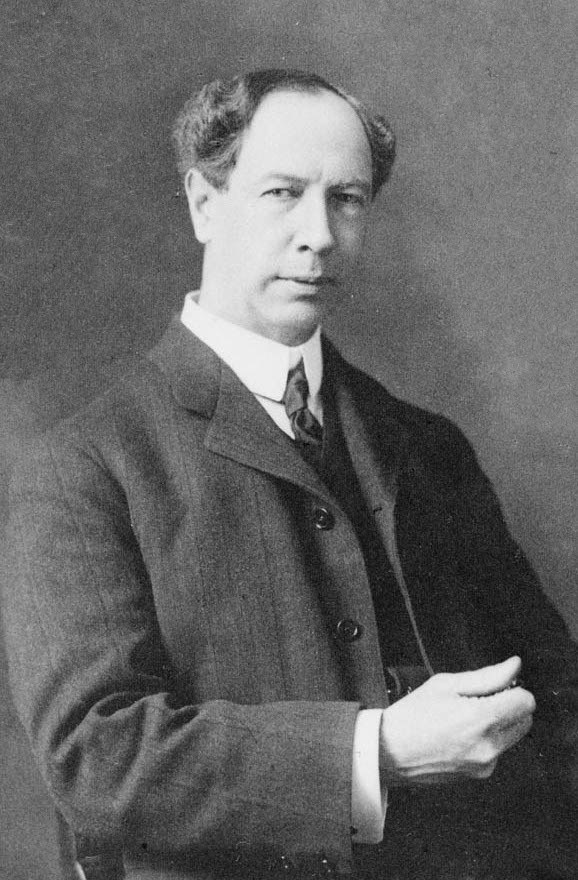
Thomas “Carbide” Willson in Ottawa, around 1914 (Library and Archives Canada).
CA-K432Economy & trade

Thomas “Carbide” Willson and acetylene

Thomas “Carbide” Willson, a largely self-educated inventor from Oxford County, Upper Canada, discovered in 1892 a method of mass-producing calcium carbide. Acetylene gas made from it was used for lighting and as a source of other industrial chemicals, and his discovery helped lay the foundation of the electrochemical industry in the early 20th century.

Factual accuracy review: No recorded challenge

Contributor: Citizen.ca

Verified against cited sourcesVerified on 2026-10-26↗
Photo: Unknown author · Photo licence: Public domain · Credit & context

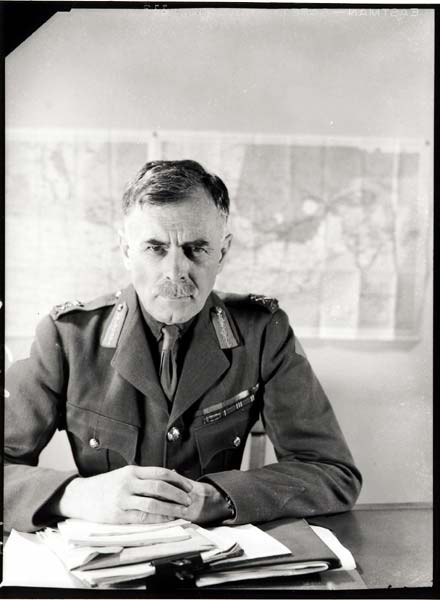
Lieutenant-General A. G. L. McNaughton in March 1942 (Department of National Defence).
CA-K387History

A. G. L. McNaughton, soldier and scientist

A. G. L. McNaughton (1887–1966), born in Moosomin in today’s Saskatchewan, played a notable role in Canadian life as a scientist, soldier, politician and diplomat. He served as an artillery officer in the First World War, co-invented the forerunner of radar, led the National Research Council, and represented Canada in senior diplomatic roles after the Second World War.

Factual accuracy review: No recorded challenge

Contributor: Citizen.ca

Verified against cited sourcesVerified on 2026-10-26↗
Photo: Unknown author · Photo licence: Public domain · Credit & context
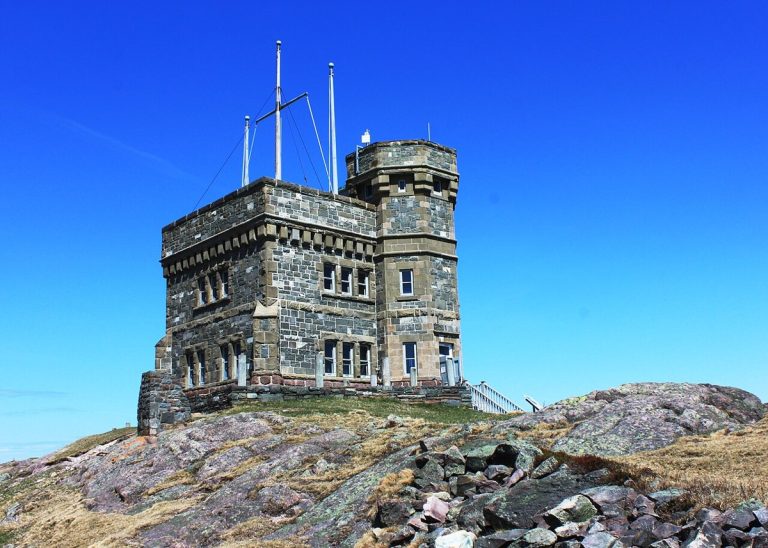
Cabot Tower on Signal Hill, St. John’s, Newfoundland and Labrador, photographed in 2013.
CA-K333History

Signal Hill and Marconi’s 1901 transmission

Signal Hill, overlooking the Narrows into St. John’s Harbour, was important for defence and communications for three centuries, with fortifications built as France and Britain battled for the continent. In 1901, Guglielmo Marconi received the first transatlantic wireless transmission atop the hill, a landmark in global communications history.

Factual accuracy review: No recorded challenge

Contributor: Citizen.ca

Verified against cited sourcesVerified on 2026-10-26↗
Photo: KristaKals · Photo licence: CC BY-SA 3.0 · Credit & context
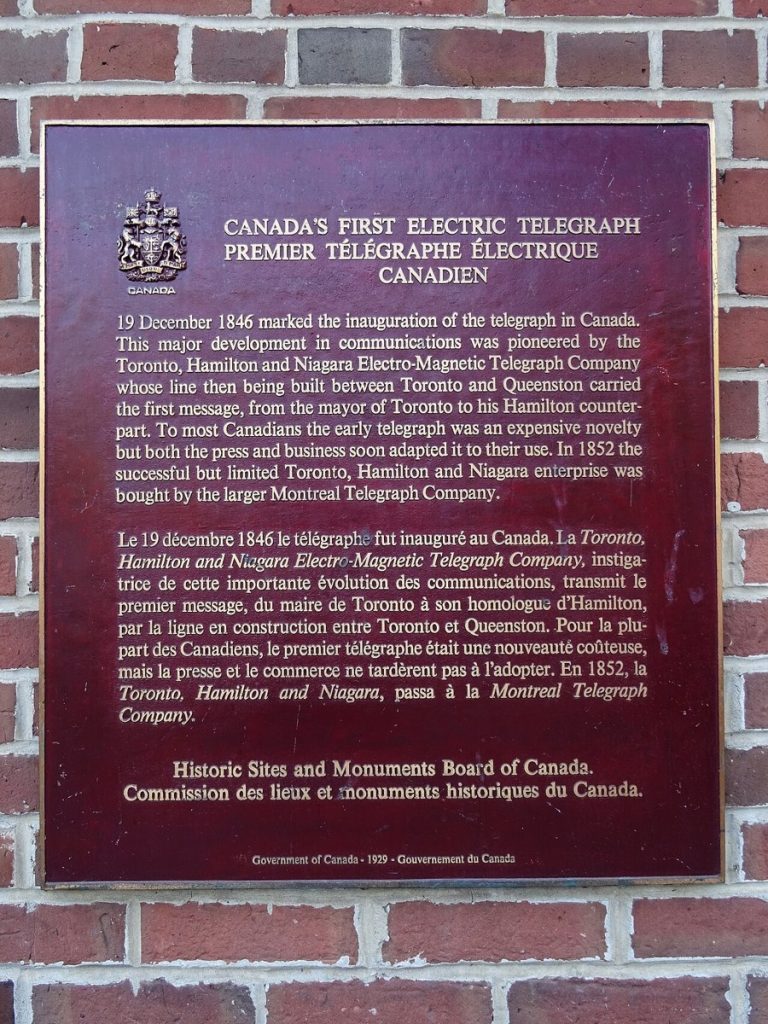
The Historic Sites and Monuments Board plaque for Canada’s First Electric Telegraph in Toronto, photographed in 2018.
CA-K270Economy & trade

Canada’s first electric telegraph, 1846

The telegraph was inaugurated in Canada on 19 December 1846, when the Toronto, Hamilton and Niagara Electro-Magnetic Telegraph Company’s line carried the first message, from the mayor of Toronto to the mayor of Hamilton. At first an expensive novelty, the telegraph was soon adopted by the press and business.

Factual accuracy review: No recorded challenge

Contributor: Citizen.ca

Verified against cited sourcesVerified on 2026-10-26↗
Photo: Spudgun67 · Photo licence: CC BY-SA 4.0 · Credit & context
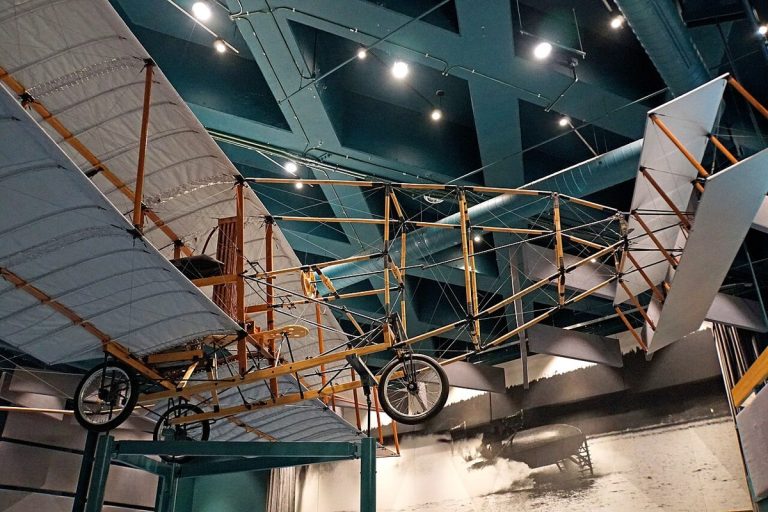
A Silver Dart display photographed in 2017; not the original 1909 aircraft.
CA-K242History

The Silver Dart made Canada’s first powered flight, 1909

On 23 February 1909, more than 100 people watched the Silver Dart lift off the ice of Baddeck Bay, Nova Scotia, and fly 800 metres: the first successful powered flight in Canada. Piloted by J. A. D. McCurdy, the biplane was built by the Aerial Experiment Association, founded by Mabel and Alexander Graham Bell (see CA-K154).

Factual accuracy review: No recorded challenge

Contributor: Citizen.ca

Verified against cited sourcesVerified on 2026-10-26↗
Photo: Dennis G. Jarvis · Photo licence: CC BY-SA 2.0 · Credit & context
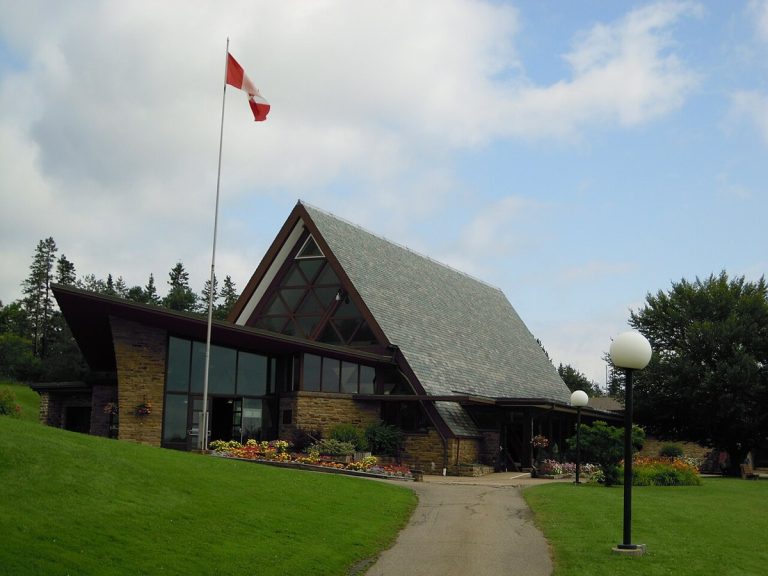
The visitor centre and museum at the Alexander Graham Bell National Historic Site in Baddeck, Nova Scotia, in 2010.
CA-K154History

Alexander Graham Bell in Baddeck

Alexander Graham Bell (1847–1922), best known as the inventor of the telephone, was born in Scotland, became a citizen of the United States and was a longtime resident of Canada. In 1907 he and his wife Mabel co-founded the Aerial Experiment Association, which led to the flight of the Silver Dart; he died at his summer home, Beinn Bhreagh, near Baddeck, Nova Scotia.

Factual accuracy review: No recorded challenge

Contributor: Citizen.ca

Verified against cited sourcesVerified on 2026-10-26↗
Photo: Skeezix1000 · Photo licence: CC BY-SA 3.0 · Credit & context