
CA-K104Indigenous peoples & reconciliation
Batoche and the Northwest Resistance of 1885

Factual accuracy review: No recorded challenge
No recorded challenge is not proof of accuracy. A challenge under review is not a finding that the item is false.
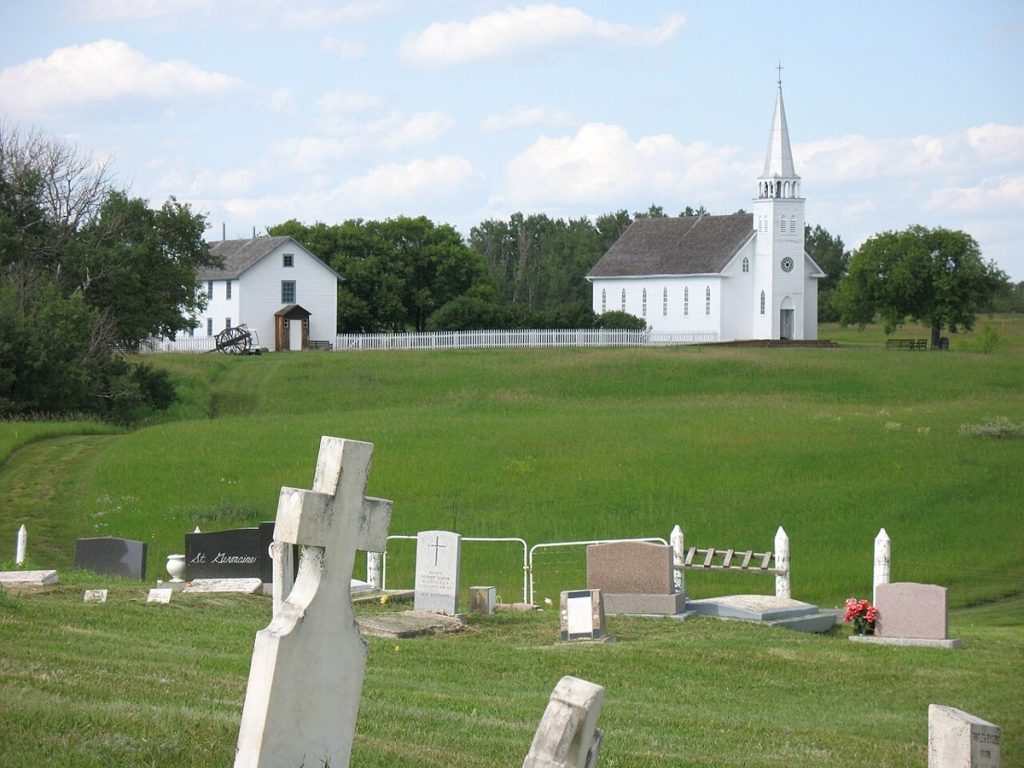
Batoche, a Métis settlement on the South Saskatchewan River north of Saskatoon, was the scene of Louis Riel and Gabriel Dumont’s last stand during the Northwest Resistance of 1885. Parks Canada describes it as a symbol of Métis resilience and cultural renewal.
Scope & context
Batoche’s place in the 1885 resistance and in Métis history, not the full causes, course or aftermath of the conflict.
Sources behind this record
1