
CA-K099Economy & trade
The two-dollar note became the toonie in 1996

Factual accuracy review: No recorded challenge
No recorded challenge is not proof of accuracy. A challenge under review is not a finding that the item is false.
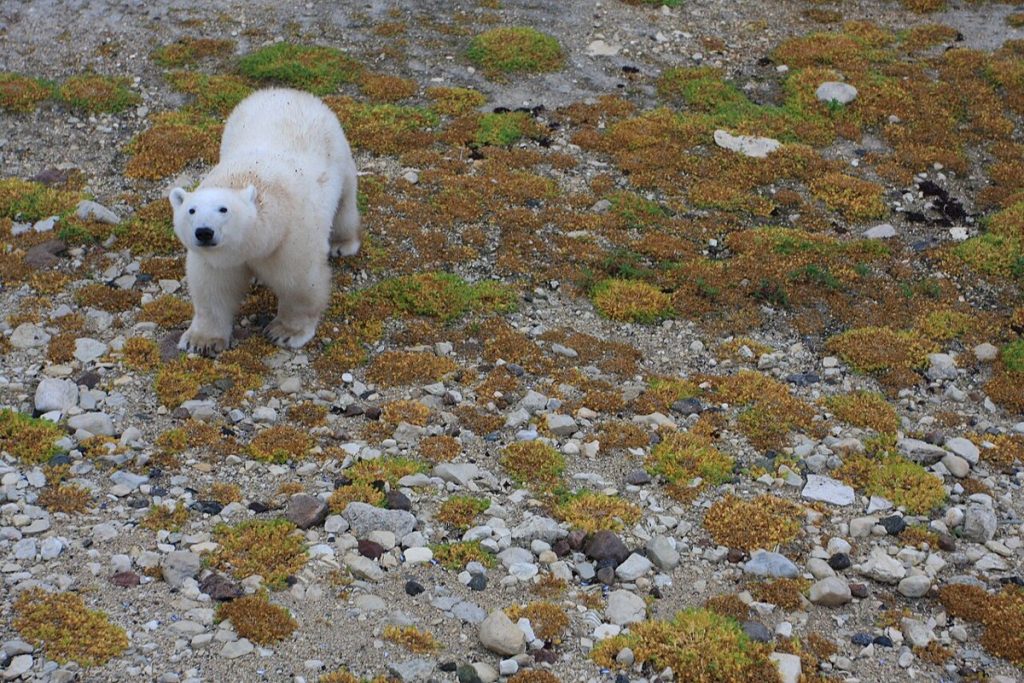
In 1996, Canada’s two-dollar paper note was replaced by a coin as a cost-saving measure: a two-dollar note lasted about a year, while coins can last more than 10 years. The coin, known as the toonie, has carried a polar bear by nature artist Brent Townsend since 1996.
Scope & context
The change from note to coin, not commemorative toonie designs or the earlier one-dollar coin (see CA-K071).
Sources behind this record
1