
CA-K305Indigenous peoples & reconciliation
Tse’K’wa, 12,500 years of human presence

Factual accuracy review: No recorded challenge
No recorded challenge is not proof of accuracy. A challenge under review is not a finding that the item is false.
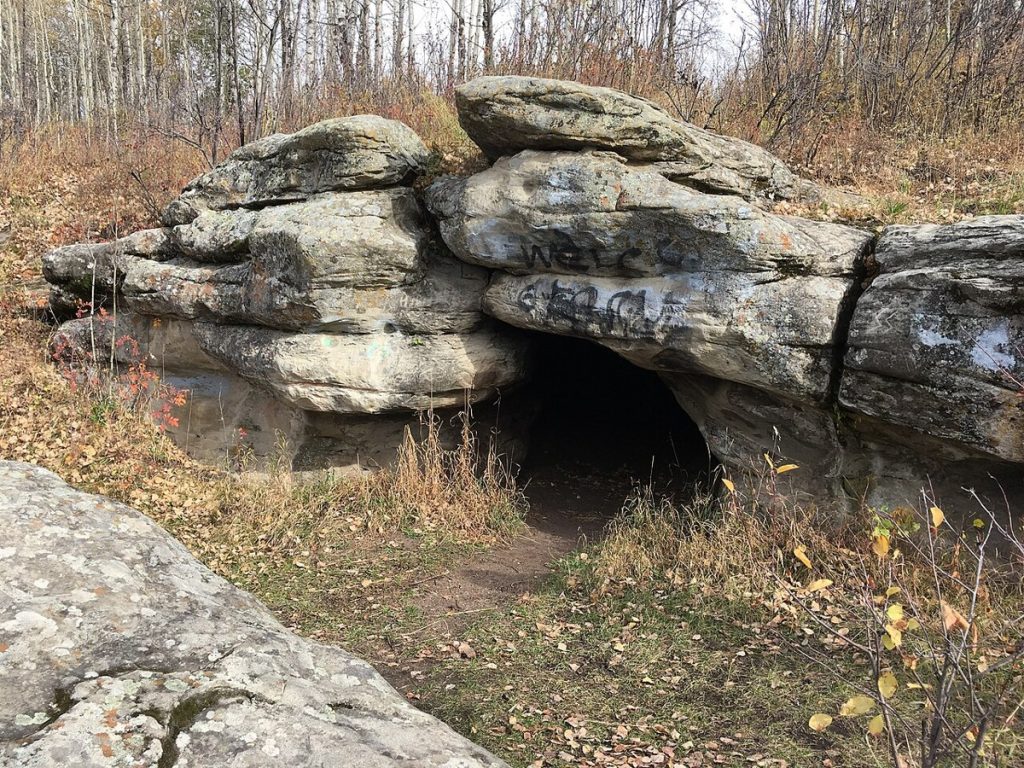
Tse’K’wa, a cave near Fort St. John, British Columbia, in Dane-zaa traditional territory, holds a rare sequence of soil layers recording human settlement and environmental change from the end of the last glacial period, 12,500 years ago, to 1,000 years ago. Its lowest layers contained Palaeo-Indian stone tools, bones of late glacial animals, evidence of bison hunting and two nearly complete raven skeletons.
Scope & context
The archaeological site and its significance, not the Dane-zaa First Nations’ full history.
Sources behind this record
1