
Rule of law, due process and presumed innocence

No recorded challenge is not proof of accuracy. A challenge under review is not a finding that the record is false.
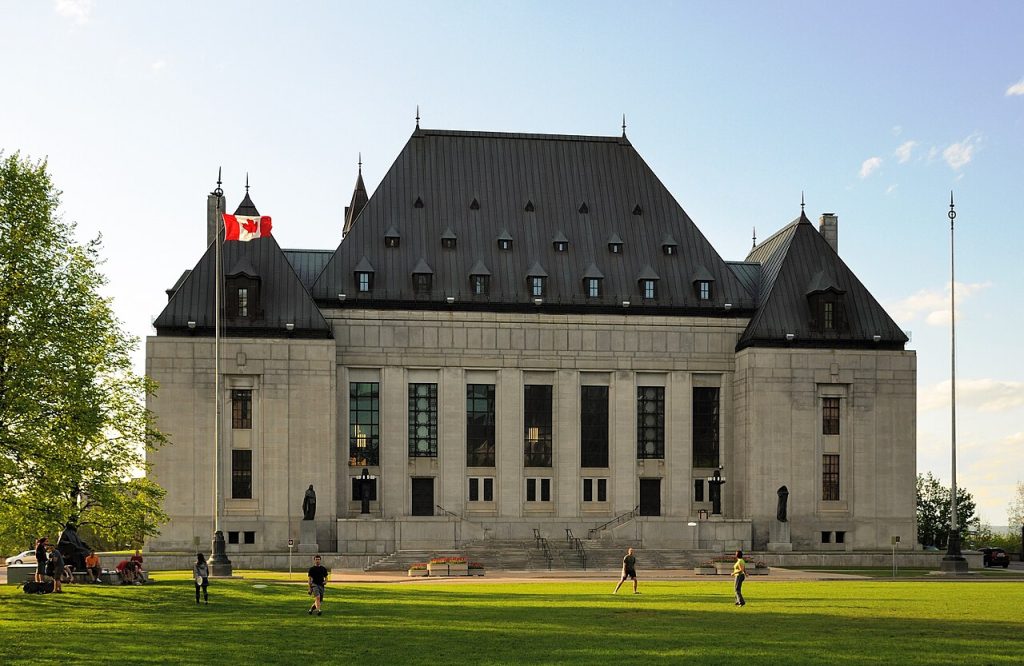
The rule of law subjects individuals and governments to law. Due process requires respect for legal procedures and rights. In criminal proceedings, an accused person is presumed innocent until proven guilty according to law.
Scope & context
Independent citizenship-study support. Read the cited official sources; this is not an official question bank or a guarantee of a test result.
More context
These principles apply to the administration of justice, not simply to personal good manners. Judges must decide independently, and police and politicians are also subject to law. The Charter protects legal rights, including protection against arbitrary detention and the ability to challenge detention through habeas corpus.
Courts decide cases on evidence and applicable law. An accusation is not a conviction. These introductory distinctions help explain the relationship between citizenship, lawful authority and individual protection; a particular legal problem requires qualified legal assistance.
Sources behind this record
Immigration, Refugees and Citizenship Canada
The Justice System; sections and tables identified in the research record
Department of Justice Canada
Sections 1–6, 10–11, 15–28