
Confederation’s founders and territorial expansion

No recorded challenge is not proof of accuracy. A challenge under review is not a finding that the record is false.
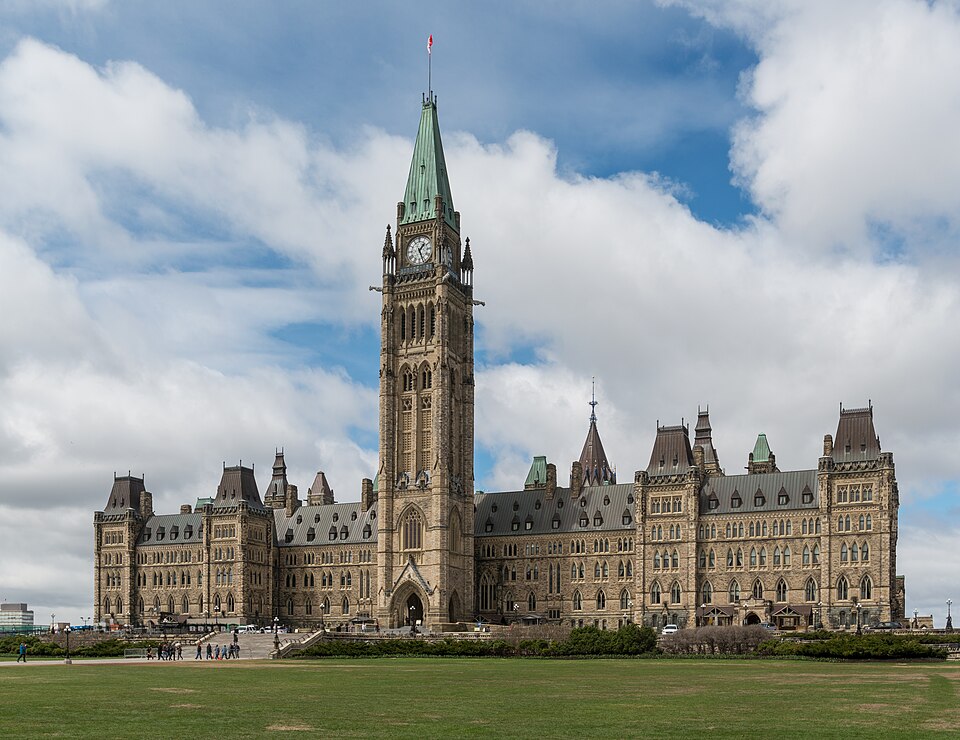
Confederation in 1867 joined Ontario, Quebec, Nova Scotia and New Brunswick. John A. Macdonald became the first prime minister; George-Étienne Cartier was a key Quebec architect. Other provinces and territories entered or were created at later dates.
Scope & context
Independent citizenship-study support. Read the cited official sources; this is not an official question bank or a guarantee of a test result.
More context
The Charlottetown and Québec conferences took place in 1864. Leonard Tilley is associated with the name Dominion of Canada.
Expansion milestones:
• 1870 — Manitoba and the Northwest Territories
• 1871 — British Columbia
• 1873 — Prince Edward Island
• 1880 — transfer of the Arctic islands
• 1898 — Yukon
• 1905 — Alberta and Saskatchewan
• 1949 — Newfoundland, now Newfoundland and Labrador
• 1999 — Nunavut
These events were not all the same legal process: provincial entry, territorial creation and the transfer of islands should be distinguished. They also took place in Indigenous homelands and do not mean those lands were uninhabited before Canadian administration.
The guide links Tilley’s choice of Dominion with the sea-to-sea image in Psalm 72. British Columbia’s 1871 entry involved a railway promise; the Canadian Pacific Railway’s completion in 1885 became a symbol of national unity. Its construction also involved dangerous and discriminatory conditions for Chinese workers.
Sources behind this record
Immigration, Refugees and Citizenship Canada
Canada’s History; sections and tables identified in the research record