An independent project serving Canadian citizens and future citizens

Learn and take the test

Future Citizens

Citizenship Test collection

206 knowledge records

A focused subset of the Canadian knowledge base.

Explore the full knowledge base →

Search by keyword

Citizenship Test is always required. Choose additional keywords to narrow this collection. Broader keywords include their descendants.

For citizenship preparation, use these records alongside the official Discover Canada guide. Check current officeholders and local information separately. This is an independent study collection.

Keywords: Provinces and territories

Clear search
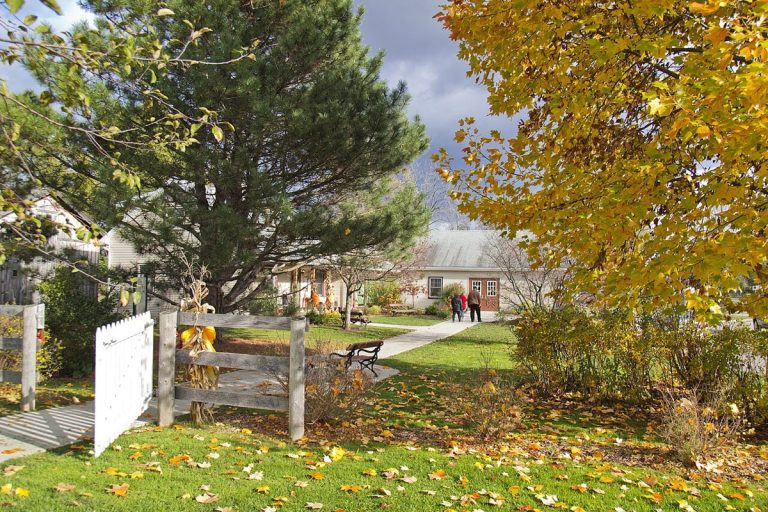
The Bell Homestead National Historic Site, Brantford, Ontario.
CA-K1564History

The invention of the telephone at Brantford, 1874–1876

At his father’s home near Brantford, Ontario, Alexander Graham Bell conceived the fundamental principle of the telephone on 26 July 1874. There, on 3 and 4 August 1876, he publicly demonstrated his patented invention, and on 10 August he made a long-distance call, to Paris, 13 kilometres away.

Factual accuracy review: No recorded challenge

Contributor: Citizen.ca

Verified against cited sourcesVerified on 2026-10-27↗
Photo: K Danko · Photo licence: CC BY-SA 3.0 · Credit & context
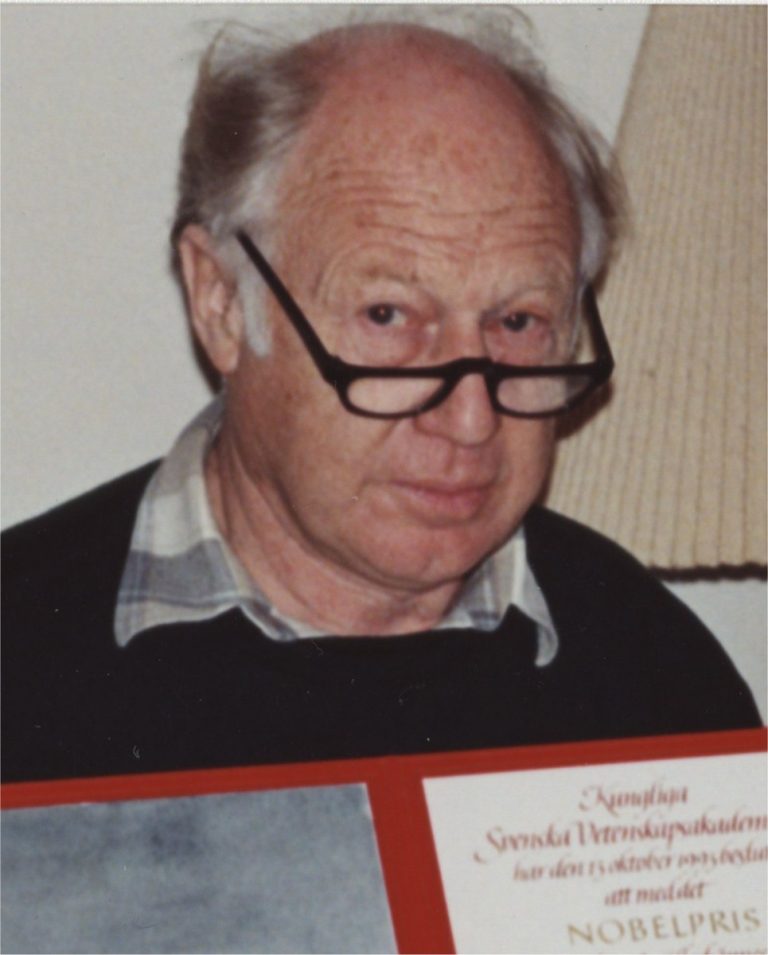
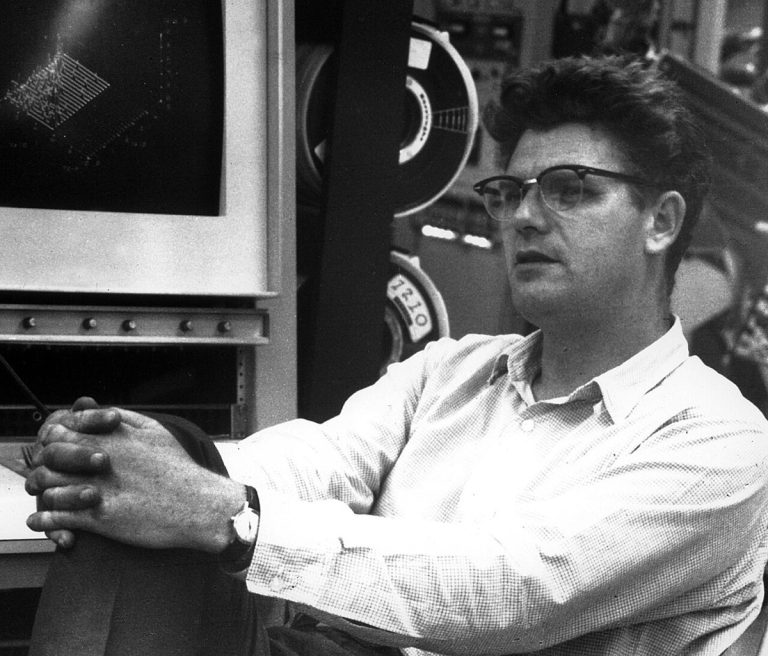
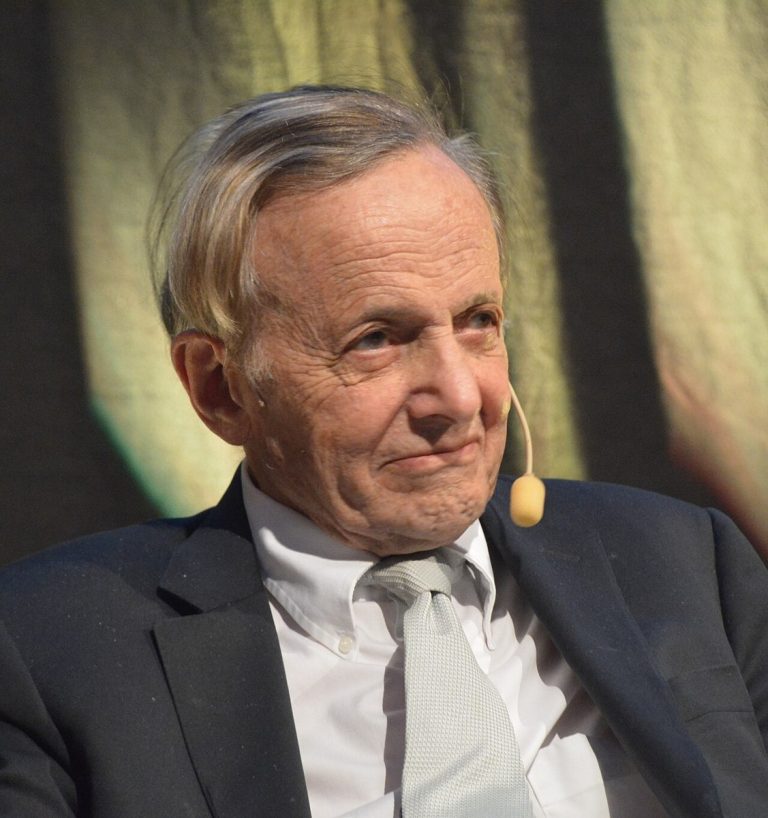
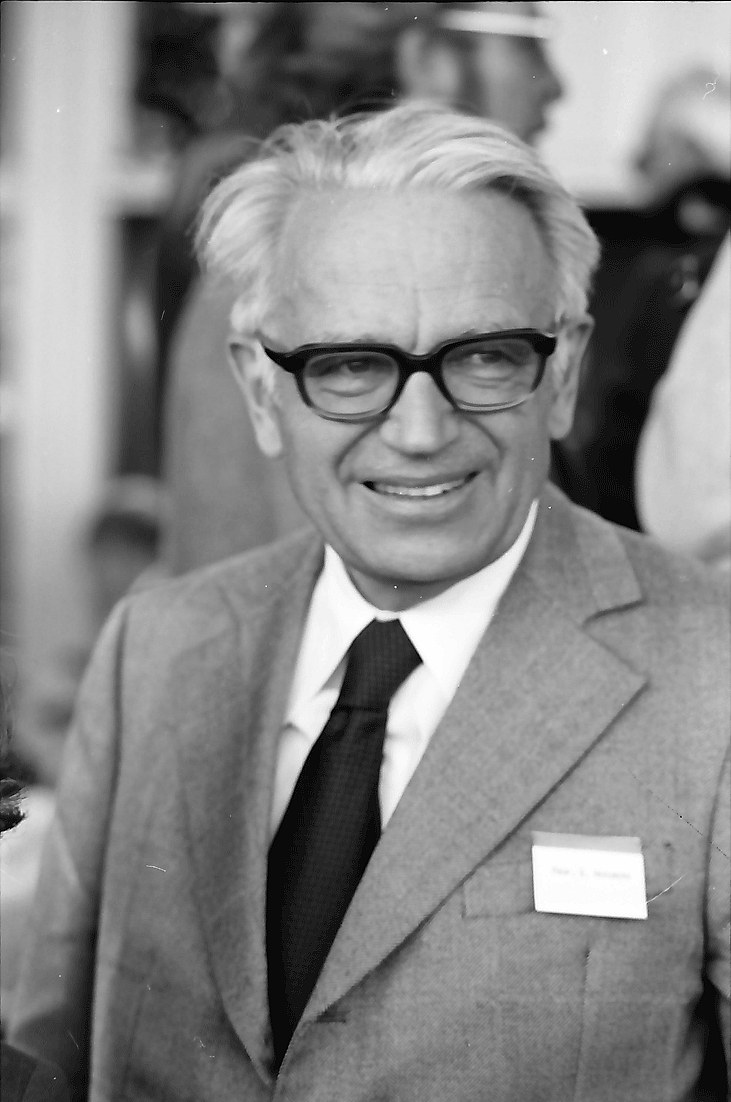
Michael Smith in 1994.
CA-K1552Culture & sport

Michael Smith, Nobel Prize in Chemistry 1993

Michael Smith of the University of British Columbia shared the 1993 Nobel Prize in Chemistry for developing site-directed mutagenesis.

Factual accuracy review: No recorded challenge

Contributor: Citizen.ca

Verified against cited sourcesVerified on 2026-10-27↗
Photo: File:Michael Smith party at Mary Vickers's house.1994, F-109-7-0-0-10 001.jpg: SCWIST Society for Canadian Women in Science and Technology derivative work: Michał Sobkowski · Photo licence: CC BY-SA 4.0 · Credit & context
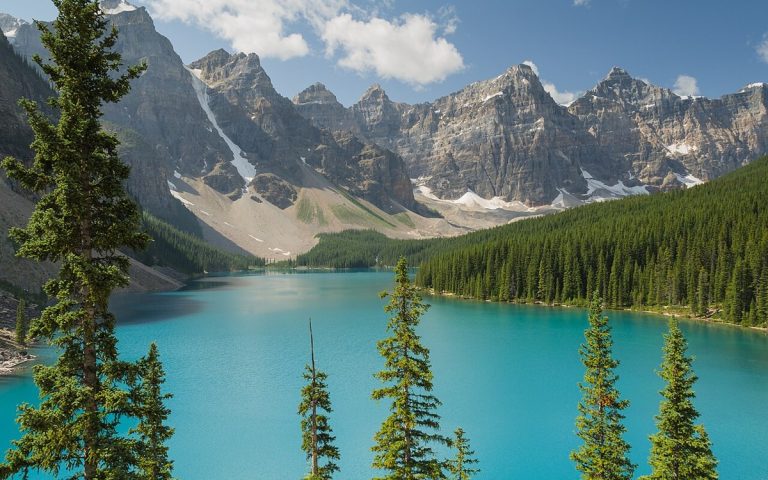
Moraine Lake, Banff National Park.
CA-K1001Places & geography

Banff National Park’s wildlife and plants

The dense forests, glacial waters, high peaks and deep canyons of Banff National Park in Alberta provide habitat for 56 species of mammals, 300 species of birds and more than 800 species of plants. Building on a long history of wildlife research and conservation, Parks Canada works to protect and restore the park for future generations.

Factual accuracy review: No recorded challenge

Contributor: Citizen.ca

Verified against cited sourcesVerified on 2026-10-27↗
Photo: Florian Fuchs · Photo licence: CC BY 3.0 · Credit & context
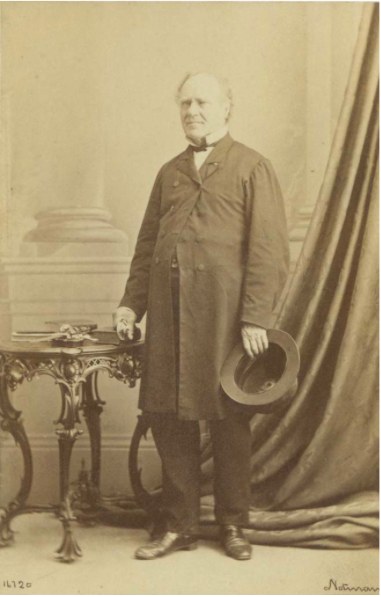
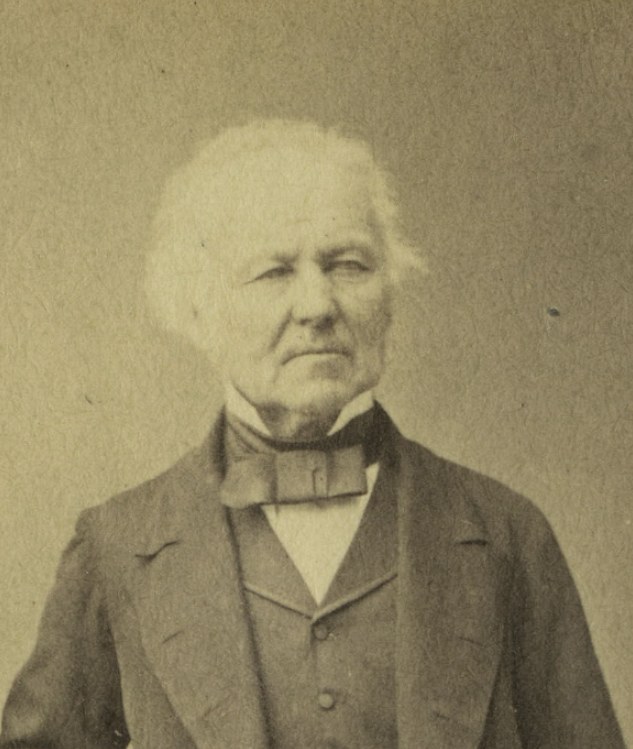
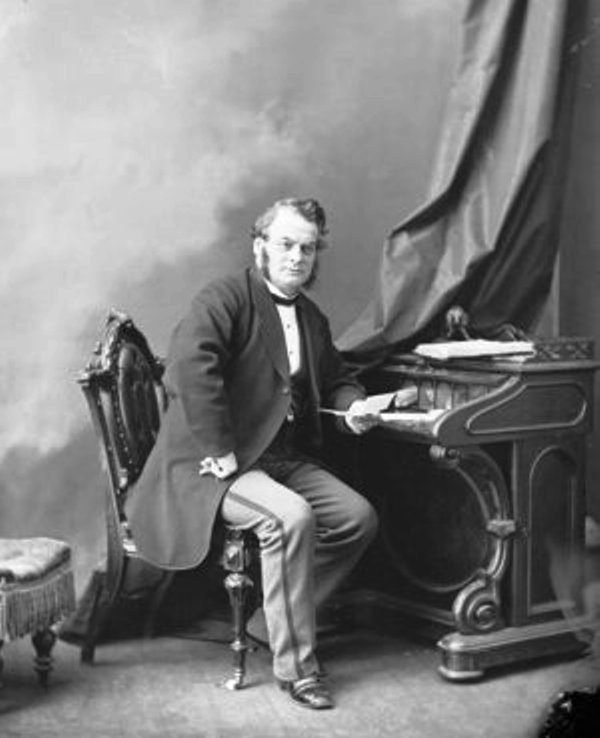
Joseph Howe, 1865 (William Notman).
CA-K973History

Joseph Howe, “Tribune of Nova Scotia”

Joseph Howe, born in Halifax and largely self-taught, became publisher of the Novascotian and by 1836 was his province’s leading journalist and orator. Elected that year, he led the struggle that won responsible government in 1848. An eloquent opponent of Confederation in the 1860s, he joined the federal cabinet in 1869 after negotiating “better terms” for Nova Scotia, and shortly before his death in 1873 became its lieutenant governor.

Factual accuracy review: No recorded challenge

Contributor: Citizen.ca

Verified against cited sourcesVerified on 2026-10-27↗
Photo: William Notman · Photo licence: Public domain · Credit & context
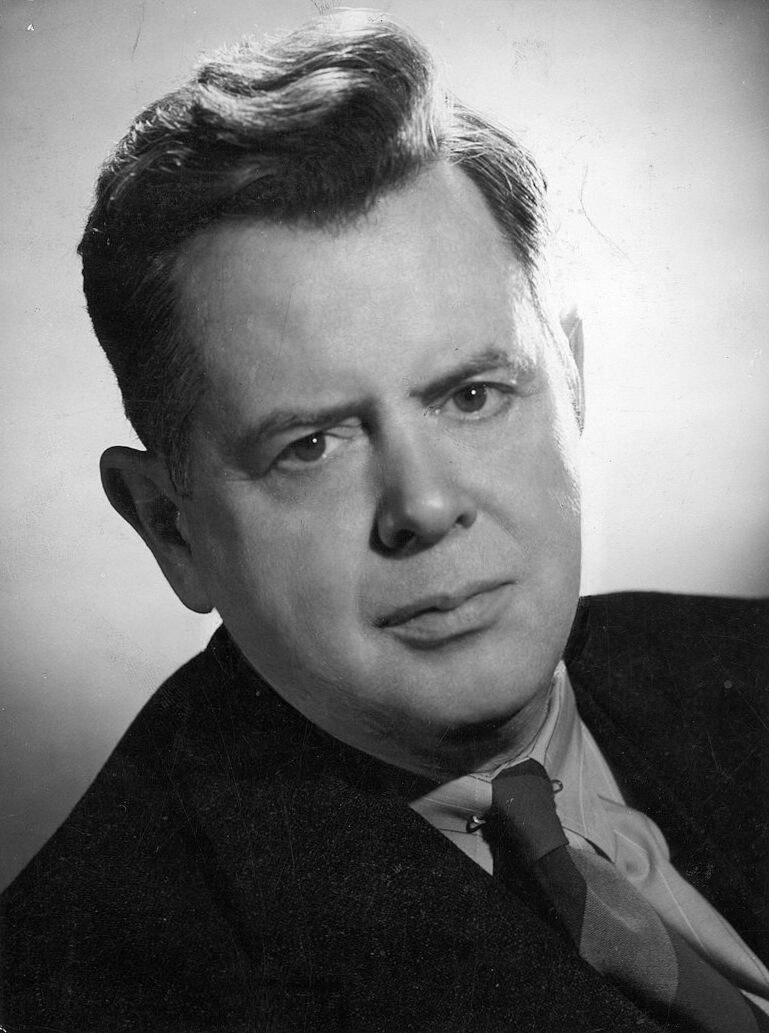
Sir Ernest MacMillan, 1940 (Noel Rubie).
CA-K924Culture & sport

Sir Ernest MacMillan, conductor and champion of Canadian music

Ernest MacMillan, composer and organist, was knighted in 1935 for services to music in Canada. For many years he conducted the Toronto Symphony Orchestra and the Toronto Mendelssohn Choir, led the Toronto Conservatory of Music and was dean of music at the University of Toronto. He promoted music at every level, supporting national music organizations, publishing, and conducting and judging festivals across the country.

Factual accuracy review: No recorded challenge

Contributor: Citizen.ca

Verified against cited sourcesVerified on 2026-10-27↗
Photo: Noel Rubie · Photo licence: Public domain · Credit & context
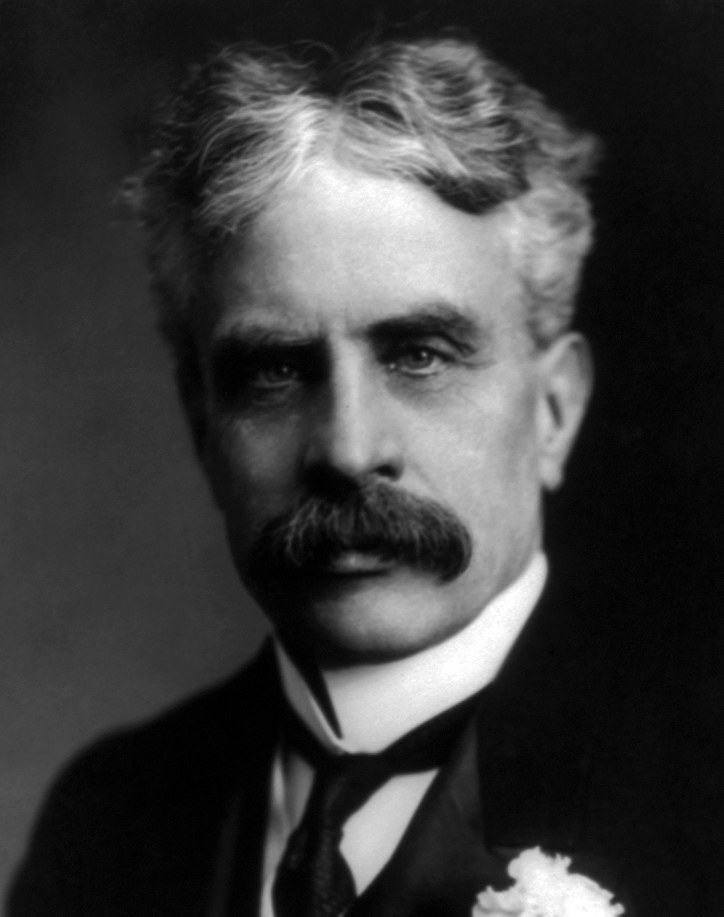
Sir Robert Borden, 1911 (Notman studio).
CA-K784History

Sir Robert Borden, wartime prime minister

Sir Robert Borden, born at Grand-Pré, Nova Scotia, led the Conservative Party from 1901 and was Prime Minister from 1911 to 1920. He guided Canada through the First World War, imposed conscription for overseas service in 1917 and formed a Union government of Liberals and Conservatives. He is remembered above all for insisting that Canada act as an autonomous nation in international diplomacy.

Factual accuracy review: No recorded challenge

Contributor: Citizen.ca

Verified against cited sourcesVerified on 2026-10-26↗
Photo: Notman, Boston · Photo licence: Public domain · Credit & context
Harold Adams Innis, 1910s.
CA-K711Culture & sport

Harold Innis, historian of staples and communications

Harold Adams Innis, one of Canada’s great scholars, joined the University of Toronto in 1920 and headed its Department of Political Economy from 1937. Through works such as The Fur Trade in Canada, The Cod Fisheries and Empire and Communications, he deeply influenced the study of economics, history, geography, politics and communications.

Factual accuracy review: No recorded challenge

Contributor: Citizen.ca

Verified against cited sourcesVerified on 2026-10-26↗
Photo: Unknown photographer (1910s) · Photo licence: Public domain · Credit & context
Samuel Cunard, between 1855 and 1865 (Nova Scotia Archives).
CA-K699Economy & trade

Sir Samuel Cunard and transatlantic steamships

Samuel Cunard, born in Halifax of Loyalist parents, built a Maritime empire in banking, lumber, land, coal and above all shipping. A pioneer of transatlantic steam navigation, he won an Admiralty contract in 1839 for scheduled Liverpool–Halifax–Boston mail service, and in July 1840 the Britannia, the first regular Cunarder, crossed in 13 days.

Factual accuracy review: No recorded challenge

Contributor: Citizen.ca

Verified against cited sourcesVerified on 2026-10-26↗
Photo: Unknown author · Photo licence: Public domain · Credit & context
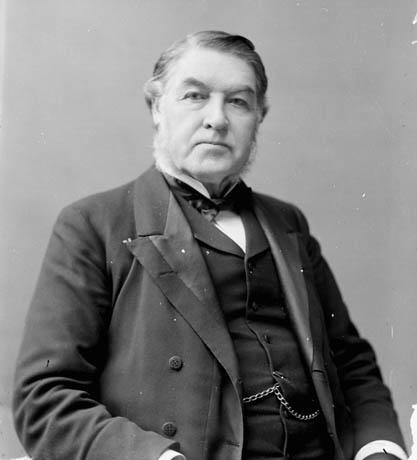
Charles Tupper, 1896 (Topley Studio).
CA-K686Institutions

Sir Charles Tupper, Father of Confederation and prime minister

Charles Tupper of Amherst, a physician, became premier of Nova Scotia in 1864 and, allied with John A. Macdonald, advocated Confederation despite substantial opposition in Nova Scotia. After federal cabinet posts and 11 years as High Commissioner in London, he succeeded Bowell as prime minister in 1896, then led the opposition after his party’s defeat that year.

Factual accuracy review: No recorded challenge

Contributor: Citizen.ca

Verified against cited sourcesVerified on 2026-10-26↗
Photo: William James Topley · Photo licence: Public domain · Credit & context
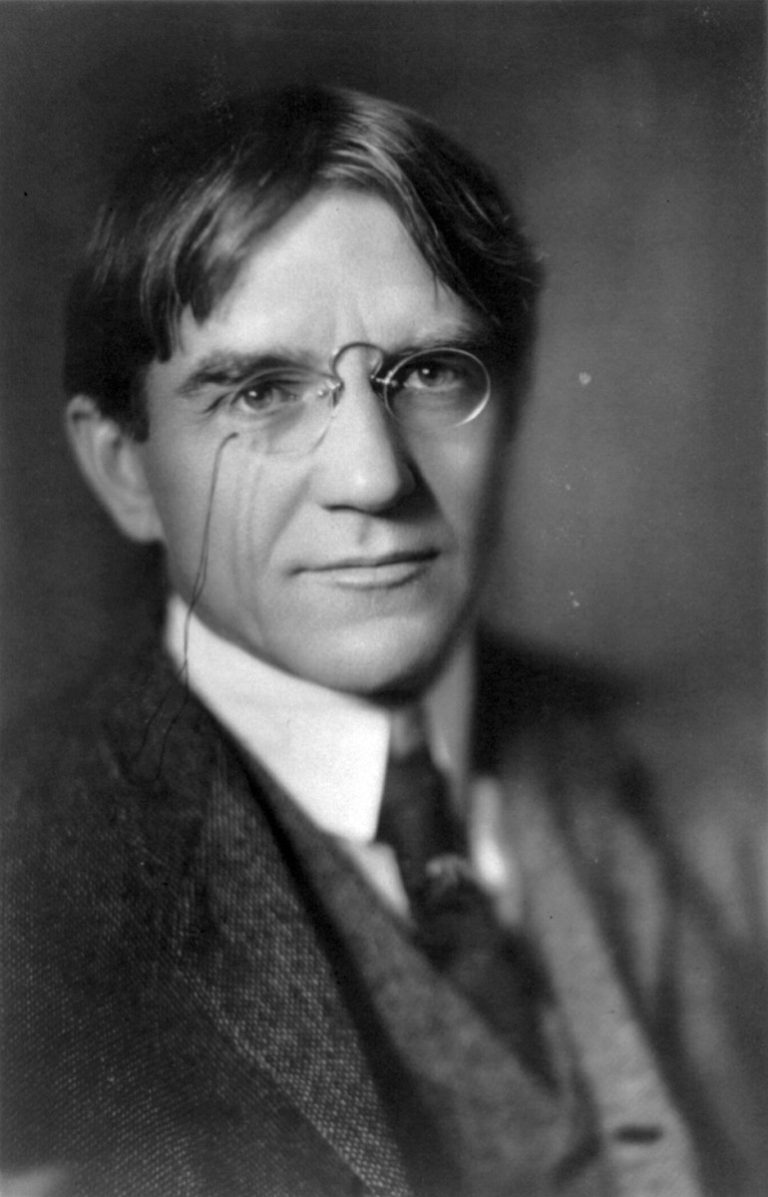
Charles G. D. Roberts, 1904 (Library of Congress).
CA-K656Culture & sport

Sir Charles G. D. Roberts, father of English-Canadian poetry

Charles G. D. Roberts, born in Douglas, New Brunswick, grew up near the Tantramar Marshes that shaped much of his writing. His early poetry inspired the generation of writers known as the Confederation Poets and laid the foundations of a Canadian poetic tradition, earning him the title of father of English-Canadian poetry.

Factual accuracy review: No recorded challenge

Contributor: Citizen.ca

Verified against cited sourcesVerified on 2026-10-26↗
Photo: Unknown author · Photo licence: Public domain · Credit & context
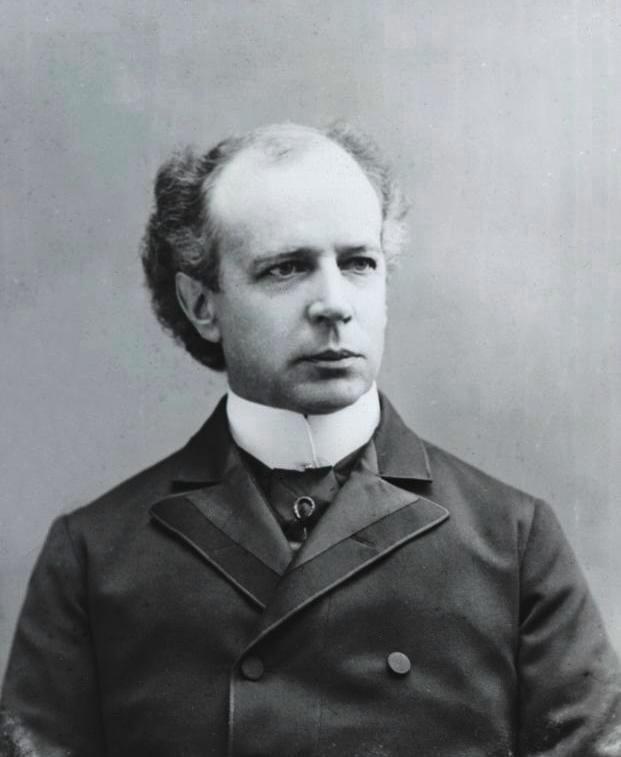
Wilfrid Laurier, about 1890 (Topley Studio, McCord Museum).
CA-K642Institutions

Sir Wilfrid Laurier, first francophone prime minister

Wilfrid Laurier of Saint-Lin, Quebec, was Canada’s first francophone prime minister, an MP for 45 years and Liberal leader for 32. As prime minister from 1896 to 1911 he presided over the settlement of the West, created Alberta and Saskatchewan and founded the Canadian Navy, and he worked to win greater autonomy for Canada and common ground between English and French Canadians.

Factual accuracy review: No recorded challenge

Contributor: Citizen.ca

Verified against cited sourcesVerified on 2026-10-26↗
Photo: Topley Studio · Photo licence: Public domain · Credit & context
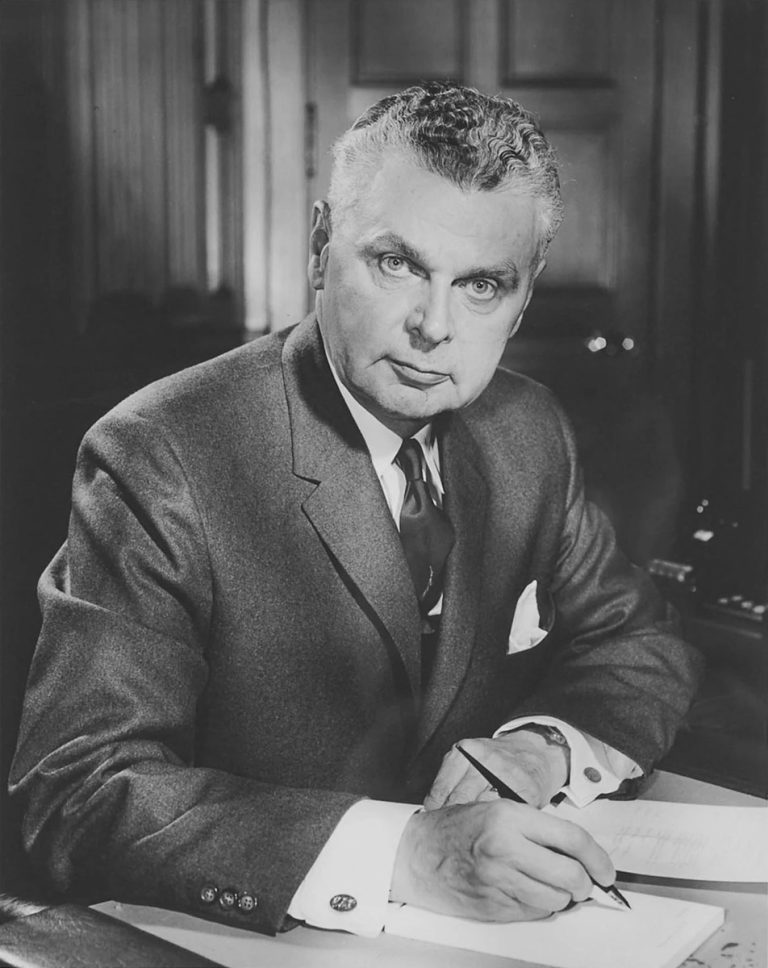
Prime Minister John G. Diefenbaker, 1957 (Gar Lunney).
CA-K616Institutions

John Diefenbaker, 13th prime minister

John Diefenbaker, a charismatic orator raised in Saskatchewan, was a defence lawyer and MP for some 40 years and Canada’s 13th prime minister from 1957 to 1963. He revived the Progressive Conservative Party, winning a landslide in 1958, and his government extended social programs, promoted Northern development and championed human rights at home and abroad.

Factual accuracy review: No recorded challenge

Contributor: Citizen.ca

Verified against cited sourcesVerified on 2026-10-26↗
Photo: Gar Lunney · Photo licence: Public domain · Credit & context
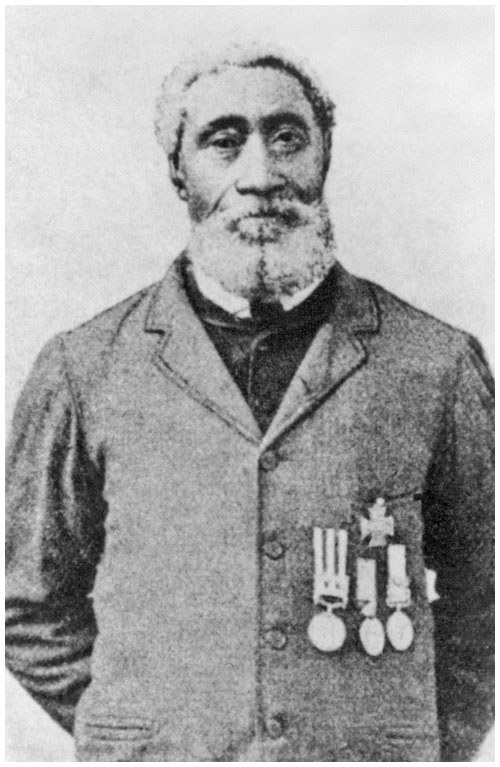
William Hall, VC, photographed after 1857 (Nova Scotia Museum).
CA-K593History

William Hall, first Black recipient of the Victoria Cross

William Neilson Hall of Hantsport, Nova Scotia, serving with the Royal Navy in India in 1857, became the first person of African descent and the first Nova Scotian awarded the Victoria Cross. He became a source of pride for Black Canadians.

Factual accuracy review: No recorded challenge

Contributor: Citizen.ca

Verified against cited sourcesVerified on 2026-10-26↗
Photo: Unknown photographer · Photo licence: Public domain · Credit & context
J. E. H. MacDonald (Archives of Ontario).
CA-K579Culture & sport

J. E. H. MacDonald, painter of the Group of Seven

J. E. H. MacDonald, painter, designer and poet, was a founding member of the Group of Seven and a key figure in creating a national style of landscape painting. A talented graphic designer of Canadian motifs, he painted southern Ontario farmland, Algoma’s autumn colours, Nova Scotia shores and the Rockies, and inspired students at the Ontario College of Art.

Factual accuracy review: No recorded challenge

Contributor: Citizen.ca

Verified against cited sourcesVerified on 2026-10-26↗
Photo: Unknown photographer; Archives of Ontario · Photo licence: Public domain · Credit & context
Samuel Leonard Tilley, February 1869 (Topley Studio).
CA-K568History

Sir Leonard Tilley, New Brunswick Father of Confederation

Samuel Leonard Tilley of Gagetown led New Brunswick’s government and was a delegate to the Charlottetown, Québec and London conferences, an architect of the British North America Act and leader of the province’s pro-Confederation forces. As federal Minister of Finance he drafted the National Policy, and he twice served as lieutenant-governor of New Brunswick.

Factual accuracy review: No recorded challenge

Contributor: Citizen.ca

Verified against cited sourcesVerified on 2026-10-26↗
Photo: William James Topley · Photo licence: Public domain · Credit & context
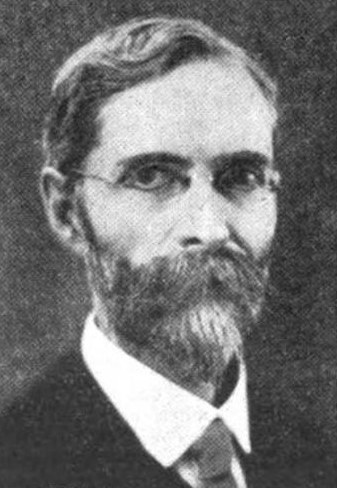
Charles Edward Saunders, portrait published in 1927.
CA-K555Economy & trade

Charles Saunders and Marquis wheat

Charles Edward Saunders of London, Ontario, was Dominion Cerealist at the Experimental Farm in Ottawa from 1903 to 1922. There in 1904 he developed the famous Marquis wheat, first grown by farmers in 1910, along with other varieties suited to the Prairies such as Ruby, Garnet and Reward.

Factual accuracy review: No recorded challenge

Contributor: Citizen.ca

Verified against cited sourcesVerified on 2026-10-26↗
Photo: Unknown author · Photo licence: Public domain · Credit & context
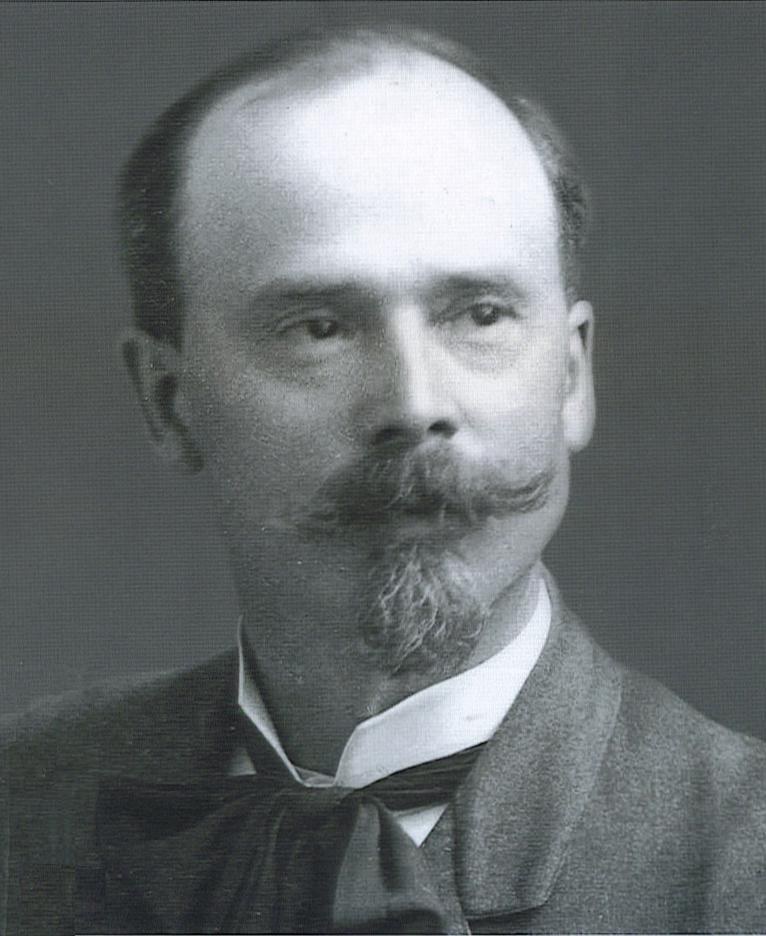
Louis-Philippe Hébert, around 1898 (Wm. Notman & Son).
CA-K538Culture & sport

Louis-Philippe Hébert, sculptor

Louis-Philippe Hébert was a Canadian sculptor known for public monuments. After carving wood figures for churches in Ottawa and Montréal, he made bronze statues such as Cartier on Parliament Hill and won renown for the sculptures on the façade of the Quebec legislature, his Maisonneuve monument in Montréal and the Macdonald monument in Ottawa.

Factual accuracy review: No recorded challenge

Contributor: Citizen.ca

Verified against cited sourcesVerified on 2026-10-26↗
Photo: William Notman & Son · Photo licence: Public domain · Credit & context
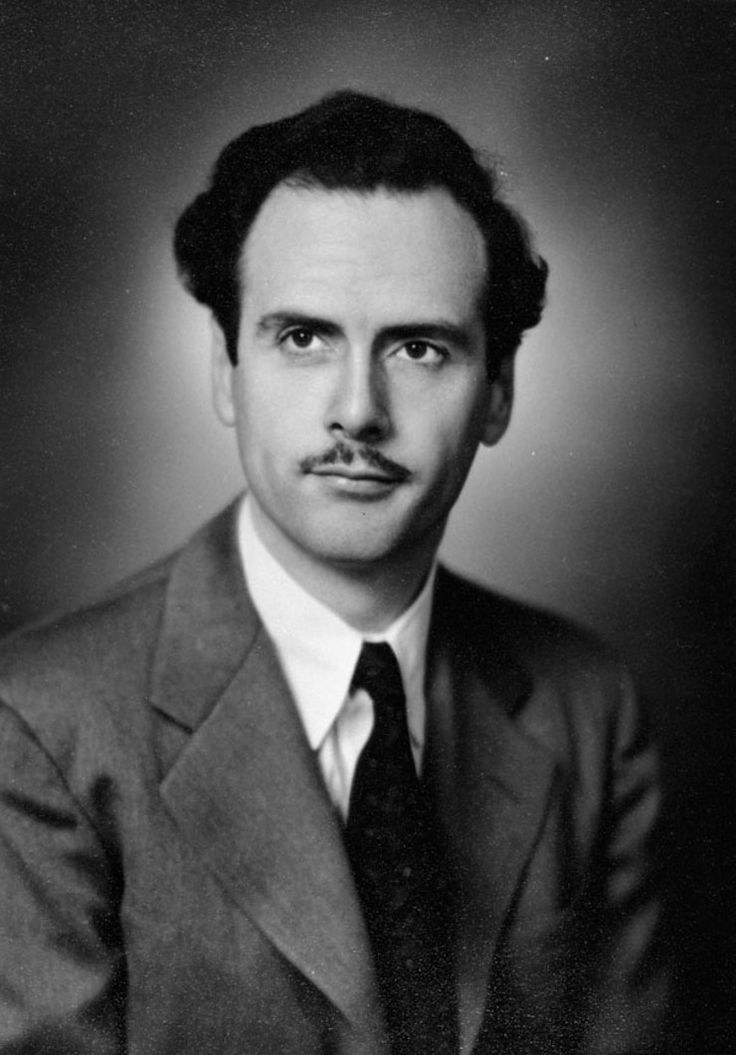
Marshall McLuhan in 1945 (Library and Archives Canada).
CA-K491Culture & sport

Marshall McLuhan, “the medium is the message”

Marshall McLuhan, a University of Toronto professor and pioneer of media studies, became famous in the 1960s for his theories about how print and electronic media shape human perception and behaviour. His ideas of the “global village” and “the medium is the message” made him one of the most celebrated scholars in the Western world.

Factual accuracy review: No recorded challenge

Contributor: Citizen.ca

Verified against cited sourcesVerified on 2026-10-26↗
Photo: Josephine Smith · Photo licence: Public domain · Credit & context
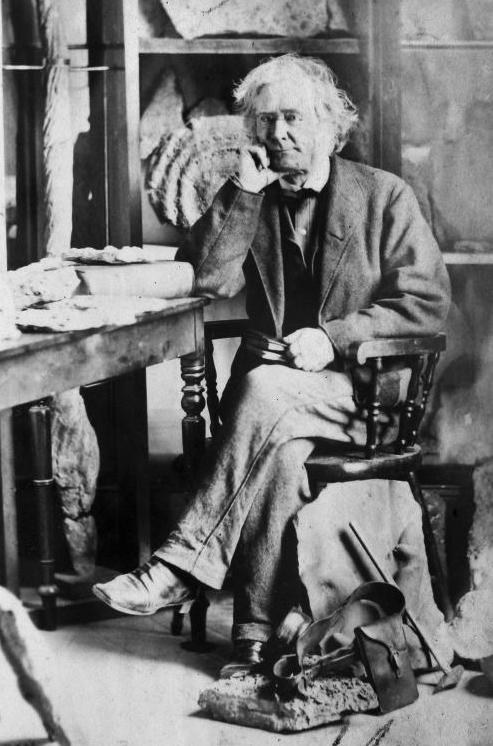
Sir William Edmond Logan in Montréal, 1865 (William Notman).
CA-K470History

Sir William Logan, first director of the Geological Survey

Sir William Edmond Logan of Montréal, a mapmaker and geologist in the mining districts of Wales, became the first director of the Geological Survey of Canada in 1842. He led much of the early scientific mapping of the province, built the mineral collection that became the basis of the National Museum, and earned international recognition for his geological work.

Factual accuracy review: No recorded challenge

Contributor: Citizen.ca

Verified against cited sourcesVerified on 2026-10-26↗
Photo: William Notman · Photo licence: Public domain · Credit & context
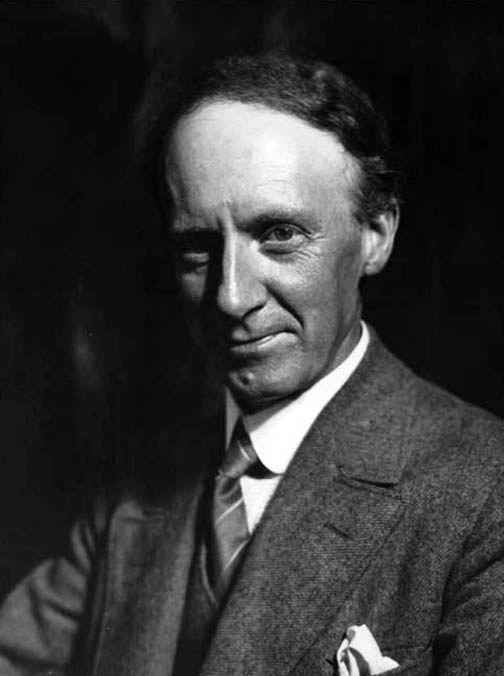
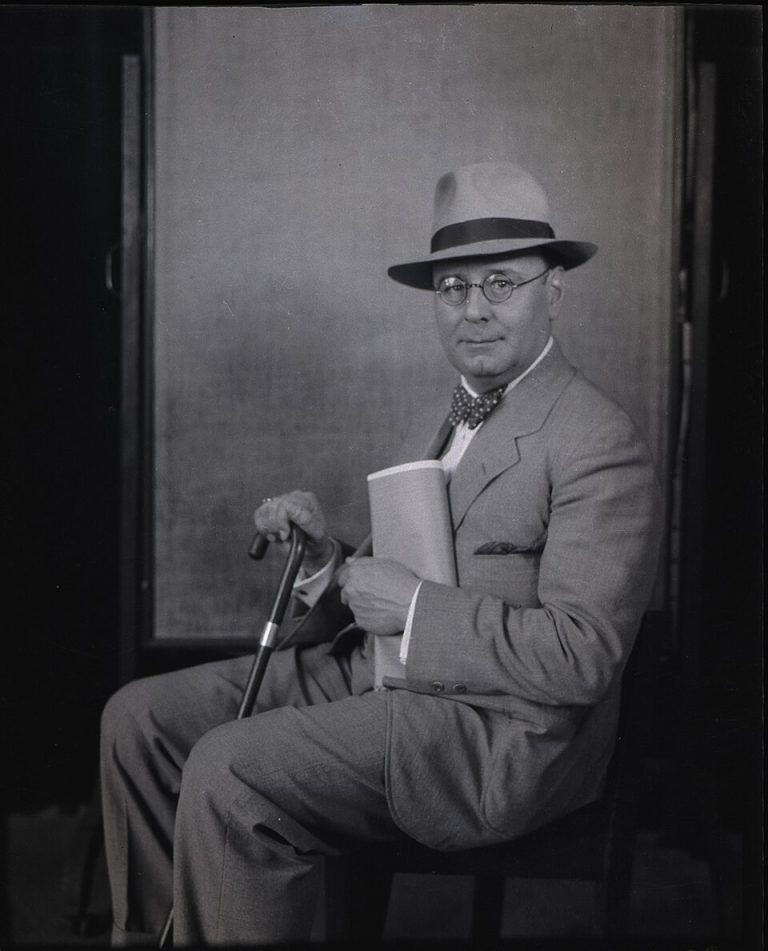
Dr. Healey Willan in 1930 (Archives of Ontario).
CA-K457Culture & sport

Healey Willan, composer of sacred music

Healey Willan came to Canada in 1913 to teach at the Toronto Conservatory of Music, now the Royal Conservatory. As organist and choirmaster of St. Mary Magdalene in Toronto from 1921 to 1968, he composed the sacred music for which he is particularly remembered.

Factual accuracy review: No recorded challenge

Contributor: Citizen.ca

Verified against cited sourcesVerified on 2026-10-26↗
Photo: Unknown photographer (1930); Archives of Ontario, I0001735 · Photo licence: Public domain · Credit & context
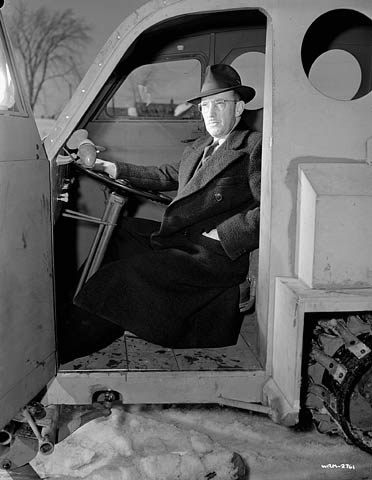
Joseph-Armand Bombardier at the wheel of a Bombardier military snowmobile, March 1943.
CA-K435Economy & trade

Joseph-Armand Bombardier and the snowmobile

Joseph-Armand Bombardier of Valcourt, Quebec, developed snow vehicles that helped reduce winter isolation in rural areas of Canada and elsewhere. He patented the snowmobile in 1937 and the smaller Ski-Doo in 1960, both designed and built in Valcourt, and after his death the company he founded became a world leader in transportation.

Factual accuracy review: No recorded challenge

Contributor: Citizen.ca

Verified against cited sourcesVerified on 2026-10-26↗
Photo: Unknown author · Photo licence: Public domain · Credit & context