An independent project serving Canadian citizens and future citizens

Learn and take the test

Future Citizens

Citizenship Test collection

206 knowledge records

A focused subset of the Canadian knowledge base.

Explore the full knowledge base →

Search by keyword

Citizenship Test is always required. Choose additional keywords to narrow this collection. Broader keywords include their descendants.

For citizenship preparation, use these records alongside the official Discover Canada guide. Check current officeholders and local information separately. This is an independent study collection.

Keywords: Provinces and territories

Clear search
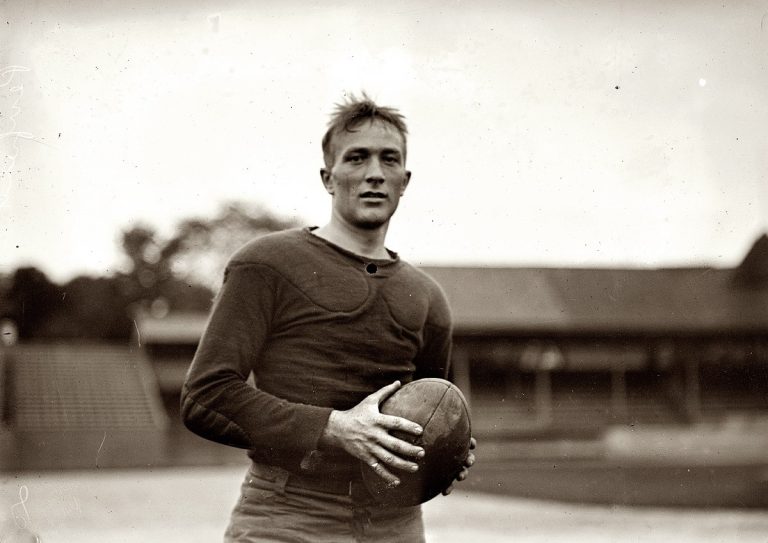
Wilder Penfield as a student at Princeton University, 1911.
CA-K425History

Wilder Penfield and the Montreal Neurological Institute

Wilder Penfield founded the Montreal Neurological Institute and directed it for over 25 years, becoming a world leader in neurosurgery and neurology. His pioneering work on epilepsy led to a new surgical procedure and advanced understanding of how the human brain works, and his institute became a renowned centre for research and treatment of nervous system disorders.

Factual accuracy review: No recorded challenge

Contributor: Citizen.ca

Verified against cited sourcesVerified on 2026-10-26↗
Photo: Bain News Service · Photo licence: Public domain · Credit & context
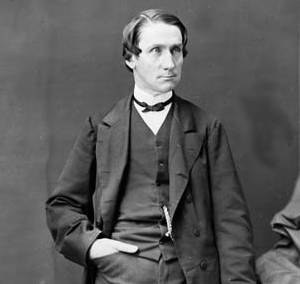
Alexander Morris in Ottawa, December 1869 (Topley Studio).
CA-K386Indigenous peoples & reconciliation

Alexander Morris and the Numbered Treaties

Alexander Morris, a supporter of Confederation and lieutenant-governor of Manitoba and the North-West Territories, negotiated Treaties 3, 4, 5 and 6 with First Nations from 1873 to 1876. First Nations sought a reciprocal relationship that safeguarded their autonomy, while Canada’s main goal was territorial expansion for settlers; Morris pressed the government to keep its spoken promises.

Factual accuracy review: No recorded challenge

Contributor: Citizen.ca

Verified against cited sourcesVerified on 2026-10-26↗
Photo: William James Topley · Photo licence: Public domain · Credit & context
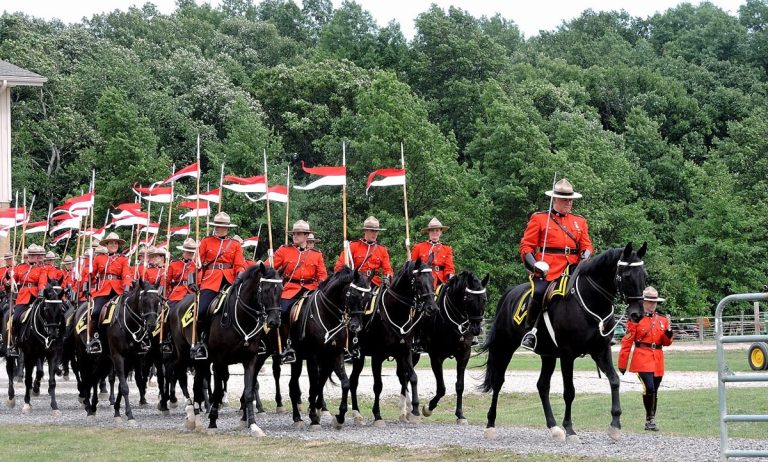
The RCMP Musical Ride performing in 2016.
CA-K247Symbols

The RCMP Musical Ride, first performed in 1887

The RCMP Musical Ride, a precision performance by scarlet-uniformed police on horseback set to music, was first performed in Regina in 1887 by the North-West Mounted Police. The RCMP has bred and trained black horses for the Ride since the 1940s, and it is one of the distinctive symbols of Canadian identity at home and abroad.

Factual accuracy review: No recorded challenge

Contributor: Citizen.ca

Verified against cited sourcesVerified on 2026-10-26↗
Photo: Andrea_44 from Leamington, Ontario , Canada · Photo licence: CC BY 2.0 · Credit & context
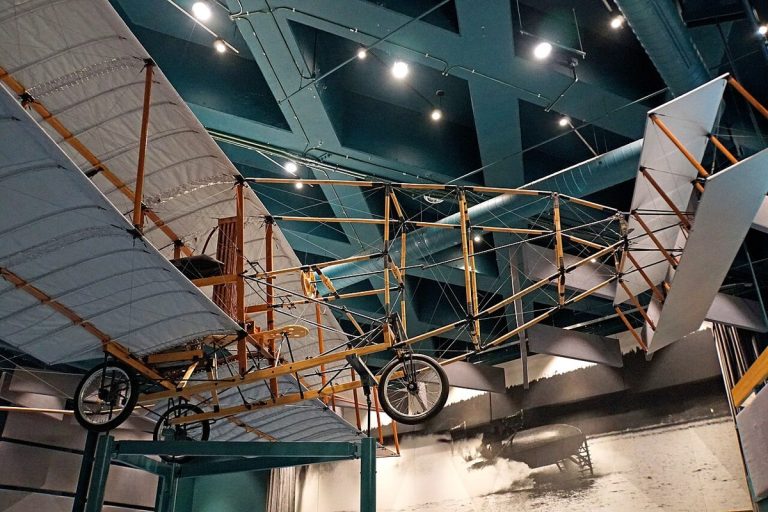
A Silver Dart display photographed in 2017; not the original 1909 aircraft.
CA-K242History

The Silver Dart made Canada’s first powered flight, 1909

On 23 February 1909, more than 100 people watched the Silver Dart lift off the ice of Baddeck Bay, Nova Scotia, and fly 800 metres: the first successful powered flight in Canada. Piloted by J. A. D. McCurdy, the biplane was built by the Aerial Experiment Association, founded by Mabel and Alexander Graham Bell (see CA-K154).

Factual accuracy review: No recorded challenge

Contributor: Citizen.ca

Verified against cited sourcesVerified on 2026-10-26↗
Photo: Dennis G. Jarvis · Photo licence: CC BY-SA 2.0 · Credit & context
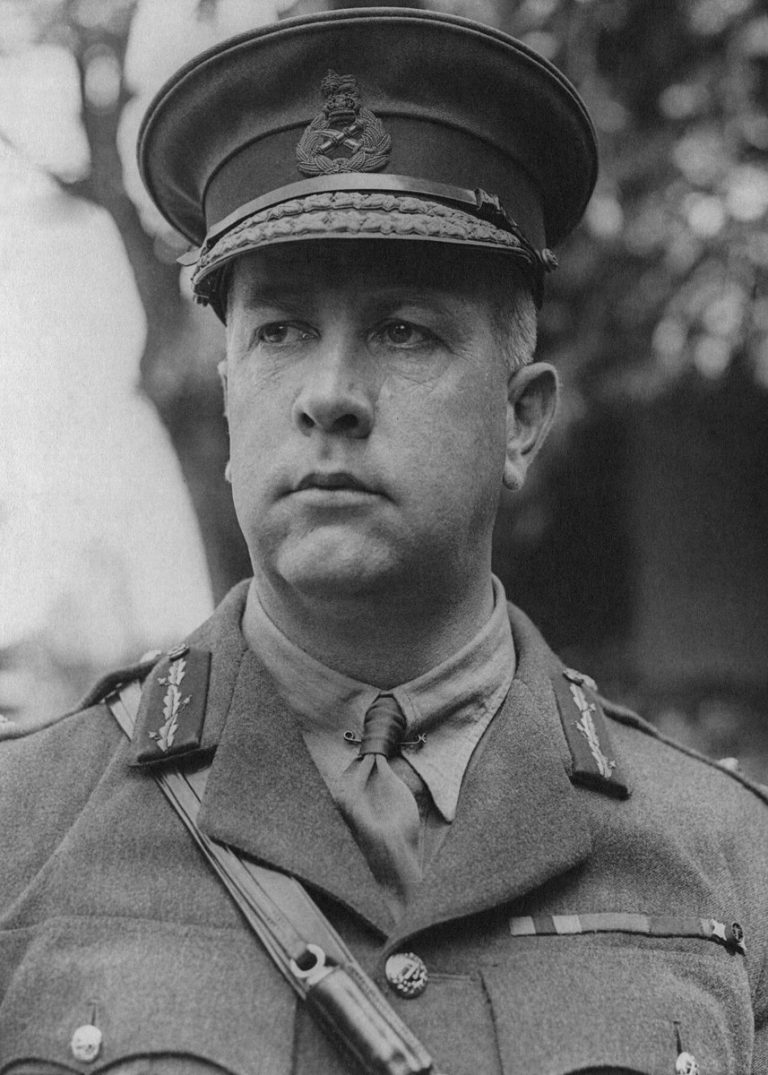
General Currie, commander of the Canadian troops in France, in June 1917.
CA-K232History

Sir Arthur Currie, commander of the Canadian Corps

Sir Arthur Currie (1875–1933), who trained with the militia at Fort Rodd Hill in Victoria, commanded one of Canada’s first overseas infantry brigades in the First World War. Promoted to lieutenant-general after Vimy Ridge, he became commander of the entire Canadian Corps, the first and only Canadian to hold that position, and after the war served as principal of McGill University.

Factual accuracy review: No recorded challenge

Contributor: Citizen.ca

Verified against cited sourcesVerified on 2026-10-26↗
Photo: Unknown photographer · Photo licence: Public domain · Credit & context
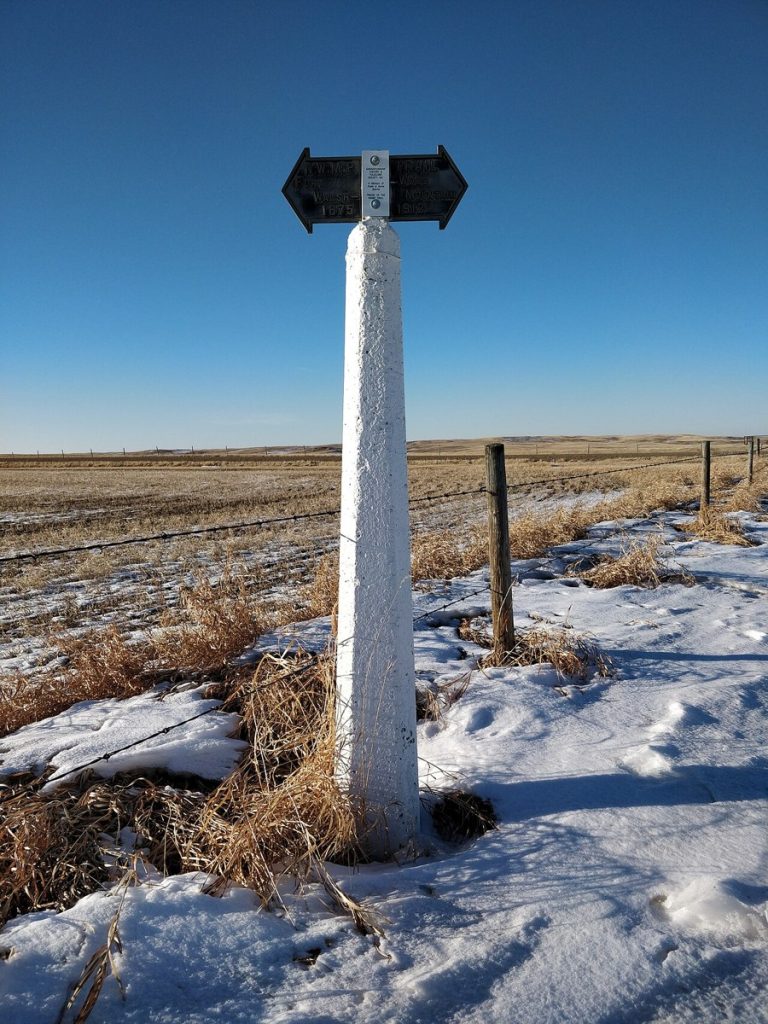
A North-West Mounted Police trail marker near Glen McPherson, Saskatchewan, on the former route between Fort Walsh and Wood Mountain, in 2021.
CA-K204History

The North-West Mounted Police, 1873

The North-West Mounted Police was established in 1873 by Prime Minister John A. Macdonald’s government as a paramilitary force of 300 mounted constables, to assert Canadian control over the North-West Territories. Arriving in 1874 after a 1,300-kilometre trek from Dufferin, Manitoba, the force set up posts without the consultation or permission of First Nations and enforced laws that disregarded Indigenous laws and ways of life.

Factual accuracy review: No recorded challenge

Contributor: Citizen.ca

Verified against cited sourcesVerified on 2026-10-26↗
Photo: Awmcphee · Photo licence: CC BY-SA 3.0 · Credit & context
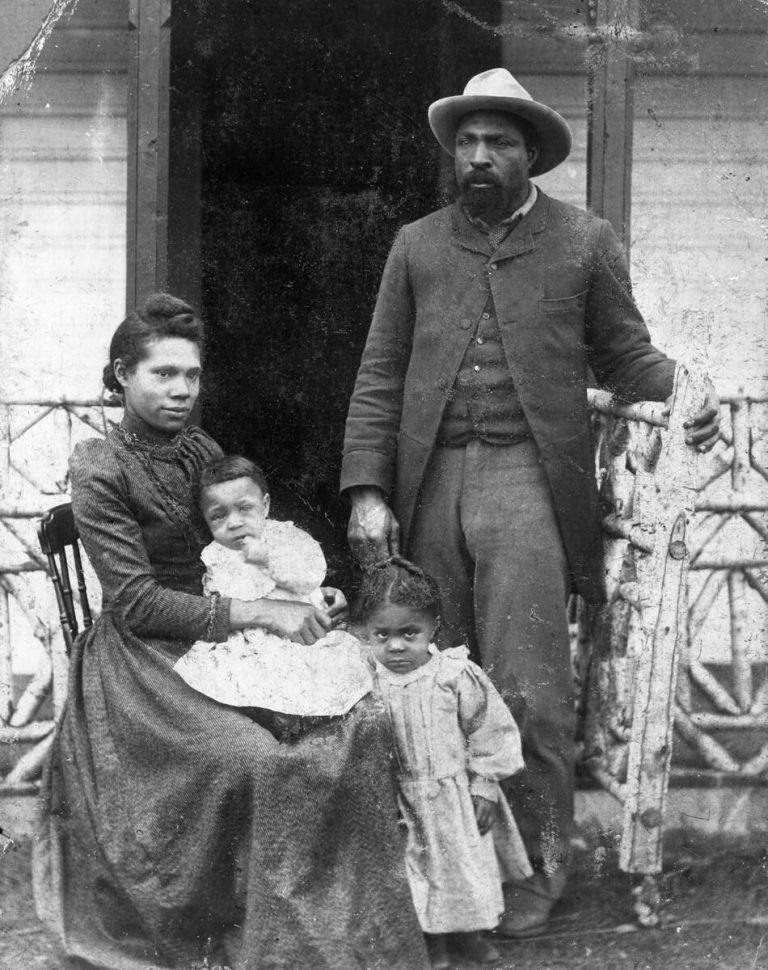
John Ware with his wife Mildred and children Robert and Nettie, 1896.
CA-K200History

John Ware, Black cowboy of the Canadian West

John Ware (c. 1850–1905), a Black cowboy who had been enslaved, entered the District of Alberta in 1882 with a trail crew driving cattle to the Bar U Ranch. Despite racism and rough frontier conditions, he built his own ranch with his wife Mildred and their children, and his skill and generosity earned him a prominent place in the history of the Canadian West.

Factual accuracy review: No recorded challenge

Contributor: Citizen.ca

Verified against cited sourcesVerified on 2026-10-26↗
Photo: Unknown authorUnknown author · Photo licence: Public domain · Credit & context
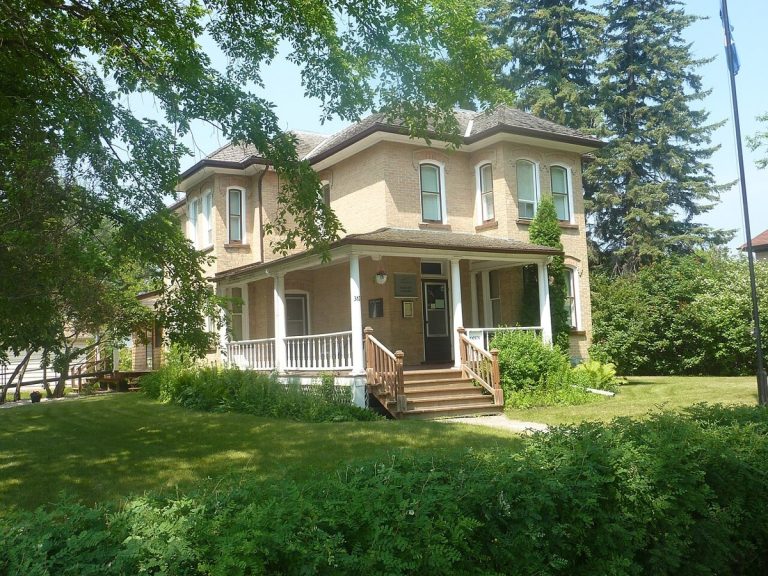
Margaret Laurence House in Neepawa, Manitoba, photographed in 2012.
CA-K193Culture & sport

Margaret Laurence and Manawaka

Margaret Laurence (1926–1987), one of Canada’s most esteemed authors, set her best-known novels in the fictional prairie town of Manawaka, with characters such as Hagar Shipley of The Stone Angel. She said Neepawa, Manitoba, where she lived from 1935 to 1944, shaped her “way of viewing,” and she helped found the Writers’ Trust of Canada and the Writers’ Union of Canada.

Factual accuracy review: No recorded challenge

Contributor: Citizen.ca

Verified against cited sourcesVerified on 2026-10-26↗
Photo: Amqui · Photo licence: CC BY-SA 3.0 · Credit & context
Tommy Douglas, former Premier of Saskatchewan, around 1971.
CA-K188Institutions

Tommy Douglas and the roots of medicare

Tommy Douglas (1904–1986) was Premier of Saskatchewan from 1944 to 1961, leading Canada’s only Co-operative Commonwealth Federation government. Under him the province pioneered publicly funded hospital insurance, laying the foundations for national medicare; he later became the first leader of the federal New Democratic Party.

Factual accuracy review: No recorded challenge

Contributor: Citizen.ca

Verified against cited sourcesVerified on 2026-10-26↗
Photo: Themightyquill · Photo licence: CC BY-SA 3.0 · Credit & context
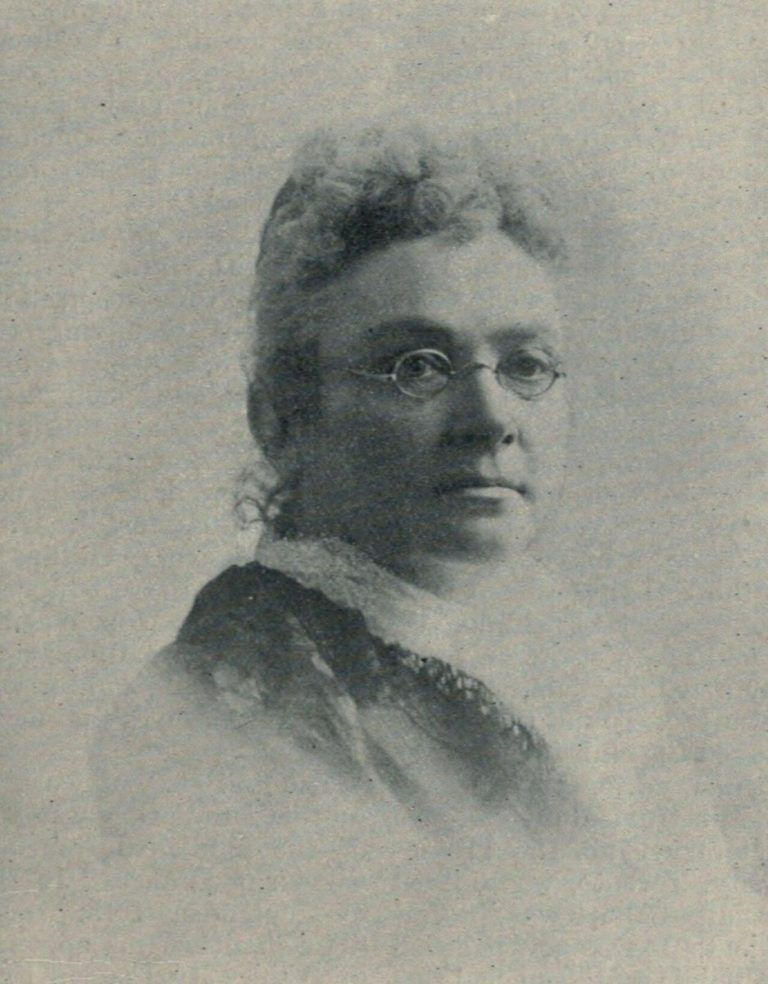
A portrait of Emily Stowe, no later than 1895.
CA-K187History

Emily Stowe, Canada’s first woman doctor in private practice

Denied university entry in Canada because she was a woman, Emily Stowe (1831–1903) studied medicine in New York City and in 1867 opened the first private medical practice in Canada run by a woman doctor, in Toronto. She led the drive to found Woman’s Medical College in 1883 and, through the Dominion Women’s Enfranchisement Association, kept suffrage in the public eye.

Factual accuracy review: No recorded challenge

Contributor: Citizen.ca

Verified against cited sourcesVerified on 2026-10-26↗
Photo: Unknown authorUnknown author · Photo licence: Public domain · Credit & context
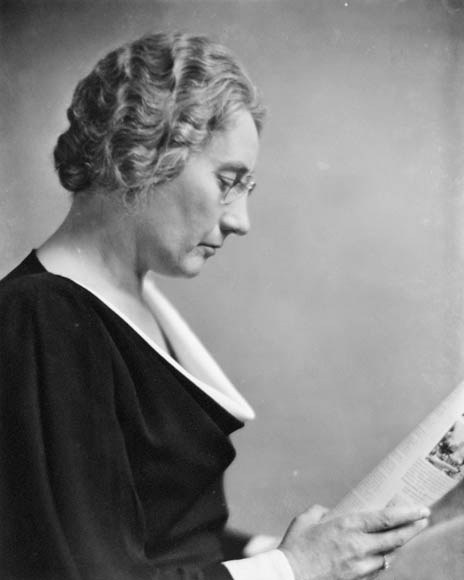
Agnes Macphail, MP, photographed by Yousuf Karsh on 14 May 1934.
CA-K186Institutions

Agnes Macphail, first woman elected to the House of Commons

Agnes Macphail (1890–1954), a rural schoolteacher, became the first woman elected to the House of Commons when she won Grey County as a Progressive in the 1921 federal election. In Ottawa she fought for penal reform, disarmament and social welfare, and later sat in the Ontario legislature from 1943 to 1951.

Factual accuracy review: No recorded challenge

Contributor: Citizen.ca

Verified against cited sourcesVerified on 2026-10-26↗
Photo: Yousuf Karsh · Photo licence: Public domain · Credit & context
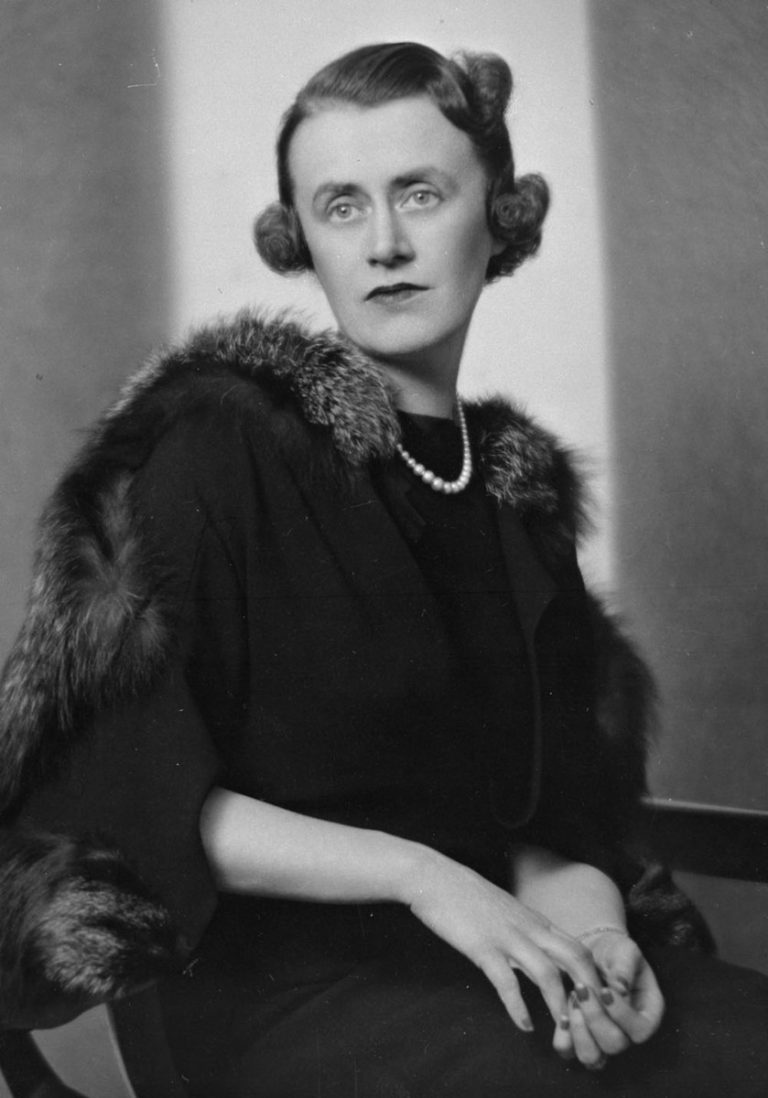
Thérèse Casgrain photographed by George Nakash (Library and Archives Canada).
CA-K185History

Thérèse Casgrain and the Quebec vote for women, 1940

Thérèse Casgrain (1896–1981), a pioneer of Quebec feminism, led the Ligue des droits de la femme from 1928 to 1942 and played a pivotal role in winning women the right to vote in Quebec provincial elections in 1940. The Fédération des femmes du Québec, founded under her guidance in 1966, launched a new wave of organized feminism.

Factual accuracy review: No recorded challenge

Contributor: Citizen.ca

Verified against cited sourcesVerified on 2026-10-26↗
Photo: George Nakash (1892-1976) · Photo licence: CC BY 2.0 · Credit & context
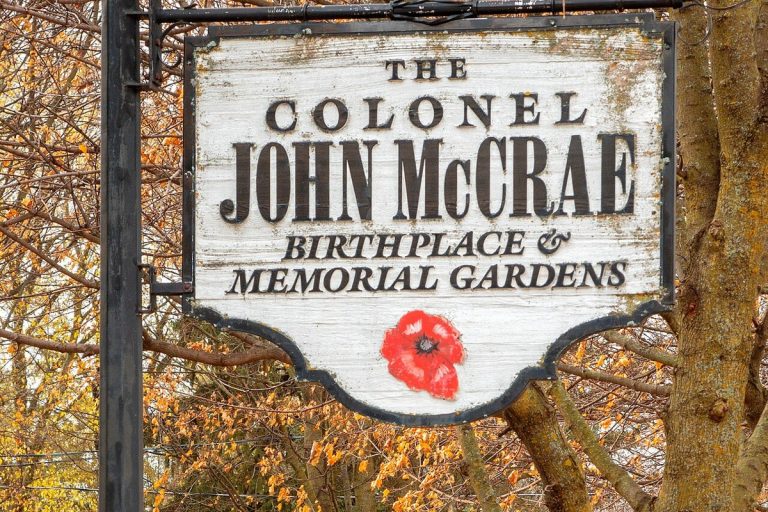
The sign at McCrae House, John McCrae’s birthplace in Guelph, Ontario, on Remembrance Day 2018.
CA-K174Culture & sport

John McCrae and “In Flanders Fields”

John McCrae (1872–1918), a physician born in Guelph, Ontario, joined the Canadian Army Medical Corps in 1914 and served overseas until his death. His poem “In Flanders Fields,” published anonymously in 1915, became one of the most celebrated poems of the First World War and made the poppy a lasting symbol of the Allied soldiers who died.

Factual accuracy review: No recorded challenge

Contributor: Citizen.ca

Verified against cited sourcesVerified on 2026-10-26↗
Photo: Peter K Burian · Photo licence: CC BY-SA 4.0 · Credit & context
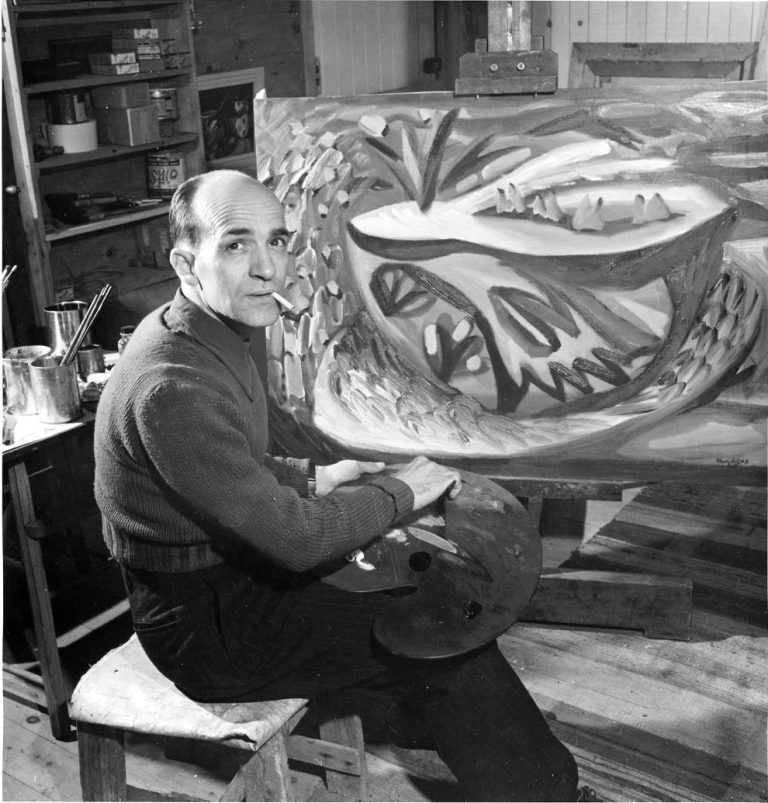
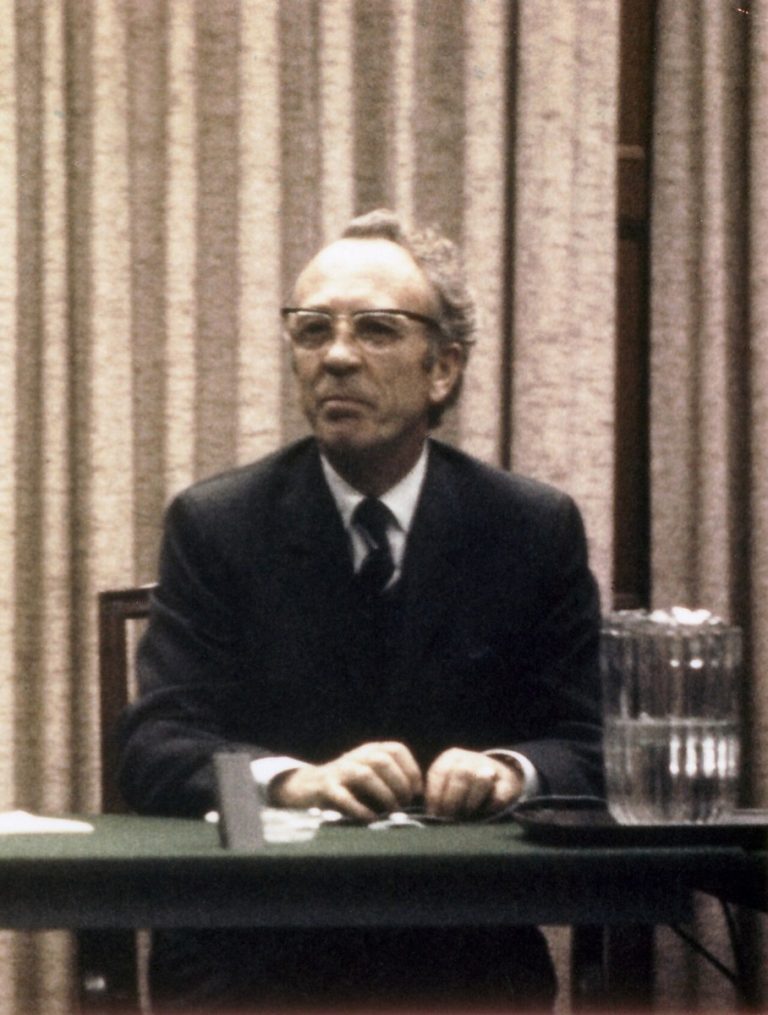
Paul-Émile Borduas in 1946, photographed by Ronny Jaques.
CA-K173Culture & sport

Paul-Émile Borduas and Refus global

Paul-Émile Borduas (1905–1960) was a pioneer of abstract art in Canada and the creator of automatism, an avant-garde movement at the forefront of gestural abstraction in Quebec in the 1940s. He was the main author of Refus global, published in 1948 and co-signed by other artists, which made him a key figure in 20th-century Quebec history.

Factual accuracy review: No recorded challenge

Contributor: Citizen.ca

Verified against cited sourcesVerified on 2026-10-26↗
Photo: Ronny Jaques (1910-2008) · Photo licence: Public domain · Credit & context
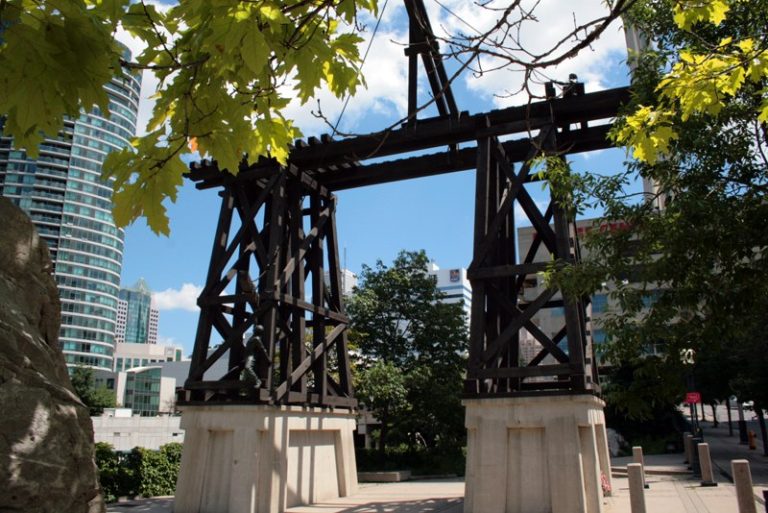
The Memorial to Commemorate the Chinese Railroad Workers in Canada, Toronto, by Eldon Garnet and Francis LeBouthillier, photographed in 2008.
CA-K165History

Chinese workers who built the CPR in British Columbia

In the early 1880s, thousands of labourers from China helped build the Canadian Pacific Railway through British Columbia’s mountains; about three-quarters of the men on the section between the Pacific and Craigellachie were Chinese. They were paid a dollar a day, half a white worker’s pay, and hundreds died from accidents or illness.

Factual accuracy review: No recorded challenge

Contributor: Citizen.ca

Verified against cited sourcesVerified on 2026-10-26↗
Photo: Shaun Merritt · Photo licence: CC BY 2.0 · Credit & context
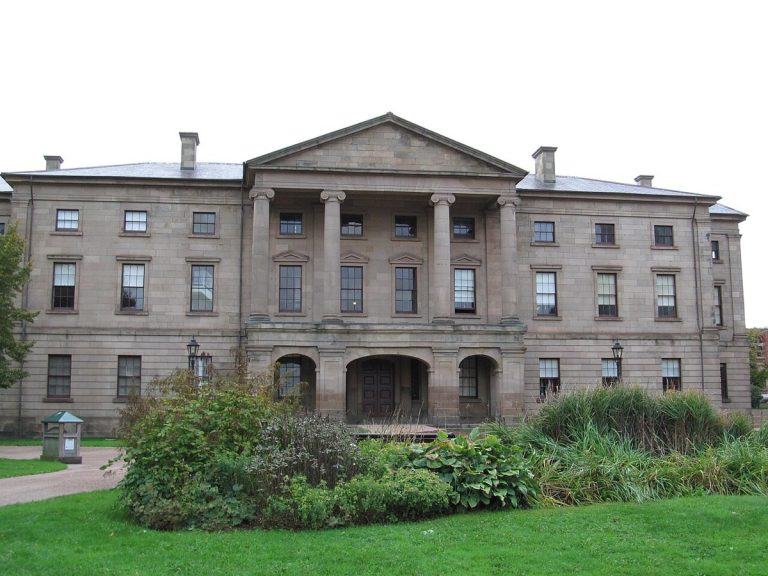
Province House in Charlottetown, Prince Edward Island, photographed in 2012.
CA-K152History

The Charlottetown and Québec Conferences of 1864

In September 1864, the Charlottetown Conference brought together leaders from Prince Edward Island, Nova Scotia, New Brunswick and the Province of Canada, who agreed in principle to a federal union. At the Québec Conference the following month, the delegates drafted the 72 Resolutions, which laid the foundation of the British North America Act.

Factual accuracy review: No recorded challenge

Contributor: Citizen.ca

Verified against cited sourcesVerified on 2026-10-26↗
Photo: Doug Kerr · Photo licence: CC BY-SA 2.0 · Credit & context
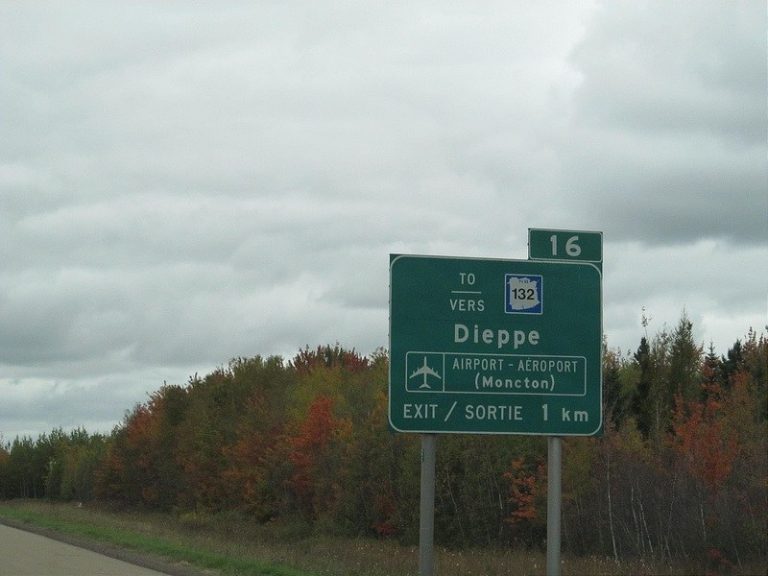
A bilingual road sign in New Brunswick pointing to Dieppe and the airport, photographed in 2012.
CA-K127Language & names

New Brunswick, Canada’s only officially bilingual province

New Brunswick’s first Official Languages Act, enacted on 18 April 1969, made it Canada’s first and only officially bilingual province. The Act made English and French the province’s two official languages and recognized the right to receive provincial government services in either.

Factual accuracy review: No recorded challenge

Contributor: Citizen.ca

Verified against cited sourcesVerified on 2026-10-26↗
Photo: Doug Kerr · Photo licence: CC BY-SA 2.0 · Credit & context
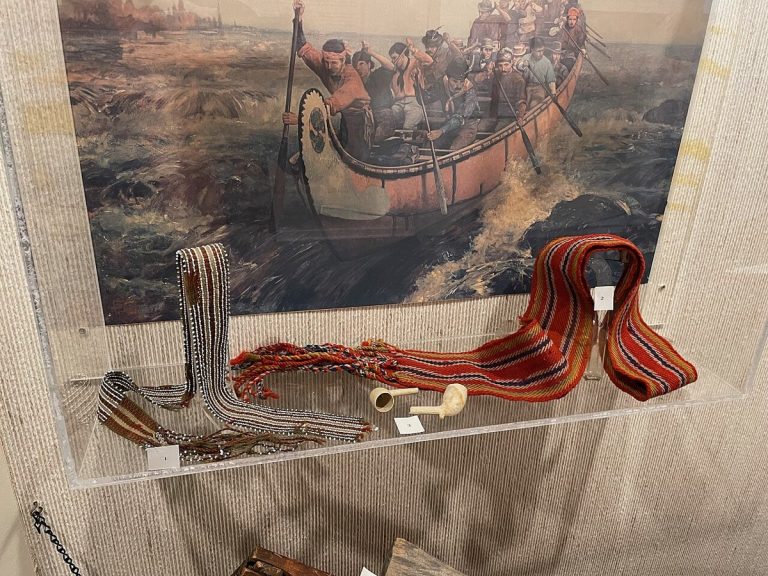
A beaded Métis sash and a ceinture fléchée (woven sash) on display at a museum in Sault Ste. Marie, Ontario, in 2024.
CA-K123Indigenous peoples & reconciliation

The Métis Nation emerged in the historic Northwest

The Métis Nation emerged in the historic Northwest during the fur trade as a distinct Indigenous people with its own culture, traditions, language (Michif) and nationhood. The Métis Nation Homeland includes Manitoba, Saskatchewan and Alberta and parts of Ontario, British Columbia, the Northwest Territories and the northern United States.

Factual accuracy review: No recorded challenge

Contributor: Citizen.ca

Verified against cited sourcesVerified on 2026-10-26↗
Photo: Fungus Guy · Photo licence: CC BY 4.0 · Credit & context
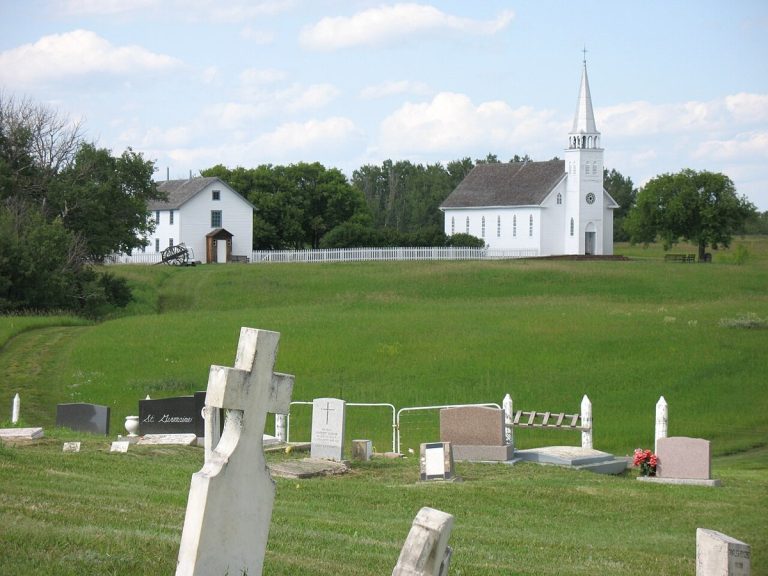
The church and rectory at Batoche National Historic Site, Saskatchewan, viewed from the cemetery in 2007.
CA-K104Indigenous peoples & reconciliation

Batoche and the Northwest Resistance of 1885

Batoche, a Métis settlement on the South Saskatchewan River north of Saskatoon, was the scene of Louis Riel and Gabriel Dumont’s last stand during the Northwest Resistance of 1885. Parks Canada describes it as a symbol of Métis resilience and cultural renewal.

Factual accuracy review: No recorded challenge

Contributor: Citizen.ca

Verified against cited sourcesVerified on 2026-10-26↗
Photo: Dave Bonser · Photo licence: CC BY-SA 3.0 · Credit & context
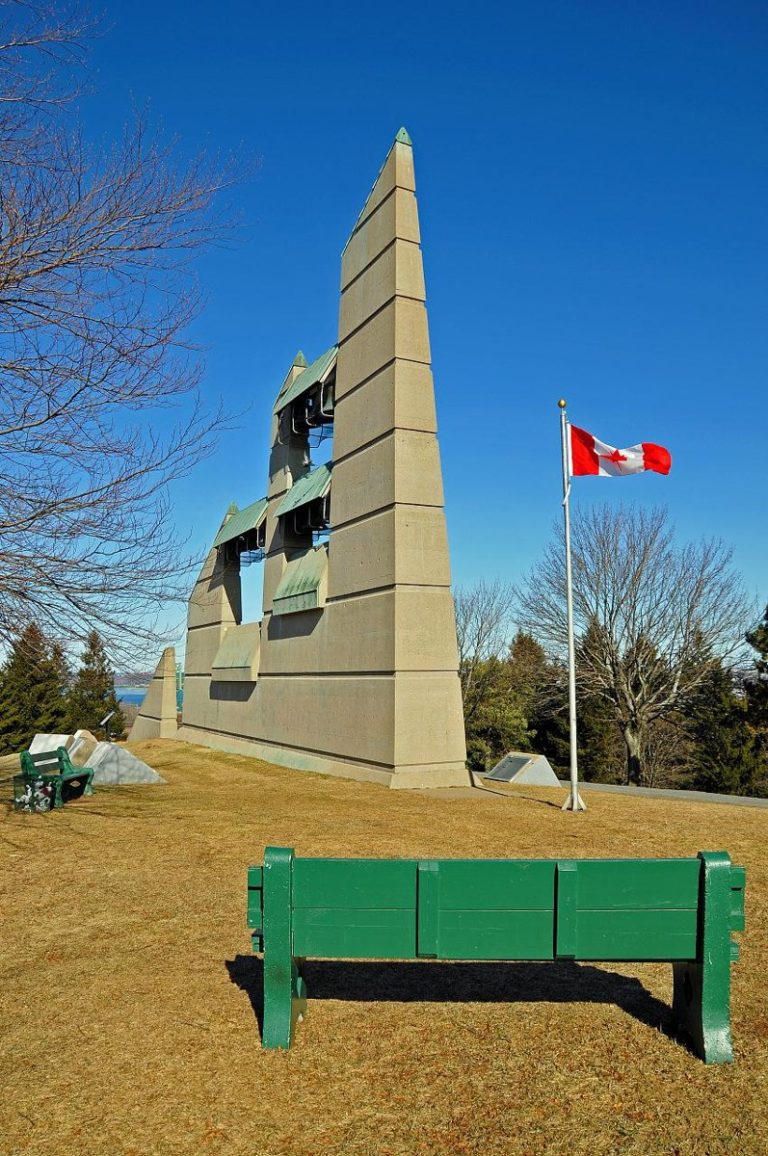
The Halifax Explosion Memorial Bell Tower at Fort Needham, photographed in 2008.
CA-K100History

The Halifax Explosion: 6 December 1917

On 6 December 1917, SS Mont-Blanc, which was carrying explosives, collided with SS Imo in Halifax Harbour. The resulting explosion, tidal wave and fires killed some 2,000 people. Parks Canada describes it as the largest human-made explosion before the atomic bomb.

Factual accuracy review: No recorded challenge

Contributor: Citizen.ca

Verified against cited sourcesVerified on 2026-10-26↗
Photo: Dennis G. Jarvis · Photo licence: CC BY-SA 2.0 · Credit & context