
An independent project serving Canadian citizens and future citizens

Learn and take the test

Future Citizens

Citizenship Test collection

206 knowledge records

A focused subset of the Canadian knowledge base.

Explore the full knowledge base →

Search by keyword

Citizenship Test is always required. Choose additional keywords to narrow this collection. Broader keywords include their descendants.

For citizenship preparation, use these records alongside the official Discover Canada guide. Check current officeholders and local information separately. This is an independent study collection.

Keywords: Record types

Clear search
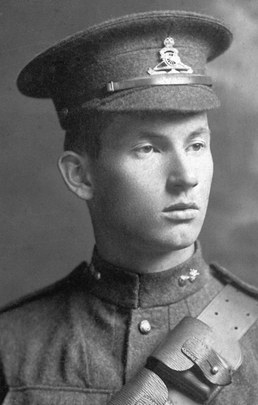
Harold Adams Innis, 1910s.
CA-K711Culture & sport

Harold Innis, historian of staples and communications

Harold Adams Innis, one of Canada’s great scholars, joined the University of Toronto in 1920 and headed its Department of Political Economy from 1937. Through works such as The Fur Trade in Canada, The Cod Fisheries and Empire and Communications, he deeply influenced the study of economics, history, geography, politics and communications.

Factual accuracy review: No recorded challenge

Contributor: Citizen.ca

Verified against cited sourcesVerified on 2026-10-26↗
Photo: Unknown photographer (1910s) · Photo licence: Public domain · Credit & context
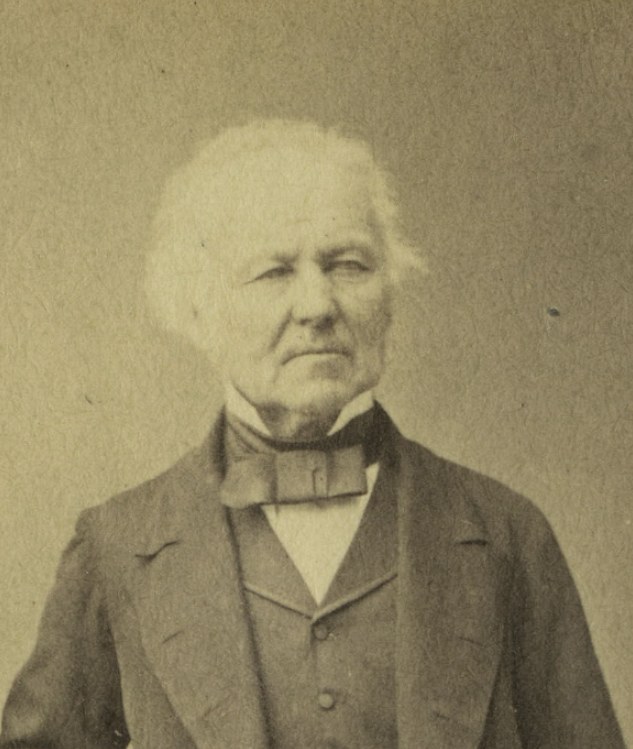
Samuel Cunard, between 1855 and 1865 (Nova Scotia Archives).
CA-K699Economy & trade

Sir Samuel Cunard and transatlantic steamships

Samuel Cunard, born in Halifax of Loyalist parents, built a Maritime empire in banking, lumber, land, coal and above all shipping. A pioneer of transatlantic steam navigation, he won an Admiralty contract in 1839 for scheduled Liverpool–Halifax–Boston mail service, and in July 1840 the Britannia, the first regular Cunarder, crossed in 13 days.

Factual accuracy review: No recorded challenge

Contributor: Citizen.ca

Verified against cited sourcesVerified on 2026-10-26↗
Photo: Unknown author · Photo licence: Public domain · Credit & context
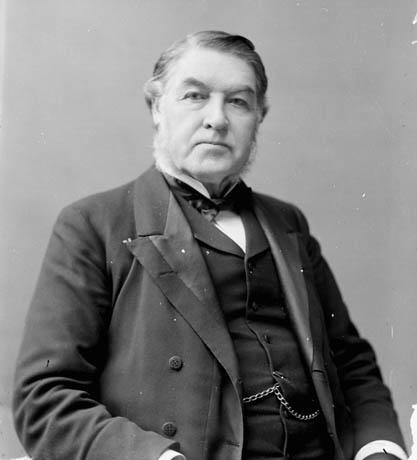
Charles Tupper, 1896 (Topley Studio).
CA-K686Institutions

Sir Charles Tupper, Father of Confederation and prime minister

Charles Tupper of Amherst, a physician, became premier of Nova Scotia in 1864 and, allied with John A. Macdonald, advocated Confederation despite substantial opposition in Nova Scotia. After federal cabinet posts and 11 years as High Commissioner in London, he succeeded Bowell as prime minister in 1896, then led the opposition after his party’s defeat that year.

Factual accuracy review: No recorded challenge

Contributor: Citizen.ca

Verified against cited sourcesVerified on 2026-10-26↗
Photo: William James Topley · Photo licence: Public domain · Credit & context
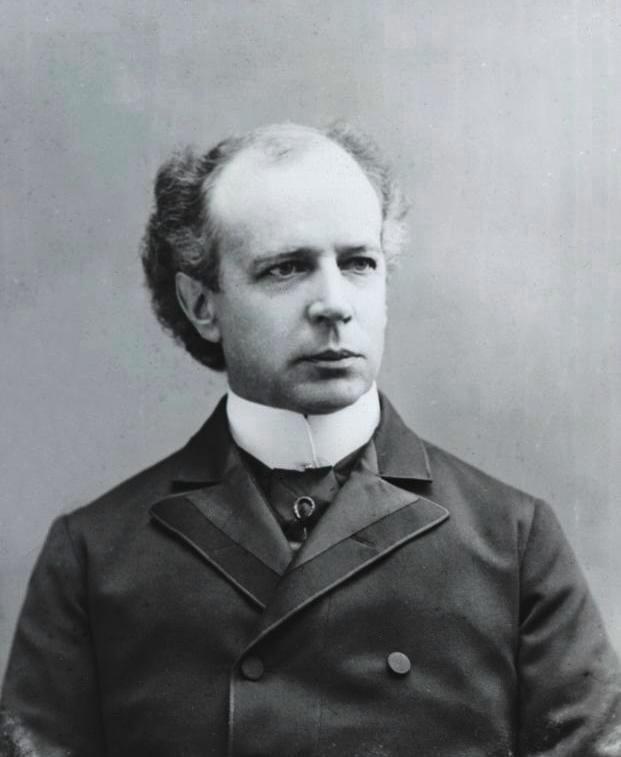
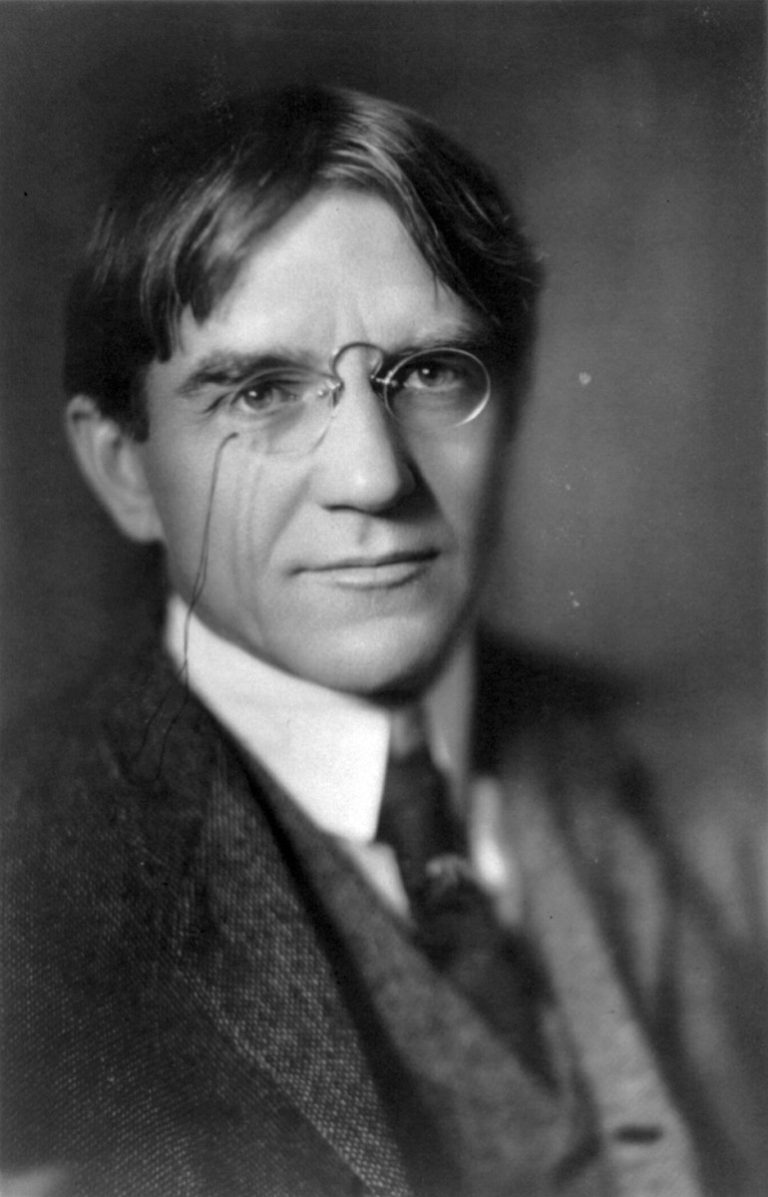
Charles G. D. Roberts, 1904 (Library of Congress).
CA-K656Culture & sport

Sir Charles G. D. Roberts, father of English-Canadian poetry

Charles G. D. Roberts, born in Douglas, New Brunswick, grew up near the Tantramar Marshes that shaped much of his writing. His early poetry inspired the generation of writers known as the Confederation Poets and laid the foundations of a Canadian poetic tradition, earning him the title of father of English-Canadian poetry.

Factual accuracy review: No recorded challenge

Contributor: Citizen.ca

Verified against cited sourcesVerified on 2026-10-26↗
Photo: Unknown author · Photo licence: Public domain · Credit & context
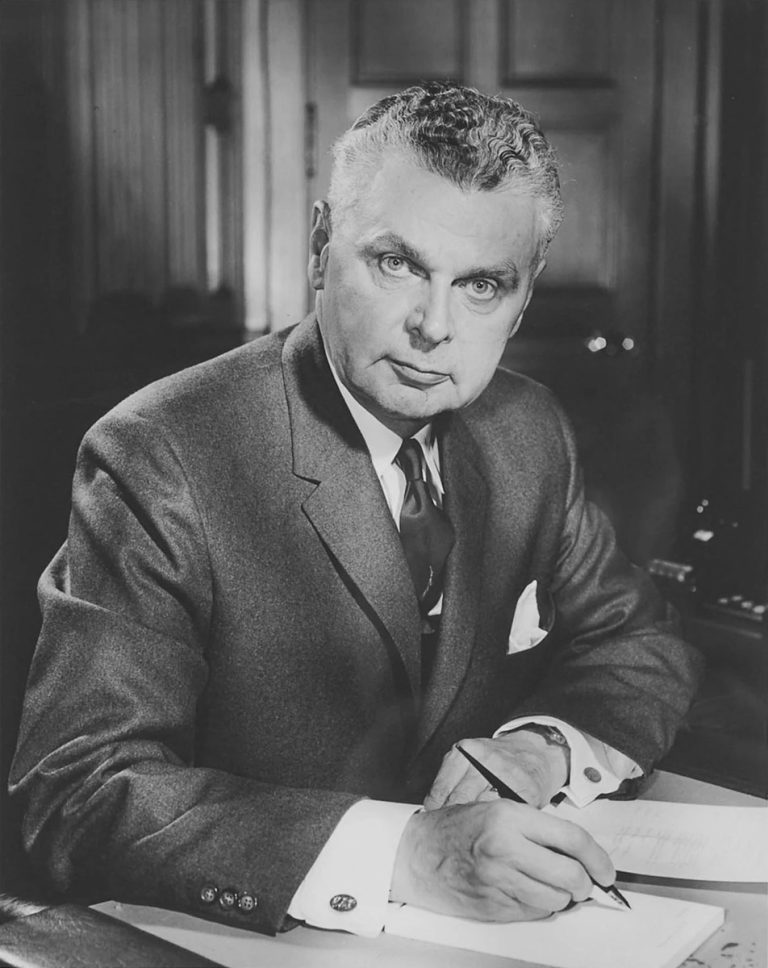
Wilfrid Laurier, about 1890 (Topley Studio, McCord Museum).
CA-K642Institutions

Sir Wilfrid Laurier, first francophone prime minister

Wilfrid Laurier of Saint-Lin, Quebec, was Canada’s first francophone prime minister, an MP for 45 years and Liberal leader for 32. As prime minister from 1896 to 1911 he presided over the settlement of the West, created Alberta and Saskatchewan and founded the Canadian Navy, and he worked to win greater autonomy for Canada and common ground between English and French Canadians.

Factual accuracy review: No recorded challenge

Contributor: Citizen.ca

Verified against cited sourcesVerified on 2026-10-26↗
Photo: Topley Studio · Photo licence: Public domain · Credit & context
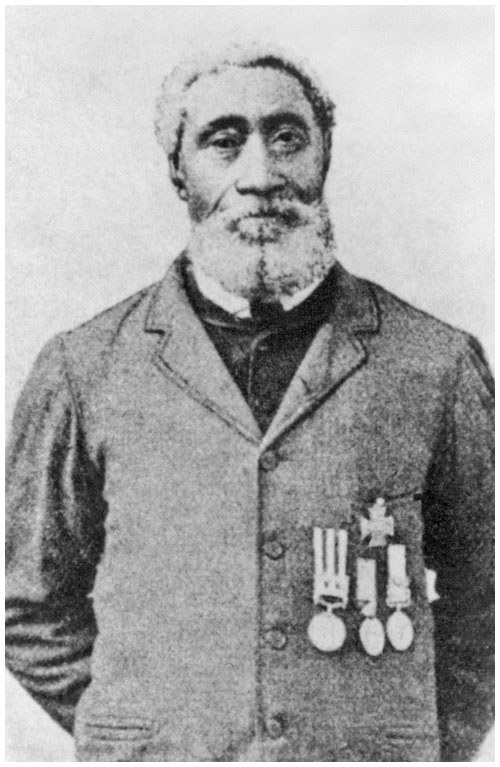
Prime Minister John G. Diefenbaker, 1957 (Gar Lunney).
CA-K616Institutions

John Diefenbaker, 13th prime minister

John Diefenbaker, a charismatic orator raised in Saskatchewan, was a defence lawyer and MP for some 40 years and Canada’s 13th prime minister from 1957 to 1963. He revived the Progressive Conservative Party, winning a landslide in 1958, and his government extended social programs, promoted Northern development and championed human rights at home and abroad.

Factual accuracy review: No recorded challenge

Contributor: Citizen.ca

Verified against cited sourcesVerified on 2026-10-26↗
Photo: Gar Lunney · Photo licence: Public domain · Credit & context
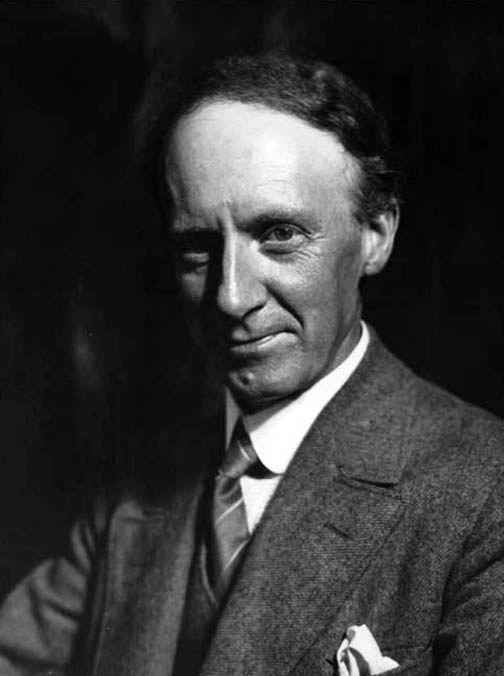
William Hall, VC, photographed after 1857 (Nova Scotia Museum).
CA-K593History

William Hall, first Black recipient of the Victoria Cross

William Neilson Hall of Hantsport, Nova Scotia, serving with the Royal Navy in India in 1857, became the first person of African descent and the first Nova Scotian awarded the Victoria Cross. He became a source of pride for Black Canadians.

Factual accuracy review: No recorded challenge

Contributor: Citizen.ca

Verified against cited sourcesVerified on 2026-10-26↗
Photo: Unknown photographer · Photo licence: Public domain · Credit & context
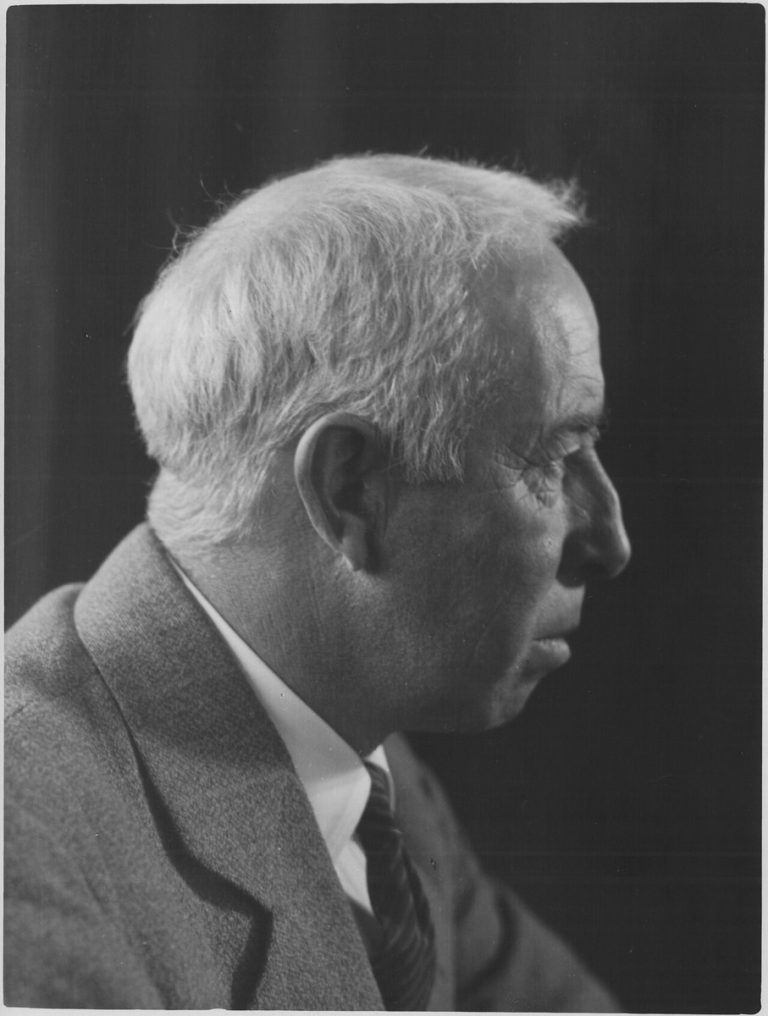
J. E. H. MacDonald (Archives of Ontario).
CA-K579Culture & sport

J. E. H. MacDonald, painter of the Group of Seven

J. E. H. MacDonald, painter, designer and poet, was a founding member of the Group of Seven and a key figure in creating a national style of landscape painting. A talented graphic designer of Canadian motifs, he painted southern Ontario farmland, Algoma’s autumn colours, Nova Scotia shores and the Rockies, and inspired students at the Ontario College of Art.

Factual accuracy review: No recorded challenge

Contributor: Citizen.ca

Verified against cited sourcesVerified on 2026-10-26↗
Photo: Unknown photographer; Archives of Ontario · Photo licence: Public domain · Credit & context
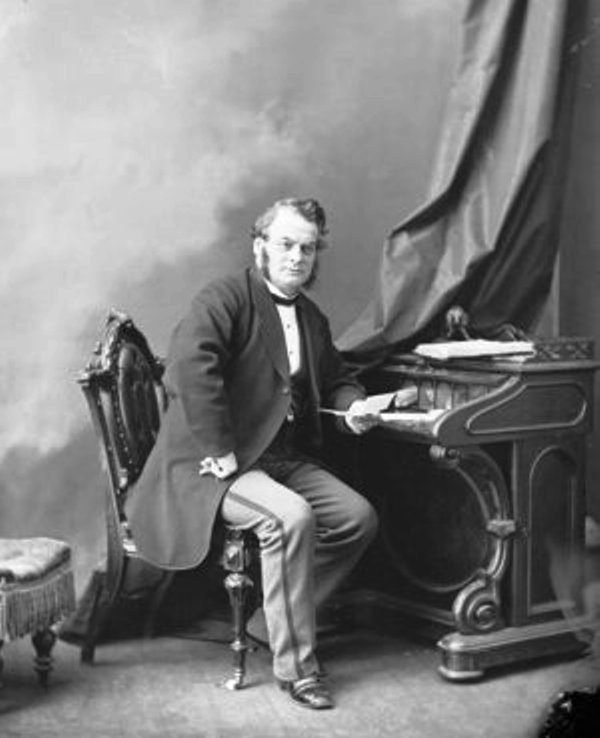
A. Y. Jackson, 1930 (Archives of Ontario).
CA-K574Culture & sport

A. Y. Jackson, painter of the Group of Seven

A. Y. Jackson, born in Montréal, studied painting there and in Paris, served overseas in the First World War and was a member of the Group of Seven from 1920 to 1933. His simple, rounded forms in wilderness landscapes gave a powerful image of Canada, and he greatly influenced a generation of Canadian artists.

Factual accuracy review: No recorded challenge

Contributor: Citizen.ca

Verified against cited sourcesVerified on 2026-10-26↗
Photo: Unknown photographer (1930); Archives of Ontario, I0007815 · Photo licence: Public domain · Credit & context
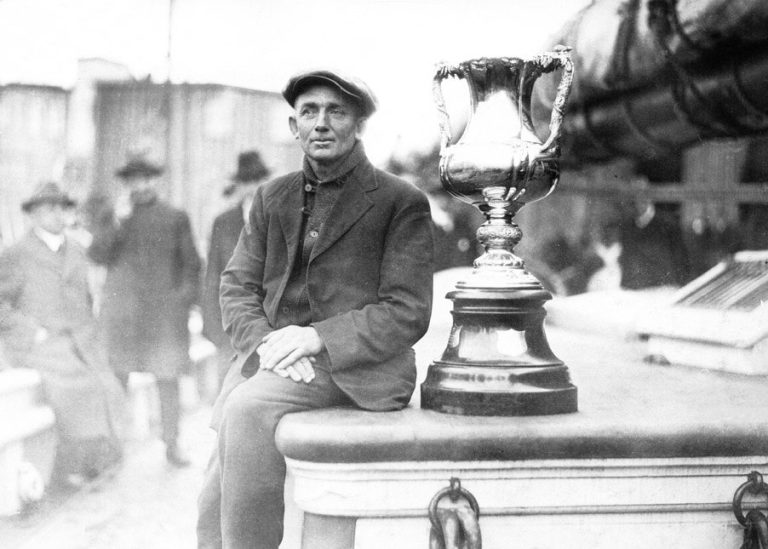
Samuel Leonard Tilley, February 1869 (Topley Studio).
CA-K568History

Sir Leonard Tilley, New Brunswick Father of Confederation

Samuel Leonard Tilley of Gagetown led New Brunswick’s government and was a delegate to the Charlottetown, Québec and London conferences, an architect of the British North America Act and leader of the province’s pro-Confederation forces. As federal Minister of Finance he drafted the National Policy, and he twice served as lieutenant-governor of New Brunswick.

Factual accuracy review: No recorded challenge

Contributor: Citizen.ca

Verified against cited sourcesVerified on 2026-10-26↗
Photo: William James Topley · Photo licence: Public domain · Credit & context
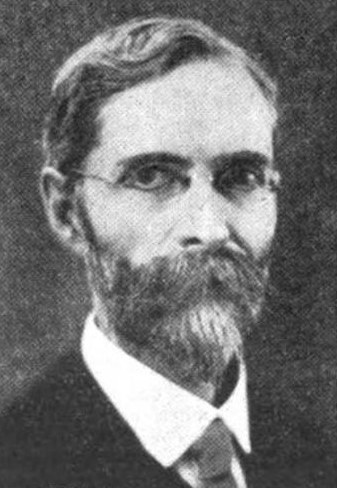
Captain Angus Walters with the International Fishermen’s Trophy on the deck of Bluenose, 1921 (W. R. MacAskill).
CA-K566Culture & sport

Captain Angus Walters of the Bluenose

Captain Angus J. Walters of Lunenburg, a legendary sailor and fisherman, won five consecutive International Fishermen’s Races at the helm of the schooner Bluenose between 1921 and 1938, a great source of pride during the Depression. A top fishing captain, he brought international attention to the Atlantic Canadian fishery.

Factual accuracy review: No recorded challenge

Contributor: Citizen.ca

Verified against cited sourcesVerified on 2026-10-26↗
Photo: W.R. MacAskill (1890-1956) · Photo licence: Public domain · Credit & context
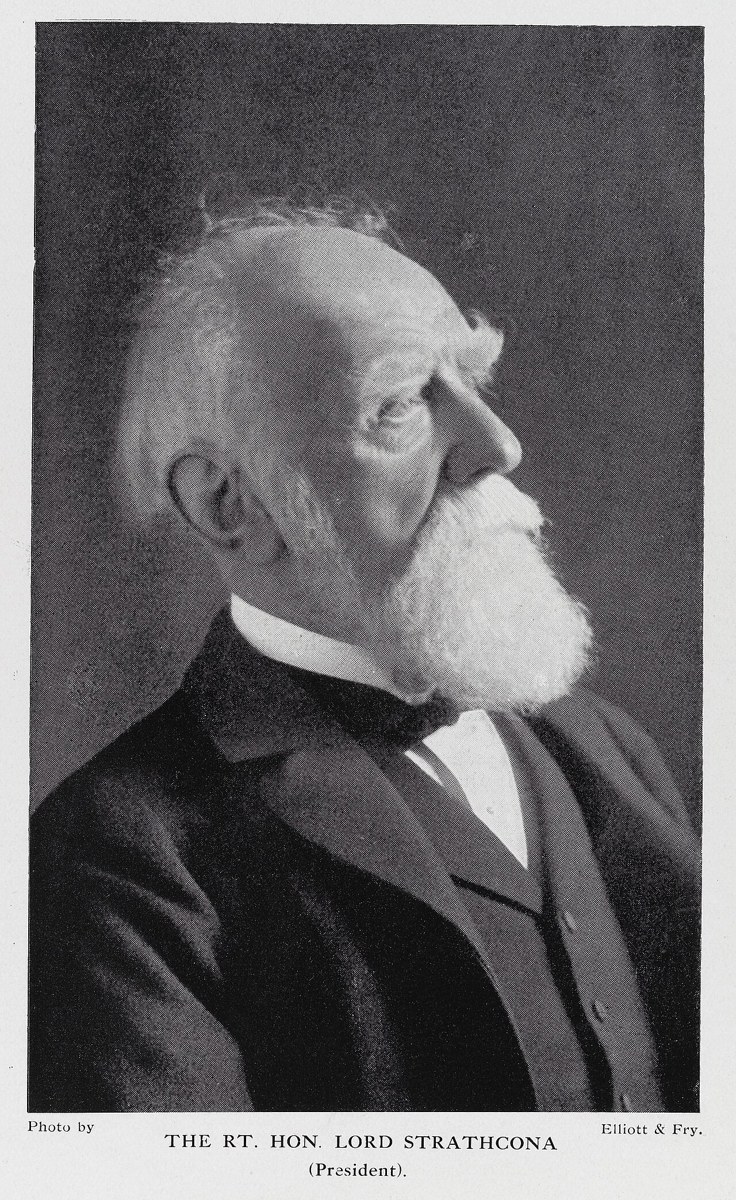
Charles Edward Saunders, portrait published in 1927.
CA-K555Economy & trade

Charles Saunders and Marquis wheat

Charles Edward Saunders of London, Ontario, was Dominion Cerealist at the Experimental Farm in Ottawa from 1903 to 1922. There in 1904 he developed the famous Marquis wheat, first grown by farmers in 1910, along with other varieties suited to the Prairies such as Ruby, Garnet and Reward.

Factual accuracy review: No recorded challenge

Contributor: Citizen.ca

Verified against cited sourcesVerified on 2026-10-26↗
Photo: Unknown author · Photo licence: Public domain · Credit & context
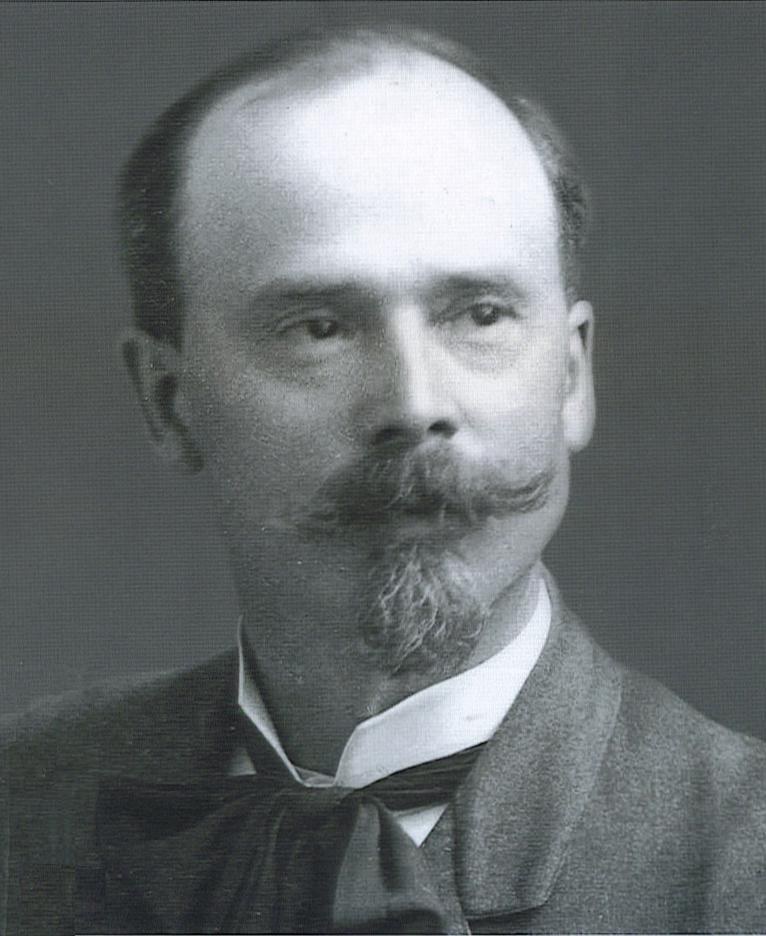
Lord Strathcona and Mount Royal (Wellcome Collection).
CA-K554Economy & trade

Donald Smith, Lord Strathcona, and the CPR

Donald Smith, born in Scotland, joined the Hudson’s Bay Company in 1838 and rose to be its governor in Canada. An MP for Selkirk who broke with the government over the Pacific Scandal, he joined his cousin George Stephen in the Canadian Pacific Railway syndicate and risked his fortune to see the line completed in 1885; he became Baron Strathcona in 1897.

Factual accuracy review: No recorded challenge

Contributor: Citizen.ca

Verified against cited sourcesVerified on 2026-10-26↗
Photo: Unknown photographer; Wellcome Collection, L0040025 · Photo licence: CC BY 4.0 · Credit & context
Louis-Philippe Hébert, around 1898 (Wm. Notman & Son).
CA-K538Culture & sport

Louis-Philippe Hébert, sculptor

Louis-Philippe Hébert was a Canadian sculptor known for public monuments. After carving wood figures for churches in Ottawa and Montréal, he made bronze statues such as Cartier on Parliament Hill and won renown for the sculptures on the façade of the Quebec legislature, his Maisonneuve monument in Montréal and the Macdonald monument in Ottawa.

Factual accuracy review: No recorded challenge

Contributor: Citizen.ca

Verified against cited sourcesVerified on 2026-10-26↗
Photo: William Notman & Son · Photo licence: Public domain · Credit & context
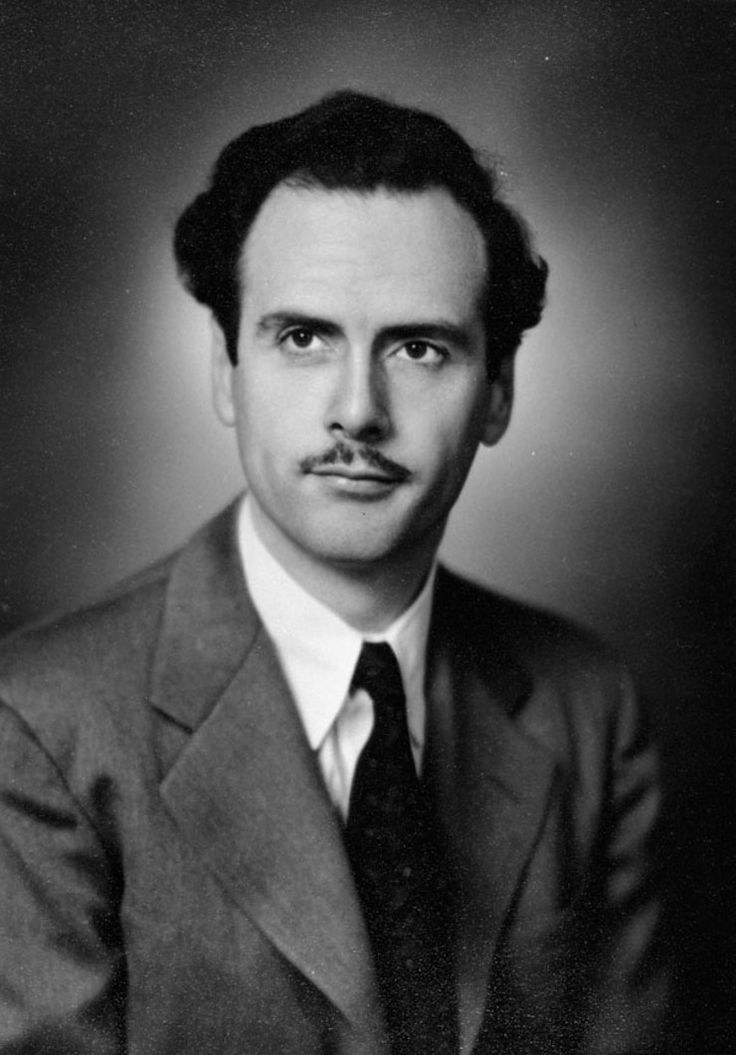
Marshall McLuhan in 1945 (Library and Archives Canada).
CA-K491Culture & sport

Marshall McLuhan, “the medium is the message”

Marshall McLuhan, a University of Toronto professor and pioneer of media studies, became famous in the 1960s for his theories about how print and electronic media shape human perception and behaviour. His ideas of the “global village” and “the medium is the message” made him one of the most celebrated scholars in the Western world.

Factual accuracy review: No recorded challenge

Contributor: Citizen.ca

Verified against cited sourcesVerified on 2026-10-26↗
Photo: Josephine Smith · Photo licence: Public domain · Credit & context
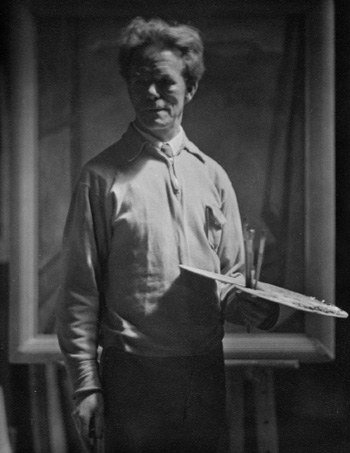
Frederick Varley, probably in Vancouver, 1927 (John Vanderpant).
CA-K484Culture & sport

Frederick Varley, painter of the Group of Seven

Frederick Varley, a founding member of the Group of Seven, helped establish a national style of painting the Canadian landscape. A masterful portraitist and an official First World War artist, he moved to teach on the West Coast in 1926, and his unconventional use of colour to convey emotion is a singular contribution to Canadian art.

Factual accuracy review: No recorded challenge

Contributor: Citizen.ca

Verified against cited sourcesVerified on 2026-10-26↗
Photo: John Vanderpant · Photo licence: Public domain · Credit & context
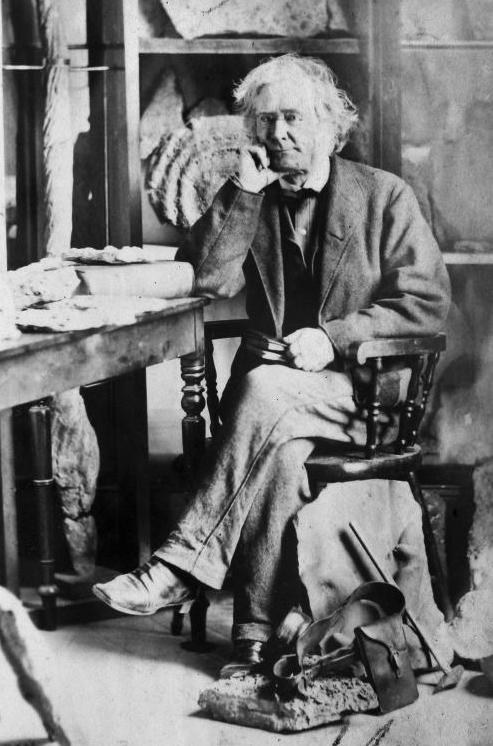
Sir William Edmond Logan in Montréal, 1865 (William Notman).
CA-K470History

Sir William Logan, first director of the Geological Survey

Sir William Edmond Logan of Montréal, a mapmaker and geologist in the mining districts of Wales, became the first director of the Geological Survey of Canada in 1842. He led much of the early scientific mapping of the province, built the mineral collection that became the basis of the National Museum, and earned international recognition for his geological work.

Factual accuracy review: No recorded challenge

Contributor: Citizen.ca

Verified against cited sourcesVerified on 2026-10-26↗
Photo: William Notman · Photo licence: Public domain · Credit & context
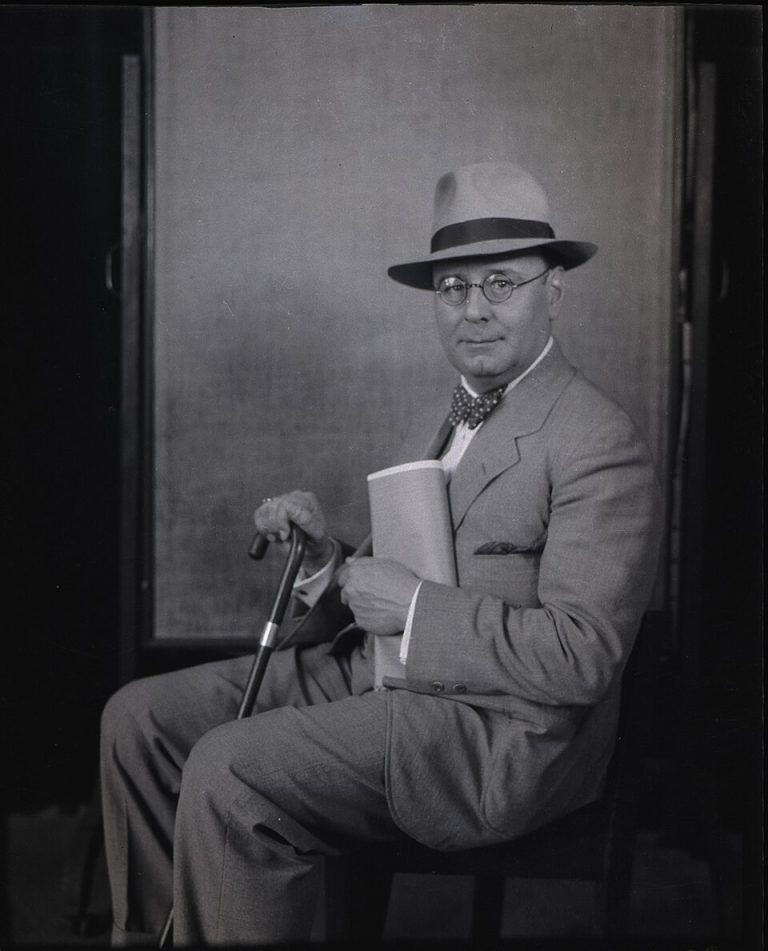
Dr. Healey Willan in 1930 (Archives of Ontario).
CA-K457Culture & sport

Healey Willan, composer of sacred music

Healey Willan came to Canada in 1913 to teach at the Toronto Conservatory of Music, now the Royal Conservatory. As organist and choirmaster of St. Mary Magdalene in Toronto from 1921 to 1968, he composed the sacred music for which he is particularly remembered.

Factual accuracy review: No recorded challenge

Contributor: Citizen.ca

Verified against cited sourcesVerified on 2026-10-26↗
Photo: Unknown photographer (1930); Archives of Ontario, I0001735 · Photo licence: Public domain · Credit & context
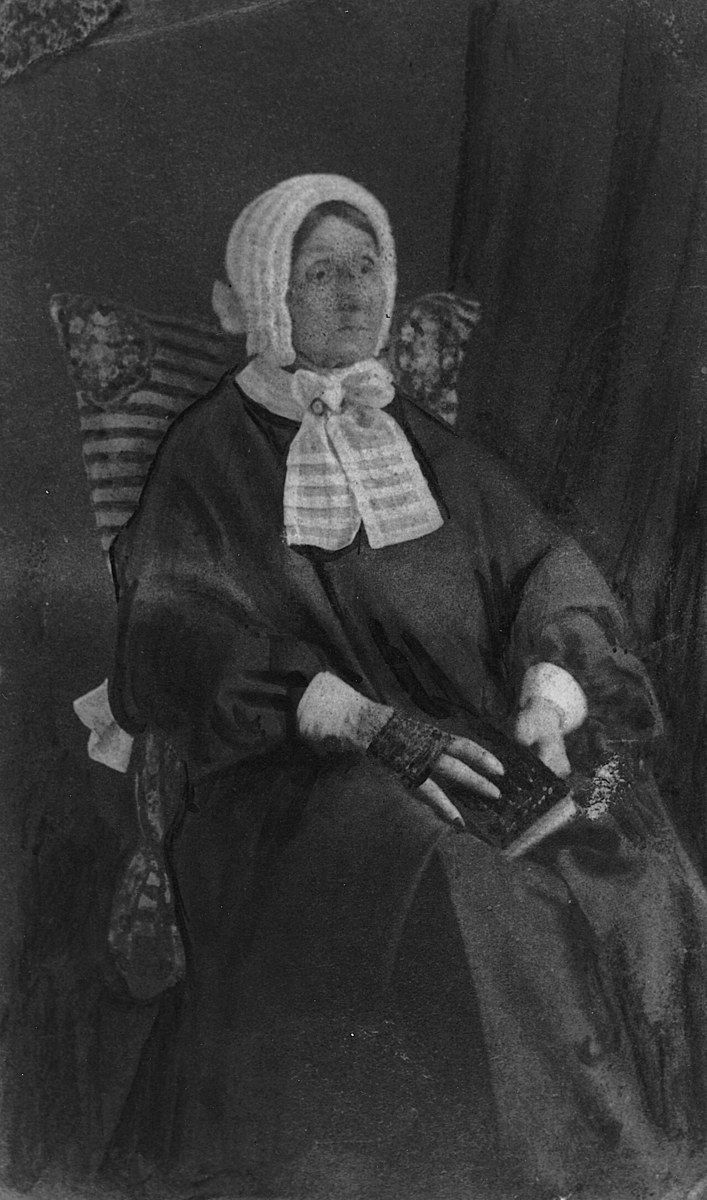
Laura Secord in her later years, around 1865 (McCord Museum).
CA-K443History

Laura Secord’s walk in 1813

On 22 June 1813, during the War of 1812, Laura Secord set out from her home in Queenston to warn the British of a planned American attack at Beaver Dams. She walked alone more than 30 kilometres behind enemy lines to the De Cew farmhouse and told Lieutenant FitzGibbon of the plan. Later in the 19th century, the first generation of women historians championed her deed to make women’s contributions to Canadian history known.

Factual accuracy review: No recorded challenge

Contributor: Citizen.ca

Verified against cited sourcesVerified on 2026-10-26↗
Photo: Anonymous (photographer unidentified) · Photo licence: Public domain · Credit & context
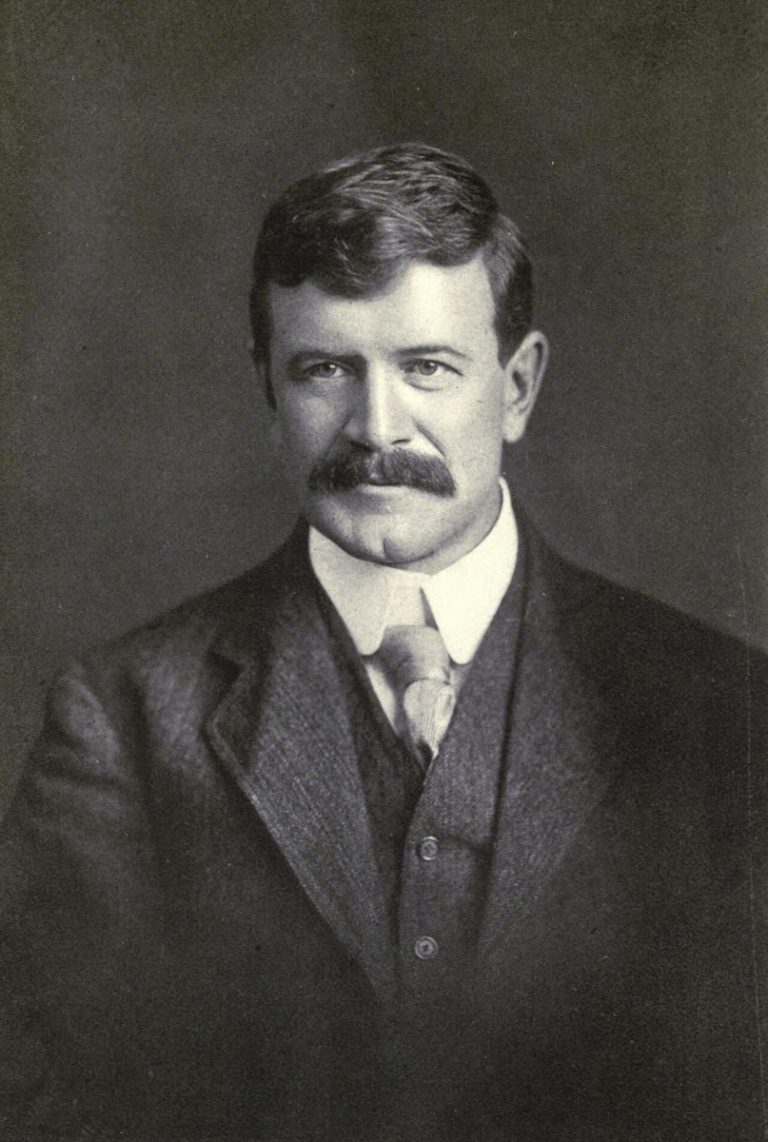
Stephen Leacock, portrait published in 1913.
CA-K440Culture & sport

Stephen Leacock, humorist

Stephen Leacock spent most of his career at McGill University teaching history and political science, but he is chiefly known as a humorist. Sunshine Sketches of a Little Town (1912) made his reputation across the English-speaking world, and his work finds humour in ordinary people in everyday situations through exaggeration and incongruity.

Factual accuracy review: No recorded challenge

Contributor: Citizen.ca

Verified against cited sourcesVerified on 2026-10-26↗
Photo: The Arts & Letters Club of Toronto · Photo licence: Public domain · Credit & context
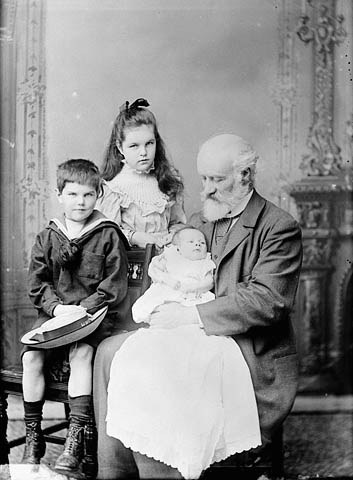
Sir Sandford Fleming with his grandchildren, July 1893 (Topley Studio).
CA-K436History

Sir Sandford Fleming, engineer and champion of standard time

Sir Sandford Fleming, born in Scotland, came to Canada in 1845 and became survey and construction engineer for the Intercolonial Railway and the Canadian Pacific. A man of wide interests and an ardent imperialist, he advocated the Pacific telegraph cable, designed the first Canadian postage stamp in 1851, and was an early champion of standard time.

Factual accuracy review: No recorded challenge

Contributor: Citizen.ca

Verified against cited sourcesVerified on 2026-10-26↗
Photo: William James Topley · Photo licence: Public domain · Credit & context
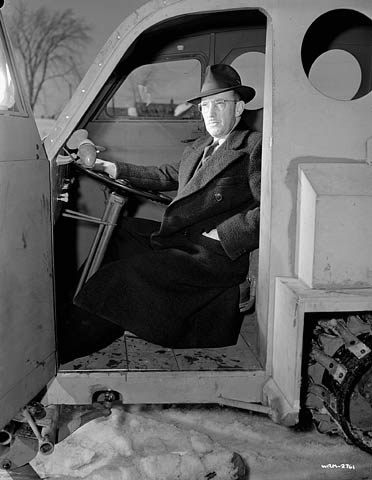
Joseph-Armand Bombardier at the wheel of a Bombardier military snowmobile, March 1943.
CA-K435Economy & trade

Joseph-Armand Bombardier and the snowmobile

Joseph-Armand Bombardier of Valcourt, Quebec, developed snow vehicles that helped reduce winter isolation in rural areas of Canada and elsewhere. He patented the snowmobile in 1937 and the smaller Ski-Doo in 1960, both designed and built in Valcourt, and after his death the company he founded became a world leader in transportation.

Factual accuracy review: No recorded challenge

Contributor: Citizen.ca

Verified against cited sourcesVerified on 2026-10-26↗
Photo: Unknown author · Photo licence: Public domain · Credit & context
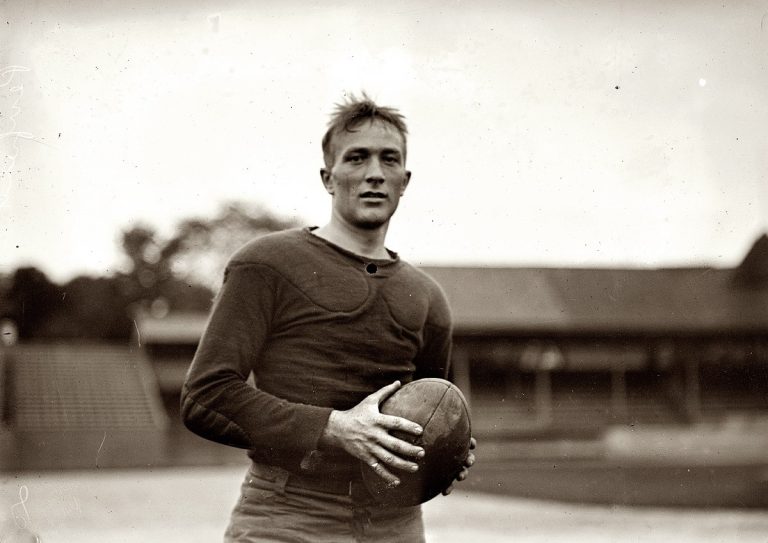
Wilder Penfield as a student at Princeton University, 1911.
CA-K425History

Wilder Penfield and the Montreal Neurological Institute

Wilder Penfield founded the Montreal Neurological Institute and directed it for over 25 years, becoming a world leader in neurosurgery and neurology. His pioneering work on epilepsy led to a new surgical procedure and advanced understanding of how the human brain works, and his institute became a renowned centre for research and treatment of nervous system disorders.

Factual accuracy review: No recorded challenge

Contributor: Citizen.ca

Verified against cited sourcesVerified on 2026-10-26↗
Photo: Bain News Service · Photo licence: Public domain · Credit & context
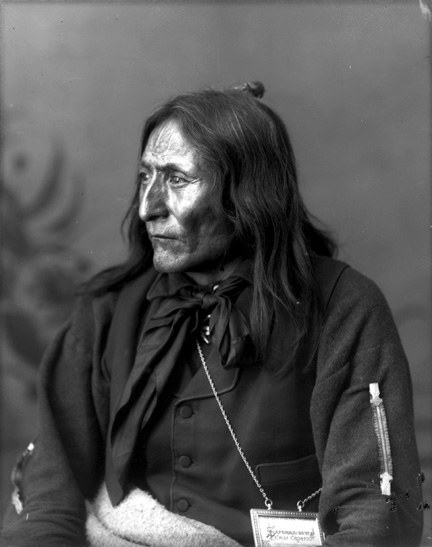
Portrait of Crowfoot, head chief of the Siksika, around 1885.
CA-K409Indigenous peoples & reconciliation

Isapo-Muxika (Crowfoot), Siksika peacemaker

Isapo-Muxika (Crowfoot), born Kainai and raised among the Siksika (Blackfoot), became a leading chief known as a warrior, orator and peacemaker. Convinced that peace served his people best, he made peace with the Plains Cree, adopting Poundmaker as his son, and persuaded the Siksika to sign Treaty 7 in 1877.

Factual accuracy review: No recorded challenge

Contributor: Citizen.ca

Verified against cited sourcesVerified on 2026-10-26↗
Photo: Alex Ross · Photo licence: Public domain · Credit & context