An independent project serving Canadian citizens and future citizens

Learn and take the test

Future Citizens

Citizenship Test collection

206 knowledge records

A focused subset of the Canadian knowledge base.

Explore the full knowledge base →

Search by keyword

Citizenship Test is always required. Choose additional keywords to narrow this collection. Broader keywords include their descendants.

For citizenship preparation, use these records alongside the official Discover Canada guide. Check current officeholders and local information separately. This is an independent study collection.

Keywords: Themes, values and contributions

Clear search
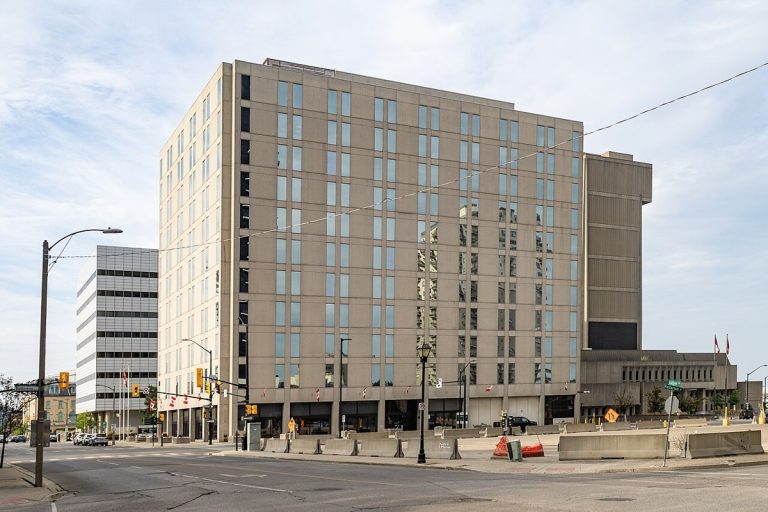
The Richard Pierpoint Building, a courthouse in London, Ontario, named in his honour, photographed in 2026.
CA-K199History

Richard Pierpoint, Black Loyalist

Richard Pierpoint (c. 1744–c. 1838), born in Bundu in present-day Senegal, was captured and sold into slavery in the Thirteen Colonies around 1760. He fought as a free man with Butler’s Rangers in the American Revolution, settled in Niagara, and during the War of 1812 contributed to the creation of the Colored Corps; afterward he asked for passage to West Africa but was given land in Upper Canada instead.

Factual accuracy review: No recorded challenge

Contributor: Citizen.ca

Verified against cited sourcesVerified on 2026-10-26↗
Photo: Chris Woodrich · Photo licence: CC BY-SA 4.0 · Credit & context
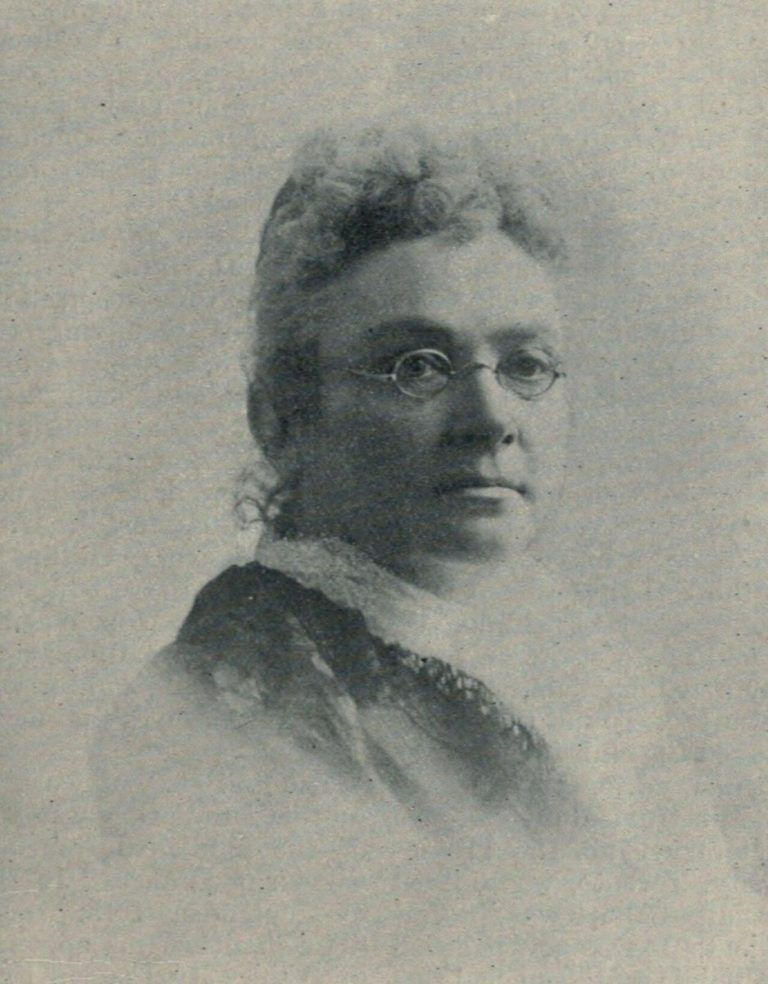
A portrait of Emily Stowe, no later than 1895.
CA-K187History

Emily Stowe, Canada’s first woman doctor in private practice

Denied university entry in Canada because she was a woman, Emily Stowe (1831–1903) studied medicine in New York City and in 1867 opened the first private medical practice in Canada run by a woman doctor, in Toronto. She led the drive to found Woman’s Medical College in 1883 and, through the Dominion Women’s Enfranchisement Association, kept suffrage in the public eye.

Factual accuracy review: No recorded challenge

Contributor: Citizen.ca

Verified against cited sourcesVerified on 2026-10-26↗
Photo: Unknown authorUnknown author · Photo licence: Public domain · Credit & context
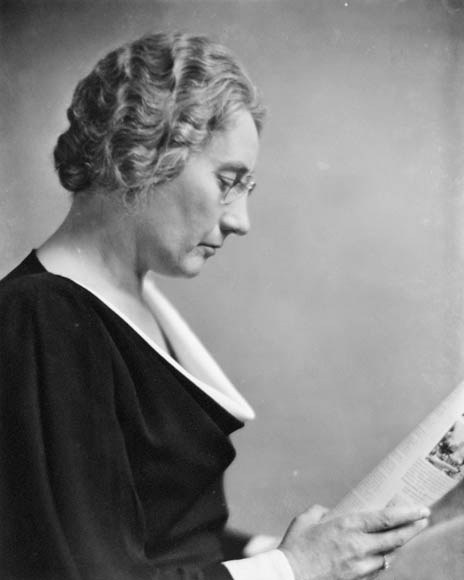
Agnes Macphail, MP, photographed by Yousuf Karsh on 14 May 1934.
CA-K186Institutions

Agnes Macphail, first woman elected to the House of Commons

Agnes Macphail (1890–1954), a rural schoolteacher, became the first woman elected to the House of Commons when she won Grey County as a Progressive in the 1921 federal election. In Ottawa she fought for penal reform, disarmament and social welfare, and later sat in the Ontario legislature from 1943 to 1951.

Factual accuracy review: No recorded challenge

Contributor: Citizen.ca

Verified against cited sourcesVerified on 2026-10-26↗
Photo: Yousuf Karsh · Photo licence: Public domain · Credit & context
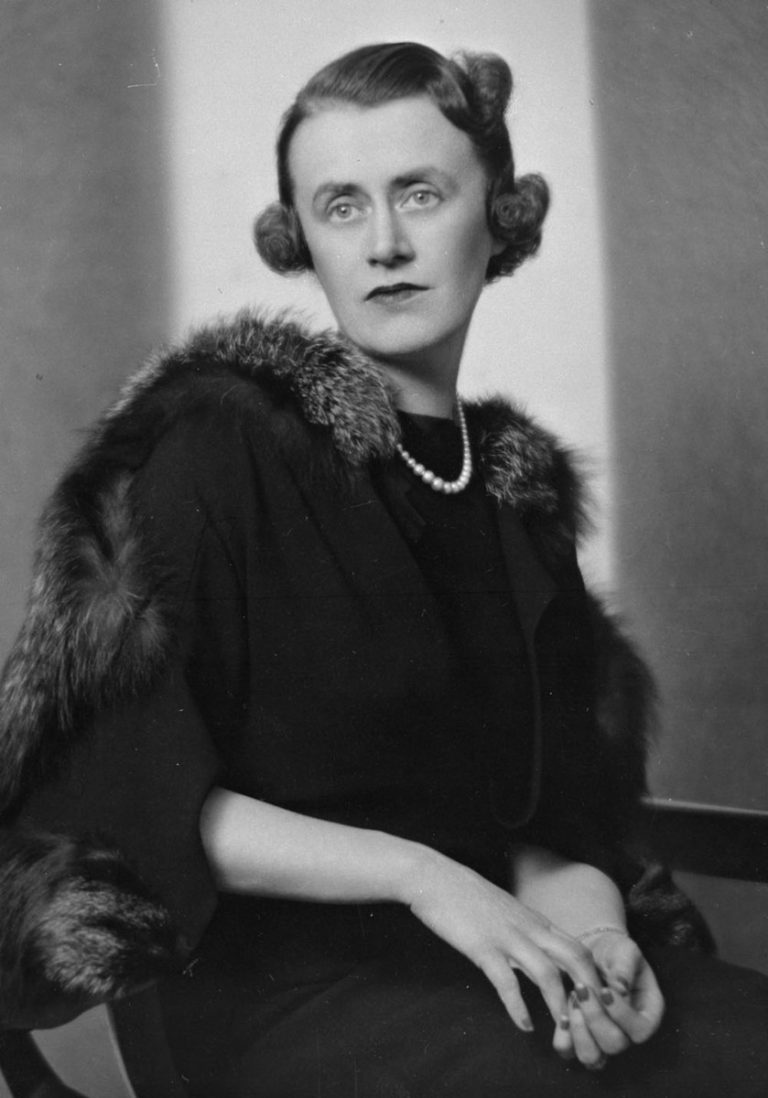
Thérèse Casgrain photographed by George Nakash (Library and Archives Canada).
CA-K185History

Thérèse Casgrain and the Quebec vote for women, 1940

Thérèse Casgrain (1896–1981), a pioneer of Quebec feminism, led the Ligue des droits de la femme from 1928 to 1942 and played a pivotal role in winning women the right to vote in Quebec provincial elections in 1940. The Fédération des femmes du Québec, founded under her guidance in 1966, launched a new wave of organized feminism.

Factual accuracy review: No recorded challenge

Contributor: Citizen.ca

Verified against cited sourcesVerified on 2026-10-26↗
Photo: George Nakash (1892-1976) · Photo licence: CC BY 2.0 · Credit & context
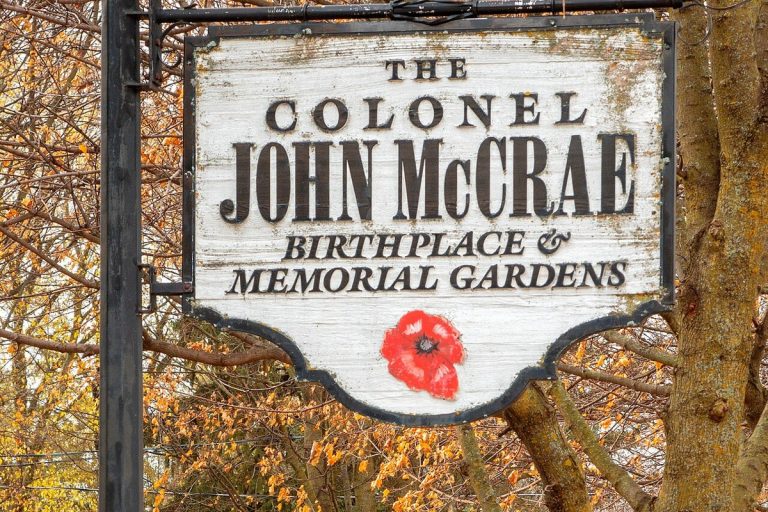
The sign at McCrae House, John McCrae’s birthplace in Guelph, Ontario, on Remembrance Day 2018.
CA-K174Culture & sport

John McCrae and “In Flanders Fields”

John McCrae (1872–1918), a physician born in Guelph, Ontario, joined the Canadian Army Medical Corps in 1914 and served overseas until his death. His poem “In Flanders Fields,” published anonymously in 1915, became one of the most celebrated poems of the First World War and made the poppy a lasting symbol of the Allied soldiers who died.

Factual accuracy review: No recorded challenge

Contributor: Citizen.ca

Verified against cited sourcesVerified on 2026-10-26↗
Photo: Peter K Burian · Photo licence: CC BY-SA 4.0 · Credit & context
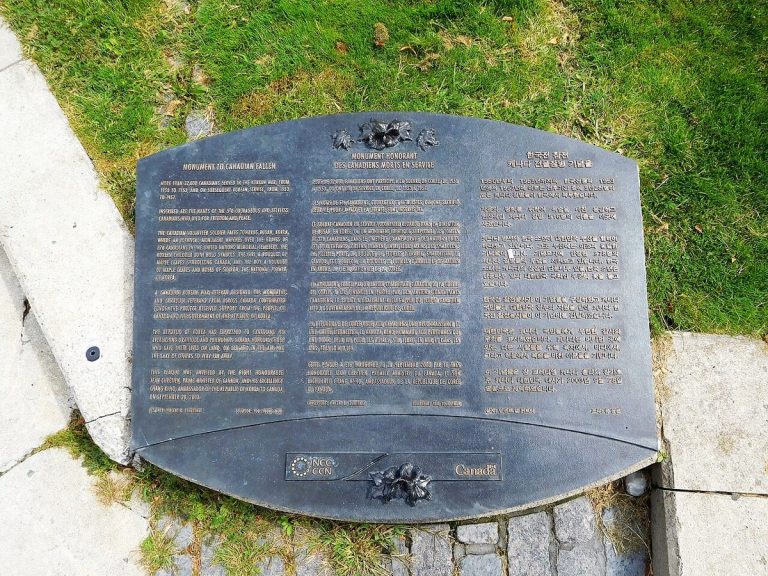
The National Canadian Liberation Monument in Apeldoorn, the Netherlands, photographed in 2009.
CA-K170History

Canadians and the liberation of the Netherlands

Between October 1944 and May 1945, the Canadian military opened the Scheldt estuary and the port of Antwerp to Allied supplies, cleared much of the Netherlands of the enemy and fed a starving Dutch population. On 5 May 1945 in Wageningen, German forces surrendered to Canadian Lieutenant-General Charles Foulkes and Prince Bernhard of the Netherlands.

Factual accuracy review: No recorded challenge

Contributor: Citizen.ca

Verified against cited sourcesVerified on 2026-10-26↗
Photo: Brbbl · Photo licence: CC BY-SA 3.0 · Credit & context
The Memorial to Commemorate the Chinese Railroad Workers in Canada, Toronto, by Eldon Garnet and Francis LeBouthillier, photographed in 2008.
CA-K165History

Chinese workers who built the CPR in British Columbia

In the early 1880s, thousands of labourers from China helped build the Canadian Pacific Railway through British Columbia’s mountains; about three-quarters of the men on the section between the Pacific and Craigellachie were Chinese. They were paid a dollar a day, half a white worker’s pay, and hundreds died from accidents or illness.

Factual accuracy review: No recorded challenge

Contributor: Citizen.ca

Verified against cited sourcesVerified on 2026-10-26↗
Photo: Shaun Merritt · Photo licence: CC BY 2.0 · Credit & context
A bust of Mary Ann Shadd Cary by Artis Lane in BME Freedom Park, Chatham, Ontario, photographed in 2025.
CA-K164History

Mary Ann Shadd and the Provincial Freeman

Mary Ann Shadd (1823–1893) became a prominent activist in the Underground Railroad refugee communities of Upper Canada in the 1850s. In 1853 she established the Provincial Freeman, an influential newspaper that argued for the rights of Black people and women and became the leading voice of refugees in Canada.

Factual accuracy review: No recorded challenge

Contributor: Citizen.ca

Verified against cited sourcesVerified on 2026-10-26↗
Photo: Chris Woodrich · Photo licence: CC BY-SA 4.0 · Credit & context
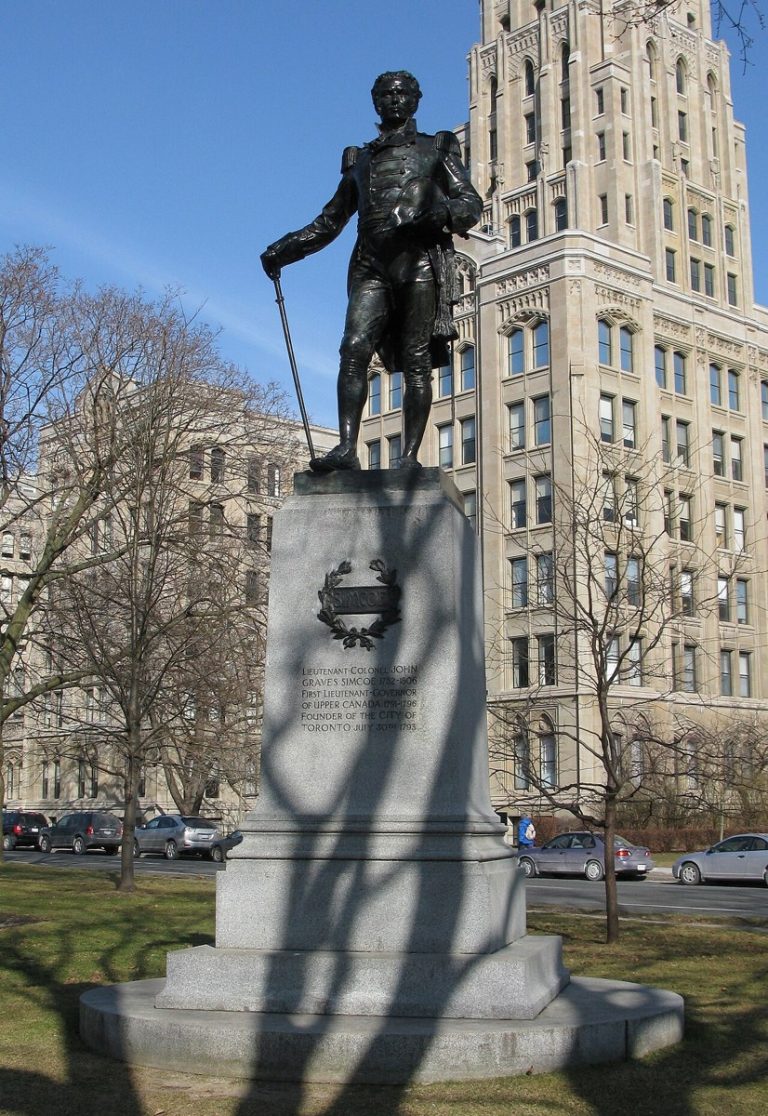
The statue of John Graves Simcoe at Queen’s Park, Toronto, photographed in 2008.
CA-K162History

Upper Canada’s 1793 Act against slavery

Upper Canada’s 1793 Act against slavery, passed under Lieutenant-Governor John Graves Simcoe, prohibited the importation of enslaved people. It did not free people already enslaved, but provided that children subsequently born to enslaved mothers would become free at age 25. Slavery in Upper Canada ended in 1834.

Factual accuracy review: No recorded challenge

Contributor: Citizen.ca

Verified against cited sourcesVerified on 2026-10-26↗
Photo: User:Saforrest · Photo licence: CC BY-SA 3.0 · Credit & context
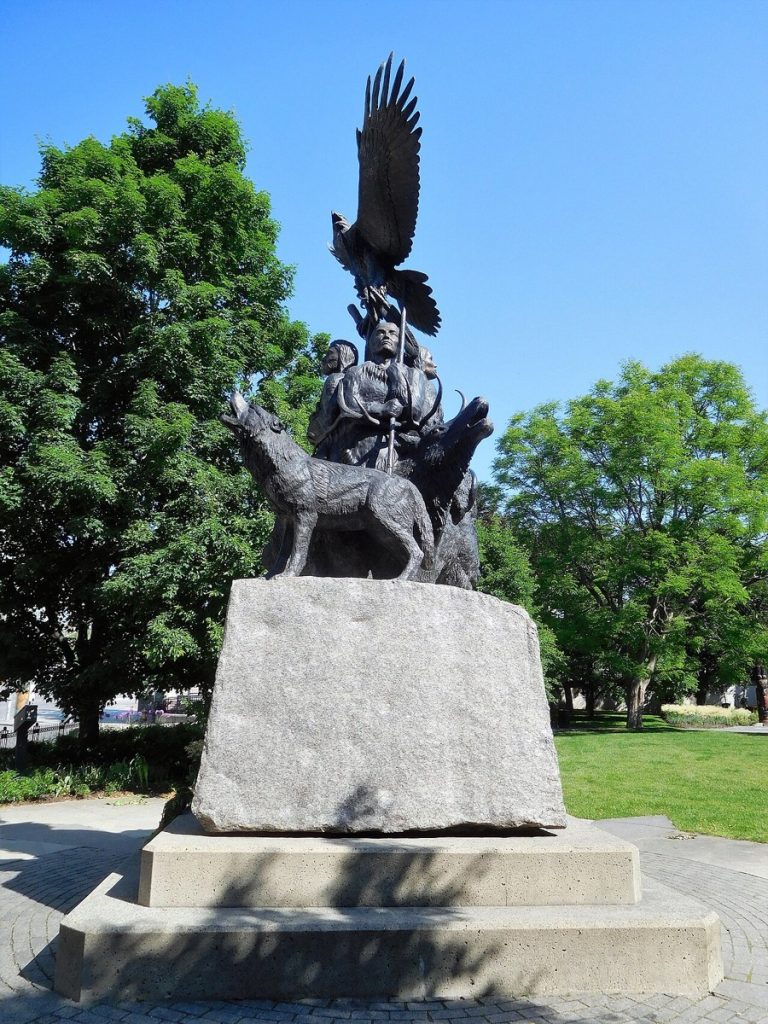
The National Aboriginal Veterans Monument in Confederation Park, Ottawa, photographed in 2019.
CA-K156Indigenous peoples & reconciliation

Indigenous soldiers in the First World War

During the First World War, Indigenous people volunteered in significant numbers, even though many were denied the right to vote; it was the first time Canada’s forces integrated a substantial number of Indigenous men as individual soldiers. As veterans, they were an active force behind the League of Indians of Canada, the first organization to give their communities a national voice.

Factual accuracy review: No recorded challenge

Contributor: Citizen.ca

Verified against cited sourcesVerified on 2026-10-26↗
Photo: Jeangagnon · Photo licence: CC BY-SA 4.0 · Credit & context
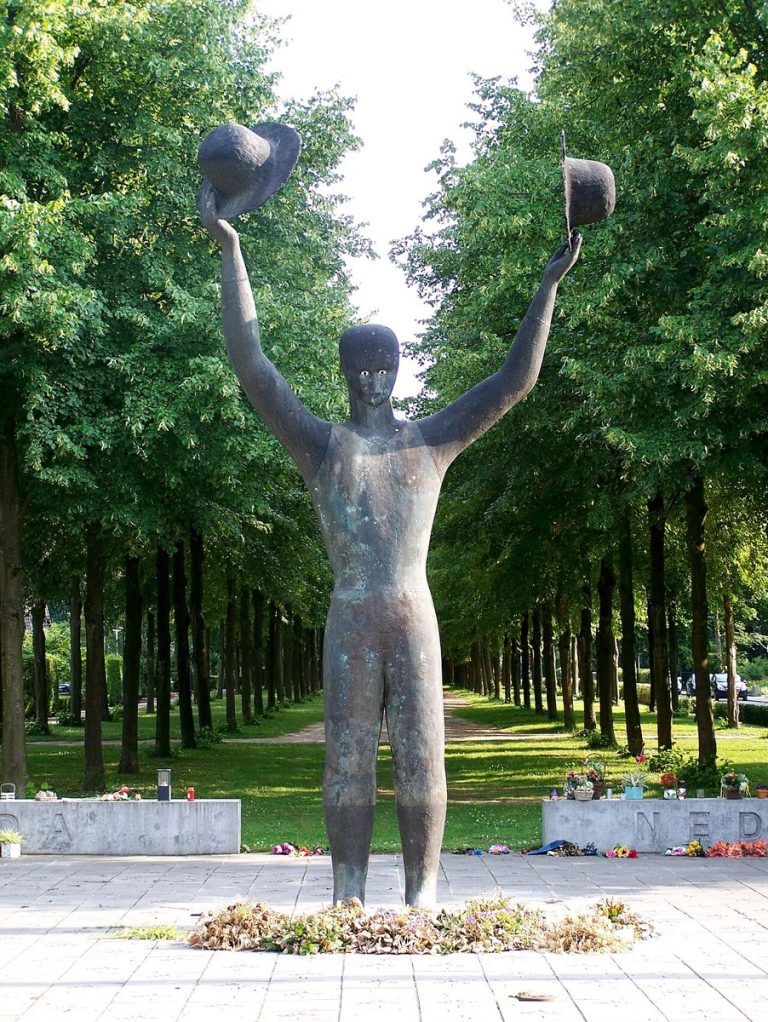
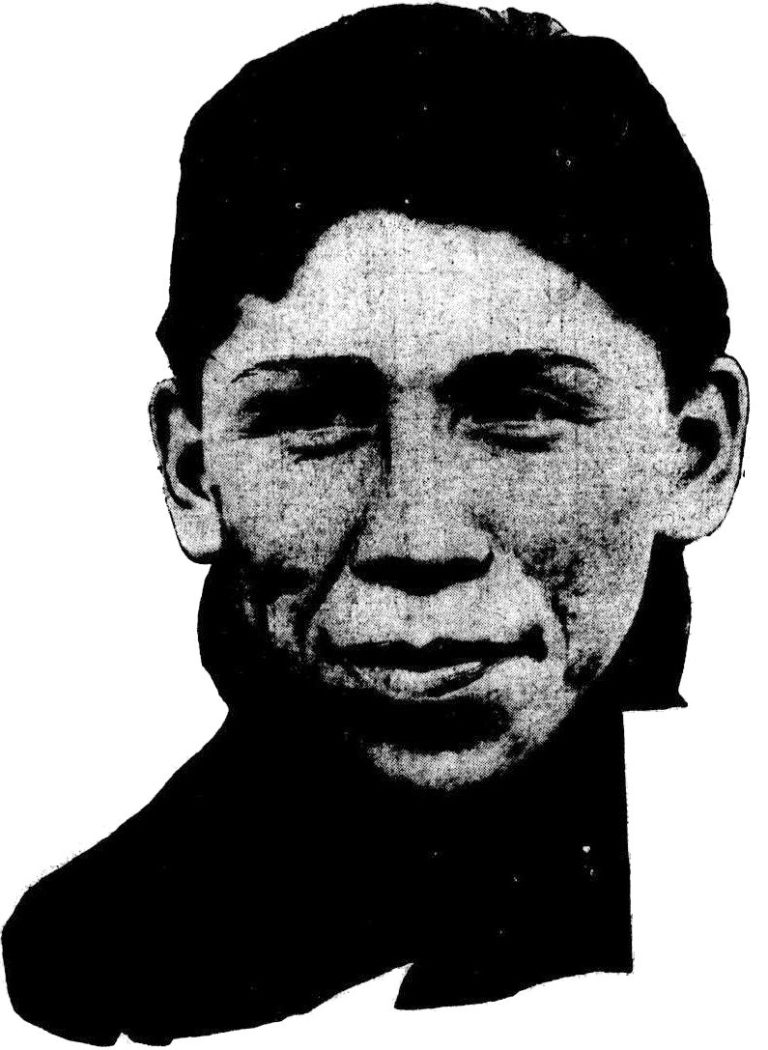
Tom Longboat as pictured in the Boston Post, 19 April 1907.
CA-K149Culture & sport

Tom Longboat won the 1907 Boston Marathon

Tom Longboat (1886–1949), an Onondaga athlete from the Six Nations of the Grand River, became the foremost long-distance runner of his time and won the 1907 Boston Marathon. He competed at the 1908 Olympics and was one of the first Canadian athletes to make a living solely from sport.

Factual accuracy review: No recorded challenge

Contributor: Citizen.ca

Verified against cited sourcesVerified on 2026-10-26↗
Photo: Unknown authorUnknown author · Photo licence: Public domain · Credit & context
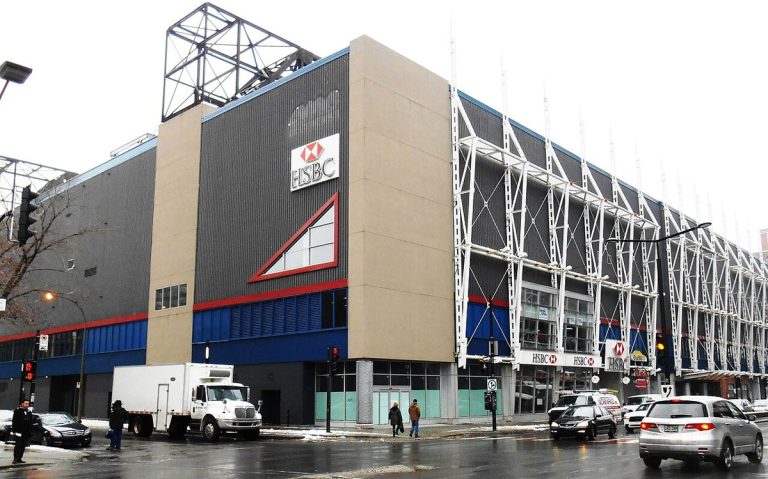
The former Montréal Forum building on Sainte-Catherine Street, where Game One was played, photographed in 2014.
CA-K143Culture & sport

The 1972 Summit Series

The 1972 Summit Series, eight games played in September 1972, was the first encounter between top Canadian professional hockey players and the Soviet Union’s national team. Team Canada won the series in Moscow with a come-from-behind victory, scoring the winning goal with 34 seconds left in the final game.

Factual accuracy review: No recorded challenge

Contributor: Citizen.ca

Verified against cited sourcesVerified on 2026-10-26↗
Photo: Jeangagnon · Photo licence: CC BY-SA 3.0 · Credit & context
Chiefswood, Johnson’s birthplace on the Six Nations of the Grand River, Ontario, photographed in 2008.
CA-K139Indigenous peoples & reconciliation

E. Pauline Johnson, Mohawk poet and performer

E. Pauline Johnson (1861–1913), born at Chiefswood on the Six Nations of the Grand River, was the daughter of a Mohawk chief. Beginning in the 1890s she published poems, essays and stories and performed them on stages across Canada and abroad, gaining international fame.

Factual accuracy review: No recorded challenge

Contributor: Citizen.ca

Verified against cited sourcesVerified on 2026-10-26↗
Photo: Steve Colwill from Ottawa, Canada · Photo licence: CC BY 2.0 · Credit & context
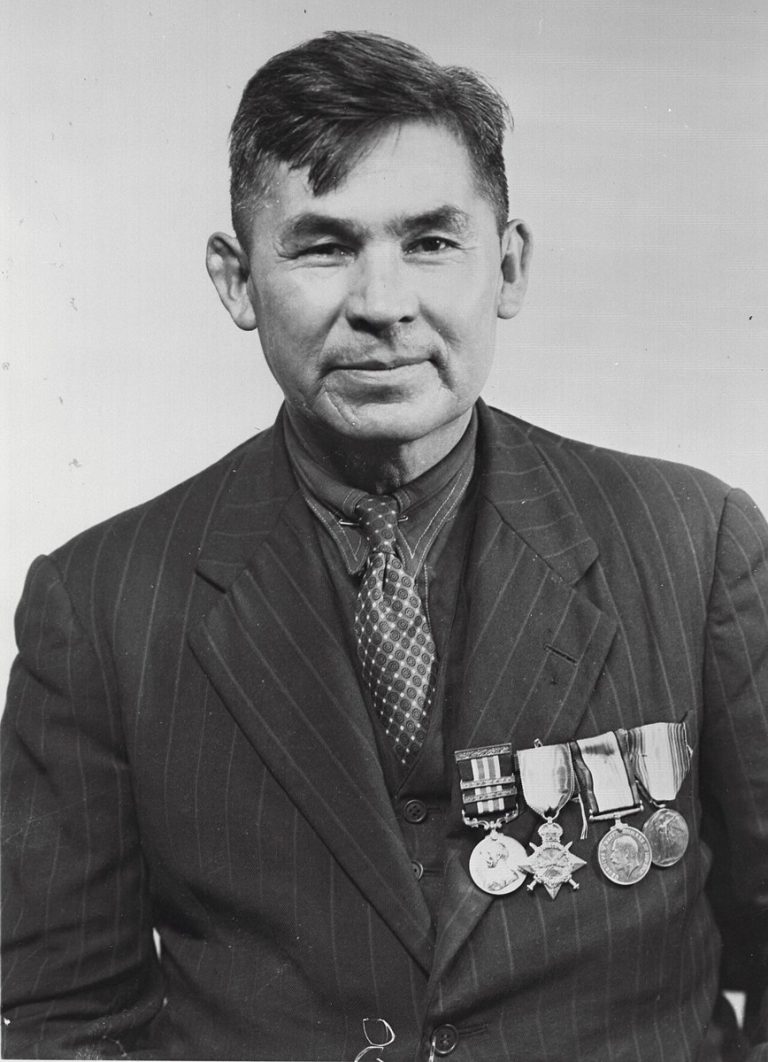
Francis Pegahmagabow in 1945, at a conference in Ottawa, photographed by Marius Barbeau.
CA-K138Indigenous peoples & reconciliation

Francis Pegahmagabow, soldier and rights advocate

Francis Pegahmagabow, an Ojibwe Nishnaabe of Wasauksing First Nation, was a highly decorated First World War sniper and scout who received the Military Medal and two bars for bravery. Facing discrimination under the Indian Act after the war, he became a political leader in his community and nationally, fighting for treaty rights from the 1920s to the 1950s.

Factual accuracy review: No recorded challenge

Contributor: Citizen.ca

Verified against cited sourcesVerified on 2026-10-26↗
Photo: Marius Barbeau · Photo licence: Public domain · Credit & context
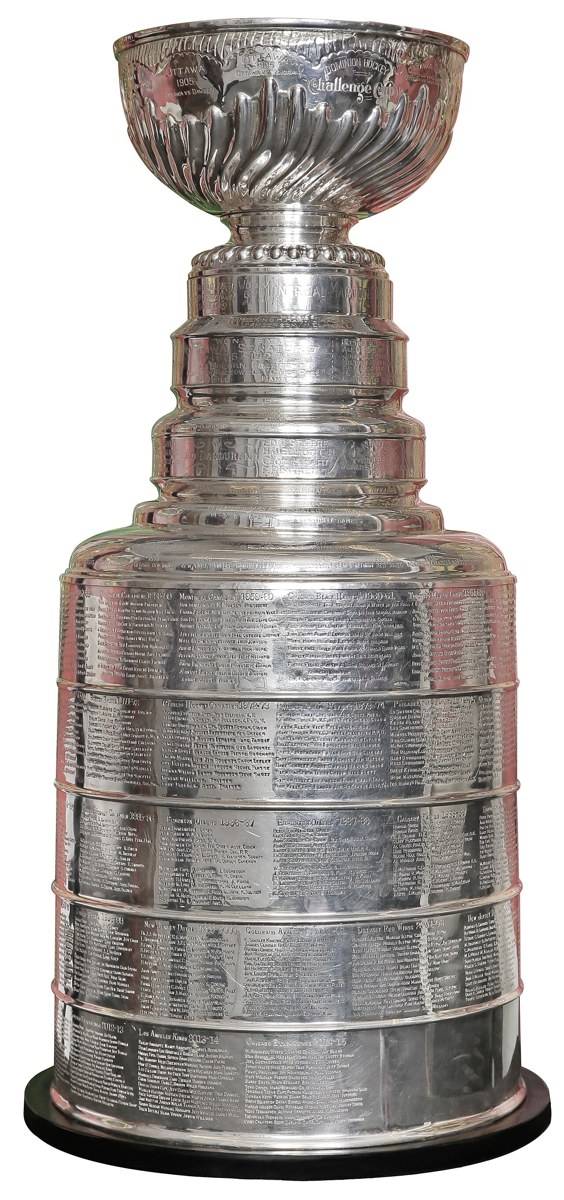
The Stanley Cup in 2015.
CA-K134Culture & sport

The Stanley Cup was announced in 1892

In 1892, Governor General Lord Stanley’s donation of a challenge cup for Canada’s best hockey club was announced. First awarded to amateur teams, the Stanley Cup has been the exclusive prize of the National Hockey League’s playoff champion since 1927.

Factual accuracy review: No recorded challenge

Contributor: Citizen.ca

Verified against cited sourcesVerified on 2026-10-26↗
Photo: Alex Goykhman · Photo licence: CC BY-SA 4.0 · Credit & context
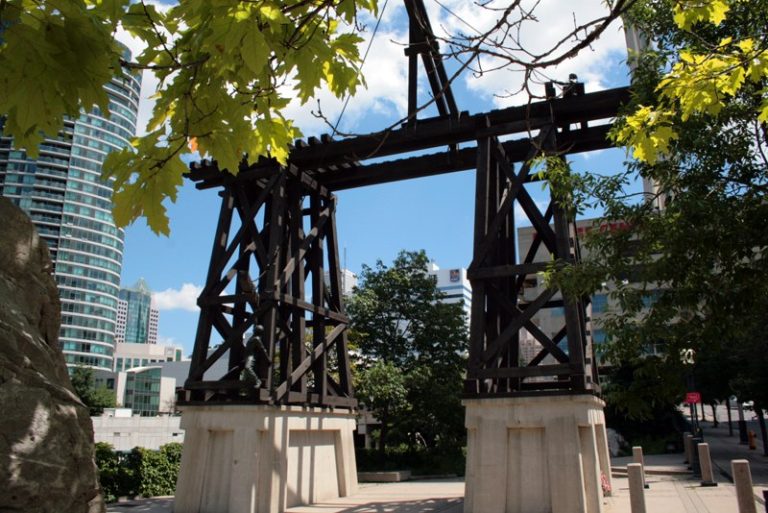
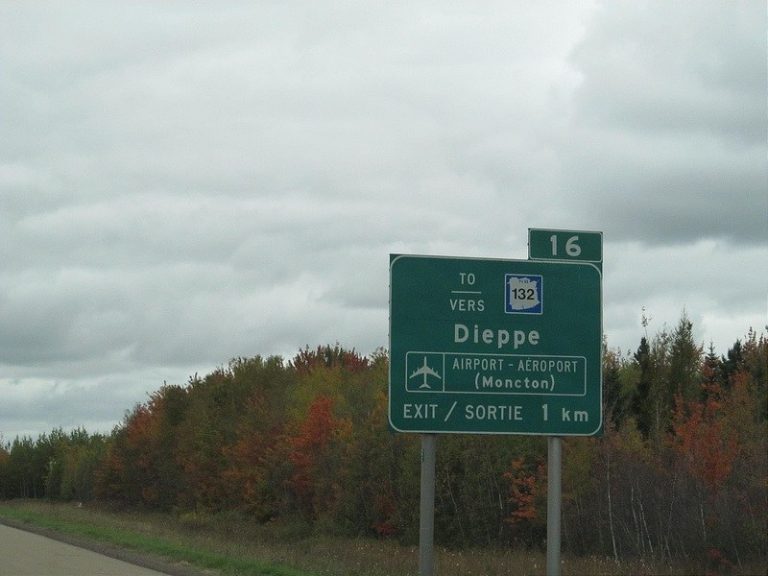
A bilingual road sign in New Brunswick pointing to Dieppe and the airport, photographed in 2012.
CA-K127Language & names

New Brunswick, Canada’s only officially bilingual province

New Brunswick’s first Official Languages Act, enacted on 18 April 1969, made it Canada’s first and only officially bilingual province. The Act made English and French the province’s two official languages and recognized the right to receive provincial government services in either.

Factual accuracy review: No recorded challenge

Contributor: Citizen.ca

Verified against cited sourcesVerified on 2026-10-26↗
Photo: Doug Kerr · Photo licence: CC BY-SA 2.0 · Credit & context
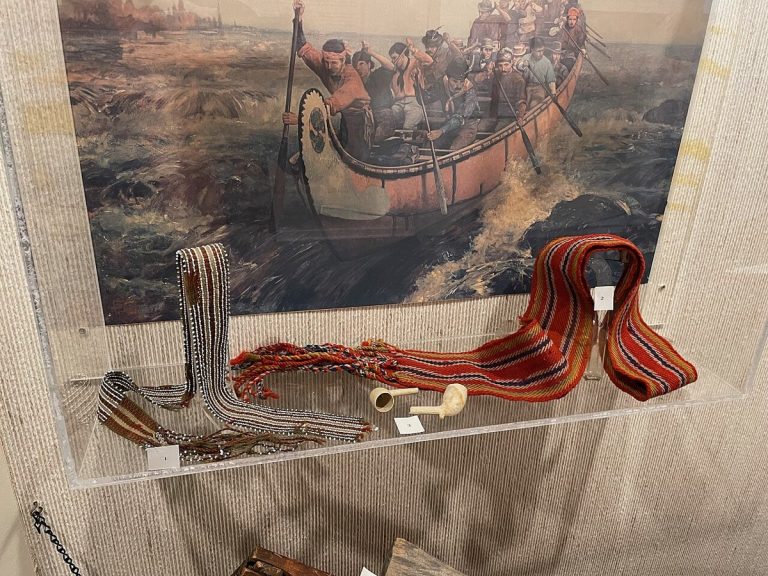
A beaded Métis sash and a ceinture fléchée (woven sash) on display at a museum in Sault Ste. Marie, Ontario, in 2024.
CA-K123Indigenous peoples & reconciliation

The Métis Nation emerged in the historic Northwest

The Métis Nation emerged in the historic Northwest during the fur trade as a distinct Indigenous people with its own culture, traditions, language (Michif) and nationhood. The Métis Nation Homeland includes Manitoba, Saskatchewan and Alberta and parts of Ontario, British Columbia, the Northwest Territories and the northern United States.

Factual accuracy review: No recorded challenge

Contributor: Citizen.ca

Verified against cited sourcesVerified on 2026-10-26↗
Photo: Fungus Guy · Photo licence: CC BY 4.0 · Credit & context
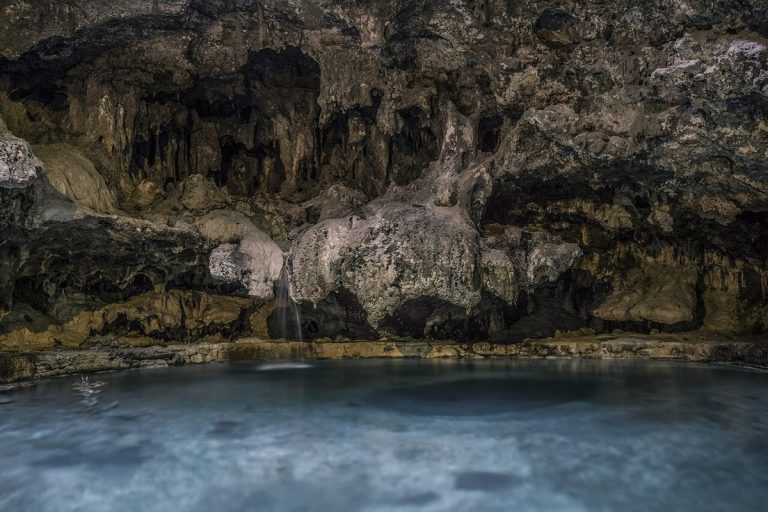
The cave pool at Cave and Basin National Historic Site, Banff, photographed in 2017.
CA-K109Places & geography

The Cave and Basin and Canada’s first national park

In 1885, the government created a 26 km² Hot Springs Reserve around the Cave and Basin hot springs in Banff. On 23 June 1887, the reserve was expanded to 665 km² and became Rocky Mountains National Park, the first national park in Canada.

Factual accuracy review: No recorded challenge

Contributor: Citizen.ca

Verified against cited sourcesVerified on 2026-10-26↗
Photo: Sovernigo · Photo licence: CC BY-SA 4.0 · Credit & context
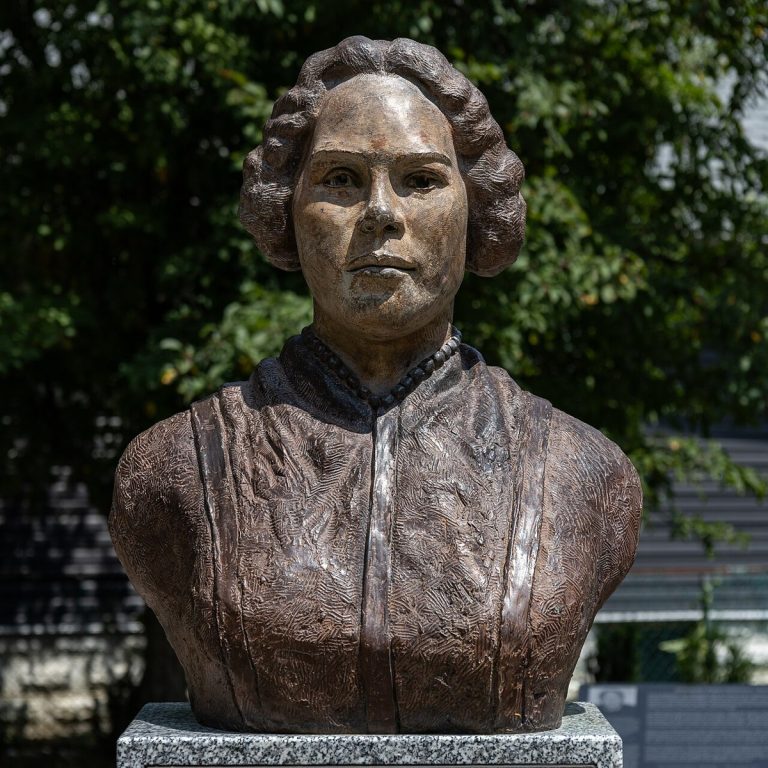
An Elections Canada polling station sign in Toronto during the 2025 federal election.
CA-K108Institutions

Elections Canada, an independent agency of Parliament

Elections Canada is an independent, non-partisan agency of Parliament, headed by the Chief Electoral Officer. The position of Chief Electoral Officer was created in 1920 by the Dominion Elections Act, largely to end political partisanship in the administration of federal elections.

Factual accuracy review: No recorded challenge

Contributor: Citizen.ca

Verified against cited sourcesVerified on 2026-10-26↗
Photo: Can Pac Swire · Photo licence: CC BY-SA 2.0 · Credit & context
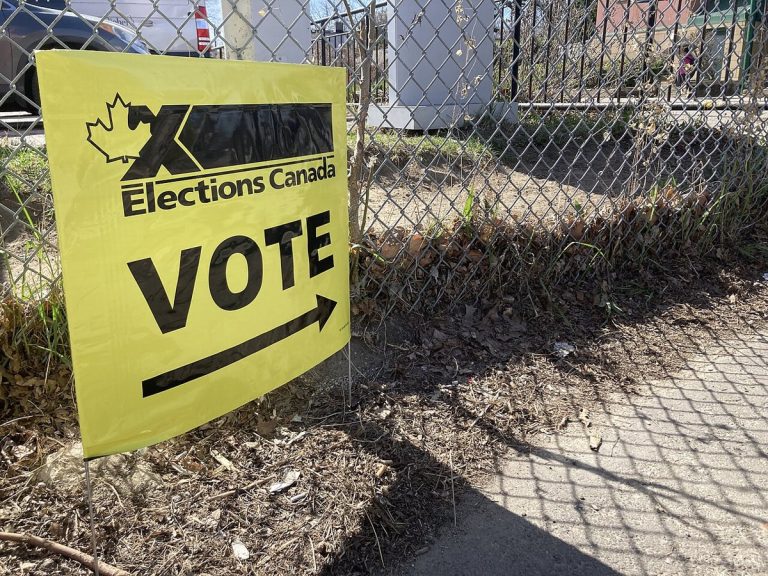
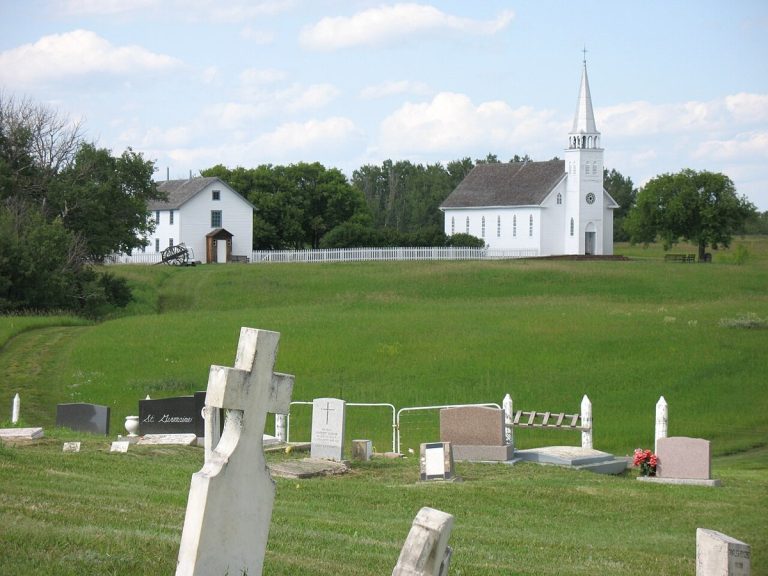
The church and rectory at Batoche National Historic Site, Saskatchewan, viewed from the cemetery in 2007.
CA-K104Indigenous peoples & reconciliation

Batoche and the Northwest Resistance of 1885

Batoche, a Métis settlement on the South Saskatchewan River north of Saskatoon, was the scene of Louis Riel and Gabriel Dumont’s last stand during the Northwest Resistance of 1885. Parks Canada describes it as a symbol of Métis resilience and cultural renewal.

Factual accuracy review: No recorded challenge

Contributor: Citizen.ca

Verified against cited sourcesVerified on 2026-10-26↗
Photo: Dave Bonser · Photo licence: CC BY-SA 3.0 · Credit & context