An independent project serving Canadian citizens and future citizens

Learn and take the test

Future Citizens

Citizenship Test collection

206 knowledge records

A focused subset of the Canadian knowledge base.

Explore the full knowledge base →

Search by keyword

Citizenship Test is always required. Choose additional keywords to narrow this collection. Broader keywords include their descendants.

For citizenship preparation, use these records alongside the official Discover Canada guide. Check current officeholders and local information separately. This is an independent study collection.

Keywords: Event

Clear search
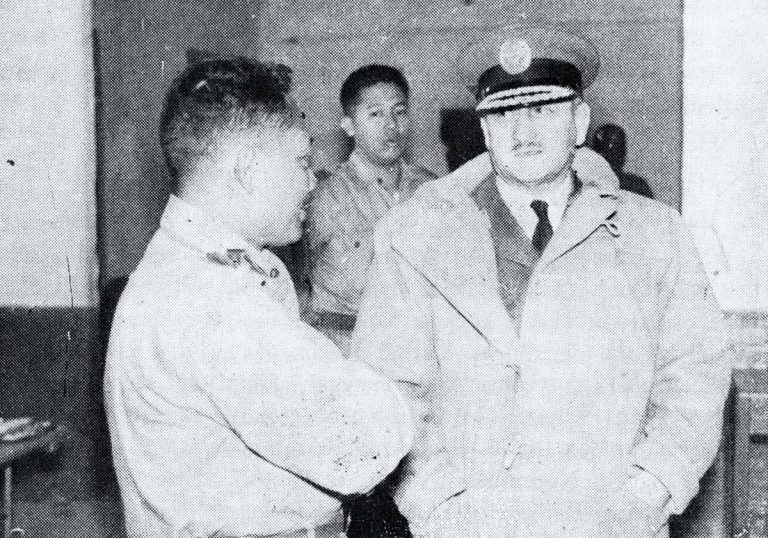
Major-General E.L.M. Burns, commander of the UN Emergency Force, 1957.
CA-K1375History

Canadian peacekeepers in Egypt and the Suez Crisis

During the Suez Crisis of 1956, Canadian diplomat Lester B. Pearson proposed a peacekeeping force, and the United Nations launched its first large-scale peacekeeping mission, the United Nations Emergency Force, commanded by Canada’s Major-General E.L.M. “Tommy” Burns. Canadians served with UN troops in Egypt from 1956 to 1967 and again from 1973 to 1979; Pearson received the 1957 Nobel Peace Prize.

Factual accuracy review: No recorded challenge

Contributor: Citizen.ca

Verified against cited sourcesVerified on 2026-10-27↗
Photo: Indonesian Ministry of Information and the Information Department of the Indonesian Army · Photo licence: Public domain · Credit & context
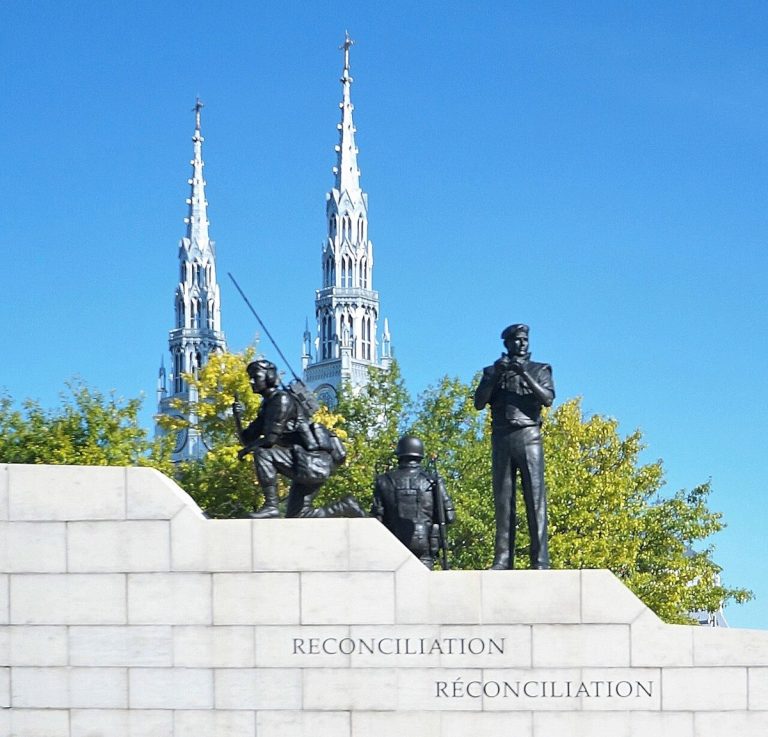
Reconciliation: The Peacekeeping Monument, Ottawa.
CA-K1374History

Canada and international peacekeeping

Members of the Canadian Armed Forces have served in dozens of peacekeeping efforts with the United Nations, NATO and other multinational operations. Peacekeepers are neutral international troops sent to countries in turmoil to reduce tensions and restore peace, monitoring ceasefires, patrolling buffer zones, clearing landmines and providing humanitarian aid.

Factual accuracy review: No recorded challenge

Contributor: Citizen.ca

Verified against cited sourcesVerified on 2026-10-27↗
Photo: Pierre André Leclercq · Photo licence: CC BY 4.0 · Credit & context
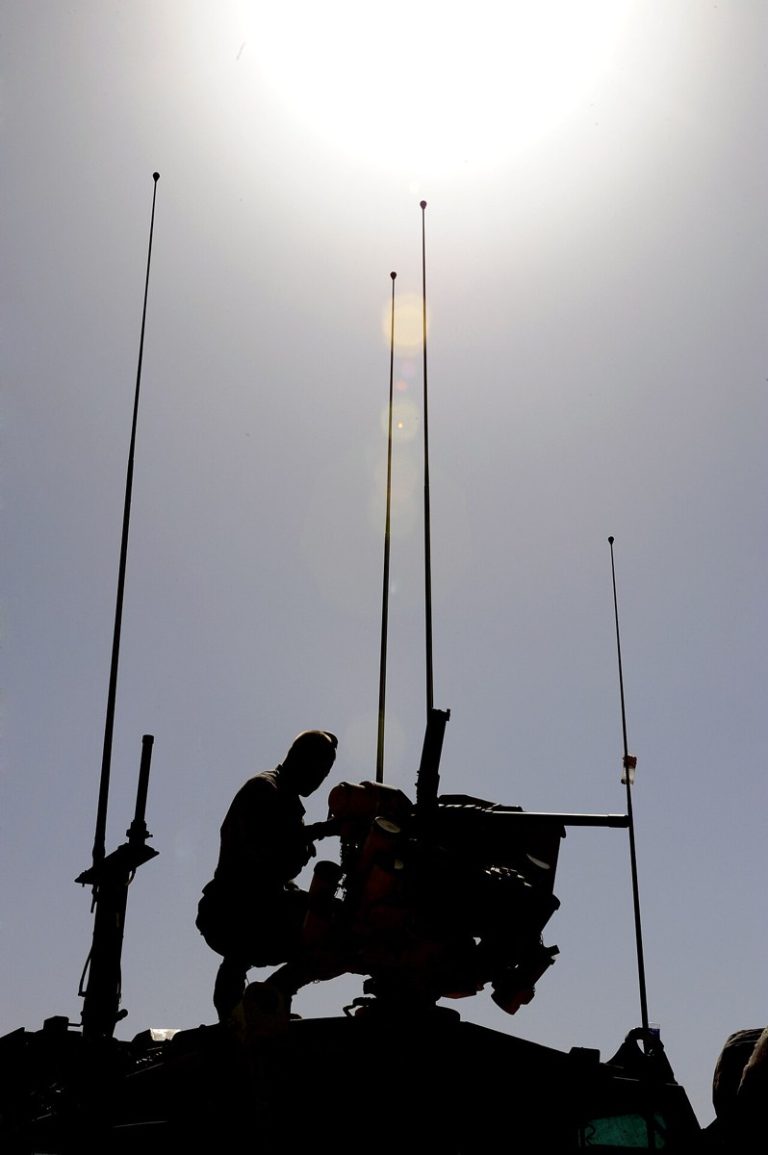
Canadian soldiers and RG-31 vehicles in Afghanistan, October 2008.
CA-K1368History

Canada in Afghanistan, 2001–2014

After the attacks of 11 September 2001, Canada joined the international coalition against the Taliban regime in Afghanistan, which had sheltered Al-Qaeda. More than 40,000 Canadians served there, the largest deployment of Canadian troops since the Second World War, in a conflict that lasted more than 12 years, the longest in Canada’s history. Canada led Operation MEDUSA, its largest combat operation since the Korean War.

Factual accuracy review: No recorded challenge

Contributor: Citizen.ca

Verified against cited sourcesVerified on 2026-10-27↗
Photo: ISAF photo by U.S. Air Force TSgt Laura K. Smith · Photo licence: Public domain · Credit & context
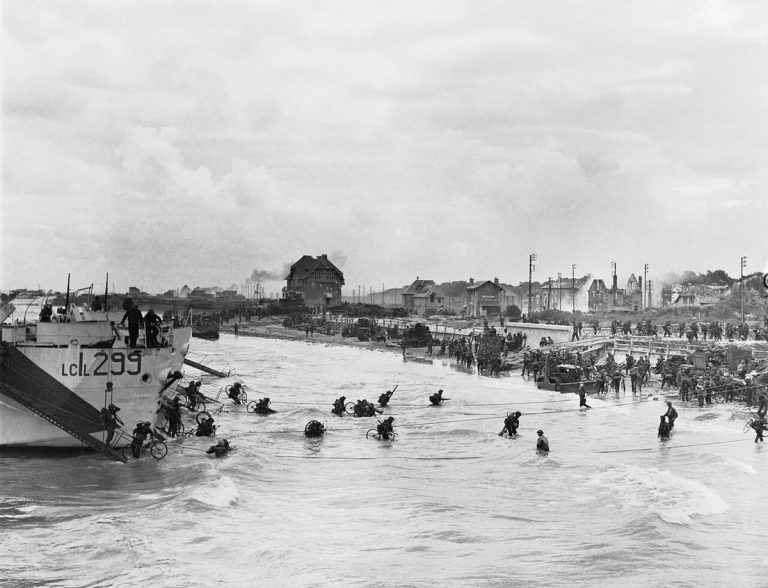
Soldiers of the 9th Canadian Infantry Brigade landing at Juno Beach, 6 June 1944.
CA-K1365History

Canada in the Second World War, 1939–1945

Germany’s invasion of Poland in 1939 began more than six years of fighting on land, at sea and in the air that ended in 1945. More than one million Canadians and Newfoundlanders served in uniform at home and around the world; over 45,000 gave their lives and another 55,000 were wounded.

Factual accuracy review: No recorded challenge

Contributor: Citizen.ca

Verified against cited sourcesVerified on 2026-10-27↗
Photo: Canadian Official photographer · Photo licence: Public domain · Credit & context
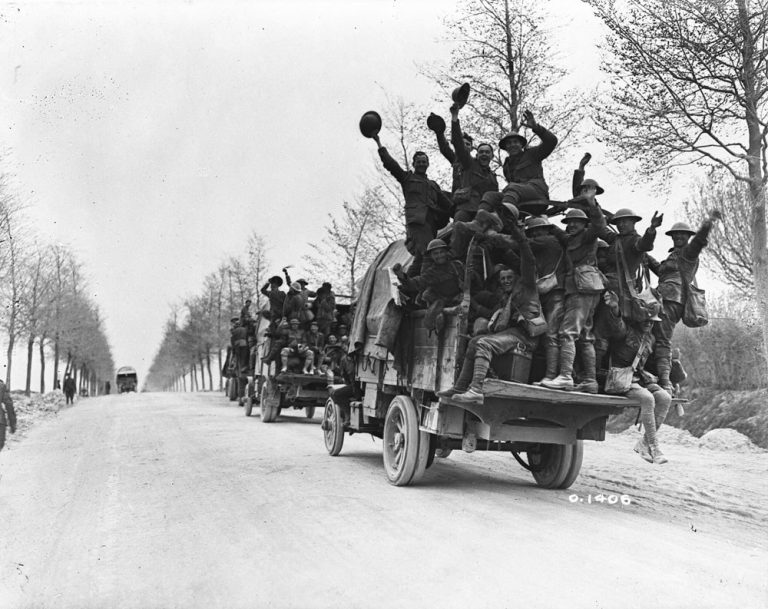
Canadian troops heading for a rest after the capture of Vimy Ridge, May 1917.
CA-K1364History

Canada in the First World War, 1914–1918

When Britain declared war in August 1914, Canada, whose external affairs were still governed by the United Kingdom, was automatically at war. More than 650,000 Canadians and Newfoundlanders served in what was then called the Great War; more than 66,000 died and more than 172,000 were wounded. Canada signed the Treaty of Versailles separately from Britain.

Factual accuracy review: No recorded challenge

Contributor: Citizen.ca

Verified against cited sourcesVerified on 2026-10-27↗
Photo: Castle, W.I. (William Ivor), official Canadian War photographer · Photo licence: Public domain · Credit & context
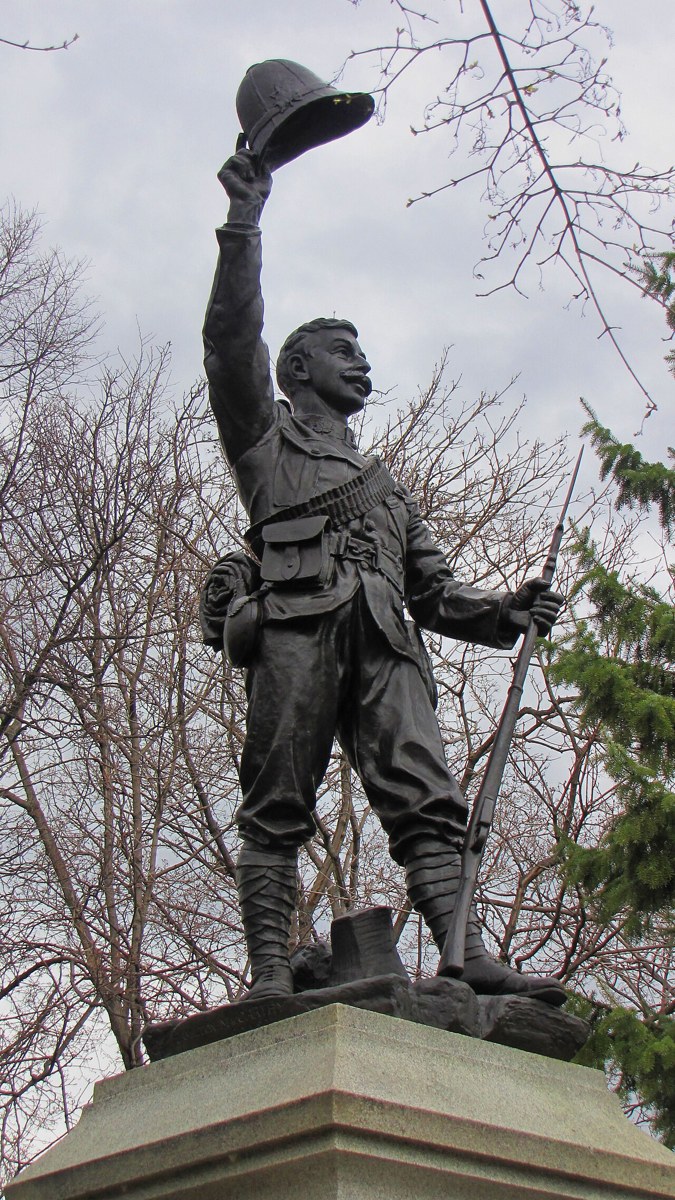
Memorial to soldiers who died in the South African War, by Hamilton MacCarthy, Confederation Park, Ottawa.
CA-K1363History

Canada in the South African War, 1899–1902

The South African War, also known as the Boer War, was fought in southern Africa from 1899 to 1902 between the British Empire and the Boers. More than 7,000 Canadians volunteered to serve alongside British forces, and five earned the Victoria Cross. In February 1900 Canadians played an important role at Paardeberg, the first major British victory of the war.

Factual accuracy review: No recorded challenge

Contributor: Citizen.ca

Verified against cited sourcesVerified on 2026-10-27↗
Photo: D. Gordon E. Robertson · Photo licence: CC BY-SA 3.0 · Credit & context
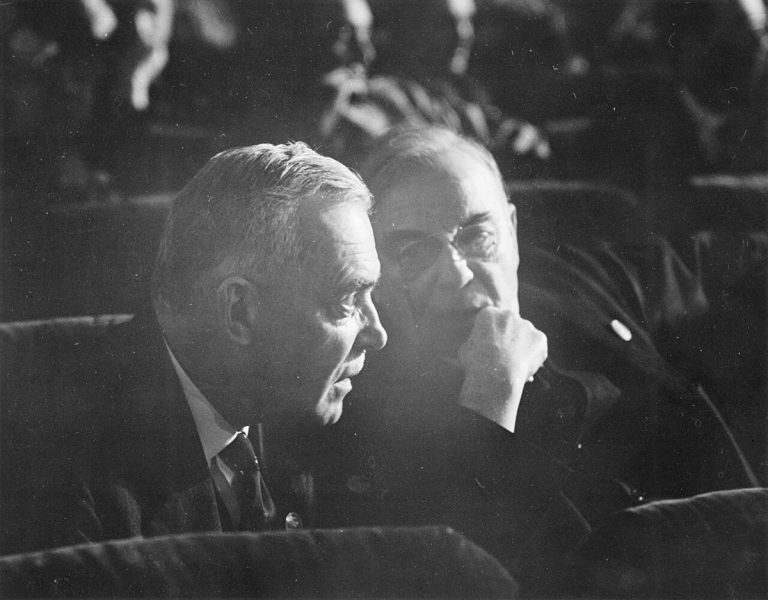
Louis St. Laurent and Mackenzie King at the United Nations Conference, San Francisco, May 1945 (Nicholas Morant).
CA-K1054History

Mackenzie King leads Canada’s delegation to San Francisco, 1945

In 1945, Prime Minister Mackenzie King led the Canadian delegation to the United Nations Conference in San Francisco, which ran from April 25 to June 26.

Factual accuracy review: No recorded challenge

Contributor: Citizen.ca

Verified against cited sourcesVerified on 2026-10-27↗
Photo: Nicholas Morant / National Film Board of Canada. Phototheque / Library and Archives Canada / C-022717 · Photo licence: Public domain · Credit & context
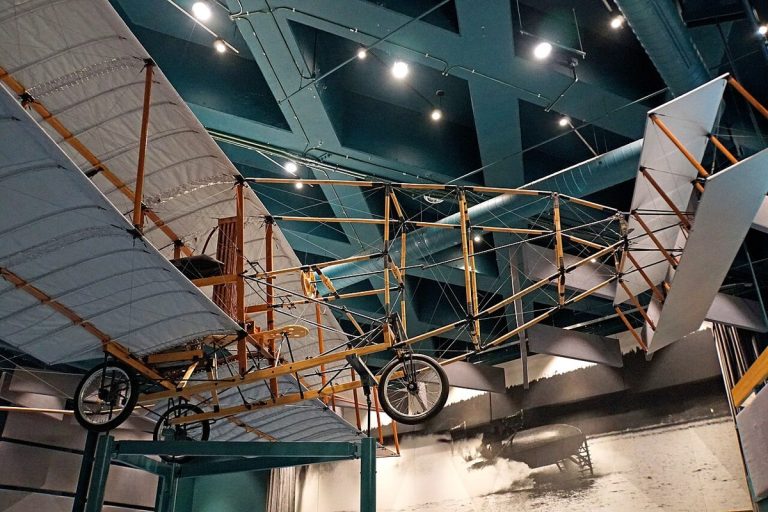
A Silver Dart display photographed in 2017; not the original 1909 aircraft.
CA-K242History

The Silver Dart made Canada’s first powered flight, 1909

On 23 February 1909, more than 100 people watched the Silver Dart lift off the ice of Baddeck Bay, Nova Scotia, and fly 800 metres: the first successful powered flight in Canada. Piloted by J. A. D. McCurdy, the biplane was built by the Aerial Experiment Association, founded by Mabel and Alexander Graham Bell (see CA-K154).

Factual accuracy review: No recorded challenge

Contributor: Citizen.ca

Verified against cited sourcesVerified on 2026-10-26↗
Photo: Dennis G. Jarvis · Photo licence: CC BY-SA 2.0 · Credit & context
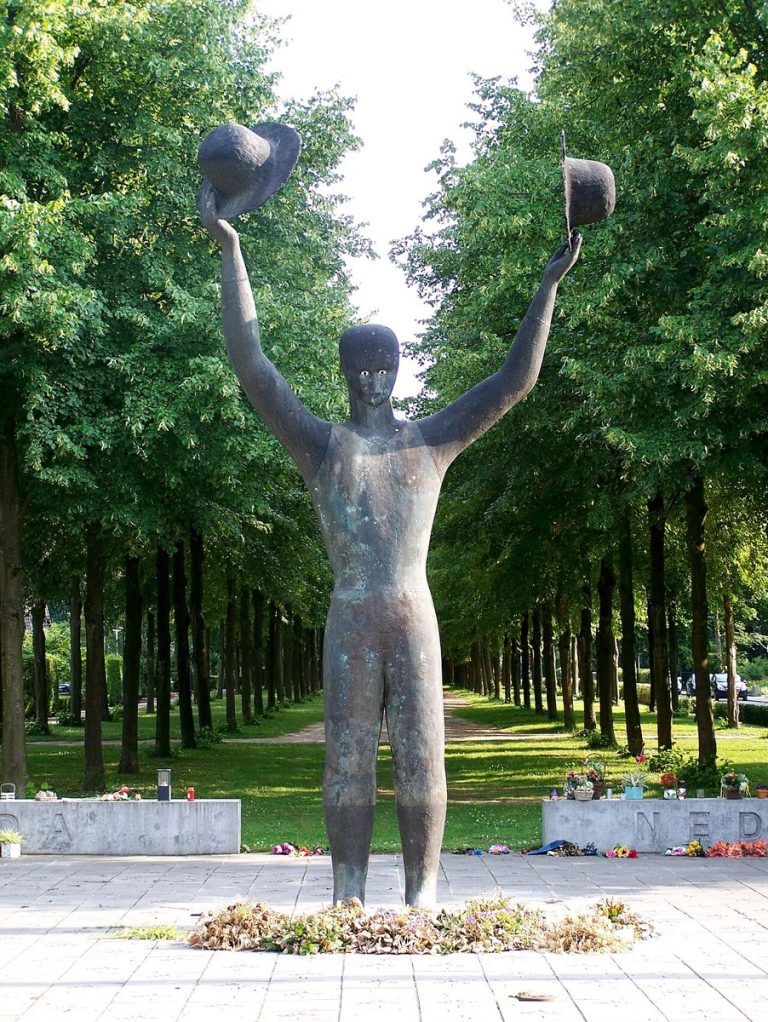
The National Canadian Liberation Monument in Apeldoorn, the Netherlands, photographed in 2009.
CA-K170History

Canadians and the liberation of the Netherlands

Between October 1944 and May 1945, the Canadian military opened the Scheldt estuary and the port of Antwerp to Allied supplies, cleared much of the Netherlands of the enemy and fed a starving Dutch population. On 5 May 1945 in Wageningen, German forces surrendered to Canadian Lieutenant-General Charles Foulkes and Prince Bernhard of the Netherlands.

Factual accuracy review: No recorded challenge

Contributor: Citizen.ca

Verified against cited sourcesVerified on 2026-10-26↗
Photo: Brbbl · Photo licence: CC BY-SA 3.0 · Credit & context
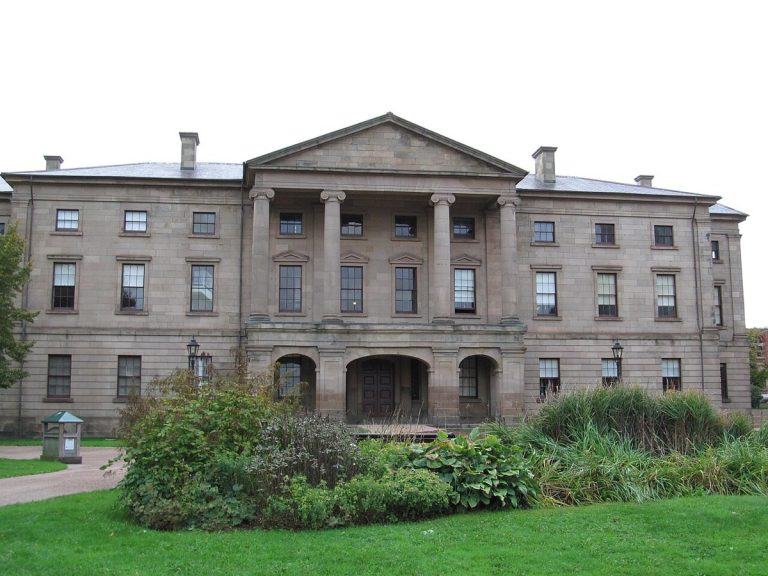
Province House in Charlottetown, Prince Edward Island, photographed in 2012.
CA-K152History

The Charlottetown and Québec Conferences of 1864

In September 1864, the Charlottetown Conference brought together leaders from Prince Edward Island, Nova Scotia, New Brunswick and the Province of Canada, who agreed in principle to a federal union. At the Québec Conference the following month, the delegates drafted the 72 Resolutions, which laid the foundation of the British North America Act.

Factual accuracy review: No recorded challenge

Contributor: Citizen.ca

Verified against cited sourcesVerified on 2026-10-26↗
Photo: Doug Kerr · Photo licence: CC BY-SA 2.0 · Credit & context
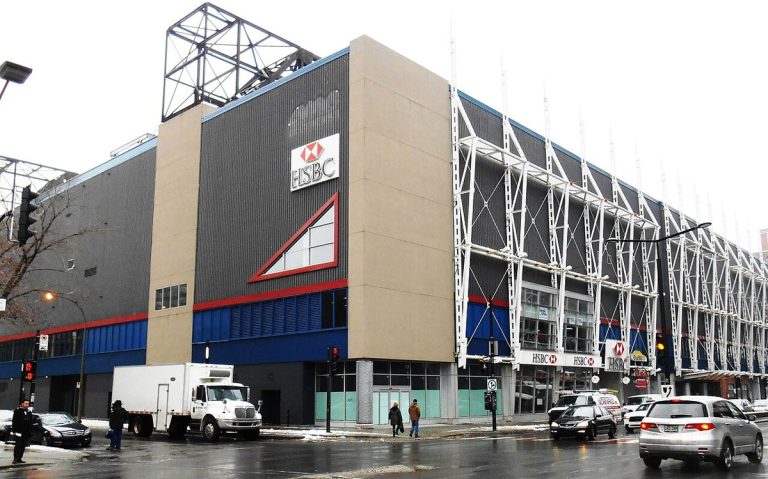
The former Montréal Forum building on Sainte-Catherine Street, where Game One was played, photographed in 2014.
CA-K143Culture & sport

The 1972 Summit Series

The 1972 Summit Series, eight games played in September 1972, was the first encounter between top Canadian professional hockey players and the Soviet Union’s national team. Team Canada won the series in Moscow with a come-from-behind victory, scoring the winning goal with 34 seconds left in the final game.

Factual accuracy review: No recorded challenge

Contributor: Citizen.ca

Verified against cited sourcesVerified on 2026-10-26↗
Photo: Jeangagnon · Photo licence: CC BY-SA 3.0 · Credit & context
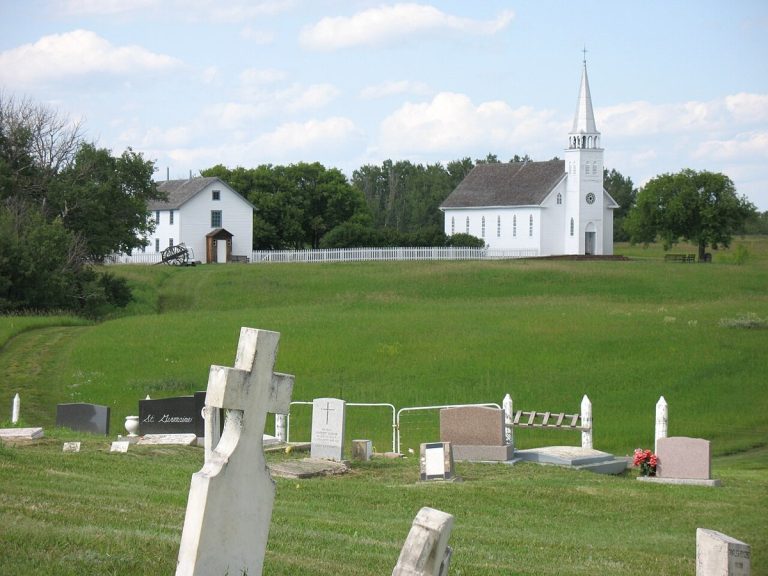
The church and rectory at Batoche National Historic Site, Saskatchewan, viewed from the cemetery in 2007.
CA-K104Indigenous peoples & reconciliation

Batoche and the Northwest Resistance of 1885

Batoche, a Métis settlement on the South Saskatchewan River north of Saskatoon, was the scene of Louis Riel and Gabriel Dumont’s last stand during the Northwest Resistance of 1885. Parks Canada describes it as a symbol of Métis resilience and cultural renewal.

Factual accuracy review: No recorded challenge

Contributor: Citizen.ca

Verified against cited sourcesVerified on 2026-10-26↗
Photo: Dave Bonser · Photo licence: CC BY-SA 3.0 · Credit & context
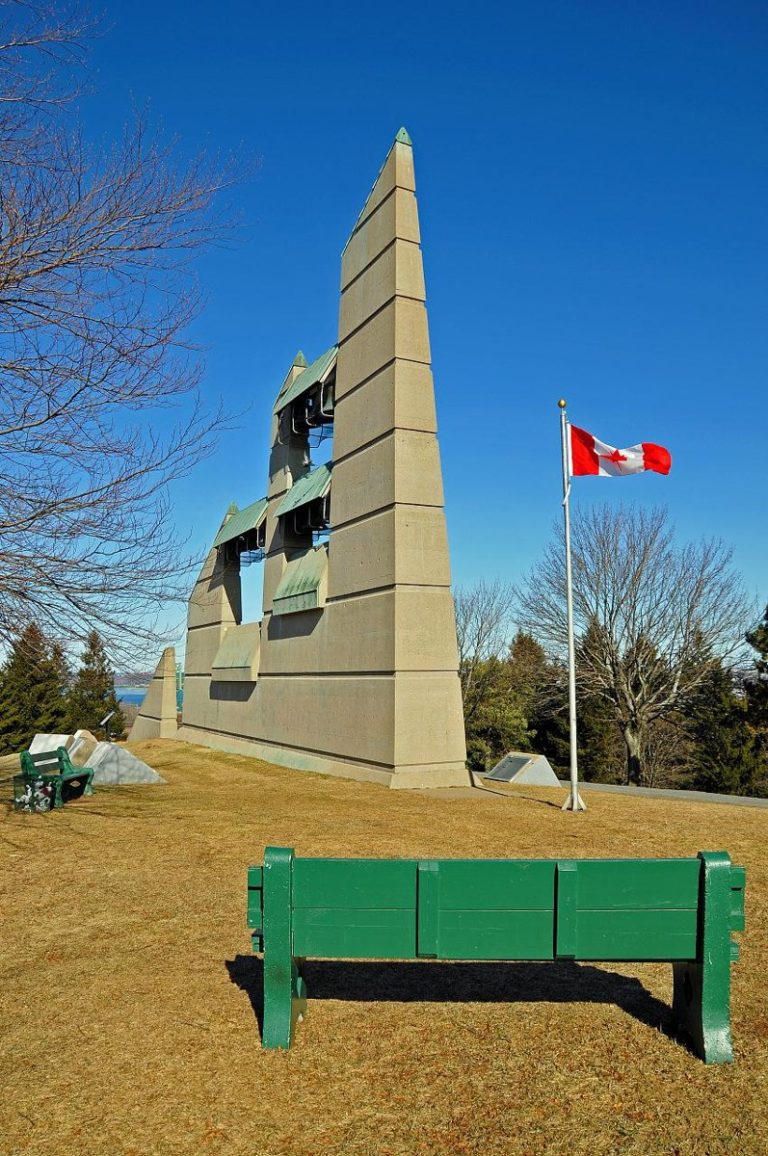
The Halifax Explosion Memorial Bell Tower at Fort Needham, photographed in 2008.
CA-K100History

The Halifax Explosion: 6 December 1917

On 6 December 1917, SS Mont-Blanc, which was carrying explosives, collided with SS Imo in Halifax Harbour. The resulting explosion, tidal wave and fires killed some 2,000 people. Parks Canada describes it as the largest human-made explosion before the atomic bomb.

Factual accuracy review: No recorded challenge

Contributor: Citizen.ca

Verified against cited sourcesVerified on 2026-10-26↗
Photo: Dennis G. Jarvis · Photo licence: CC BY-SA 2.0 · Credit & context
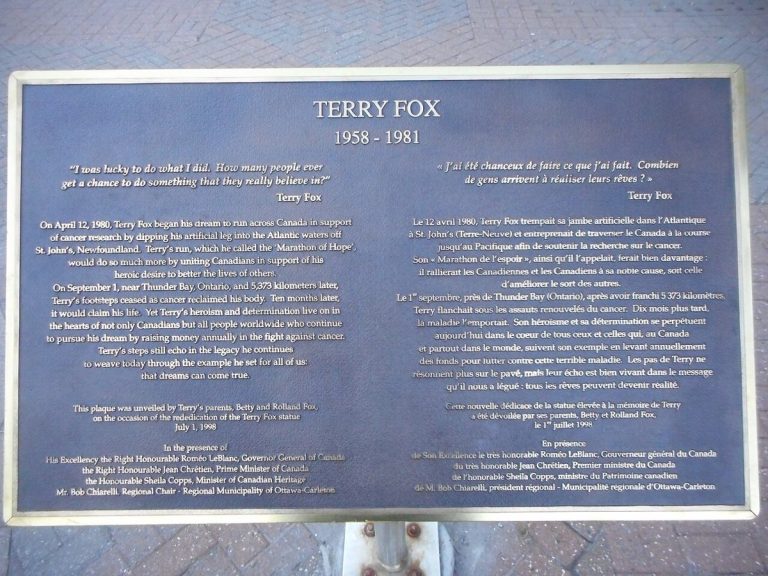
A commemorative plaque at the Terry Fox monument on Wellington Street, Ottawa, photographed in 2016.
CA-K088Culture & sport

Terry Fox’s Marathon of Hope, 1980

Terry Fox began his Marathon of Hope, a cross-Canada run to raise money for cancer research, by dipping his artificial leg in the Atlantic Ocean on 12 April 1980. After 143 days and 5,373 kilometres, he was forced to stop outside Thunder Bay, Ontario, on 1 September 1980 because cancer had appeared in his lungs.

Factual accuracy review: No recorded challenge

Contributor: Citizen.ca

Verified against cited sourcesVerified on 2026-10-26↗
Photo: Jeangagnon · Photo licence: CC BY-SA 4.0 · Credit & context
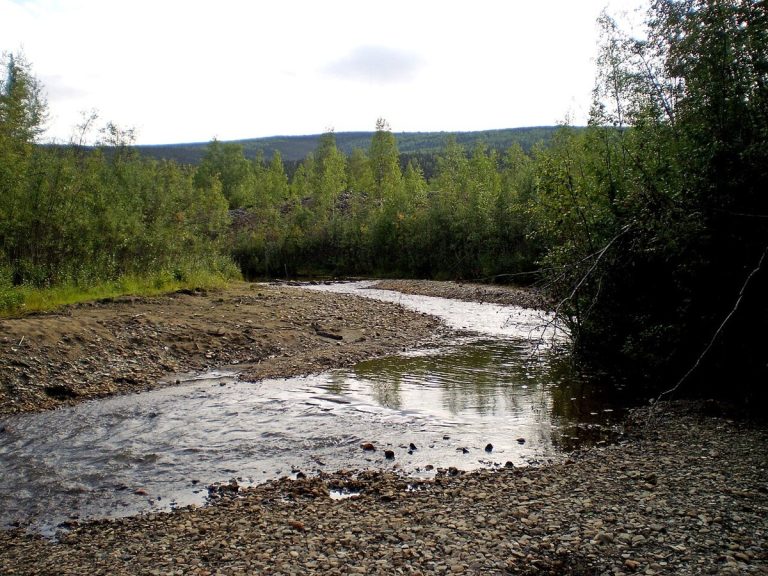
Discovery Claim on Bonanza Creek, photographed in August 2009; the site today, not an 1896 image.
CA-K082History

Gold found on Bonanza Creek, 16 August 1896

Gold was discovered at Discovery Claim on Bonanza Creek, Yukon, on 16 August 1896, triggering the Klondike Gold Rush. Accounts vary, but Parks Canada notes it is generally held that Keish (Skookum Jim Mason) of the Tagish First Nation discovered the gold.

Factual accuracy review: No recorded challenge

Contributor: Citizen.ca

Verified against cited sourcesVerified on 2026-10-26↗
Photo: JKBrooks85 · Photo licence: Public domain · Credit & context
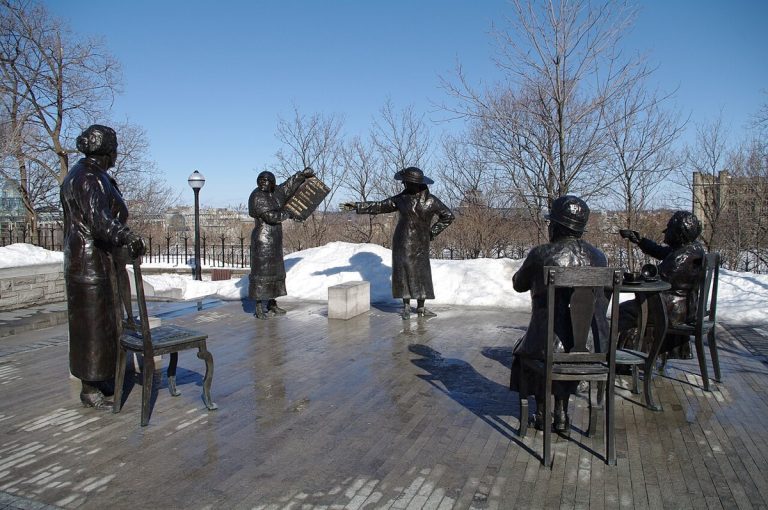
The “Women Are Persons!” monument on Parliament Hill, Ottawa, honouring the five women; a modern sculpture photographed in 2009, not a historical image.
CA-K077History

The Persons Case: 18 October 1929

On 18 October 1929, the Judicial Committee of the Privy Council ruled that women were “persons” under section 24 of the British North America Act, 1867, and therefore eligible for appointment to the Senate. The appeal followed a 1928 Supreme Court of Canada decision and a campaign by five Alberta women: Emily Murphy, Henrietta Muir Edwards, Louise McKinney, Nellie McClung and Irene Parlby.

Factual accuracy review: No recorded challenge

Contributor: Citizen.ca

Verified against cited sourcesVerified on 2026-10-26↗
Photo: John.B.Codrington · Photo licence: CC BY-SA 4.0 · Credit & context
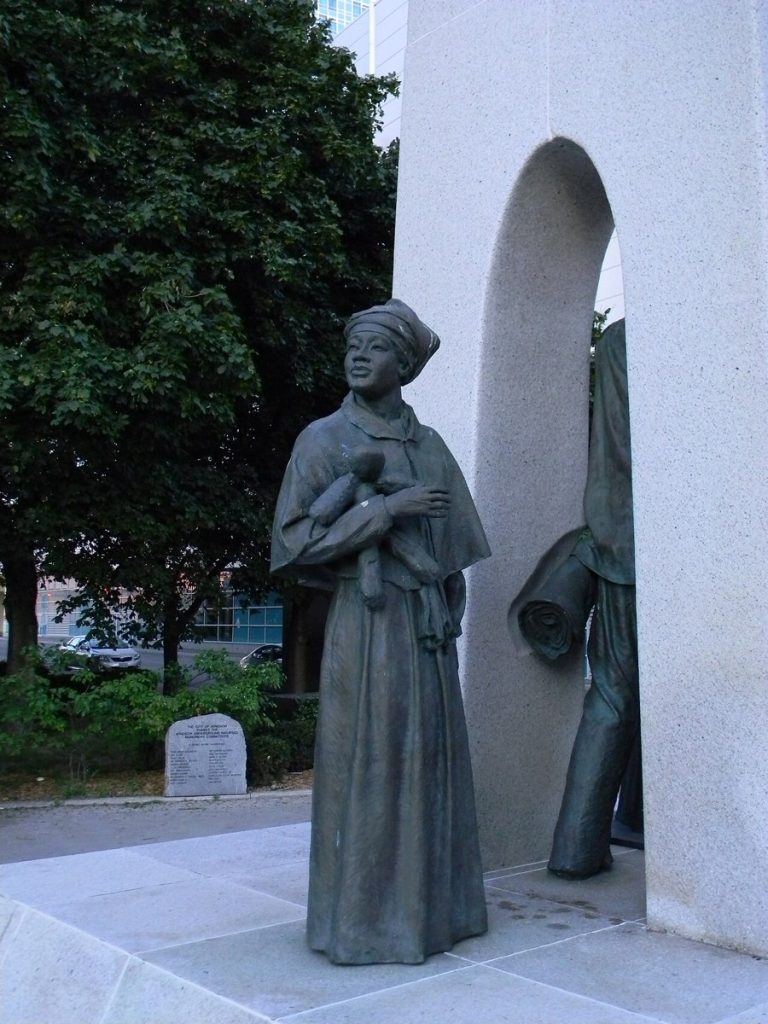
The Underground Railroad monument in Windsor, Ontario, photographed in 2011.
CA-K065History

The Underground Railroad brought freedom-seekers to Canada

From the early 19th century until the American Civil War, settlements along the Detroit and Niagara rivers were important terminals of the Underground Railroad, a network of Black and white abolitionists helping African Americans find freedom. By 1861, some 30,000 freedom-seekers lived in what is now Ontario.

Factual accuracy review: No recorded challenge

Contributor: Citizen.ca

Verified against cited sourcesVerified on 2026-10-26↗
Photo: M. Readey · Photo licence: CC BY-SA 3.0 · Credit & context
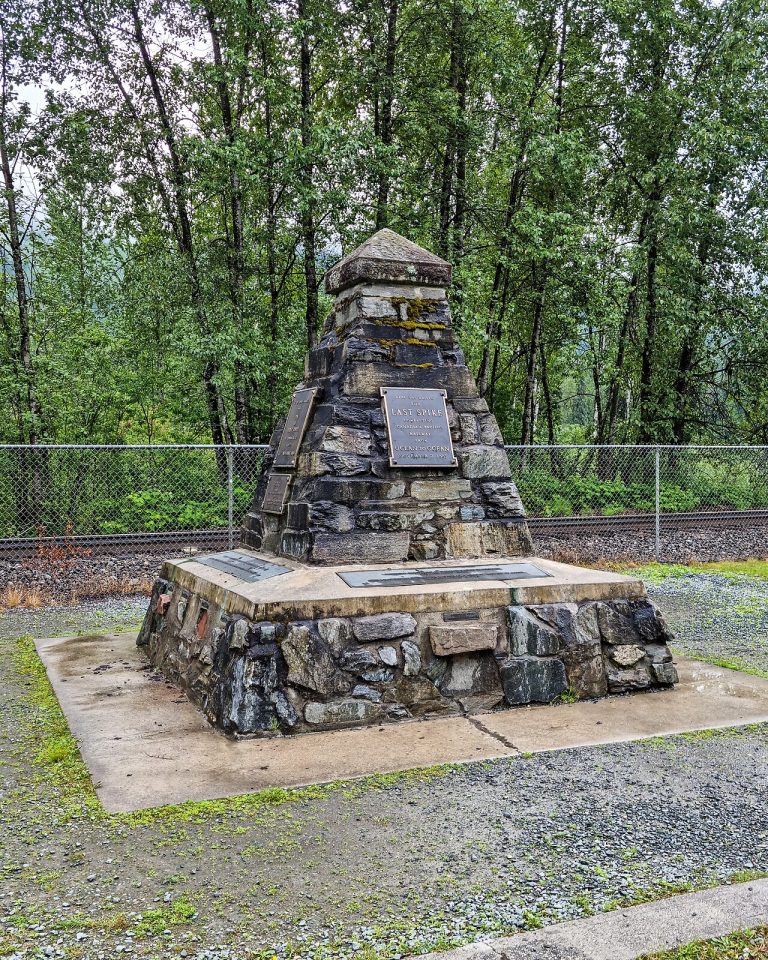
The Last Spike monument at Craigellachie, British Columbia, photographed in 2022; a modern memorial, not the famous 1885 group photograph.
CA-K054Economy & trade

The CPR’s last spike was driven in 1885

The Canadian Pacific Railway’s ceremonial last spike was driven at Craigellachie, British Columbia, on 7 November 1885. Chinese workers made important contributions to the railway’s construction but are absent from the famous last-spike photograph.

Factual accuracy review: No recorded challenge

Contributor: Citizen.ca

Verified against cited sourcesVerified on 2026-10-26↗
Photo: Dietmar Rabich · Photo licence: CC BY-SA 4.0 · Credit & context