
An independent project serving Canadian citizens and future citizens

Learn and take the test

Future Citizens

Citizenship Test collection

206 knowledge records

A focused subset of the Canadian knowledge base.

Explore the full knowledge base →

Search by keyword

Citizenship Test is always required. Choose additional keywords to narrow this collection. Broader keywords include their descendants.

For citizenship preparation, use these records alongside the official Discover Canada guide. Check current officeholders and local information separately. This is an independent study collection.

Keywords: Professions and education

Clear search
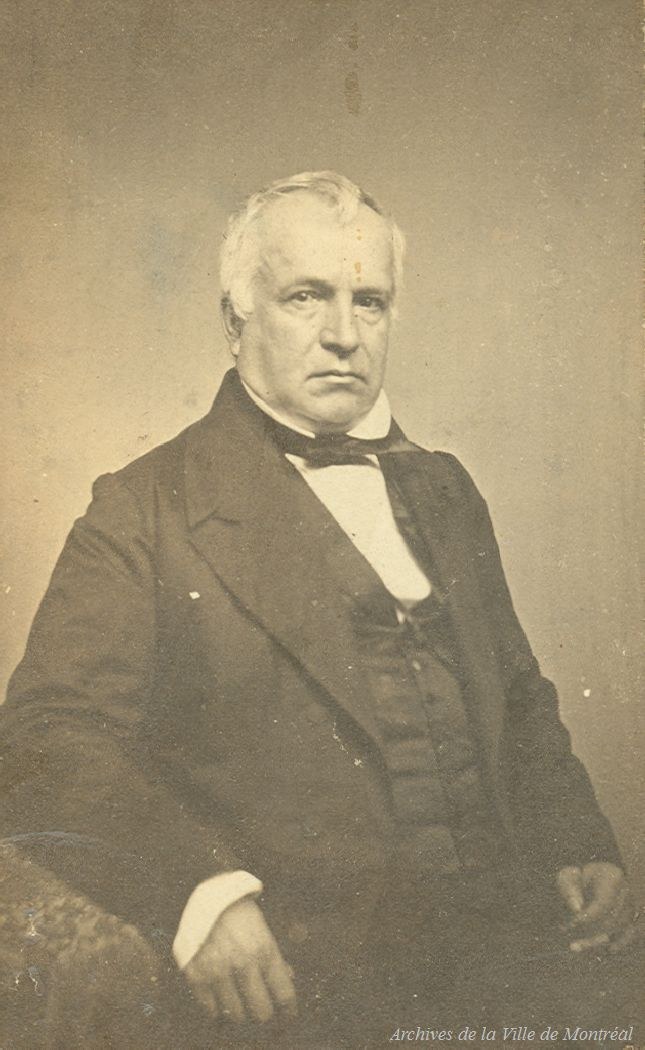
Louis-Hippolyte LaFontaine, about 1863.
CA-K879History

Sir Louis-Hippolyte LaFontaine, architect of responsible government

Louis-Hippolyte LaFontaine, a jurist and reformer born at Boucherville in 1807, was one of the architects of responsible government in Canada. With Robert Baldwin he led the reform governments of the Province of Canada in 1842 and 1848. He left politics in 1851, became Chief Justice of Lower Canada in 1853 and was made a baronet in 1854.

Factual accuracy review: No recorded challenge

Contributor: Citizen.ca

Verified against cited sourcesVerified on 2026-10-26↗
Photo: Indéterminé · Photo licence: Public domain · Credit & context
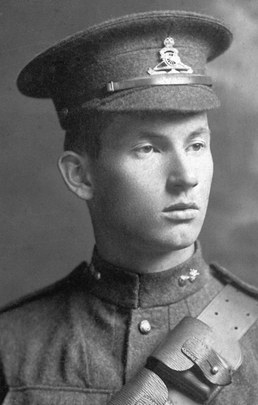
Harold Adams Innis, 1910s.
CA-K711Culture & sport

Harold Innis, historian of staples and communications

Harold Adams Innis, one of Canada’s great scholars, joined the University of Toronto in 1920 and headed its Department of Political Economy from 1937. Through works such as The Fur Trade in Canada, The Cod Fisheries and Empire and Communications, he deeply influenced the study of economics, history, geography, politics and communications.

Factual accuracy review: No recorded challenge

Contributor: Citizen.ca

Verified against cited sourcesVerified on 2026-10-26↗
Photo: Unknown photographer (1910s) · Photo licence: Public domain · Credit & context
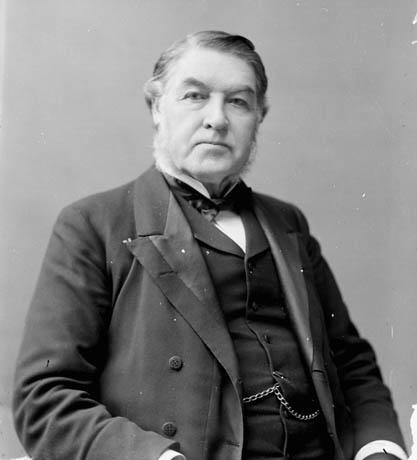
Charles Tupper, 1896 (Topley Studio).
CA-K686Institutions

Sir Charles Tupper, Father of Confederation and prime minister

Charles Tupper of Amherst, a physician, became premier of Nova Scotia in 1864 and, allied with John A. Macdonald, advocated Confederation despite substantial opposition in Nova Scotia. After federal cabinet posts and 11 years as High Commissioner in London, he succeeded Bowell as prime minister in 1896, then led the opposition after his party’s defeat that year.

Factual accuracy review: No recorded challenge

Contributor: Citizen.ca

Verified against cited sourcesVerified on 2026-10-26↗
Photo: William James Topley · Photo licence: Public domain · Credit & context
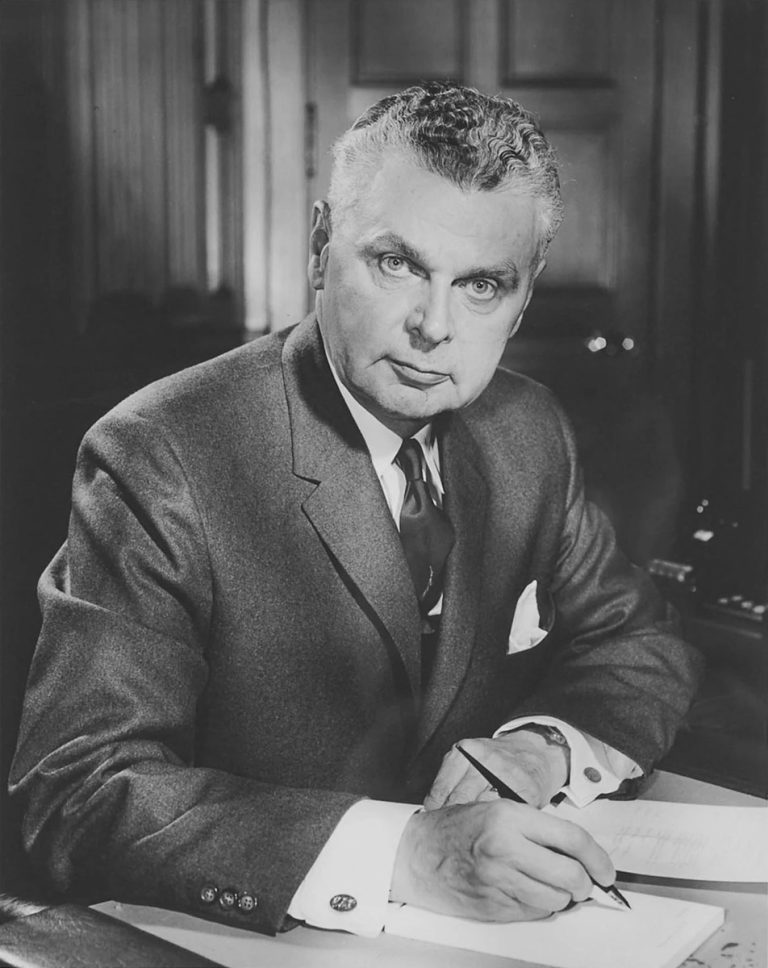
Prime Minister John G. Diefenbaker, 1957 (Gar Lunney).
CA-K616Institutions

John Diefenbaker, 13th prime minister

John Diefenbaker, a charismatic orator raised in Saskatchewan, was a defence lawyer and MP for some 40 years and Canada’s 13th prime minister from 1957 to 1963. He revived the Progressive Conservative Party, winning a landslide in 1958, and his government extended social programs, promoted Northern development and championed human rights at home and abroad.

Factual accuracy review: No recorded challenge

Contributor: Citizen.ca

Verified against cited sourcesVerified on 2026-10-26↗
Photo: Gar Lunney · Photo licence: Public domain · Credit & context
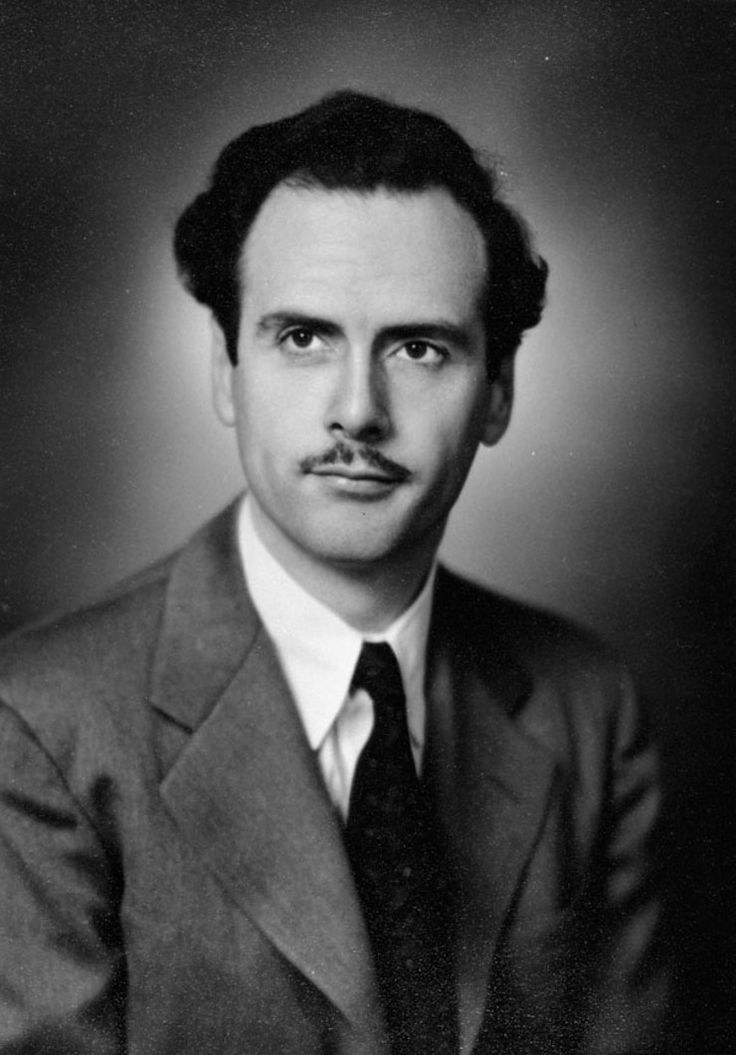
Marshall McLuhan in 1945 (Library and Archives Canada).
CA-K491Culture & sport

Marshall McLuhan, “the medium is the message”

Marshall McLuhan, a University of Toronto professor and pioneer of media studies, became famous in the 1960s for his theories about how print and electronic media shape human perception and behaviour. His ideas of the “global village” and “the medium is the message” made him one of the most celebrated scholars in the Western world.

Factual accuracy review: No recorded challenge

Contributor: Citizen.ca

Verified against cited sourcesVerified on 2026-10-26↗
Photo: Josephine Smith · Photo licence: Public domain · Credit & context
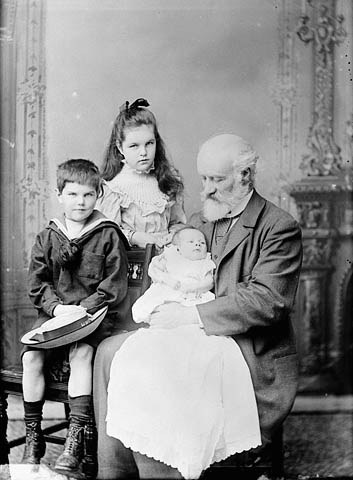
Sir Sandford Fleming with his grandchildren, July 1893 (Topley Studio).
CA-K436History

Sir Sandford Fleming, engineer and champion of standard time

Sir Sandford Fleming, born in Scotland, came to Canada in 1845 and became survey and construction engineer for the Intercolonial Railway and the Canadian Pacific. A man of wide interests and an ardent imperialist, he advocated the Pacific telegraph cable, designed the first Canadian postage stamp in 1851, and was an early champion of standard time.

Factual accuracy review: No recorded challenge

Contributor: Citizen.ca

Verified against cited sourcesVerified on 2026-10-26↗
Photo: William James Topley · Photo licence: Public domain · Credit & context
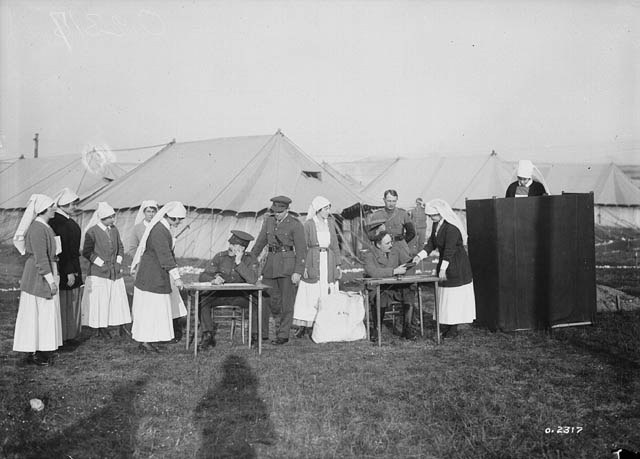
Nursing Sisters at a Canadian hospital in France voting in the 1917 federal election (photograph by William Rider-Rider).
CA-K246History

Nursing Sisters, the first women with military rank

Canadian military nurses have cared for the sick and wounded in battle since 1885. In 1904, professional nurses joined the Canadian Army Medical Corps as Nursing Sisters, the first women in the British Empire to receive military rank; in the two world wars hundreds were decorated and dozens died from enemy action.

Factual accuracy review: No recorded challenge

Contributor: Citizen.ca

Verified against cited sourcesVerified on 2026-10-26↗
Photo: William Rider-Rider · Photo licence: Public domain · Credit & context
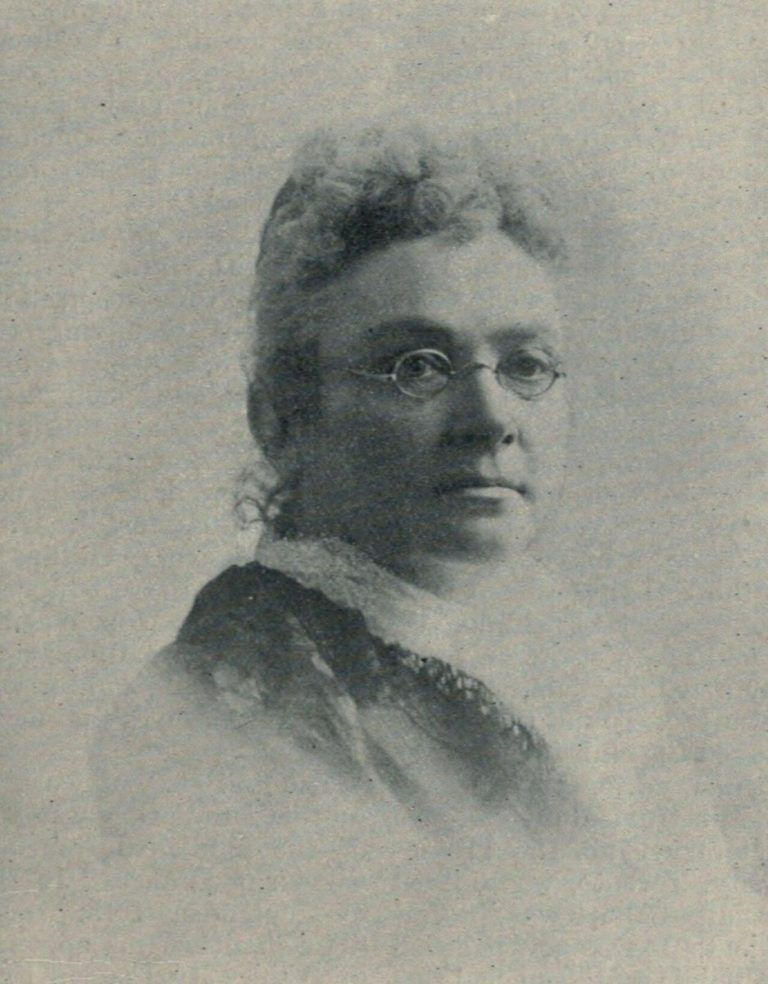
A portrait of Emily Stowe, no later than 1895.
CA-K187History

Emily Stowe, Canada’s first woman doctor in private practice

Denied university entry in Canada because she was a woman, Emily Stowe (1831–1903) studied medicine in New York City and in 1867 opened the first private medical practice in Canada run by a woman doctor, in Toronto. She led the drive to found Woman’s Medical College in 1883 and, through the Dominion Women’s Enfranchisement Association, kept suffrage in the public eye.

Factual accuracy review: No recorded challenge

Contributor: Citizen.ca

Verified against cited sourcesVerified on 2026-10-26↗
Photo: Unknown authorUnknown author · Photo licence: Public domain · Credit & context
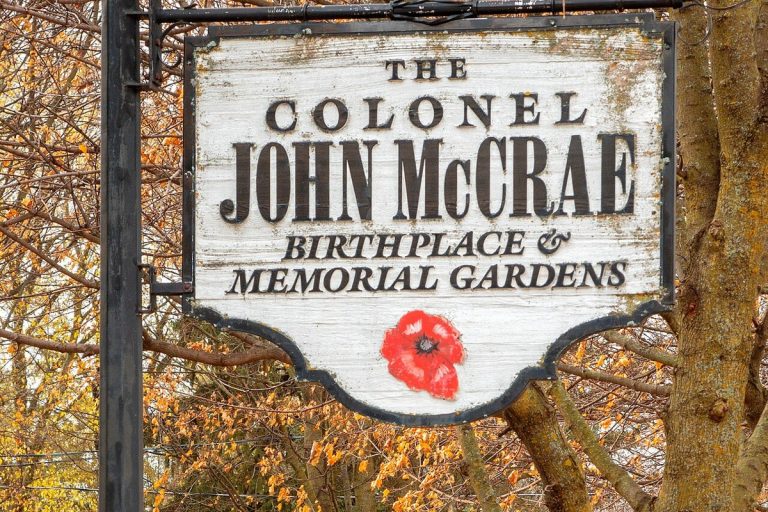
The sign at McCrae House, John McCrae’s birthplace in Guelph, Ontario, on Remembrance Day 2018.
CA-K174Culture & sport

John McCrae and “In Flanders Fields”

John McCrae (1872–1918), a physician born in Guelph, Ontario, joined the Canadian Army Medical Corps in 1914 and served overseas until his death. His poem “In Flanders Fields,” published anonymously in 1915, became one of the most celebrated poems of the First World War and made the poppy a lasting symbol of the Allied soldiers who died.

Factual accuracy review: No recorded challenge

Contributor: Citizen.ca

Verified against cited sourcesVerified on 2026-10-26↗
Photo: Peter K Burian · Photo licence: CC BY-SA 4.0 · Credit & context