An independent Canadian knowledge project

Focused and Verified

Canadian knowledge base

Search by keyword

Choose one keyword, or combine two. Broader keywords include their descendants.

Keywords: Person

Clear search
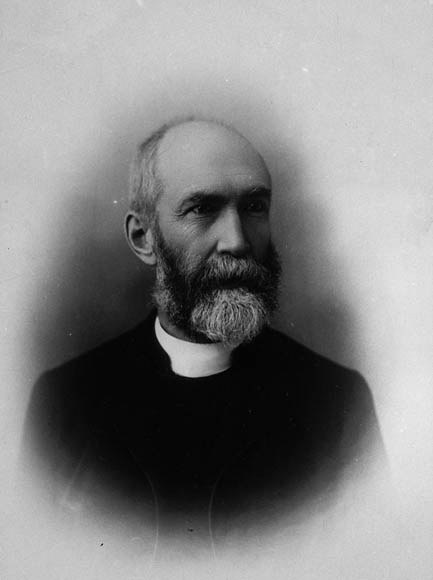
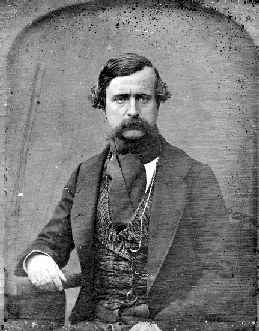
Richard Blanshard, around 1850.
CA-K512Institutions

Richard Blanshard, first governor of Vancouver Island

Richard Blanshard, an English barrister, was appointed first governor of Vancouver Island in 1849 and took office in March 1850. Disappointed by conditions in the colony, where the California gold rush slowed growth, and in poor health, he resigned that November, though slow communications kept him in Victoria until 1851.

Factual accuracy review: No recorded challenge

Contributor: Citizen.ca

Verified against cited sourcesVerified on 2026-10-26↗
Photo: Unknown author · Photo licence: Public domain · Credit & context
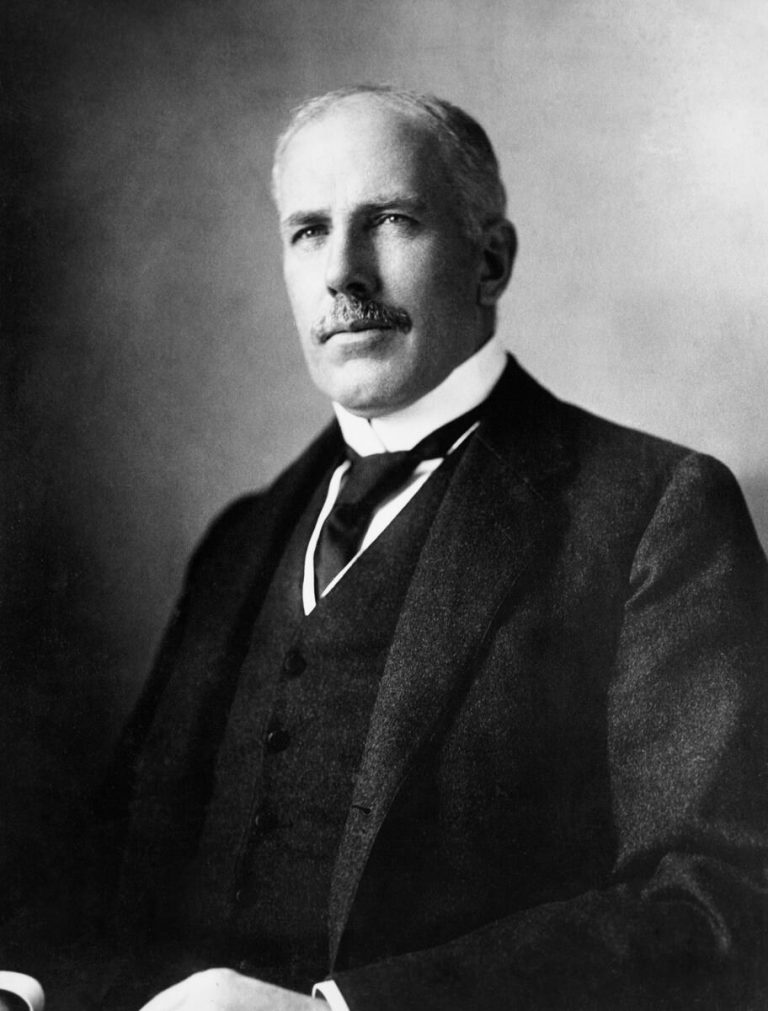
Mayor Charles A. Magrath of Lethbridge, Alberta (Glenbow Archives).
CA-K511History

Charles Magrath, surveyor and first mayor of Lethbridge

Charles Alexander Magrath took part in the foundation surveys of the North-West Territories from 1878 to 1885, then joined Sir Alexander Galt’s pioneer enterprises. He was the first mayor of Lethbridge, a territorial legislator and MP for Medicine Hat, and later chaired Ontario Hydro and the Canadian section of the International Joint Commission.

Factual accuracy review: No recorded challenge

Contributor: Citizen.ca

Verified against cited sourcesVerified on 2026-10-26↗
Photo: British and Colonial Photographic Company · Photo licence: Public domain · Credit & context
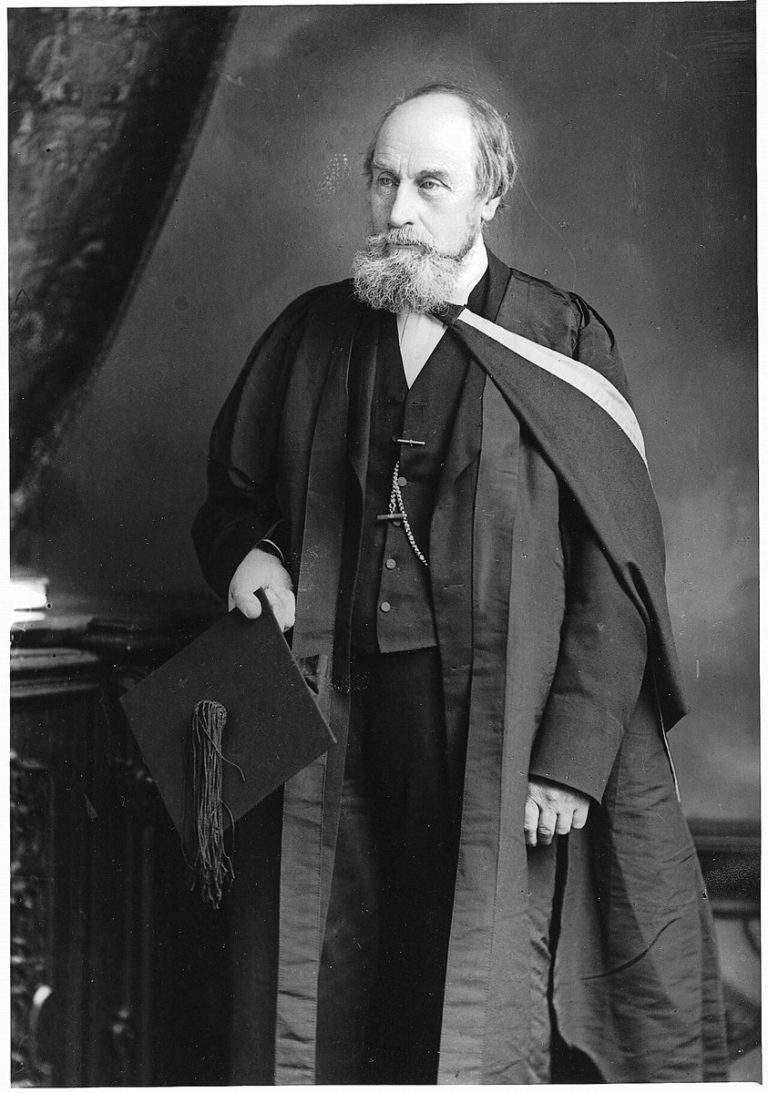
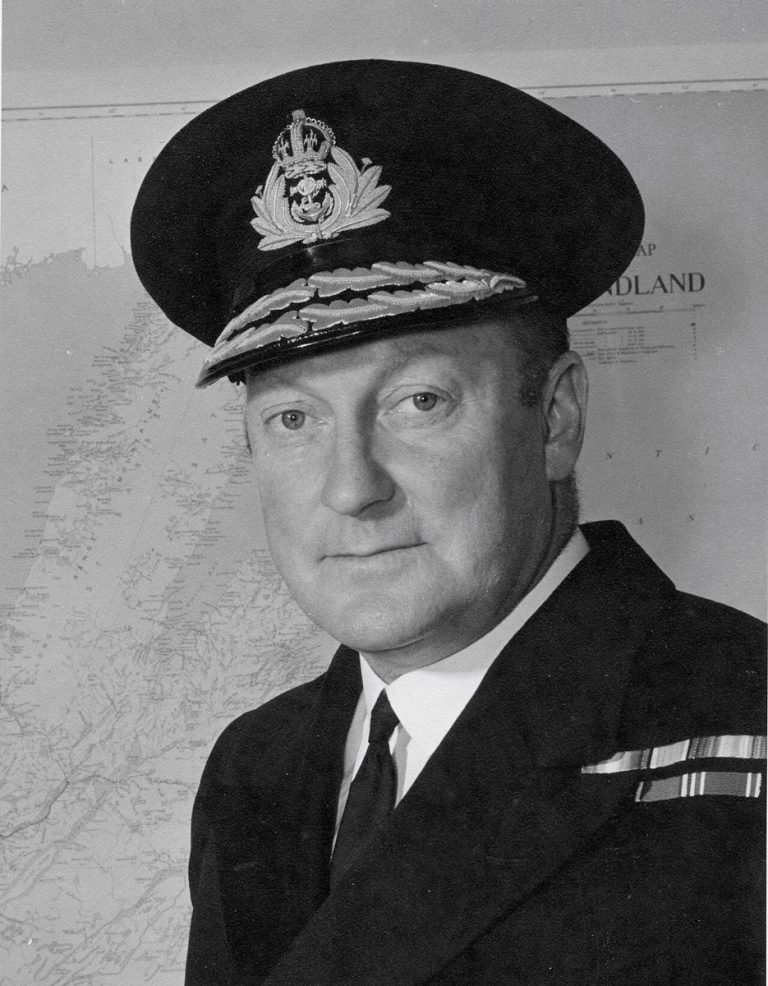
Rear Admiral Leonard Murray in 1943 (Department of National Defence).
CA-K509History

Rear Admiral Leonard Murray and the Atlantic convoys

Leonard Warren Murray of Pictou County joined the navy as a cadet in 1911. As commander of the Newfoundland Escort Force and, from 1943, Commander-in-Chief Canadian North West Atlantic, he was a principal architect of the Allies’ North Atlantic convoy system in the Second World War.

Factual accuracy review: No recorded challenge

Contributor: Citizen.ca

Verified against cited sourcesVerified on 2026-10-26↗
Photo: Unknown author · Photo licence: Public domain · Credit & context
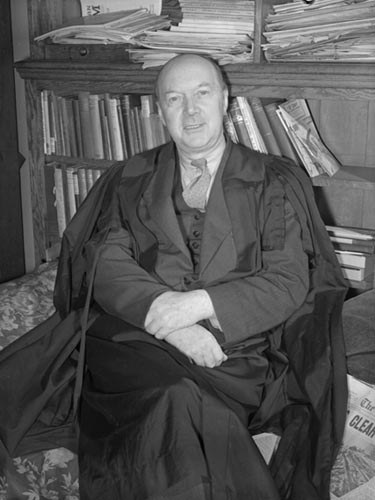
Sir John William Dawson in 1885 (William Notman and Son, McCord Stewart Museum).
CA-K508Institutions

Sir William Dawson, principal of McGill

Sir John William Dawson of Pictou, Nova Scotia, studied in Edinburgh, worked with the geologist Lyell and became Nova Scotia’s first superintendent of education. As principal and professor of natural history at McGill University from 1855 to 1893 he profoundly influenced Canadian education and science, and he was first president of the Royal Society of Canada in 1882.

Factual accuracy review: No recorded challenge

Contributor: Citizen.ca

Verified against cited sourcesVerified on 2026-10-26↗
Photo: William Notman and Son · Photo licence: Public domain · Credit & context
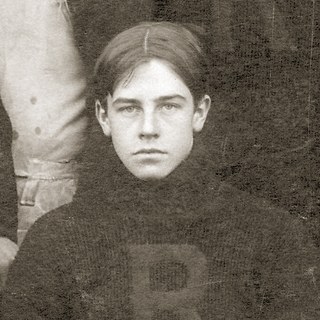
E. J. Pratt in Toronto, 1944 (Gordon W. Powley).
CA-K506Culture & sport

E. J. Pratt, poet from Newfoundland

E. J. Pratt, born at Western Bay, Newfoundland, taught and briefly served as a Methodist minister before spending his career at Victoria College in Toronto. By the 1930s he was a prominent Canadian poet, writing on grand themes such as evolution and human struggle against nature, with images of sea and rock that echo his Newfoundland roots.

Factual accuracy review: No recorded challenge

Contributor: Citizen.ca

Verified against cited sourcesVerified on 2026-10-26↗
Photo: Gordon W. Powley · Photo licence: Public domain · Credit & context
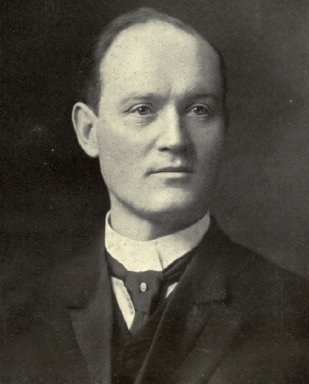
Casey Baldwin at Ridley College, St. Catharines, 1900.
CA-K504History

Casey Baldwin, aviation and hydrofoil pioneer

Frederick Walker “Casey” Baldwin, a lifelong associate of Alexander Graham Bell, became in 1908 the first Canadian to fly a plane and designed the first aeroplane in North America to use ailerons. With Bell he built the hydrofoil HD-4, which set a world speed record on Bras d’Or Lake in 1919.

Factual accuracy review: No recorded challenge

Contributor: Citizen.ca

Verified against cited sourcesVerified on 2026-10-26↗
Photo: Unknown author · Photo licence: Public domain · Credit & context
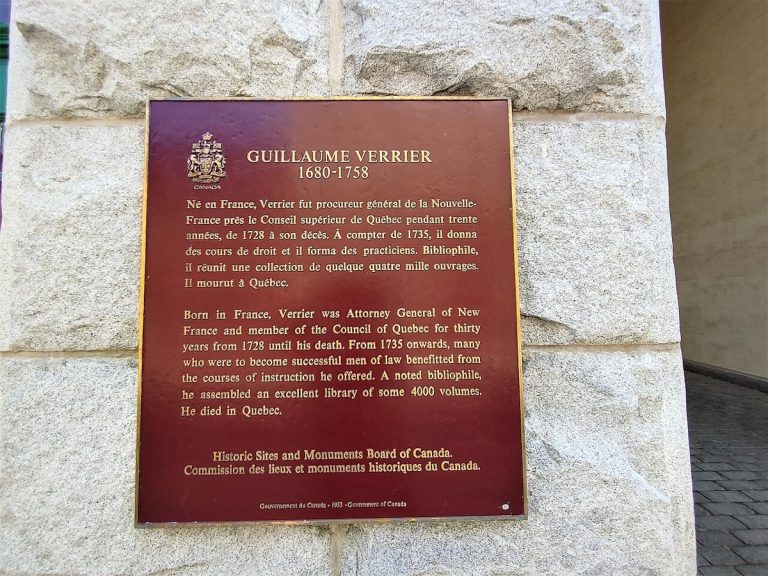
Robert Falconer, portrait published by the Empire Club of Canada.
CA-K503Institutions

Sir Robert Falconer, president of the University of Toronto

Sir Robert Falconer, born in Charlottetown, was an educator, writer and lecturer. After serving as principal of Pine Hill College in Halifax, he was president of the University of Toronto from 1907 to 1932 and wrote many books and articles on education and public questions.

Factual accuracy review: No recorded challenge

Contributor: Citizen.ca

Verified against cited sourcesVerified on 2026-10-26↗
Photo: Empire Club of Canada · Photo licence: Public domain · Credit & context
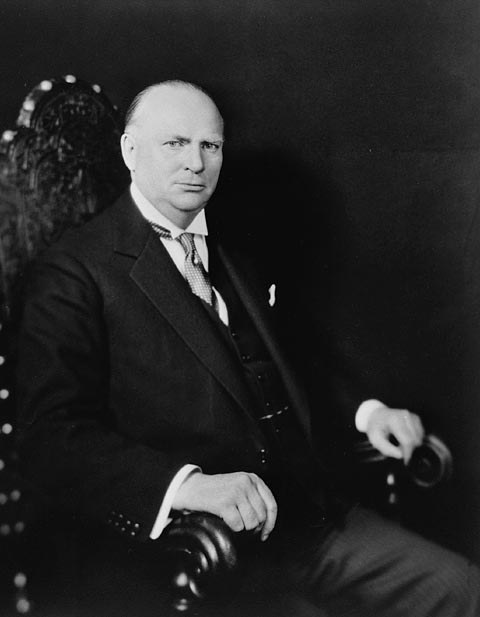
The commemorative plaque to Louis-Guillaume Verrier in Québec City, 2021.
CA-K501Institutions

Louis-Guillaume Verrier and the first law courses in Canada

Louis-Guillaume Verrier, born in France, was attorney general of New France and a member of the Council of Quebec for 30 years from 1728. He founded the first school of law in Canada, and from 1735 many future lawyers took his courses; he also assembled a library of some 4,000 volumes.

Factual accuracy review: No recorded challenge

Contributor: Citizen.ca

Verified against cited sourcesVerified on 2026-10-26↗
Photo: Jeangagnon · Photo licence: CC BY-SA 4.0 · Credit & context
R. B. Bennett, prime minister (Library and Archives Canada).
CA-K499Institutions

R. B. Bennett, prime minister in the Depression

Richard Bedford Bennett, born at Hopewell Hill, New Brunswick, moved to Calgary in 1897 and sat in the North-West Territories and Alberta legislatures before entering the House of Commons in 1911. Conservative leader from 1927, he was prime minister from 1930 to 1935, and his government’s association with the Depression contributed to its defeat.

Factual accuracy review: No recorded challenge

Contributor: Citizen.ca

Verified against cited sourcesVerified on 2026-10-26↗
Photo: Library and Archives Canada / C-008098 · Photo licence: Public domain · Credit & context
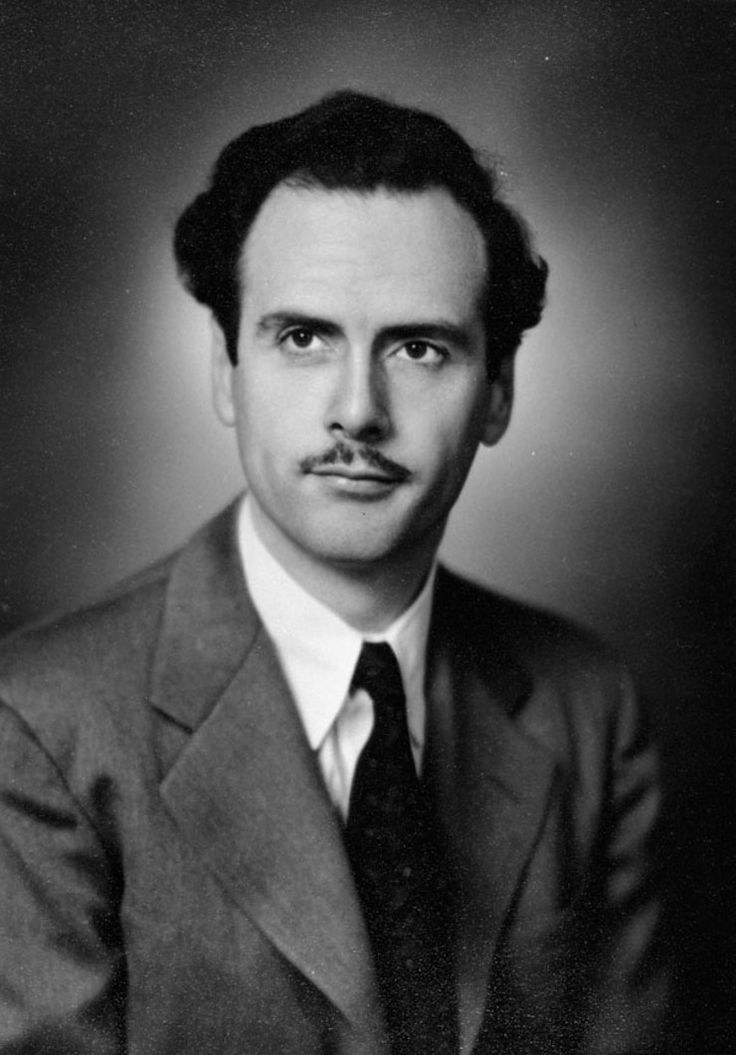
Marshall McLuhan in 1945 (Library and Archives Canada).
CA-K491Culture & sport

Marshall McLuhan, “the medium is the message”

Marshall McLuhan, a University of Toronto professor and pioneer of media studies, became famous in the 1960s for his theories about how print and electronic media shape human perception and behaviour. His ideas of the “global village” and “the medium is the message” made him one of the most celebrated scholars in the Western world.

Factual accuracy review: No recorded challenge

Contributor: Citizen.ca

Verified against cited sourcesVerified on 2026-10-26↗
Photo: Josephine Smith · Photo licence: Public domain · Credit & context
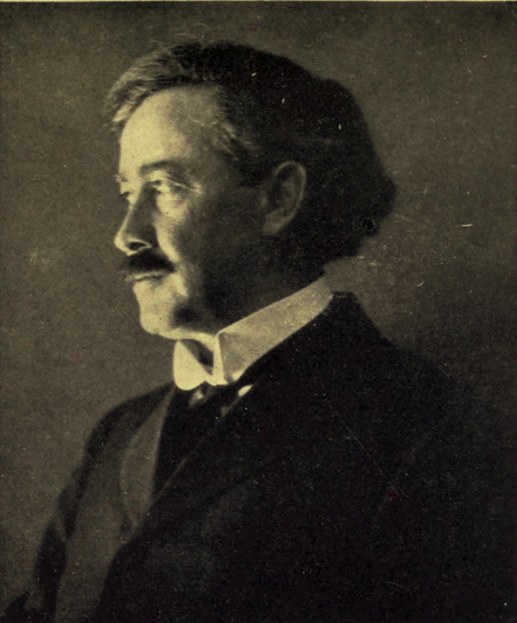
Peter McArthur, portrait published in 1916.
CA-K486Culture & sport

Peter McArthur, farmer and essayist

Peter McArthur of Appin, Ontario, edited the New York magazine Truth from 1896, encouraging Canadian and American writers. Returning to his birthplace in 1908, he combined farming with journalism, and his best-known collection of essays is In Pastures Green.

Factual accuracy review: No recorded challenge

Contributor: Citizen.ca

Verified against cited sourcesVerified on 2026-10-26↗
Photo: Photographer not named. · Photo licence: Public domain · Credit & context
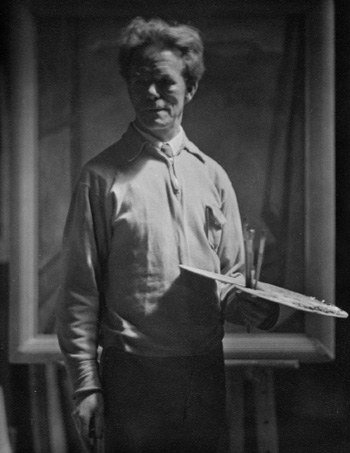
Frederick Varley, probably in Vancouver, 1927 (John Vanderpant).
CA-K484Culture & sport

Frederick Varley, painter of the Group of Seven

Frederick Varley, a founding member of the Group of Seven, helped establish a national style of painting the Canadian landscape. A masterful portraitist and an official First World War artist, he moved to teach on the West Coast in 1926, and his unconventional use of colour to convey emotion is a singular contribution to Canadian art.

Factual accuracy review: No recorded challenge

Contributor: Citizen.ca

Verified against cited sourcesVerified on 2026-10-26↗
Photo: John Vanderpant · Photo licence: Public domain · Credit & context
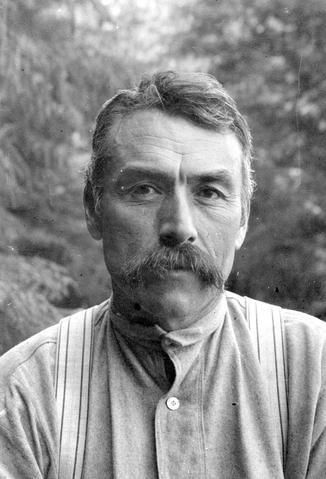
George Hunt in 1898 (Harlan I. Smith, BC Archives).
CA-K482Indigenous peoples & reconciliation

George Hunt, Kwakwaka’wakw ethnographer

George Hunt, born at Fort Rupert to English and Tlingit parents and fully accepted into Kwakwaka’wakw society, was one of the most outstanding ethnographers of West Coast Indigenous peoples. He worked to preserve and share his people’s traditional knowledge, recording, translating and interpreting material that revealed the richness of Kwakwaka’wakw culture.

Factual accuracy review: No recorded challenge

Contributor: Citizen.ca

Verified against cited sourcesVerified on 2026-10-26↗
Photo: Harlan Ingersoll Smith · Photo licence: Public domain · Credit & context
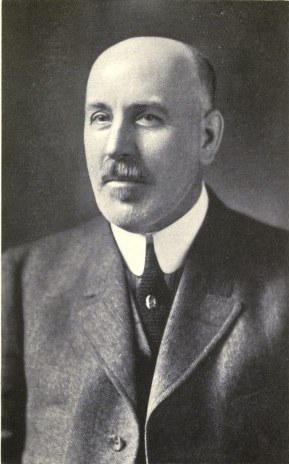
John Stephen Willison, portrait published in 1913.
CA-K479Culture & sport

Sir John Willison, editor of the Globe

As editor of the Toronto Globe from 1890 to 1902, John Stephen Willison made it the most influential Liberal newspaper in Canada. Disenchanted with Laurier’s government, he took over the independent Toronto News in 1902, later became Canadian correspondent of The Times of London, and wrote a significant study of Laurier and the Liberal Party.

Factual accuracy review: No recorded challenge

Contributor: Citizen.ca

Verified against cited sourcesVerified on 2026-10-26↗
Photo: Unknown author · Photo licence: Public domain · Credit & context
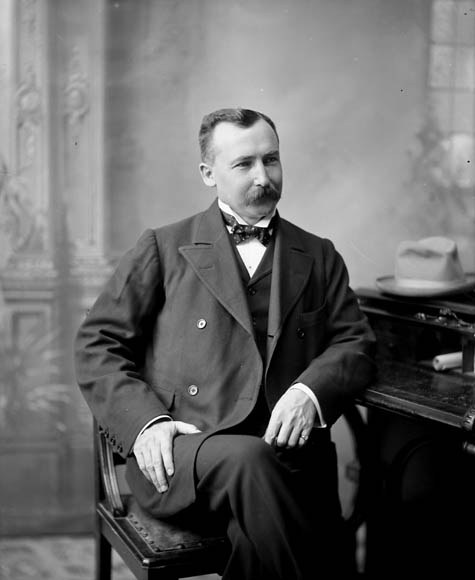
Clifford Sifton, Minister of the Interior, September 1900 (Topley Studio).
CA-K478Institutions

Clifford Sifton and settlement of the Prairies

Clifford Sifton, a lawyer, politician and principal owner of the Manitoba Free Press, was Laurier’s Minister of the Interior from 1896 to 1905. He was chiefly responsible for the plan to populate the Prairies with farmers through immigration, and earlier in the Manitoba cabinet he helped reach the compromise on the schools question.

Factual accuracy review: No recorded challenge

Contributor: Citizen.ca

Verified against cited sourcesVerified on 2026-10-26↗
Photo: William James Topley · Photo licence: Public domain · Credit & context
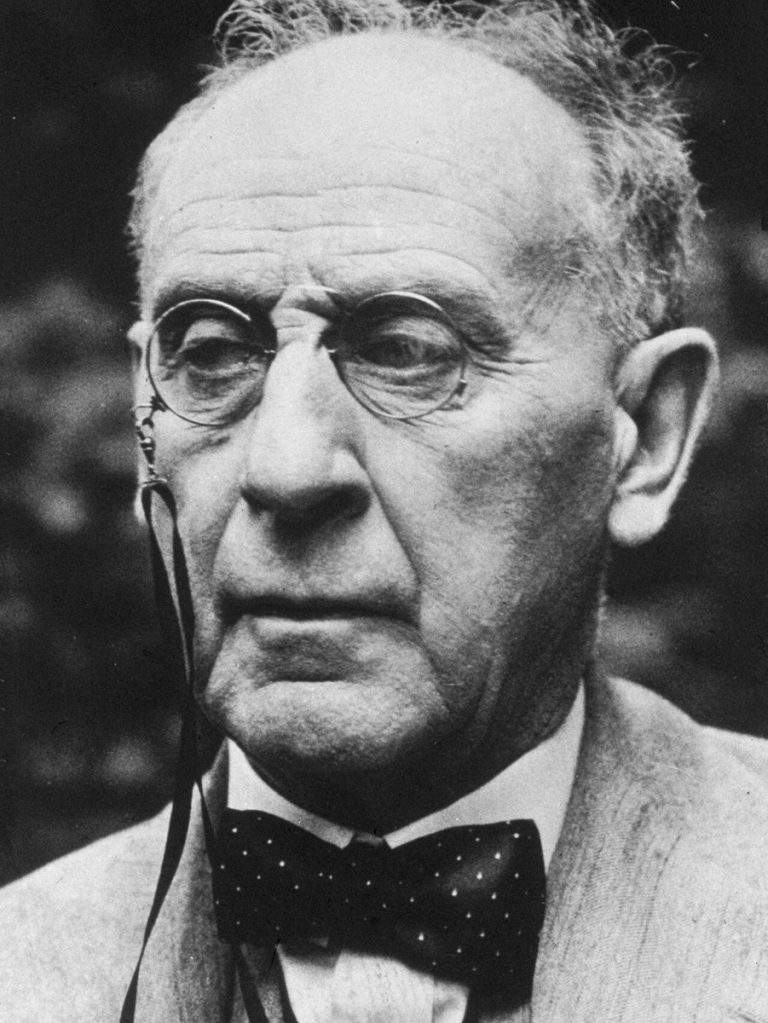
George MacKinnon Wrong, around 1920.
CA-K477Institutions

George Wrong, first professor of modern history in Toronto

George MacKinnon Wrong became the University of Toronto’s first Professor of Modern History in 1895. He saw Canadian history through its British and French origins and the American presence, and as a teacher, writer and early leader of the Canadian Historical Association he helped give an intellectual base to a developing Canadian identity.

Factual accuracy review: No recorded challenge

Contributor: Citizen.ca

Verified against cited sourcesVerified on 2026-10-26↗
Photo: Unknown author · Photo licence: CC BY 4.0 · Credit & context
Georges-Antoine Belcourt, around 1860.
CA-K476Economy & trade

Father Belcourt and the Farmers’ Bank of Rustico

Georges-Antoine Belcourt, a former missionary at Red River, led his parishioners in Rustico, Prince Edward Island, to found one of Canada’s first people’s banks, chartered in 1864 and run by farmers and fishers until 1894. By providing cheap credit it helped this mainly Acadian community gain economic independence and foreshadowed the credit union movement.

Factual accuracy review: No recorded challenge

Contributor: Citizen.ca

Verified against cited sourcesVerified on 2026-10-26↗
Photo: Jules-Isaïe Benoît · Photo licence: Public domain · Credit & context
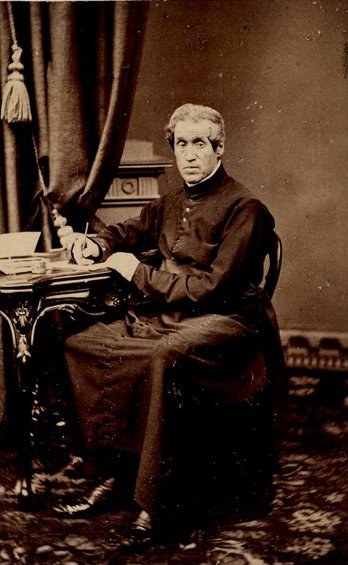
Dr. Robert Bell aboard the S.S. Diana in 1897 (Library and Archives Canada).
CA-K475History

Robert Bell, explorer of the Canadian Shield

Robert Bell joined the Geological Survey of Canada as a 15-year-old summer student and served it full-time from 1867 to 1908, becoming one of Canada’s leading explorers with extensive surveys of the North and the Canadian Shield. A founding member of the Royal Society of Canada, he was acting director of the Survey from 1901 to 1906.

Factual accuracy review: No recorded challenge

Contributor: Citizen.ca

Verified against cited sourcesVerified on 2026-10-26↗
Photo: Graham Drinkwater · Photo licence: Public domain · Credit & context
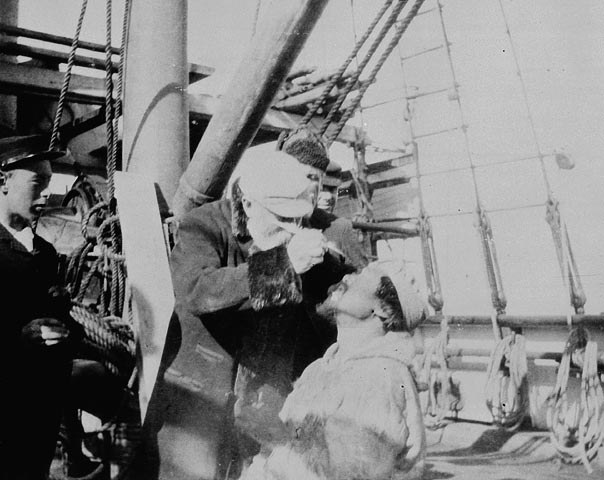
Philip Francis Little, from D. W. Prowse’s History of Newfoundland (1896).
CA-K474Institutions

Philip Francis Little, Newfoundland’s first premier

Philip Francis Little, elected to Newfoundland’s Assembly in 1850, campaigned for responsible government and united the Liberal Party behind it. In 1855 he became the colony’s first premier under responsible government, and he advanced Newfoundland’s interests through the Reciprocity Treaty with the United States.

Factual accuracy review: No recorded challenge

Contributor: Citizen.ca

Verified against cited sourcesVerified on 2026-10-26↗
Photo: Unknown author · Photo licence: Public domain · Credit & context
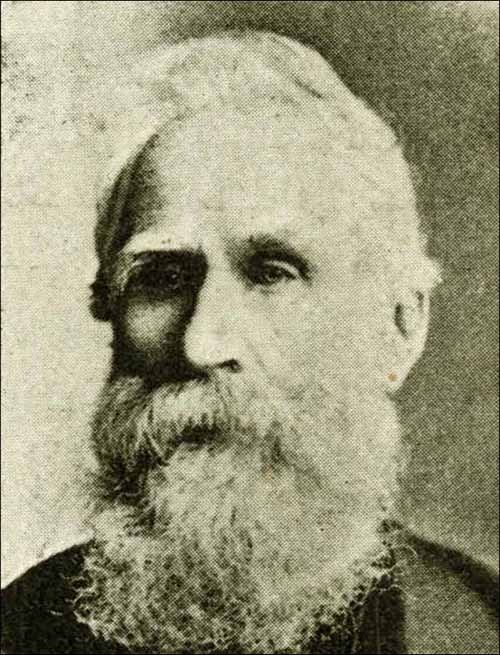
Enos Collins, around 1870 (Notman Studio, Nova Scotia Archives).
CA-K472Economy & trade

Enos Collins, privateer and Halifax financier

Enos Collins, a seaman from Liverpool, Nova Scotia, and sometime privateer, was reputed to be the richest man in British North America when he died. His fortune from shrewd mercantile and financial investments helped develop Halifax, and he sat on the governor’s council from 1822 to 1838; a Tory, he nonetheless opposed Confederation.

Factual accuracy review: No recorded challenge

Contributor: Citizen.ca

Verified against cited sourcesVerified on 2026-10-26↗
Photo: Notman Studio/Reference no.: 1983-310/ 10 · Photo licence: Public domain · Credit & context
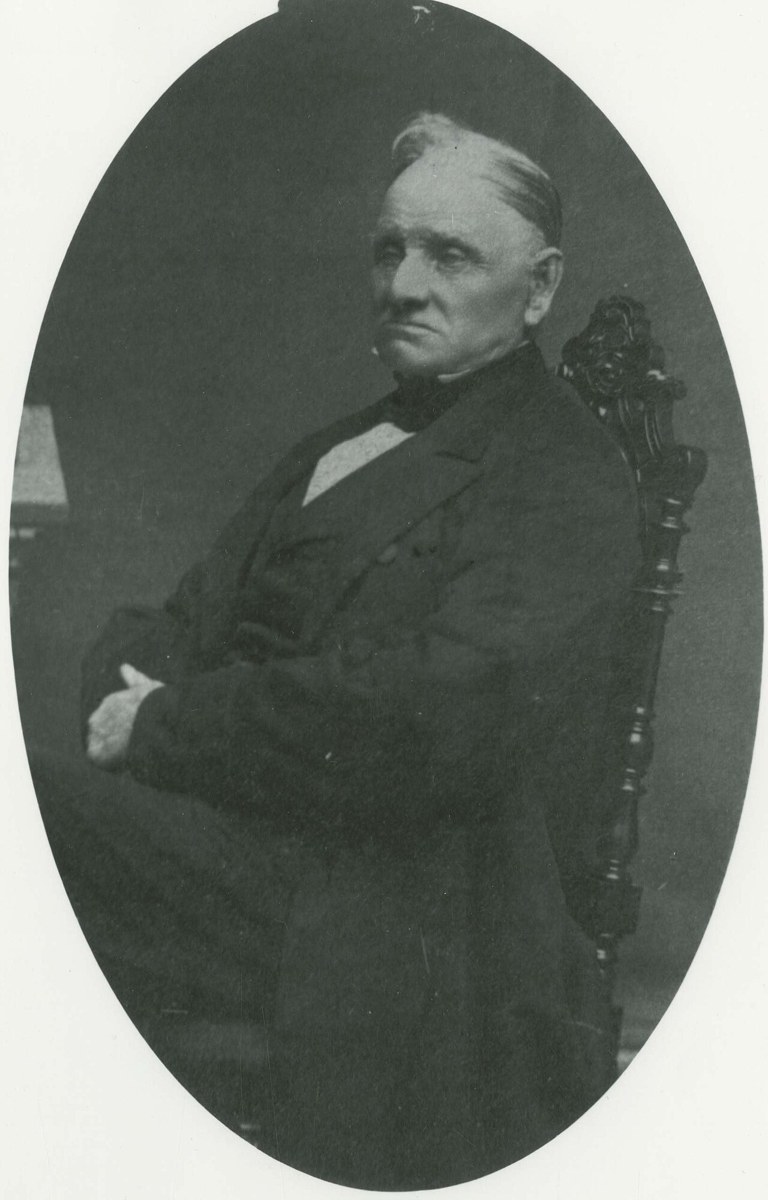
Sir William Edmond Logan in Montréal, 1865 (William Notman).
CA-K470History

Sir William Logan, first director of the Geological Survey

Sir William Edmond Logan of Montréal, a mapmaker and geologist in the mining districts of Wales, became the first director of the Geological Survey of Canada in 1842. He led much of the early scientific mapping of the province, built the mineral collection that became the basis of the National Museum, and earned international recognition for his geological work.

Factual accuracy review: No recorded challenge

Contributor: Citizen.ca

Verified against cited sourcesVerified on 2026-10-26↗
Photo: William Notman · Photo licence: Public domain · Credit & context
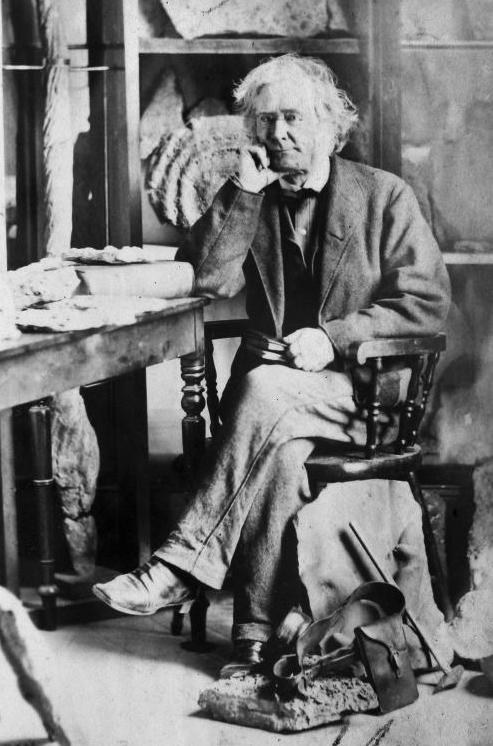
Charles Mair, portrait published in 1916.
CA-K468Culture & sport

Charles Mair, poet of Canada First

Charles Mair, born at Lanark, Upper Canada, was a journalist, poet, advocate of western expansion and an original member of the Canada First movement. A controversial figure during the Red River Resistance of 1869–1870, he later worked in business in the West and for the immigration service, and wrote works including Tecumseh and Through the Mackenzie Basin.

Factual accuracy review: No recorded challenge

Contributor: Citizen.ca

Verified against cited sourcesVerified on 2026-10-26↗
Photo: Photographer not named. · Photo licence: Public domain · Credit & context
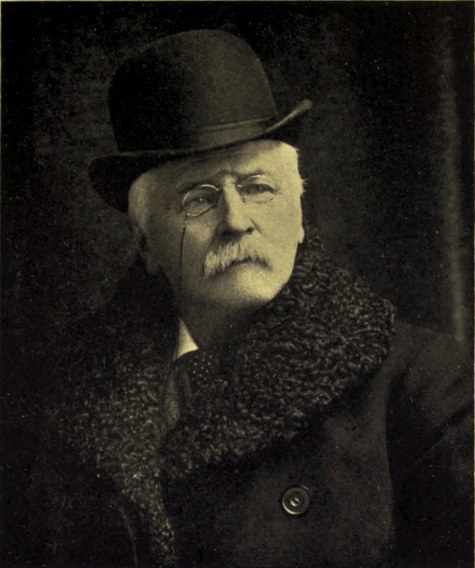
Alexander Mackenzie in March 1878 (Topley Studio).
CA-K467Institutions

Alexander Mackenzie, second prime minister

Alexander Mackenzie came to Canada from Scotland in 1842 and worked as a building contractor in Kingston and Sarnia. Elected for Lambton in 1861 and to the first House of Commons in 1867, he was Canada’s second prime minister from 1873 to 1878 and worked to consolidate the new Dominion.

Factual accuracy review: No recorded challenge

Contributor: Citizen.ca

Verified against cited sourcesVerified on 2026-10-26↗
Photo: William James Topley · Photo licence: Public domain · Credit & context
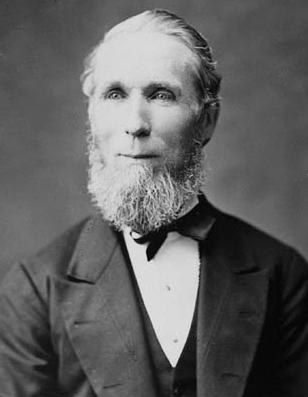
George Monro Grant, principal of Queen’s College (Library and Archives Canada).
CA-K466Institutions

George Monro Grant, principal of Queen’s

George Monro Grant, born at Albion Mines (Stellarton), Nova Scotia, was an educator and writer, author of Ocean to Ocean and minister of St. Matthew’s Church in Halifax. He was principal of Queen’s University from 1877 to 1902 and president of the Royal Society of Canada in 1901.

Factual accuracy review: No recorded challenge

Contributor: Citizen.ca

Verified against cited sourcesVerified on 2026-10-26↗
Photo: Government of Canada · Photo licence: Public domain · Credit & context