An independent Canadian knowledge project

Focused and Verified

Canadian knowledge base

Search by keyword

Choose one keyword, or combine two. Broader keywords include their descendants.

Keywords: 1800–1899

Clear search
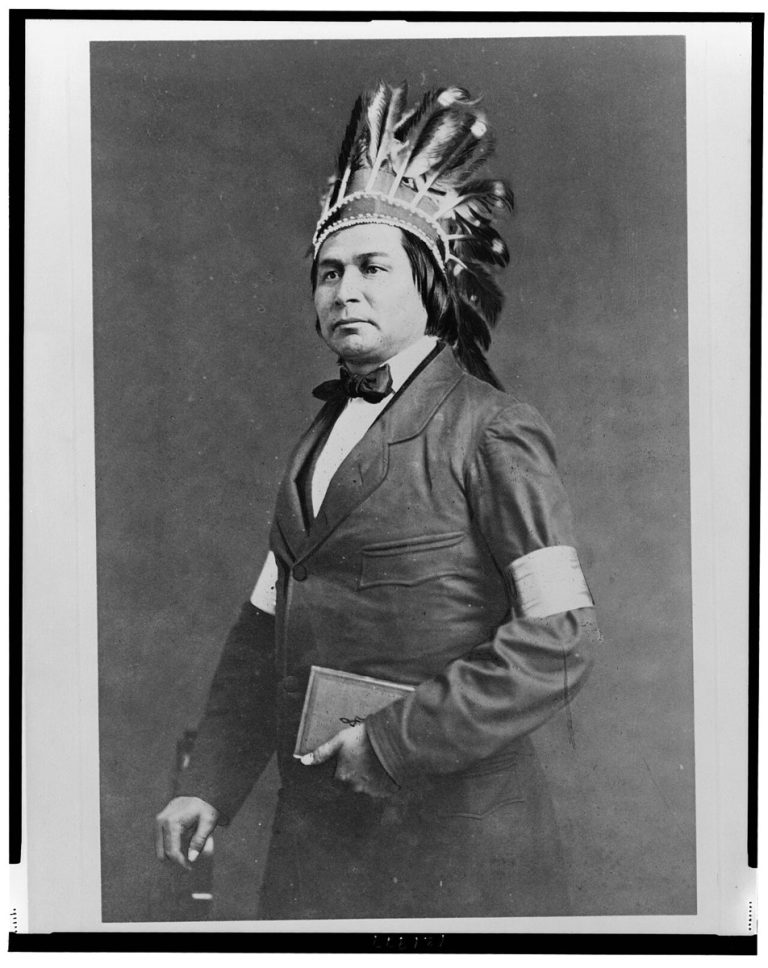
A hand-coloured portrait of Kahgegagahbowh (George Copway), about 1860 (Library of Congress).
CA-K197Indigenous peoples & reconciliation

Kahgegagahbowh (George Copway), Anishinaabe author

Kahgegagahbowh (George Copway, 1818–1869), a Mississauga Anishinaabe author, lecturer and activist, gained international literary celebrity for popular non-fiction books in the late 1840s and early 1850s. His writing and lectures gave readers in Canada and abroad insight into Mississauga spirituality, history and culture, and he spoke for Indigenous peoples at the 1850 Peace Congress in Frankfurt.

Factual accuracy review: No recorded challenge

Contributor: Citizen.ca

Verified against cited sourcesVerified on 2026-10-26↗
Photo: Marian S. Carson Collection (Library of Congress) · Photo licence: Public domain · Credit & context
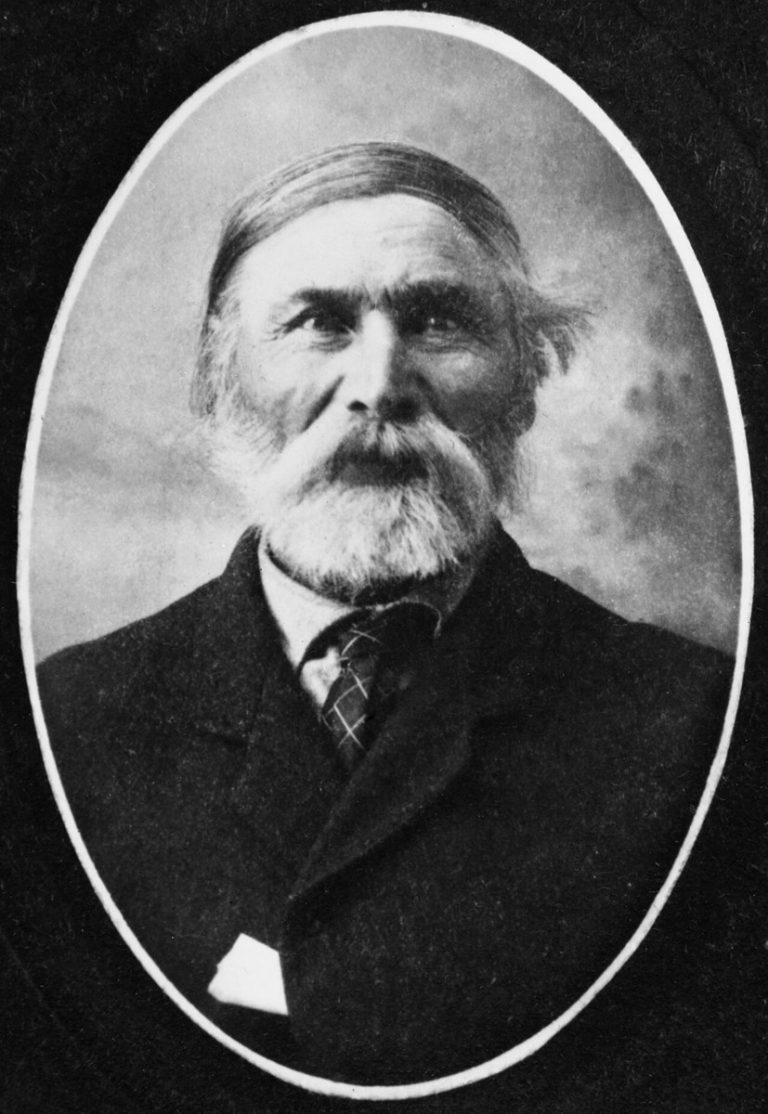
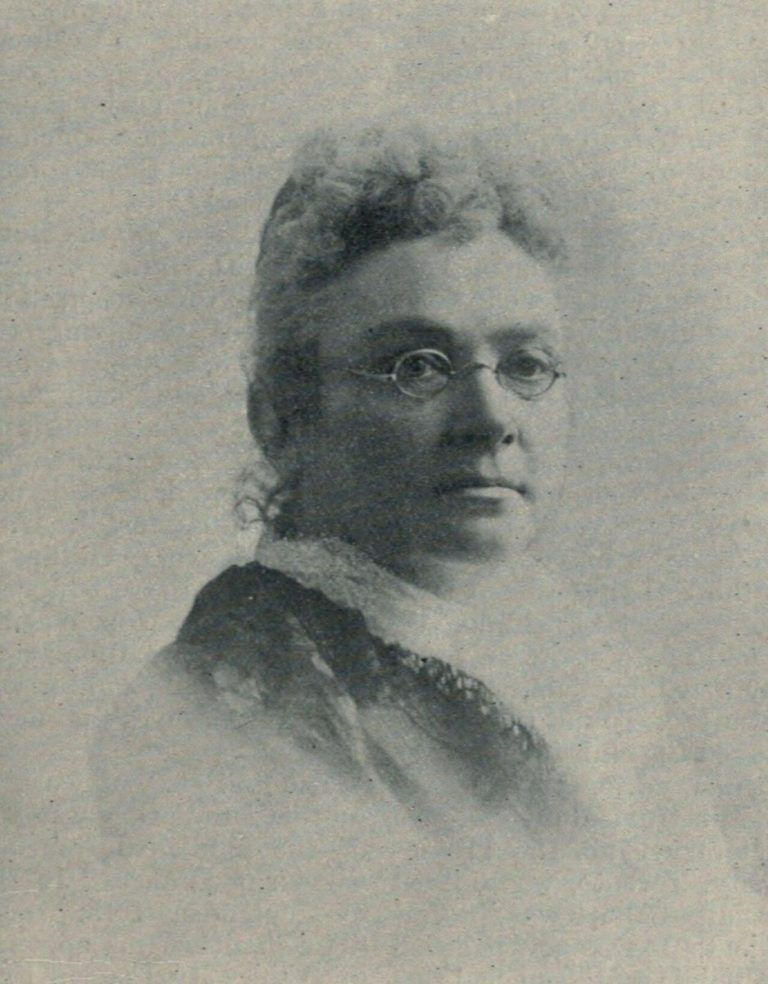
A portrait of James Isbister, taken before 1915.
CA-K196Indigenous peoples & reconciliation

James Isbister, English Métis leader

James Isbister (1833–1915), an English Métis leader, founded the Isbister Métis settlement at Prince Albert, where he and Margaret Bear began farming in 1862. He helped unite English and French Métis in seeking recognition of their land rights, and in 1884 was one of four delegates who travelled to Montana to invite Louis Riel to lead the Métis protest movement.

Factual accuracy review: No recorded challenge

Contributor: Citizen.ca

Verified against cited sourcesVerified on 2026-10-26↗
Photo: Unknown authorUnknown author · Photo licence: Public domain · Credit & context
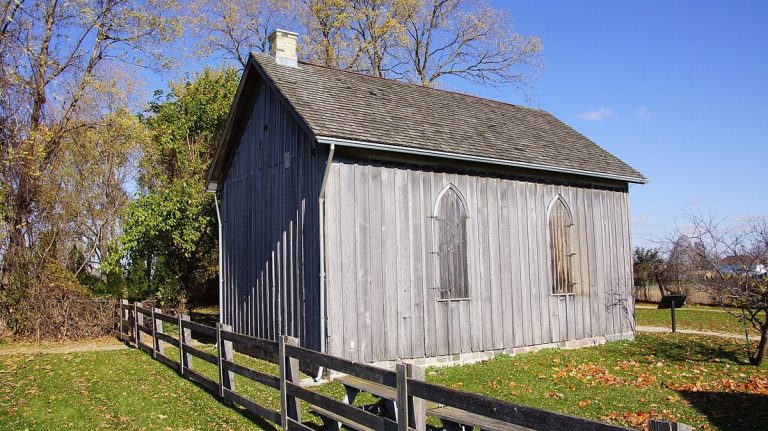
A portrait of Emily Stowe, no later than 1895.
CA-K187History

Emily Stowe, Canada’s first woman doctor in private practice

Denied university entry in Canada because she was a woman, Emily Stowe (1831–1903) studied medicine in New York City and in 1867 opened the first private medical practice in Canada run by a woman doctor, in Toronto. She led the drive to found Woman’s Medical College in 1883 and, through the Dominion Women’s Enfranchisement Association, kept suffrage in the public eye.

Factual accuracy review: No recorded challenge

Contributor: Citizen.ca

Verified against cited sourcesVerified on 2026-10-26↗
Photo: Unknown authorUnknown author · Photo licence: Public domain · Credit & context
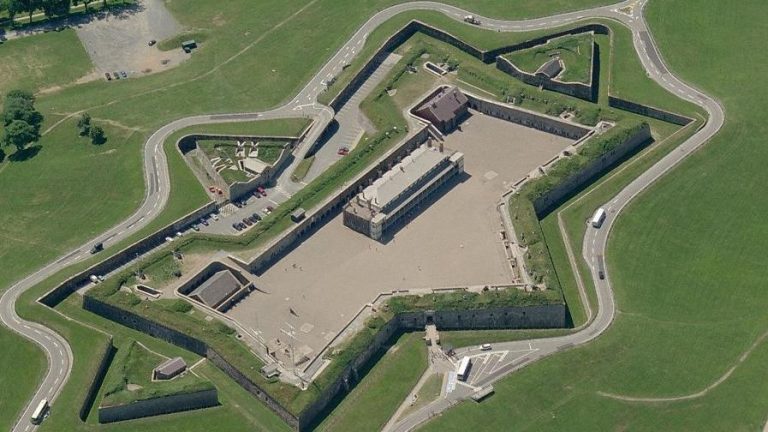
Uncle Tom’s Cabin Historic Site near Dresden, Ontario, now the Josiah Henson Museum of African-Canadian History, photographed in 2014.
CA-K181History

Josiah Henson and the Dawn settlement

After escaping slavery in Kentucky to Upper Canada, Reverend Josiah Henson (1789–1883) became an Underground Railroad conductor and abolitionist, founded the Black settlement of Dawn and established the British American Institute school. Harriet Beecher Stowe said his 1849 memoirs supplied ideas and incidents for Uncle Tom’s Cabin, raising awareness of Canada as a haven from slavery.

Factual accuracy review: No recorded challenge

Contributor: Citizen.ca

Verified against cited sourcesVerified on 2026-10-26↗
Photo: NearEMPTiness · Photo licence: CC BY-SA 4.0 · Credit & context
Citadel Hill in Halifax, Nova Scotia, photographed in 2011.
CA-K180History

The Jamaican Maroons in Nova Scotia, 1796–1800

After the Maroon War of 1795–1796, Britain exiled more than 500 Maroons of Trelawny Town, Jamaica, to Nova Scotia. They kept a strong sense of community despite pressure to assimilate and demands for their labour, including at the Halifax Citadel; most were resettled in Sierra Leone in 1800, while a few remained.

Factual accuracy review: No recorded challenge

Contributor: Citizen.ca

Verified against cited sourcesVerified on 2026-10-26↗
Photo: Moneywagon · Photo licence: CC BY-SA 3.0 · Credit & context
The Port Credit lighthouse in Mississauga, Ontario, near the Credit River, photographed in 2011.
CA-K178Indigenous peoples & reconciliation

Nahnebahweequay (Catharine Sutton) appealed to Queen Victoria

Nahnebahweequay (Catharine Sutton, 1824–1865), a Mississauga (Ojibwe) advocate raised at the Credit Mission, fought for Indigenous land title and against the loss of First Nations women’s status through marriage to non-Indigenous men. In defiance of colonial officials, she travelled to London and appealed directly to Queen Victoria in 1860.

Factual accuracy review: No recorded challenge

Contributor: Citizen.ca

Verified against cited sourcesVerified on 2026-10-26↗
Photo: ^ Missi ^ from Mississauga, Canada · Photo licence: CC BY 2.0 · Credit & context
The Peguis monument in Kildonan Park, Winnipeg, erected in 1923, photographed in 2011.
CA-K176Indigenous peoples & reconciliation

Chief Peguis and the Selkirk Treaty of 1817

Chief Peguis (1774–1864), a skilled hunter and diplomat, worked to protect the rights and interests of the Anishinaabeg of Red River and stepped in to save lives when fur trade hostilities threatened the Selkirk Settlement. He was one of five First Nations negotiators of the Selkirk Treaty of 1817, the first agreement permitting limited farmland access to settlers in western Canada.

Factual accuracy review: No recorded challenge

Contributor: Citizen.ca

Verified against cited sourcesVerified on 2026-10-26↗
Photo: Wtshymanski · Photo licence: CC BY-SA 3.0 · Credit & context
The Memorial to Commemorate the Chinese Railroad Workers in Canada, Toronto, by Eldon Garnet and Francis LeBouthillier, photographed in 2008.
CA-K165History

Chinese workers who built the CPR in British Columbia

In the early 1880s, thousands of labourers from China helped build the Canadian Pacific Railway through British Columbia’s mountains; about three-quarters of the men on the section between the Pacific and Craigellachie were Chinese. They were paid a dollar a day, half a white worker’s pay, and hundreds died from accidents or illness.

Factual accuracy review: No recorded challenge

Contributor: Citizen.ca

Verified against cited sourcesVerified on 2026-10-26↗
Photo: Shaun Merritt · Photo licence: CC BY 2.0 · Credit & context
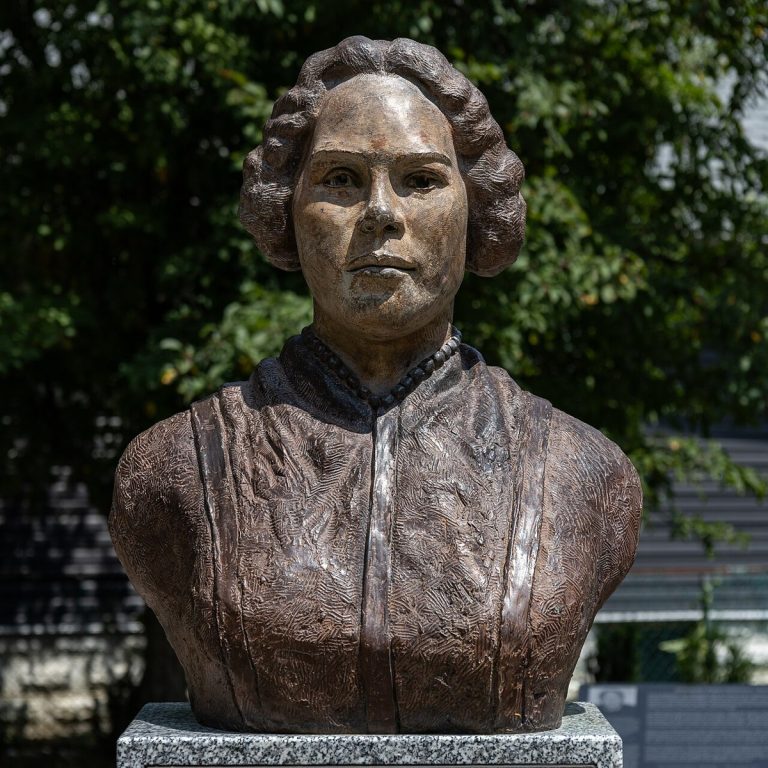
A bust of Mary Ann Shadd Cary by Artis Lane in BME Freedom Park, Chatham, Ontario, photographed in 2025.
CA-K164History

Mary Ann Shadd and the Provincial Freeman

Mary Ann Shadd (1823–1893) became a prominent activist in the Underground Railroad refugee communities of Upper Canada in the 1850s. In 1853 she established the Provincial Freeman, an influential newspaper that argued for the rights of Black people and women and became the leading voice of refugees in Canada.

Factual accuracy review: No recorded challenge

Contributor: Citizen.ca

Verified against cited sourcesVerified on 2026-10-26↗
Photo: Chris Woodrich · Photo licence: CC BY-SA 4.0 · Credit & context
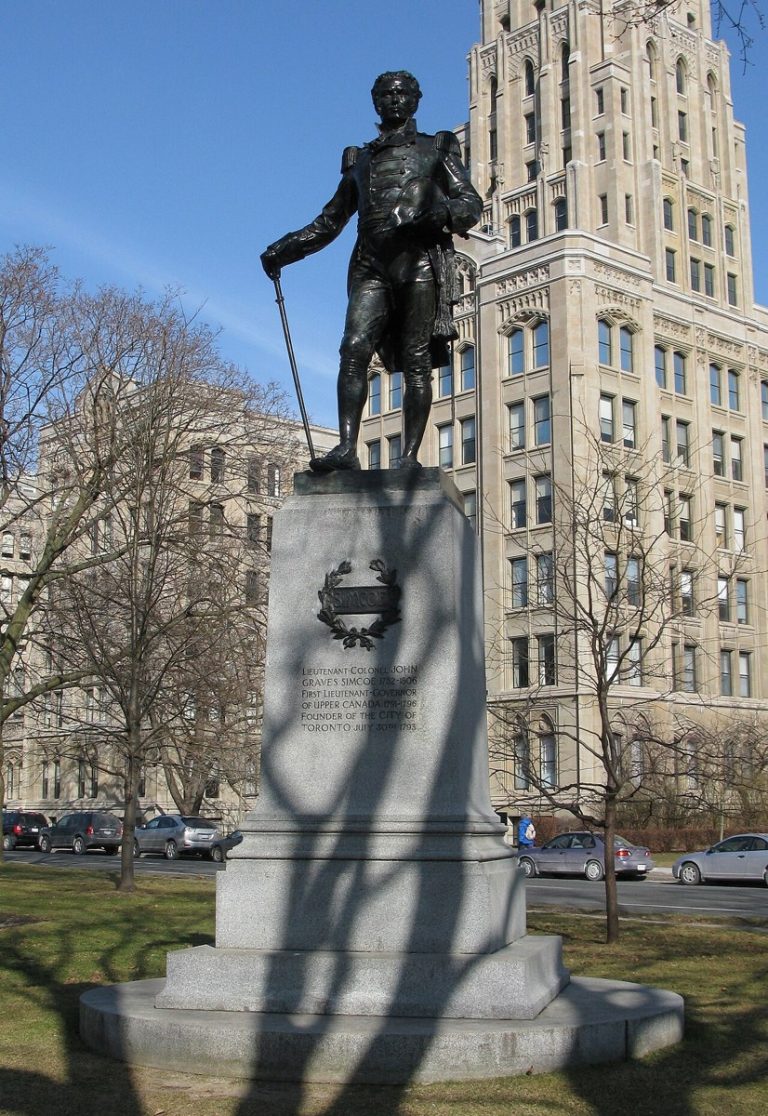
The statue of John Graves Simcoe at Queen’s Park, Toronto, photographed in 2008.
CA-K162History

Upper Canada’s 1793 Act against slavery

Upper Canada’s 1793 Act against slavery, passed under Lieutenant-Governor John Graves Simcoe, prohibited the importation of enslaved people. It did not free people already enslaved, but provided that children subsequently born to enslaved mothers would become free at age 25. Slavery in Upper Canada ended in 1834.

Factual accuracy review: No recorded challenge

Contributor: Citizen.ca

Verified against cited sourcesVerified on 2026-10-26↗
Photo: User:Saforrest · Photo licence: CC BY-SA 3.0 · Credit & context
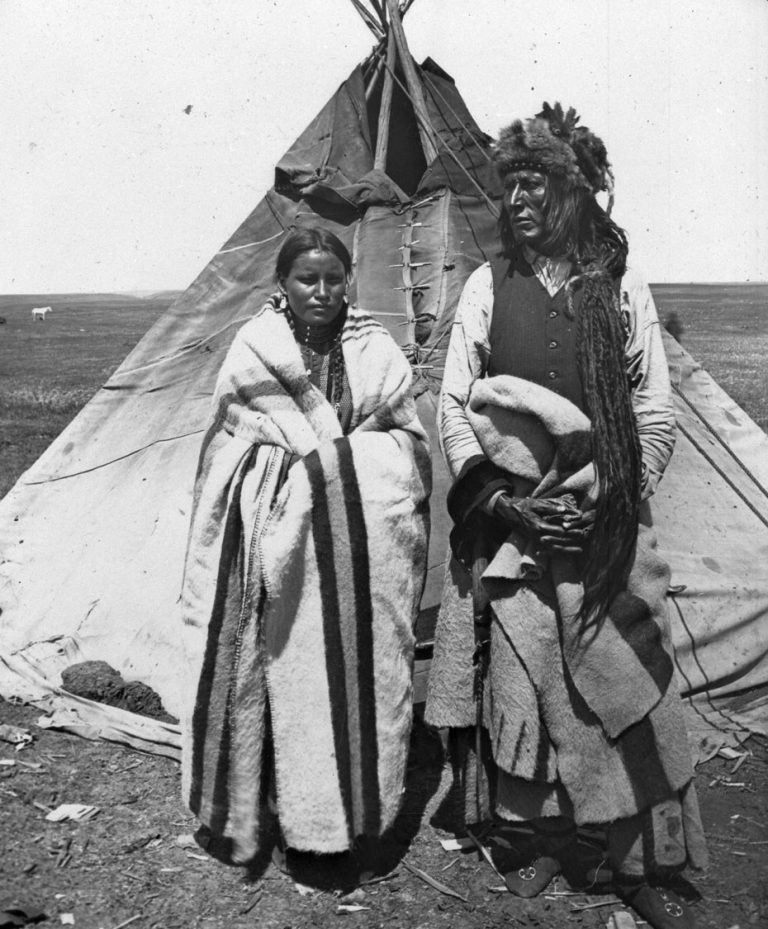
pīhtokahānapiwiyin (Poundmaker), around 1884 (Library and Archives Canada).
CA-K158Indigenous peoples & reconciliation

pīhtokahānapiwiyin (Poundmaker), nēhiyaw chief

pīhtokahānapiwiyin (Poundmaker, ca. 1842–1886), a nēhiyaw (Plains Cree) chief, sought better terms for his people and called on Canada to fulfil its obligations under Treaty 6. In 1885 he repulsed Lieutenant-Colonel Otter’s attack on his reserve at Cut Knife but restrained his followers; imprisoned as a rebel, he died after his early release.

Factual accuracy review: No recorded challenge

Contributor: Citizen.ca

Verified against cited sourcesVerified on 2026-10-26↗
Photo: Unknown authorUnknown author · Photo licence: Public domain · Credit & context
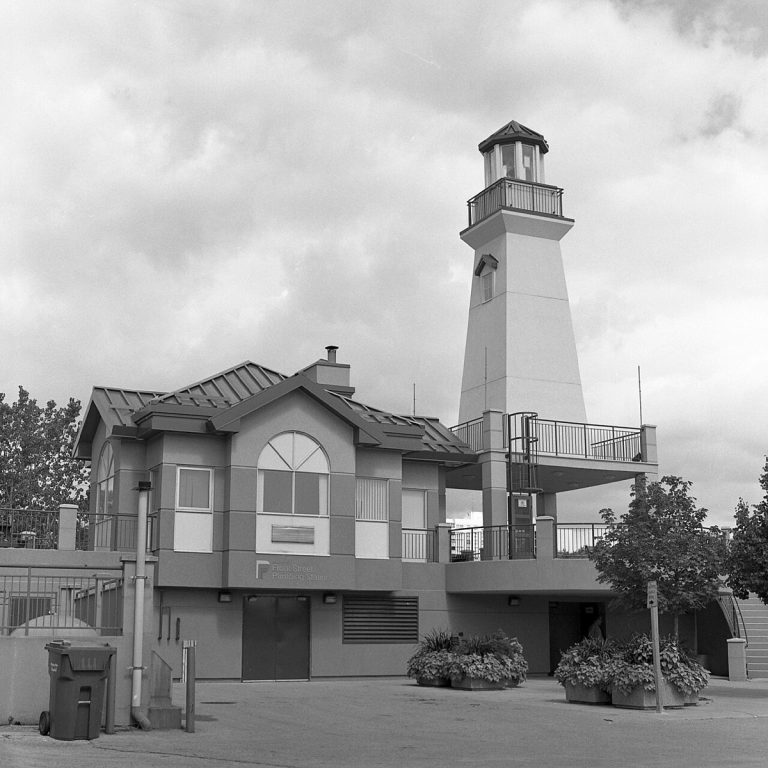
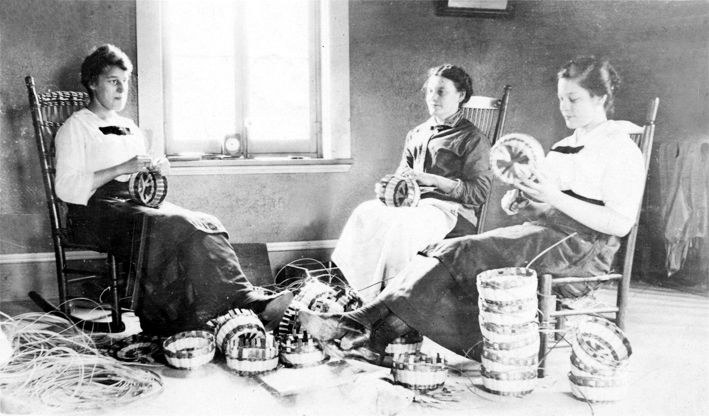
Abenaki basket makers of Odanak, around 1920 (Musée des Abénakis).
CA-K155Indigenous peoples & reconciliation

Abenaki basket-making in Odanak and Wôlinak

Abenaki weavers in Odanak and Wôlinak, Quebec, use black ash splints and sweetgrass to make baskets using skills passed between generations. Basket-making was Odanak’s main source of income from 1870 to 1920 and remains a symbol of Abenaki identity.

Factual accuracy review: No recorded challenge

Contributor: Citizen.ca

Verified against cited sourcesVerified on 2026-10-26↗
Photo: Société historique d'Odanak, Musée des Abénakis, Odanak, Québec, Canada · Photo licence: Public domain · Credit & context
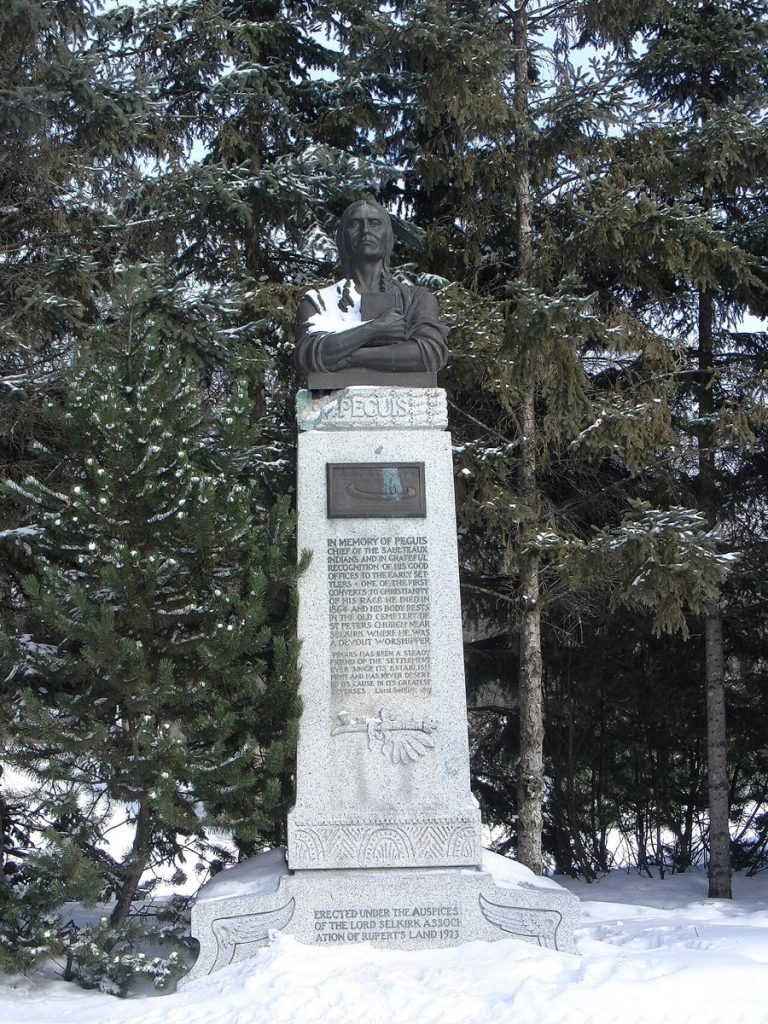
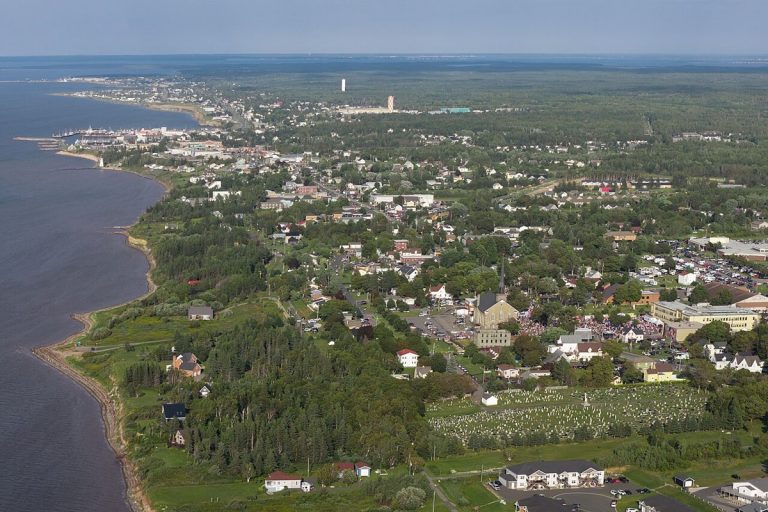
Caraquet, New Brunswick, on the Acadian Peninsula, from the air in 2026.
CA-K153History

The Caraquet Riot of 1875

The riot of the Acadians of Caraquet in January 1875 was the culmination of four years of Catholic opposition to New Brunswick’s Common Schools Act of 1871, which aimed to eliminate denominational schools. After the violent arrest of protesters and the deaths of two men, the law was amended; the riot is an early example of religious and linguistic minorities resisting discrimination.

Factual accuracy review: No recorded challenge

Contributor: Citizen.ca

Verified against cited sourcesVerified on 2026-10-26↗
Photo: Quintin Soloviev · Photo licence: CC BY 4.0 · Credit & context
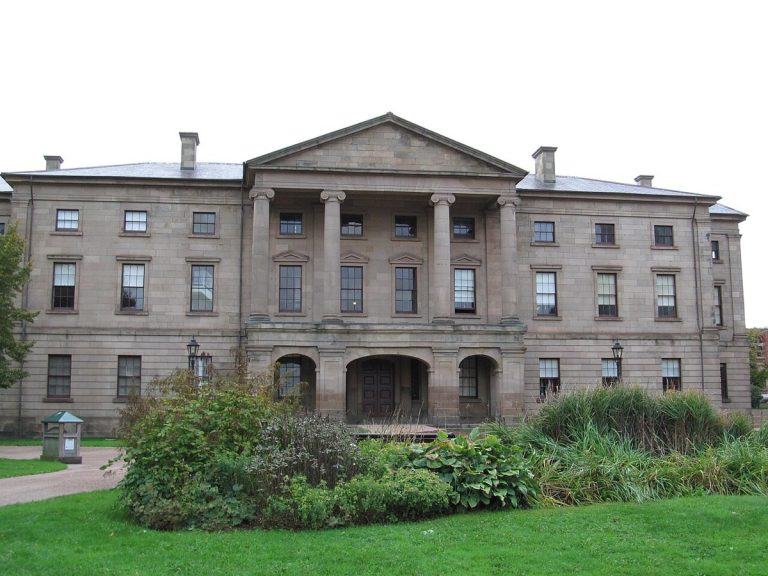
Province House in Charlottetown, Prince Edward Island, photographed in 2012.
CA-K152History

The Charlottetown and Québec Conferences of 1864

In September 1864, the Charlottetown Conference brought together leaders from Prince Edward Island, Nova Scotia, New Brunswick and the Province of Canada, who agreed in principle to a federal union. At the Québec Conference the following month, the delegates drafted the 72 Resolutions, which laid the foundation of the British North America Act.

Factual accuracy review: No recorded challenge

Contributor: Citizen.ca

Verified against cited sourcesVerified on 2026-10-26↗
Photo: Doug Kerr · Photo licence: CC BY-SA 2.0 · Credit & context
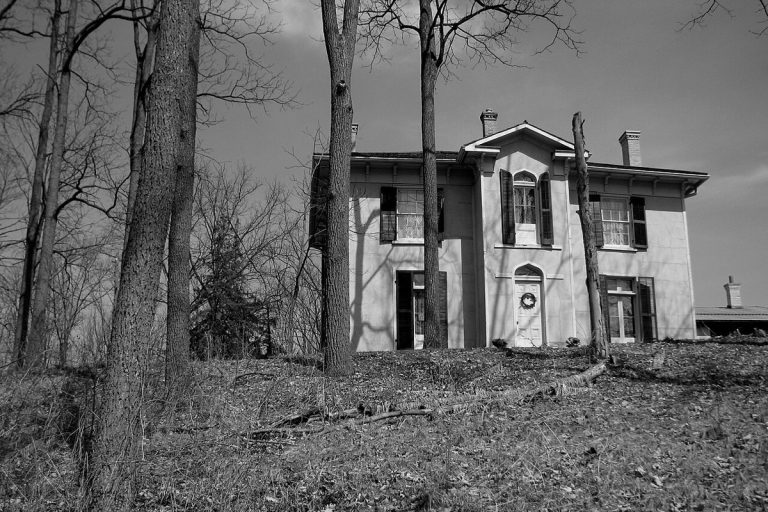
Chiefswood, Johnson’s birthplace on the Six Nations of the Grand River, Ontario, photographed in 2008.
CA-K139Indigenous peoples & reconciliation

E. Pauline Johnson, Mohawk poet and performer

E. Pauline Johnson (1861–1913), born at Chiefswood on the Six Nations of the Grand River, was the daughter of a Mohawk chief. Beginning in the 1890s she published poems, essays and stories and performed them on stages across Canada and abroad, gaining international fame.

Factual accuracy review: No recorded challenge

Contributor: Citizen.ca

Verified against cited sourcesVerified on 2026-10-26↗
Photo: Steve Colwill from Ottawa, Canada · Photo licence: CC BY 2.0 · Credit & context
The Stanley Cup in 2015.
CA-K134Culture & sport

The Stanley Cup was announced in 1892

In 1892, Governor General Lord Stanley’s donation of a challenge cup for Canada’s best hockey club was announced. First awarded to amateur teams, the Stanley Cup has been the exclusive prize of the National Hockey League’s playoff champion since 1927.

Factual accuracy review: No recorded challenge

Contributor: Citizen.ca

Verified against cited sourcesVerified on 2026-10-26↗
Photo: Alex Goykhman · Photo licence: CC BY-SA 4.0 · Credit & context
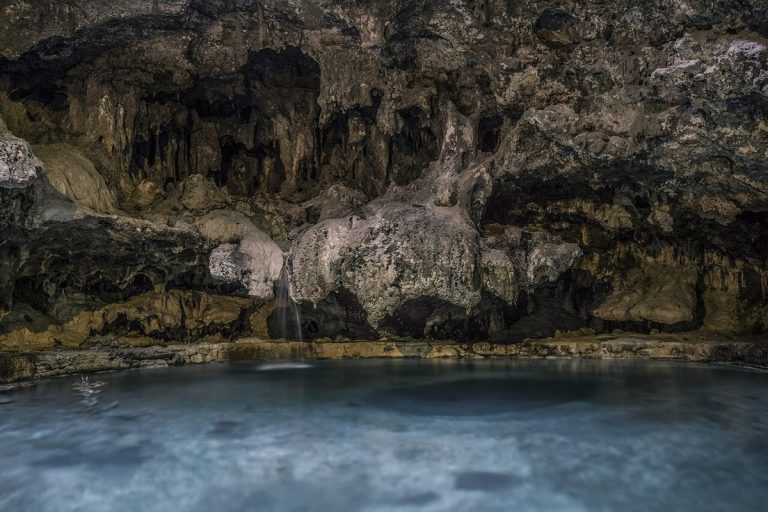
The cave pool at Cave and Basin National Historic Site, Banff, photographed in 2017.
CA-K109Places & geography

The Cave and Basin and Canada’s first national park

In 1885, the government created a 26 km² Hot Springs Reserve around the Cave and Basin hot springs in Banff. On 23 June 1887, the reserve was expanded to 665 km² and became Rocky Mountains National Park, the first national park in Canada.

Factual accuracy review: No recorded challenge

Contributor: Citizen.ca

Verified against cited sourcesVerified on 2026-10-26↗
Photo: Sovernigo · Photo licence: CC BY-SA 4.0 · Credit & context
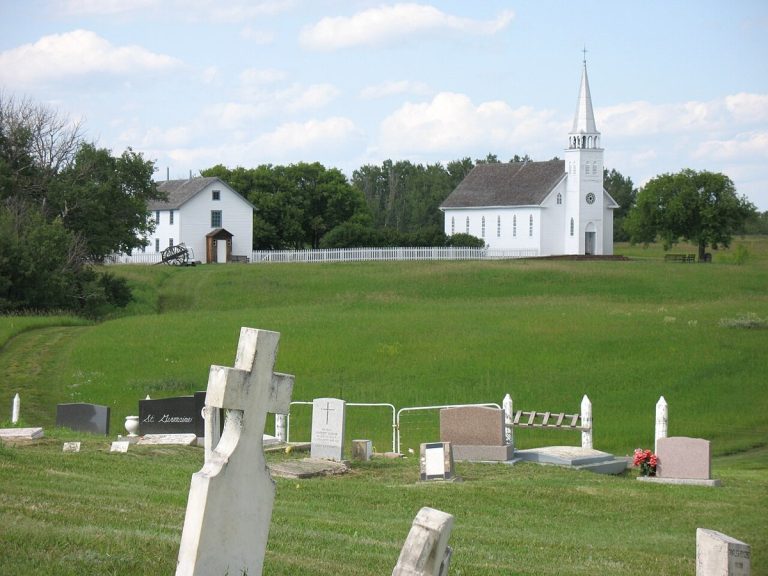
The church and rectory at Batoche National Historic Site, Saskatchewan, viewed from the cemetery in 2007.
CA-K104Indigenous peoples & reconciliation

Batoche and the Northwest Resistance of 1885

Batoche, a Métis settlement on the South Saskatchewan River north of Saskatoon, was the scene of Louis Riel and Gabriel Dumont’s last stand during the Northwest Resistance of 1885. Parks Canada describes it as a symbol of Métis resilience and cultural renewal.

Factual accuracy review: No recorded challenge

Contributor: Citizen.ca

Verified against cited sourcesVerified on 2026-10-26↗
Photo: Dave Bonser · Photo licence: CC BY-SA 3.0 · Credit & context
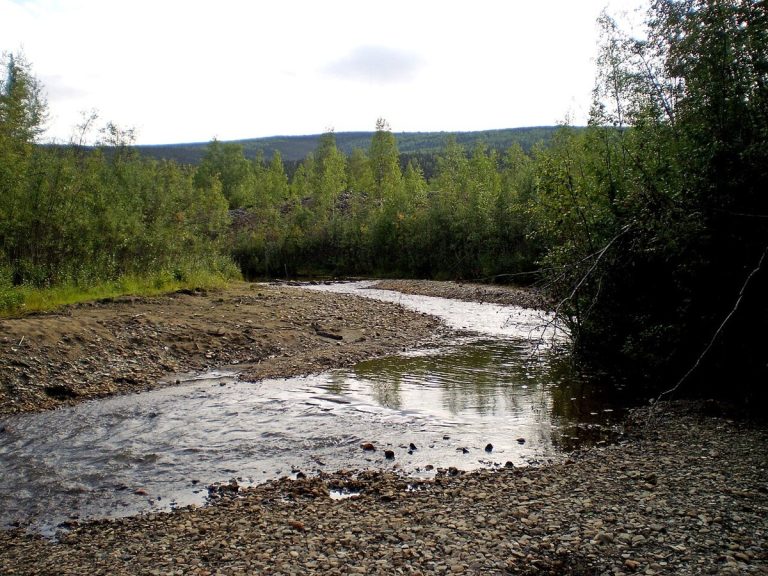
Discovery Claim on Bonanza Creek, photographed in August 2009; the site today, not an 1896 image.
CA-K082History

Gold found on Bonanza Creek, 16 August 1896

Gold was discovered at Discovery Claim on Bonanza Creek, Yukon, on 16 August 1896, triggering the Klondike Gold Rush. Accounts vary, but Parks Canada notes it is generally held that Keish (Skookum Jim Mason) of the Tagish First Nation discovered the gold.

Factual accuracy review: No recorded challenge

Contributor: Citizen.ca

Verified against cited sourcesVerified on 2026-10-26↗
Photo: JKBrooks85 · Photo licence: Public domain · Credit & context
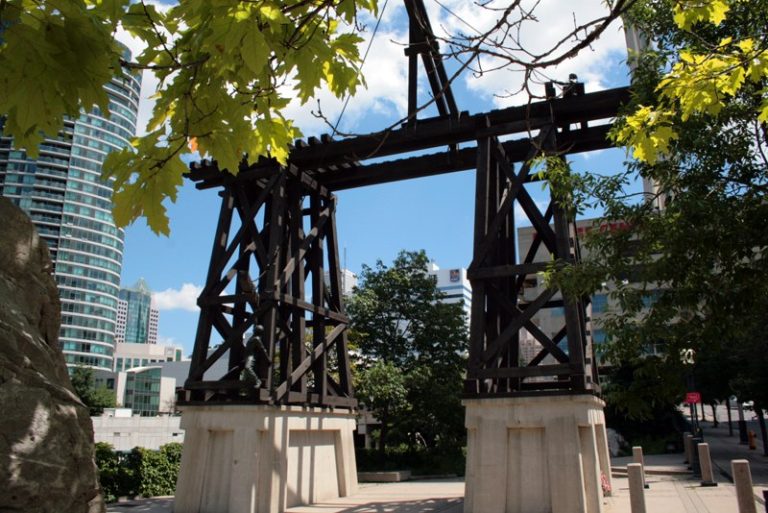
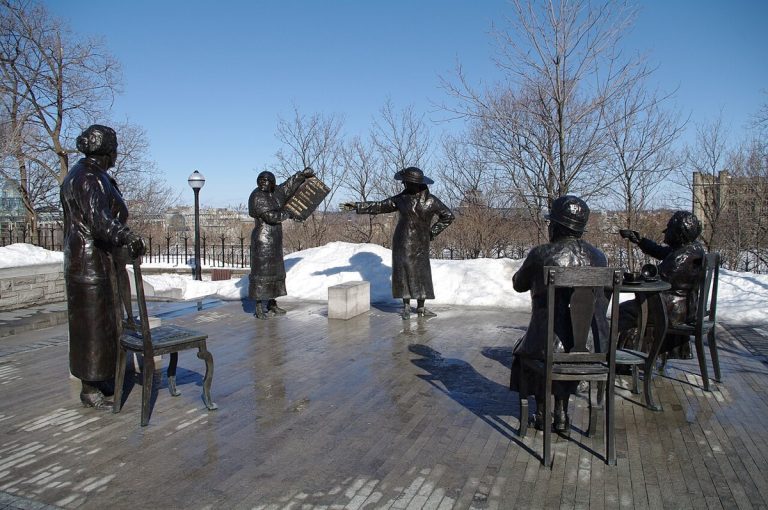
The “Women Are Persons!” monument on Parliament Hill, Ottawa, honouring the five women; a modern sculpture photographed in 2009, not a historical image.
CA-K077History

The Persons Case: 18 October 1929

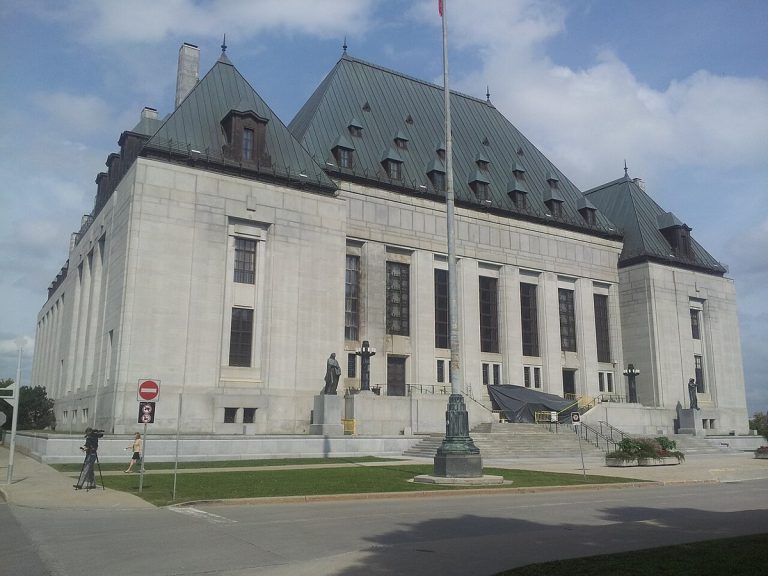
On 18 October 1929, the Judicial Committee of the Privy Council ruled that women were “persons” under section 24 of the British North America Act, 1867, and therefore eligible for appointment to the Senate. The appeal followed a 1928 Supreme Court of Canada decision and a campaign by five Alberta women: Emily Murphy, Henrietta Muir Edwards, Louise McKinney, Nellie McClung and Irene Parlby.

Factual accuracy review: No recorded challenge

Contributor: Citizen.ca

Verified against cited sourcesVerified on 2026-10-26↗
Photo: John.B.Codrington · Photo licence: CC BY-SA 4.0 · Credit & context
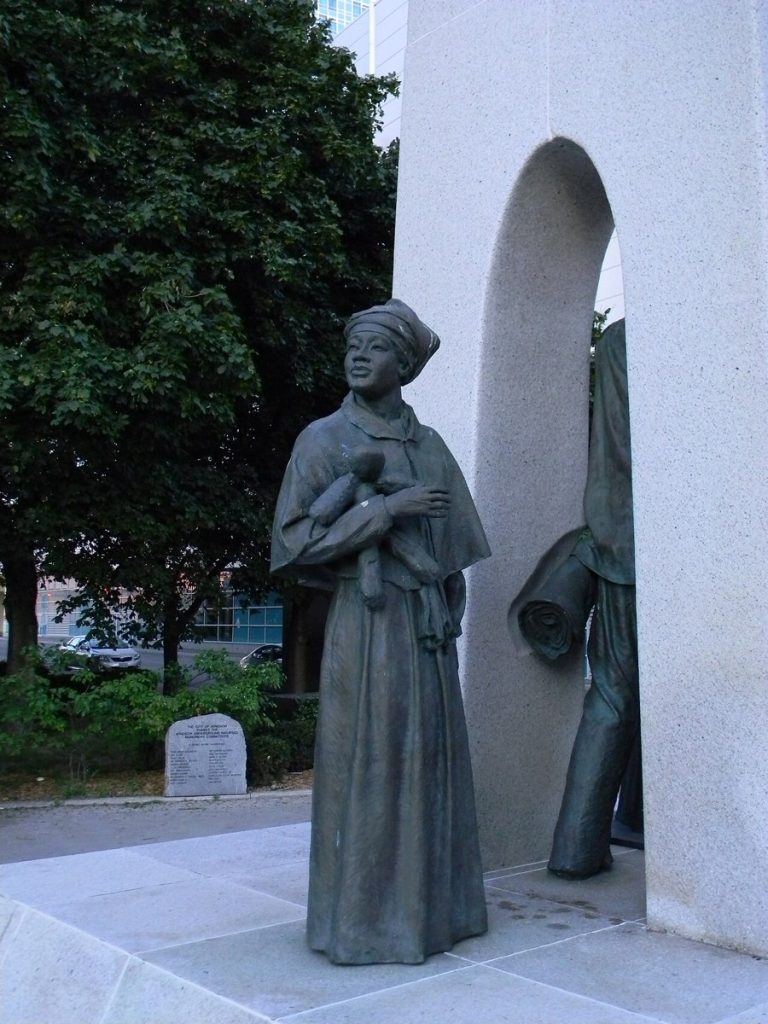
The Underground Railroad monument in Windsor, Ontario, photographed in 2011.
CA-K065History

The Underground Railroad brought freedom-seekers to Canada

From the early 19th century until the American Civil War, settlements along the Detroit and Niagara rivers were important terminals of the Underground Railroad, a network of Black and white abolitionists helping African Americans find freedom. By 1861, some 30,000 freedom-seekers lived in what is now Ontario.

Factual accuracy review: No recorded challenge

Contributor: Citizen.ca

Verified against cited sourcesVerified on 2026-10-26↗
Photo: M. Readey · Photo licence: CC BY-SA 3.0 · Credit & context