An independent Canadian knowledge project

Focused and Verified

Canadian knowledge base

Search by keyword

Choose one keyword, or combine two. Broader keywords include their descendants.

Keywords: Person

Clear search
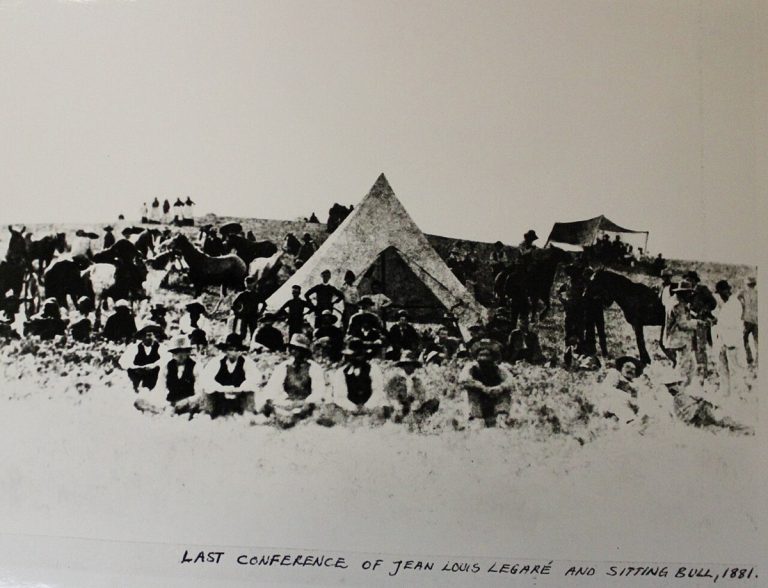
The last conference between Légaré and Sitting Bull (Saskatchewan Archives).
CA-K465History

Jean-Louis Légaré and Sitting Bull

Jean-Louis Légaré, a fur trader from Quebec who came to Wood Mountain in 1870 and founded a post at Willow Bunch, Saskatchewan, in 1880, was a trusted friend and unofficial spokesman for First Nations and Métis people. When Sitting Bull’s Lakota followers sought refuge in Canada, he worked with the North-West Mounted Police to keep the peace and persuade them to return to the United States.

Factual accuracy review: No recorded challenge

Contributor: Citizen.ca

Verified against cited sourcesVerified on 2026-10-26↗
Photo: Saskatchewan Archives · Photo licence: Public domain · Credit & context
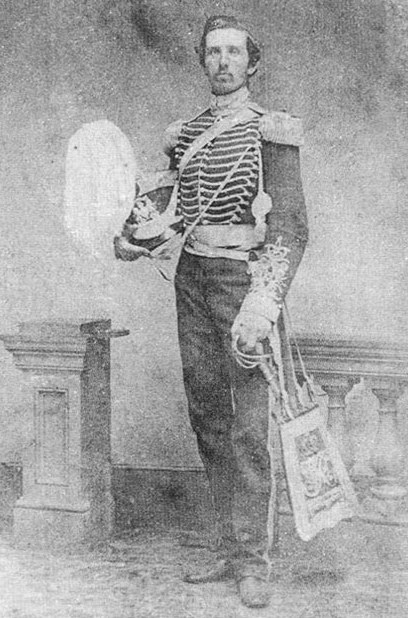
George Taylor Denison III.
CA-K463History

George T. Denison, Canada First and imperial federation

George Taylor Denison, from a prominent Toronto family, commanded a cavalry regiment that served in the Fenian Raids and the 1885 North-West Resistance, and helped found the nationalist Canada First movement. Believing Canada could keep its sovereignty only within the British Empire, he became a leader of the Imperial Federation League, and he was a Toronto police magistrate for 43 years.

Factual accuracy review: No recorded challenge

Contributor: Citizen.ca

Verified against cited sourcesVerified on 2026-10-26↗
Photo: Unknown author · Photo licence: Public domain · Credit & context
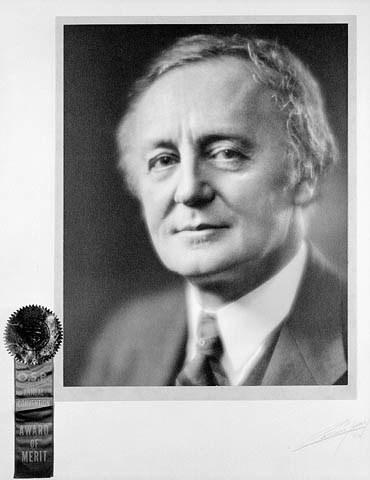
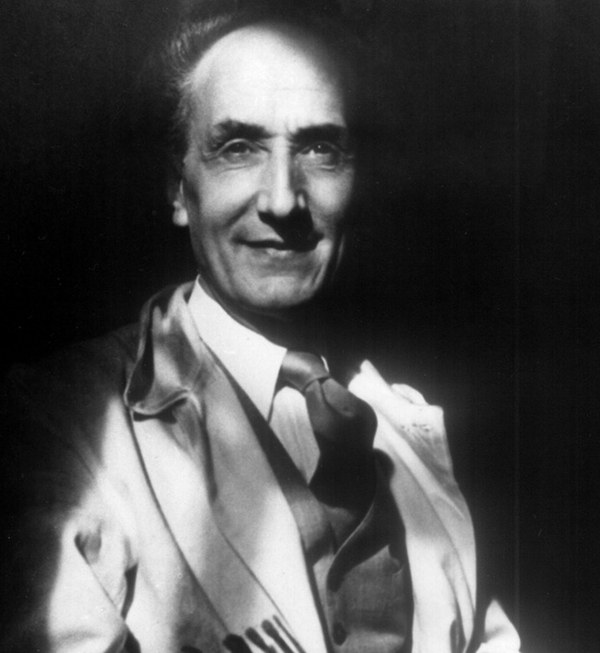
Guido Nincheri, around 1945.
CA-K462Culture & sport

Guido Nincheri, church artist of Montréal

Guido Nincheri had a major impact on church decoration in Canada in the first half of the 20th century, mastering buon fresco, painting on fresh plaster, which was rarely used in North America, and designing many church interiors and stained-glass windows. Detained during the internment of Italian Canadians in the Second World War, he later worked in the United States while keeping his Montréal studio.

Factual accuracy review: No recorded challenge

Contributor: Citizen.ca

Verified against cited sourcesVerified on 2026-10-26↗
Photo: Paul Provencher [2] (dead link) [3] (1902-1982) [4] · Photo licence: Public domain · Credit & context
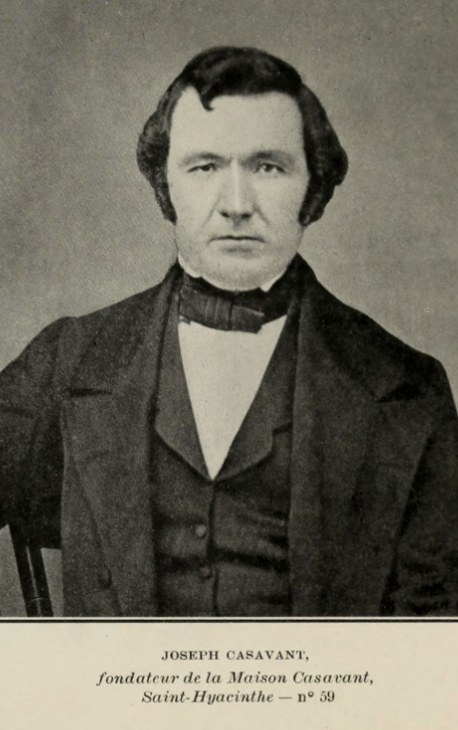
Marius Barbeau, salon portrait by Joseph-Alexandre Castonguay, 1942 (Library and Archives Canada).
CA-K461Culture & sport

Marius Barbeau, ethnographer and folklorist

Marius Barbeau, born at Sainte-Marie in the Beauce, was a pioneer Canadian ethnographer and folklorist who wrote hundreds of books and articles over a lifetime at the National Museum of Canada. His studies of West Coast totem poles brought them worldwide attention, and his collections of Quebec folk arts, songs and legends stirred pride in traditional French-Canadian culture.

Factual accuracy review: No recorded challenge

Contributor: Citizen.ca

Verified against cited sourcesVerified on 2026-10-26↗
Photo: Joseph-Alexandre Castonguay · Photo licence: Public domain · Credit & context
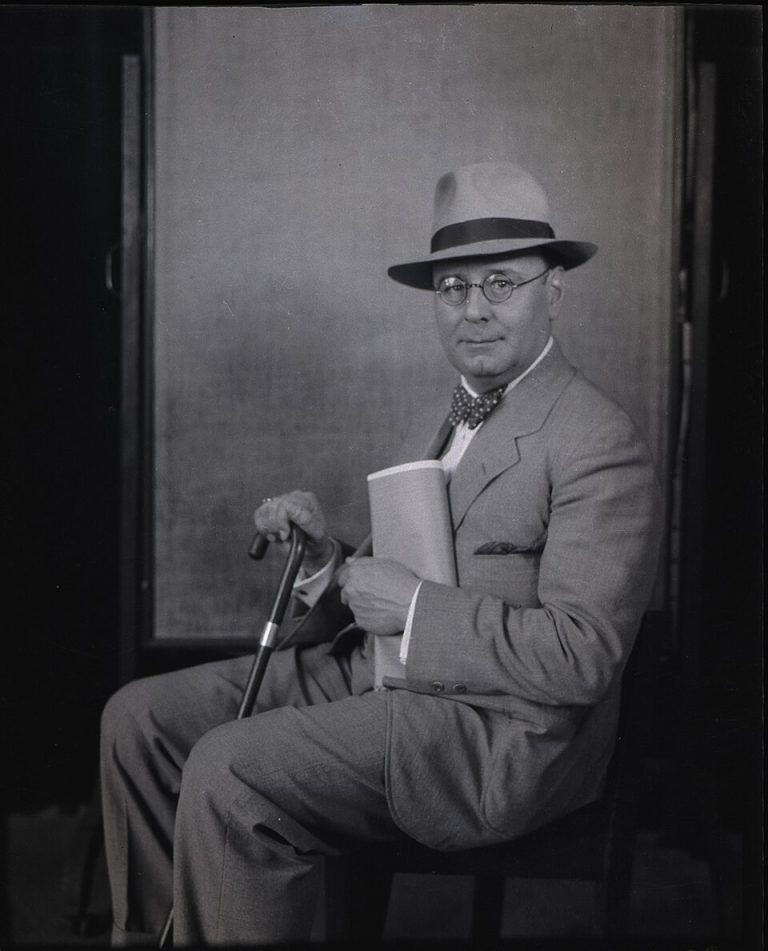
Joseph Casavant, portrait restored from a 1914 publication.
CA-K458Economy & trade

Joseph Casavant, organ builder of Saint-Hyacinthe

Joseph Casavant left blacksmithing at 27 to study music and became a builder of musical instruments, producing his first church organ in his Saint-Hyacinthe shop in 1840. By his retirement in 1866 Casavant organs were in demand throughout eastern Canada, and under his sons Claver and Samuel, Casavant Frères won an international reputation.

Factual accuracy review: No recorded challenge

Contributor: Citizen.ca

Verified against cited sourcesVerified on 2026-10-26↗
Photo: Ty's Commons · Photo licence: CC BY-SA 4.0 · Credit & context
Dr. Healey Willan in 1930 (Archives of Ontario).
CA-K457Culture & sport

Healey Willan, composer of sacred music

Healey Willan came to Canada in 1913 to teach at the Toronto Conservatory of Music, now the Royal Conservatory. As organist and choirmaster of St. Mary Magdalene in Toronto from 1921 to 1968, he composed the sacred music for which he is particularly remembered.

Factual accuracy review: No recorded challenge

Contributor: Citizen.ca

Verified against cited sourcesVerified on 2026-10-26↗
Photo: Unknown photographer (1930); Archives of Ontario, I0001735 · Photo licence: Public domain · Credit & context
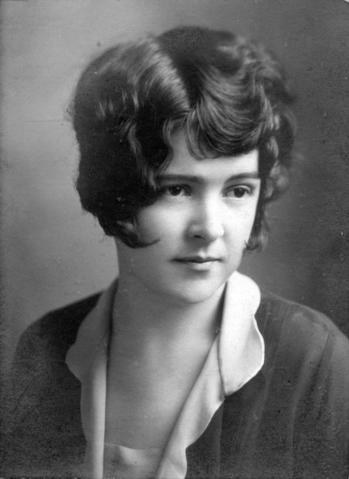
Helena Gutteridge in 1911 (City of Vancouver Archives).
CA-K456Institutions

Helena Gutteridge, suffragist and labour organizer

Helena Gutteridge, a feminist reformer who had campaigned for the vote in Britain, came to Vancouver in 1911 and brought wage-earning women into Canada’s mostly middle-class suffrage movement. She helped organize women workers through the Vancouver Trades and Labour Council, and in 1937 became the first woman elected to Vancouver City Council, helping lay the foundations of social housing in British Columbia.

Factual accuracy review: No recorded challenge

Contributor: Citizen.ca

Verified against cited sourcesVerified on 2026-10-26↗
Photo: Matthews, James Skitt, Major · Photo licence: Public domain · Credit & context
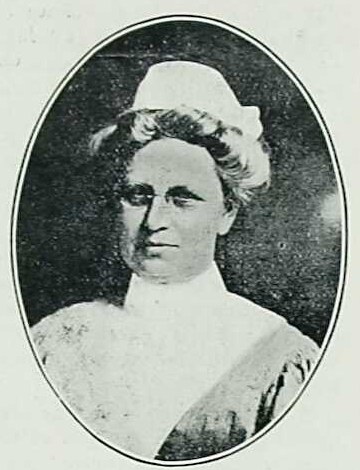
Mary Southcott, portrait published in The Distaff, 1917.
CA-K455Institutions

Mary Southcott and nursing in Newfoundland

Mary Southcott, an educator, suffragist and nursing leader, led the campaign to professionalize nursing in early 20th-century Newfoundland. Trained in London, she founded the St. John’s General Hospital School of Nursing in 1903, the only one in Newfoundland until 1929, and helped raise standards, train midwives and found a professional association of nurses.

Factual accuracy review: No recorded challenge

Contributor: Citizen.ca

Verified against cited sourcesVerified on 2026-10-26↗
Photo: The Distaff, 1917 · Photo licence: Public domain · Credit & context
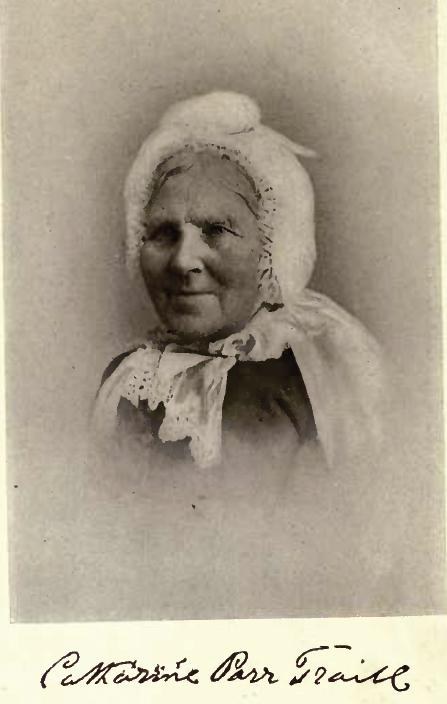
Catharine Parr Traill, photographed by William James Topley.
CA-K453Culture & sport

Catharine Parr Traill, The Backwoods of Canada

Catharine Parr Traill, born in London, emigrated to Upper Canada in 1832 and settled in Douro Township and later Lakefield. Her most famous work, The Backwoods of Canada (1836), is a set of letters to her mother portraying the hardships of pioneer life, and as a naturalist she wrote Canadian Wild Flowers (1868) and Studies of Plant Life in Canada (1885).

Factual accuracy review: No recorded challenge

Contributor: Citizen.ca

Verified against cited sourcesVerified on 2026-10-26↗
Photo: William James Topley · Photo licence: Public domain · Credit & context
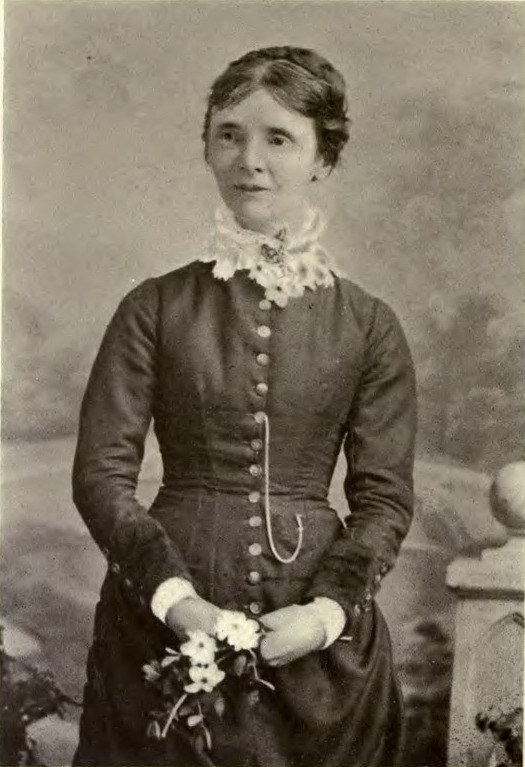
Agnes Maule Machar, portrait published in 1903.
CA-K452Culture & sport

Agnes Maule Machar, Victorian social commentator

Agnes Maule Machar was an influential social commentator in Victorian Canada and a proponent of Christian social reform and Canadian nationalism with imperial sentiment. In leading periodicals she debated intellectual leaders, arguing for temperance, labour reform and women’s rights, including access to higher education.

Factual accuracy review: No recorded challenge

Contributor: Citizen.ca

Verified against cited sourcesVerified on 2026-10-26↗
Photo: Unknown photographer; published in H. J. Morgan, Types of Canadian Women (1903) · Photo licence: Public domain · Credit & context
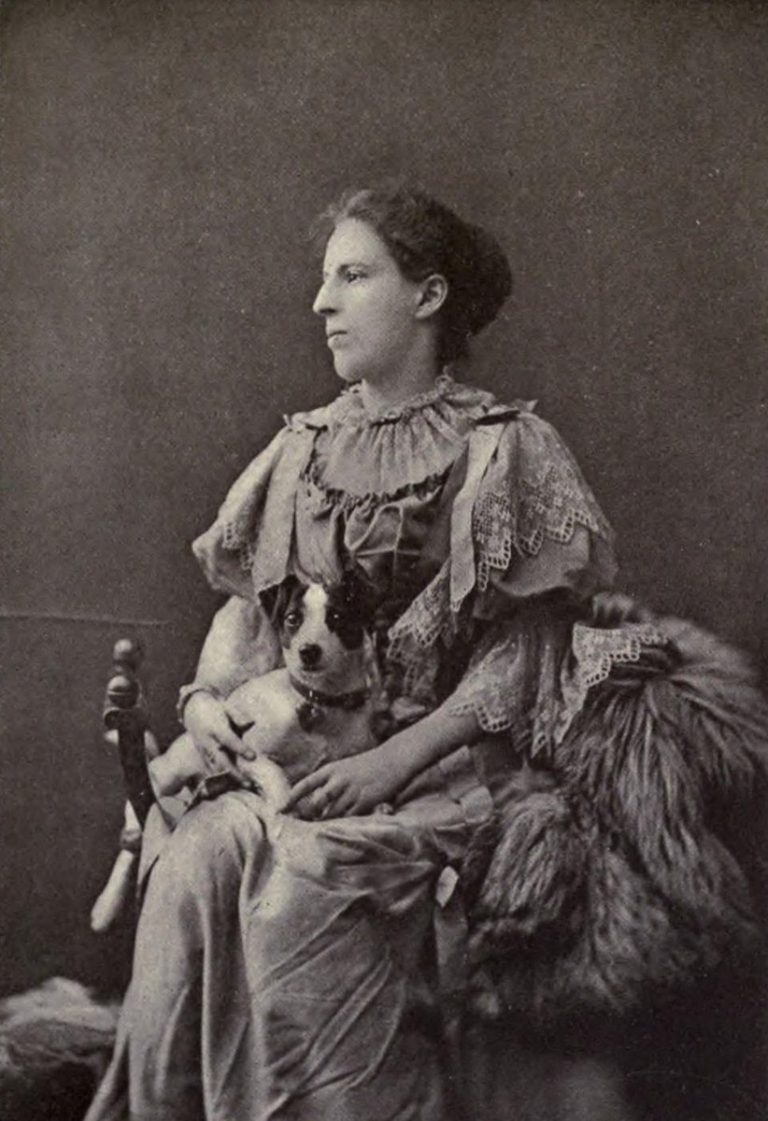
Margaret Marshall Saunders (Gauvin & Gentzel).
CA-K451Culture & sport

Margaret Marshall Saunders and Beautiful Joe

Margaret Marshall Saunders of Milton, Nova Scotia, wrote some 25 books, 14 of them animal stories. Her first, Beautiful Joe (1894), the gentle autobiography of a dog, sold about a million copies in 14 languages, and she gave most of her royalties to humane societies.

Factual accuracy review: No recorded challenge

Contributor: Citizen.ca

Verified against cited sourcesVerified on 2026-10-26↗
Photo: Gauvin & Gentzel · Photo licence: Public domain · Credit & context
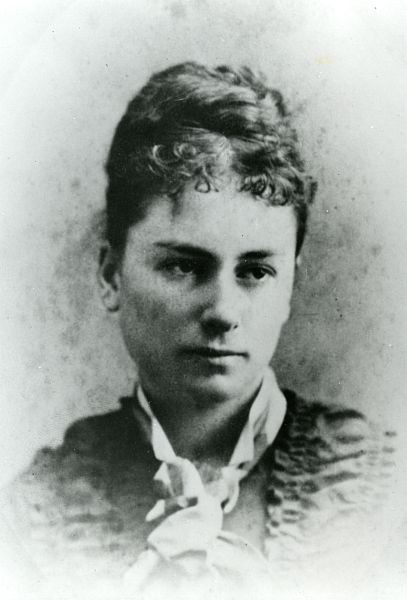
Portrait of Grace Annie Lockhart.
CA-K450Institutions

Grace Annie Lockhart, first woman graduate in the British Empire

Grace Annie Lockhart was the first woman to earn a university degree in the British Empire. A student at the Mount Allison Ladies’ Academy in Sackville, New Brunswick, she took courses at Mount Allison College, which had become co-educational in 1872, enrolled formally in 1874 and graduated on 25 May 1875 with a Bachelor of Science and English Literature.

Factual accuracy review: No recorded challenge

Contributor: Citizen.ca

Verified against cited sourcesVerified on 2026-10-26↗
Photo: Unknown author · Photo licence: Public domain · Credit & context
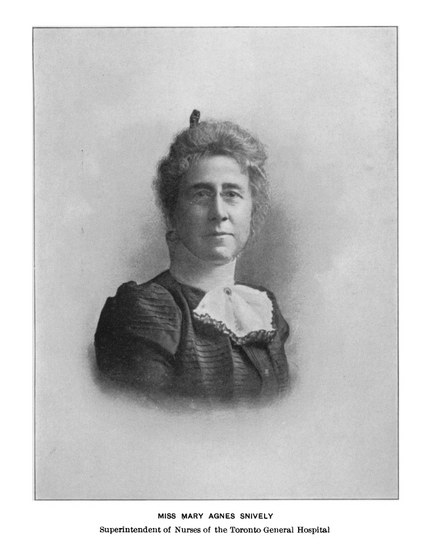
Mary Agnes Snively, portrait published in 1901.
CA-K449Institutions

Mary Agnes Snively and the nursing profession

Mary Agnes Snively led the struggle to have nursing recognized as a science-based profession rather than a domestic pursuit. In 1908 she founded the Canadian National Association of Trained Nurses, which became the Canadian Nurses Association in 1924, and she made the Toronto General Hospital School of Nursing a model of nursing education.

Factual accuracy review: No recorded challenge

Contributor: Citizen.ca

Verified against cited sourcesVerified on 2026-10-26↗
Photo: The American Journal of Nursing · Photo licence: Public domain · Credit & context
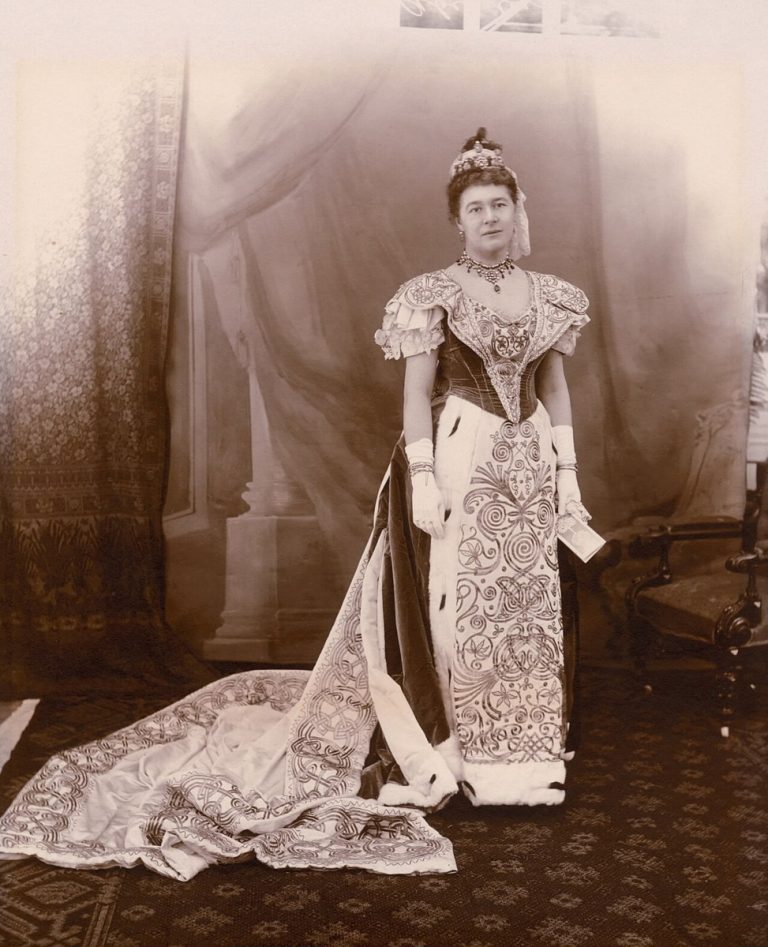
Portrait of Lady Aberdeen (Toronto Public Library).
CA-K447Institutions

Lady Aberdeen, the National Council of Women and the VON

Lady Aberdeen (Ishbel Maria Marjoribanks), wife of Governor General Lord Aberdeen (1893–1898), devoted her life to social causes. In Canada she founded the National Council of Women, helped establish the Victorian Order of Nurses and led the Aberdeen Association, which sent reading material to settlers; she also served for years as president of the International Council of Women.

Factual accuracy review: No recorded challenge

Contributor: Citizen.ca

Verified against cited sourcesVerified on 2026-10-26↗
Photo: Special Collections Toronto Public Library from Toronto, Canada · Photo licence: CC BY-SA 2.0 · Credit & context
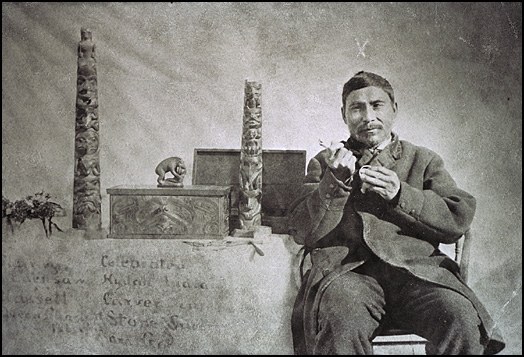
Charles Edenshaw, Haida artist (Canadian Museum of History).
CA-K445Indigenous peoples & reconciliation

Charles Edenshaw (Tahayren), Haida artist

Charles Edenshaw (Tahayren), born at Skidegate, was the foremost Haida carver at the time Haida art first won international recognition. Trained by his uncle, he worked in argillite and silver in a personal style that extended the traditional range of Haida art, and his work is held in museums in North America and Europe.

Factual accuracy review: No recorded challenge

Contributor: Citizen.ca

Verified against cited sourcesVerified on 2026-10-26↗
Photo: Unknown author · Photo licence: Public domain · Credit & context
Ipirvik (Ebierbing) and Taqulittuq (Tookoolito), tintype from before 1876 (Mystic Seaport Museum).
CA-K444Indigenous peoples & reconciliation

Ipirvik and Taqulittuq, Inuit guides of Arctic expeditions

Ipirvik and Taqulittuq, an Inuit couple from Baffin Island, helped several important Arctic expeditions in the 1860s and 1870s: Ipirvik hunted and drove dog teams, and Taqulittuq made Arctic clothing and interpreted. In 1872–1873 they were indispensable to the survival of a group of American explorers stranded all winter on an ice floe, showing the value of the Inuit way of travelling light and living off the land.

Factual accuracy review: No recorded challenge

Contributor: Citizen.ca

Verified against cited sourcesVerified on 2026-10-26↗
Photo: Unknown author · Photo licence: Public domain · Credit & context
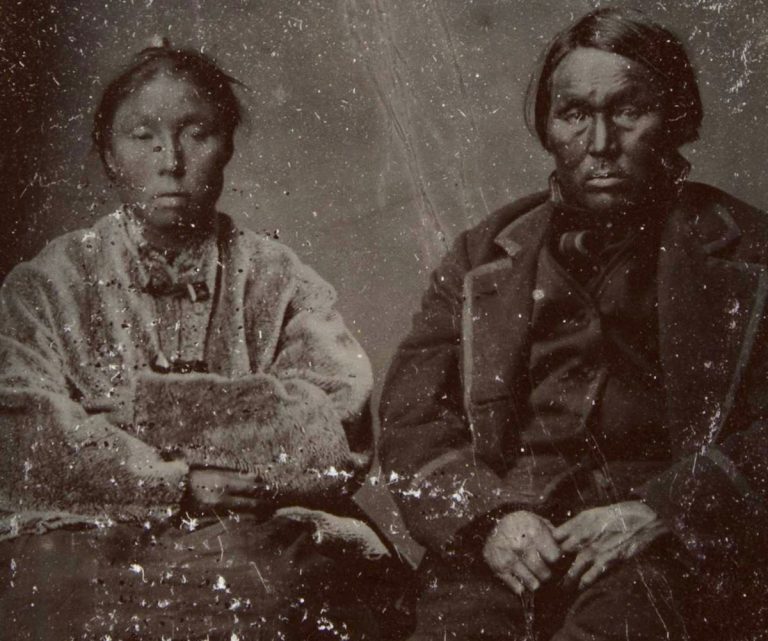
Laura Secord in her later years, around 1865 (McCord Museum).
CA-K443History

Laura Secord’s walk in 1813

On 22 June 1813, during the War of 1812, Laura Secord set out from her home in Queenston to warn the British of a planned American attack at Beaver Dams. She walked alone more than 30 kilometres behind enemy lines to the De Cew farmhouse and told Lieutenant FitzGibbon of the plan. Later in the 19th century, the first generation of women historians championed her deed to make women’s contributions to Canadian history known.

Factual accuracy review: No recorded challenge

Contributor: Citizen.ca

Verified against cited sourcesVerified on 2026-10-26↗
Photo: Anonymous (photographer unidentified) · Photo licence: Public domain · Credit & context
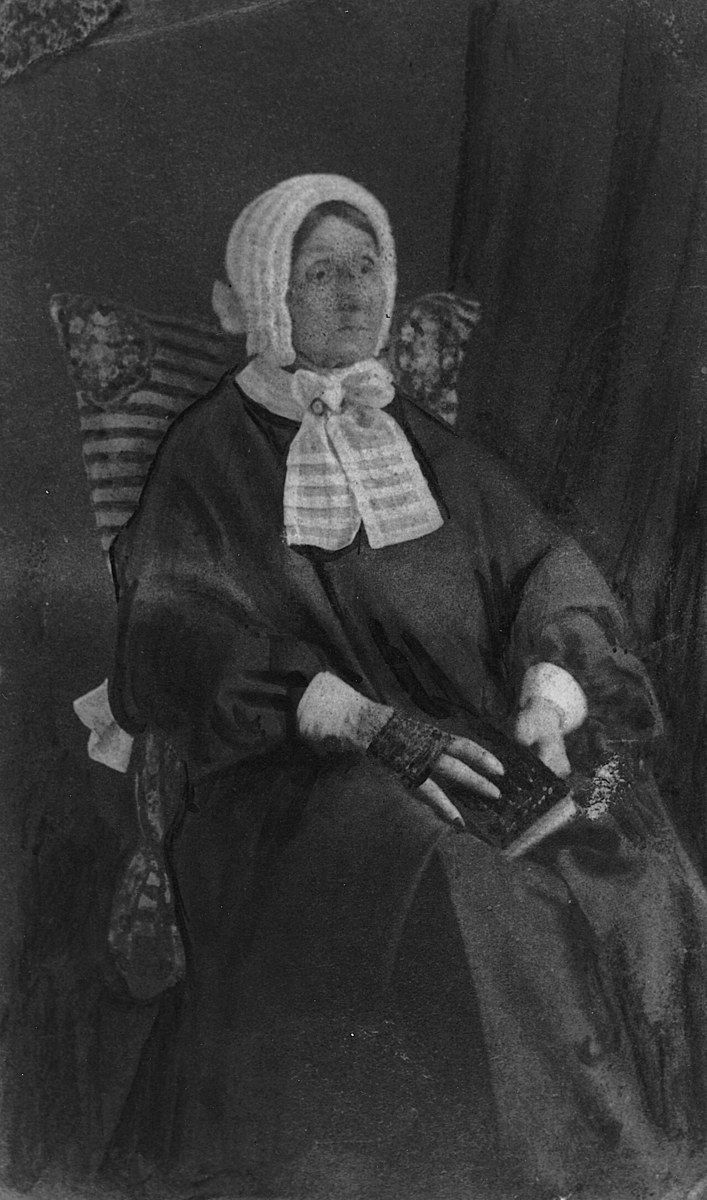
Susanna Moodie, portrait published in 1903.
CA-K441Culture & sport

Susanna Moodie, Roughing It in the Bush

Susanna Moodie, born in England, immigrated to Upper Canada with her husband in 1832, farmed near Cobourg and in the backwoods near Rice Lake, and settled in Belleville in 1840. A leading author of the pre-Confederation period, she wrote two autobiographical books, Roughing It in the Bush (1852) and Life in the Clearings (1853), that have become Canadian classics.

Factual accuracy review: No recorded challenge

Contributor: Citizen.ca

Verified against cited sourcesVerified on 2026-10-26↗
Photo: Unknown photographer; published in H. J. Morgan, Types of Canadian Women (1903) · Photo licence: Public domain · Credit & context
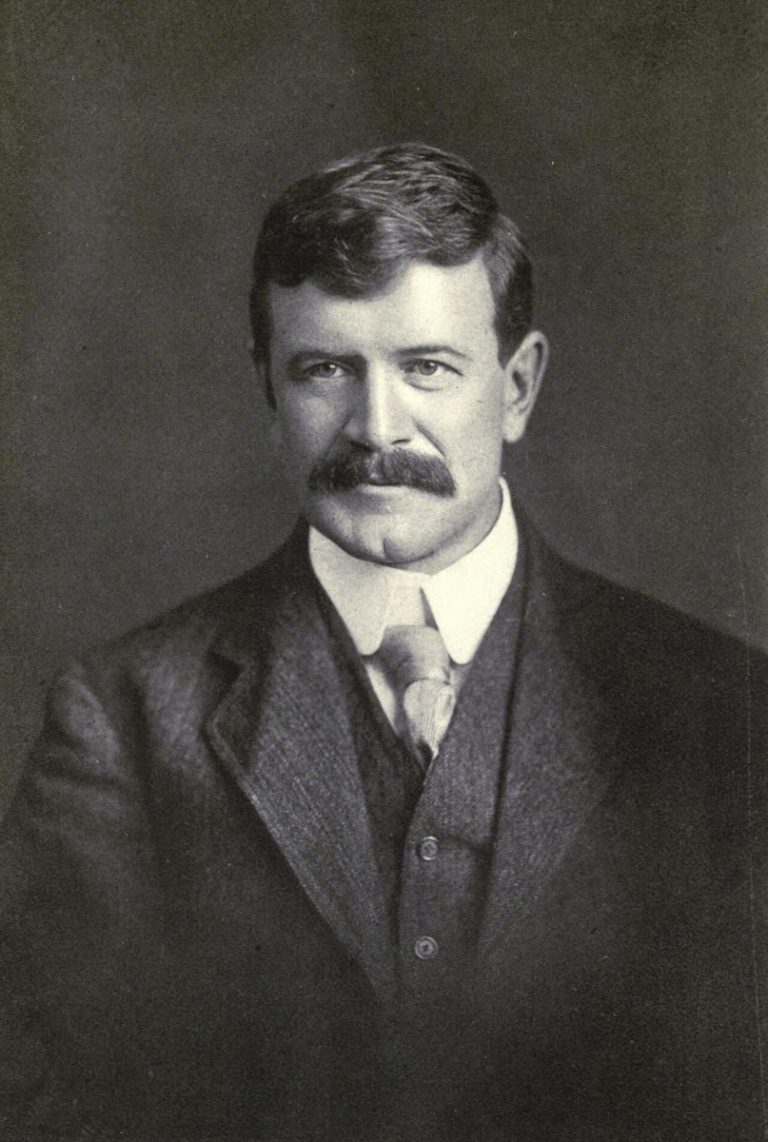
Stephen Leacock, portrait published in 1913.
CA-K440Culture & sport

Stephen Leacock, humorist

Stephen Leacock spent most of his career at McGill University teaching history and political science, but he is chiefly known as a humorist. Sunshine Sketches of a Little Town (1912) made his reputation across the English-speaking world, and his work finds humour in ordinary people in everyday situations through exaggeration and incongruity.

Factual accuracy review: No recorded challenge

Contributor: Citizen.ca

Verified against cited sourcesVerified on 2026-10-26↗
Photo: The Arts & Letters Club of Toronto · Photo licence: Public domain · Credit & context
Portrait of Timothy Eaton, 1903.
CA-K439Economy & trade

Timothy Eaton, department store and mail order

Timothy Eaton, born in Ireland, opened his own store in Toronto in 1869. Innovations such as cash sales at fixed prices made it one of Canada’s first department stores, and in 1884 he introduced a mail-order department that brought low prices and a wide choice of goods to rural Canadians. At his death it was Canada’s largest retail business.

Factual accuracy review: No recorded challenge

Contributor: Citizen.ca

Verified against cited sourcesVerified on 2026-10-26↗
Photo: Unknown author · Photo licence: Public domain · Credit & context
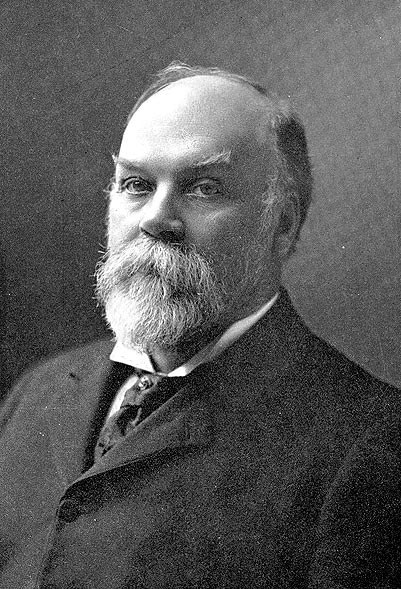
Captain Joseph-Elzéar Bernier (Bain News Service).
CA-K438Places & geography

Captain Joseph-Elzéar Bernier and Arctic sovereignty

Captain Joseph-Elzéar Bernier of L’Islet, Quebec, a skilled navigator, travelled widely in the Canadian North between 1904 and 1925. On seven of these expeditions he commanded the government ship CGS Arctic, affirming Canadian sovereignty over the Arctic Archipelago.

Factual accuracy review: No recorded challenge

Contributor: Citizen.ca

Verified against cited sourcesVerified on 2026-10-26↗
Photo: George Grantham Bain Collection · Photo licence: Public domain · Credit & context
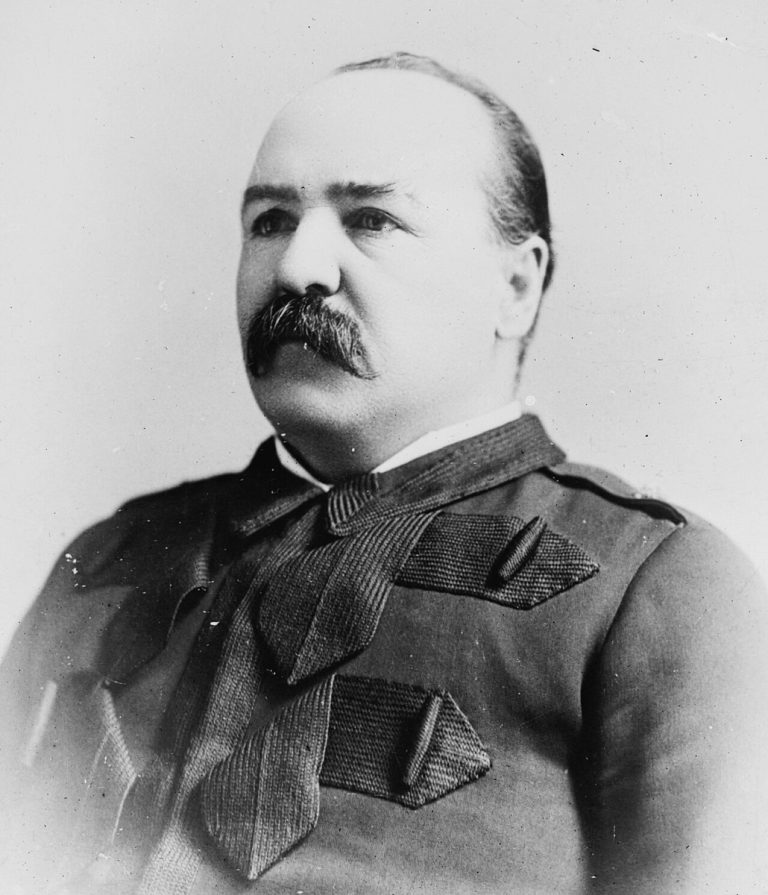
Sir Sandford Fleming with his grandchildren, July 1893 (Topley Studio).
CA-K436History

Sir Sandford Fleming, engineer and champion of standard time

Sir Sandford Fleming, born in Scotland, came to Canada in 1845 and became survey and construction engineer for the Intercolonial Railway and the Canadian Pacific. A man of wide interests and an ardent imperialist, he advocated the Pacific telegraph cable, designed the first Canadian postage stamp in 1851, and was an early champion of standard time.

Factual accuracy review: No recorded challenge

Contributor: Citizen.ca

Verified against cited sourcesVerified on 2026-10-26↗
Photo: William James Topley · Photo licence: Public domain · Credit & context
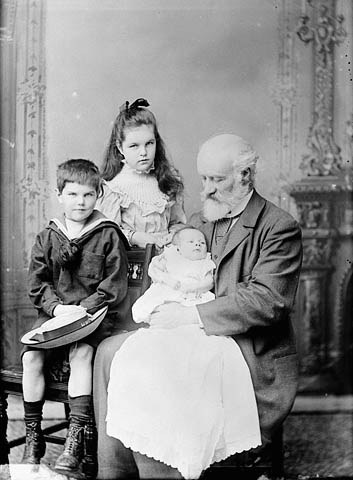
Joseph-Armand Bombardier at the wheel of a Bombardier military snowmobile, March 1943.
CA-K435Economy & trade

Joseph-Armand Bombardier and the snowmobile

Joseph-Armand Bombardier of Valcourt, Quebec, developed snow vehicles that helped reduce winter isolation in rural areas of Canada and elsewhere. He patented the snowmobile in 1937 and the smaller Ski-Doo in 1960, both designed and built in Valcourt, and after his death the company he founded became a world leader in transportation.

Factual accuracy review: No recorded challenge

Contributor: Citizen.ca

Verified against cited sourcesVerified on 2026-10-26↗
Photo: Unknown author · Photo licence: Public domain · Credit & context
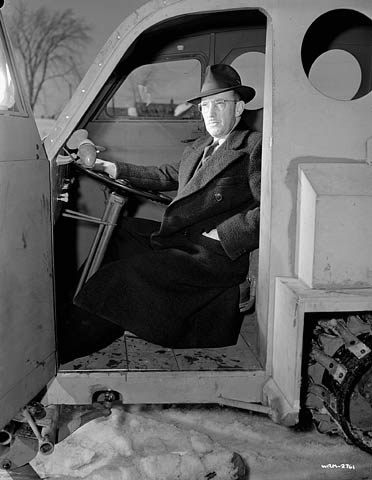
Thomas “Carbide” Willson in Ottawa, around 1914 (Library and Archives Canada).
CA-K432Economy & trade

Thomas “Carbide” Willson and acetylene

Thomas “Carbide” Willson, a largely self-educated inventor from Oxford County, Upper Canada, discovered in 1892 a method of mass-producing calcium carbide. Acetylene gas made from it was used for lighting and as a source of other industrial chemicals, and his discovery helped lay the foundation of the electrochemical industry in the early 20th century.

Factual accuracy review: No recorded challenge

Contributor: Citizen.ca

Verified against cited sourcesVerified on 2026-10-26↗
Photo: Unknown author · Photo licence: Public domain · Credit & context