
An independent Canadian knowledge project

Focused and Verified

Canadian knowledge base

Search by keyword

Choose one keyword, or combine two. Broader keywords include their descendants.

Keywords: 1900–1999

Clear search
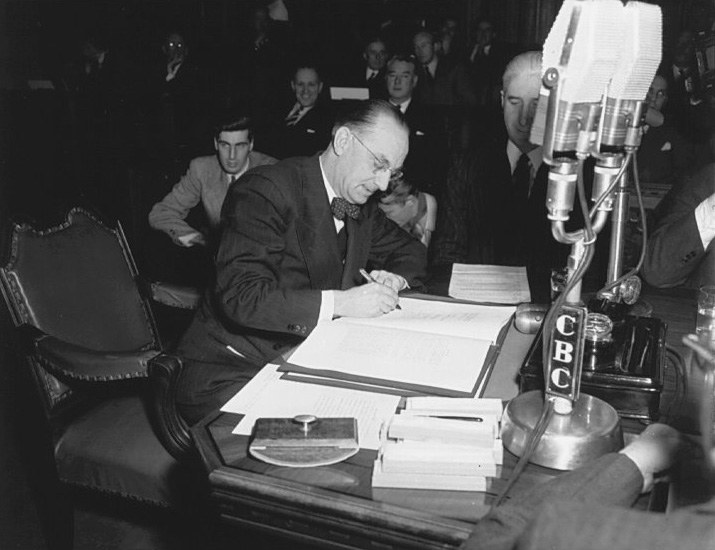
Joey Smallwood signing the agreement admitting Newfoundland into Confederation, Ottawa, December 1948 (National Film Board).
CA-K563History

Joey Smallwood, Newfoundland’s Father of Confederation

Joseph “Joey” Smallwood, born at Gambo and a journalist, labour organizer and broadcaster, played a decisive role in bringing Newfoundland into Confederation in 1949. He became a passionate advocate of union from 1946, helped negotiate the terms and dominated the referendum campaigns, then served as premier from 1949 to 1972.

Factual accuracy review: No recorded challenge

Contributor: Citizen.ca

Verified against cited sourcesVerified on 2026-10-26↗
Photo: NFB · Photo licence: Public domain · Credit & context
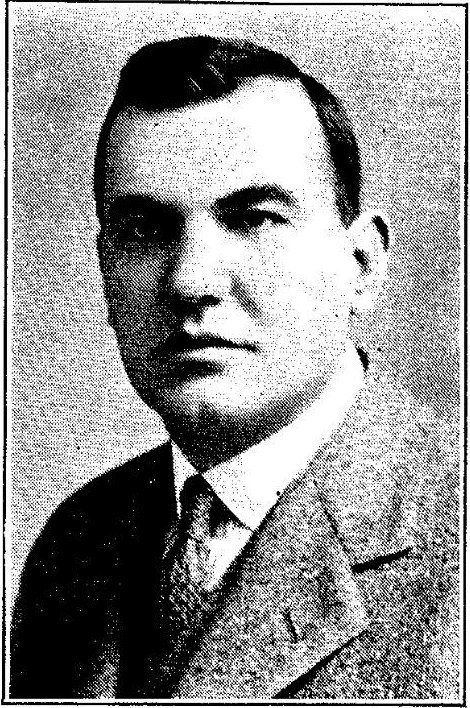
Édouard Lacroix, 1927.
CA-K560Economy & trade

Édouard Lacroix, Beauce industrialist

Édouard Lacroix, a business leader from the Beauce, built an industrial empire in Quebec, the Maritimes and New England, opening up Appalachian forests and helping integrate the lumber and pulp and paper industries of the Saint John River basin. A rare francophone among interwar industrial leaders, he was also an MP from 1925 to 1944.

Factual accuracy review: No recorded challenge

Contributor: Citizen.ca

Verified against cited sourcesVerified on 2026-10-26↗
Photo: Philippe Angers · Photo licence: Public domain · Credit & context
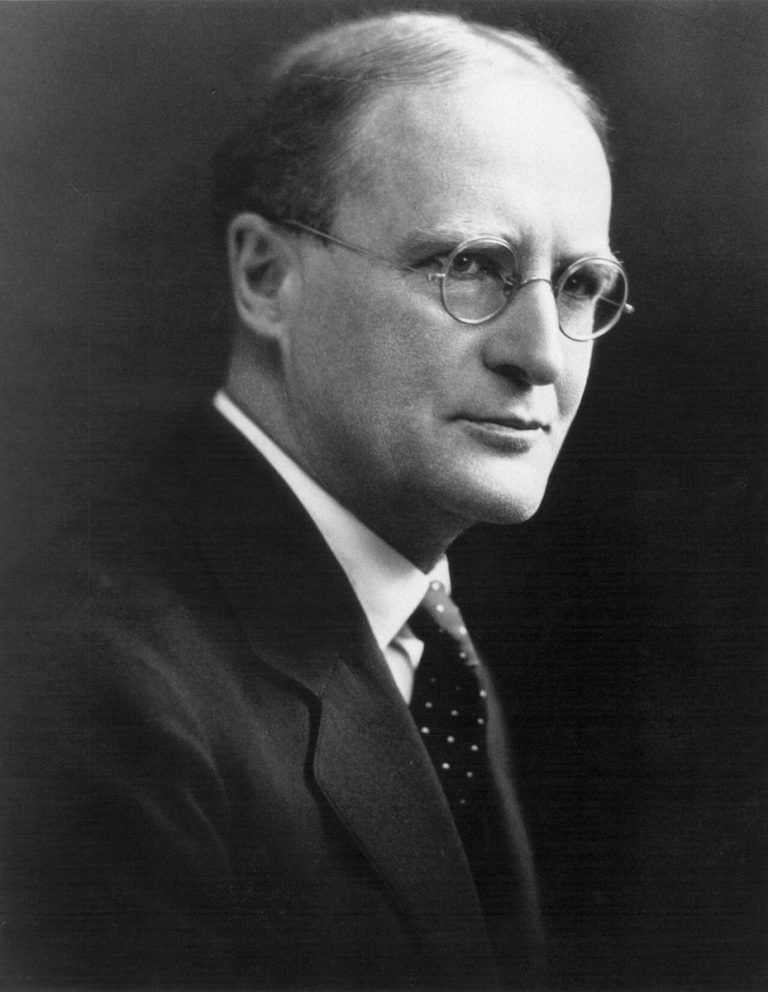
Dr. Oscar D. Skelton (Lafayette, Library and Archives Canada).
CA-K558Institutions

O. D. Skelton and the Department of External Affairs

Oscar Douglas Skelton, a Queen’s University professor of history and economics, left in 1924 to join the young Department of External Affairs and organized it on an enduring basis. He advised prime ministers Meighen, King and Bennett on foreign policy, advocating an independent Canadian position distinct from Britain’s.

Factual accuracy review: No recorded challenge

Contributor: Citizen.ca

Verified against cited sourcesVerified on 2026-10-26↗
Photo: Lafayette / Library and Archives Canada · Photo licence: Public domain · Credit & context
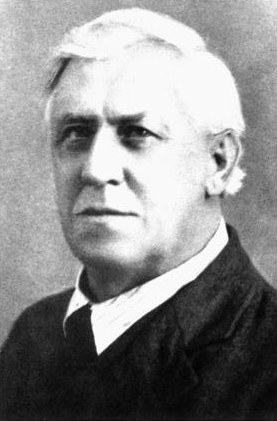
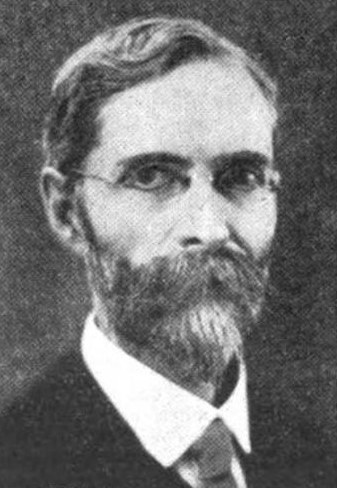
Charles Edward Saunders, portrait published in 1927.
CA-K555Economy & trade

Charles Saunders and Marquis wheat

Charles Edward Saunders of London, Ontario, was Dominion Cerealist at the Experimental Farm in Ottawa from 1903 to 1922. There in 1904 he developed the famous Marquis wheat, first grown by farmers in 1910, along with other varieties suited to the Prairies such as Ruby, Garnet and Reward.

Factual accuracy review: No recorded challenge

Contributor: Citizen.ca

Verified against cited sourcesVerified on 2026-10-26↗
Photo: Unknown author · Photo licence: Public domain · Credit & context
Edward Alexander Partridge (Saskatchewan Archives Board).
CA-K546Economy & trade

E. A. Partridge, prairie farm leader

E. A. Partridge, a farmer at Sintaluta, Saskatchewan, led farmers who banded together to defend their interests in the wheat boom. He helped found the Grain Growers’ Grain Company in 1905–1906 and was founding editor of the Grain Growers’ Guide in 1908, championing co-operative grain marketing, wheat pools and farmer–worker co-operation.

Factual accuracy review: No recorded challenge

Contributor: Citizen.ca

Verified against cited sourcesVerified on 2026-10-26↗
Photo: Saskatchewan Archives Board · Photo licence: Public domain · Credit & context
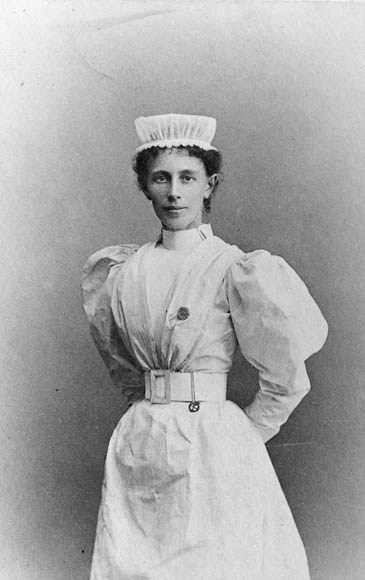
Georgina Pope, head nurse of the first Canadian contingent, around 1898.
CA-K520History

Georgina Fane Pope and Canadian military nursing

Georgina Fane Pope of Charlottetown was chosen in 1899 to lead Canada’s military nurses in the South African War and became the first Canadian to receive the Royal Red Cross. Appointed to the permanent Army Medical Corps in 1906, she became Canada’s first military nursing matron in 1908, in charge of all Canadian military nurses.

Factual accuracy review: No recorded challenge

Contributor: Citizen.ca

Verified against cited sourcesVerified on 2026-10-26↗
Photo: A.G. Pittaway · Photo licence: Public domain · Credit & context
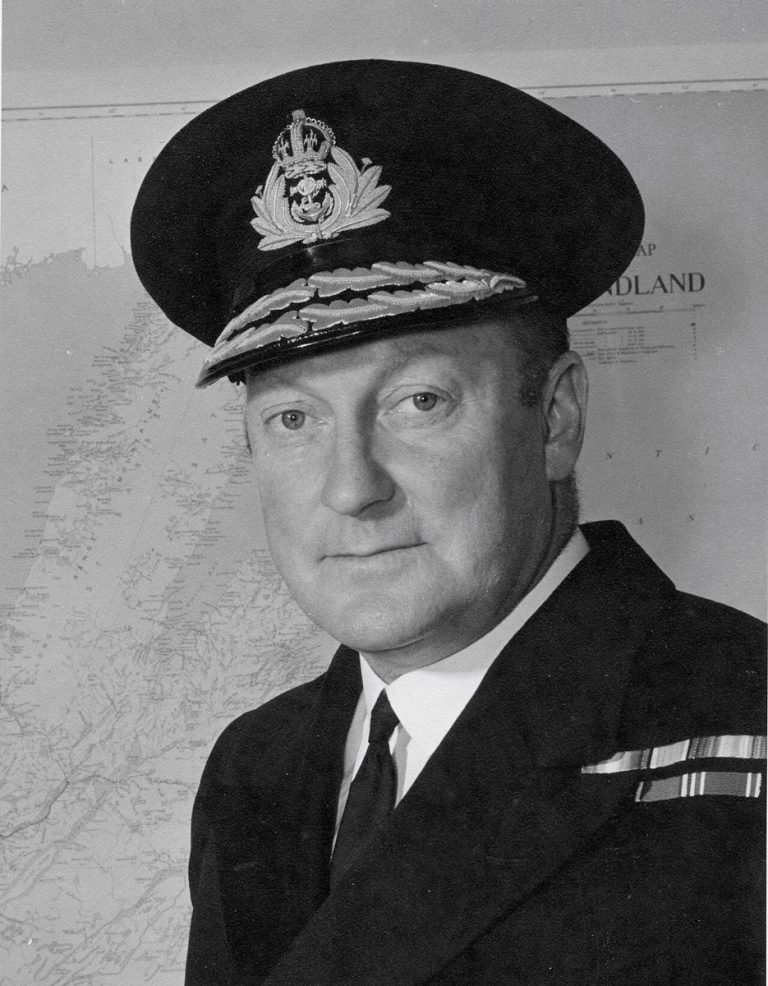
Rear Admiral Leonard Murray in 1943 (Department of National Defence).
CA-K509History

Rear Admiral Leonard Murray and the Atlantic convoys

Leonard Warren Murray of Pictou County joined the navy as a cadet in 1911. As commander of the Newfoundland Escort Force and, from 1943, Commander-in-Chief Canadian North West Atlantic, he was a principal architect of the Allies’ North Atlantic convoy system in the Second World War.

Factual accuracy review: No recorded challenge

Contributor: Citizen.ca

Verified against cited sourcesVerified on 2026-10-26↗
Photo: Unknown author · Photo licence: Public domain · Credit & context
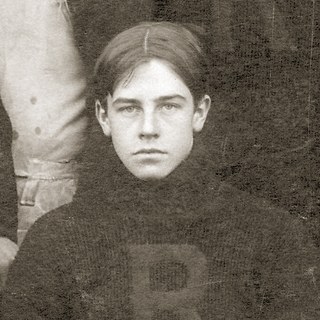
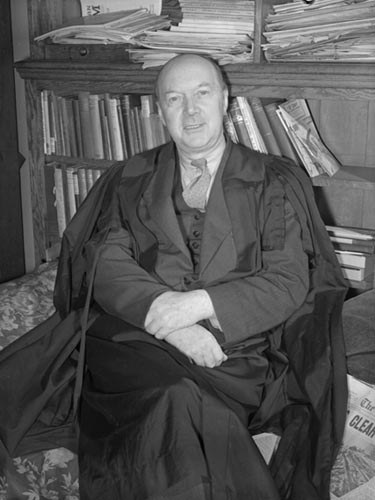
E. J. Pratt in Toronto, 1944 (Gordon W. Powley).
CA-K506Culture & sport

E. J. Pratt, poet from Newfoundland

E. J. Pratt, born at Western Bay, Newfoundland, taught and briefly served as a Methodist minister before spending his career at Victoria College in Toronto. By the 1930s he was a prominent Canadian poet, writing on grand themes such as evolution and human struggle against nature, with images of sea and rock that echo his Newfoundland roots.

Factual accuracy review: No recorded challenge

Contributor: Citizen.ca

Verified against cited sourcesVerified on 2026-10-26↗
Photo: Gordon W. Powley · Photo licence: Public domain · Credit & context
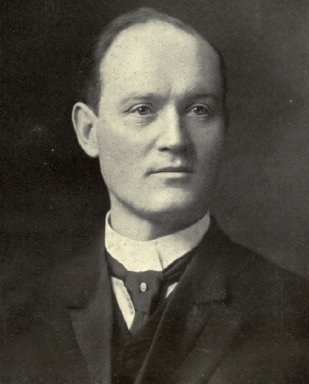
Casey Baldwin at Ridley College, St. Catharines, 1900.
CA-K504History

Casey Baldwin, aviation and hydrofoil pioneer

Frederick Walker “Casey” Baldwin, a lifelong associate of Alexander Graham Bell, became in 1908 the first Canadian to fly a plane and designed the first aeroplane in North America to use ailerons. With Bell he built the hydrofoil HD-4, which set a world speed record on Bras d’Or Lake in 1919.

Factual accuracy review: No recorded challenge

Contributor: Citizen.ca

Verified against cited sourcesVerified on 2026-10-26↗
Photo: Unknown author · Photo licence: Public domain · Credit & context
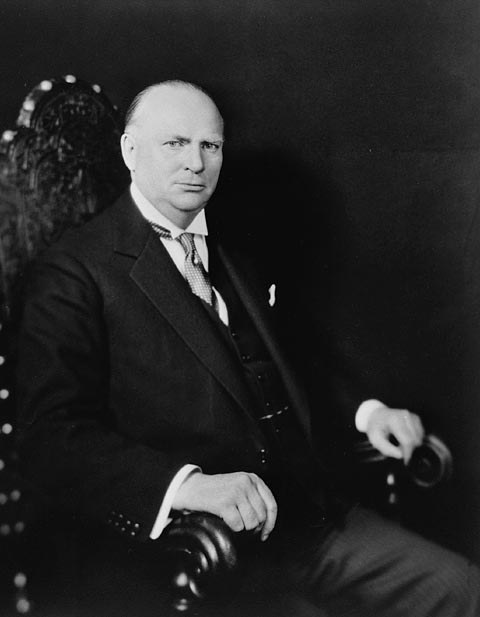
Robert Falconer, portrait published by the Empire Club of Canada.
CA-K503Institutions

Sir Robert Falconer, president of the University of Toronto

Sir Robert Falconer, born in Charlottetown, was an educator, writer and lecturer. After serving as principal of Pine Hill College in Halifax, he was president of the University of Toronto from 1907 to 1932 and wrote many books and articles on education and public questions.

Factual accuracy review: No recorded challenge

Contributor: Citizen.ca

Verified against cited sourcesVerified on 2026-10-26↗
Photo: Empire Club of Canada · Photo licence: Public domain · Credit & context
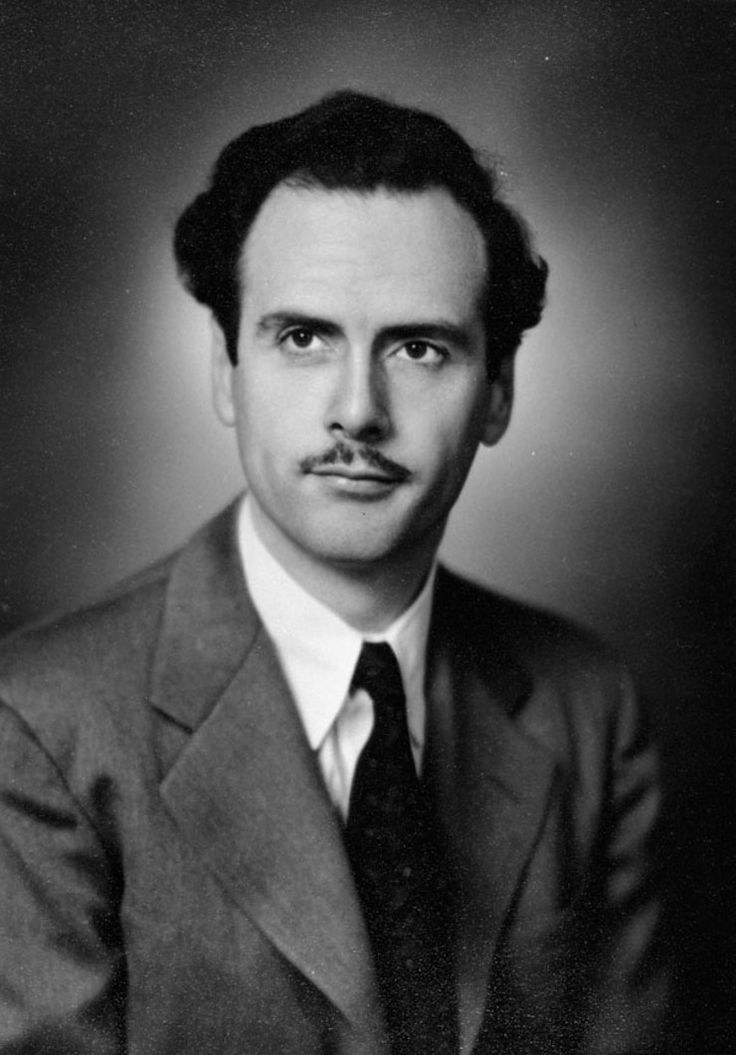
R. B. Bennett, prime minister (Library and Archives Canada).
CA-K499Institutions

R. B. Bennett, prime minister in the Depression

Richard Bedford Bennett, born at Hopewell Hill, New Brunswick, moved to Calgary in 1897 and sat in the North-West Territories and Alberta legislatures before entering the House of Commons in 1911. Conservative leader from 1927, he was prime minister from 1930 to 1935, and his government’s association with the Depression contributed to its defeat.

Factual accuracy review: No recorded challenge

Contributor: Citizen.ca

Verified against cited sourcesVerified on 2026-10-26↗
Photo: Library and Archives Canada / C-008098 · Photo licence: Public domain · Credit & context
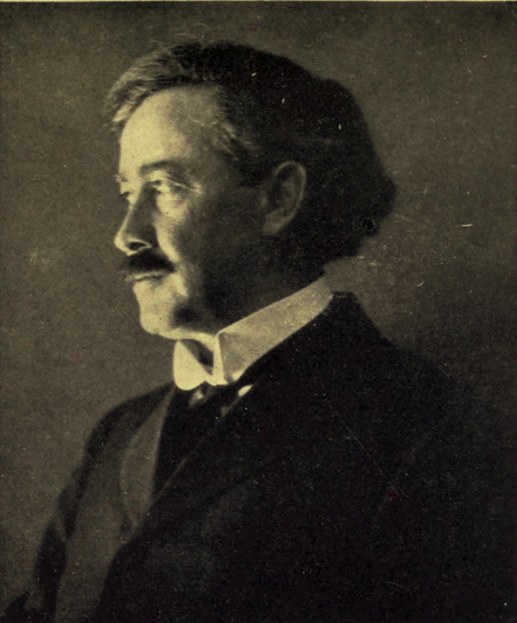
Marshall McLuhan in 1945 (Library and Archives Canada).
CA-K491Culture & sport

Marshall McLuhan, “the medium is the message”

Marshall McLuhan, a University of Toronto professor and pioneer of media studies, became famous in the 1960s for his theories about how print and electronic media shape human perception and behaviour. His ideas of the “global village” and “the medium is the message” made him one of the most celebrated scholars in the Western world.

Factual accuracy review: No recorded challenge

Contributor: Citizen.ca

Verified against cited sourcesVerified on 2026-10-26↗
Photo: Josephine Smith · Photo licence: Public domain · Credit & context
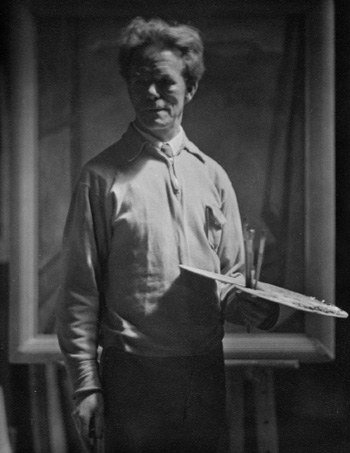
Peter McArthur, portrait published in 1916.
CA-K486Culture & sport

Peter McArthur, farmer and essayist

Peter McArthur of Appin, Ontario, edited the New York magazine Truth from 1896, encouraging Canadian and American writers. Returning to his birthplace in 1908, he combined farming with journalism, and his best-known collection of essays is In Pastures Green.

Factual accuracy review: No recorded challenge

Contributor: Citizen.ca

Verified against cited sourcesVerified on 2026-10-26↗
Photo: Photographer not named. · Photo licence: Public domain · Credit & context
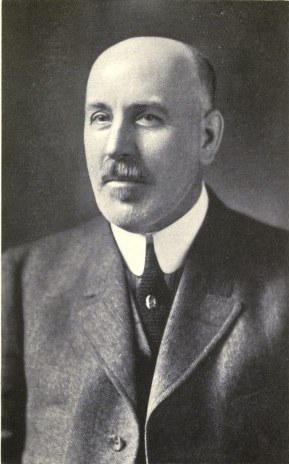
Frederick Varley, probably in Vancouver, 1927 (John Vanderpant).
CA-K484Culture & sport

Frederick Varley, painter of the Group of Seven

Frederick Varley, a founding member of the Group of Seven, helped establish a national style of painting the Canadian landscape. A masterful portraitist and an official First World War artist, he moved to teach on the West Coast in 1926, and his unconventional use of colour to convey emotion is a singular contribution to Canadian art.

Factual accuracy review: No recorded challenge

Contributor: Citizen.ca

Verified against cited sourcesVerified on 2026-10-26↗
Photo: John Vanderpant · Photo licence: Public domain · Credit & context
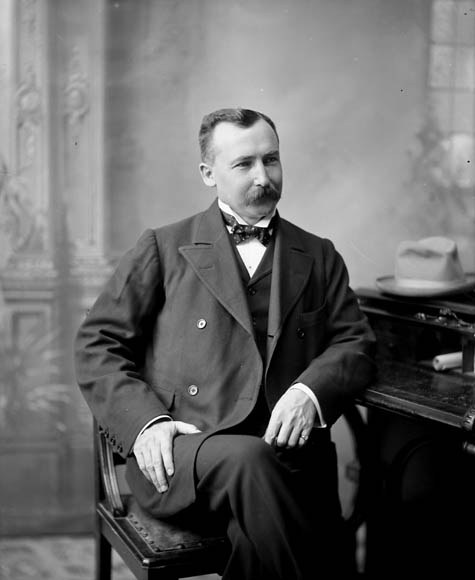
John Stephen Willison, portrait published in 1913.
CA-K479Culture & sport

Sir John Willison, editor of the Globe

As editor of the Toronto Globe from 1890 to 1902, John Stephen Willison made it the most influential Liberal newspaper in Canada. Disenchanted with Laurier’s government, he took over the independent Toronto News in 1902, later became Canadian correspondent of The Times of London, and wrote a significant study of Laurier and the Liberal Party.

Factual accuracy review: No recorded challenge

Contributor: Citizen.ca

Verified against cited sourcesVerified on 2026-10-26↗
Photo: Unknown author · Photo licence: Public domain · Credit & context
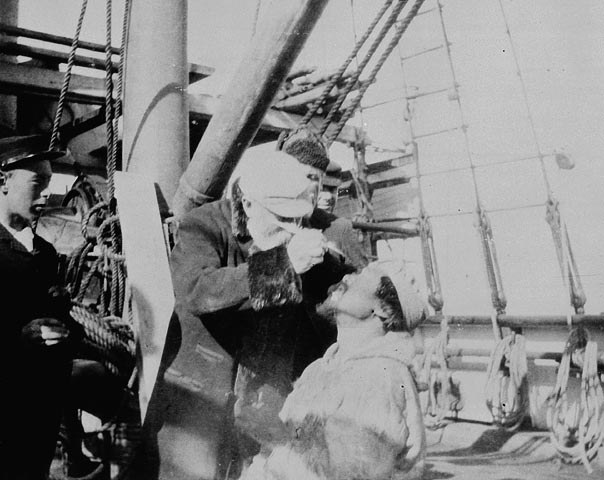
Clifford Sifton, Minister of the Interior, September 1900 (Topley Studio).
CA-K478Institutions

Clifford Sifton and settlement of the Prairies

Clifford Sifton, a lawyer, politician and principal owner of the Manitoba Free Press, was Laurier’s Minister of the Interior from 1896 to 1905. He was chiefly responsible for the plan to populate the Prairies with farmers through immigration, and earlier in the Manitoba cabinet he helped reach the compromise on the schools question.

Factual accuracy review: No recorded challenge

Contributor: Citizen.ca

Verified against cited sourcesVerified on 2026-10-26↗
Photo: William James Topley · Photo licence: Public domain · Credit & context
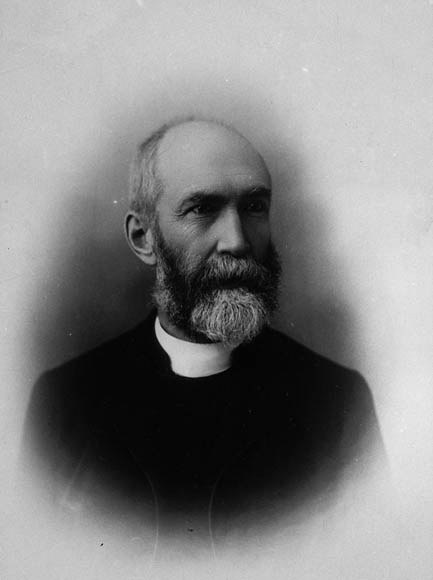
Dr. Robert Bell aboard the S.S. Diana in 1897 (Library and Archives Canada).
CA-K475History

Robert Bell, explorer of the Canadian Shield

Robert Bell joined the Geological Survey of Canada as a 15-year-old summer student and served it full-time from 1867 to 1908, becoming one of Canada’s leading explorers with extensive surveys of the North and the Canadian Shield. A founding member of the Royal Society of Canada, he was acting director of the Survey from 1901 to 1906.

Factual accuracy review: No recorded challenge

Contributor: Citizen.ca

Verified against cited sourcesVerified on 2026-10-26↗
Photo: Graham Drinkwater · Photo licence: Public domain · Credit & context
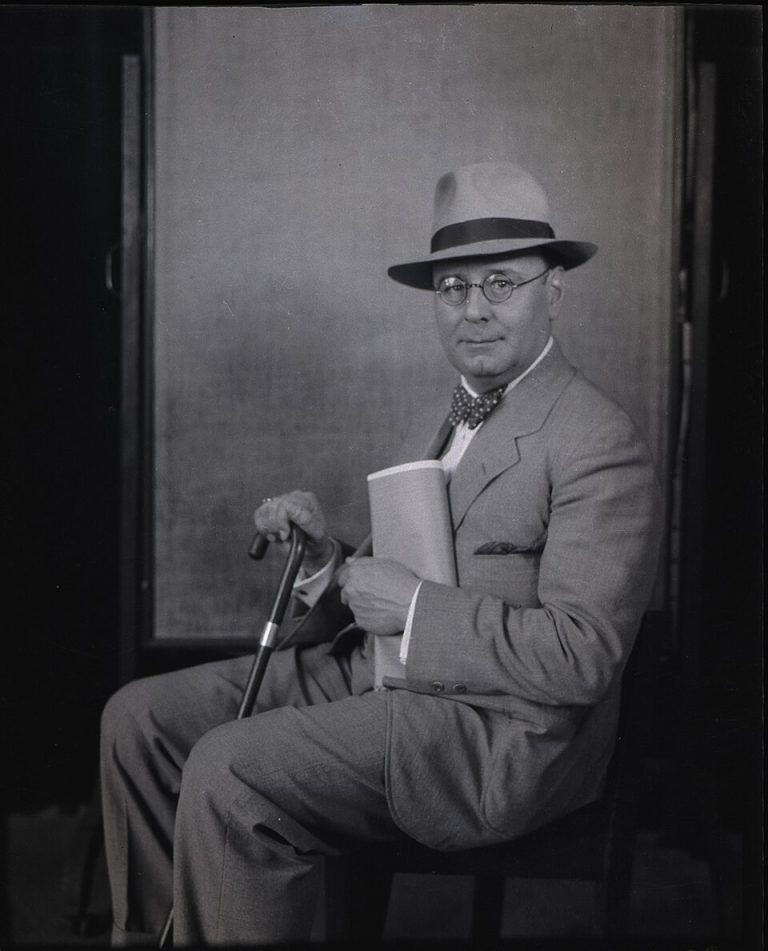
George Monro Grant, principal of Queen’s College (Library and Archives Canada).
CA-K466Institutions

George Monro Grant, principal of Queen’s

George Monro Grant, born at Albion Mines (Stellarton), Nova Scotia, was an educator and writer, author of Ocean to Ocean and minister of St. Matthew’s Church in Halifax. He was principal of Queen’s University from 1877 to 1902 and president of the Royal Society of Canada in 1901.

Factual accuracy review: No recorded challenge

Contributor: Citizen.ca

Verified against cited sourcesVerified on 2026-10-26↗
Photo: Government of Canada · Photo licence: Public domain · Credit & context
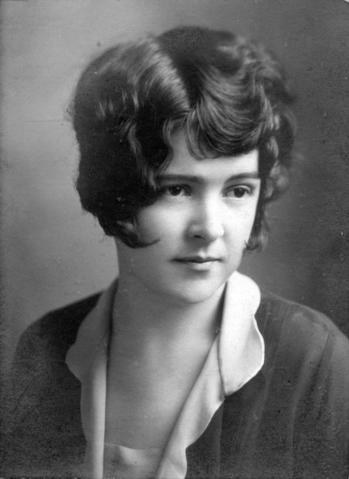
Dr. Healey Willan in 1930 (Archives of Ontario).
CA-K457Culture & sport

Healey Willan, composer of sacred music

Healey Willan came to Canada in 1913 to teach at the Toronto Conservatory of Music, now the Royal Conservatory. As organist and choirmaster of St. Mary Magdalene in Toronto from 1921 to 1968, he composed the sacred music for which he is particularly remembered.

Factual accuracy review: No recorded challenge

Contributor: Citizen.ca

Verified against cited sourcesVerified on 2026-10-26↗
Photo: Unknown photographer (1930); Archives of Ontario, I0001735 · Photo licence: Public domain · Credit & context
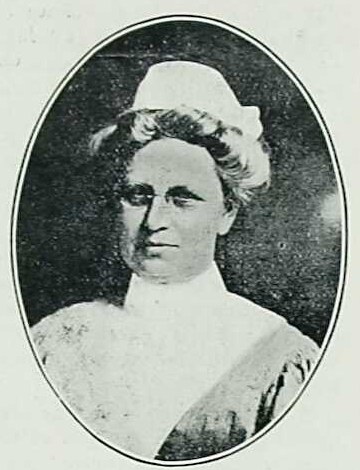
Helena Gutteridge in 1911 (City of Vancouver Archives).
CA-K456Institutions

Helena Gutteridge, suffragist and labour organizer

Helena Gutteridge, a feminist reformer who had campaigned for the vote in Britain, came to Vancouver in 1911 and brought wage-earning women into Canada’s mostly middle-class suffrage movement. She helped organize women workers through the Vancouver Trades and Labour Council, and in 1937 became the first woman elected to Vancouver City Council, helping lay the foundations of social housing in British Columbia.

Factual accuracy review: No recorded challenge

Contributor: Citizen.ca

Verified against cited sourcesVerified on 2026-10-26↗
Photo: Matthews, James Skitt, Major · Photo licence: Public domain · Credit & context
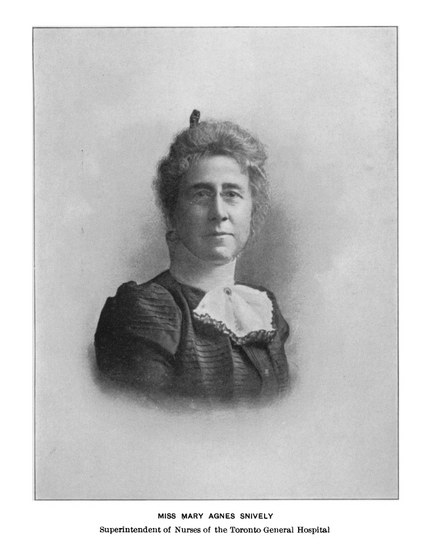
Mary Southcott, portrait published in The Distaff, 1917.
CA-K455Institutions

Mary Southcott and nursing in Newfoundland

Mary Southcott, an educator, suffragist and nursing leader, led the campaign to professionalize nursing in early 20th-century Newfoundland. Trained in London, she founded the St. John’s General Hospital School of Nursing in 1903, the only one in Newfoundland until 1929, and helped raise standards, train midwives and found a professional association of nurses.

Factual accuracy review: No recorded challenge

Contributor: Citizen.ca

Verified against cited sourcesVerified on 2026-10-26↗
Photo: The Distaff, 1917 · Photo licence: Public domain · Credit & context
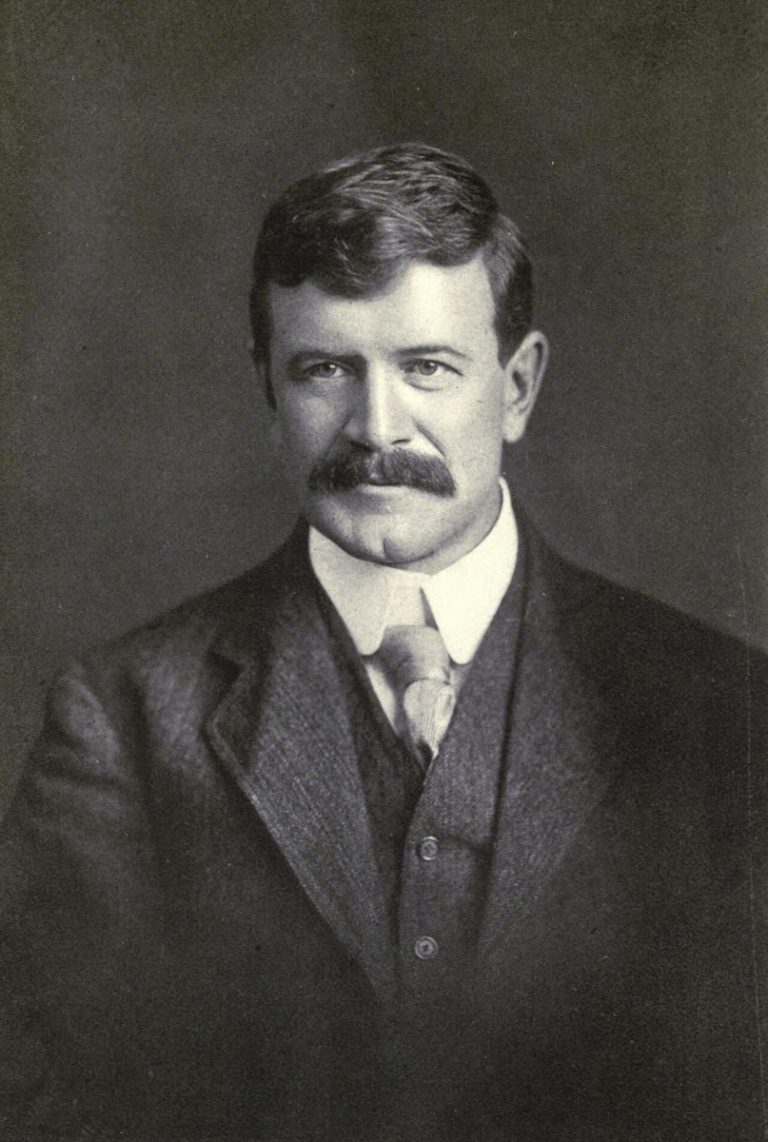
Mary Agnes Snively, portrait published in 1901.
CA-K449Institutions

Mary Agnes Snively and the nursing profession

Mary Agnes Snively led the struggle to have nursing recognized as a science-based profession rather than a domestic pursuit. In 1908 she founded the Canadian National Association of Trained Nurses, which became the Canadian Nurses Association in 1924, and she made the Toronto General Hospital School of Nursing a model of nursing education.

Factual accuracy review: No recorded challenge

Contributor: Citizen.ca

Verified against cited sourcesVerified on 2026-10-26↗
Photo: The American Journal of Nursing · Photo licence: Public domain · Credit & context
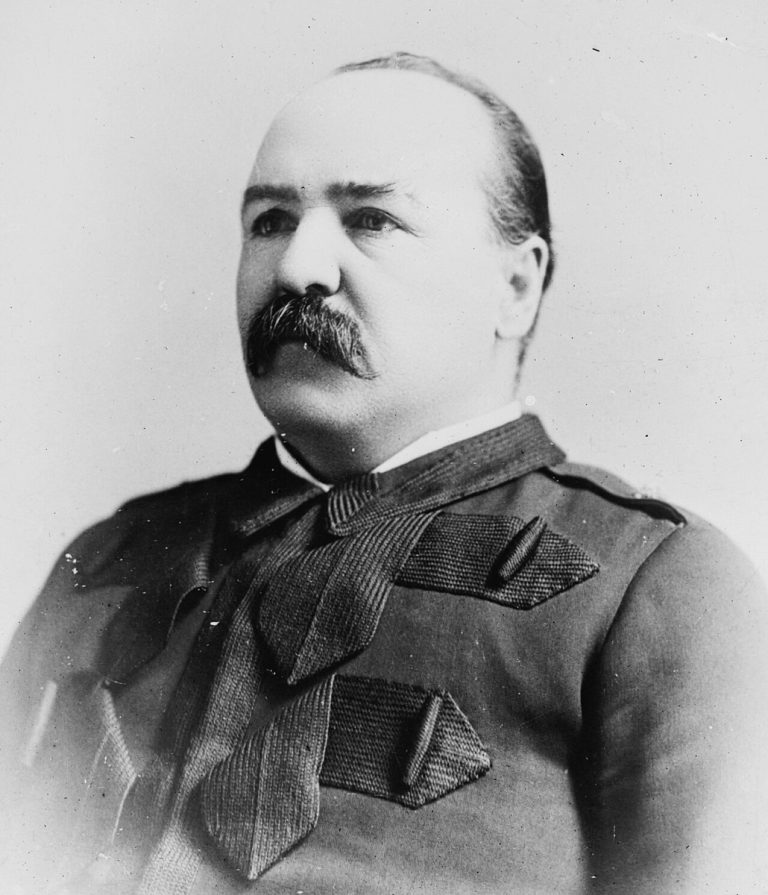
Stephen Leacock, portrait published in 1913.
CA-K440Culture & sport

Stephen Leacock, humorist

Stephen Leacock spent most of his career at McGill University teaching history and political science, but he is chiefly known as a humorist. Sunshine Sketches of a Little Town (1912) made his reputation across the English-speaking world, and his work finds humour in ordinary people in everyday situations through exaggeration and incongruity.

Factual accuracy review: No recorded challenge

Contributor: Citizen.ca

Verified against cited sourcesVerified on 2026-10-26↗
Photo: The Arts & Letters Club of Toronto · Photo licence: Public domain · Credit & context
Captain Joseph-Elzéar Bernier (Bain News Service).
CA-K438Places & geography

Captain Joseph-Elzéar Bernier and Arctic sovereignty

Captain Joseph-Elzéar Bernier of L’Islet, Quebec, a skilled navigator, travelled widely in the Canadian North between 1904 and 1925. On seven of these expeditions he commanded the government ship CGS Arctic, affirming Canadian sovereignty over the Arctic Archipelago.

Factual accuracy review: No recorded challenge

Contributor: Citizen.ca

Verified against cited sourcesVerified on 2026-10-26↗
Photo: George Grantham Bain Collection · Photo licence: Public domain · Credit & context