An independent Canadian knowledge project

Focused and Verified

Canadian knowledge base

Search by keyword

Choose one keyword, or combine two. Broader keywords include their descendants.

Keywords: Person

Clear search
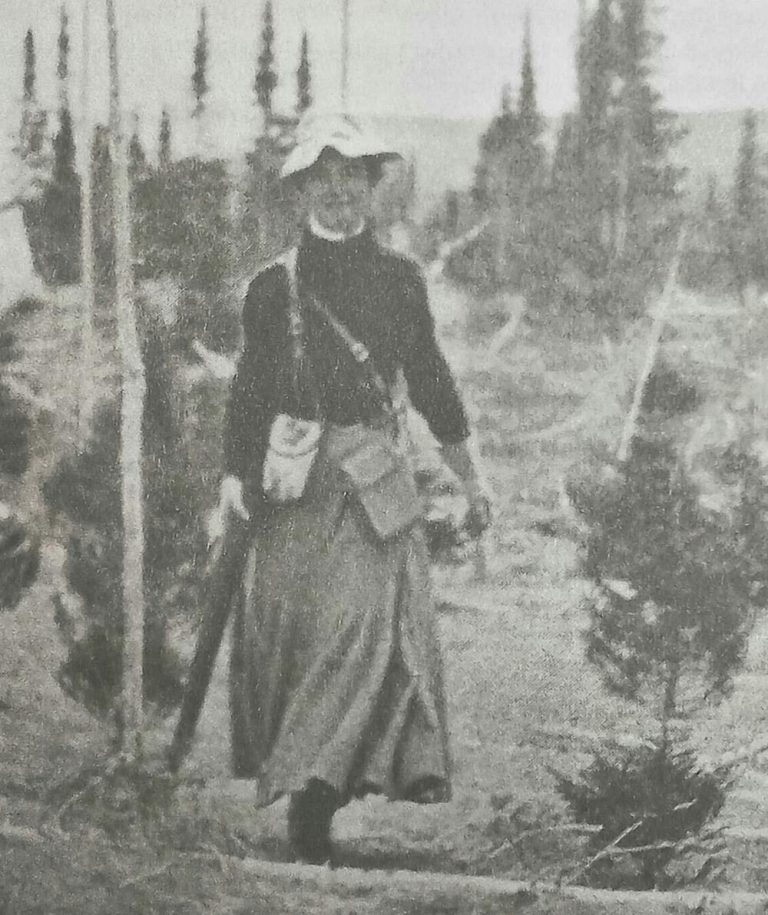
Mina Hubbard in northern Labrador in 1905.
CA-K233Places & geography

Mina Hubbard mapped Labrador in 1905

In 1905, explorer and surveyor Mina Hubbard (1870–1956) led an expedition across Labrador, travelling 900 kilometres from North West River to Ungava Bay. Her continuous latitude measurements established the positions of the Naskaupi and George rivers, and her map was immediately recognized by the American and British geographical societies.

Factual accuracy review: No recorded challenge

Contributor: Citizen.ca

Verified against cited sourcesVerified on 2026-10-26↗
Photo: Unknown authorUnknown author · Photo licence: Public domain · Credit & context
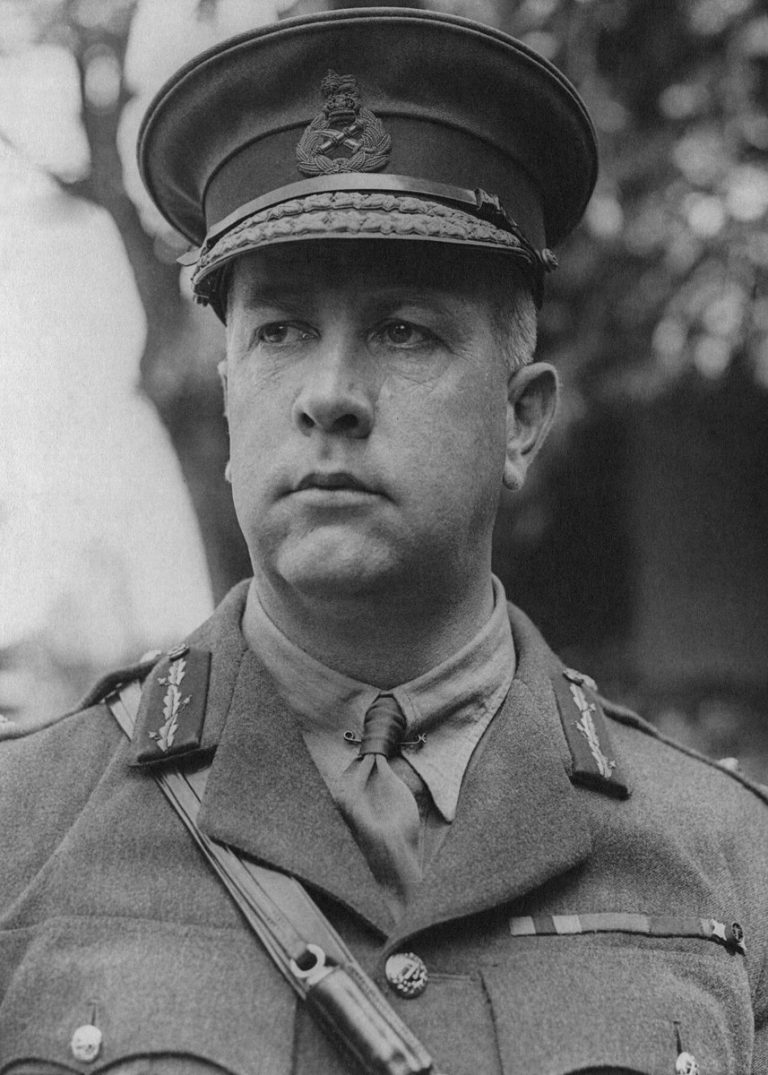
General Currie, commander of the Canadian troops in France, in June 1917.
CA-K232History

Sir Arthur Currie, commander of the Canadian Corps

Sir Arthur Currie (1875–1933), who trained with the militia at Fort Rodd Hill in Victoria, commanded one of Canada’s first overseas infantry brigades in the First World War. Promoted to lieutenant-general after Vimy Ridge, he became commander of the entire Canadian Corps, the first and only Canadian to hold that position, and after the war served as principal of McGill University.

Factual accuracy review: No recorded challenge

Contributor: Citizen.ca

Verified against cited sourcesVerified on 2026-10-26↗
Photo: Unknown photographer · Photo licence: Public domain · Credit & context
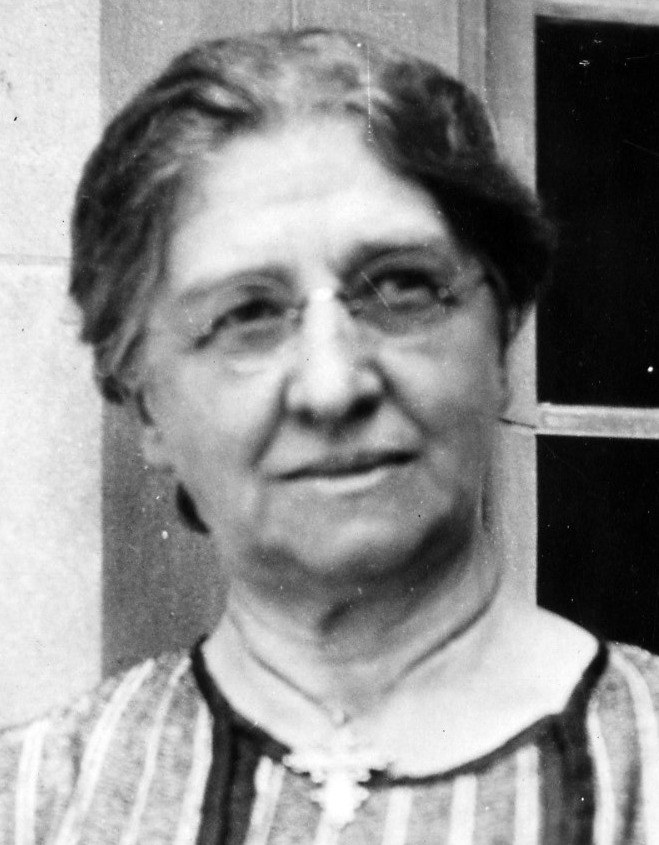
A portrait of Carrie Derick.
CA-K231History

Carrie Derick, one of Canada’s first women professors

Botanist and geneticist Carrie Derick (1862–1941) overcame strong opposition to become one of the first women appointed to a full professorship in Canada, at McGill University from 1912 to 1929. A suffragist and reformer, she promoted political and educational equality for women; Parks Canada’s 2024 review also notes that she held eugenic views widely shared in her academic circles.

Factual accuracy review: No recorded challenge

Contributor: Citizen.ca

Verified against cited sourcesVerified on 2026-10-26↗
Photo: · Photo licence: Public domain · Credit & context
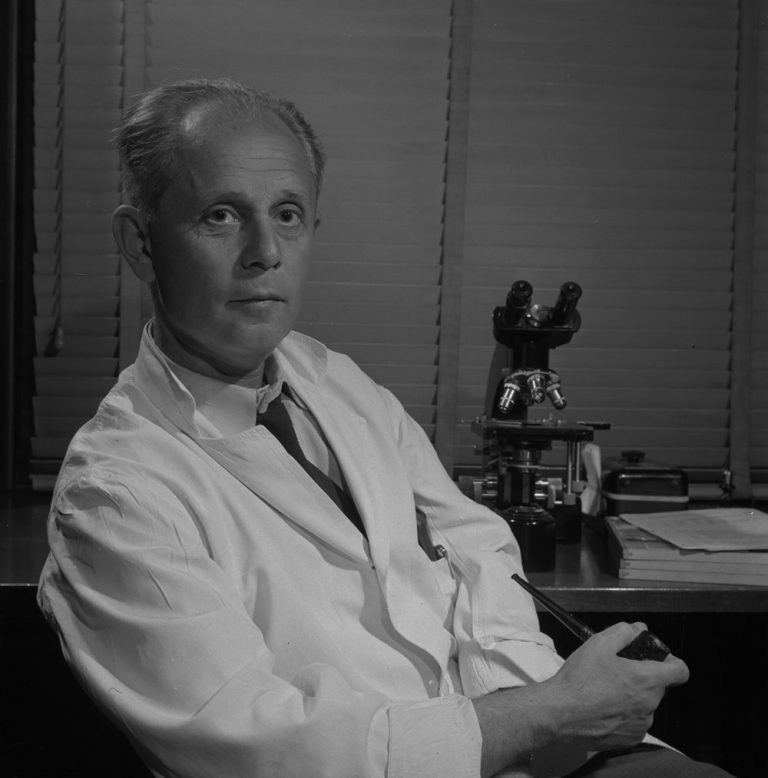
Dr. Hans Selye at the Université de Montréal in June 1956, photographed by Chris Lund.
CA-K230History

Hans Selye, father of stress research

Dr. Hans Selye (1907–1982), working in his laboratory at the Université de Montréal, is considered the father of stress research. His view of stress as a biological reaction was at first controversial but gained general acceptance, and his work greatly expanded understanding of the causes of illness, especially heart disease, and of endocrinology.

Factual accuracy review: No recorded challenge

Contributor: Citizen.ca

Verified against cited sourcesVerified on 2026-10-26↗
Photo: Chris Lund · Photo licence: Public domain · Credit & context
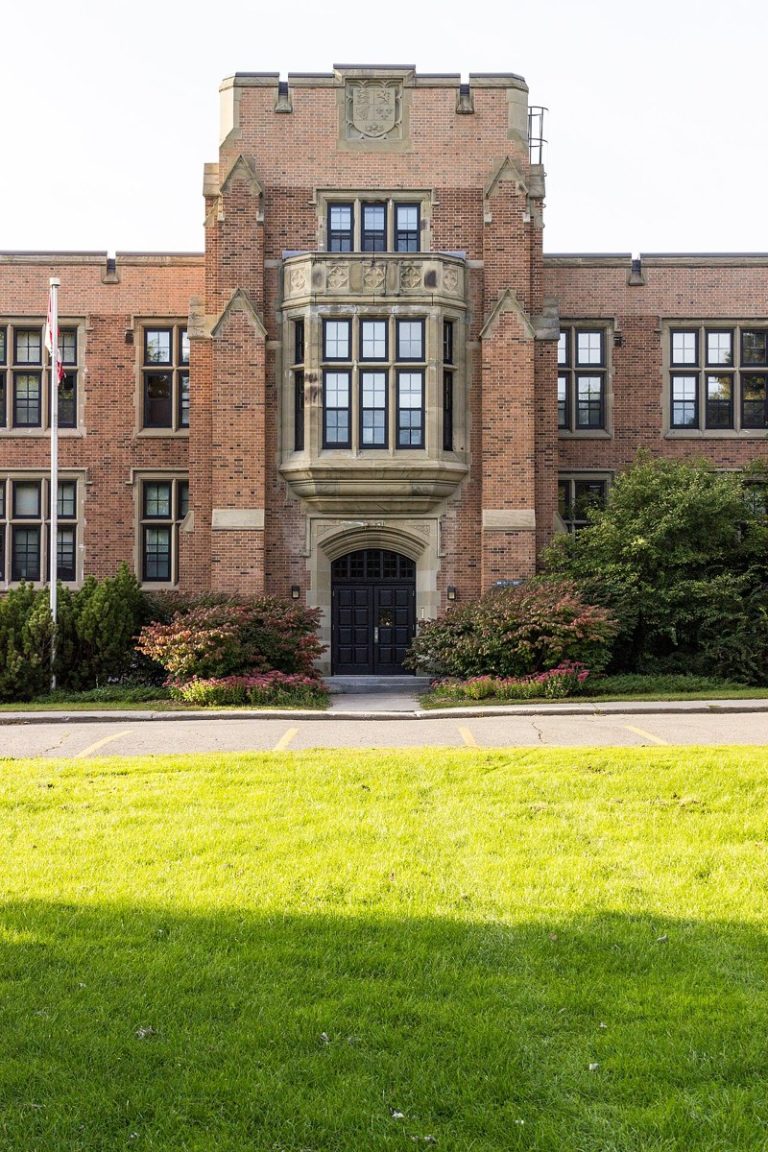
The William Saunders Building at the Central Experimental Farm, Ottawa, photographed in 2014.
CA-K229Economy & trade

William Saunders and the Experimental Farms

William Saunders (1836–1914), an expert in scientific agriculture, became the first director of the federal Department of Agriculture’s new Experimental Farms Branch in 1886. He created many promising varieties of fruit and grain and began the research that led to Marquis wheat, developed by his son Charles.

Factual accuracy review: No recorded challenge

Contributor: Citizen.ca

Verified against cited sourcesVerified on 2026-10-26↗
Photo: Matti Blume · Photo licence: CC BY-SA 4.0 · Credit & context
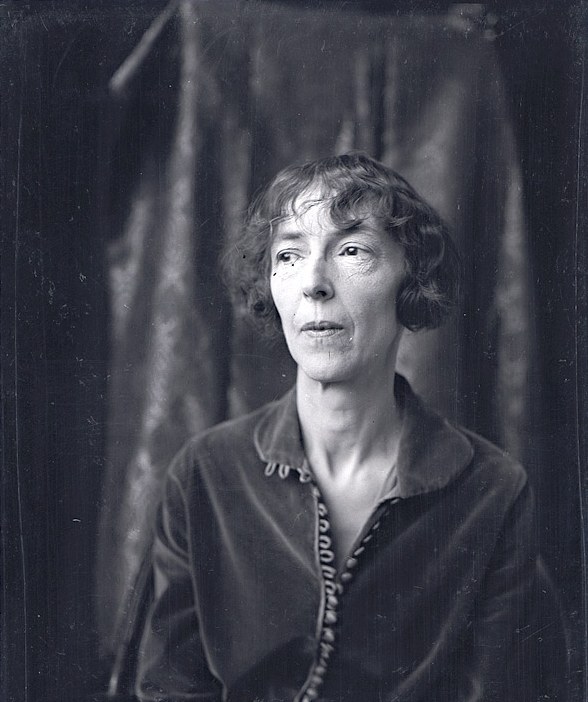
Mazo de la Roche photographed by M. O. Hammond on 18 December 1927 (Archives of Ontario).
CA-K227Culture & sport

Mazo de la Roche and the Jalna novels

Mazo de la Roche (1879–1961), born in Newmarket, Ontario, won the Atlantic Monthly prize in 1927 for Jalna, the first of sixteen novels about the Whiteoak family. Translated into many languages and adapted for stage, screen and television, the series made her one of the most widely read Canadian authors of her time.

Factual accuracy review: No recorded challenge

Contributor: Citizen.ca

Verified against cited sourcesVerified on 2026-10-26↗
Photo: · Photo licence: Public domain · Credit & context
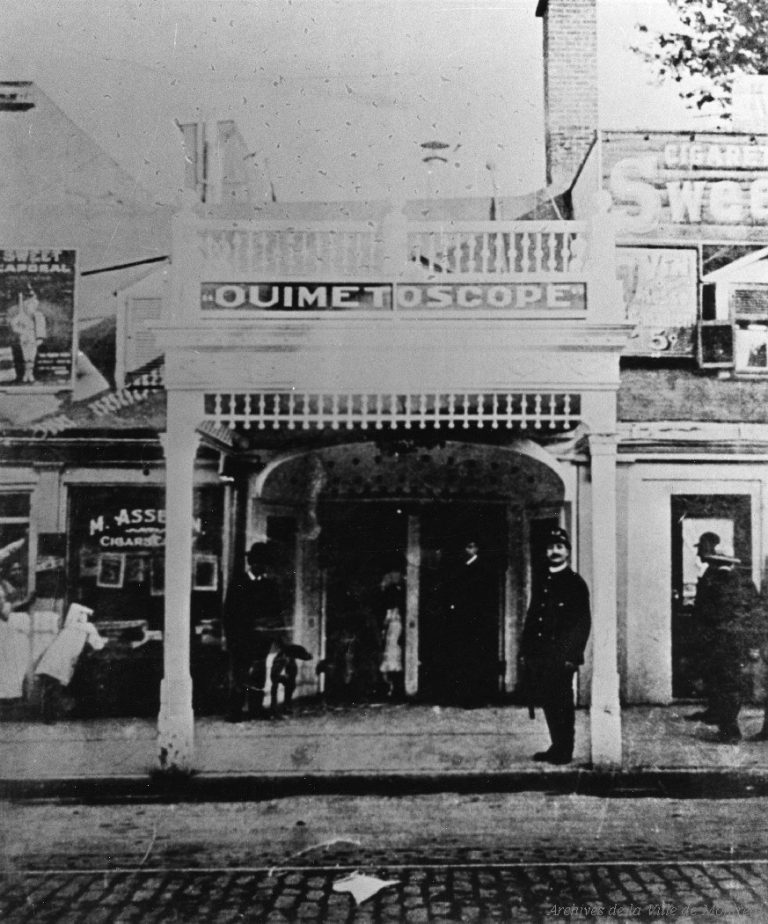
The first Ouimetoscope hall in Montréal, 1906 (Cinémathèque québécoise).
CA-K226Culture & sport

Léo-Ernest Ouimet and the Ouimetoscope

Léo-Ernest Ouimet (1877–1972) helped lay the foundations of the Canadian film industry. He founded what is considered Canada’s first film distribution company, opened the luxurious Ouimetoscope in Montréal in 1907, one of the first large theatres built for motion pictures, and produced some of the earliest Canadian newsreels.

Factual accuracy review: No recorded challenge

Contributor: Citizen.ca

Verified against cited sourcesVerified on 2026-10-26↗
Photo: Léon H. Bélanger · Photo licence: Public domain · Credit & context
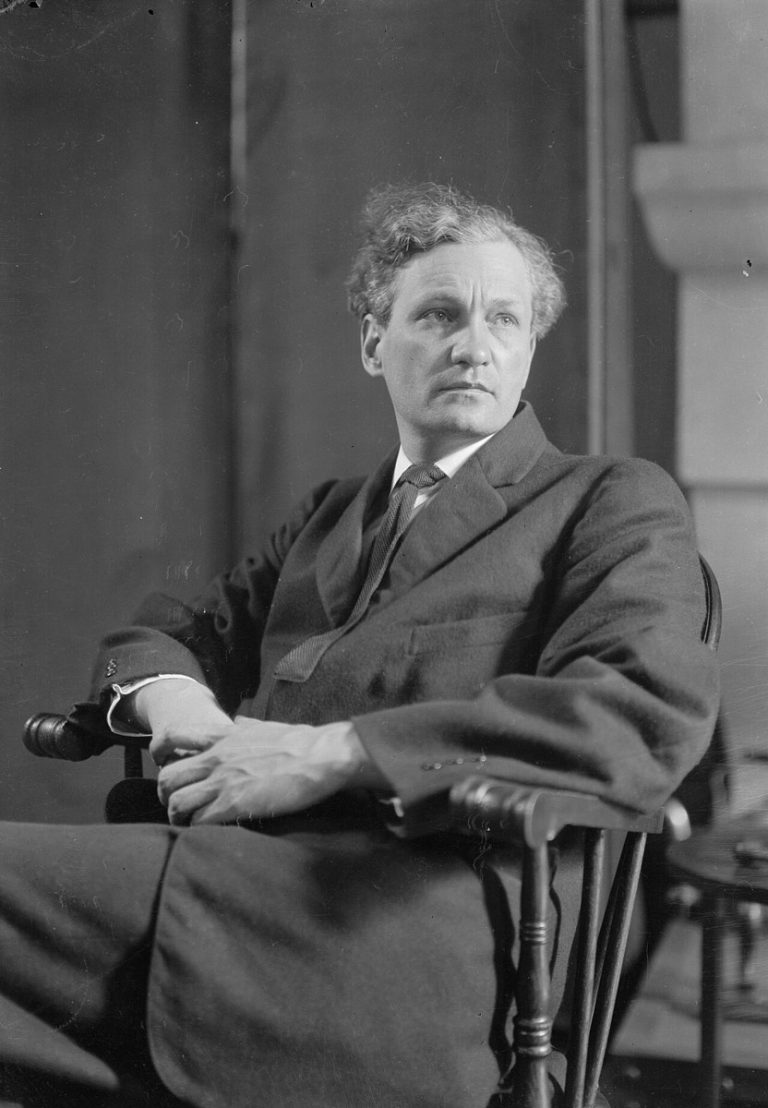
Walter Allward in July 1913 (Archives of Ontario).
CA-K225Culture & sport

Walter Allward, sculptor of the Vimy Memorial

Walter Allward (1876–1955), sculptor of some of Canada’s finest public monuments, is best known for his masterpiece, the Canadian National Vimy Memorial in France. A leading figure in the shift from Victorian sculptural conventions to 20th-century forms, he combined expressive classical figures with dramatic settings in works such as the Bell Memorial.

Factual accuracy review: No recorded challenge

Contributor: Citizen.ca

Verified against cited sourcesVerified on 2026-10-26↗
Photo: · Photo licence: Public domain · Credit & context
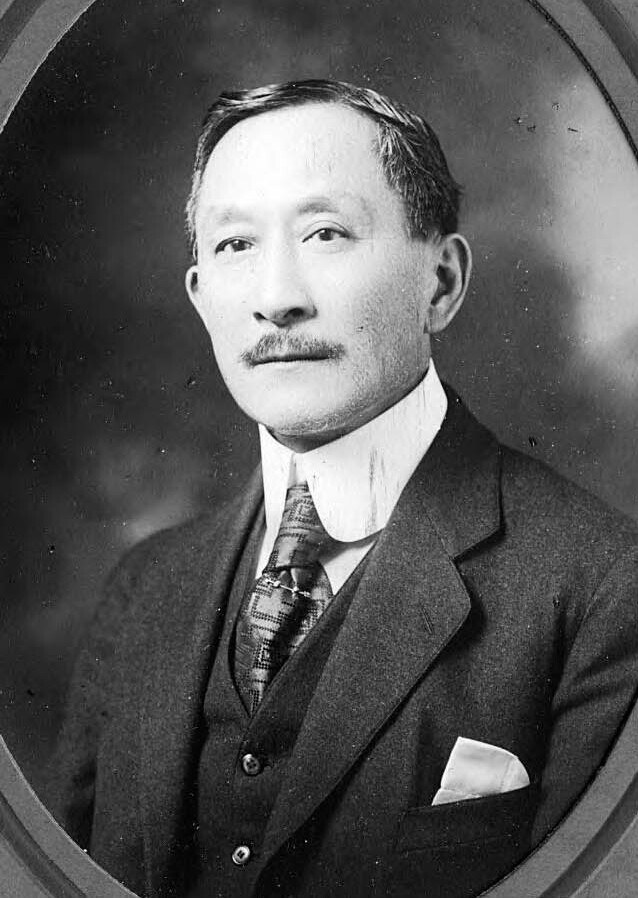
Won Alexander Cumyow in 1910, photographed by Yucho Chow.
CA-K222History

Won Alexander Cumyow, first known Chinese Canadian born in Canada

Won Alexander Cumyow (1861–1955), born at Port Douglas in the colony of British Columbia, was the first known person of Chinese descent born in what would become Canada. Barred from voting and from the legal profession by discriminatory laws, he worked as a court interpreter and community broker, fought racist voting laws, and finally cast his vote in 1949.

Factual accuracy review: No recorded challenge

Contributor: Citizen.ca

Verified against cited sourcesVerified on 2026-10-26↗
Photo: Yucho Chow · Photo licence: Public domain · Credit & context
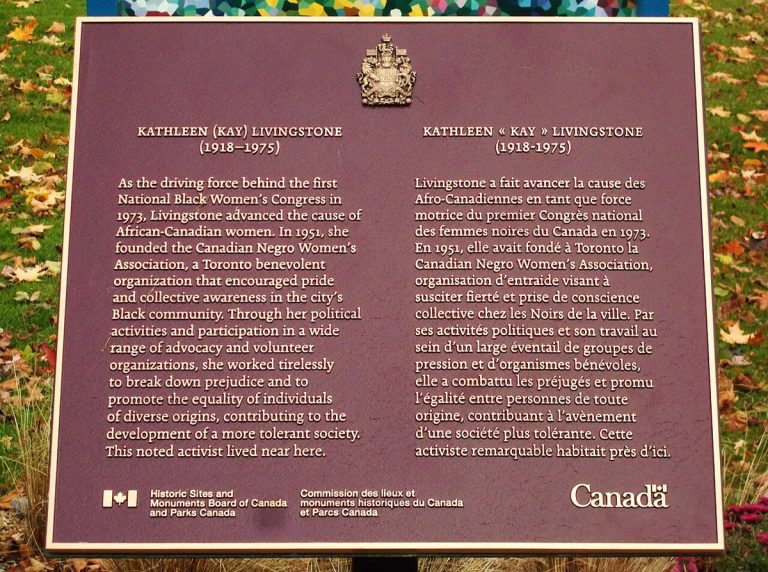
The federal historical marker to Kay Livingstone in Toronto, photographed in 2017.
CA-K221History

Kay Livingstone and the National Black Women’s Congress

Kathleen “Kay” Livingstone (1918–1975) founded the Canadian Negro Women’s Association in Toronto in 1951, encouraging pride and collective awareness in the city’s Black community. She was the driving force behind the first National Black Women’s Congress in 1973, advancing the cause of African Canadian women.

Factual accuracy review: No recorded challenge

Contributor: Citizen.ca

Verified against cited sourcesVerified on 2026-10-26↗
Photo: Yoho2001 · Photo licence: CC BY-SA 4.0 · Credit & context
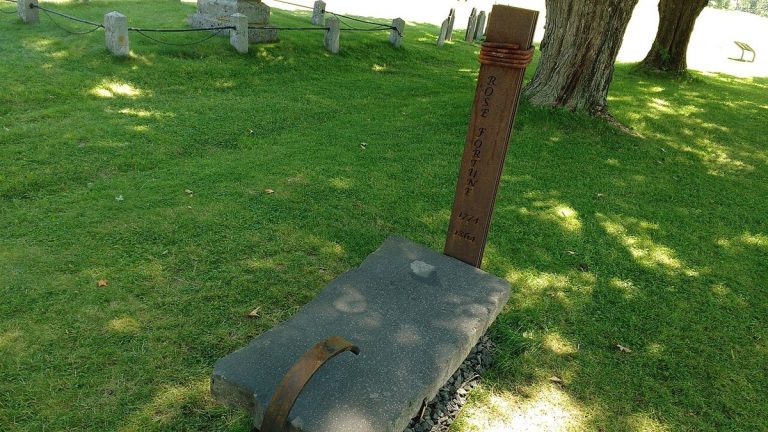
The grave marker for Rose Fortune in the garrison cemetery at Annapolis Royal, Nova Scotia, photographed in 2017.
CA-K220History

Rose Fortune of Annapolis Royal

Rose Fortune (c. 1774–1864) and her parents, formerly enslaved in Virginia, were among more than 3,000 Black Loyalists resettled in Nova Scotia in 1783–1784. In Annapolis Royal she later ran a successful baggage-carting business and earned respect by informally policing the waterfront, and her story is a long-standing source of pride for African Nova Scotians.

Factual accuracy review: No recorded challenge

Contributor: Citizen.ca

Verified against cited sourcesVerified on 2026-10-26↗
Photo: Dan Conlin · Photo licence: CC BY 4.0 · Credit & context
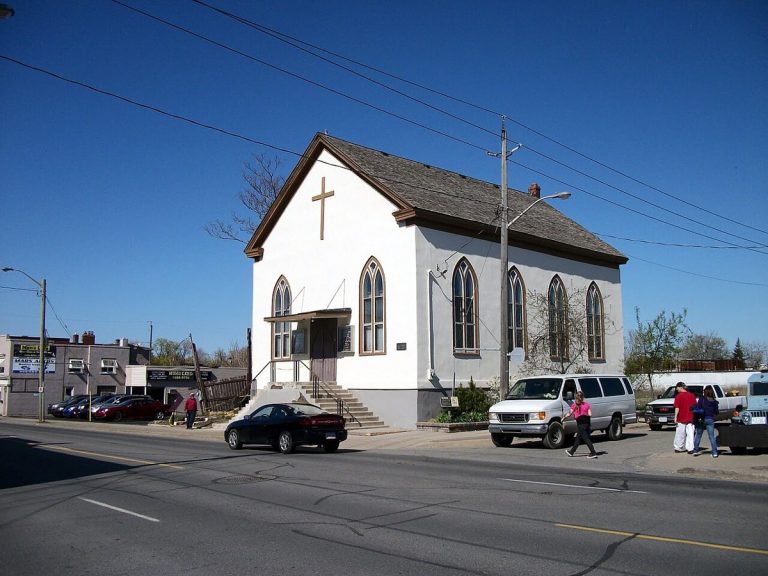
Salem Chapel British Methodist Episcopal Church in St. Catharines, Ontario, a centre of 19th-century abolitionist activity, photographed in 2012.
CA-K217History

Harriet Tubman led freedom-seekers to Canada

Harriet Tubman (c. 1822–1913), who escaped slavery in Maryland, was the most famous “conductor” on the Underground Railroad, leading many people on dangerous journeys to freedom in Canada and helping them settle. She became the public face of the Underground Railroad in British North America, drawing attention and funding to the abolition movement.

Factual accuracy review: No recorded challenge

Contributor: Citizen.ca

Verified against cited sourcesVerified on 2026-10-26↗
Photo: Gr82c · Photo licence: CC BY-SA 3.0 · Credit & context
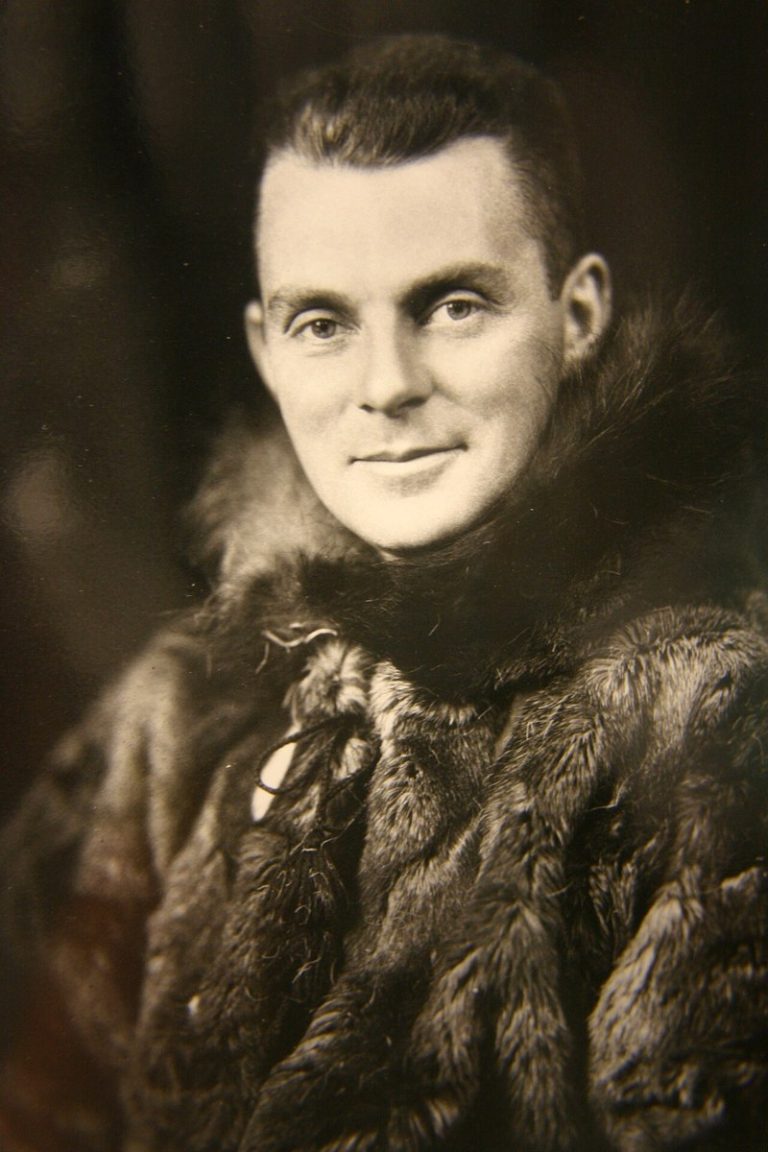
A photograph of C.H. “Punch” Dickins, Canadian First World War pilot.
CA-K214History

“Punch” Dickins, pioneering bush pilot

C.H. “Punch” Dickins (1899–1995), a distinguished First World War airman, became a pioneering bush pilot in the 1920s and 1930s, flying vast distances in Canada’s North and proving flight possible in remote areas and extreme cold. In the 1940s he contributed to the design of the de Havilland Beaver, helping make Canada a world leader in frontier aviation.

Factual accuracy review: No recorded challenge

Contributor: Citizen.ca

Verified against cited sourcesVerified on 2026-10-26↗
Photo: Bzuk at English Wikipedia · Photo licence: Public domain · Credit & context
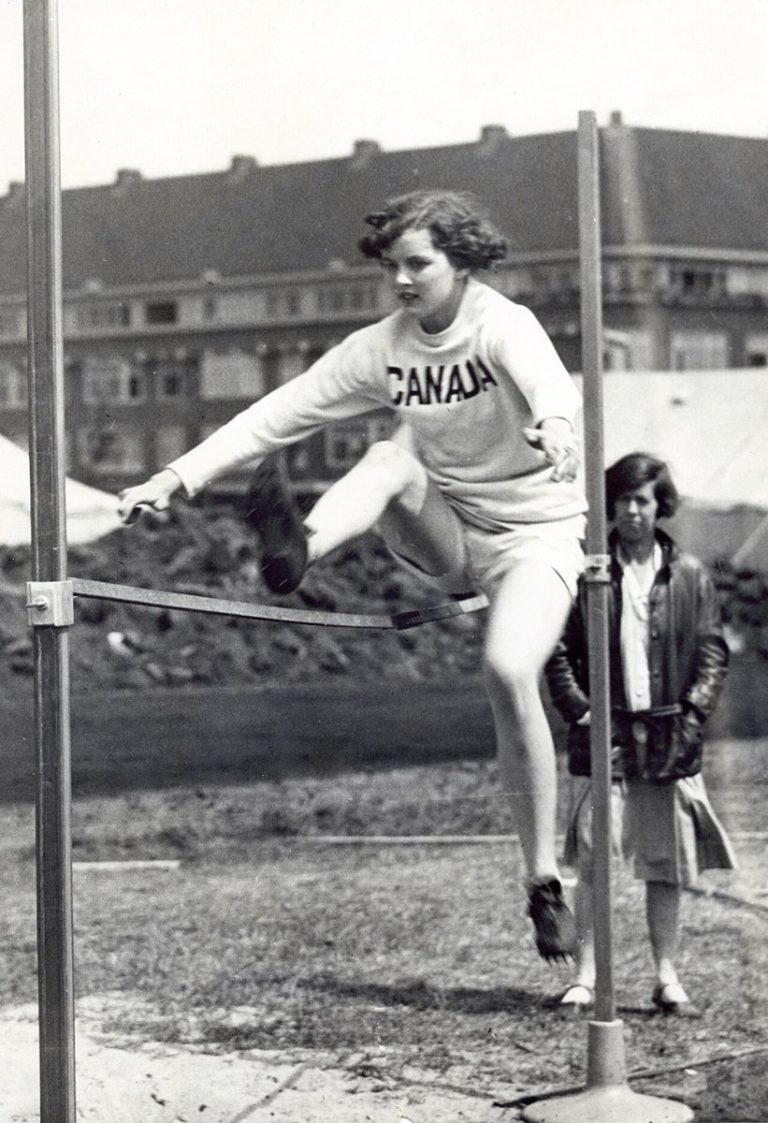
Ethel Catherwood training at the 1928 Summer Olympics in Amsterdam.
CA-K213Culture & sport

Ethel Catherwood, 1928 Olympic high jump champion

Ethel Catherwood (1908–1987) set national and world records in high jump and javelin between 1926 and 1930 and won the high jump gold medal at the 1928 Amsterdam Olympics, the first Games to allow women in track and field. With her “Matchless Six” teammates she earned Canada four medals, helping secure women’s place in Olympic track and field.

Factual accuracy review: No recorded challenge

Contributor: Citizen.ca

Verified against cited sourcesVerified on 2026-10-26↗
Photo: Unknown authorUnknown author · Photo licence: Public domain · Credit & context
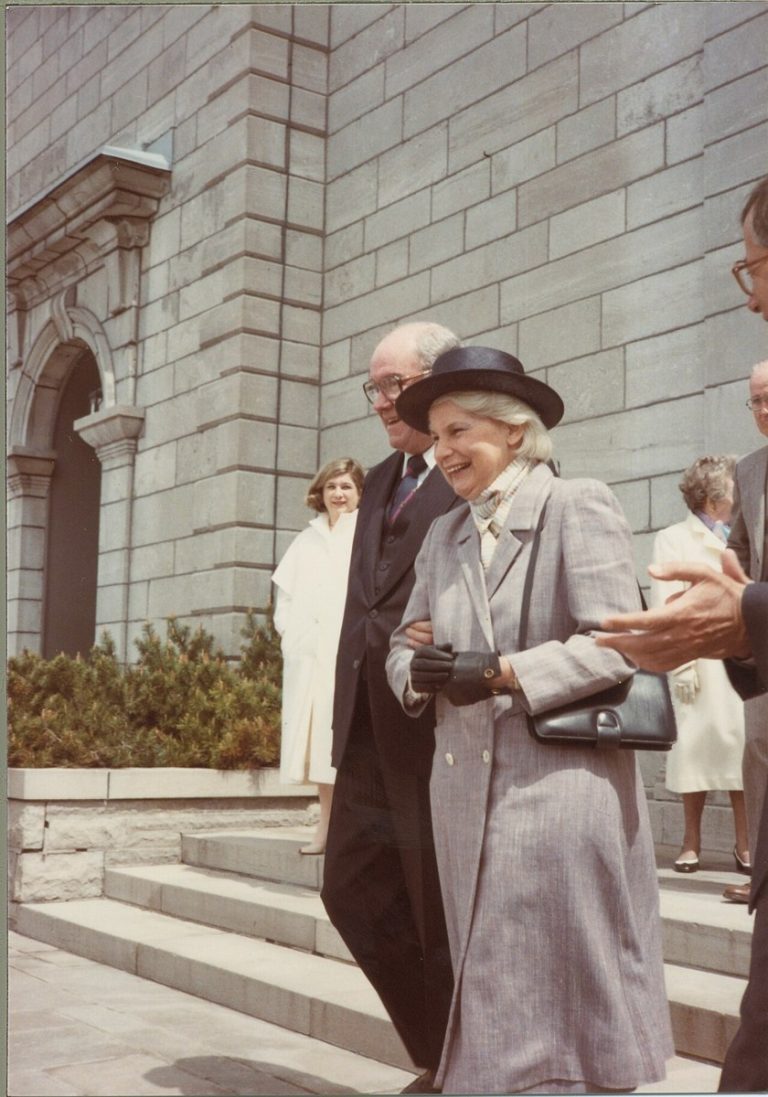
Governor General Jeanne Sauvé with her husband Maurice Sauvé in Ottawa, 1984.
CA-K212Institutions

Jeanne Sauvé, first woman Governor General

Jeanne Sauvé (1922–1993), a Fransaskois journalist and commentator from 1952 to 1972, was elected to the House of Commons in 1972 and served as minister of several departments. She became the first woman Speaker of the House of Commons and the first woman appointed Governor General of Canada.

Factual accuracy review: No recorded challenge

Contributor: Citizen.ca

Verified against cited sourcesVerified on 2026-10-26↗
Photo: proacguy1 from Montreal, Canada · Photo licence: CC BY 2.0 · Credit & context
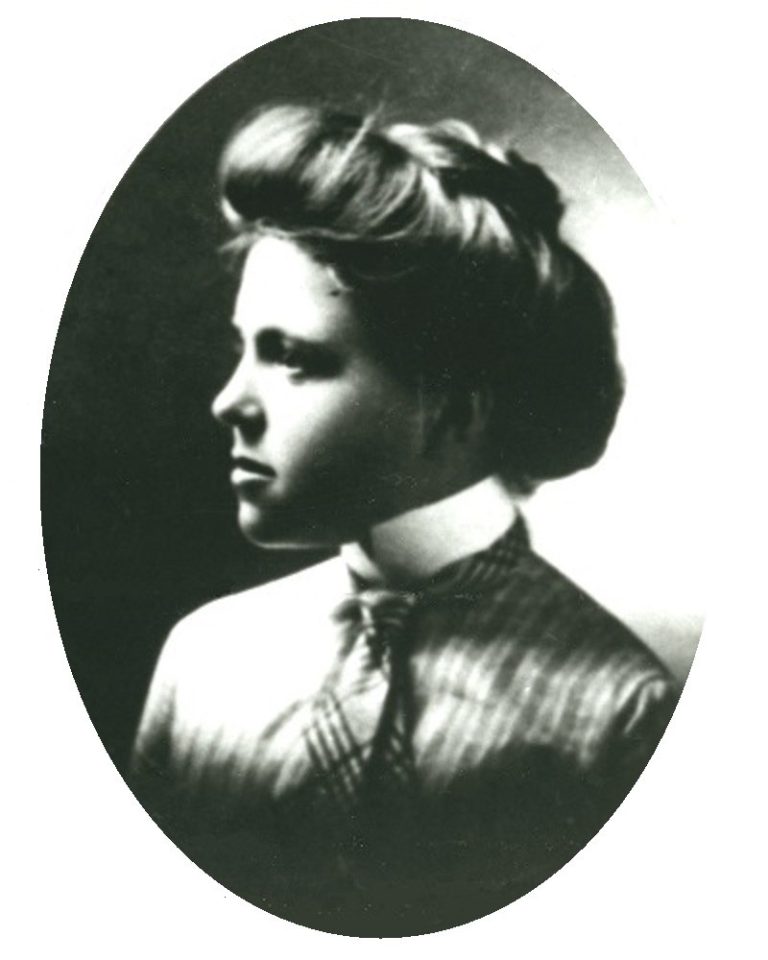
Irma LeVasseur around 1900 (Bibliothèque et Archives nationales du Québec).
CA-K211History

Dr. Irma LeVasseur, pioneer of paediatrics

Because francophone universities were closed to women, Irma LeVasseur (1877–1964) studied medicine in the United States and in 1903 became the first female physician licensed to practise in Quebec. A pioneer of paediatrics in Canada, she initiated Sainte-Justine Hospital in Montréal and the Hôpital de l’Enfant-Jésus and Centre Cardinal-Villeneuve in Québec City.

Factual accuracy review: No recorded challenge

Contributor: Citizen.ca

Verified against cited sourcesVerified on 2026-10-26↗
Photo: Bibliothèque et Archives nationales du Québec P655,S2,SS6,D8 · Photo licence: Public domain · Credit & context
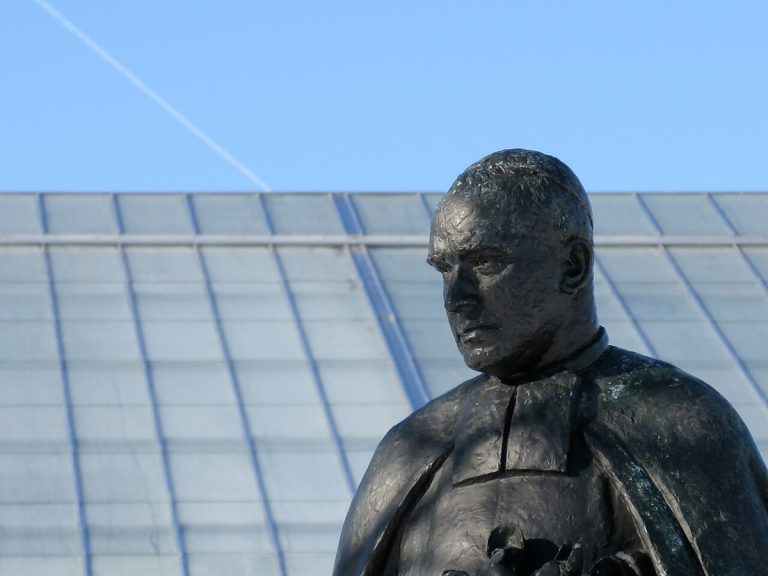
A statue of Brother Marie-Victorin at the Montréal Botanical Garden, photographed in 2009.
CA-K210Culture & sport

Brother Marie-Victorin and Flore laurentienne

Brother Marie-Victorin (1885–1944), a botanist, author and educator, wrote Flore laurentienne (1935) and founded the Institut botanique de l’Université de Montréal and the Montréal Botanical Garden. His discoveries and new approach to botany were of international importance, and he helped improve science teaching at every level.

Factual accuracy review: No recorded challenge

Contributor: Citizen.ca

Verified against cited sourcesVerified on 2026-10-26↗
Photo: Jean-Philippe Boulet · Photo licence: CC BY 3.0 · Credit & context
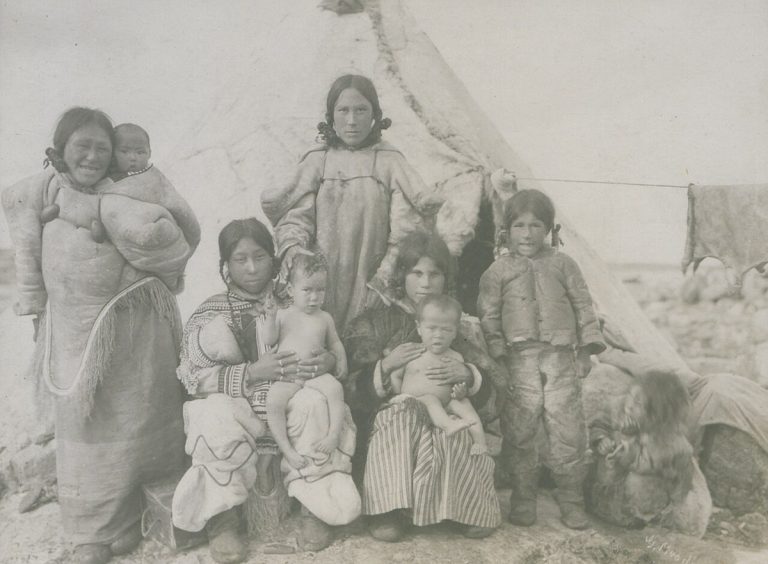
Inuit women and children at Fullerton (Qatiktalik), Nunavut, photographed by Geraldine Moodie in 1906.
CA-K209Culture & sport

Geraldine Moodie, photographer of the North-West and North

Geraldine Moodie (1854–1945), an entrepreneur in a male-dominated field, owned and operated at least three commercial photography studios. As the wife of a North-West Mounted Police officer she had unprecedented access to Indigenous communities, and her photographs are valued historical records of First Nations and Inuit lifeways around 1900.

Factual accuracy review: No recorded challenge

Contributor: Citizen.ca

Verified against cited sourcesVerified on 2026-10-26↗
Photo: Geraldine Moodie · Photo licence: Public domain · Credit & context
A self-portrait by William Notman, Montréal, 1866–1867.
CA-K208Culture & sport

William Notman, “Photographer to the Queen”

William Notman (1826–1891), born in Scotland, came to Montréal in 1856 and became one of the most successful Canadian photographers of the 19th century. His photographs of the Prince of Wales’s 1860 visit won him the title “Photographer to the Queen,” and his studios eventually extended from Montréal to Ottawa, Toronto, Saint John, Albany and Boston.

Factual accuracy review: No recorded challenge

Contributor: Citizen.ca

Verified against cited sourcesVerified on 2026-10-26↗
Photo: William Notman · Photo licence: Public domain · Credit & context
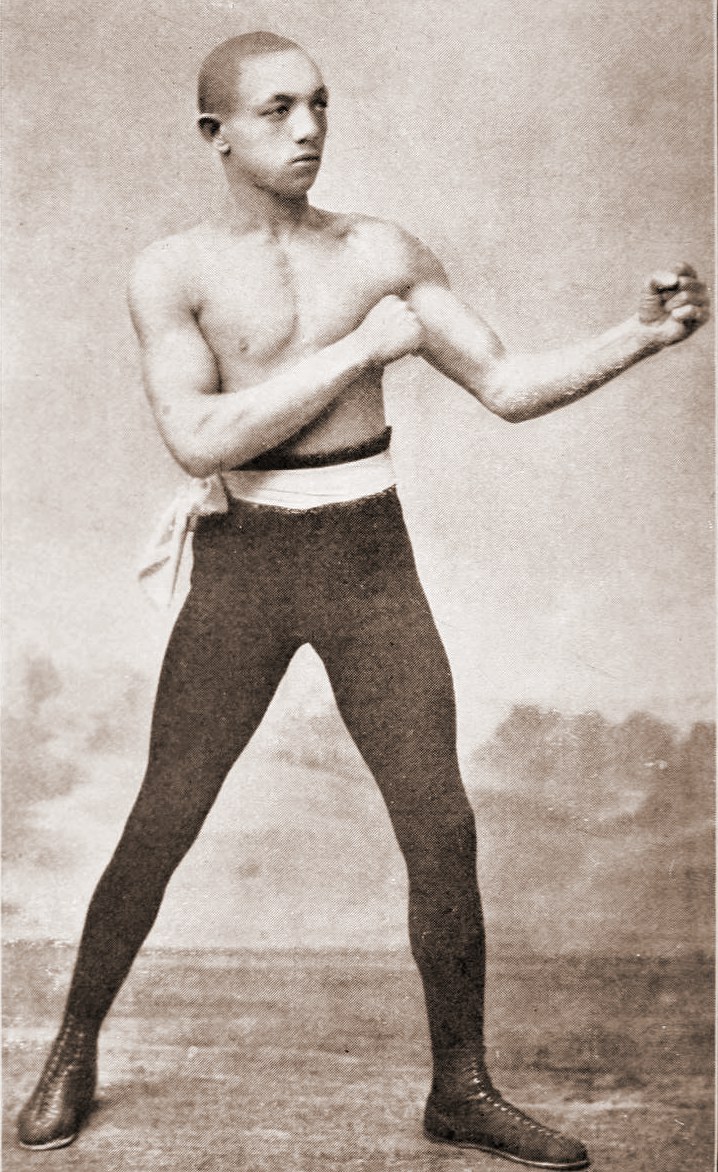
A photograph of George Dixon, taken before 1909.
CA-K201Culture & sport

George Dixon, first Black world boxing champion

George Dixon (1870–1908), born in Africville, Nova Scotia, was the first Black boxer and the first Canadian to win a world title, taking the bantamweight title in 1890 and the featherweight title in 1891. His training innovations, including shadowboxing, are still in use, and he used his popularity to open opportunities for Black boxers.

Factual accuracy review: No recorded challenge

Contributor: Citizen.ca

Verified against cited sourcesVerified on 2026-10-26↗
Photo: unattributed · Photo licence: Public domain · Credit & context
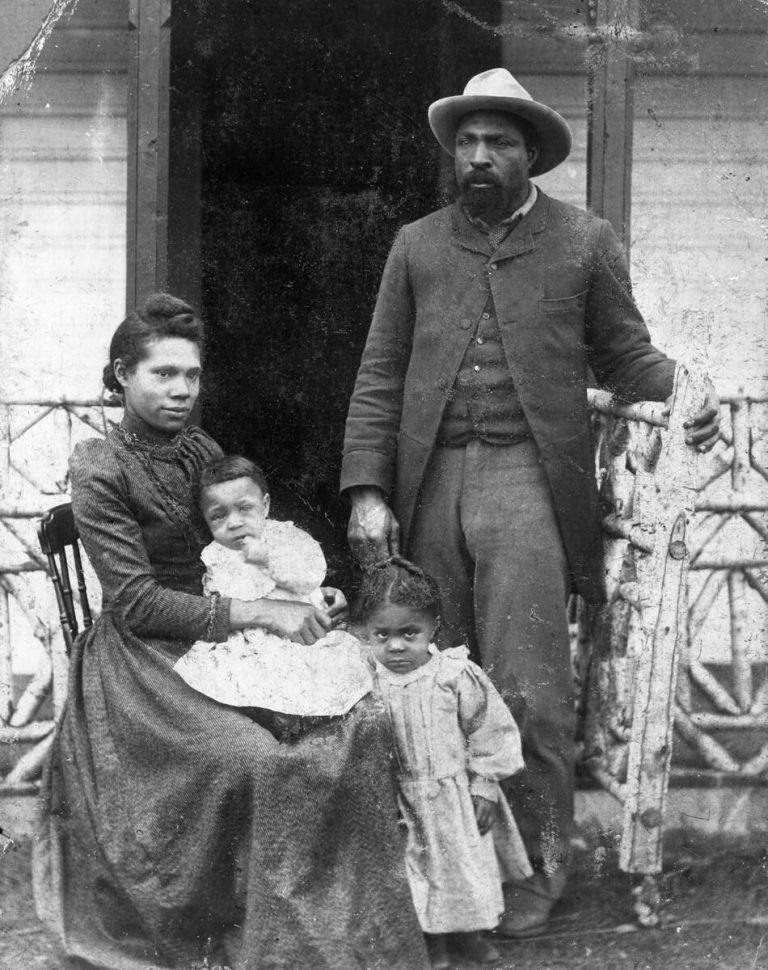
John Ware with his wife Mildred and children Robert and Nettie, 1896.
CA-K200History

John Ware, Black cowboy of the Canadian West

John Ware (c. 1850–1905), a Black cowboy who had been enslaved, entered the District of Alberta in 1882 with a trail crew driving cattle to the Bar U Ranch. Despite racism and rough frontier conditions, he built his own ranch with his wife Mildred and their children, and his skill and generosity earned him a prominent place in the history of the Canadian West.

Factual accuracy review: No recorded challenge

Contributor: Citizen.ca

Verified against cited sourcesVerified on 2026-10-26↗
Photo: Unknown authorUnknown author · Photo licence: Public domain · Credit & context
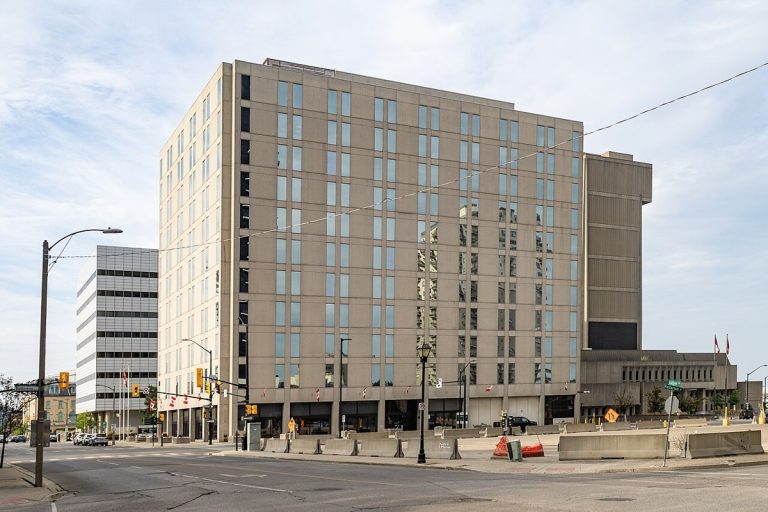
The Richard Pierpoint Building, a courthouse in London, Ontario, named in his honour, photographed in 2026.
CA-K199History

Richard Pierpoint, Black Loyalist

Richard Pierpoint (c. 1744–c. 1838), born in Bundu in present-day Senegal, was captured and sold into slavery in the Thirteen Colonies around 1760. He fought as a free man with Butler’s Rangers in the American Revolution, settled in Niagara, and during the War of 1812 contributed to the creation of the Colored Corps; afterward he asked for passage to West Africa but was given land in Upper Canada instead.

Factual accuracy review: No recorded challenge

Contributor: Citizen.ca

Verified against cited sourcesVerified on 2026-10-26↗
Photo: Chris Woodrich · Photo licence: CC BY-SA 4.0 · Credit & context
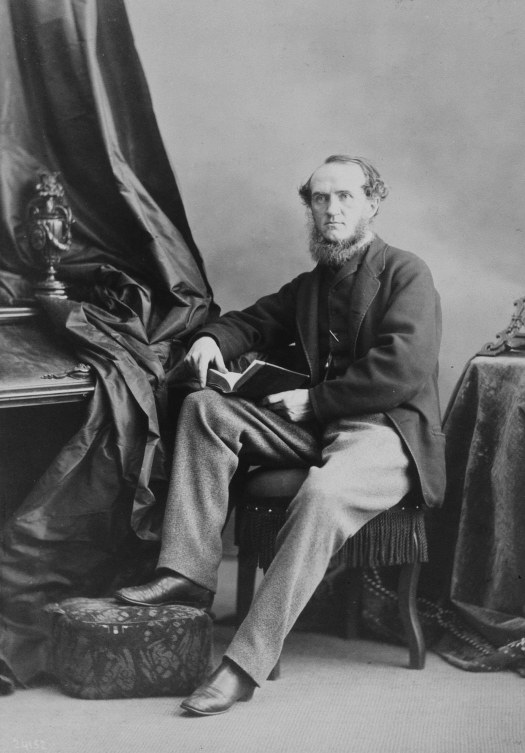
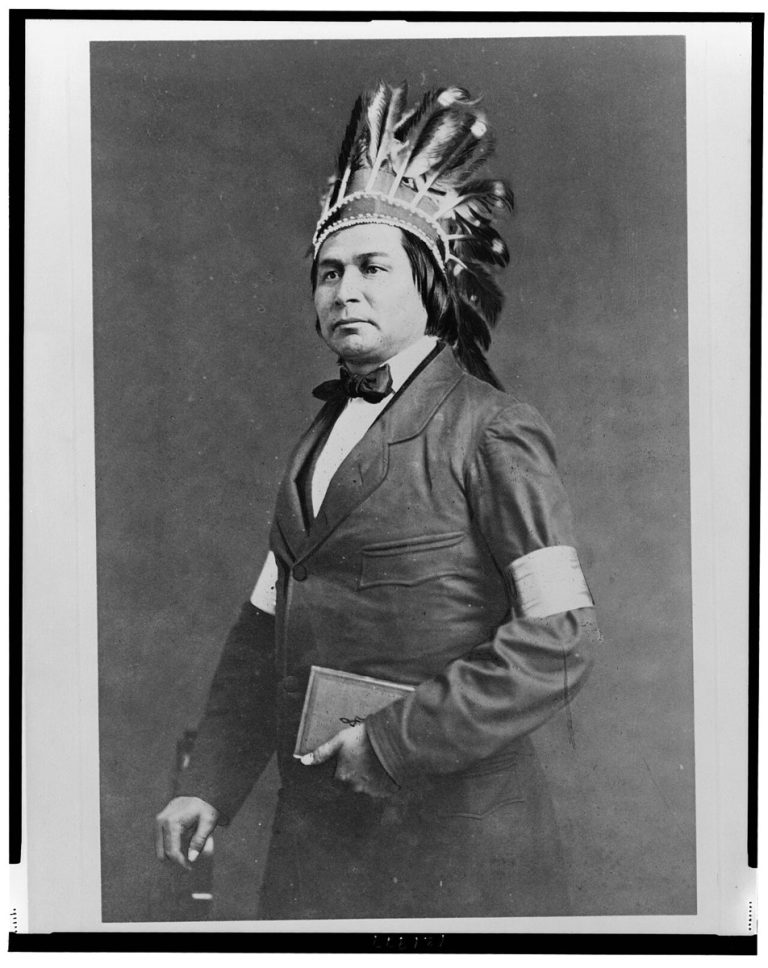
A hand-coloured portrait of Kahgegagahbowh (George Copway), about 1860 (Library of Congress).
CA-K197Indigenous peoples & reconciliation

Kahgegagahbowh (George Copway), Anishinaabe author

Kahgegagahbowh (George Copway, 1818–1869), a Mississauga Anishinaabe author, lecturer and activist, gained international literary celebrity for popular non-fiction books in the late 1840s and early 1850s. His writing and lectures gave readers in Canada and abroad insight into Mississauga spirituality, history and culture, and he spoke for Indigenous peoples at the 1850 Peace Congress in Frankfurt.

Factual accuracy review: No recorded challenge

Contributor: Citizen.ca

Verified against cited sourcesVerified on 2026-10-26↗
Photo: Marian S. Carson Collection (Library of Congress) · Photo licence: Public domain · Credit & context