An independent Canadian knowledge project

Focused and Verified

Canadian knowledge base

Search by keyword

Choose one keyword, or combine two. Broader keywords include their descendants.

Keywords: People and roles

Clear search
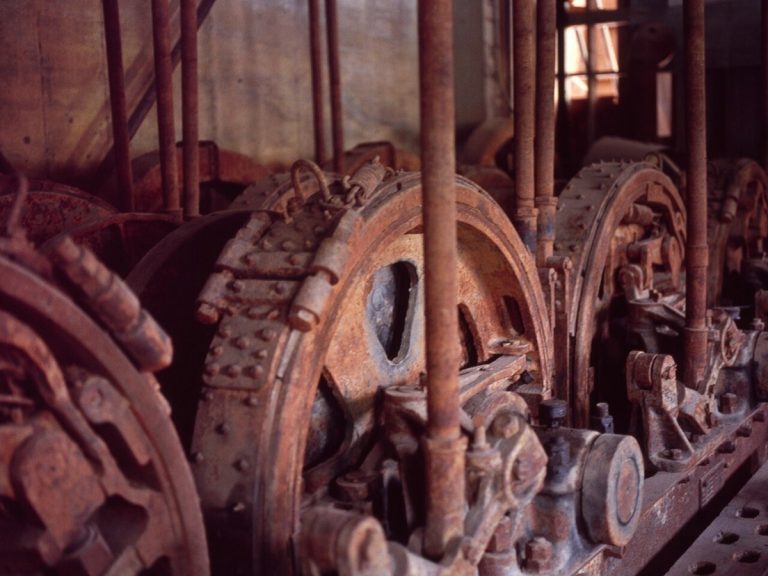
Dredge No. 4 in the Klondike, Yukon, which carries his commemorative plaque, photographed in 2012.
CA-K290Economy & trade

“Klondike Joe” Boyle and large-scale gold mining

Joseph Whiteside “Klondike Joe” Boyle (1867–1923) arrived in Dawson in 1897 and soon saw the potential of large-scale mining, returning in 1909 to head one of the Klondike’s largest mining operations. Known as “The King of the Klondike,” he left in 1916 to aid the Allied war effort and was decorated by several European nations for his work in Russia and Romania.

Factual accuracy review: No recorded challenge

Contributor: Citizen.ca

Verified against cited sourcesVerified on 2026-10-26↗
Photo: Anthony DeLorenzo from Whitehorse, Yukon, Canada · Photo licence: CC BY-SA 2.0 · Credit & context
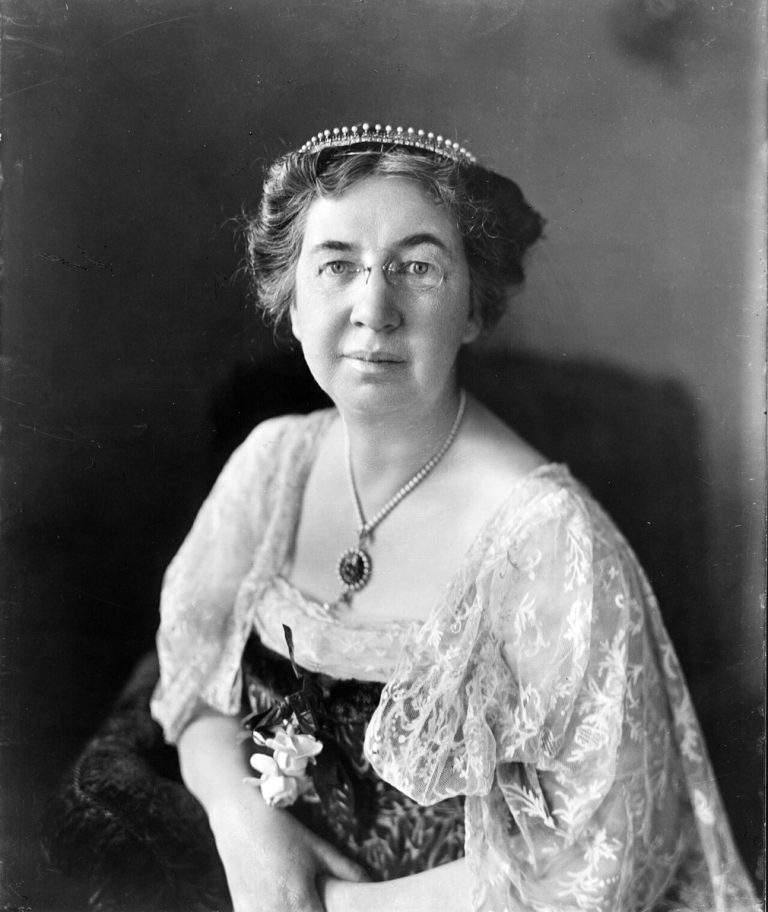
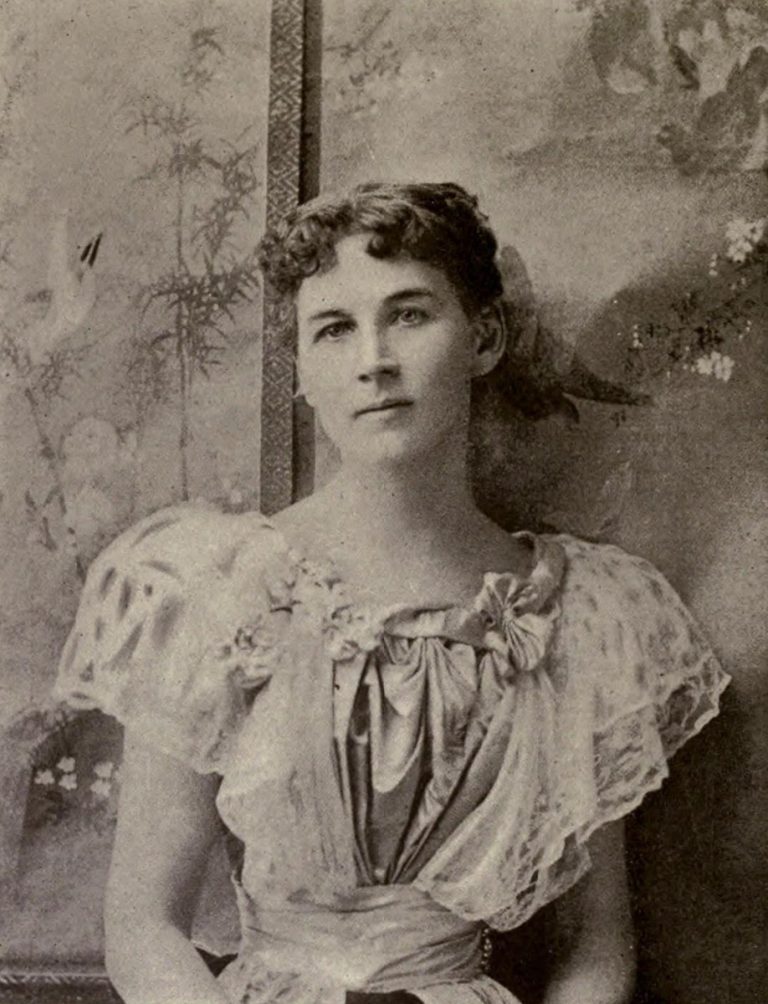
Mabel Hubbard Bell, about 1917 (Harris & Ewing, Library of Congress).
CA-K289History

Mabel Hubbard Bell, organizer and philanthropist

Mabel Hubbard Bell (1857–1923), deaf since childhood, married Alexander Graham Bell in 1877 and gave crucial support to his research, including at their Beinn Bhreagh estate in Cape Breton. In Baddeck she helped establish the Young Ladies’ Club in 1891, the first Montessori classes and the earliest home and school association in Canada.

Factual accuracy review: No recorded challenge

Contributor: Citizen.ca

Verified against cited sourcesVerified on 2026-10-26↗
Photo: Harris & Ewing · Photo licence: Public domain · Credit & context
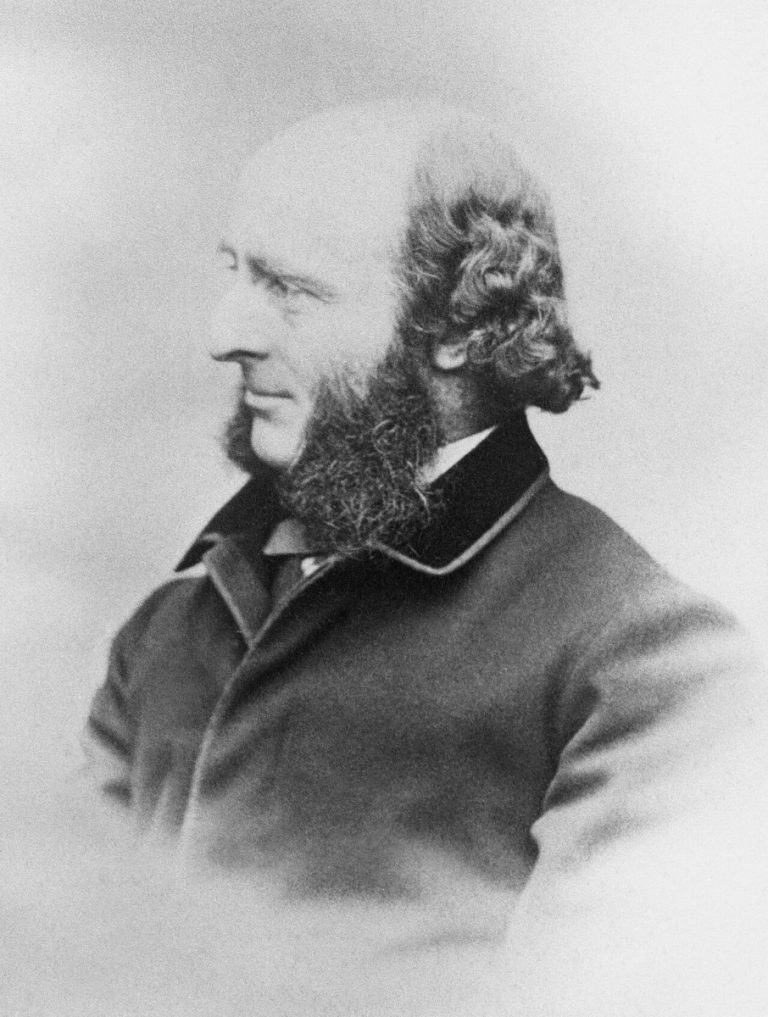
A portrait of Henry Youle Hind, about 1865.
CA-K288Places & geography

Henry Youle Hind’s surveys of the North-West

Henry Youle Hind (1823–1908), a scientist and explorer, led surveys of the North-West between 1857 and 1860 that produced scientific reports, photographs and maps. His reports on arable land helped shape Canada’s decision to pursue the acquisition of Rupert’s Land, a decision taken, as Parks Canada notes, without regard for Indigenous peoples.

Factual accuracy review: No recorded challenge

Contributor: Citizen.ca

Verified against cited sourcesVerified on 2026-10-26↗
Photo: Cox, A. W. · Photo licence: CC BY-SA 4.0 · Credit & context
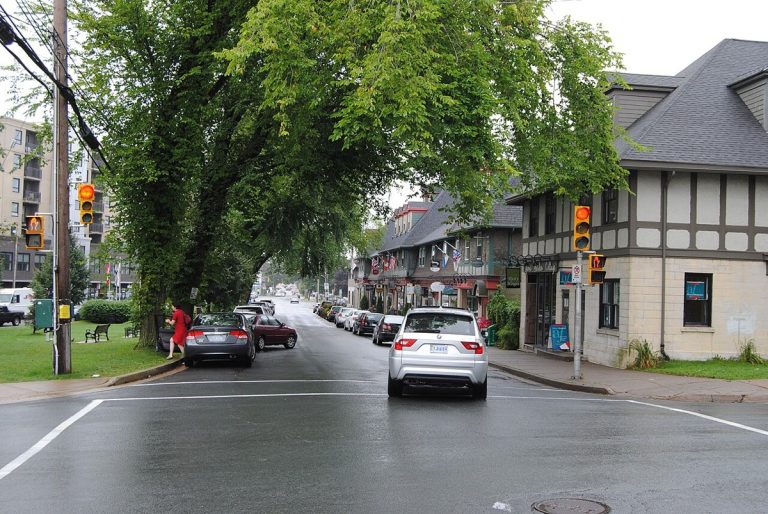
The Hydrostone district in Halifax, Nova Scotia, photographed in 2011.
CA-K287Institutions

Thomas Adams and the Hydrostone

Thomas Adams (1871–1940), a leading town planner in early-20th-century Canada, influenced provincial planning laws in seven provinces and led the early professionalization of planning. He designed public housing projects such as Lindenlea in Ottawa and the Hydrostone district of Halifax, planned to rebuild the Richmond neighbourhood after the 1917 Halifax Explosion.

Factual accuracy review: No recorded challenge

Contributor: Citizen.ca

Verified against cited sourcesVerified on 2026-10-26↗
Photo: Paul from Hacketts Cove, Canada · Photo licence: CC BY 2.0 · Credit & context
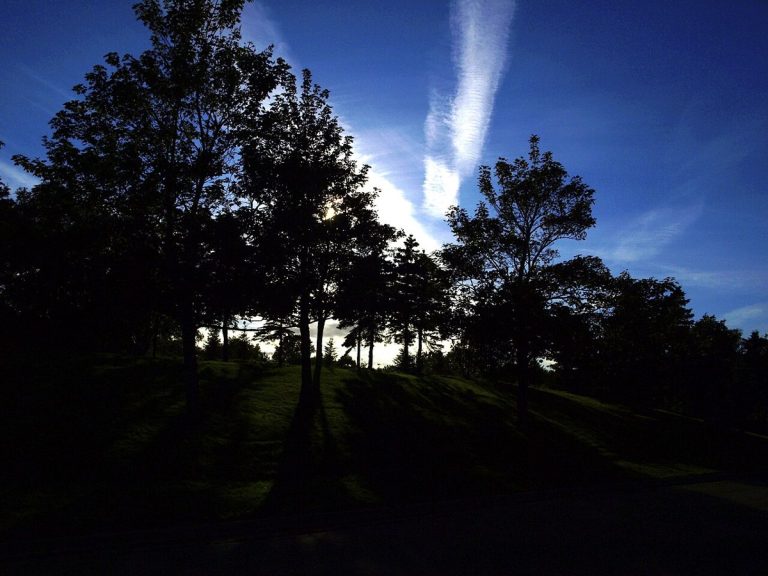
Bowring Park in St. John’s, Newfoundland and Labrador, at sunset in 2011.
CA-K286Culture & sport

Frederick Todd, Canada’s first professional landscape architect

Frederick Gage Todd (1876–1948), Canada’s first professional landscape architect, trained with the Olmsted firm and designed beloved parks including Assiniboine Park in Winnipeg, Bowring Park in St. John’s and the Plains of Abraham battlefields park in Québec City. His 1903 plan for Ottawa influenced every later plan for the capital.

Factual accuracy review: No recorded challenge

Contributor: Citizen.ca

Verified against cited sourcesVerified on 2026-10-26↗
Photo: Sivaprasad.ucc · Photo licence: CC BY-SA 3.0 · Credit & context
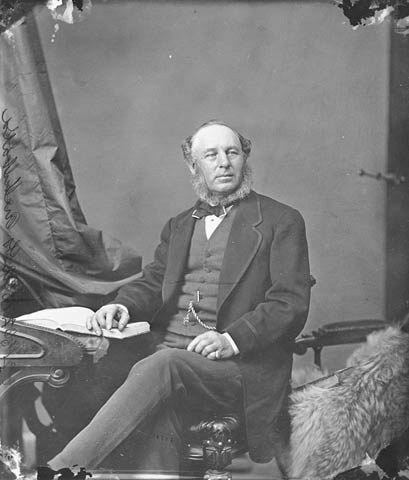
A portrait of George Brown, Father of Confederation.
CA-K277History

George Brown, The Globe and the Great Coalition

George Brown (1818–1880) founded the influential newspaper The Globe in 1844 and became a leading reformer and head of the “Clear Grit” party. In 1864 he was a key figure in the Great Coalition that made Confederation possible, and he co-founded the Anti-Slavery Society of Canada.

Factual accuracy review: No recorded challenge

Contributor: Citizen.ca

Verified against cited sourcesVerified on 2026-10-26↗
Photo: Hunter & Co. · Photo licence: Public domain · Credit & context
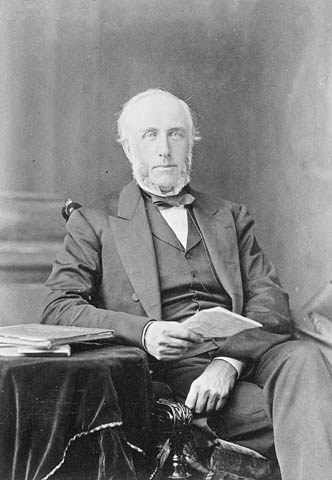
A portrait of Sir Adams George Archibald.
CA-K275Indigenous peoples & reconciliation

Adams Archibald, Métis land rights and Treaties 1 and 2

Adams George Archibald (1814–1892), first lieutenant-governor of Manitoba and the North-West Territories (1870–1872), was charged with administering the Manitoba Act’s guarantee of Métis land rights, which proved difficult amid settler encroachment and while Canadian militia subjected Métis people to a “reign of terror.” In 1871 he represented the Crown in negotiating Treaties 1 and 2, but several promises he made were not written into the treaties.

Factual accuracy review: No recorded challenge

Contributor: Citizen.ca

Verified against cited sourcesVerified on 2026-10-26↗
Photo: User Magnus Manske on en.wikipedia · Photo licence: Public domain · Credit & context
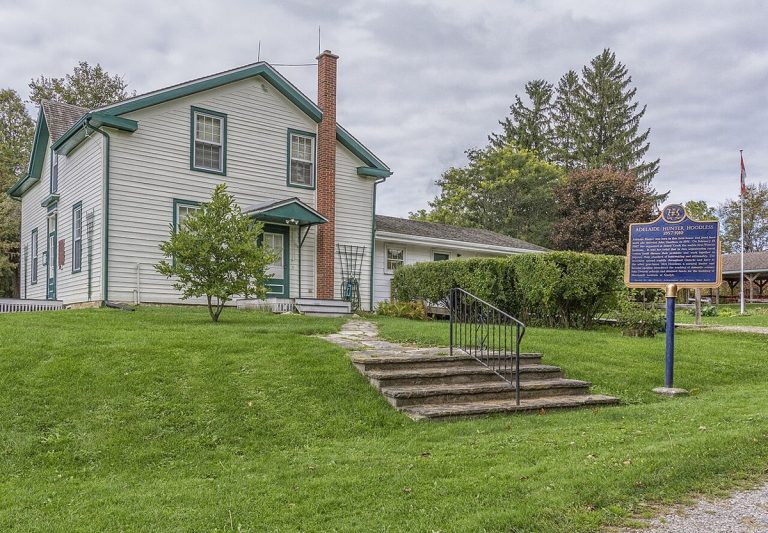
The Adelaide Hunter Hoodless Homestead in St. George, Ontario, photographed in 2014.
CA-K273History

Adelaide Hunter Hoodless, educator and reformer

Adelaide Hunter Hoodless (1857–1910), an educator and social reformer, promoted domestic economy as a school subject and helped establish household science institutes at Guelph, Sainte-Anne-de-Bellevue and Toronto. She supported women’s organizations including the National Council of Women and the Federated Women’s Institutes, and helped establish the Victorian Order of Nurses.

Factual accuracy review: No recorded challenge

Contributor: Citizen.ca

Verified against cited sourcesVerified on 2026-10-26↗
Photo: Paranoidpurist · Photo licence: CC BY-SA 3.0 · Credit & context
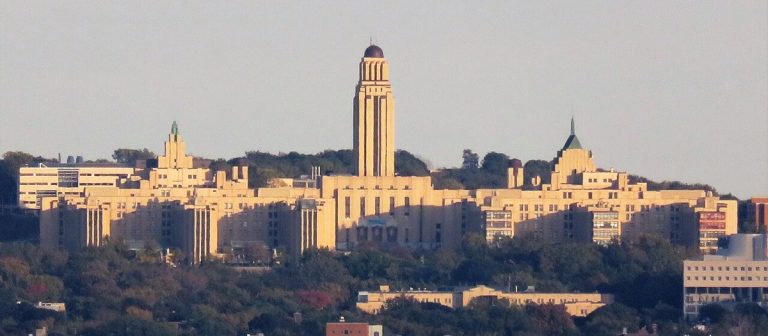
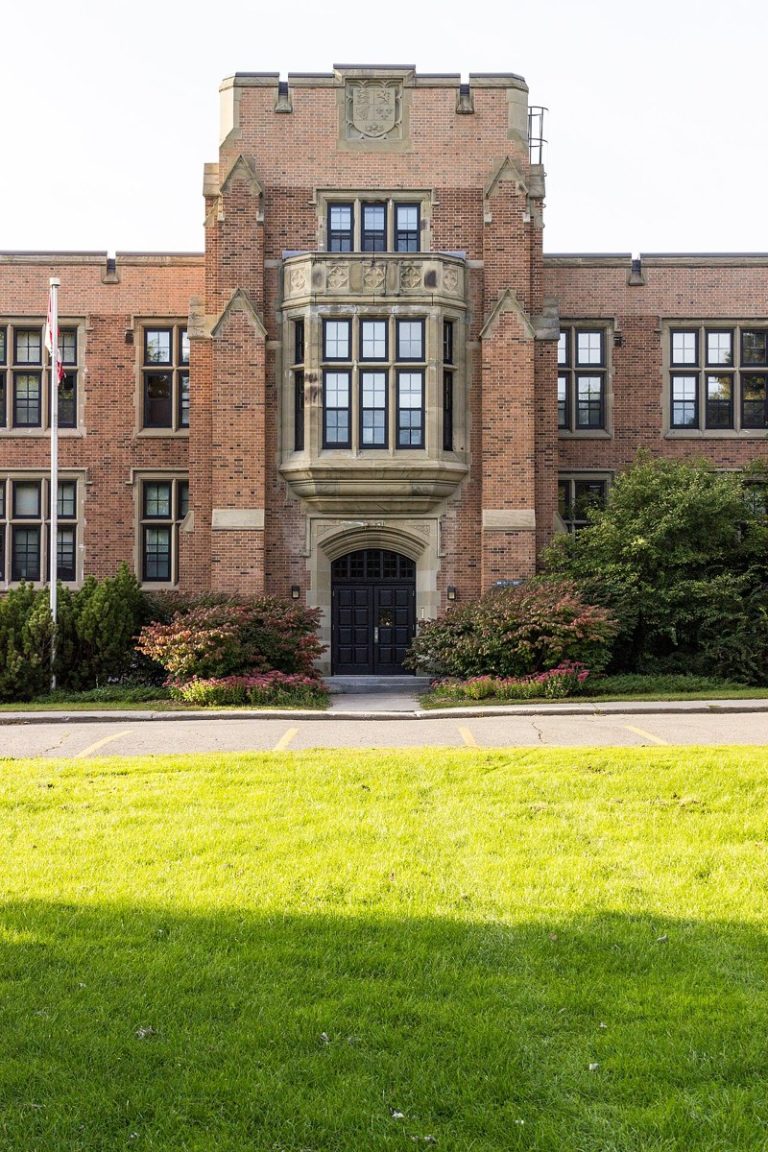
The Roger-Gaudry pavilion of the Université de Montréal, designed by Ernest Cormier, photographed in 2015.
CA-K267Culture & sport

Ernest Cormier, architect and engineer

Ernest Cormier (1885–1980), born in Montréal and trained at the École des Beaux-Arts de Paris, was an engineer and one of the most renowned Canadian architects of the 20th century, known for innovative design, new materials and attention to every detail. The federal government chose him to represent Canada in designing the United Nations Headquarters in New York (1949–1952).

Factual accuracy review: No recorded challenge

Contributor: Citizen.ca

Verified against cited sourcesVerified on 2026-10-26↗
Photo: Laurent Bélanger · Photo licence: CC BY-SA 4.0 · Credit & context
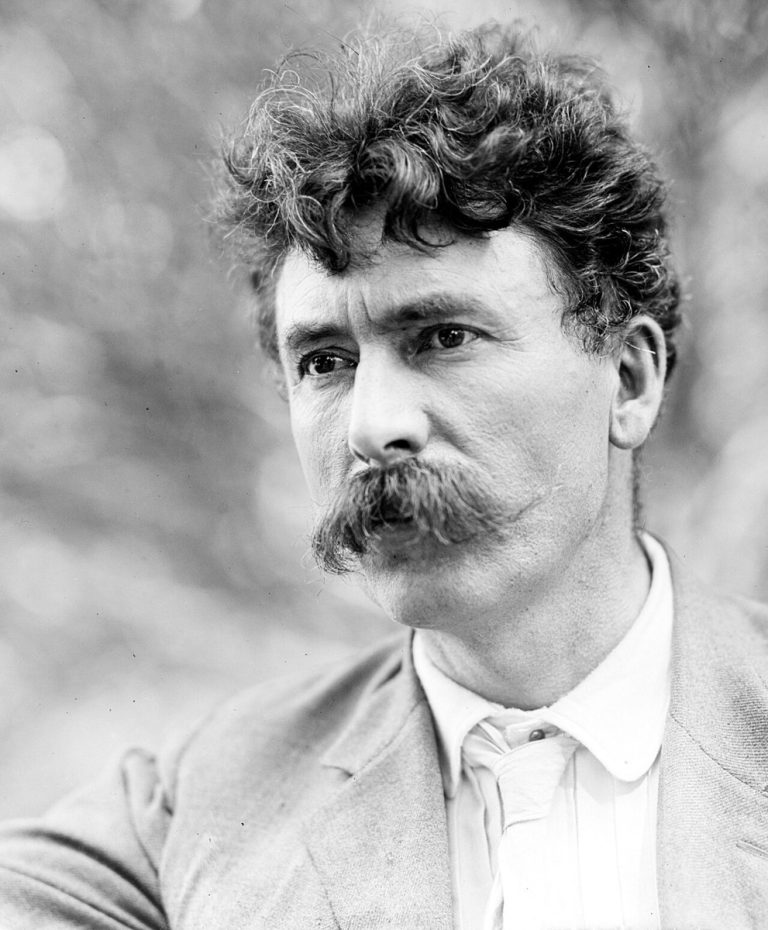
Ernest Thompson Seton (Bain News Service photograph).
CA-K266Culture & sport

Ernest Thompson Seton, naturalist and writer

Ernest Thompson Seton (1860–1946), largely self-taught, made major contributions as a naturalist, ornithologist, conservationist and wildlife artist, and his bestselling realistic animal stories developed a distinctive Canadian genre. His “Woodcraft Indians” youth program influenced the Boy Scout movement and summer camps but, as Parks Canada’s 2022 review notes, also contributed to inaccurate stereotypes of First Nations.

Factual accuracy review: No recorded challenge

Contributor: Citizen.ca

Verified against cited sourcesVerified on 2026-10-26↗
Photo: Bain News Service · Photo licence: Public domain · Credit & context
A portrait of Sara Jeannette Duncan, taken no later than 1903.
CA-K265Culture & sport

Sara Jeannette Duncan and The Imperialist

Sara Jeannette Duncan (1861–1922), a pioneering late-19th-century journalist, challenged norms by examining women’s changing roles, the need for a national culture and Canadian politics. After leaving Canada in 1890 she lived in India and England and wrote more than 20 popular books, including The Imperialist (1904), a Canadian classic set in a fictionalized Brantford.

Factual accuracy review: No recorded challenge

Contributor: Citizen.ca

Verified against cited sourcesVerified on 2026-10-26↗
Photo: not stated · Photo licence: Public domain · Credit & context
A portrait of Isabella Valancy Crawford, published around 1919.
CA-K264Culture & sport

Isabella Valancy Crawford, poet

Irish-born Isabella Valancy Crawford (1850–1887) came to Canada as a girl, settled in Peterborough and supported her family by writing after 1875. Largely unknown in her short life, she is now considered one of the finest Canadian poets of her generation, best remembered for the long poems “Malcolm’s Katie” and “Old Spookses’ Pass.”

Factual accuracy review: No recorded challenge

Contributor: Citizen.ca

Verified against cited sourcesVerified on 2026-10-26↗
Photo: Caswell, Edward S. (Edward Samuel), 1861-1938 · Photo licence: Public domain · Credit & context
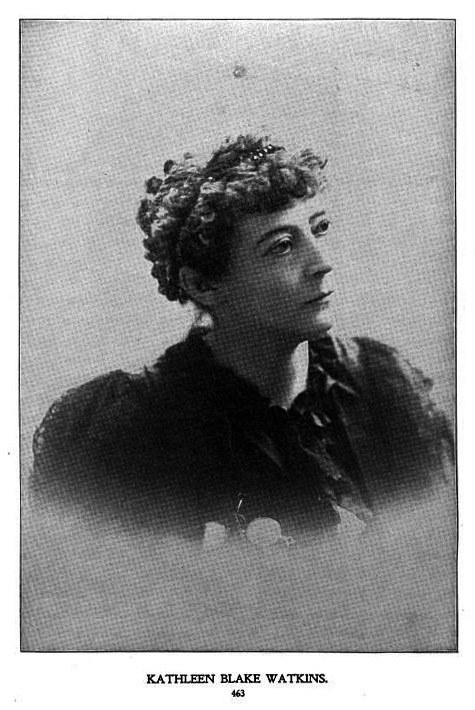
A portrait of Kathleen Blake Coleman, 1896.
CA-K263Culture & sport

Kit Coleman, pioneering journalist

Kathleen Blake Coleman (1856–1915), writing as “Kit,” ran the “Woman’s Kingdom” pages of Toronto’s Daily Mail, later the Mail and Empire, from 1889 to 1911, winning a wide following with her witty, irreverent style. As the first American-accredited woman war correspondent, she covered the Spanish-American War in Cuba in 1898.

Factual accuracy review: No recorded challenge

Contributor: Citizen.ca

Verified against cited sourcesVerified on 2026-10-26↗
Photo: Photographer unidentified · Photo licence: Public domain · Credit & context
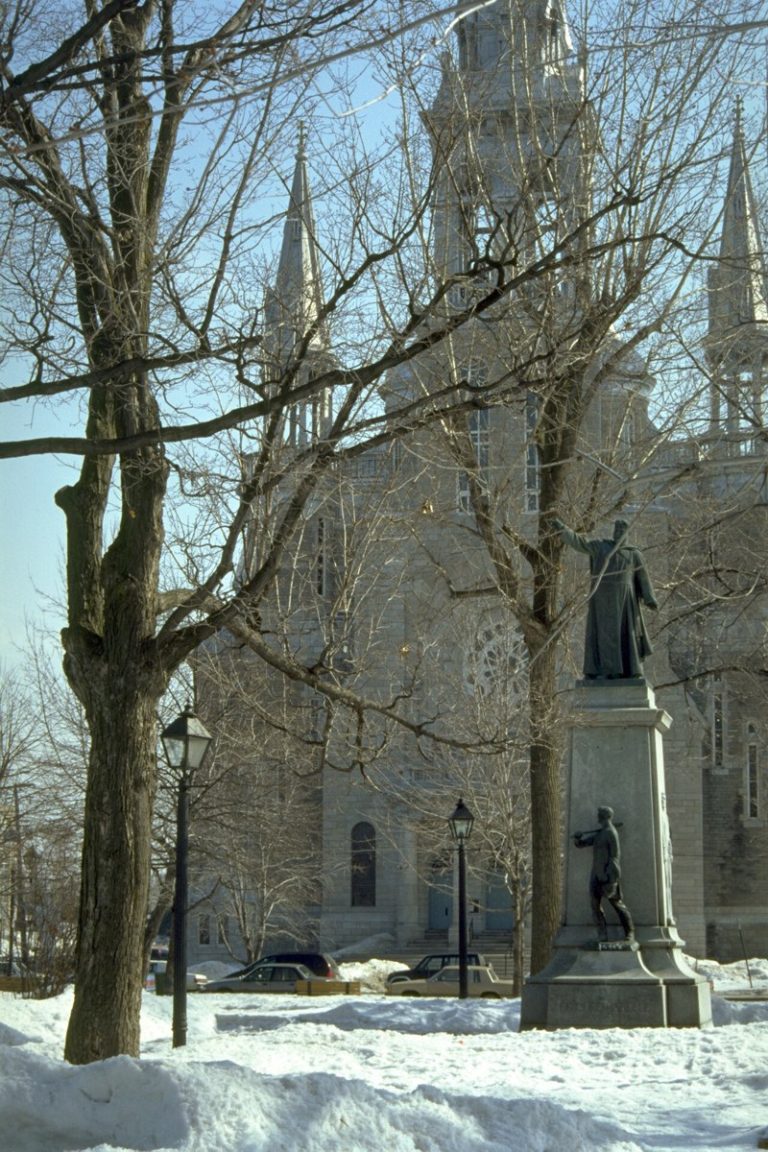
The cathedral and statue of Curé Labelle in Saint-Jérôme, Quebec, photographed in 2007.
CA-K262History

Curé Labelle, the “King of the North”

To curb French-Canadian emigration to the United States, Curé Antoine Labelle (1833–1891), parish priest of Saint-Jérôme, encouraged settlement in northwestern Quebec, northern Ontario and Manitoba. He played a key role in settling the Laurentians and developing their railways, served as Quebec’s deputy minister of agriculture and colonization, and is remembered as the “roi du Nord.”

Factual accuracy review: No recorded challenge

Contributor: Citizen.ca

Verified against cited sourcesVerified on 2026-10-26↗
Photo: Yvan leduc · Photo licence: CC BY-SA 3.0 · Credit & context
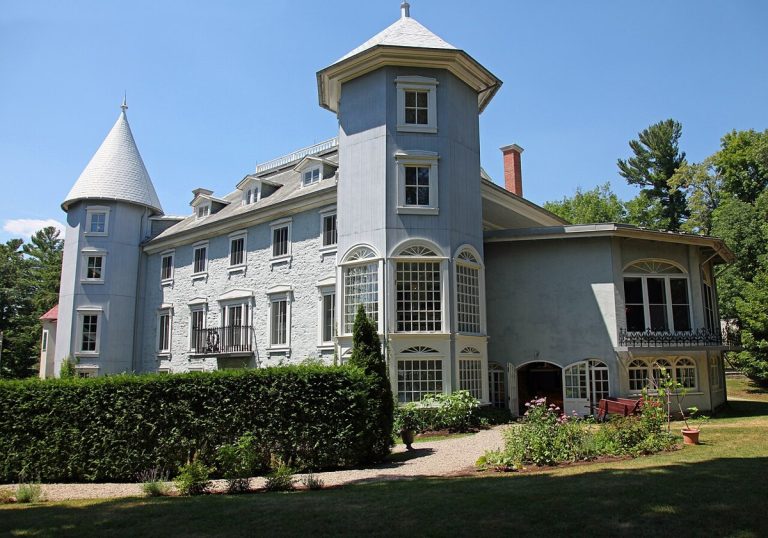
The Manoir-Papineau in Montebello, Quebec, photographed in 2018.
CA-K258History

Louis-Joseph Papineau, leader of the Patriotes

Louis-Joseph Papineau (1786–1871) strove to reform Lower Canada’s political institutions and strengthen democracy. As Speaker of the House of Assembly and leader of the Parti canadien, later the Parti patriote, he became the leading political figure of the 1837–1838 uprisings; in 1850 he settled at his manor in Montebello.

Factual accuracy review: No recorded challenge

Contributor: Citizen.ca

Verified against cited sourcesVerified on 2026-10-26↗
Photo: Marc-Lautenbacher · Photo licence: CC BY-SA 4.0 · Credit & context
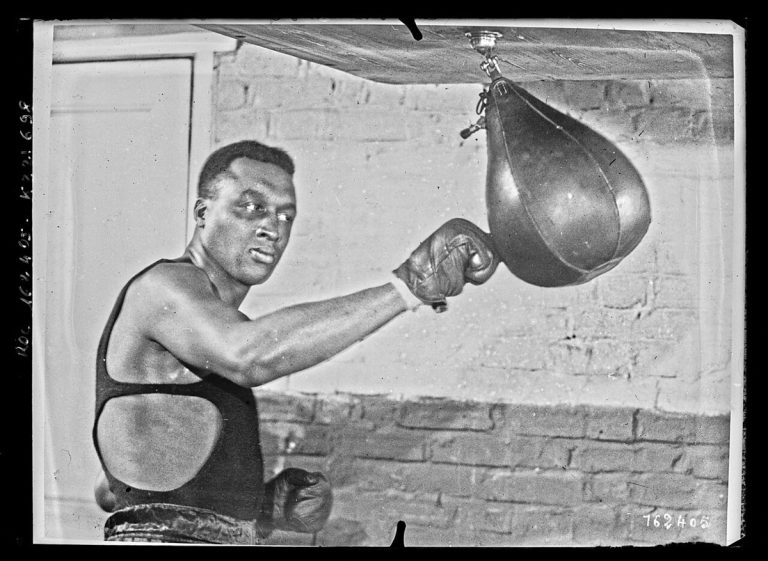
A portrait of boxer Larry Gains, 1932 (Agence Rol).
CA-K253Culture & sport

Larry Gains, heavyweight champion

Larry Gains (1900–1983), a Black boxer born and trained in Toronto’s Cabbagetown, was one of the world’s best heavyweights in the 1920s and 1930s, winning the Canadian and British Empire heavyweight titles. Racism limited his chances in North America and barred him from a world heavyweight title fight despite wins over future champions.

Factual accuracy review: No recorded challenge

Contributor: Citizen.ca

Verified against cited sourcesVerified on 2026-10-26↗
Photo: Agence Rol. Agence photographique (commanditaire) · Photo licence: Public domain · Credit & context
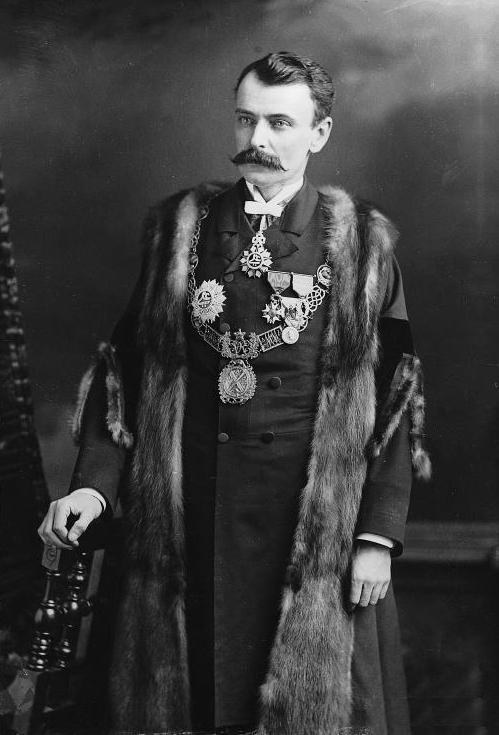
Honoré Beaugrand as mayor of Montréal, 1887, photographed by Wm. Notman & Son.
CA-K252Language & names

Honoré Beaugrand, La Patrie and La Chasse-galerie

Honoré Beaugrand (1848–1906), a free thinker who vigorously defended freedom of thought, headed French-language newspapers in the United States and Canada and founded La Patrie (1879–1978) in Montréal. As an author and publisher, he produced some of the earliest works of Franco-American literature, including La Chasse-galerie: Légendes canadiennes.

Factual accuracy review: No recorded challenge

Contributor: Citizen.ca

Verified against cited sourcesVerified on 2026-10-26↗
Photo: Wm. Notman & Son · Photo licence: Public domain · Credit & context
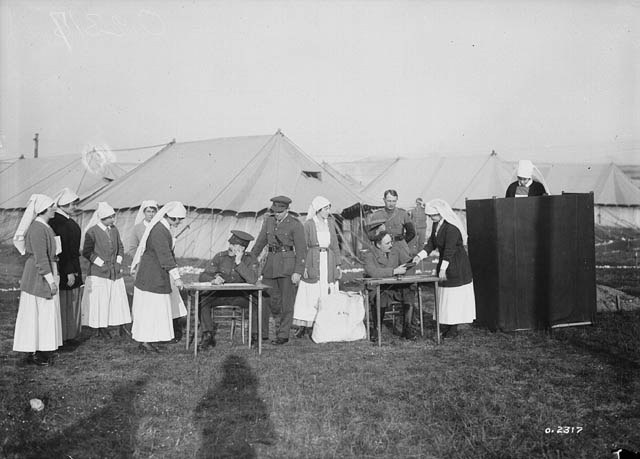
Nursing Sisters at a Canadian hospital in France voting in the 1917 federal election (photograph by William Rider-Rider).
CA-K246History

Nursing Sisters, the first women with military rank

Canadian military nurses have cared for the sick and wounded in battle since 1885. In 1904, professional nurses joined the Canadian Army Medical Corps as Nursing Sisters, the first women in the British Empire to receive military rank; in the two world wars hundreds were decorated and dozens died from enemy action.

Factual accuracy review: No recorded challenge

Contributor: Citizen.ca

Verified against cited sourcesVerified on 2026-10-26↗
Photo: William Rider-Rider · Photo licence: Public domain · Credit & context
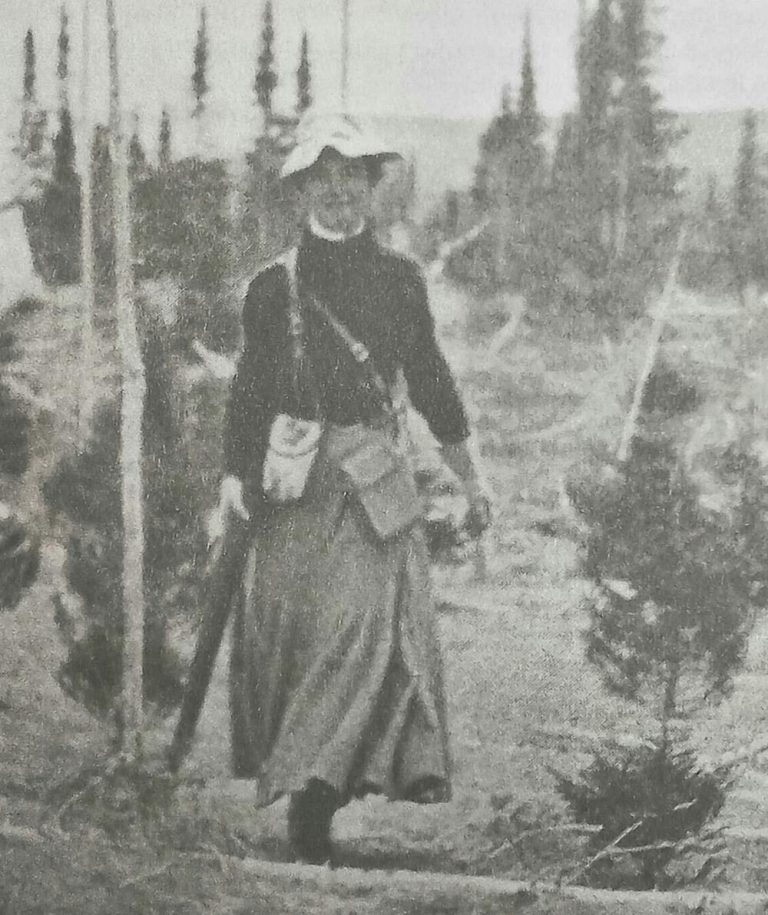
Mina Hubbard in northern Labrador in 1905.
CA-K233Places & geography

Mina Hubbard mapped Labrador in 1905

In 1905, explorer and surveyor Mina Hubbard (1870–1956) led an expedition across Labrador, travelling 900 kilometres from North West River to Ungava Bay. Her continuous latitude measurements established the positions of the Naskaupi and George rivers, and her map was immediately recognized by the American and British geographical societies.

Factual accuracy review: No recorded challenge

Contributor: Citizen.ca

Verified against cited sourcesVerified on 2026-10-26↗
Photo: Unknown authorUnknown author · Photo licence: Public domain · Credit & context
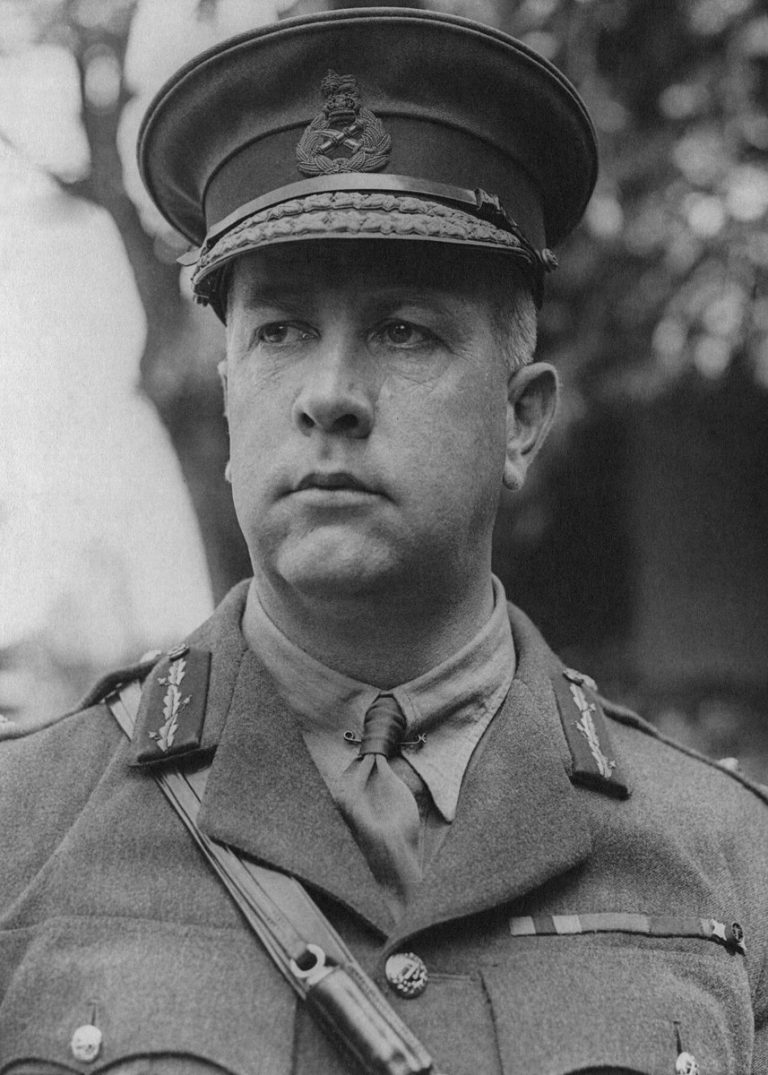
General Currie, commander of the Canadian troops in France, in June 1917.
CA-K232History

Sir Arthur Currie, commander of the Canadian Corps

Sir Arthur Currie (1875–1933), who trained with the militia at Fort Rodd Hill in Victoria, commanded one of Canada’s first overseas infantry brigades in the First World War. Promoted to lieutenant-general after Vimy Ridge, he became commander of the entire Canadian Corps, the first and only Canadian to hold that position, and after the war served as principal of McGill University.

Factual accuracy review: No recorded challenge

Contributor: Citizen.ca

Verified against cited sourcesVerified on 2026-10-26↗
Photo: Unknown photographer · Photo licence: Public domain · Credit & context
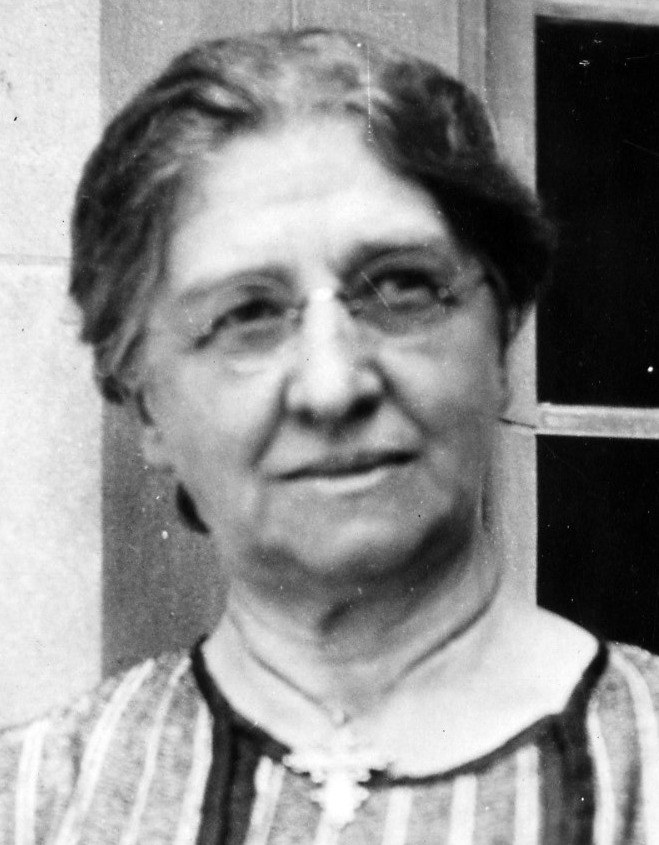
A portrait of Carrie Derick.
CA-K231History

Carrie Derick, one of Canada’s first women professors

Botanist and geneticist Carrie Derick (1862–1941) overcame strong opposition to become one of the first women appointed to a full professorship in Canada, at McGill University from 1912 to 1929. A suffragist and reformer, she promoted political and educational equality for women; Parks Canada’s 2024 review also notes that she held eugenic views widely shared in her academic circles.

Factual accuracy review: No recorded challenge

Contributor: Citizen.ca

Verified against cited sourcesVerified on 2026-10-26↗
Photo: · Photo licence: Public domain · Credit & context
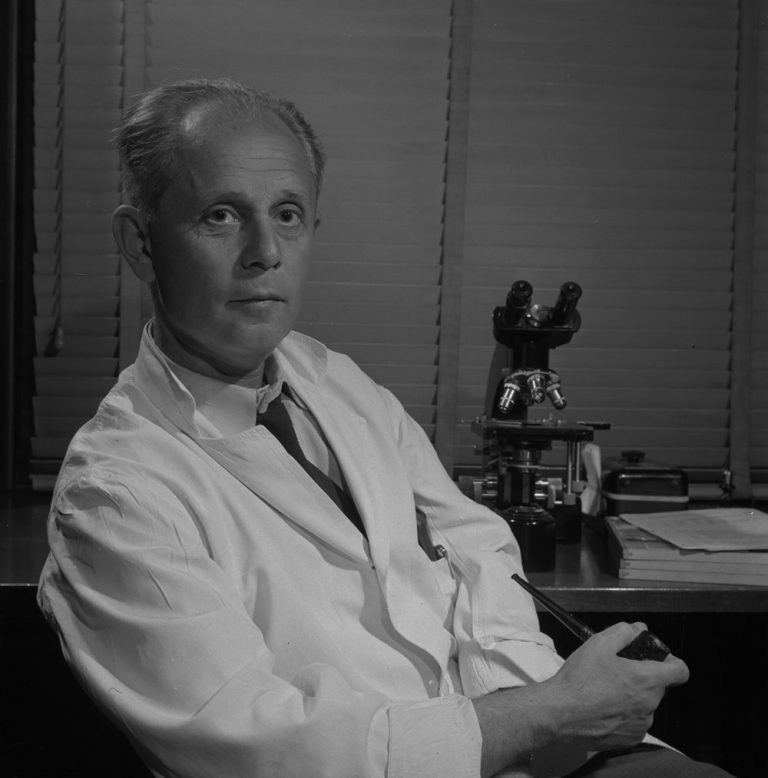
Dr. Hans Selye at the Université de Montréal in June 1956, photographed by Chris Lund.
CA-K230History

Hans Selye, father of stress research

Dr. Hans Selye (1907–1982), working in his laboratory at the Université de Montréal, is considered the father of stress research. His view of stress as a biological reaction was at first controversial but gained general acceptance, and his work greatly expanded understanding of the causes of illness, especially heart disease, and of endocrinology.

Factual accuracy review: No recorded challenge

Contributor: Citizen.ca

Verified against cited sourcesVerified on 2026-10-26↗
Photo: Chris Lund · Photo licence: Public domain · Credit & context
The William Saunders Building at the Central Experimental Farm, Ottawa, photographed in 2014.
CA-K229Economy & trade

William Saunders and the Experimental Farms

William Saunders (1836–1914), an expert in scientific agriculture, became the first director of the federal Department of Agriculture’s new Experimental Farms Branch in 1886. He created many promising varieties of fruit and grain and began the research that led to Marquis wheat, developed by his son Charles.

Factual accuracy review: No recorded challenge

Contributor: Citizen.ca

Verified against cited sourcesVerified on 2026-10-26↗
Photo: Matti Blume · Photo licence: CC BY-SA 4.0 · Credit & context