An independent Canadian knowledge project

Focused and Verified

Canadian knowledge base

Search by keyword

Choose one keyword, or combine two. Broader keywords include their descendants.

Keywords: 1900–1999

Clear search
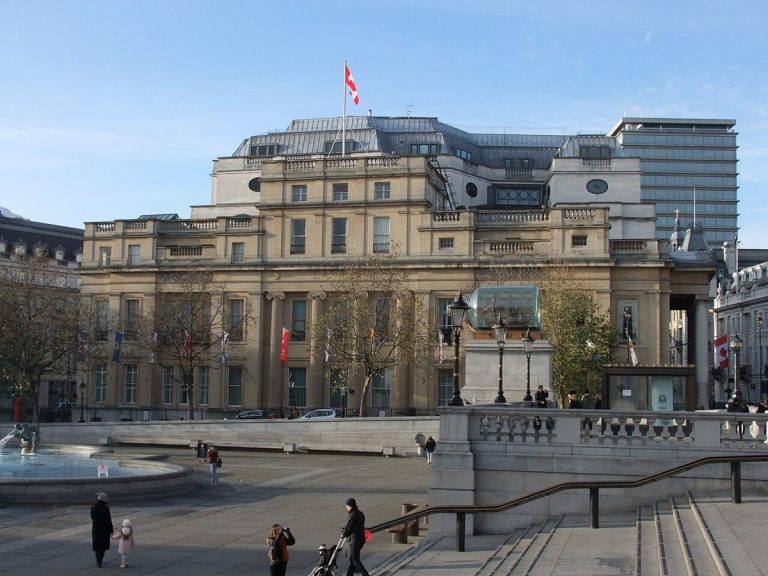
Canada House on Trafalgar Square, London, photographed in 2010.
CA-K283Institutions

Canada’s High Commission in London, 1880

In 1880, Canada became the first country of the British Empire to establish a high commission in London, mainly to promote trade and immigration, with former finance minister Sir Alexander Galt as the first high commissioner. Canada’s oldest diplomatic posting moved in 1925 to Canada House on Trafalgar Square, now a symbol of Canada in the British capital.

Factual accuracy review: No recorded challenge

Contributor: Citizen.ca

Verified against cited sourcesVerified on 2026-10-26↗
Photo: PAUL FARMER · Photo licence: CC BY-SA 2.0 · Credit & context
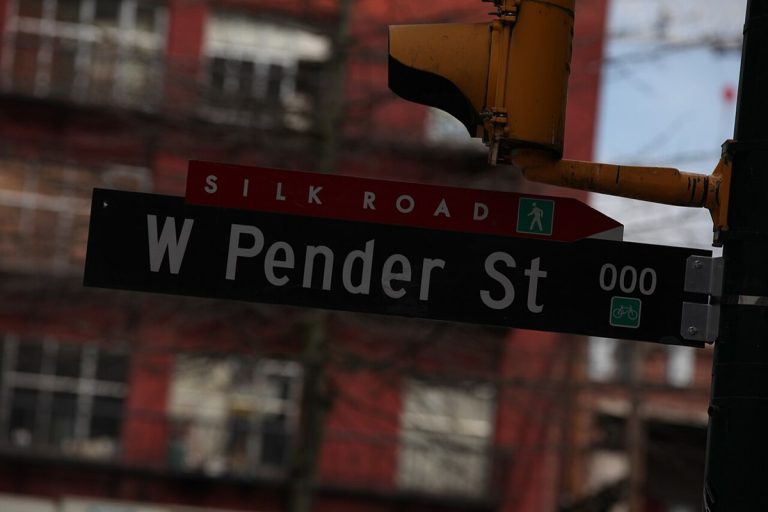
West Pender Street in Vancouver’s Chinatown, photographed in 2011.
CA-K281History

The exclusion of Chinese immigrants, 1923–1947

The Chinese Immigration Act (Chinese Exclusion Act), which took effect on 1 July 1923, imposed discriminatory restrictions on Chinese immigration and replaced the head tax. All Chinese people in Canada, including those born here, had to register or risk fines, detention or deportation. Chinese Canadians challenged the law until its repeal in 1947.

Factual accuracy review: No recorded challenge

Contributor: Citizen.ca

Verified against cited sourcesVerified on 2026-10-26↗
Photo: Kyle Lawrence · Photo licence: CC BY-SA 3.0 · Credit & context
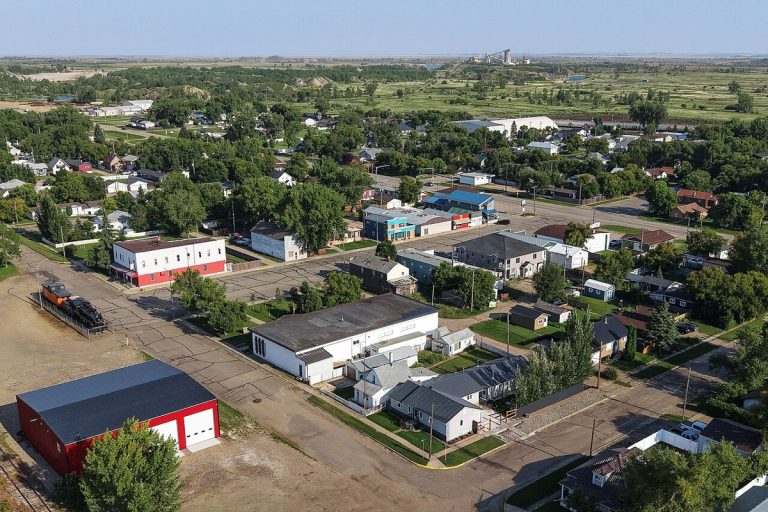
Bienfait, Saskatchewan, from the air in 2026.
CA-K279History

The 1931 Estevan strike and Black Tuesday

In September 1931, coal miners in Bienfait, Saskatchewan, went on a 30-day strike when mine owners refused to recognize their union. A motor cavalcade of strikers and supporters turned deadly in Estevan when police shot and killed three miners and injured 23 others; known as Black Tuesday, it remains a tragic legacy of the Depression.

Factual accuracy review: No recorded challenge

Contributor: Citizen.ca

Verified against cited sourcesVerified on 2026-10-26↗
Photo: Quintin Soloviev · Photo licence: CC BY 4.0 · Credit & context
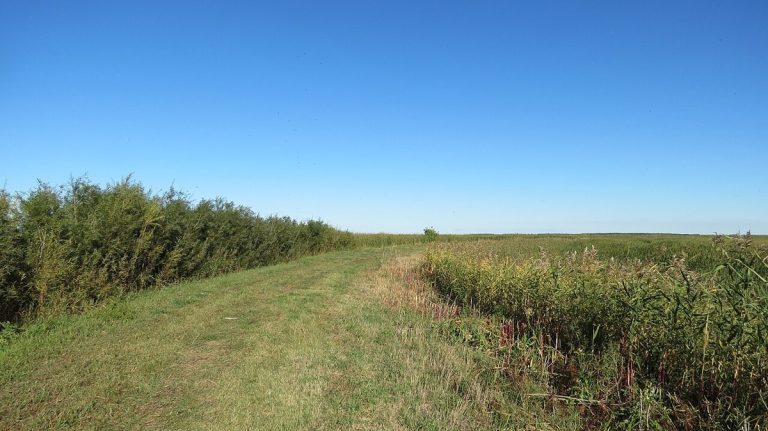
Oak Hammock Marsh near Stonewall, Manitoba, where the designation’s plaque stands, photographed in 2013.
CA-K272Places & geography

Ducks Unlimited Canada and wetland conservation

Ducks Unlimited Canada was founded in Winnipeg in 1938 by Canadian and American sportsmen responding to declining waterfowl populations and wetland loss. The organization helped develop wetland restoration and carried out one of the first large-scale surveys of breeding waterfowl, an early example of international, grassroots conservation.

Factual accuracy review: No recorded challenge

Contributor: Citizen.ca

Verified against cited sourcesVerified on 2026-10-26↗
Photo: Robert Linsdell from St. Andrews, Canada · Photo licence: CC BY 2.0 · Credit & context
Maple Leaf Gardens at Church and Carlton streets, Toronto, photographed in 2016.
CA-K269Culture & sport

The Toronto Maple Leafs, an original NHL club

The Toronto Maple Leafs trace their origins to one of the first National Hockey League teams, formed in 1917; co-owner Conn Smythe renamed the St. Patricks the Maple Leafs in 1927 and built Maple Leaf Gardens during the Depression. Foster Hewitt’s broadcasts brought the team national attention, and it won 13 Stanley Cups between 1918 and 1967.

Factual accuracy review: No recorded challenge

Contributor: Citizen.ca

Verified against cited sourcesVerified on 2026-10-26↗
Photo: Jeff Hitchcock · Photo licence: CC BY 2.0 · Credit & context
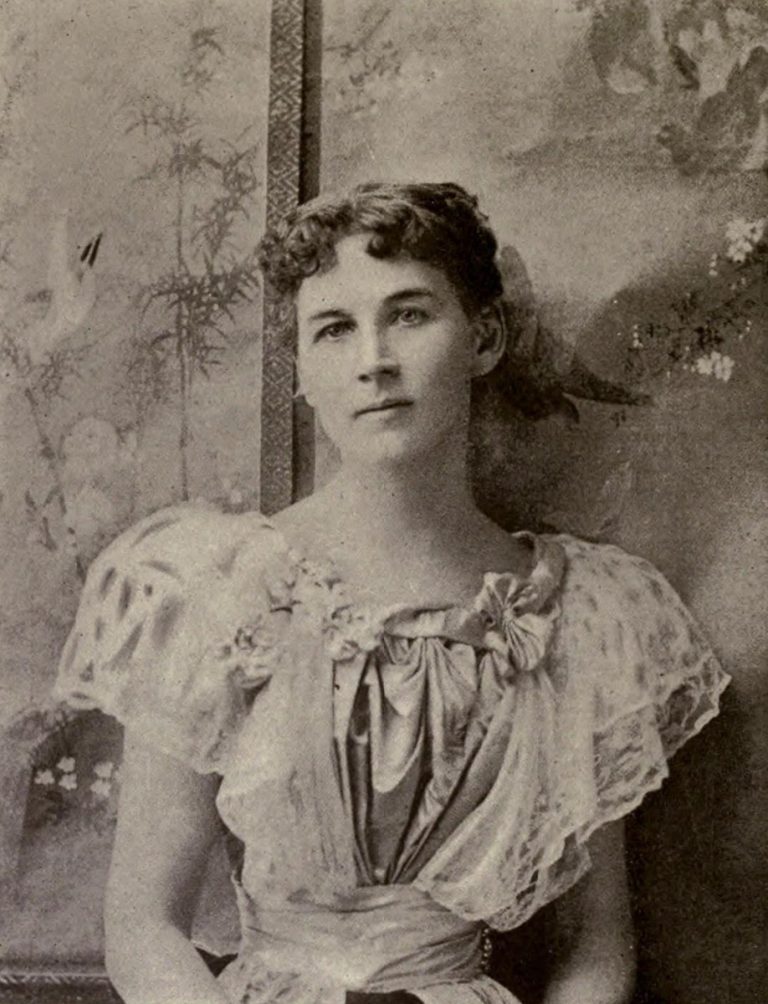
A portrait of Sara Jeannette Duncan, taken no later than 1903.
CA-K265Culture & sport

Sara Jeannette Duncan and The Imperialist

Sara Jeannette Duncan (1861–1922), a pioneering late-19th-century journalist, challenged norms by examining women’s changing roles, the need for a national culture and Canadian politics. After leaving Canada in 1890 she lived in India and England and wrote more than 20 popular books, including The Imperialist (1904), a Canadian classic set in a fictionalized Brantford.

Factual accuracy review: No recorded challenge

Contributor: Citizen.ca

Verified against cited sourcesVerified on 2026-10-26↗
Photo: not stated · Photo licence: Public domain · Credit & context
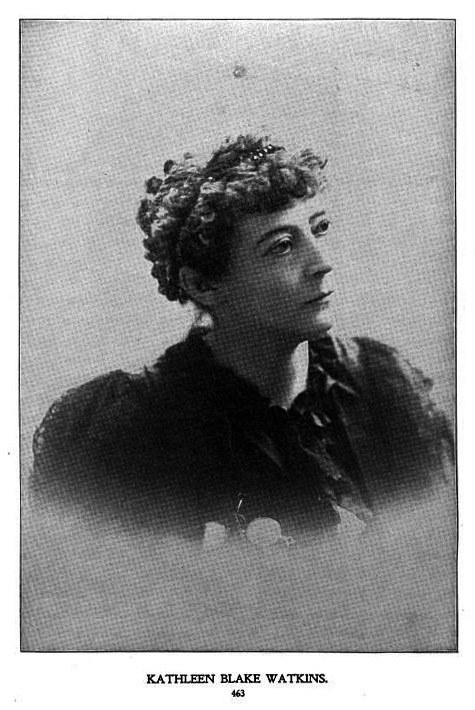
A portrait of Kathleen Blake Coleman, 1896.
CA-K263Culture & sport

Kit Coleman, pioneering journalist

Kathleen Blake Coleman (1856–1915), writing as “Kit,” ran the “Woman’s Kingdom” pages of Toronto’s Daily Mail, later the Mail and Empire, from 1889 to 1911, winning a wide following with her witty, irreverent style. As the first American-accredited woman war correspondent, she covered the Spanish-American War in Cuba in 1898.

Factual accuracy review: No recorded challenge

Contributor: Citizen.ca

Verified against cited sourcesVerified on 2026-10-26↗
Photo: Photographer unidentified · Photo licence: Public domain · Credit & context
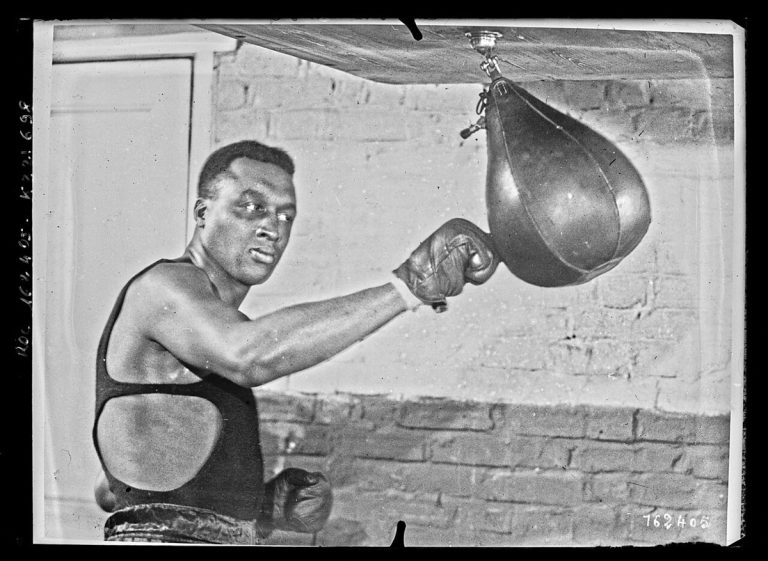
A portrait of boxer Larry Gains, 1932 (Agence Rol).
CA-K253Culture & sport

Larry Gains, heavyweight champion

Larry Gains (1900–1983), a Black boxer born and trained in Toronto’s Cabbagetown, was one of the world’s best heavyweights in the 1920s and 1930s, winning the Canadian and British Empire heavyweight titles. Racism limited his chances in North America and barred him from a world heavyweight title fight despite wins over future champions.

Factual accuracy review: No recorded challenge

Contributor: Citizen.ca

Verified against cited sourcesVerified on 2026-10-26↗
Photo: Agence Rol. Agence photographique (commanditaire) · Photo licence: Public domain · Credit & context
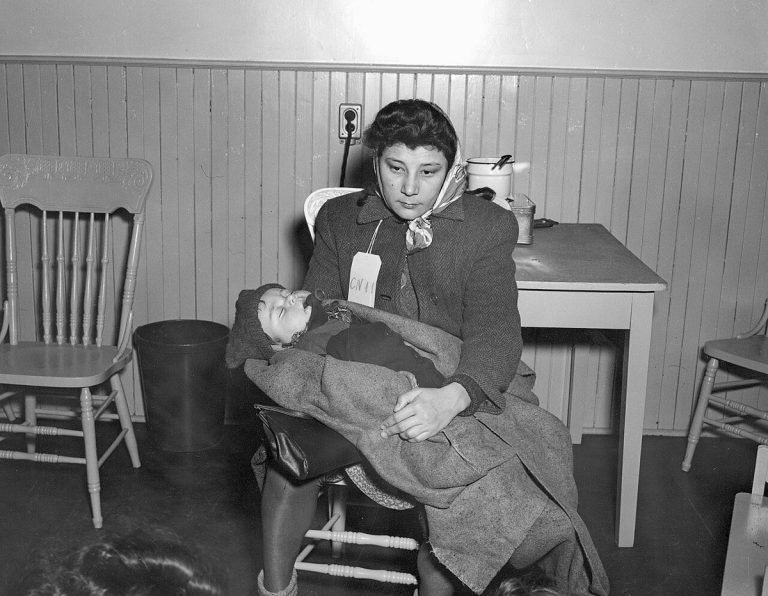
An immigrant woman with her baby at Pier 21, Halifax, in 1948 (photograph by E. A. Bollinger).
CA-K249History

Displaced persons arrive after the Second World War

After the Second World War, nearly 187,000 people fled devastated Europe for Canada, including Holocaust survivors, former prisoners of war and thousands unable or unwilling to return home; most arrived by ship between 1947 and 1952. Many first worked as labourers despite professional training, and their arrival strengthened calls to recognize Canada’s growing cultural diversity.

Factual accuracy review: No recorded challenge

Contributor: Citizen.ca

Verified against cited sourcesVerified on 2026-10-26↗
Photo: E.A. Bollinger · Photo licence: Public domain · Credit & context
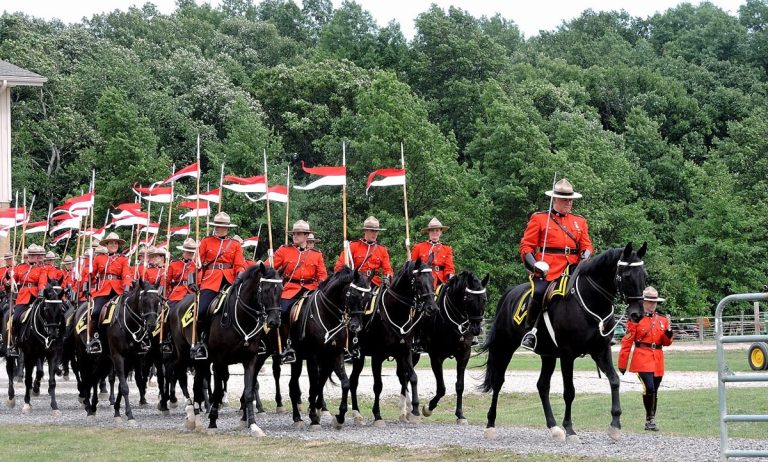
The RCMP Musical Ride performing in 2016.
CA-K247Symbols

The RCMP Musical Ride, first performed in 1887

The RCMP Musical Ride, a precision performance by scarlet-uniformed police on horseback set to music, was first performed in Regina in 1887 by the North-West Mounted Police. The RCMP has bred and trained black horses for the Ride since the 1940s, and it is one of the distinctive symbols of Canadian identity at home and abroad.

Factual accuracy review: No recorded challenge

Contributor: Citizen.ca

Verified against cited sourcesVerified on 2026-10-26↗
Photo: Andrea_44 from Leamington, Ontario , Canada · Photo licence: CC BY 2.0 · Credit & context
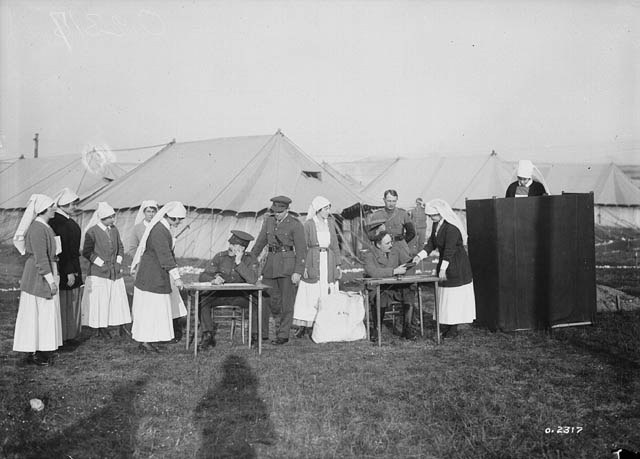
Nursing Sisters at a Canadian hospital in France voting in the 1917 federal election (photograph by William Rider-Rider).
CA-K246History

Nursing Sisters, the first women with military rank

Canadian military nurses have cared for the sick and wounded in battle since 1885. In 1904, professional nurses joined the Canadian Army Medical Corps as Nursing Sisters, the first women in the British Empire to receive military rank; in the two world wars hundreds were decorated and dozens died from enemy action.

Factual accuracy review: No recorded challenge

Contributor: Citizen.ca

Verified against cited sourcesVerified on 2026-10-26↗
Photo: William Rider-Rider · Photo licence: Public domain · Credit & context
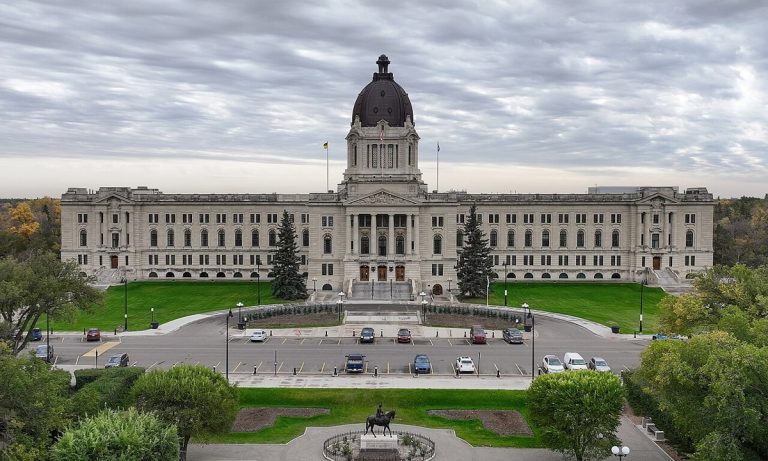
The Saskatchewan Legislative Building in Regina, photographed in 2025.
CA-K244History

The Saskatchewan doctors’ strike of 1962

When Saskatchewan’s Medical Care Insurance Act took effect on 1 July 1962, most of the province’s doctors went on strike for 23 days. Perhaps the most significant Canadian doctors’ strike of the 20th century, it exemplified conflicts in the development of medicare between state intervention and physicians’ independence, and between doctors as entrepreneurs and patients’ right to care regardless of income.

Factual accuracy review: No recorded challenge

Contributor: Citizen.ca

Verified against cited sourcesVerified on 2026-10-26↗
Photo: Quintin Soloviev · Photo licence: CC BY 4.0 · Credit & context
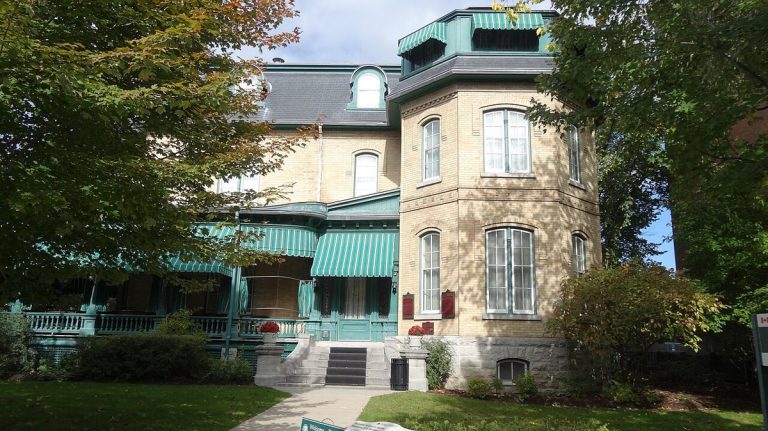
Laurier House in Ottawa, Prime Minister Mackenzie King’s home, next to which the unit worked from 1942 to 1945; photographed in 2014.
CA-K243History

The Examination Unit, Canada’s wartime codebreakers

The Examination Unit (1941–1945) was Canada’s secret civilian cryptographic bureau in the Second World War, working within the National Research Council; women made up about 40% of its staff. It helped the Allies decrypt French, German and Japanese messages and paved the way for the Communications Security Establishment, founded in 1975.

Factual accuracy review: No recorded challenge

Contributor: Citizen.ca

Verified against cited sourcesVerified on 2026-10-26↗
Photo: Suwannee.payne · Photo licence: CC BY-SA 3.0 · Credit & context
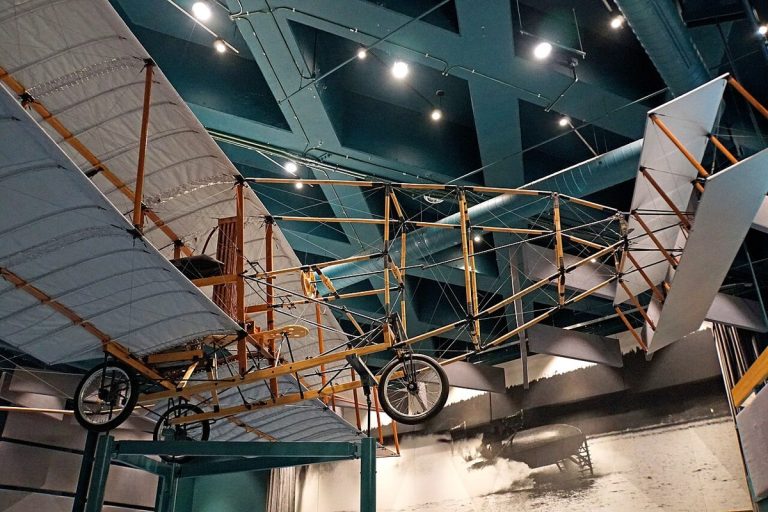
A Silver Dart display photographed in 2017; not the original 1909 aircraft.
CA-K242History

The Silver Dart made Canada’s first powered flight, 1909

On 23 February 1909, more than 100 people watched the Silver Dart lift off the ice of Baddeck Bay, Nova Scotia, and fly 800 metres: the first successful powered flight in Canada. Piloted by J. A. D. McCurdy, the biplane was built by the Aerial Experiment Association, founded by Mabel and Alexander Graham Bell (see CA-K154).

Factual accuracy review: No recorded challenge

Contributor: Citizen.ca

Verified against cited sourcesVerified on 2026-10-26↗
Photo: Dennis G. Jarvis · Photo licence: CC BY-SA 2.0 · Credit & context
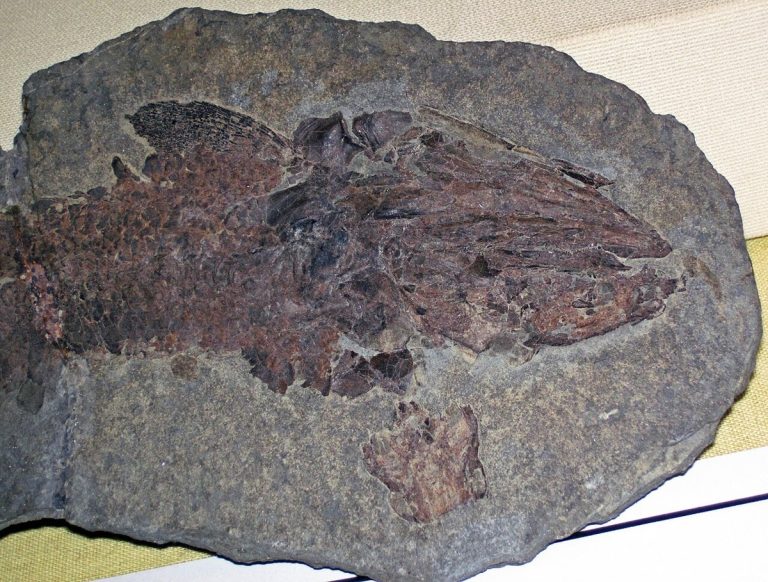
A fossil of the lobe-finned fish Eusthenopteron foordi from the Devonian of the Gaspé Peninsula, photographed in 2017.
CA-K238Places & geography

Miguasha and the “Age of Fishes”

Miguasha National Park, on Quebec’s Gaspé Peninsula, preserves fossils from about 370 million years ago, when the coast was a tropical estuary. A UNESCO World Heritage Site since 1999, it is described as the world’s most outstanding fossil site for illustrating the Devonian “Age of Fishes,” including lobe-finned fish linked to the evolution of four-limbed animals.

Factual accuracy review: No recorded challenge

Contributor: Citizen.ca

Verified against cited sourcesVerified on 2026-10-26↗
Photo: James St. John · Photo licence: CC BY 2.0 · Credit & context
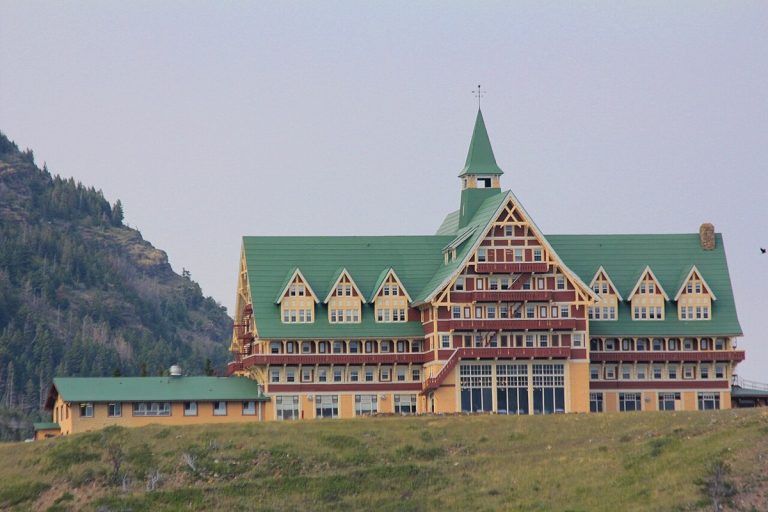
The Prince of Wales Hotel in Waterton Lakes National Park, Alberta, photographed in 2013.
CA-K237Places & geography

Waterton-Glacier, the world’s first international peace park

In 1931, the Rotary Clubs of Alberta and Montana proposed uniting Waterton Lakes National Park in Alberta and Glacier National Park in Montana as the Waterton-Glacier International Peace Park, the first such park in the world. It was meant to promote peace and goodwill between nations and to underline the international nature of wilderness; it became a UNESCO World Heritage Site in 1995.

Factual accuracy review: No recorded challenge

Contributor: Citizen.ca

Verified against cited sourcesVerified on 2026-10-26↗
Photo: Royalbroil · Photo licence: CC BY-SA 3.0 · Credit & context
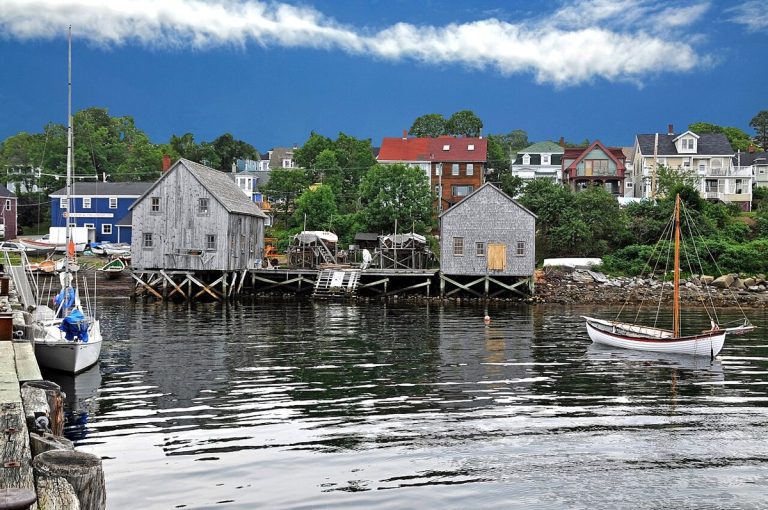
Part of the Lunenburg waterfront, Nova Scotia, photographed in 2011.
CA-K236History

Old Town Lunenburg, a British colonial model town

Old Town Lunenburg, on Nova Scotia’s south coast, is the best surviving example of the British colonial policy of founding settlements on a pre-designed “model town” plan, with straight streets and square corners. Of at least 21 North American settlements laid out this way, none survives in such pristine condition; it became a UNESCO World Heritage Site in 1995.

Factual accuracy review: No recorded challenge

Contributor: Citizen.ca

Verified against cited sourcesVerified on 2026-10-26↗
Photo: Dennis G. Jarvis · Photo licence: CC BY-SA 2.0 · Credit & context
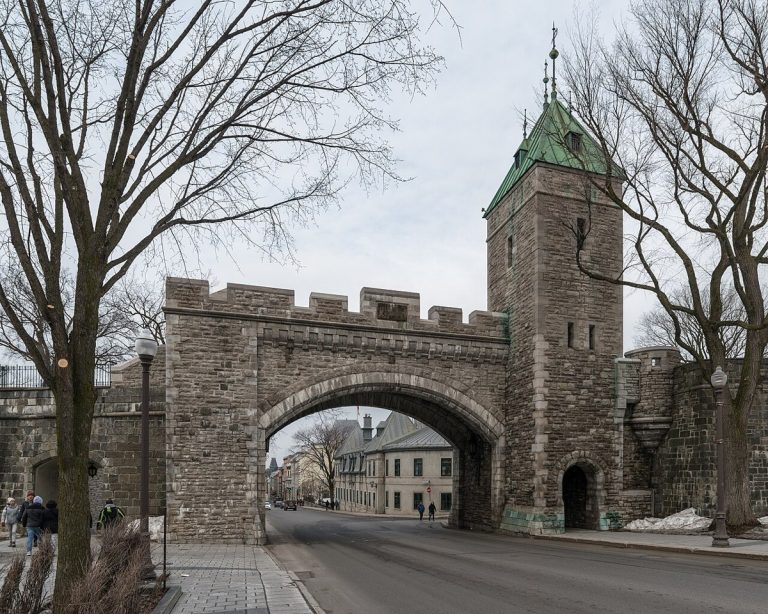
Porte Saint-Louis, a gate in the walls of Old Québec, photographed in 2017.
CA-K235History

Old Québec, a walled city

The Historic District of Old Québec, a UNESCO World Heritage Site since 1985, covers 135 hectares, and close to half its buildings were built before 1850. Québec has retained almost all its fortifications, a defining feature of the historic district.

Factual accuracy review: No recorded challenge

Contributor: Citizen.ca

Verified against cited sourcesVerified on 2026-10-26↗
Photo: DXR · Photo licence: CC BY-SA 4.0 · Credit & context
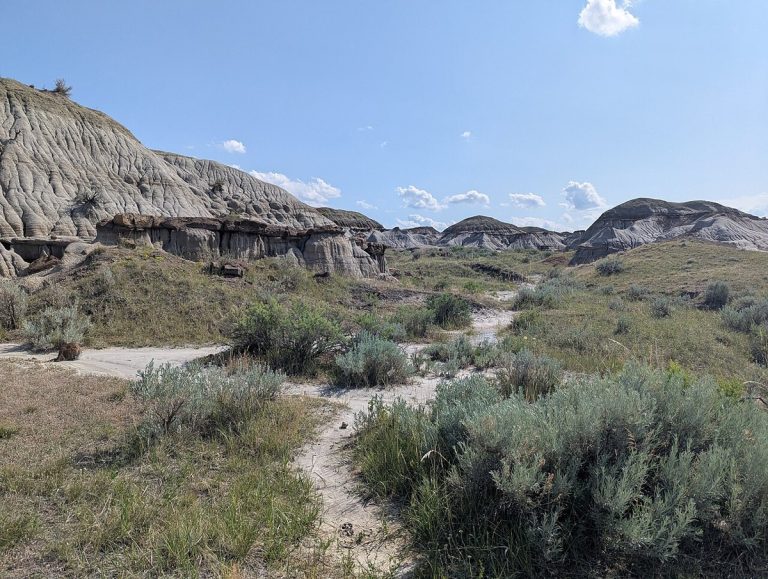
The badlands of Dinosaur Provincial Park, Alberta, photographed in 2025.
CA-K234Places & geography

Dinosaur Provincial Park’s Cretaceous fossils

Dinosaur Provincial Park in eastern Alberta, a UNESCO World Heritage Site since 1979, preserves fossils from about 75 million years ago, when the area was a coastal plain where about 35 species of dinosaur lived. Its badlands are outstanding for the number and variety of high-quality specimens representing every known group of Cretaceous dinosaurs.

Factual accuracy review: No recorded challenge

Contributor: Citizen.ca

Verified against cited sourcesVerified on 2026-10-26↗
Photo: Hirgax · Photo licence: CC BY-SA 4.0 · Credit & context
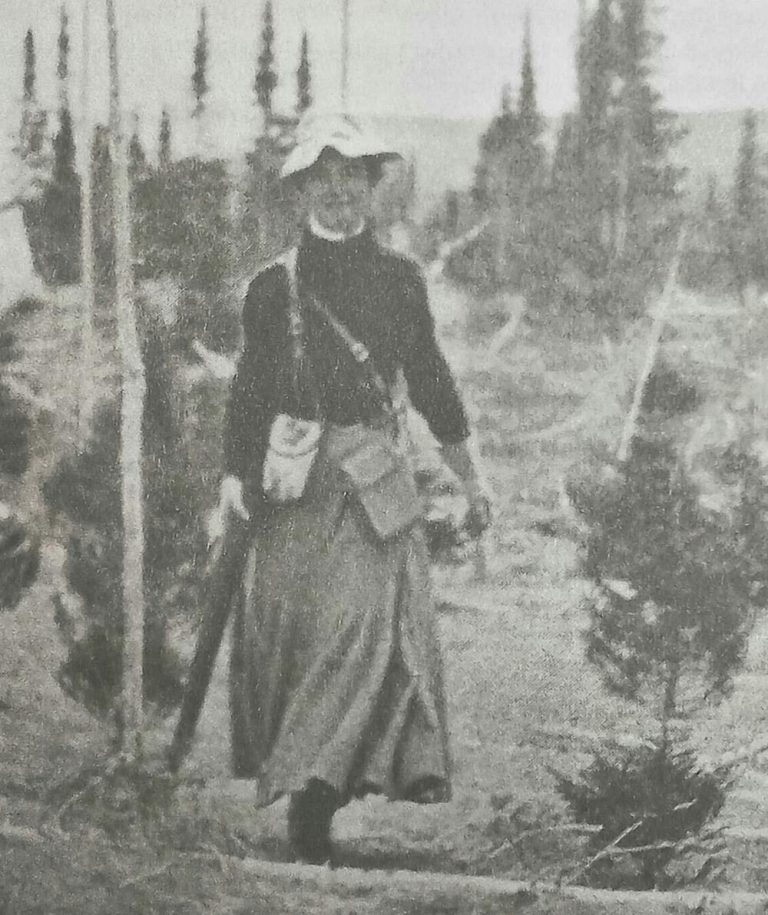
Mina Hubbard in northern Labrador in 1905.
CA-K233Places & geography

Mina Hubbard mapped Labrador in 1905

In 1905, explorer and surveyor Mina Hubbard (1870–1956) led an expedition across Labrador, travelling 900 kilometres from North West River to Ungava Bay. Her continuous latitude measurements established the positions of the Naskaupi and George rivers, and her map was immediately recognized by the American and British geographical societies.

Factual accuracy review: No recorded challenge

Contributor: Citizen.ca

Verified against cited sourcesVerified on 2026-10-26↗
Photo: Unknown authorUnknown author · Photo licence: Public domain · Credit & context
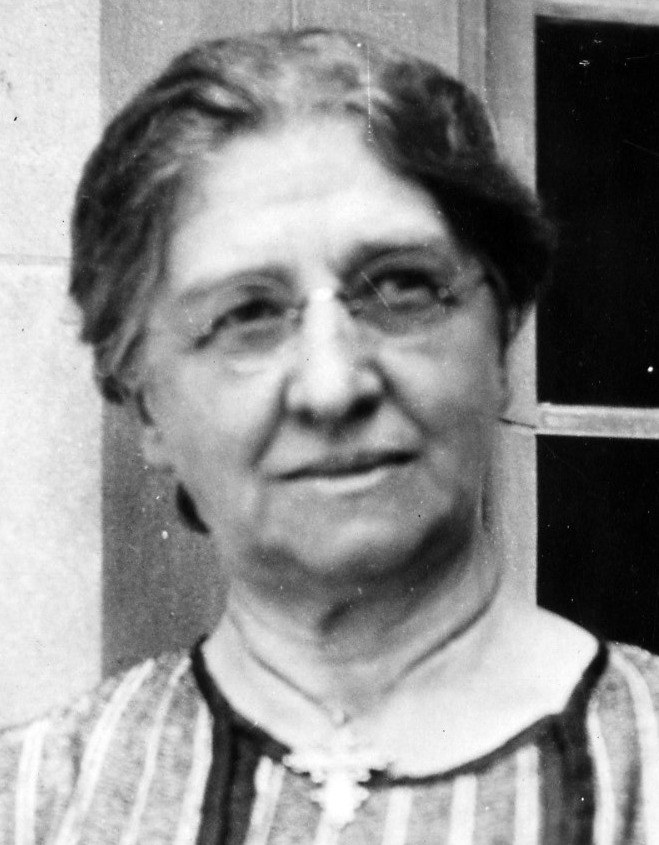
A portrait of Carrie Derick.
CA-K231History

Carrie Derick, one of Canada’s first women professors

Botanist and geneticist Carrie Derick (1862–1941) overcame strong opposition to become one of the first women appointed to a full professorship in Canada, at McGill University from 1912 to 1929. A suffragist and reformer, she promoted political and educational equality for women; Parks Canada’s 2024 review also notes that she held eugenic views widely shared in her academic circles.

Factual accuracy review: No recorded challenge

Contributor: Citizen.ca

Verified against cited sourcesVerified on 2026-10-26↗
Photo: · Photo licence: Public domain · Credit & context
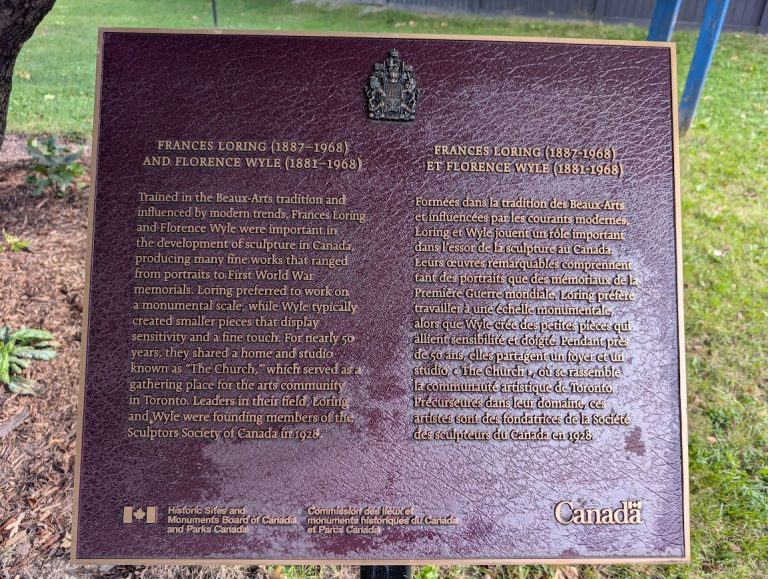
The commemorative plaque in Loring Wyle Parkette, Toronto, photographed in 2026.
CA-K228Culture & sport

Frances Loring and Florence Wyle, sculptors

Sculptors Frances Loring (1887–1968) and Florence Wyle (1881–1968) were important in the development of Canadian sculpture, creating works from portraits to First World War memorials. For nearly 50 years they shared a Toronto home and studio known as “The Church,” a gathering place for artists; both were founding members of the Sculptors Society of Canada in 1928.

Factual accuracy review: No recorded challenge

Contributor: Citizen.ca

Verified against cited sourcesVerified on 2026-10-26↗
Photo: JRB76D · Photo licence: CC BY-SA 4.0 · Credit & context