An independent Canadian knowledge project

Focused and Verified

Canadian knowledge base

Search by keyword

Choose one keyword, or combine two. Broader keywords include their descendants.

Keywords: Public leadership

Clear search
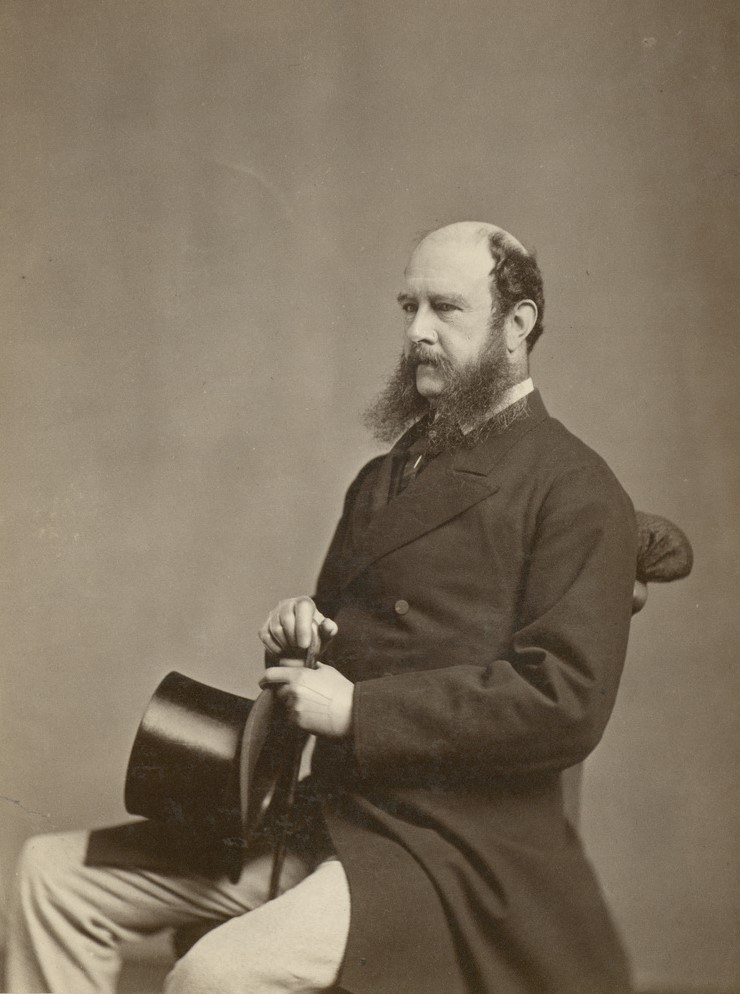
Anthony Musgrave, 1875.
CA-K986History

Sir Anthony Musgrave and British Columbia’s entry into Confederation

Anthony Musgrave, a career imperial civil servant, was governor of Newfoundland (1864–69) and British Columbia (1869–71). In both colonies he worked hard to encourage union with the new Canadian confederation, and under his direction British Columbia entered the Dominion on July 20, 1871. Knighted in 1875, he later governed Natal, South Australia, Jamaica and Queensland.

Factual accuracy review: No recorded challenge

Contributor: Citizen.ca

Verified against cited sourcesVerified on 2026-10-27↗
Photo: Unknown photographer; State Library of South Australia · Photo licence: Public domain · Credit & context
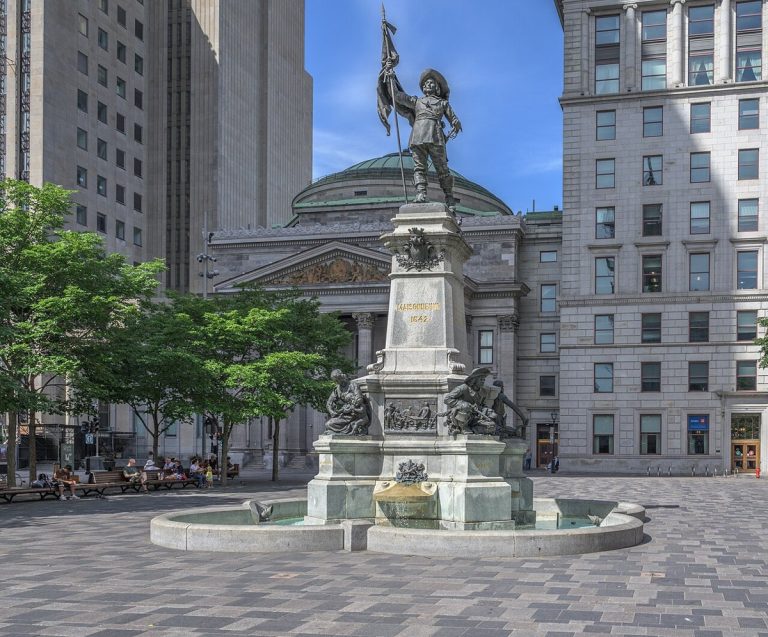
Monument to Paul de Chomedey de Maisonneuve, Place d’Armes, Montréal.
CA-K985History

Maisonneuve, founder of Montréal

Paul de Chomedey de Maisonneuve, a military officer born in Champagne, France, was the first Governor of the Island of Montréal. Inspired by the spiritual climate of his time and the Jesuits’ writings, he answered a call from the Société Notre-Dame de Montréal to found a missionary colony, and in May 1642, he and about fifty people founded Ville-Marie. Despite years of hardship, he laid the foundations of the city of Montréal.

Factual accuracy review: No recorded challenge

Contributor: Citizen.ca

Verified against cited sourcesVerified on 2026-10-27↗
Photo: Wilfredor · Photo licence: CC0 · Credit & context
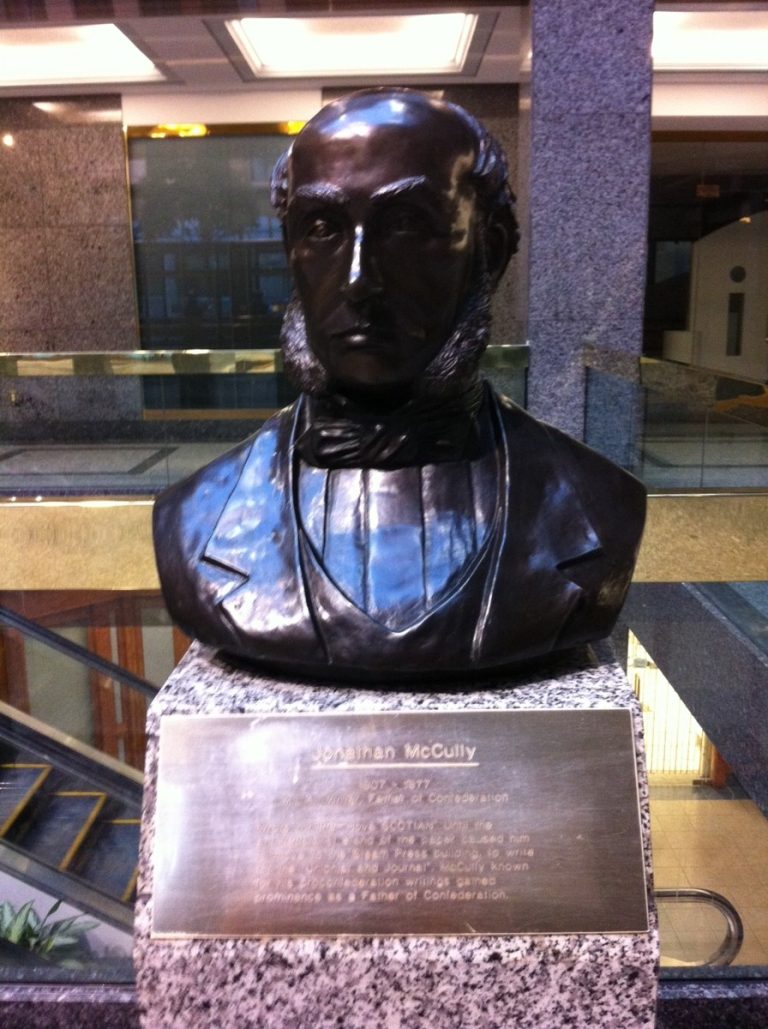
Statue of Jonathan McCully by Peter Bustin, Founders Square, Halifax.
CA-K979History

Jonathan McCully, editor and Father of Confederation

Jonathan McCully, born in Cumberland County, Nova Scotia, practised law in Amherst and from 1848 sat in the Legislative Council, serving as Solicitor General and government leader there. As editor of the Halifax Morning Chronicle, the Novascotian and later the Unionist, he championed Confederation and attended the Charlottetown, Quebec and London conferences. Named to the Senate in 1867, he became a judge of the Nova Scotia Supreme Court in 1870.

Factual accuracy review: No recorded challenge

Contributor: Citizen.ca

Verified against cited sourcesVerified on 2026-10-27↗
Photo: Hantsheroes · Photo licence: CC BY-SA 3.0 · Credit & context
Joseph-Israël Tarte, about 1890 (Jules-Isaïe Benoît).
CA-K977History

Israël Tarte, architect of Laurier’s 1896 victory

Joseph-Israël Tarte, a brilliant polemicist, journalist and politician, took part in every major political battle of his time, working under various banners to protect French and Catholic minorities and strengthen Canada’s place in the Empire. Elected in 1891, he engineered Laurier’s 1896 triumph in Quebec. As Minister of Public Works (1896–1902) he improved St. Lawrence navigation and made Montréal the country’s leading port.

Factual accuracy review: No recorded challenge

Contributor: Citizen.ca

Verified against cited sourcesVerified on 2026-10-27↗
Photo: Jules-Isaïe Benoît · Photo licence: Public domain · Credit & context
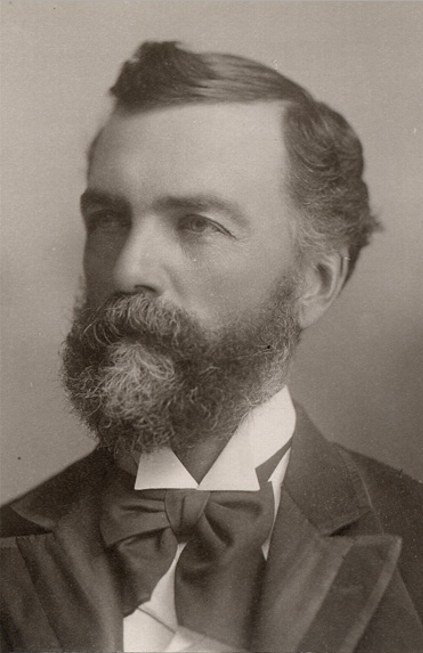
Robert B. Dickey (William James Topley).
CA-K966History

Robert Barry Dickey, Father of Confederation

Robert Barry Dickey, born in Amherst, Nova Scotia, practised law there and sat in the province’s Legislative Council from 1858 to 1867. A Father of Confederation, he attended the Charlottetown and Quebec conferences but would not endorse the Quebec Resolutions until better financial terms were granted in 1866. A successful businessman, he was named to the Senate in 1867.

Factual accuracy review: No recorded challenge

Contributor: Citizen.ca

Verified against cited sourcesVerified on 2026-10-27↗
Photo: William James Topley · Photo licence: Public domain · Credit & context
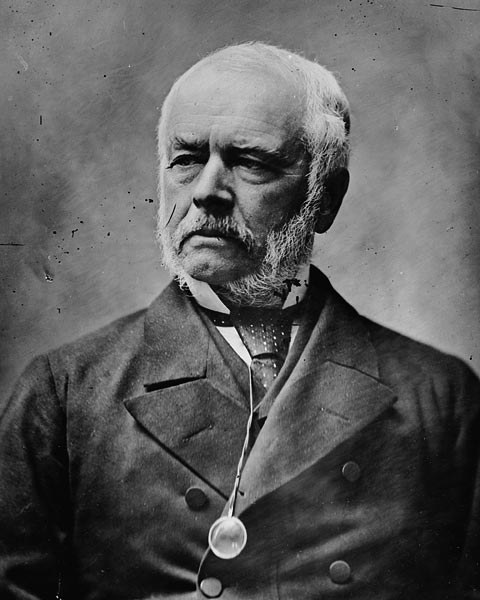
John Robson, portrait (Library and Archives Canada).
CA-K957History

John Robson, newspaperman and premier of British Columbia

John Robson, born in Perth, Ontario, came to British Columbia in 1859. In 1861 he founded the British Columbian at New Westminster, a newspaper on the British Columbia mainland, and used it to demand responsible government. Elected in 1867, he urged the colony to join Confederation, held several cabinet posts and was premier from 1889 until his accidental death in London, working to organize schools and regulate resource development.

Factual accuracy review: No recorded challenge

Contributor: Citizen.ca

Verified against cited sourcesVerified on 2026-10-27↗
Photo: Unknown photographer; Library and Archives Canada · Photo licence: Public domain · Credit & context
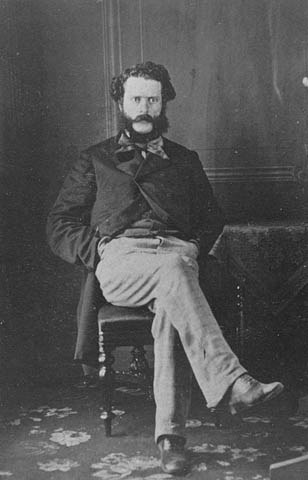
Governor General Monck, Montréal, 1864 (William Notman).
CA-K955History

Lord Monck, first Governor General of Canada

Lord Monck, an Irish peer, became Governor General of British North America in 1861. During the American Civil War he worked to keep the fighting from spreading north, and as an early supporter of union he put his energy and prestige behind Confederation. His term was extended so that he could become the first Governor General of the Dominion of Canada in 1867; he retired to Ireland the next year.

Factual accuracy review: No recorded challenge

Contributor: Citizen.ca

Verified against cited sourcesVerified on 2026-10-27↗
Photo: William Notman · Photo licence: Public domain · Credit & context
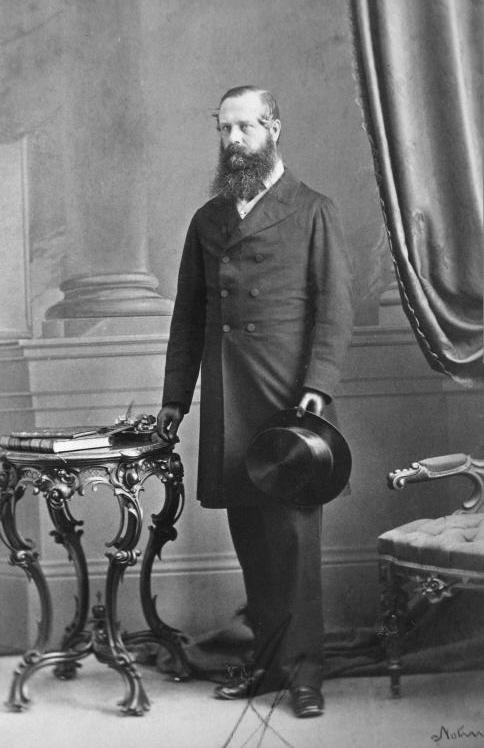
Lester B. Pearson in a photograph published in a 1957 National Film Board photostory about his Nobel Peace Prize.
CA-K951History

Lester B. Pearson, diplomat and prime minister

Lester B. “Mike” Pearson, Canada’s fourteenth prime minister, was an influential diplomat who became Secretary of State for External Affairs in 1948, helped form NATO and won the 1957 Nobel Peace Prize for his leadership at the United Nations during the Suez crisis. Liberal leader from 1958 and prime minister from 1963 to 1968, he promoted bilingualism, championed the new flag, and brought in universal medicare and the Canada Pension Plan.

Factual accuracy review: No recorded challenge

Contributor: Citizen.ca

Verified against cited sourcesVerified on 2026-10-27↗
Photo: Capital Press · Photo licence: Public domain · Credit & context
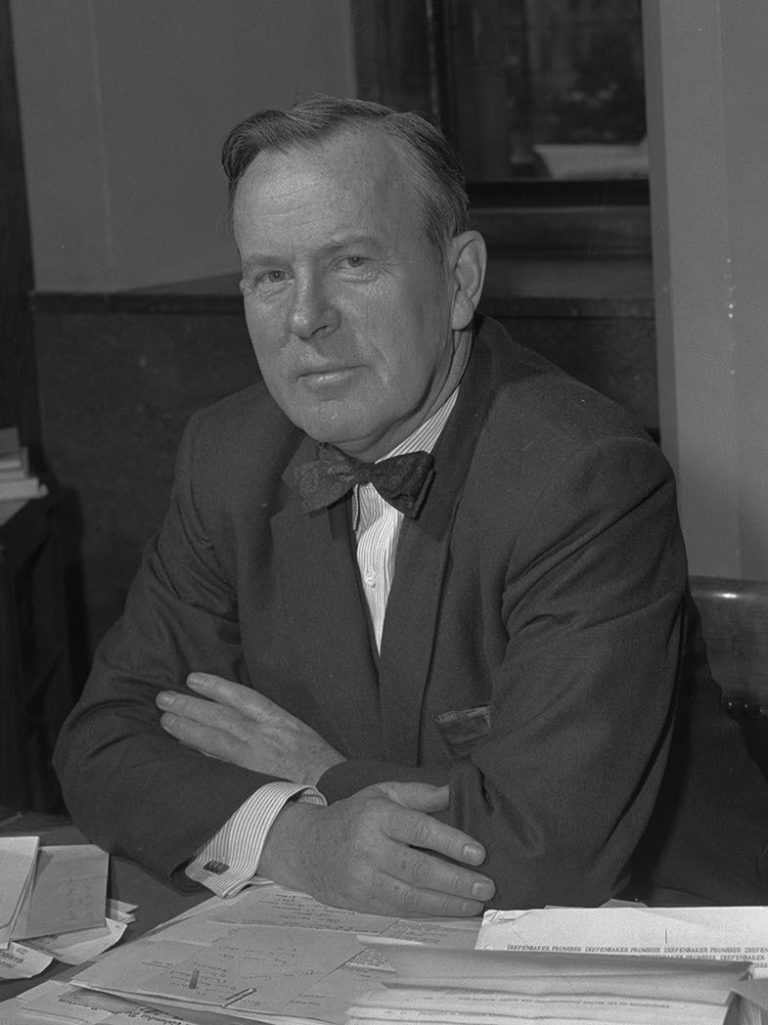
Augustin-Norbert Morin, about 1865 (Jules-Isaïe Benoît).
CA-K949History

Augustin-Norbert Morin, Patriote and co-premier

Augustin-Norbert Morin, lawyer and journalist, entered Lower Canada’s Assembly for Bellechasse in 1830, helped write the Parti patriote’s 92 Resolutions and took part in the Rebellion of 1837. In the Province of Canada he was co-premier with Francis Hincks and Allan MacNab, and in 1854 his government abolished the seigneurial system in Canada East. As a Superior Court judge from 1855, he helped draft the Civil Code of Lower Canada.

Factual accuracy review: No recorded challenge

Contributor: Citizen.ca

Verified against cited sourcesVerified on 2026-10-27↗
Photo: Jules-Isaïe Benoît · Photo licence: Public domain · Credit & context
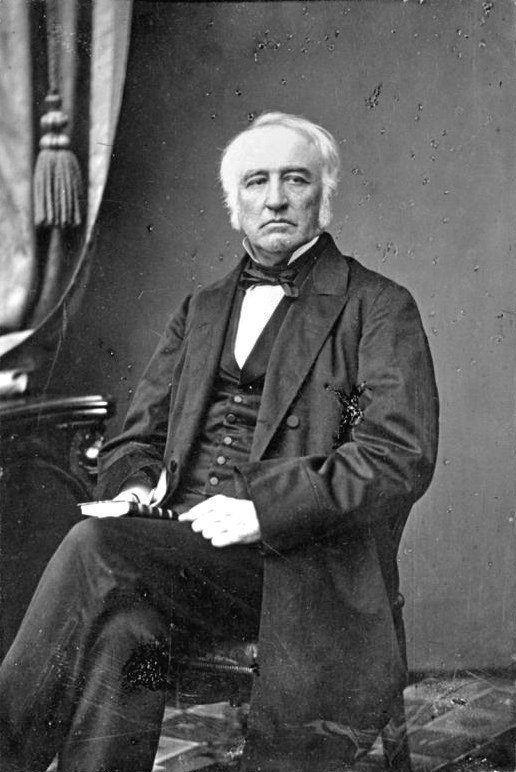
Sir Louis Henry Davies, 1903 (William James Topley).
CA-K944History

Sir Louis Davies, Island premier and Chief Justice

Louis Henry Davies, born in Charlottetown, was premier of Prince Edward Island from 1876 to 1879, defending tenant farmers while working to settle the land question. He served as counsel to the International Fisheries Commission at Halifax in 1877, sat in the House of Commons and became Minister of Marine and Fisheries in 1896. Named to the Supreme Court in 1901, he became Chief Justice of Canada in 1918.

Factual accuracy review: No recorded challenge

Contributor: Citizen.ca

Verified against cited sourcesVerified on 2026-10-27↗
Photo: William James Topley · Photo licence: Public domain · Credit & context
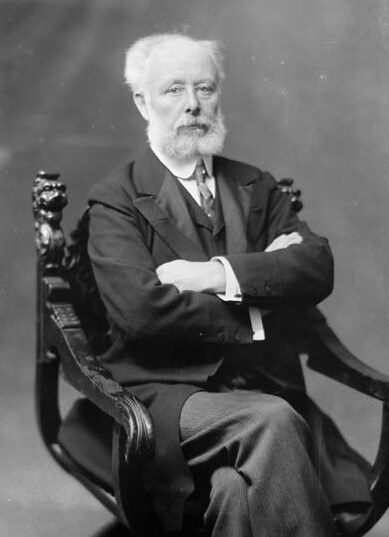
Governor General Vincent Massey, 1956 (Gar Lunney).
CA-K934History

Vincent Massey, first Canadian-born Governor General

Vincent Massey, diplomat, philanthropist and patron of the arts, was Canada’s first diplomatic minister to Washington (1926–30) and High Commissioner in London (1935–46). He chaired the Royal Commission on National Development in the Arts, Letters and Sciences, whose 1951 report was a landmark in Canada’s cultural history. In 1952 he became the first Canadian-born Governor General, serving until 1959.

Factual accuracy review: No recorded challenge

Contributor: Citizen.ca

Verified against cited sourcesVerified on 2026-10-27↗
Photo: Gar Lunney · Photo licence: Public domain · Credit & context
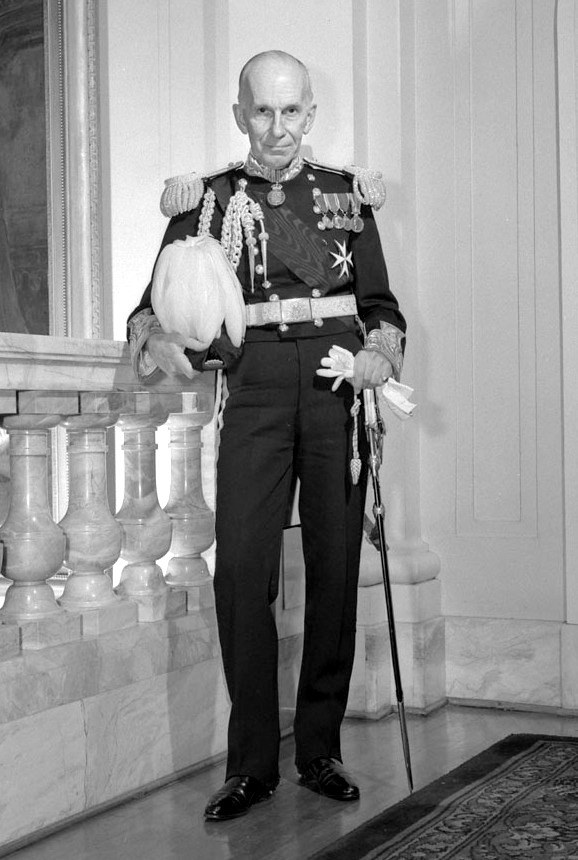
C.D. Howe, about 1940.
CA-K922Economy & trade

C.D. Howe, “Minister of Everything”

Clarence Decatur Howe, born in Massachusetts, came to Canada in 1908 and set up an engineering firm in Port Arthur in 1916. Elected in 1935, he dominated Liberal cabinets for more than two decades, tied his party closely to business and drove Canada’s rapid industrialization in war and peace. He led the creation of many Crown corporations, including Trans-Canada Airlines and Atomic Energy of Canada.

Factual accuracy review: No recorded challenge

Contributor: Citizen.ca

Verified against cited sourcesVerified on 2026-10-27↗
Photo: Fayer · Photo licence: Public domain · Credit & context
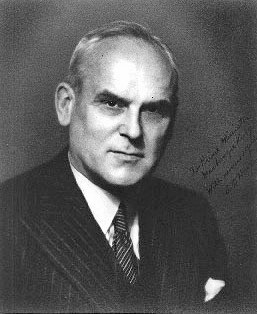
Joseph-Adolphe Chapleau, about 1890.
CA-K914History

Sir Adolphe Chapleau, premier of Quebec

Joseph-Adolphe Chapleau, born at Sainte-Thérèse-de-Blainville, was one of 19th-century Quebec’s most prominent figures. A noted criminal lawyer who supported Métis rights, he defended Ambroise-Dydime Lépine at his 1874 trial at Fort Garry. He was premier of Quebec (1879–82), a federal cabinet minister (1882–92) and Lieutenant Governor of Quebec (1892–97), and spoke for Montréal during a key period of its growth.

Factual accuracy review: No recorded challenge

Contributor: Citizen.ca

Verified against cited sourcesVerified on 2026-10-27↗
Photo: Aegidius Fauteux · Photo licence: Public domain · Credit & context
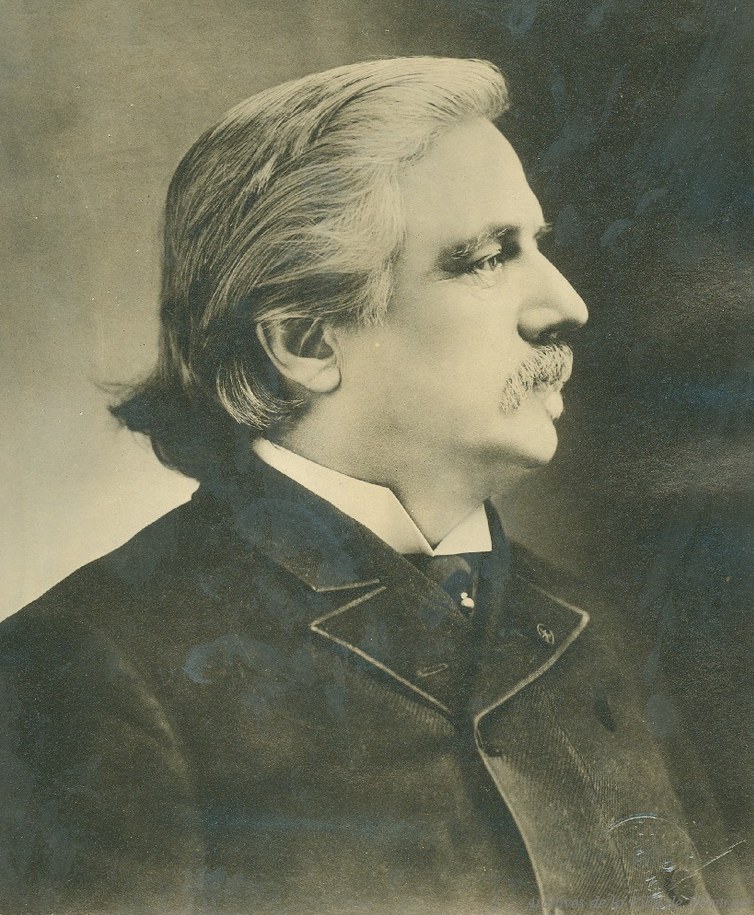
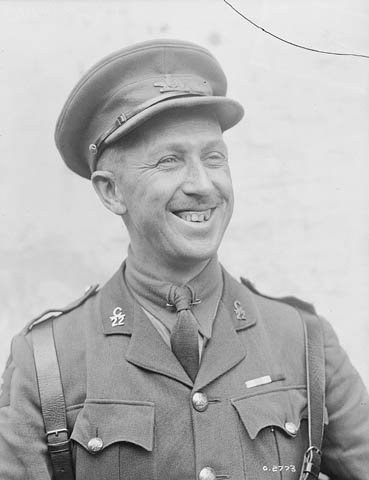
Major Georges P. Vanier, 22nd Battalion, 1918.
CA-K913History

Georges Vanier, soldier, diplomat and Governor General

Georges Vanier helped found the Royal 22e Régiment, served with it in the First World War and commanded it from 1925 to 1928. He represented Canada at the League of Nations, in London and in Paris, becoming Canada’s first ambassador to France in 1944. As Governor General from 1959 to 1967, the first French Canadian in that role since Confederation, he devoted himself to national unity.

Factual accuracy review: No recorded challenge

Contributor: Citizen.ca

Verified against cited sourcesVerified on 2026-10-27↗
Photo: Canada. Dept. of National Defence. Unknown photographer. · Photo licence: Public domain · Credit & context
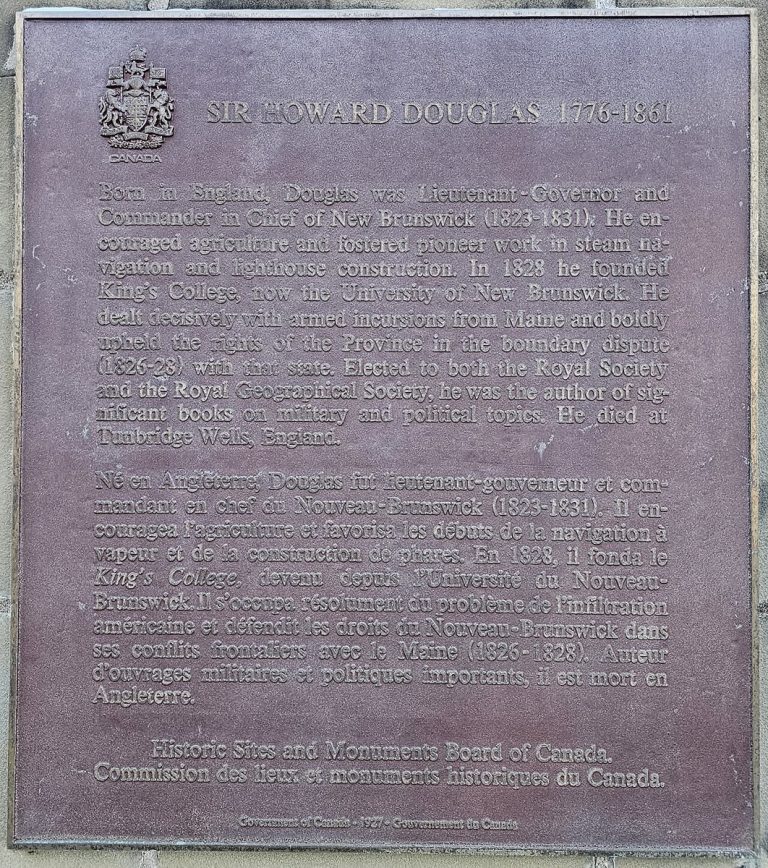
Plaque honouring Douglas at the New Brunswick Legislative Building.
CA-K911History

Sir Howard Douglas, founder of King’s College

Howard Douglas, born in England, was Lieutenant-Governor and Commander in Chief of New Brunswick from 1823 to 1831. He encouraged agriculture, steam navigation and lighthouse building, and in 1828 founded King’s College, now the University of New Brunswick. He dealt firmly with armed incursions from Maine and upheld the province’s rights in the boundary dispute of 1826–28, and wrote important books on military and political subjects.

Factual accuracy review: No recorded challenge

Contributor: Citizen.ca

Verified against cited sourcesVerified on 2026-10-27↗
Photo: JJonahJackalope · Photo licence: CC BY-SA 4.0 · Credit & context
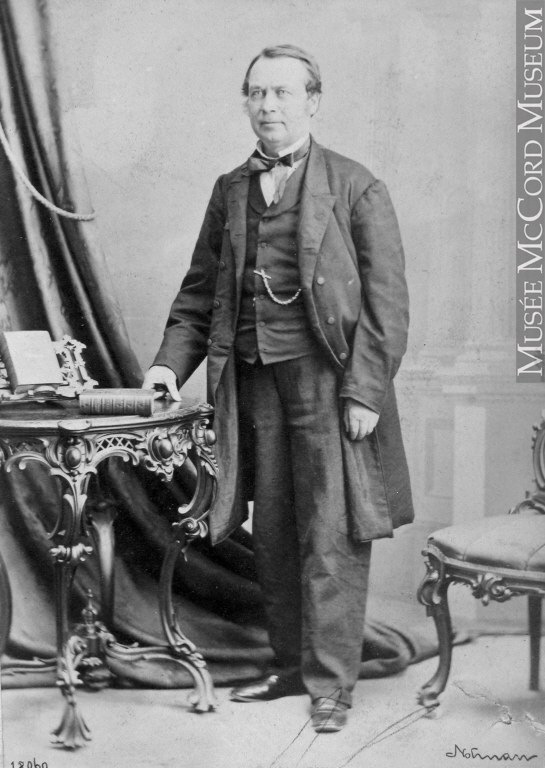
Edward Whelan, 1864 (William Notman).
CA-K900History

Edward Whelan, journalist and Father of Confederation

Edward Whelan, an Irish-born journalist, came to Halifax about 1836 and became a protégé of Joseph Howe. He founded the Examiner in Charlottetown in 1847. A co-founder of Prince Edward Island’s Liberal Party with George Coles and an advocate of responsible government, he attended the Quebec Conference in 1864 and compiled The Union of the British Provinces (1865).

Factual accuracy review: No recorded challenge

Contributor: Citizen.ca

Verified against cited sourcesVerified on 2026-10-26↗
Photo: William Notman · Photo licence: Public domain · Credit & context
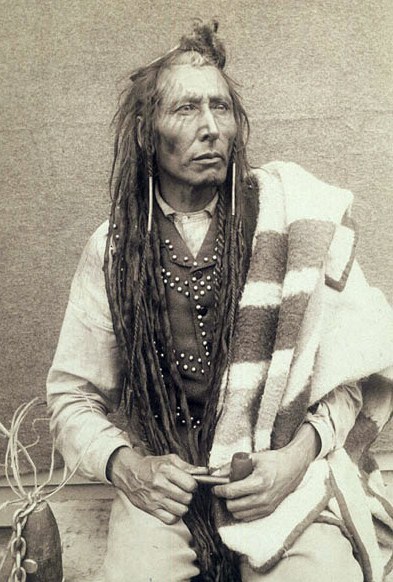
Pitikwahanapiwiyin (Poundmaker), 1885 (O.B. Buell).
CA-K887Indigenous peoples & reconciliation

Pitikwahanapiwiyin (Poundmaker), nehiyaw chief

Pitikwahanapiwiyin (Poundmaker), a nehiyaw (Plains Cree) chief and spokesman, sought better terms for his people and pressed Canada to honour Treaty 6. In 1885 he was drawn into the North-West Resistance when Lieutenant-Colonel Otter’s troops attacked his peaceful camp near Cut Knife Hill. Though he worked to prevent bloodshed and surrendered on May 26, he was imprisoned; he died soon after release and was exonerated in 2019.

Factual accuracy review: No recorded challenge

Contributor: Citizen.ca

Verified against cited sourcesVerified on 2026-10-26↗
Photo: Prof. Buell, O.B. · Photo licence: Public domain · Credit & context
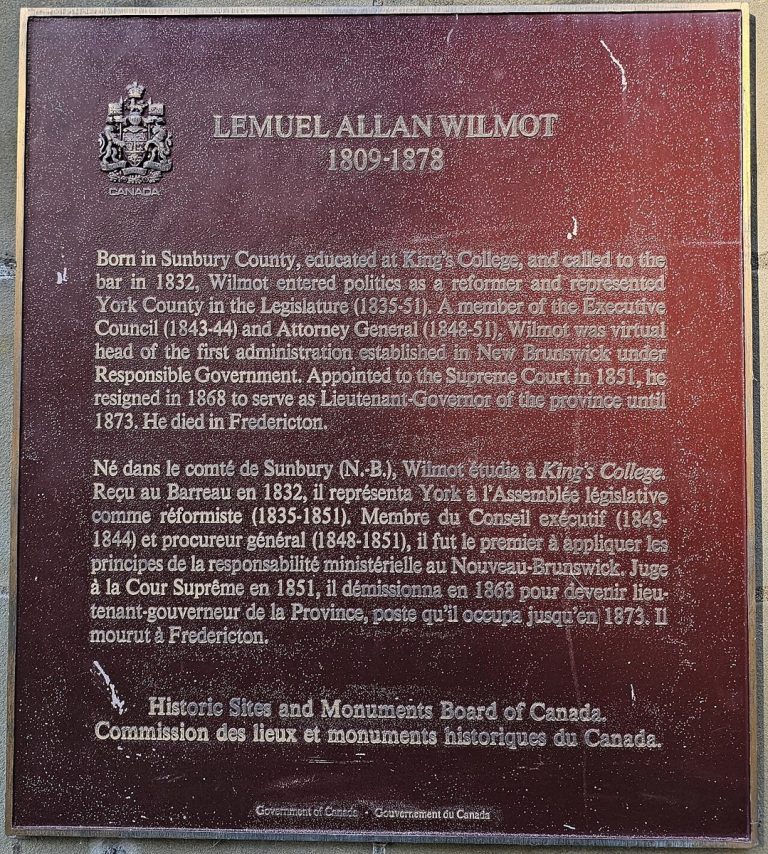
Plaque honouring Wilmot at the New Brunswick Legislative Building.
CA-K874History

Lemuel Allan Wilmot, reformer and Lieutenant-Governor

Lemuel Allan Wilmot, born in Sunbury County, entered politics as a Reformer and represented York County from 1835 to 1851. As Attorney General he was in effect the head of New Brunswick’s first government under responsible government. Named to the Supreme Court in 1851, he resigned in 1868 to become Lieutenant-Governor until 1873.

Factual accuracy review: No recorded challenge

Contributor: Citizen.ca

Verified against cited sourcesVerified on 2026-10-26↗
Photo: JJonahJackalope · Photo licence: CC BY-SA 4.0 · Credit & context
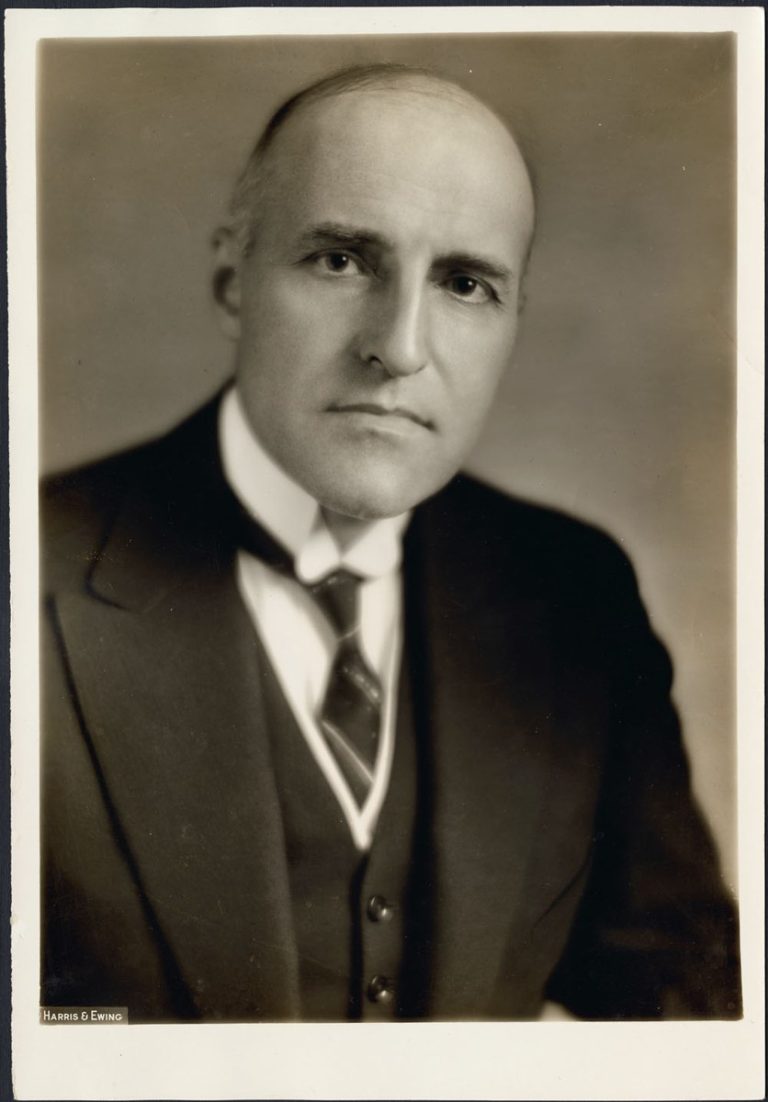
James L. Ralston, 1921 (Harris & Ewing).
CA-K873History

J.L. Ralston, Minister of National Defence

James Layton Ralston, born in Amherst, Nova Scotia, was a lawyer, provincial legislator and decorated First World War veteran. He became Minister of National Defence in Mackenzie King’s government in 1926 and again in 1940. His support for conscription for overseas service was opposed by King, and he was forced to resign from cabinet in 1944.

Factual accuracy review: No recorded challenge

Contributor: Citizen.ca

Verified against cited sourcesVerified on 2026-10-26↗
Photo: Harris & Ewing · Photo licence: Public domain · Credit & context
David Laird, 1894 (The Canadian Album).
CA-K864Indigenous peoples & reconciliation

David Laird, the Indian Act and the Numbered Treaties

As Minister of the Interior from 1873 to 1876, David Laird helped shape policies that treated First Nations as wards and sought their assimilation, and was the main figure in consolidating earlier laws into the Indian Act of 1876. He negotiated Treaties 4, 7 and 8, whose meaning remains disputed. As Indian commissioner he restricted ceremonies and at times worked to dispossess First Nations of promised reserves. He also founded the Charlottetown Patriot.

Factual accuracy review: No recorded challenge

Contributor: Citizen.ca

Verified against cited sourcesVerified on 2026-10-26↗
Photo: Unknown photographer · Photo licence: Public domain · Credit & context
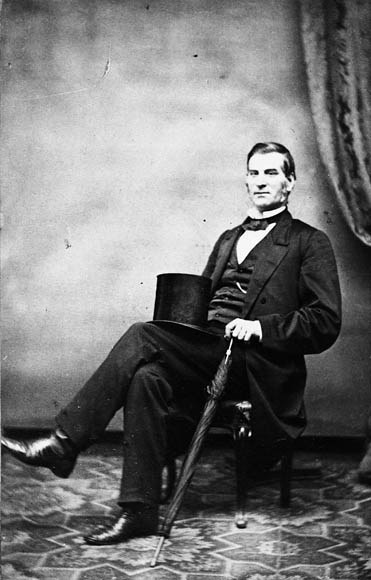
William Henry Steeves, portrait.
CA-K857History

William Henry Steeves, New Brunswick merchant and Father of Confederation

William Henry Steeves, born in Hillsborough, was a leading merchant and lumberman before entering politics. He sat in New Brunswick’s Assembly and Legislative Council and was almost continuously in cabinet from 1854 to 1865. Bringing a reform-minded business outlook, he supported the Intercolonial Railway and Confederation to aid the province’s economy, and was named to the Senate in 1867.

Factual accuracy review: No recorded challenge

Contributor: Citizen.ca

Verified against cited sourcesVerified on 2026-10-26↗
Photo: Unknown author · Photo licence: Public domain · Credit & context
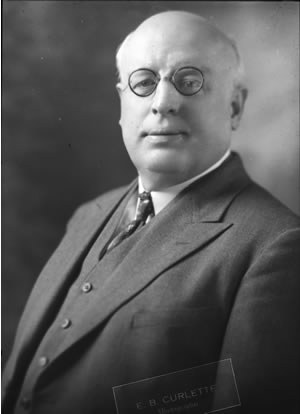
William Aberhart, 1920 (Curlette Studio).
CA-K840History

William Aberhart, Social Credit premier of Alberta

William “Bible Bill” Aberhart, a Calgary high school principal and evangelical preacher, led the founding of Alberta’s Social Credit party and became premier in 1935, winning re-election in 1940. He used radio to reach audiences first as an evangelist and then as a politician.

Factual accuracy review: No recorded challenge

Contributor: Citizen.ca

Verified against cited sourcesVerified on 2026-10-26↗
Photo: Curlette Studio · Photo licence: Public domain · Credit & context
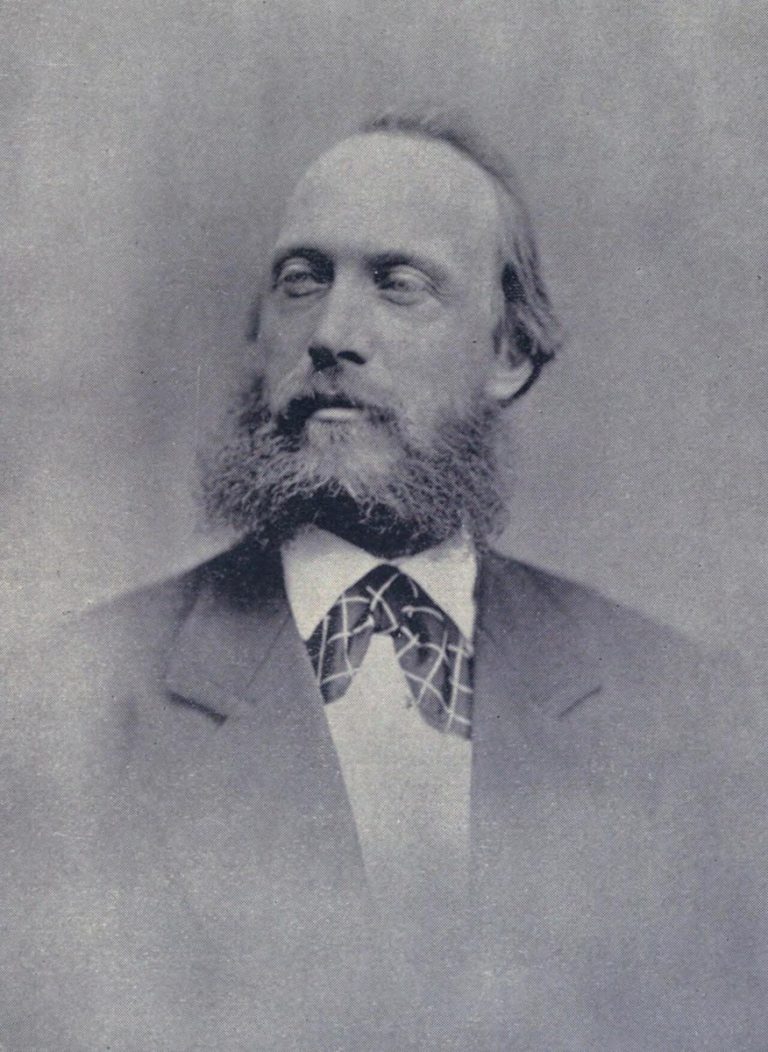
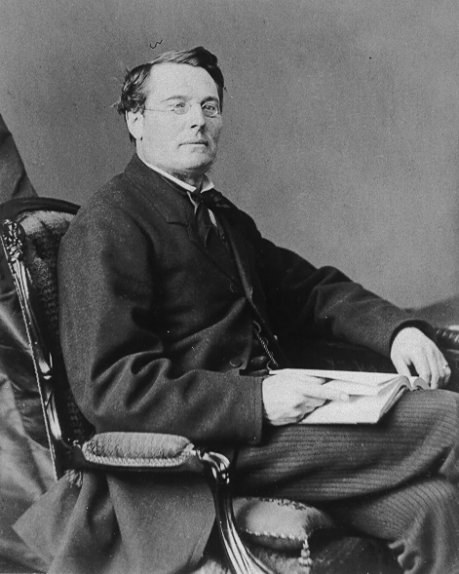
Edward Blake, portrait.
CA-K832History

Edward Blake, Ontario premier and Liberal leader

Edward Blake, a lawyer born in Middlesex County, Upper Canada, and a leading member of the Canada First movement, was the second premier of Ontario (1871–72). In 22 years in the House of Commons he was Minister of Justice under Alexander Mackenzie and led the federal Liberals from 1880 to 1887. A constitutional authority, he later sat in the British Parliament as an Irish Nationalist.

Factual accuracy review: No recorded challenge

Contributor: Citizen.ca

Verified against cited sourcesVerified on 2026-10-26↗
Photo: Ewing · Photo licence: Public domain · Credit & context
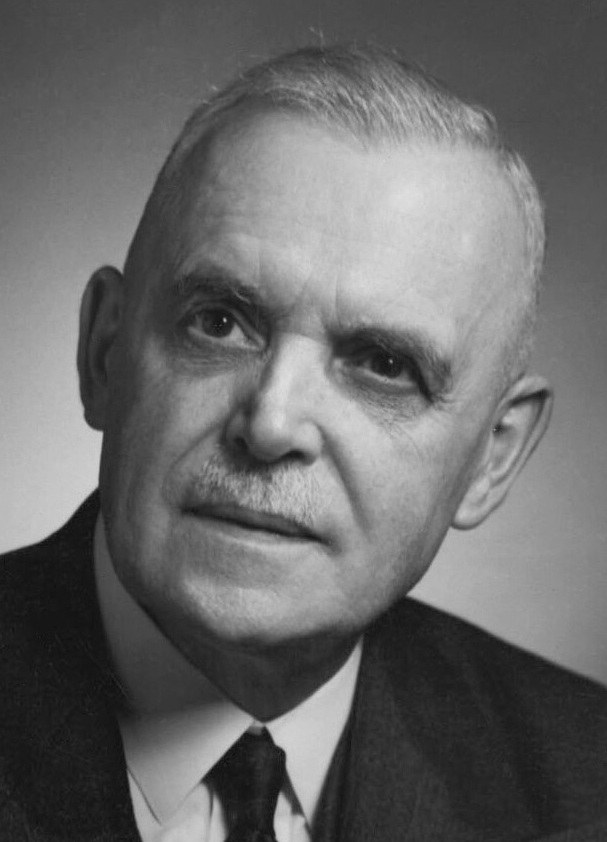
Louis St. Laurent, 1948 (George Nakash).
CA-K820History

Louis St. Laurent, prime minister

Louis St. Laurent, born in Compton, Quebec, was a leading corporate lawyer before entering politics as Minister of Justice in 1941. He served as Secretary of State for External Affairs and then as Prime Minister from 1948 to 1957. A strong advocate of national unity, he helped shape the new Commonwealth, signed the United Nations Charter and promoted NATO.

Factual accuracy review: No recorded challenge

Contributor: Citizen.ca

Verified against cited sourcesVerified on 2026-10-26↗
Photo: George Nakash · Photo licence: Public domain · Credit & context