An independent Canadian knowledge project

Focused and Verified

Canadian knowledge base

Search by keyword

Choose one keyword, or combine two. Broader keywords include their descendants.

Keywords: Peoples and communities

Clear search
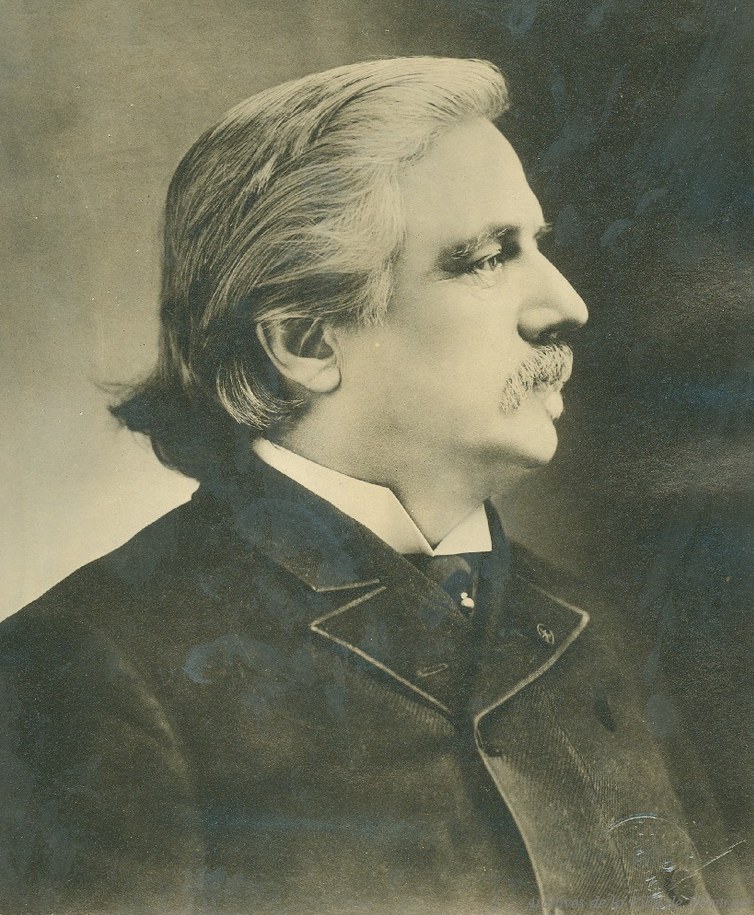
Joseph-Adolphe Chapleau, about 1890.
CA-K914History

Sir Adolphe Chapleau, premier of Quebec

Joseph-Adolphe Chapleau, born at Sainte-Thérèse-de-Blainville, was one of 19th-century Quebec’s most prominent figures. A noted criminal lawyer who supported Métis rights, he defended Ambroise-Dydime Lépine at his 1874 trial at Fort Garry. He was premier of Quebec (1879–82), a federal cabinet minister (1882–92) and Lieutenant Governor of Quebec (1892–97), and spoke for Montréal during a key period of its growth.

Factual accuracy review: No recorded challenge

Contributor: Citizen.ca

Verified against cited sourcesVerified on 2026-10-27↗
Photo: Aegidius Fauteux · Photo licence: Public domain · Credit & context
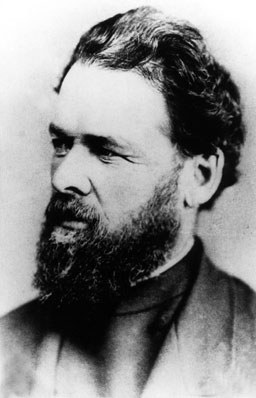
Reverend George McDougall, before 1876.
CA-K867Indigenous peoples & reconciliation

Reverend George McDougall and Methodist missions in the West

George McDougall was an influential Methodist missionary in the Prairie West from 1860 until his death in 1876, founding the Victoria mission in 1862 and leading others as part of colonization efforts. He urged First Nations to abandon traditional ways, removed the sacred stone Manitou Asinîy in 1866 with damaging results, and carried word of the coming Treaty Six talks in 1875. Missions linked to him at Norway House and Morley later developed residential schools.

Factual accuracy review: No recorded challenge

Contributor: Citizen.ca

Verified against cited sourcesVerified on 2026-10-26↗
Photo: Unknown author · Photo licence: Public domain · Credit & context
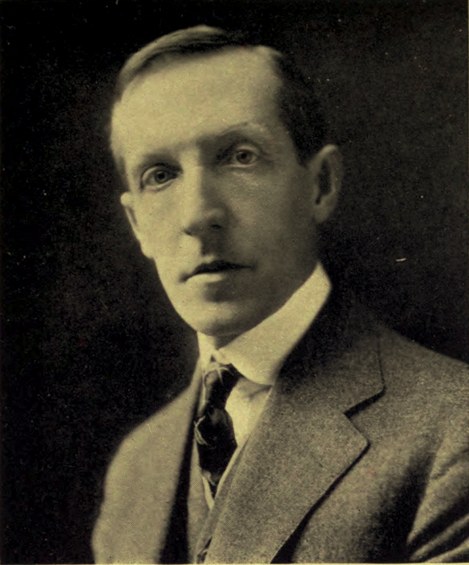
David Laird, 1894 (The Canadian Album).
CA-K864Indigenous peoples & reconciliation

David Laird, the Indian Act and the Numbered Treaties

As Minister of the Interior from 1873 to 1876, David Laird helped shape policies that treated First Nations as wards and sought their assimilation, and was the main figure in consolidating earlier laws into the Indian Act of 1876. He negotiated Treaties 4, 7 and 8, whose meaning remains disputed. As Indian commissioner he restricted ceremonies and at times worked to dispossess First Nations of promised reserves. He also founded the Charlottetown Patriot.

Factual accuracy review: No recorded challenge

Contributor: Citizen.ca

Verified against cited sourcesVerified on 2026-10-26↗
Photo: Unknown photographer · Photo licence: Public domain · Credit & context
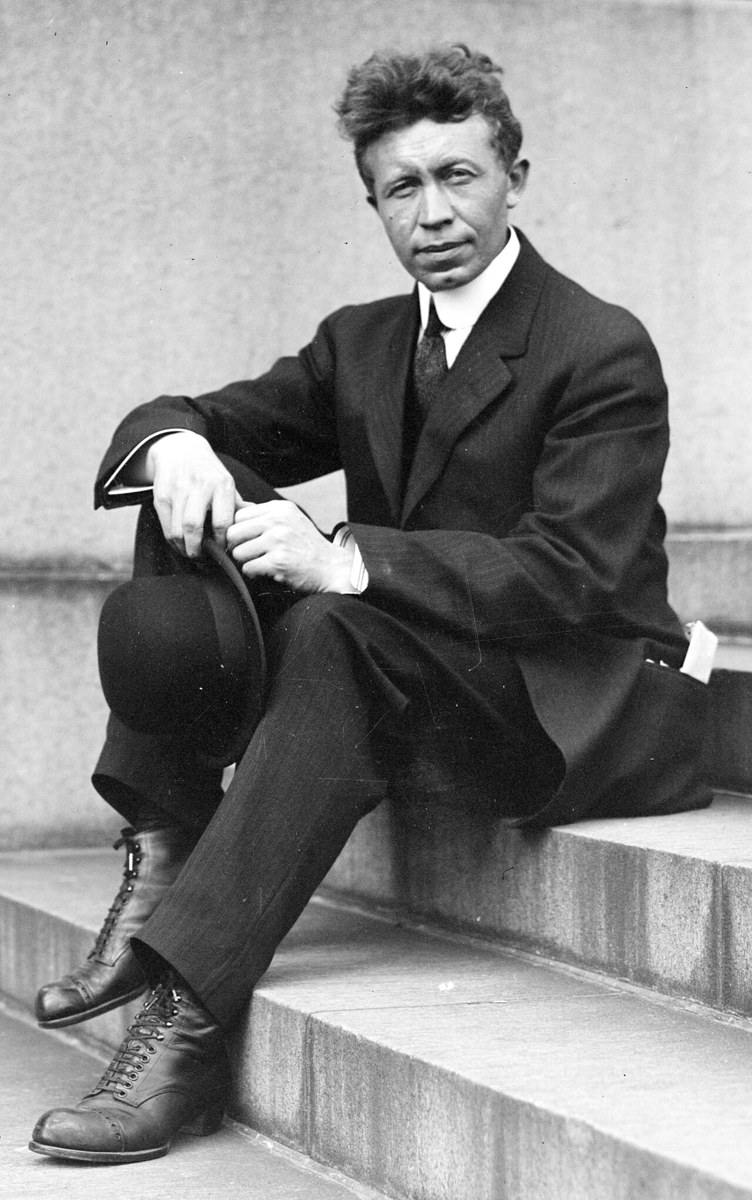
Duncan Campbell Scott, 1916.
CA-K860Indigenous peoples & reconciliation

Duncan Campbell Scott and the residential school system

As Deputy Superintendent General of Indian Affairs from 1913 to 1932, Duncan Campbell Scott aggressively pursued policies meant to assimilate First Nations, banning cultural practices and restricting political activity, which did widespread, lasting harm. He was the chief federal official responsible for expanding and running the residential school system, whose neglect and abuse caused hunger, illness and death. In his day he was also celebrated as a Confederation poet.

Factual accuracy review: No recorded challenge

Contributor: Citizen.ca

Verified against cited sourcesVerified on 2026-10-26↗
Photo: Photographer not named. · Photo licence: Public domain · Credit & context
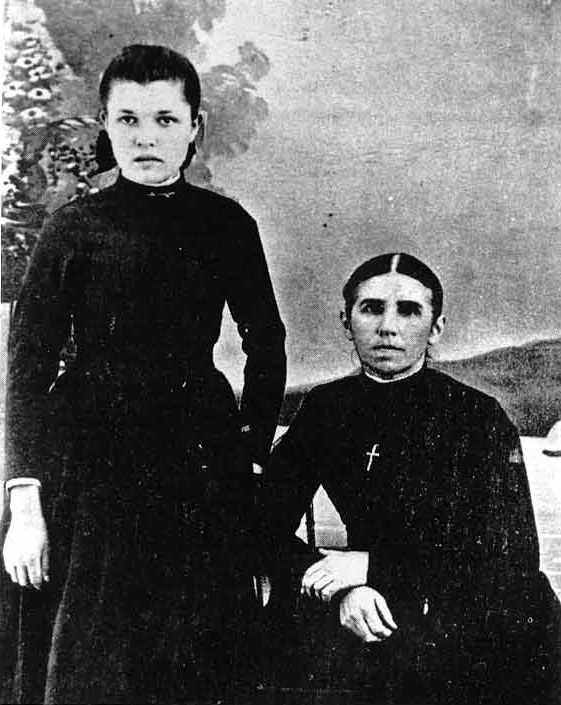
Vilhjálmur Stefánsson (Bain News Service).
CA-K855Places & geography

Vilhjálmur Stefánsson, Arctic explorer

Vilhjálmur Stefánsson, born at Arnes, Manitoba, in 1879 to an Icelandic family, made three expeditions to the Canadian Arctic between 1906 and 1918 and wrote widely about the land and its Indigenous Peoples. Inuit support was essential to his success; his Iñupiaq partner Panigavluk worked as informant, hunter and seamstress, yet he abandoned his family. A controversial figure, he promoted the idea of a “friendly Arctic”.

Factual accuracy review: No recorded challenge

Contributor: Citizen.ca

Verified against cited sourcesVerified on 2026-10-26↗
Photo: Unknown (Bain News Service, publisher) · Photo licence: Public domain · Credit & context
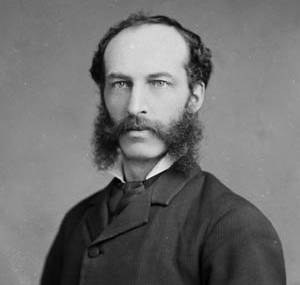
Onésime Dorval (seated) with her adopted daughter Georgine d’Amours, late 1800s.
CA-K721Institutions

Onésime Dorval, Saskatchewan’s first certified teacher

Onésime Dorval, born in Quebec, came west in 1877 and became Saskatchewan’s first certified teacher. For over 40 years she taught at Oblate missions in Manitoba and at St-Laurent-Grandin, Battleford, Batoche and Duck Lake, was a talented painter and woodworker, and is fondly remembered in Métis and francophone communities.

Factual accuracy review: No recorded challenge

Contributor: Citizen.ca

Verified against cited sourcesVerified on 2026-10-26↗
Photo: Unspecified; from St. Vital Parish, Battleford, Saskatchewan. · Photo licence: Public domain · Credit & context
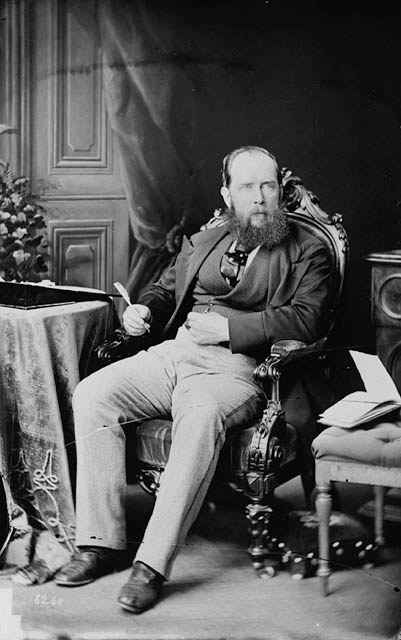
Pierre-Amand Landry, MP, February 1884 (Topley Studio).
CA-K685History

Sir Pierre-Amand Landry, Acadian leader

Pierre-Amand Landry of Memramcook, a lawyer, politician and judge, defended Acadians’ rights in the New Brunswick legislature, the House of Commons and the courts, notably during the crisis over the Common Schools Act of 1871. A leader of the Acadian Renaissance who promoted tolerance between French and English, he presided over the first three Acadian National Conventions and was the first Acadian knighted.

Factual accuracy review: No recorded challenge

Contributor: Citizen.ca

Verified against cited sourcesVerified on 2026-10-26↗
Photo: William James Topley · Photo licence: Public domain · Credit & context
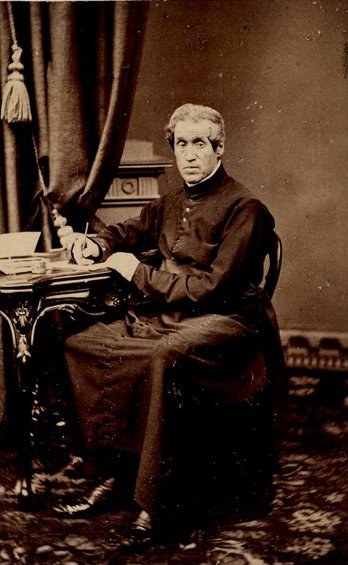
Joseph Trutch, June 1870 (Topley Studio).
CA-K663Indigenous peoples & reconciliation

Joseph Trutch and First Nations lands in British Columbia

Joseph Trutch, a British-born engineer who believed Indigenous Peoples inferior, was British Columbia’s chief commissioner of lands and works from 1864 to 1871. Representing settler interests, he cut existing reserves, allotted minimal land to new ones, denied Aboriginal title and refused treaties, denying First Nations access to their territories; he became the province’s first lieutenant-governor in 1871.

Factual accuracy review: No recorded challenge

Contributor: Citizen.ca

Verified against cited sourcesVerified on 2026-10-26↗
Photo: William James Topley (June 1870); Library and Archives Canada · Photo licence: Public domain · Credit & context
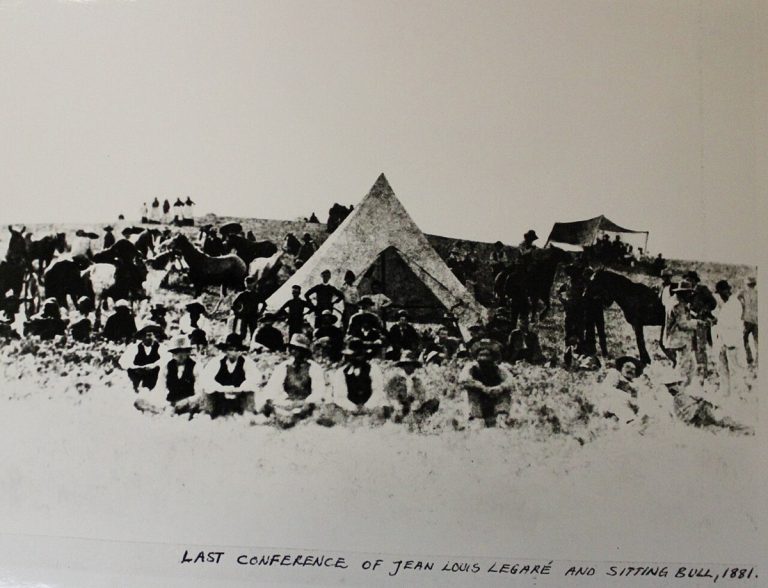
Georges-Antoine Belcourt, around 1860.
CA-K476Economy & trade

Father Belcourt and the Farmers’ Bank of Rustico

Georges-Antoine Belcourt, a former missionary at Red River, led his parishioners in Rustico, Prince Edward Island, to found one of Canada’s first people’s banks, chartered in 1864 and run by farmers and fishers until 1894. By providing cheap credit it helped this mainly Acadian community gain economic independence and foreshadowed the credit union movement.

Factual accuracy review: No recorded challenge

Contributor: Citizen.ca

Verified against cited sourcesVerified on 2026-10-26↗
Photo: Jules-Isaïe Benoît · Photo licence: Public domain · Credit & context
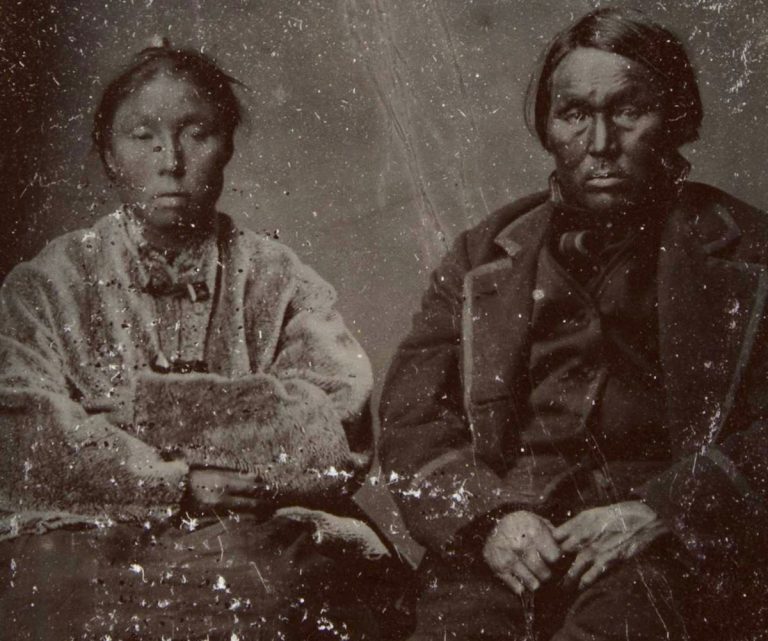
The last conference between Légaré and Sitting Bull (Saskatchewan Archives).
CA-K465History

Jean-Louis Légaré and Sitting Bull

Jean-Louis Légaré, a fur trader from Quebec who came to Wood Mountain in 1870 and founded a post at Willow Bunch, Saskatchewan, in 1880, was a trusted friend and unofficial spokesman for First Nations and Métis people. When Sitting Bull’s Lakota followers sought refuge in Canada, he worked with the North-West Mounted Police to keep the peace and persuade them to return to the United States.

Factual accuracy review: No recorded challenge

Contributor: Citizen.ca

Verified against cited sourcesVerified on 2026-10-26↗
Photo: Saskatchewan Archives · Photo licence: Public domain · Credit & context
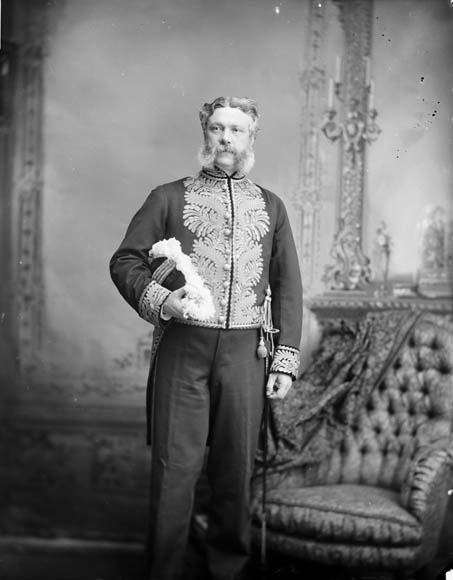
Ipirvik (Ebierbing) and Taqulittuq (Tookoolito), tintype from before 1876 (Mystic Seaport Museum).
CA-K444Indigenous peoples & reconciliation

Ipirvik and Taqulittuq, Inuit guides of Arctic expeditions

Ipirvik and Taqulittuq, an Inuit couple from Baffin Island, helped several important Arctic expeditions in the 1860s and 1870s: Ipirvik hunted and drove dog teams, and Taqulittuq made Arctic clothing and interpreted. In 1872–1873 they were indispensable to the survival of a group of American explorers stranded all winter on an ice floe, showing the value of the Inuit way of travelling light and living off the land.

Factual accuracy review: No recorded challenge

Contributor: Citizen.ca

Verified against cited sourcesVerified on 2026-10-26↗
Photo: Unknown author · Photo licence: Public domain · Credit & context
Lieutenant-Governor Edgar Dewdney, April 1883 (Topley Studio).
CA-K400Indigenous peoples & reconciliation

Edgar Dewdney and Indigenous policy on the Prairies

As Indian Commissioner (1879–1888) and Lieutenant-Governor of the North-West Territories, Edgar Dewdney withheld rations from starving First Nations until they settled on government-selected reserves, causing malnutrition, disease and death. After 1885 he helped impose the extralegal pass system and helped shape the residential school system, with devastating consequences for Indigenous children, families and communities.

Factual accuracy review: No recorded challenge

Contributor: Citizen.ca

Verified against cited sourcesVerified on 2026-10-26↗
Photo: Topley Studio / Library and Archives Canada / PA-027070 · Photo licence: Public domain · Credit & context
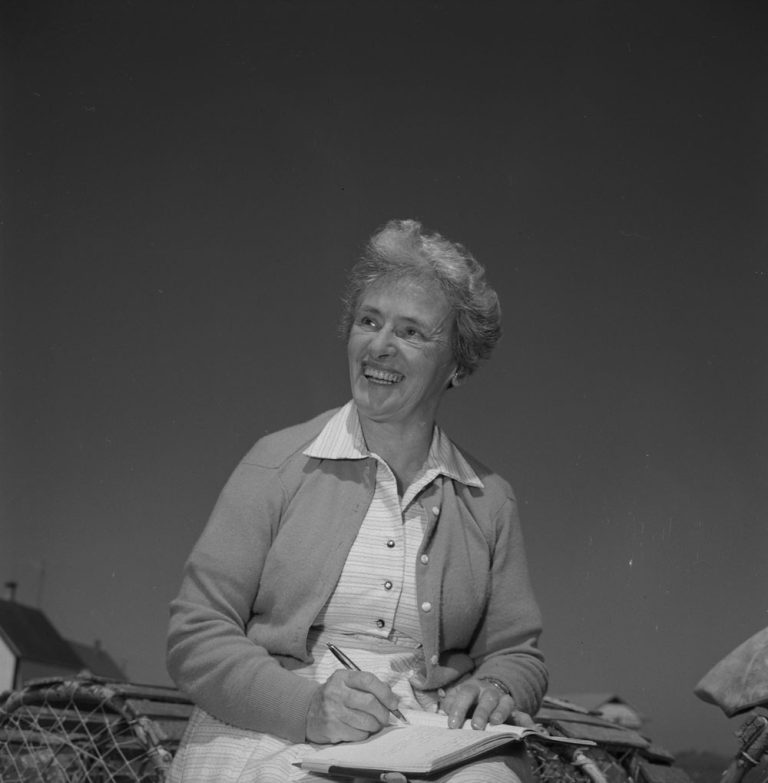
Dr. Helen Creighton in Nova Scotia, 1959 (National Film Board).
CA-K390Culture & sport

Helen Creighton, collector of Maritime folklore

Folklorist Helen Creighton (1899–1989) built one of Canada’s largest collections of songs, tales and customs between 1928 and 1975, making more than 4,000 recordings in British, Acadian, Gaelic, German, African Nova Scotian and Mi’kmaw communities across the Maritimes. She popularized these traditions through radio, television and publications, and songs such as “Farewell to Nova Scotia”.

Factual accuracy review: No recorded challenge

Contributor: Citizen.ca

Verified against cited sourcesVerified on 2026-10-26↗
Photo: Chris Lund · Photo licence: Public domain · Credit & context
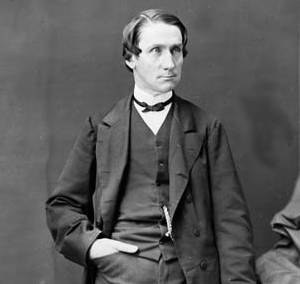
Alexander Morris in Ottawa, December 1869 (Topley Studio).
CA-K386Indigenous peoples & reconciliation

Alexander Morris and the Numbered Treaties

Alexander Morris, a supporter of Confederation and lieutenant-governor of Manitoba and the North-West Territories, negotiated Treaties 3, 4, 5 and 6 with First Nations from 1873 to 1876. First Nations sought a reciprocal relationship that safeguarded their autonomy, while Canada’s main goal was territorial expansion for settlers; Morris pressed the government to keep its spoken promises.

Factual accuracy review: No recorded challenge

Contributor: Citizen.ca

Verified against cited sourcesVerified on 2026-10-26↗
Photo: William James Topley · Photo licence: Public domain · Credit & context
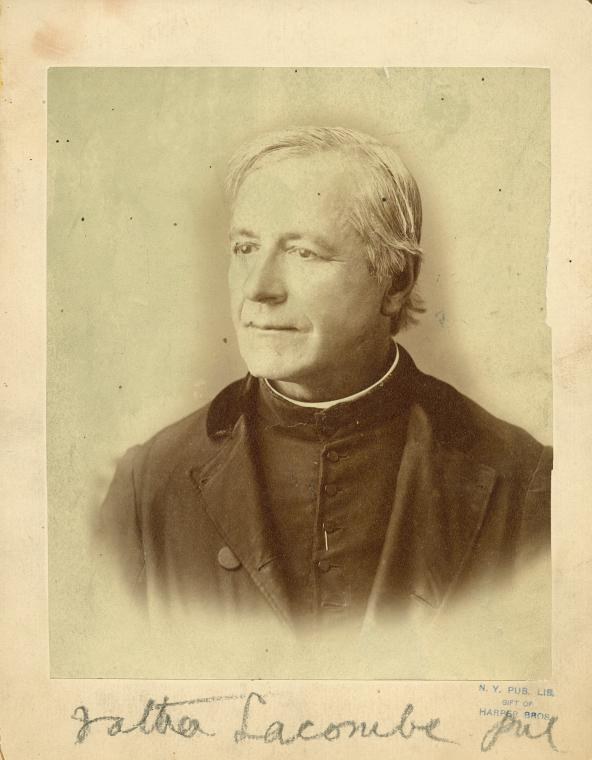
Father Albert Lacombe, photographed before 1916.
CA-K385Indigenous peoples & reconciliation

Father Albert Lacombe, missionary in the West

From 1852, Oblate priest Albert Lacombe spent over 60 years seeking to convert Indigenous Peoples in western Canada to Christianity, founding missions such as St. Albert with Métis and Cree help and acting as a go-between during Treaty 8 talks. He was the first principal of the High River Industrial School in 1884–1885 and advocated separating children from their families and suppressing Indigenous languages.

Factual accuracy review: No recorded challenge

Contributor: Citizen.ca

Verified against cited sourcesVerified on 2026-10-26↗
Photo: Unknown author · Photo licence: Public domain · Credit & context
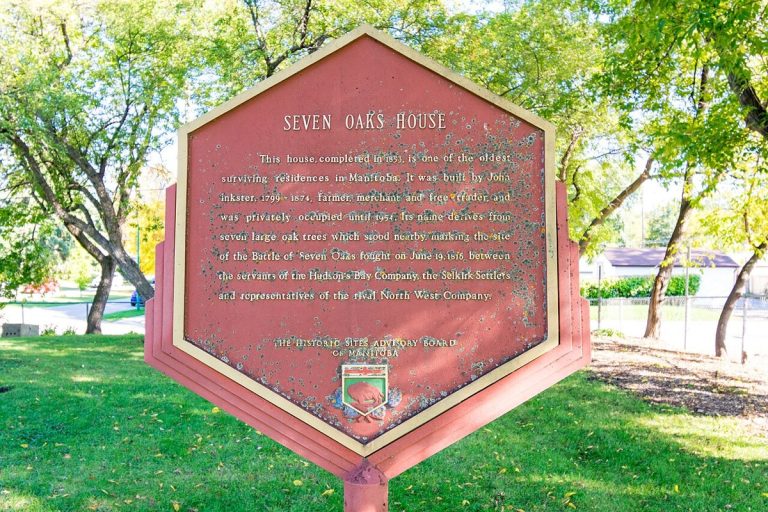
A historical plaque at Seven Oaks House Museum in Winnipeg, Manitoba, photographed in 2017.
CA-K376Indigenous peoples & reconciliation

Seven Oaks House and the Inkster family of Red River

Seven Oaks House in Winnipeg, in the Métis homeland and on Treaty 1 territory, includes a cabin of about 1831 built in Red River frame style and a Georgian house of 1851–1853. Home to the Scottish and Métis Inkster family, it shows the centrality of Métis families in the Red River community and the shift from the fur trade to farming and town life.

Factual accuracy review: No recorded challenge

Contributor: Citizen.ca

Verified against cited sourcesVerified on 2026-10-26↗
Photo: Jessica Losorata · Photo licence: CC BY-SA 4.0 · Credit & context
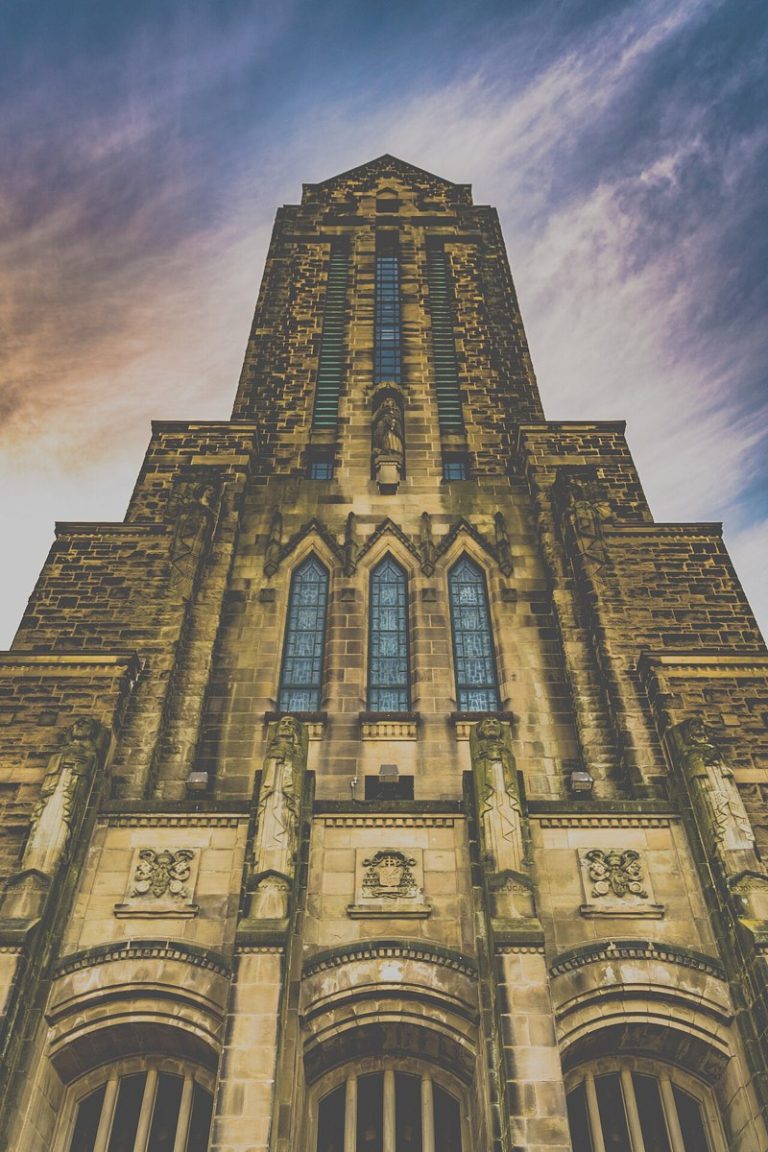
Our Lady of the Assumption Cathedral on St. George Street, Moncton, photographed in 2016.
CA-K366Culture & sport

Our Lady of the Assumption Cathedral, Moncton

Our Lady of the Assumption Cathedral in Moncton, New Brunswick, built in 1939–1940 as the Monument of Remembrance, is a symbol of the achievements and resilience of Acadians. Its sculptures and stained glass tell Acadian history, and its construction rallied Acadians and their diaspora to build the first large-scale building commemorating them as a distinct people.

Factual accuracy review: No recorded challenge

Contributor: Citizen.ca

Verified against cited sourcesVerified on 2026-10-26↗
Photo: James Mann from Moncton, New Brunswick, Canada · Photo licence: CC BY 2.0 · Credit & context
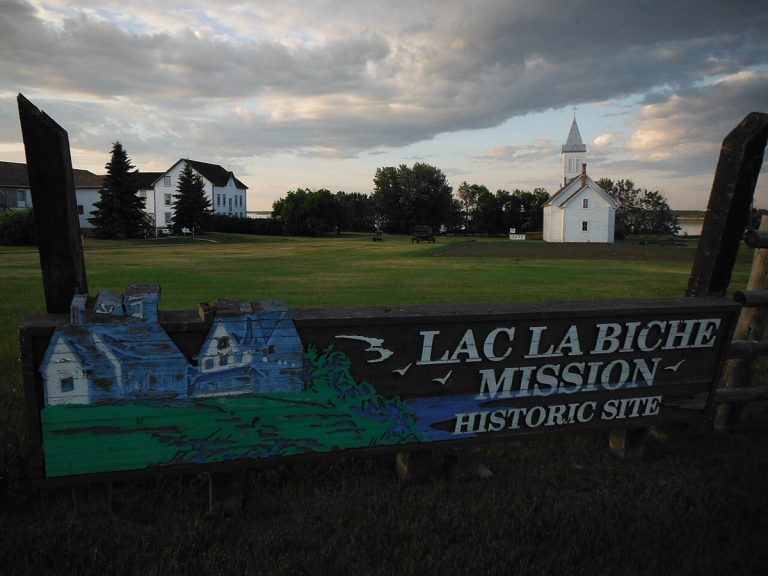
Lac La Biche Mission National Historic Site on the shore of Lac La Biche, Alberta, photographed in 2012.
CA-K345Indigenous peoples & reconciliation

Lac La Biche Mission

Notre Dame des Victoires / Lac La Biche Mission in Alberta, established by the Oblates in 1853 in the lands of the nêhiyawak (Cree) and other First Nations and the Métis homeland, was created to convert First Nations and Métis peoples to Christianity and became a supply hub for northern missions. From the 1860s its school, run by the Grey Nuns, was among the Catholic Church’s earliest experiments in residential education in the northwest.

Factual accuracy review: No recorded challenge

Contributor: Citizen.ca

Verified against cited sourcesVerified on 2026-10-26↗
Photo: Grapher78 · Photo licence: CC BY-SA 3.0 · Credit & context
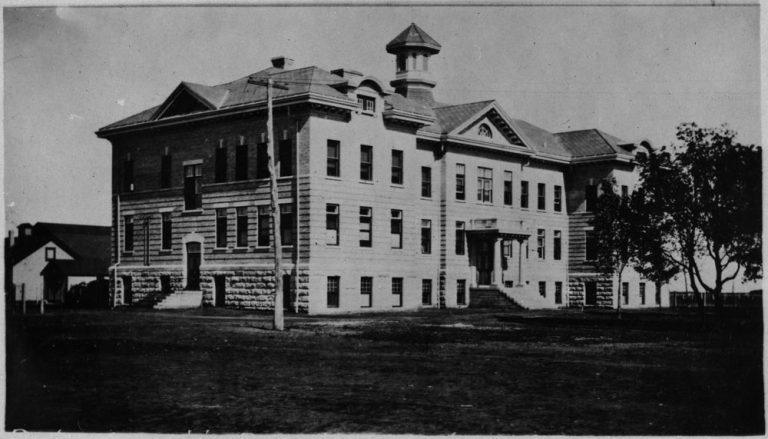
The school building at Portage la Prairie, Manitoba, around 1914–1915 (Library and Archives Canada).
CA-K344Indigenous peoples & reconciliation

The former Portage la Prairie Indian Residential School

At the Portage la Prairie Indian Residential School in Manitoba, built in 1914–1915 and open until 1975, Indigenous children endured abuse, severe discipline, punishment for speaking their languages and isolation from their families. Operated by the Presbyterian and United Churches for the federal government, it was part of a policy the Truth and Reconciliation Commission called cultural genocide; Long Plain First Nation took ownership in 1981 and has made it a place of commemoration and resilience.

Factual accuracy review: No recorded challenge

Contributor: Citizen.ca

Verified against cited sourcesVerified on 2026-10-26↗
Photo: BiblioArchives / LibraryArchives · Photo licence: CC BY 2.0 · Credit & context
Flower beds and a path at the Jardins de Métis (Reford Gardens), Quebec, photographed in 2015.
CA-K337Culture & sport

Jardins de Métis (Reford Gardens)

The Jardins de Métis (Reford Gardens) in Quebec were created by Elsie Reford from about 1926 to 1958. Their English-inspired design includes specialized gardens, winding paths and an allée royale. The site’s favourable microclimate supports a diverse collection of plants.

Factual accuracy review: No recorded challenge

Contributor: Citizen.ca

Verified against cited sourcesVerified on 2026-10-26↗
Photo: Marc-Lautenbacher · Photo licence: CC BY-SA 4.0 · Credit & context
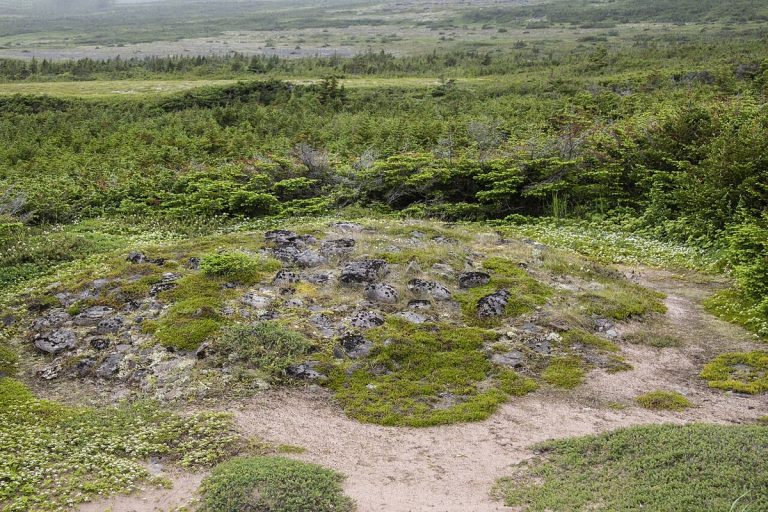
The burial mound at L’Anse Amour, Labrador, photographed in 2012.
CA-K309Indigenous peoples & reconciliation

L’Anse Amour, a 7,700-year-old burial mound

L’Anse Amour in southern Labrador, one of the largest and longest-used Indigenous habitation sites in Labrador, has the oldest known First Nations funerary monument in North America, built about 7,700 years ago over a young person’s burial. The grave goods include the earliest known toggling harpoon in the world.

Factual accuracy review: No recorded challenge

Contributor: Citizen.ca

Verified against cited sourcesVerified on 2026-10-26↗
Photo: Pierre Gingras · Photo licence: CC BY-SA 4.0 · Credit & context
The beach at Kiix̣in National Historic Site, Vancouver Island, photographed in 2024.
CA-K303Indigenous peoples & reconciliation

Kiix̣in, the Huu-ay-aht capital village

Kiix̣in Village and Fortress, at Barkley Sound on Vancouver Island’s west coast, was the traditional capital village of the Huu-ay-aht, a Nuu-chah-nulth First Nation. Its archaeological remains record almost 3,000 years of occupation, and its surviving traditional architecture is rare on the southern British Columbia coast. The site remains sacred to the Huu-ay-aht.

Factual accuracy review: No recorded challenge

Contributor: Citizen.ca

Verified against cited sourcesVerified on 2026-10-26↗
Photo: Qwexcxewq · Photo licence: CC BY 4.0 · Credit & context
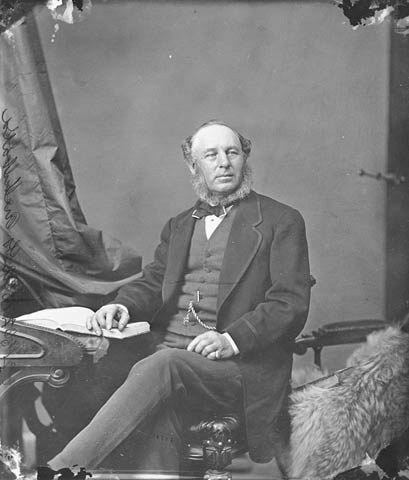
A portrait of Sir Adams George Archibald.
CA-K275Indigenous peoples & reconciliation

Adams Archibald, Métis land rights and Treaties 1 and 2

Adams George Archibald (1814–1892), first lieutenant-governor of Manitoba and the North-West Territories (1870–1872), was charged with administering the Manitoba Act’s guarantee of Métis land rights, which proved difficult amid settler encroachment and while Canadian militia subjected Métis people to a “reign of terror.” In 1871 he represented the Crown in negotiating Treaties 1 and 2, but several promises he made were not written into the treaties.

Factual accuracy review: No recorded challenge

Contributor: Citizen.ca

Verified against cited sourcesVerified on 2026-10-26↗
Photo: User Magnus Manske on en.wikipedia · Photo licence: Public domain · Credit & context
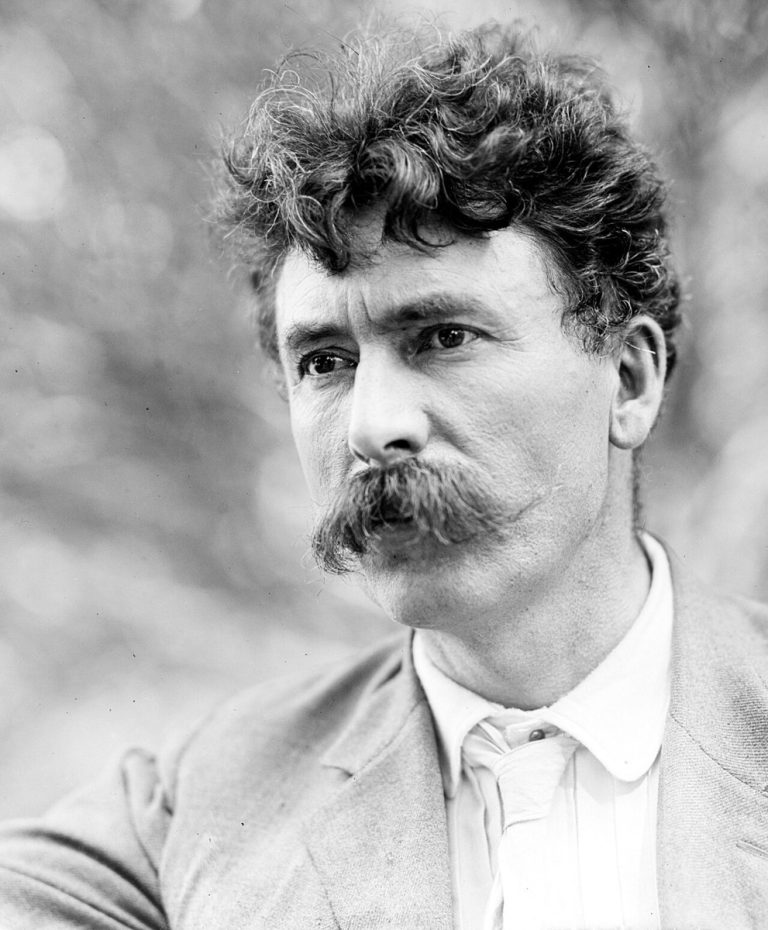
Ernest Thompson Seton (Bain News Service photograph).
CA-K266Culture & sport

Ernest Thompson Seton, naturalist and writer

Ernest Thompson Seton (1860–1946), largely self-taught, made major contributions as a naturalist, ornithologist, conservationist and wildlife artist, and his bestselling realistic animal stories developed a distinctive Canadian genre. His “Woodcraft Indians” youth program influenced the Boy Scout movement and summer camps but, as Parks Canada’s 2022 review notes, also contributed to inaccurate stereotypes of First Nations.

Factual accuracy review: No recorded challenge

Contributor: Citizen.ca

Verified against cited sourcesVerified on 2026-10-26↗
Photo: Bain News Service · Photo licence: Public domain · Credit & context