An independent Canadian knowledge project

Focused and Verified

Canadian knowledge base

Search by keyword

Choose one keyword, or combine two. Broader keywords include their descendants.

Keywords: Industry and commerce

Clear search
Ezra Butler Eddy, 1894 (William James Topley).
CA-K789Economy & trade

E.B. Eddy, match maker of the Chaudière

Ezra Butler Eddy, born in Vermont, came to the Chaudière Falls in 1851 and started a small hand-operated match factory. He grew into a lumber magnate and maker of wooden goods, by the 1880s was Canada’s largest match producer and also made wood pulp, and in 1890 opened an up-to-date paper mill, helping make the Chaudière area a major industrial centre.

Factual accuracy review: No recorded challenge

Contributor: Citizen.ca

Verified against cited sourcesVerified on 2026-10-26↗
Photo: William James Topley · Photo licence: Public domain · Credit & context
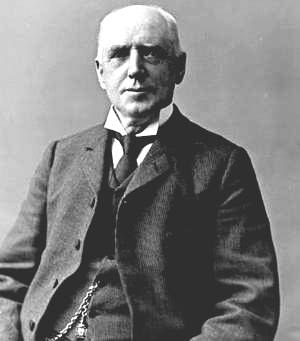
George A. Cox, portrait published in 1907.
CA-K782Economy & trade

George Cox, banker and insurance magnate

George Cox, after a business career in Peterborough, moved to Toronto as it challenged Montréal as Canada’s banking capital. President of the Canadian Bank of Commerce from 1890 to 1906, he expanded it into Western Canada, and as head of Canada Life he dominated the insurance industry from the mid-1890s until his death in 1914.

Factual accuracy review: No recorded challenge

Contributor: Citizen.ca

Verified against cited sourcesVerified on 2026-10-26↗
Photo: Unknown author · Photo licence: Public domain · Credit & context
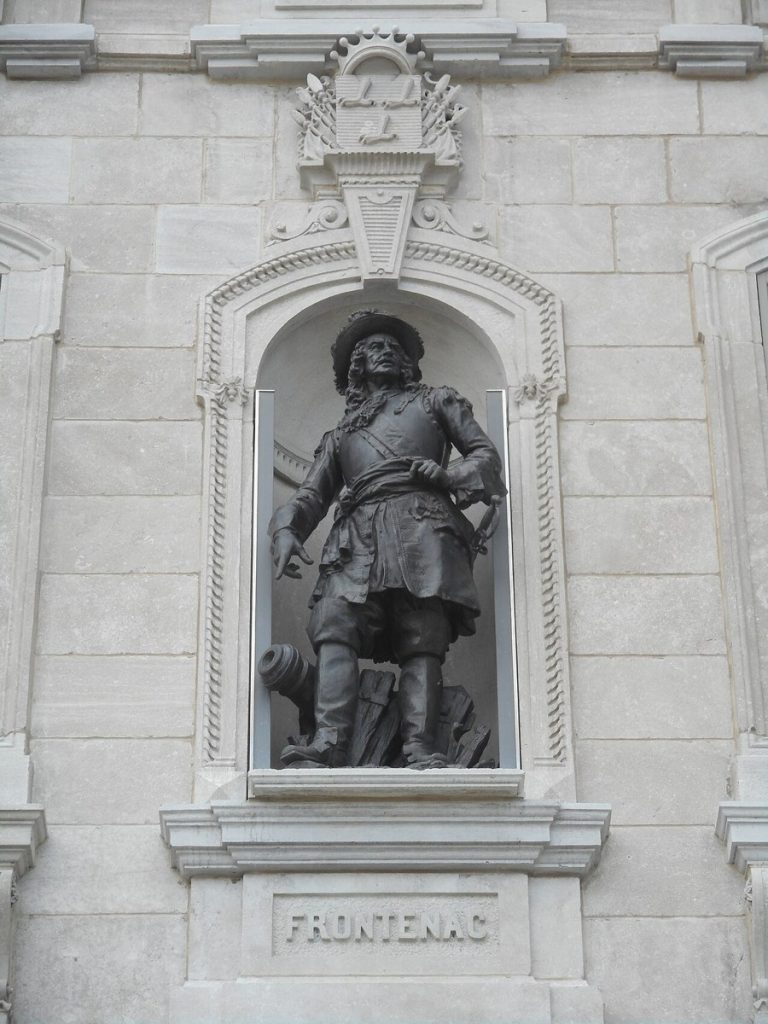
Statue of Frontenac on the façade of the Parliament Building, Québec City, 2015.
CA-K735History

Frontenac, governor of New France

Louis de Buade de Frontenac, governor of New France from 1672 to 1682 and 1689 to 1698, shaped the colony’s military destiny: he resisted the British attack of 1690 and invaded Haudenosaunee territory in 1696. To profit from the fur trade he defied policy against westward expansion, founding Fort Frontenac (Cataraqui) in 1673 and starting a network of posts; he remains a controversial, legendary figure.

Factual accuracy review: No recorded challenge

Contributor: Citizen.ca

Verified against cited sourcesVerified on 2026-10-26↗
Photo: Photo: Jean Gagnon · Photo licence: CC BY-SA 3.0 · Credit & context
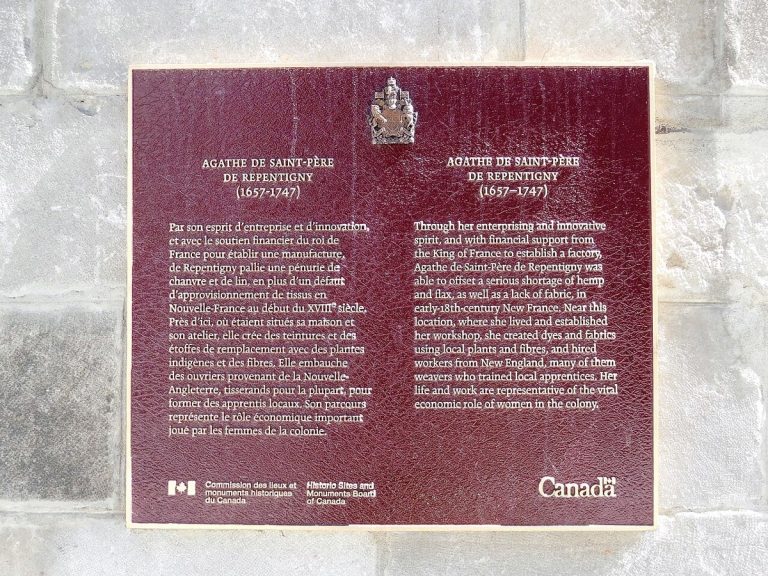
The commemorative plaque to Agathe de Saint-Père de Repentigny in Montréal, 2020.
CA-K715Economy & trade

Agathe de Saint-Père de Repentigny, textile entrepreneur of New France

Agathe de Saint-Père de Repentigny established a textile workshop in early-18th-century Montréal to address a shortage of fabric in New France. She developed dyes and cloth from local plants and fibres, and ransomed and hired English weavers who had been taken captive, pairing them with Canadian apprentices.

Factual accuracy review: No recorded challenge

Contributor: Citizen.ca

Verified against cited sourcesVerified on 2026-10-26↗
Photo: Jeangagnon · Photo licence: CC BY-SA 4.0 · Credit & context
Harold Adams Innis, 1910s.
CA-K711Culture & sport

Harold Innis, historian of staples and communications

Harold Adams Innis, one of Canada’s great scholars, joined the University of Toronto in 1920 and headed its Department of Political Economy from 1937. Through works such as The Fur Trade in Canada, The Cod Fisheries and Empire and Communications, he deeply influenced the study of economics, history, geography, politics and communications.

Factual accuracy review: No recorded challenge

Contributor: Citizen.ca

Verified against cited sourcesVerified on 2026-10-26↗
Photo: Unknown photographer (1910s) · Photo licence: Public domain · Credit & context
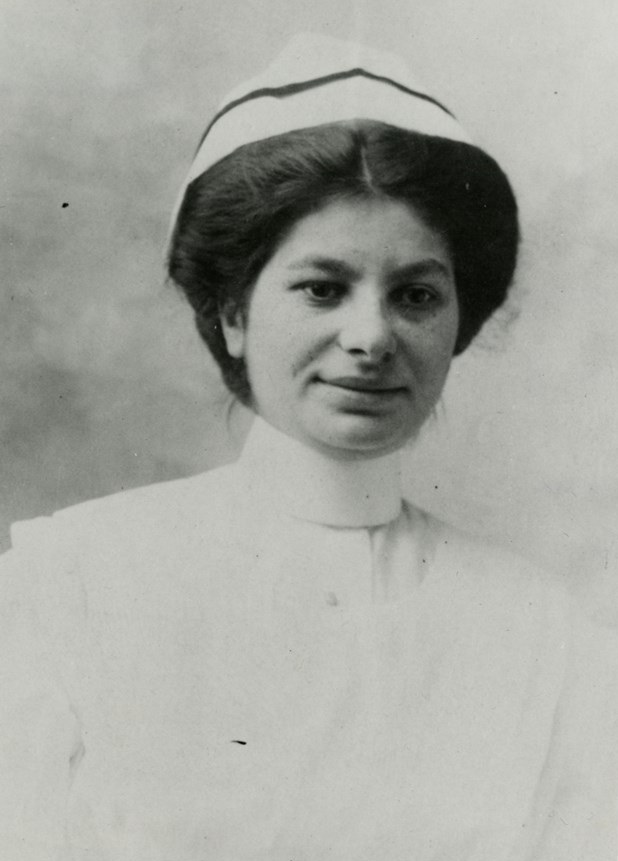
Dora Dworkin in her nurse’s uniform, around 1909 (Ontario Jewish Archives).
CA-K706History

Dorothy Dworkin, nurse and community builder

Dorothy Dworkin, a nurse, midwife and entrepreneur, managed Toronto’s free Jewish Dispensary and helped found Mount Sinai Hospital in the 1920s, which served Jewish Canadians and employed doctors often shut out of hospitals by antisemitism. During the Holocaust she led relief fundraising and, through her family’s steamship agency, helped hundreds of Eastern European Jews settle in Canada.

Factual accuracy review: No recorded challenge

Contributor: Citizen.ca

Verified against cited sourcesVerified on 2026-10-26↗
Photo: Unknown author · Photo licence: Public domain · Credit & context
Samuel Cunard, between 1855 and 1865 (Nova Scotia Archives).
CA-K699Economy & trade

Sir Samuel Cunard and transatlantic steamships

Samuel Cunard, born in Halifax of Loyalist parents, built a Maritime empire in banking, lumber, land, coal and above all shipping. A pioneer of transatlantic steam navigation, he won an Admiralty contract in 1839 for scheduled Liverpool–Halifax–Boston mail service, and in July 1840 the Britannia, the first regular Cunarder, crossed in 13 days.

Factual accuracy review: No recorded challenge

Contributor: Citizen.ca

Verified against cited sourcesVerified on 2026-10-26↗
Photo: Unknown author · Photo licence: Public domain · Credit & context
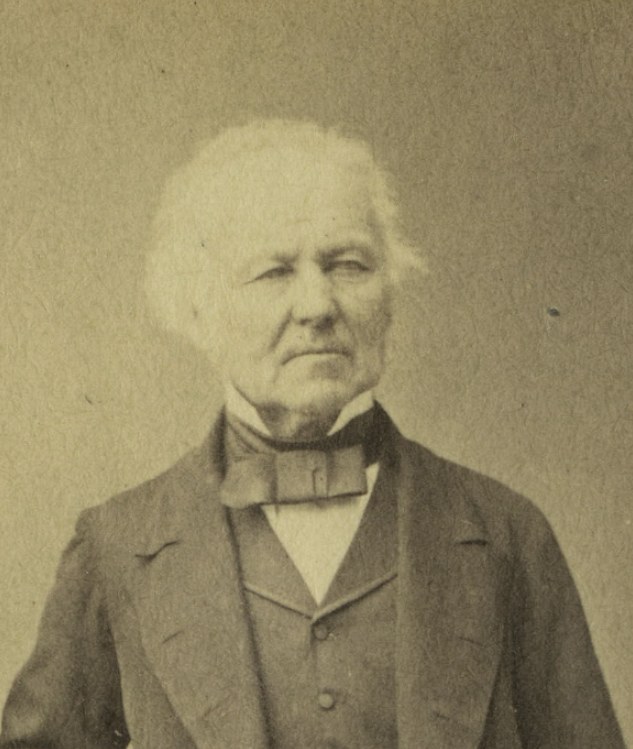
George Eulas Foster, around 1920 (Bain, Library of Congress).
CA-K651Institutions

Sir George Foster, Conservative finance minister

George Eulas Foster of Carleton County, New Brunswick, a former classics professor, sat in the House of Commons for most of 1882–1921. A central Conservative figure and orator, he was Minister of Finance under five prime ministers and Minister of Commerce under Borden and Meighen, and supported the League of Nations.

Factual accuracy review: No recorded challenge

Contributor: Citizen.ca

Verified against cited sourcesVerified on 2026-10-26↗
Photo: Bain · Photo licence: Public domain · Credit & context
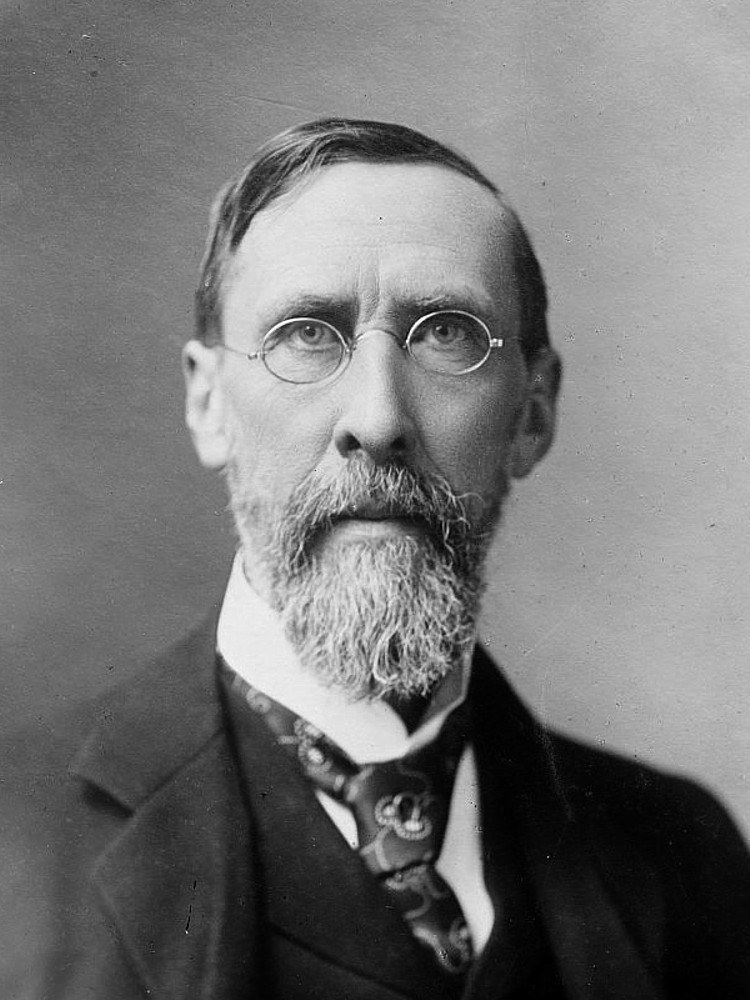
Jean-Charles Chapais, April 1870 (Topley Studio).
CA-K646History

Jean-Charles Chapais, Father of Confederation

Jean-Charles Chapais, a merchant of Saint-Denis de Kamouraska, represented Kamouraska as a Conservative from 1851 to 1867 and was Commissioner of Public Works. A delegate to the Québec Conference and Father of Confederation, he became a senator in 1868 and served in Macdonald’s cabinets as Minister of Agriculture and Receiver General.

Factual accuracy review: No recorded challenge

Contributor: Citizen.ca

Verified against cited sourcesVerified on 2026-10-26↗
Photo: William James Topley · Photo licence: Public domain · Credit & context
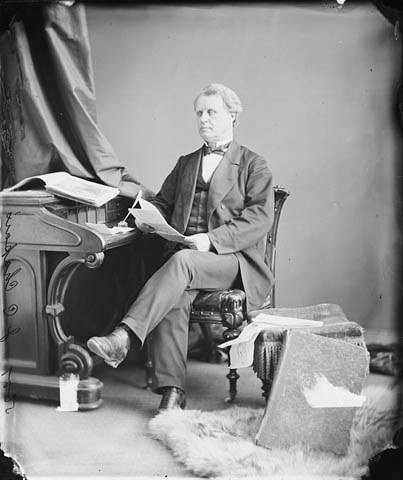
Francis H. Clergue.
CA-K644Economy & trade

Francis Clergue and industrial Sault Ste. Marie

Francis Hector Clergue, a promoter from Maine, transformed Sault Ste. Marie into a major industrial centre. After buying an unfinished hydroelectric station and canal there in 1894, he created his own linked industries to use the power, including a pulp and paper mill, a copper company, Algoma Steel and the Algoma Central Railway.

Factual accuracy review: No recorded challenge

Contributor: Citizen.ca

Verified against cited sourcesVerified on 2026-10-26↗
Photo: Unknown author · Photo licence: Public domain · Credit & context
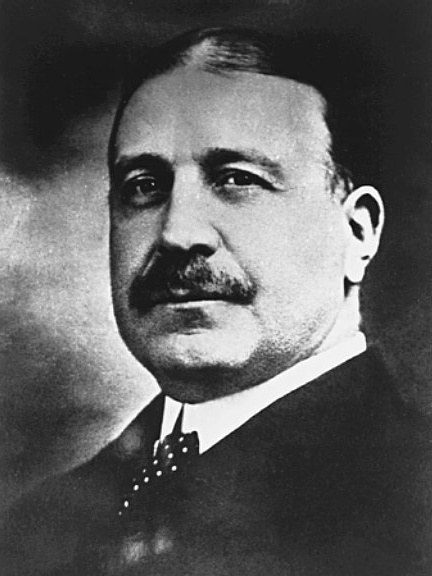
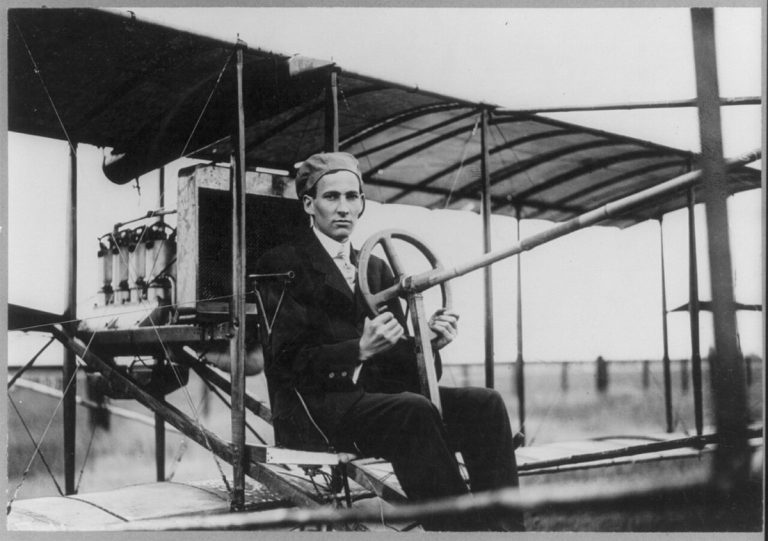
J. A. D. McCurdy, 1911 (Library of Congress).
CA-K626History

J. A. D. McCurdy, pilot of the Silver Dart

John A. D. McCurdy of Baddeck, an early associate of Alexander Graham Bell, piloted the Silver Dart on 23 February 1909 in Canada’s first successful powered flight. A pioneer of the aircraft industry, he later oversaw aircraft production in the Second World War and served as lieutenant-governor of Nova Scotia.

Factual accuracy review: No recorded challenge

Contributor: Citizen.ca

Verified against cited sourcesVerified on 2026-10-26↗
Photo: Miscellaneous Items in High Demand, PPOC, Library of Congress · Photo licence: Public domain · Credit & context
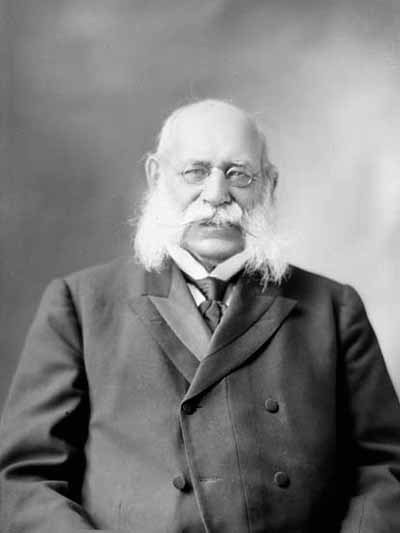
Sir Richard John Cartwright, December 1908 (Topley Studio).
CA-K606Institutions

Sir Richard Cartwright, Liberal finance minister

Richard John Cartwright of Kingston, grandson of a Loyalist merchant, sat in the House of Commons as a Liberal for 37 years. He was Minister of Finance under Mackenzie (1873–1878) and Minister of Trade and Commerce under Laurier (1896–1904), and as a free trader he designed the Liberals’ 1891 policy of unrestricted reciprocity with the United States.

Factual accuracy review: No recorded challenge

Contributor: Citizen.ca

Verified against cited sourcesVerified on 2026-10-26↗
Photo: William James Topley · Photo licence: Public domain · Credit & context
John Hendry, around 1910 (BC Archives).
CA-K572Economy & trade

John Hendry, British Columbia lumber pioneer

John Hendry built a lumber empire in western Canada. In 1891 his mills and logging operations, including the Hastings Mill, became the British Columbia Mills, Timber and Trading Company, the province’s first forestry conglomerate, which led the way in mechanized logging and integrated lumber production, transport and marketing.

Factual accuracy review: No recorded challenge

Contributor: Citizen.ca

Verified against cited sourcesVerified on 2026-10-26↗
Photo: Unknown author · Photo licence: Public domain · Credit & context
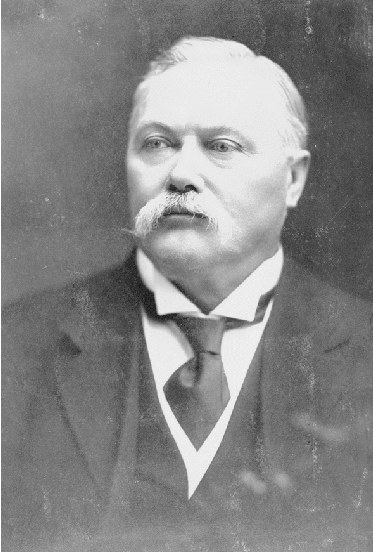
William Roper Hull, portrait published in 1903.
CA-K564Economy & trade

William Roper Hull, Alberta cattleman

William Roper Hull, a cattleman, entrepreneur and land developer, was the first in Alberta to combine cattle raising, meat processing and retailing on a large scale in the late 1880s. He built several ranches and city holdings in Calgary and made the Bow Valley Ranch a regional showpiece known for its irrigation and its social events.

Factual accuracy review: No recorded challenge

Contributor: Citizen.ca

Verified against cited sourcesVerified on 2026-10-26↗
Photo: Unknown author · Photo licence: Public domain · Credit & context
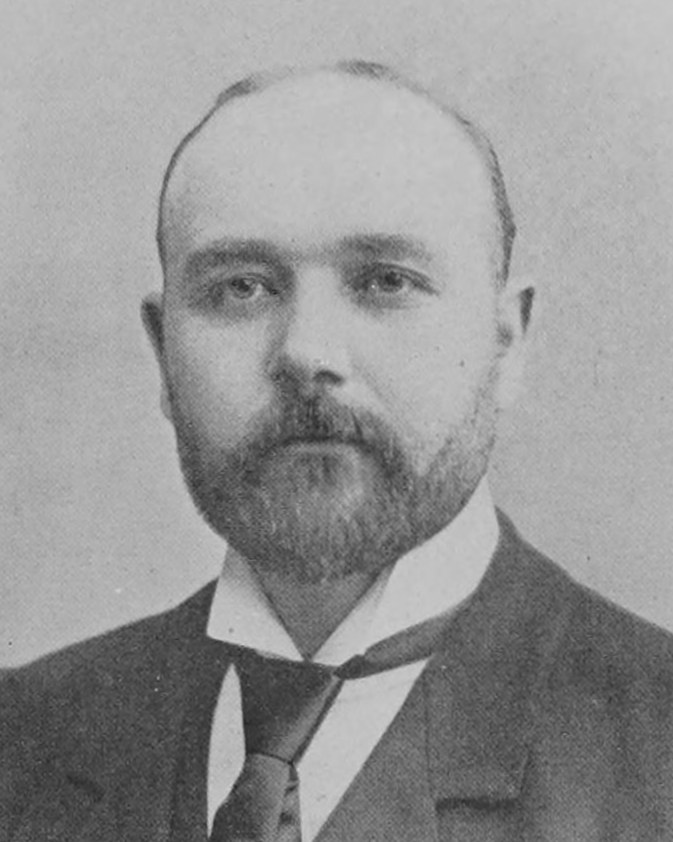
Édouard Lacroix, 1927.
CA-K560Economy & trade

Édouard Lacroix, Beauce industrialist

Édouard Lacroix, a business leader from the Beauce, built an industrial empire in Quebec, the Maritimes and New England, opening up Appalachian forests and helping integrate the lumber and pulp and paper industries of the Saint John River basin. A rare francophone among interwar industrial leaders, he was also an MP from 1925 to 1944.

Factual accuracy review: No recorded challenge

Contributor: Citizen.ca

Verified against cited sourcesVerified on 2026-10-26↗
Photo: Philippe Angers · Photo licence: Public domain · Credit & context
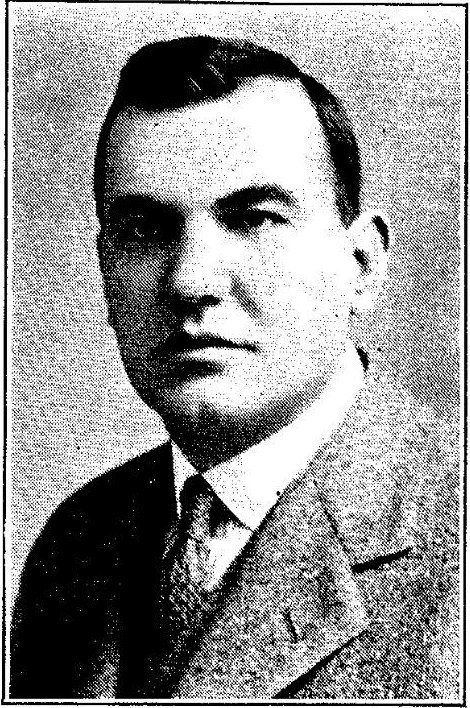
Charles Mair, portrait published in 1916.
CA-K468Culture & sport

Charles Mair, poet of Canada First

Charles Mair, born at Lanark, Upper Canada, was a journalist, poet, advocate of western expansion and an original member of the Canada First movement. A controversial figure during the Red River Resistance of 1869–1870, he later worked in business in the West and for the immigration service, and wrote works including Tecumseh and Through the Mackenzie Basin.

Factual accuracy review: No recorded challenge

Contributor: Citizen.ca

Verified against cited sourcesVerified on 2026-10-26↗
Photo: Photographer not named. · Photo licence: Public domain · Credit & context
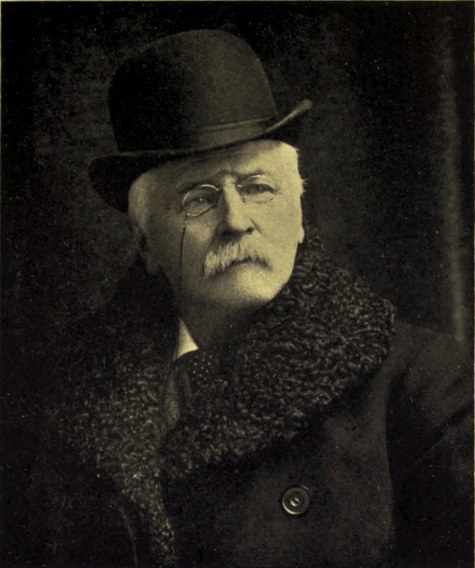
Portrait of Timothy Eaton, 1903.
CA-K439Economy & trade

Timothy Eaton, department store and mail order

Timothy Eaton, born in Ireland, opened his own store in Toronto in 1869. Innovations such as cash sales at fixed prices made it one of Canada’s first department stores, and in 1884 he introduced a mail-order department that brought low prices and a wide choice of goods to rural Canadians. At his death it was Canada’s largest retail business.

Factual accuracy review: No recorded challenge

Contributor: Citizen.ca

Verified against cited sourcesVerified on 2026-10-26↗
Photo: Unknown author · Photo licence: Public domain · Credit & context
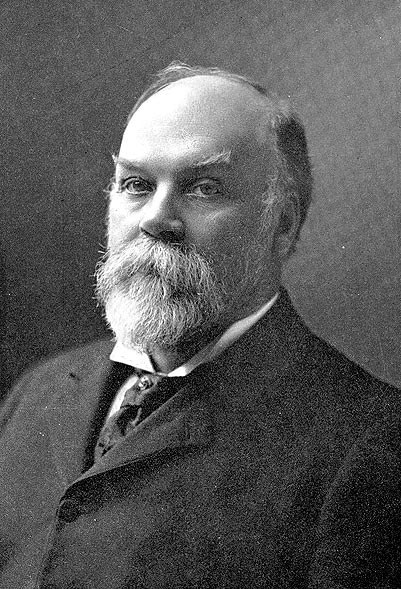
Thomas “Carbide” Willson in Ottawa, around 1914 (Library and Archives Canada).
CA-K432Economy & trade

Thomas “Carbide” Willson and acetylene

Thomas “Carbide” Willson, a largely self-educated inventor from Oxford County, Upper Canada, discovered in 1892 a method of mass-producing calcium carbide. Acetylene gas made from it was used for lighting and as a source of other industrial chemicals, and his discovery helped lay the foundation of the electrochemical industry in the early 20th century.

Factual accuracy review: No recorded challenge

Contributor: Citizen.ca

Verified against cited sourcesVerified on 2026-10-26↗
Photo: Unknown author · Photo licence: Public domain · Credit & context
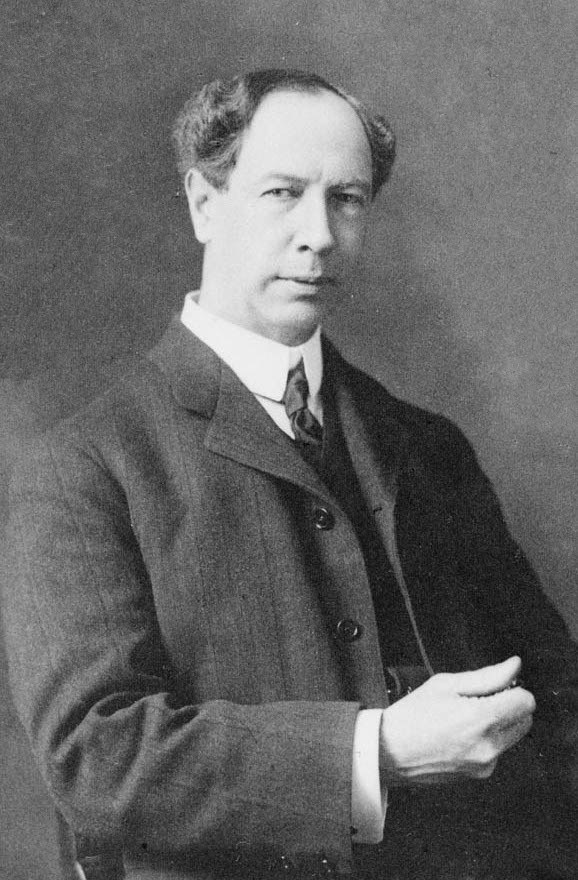
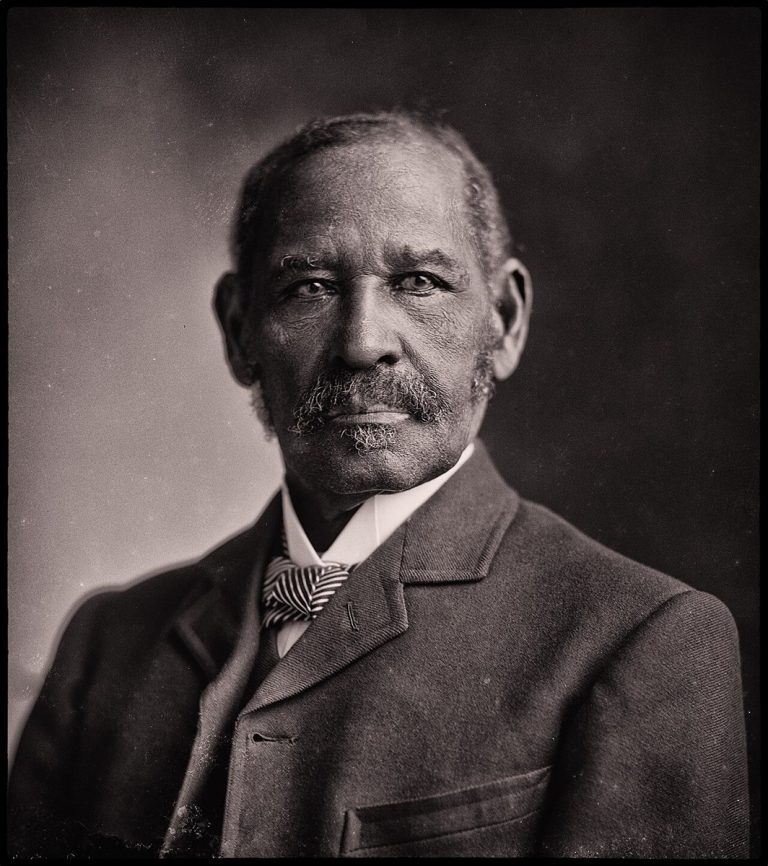
Mifflin Wistar Gibbs, photographed by C. M. Bell around 1902.
CA-K420History

Mifflin Wistar Gibbs, Black leader on Vancouver Island

Mifflin Wistar Gibbs helped lead about 800 Black residents from San Francisco to Vancouver Island in 1858 and became the recognized leader of their community. Elected to Victoria City Council, he was the first Black person to hold elected office in British Columbia; an entrepreneur in mining and trade, he advocated for Black settlers’ rights before returning to the United States in 1870.

Factual accuracy review: No recorded challenge

Contributor: Citizen.ca

Verified against cited sourcesVerified on 2026-10-26↗
Photo: Charles Milton Bell · Photo licence: Public domain · Credit & context
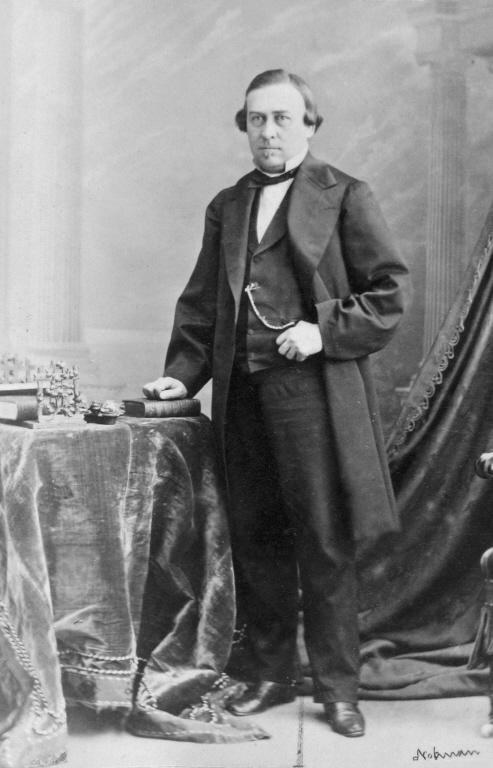
Hector-Louis Langevin in Montréal, 1865 (William Notman).
CA-K399Institutions

Sir Hector-Louis Langevin, Confederation and residential schools

Sir Hector-Louis Langevin, a Father of Confederation, attended all three conferences leading to 1867, helped draft the 72 Resolutions and led the Quebec Conservatives for nearly two decades. As Minister of Public Works, he called in 1883 for Indigenous children to be removed from their homes for assimilation and announced three industrial schools in the Northwest, part of the residential school system’s devastating expansion.

Factual accuracy review: No recorded challenge

Contributor: Citizen.ca

Verified against cited sourcesVerified on 2026-10-26↗
Photo: William Notman · Photo licence: Public domain · Credit & context
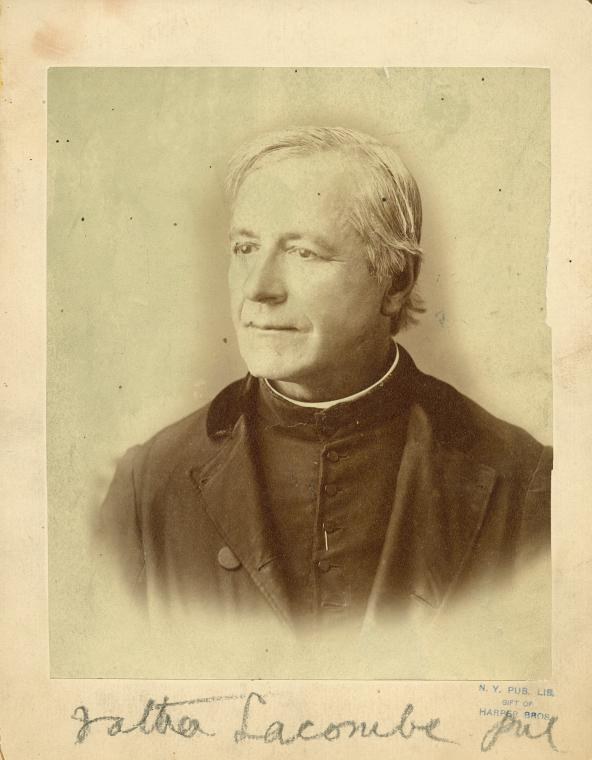
Father Albert Lacombe, photographed before 1916.
CA-K385Indigenous peoples & reconciliation

Father Albert Lacombe, missionary in the West

From 1852, Oblate priest Albert Lacombe spent over 60 years seeking to convert Indigenous Peoples in western Canada to Christianity, founding missions such as St. Albert with Métis and Cree help and acting as a go-between during Treaty 8 talks. He was the first principal of the High River Industrial School in 1884–1885 and advocated separating children from their families and suppressing Indigenous languages.

Factual accuracy review: No recorded challenge

Contributor: Citizen.ca

Verified against cited sourcesVerified on 2026-10-26↗
Photo: Unknown author · Photo licence: Public domain · Credit & context
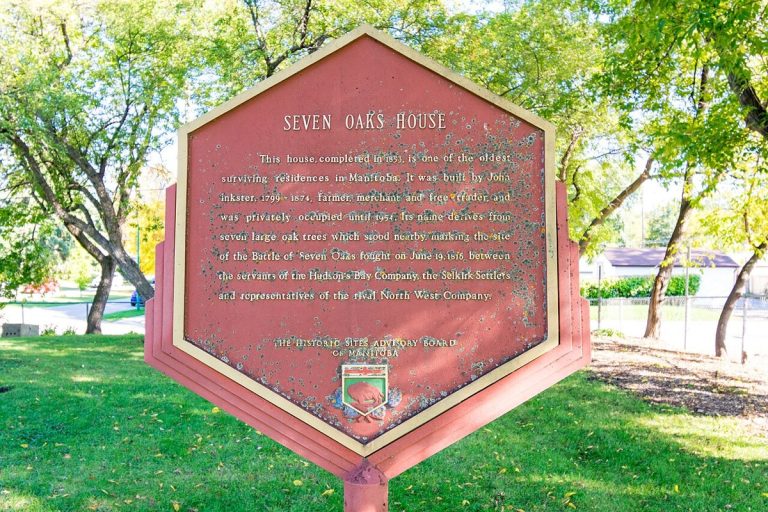
A historical plaque at Seven Oaks House Museum in Winnipeg, Manitoba, photographed in 2017.
CA-K376Indigenous peoples & reconciliation

Seven Oaks House and the Inkster family of Red River

Seven Oaks House in Winnipeg, in the Métis homeland and on Treaty 1 territory, includes a cabin of about 1831 built in Red River frame style and a Georgian house of 1851–1853. Home to the Scottish and Métis Inkster family, it shows the centrality of Métis families in the Red River community and the shift from the fur trade to farming and town life.

Factual accuracy review: No recorded challenge

Contributor: Citizen.ca

Verified against cited sourcesVerified on 2026-10-26↗
Photo: Jessica Losorata · Photo licence: CC BY-SA 4.0 · Credit & context
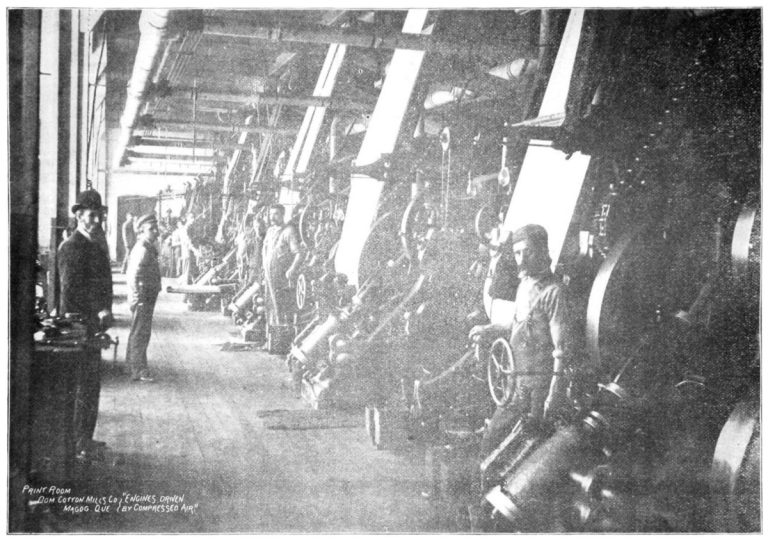
The print room of the Magog cotton mill in 1897.
CA-K373Economy & trade

The Magog Textile Mill, Canada’s first cotton printing

The Magog Textile Mill in Quebec, built in 1883 on the Magog River, began printing cotton in 1884 and was the country’s only cotton-printing mill until 1899. It was the only 19th-century mill where spinning, weaving, bleaching and printing were all done at one site; as part of Dominion Textile it employed 2,300 people by 1943.

Factual accuracy review: No recorded challenge

Contributor: Citizen.ca

Verified against cited sourcesVerified on 2026-10-26↗
Photo: Charles Havelock Taylor (1859-1953) · Photo licence: Public domain · Credit & context
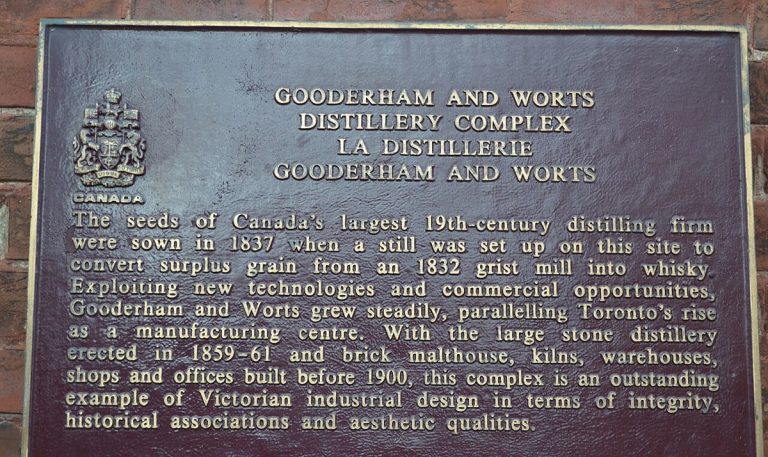
A commemorative plaque for the Gooderham and Worts Distillery in Toronto, photographed in 2015.
CA-K350Economy & trade

The Gooderham and Worts Distillery, Toronto

The Gooderham and Worts Distillery complex in Toronto is an imposing landmark whose buildings together bear witness to the evolution of the Canadian distilling industry. It is remarkably complete, illustrating the whole distilling process from processing raw materials to storing finished products for export.

Factual accuracy review: No recorded challenge

Contributor: Citizen.ca

Verified against cited sourcesVerified on 2026-10-26↗
Photo: Larry Koester · Photo licence: CC BY 2.0 · Credit & context