An independent Canadian knowledge project

Focused and Verified

Canadian knowledge base

Search by keyword

Choose one keyword, or combine two. Broader keywords include their descendants.

Keywords: Record types

Clear search
Louis-Honoré Fréchette, 1900.
CA-K790Culture & sport

Louis Fréchette, poet of French Canada

Louis Fréchette, born at Lévis, was a noted polemicist and a prominent French-Canadian poet of the 19th century. His collections Les Fleurs boréales and Les Oiseaux de neige won the Académie française’s Prix Montyon in 1880, and he also wrote the epic La Légende d’un peuple. He sat in the House of Commons for Lévis and later was Clerk of the Quebec Legislative Council.

Factual accuracy review: No recorded challenge

Contributor: Citizen.ca

Verified against cited sourcesVerified on 2026-10-26↗
Photo: Royal Society Portraits · Photo licence: Public domain · Credit & context
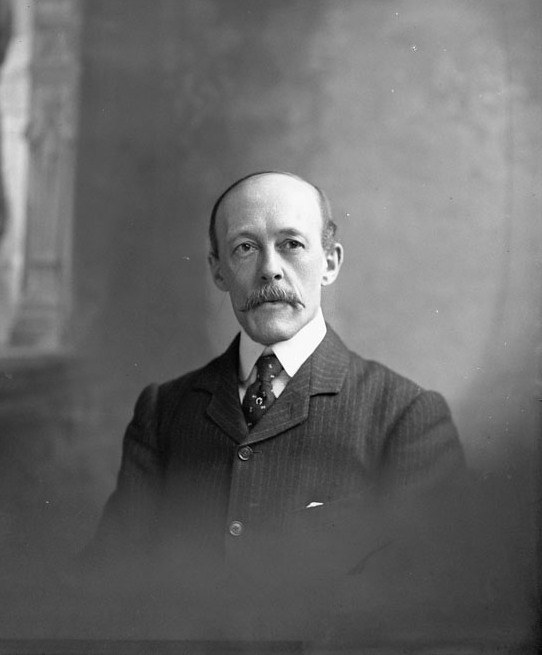
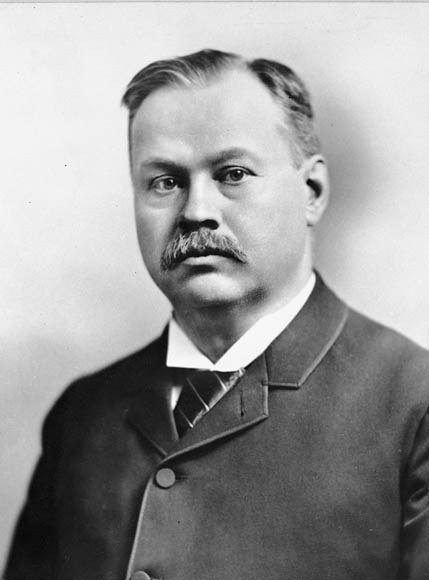
Ezra Butler Eddy, 1894 (William James Topley).
CA-K789Economy & trade

E.B. Eddy, match maker of the Chaudière

Ezra Butler Eddy, born in Vermont, came to the Chaudière Falls in 1851 and started a small hand-operated match factory. He grew into a lumber magnate and maker of wooden goods, by the 1880s was Canada’s largest match producer and also made wood pulp, and in 1890 opened an up-to-date paper mill, helping make the Chaudière area a major industrial centre.

Factual accuracy review: No recorded challenge

Contributor: Citizen.ca

Verified against cited sourcesVerified on 2026-10-26↗
Photo: William James Topley · Photo licence: Public domain · Credit & context
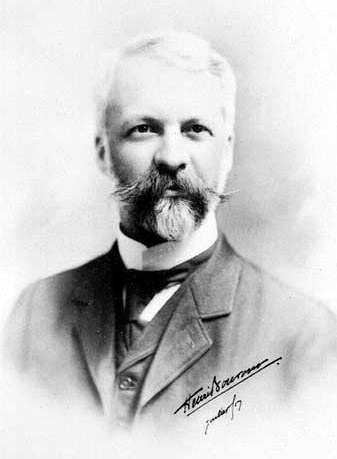
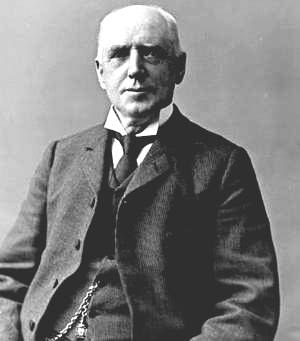
James Creighton, 1902 (William James Topley).
CA-K787Culture & sport

James Creighton, “father” of organized hockey

On March 3, 1875, James Creighton and his teammates played the first indoor public hockey game at Montréal’s Victoria Skating Rink. Over the next two years he brought together pucks, sticks, goals and skates with standardized rules and promoted the game. Captain of the first regular hockey club in Canada, he is often called the father of organized hockey.

Factual accuracy review: No recorded challenge

Contributor: Citizen.ca

Verified against cited sourcesVerified on 2026-10-26↗
Photo: William James Topley · Photo licence: Public domain · Credit & context
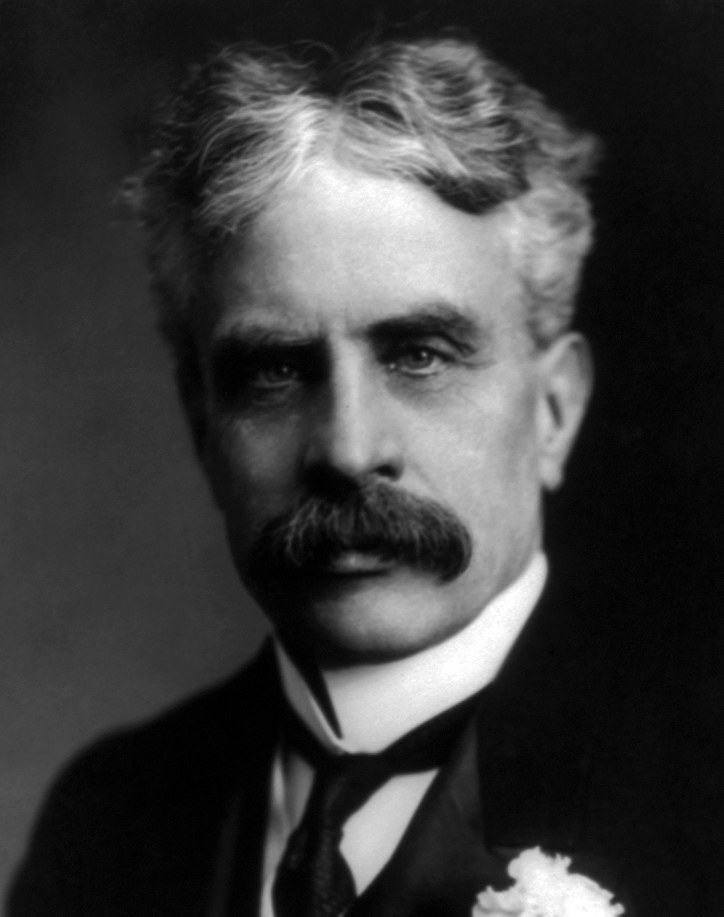
Henri Bourassa, 1917.
CA-K785Culture & sport

Henri Bourassa, founder of Le Devoir

Henri Bourassa, a noted orator and writer, sat in the House of Commons and the Quebec Legislative Assembly. He broke with Laurier and the Liberals over the Boer War, founded the Montréal daily Le Devoir in 1910 and edited it until 1932. Throughout his career he championed a nationalism based on Canada’s autonomy and cultural duality.

Factual accuracy review: No recorded challenge

Contributor: Citizen.ca

Verified against cited sourcesVerified on 2026-10-26↗
Photo: Unknown author · Photo licence: Public domain · Credit & context
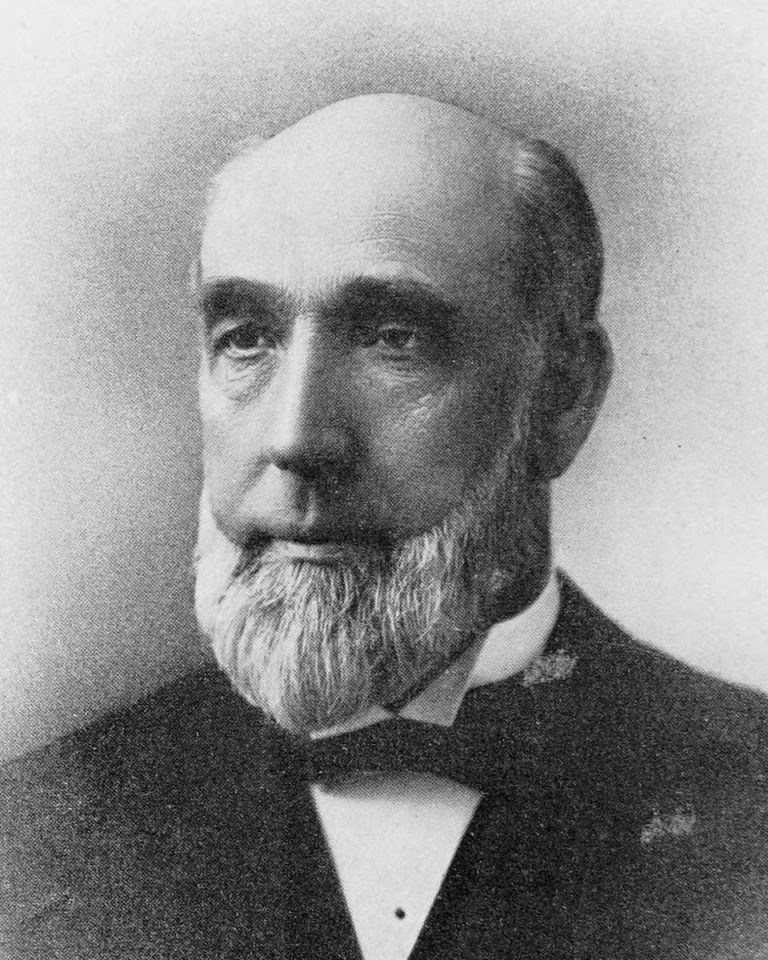
Sir Robert Borden, 1911 (Notman studio).
CA-K784History

Sir Robert Borden, wartime prime minister

Sir Robert Borden, born at Grand-Pré, Nova Scotia, led the Conservative Party from 1901 and was Prime Minister from 1911 to 1920. He guided Canada through the First World War, imposed conscription for overseas service in 1917 and formed a Union government of Liberals and Conservatives. He is remembered above all for insisting that Canada act as an autonomous nation in international diplomacy.

Factual accuracy review: No recorded challenge

Contributor: Citizen.ca

Verified against cited sourcesVerified on 2026-10-26↗
Photo: Notman, Boston · Photo licence: Public domain · Credit & context
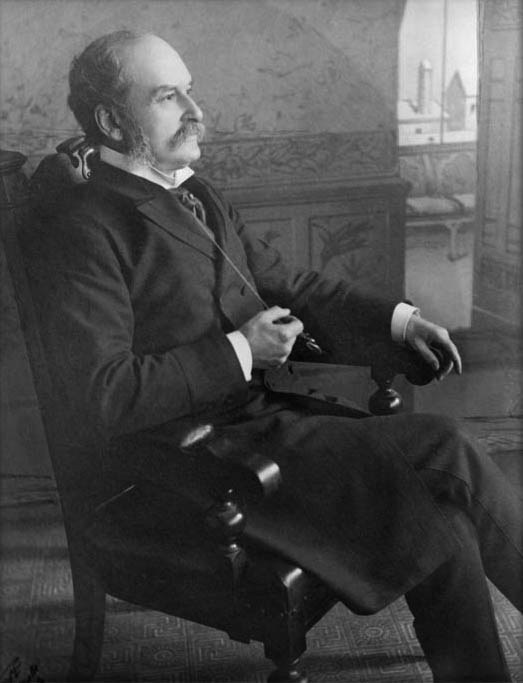
George A. Cox, portrait published in 1907.
CA-K782Economy & trade

George Cox, banker and insurance magnate

George Cox, after a business career in Peterborough, moved to Toronto as it challenged Montréal as Canada’s banking capital. President of the Canadian Bank of Commerce from 1890 to 1906, he expanded it into Western Canada, and as head of Canada Life he dominated the insurance industry from the mid-1890s until his death in 1914.

Factual accuracy review: No recorded challenge

Contributor: Citizen.ca

Verified against cited sourcesVerified on 2026-10-26↗
Photo: Unknown author · Photo licence: Public domain · Credit & context
Arthur Sturgis Hardy, about 1900 (Archives of Ontario).
CA-K780Institutions

Arthur Hardy, premier of Ontario and Algonquin Park

Arthur Sturgis Hardy, a Brantford lawyer of Loyalist descent, entered Ontario’s legislature in 1873 and served as Provincial Secretary and Commissioner of Crown Lands. He succeeded Oliver Mowat as premier from 1896 to 1899, and his most lasting contribution was the creation of Algonquin Provincial Park.

Factual accuracy review: No recorded challenge

Contributor: Citizen.ca

Verified against cited sourcesVerified on 2026-10-26↗
Photo: Unknown photographer (about 1900); Archives of Ontario · Photo licence: Public domain · Credit & context
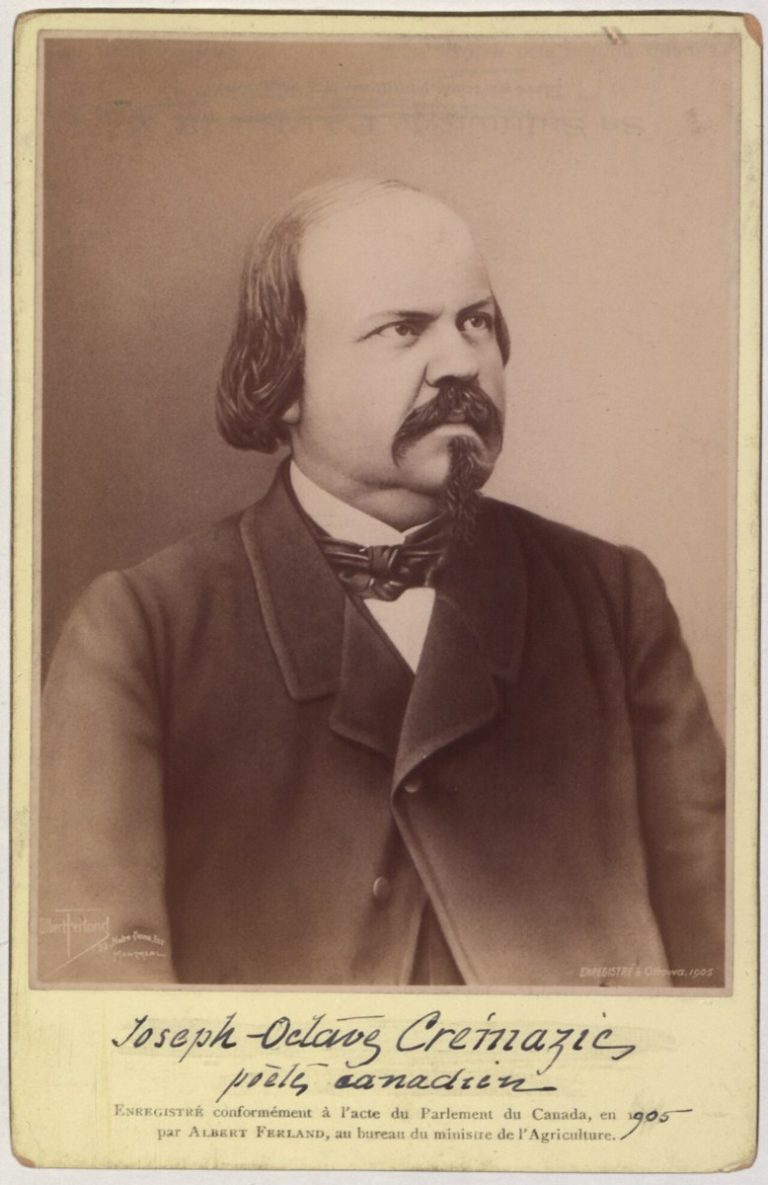
Octave Crémazie, published in 1905.
CA-K779Culture & sport

Octave Crémazie, national poet of French Canada

Octave Crémazie of Québec, a founder of the Institut canadien de Québec, ran a bookstore with his brother that became the cradle of a literary movement inspired by French Romanticism. His poem “Le Drapeau de Carillon” made him French Canada’s national poet; financial trouble exiled him to France in 1862, where he wrote his Journal du siège de Paris.

Factual accuracy review: No recorded challenge

Contributor: Citizen.ca

Verified against cited sourcesVerified on 2026-10-26↗
Photo: Albert Ferlland · Photo licence: Public domain · Credit & context
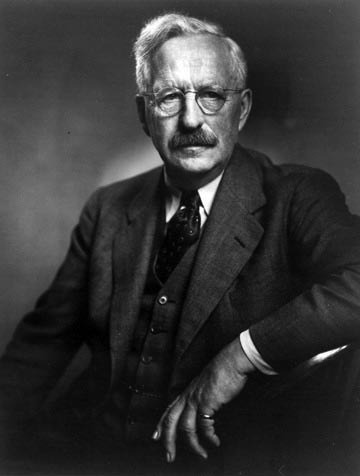
Henry Marshall Tory, first president of Carleton College.
CA-K775Institutions

Henry Marshall Tory, university builder

Henry Marshall Tory of Port Shoreham, Nova Scotia, taught at McGill and was the first president of the University of Alberta from 1908 to 1928. A distinguished scientist, he led the National Research Council from 1923 to 1935 and founded Carleton College in Ottawa, devoting his life to spreading scientific knowledge.

Factual accuracy review: No recorded challenge

Contributor: Citizen.ca

Verified against cited sourcesVerified on 2026-10-26↗
Photo: The original uploader was Kristoferb at English Wikipedia. · Photo licence: Public domain · Credit & context
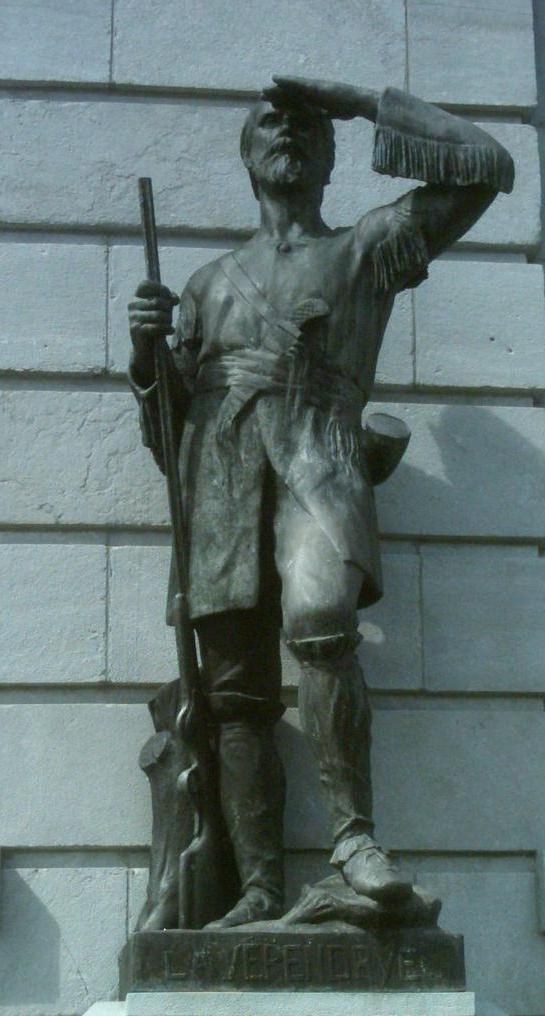
Statue of La Vérendrye on the façade of the Parliament Building, Québec City.
CA-K759Places & geography

La Vérendrye and the posts of the West

Pierre Gaultier de La Vérendrye of Trois-Rivières, soldier, trader and explorer, founded with his sons between 1731 and 1743 a series of posts beyond Lake Superior that became bases for French exploration of the West. They included Forts Saint-Pierre, Rouge and La Reine, at today’s Fort Frances, Winnipeg and Portage la Prairie.

Factual accuracy review: No recorded challenge

Contributor: Citizen.ca

Verified against cited sourcesVerified on 2026-10-26↗
Photo: sculpteur:Jean Bailleul / photo: Jean Gagnon · Photo licence: CC BY-SA 3.0 · Credit & context
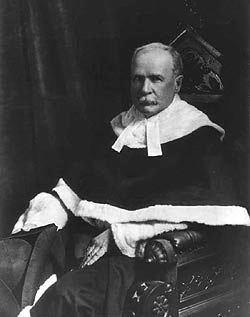
Charles Fitzpatrick, Chief Justice of Canada (Supreme Court of Canada).
CA-K755Institutions

Sir Charles Fitzpatrick, chief justice of Canada

Charles Fitzpatrick held Université Laval’s chair of criminal law for nearly 30 years and served Laurier as Solicitor General and Minister of Justice. He became Chief Justice of the Supreme Court of Canada in 1906 and was lieutenant-governor of Quebec from 1918 to 1923.

Factual accuracy review: No recorded challenge

Contributor: Citizen.ca

Verified against cited sourcesVerified on 2026-10-26↗
Photo: Unknown author · Photo licence: Public domain · Credit & context
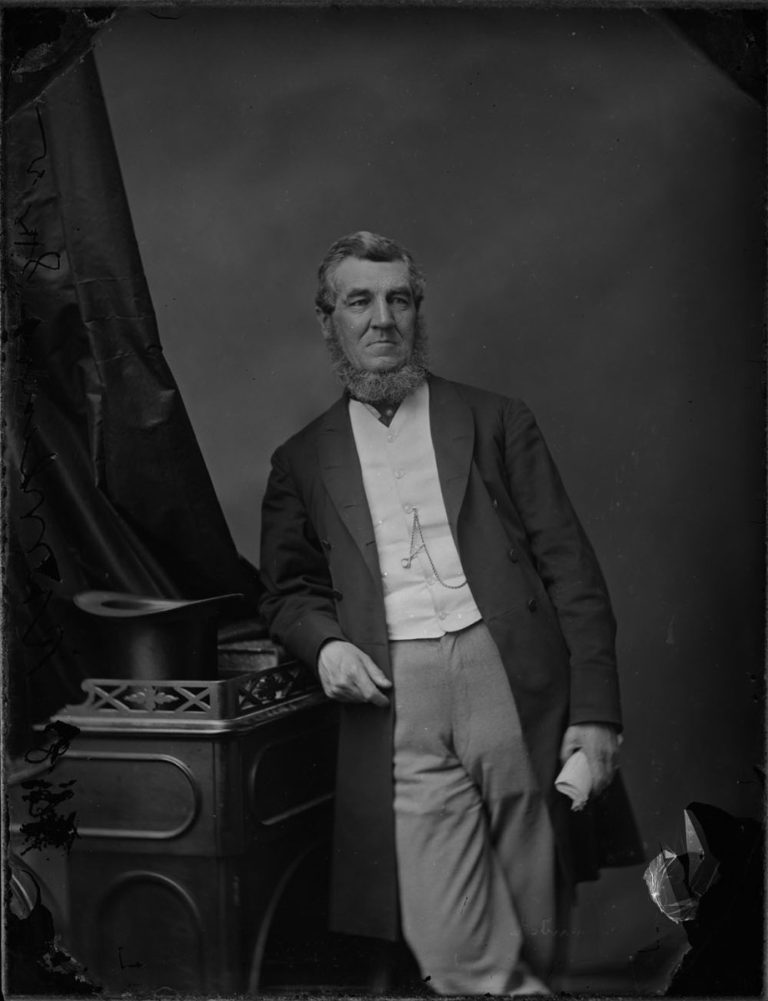
Robert Duncan Wilmot, May 1868 (Topley Studio).
CA-K752History

Robert Duncan Wilmot, New Brunswick Father of Confederation

Robert Duncan Wilmot of Saint John sat in New Brunswick’s legislature from 1846 to 1861. Elected in 1865 as an opponent of Confederation, he changed sides and attended the London Conference in 1866; he was then appointed to the Senate, became its Speaker in 1878 and was lieutenant-governor of New Brunswick from 1880.

Factual accuracy review: No recorded challenge

Contributor: Citizen.ca

Verified against cited sourcesVerified on 2026-10-26↗
Photo: William James Topley · Photo licence: Public domain · Credit & context
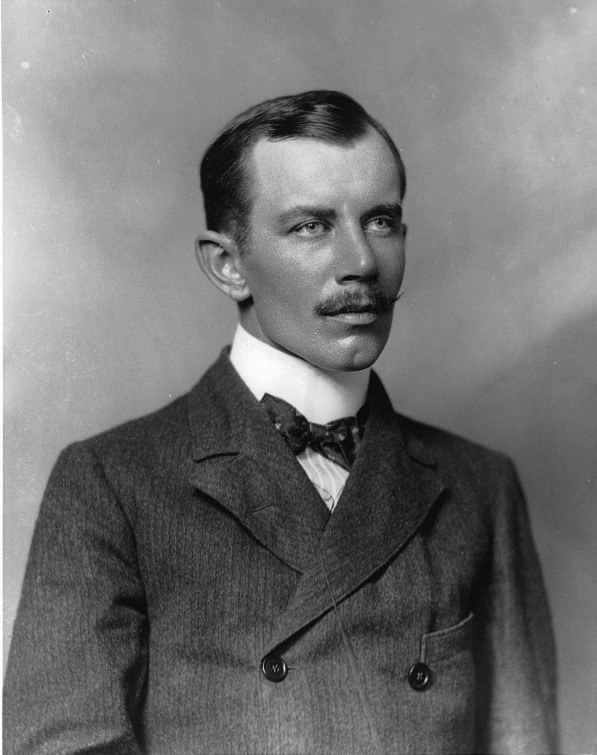
Percy Girouard in 1899 (Wm. Notman & Son, McCord Museum).
CA-K749History

Sir Percy Girouard, railway engineer of empire

Percy Girouard of Montréal, a graduate of the Royal Military College in Kingston, joined the Royal Engineers in 1888. He built the Wadi Halfa–Khartoum railway from 1896, directed railways in South Africa and oversaw the line to Kano in Northern Nigeria, later serving as governor of Northern Nigeria and of East Africa and as Britain’s director general of munitions supply.

Factual accuracy review: No recorded challenge

Contributor: Citizen.ca

Verified against cited sourcesVerified on 2026-10-26↗
Photo: Studio Wn. Notman & Son · Photo licence: Public domain · Credit & context
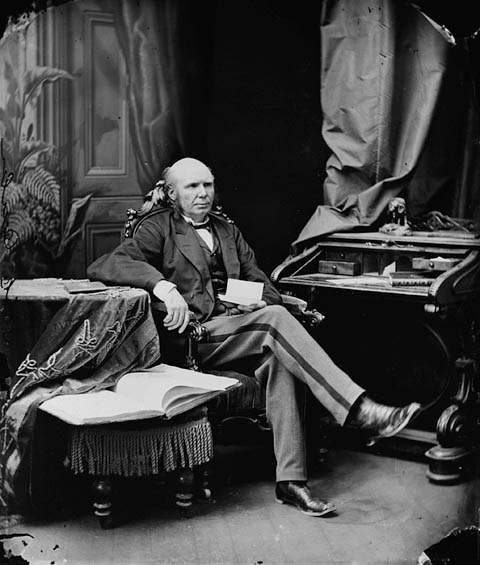
Frederick B. T. Carter, Premier of Newfoundland, June 1869 (Topley Studio).
CA-K746History

Sir Frederick Carter, Newfoundland Father of Confederation

Frederick Carter of St. John’s, Speaker of Newfoundland’s House of Assembly, was a delegate to the Québec Conference in 1864 and, convinced of the merits of union with Canada, formed a coalition government in 1865 to pursue it. Defeated by Charles Fox Bennett’s anti-Confederates in 1869, he later returned as premier and became chief justice of Newfoundland in 1880.

Factual accuracy review: No recorded challenge

Contributor: Citizen.ca

Verified against cited sourcesVerified on 2026-10-26↗
Photo: William James Topley · Photo licence: Public domain · Credit & context
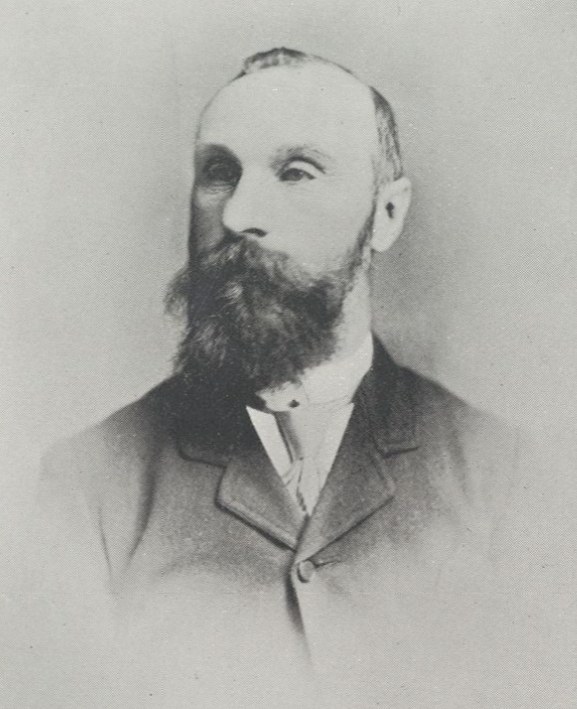
James Patrick Howley, portrait published in 1894.
CA-K745History

James P. Howley, geologist and historian of the Beothuk

James Patrick Howley greatly advanced knowledge of Newfoundland’s geology, minerals and geography through fieldwork for the Geological and Topographical Survey of Newfoundland from 1868 to 1909, and is considered founder and first curator of the Newfoundland Museum. His 1915 study of the Beothuk remains a cornerstone of Beothuk scholarship.

Factual accuracy review: No recorded challenge

Contributor: Citizen.ca

Verified against cited sourcesVerified on 2026-10-26↗
Photo: Unknown author · Photo licence: Public domain · Credit & context
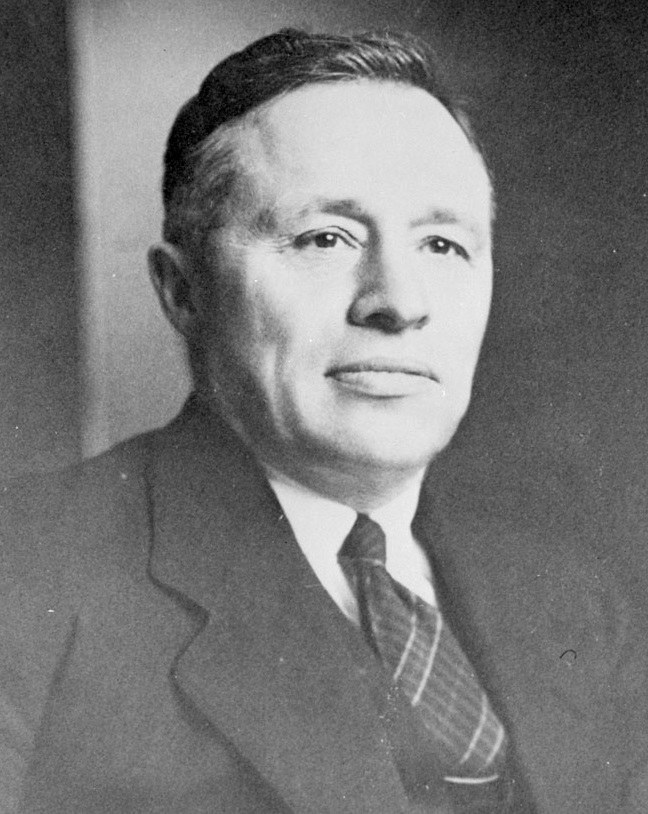
James Garfield Gardiner (Alexandra Studio, Library and Archives Canada).
CA-K739Institutions

Jimmy Gardiner, voice of the Prairie farmer

James Garfield “Jimmy” Gardiner, first elected to Saskatchewan’s legislature as a Liberal in 1914, was twice premier of the province and federal Minister of Agriculture from 1936 to 1957. A combative, intensely partisan politician, he was for years his party’s bulwark in the West and the voice of the Prairie farmer in Ottawa.

Factual accuracy review: No recorded challenge

Contributor: Citizen.ca

Verified against cited sourcesVerified on 2026-10-26↗
Photo: Alexandra Studio / Library and Archives Canada · Photo licence: Public domain · Credit & context
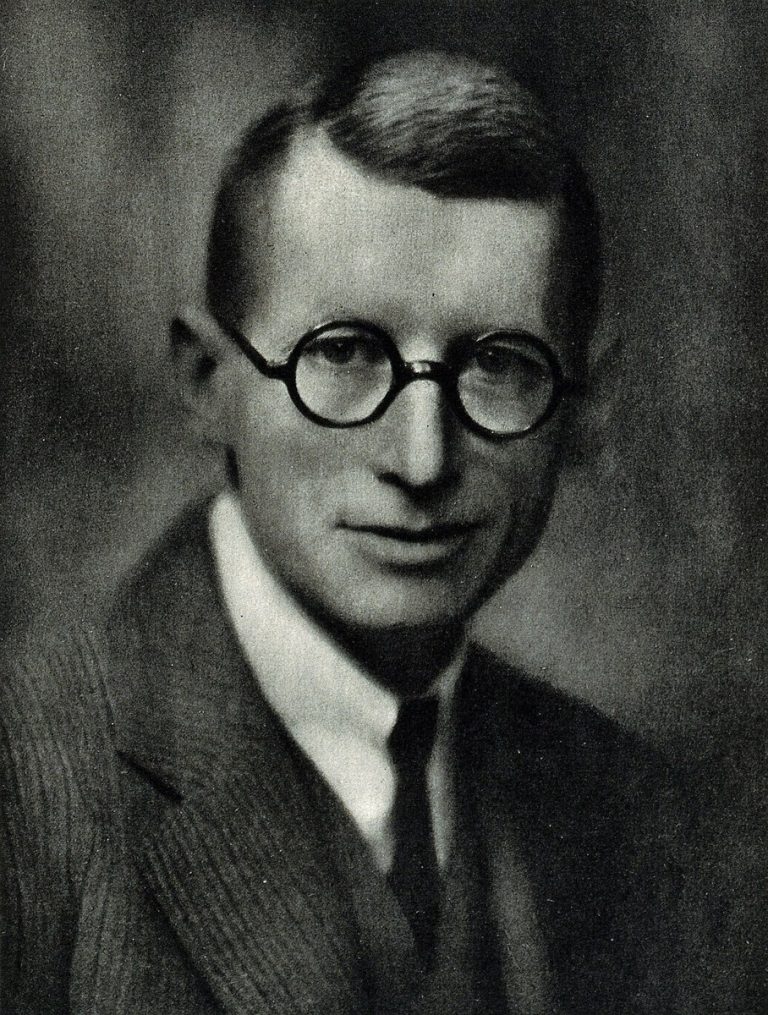
Davidson Black, photogravure (Wellcome Collection).
CA-K738History

Davidson Black and “Peking Man”

Davidson Black, born and educated in Toronto, turned from medicine to the study of fossil humans and took a post at Peking Union Medical College after the First World War. In 1927, from a fossil tooth found at Zhoukoudian, he described fossil material under the name Sinanthropus pekinensis, the “Peking Man”, a find later confirmed by excavations with Chinese and European scientists.

Factual accuracy review: No recorded challenge

Contributor: Citizen.ca

Verified against cited sourcesVerified on 2026-10-26↗
Photo: Photogravure; Wellcome Collection, V0026054 · Photo licence: CC BY 4.0 · Credit & context
George Browne, 1875 (Studio Inglis, BAnQ).
CA-K736Culture & sport

George Browne, architect of Kingston City Hall

George Browne, who emigrated from Belfast in 1830, became one of the most gifted architects of 19th-century Canada, known for an original mastery of Neoclassicism. His many commissions adapted the major styles of his time to local settings, and his imposing Kingston City Hall and civic buildings in Montréal and Québec City projected prosperity and strength.

Factual accuracy review: No recorded challenge

Contributor: Citizen.ca

Verified against cited sourcesVerified on 2026-10-26↗
Photo: Studio of Inglis (Montréal, Québec) · Photo licence: Public domain · Credit & context
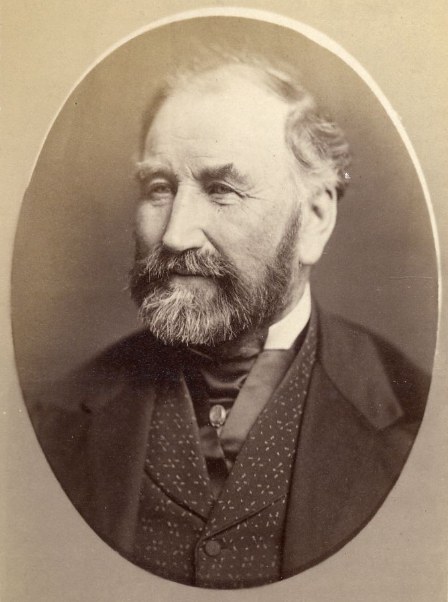
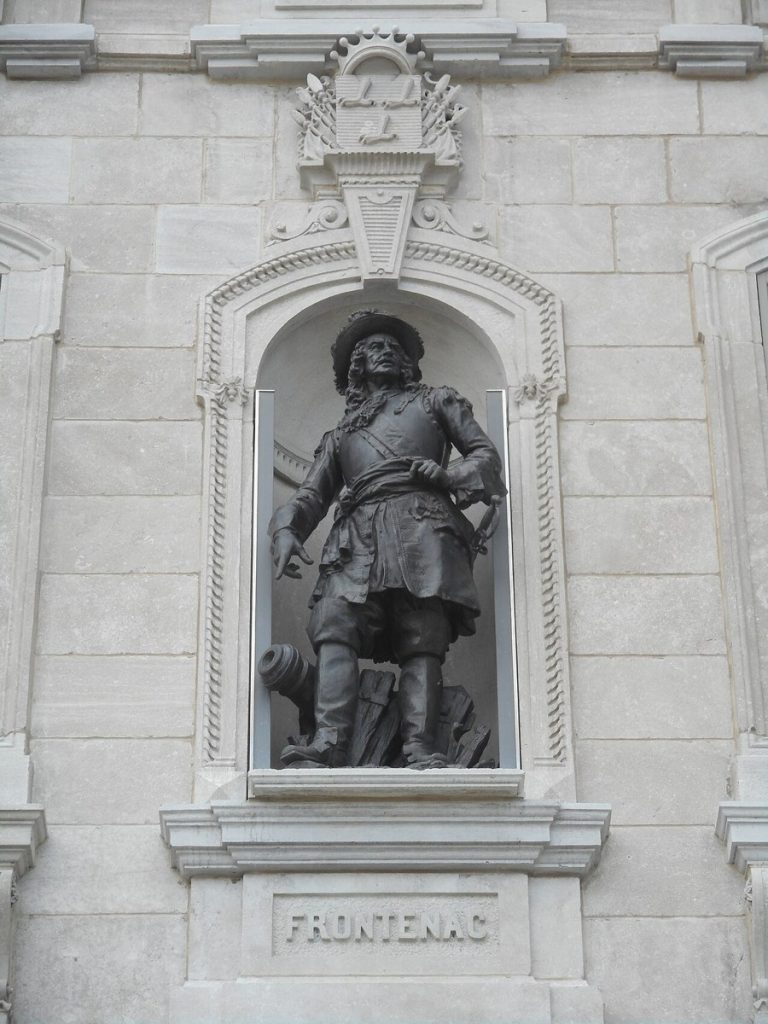
Statue of Frontenac on the façade of the Parliament Building, Québec City, 2015.
CA-K735History

Frontenac, governor of New France

Louis de Buade de Frontenac, governor of New France from 1672 to 1682 and 1689 to 1698, shaped the colony’s military destiny: he resisted the British attack of 1690 and invaded Haudenosaunee territory in 1696. To profit from the fur trade he defied policy against westward expansion, founding Fort Frontenac (Cataraqui) in 1673 and starting a network of posts; he remains a controversial, legendary figure.

Factual accuracy review: No recorded challenge

Contributor: Citizen.ca

Verified against cited sourcesVerified on 2026-10-26↗
Photo: Photo: Jean Gagnon · Photo licence: CC BY-SA 3.0 · Credit & context
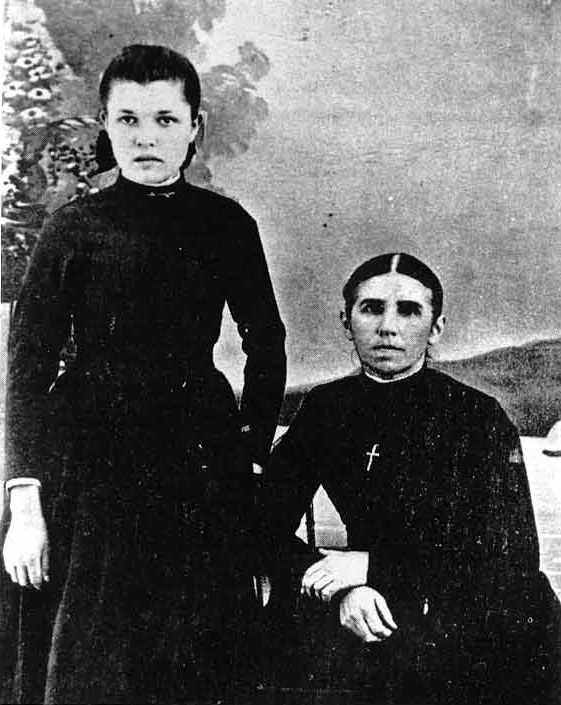
Onésime Dorval (seated) with her adopted daughter Georgine d’Amours, late 1800s.
CA-K721Institutions

Onésime Dorval, Saskatchewan’s first certified teacher

Onésime Dorval, born in Quebec, came west in 1877 and became Saskatchewan’s first certified teacher. For over 40 years she taught at Oblate missions in Manitoba and at St-Laurent-Grandin, Battleford, Batoche and Duck Lake, was a talented painter and woodworker, and is fondly remembered in Métis and francophone communities.

Factual accuracy review: No recorded challenge

Contributor: Citizen.ca

Verified against cited sourcesVerified on 2026-10-26↗
Photo: Unspecified; from St. Vital Parish, Battleford, Saskatchewan. · Photo licence: Public domain · Credit & context
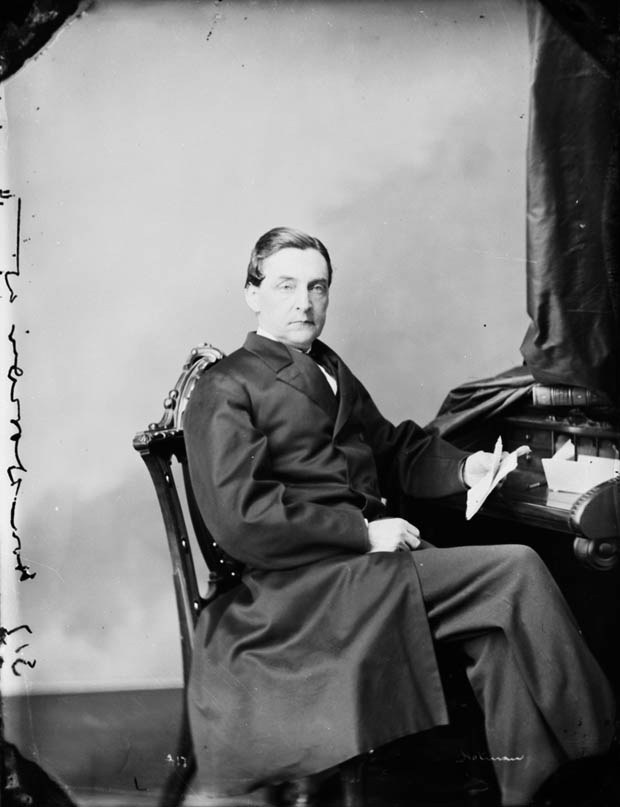
Antoine-Aimé Dorion, Ottawa, March 1868.
CA-K720Institutions

Sir Antoine-Aimé Dorion, Liberal leader and chief justice

Antoine-Aimé Dorion of Sainte-Anne-de-la-Pérade, a civil law professor and president of the Bar, succeeded Papineau as leader of the Liberals and co-led the Macdonald–Dorion ministry in 1863. Though he opposed Confederation, he became federal Minister of Justice under Mackenzie in 1873 and was chief justice of Quebec from 1874 until his death.

Factual accuracy review: No recorded challenge

Contributor: Citizen.ca

Verified against cited sourcesVerified on 2026-10-26↗
Photo: Unknown author · Photo licence: Public domain · Credit & context
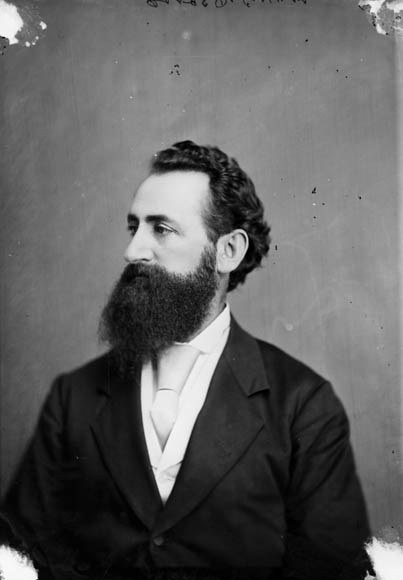
Amor De Cosmos, September 1874 (Library and Archives Canada).
CA-K719History

Amor De Cosmos, “lover of the universe”

Amor De Cosmos, born William Smith in Windsor, Nova Scotia, took his name in the California goldfields and in 1858 founded the opposition newspaper the Colonist in Victoria. For two decades his pen and oratory championed responsible government and Confederation; he sat in the colonial and federal legislatures and was premier of British Columbia from 1872 to 1874.

Factual accuracy review: No recorded challenge

Contributor: Citizen.ca

Verified against cited sourcesVerified on 2026-10-26↗
Photo: Unknown author · Photo licence: Public domain · Credit & context
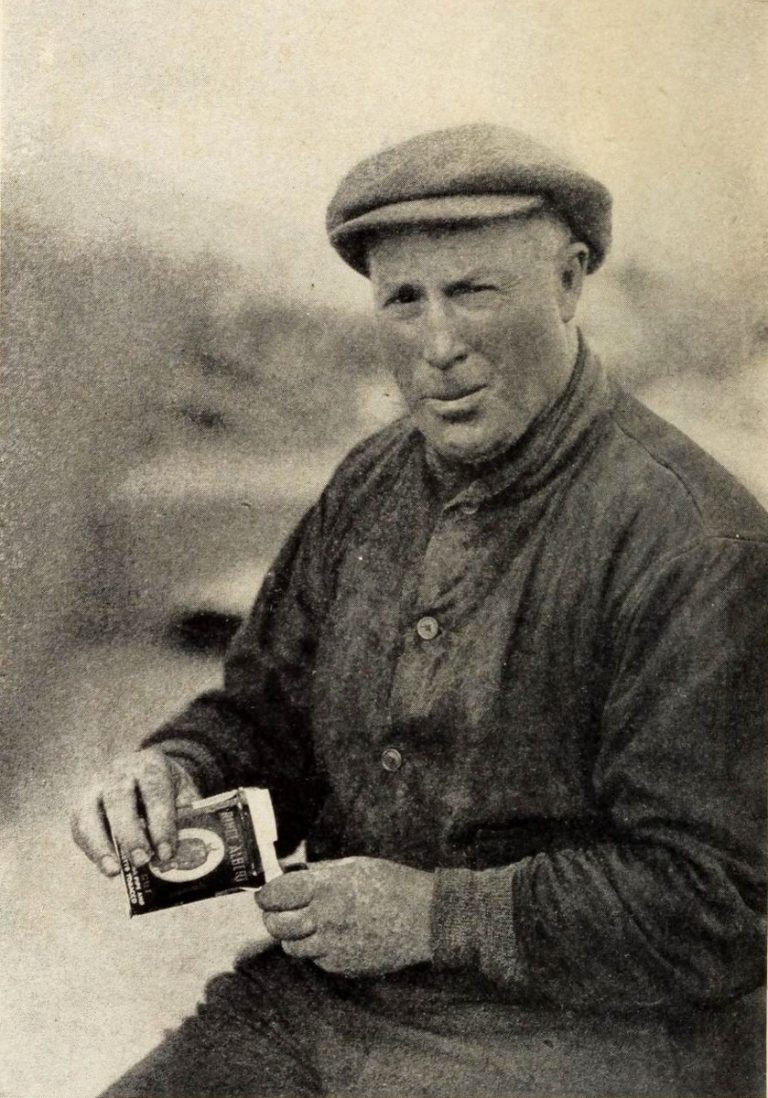
Captain Bob Bartlett, around 1926.
CA-K717Places & geography

Captain Bob Bartlett, Arctic navigator

Robert Abram “Captain Bob” Bartlett of Brigus, Newfoundland, commanded the Roosevelt on Peary’s 1905–1906 expedition, accompanied Peary to the last relay point on the 1908–1909 trek toward the Pole, and commanded the Karluk in the Canadian Arctic Expedition. From 1926 to 1945 his annual Arctic voyages contributed greatly to knowledge of northern waters and wildlife.

Factual accuracy review: No recorded challenge

Contributor: Citizen.ca

Verified against cited sourcesVerified on 2026-10-26↗
Photo: Unknown photographer · Photo licence: Public domain · Credit & context
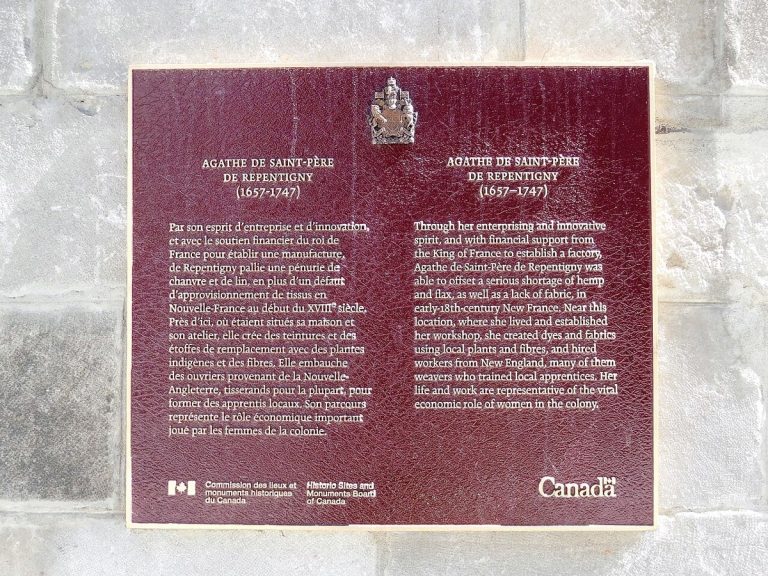
The commemorative plaque to Agathe de Saint-Père de Repentigny in Montréal, 2020.
CA-K715Economy & trade

Agathe de Saint-Père de Repentigny, textile entrepreneur of New France

Agathe de Saint-Père de Repentigny established a textile workshop in early-18th-century Montréal to address a shortage of fabric in New France. She developed dyes and cloth from local plants and fibres, and ransomed and hired English weavers who had been taken captive, pairing them with Canadian apprentices.

Factual accuracy review: No recorded challenge

Contributor: Citizen.ca

Verified against cited sourcesVerified on 2026-10-26↗
Photo: Jeangagnon · Photo licence: CC BY-SA 4.0 · Credit & context