An independent Canadian knowledge project

Focused and Verified

Canadian knowledge base

Search by keyword

Choose one keyword, or combine two. Broader keywords include their descendants.

Keywords: Places & geography

Clear search
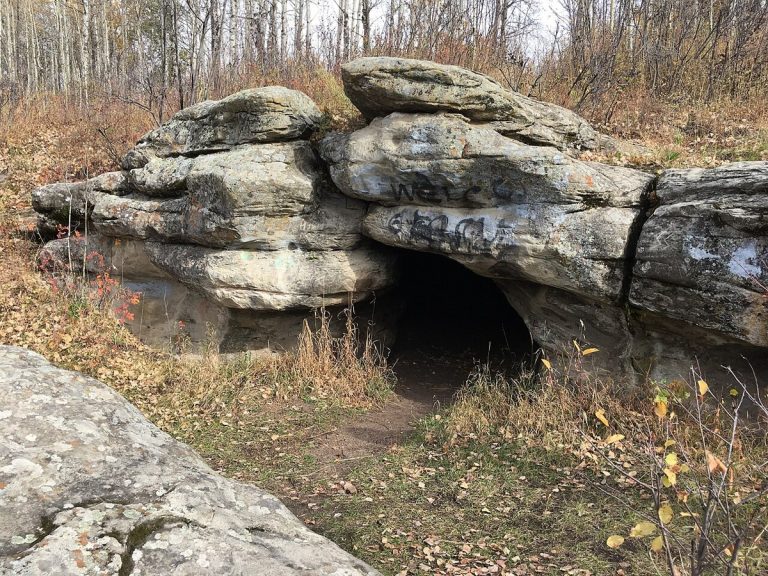
The front of the Tse’K’wa (Charlie Lake) cave, British Columbia, photographed in 2017.
CA-K305Indigenous peoples & reconciliation

Tse’K’wa, 12,500 years of human presence

Tse’K’wa, a cave near Fort St. John, British Columbia, in Dane-zaa traditional territory, holds a rare sequence of soil layers recording human settlement and environmental change from the end of the last glacial period, 12,500 years ago, to 1,000 years ago. Its lowest layers contained Palaeo-Indian stone tools, bones of late glacial animals, evidence of bison hunting and two nearly complete raven skeletons.

Factual accuracy review: No recorded challenge

Contributor: Citizen.ca

Verified against cited sourcesVerified on 2026-10-26↗
Photo: Breckenheimer · Photo licence: CC BY-SA 4.0 · Credit & context
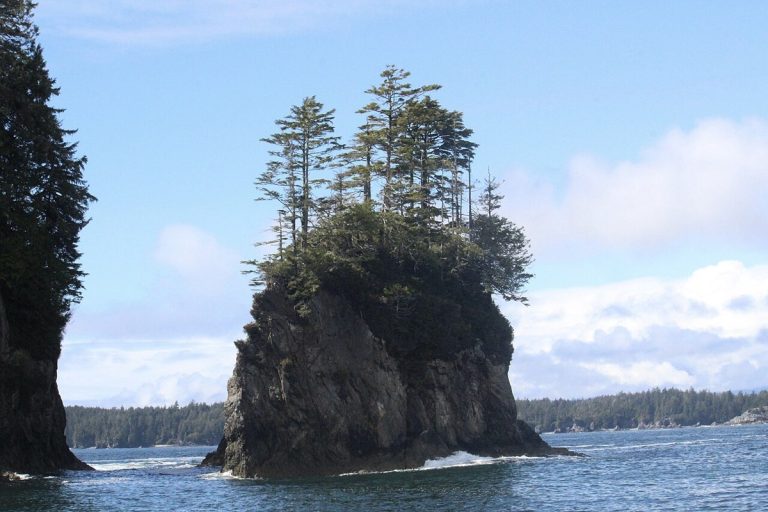
The beach at Kiix̣in National Historic Site, Vancouver Island, photographed in 2024.
CA-K303Indigenous peoples & reconciliation

Kiix̣in, the Huu-ay-aht capital village

Kiix̣in Village and Fortress, at Barkley Sound on Vancouver Island’s west coast, was the traditional capital village of the Huu-ay-aht, a Nuu-chah-nulth First Nation. Its archaeological remains record almost 3,000 years of occupation, and its surviving traditional architecture is rare on the southern British Columbia coast. The site remains sacred to the Huu-ay-aht.

Factual accuracy review: No recorded challenge

Contributor: Citizen.ca

Verified against cited sourcesVerified on 2026-10-26↗
Photo: Qwexcxewq · Photo licence: CC BY 4.0 · Credit & context
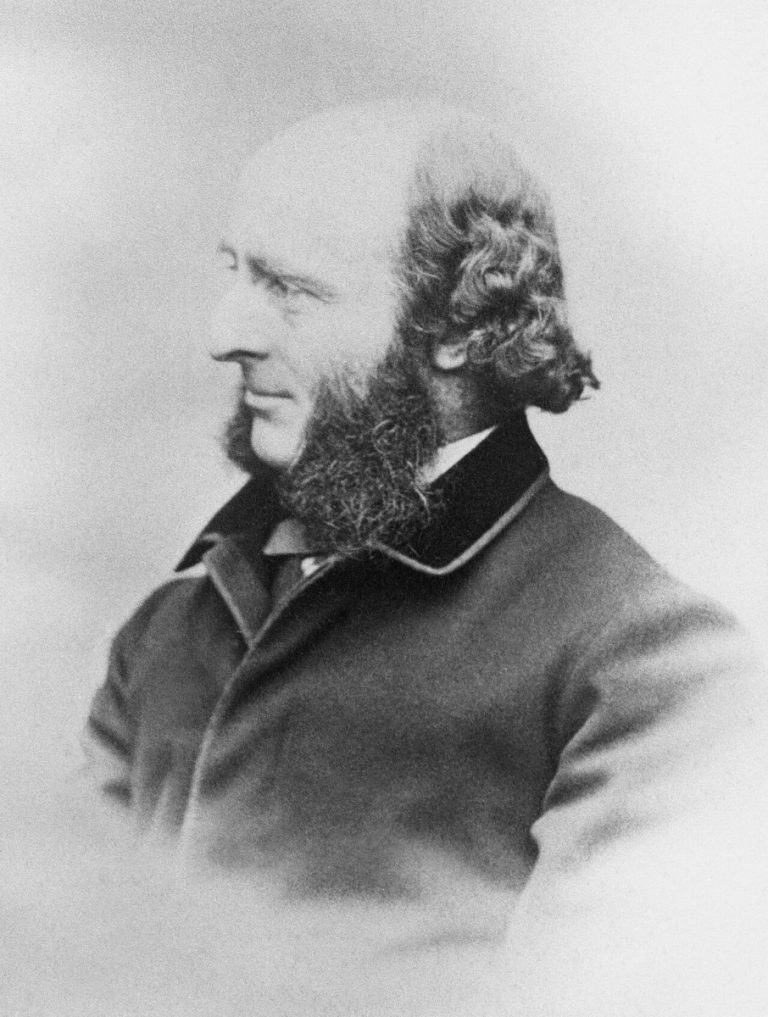
A portrait of Henry Youle Hind, about 1865.
CA-K288Places & geography

Henry Youle Hind’s surveys of the North-West

Henry Youle Hind (1823–1908), a scientist and explorer, led surveys of the North-West between 1857 and 1860 that produced scientific reports, photographs and maps. His reports on arable land helped shape Canada’s decision to pursue the acquisition of Rupert’s Land, a decision taken, as Parks Canada notes, without regard for Indigenous peoples.

Factual accuracy review: No recorded challenge

Contributor: Citizen.ca

Verified against cited sourcesVerified on 2026-10-26↗
Photo: Cox, A. W. · Photo licence: CC BY-SA 4.0 · Credit & context
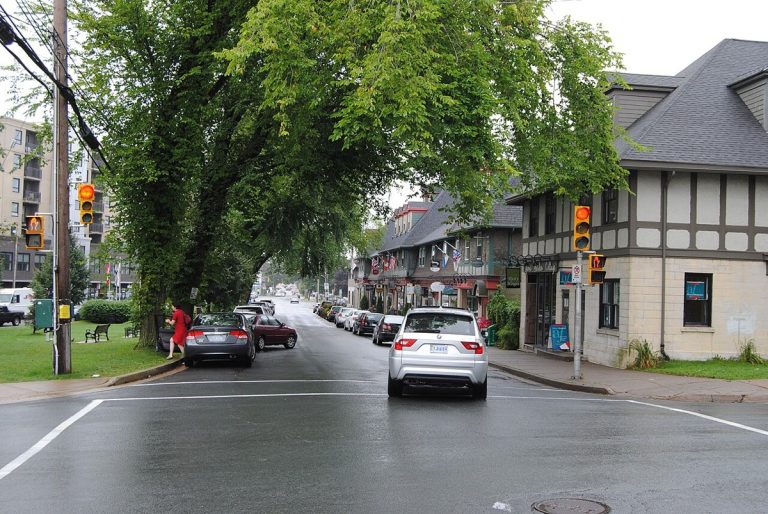
The Hydrostone district in Halifax, Nova Scotia, photographed in 2011.
CA-K287Institutions

Thomas Adams and the Hydrostone

Thomas Adams (1871–1940), a leading town planner in early-20th-century Canada, influenced provincial planning laws in seven provinces and led the early professionalization of planning. He designed public housing projects such as Lindenlea in Ottawa and the Hydrostone district of Halifax, planned to rebuild the Richmond neighbourhood after the 1917 Halifax Explosion.

Factual accuracy review: No recorded challenge

Contributor: Citizen.ca

Verified against cited sourcesVerified on 2026-10-26↗
Photo: Paul from Hacketts Cove, Canada · Photo licence: CC BY 2.0 · Credit & context
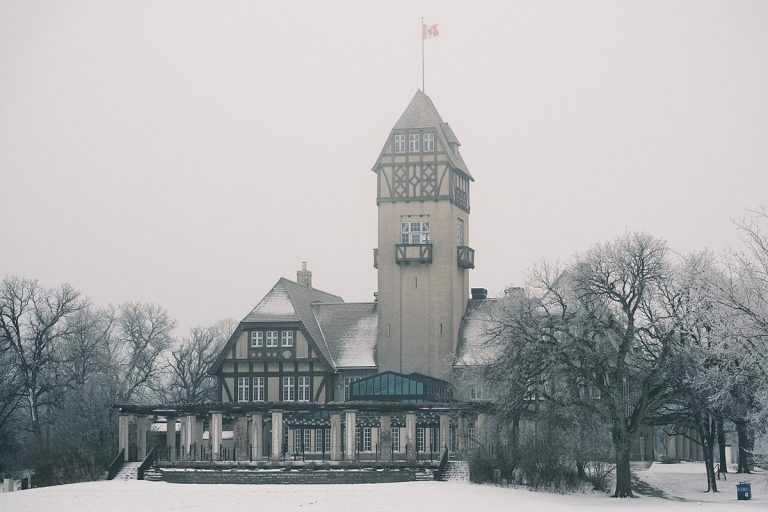
Bowring Park in St. John’s, Newfoundland and Labrador, at sunset in 2011.
CA-K286Culture & sport

Frederick Todd, Canada’s first professional landscape architect

Frederick Gage Todd (1876–1948), Canada’s first professional landscape architect, trained with the Olmsted firm and designed beloved parks including Assiniboine Park in Winnipeg, Bowring Park in St. John’s and the Plains of Abraham battlefields park in Québec City. His 1903 plan for Ottawa influenced every later plan for the capital.

Factual accuracy review: No recorded challenge

Contributor: Citizen.ca

Verified against cited sourcesVerified on 2026-10-26↗
Photo: Sivaprasad.ucc · Photo licence: CC BY-SA 3.0 · Credit & context
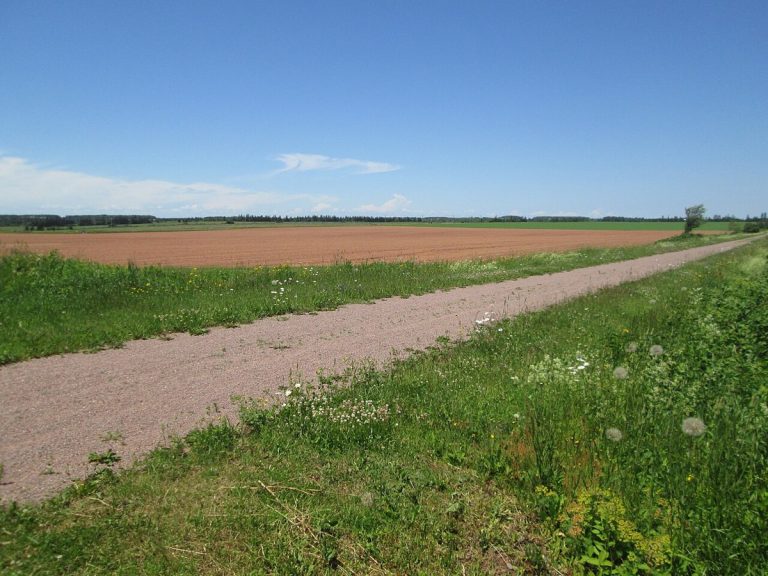
The Confederation Trail, on the former railway roadbed, at Freetown, Prince Edward Island, in 2017.
CA-K284History

The Prince Edward Island Railway and Confederation

The Prince Edward Island Railway was built between 1871 and 1875 to bring economic growth and better communications. Its costs threatened the colony with bankruptcy, and in 1873, after Ottawa agreed to pay for completing the line, Prince Edward Island joined Confederation; after service ended, its roadbed became part of the Confederation Trail.

Factual accuracy review: No recorded challenge

Contributor: Citizen.ca

Verified against cited sourcesVerified on 2026-10-26↗
Photo: Larry from Charlottetown, PEI, Canada · Photo licence: CC BY 2.0 · Credit & context
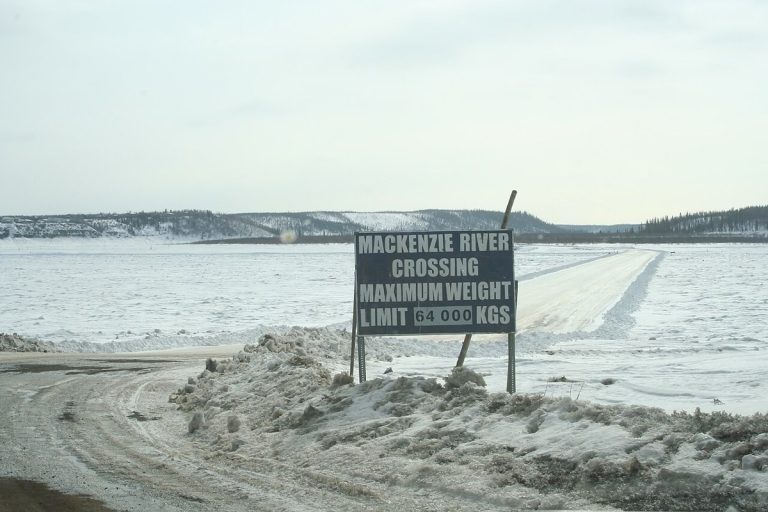
An ice road across the Mackenzie River at Tsiigehtchic, Northwest Territories, in 2008.
CA-K282Places & geography

Ice roads in the Northwest Territories

Engineered ice roads were introduced in the Northwest Territories after the Second World War. They made transporting essential goods more affordable, carried heavy equipment for mining and petrochemical industries, and provided winter land links to northern communities.

Factual accuracy review: No recorded challenge

Contributor: Citizen.ca

Verified against cited sourcesVerified on 2026-10-26↗
Photo: Ian Mackenzie · Photo licence: CC BY 2.0 · Credit & context
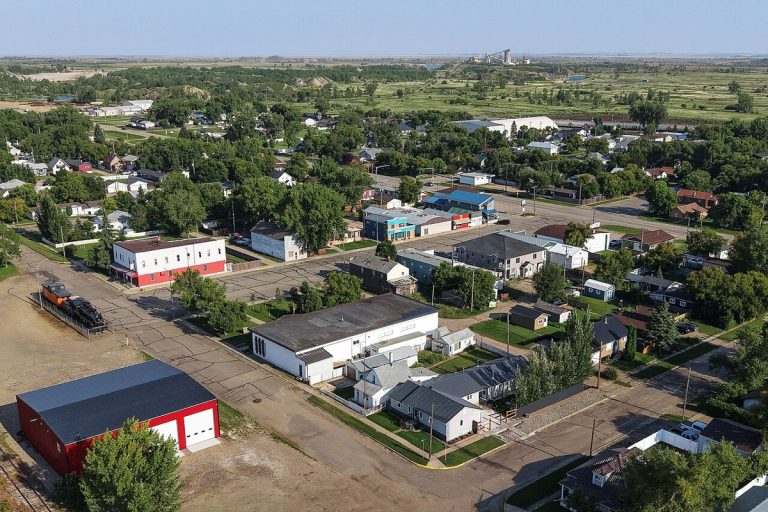
Bienfait, Saskatchewan, from the air in 2026.
CA-K279History

The 1931 Estevan strike and Black Tuesday

In September 1931, coal miners in Bienfait, Saskatchewan, went on a 30-day strike when mine owners refused to recognize their union. A motor cavalcade of strikers and supporters turned deadly in Estevan when police shot and killed three miners and injured 23 others; known as Black Tuesday, it remains a tragic legacy of the Depression.

Factual accuracy review: No recorded challenge

Contributor: Citizen.ca

Verified against cited sourcesVerified on 2026-10-26↗
Photo: Quintin Soloviev · Photo licence: CC BY 4.0 · Credit & context
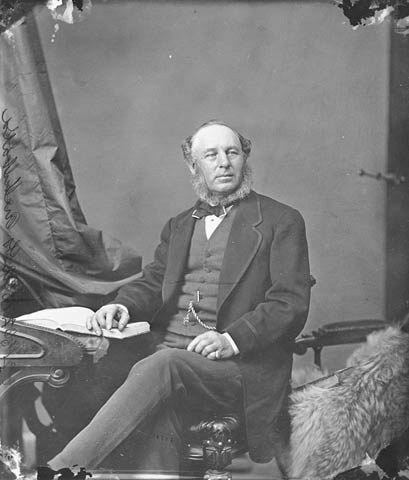
A portrait of Sir Adams George Archibald.
CA-K275Indigenous peoples & reconciliation

Adams Archibald, Métis land rights and Treaties 1 and 2

Adams George Archibald (1814–1892), first lieutenant-governor of Manitoba and the North-West Territories (1870–1872), was charged with administering the Manitoba Act’s guarantee of Métis land rights, which proved difficult amid settler encroachment and while Canadian militia subjected Métis people to a “reign of terror.” In 1871 he represented the Crown in negotiating Treaties 1 and 2, but several promises he made were not written into the treaties.

Factual accuracy review: No recorded challenge

Contributor: Citizen.ca

Verified against cited sourcesVerified on 2026-10-26↗
Photo: User Magnus Manske on en.wikipedia · Photo licence: Public domain · Credit & context
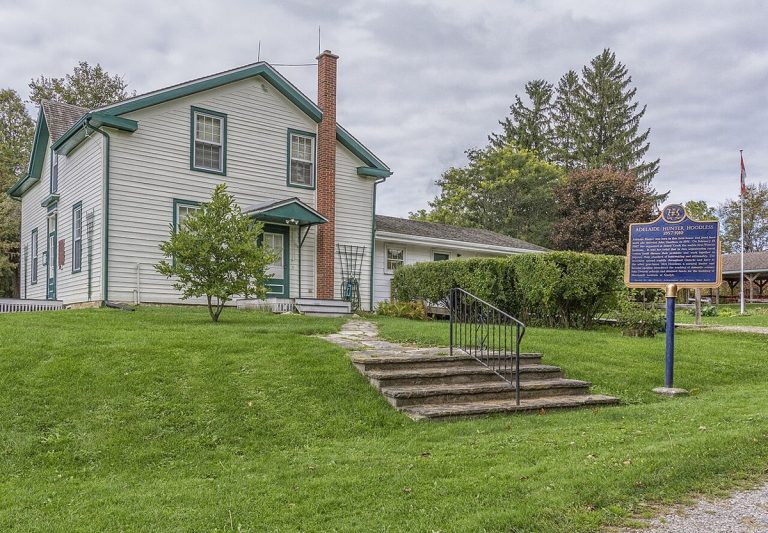
The Adelaide Hunter Hoodless Homestead in St. George, Ontario, photographed in 2014.
CA-K273History

Adelaide Hunter Hoodless, educator and reformer

Adelaide Hunter Hoodless (1857–1910), an educator and social reformer, promoted domestic economy as a school subject and helped establish household science institutes at Guelph, Sainte-Anne-de-Bellevue and Toronto. She supported women’s organizations including the National Council of Women and the Federated Women’s Institutes, and helped establish the Victorian Order of Nurses.

Factual accuracy review: No recorded challenge

Contributor: Citizen.ca

Verified against cited sourcesVerified on 2026-10-26↗
Photo: Paranoidpurist · Photo licence: CC BY-SA 3.0 · Credit & context
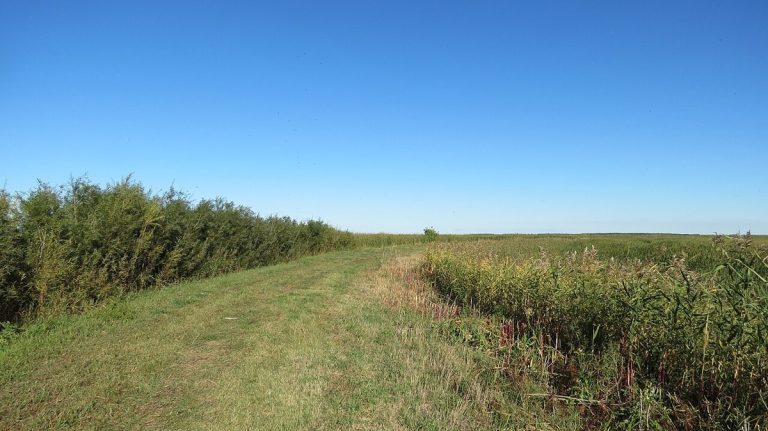
Oak Hammock Marsh near Stonewall, Manitoba, where the designation’s plaque stands, photographed in 2013.
CA-K272Places & geography

Ducks Unlimited Canada and wetland conservation

Ducks Unlimited Canada was founded in Winnipeg in 1938 by Canadian and American sportsmen responding to declining waterfowl populations and wetland loss. The organization helped develop wetland restoration and carried out one of the first large-scale surveys of breeding waterfowl, an early example of international, grassroots conservation.

Factual accuracy review: No recorded challenge

Contributor: Citizen.ca

Verified against cited sourcesVerified on 2026-10-26↗
Photo: Robert Linsdell from St. Andrews, Canada · Photo licence: CC BY 2.0 · Credit & context
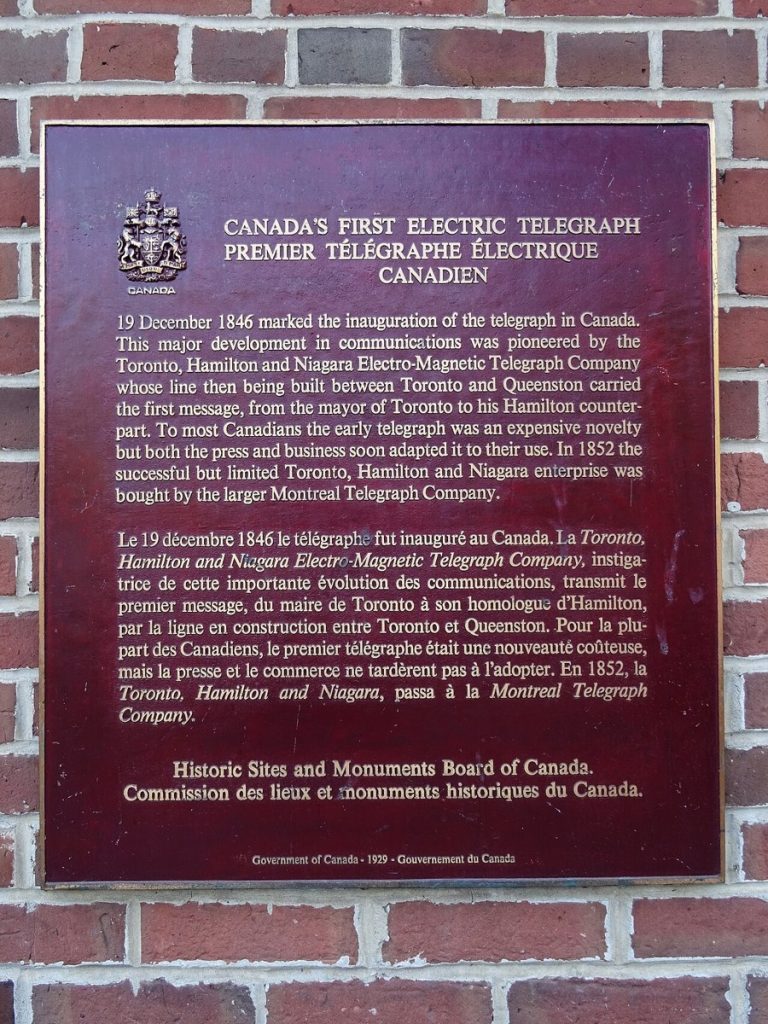
The Historic Sites and Monuments Board plaque for Canada’s First Electric Telegraph in Toronto, photographed in 2018.
CA-K270Economy & trade

Canada’s first electric telegraph, 1846

The telegraph was inaugurated in Canada on 19 December 1846, when the Toronto, Hamilton and Niagara Electro-Magnetic Telegraph Company’s line carried the first message, from the mayor of Toronto to the mayor of Hamilton. At first an expensive novelty, the telegraph was soon adopted by the press and business.

Factual accuracy review: No recorded challenge

Contributor: Citizen.ca

Verified against cited sourcesVerified on 2026-10-26↗
Photo: Spudgun67 · Photo licence: CC BY-SA 4.0 · Credit & context
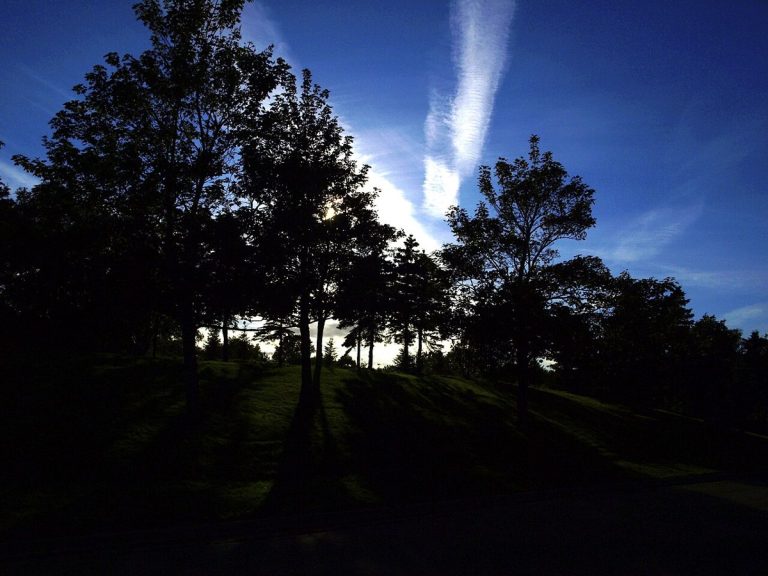
Maple Leaf Gardens at Church and Carlton streets, Toronto, photographed in 2016.
CA-K269Culture & sport

The Toronto Maple Leafs, an original NHL club

The Toronto Maple Leafs trace their origins to one of the first National Hockey League teams, formed in 1917; co-owner Conn Smythe renamed the St. Patricks the Maple Leafs in 1927 and built Maple Leaf Gardens during the Depression. Foster Hewitt’s broadcasts brought the team national attention, and it won 13 Stanley Cups between 1918 and 1967.

Factual accuracy review: No recorded challenge

Contributor: Citizen.ca

Verified against cited sourcesVerified on 2026-10-26↗
Photo: Jeff Hitchcock · Photo licence: CC BY 2.0 · Credit & context
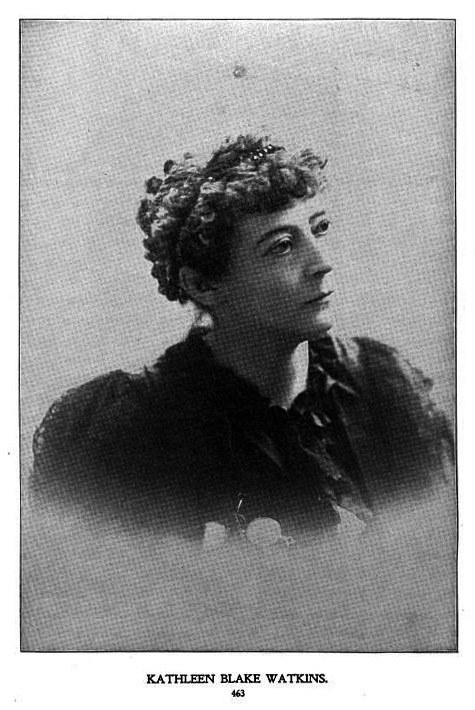
A portrait of Kathleen Blake Coleman, 1896.
CA-K263Culture & sport

Kit Coleman, pioneering journalist

Kathleen Blake Coleman (1856–1915), writing as “Kit,” ran the “Woman’s Kingdom” pages of Toronto’s Daily Mail, later the Mail and Empire, from 1889 to 1911, winning a wide following with her witty, irreverent style. As the first American-accredited woman war correspondent, she covered the Spanish-American War in Cuba in 1898.

Factual accuracy review: No recorded challenge

Contributor: Citizen.ca

Verified against cited sourcesVerified on 2026-10-26↗
Photo: Photographer unidentified · Photo licence: Public domain · Credit & context
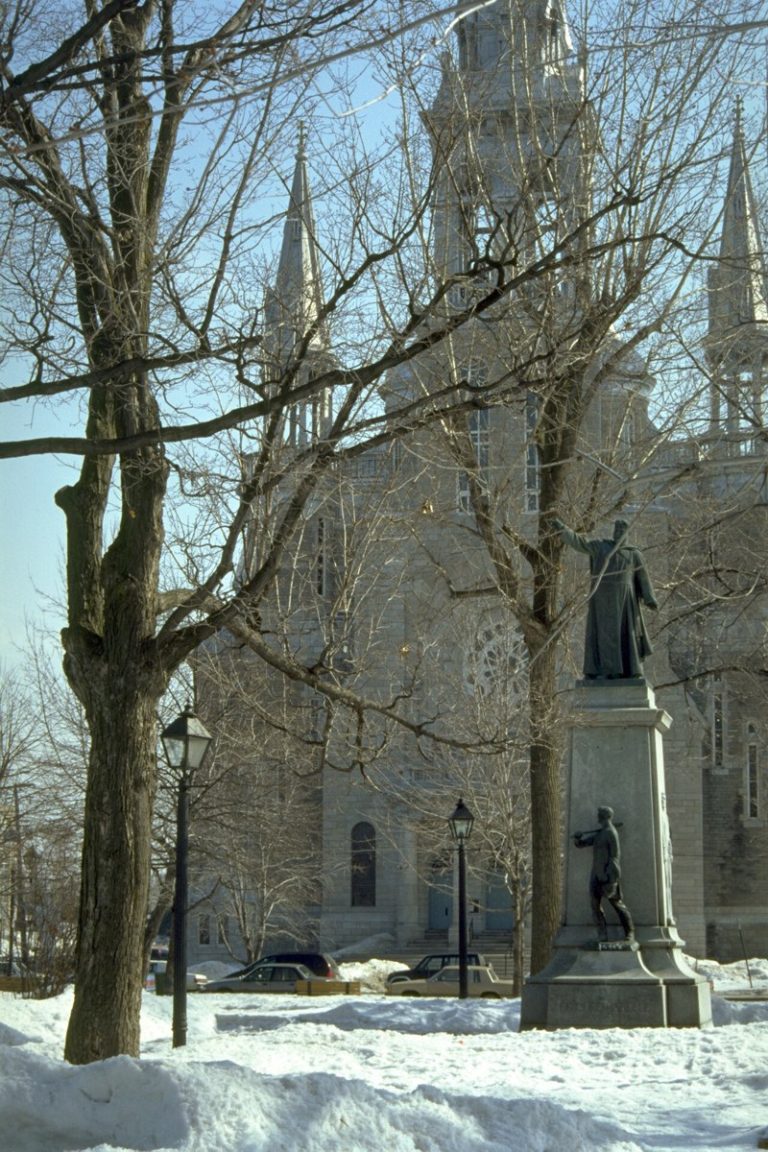
The cathedral and statue of Curé Labelle in Saint-Jérôme, Quebec, photographed in 2007.
CA-K262History

Curé Labelle, the “King of the North”

To curb French-Canadian emigration to the United States, Curé Antoine Labelle (1833–1891), parish priest of Saint-Jérôme, encouraged settlement in northwestern Quebec, northern Ontario and Manitoba. He played a key role in settling the Laurentians and developing their railways, served as Quebec’s deputy minister of agriculture and colonization, and is remembered as the “roi du Nord.”

Factual accuracy review: No recorded challenge

Contributor: Citizen.ca

Verified against cited sourcesVerified on 2026-10-26↗
Photo: Yvan leduc · Photo licence: CC BY-SA 3.0 · Credit & context
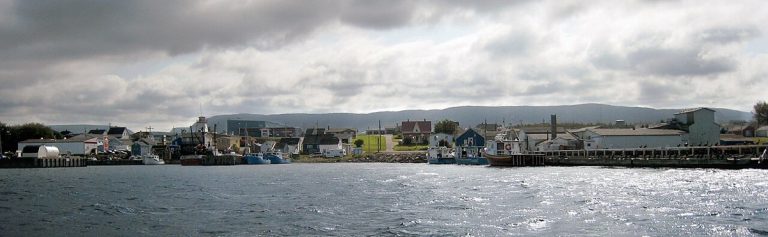
Chéticamp, Nova Scotia, seen from the water in 2009.
CA-K260History

Jeanne Dugas, Acadian co-founder of Chéticamp

Jeanne Dugas (1731–1817) and her family fled Île Royale (Cape Breton) to escape the 1758 deportation but were captured and imprisoned in Halifax. A midwife and keeper of Acadian stories, she co-founded Chéticamp around 1785; having lived through eight dislocations, she embodies the resilience of Acadian women through 50 years of upheaval.

Factual accuracy review: No recorded challenge

Contributor: Citizen.ca

Verified against cited sourcesVerified on 2026-10-26↗
Photo: Michael Sprague from Candler, North Carolina · Photo licence: CC BY-SA 2.0 · Credit & context
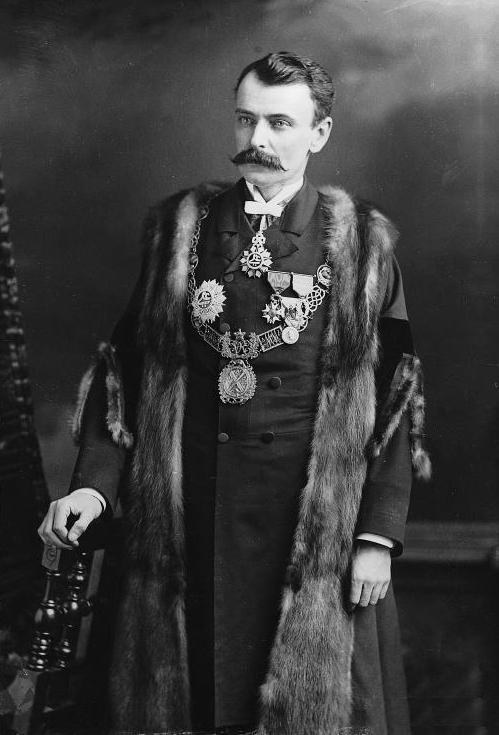
Honoré Beaugrand as mayor of Montréal, 1887, photographed by Wm. Notman & Son.
CA-K252Language & names

Honoré Beaugrand, La Patrie and La Chasse-galerie

Honoré Beaugrand (1848–1906), a free thinker who vigorously defended freedom of thought, headed French-language newspapers in the United States and Canada and founded La Patrie (1879–1978) in Montréal. As an author and publisher, he produced some of the earliest works of Franco-American literature, including La Chasse-galerie: Légendes canadiennes.

Factual accuracy review: No recorded challenge

Contributor: Citizen.ca

Verified against cited sourcesVerified on 2026-10-26↗
Photo: Wm. Notman & Son · Photo licence: Public domain · Credit & context
The RCMP Musical Ride performing in 2016.
CA-K247Symbols

The RCMP Musical Ride, first performed in 1887

The RCMP Musical Ride, a precision performance by scarlet-uniformed police on horseback set to music, was first performed in Regina in 1887 by the North-West Mounted Police. The RCMP has bred and trained black horses for the Ride since the 1940s, and it is one of the distinctive symbols of Canadian identity at home and abroad.

Factual accuracy review: No recorded challenge

Contributor: Citizen.ca

Verified against cited sourcesVerified on 2026-10-26↗
Photo: Andrea_44 from Leamington, Ontario , Canada · Photo licence: CC BY 2.0 · Credit & context
The Saskatchewan Legislative Building in Regina, photographed in 2025.
CA-K244History

The Saskatchewan doctors’ strike of 1962

When Saskatchewan’s Medical Care Insurance Act took effect on 1 July 1962, most of the province’s doctors went on strike for 23 days. Perhaps the most significant Canadian doctors’ strike of the 20th century, it exemplified conflicts in the development of medicare between state intervention and physicians’ independence, and between doctors as entrepreneurs and patients’ right to care regardless of income.

Factual accuracy review: No recorded challenge

Contributor: Citizen.ca

Verified against cited sourcesVerified on 2026-10-26↗
Photo: Quintin Soloviev · Photo licence: CC BY 4.0 · Credit & context
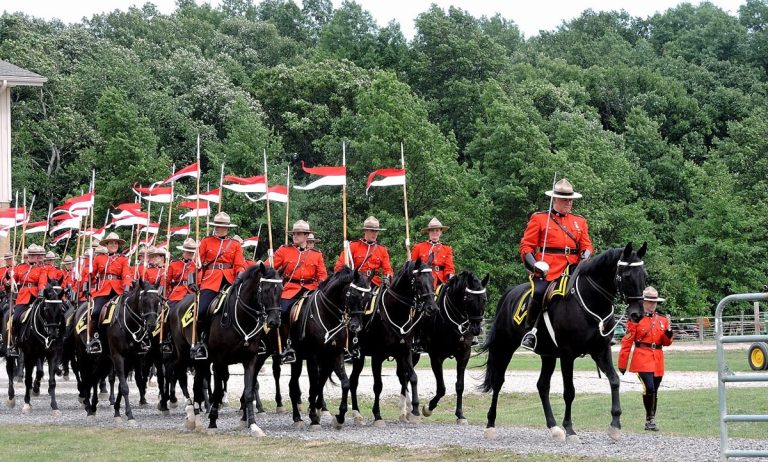
A Silver Dart display photographed in 2017; not the original 1909 aircraft.
CA-K242History

The Silver Dart made Canada’s first powered flight, 1909

On 23 February 1909, more than 100 people watched the Silver Dart lift off the ice of Baddeck Bay, Nova Scotia, and fly 800 metres: the first successful powered flight in Canada. Piloted by J. A. D. McCurdy, the biplane was built by the Aerial Experiment Association, founded by Mabel and Alexander Graham Bell (see CA-K154).

Factual accuracy review: No recorded challenge

Contributor: Citizen.ca

Verified against cited sourcesVerified on 2026-10-26↗
Photo: Dennis G. Jarvis · Photo licence: CC BY-SA 2.0 · Credit & context
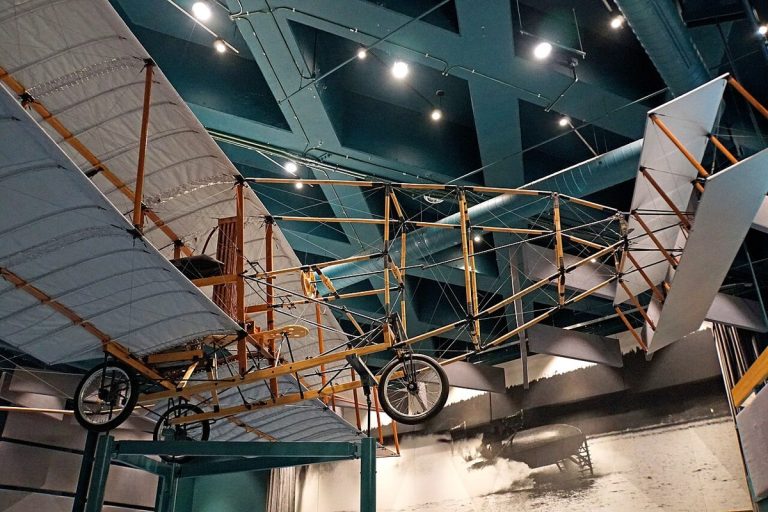
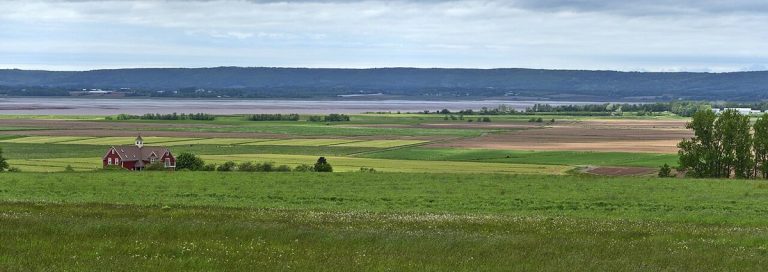
The Landscape of Grand Pré World Heritage Site, Nova Scotia, photographed in 2018.
CA-K240History

The Landscape of Grand Pré and its Acadian dykelands

The Landscape of Grand Pré in Nova Scotia, a UNESCO World Heritage Site since 2012, bears exceptional testimony to a farming settlement the Acadians created in the 17th century beside some of the world’s highest tides. They reclaimed land from the sea with dykes, aboiteaux and drainage, under a community-based management system still in use today.

Factual accuracy review: No recorded challenge

Contributor: Citizen.ca

Verified against cited sourcesVerified on 2026-10-26↗
Photo: Mykola Swarnyk · Photo licence: CC BY-SA 3.0 · Credit & context
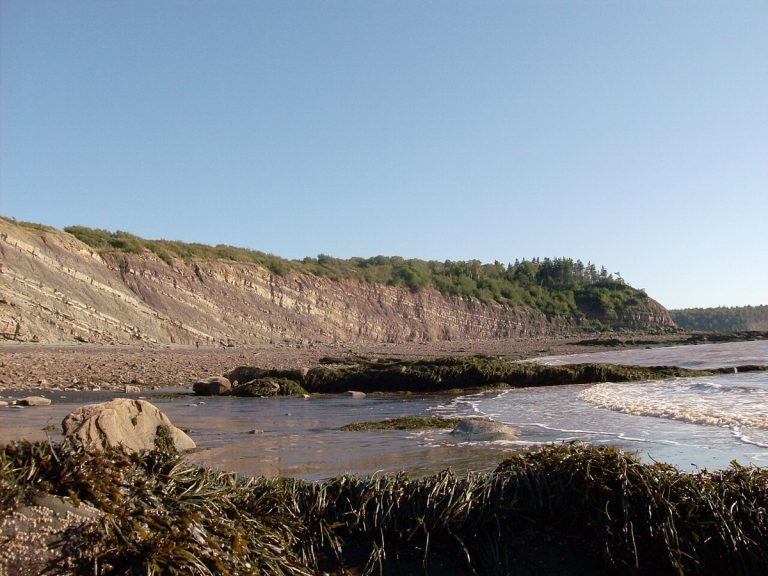
The Joggins Fossil Cliffs near Joggins, Nova Scotia, photographed in 2010.
CA-K239Places & geography

Joggins Fossil Cliffs, the “Coal Age Galápagos”

About 300 million years ago, the eastern shore of Chignecto Bay, on the Bay of Fundy, was a tropical wetland forest near the equator. The Joggins Fossil Cliffs in Nova Scotia, a UNESCO World Heritage Site since 2008, hold the best and most complete known fossil record of land life in the “Coal Age,” including the first reptiles in Earth’s history.

Factual accuracy review: No recorded challenge

Contributor: Citizen.ca

Verified against cited sourcesVerified on 2026-10-26↗
Photo: Gorob · Photo licence: CC BY-SA 3.0 · Credit & context
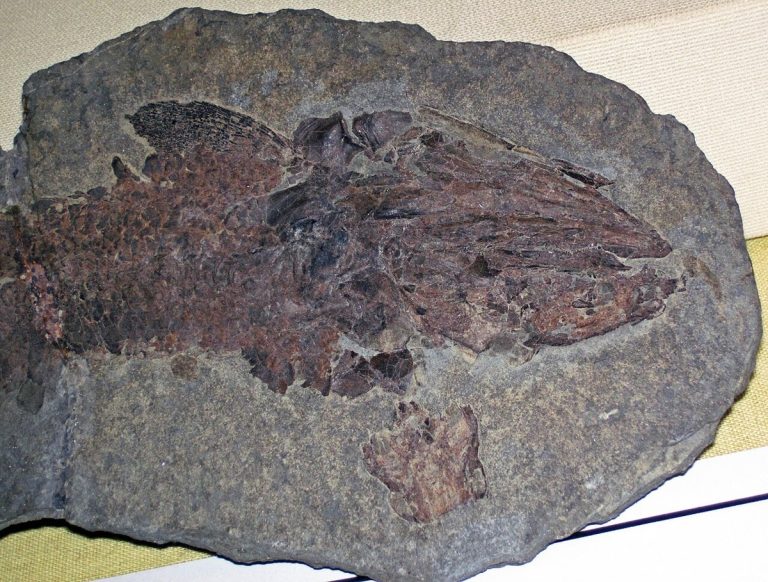
A fossil of the lobe-finned fish Eusthenopteron foordi from the Devonian of the Gaspé Peninsula, photographed in 2017.
CA-K238Places & geography

Miguasha and the “Age of Fishes”

Miguasha National Park, on Quebec’s Gaspé Peninsula, preserves fossils from about 370 million years ago, when the coast was a tropical estuary. A UNESCO World Heritage Site since 1999, it is described as the world’s most outstanding fossil site for illustrating the Devonian “Age of Fishes,” including lobe-finned fish linked to the evolution of four-limbed animals.

Factual accuracy review: No recorded challenge

Contributor: Citizen.ca

Verified against cited sourcesVerified on 2026-10-26↗
Photo: James St. John · Photo licence: CC BY 2.0 · Credit & context