An independent Canadian knowledge project

Focused and Verified

Canadian knowledge base

Search by keyword

Choose one keyword, or combine two. Broader keywords include their descendants.

Keywords: Provinces and territories

Clear search
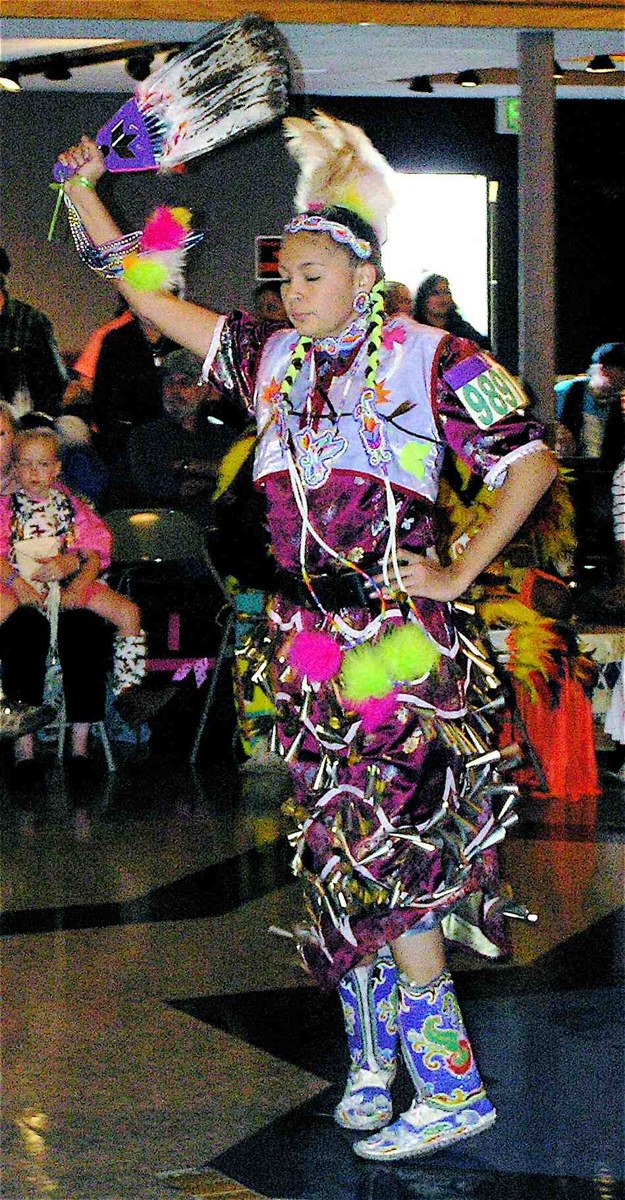
A jingle dress dancer at a community powwow in Helena, Montana, in 2007.
CA-K136Indigenous peoples & reconciliation

Shiibaashka’igan, the jingle dress

The shiibaashka’igan, or jingle dress, is a sacred Anishinaabe women’s dress and dance tradition, and each step of the dance is understood by some as a healing prayer. Its origins include Naotkamegwanning First Nation (Whitefish Bay) in northwestern Ontario and the Mille Lacs Ojibwe community in Minnesota.

Factual accuracy review: No recorded challenge

Contributor: Citizen.ca

Verified against cited sourcesVerified on 2026-10-26↗
Photo: Montanabw · Photo licence: CC BY-SA 3.0 · Credit & context
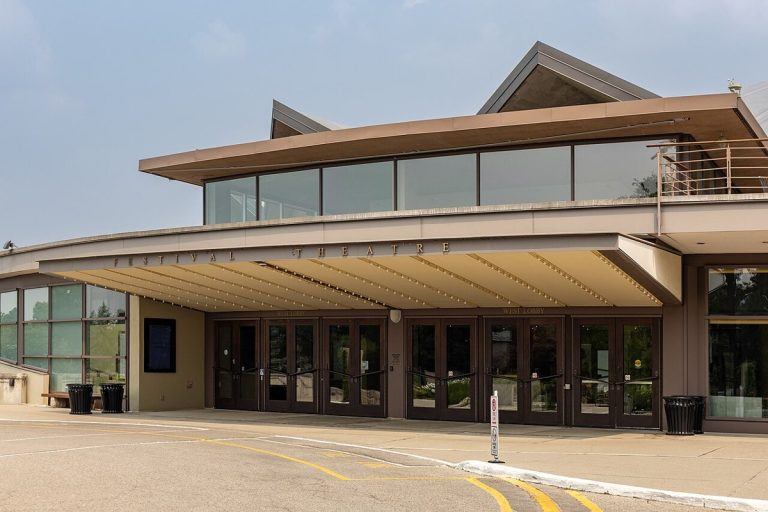
The west entrance of the Festival Theatre in Stratford, Ontario, in 2025.
CA-K132Culture & sport

The Stratford Festival began in 1953

In 1953, Tom Patterson launched an annual festival of Shakespearean theatre in his hometown of Stratford, Ontario. First artistic director Tyrone Guthrie and designer Tanya Moiseiwitsch created the Festival Theatre’s thrust stage, surrounded by the audience on three sides.

Factual accuracy review: No recorded challenge

Contributor: Citizen.ca

Verified against cited sourcesVerified on 2026-10-26↗
Photo: Chris Woodrich · Photo licence: CC BY-SA 4.0 · Credit & context
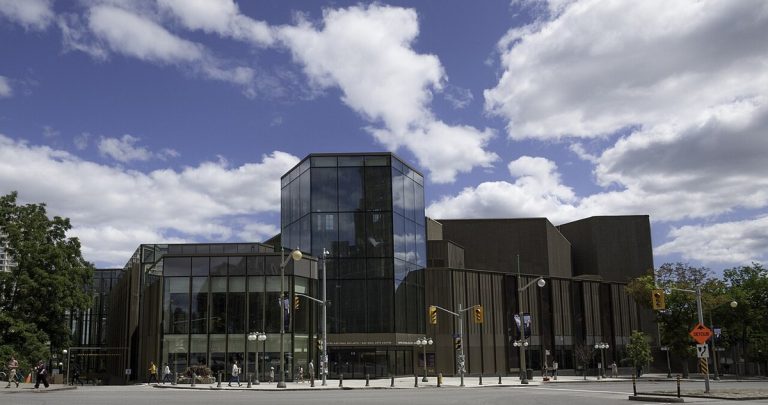
The renewed entrance and façade of the National Arts Centre, Ottawa, photographed in 2019.
CA-K129Culture & sport

The National Arts Centre opened in 1969

Canada’s National Arts Centre in Ottawa opened on 2 June 1969, two years after the centennial that inspired it. Built to produce and present music, opera, theatre and dance, it was designed to be bilingual, reflecting Canada’s linguistic duality.

Factual accuracy review: No recorded challenge

Contributor: Citizen.ca

Verified against cited sourcesVerified on 2026-10-26↗
Photo: Thelongdarkteatimeofthesoul · Photo licence: CC BY-SA 4.0 · Credit & context
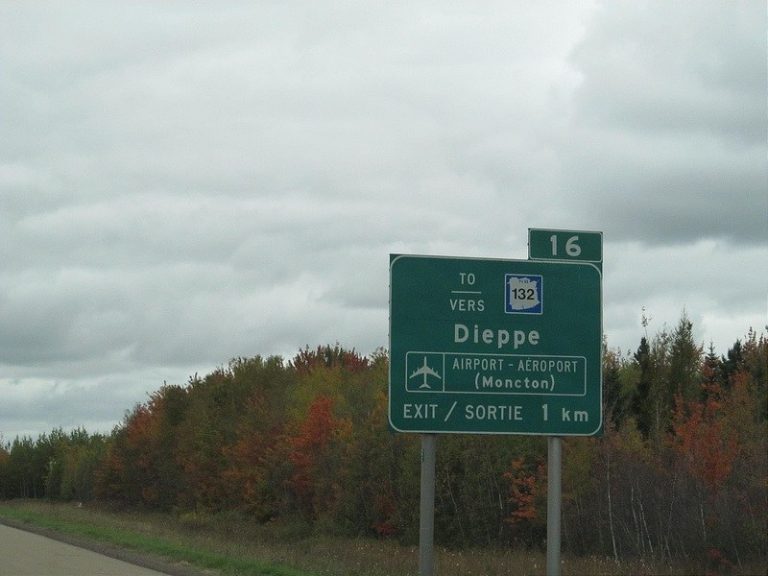
A bilingual road sign in New Brunswick pointing to Dieppe and the airport, photographed in 2012.
CA-K127Language & names

New Brunswick, Canada’s only officially bilingual province

New Brunswick’s first Official Languages Act, enacted on 18 April 1969, made it Canada’s first and only officially bilingual province. The Act made English and French the province’s two official languages and recognized the right to receive provincial government services in either.

Factual accuracy review: No recorded challenge

Contributor: Citizen.ca

Verified against cited sourcesVerified on 2026-10-26↗
Photo: Doug Kerr · Photo licence: CC BY-SA 2.0 · Credit & context
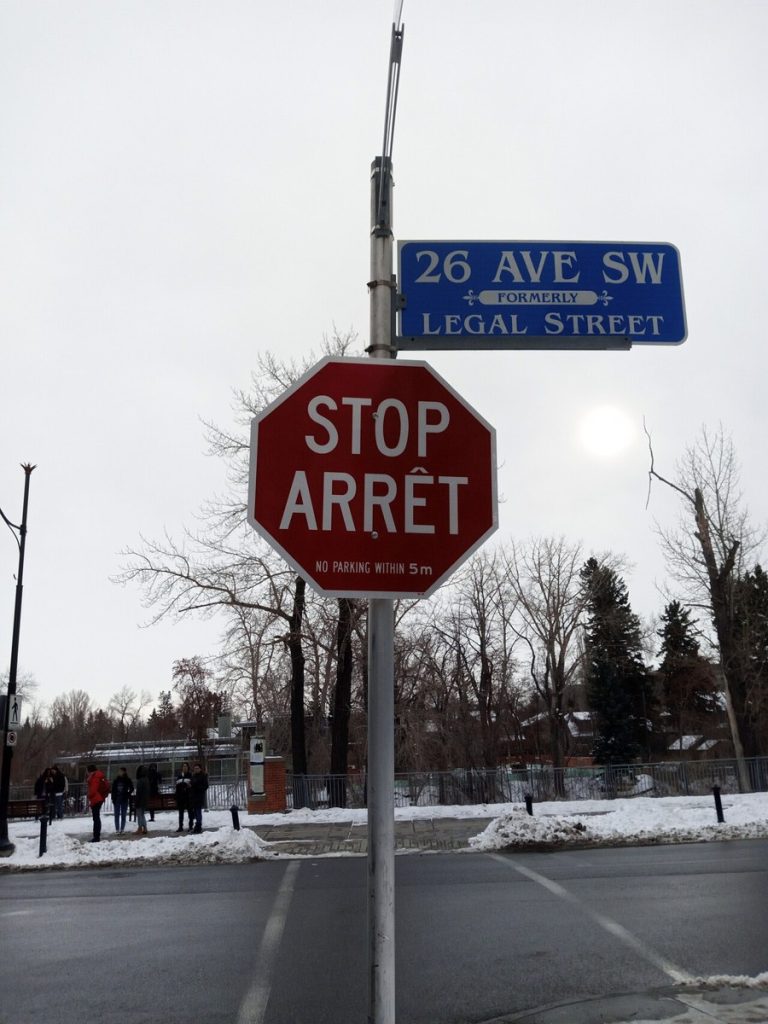
A bilingual STOP/ARRÊT sign in Rouleauville, photographed in 2020.
CA-K126Language & names

18% of Canadians are English–French bilingual

In the 2021 Census, 18.0% of Canadians could speak both English and French; in Quebec, the rate was 46.4%. English is a minority language in Quebec, while French is a minority language in the other provinces and territories and in Canada as a whole.

Factual accuracy review: No recorded challenge

Contributor: Citizen.ca

Verified against cited sourcesVerified on 2026-10-26↗
Photo: WCL20 Lycée Louis Pasteur Justemila · Photo licence: CC BY-SA 4.0 · Credit & context
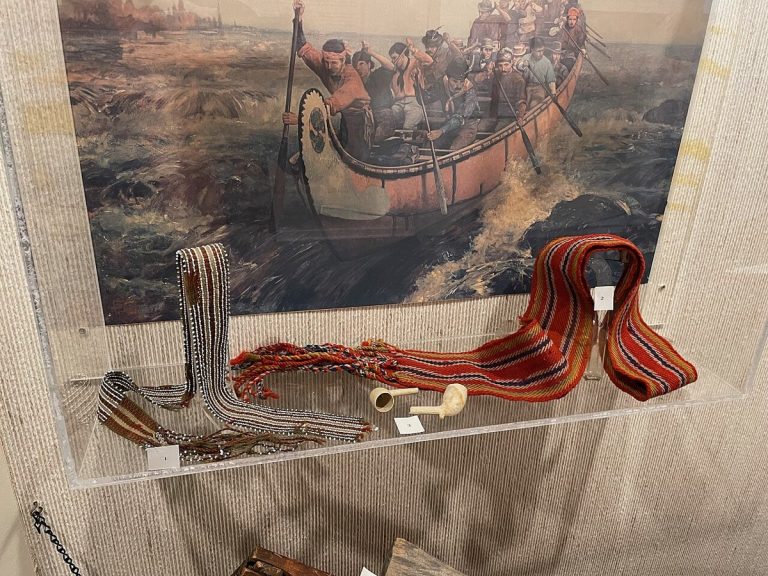
A beaded Métis sash and a ceinture fléchée (woven sash) on display at a museum in Sault Ste. Marie, Ontario, in 2024.
CA-K123Indigenous peoples & reconciliation

The Métis Nation emerged in the historic Northwest

The Métis Nation emerged in the historic Northwest during the fur trade as a distinct Indigenous people with its own culture, traditions, language (Michif) and nationhood. The Métis Nation Homeland includes Manitoba, Saskatchewan and Alberta and parts of Ontario, British Columbia, the Northwest Territories and the northern United States.

Factual accuracy review: No recorded challenge

Contributor: Citizen.ca

Verified against cited sourcesVerified on 2026-10-26↗
Photo: Fungus Guy · Photo licence: CC BY 4.0 · Credit & context
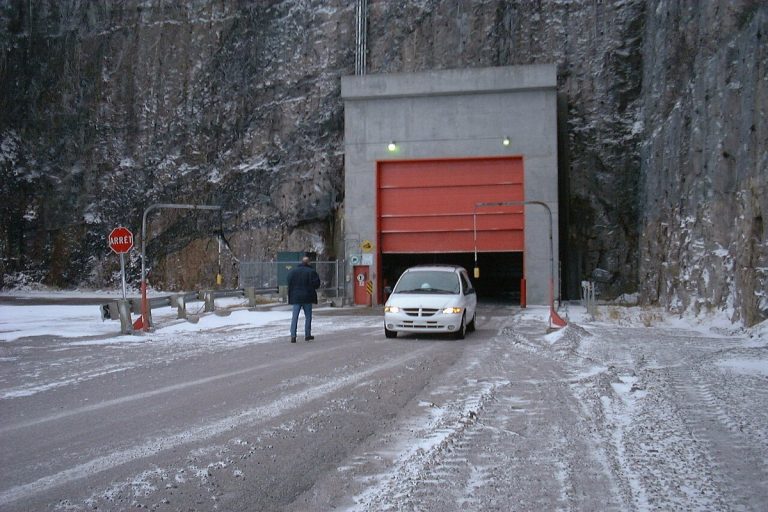
The entrance to the underground Robert-Bourassa generating station, part of the James Bay hydroelectric development, in 2000.
CA-K122Indigenous peoples & reconciliation

The James Bay and Northern Quebec Agreement, 1975

The James Bay and Northern Quebec Agreement was signed on 11 November 1975 by the Cree Nation of Eeyou Istchee, the Inuit of Nunavik, Canada, Quebec and Hydro-Québec, after Cree and Inuit court challenges to the James Bay hydroelectric project. The Cree Nation Government describes it as the first modern Indigenous land claim agreement and treaty in Canada.

Factual accuracy review: No recorded challenge

Contributor: Citizen.ca

Verified against cited sourcesVerified on 2026-10-26↗
Photo: Peter Van den Bossche · Photo licence: CC BY-SA 2.0 · Credit & context
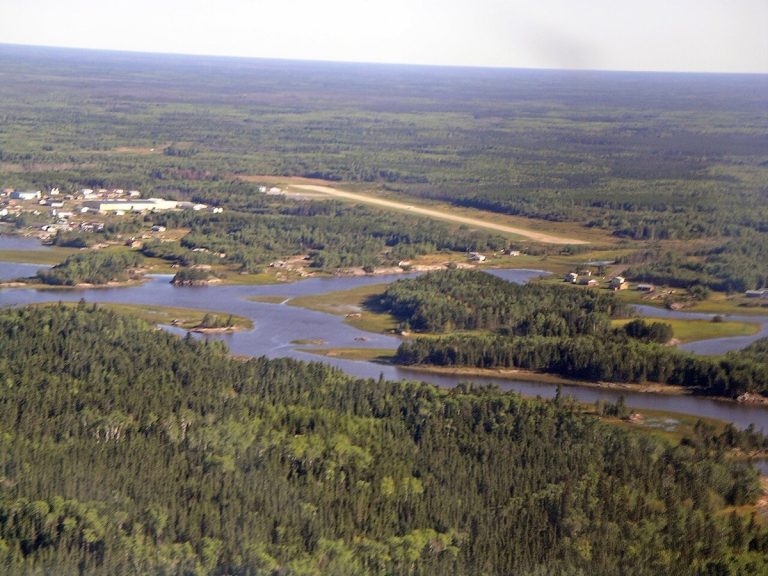
A First Nations community at Bloodvein River on Lake Winnipeg, Manitoba, in 2003; a view of the wider region, not the World Heritage property itself.
CA-K120Indigenous peoples & reconciliation

Pimachiowin Aki, “the land that gives life”

Pimachiowin Aki, Anishinaabemowin (Ojibwe) for “the land that gives life,” is a boreal forest in Manitoba and Ontario under Indigenous stewardship. Inscribed in 2018, it is Canada’s first mixed (natural and cultural) World Heritage property and testifies to the Anishinaabe tradition of Ji-ganawendamang Gidakiiminaan (Keeping the Land).

Factual accuracy review: No recorded challenge

Contributor: Citizen.ca

Verified against cited sourcesVerified on 2026-10-26↗
Photo: Timkal · Photo licence: CC BY-SA 3.0 · Credit & context
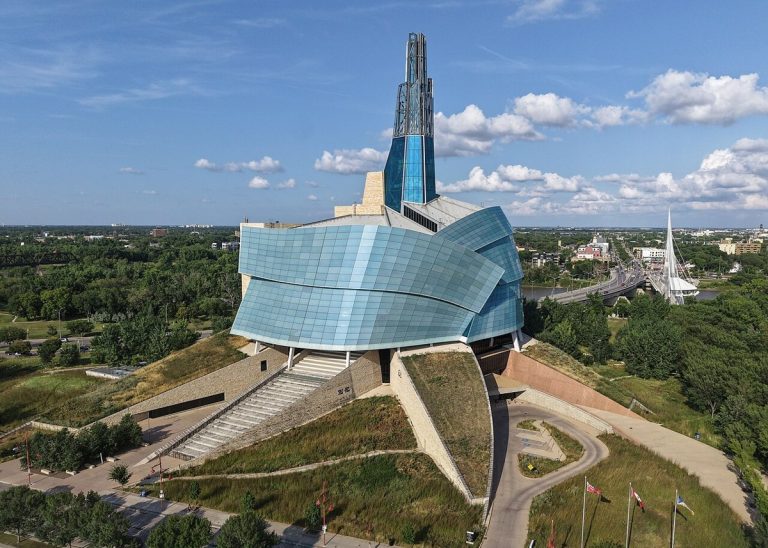
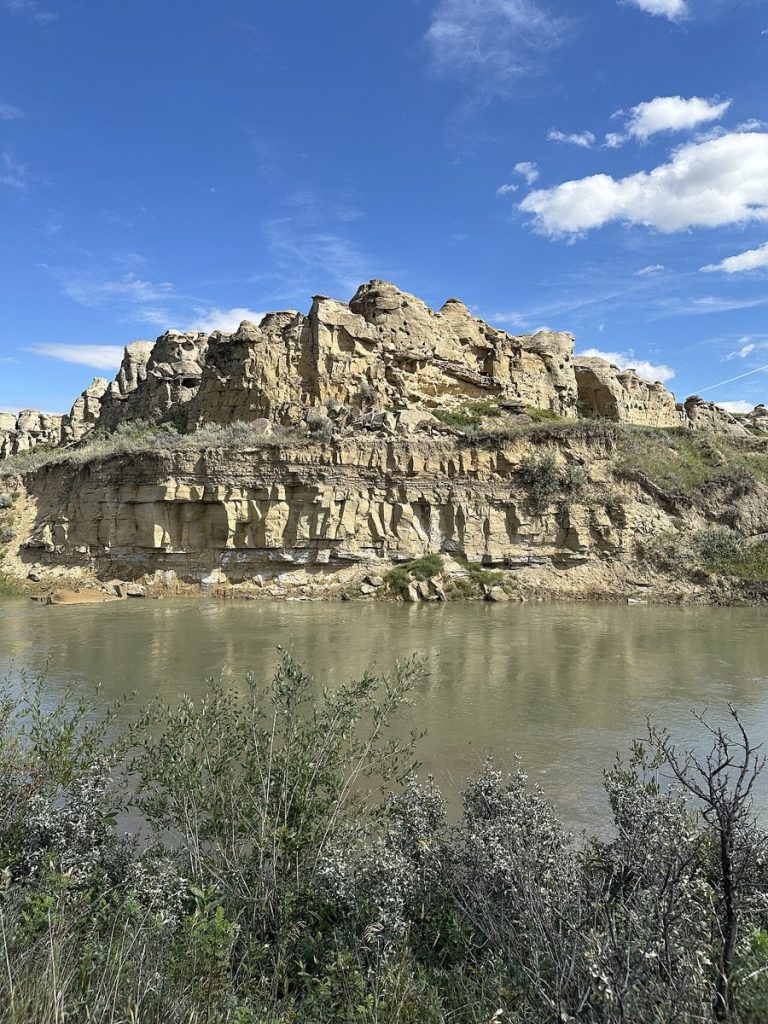
The Milk River and hoodoos at Writing-on-Stone Provincial Park, Alberta, in 2025; it does not show the rock art.
CA-K119Indigenous peoples & reconciliation

Writing-on-Stone / Áísínai’pi, a sacred Blackfoot landscape

Writing-on-Stone / Áísínai’pi, in Alberta’s Milk River Valley, is a sacred site where the Blackfoot (Siksikáítsitapi) left engravings and paintings on the sandstone walls. The landscape remains sacred to the Blackfoot and was inscribed as a UNESCO World Heritage Site in 2019.

Factual accuracy review: No recorded challenge

Contributor: Citizen.ca

Verified against cited sourcesVerified on 2026-10-26↗
Photo: Nodin Cutfeet · Photo licence: CC BY 4.0 · Credit & context
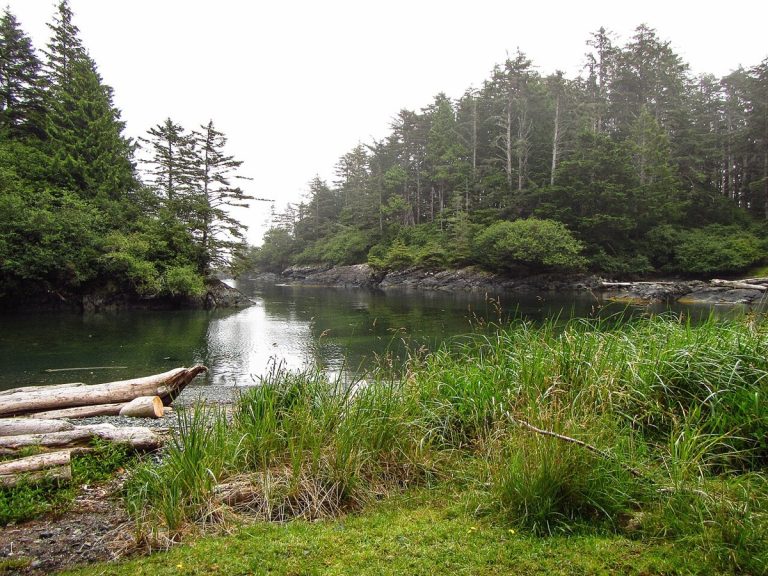
A wooded coastal view at SG̱ang Gwaay Llnagaay, photographed in 2016; the photograph does not show the village’s poles.
CA-K118Indigenous peoples & reconciliation

SG̱ang Gwaay: a Haida village and its poles

SG̱ang Gwaay Llnagaay (Nan Sdins), on an island at the southern tip of Haida Gwaii, British Columbia, bears unique testimony to Haida culture. The 19th-century village keeps the remains of 10 houses and 32 memorial or mortuary poles, and was inscribed as a UNESCO World Heritage Site in 1981.

Factual accuracy review: No recorded challenge

Contributor: Citizen.ca

Verified against cited sourcesVerified on 2026-10-26↗
Photo: Yvrsigmatech · Photo licence: Public domain · Credit & context
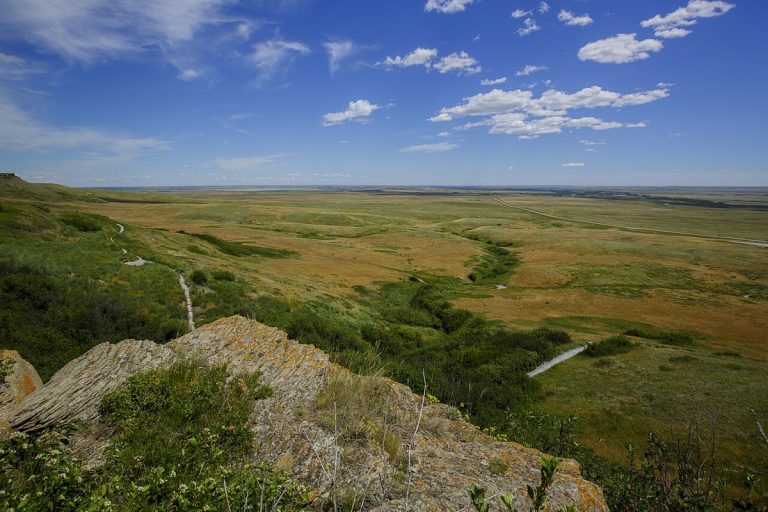
Head-Smashed-In Buffalo Jump World Heritage Site, Alberta, photographed in 2017.
CA-K117Indigenous peoples & reconciliation

Head-Smashed-In Buffalo Jump

Head-Smashed-In Buffalo Jump (estipah-skikikini-kots in Blackfoot), in southwestern Alberta, is the biggest, oldest and best-preserved buffalo jump in North America. Plains peoples drove bison over its cliffs for perhaps 5,700 years, until the mid-19th century; it became a UNESCO World Heritage Site in 1981.

Factual accuracy review: No recorded challenge

Contributor: Citizen.ca

Verified against cited sourcesVerified on 2026-10-26↗
Photo: Thomas Fuhrmann · Photo licence: CC BY-SA 4.0 · Credit & context
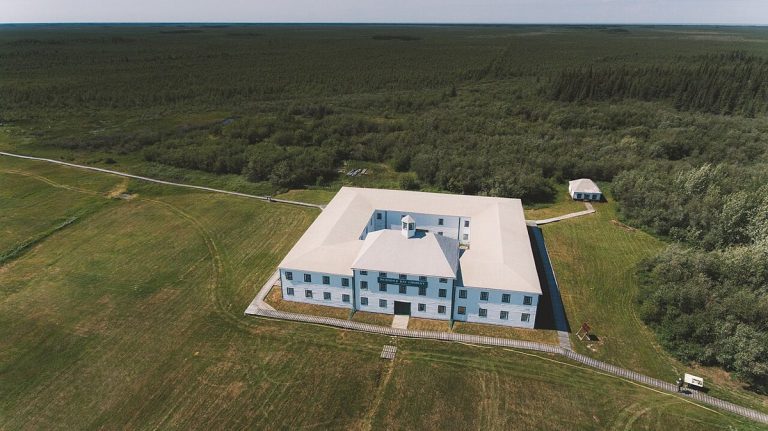
York Factory, Manitoba, photographed in 2017.
CA-K105Economy & trade

York Factory, a fur trade hub for over 250 years

York Factory, a Hudson’s Bay Company depot on Hudson Bay in Manitoba, was a vital fur trade hub for more than 250 years. It served as the gateway to the vast interior for British trade goods, settlers and soldiers, and lies on Treaty 5 territory.

Factual accuracy review: No recorded challenge

Contributor: Citizen.ca

Verified against cited sourcesVerified on 2026-10-26↗
Photo: Travel Manitoba · Photo licence: CC BY 2.0 · Credit & context
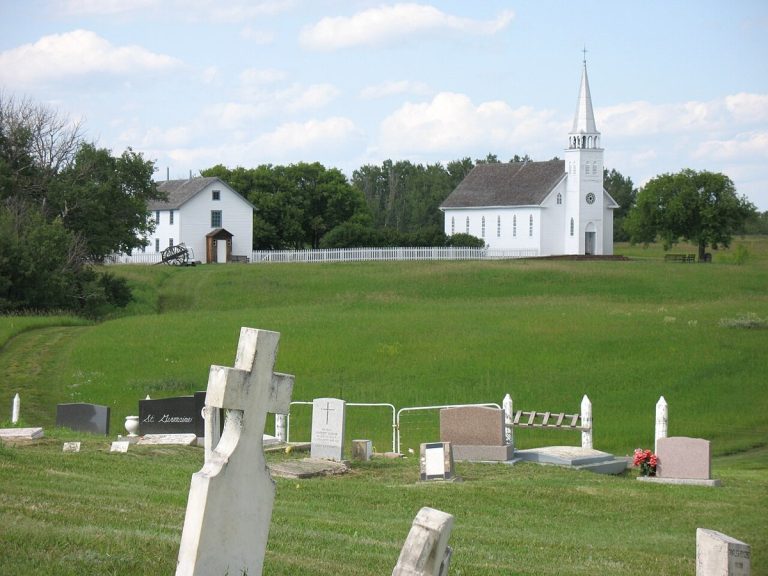
The church and rectory at Batoche National Historic Site, Saskatchewan, viewed from the cemetery in 2007.
CA-K104Indigenous peoples & reconciliation

Batoche and the Northwest Resistance of 1885

Batoche, a Métis settlement on the South Saskatchewan River north of Saskatoon, was the scene of Louis Riel and Gabriel Dumont’s last stand during the Northwest Resistance of 1885. Parks Canada describes it as a symbol of Métis resilience and cultural renewal.

Factual accuracy review: No recorded challenge

Contributor: Citizen.ca

Verified against cited sourcesVerified on 2026-10-26↗
Photo: Dave Bonser · Photo licence: CC BY-SA 3.0 · Credit & context
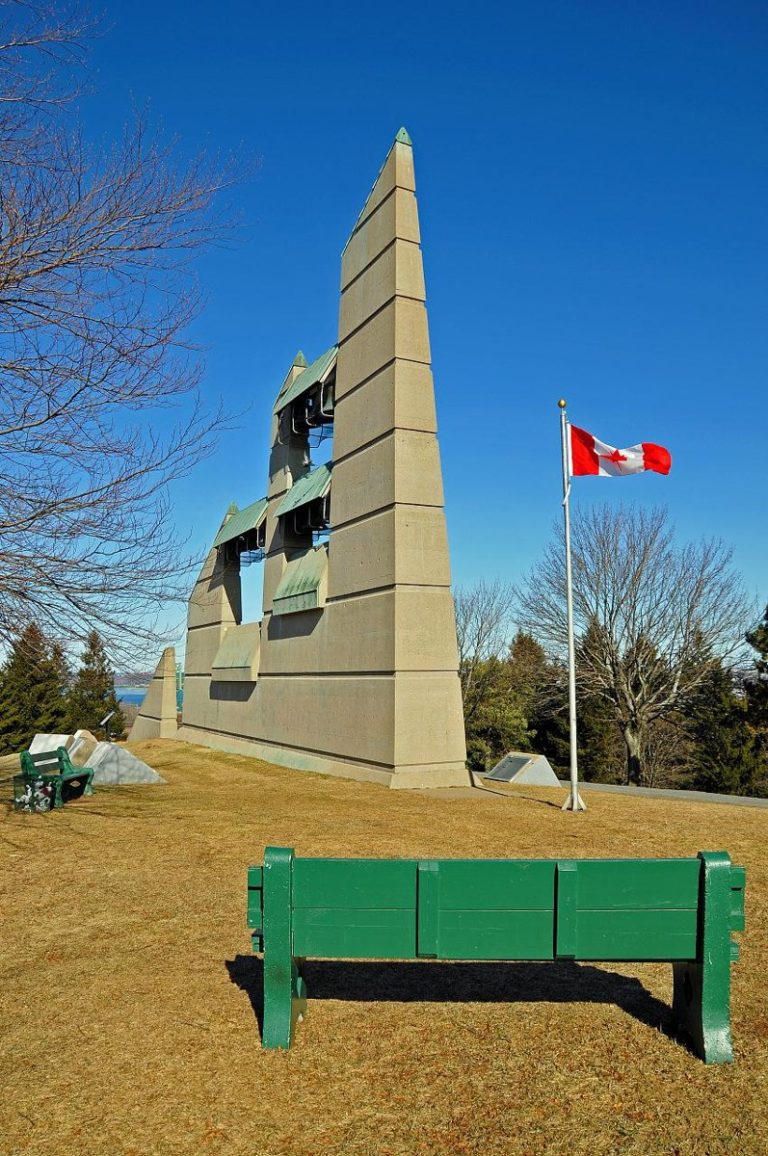
The Halifax Explosion Memorial Bell Tower at Fort Needham, photographed in 2008.
CA-K100History

The Halifax Explosion: 6 December 1917

On 6 December 1917, SS Mont-Blanc, which was carrying explosives, collided with SS Imo in Halifax Harbour. The resulting explosion, tidal wave and fires killed some 2,000 people. Parks Canada describes it as the largest human-made explosion before the atomic bomb.

Factual accuracy review: No recorded challenge

Contributor: Citizen.ca

Verified against cited sourcesVerified on 2026-10-26↗
Photo: Dennis G. Jarvis · Photo licence: CC BY-SA 2.0 · Credit & context
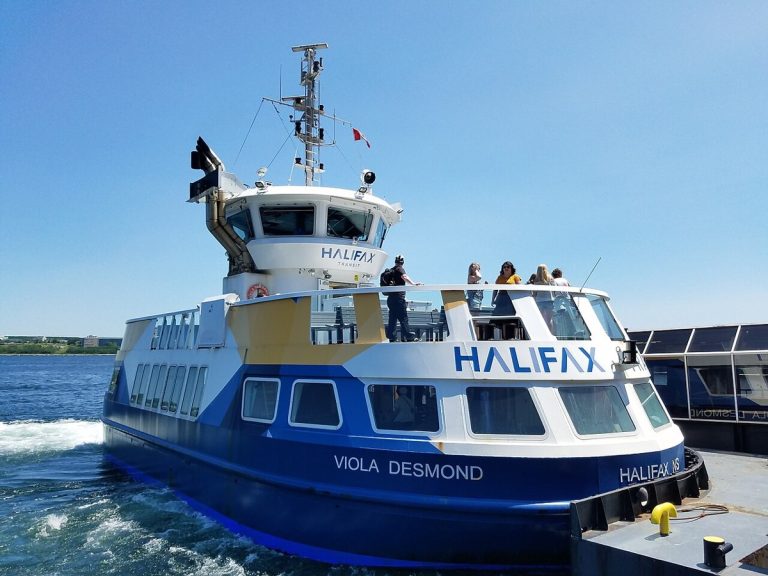
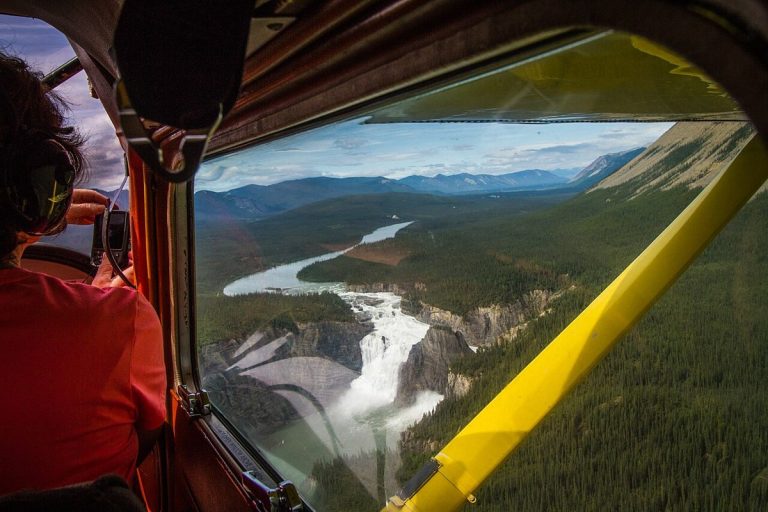
The Halifax harbour ferry named Viola Desmond, photographed in 2019; it does not show Desmond or the bank note.
CA-K098History

Viola Desmond and the vertical $10 note

In 1946, Viola Desmond, a successful Nova Scotia businesswoman, refused to leave a whites-only area of a movie theatre; her court case inspired the pursuit of racial equality across Canada. In 2018 she appeared on Canada’s first vertical bank note, the $10 note.

Factual accuracy review: No recorded challenge

Contributor: Citizen.ca

Verified against cited sourcesVerified on 2026-10-26↗
Photo: Colin Stepney · Photo licence: CC BY-SA 4.0 · Credit & context
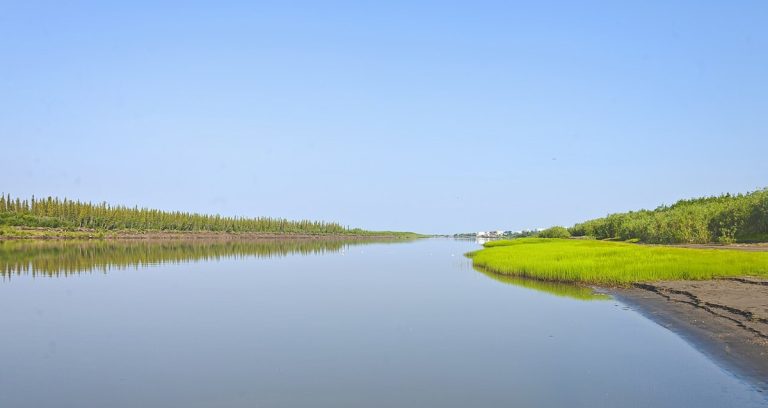
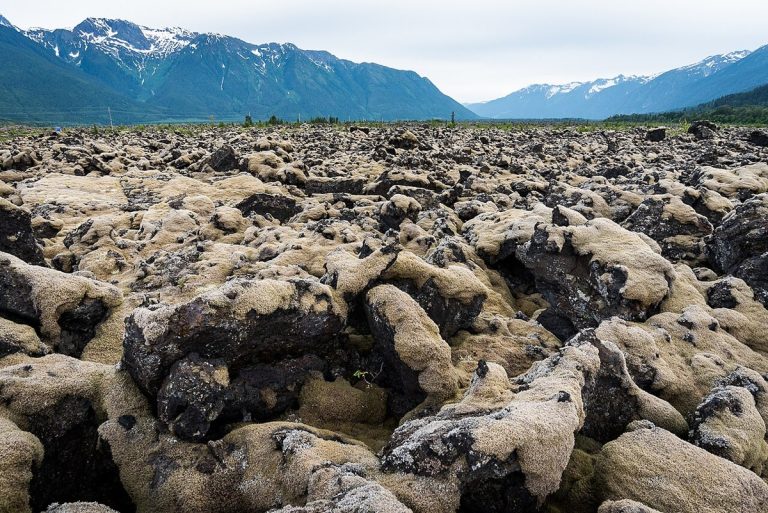
Lava beds in the Nass Valley, British Columbia, photographed in 2017; a landscape in the region, not a depiction of the treaty.
CA-K095Indigenous peoples & reconciliation

The Nisg̱a’a Treaty took effect on 11 May 2000

The Nisg̱a’a Treaty, British Columbia’s first modern treaty, took effect on 11 May 2000. It recognizes about 2,000 square kilometres of Nisg̱a’a Lands and was the first treaty in British Columbia to provide constitutional certainty for self-government.

Factual accuracy review: No recorded challenge

Contributor: Citizen.ca

Verified against cited sourcesVerified on 2026-10-26↗
Photo: Darren Kirby · Photo licence: CC BY-SA 2.0 · Credit & context
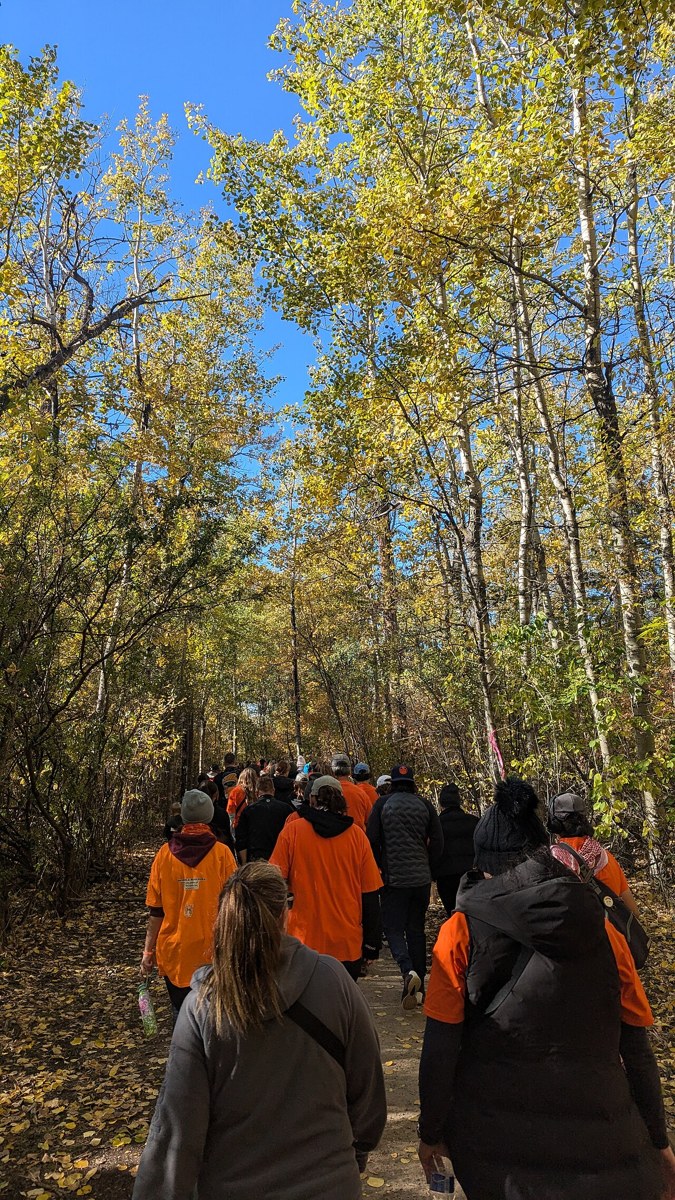
An Orange Shirt Day walk in Edmonton, Alberta, on 30 September 2024.
CA-K094Indigenous peoples & reconciliation

National Day for Truth and Reconciliation: 30 September

The National Day for Truth and Reconciliation is observed each year on 30 September, honouring Residential School Survivors, their families and communities. It became a federal statutory holiday through Bill C-5, which received royal assent on 3 June 2021; Orange Shirt Day, which began in Williams Lake, British Columbia, in 2013, is observed the same day.

Factual accuracy review: No recorded challenge

Contributor: Citizen.ca

Verified against cited sourcesVerified on 2026-10-26↗
Photo: Joli Rumi · Photo licence: CC BY-SA 4.0 · Credit & context
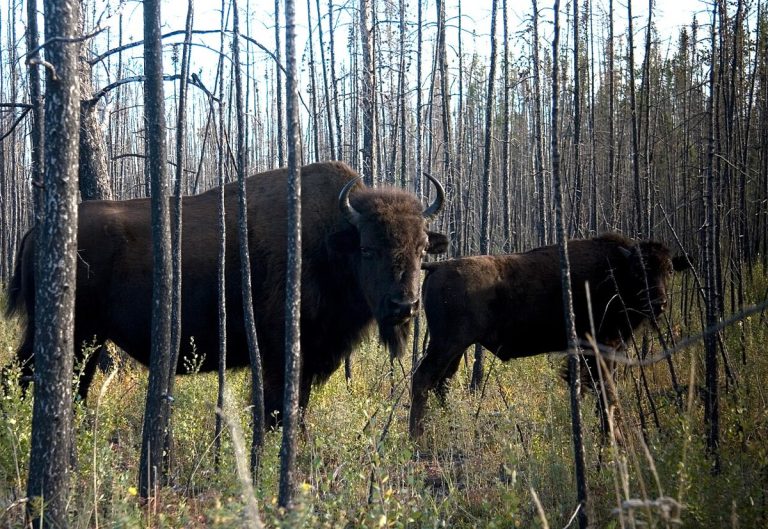
A wood bison in Wood Buffalo National Park, photographed in August 2007.
CA-K091Places & geography

Wood Buffalo, Canada’s largest national park

Wood Buffalo National Park, spanning the Alberta–Northwest Territories border, is the largest national park in Canada. It protects the world’s largest herds of wood bison and vital whooping crane habitat, in the traditional territory of the Dene, Cree and Métis.

Factual accuracy review: No recorded challenge

Contributor: Citizen.ca

Verified against cited sourcesVerified on 2026-10-26↗
Photo: Naturedata · Photo licence: CC0 · Credit & context