An independent Canadian knowledge project

Focused and Verified

Canadian knowledge base

Search by keyword

Choose one keyword, or combine two. Broader keywords include their descendants.

Keywords: Places & geography

Clear search
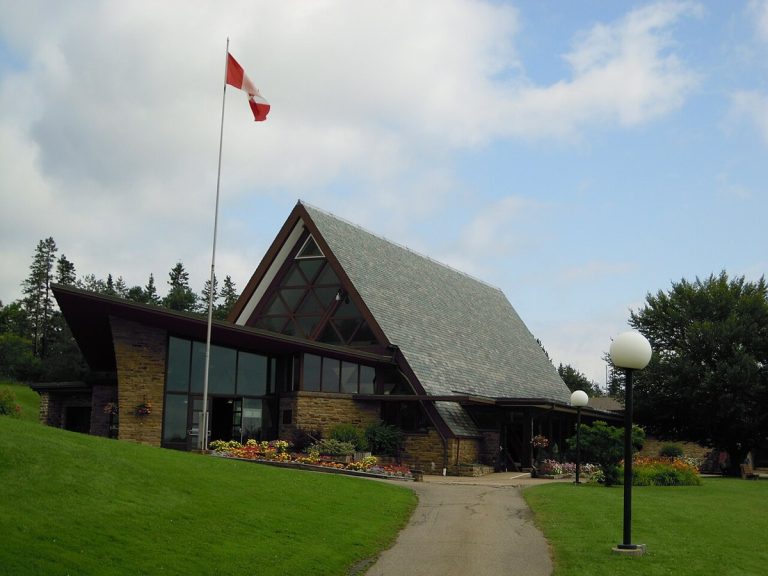
The visitor centre and museum at the Alexander Graham Bell National Historic Site in Baddeck, Nova Scotia, in 2010.
CA-K154History

Alexander Graham Bell in Baddeck

Alexander Graham Bell (1847–1922), best known as the inventor of the telephone, was born in Scotland, became a citizen of the United States and was a longtime resident of Canada. In 1907 he and his wife Mabel co-founded the Aerial Experiment Association, which led to the flight of the Silver Dart; he died at his summer home, Beinn Bhreagh, near Baddeck, Nova Scotia.

Factual accuracy review: No recorded challenge

Contributor: Citizen.ca

Verified against cited sourcesVerified on 2026-10-26↗
Photo: Skeezix1000 · Photo licence: CC BY-SA 3.0 · Credit & context
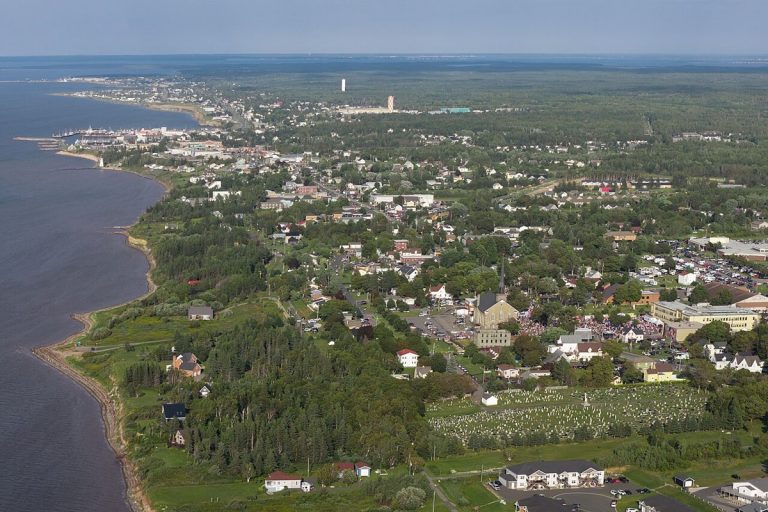
Caraquet, New Brunswick, on the Acadian Peninsula, from the air in 2026.
CA-K153History

The Caraquet Riot of 1875

The riot of the Acadians of Caraquet in January 1875 was the culmination of four years of Catholic opposition to New Brunswick’s Common Schools Act of 1871, which aimed to eliminate denominational schools. After the violent arrest of protesters and the deaths of two men, the law was amended; the riot is an early example of religious and linguistic minorities resisting discrimination.

Factual accuracy review: No recorded challenge

Contributor: Citizen.ca

Verified against cited sourcesVerified on 2026-10-26↗
Photo: Quintin Soloviev · Photo licence: CC BY 4.0 · Credit & context
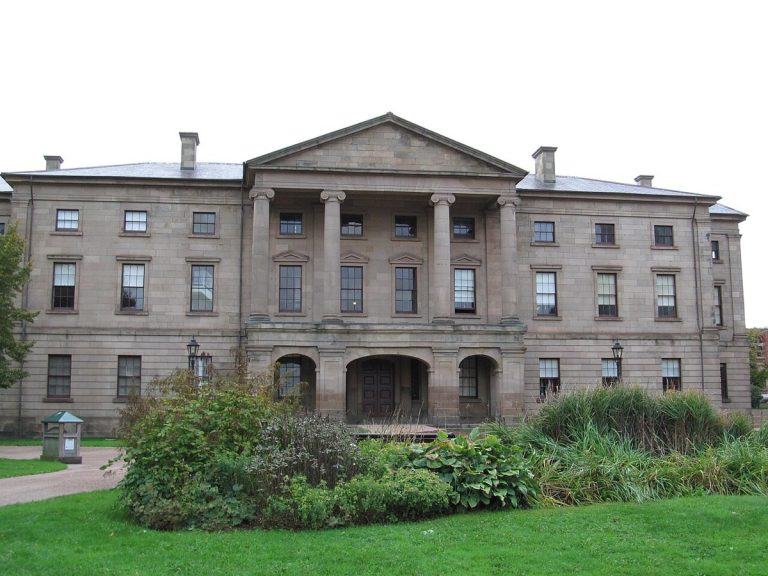
Province House in Charlottetown, Prince Edward Island, photographed in 2012.
CA-K152History

The Charlottetown and Québec Conferences of 1864

In September 1864, the Charlottetown Conference brought together leaders from Prince Edward Island, Nova Scotia, New Brunswick and the Province of Canada, who agreed in principle to a federal union. At the Québec Conference the following month, the delegates drafted the 72 Resolutions, which laid the foundation of the British North America Act.

Factual accuracy review: No recorded challenge

Contributor: Citizen.ca

Verified against cited sourcesVerified on 2026-10-26↗
Photo: Doug Kerr · Photo licence: CC BY-SA 2.0 · Credit & context
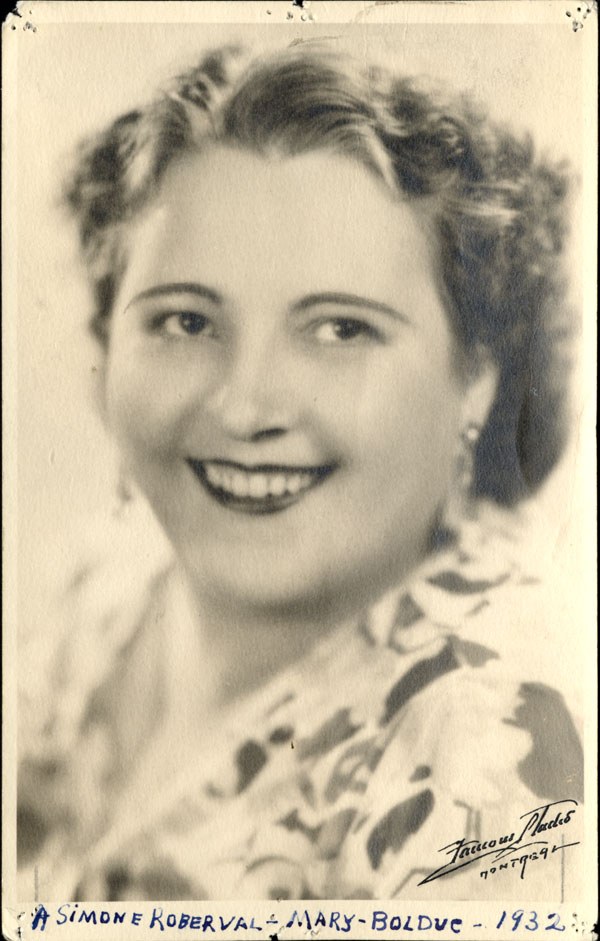
A publicity photograph of La Bolduc from Famous Studio, Montréal, taken before 1942.
CA-K148Culture & sport

La Bolduc, Quebec singer-songwriter

Mary Travers (1894–1941), known as La Bolduc after her husband’s surname, was a singer-songwriter with a tremendous impact on Quebec popular culture. From 1929 to 1939 she recorded close to 100 songs that she composed herself, touching on current events, social conditions and relationships.

Factual accuracy review: No recorded challenge

Contributor: Citizen.ca

Verified against cited sourcesVerified on 2026-10-26↗
Photo: Famous Studio, Montréal · Photo licence: Public domain · Credit & context
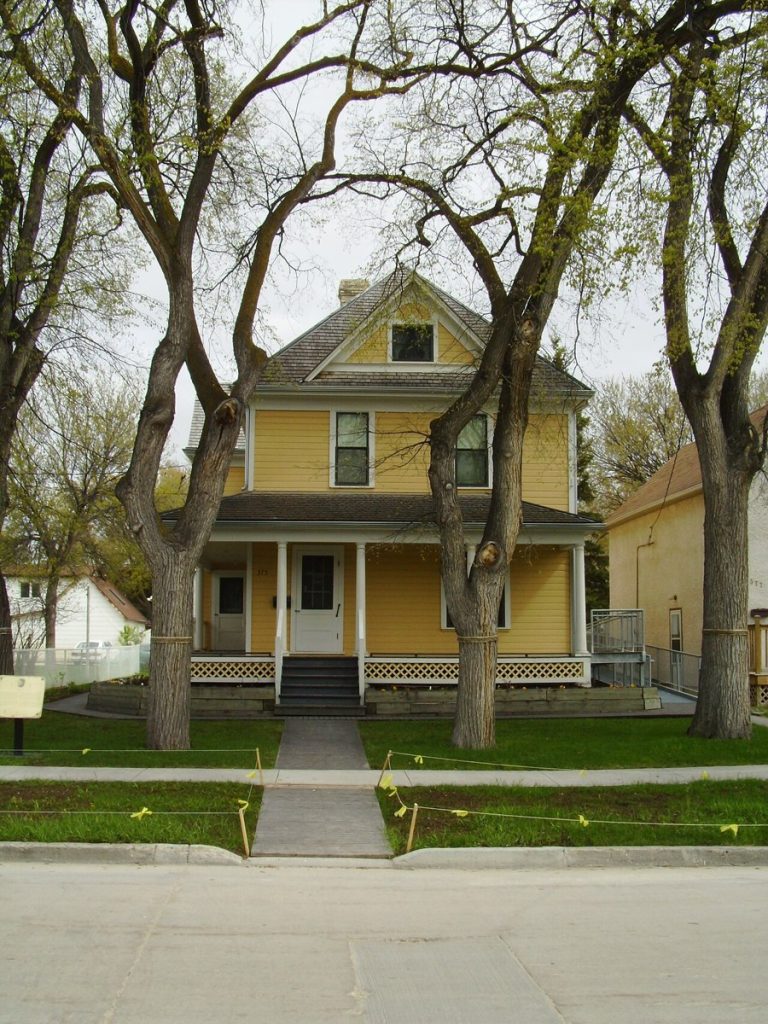
Gabrielle Roy’s childhood home at 375 Deschambault Street, St. Boniface, Manitoba, photographed in 2008.
CA-K147Culture & sport

Gabrielle Roy and The Tin Flute

Gabrielle Roy (1909–1983) gained immediate recognition with her first novel, The Tin Flute (Bonheur d’occasion, 1945), as a pioneer of social realism in Quebec. Born in St. Boniface, Manitoba, she drew on the immigrant experience and her years in the Franco-Manitoban community in later works.

Factual accuracy review: No recorded challenge

Contributor: Citizen.ca

Verified against cited sourcesVerified on 2026-10-26↗
Photo: Miguel Tremblay · Photo licence: CC0 · Credit & context
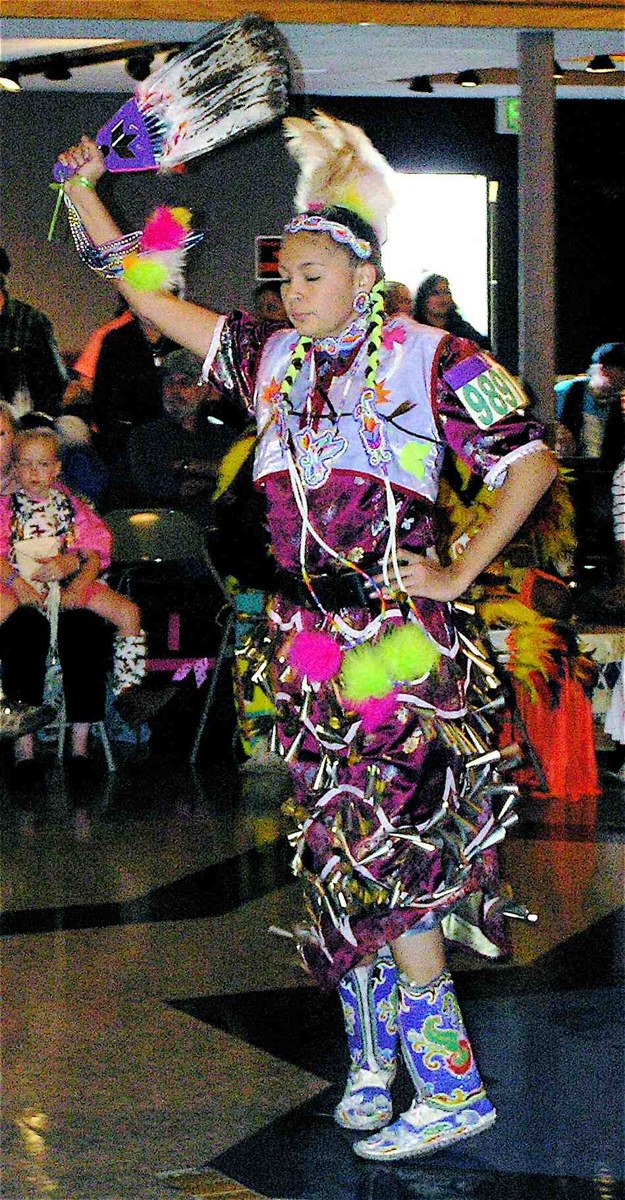
A jingle dress dancer at a community powwow in Helena, Montana, in 2007.
CA-K136Indigenous peoples & reconciliation

Shiibaashka’igan, the jingle dress

The shiibaashka’igan, or jingle dress, is a sacred Anishinaabe women’s dress and dance tradition, and each step of the dance is understood by some as a healing prayer. Its origins include Naotkamegwanning First Nation (Whitefish Bay) in northwestern Ontario and the Mille Lacs Ojibwe community in Minnesota.

Factual accuracy review: No recorded challenge

Contributor: Citizen.ca

Verified against cited sourcesVerified on 2026-10-26↗
Photo: Montanabw · Photo licence: CC BY-SA 3.0 · Credit & context
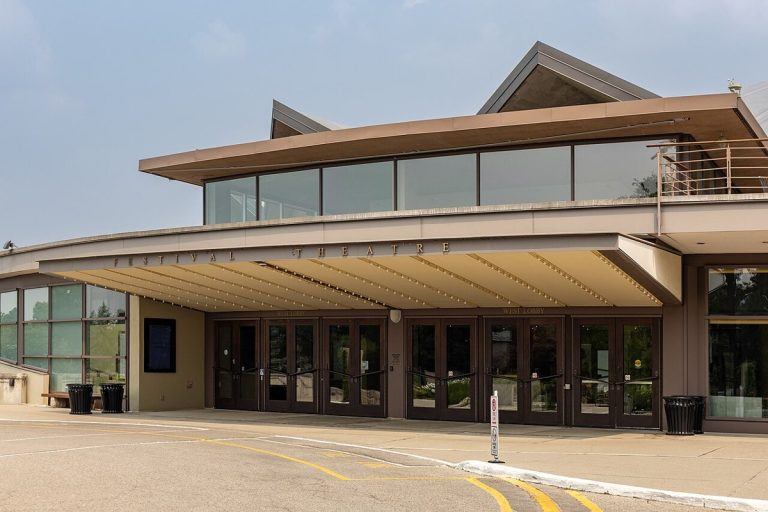
The west entrance of the Festival Theatre in Stratford, Ontario, in 2025.
CA-K132Culture & sport

The Stratford Festival began in 1953

In 1953, Tom Patterson launched an annual festival of Shakespearean theatre in his hometown of Stratford, Ontario. First artistic director Tyrone Guthrie and designer Tanya Moiseiwitsch created the Festival Theatre’s thrust stage, surrounded by the audience on three sides.

Factual accuracy review: No recorded challenge

Contributor: Citizen.ca

Verified against cited sourcesVerified on 2026-10-26↗
Photo: Chris Woodrich · Photo licence: CC BY-SA 4.0 · Credit & context
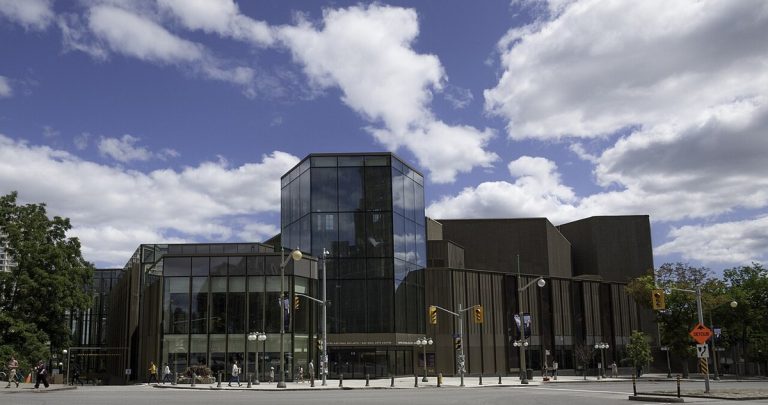
The renewed entrance and façade of the National Arts Centre, Ottawa, photographed in 2019.
CA-K129Culture & sport

The National Arts Centre opened in 1969

Canada’s National Arts Centre in Ottawa opened on 2 June 1969, two years after the centennial that inspired it. Built to produce and present music, opera, theatre and dance, it was designed to be bilingual, reflecting Canada’s linguistic duality.

Factual accuracy review: No recorded challenge

Contributor: Citizen.ca

Verified against cited sourcesVerified on 2026-10-26↗
Photo: Thelongdarkteatimeofthesoul · Photo licence: CC BY-SA 4.0 · Credit & context
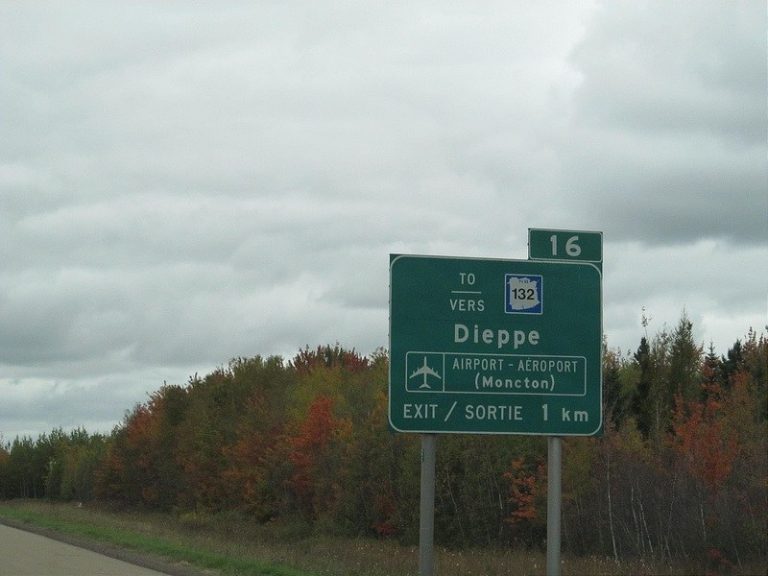
A bilingual road sign in New Brunswick pointing to Dieppe and the airport, photographed in 2012.
CA-K127Language & names

New Brunswick, Canada’s only officially bilingual province

New Brunswick’s first Official Languages Act, enacted on 18 April 1969, made it Canada’s first and only officially bilingual province. The Act made English and French the province’s two official languages and recognized the right to receive provincial government services in either.

Factual accuracy review: No recorded challenge

Contributor: Citizen.ca

Verified against cited sourcesVerified on 2026-10-26↗
Photo: Doug Kerr · Photo licence: CC BY-SA 2.0 · Credit & context
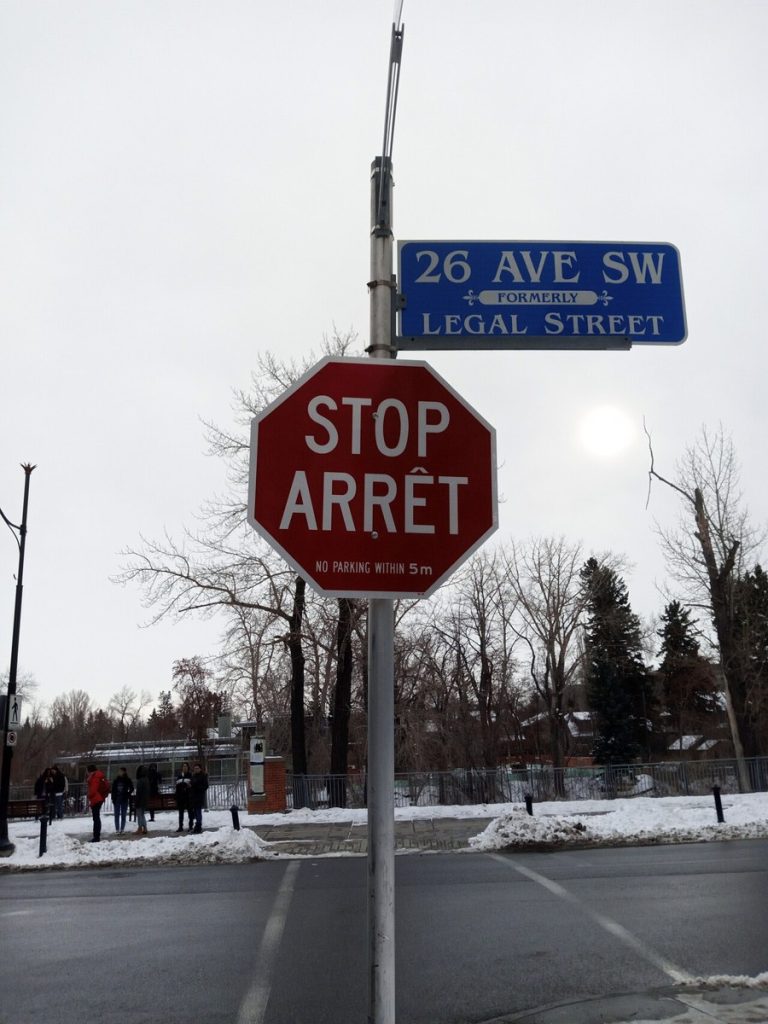
A bilingual STOP/ARRÊT sign in Rouleauville, photographed in 2020.
CA-K126Language & names

18% of Canadians are English–French bilingual

In the 2021 Census, 18.0% of Canadians could speak both English and French; in Quebec, the rate was 46.4%. English is a minority language in Quebec, while French is a minority language in the other provinces and territories and in Canada as a whole.

Factual accuracy review: No recorded challenge

Contributor: Citizen.ca

Verified against cited sourcesVerified on 2026-10-26↗
Photo: WCL20 Lycée Louis Pasteur Justemila · Photo licence: CC BY-SA 4.0 · Credit & context
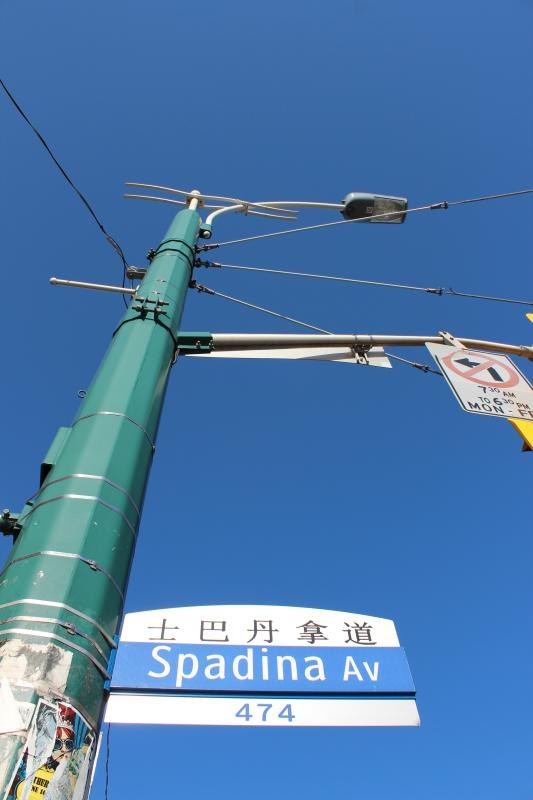
A Toronto street sign with an added Chinese translation, photographed in 2011.
CA-K125Language & names

One in four Canadians has a mother tongue other than English or French

In the 2021 Census, one in four Canadians had at least one mother tongue other than English or French, and one in eight spoke mainly another language at home, both the highest proportions on record. That year, 41.2% of Canadians could hold a conversation in more than one language.

Factual accuracy review: No recorded challenge

Contributor: Citizen.ca

Verified against cited sourcesVerified on 2026-10-26↗
Photo: Steve Harris from Toronto, Canada · Photo licence: CC BY 2.0 · Credit & context
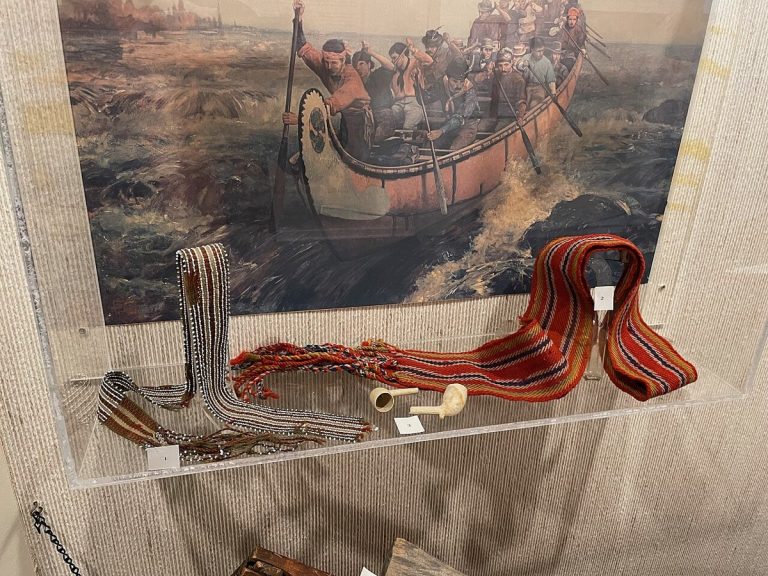
A beaded Métis sash and a ceinture fléchée (woven sash) on display at a museum in Sault Ste. Marie, Ontario, in 2024.
CA-K123Indigenous peoples & reconciliation

The Métis Nation emerged in the historic Northwest

The Métis Nation emerged in the historic Northwest during the fur trade as a distinct Indigenous people with its own culture, traditions, language (Michif) and nationhood. The Métis Nation Homeland includes Manitoba, Saskatchewan and Alberta and parts of Ontario, British Columbia, the Northwest Territories and the northern United States.

Factual accuracy review: No recorded challenge

Contributor: Citizen.ca

Verified against cited sourcesVerified on 2026-10-26↗
Photo: Fungus Guy · Photo licence: CC BY 4.0 · Credit & context
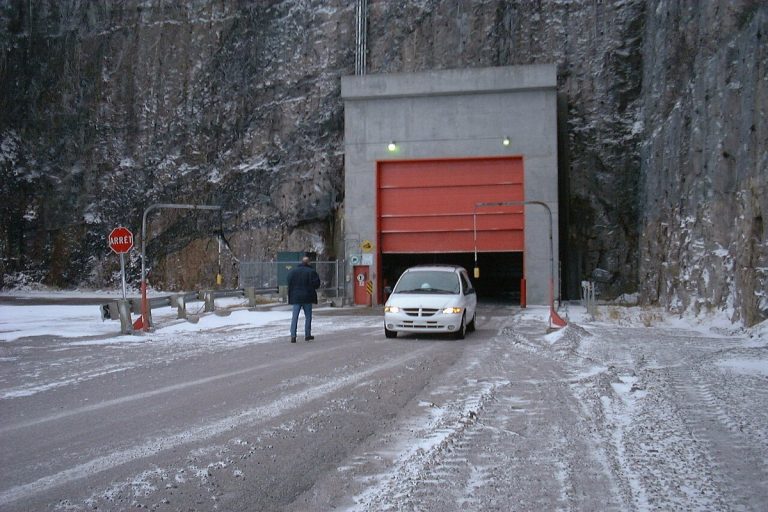
The entrance to the underground Robert-Bourassa generating station, part of the James Bay hydroelectric development, in 2000.
CA-K122Indigenous peoples & reconciliation

The James Bay and Northern Quebec Agreement, 1975

The James Bay and Northern Quebec Agreement was signed on 11 November 1975 by the Cree Nation of Eeyou Istchee, the Inuit of Nunavik, Canada, Quebec and Hydro-Québec, after Cree and Inuit court challenges to the James Bay hydroelectric project. The Cree Nation Government describes it as the first modern Indigenous land claim agreement and treaty in Canada.

Factual accuracy review: No recorded challenge

Contributor: Citizen.ca

Verified against cited sourcesVerified on 2026-10-26↗
Photo: Peter Van den Bossche · Photo licence: CC BY-SA 2.0 · Credit & context
Natan Obed, president of Inuit Tapiriit Kanatami, in 2016.
CA-K121Indigenous peoples & reconciliation

Inuit Tapiriit Kanatami was founded in 1971

Inuit Tapiriit Kanatami, the national Inuit organization formerly called the Inuit Tapirisat of Canada, was founded in February 1971 by seven Inuit community leaders. It grew out of shared concern about land and resource ownership in Inuit Nunangat.

Factual accuracy review: No recorded challenge

Contributor: Citizen.ca

Verified against cited sourcesVerified on 2026-10-26↗
Photo: U.S. Department of the Interior · Photo licence: CC BY-SA 2.0 · Credit & context
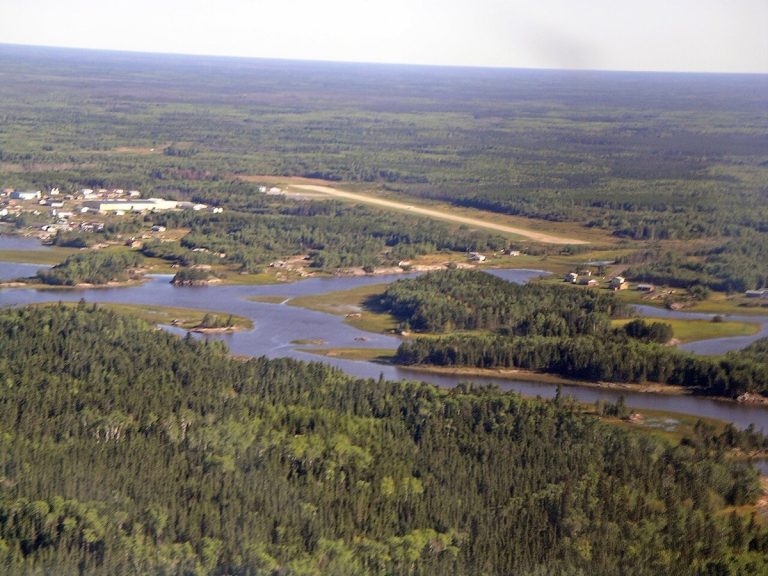
A First Nations community at Bloodvein River on Lake Winnipeg, Manitoba, in 2003; a view of the wider region, not the World Heritage property itself.
CA-K120Indigenous peoples & reconciliation

Pimachiowin Aki, “the land that gives life”

Pimachiowin Aki, Anishinaabemowin (Ojibwe) for “the land that gives life,” is a boreal forest in Manitoba and Ontario under Indigenous stewardship. Inscribed in 2018, it is Canada’s first mixed (natural and cultural) World Heritage property and testifies to the Anishinaabe tradition of Ji-ganawendamang Gidakiiminaan (Keeping the Land).

Factual accuracy review: No recorded challenge

Contributor: Citizen.ca

Verified against cited sourcesVerified on 2026-10-26↗
Photo: Timkal · Photo licence: CC BY-SA 3.0 · Credit & context
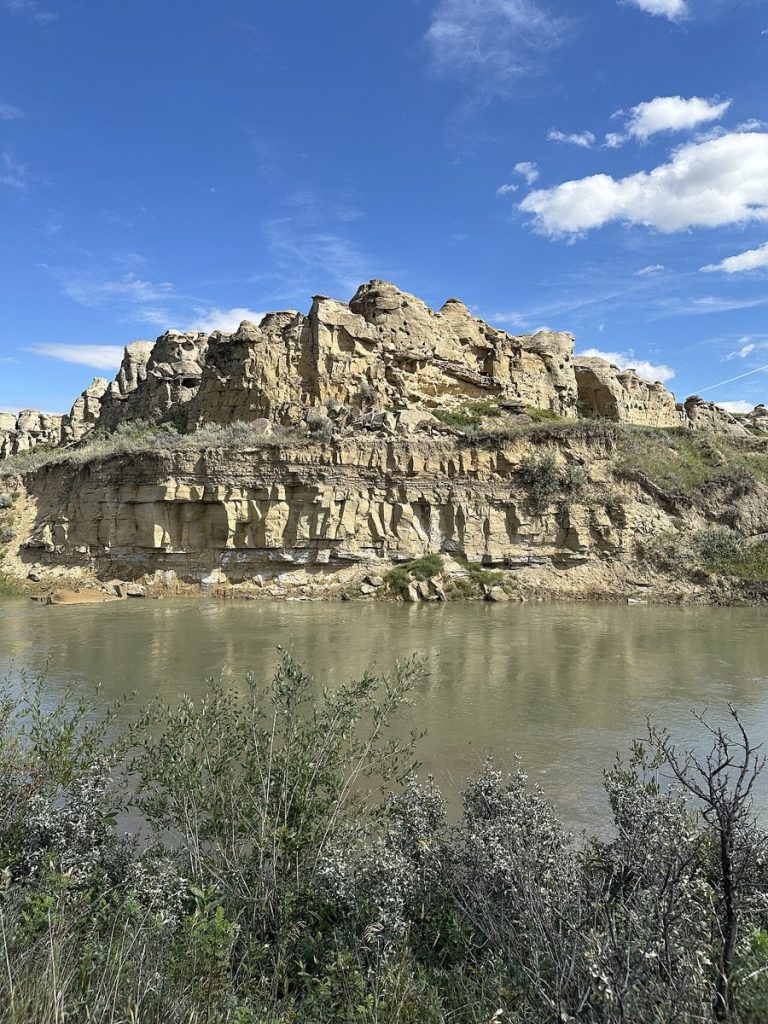
The Milk River and hoodoos at Writing-on-Stone Provincial Park, Alberta, in 2025; it does not show the rock art.
CA-K119Indigenous peoples & reconciliation

Writing-on-Stone / Áísínai’pi, a sacred Blackfoot landscape

Writing-on-Stone / Áísínai’pi, in Alberta’s Milk River Valley, is a sacred site where the Blackfoot (Siksikáítsitapi) left engravings and paintings on the sandstone walls. The landscape remains sacred to the Blackfoot and was inscribed as a UNESCO World Heritage Site in 2019.

Factual accuracy review: No recorded challenge

Contributor: Citizen.ca

Verified against cited sourcesVerified on 2026-10-26↗
Photo: Nodin Cutfeet · Photo licence: CC BY 4.0 · Credit & context
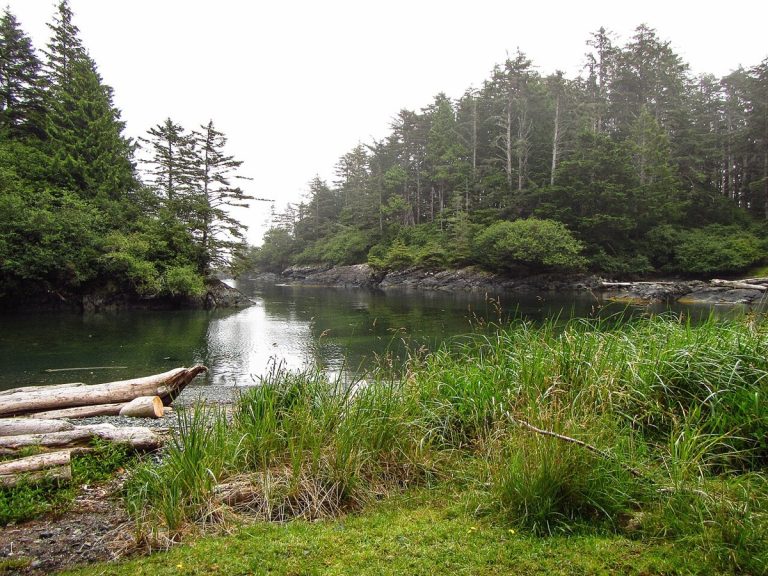
A wooded coastal view at SG̱ang Gwaay Llnagaay, photographed in 2016; the photograph does not show the village’s poles.
CA-K118Indigenous peoples & reconciliation

SG̱ang Gwaay: a Haida village and its poles

SG̱ang Gwaay Llnagaay (Nan Sdins), on an island at the southern tip of Haida Gwaii, British Columbia, bears unique testimony to Haida culture. The 19th-century village keeps the remains of 10 houses and 32 memorial or mortuary poles, and was inscribed as a UNESCO World Heritage Site in 1981.

Factual accuracy review: No recorded challenge

Contributor: Citizen.ca

Verified against cited sourcesVerified on 2026-10-26↗
Photo: Yvrsigmatech · Photo licence: Public domain · Credit & context
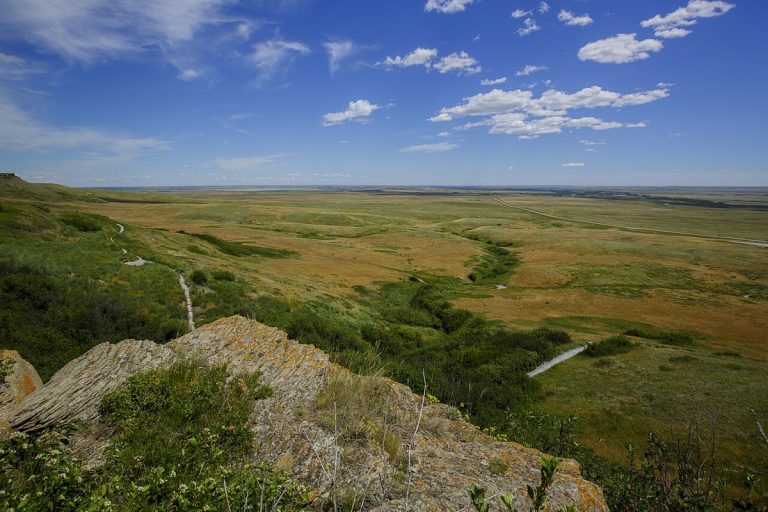
Head-Smashed-In Buffalo Jump World Heritage Site, Alberta, photographed in 2017.
CA-K117Indigenous peoples & reconciliation

Head-Smashed-In Buffalo Jump

Head-Smashed-In Buffalo Jump (estipah-skikikini-kots in Blackfoot), in southwestern Alberta, is the biggest, oldest and best-preserved buffalo jump in North America. Plains peoples drove bison over its cliffs for perhaps 5,700 years, until the mid-19th century; it became a UNESCO World Heritage Site in 1981.

Factual accuracy review: No recorded challenge

Contributor: Citizen.ca

Verified against cited sourcesVerified on 2026-10-26↗
Photo: Thomas Fuhrmann · Photo licence: CC BY-SA 4.0 · Credit & context