An independent Canadian knowledge project

Focused and Verified

Canadian knowledge base

Search by keyword

Choose one keyword, or combine two. Broader keywords include their descendants.

Keywords: Record types

Clear search
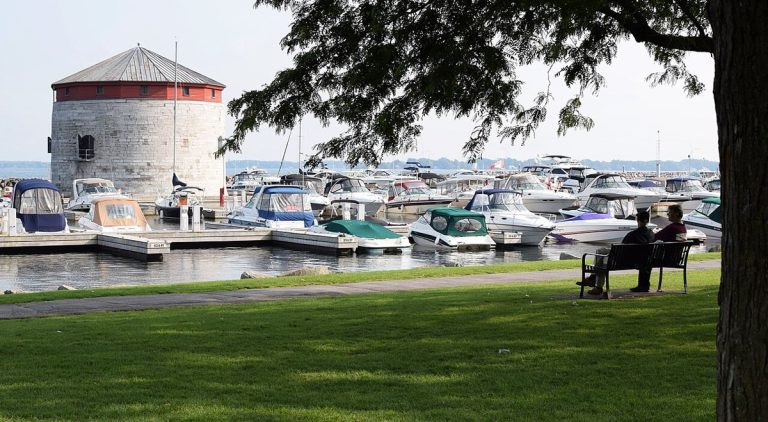
Shoal Tower in Kingston harbour, Ontario, photographed in 2017.
CA-K362History

Shoal Tower, a Kingston Martello tower

Shoal Tower in Kingston’s harbour was built by the British government in 1846–1847 as one of four Martello towers, with the Market Battery, to reinforce Kingston’s defences against an anticipated American threat during the Oregon Crisis. It is part of the Kingston Fortifications, linked to the town’s military importance and the Great Lakes–Rideau Canal route.

Factual accuracy review: No recorded challenge

Contributor: Citizen.ca

Verified against cited sourcesVerified on 2026-10-26↗
Photo: Mark · Photo licence: CC BY 2.0 · Credit & context
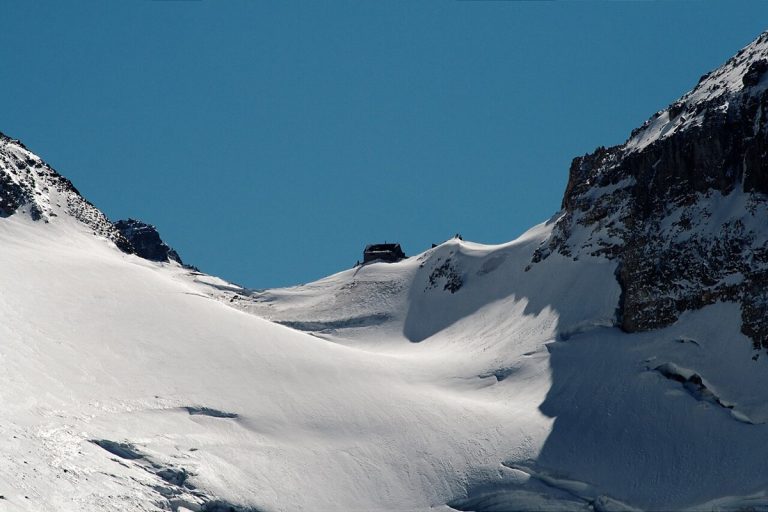
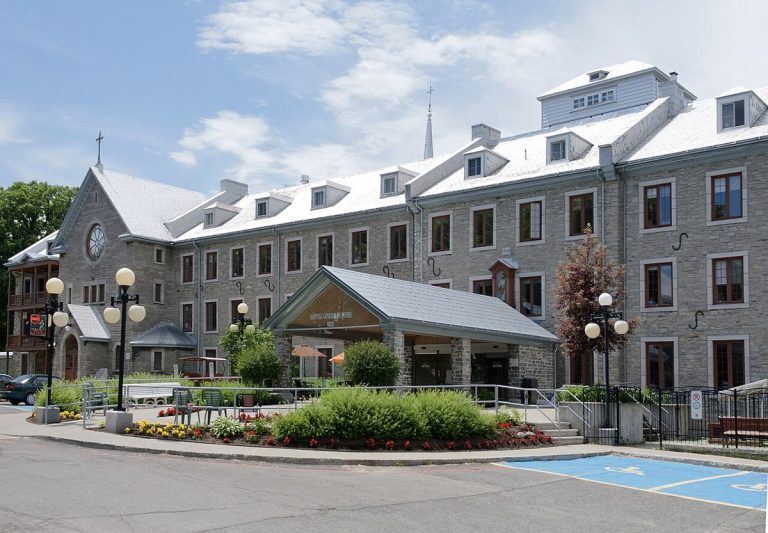
Abbot Pass and the refuge hut, seen from the Alberta side in 2010, before its demolition.
CA-K361Places & geography

The Abbot Pass Refuge Cabin, lost to erosion

The rustic stone Abbot Pass Refuge Cabin, built by the Canadian Pacific Railway in 1922 high in the Rockies between Mount Lefroy and Mount Victoria, sheltered hikers and mountaineers from 1923 until 2018. Erosion of the slope, accelerated by climate change, made the hut unstable and forced its demolition in 2022.

Factual accuracy review: No recorded challenge

Contributor: Citizen.ca

Verified against cited sourcesVerified on 2026-10-26↗
Photo: Florin Chelaru · Photo licence: CC BY 2.0 · Credit & context
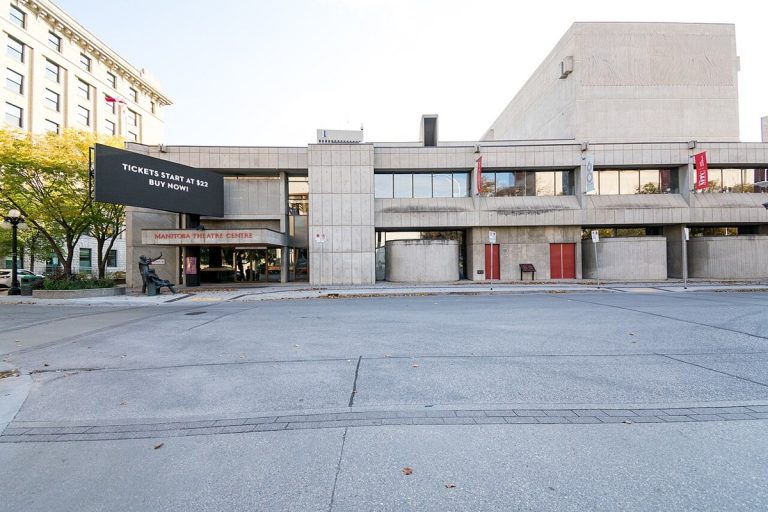
Part of the Hôpital-Général de Québec complex, photographed in 2012.
CA-K360History

The Hôpital-Général de Québec monastery

The Hôpital-Général de Québec monastery is associated with the Augustinian sisters’ hospital work from 1693. The convent complex escaped the bombardments of the 1759 siege and preserves buildings that illustrate the history of religious hospital care in Quebec.

Factual accuracy review: No recorded challenge

Contributor: Citizen.ca

Verified against cited sourcesVerified on 2026-10-26↗
Photo: Jstremblay · Photo licence: CC BY-SA 3.0 · Credit & context
The Royal Manitoba Theatre Centre in Winnipeg, photographed in 2017.
CA-K359Culture & sport

The Royal Manitoba Theatre Centre, Winnipeg

The Royal Manitoba Theatre Centre in Winnipeg is an excellent example of small-scale Brutalist architecture, designed to create an intimate bond between audience and actors. Its company, judged a model regional theatre by the Canada Council for the Arts, helped popularize the regional theatre movement in Canada.

Factual accuracy review: No recorded challenge

Contributor: Citizen.ca

Verified against cited sourcesVerified on 2026-10-26↗
Photo: Jessica Losorata · Photo licence: CC BY-SA 4.0 · Credit & context
St. Patrick’s Basilica in Montréal, photographed in 2007.
CA-K358History

St. Patrick’s Basilica, Montréal

St. Patrick’s Basilica in Montréal, built from 1843 to 1847 as the parish church of the city’s growing Irish population, is a fine example of French Gothic Revival architecture. Its clergy cared for Irish immigrants during an epidemic soon after it opened, and it remains the heart of Montréal’s Irish community.

Factual accuracy review: No recorded challenge

Contributor: Citizen.ca

Verified against cited sourcesVerified on 2026-10-26↗
Photo: Diego Delso · Photo licence: CC BY-SA 4.0 · Credit & context
Fort Lennox on Île aux Noix, Quebec, looking southwest, in 1923.
CA-K357History

Fort Lennox on Île aux Noix

Fort Lennox, on Île aux Noix in the Richelieu River, guarded one of the gateways to Canada along the Hudson–Champlain–Richelieu route. Fortified by the French in 1759, captured by the British in 1760 and used by American revolutionary forces in 1775, the island was repeatedly fortified and held a garrison until 1870.

Factual accuracy review: No recorded challenge

Contributor: Citizen.ca

Verified against cited sourcesVerified on 2026-10-26↗
Photo: Photographer unidentified; Archives of Ontario · Photo licence: Public domain · Credit & context
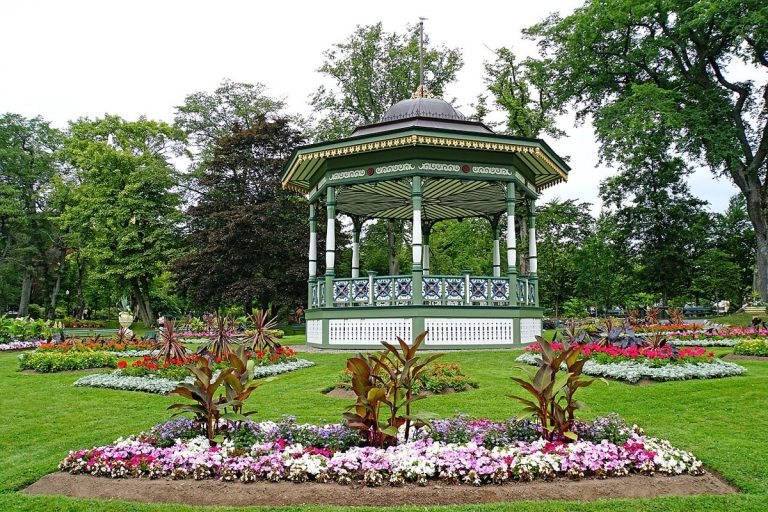
The bandstand and geometric flower beds of the Halifax Public Gardens, photographed in 2016.
CA-K356Places & geography

The Halifax Public Gardens, a Victorian garden

The Halifax Public Gardens, established in 1874 by joining two older gardens, is a rare surviving example of a Victorian public garden. Superintendent Robert Power gave it a symmetrical plan, a bandstand, fountains and carpet beds in the Victorian “Gardenesque” tradition, and it remains a public park.

Factual accuracy review: No recorded challenge

Contributor: Citizen.ca

Verified against cited sourcesVerified on 2026-10-26↗
Photo: Dennis G. Jarvis · Photo licence: CC BY-SA 2.0 · Credit & context
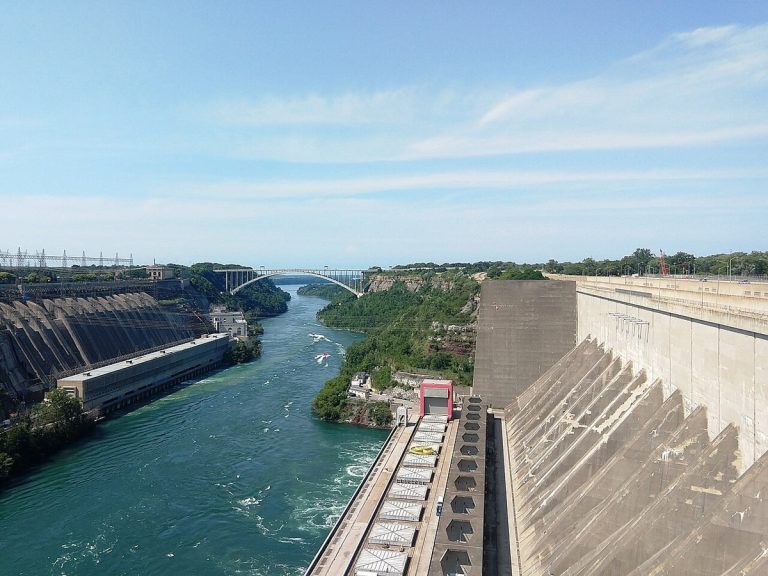
The Sir Adam Beck generating stations at Queenston (Ontario side) with the Robert Moses plant across the Niagara River, photographed in 2023.
CA-K355Economy & trade

The Queenston-Chippawa hydro-electric development

The Queenston-Chippawa hydro-electric development on the Niagara River, planned by Ontario’s Hydro-Electric Power Commission to meet rising demand in Toronto and southwestern Ontario, was an early hydro-electric mega-project. It required construction equipment, power units and a power canal on a scale not seen before.

Factual accuracy review: No recorded challenge

Contributor: Citizen.ca

Verified against cited sourcesVerified on 2026-10-26↗
Photo: Mr. Matté (if there is an issue with this image, contact me using this image's Commons talk page, my Commons user talk page, or my English Wikipedia user talk page; I'll know about it a lot faster) · Photo licence: CC BY-SA 4.0 · Credit & context
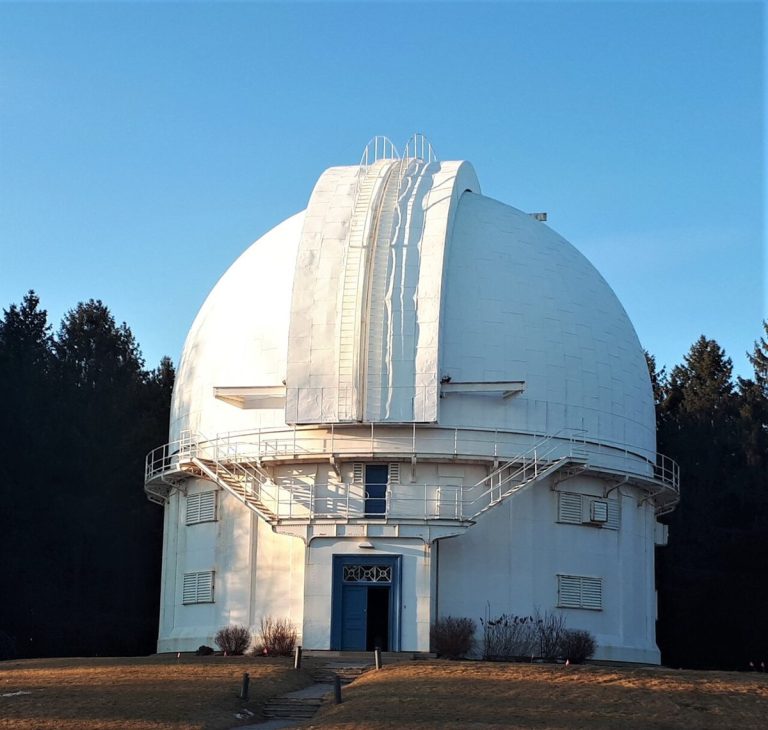
The David Dunlap Observatory in Richmond Hill, Ontario, photographed in 2019.
CA-K353History

The David Dunlap Observatory and black holes

The David Dunlap Observatory in Richmond Hill, Ontario, opened in 1935 for the University of Toronto and helped establish academic astronomy in Canada; its dome housed what was once the world’s second-largest telescope. There Thomas Bolton published evidence for a black hole in 1972, and Helen Sawyer Hogg catalogued star clusters.

Factual accuracy review: No recorded challenge

Contributor: Citizen.ca

Verified against cited sourcesVerified on 2026-10-26↗
Photo: Mhsheikholeslami · Photo licence: CC BY-SA 4.0 · Credit & context
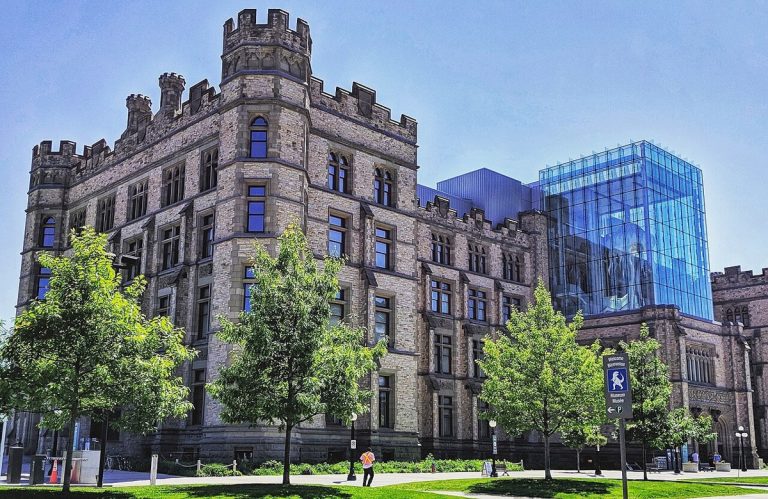
The Victoria Memorial Museum Building, now home of the Canadian Museum of Nature, Ottawa, photographed in 2018.
CA-K352Culture & sport

The Victoria Memorial Museum, Ottawa

The Victoria Memorial Museum in Ottawa, built from 1905 to 1911, was the first purpose-built federal museum in Canada, the culmination of decades of effort by the Geological and Natural History Survey. When completed in 1911 it housed the National Gallery and the Survey’s collections, and it was a leader in new exhibit techniques.

Factual accuracy review: No recorded challenge

Contributor: Citizen.ca

Verified against cited sourcesVerified on 2026-10-26↗
Photo: Navpreet Singh · Photo licence: CC BY-SA 4.0 · Credit & context
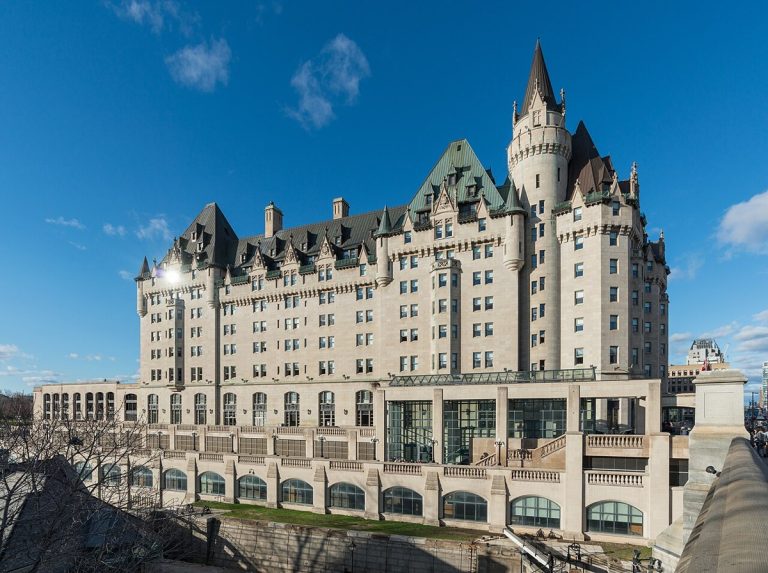
The Château Laurier in Ottawa, south view, photographed in 2017.
CA-K351Culture & sport

Château Laurier and the Château style

The Château Laurier in Ottawa, built between 1908 and 1912, was the first of a series of hotels by the Grand Trunk Pacific Railway to draw tourists to its transcontinental routes. The Château style of Canadian railway hotels evolved into a distinctly Canadian architectural type, and the hotel’s closeness to Parliament made it a model for that style.

Factual accuracy review: No recorded challenge

Contributor: Citizen.ca

Verified against cited sourcesVerified on 2026-10-26↗
Photo: DXR · Photo licence: CC BY-SA 4.0 · Credit & context
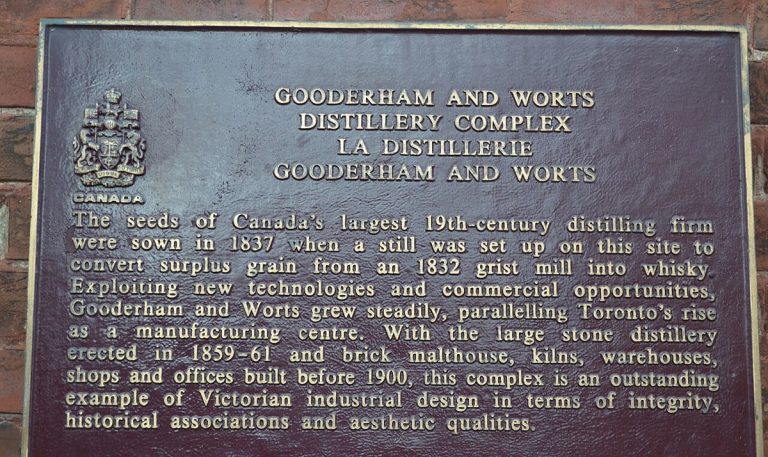
A commemorative plaque for the Gooderham and Worts Distillery in Toronto, photographed in 2015.
CA-K350Economy & trade

The Gooderham and Worts Distillery, Toronto

The Gooderham and Worts Distillery complex in Toronto is an imposing landmark whose buildings together bear witness to the evolution of the Canadian distilling industry. It is remarkably complete, illustrating the whole distilling process from processing raw materials to storing finished products for export.

Factual accuracy review: No recorded challenge

Contributor: Citizen.ca

Verified against cited sourcesVerified on 2026-10-26↗
Photo: Larry Koester · Photo licence: CC BY 2.0 · Credit & context
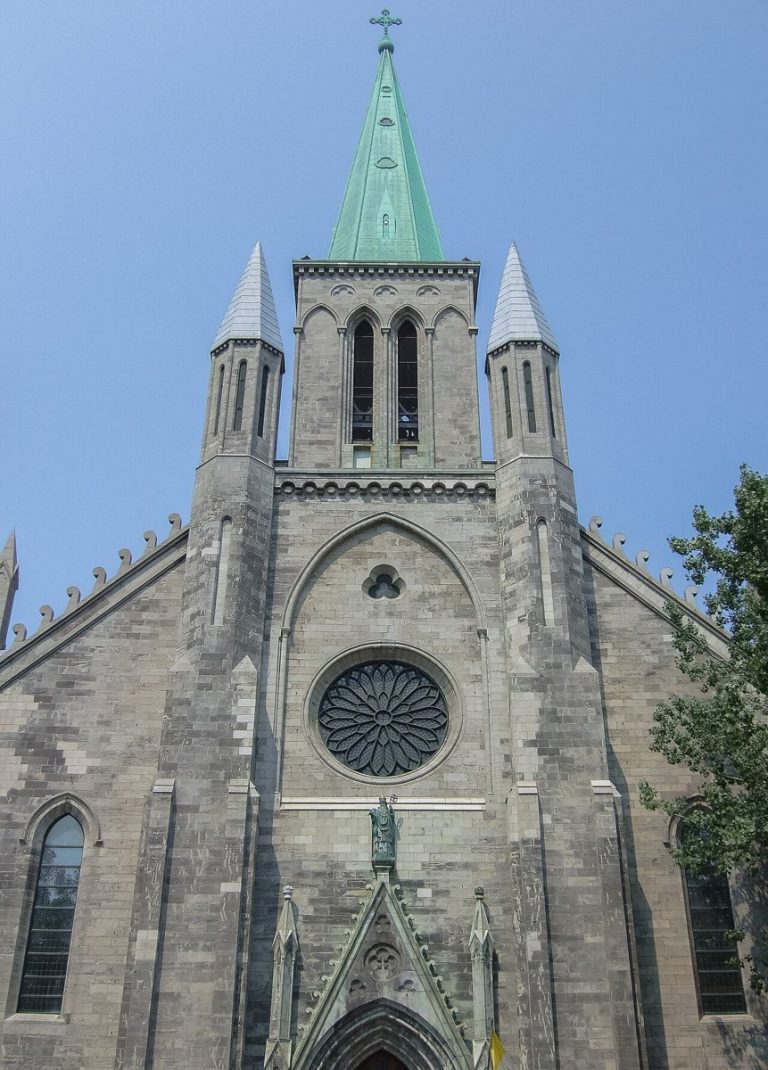
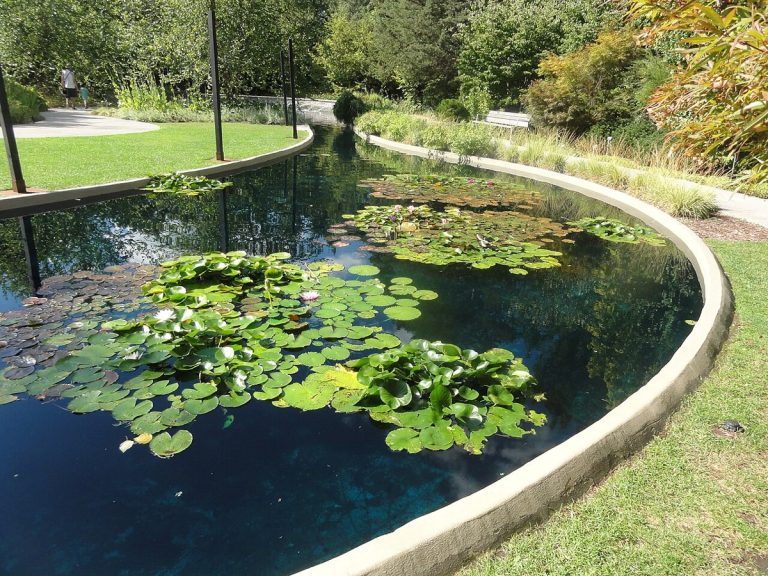
The Rock Garden pond at the Royal Botanical Gardens, Hamilton, Ontario, in 2024.
CA-K349Places & geography

The Royal Botanical Gardens, Hamilton

The Royal Botanical Gardens in Hamilton and Burlington, Ontario, developed over 60 years from a late-1920s plan to beautify Hamilton, is one of Canada’s most important botanical gardens. Its world-renowned lilac collection made it the international registration authority for lilac cultivar names.

Factual accuracy review: No recorded challenge

Contributor: Citizen.ca

Verified against cited sourcesVerified on 2026-10-26↗
Photo: Wiki.cullin · Photo licence: CC BY-SA 4.0 · Credit & context
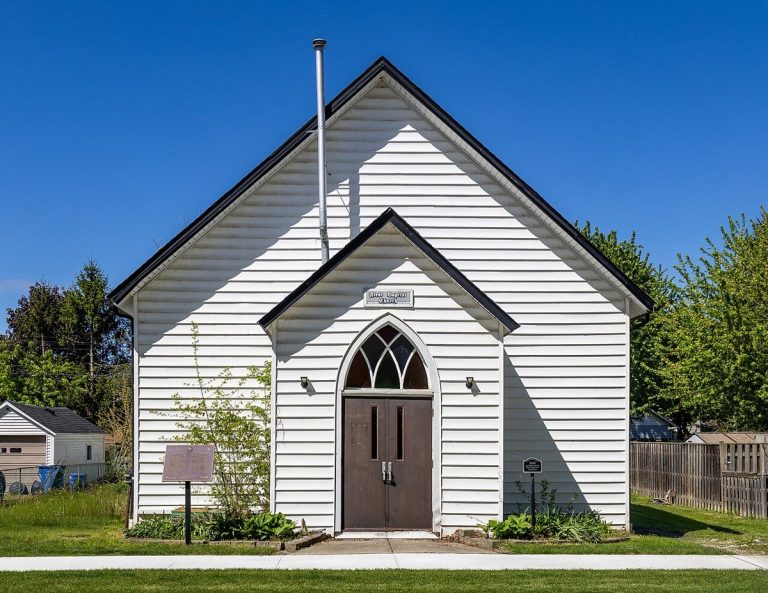
Amherstburg First Baptist Church in Amherstburg, Ontario, photographed in 2026.
CA-K348History

Amherstburg First Baptist Church

Amherstburg First Baptist Church, in Ontario, was a principal Underground Railroad-related Black church and a spiritual home for thousands of Black Baptists. As Mother Church of the Amherstburg Regular Missionary Baptist Association, it played a crucial role in developing Black communities and identity in Ontario.

Factual accuracy review: No recorded challenge

Contributor: Citizen.ca

Verified against cited sourcesVerified on 2026-10-26↗
Photo: Chris Woodrich · Photo licence: CC BY-SA 4.0 · Credit & context
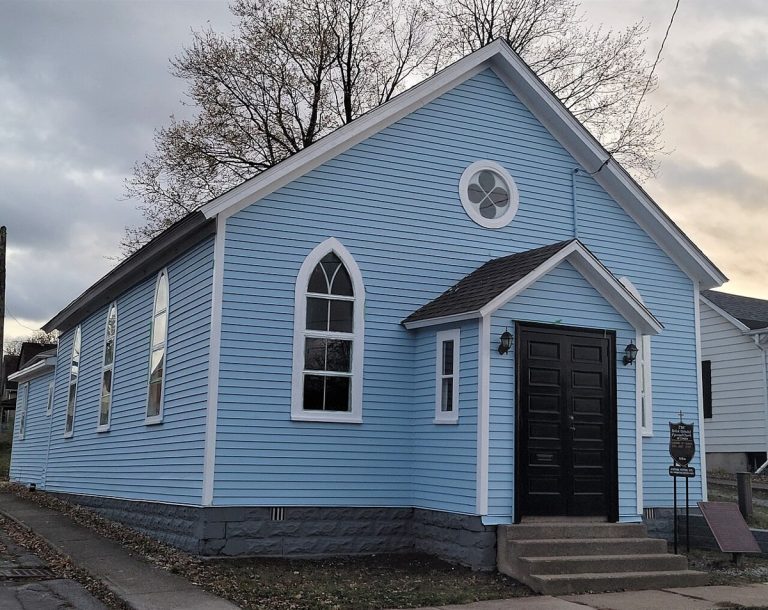
The R. Nathaniel Dett British Methodist Episcopal Church in Niagara Falls, Ontario, photographed in 2022.
CA-K347History

R. Nathaniel Dett BME Church, Niagara Falls

The R. Nathaniel Dett British Methodist Episcopal Church in Niagara Falls, Ontario, built in 1836 and later rolled on logs to its present site, illustrates early Black settlement in the Niagara area and the church’s role in receiving and sheltering Underground Railroad refugees. It is associated with the formative years of R. Nathaniel Dett, a leading figure in 20th-century North American sacred music.

Factual accuracy review: No recorded challenge

Contributor: Citizen.ca

Verified against cited sourcesVerified on 2026-10-26↗
Photo: Mhsheikholeslami · Photo licence: CC BY-SA 4.0 · Credit & context
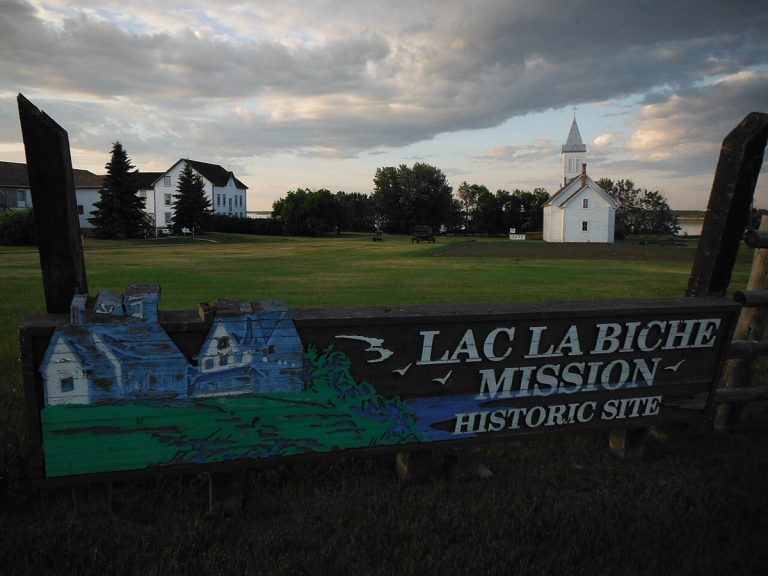
Lac La Biche Mission National Historic Site on the shore of Lac La Biche, Alberta, photographed in 2012.
CA-K345Indigenous peoples & reconciliation

Lac La Biche Mission

Notre Dame des Victoires / Lac La Biche Mission in Alberta, established by the Oblates in 1853 in the lands of the nêhiyawak (Cree) and other First Nations and the Métis homeland, was created to convert First Nations and Métis peoples to Christianity and became a supply hub for northern missions. From the 1860s its school, run by the Grey Nuns, was among the Catholic Church’s earliest experiments in residential education in the northwest.

Factual accuracy review: No recorded challenge

Contributor: Citizen.ca

Verified against cited sourcesVerified on 2026-10-26↗
Photo: Grapher78 · Photo licence: CC BY-SA 3.0 · Credit & context
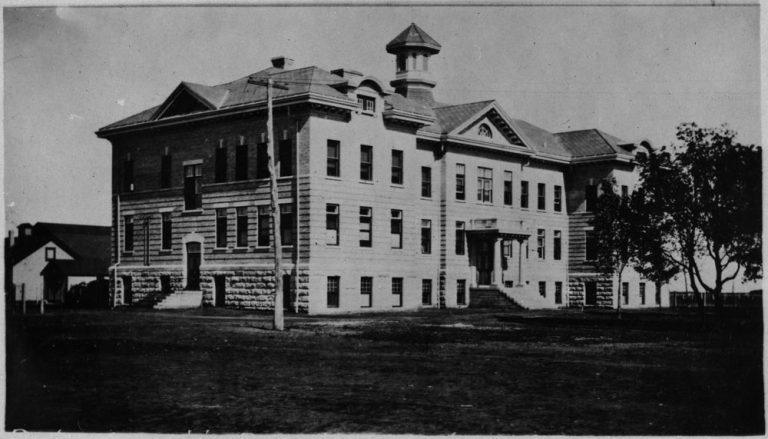
The school building at Portage la Prairie, Manitoba, around 1914–1915 (Library and Archives Canada).
CA-K344Indigenous peoples & reconciliation

The former Portage la Prairie Indian Residential School

At the Portage la Prairie Indian Residential School in Manitoba, built in 1914–1915 and open until 1975, Indigenous children endured abuse, severe discipline, punishment for speaking their languages and isolation from their families. Operated by the Presbyterian and United Churches for the federal government, it was part of a policy the Truth and Reconciliation Commission called cultural genocide; Long Plain First Nation took ownership in 1981 and has made it a place of commemoration and resilience.

Factual accuracy review: No recorded challenge

Contributor: Citizen.ca

Verified against cited sourcesVerified on 2026-10-26↗
Photo: BiblioArchives / LibraryArchives · Photo licence: CC BY 2.0 · Credit & context
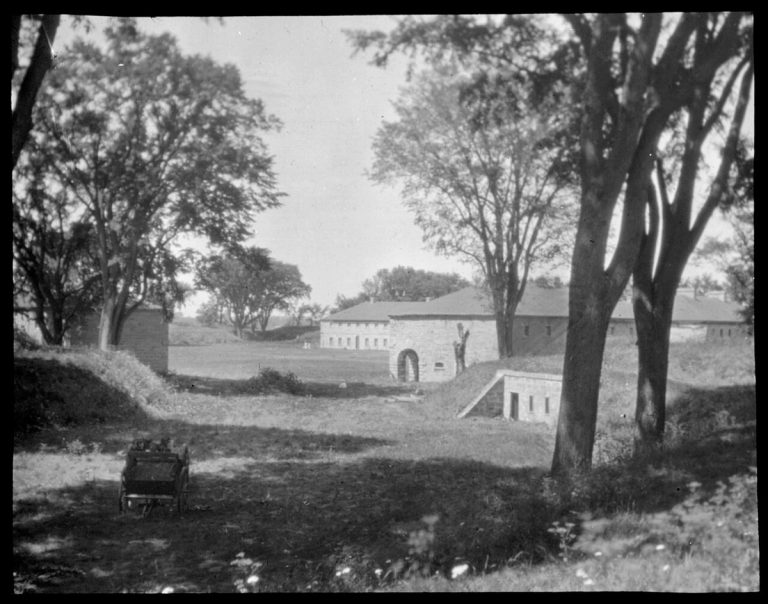
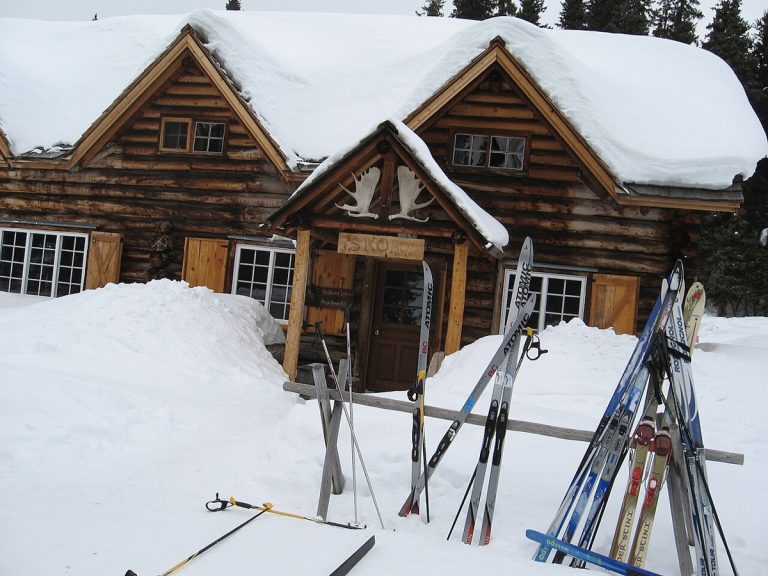
Skoki Lodge in Banff National Park, photographed in 2007.
CA-K341Culture & sport

Skoki Ski Lodge, Banff National Park

Skoki Ski Lodge in Banff National Park, opened in 1931 by a group of ski enthusiasts using timbers cut nearby, was one of the earliest backcountry lodges built for skiers in Canada’s Rocky Mountain parks. It is a fine example of the rustic log building tradition and a rare link with the early days of backcountry skiing.

Factual accuracy review: No recorded challenge

Contributor: Citizen.ca

Verified against cited sourcesVerified on 2026-10-26↗
Photo: Jim Baerg · Photo licence: CC BY-SA 4.0 · Credit & context
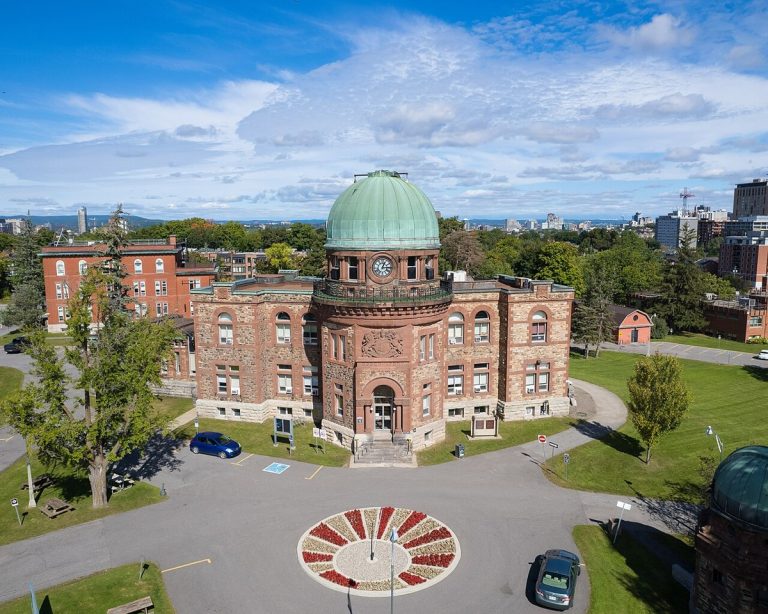
The Dominion Observatory in Ottawa, photographed in 2022.
CA-K340History

The Dominion Observatory, Ottawa

The Dominion Observatory Complex, built between 1902 and 1954 on the grounds of Ottawa’s Central Experimental Farm, is an outstanding collection of early-20th-century scientific buildings. It supported practical astronomy across Canada in surveying, time service and geophysics, and reflects the federal government’s vision of national scientific institutions in the capital.

Factual accuracy review: No recorded challenge

Contributor: Citizen.ca

Verified against cited sourcesVerified on 2026-10-26↗
Photo: Harleyd613 · Photo licence: CC BY-SA 4.0 · Credit & context
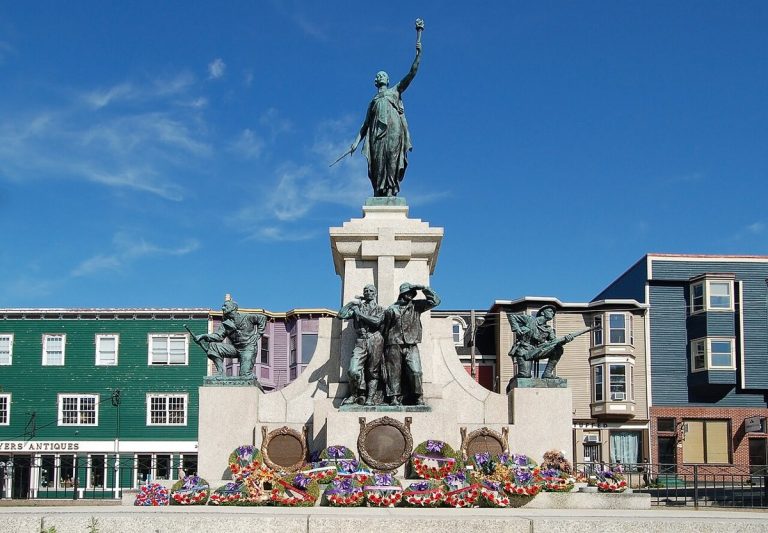
The Newfoundland National War Memorial in St. John’s, photographed in 2008.
CA-K339History

The Newfoundland National War Memorial

The Newfoundland National War Memorial in St. John’s, unveiled in 1924, commemorates the Dominion of Newfoundland’s contributions to the First World War. An allegorical female figure stands above bronze figures representing the Royal Newfoundland Regiment, Royal Naval Reserve, Mercantile Marine and Forestry Corps, beside the harbour where soldiers departed and returned.

Factual accuracy review: No recorded challenge

Contributor: Citizen.ca

Verified against cited sourcesVerified on 2026-10-26↗
Photo: Nilfanion · Photo licence: CC BY-SA 4.0 · Credit & context
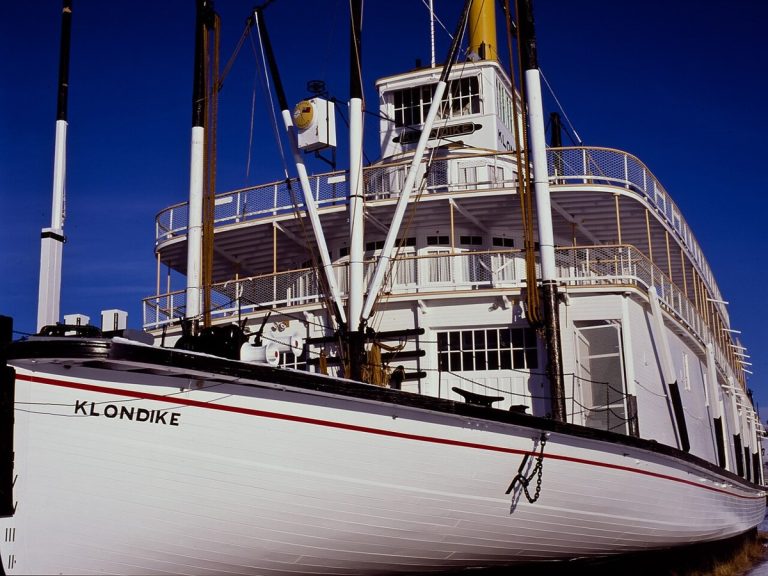
The S.S. Klondike in Whitehorse, Yukon, photographed in winter 2012.
CA-K338History

The S.S. Klondike sternwheeler

The S.S. Klondike, a shallow-draft sternwheeler launched in 1937, carried freight and passengers on the Yukon River until 1955, shortly before commercial navigation on the river ended in 1957. Restored by Parks Canada in Whitehorse, it commemorates inland water transportation in the Yukon.

Factual accuracy review: No recorded challenge

Contributor: Citizen.ca

Verified against cited sourcesVerified on 2026-10-26↗
Photo: Anthony DeLorenzo · Photo licence: CC BY-SA 3.0 · Credit & context
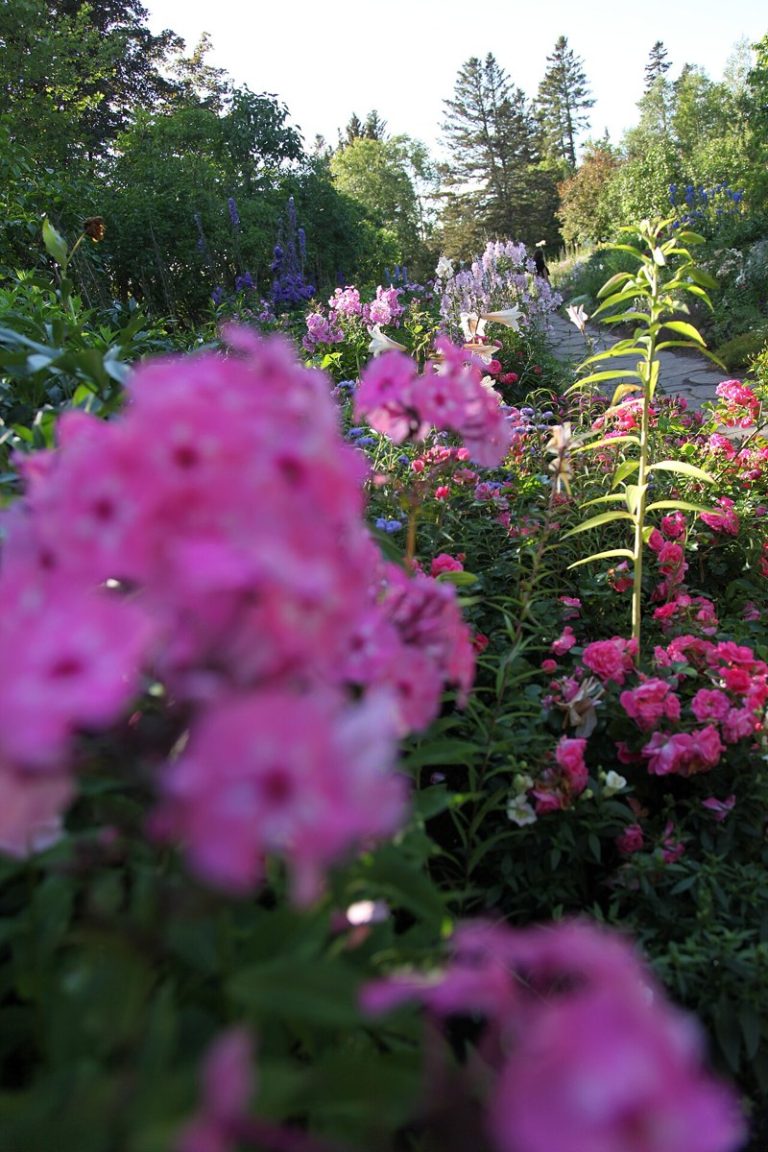
Flower beds and a path at the Jardins de Métis (Reford Gardens), Quebec, photographed in 2015.
CA-K337Culture & sport

Jardins de Métis (Reford Gardens)

The Jardins de Métis (Reford Gardens) in Quebec were created by Elsie Reford from about 1926 to 1958. Their English-inspired design includes specialized gardens, winding paths and an allée royale. The site’s favourable microclimate supports a diverse collection of plants.

Factual accuracy review: No recorded challenge

Contributor: Citizen.ca

Verified against cited sourcesVerified on 2026-10-26↗
Photo: Marc-Lautenbacher · Photo licence: CC BY-SA 4.0 · Credit & context
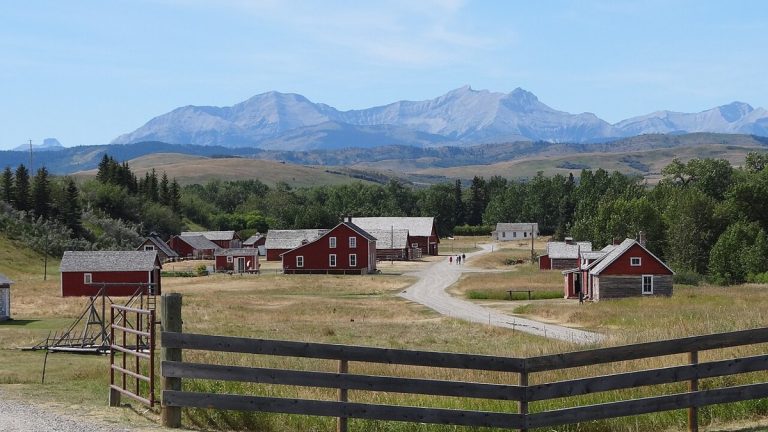
The Bar U Ranch National Historic Site, Alberta, seen from the interpretive centre in 2011.
CA-K336Economy & trade

The Bar U Ranch and Alberta ranching

The Bar U Ranch in the Alberta foothills was established in 1882 under the federal grazing lease policy and played an important role in Canada’s ranching industry. Owned in turn by the North-West Cattle Company, cattleman George Lane and Patrick Burns, the historic ranch represents Alberta ranching from 1880 to 1950.

Factual accuracy review: No recorded challenge

Contributor: Citizen.ca

Verified against cited sourcesVerified on 2026-10-26↗
Photo: David Mathew · Photo licence: CC BY-SA 3.0 · Credit & context
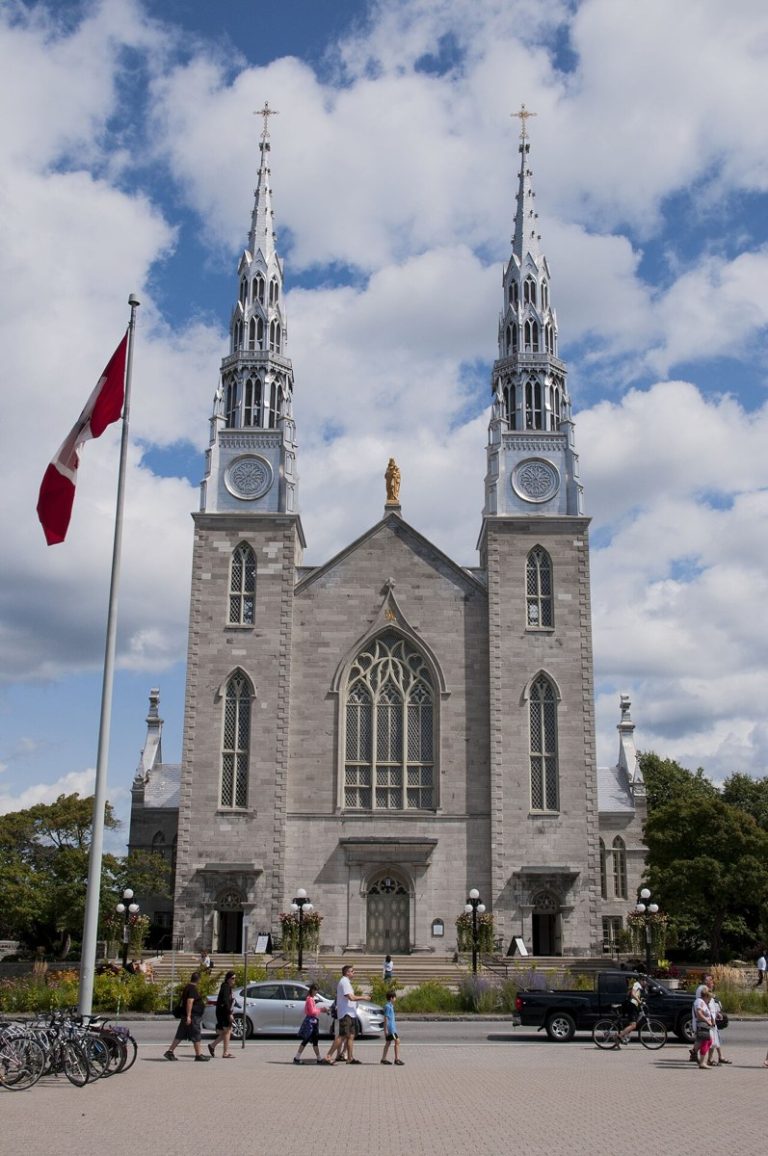
Notre-Dame Cathedral Basilica in Ottawa, photographed in 2017.
CA-K335Culture & sport

Notre-Dame Cathedral Basilica, Ottawa

Notre-Dame Cathedral Basilica in Ottawa, first planned as a parish church in 1839, became cathedral of the new Catholic Diocese of Bytown in 1847 and a basilica in 1879. Its twin spires, Nincheri stained-glass windows and carved sanctuary reflect an exceptional design inspired by the French Gothic Revival, integrating classicism and French-Canadian church architecture.

Factual accuracy review: No recorded challenge

Contributor: Citizen.ca

Verified against cited sourcesVerified on 2026-10-26↗
Photo: Avramescu Marius · Photo licence: CC BY-SA 4.0 · Credit & context