
An independent Canadian knowledge project

Focused and Verified

Canadian knowledge base

Search by keyword

Choose one keyword, or combine two. Broader keywords include their descendants.

Keywords: Events and historical processes

Clear search
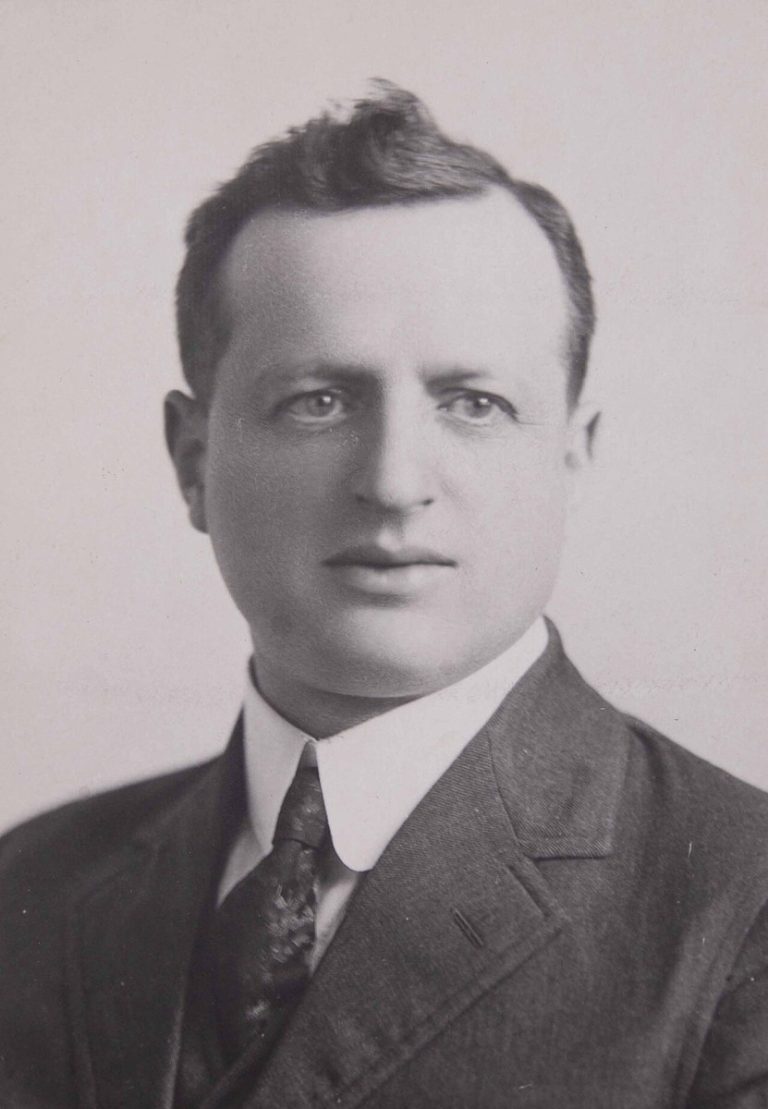
A.A. Heaps, Winnipeg alderman, 1921.
CA-K996History

A.A. Heaps, labour leader and MP

Abraham Albert Heaps, labour leader and politician, fought for workers and spoke for the Jewish community. One of the more moderate leaders of the 1919 Winnipeg General Strike, he pressed for workers’ rights while seeking a peaceful settlement. As MP for Winnipeg North (1925–40) he fought antisemitism, sought reform of immigration policy and the admission of Jewish refugees, and championed old age pensions and unemployment insurance.

Factual accuracy review: No recorded challenge

Contributor: Citizen.ca

Verified against cited sourcesVerified on 2026-10-27↗
Photo: City of Winnipeg · Photo licence: Public domain · Credit & context
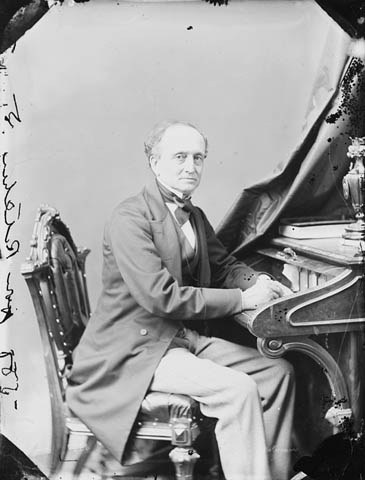
John William Ritchie, portrait.
CA-K994History

John William Ritchie, Nova Scotia Father of Confederation

John William Ritchie, a gifted lawyer, legislator and judge, helped pave the way for Nova Scotia’s reluctant entry into Confederation. A member of the colony’s legislature and solicitor general (1864–67), he was a delegate to the London Conference of 1866–67, which finalized the terms of union. After championing Confederation in the Legislative Council, he was named to the first Senate and later sat on the Nova Scotia Supreme Court.

Factual accuracy review: No recorded challenge

Contributor: Citizen.ca

Verified against cited sourcesVerified on 2026-10-27↗
Photo: Unknown artist · Photo licence: Public domain · Credit & context
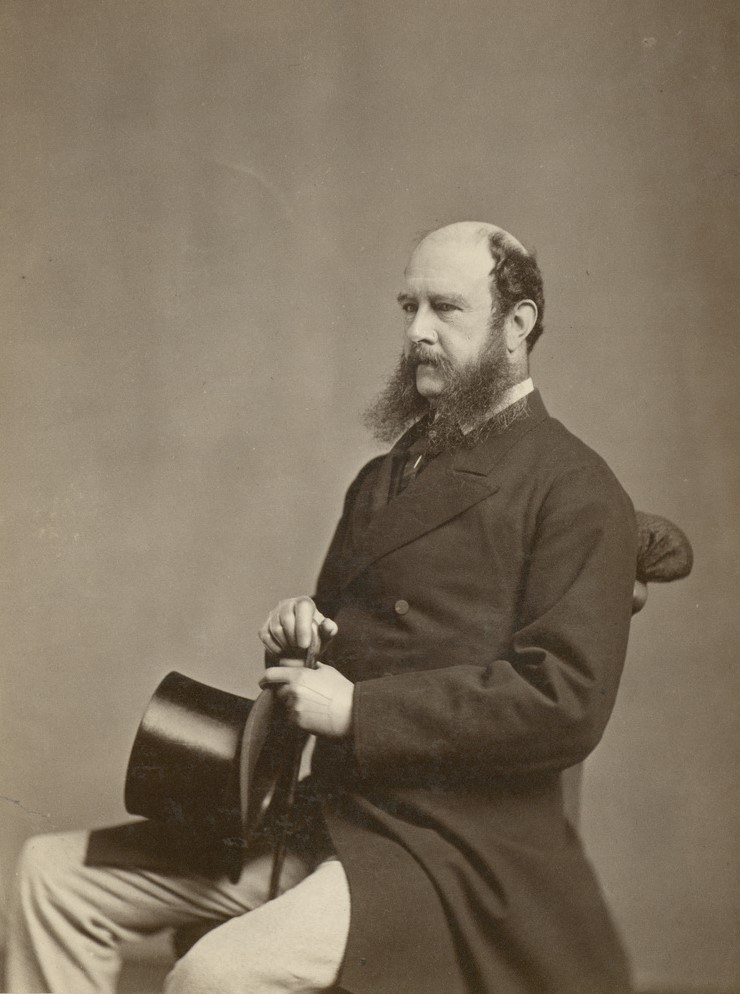
Anthony Musgrave, 1875.
CA-K986History

Sir Anthony Musgrave and British Columbia’s entry into Confederation

Anthony Musgrave, a career imperial civil servant, was governor of Newfoundland (1864–69) and British Columbia (1869–71). In both colonies he worked hard to encourage union with the new Canadian confederation, and under his direction British Columbia entered the Dominion on July 20, 1871. Knighted in 1875, he later governed Natal, South Australia, Jamaica and Queensland.

Factual accuracy review: No recorded challenge

Contributor: Citizen.ca

Verified against cited sourcesVerified on 2026-10-27↗
Photo: Unknown photographer; State Library of South Australia · Photo licence: Public domain · Credit & context
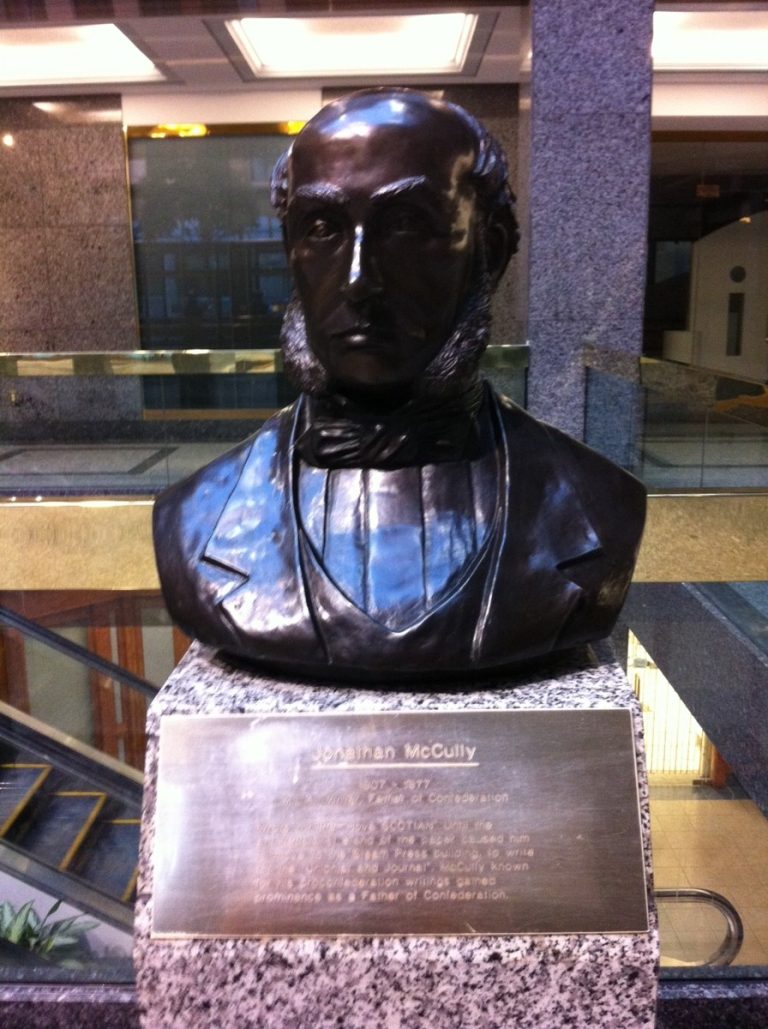
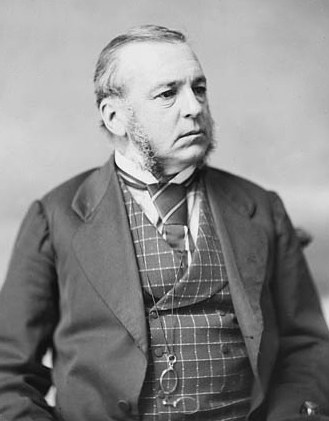
James Cockburn, 1873 (William James Topley).
CA-K980History

James Cockburn, first Speaker of the House of Commons

James Cockburn came to Montréal from England in 1832, was educated in Toronto and set up a law practice in Cobourg. Elected for Northumberland West in 1861, he attended the Quebec Conference of 1864 as a cabinet minister and is one of the Fathers of Confederation. When the first Parliament of Canada met in November 1867, he was elected Speaker of the House of Commons, serving until 1874.

Factual accuracy review: No recorded challenge

Contributor: Citizen.ca

Verified against cited sourcesVerified on 2026-10-27↗
Photo: William James Topley · Photo licence: Public domain · Credit & context
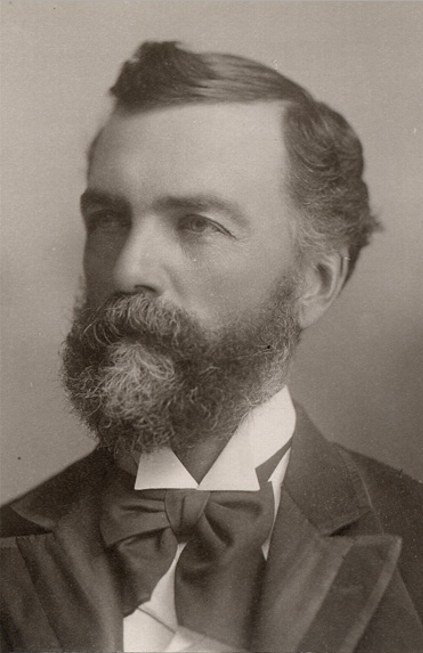
Statue of Jonathan McCully by Peter Bustin, Founders Square, Halifax.
CA-K979History

Jonathan McCully, editor and Father of Confederation

Jonathan McCully, born in Cumberland County, Nova Scotia, practised law in Amherst and from 1848 sat in the Legislative Council, serving as Solicitor General and government leader there. As editor of the Halifax Morning Chronicle, the Novascotian and later the Unionist, he championed Confederation and attended the Charlottetown, Quebec and London conferences. Named to the Senate in 1867, he became a judge of the Nova Scotia Supreme Court in 1870.

Factual accuracy review: No recorded challenge

Contributor: Citizen.ca

Verified against cited sourcesVerified on 2026-10-27↗
Photo: Hantsheroes · Photo licence: CC BY-SA 3.0 · Credit & context
Joseph-Israël Tarte, about 1890 (Jules-Isaïe Benoît).
CA-K977History

Israël Tarte, architect of Laurier’s 1896 victory

Joseph-Israël Tarte, a brilliant polemicist, journalist and politician, took part in every major political battle of his time, working under various banners to protect French and Catholic minorities and strengthen Canada’s place in the Empire. Elected in 1891, he engineered Laurier’s 1896 triumph in Quebec. As Minister of Public Works (1896–1902) he improved St. Lawrence navigation and made Montréal the country’s leading port.

Factual accuracy review: No recorded challenge

Contributor: Citizen.ca

Verified against cited sourcesVerified on 2026-10-27↗
Photo: Jules-Isaïe Benoît · Photo licence: Public domain · Credit & context
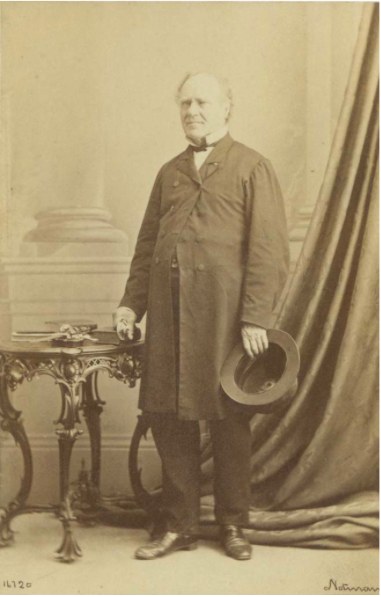
Joseph Howe, 1865 (William Notman).
CA-K973History

Joseph Howe, “Tribune of Nova Scotia”

Joseph Howe, born in Halifax and largely self-taught, became publisher of the Novascotian and by 1836 was his province’s leading journalist and orator. Elected that year, he led the struggle that won responsible government in 1848. An eloquent opponent of Confederation in the 1860s, he joined the federal cabinet in 1869 after negotiating “better terms” for Nova Scotia, and shortly before his death in 1873 became its lieutenant governor.

Factual accuracy review: No recorded challenge

Contributor: Citizen.ca

Verified against cited sourcesVerified on 2026-10-27↗
Photo: William Notman · Photo licence: Public domain · Credit & context
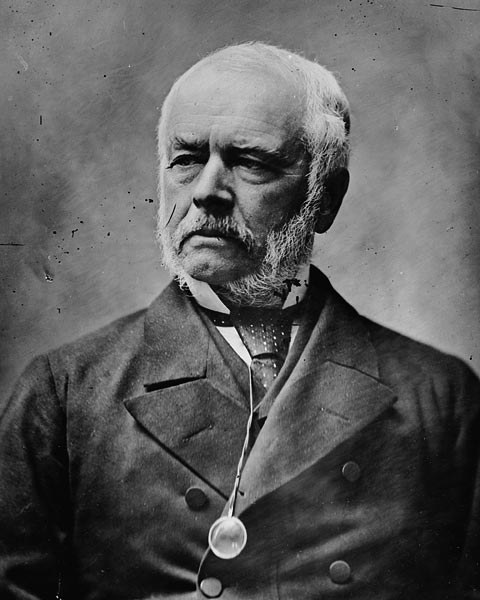
Robert B. Dickey (William James Topley).
CA-K966History

Robert Barry Dickey, Father of Confederation

Robert Barry Dickey, born in Amherst, Nova Scotia, practised law there and sat in the province’s Legislative Council from 1858 to 1867. A Father of Confederation, he attended the Charlottetown and Quebec conferences but would not endorse the Quebec Resolutions until better financial terms were granted in 1866. A successful businessman, he was named to the Senate in 1867.

Factual accuracy review: No recorded challenge

Contributor: Citizen.ca

Verified against cited sourcesVerified on 2026-10-27↗
Photo: William James Topley · Photo licence: Public domain · Credit & context
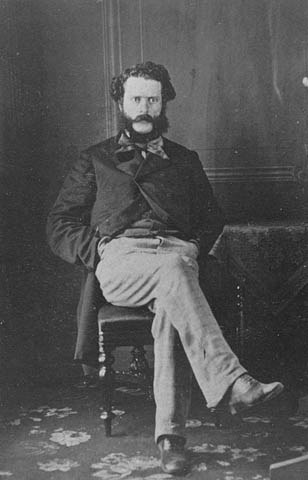
John Robson, portrait (Library and Archives Canada).
CA-K957History

John Robson, newspaperman and premier of British Columbia

John Robson, born in Perth, Ontario, came to British Columbia in 1859. In 1861 he founded the British Columbian at New Westminster, a newspaper on the British Columbia mainland, and used it to demand responsible government. Elected in 1867, he urged the colony to join Confederation, held several cabinet posts and was premier from 1889 until his accidental death in London, working to organize schools and regulate resource development.

Factual accuracy review: No recorded challenge

Contributor: Citizen.ca

Verified against cited sourcesVerified on 2026-10-27↗
Photo: Unknown photographer; Library and Archives Canada · Photo licence: Public domain · Credit & context
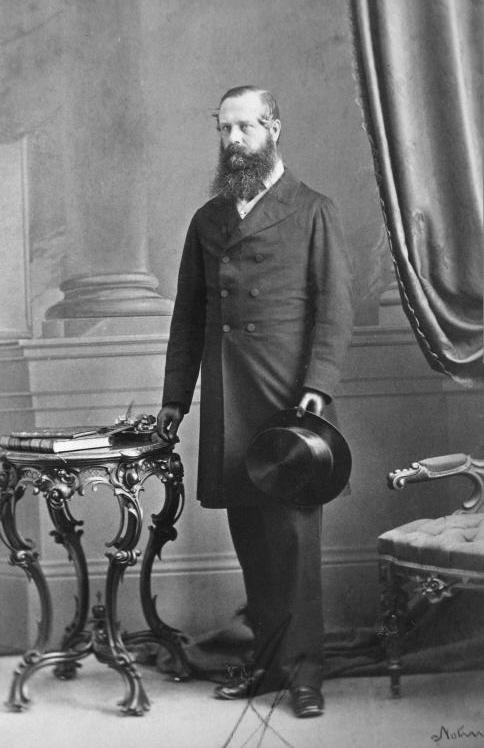
Governor General Monck, Montréal, 1864 (William Notman).
CA-K955History

Lord Monck, first Governor General of Canada

Lord Monck, an Irish peer, became Governor General of British North America in 1861. During the American Civil War he worked to keep the fighting from spreading north, and as an early supporter of union he put his energy and prestige behind Confederation. His term was extended so that he could become the first Governor General of the Dominion of Canada in 1867; he retired to Ireland the next year.

Factual accuracy review: No recorded challenge

Contributor: Citizen.ca

Verified against cited sourcesVerified on 2026-10-27↗
Photo: William Notman · Photo licence: Public domain · Credit & context
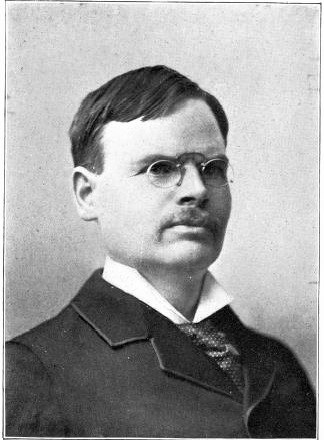
Wilfred Campbell, portrait photograph.
CA-K943Culture & sport

Wilfred Campbell, poet of the Confederation group

William Wilfred Campbell, born in Kitchener, left the Anglican ministry in 1891 to become a civil servant in Ottawa. A member of the Confederation group of poets, he drew inspiration from the Bruce Peninsula of his youth and also wrote novels, histories, plays and travel books. His writing explored nature, faith and Darwinism, as well as imperial ideas of his time.

Factual accuracy review: No recorded challenge

Contributor: Citizen.ca

Verified against cited sourcesVerified on 2026-10-27↗
Photo: Photographer unattributed · Photo licence: Public domain · Credit & context
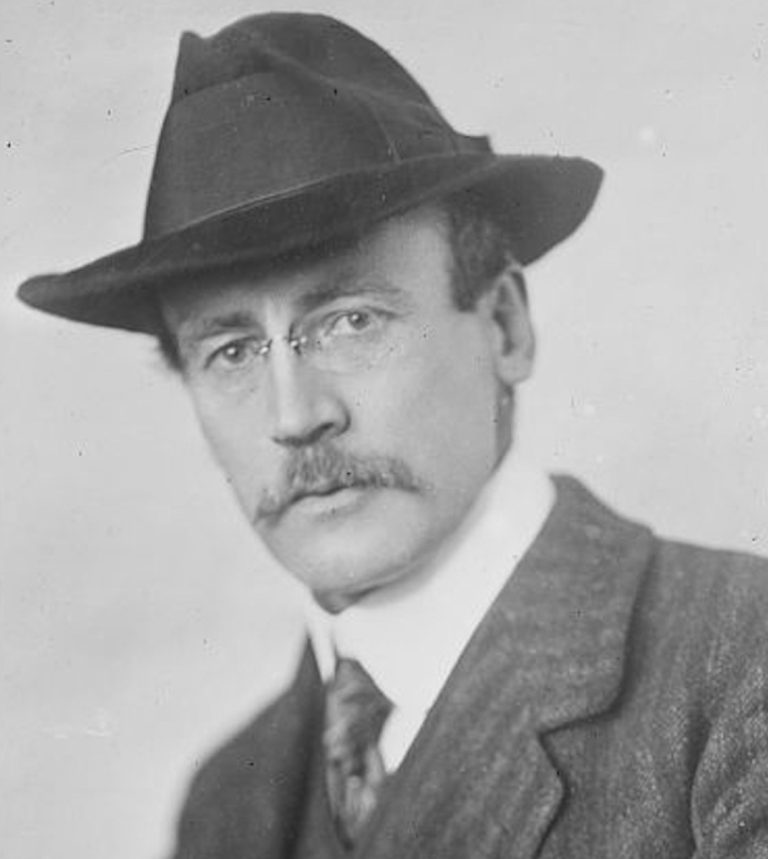
R. Tait McKenzie (Bain News Service).
CA-K926Culture & sport

R. Tait McKenzie, surgeon, educator and sculptor

Robert Tait McKenzie, born in Lanark County, Ontario, graduated in medicine at McGill and became its medical director of physical training in 1894. A pioneer of physical education, he served as a surgeon in the First World War and developed widely adopted rehabilitation methods. He won international acclaim for sculptures of athletes; his medallion The Joy of Effort was set in Stockholm’s Olympic Stadium in 1912.

Factual accuracy review: No recorded challenge

Contributor: Citizen.ca

Verified against cited sourcesVerified on 2026-10-27↗
Photo: Bain News Service · Photo licence: Public domain · Credit & context
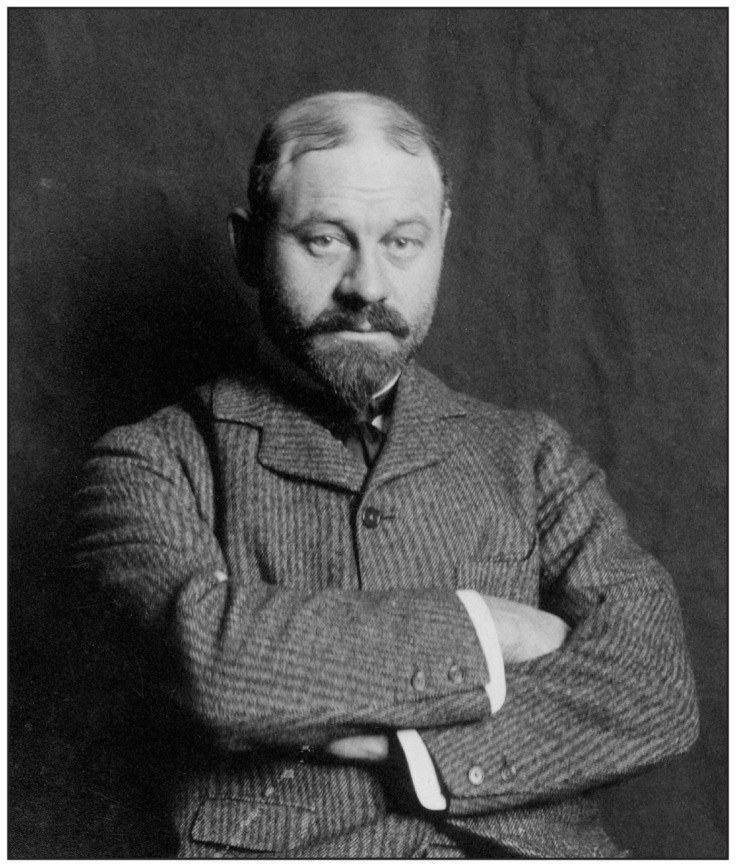
Dr. Andrew Macphail, about 1907.
CA-K925Culture & sport

Sir Andrew Macphail, doctor and essayist

Andrew Macphail, born at Orwell, Prince Edward Island, became a distinguished doctor and writer and McGill’s first professor of the history of medicine (1907–37). Knighted for his service with the Canadian Army Medical Corps in the First World War, he founded and edited the University Magazine and wrote books, plays and poems sharply criticizing the modern age, contrasting the rural life of his childhood with urban industrialism.

Factual accuracy review: No recorded challenge

Contributor: Citizen.ca

Verified against cited sourcesVerified on 2026-10-27↗
Photo: Unknown author · Photo licence: Public domain · Credit & context
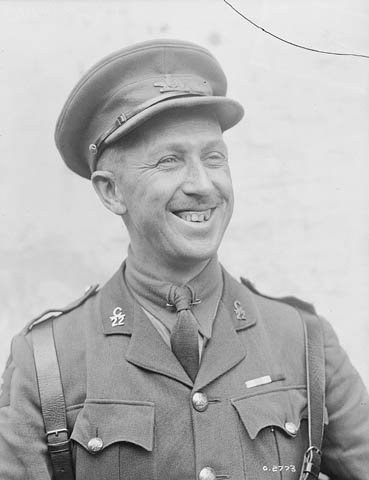
Major Georges P. Vanier, 22nd Battalion, 1918.
CA-K913History

Georges Vanier, soldier, diplomat and Governor General

Georges Vanier helped found the Royal 22e Régiment, served with it in the First World War and commanded it from 1925 to 1928. He represented Canada at the League of Nations, in London and in Paris, becoming Canada’s first ambassador to France in 1944. As Governor General from 1959 to 1967, the first French Canadian in that role since Confederation, he devoted himself to national unity.

Factual accuracy review: No recorded challenge

Contributor: Citizen.ca

Verified against cited sourcesVerified on 2026-10-27↗
Photo: Canada. Dept. of National Defence. Unknown photographer. · Photo licence: Public domain · Credit & context
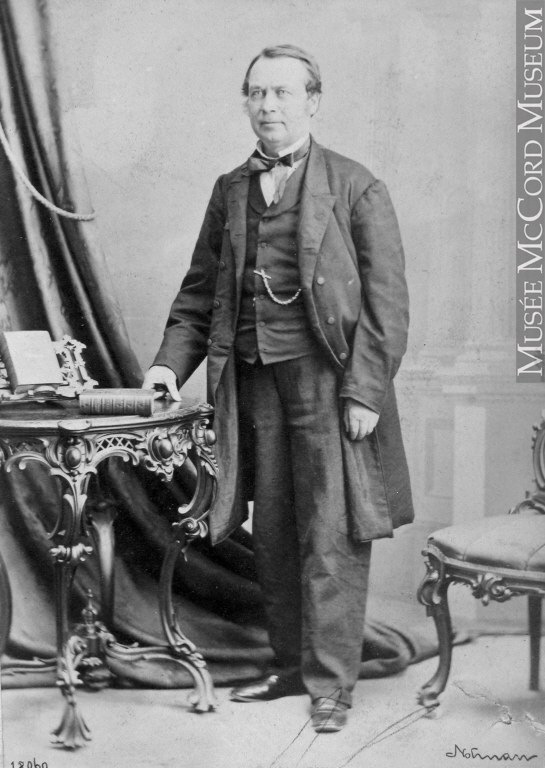
Edward Whelan, 1864 (William Notman).
CA-K900History

Edward Whelan, journalist and Father of Confederation

Edward Whelan, an Irish-born journalist, came to Halifax about 1836 and became a protégé of Joseph Howe. He founded the Examiner in Charlottetown in 1847. A co-founder of Prince Edward Island’s Liberal Party with George Coles and an advocate of responsible government, he attended the Quebec Conference in 1864 and compiled The Union of the British Provinces (1865).

Factual accuracy review: No recorded challenge

Contributor: Citizen.ca

Verified against cited sourcesVerified on 2026-10-26↗
Photo: William Notman · Photo licence: Public domain · Credit & context
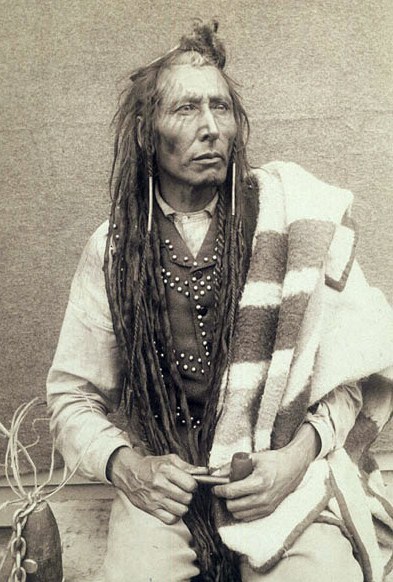
Pitikwahanapiwiyin (Poundmaker), 1885 (O.B. Buell).
CA-K887Indigenous peoples & reconciliation

Pitikwahanapiwiyin (Poundmaker), nehiyaw chief

Pitikwahanapiwiyin (Poundmaker), a nehiyaw (Plains Cree) chief and spokesman, sought better terms for his people and pressed Canada to honour Treaty 6. In 1885 he was drawn into the North-West Resistance when Lieutenant-Colonel Otter’s troops attacked his peaceful camp near Cut Knife Hill. Though he worked to prevent bloodshed and surrendered on May 26, he was imprisoned; he died soon after release and was exonerated in 2019.

Factual accuracy review: No recorded challenge

Contributor: Citizen.ca

Verified against cited sourcesVerified on 2026-10-26↗
Photo: Prof. Buell, O.B. · Photo licence: Public domain · Credit & context
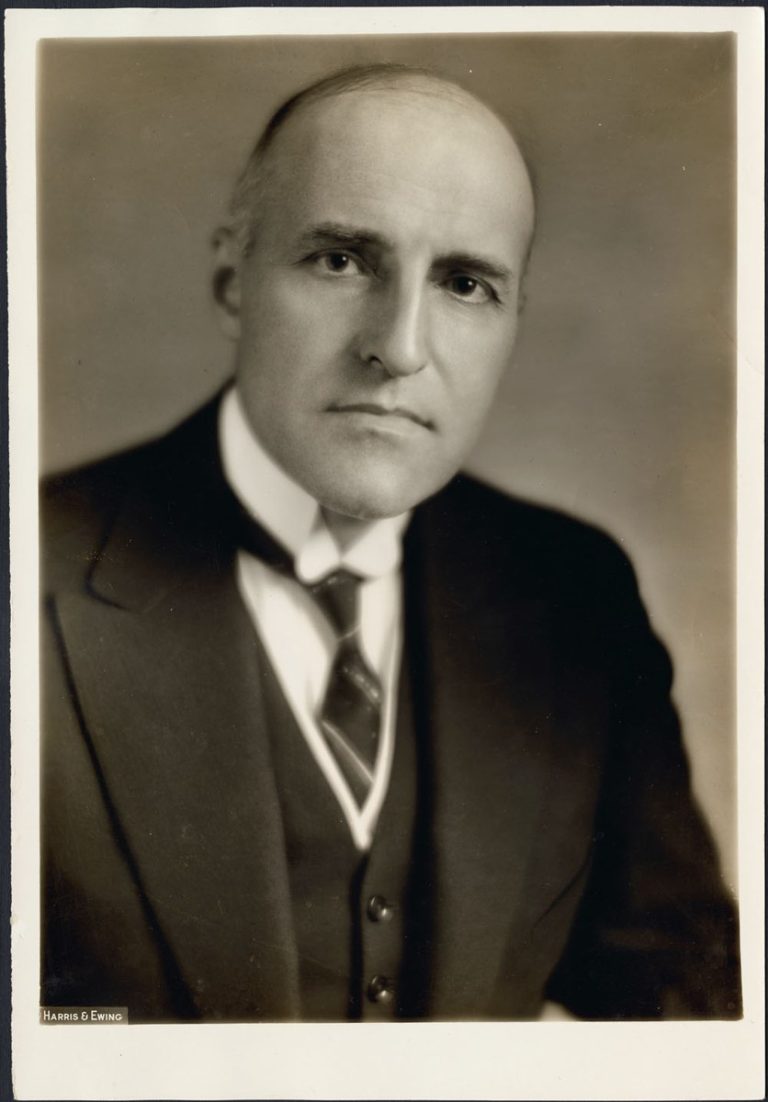
James L. Ralston, 1921 (Harris & Ewing).
CA-K873History

J.L. Ralston, Minister of National Defence

James Layton Ralston, born in Amherst, Nova Scotia, was a lawyer, provincial legislator and decorated First World War veteran. He became Minister of National Defence in Mackenzie King’s government in 1926 and again in 1940. His support for conscription for overseas service was opposed by King, and he was forced to resign from cabinet in 1944.

Factual accuracy review: No recorded challenge

Contributor: Citizen.ca

Verified against cited sourcesVerified on 2026-10-26↗
Photo: Harris & Ewing · Photo licence: Public domain · Credit & context
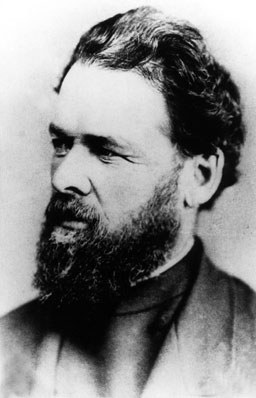
Reverend George McDougall, before 1876.
CA-K867Indigenous peoples & reconciliation

Reverend George McDougall and Methodist missions in the West

George McDougall was an influential Methodist missionary in the Prairie West from 1860 until his death in 1876, founding the Victoria mission in 1862 and leading others as part of colonization efforts. He urged First Nations to abandon traditional ways, removed the sacred stone Manitou Asinîy in 1866 with damaging results, and carried word of the coming Treaty Six talks in 1875. Missions linked to him at Norway House and Morley later developed residential schools.

Factual accuracy review: No recorded challenge

Contributor: Citizen.ca

Verified against cited sourcesVerified on 2026-10-26↗
Photo: Unknown author · Photo licence: Public domain · Credit & context
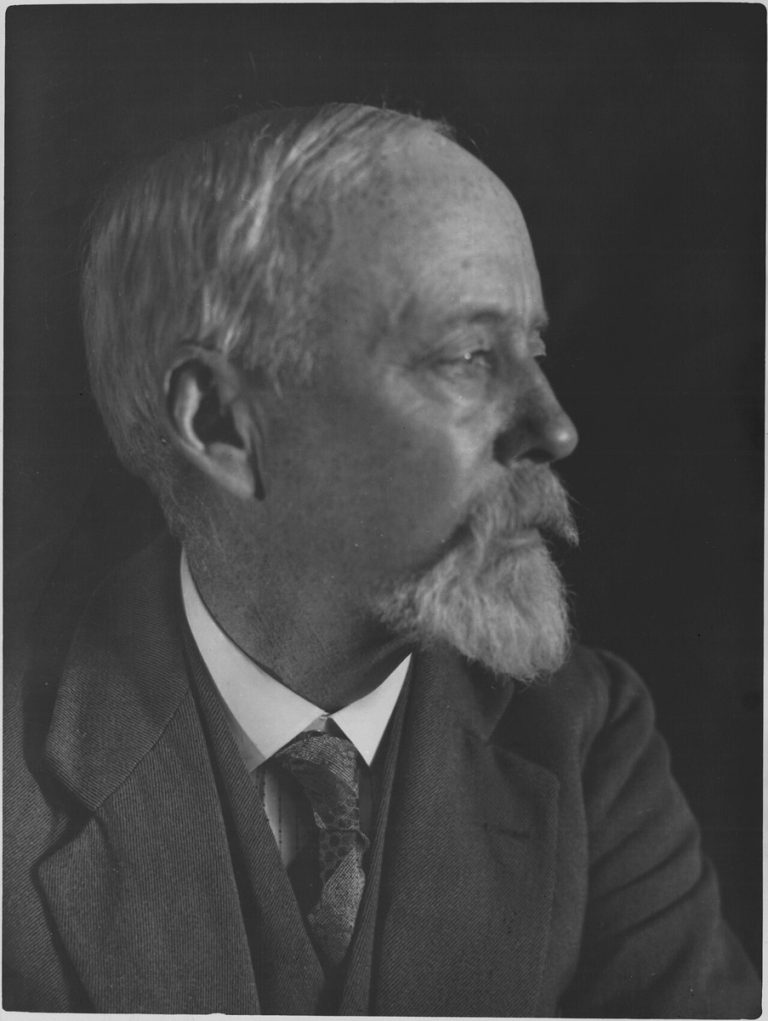
Maurice Cullen, R.C.A., 1931 (Archives of Ontario).
CA-K866Culture & sport

Maurice Cullen, painter of the Canadian winter

Maurice Cullen, born in St. John’s, studied sculpture in Montréal under Philippe Hébert and painting at the École des Beaux-Arts in Paris. Returning in 1895, he taught at the Art Association of Montreal and in the First World War served overseas as an official war artist. His international reputation rests mainly on his impressionist views of the Canadian winter.

Factual accuracy review: No recorded challenge

Contributor: Citizen.ca

Verified against cited sourcesVerified on 2026-10-26↗
Photo: Unknown photographer; Archives of Ontario · Photo licence: Public domain · Credit & context
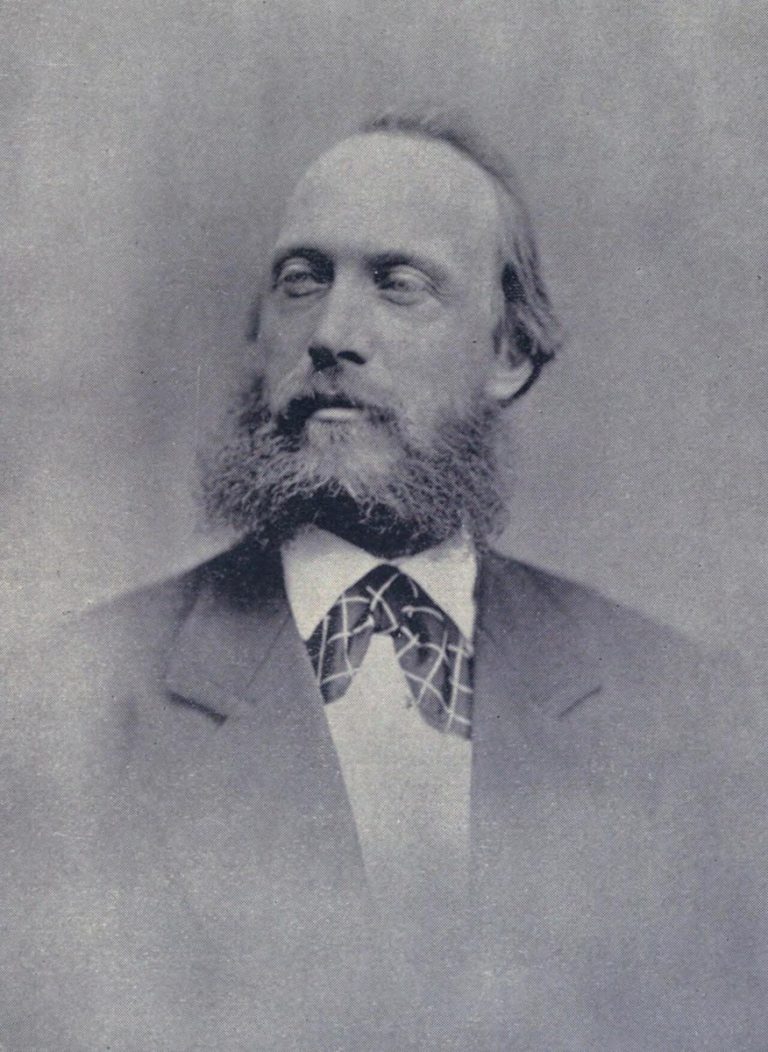
David Laird, 1894 (The Canadian Album).
CA-K864Indigenous peoples & reconciliation

David Laird, the Indian Act and the Numbered Treaties

As Minister of the Interior from 1873 to 1876, David Laird helped shape policies that treated First Nations as wards and sought their assimilation, and was the main figure in consolidating earlier laws into the Indian Act of 1876. He negotiated Treaties 4, 7 and 8, whose meaning remains disputed. As Indian commissioner he restricted ceremonies and at times worked to dispossess First Nations of promised reserves. He also founded the Charlottetown Patriot.

Factual accuracy review: No recorded challenge

Contributor: Citizen.ca

Verified against cited sourcesVerified on 2026-10-26↗
Photo: Unknown photographer · Photo licence: Public domain · Credit & context
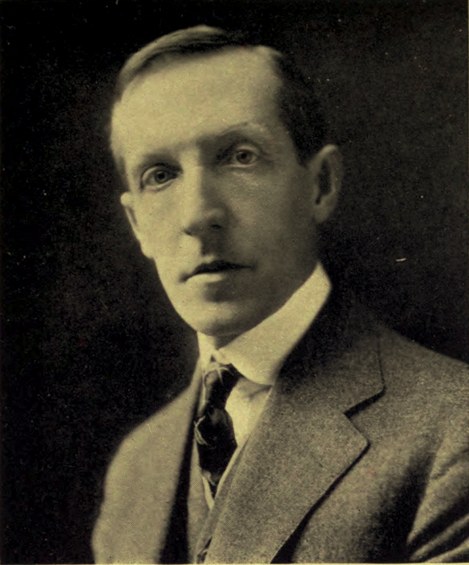
Duncan Campbell Scott, 1916.
CA-K860Indigenous peoples & reconciliation

Duncan Campbell Scott and the residential school system

As Deputy Superintendent General of Indian Affairs from 1913 to 1932, Duncan Campbell Scott aggressively pursued policies meant to assimilate First Nations, banning cultural practices and restricting political activity, which did widespread, lasting harm. He was the chief federal official responsible for expanding and running the residential school system, whose neglect and abuse caused hunger, illness and death. In his day he was also celebrated as a Confederation poet.

Factual accuracy review: No recorded challenge

Contributor: Citizen.ca

Verified against cited sourcesVerified on 2026-10-26↗
Photo: Photographer not named. · Photo licence: Public domain · Credit & context
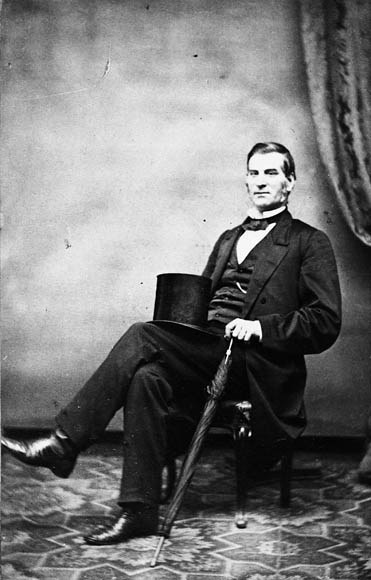
William Henry Steeves, portrait.
CA-K857History

William Henry Steeves, New Brunswick merchant and Father of Confederation

William Henry Steeves, born in Hillsborough, was a leading merchant and lumberman before entering politics. He sat in New Brunswick’s Assembly and Legislative Council and was almost continuously in cabinet from 1854 to 1865. Bringing a reform-minded business outlook, he supported the Intercolonial Railway and Confederation to aid the province’s economy, and was named to the Senate in 1867.

Factual accuracy review: No recorded challenge

Contributor: Citizen.ca

Verified against cited sourcesVerified on 2026-10-26↗
Photo: Unknown author · Photo licence: Public domain · Credit & context
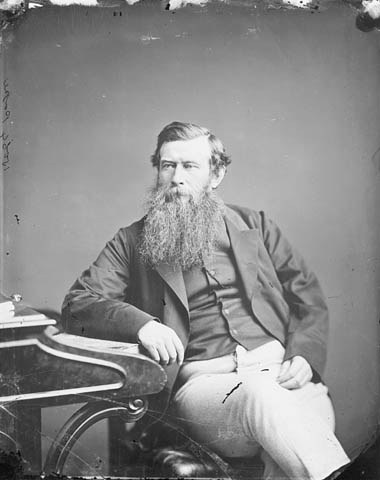
William Henry Pope, 1873 (William James Topley).
CA-K836History

William Henry Pope, Island advocate of Confederation

William Henry Pope, born at Bedeque, Prince Edward Island, became Colonial Secretary in 1859 and represented Queen’s County in the Assembly from 1863 to 1867. A strong supporter of Confederation, he was a delegate to the Charlottetown and Quebec conferences of 1864. He became a judge of Prince County in 1873.

Factual accuracy review: No recorded challenge

Contributor: Citizen.ca

Verified against cited sourcesVerified on 2026-10-26↗
Photo: William James Topley · Photo licence: Public domain · Credit & context
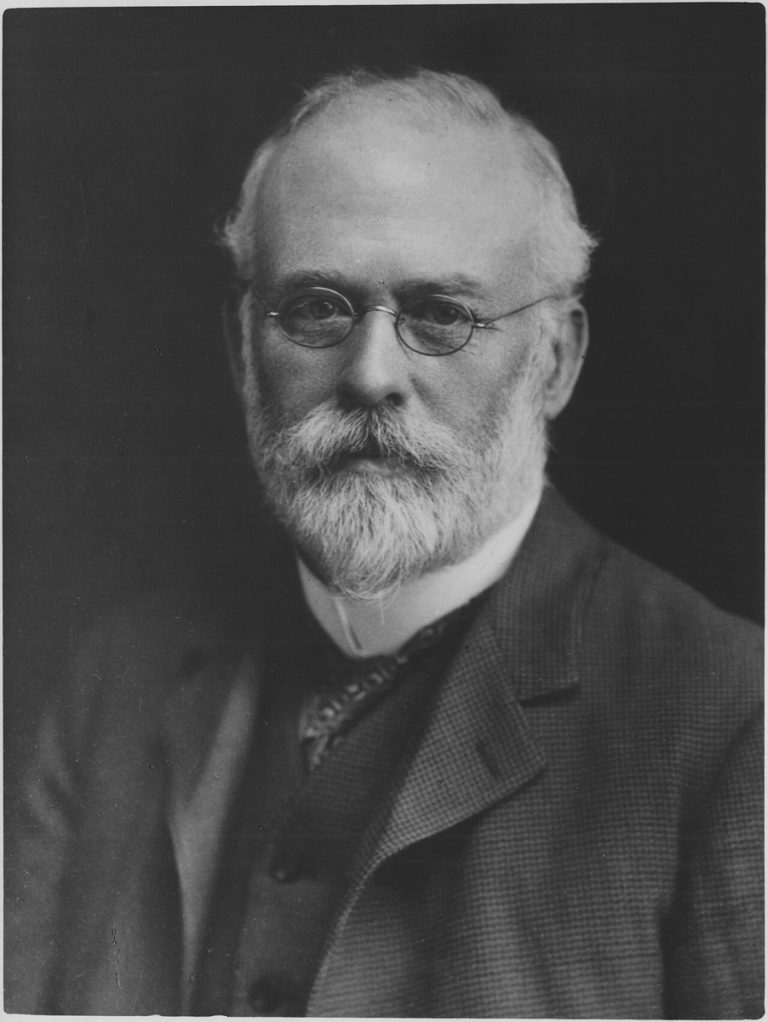
Robert Harris, C.M.G., R.C.A. (Archives of Ontario).
CA-K835Culture & sport

Robert Harris, painter of the Fathers of Confederation

Robert Harris, born in Wales, came to Prince Edward Island in 1856 and studied art in Charlottetown, Boston, London, Paris and Rome. One of Canada’s leading portrait painters and a long-time teacher, he was an original member of the Royal Canadian Academy and its president from 1890 to 1903. He is best known for his painting of the Fathers of Confederation.

Factual accuracy review: No recorded challenge

Contributor: Citizen.ca

Verified against cited sourcesVerified on 2026-10-26↗
Photo: Unknown photographer; Archives of Ontario · Photo licence: Public domain · Credit & context